‘Transformers’ Details You Only Catch as an Adult

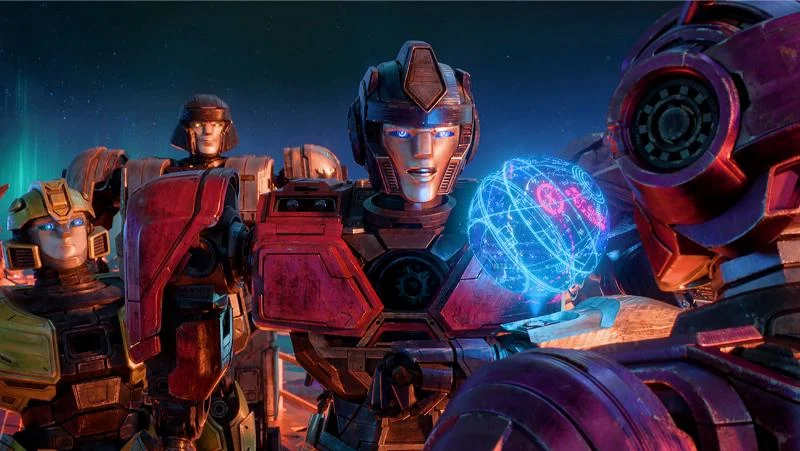

The ‘Transformers’ franchise has thrilled audiences for decades with its epic battles and cool robots. As kids, we loved the action and shiny transformations, but watching as adults reveals deeper layers.
From hidden themes to clever references, the series hides details that only grown-ups might notice. Here’s a look at 10 details in ‘Transformers’ that hit differently when you’re older.
Optimus Prime’s Leadership Struggles
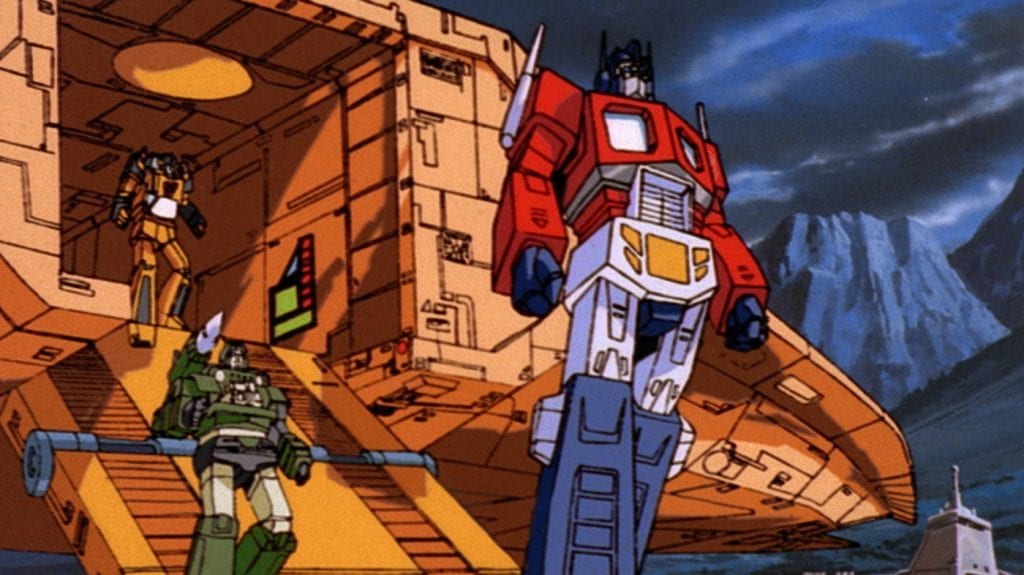
Optimus Prime is the heroic leader of the Autobots, but his choices show complex struggles. As an adult, you see how he grapples with balancing duty and morality. His speeches about freedom and sacrifice carry weight, reflecting real-world leadership challenges. For example, in ‘Transformers: The Movie’ (1986), his decisions cost lives, showing the burden of command.
This depth makes Optimus more than a cool robot. Adults catch the emotional toll of his role, from losing friends to facing impossible choices. It’s a nod to the tough calls leaders make in real life.
Megatron’s Charismatic Villainy

Megatron isn’t just a bad guy; he’s a compelling leader with a twisted vision. As a kid, you see him as evil, but adults notice his charisma and how he rallies the Decepticons. His belief in power and control mirrors real-world tyrants, making him chillingly relatable.
His dynamic with Optimus also feels more nuanced. Their rivalry shows ideological clashes, not just good versus evil. Watching as an adult, you pick up on Megatron’s complex motives, which add depth to his villainy.
Political Undertones in the Story

The ‘Transformers’ universe often mirrors real-world politics. As kids, we miss these subtle themes, but adults spot them clearly. The Autobots and Decepticons represent opposing ideologies, like democracy versus authoritarianism, especially in ‘Transformers: Generation 1’ (1984).
Conflicts over resources, like Energon, echo global struggles for oil or power. These parallels make the story richer for adults, who see the deeper commentary on war and society woven into the robot battles.
The Emotional Weight of Sacrifice
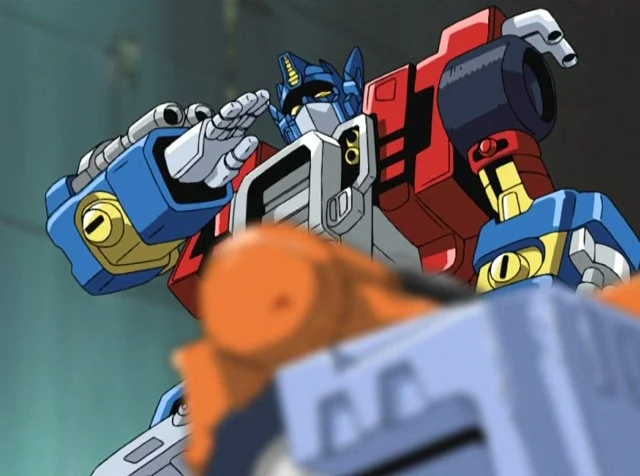
Sacrifice is a big theme in ‘Transformers,’ but it hits harder as an adult. Characters like Optimus or Ironhide make choices that cost them everything, and these moments carry heavy emotional weight. In ‘Transformers: The Movie’ (1986), key deaths feel more tragic when you understand the stakes.
As a kid, you might focus on the action, but adults feel the loss and heroism. These scenes reflect real-life sacrifices, making the story resonate on a deeper level.
Hidden Pop Culture References
‘Transformers’ is packed with nods to pop culture that kids might miss. Adults catch clever references, like quotes inspired by classic sci-fi or real-world events. For instance, ‘Transformers: Generation 1’ (1984) includes lines echoing famous movies, adding a layer of humor.
These Easter eggs make rewatching fun. They show how the creators slipped in jokes and tributes for older fans, rewarding sharp-eyed adults with a richer experience.
Complex Character Arcs
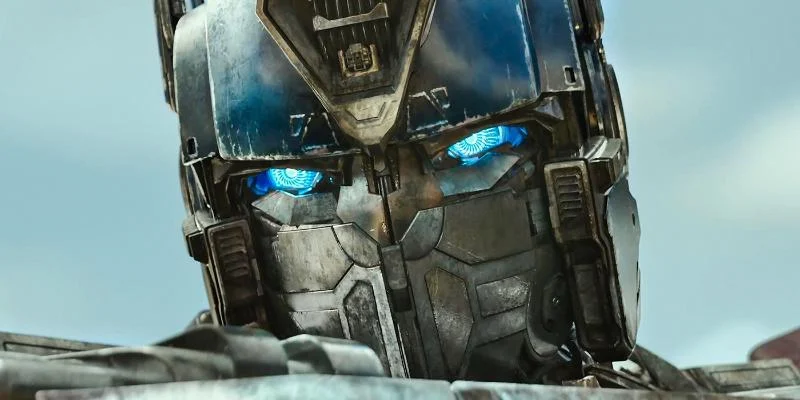
As a kid, you see Autobots as good and Decepticons as bad. Adults notice the complex character arcs, like Starscream’s constant betrayal or Ratchet’s quiet loyalty. These traits add depth, showing characters with flaws and growth, especially in ‘Transformers: Prime’ (2010).
This complexity makes the story feel more human. Adults appreciate how even robots face personal struggles, mirroring real-life challenges like loyalty or ambition.
The Cost of War
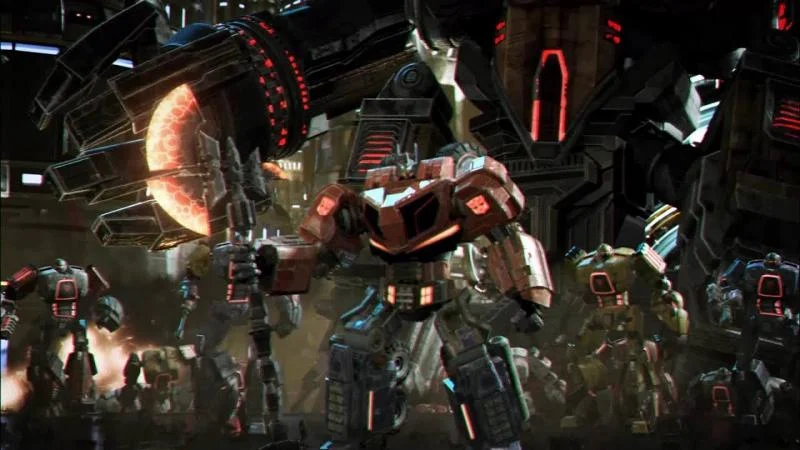
The ‘Transformers’ battles are cool, but adults see the deeper cost of war. Cybertron’s destruction and the endless Autobot-Decepticon conflict show the toll of fighting. Scenes in ‘Transformers: Dark of the Moon’ (2011) highlight civilian losses and ruined cities.
Kids focus on the action, but adults notice the devastation and moral questions. The franchise subtly critiques war’s consequences, making it more thought-provoking for grown-up viewers.
Technology’s Double-Edged Sword
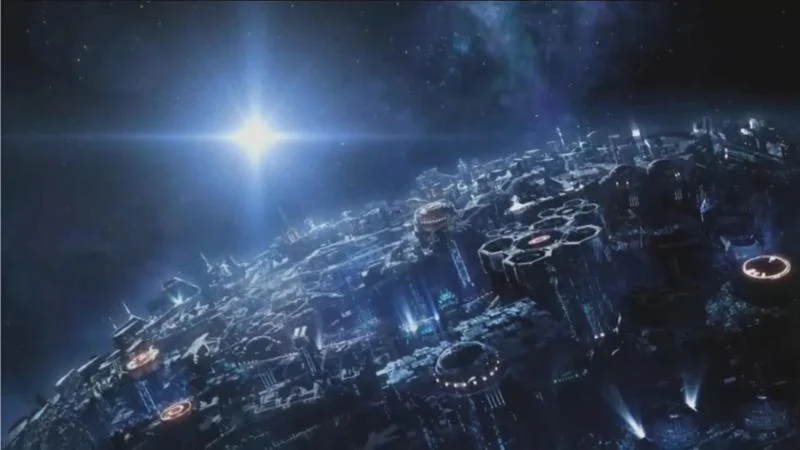
‘Transformers’ explores technology’s power and danger, a theme adults pick up on. The robots’ advanced abilities save or destroy worlds, reflecting real-world tech debates. In ‘Transformers: Age of Extinction’ (2014), human misuse of Transformer tech shows greed and ambition.
As a kid, you love the gadgets, but adults see the cautionary tale. The story warns about unchecked technology, a message that resonates more with grown-up concerns.
Loyalty and Betrayal Themes
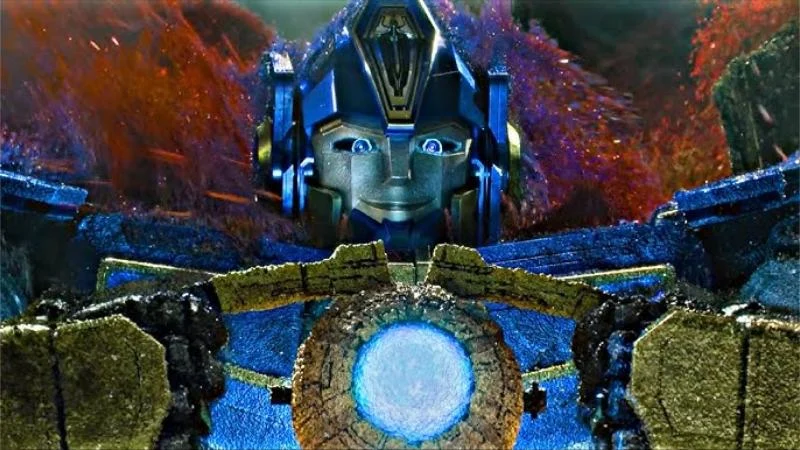
Loyalty drives many ‘Transformers’ stories, but betrayal adds tension. Adults notice how characters like Starscream or Sentinel Prime shift allegiances, creating drama. In ‘Transformers: Animated’ (2007), these betrayals feel personal and complex.
These themes mirror real-life relationships and trust issues. As an adult, you catch the emotional stakes, making these moments more gripping than simple good-guy-bad-guy fights.
Nostalgia’s Emotional Pull
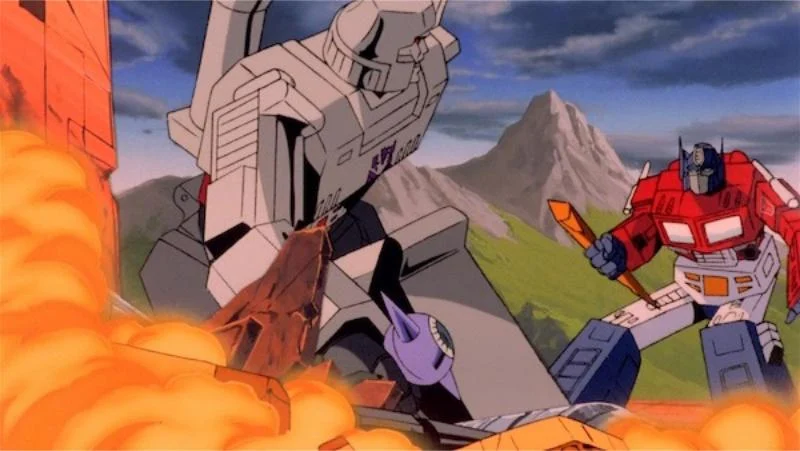
Watching ‘Transformers’ as an adult taps into nostalgia, amplifying its impact. You notice details like familiar voice actors or old-school designs from ‘Transformers: Generation 1’ (1984). These elements trigger memories, making the experience emotional.
Kids enjoy the story at face value, but adults feel the pull of childhood. The franchise cleverly uses nostalgia to connect with grown-up fans, adding a layer of personal meaning.
What’s your favorite ‘Transformers’ detail that you noticed as an adult? Share it in the comments!