15 Most Infamous Covens in Occult Lore


From medieval trial records to modern witchcraft revivals and pop-culture standouts, covens have long stirred the imagination as tight-knit circles bound by oath, ritual, and secret knowledge. Below are fifteen that surface again and again in histories, legends, and fiction—groups accused in sensational trials, circles credited with launching new traditions, and notorious sisterhoods that haunt novels and films alike.
North Berwick Coven

In 1590–1592, Scottish authorities investigated a network centered around North Berwick, implicating midwife Agnes Sampson and others in plots against King James VI. Confessions—extracted under torture—described sea-storms raised by charms, meetings in churchyards, and diabolic pacts. Pamphlets of the time spread lurid details across Britain, making the affair one of the most influential witch scares in the Isles. The case helped shape later demonological writing and royal attitudes toward witchcraft prosecutions.
Auldearn Coven

The Auldearn coven is linked to the extraordinary confessions of Isobel Gowdie in 1662, whose narratives detailed shape-shifting, night-flights, and elaborate charms. Gowdie’s accounts listed named familiars and precise spells, offering rare, vivid insight into alleged witchcraft practice. Scholars still debate whether her testimony reflects folklore, fantasy, or ritual fragments. The Auldearn depositions became foundational sources for later studies of Scottish witch beliefs.
Pendle Witches

In 1612 Lancashire, two rival families—associated with “Old Demdike” and “Old Chattox”—were portrayed as competing covens. The well-publicized trials hinged on accusations of cursing, familiar spirits, and meetings at Malkin Tower. Clerk Thomas Potts’ official account ensured the story’s longevity, turning Pendle into one of England’s most famous witch cases. The narrative has informed regional identity and ongoing historical reinterpretation.
Zugarramurdi Coven

In the Basque village of Zugarramurdi, Inquisition proceedings in the early 17th century described akelarres—night gatherings in caves and meadows. Testimonies referenced masks, dances, ointments, and feasts presided over by a horned figure. The mass process of Logroño made the site a symbol of Basque witchcraft lore. Today, the caves and local museum present archival context for the episode’s myths and realities.
Labourd Witches

Across the border in French Labourd, royal commissioner Pierre de Lancre pursued sweeping prosecutions in 1609–1610. He depicted sabbaths on Atlantic shores and accused entire communities of heresy, dance, and poisonings. De Lancre’s writings fused travelogue with demonology, cementing Labourd’s infamous reputation. Modern historians highlight political, social, and cultural forces behind the crackdown.
Brocken Witches

Germany’s Brocken peak in the Harz Mountains became a legendary sabbath site, especially associated with Walpurgisnacht. Folklore described witches flying to the summit for revels and rites, a theme later popularized in literature and art. Travelers reported bonfires and festivities that blended folk custom with occult reputation. The Brocken remains an enduring geographical anchor for continental witch-sabbath imagery.
New Forest Coven

Occultist Gerald Gardner claimed initiation into a New Forest coven in the late 1930s, crediting it with preserving elements of pre-modern witchcraft. He later publicized rituals and structures that shaped Wicca’s emergence in Britain. Whether the group’s antiquity was as old as alleged remains debated, but its role in catalyzing modern witchcraft is uncontested. The “Operation Cone of Power” story is among its most repeated legends.
Clan of Tubal Cain

Founded in the 1960s by Robert Cochrane (Roy Bowers), the Clan of Tubal Cain developed a distinct Traditional Witchcraft current. It emphasized myth-poetic lore, the Horned God, and visionary practice over the more codified liturgy of Gardnerian lines. Letters, rites, and subsequent lineages carried the clan’s influence into later groups. The clan’s symbolism and myths remain touchstones in non-Wiccan witchcraft traditions.
The Sanderson Sisters’ Coven

In New England folklore-styled fiction, the Sanderson sisters represent a compact, family-based coven tied to folk magic, flying ointments, and youth-stealing charms. Their lair, spellbook, and ritual cues draw on a patchwork of early American witch tropes. The trio’s narrative anchors seasonal storytelling around Halloween. The coven’s iconography—brooms, black flame candle, and enchanted salt—has become instantly recognizable.
The Three Mothers’ Coven

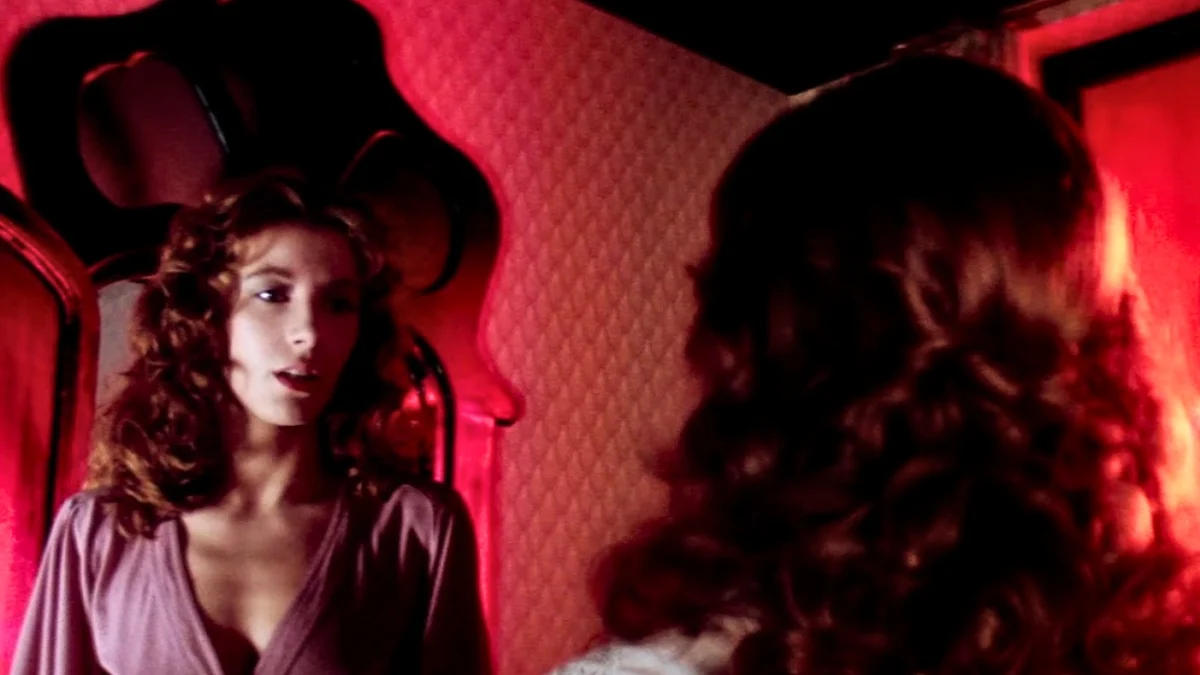
Italian occult horror centers on a triad of primordial witches—Mater Suspiriorum, Mater Tenebrarum, and Mater Lachrymarum—each presiding over a hidden coven in a European city. Their followers cloak themselves within elite schools and architectural labyrinths, blending dance, alchemy, and blood rites. The mythology extends across multiple stories that interlink settings and symbols. This triune concept reframes the coven as a continent-spanning conspiracy.
Church of Night

This fictional witch church operates as a hierarchical coven-network with a High Priest, infernal sacraments, and an academy for initiates. Its law codes, feast days, and familiars synthesize ceremonial magic with folk-witch motifs. The group’s politics—bloodlines, trials, and schisms—drive much of its internal drama. Altars, sigils, and black-mass imagery define its ritual aesthetics.
The Charmed Ones

Presented as a sister-trio whose “Power of Three” activates in concert, this coven centers on familial lineage and a grimoire known as the Book of Shadows. Their magic system blends elemental spells, potions, and whitelighter lore. Many adversaries take the form of warlocks and demons who test the coven’s unity. The group highlights the coven as a family unit rather than a broad congregation.
The Craft’s Coven

A modern American high-school coven forms around four practitioners who invoke a sea-god named Manon and experiment with glamour, binding, and elemental calls. Their circle shows how imbalance and intent can warp outcomes within ritual frameworks. The narrative uses rites like calling the corners and blood oaths to structure practice. It also popularized phrases and set-pieces—light as a feather, levitation scenes—that migrated into teen occult fandom.
New Salem Coven

In Marvel lore, New Salem is a hidden Colorado community composed of witches who separated from mainstream society. Its ruling coven enforces secrecy and tradition, intersecting with characters like Agatha Harkness and Franklin Richards. Internal power struggles and duels define its governance. The enclave illustrates a self-sufficient magical polity rather than a single household circle.
Thessalian Witches

Classical sources from Roman literature to late antique magic texts describe Thessaly as a homeland of powerful witches. Accounts credit them with drawing down the moon, brewing pharmaka, and crafting necromantic rites. Figures like Erictho exemplify the region’s reputation for dire sorcery. Though not a single named circle, the “Thessalian coven” functions as an enduring cultural shorthand for ancient witchcraft.
Share which coven you think best captures the mood of occult lore in the comments!