20 Most Satisfying Skill Trees In Games



A good skill tree does more than hand out upgrades—it quietly teaches a game’s systems, nudges you toward new playstyles, and makes every level feel meaningful. The picks below span action, RPGs, and open-world adventures, highlighting how different designers map power growth into clear, flexible choices. For each entry you’ll find how the tree is structured, what it unlocks, and how you can re-spec or branch out without wasting points. Developer credits are included, so you know exactly which studio engineered the progression you’re enjoying.
‘The Elder Scrolls V: Skyrim’ (2011)

The perk system in ‘Skyrim’ arranges skills as constellation trees, where each star is a perk gated by base skill level and prerequisite perks. Players spend perk points earned on level-ups to enhance weapon styles, magic schools, crafting, and stealth, with each tree offering linear chains and occasional forks. Standing Stones and skill trainers complement perk choices by modifying rates and adding bonuses. ‘Skyrim’ was developed by Bethesda Game Studios.
‘Path of Exile’ (2013)

‘Path of Exile’ uses a massive shared passive tree where every class starts in a different region but can travel freely to thousands of nodes. Passive points come from leveling and quests, while active skills are granted by gem sockets, enabling deep synergy between passives and skill gems. Ascendancy subclasses add their own smaller trees after Labyrinth trials, further specializing builds. The game was created by Grinding Gear Games.
‘Borderlands 2’ (2012)
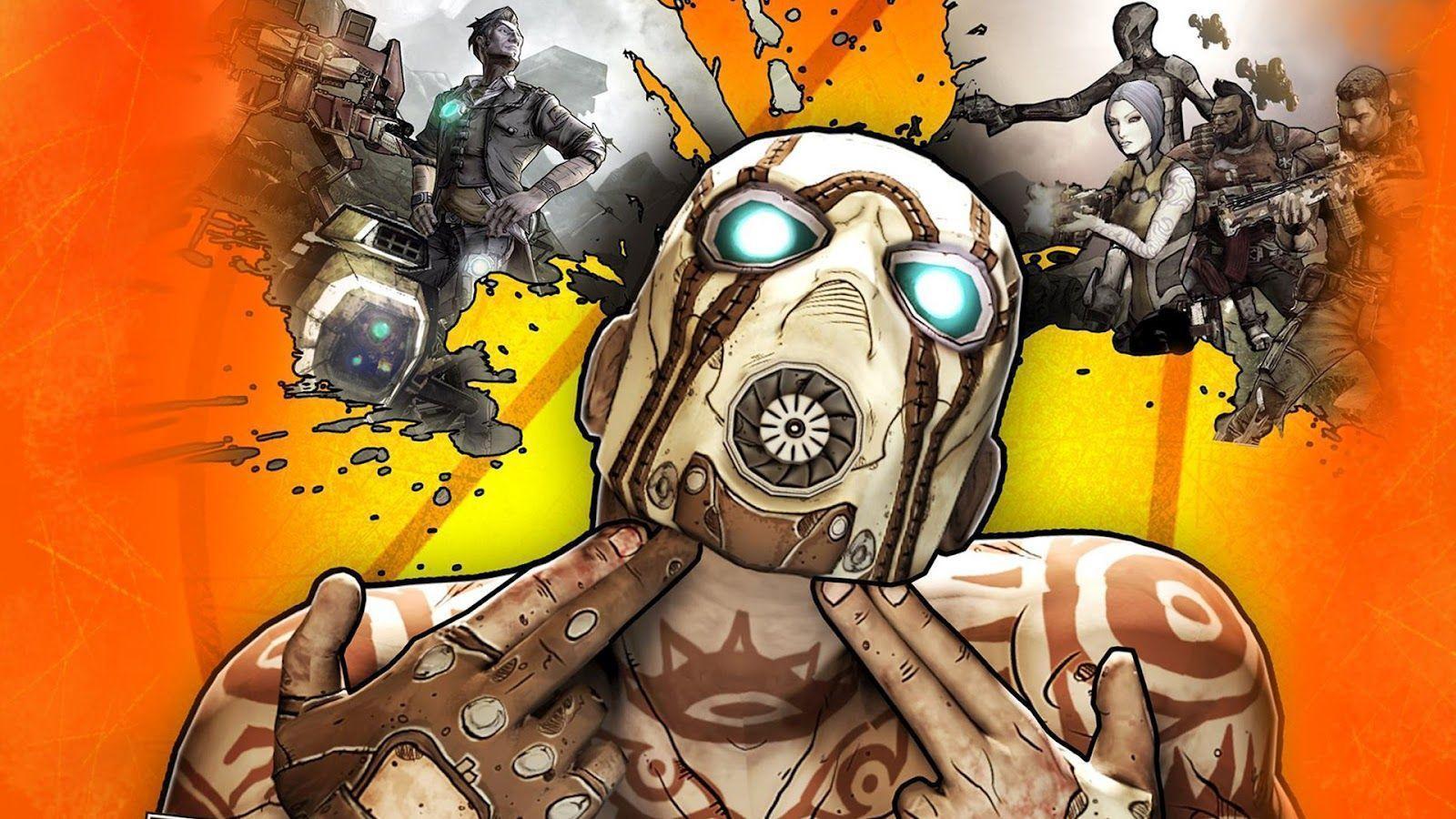
Each vault hunter in ‘Borderlands 2’ has three class trees with tiered skills unlocked by spending points, plus powerful capstones at the end of each branch. Points are earned per level and can be freely respec’d at Quick Change stations for a fee, encouraging experimentation with builds. Class mods and gear interact with tree choices to amplify specific playstyles like crowd control or critical hits. The shooter-looter was developed by Gearbox Software.
‘The Witcher 3: Wild Hunt’ (2015)
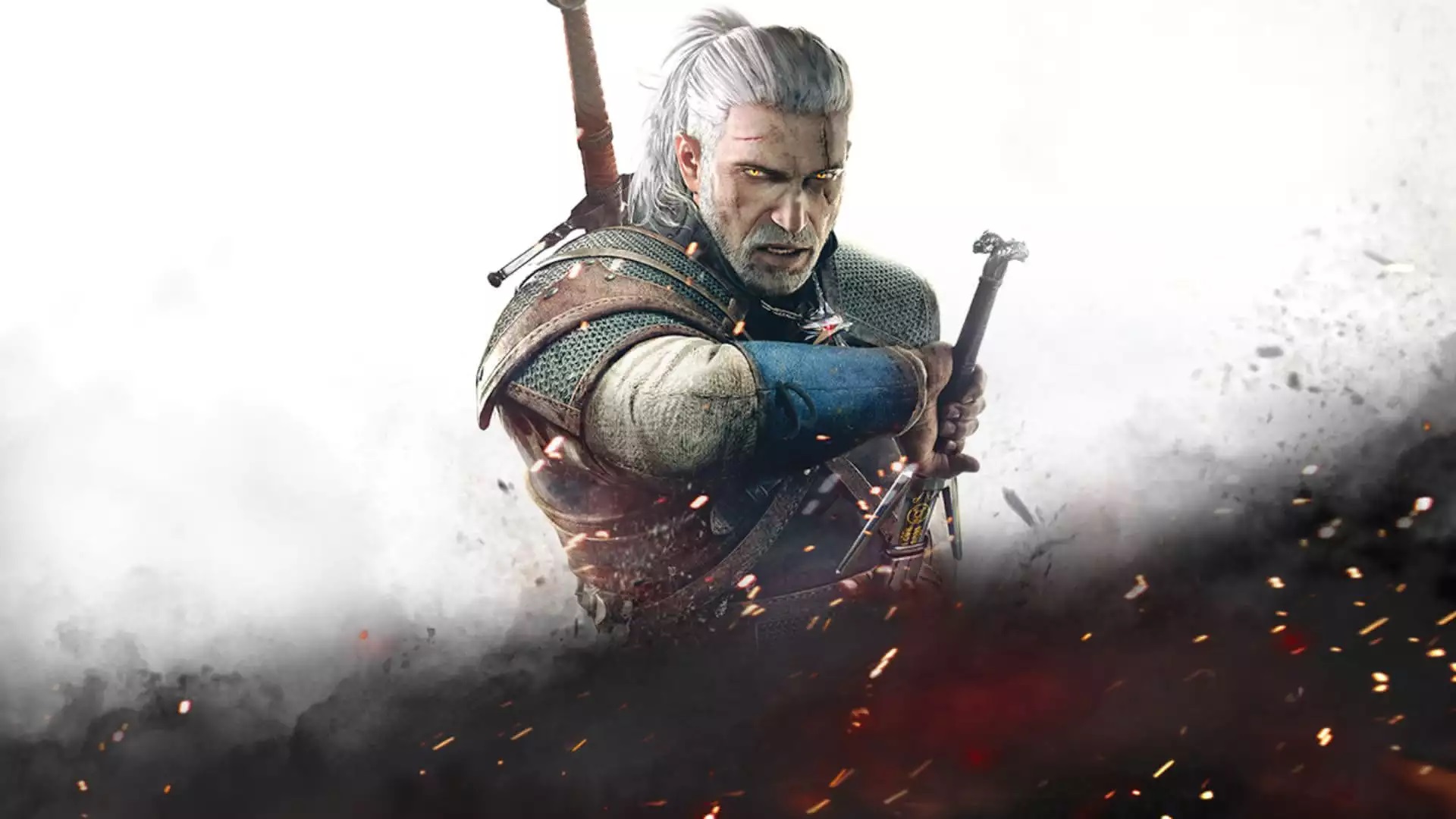
‘The Witcher 3’ offers ability trees across combat, signs, and alchemy, with each skill requiring adjacent unlocks and character level thresholds. Mutagens add another layer by boosting slotted abilities of matching colors, creating set-bonus-style synergies. A quest in Novigrad unlocks full respecs via a Potion of Clearance, letting you reconfigure builds at any time. The RPG was developed by CD Projekt Red.
‘Middle-earth: Shadow of Mordor’ (2014)
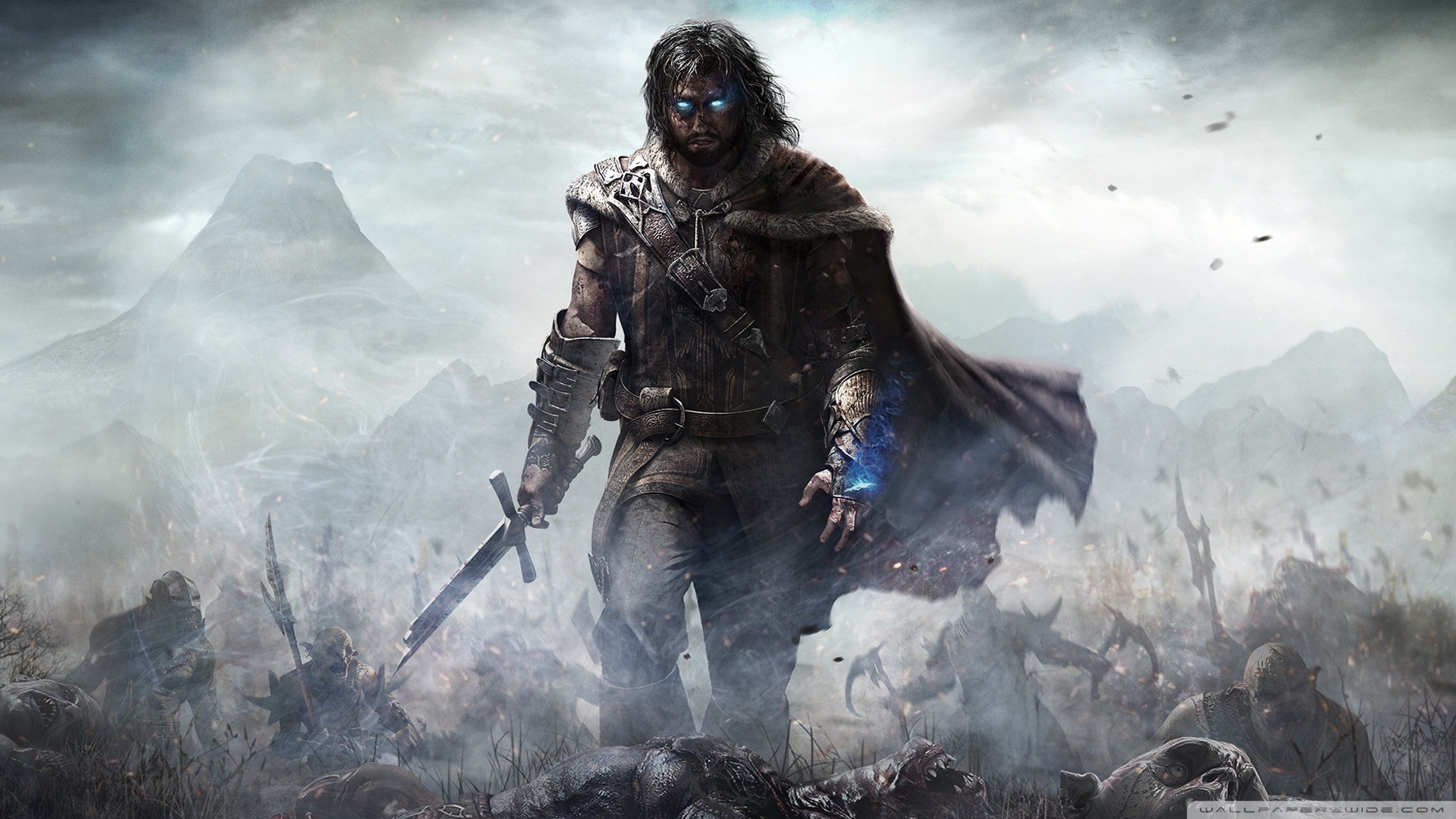
‘Shadow of Mordor’ divides its progression between Ranger and Wraith trees, unlocking execution, stealth, and domination abilities as you earn Power and XP. Many upgrades are tied to story missions or Power challenges, ensuring abilities arrive alongside new enemy behaviors in the Nemesis system. Runes and later branding upgrades integrate with skill unlocks to control and exploit Uruk hierarchies. The action game was created by Monolith Productions.
‘Horizon Forbidden West’ (2022)
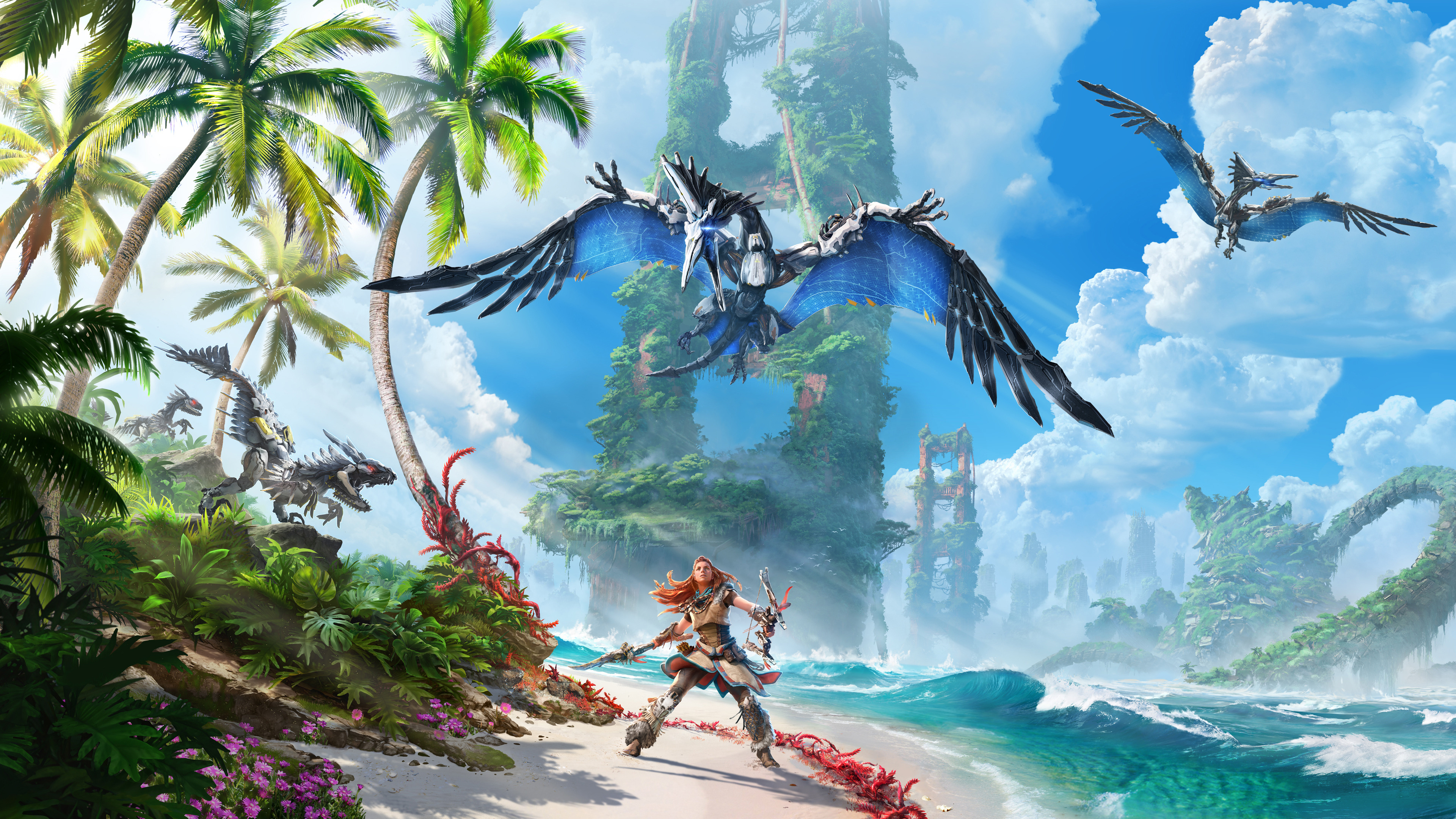
‘Horizon Forbidden West’ expands to multiple themed trees—Warrior, Trapper, Hunter, Survivor, Infiltrator, and Machine Master—each with active Valor Surges at key nodes. Skill points come from levels and activities, and you can pursue trees non-linearly to unlock weapon techniques and crafting boosts. The system ties directly into armor weaves and weapon types, rewarding specialized loadouts. The open-world adventure was developed by Guerrilla Games.
‘God of War’ (2018)
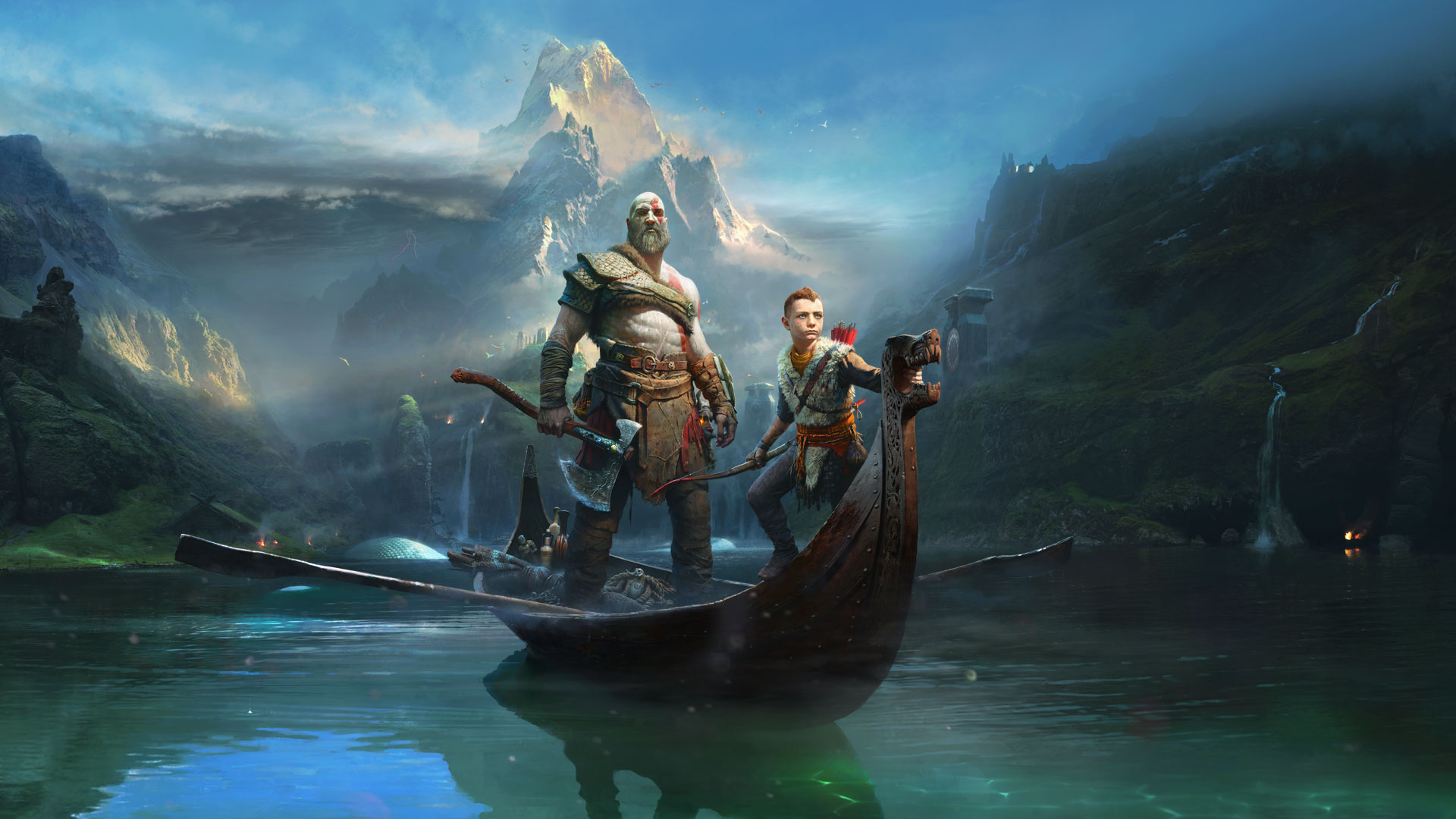
‘God of War’ splits upgrades across Kratos’s Leviathan Axe, Blades of Chaos, and shield, with discrete trees that unlock new combos and ability modifiers. Experience earned from combat and quests funds the nodes, while gear upgrades and runic attacks interface with skill unlocks to expand movesets. Respecs aren’t required because purchases can be rearranged by refunding and re-buying within the same pool. The reboot was developed by Santa Monica Studio.
‘Assassin’s Creed Valhalla’ (2020)

‘Valhalla’ presents a sprawling constellation of nodes grouped into Bear, Wolf, and Raven clusters, mixing stat boosts with major abilities. As you level, the fogged-out branches reveal further paths, letting you steer toward melee, ranged, or stealth specialties. Ability books found in the world add active skills that complement the passive web. The game was developed by Ubisoft Montreal.
‘Cyberpunk 2077’ (2020)

Following the 2.0 overhaul, ‘Cyberpunk 2077’ reorganized perks into streamlined trees tied to attributes like Reflexes and Intelligence, with keystone perks transforming playstyles. Perk points come from leveling and shard pickups, while attribute points gate access to deeper tiers. Respec items and menus allow full rebuilds, and cyberware capacity interacts directly with choices in the trees. The open-world RPG was developed by CD Projekt Red.
‘Star Wars Jedi: Survivor’ (2023)
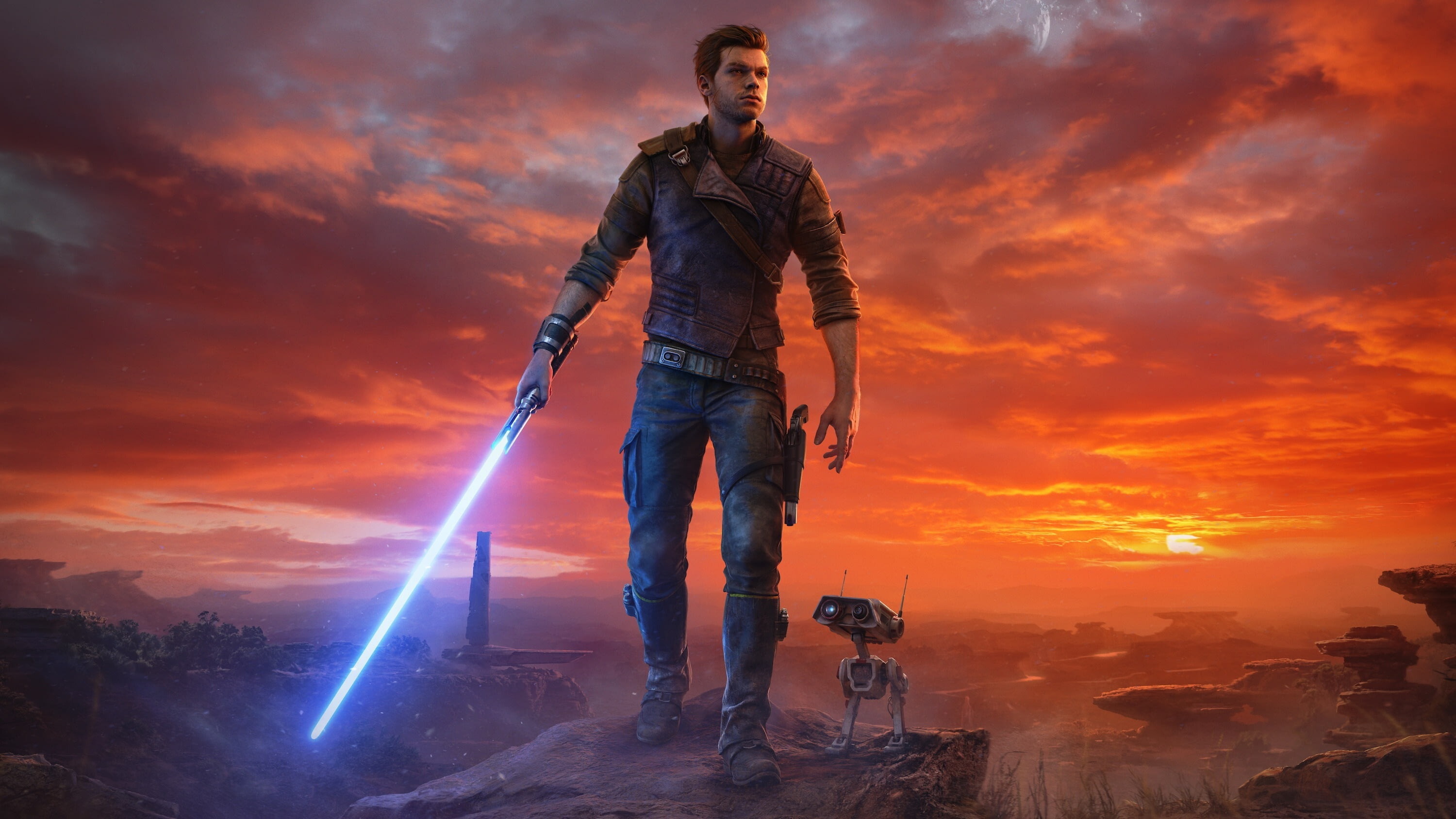
‘Jedi: Survivor’ splits progression into trees for Lightsaber, Force, and Survival, with additional branches per stance like Dual Wield and Crossguard. Skill points earned from combat and exploration can be refunded at meditation points, enabling stance-specific builds for different encounters. Perks found in the world slot into limited spaces to augment skills with unique modifiers. The action-adventure was developed by Respawn Entertainment.
‘Sekiro: Shadows Die Twice’ (2019)
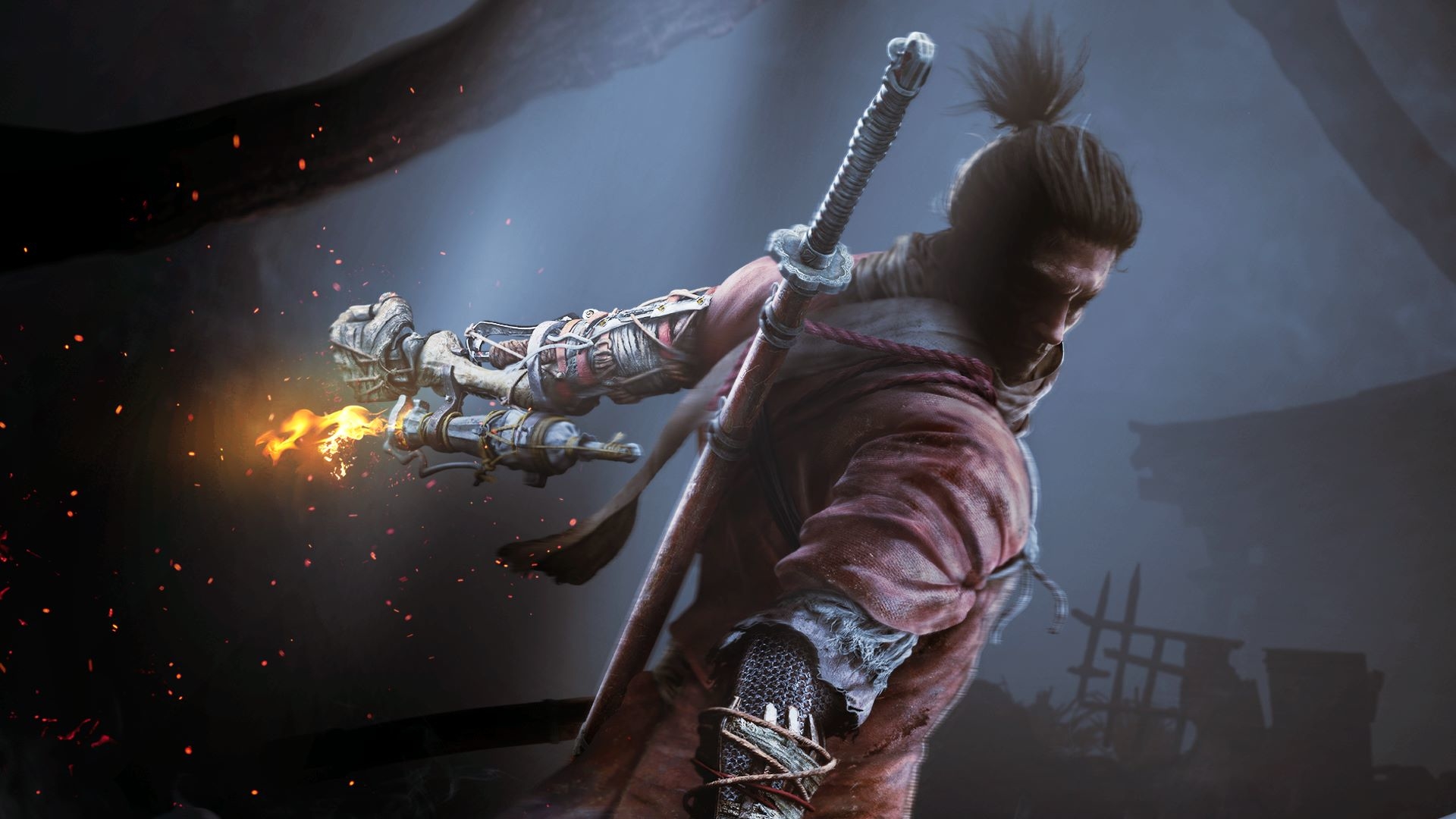
‘Sekiro’ introduces Esoteric Texts that unlock trees for shinobi arts, prosthetic arts, and more, purchased with skill points gained from XP. Nodes unlock new combat arts or passive boosts, while combat arts equip one at a time to shape your approach. Prosthetic upgrades and skill nodes interlock, letting you tailor tools against specific enemy types. The game was created by FromSoftware.
‘Dragon Age: Inquisition’ (2014)
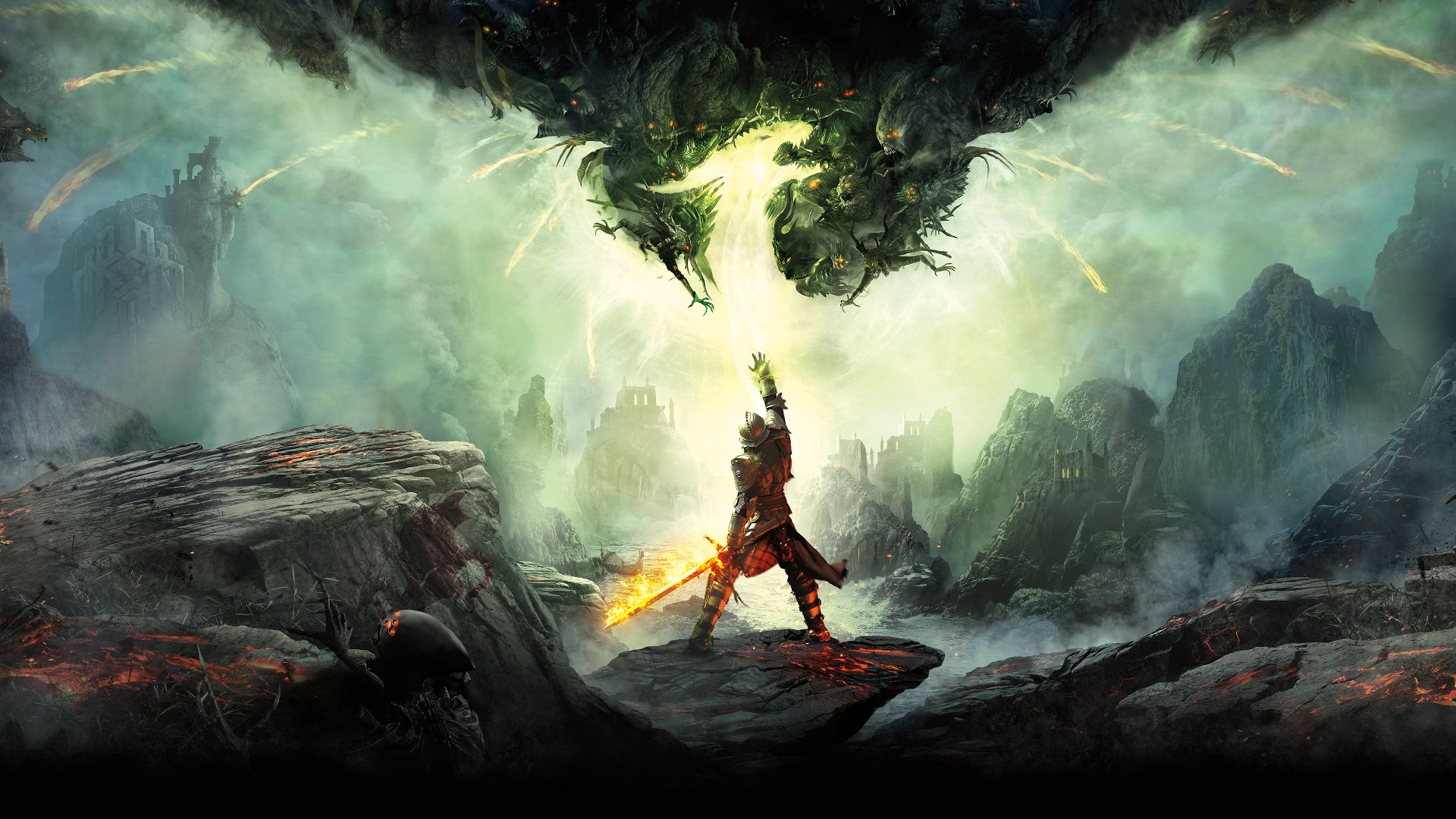
Each class in ‘Inquisition’ features multiple trees, including specialization trees unlocked through dedicated quests at mid-game. Points earned on level-up purchase active skills and passives, with upgradable abilities that morph into enhanced versions. A crafting system and cross-party synergies are designed to interact with choices across trees. The RPG was developed by BioWare.
‘Grim Dawn’ (2016)
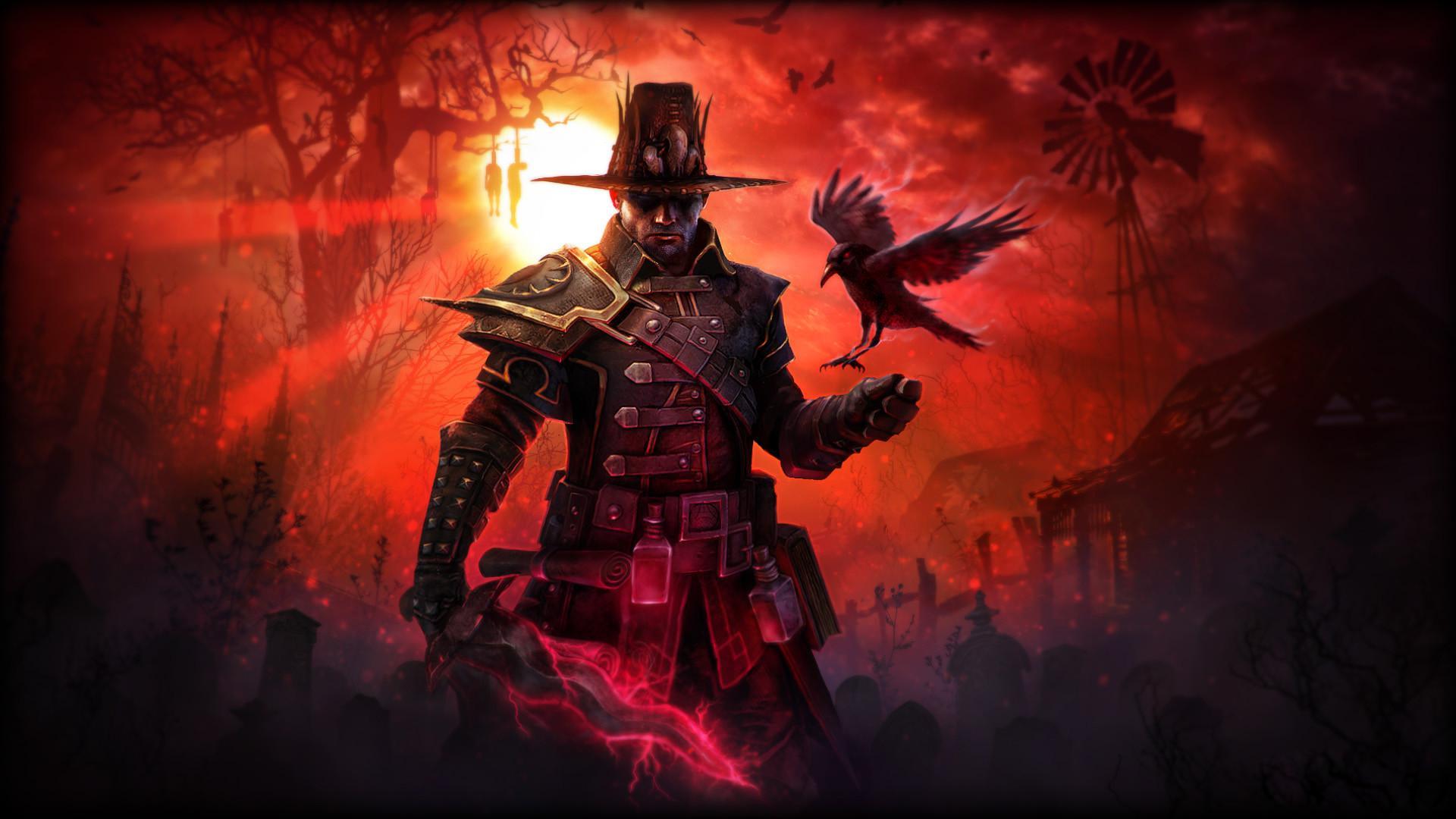
‘Grim Dawn’ combines mastery bars with skill trees, where investing in a mastery unlocks deeper tiers of active skills and modifiers. Dual-classing merges two masteries, opening hybrid builds supported by devotion constellations that add passive bonuses and procs. Respec options let you reclaim skill and devotion points, preserving mastery choices. The ARPG was created by Crate Entertainment.
‘Diablo IV’ (2023)
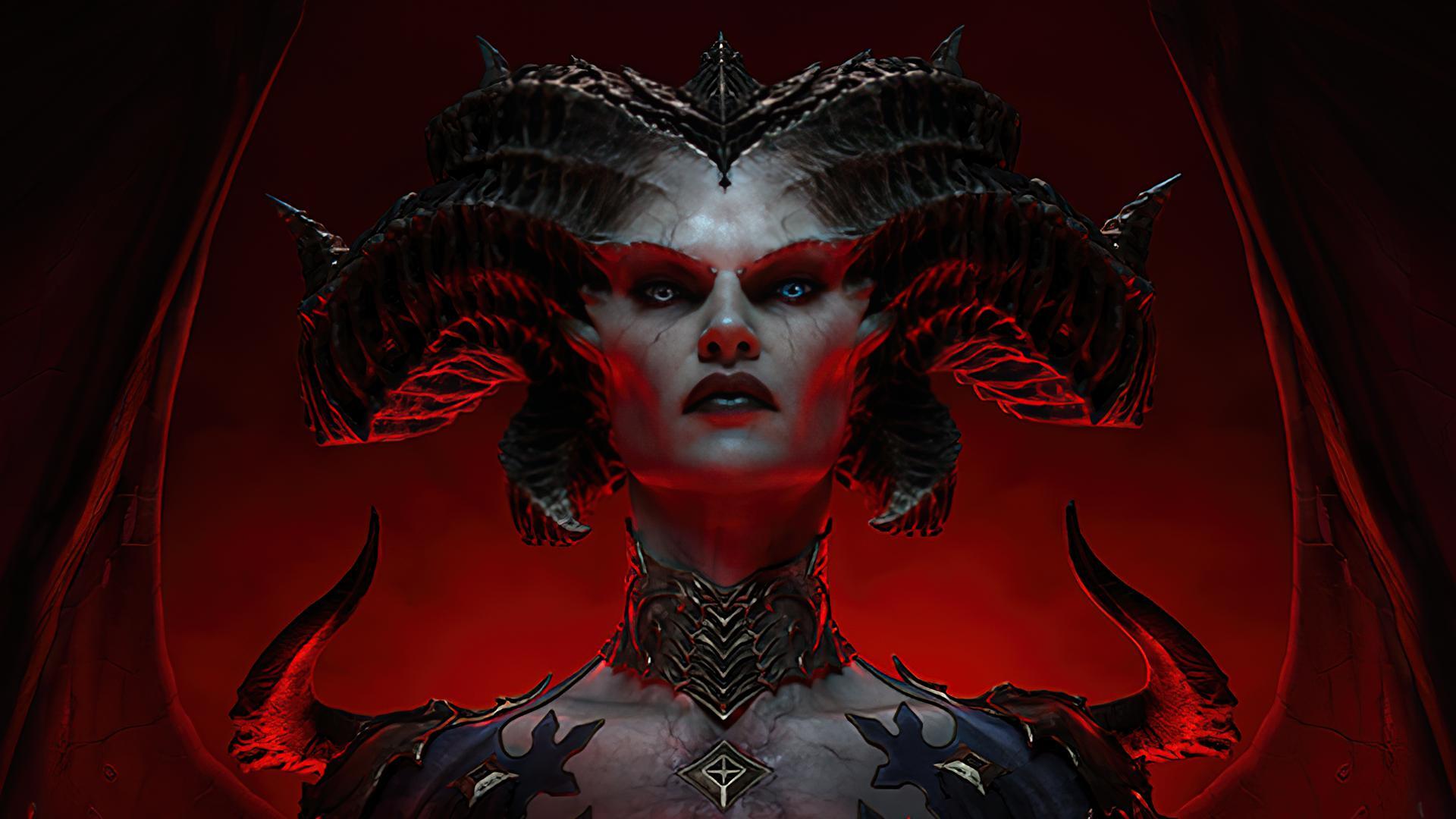
‘Diablo IV’ structures class trees in clustered sections—basic, core, defensive, and ultimate—leading to powerful capstones and key passives. Points are earned by leveling and renown, and you can refund allocations at any time for a gold cost to iterate on builds. Legendary aspects and Paragon Boards extend progression past the main tree with glyph sockets and board rotations. The title was developed by Blizzard Entertainment.
‘Final Fantasy X’ (2001)

‘Final Fantasy X’ uses the Sphere Grid, a lattice of nodes you traverse with sphere items to raise stats and unlock abilities. Characters start on routes aligned with their roles but can branch into other paths once key locks are opened. The International/HD versions add an Expert Grid for freer starting positions and different routing. The RPG was developed by Square (now Square Enix).
‘Final Fantasy XII: The Zodiac Age’ (2017)

‘The Zodiac Age’ refines the License Board with 12 job boards, letting each character select two jobs with unique grids. Licenses unlock equipment, technicks, and spells by spending LP earned in combat, and quickenings and espers occupy limited nodes for strategic planning. The dual-job system enables complementary builds across the party. The remastered edition was developed by Square Enix.
‘Marvel’s Spider-Man’ (2018)

‘Marvel’s Spider-Man’ offers three trees—Innovator, Defender, and Webslinger—unlocking gadgets, combo extensions, and traversal upgrades. Skill points come from leveling and completing activities, and suit mods pair with tree choices to customize combat tools. The structure encourages unlocking traversal moves early to access challenge tokens and advanced gadgets. The superhero game was developed by Insomniac Games.
‘Tom Clancy’s The Division’ (2016)

‘The Division’ ties its trees to the Base of Operations wings—Medical, Tech, and Security—where upgrades unlock corresponding skills, mods, and talents. Resources from missions fund wing upgrades, and each unlock grants specific active abilities and passive bonuses. Gear sets and recalibration then layer on top of the fundamental tree choices. The looter-shooter was developed by Massive Entertainment.
‘Tomb Raider’ (2013)
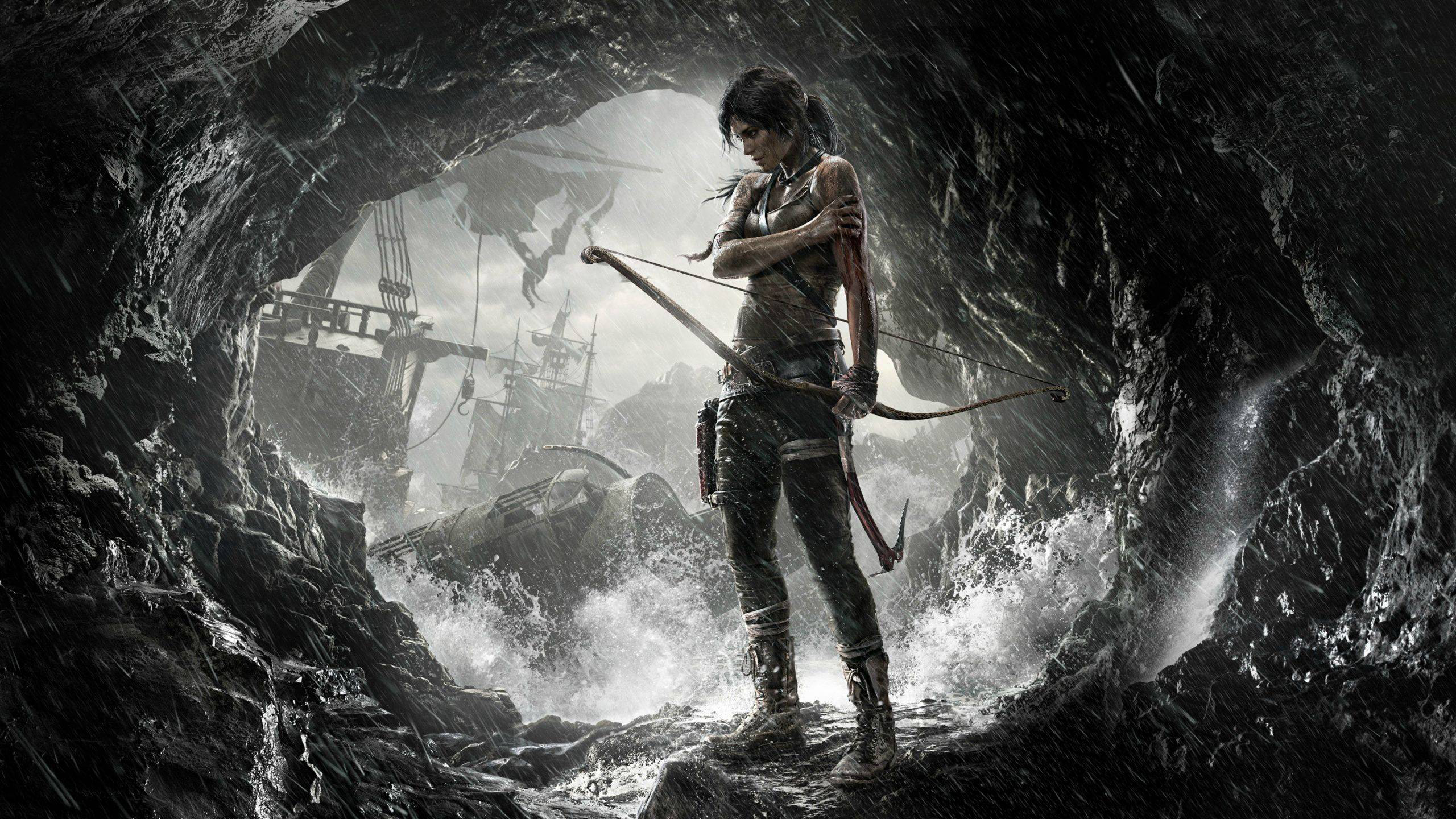
The rebooted ‘Tomb Raider’ uses Survivor and Hunter trees to unlock scavenging, crafting, and combat abilities as Lara earns XP from exploration and fights. Skills are tiered, with new ranks opening after collecting enough previous upgrades and completing key story beats. Optional tombs and challenges supply extra XP to accelerate progression. The game was developed by Crystal Dynamics.
‘Assassin’s Creed Odyssey’ (2018)
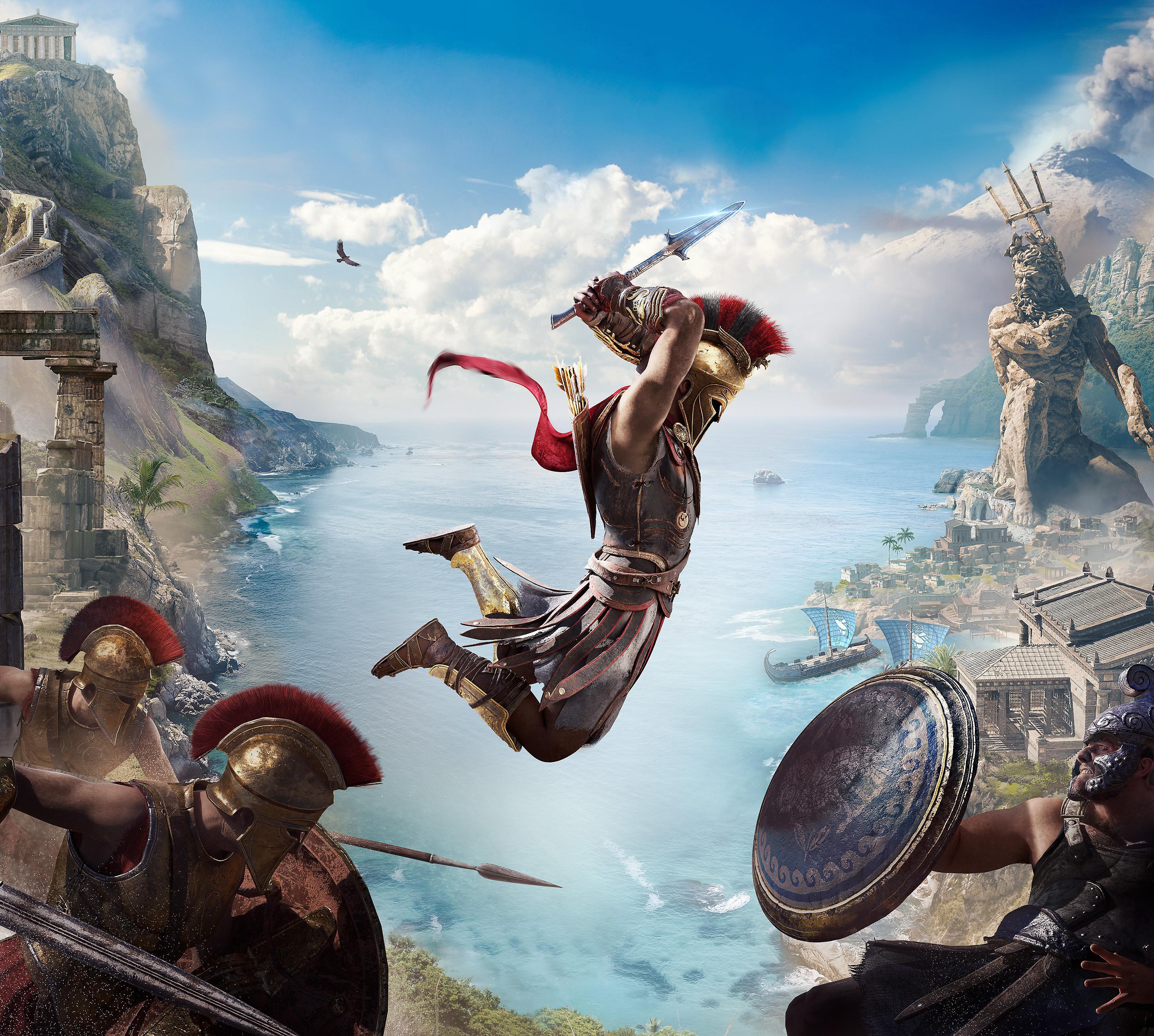
‘Odyssey’ focuses on three branches—Hunter, Warrior, and Assassin—with active abilities mapped to controller shortcuts and upgraded through multiple ranks. Ability points come from leveling, and an in-menu respec allows full reallocation to shift roles quickly. Engravings and gear sets interact with abilities to emphasize ranged, melee, or stealth builds. The open-world epic was developed by Ubisoft Quebec.
Share your favorite skill trees—and the builds you swear by—in the comments!