30 Most Iconic Anime Quotes, Ranked

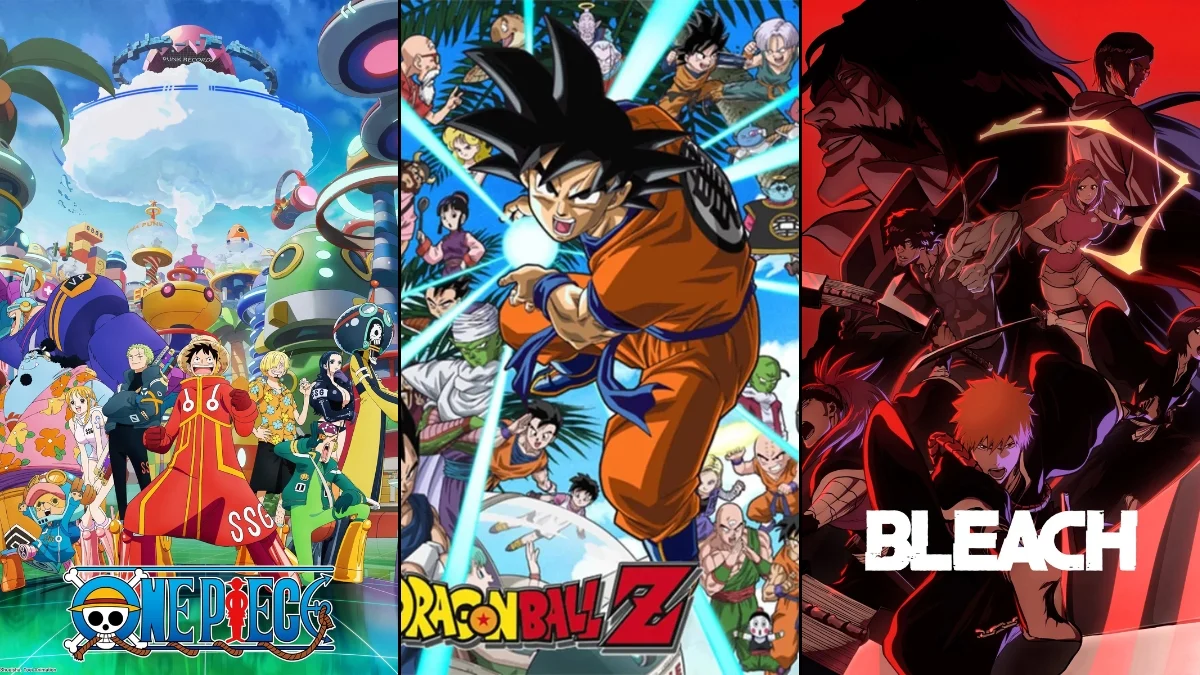

Anime has given us lines that stick in our heads long after the credits roll—words tied to pivotal scenes, characters, and turning points that fans can quote on command. Below is a countdown of thirty standout quotes, each presented with clear context: who said it, where it appears, and why it matters for the story or character development. Titles are formatted consistently so you can quickly spot the series or film each line comes from.
‘Kino’s Journey’ (2003) – “The world is not beautiful; therefore, it is.”
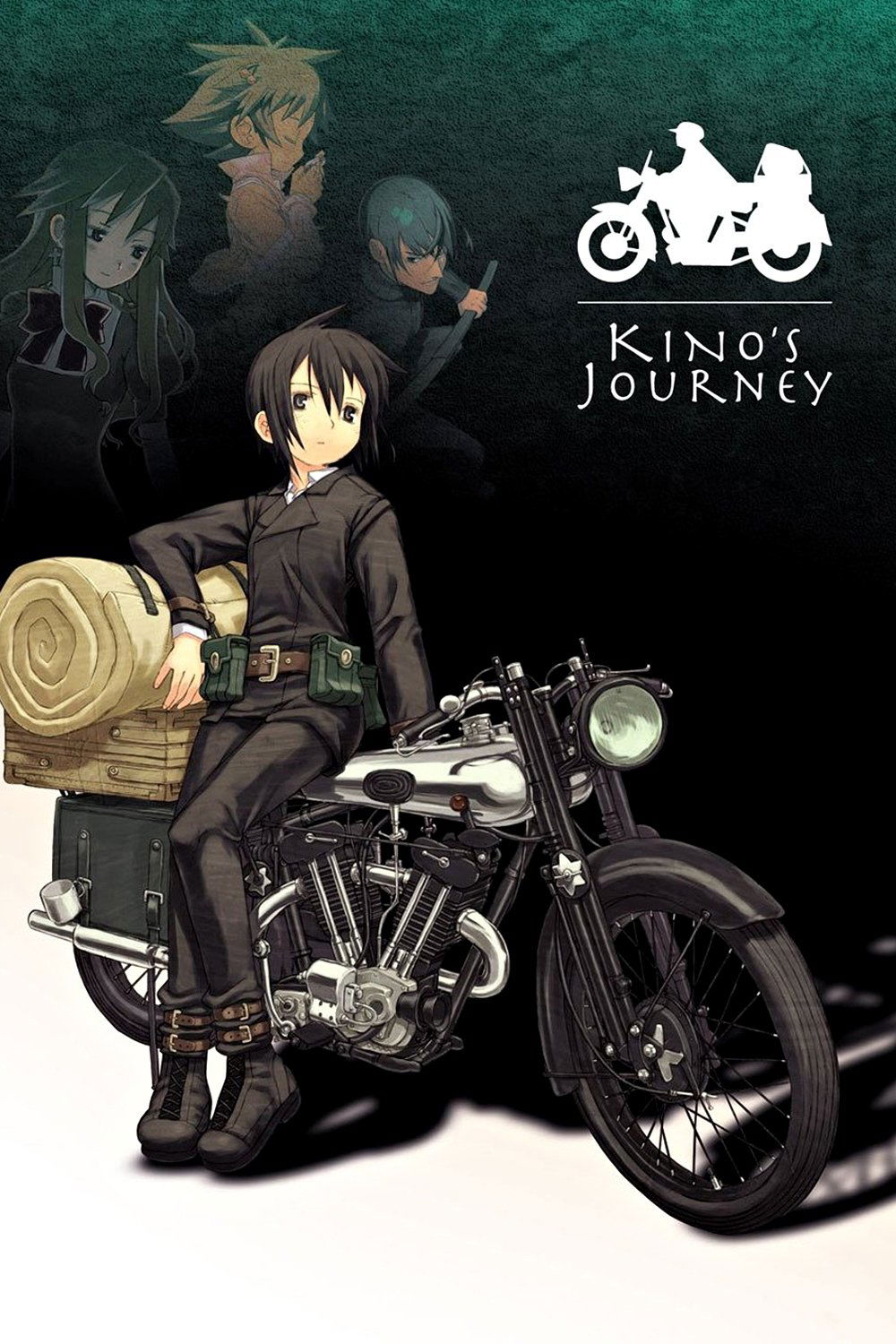
Spoken by Kino, this line encapsulates the series’ travelogue structure—each country visited presents ethical puzzles rather than tidy morals. It appears in narration and dialogue surrounding the show’s episodic encounters, framing the journey’s philosophical lens. The quote signals that the series examines flawed societies without simplification. It’s frequently used to summarize the franchise’s thematic thesis across adaptations of the original light novels.
‘Vinland Saga’ (2019) – “You have no enemies.”
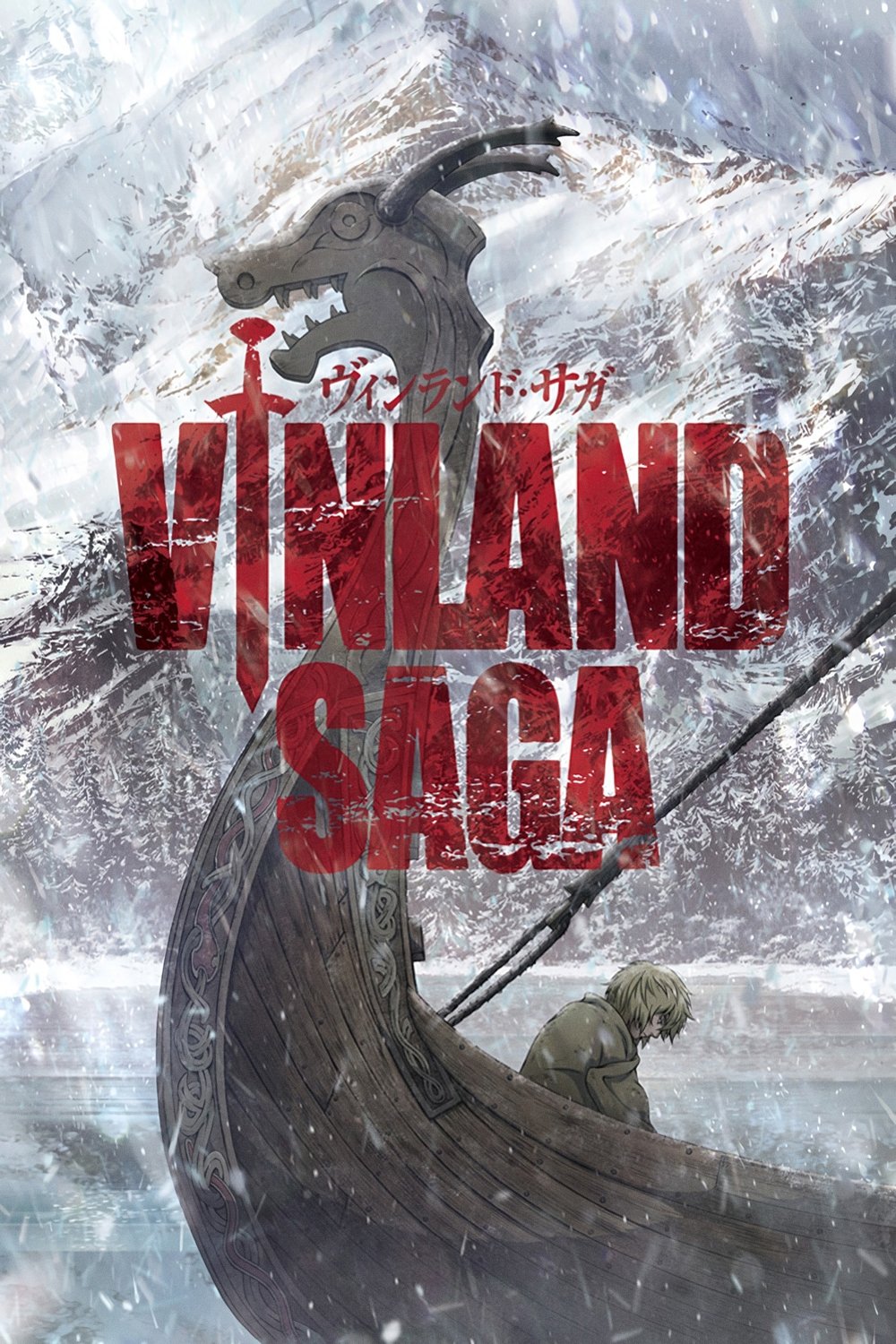
Thors tells this to Thorfinn during an early arc that defines the story’s perspective on violence and cycles of revenge. The line is delivered during a lesson that rejects glorified warfare in favor of courage without killing. It becomes a reference point that shapes Thorfinn’s later choices. Fans associate the quote with the series’ emphasis on personal transformation over conquest.
‘Rurouni Kenshin’ (1996) – “I will never kill again.”

Himura Kenshin’s vow explains his reverse-blade sword and his path after the turmoil of his past as Battousai. The statement recurs during confrontations where opponents try to force him back into lethal methods. It serves as a boundary that drives combat choreography and narrative stakes. The line is central to the franchise’s exploration of atonement and pacifist resolve.
‘Hellsing Ultimate’ (2006) – “The bird of Hermes is my name, eating my wings to make me tame.”

Drawn from the Ripley Scroll, this line appears in association with Alucard and the series’ alchemical motifs. It connects the vampire’s overwhelming power to themes of restraint and identity. The phrase surfaces in openings and key sequences that pair occult symbolism with modern militaristic conflict. Viewers use it as shorthand for the show’s blend of esoterica and action.
‘Steins;Gate’ (2011) – “El Psy Kongroo.”
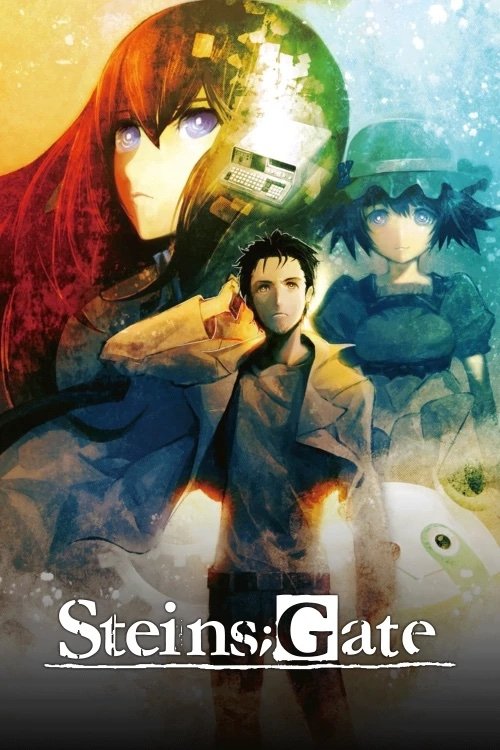
Rintarou Okabe uses this code phrase to punctuate communications tied to the Future Gadget Lab’s experiments. The line appears across phone calls, emails, and dramatic scenes involving time-leap mechanics. Its repetition marks shifts in world lines and serves as a signal between characters. The phrase anchors the series’ distinctive technothriller vocabulary.
‘Tokyo Ghoul’ (2014) – “What’s 1000 minus 7?”
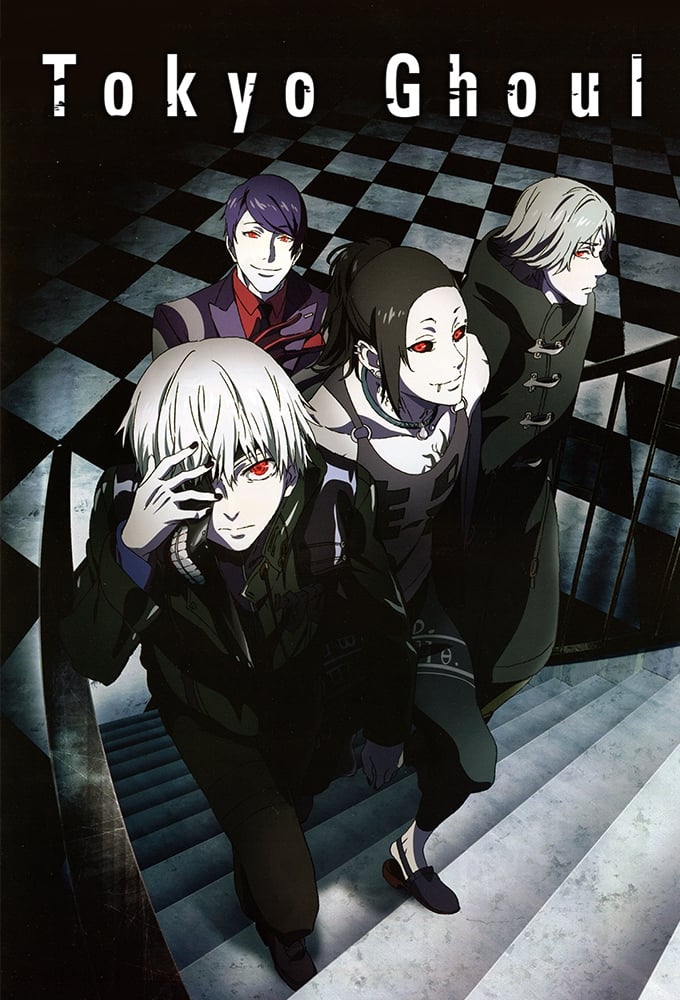
This question is forced on Ken Kaneki during a torture sequence that transforms his outlook and capabilities. The counting ritual tracks his breaking point while underscoring the psychological brutality of the scene. It later functions as a grim reference to his altered persona. The line became a quick identifier for the series’ darker tone and pivotal character turn.
‘Jujutsu Kaisen’ (2020) – “Throughout heaven and earth, I alone am the honored one.”
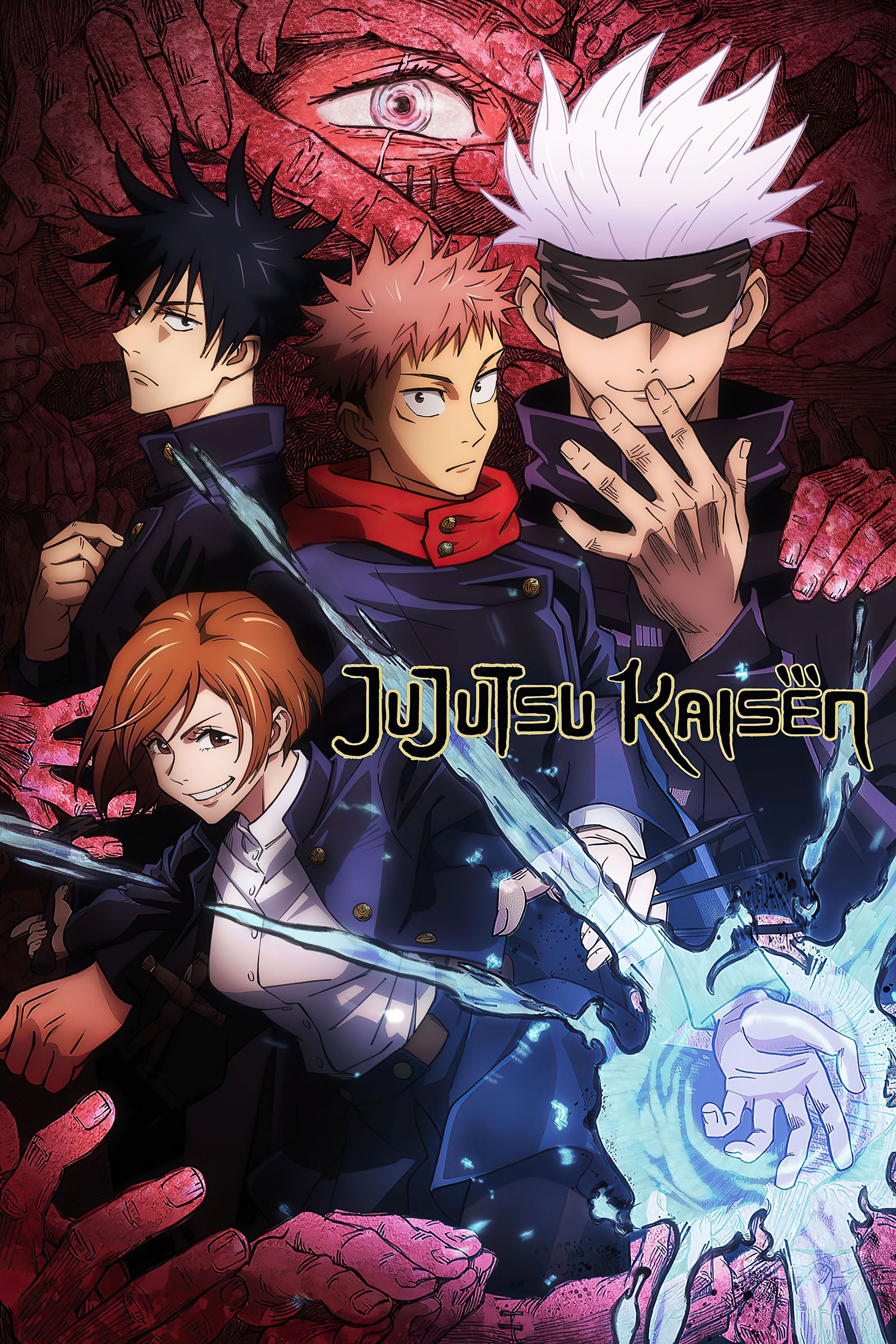
Satoru Gojo declares this during a confrontation that showcases his overwhelming technique and domain control. The line references classical language while introducing power-scale context within jujutsu society. It highlights the gap between special-grade sorcerers and other fighters. The phrase is widely cited when discussing the series’ hierarchy of abilities.
‘Demon Slayer: Kimetsu no Yaiba’ (2019) – “Set your heart ablaze.”
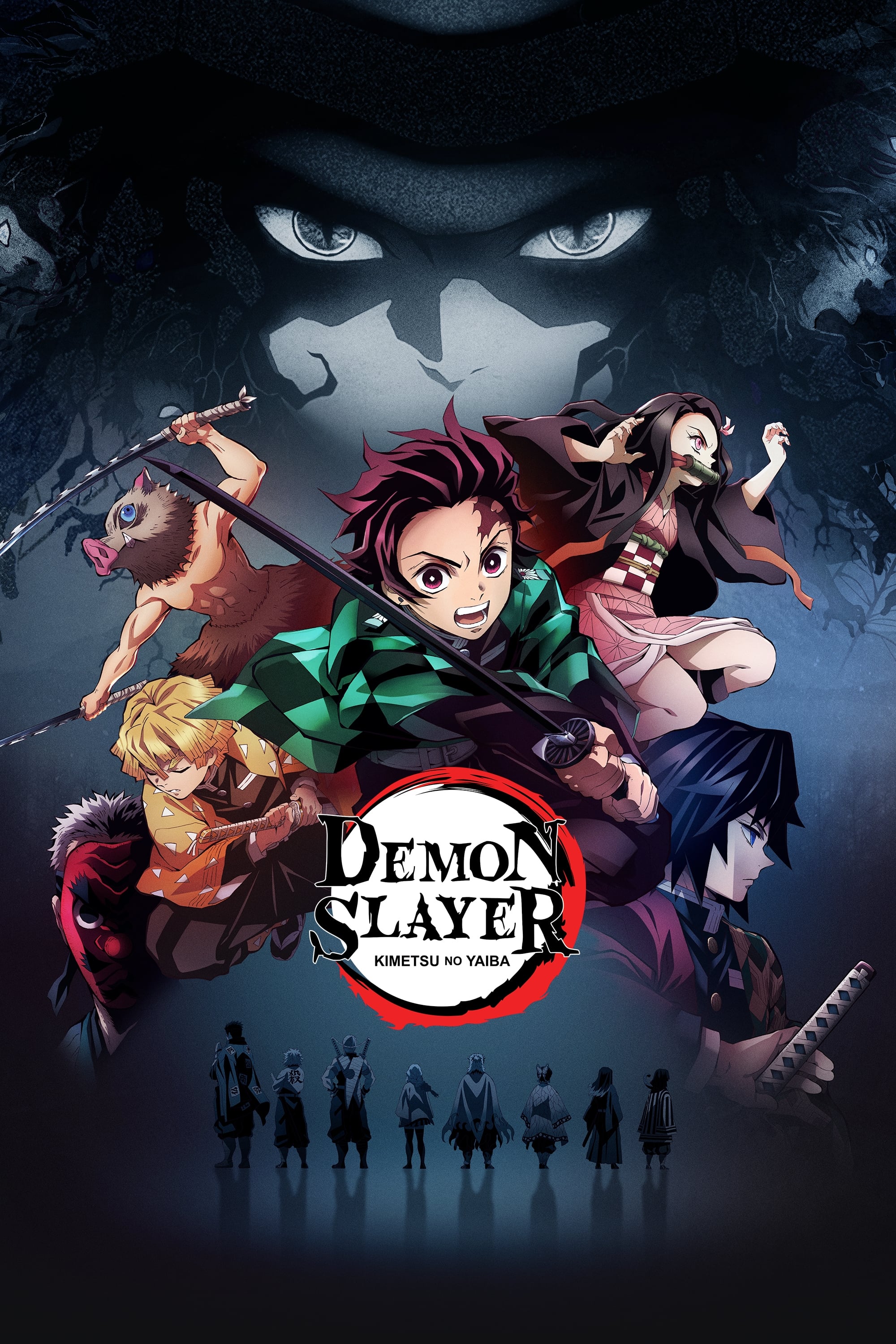
Kyojuro Rengoku says this as guidance for younger demon slayers, tying spirit and duty to relentless training. The line is prominent in a climactic battle that defines the Flame Hashira’s legacy. It reappears as a motivational refrain for core characters afterward. The phrase is used in promotional materials, soundtrack cues, and anniversary posts connected to the franchise.
‘One-Punch Man’ (2015) – “I’m just a guy who’s a hero for fun.”
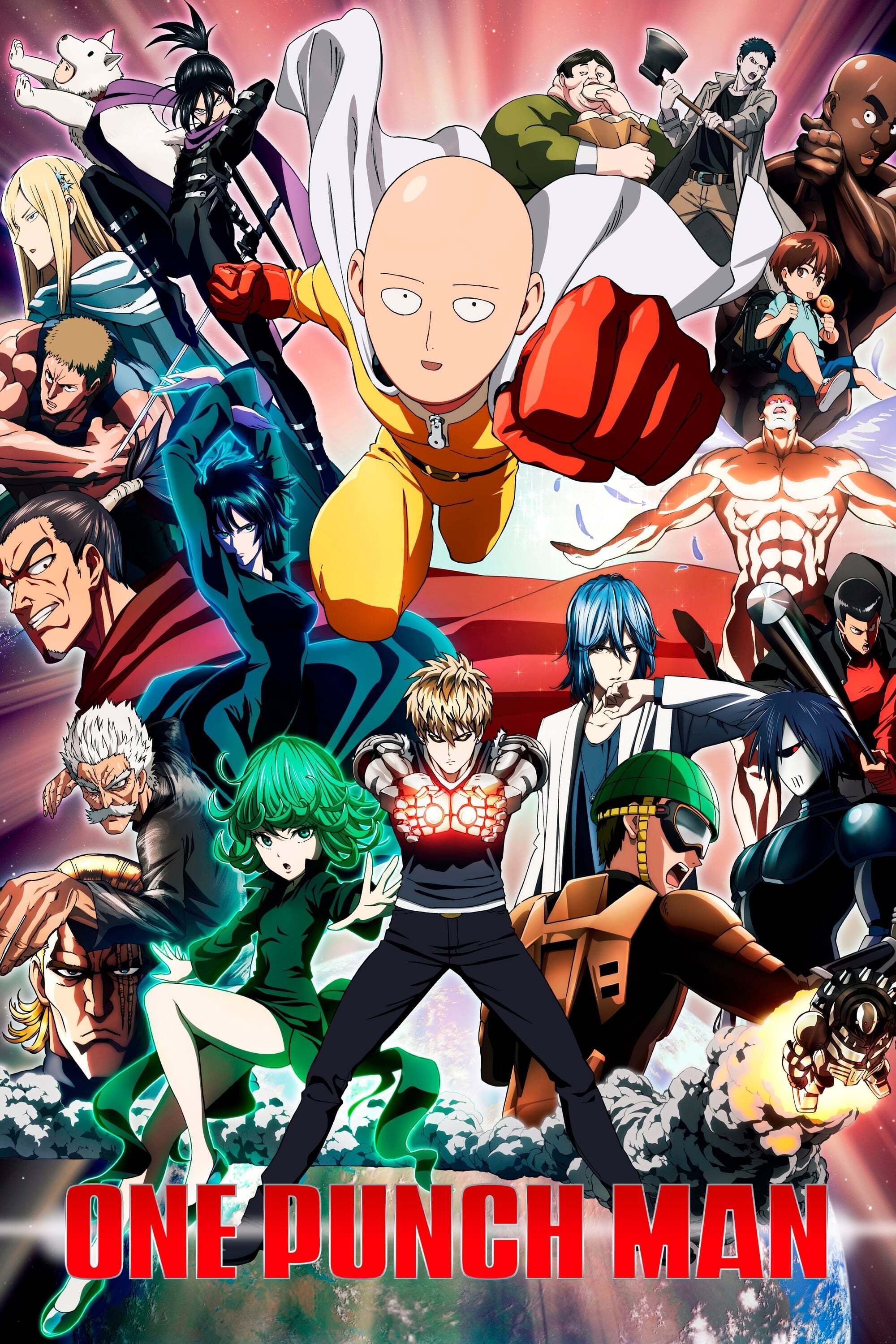
Saitama’s introduction frames the series’ premise: limitless strength paired with mundane routine. The line appears early and contrasts with the elaborate ranking systems of the Hero Association. It guides the comedic tone while setting up deadpan responses during extreme battles. The phrasing is repeated in character bios, episode recaps, and official profiles.
‘Code Geass: Lelouch of the Rebellion’ (2006) – “The only ones who should kill are those who are prepared to be killed.”
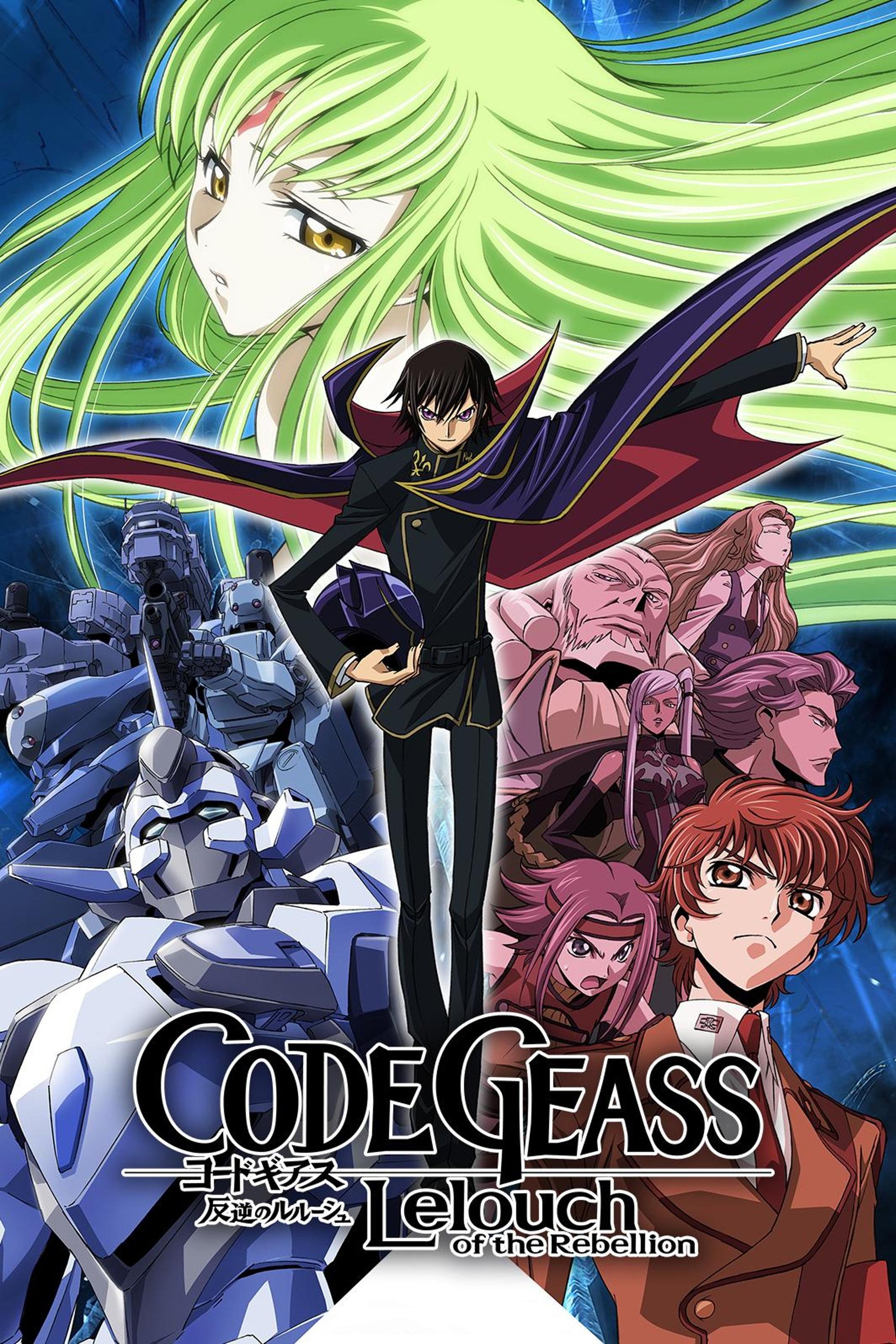
Lelouch articulates this rule during discussions about the consequences of using the Geass and leading rebellions. The line is echoed during strategic debates and pivotal confrontations. It reflects the series’ interest in moral reciprocity amid political upheaval. The quote often appears in compilation videos and script anthologies tied to the franchise.
‘Ghost in the Shell’ (1995) – “The net is vast and infinite.”
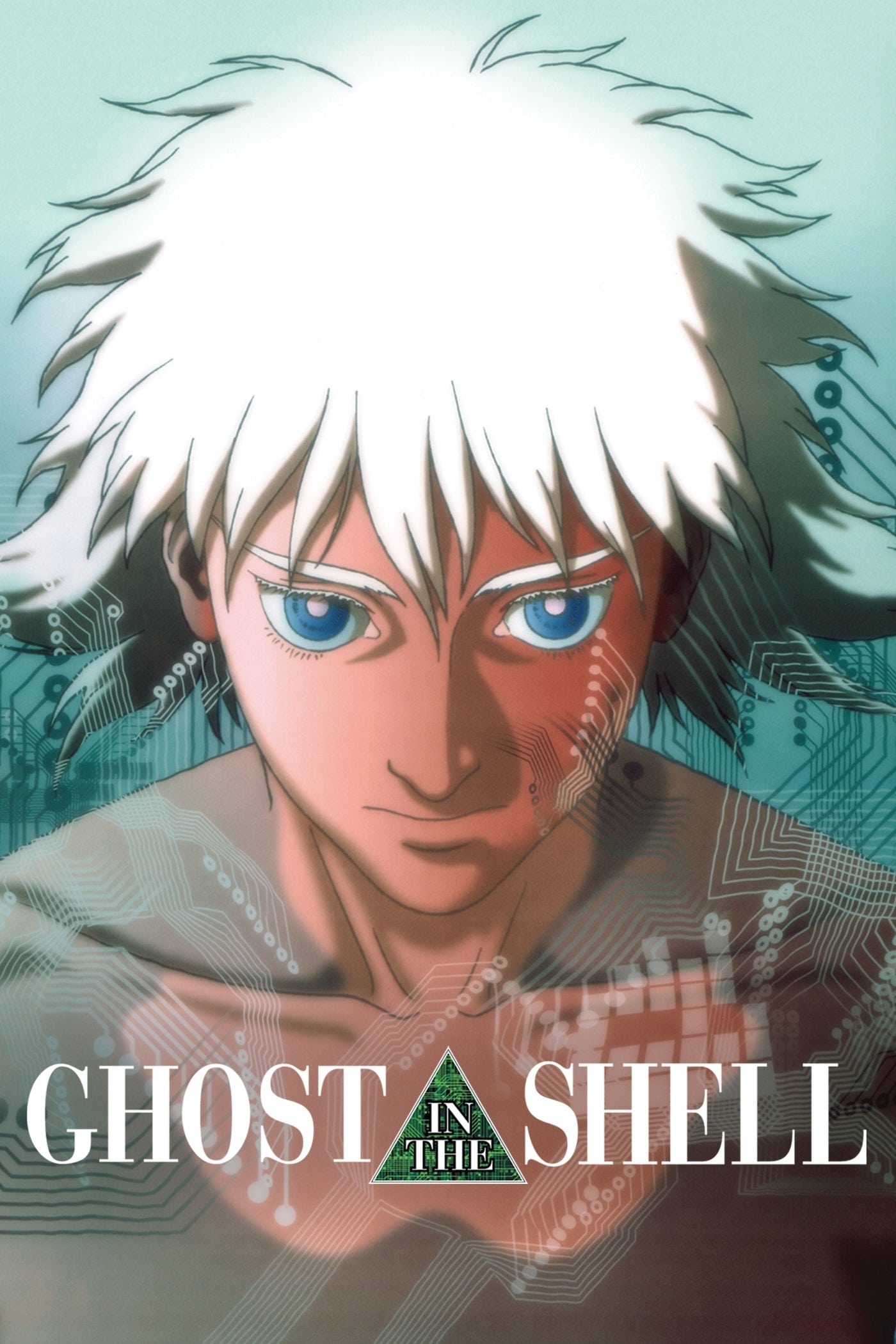
Major Motoko Kusanagi delivers this line as the film explores identity and consciousness in a hyperconnected world. It follows sequences that blend cybernetic imagery with philosophical dialogue. The phrase summarizes the setting’s open-ended digital frontier. It became a recurring tagline in later entries and discussions about the franchise’s cyberpunk influence.
‘Princess Mononoke’ (1997) – “Life is suffering. It is hard. The world is cursed. But still, you find reasons to keep living.”
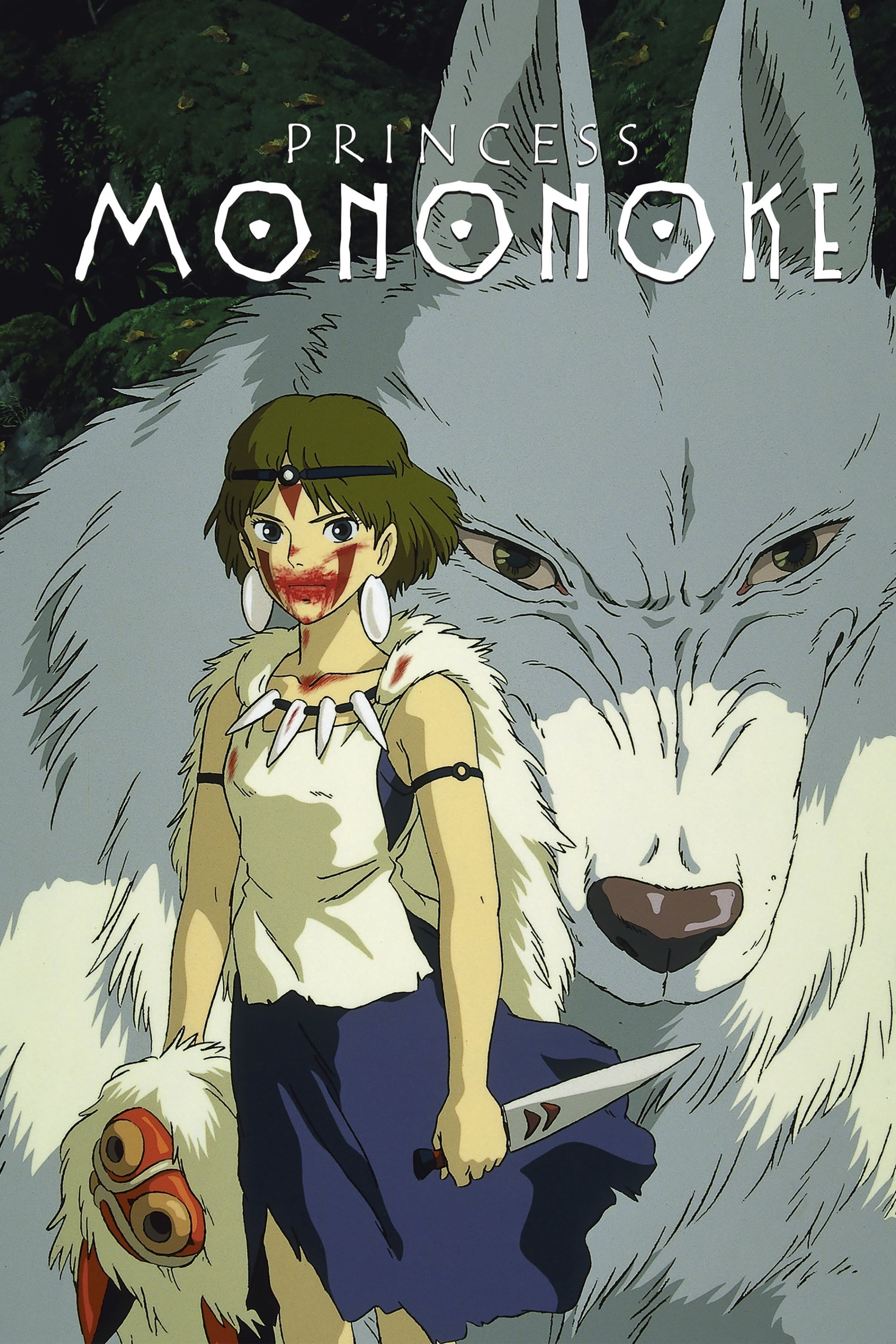
This is said by Osaka—often cited in translations through the film’s closing sections—capturing the story’s balance between environmental conflict and human perseverance. The line appears as characters assess the cost of war between forest gods and ironworkers. It frames the film’s conclusion without simplifying its tensions. The quote is widely referenced in analyses of the director’s themes of coexistence and resilience.
‘Spirited Away’ (2001) – “Once you’ve met someone you never really forget them.”
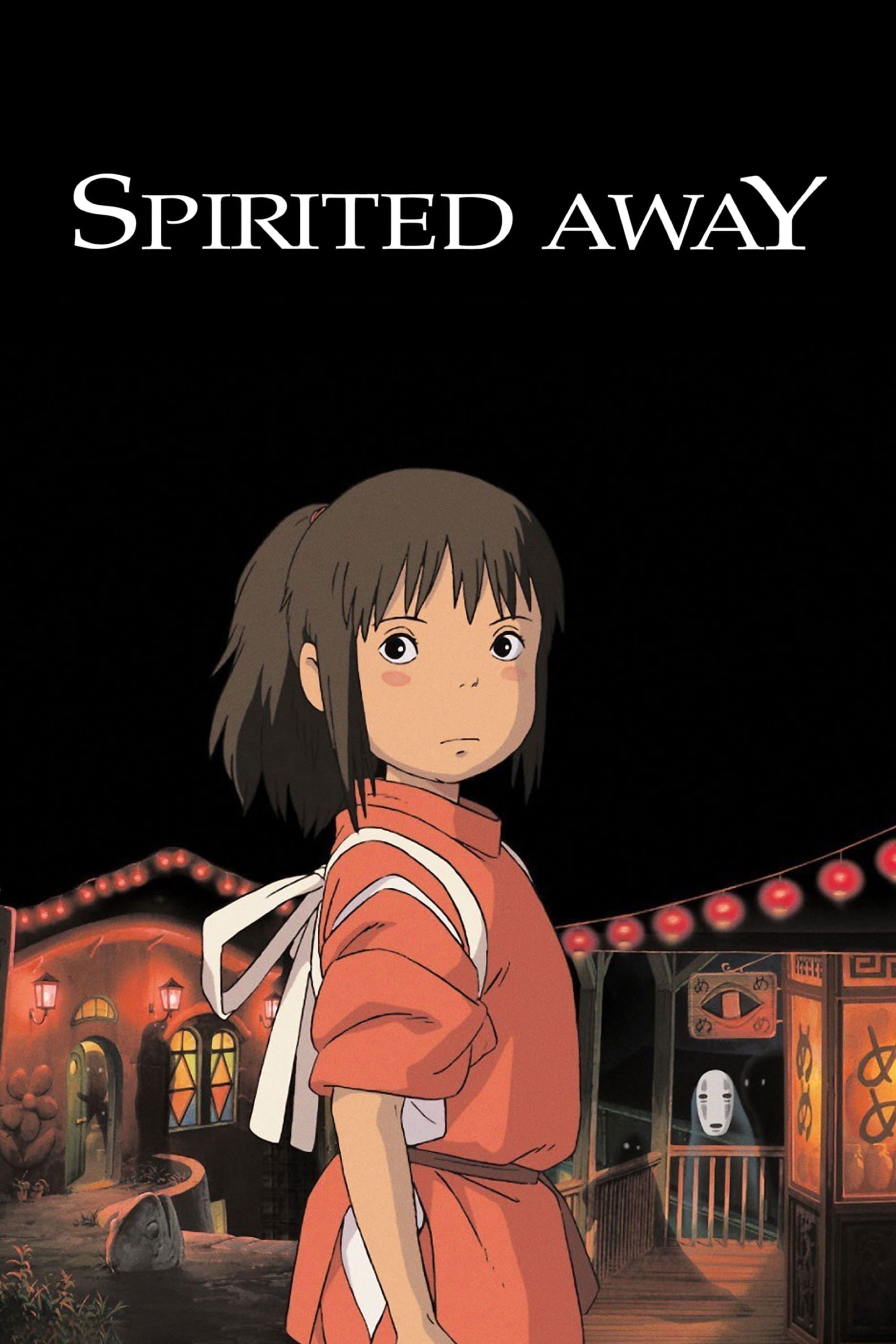
Zeniba shares this with Chihiro as part of the film’s memory and identity motifs. The line follows events in the bathhouse and journeys between spirit and human realms. It connects names, contracts, and remembrance throughout the story. The wording is frequently used in promotional retrospectives and official artbooks.
‘Akira’ (1988) – “The future is not a straight line.”
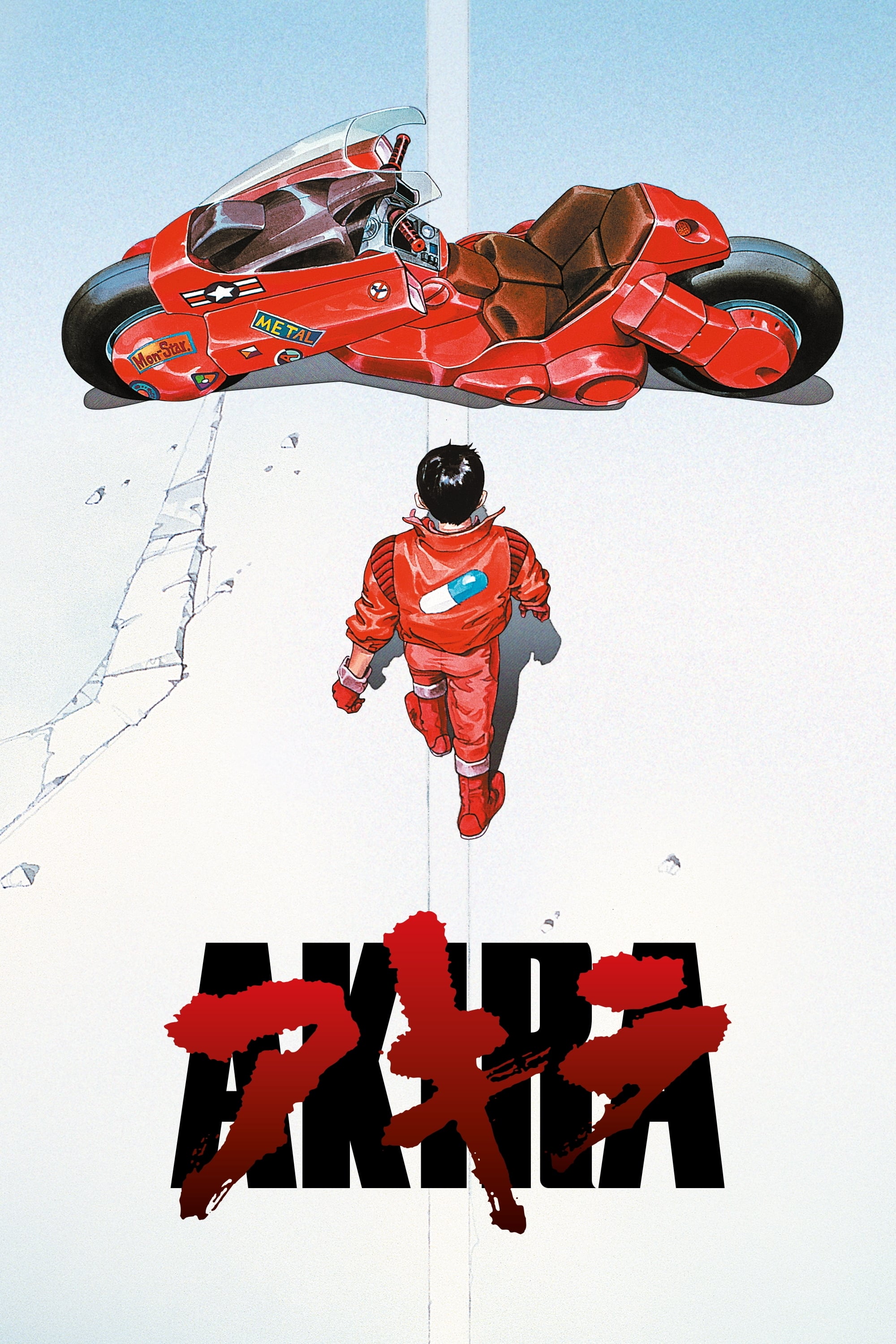
This line appears in narration that frames the film’s vision of transformation and social upheaval. It ties together the story’s biotech experimentation and urban unrest. The phrase underscores the film’s non-linear escalation from street gangs to apocalyptic stakes. It is commonly quoted in retrospectives about the work’s influence on animation and science fiction.
‘Pokémon’ (1997) – “I choose you!”

Ash Ketchum uses this call when sending out a Pokémon, notably with Pikachu in early episodes. The line is repeated across battles, movies, and merchandise. It doubles as a catchphrase for the franchise in game tie-ins and trading card promotions. The phrasing is employed in episode titles and event campaigns worldwide.
‘Yu-Gi-Oh! Duel Monsters’ (2000) – “It’s time to duel!”
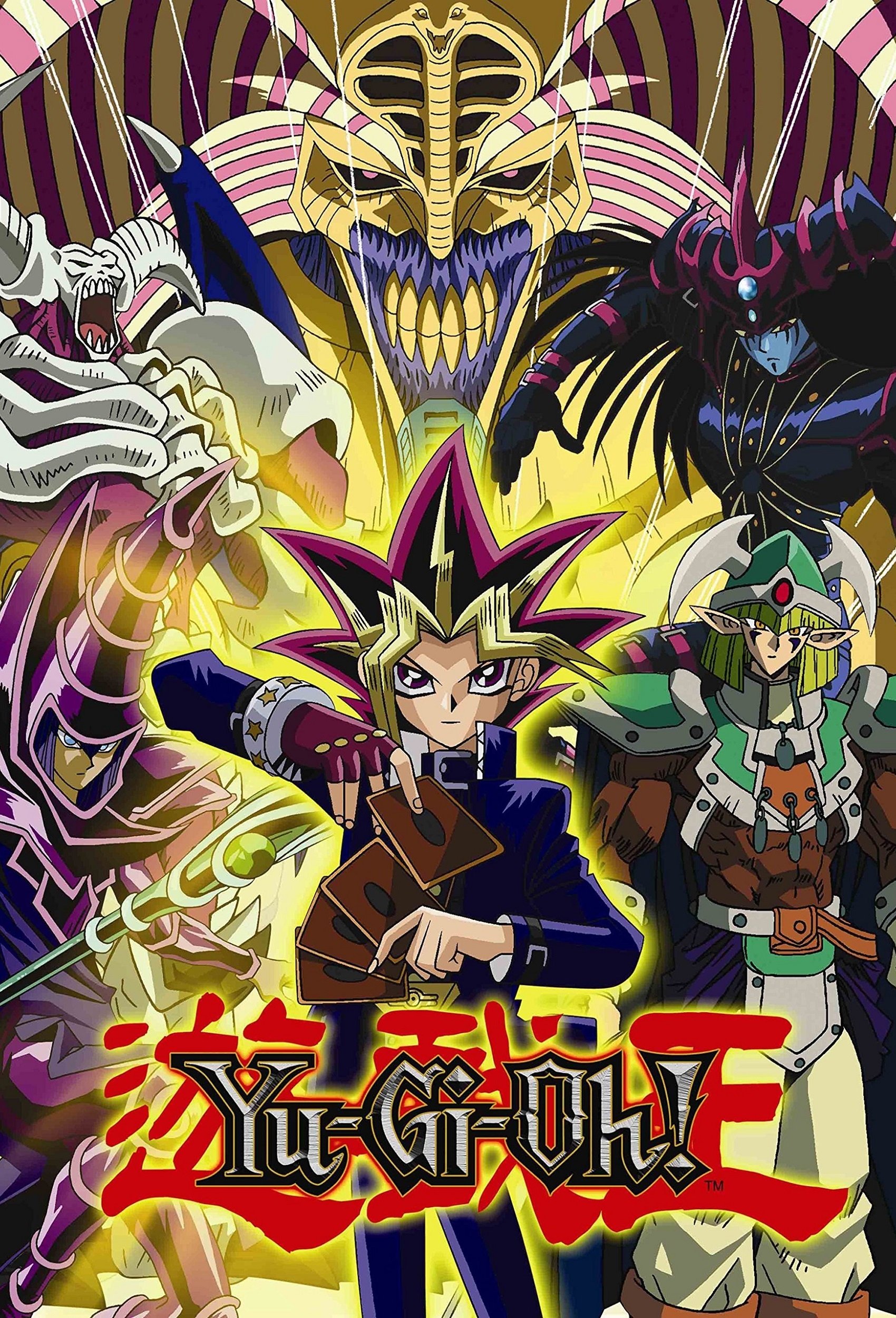
Yugi Muto—and later other duelists—introduce matches with this declaration. The line accompanies the activation of Duel Disks and the start of official tournaments. It appears across intros, rule explanations, and event coverage for the card game. The quote remains a staple at live competitions and digital releases tied to the brand.
‘Berserk’ (1997) – “Even if we painstakingly piece together something lost, it doesn’t mean things will ever go back to how they were.”
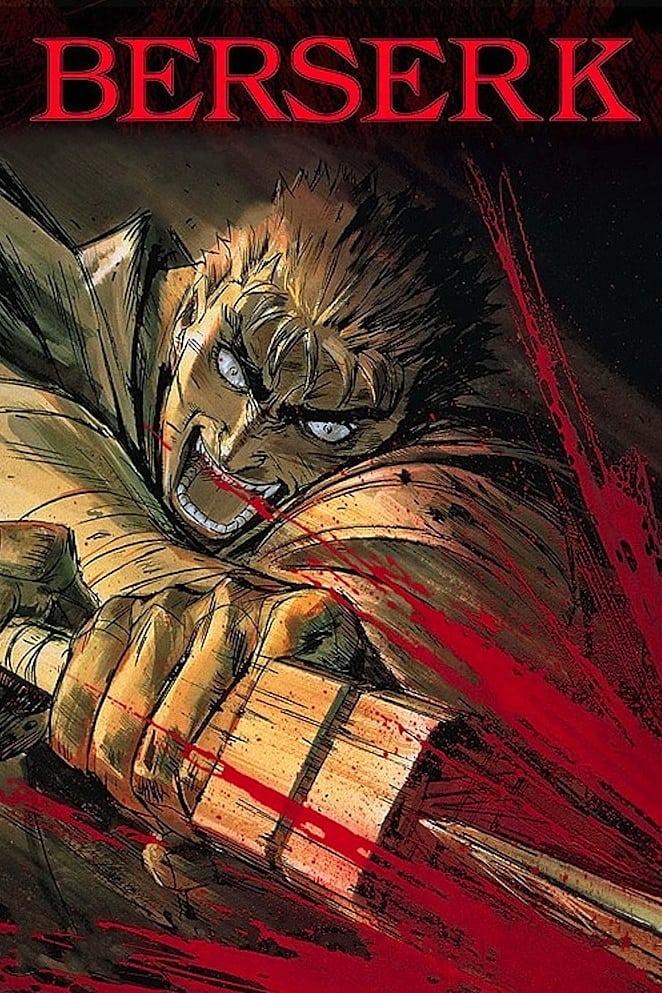
Guts reflects on irreversible change during a character-defining period of hardship. The line emphasizes the story’s focus on consequence and personal will. It is often cited in relation to arcs involving the Band of the Hawk and its aftermath. The quote features in collected editions and is used by fans to summarize the series’ tone.
‘Gurren Lagann’ (2007) – “Believe in the me that believes in you.”
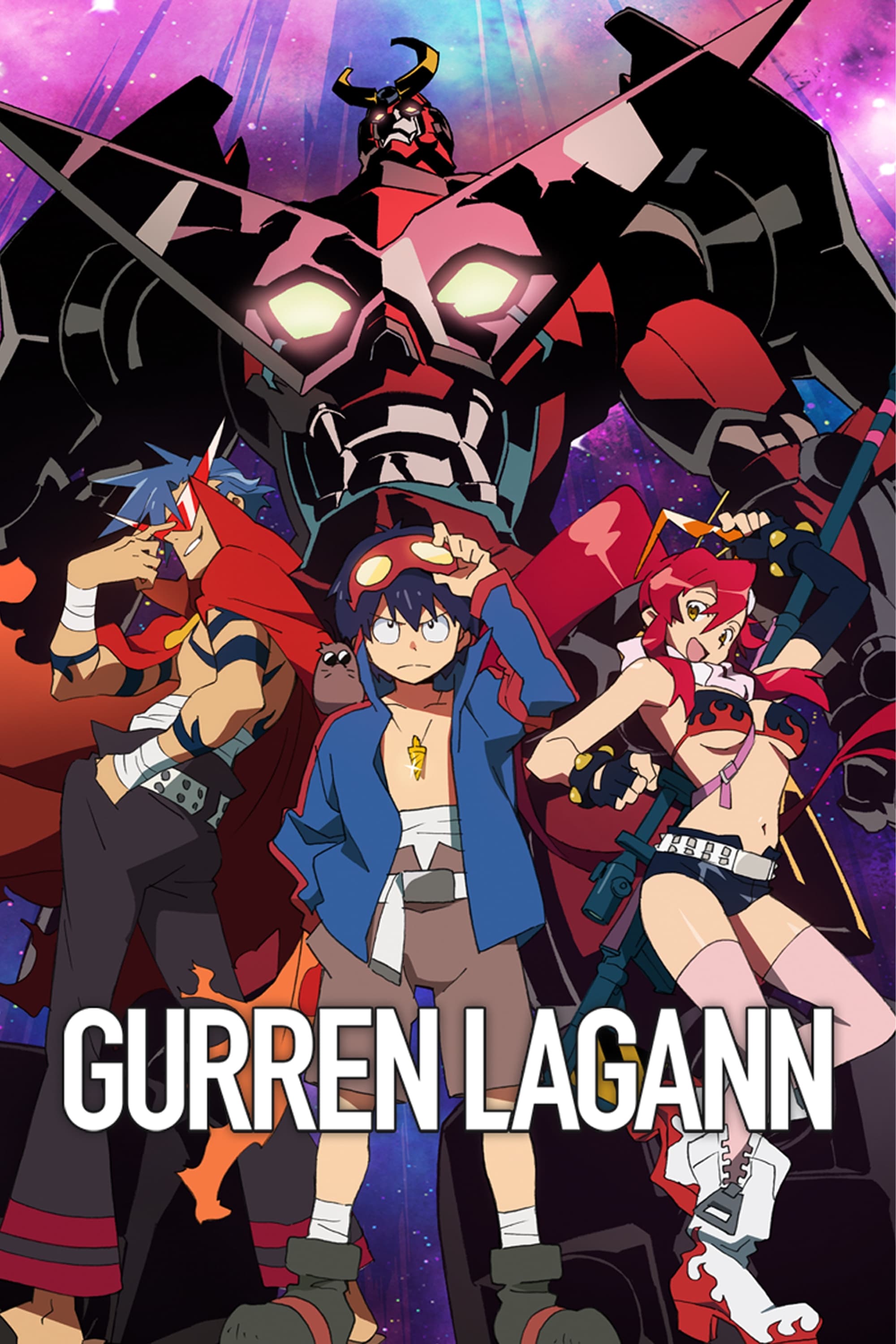
Kamina tells Simon this during the early battles against oppressive forces underground and above. The line reappears at key moments, shaping Simon’s confidence and leadership. It connects character growth to themes of mentorship and legacy. The phrase is included in official taglines, episode previews, and soundtracks.
‘Bleach’ (2004) – “Bankai.”
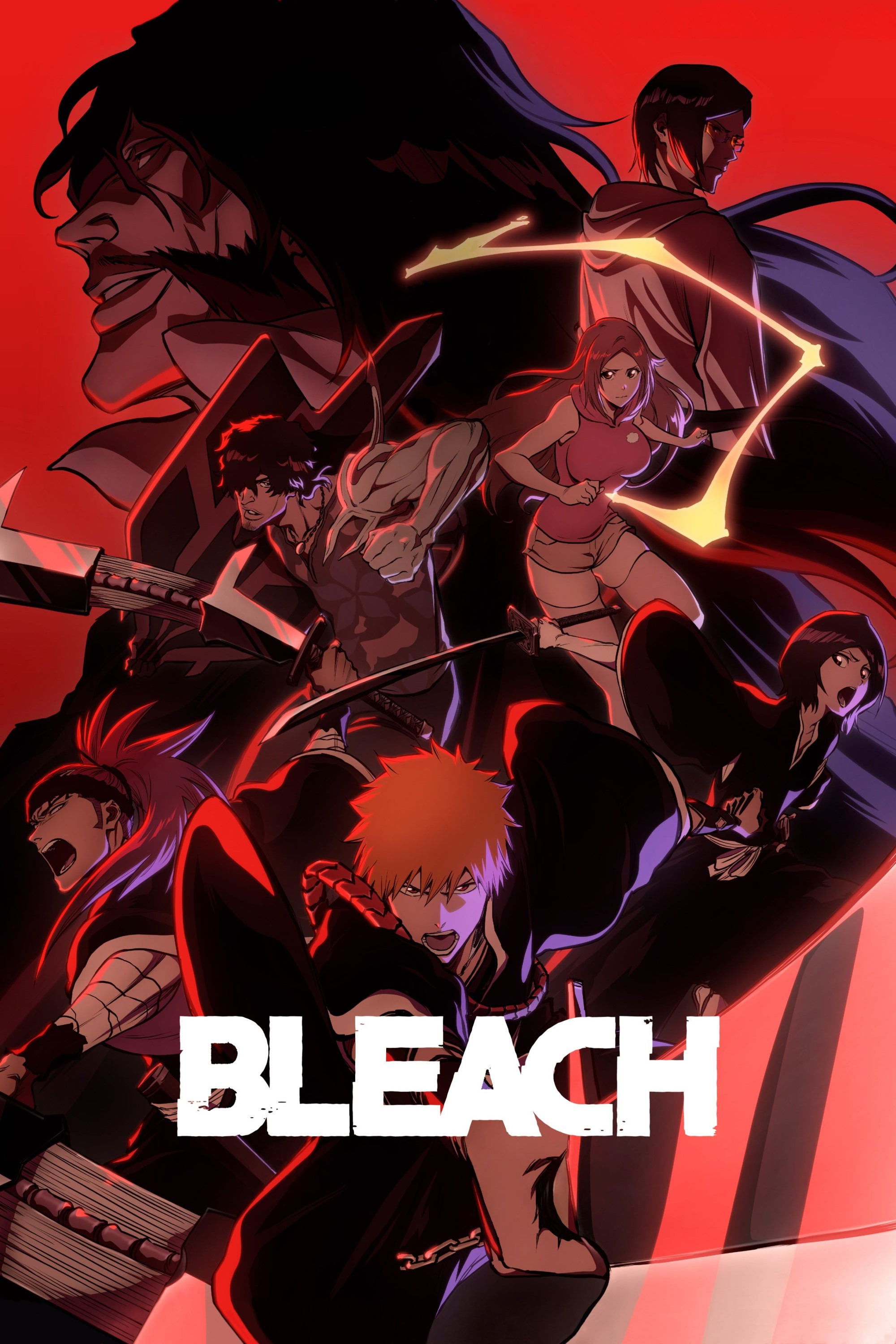
This command is spoken by Soul Reapers to release the final stage of their Zanpakutō. It marks a drastic increase in power and carries individualized forms per wielder. The term appears during major duels that introduce new abilities and strategies. Merchandise, trailers, and chapter titles frequently highlight this single-word trigger.
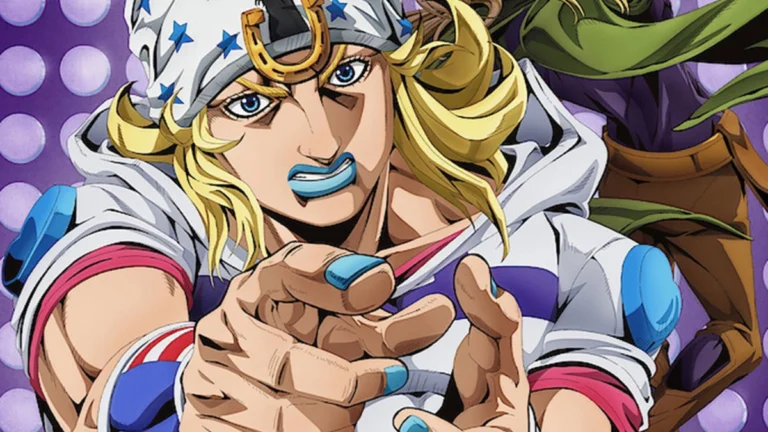
‘JoJo’s Bizarre Adventure’ (2012) – “Yare yare daze.”
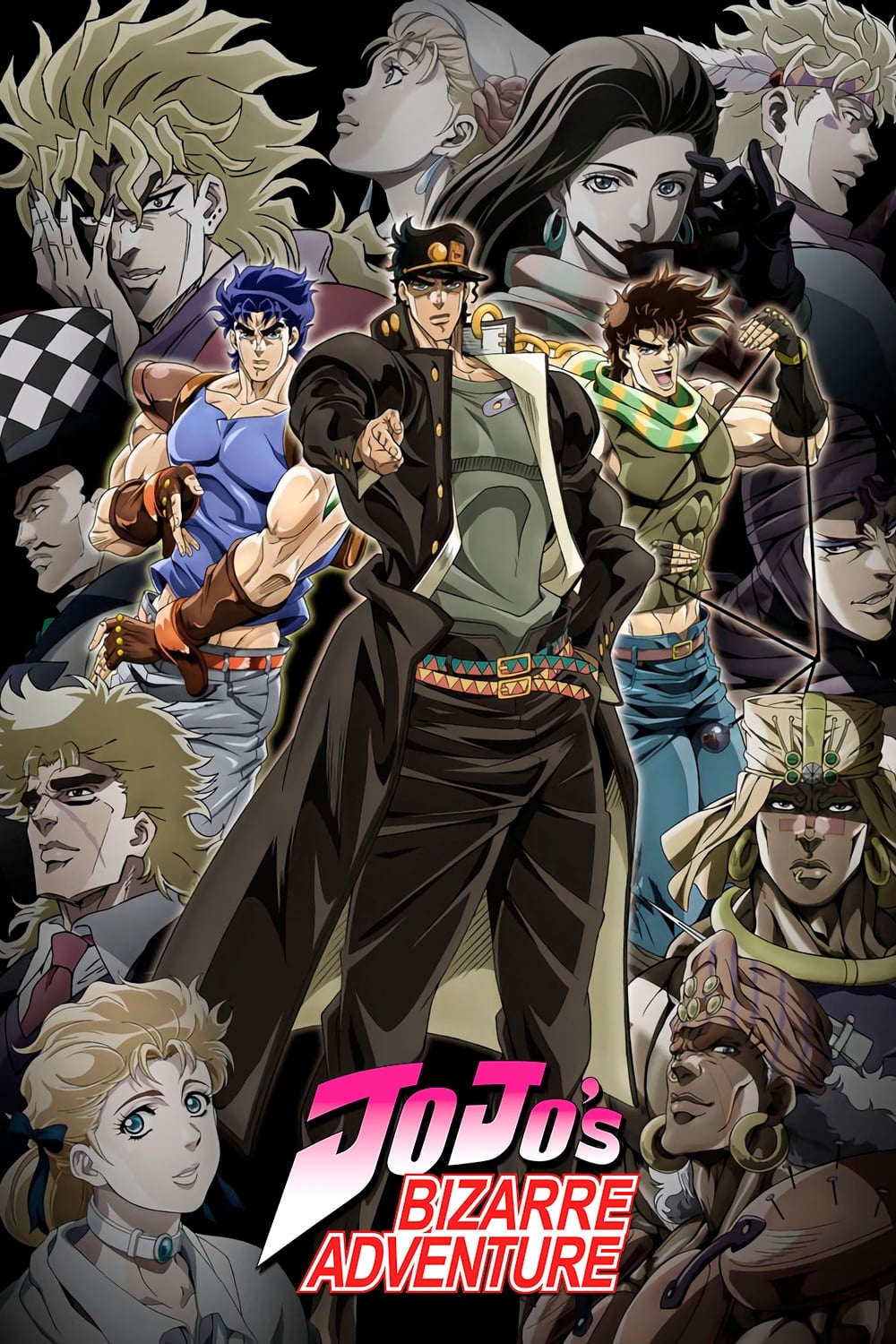
Jotaro Kujo uses this expression during confrontations and everyday hassles alike. The line recurs across arcs featuring his Stand, Star Platinum, and later cameos. It anchors his stoic demeanor while providing a recognizable verbal tic. The phrase shows up on character goods, promotional art, and localized subtitles.
‘Sailor Moon’ (1992) – “In the name of the Moon, I’ll punish you!”
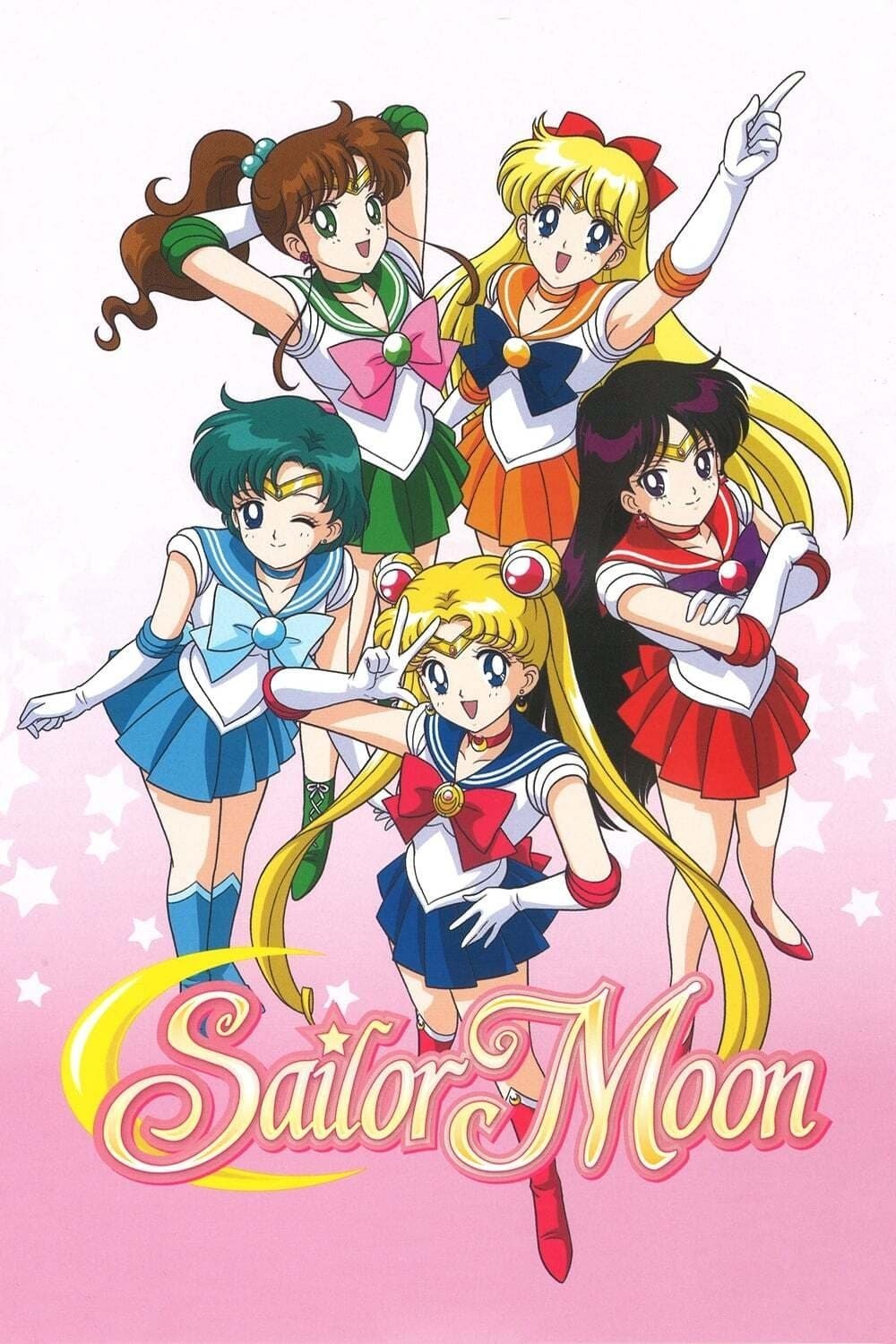
Usagi Tsukino declares this during her transformation and battle introductions. The line is synchronized with visual motifs like the brooch, tiara, and crescent iconography. It’s repeated across monster-of-the-week confrontations and team roll calls. The catchphrase appears on official toys, stage adaptations, and anniversary collaborations.
‘My Hero Academia’ (2016) – “I am here!”
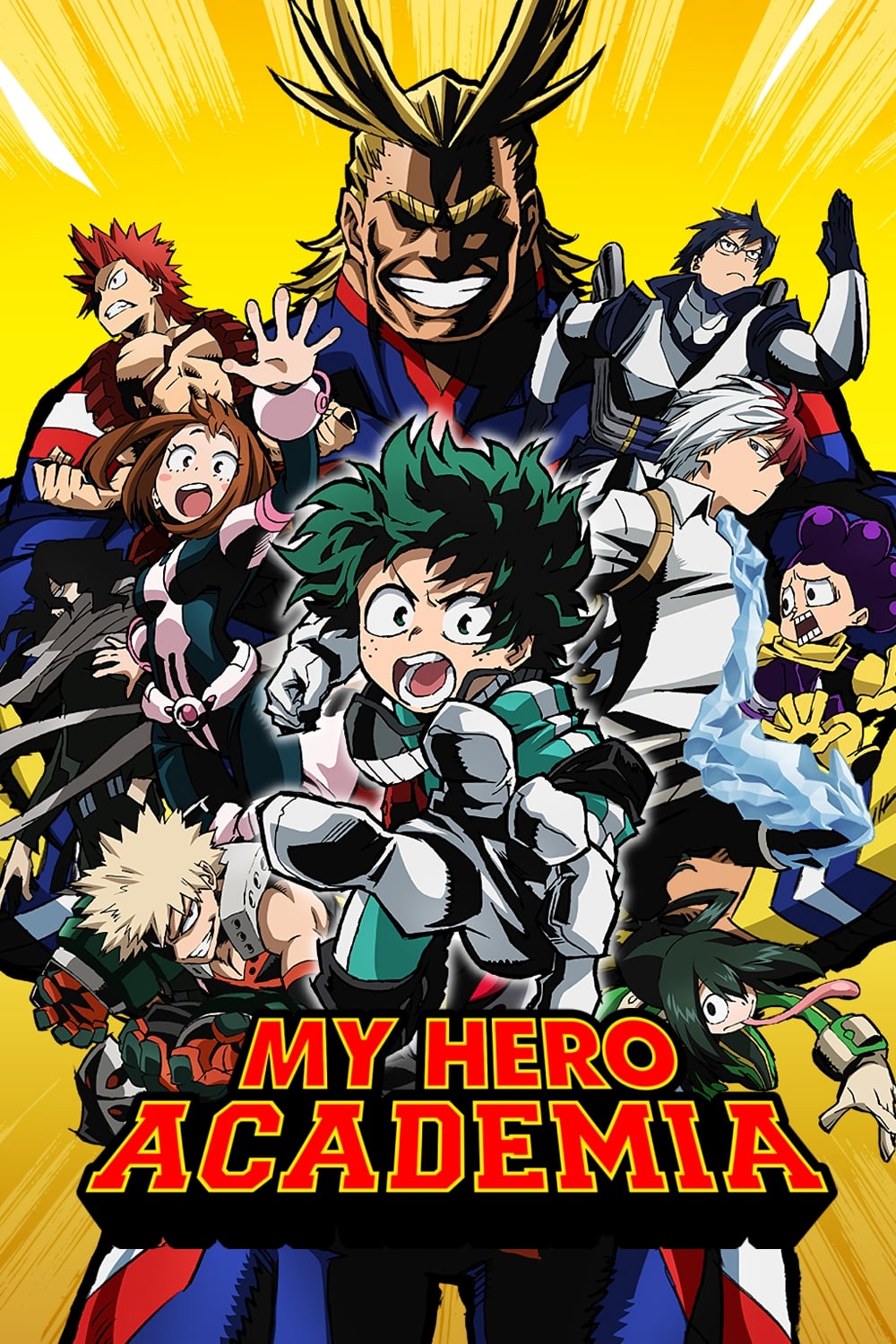
All Might uses this to announce his arrival when rescuing civilians and students. The line underscores his role as the Symbol of Peace and his connection to One For All. It appears in training exercises, public broadcasts, and classroom scenes. The phrase is a fixture in character profiles and collaboration campaigns.
‘Fullmetal Alchemist: Brotherhood’ (2009) – “Equivalent exchange. In order to obtain, something of equal value must be lost.”
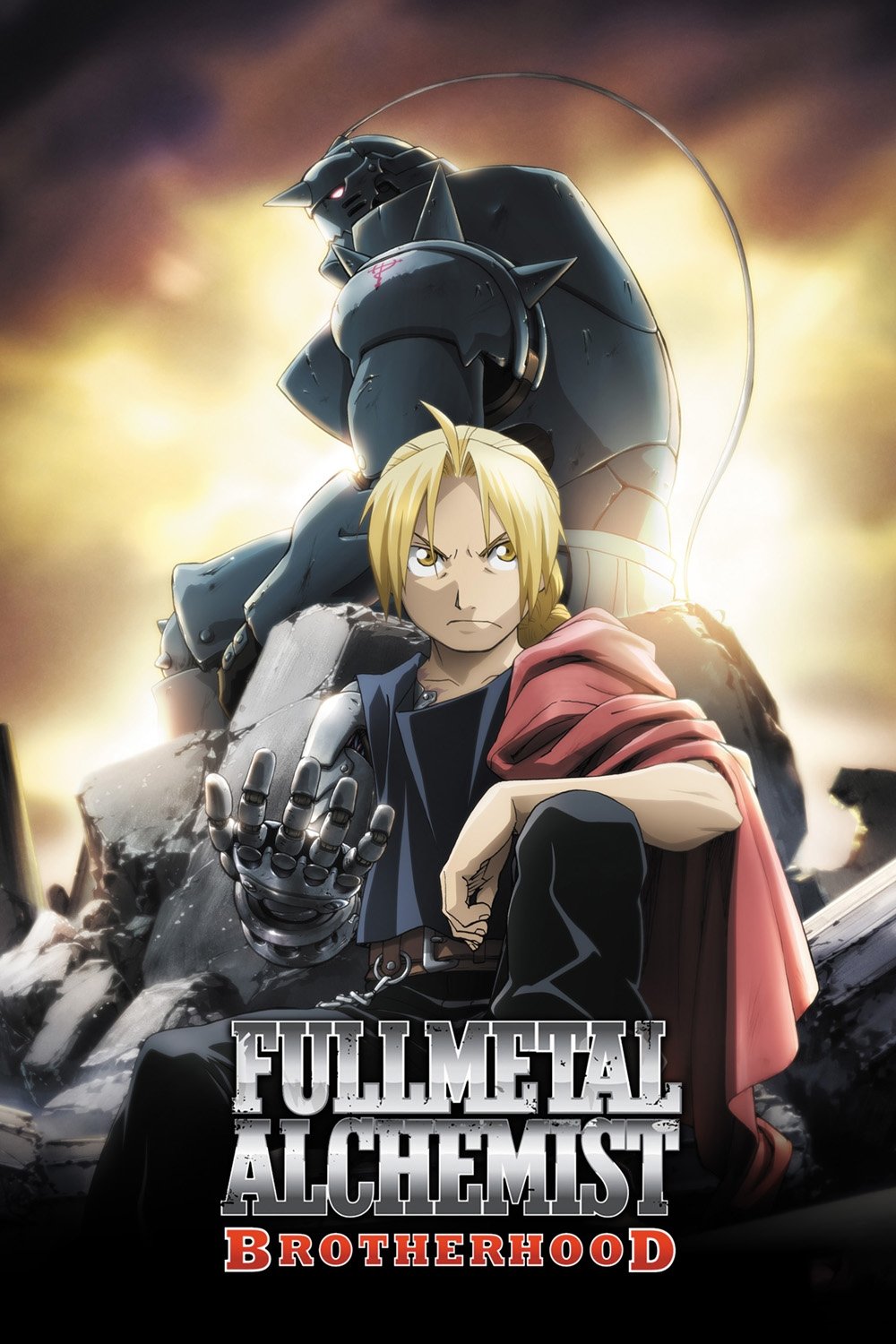
This foundational principle is introduced through the Elric brothers’ study and failed human transmutation. The line is referenced during alchemical explanations and moral choices. It provides a framework for evaluating bargains, sacrifices, and outcomes throughout the plot. Guidebooks, openings, and recaps repeat the wording to orient viewers.
‘One Piece’ (1999) – “I’m gonna be King of the Pirates!”
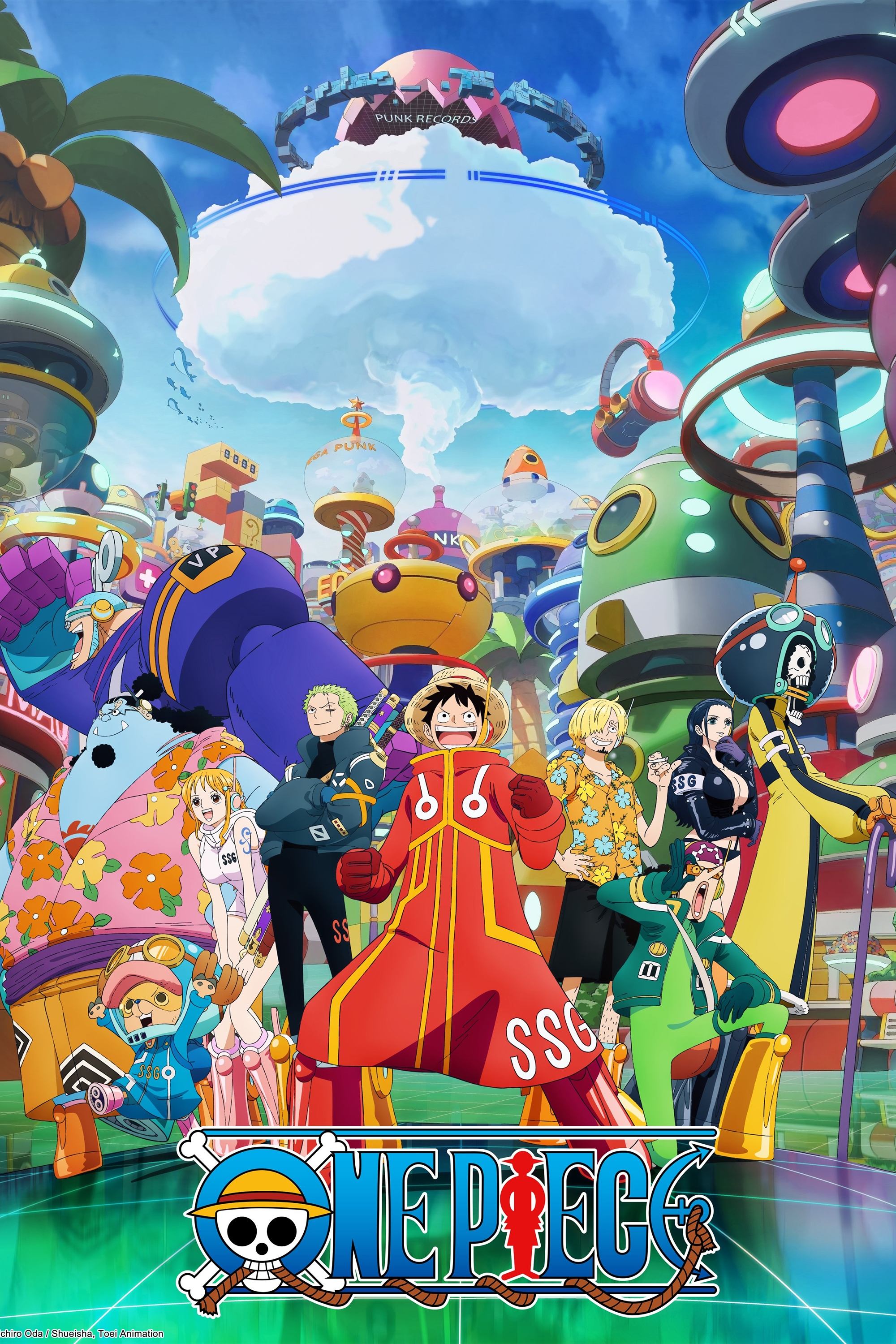
Monkey D. Luffy states this goal at the outset and reiterates it after major victories and setbacks. The line ties to the search for the One Piece and the formation of the Straw Hat crew. It motivates alliances and rivalries across seas, islands, and arcs. The phrase is used in trailers, theme songs, and event posters linked to the franchise.
‘Death Note’ (2006) – “I’ll take a potato chip… and eat it!”
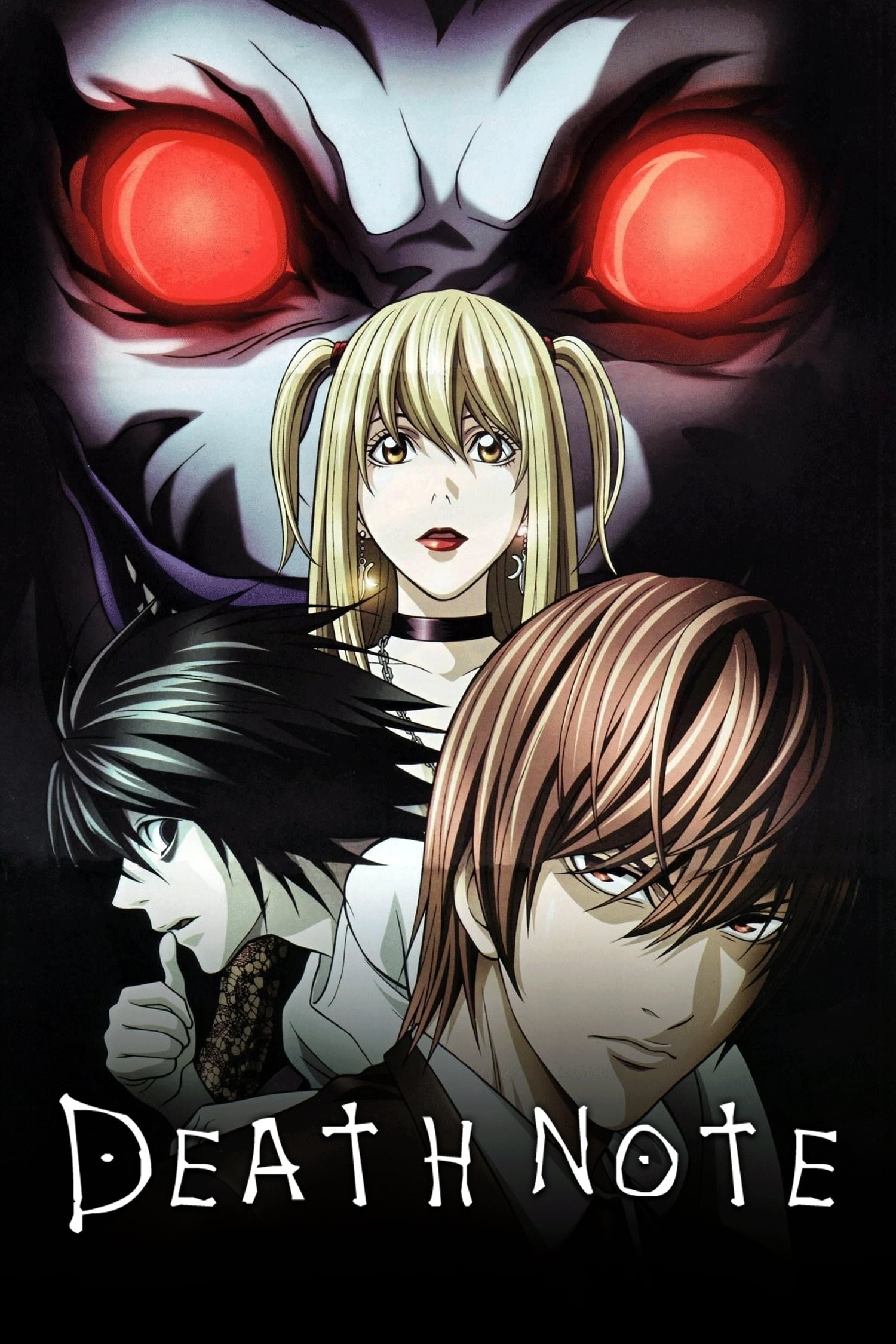
Light Yagami says this during a surveillance sequence that hides his notebook activity in plain sight. The line accompanies rapid montage editing and misdirection tactics. It demonstrates the series’ use of heightened dramatization for routine actions. The moment is referenced in parodies, official recaps, and compilation releases.
‘Attack on Titan’ (2013) – “This world is cruel, but also very beautiful.”
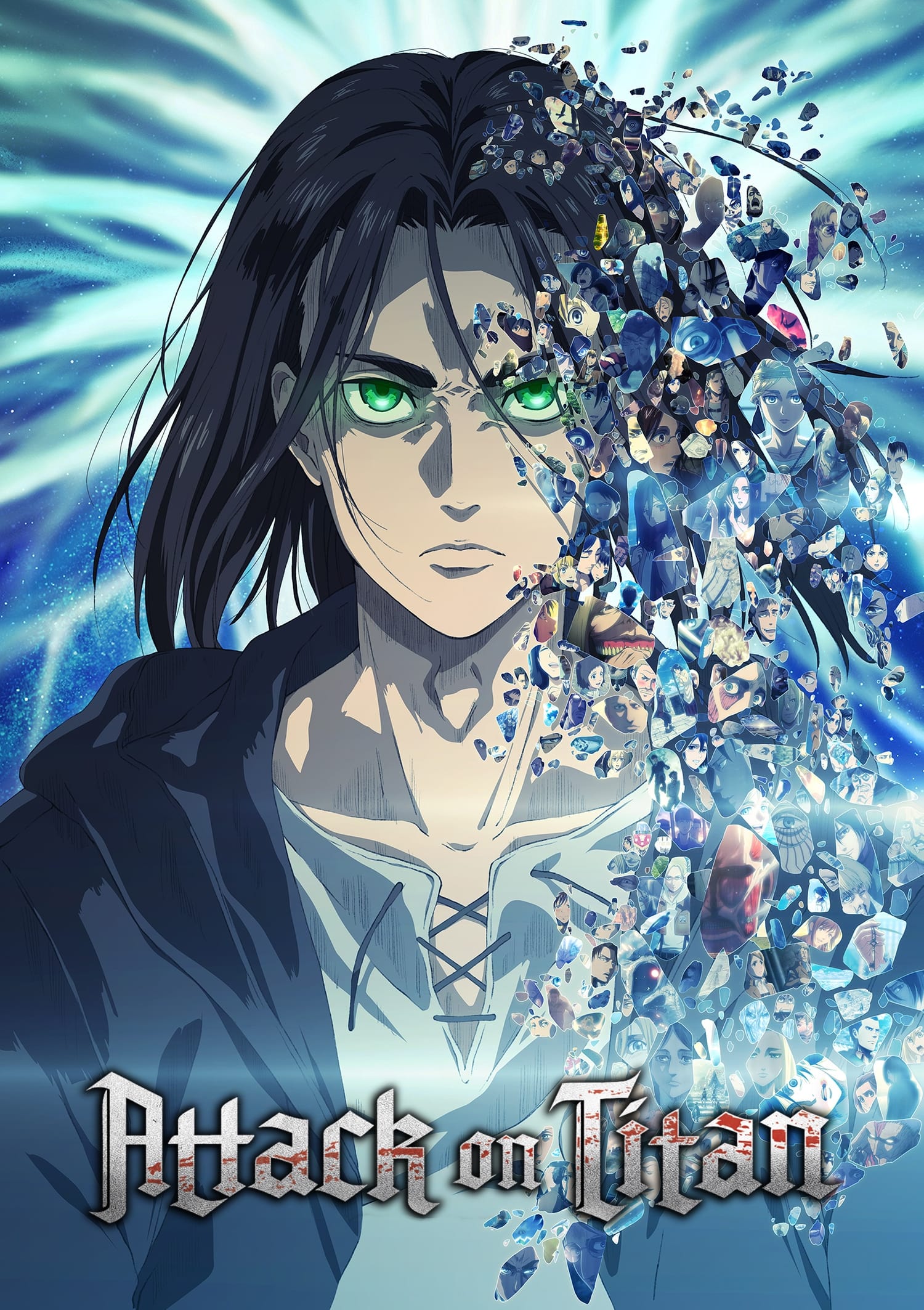
Mikasa Ackerman voices this during reflections on loss and the fleeting safety within the Walls. The line appears around episodes that juxtapose brutality with bonds between characters. It summarizes the setting’s stark conditions without dismissing small moments of care. The phrasing is quoted in art books and episode guide summaries.
‘Gurren Lagann’ (2007) – “Who the hell do you think I am?!”
Kamina hurls this challenge before and during battles, pairing bravado with declarations of identity. The line is echoed by team members as a rallying cry. It syncs with iconic poses, mecha combinations, and drill imagery. Promotional materials and live events regularly feature the slogan.
‘Neon Genesis Evangelion’ (1995) – “I mustn’t run away.”
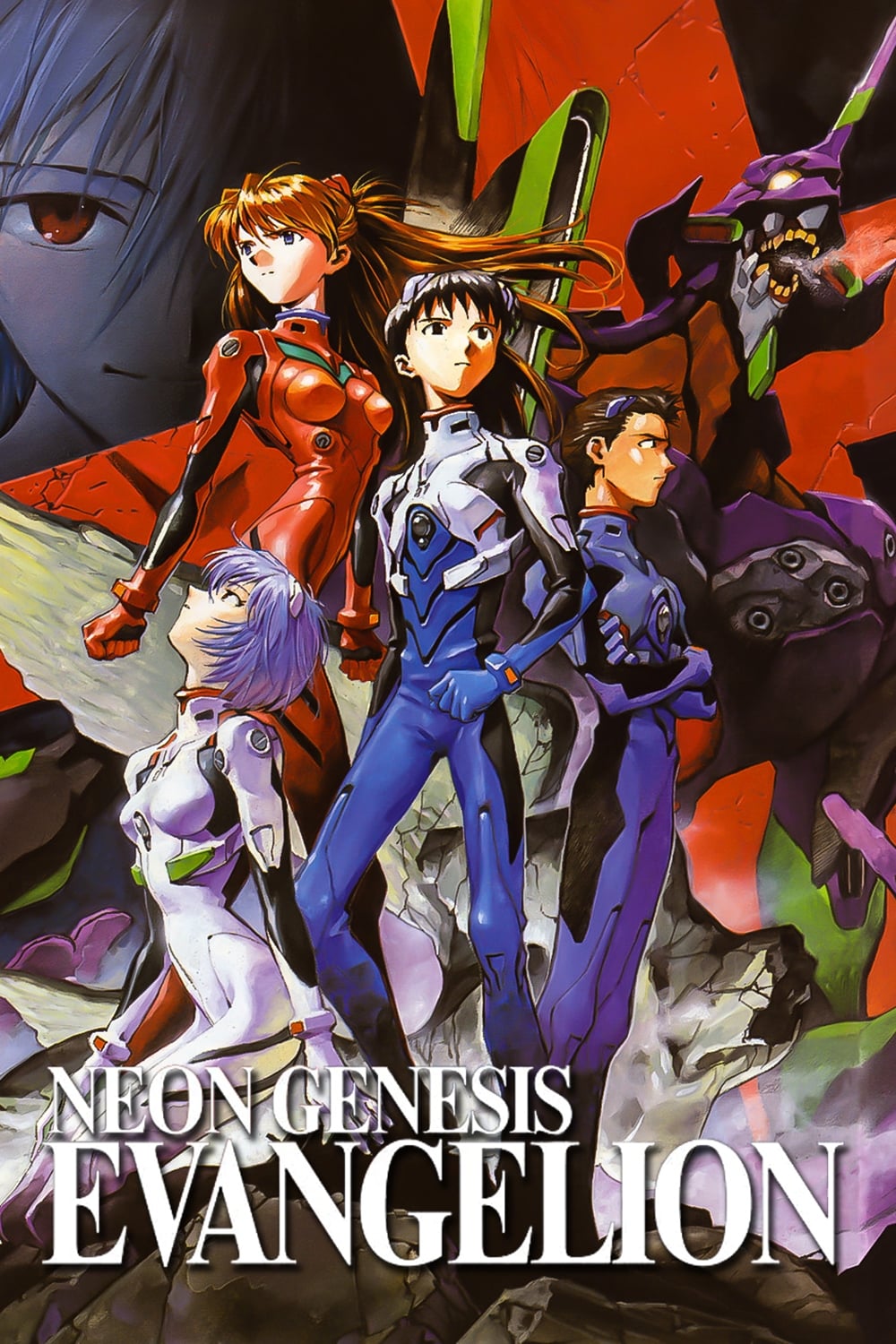
Shinji Ikari repeats this to push himself into action during early Angel assaults. The line functions as an internal mantra that surfaces across key operations. It ties to the series’ focus on anxiety, duty, and strained parent–child dynamics. Scripts, episode previews, and official collections often highlight this refrain.
‘Cowboy Bebop’ (1998) – “Bang.”
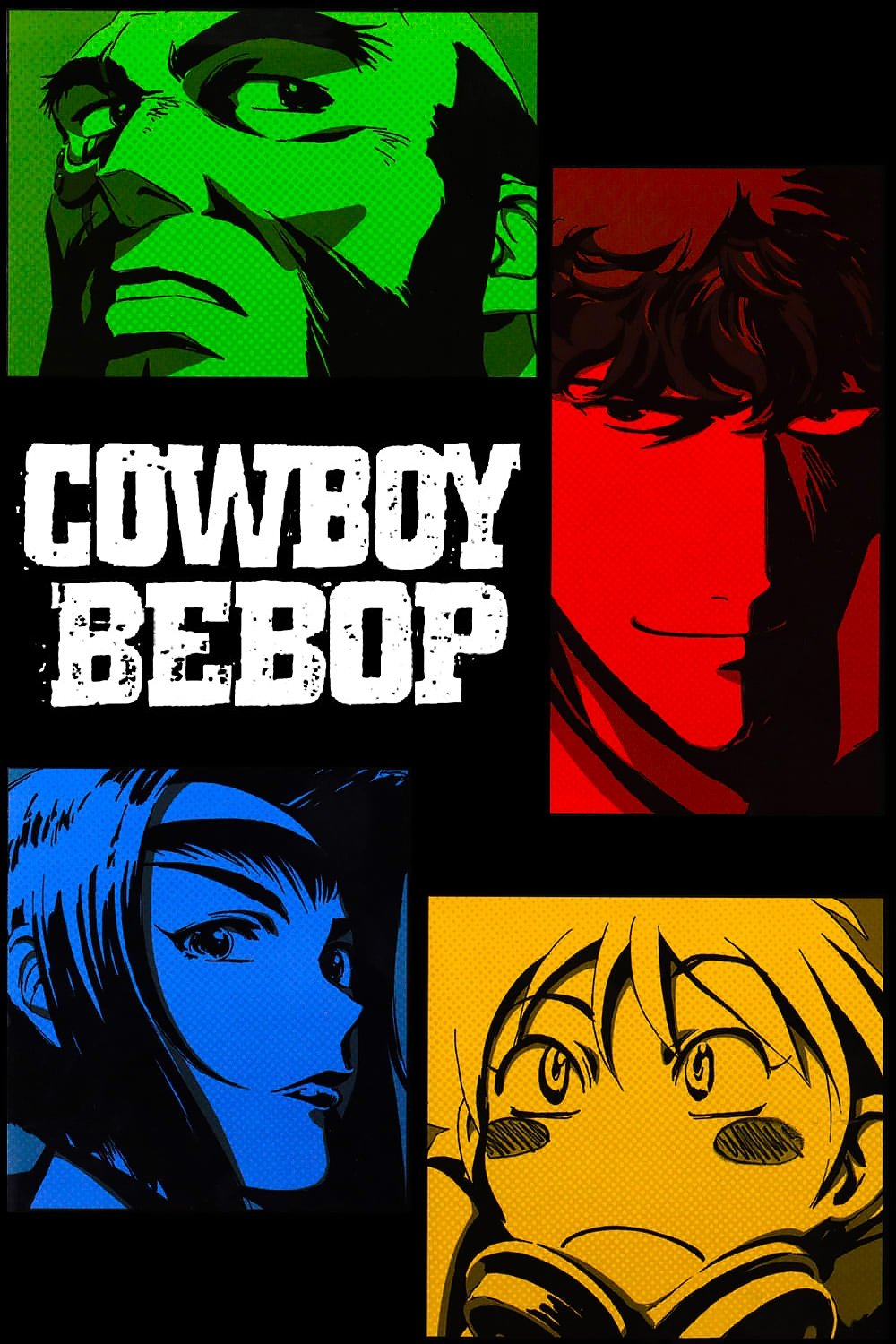
Spike Spiegel says this at the end of a decisive encounter, punctuating character arcs and unresolved histories. The single word follows a finger-gun gesture tied to his past affiliations. It has become a hallmark of the show’s noir tone and jazz-inflected pacing. The moment is referenced in retrospectives, soundtrack notes, and home-release features.
‘Dragon Ball Z’ (1989) – “It’s over 9000!”

This exclamation is delivered during a scouter reading in the Saiyan saga, revealing a power level far beyond expectations. The line is associated with Vegeta and the shock it causes among fighters. It appears in numerous recaps, remasters, and localizations with slight variations. The phrase migrated into broader pop culture through memes, merchandise, and crossover promotions.
Share your favorite line and the moment it comes from in the comments!