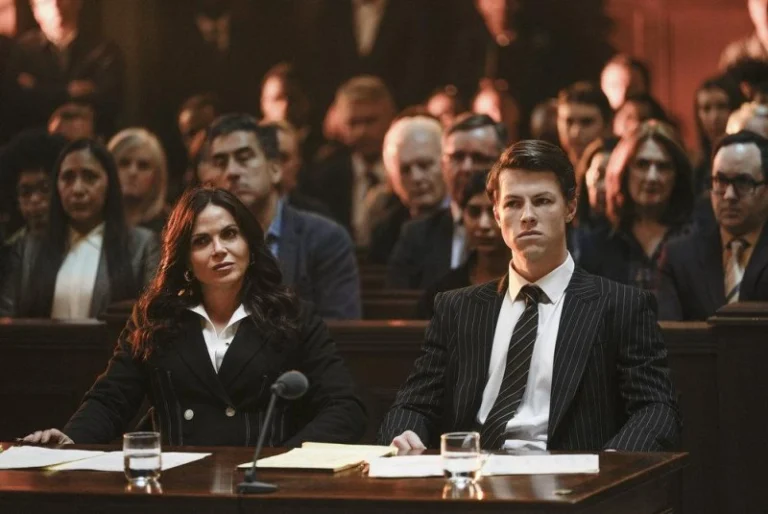
10 Best Monologues in Courtroom Dramas



Courtroom dramas thrive on high-stakes tension, and nothing delivers that like a powerful monologue, where a single speech can sway a jury or bare a character’s soul. These moments, packed with raw emotion and sharp arguments, often become the heart of the film, stealing the spotlight with their intensity.
I’ve chosen 10 standout monologues from courtroom dramas. Each entry explores what makes these speeches hit so hard, from their delivery to their impact, showcasing the best of cinematic legal battles.
‘The Verdict’ (1982) – Paul Newman as Frank Galvin
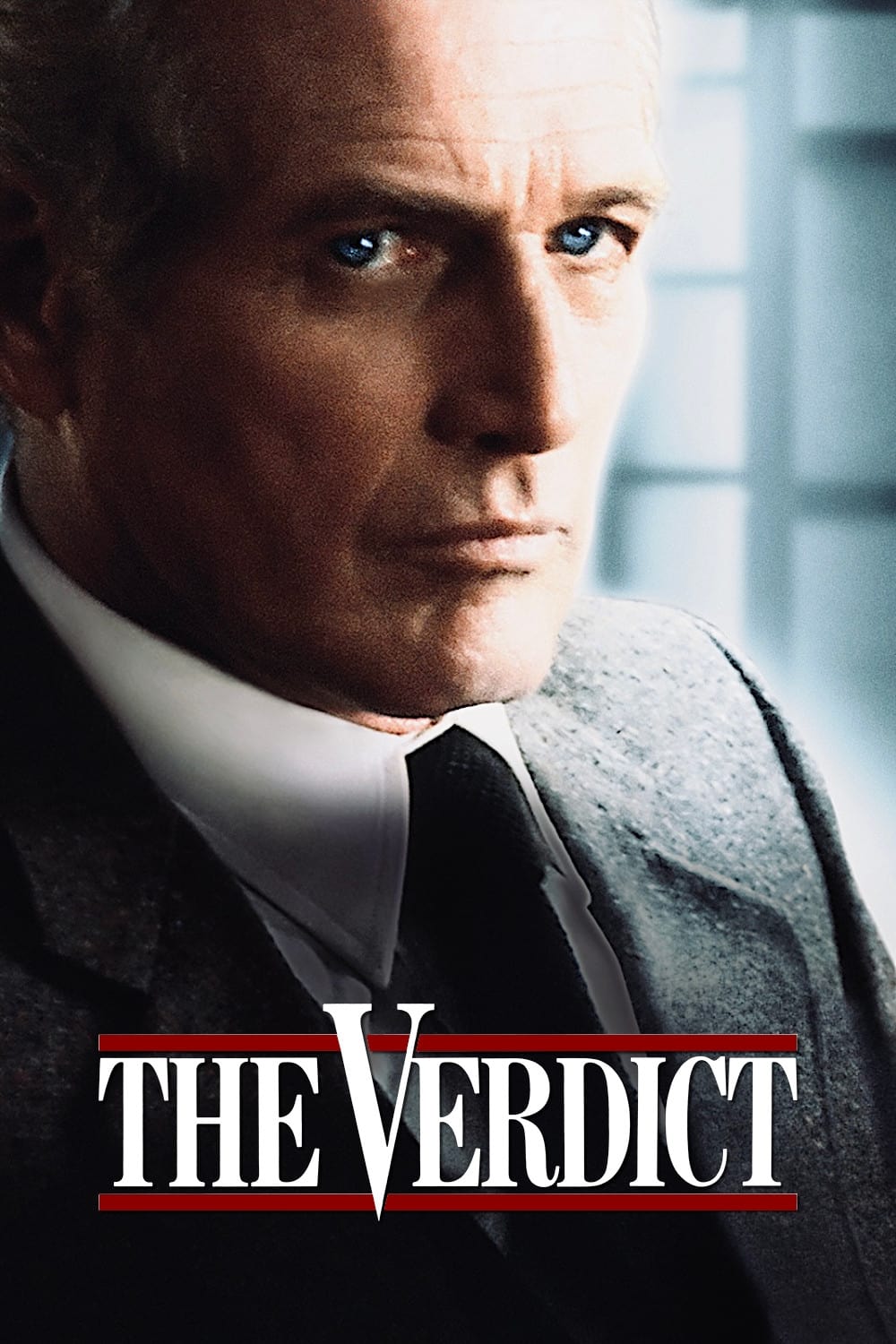
Newman’s Galvin, a washed-up lawyer, delivers a raw closing argument in a medical malpractice case, pleading for justice over cynicism. His speech, filled with quiet passion, calls out the system’s flaws while urging the jury to see the human cost.
Newman’s weathered voice and earnest delivery make every word land. For me, this monologue’s simplicity and heart make it a powerful cry for fairness.
‘Inherit the Wind’ (1960) – Spencer Tracy as Henry Drummond
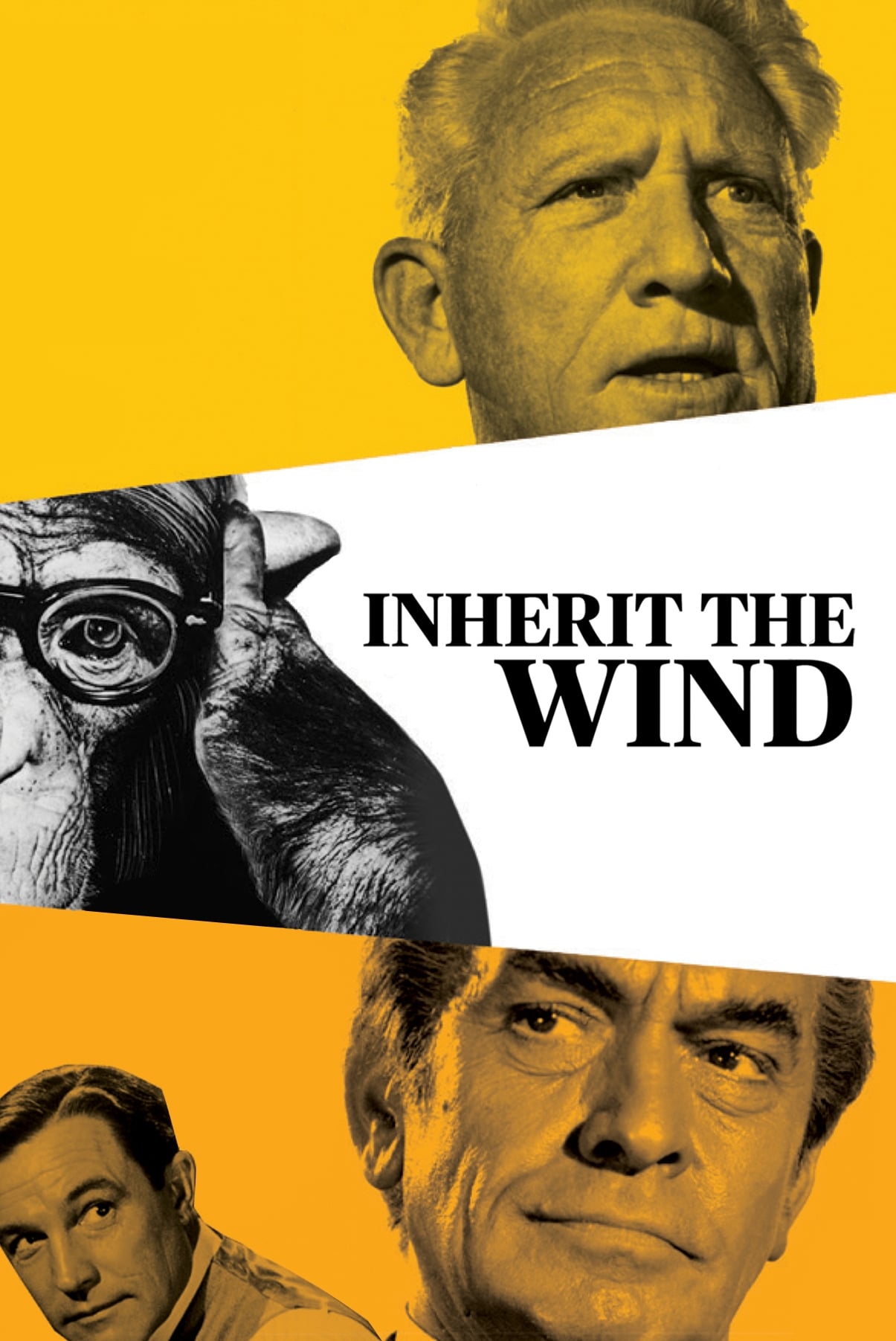
Tracy’s Drummond, defending a teacher in a case about teaching evolution, unleashes a fiery speech on freedom of thought. His booming delivery challenges the courtroom’s bigotry, blending wit and moral weight to defend science and individuality.
Tracy’s commanding presence turns the monologue into a courtroom showdown. I love how his words feel like a rallying cry for reason against blind dogma.
‘Judgment at Nuremberg’ (1961) – Maximilian Schell as Hans Rolfe
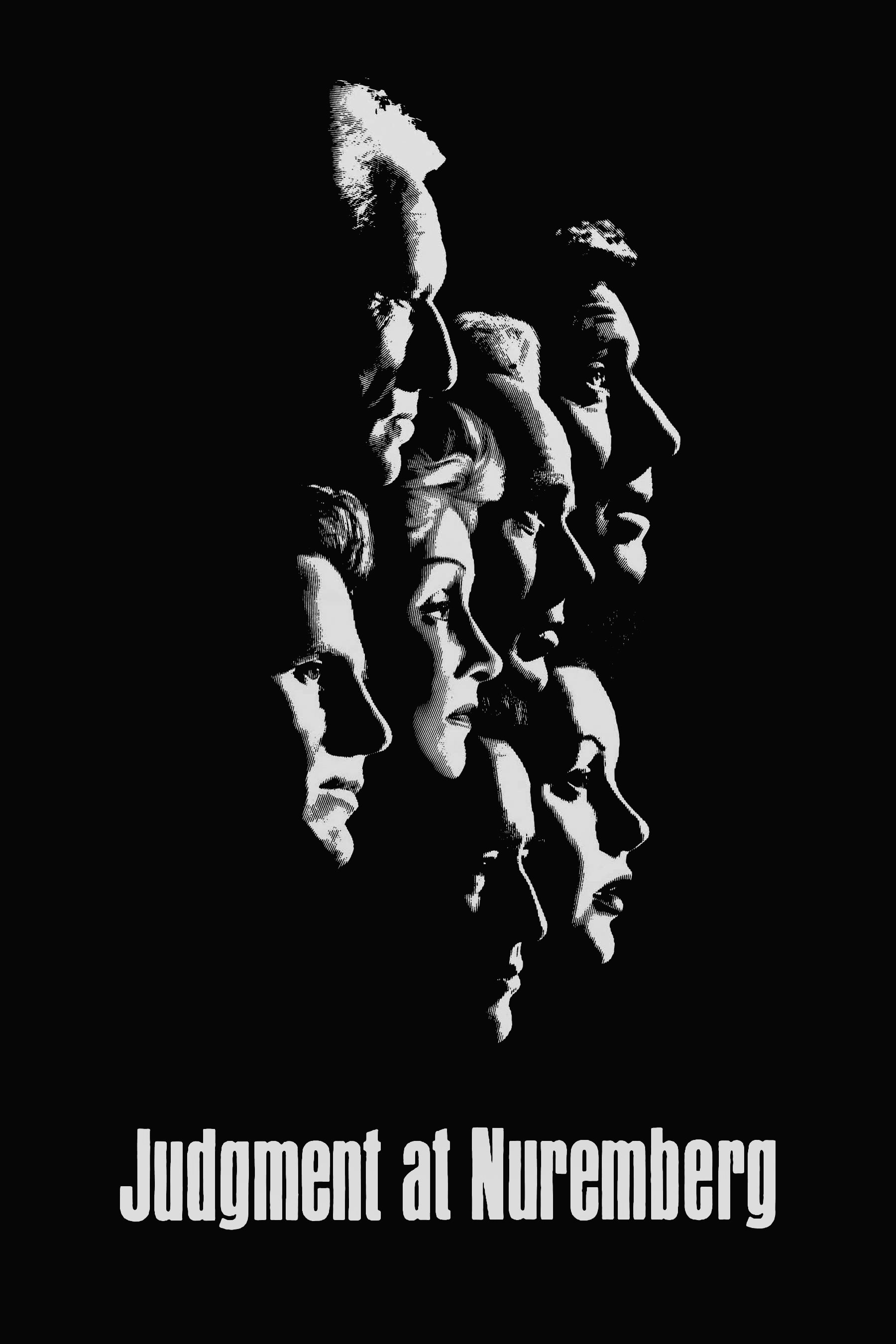
Schell’s Rolfe, a German defense attorney, delivers a chilling argument justifying Nazi actions to save his clients. His cold logic and intense delivery expose the moral complexities of guilt and responsibility in post-war trials.
Schell’s performance makes the speech unsettling yet gripping, forcing you to wrestle with tough questions. For me, it’s a haunting look at how eloquence can mask horror.
‘Philadelphia’ (1993) – Tom Hanks as Andrew Beckett
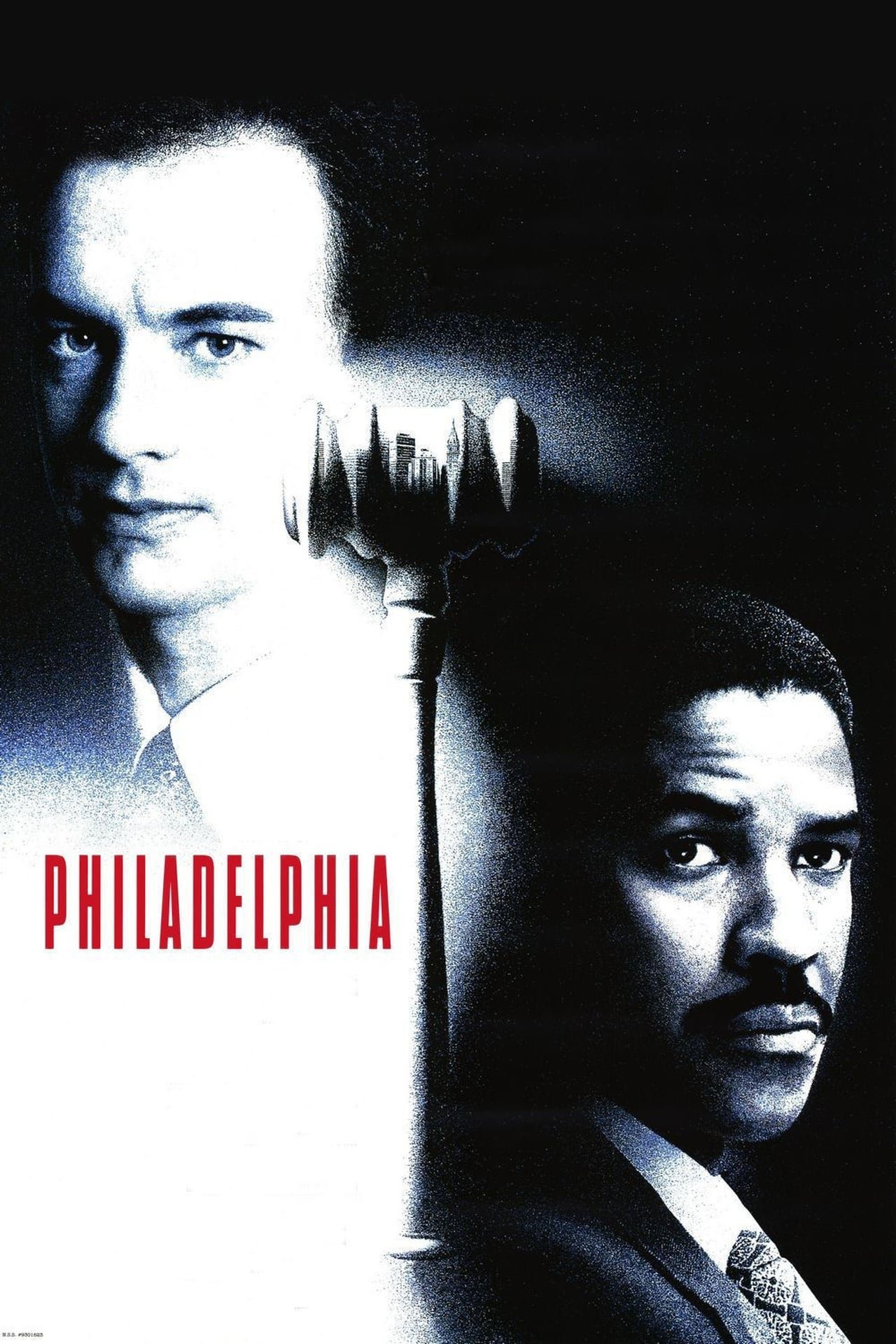
Hanks’ Beckett, a lawyer with AIDS, passionately explains his discrimination case to his attorney, revealing his pain and humanity. His quiet, heartfelt monologue about love and injustice breaks through prejudice with raw vulnerability.
Hanks’ emotional depth makes the moment unforgettable, earning empathy in every word. I find this speech a moving plea for dignity that hits like a gut punch.
‘The Caine Mutiny’ (1954) – José Ferrer as Barney Greenwald
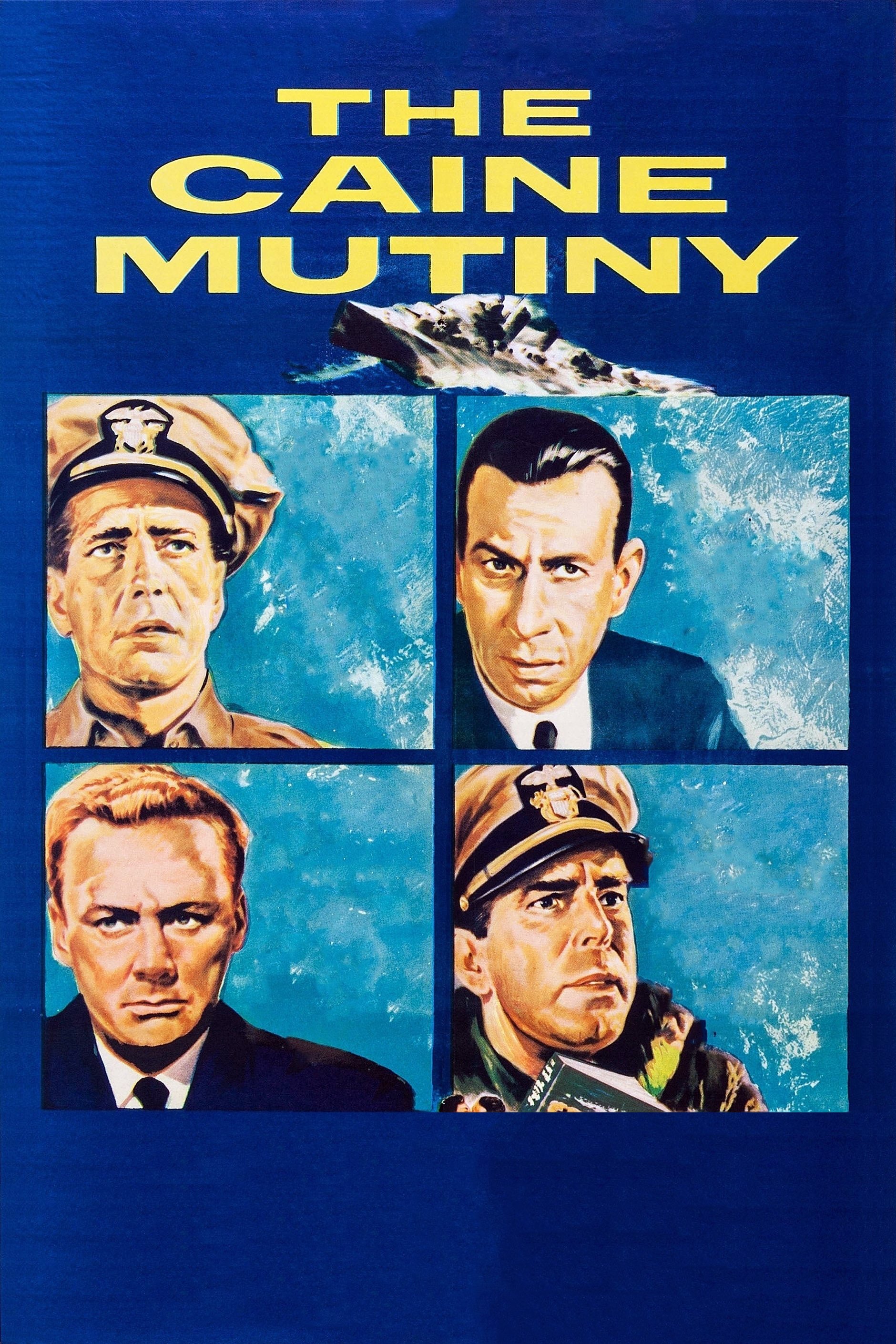
Ferrer’s Greenwald, a Navy lawyer, delivers a scathing post-trial speech blaming the mutiny’s real cause on a cowardly captain. His bitter, drunken monologue flips the case’s victory into a moral critique of leadership and loyalty.
Ferrer’s intensity and sharp delivery make the speech a surprising twist. For me, it’s a brilliant moment that turns a win into a sobering reflection.
‘To Kill a Mockingbird’ (1962) – Gregory Peck as Atticus Finch
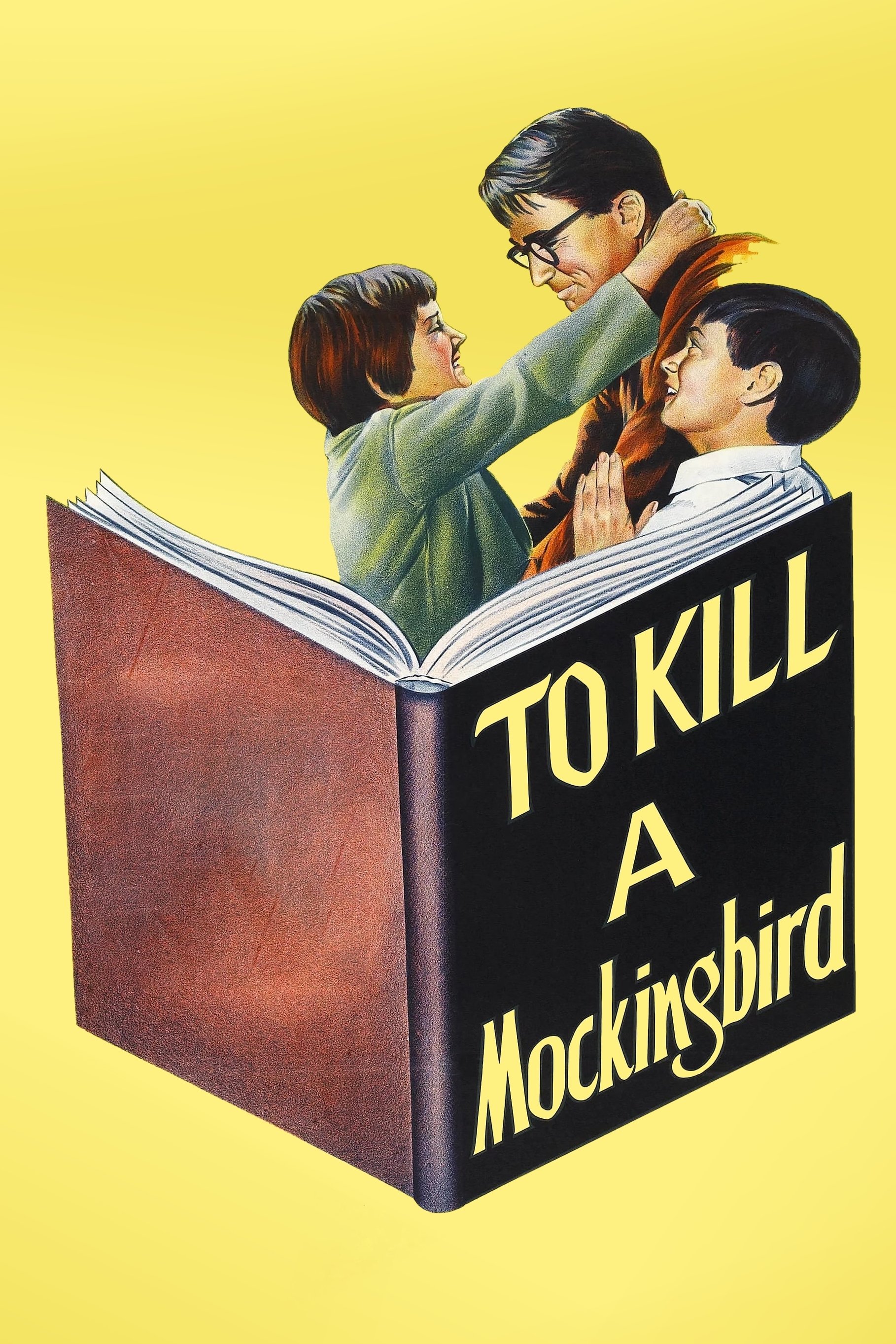
Peck’s Finch, defending a Black man in a prejudiced town, gives a closing argument on justice and equality. His calm, principled speech, urging the jury to rise above bias, radiates moral clarity and quiet strength.
Peck’s steady voice and commanding presence make the words timeless. I think this monologue’s call for fairness remains one of cinema’s most inspiring moments.
‘Primal Fear’ (1996) – Richard Gere as Martin Vail
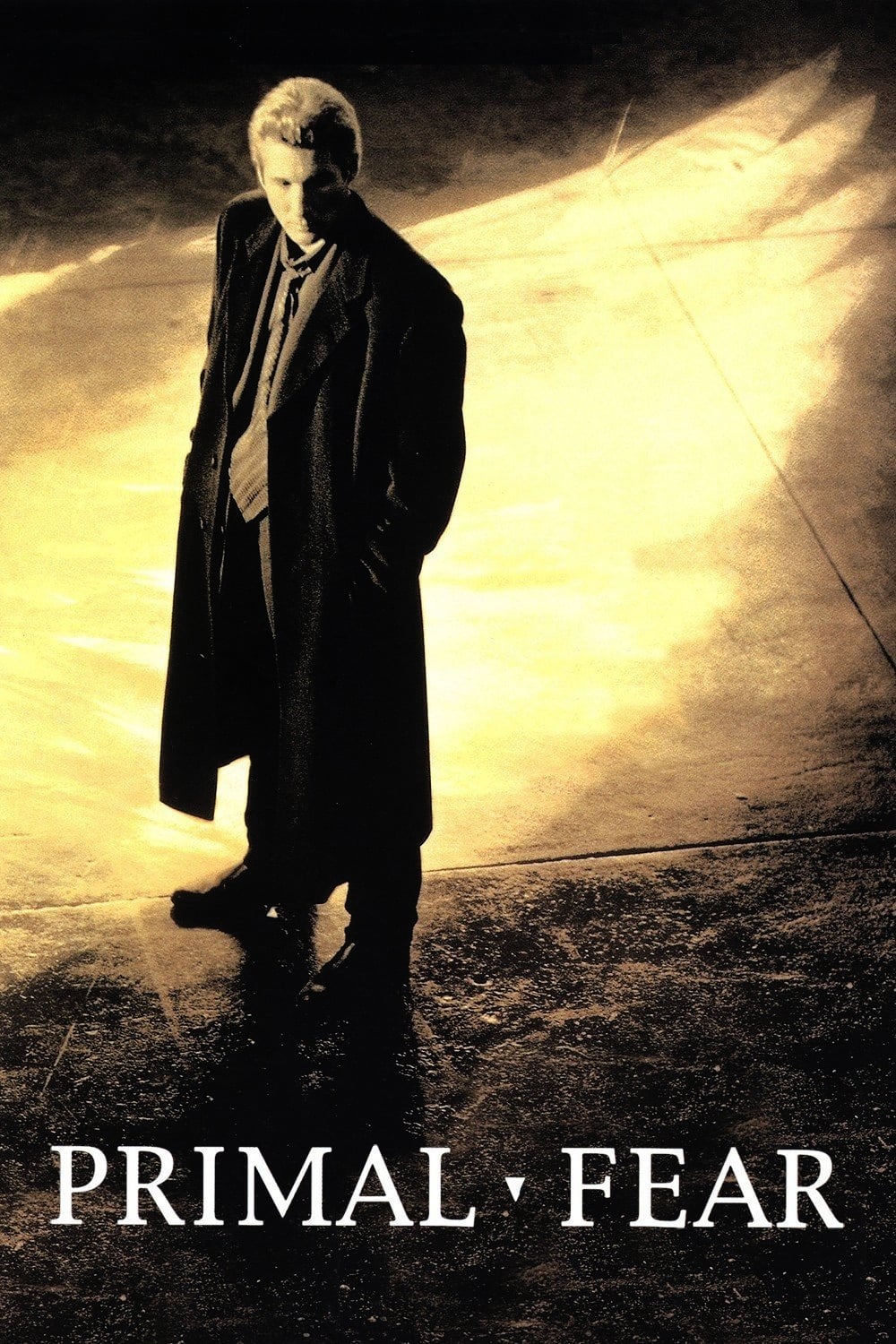
Gere’s Vail, a slick defense attorney, delivers a passionate closing argument to save a troubled client accused of murder. His speech, blending charm and desperation, manipulates the jury while revealing his own shaken confidence.
Gere’s charisma and subtle vulnerability elevate the moment. For me, this monologue’s mix of showmanship and doubt captures the stakes of a tense trial.
‘The Rainmaker’ (1997) – Matt Damon as Rudy Baylor
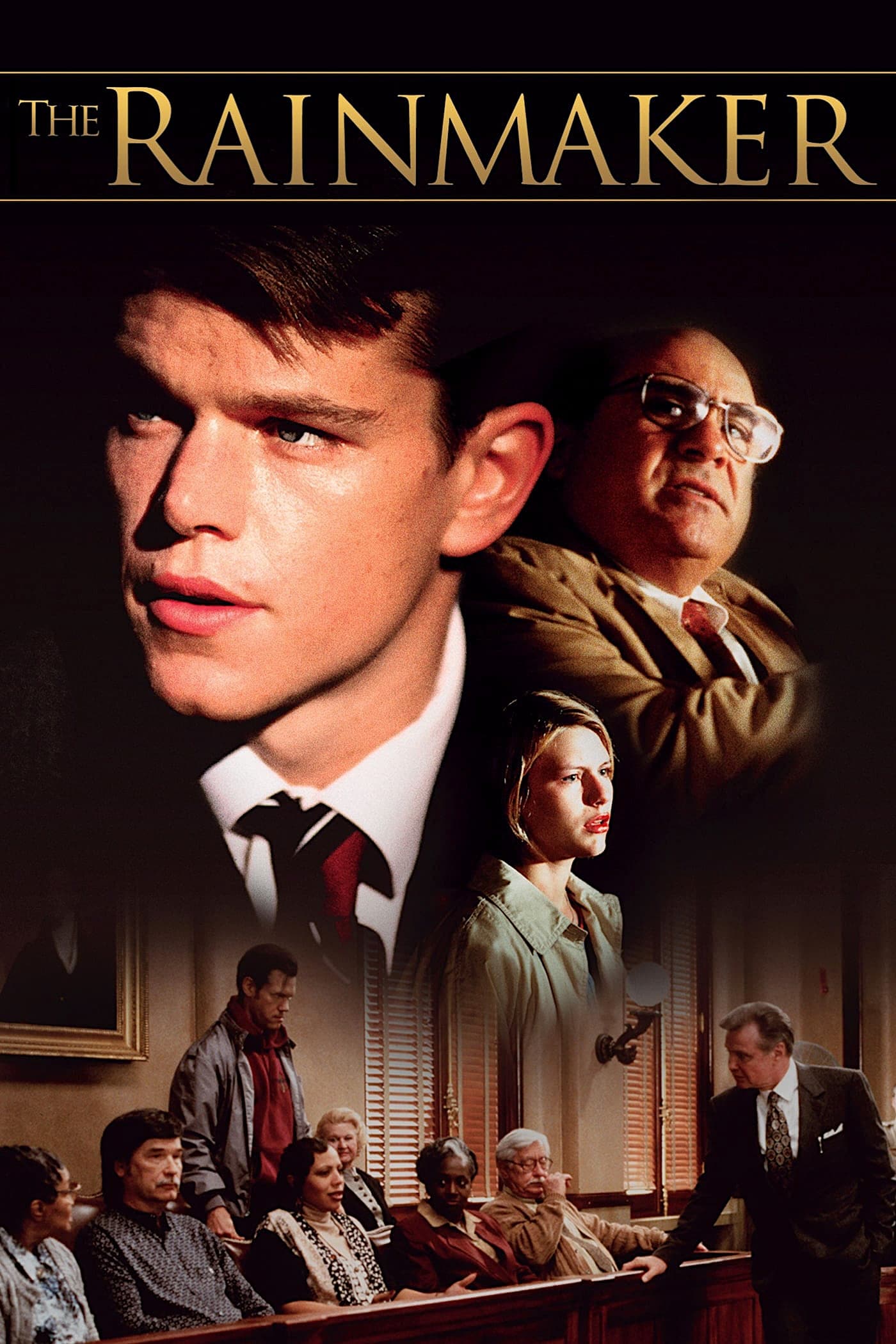
Damon’s Baylor, a rookie lawyer, gives a heartfelt closing argument against a corrupt insurance company. His earnest, straightforward plea for justice, rooted in his client’s suffering, cuts through the courtroom’s cynicism.
Damon’s youthful passion makes the speech feel authentic and urgent. I love how his underdog energy turns a simple argument into a powerful stand.
‘A Time to Kill’ (1996) – Matthew McConaughey as Jake Brigance
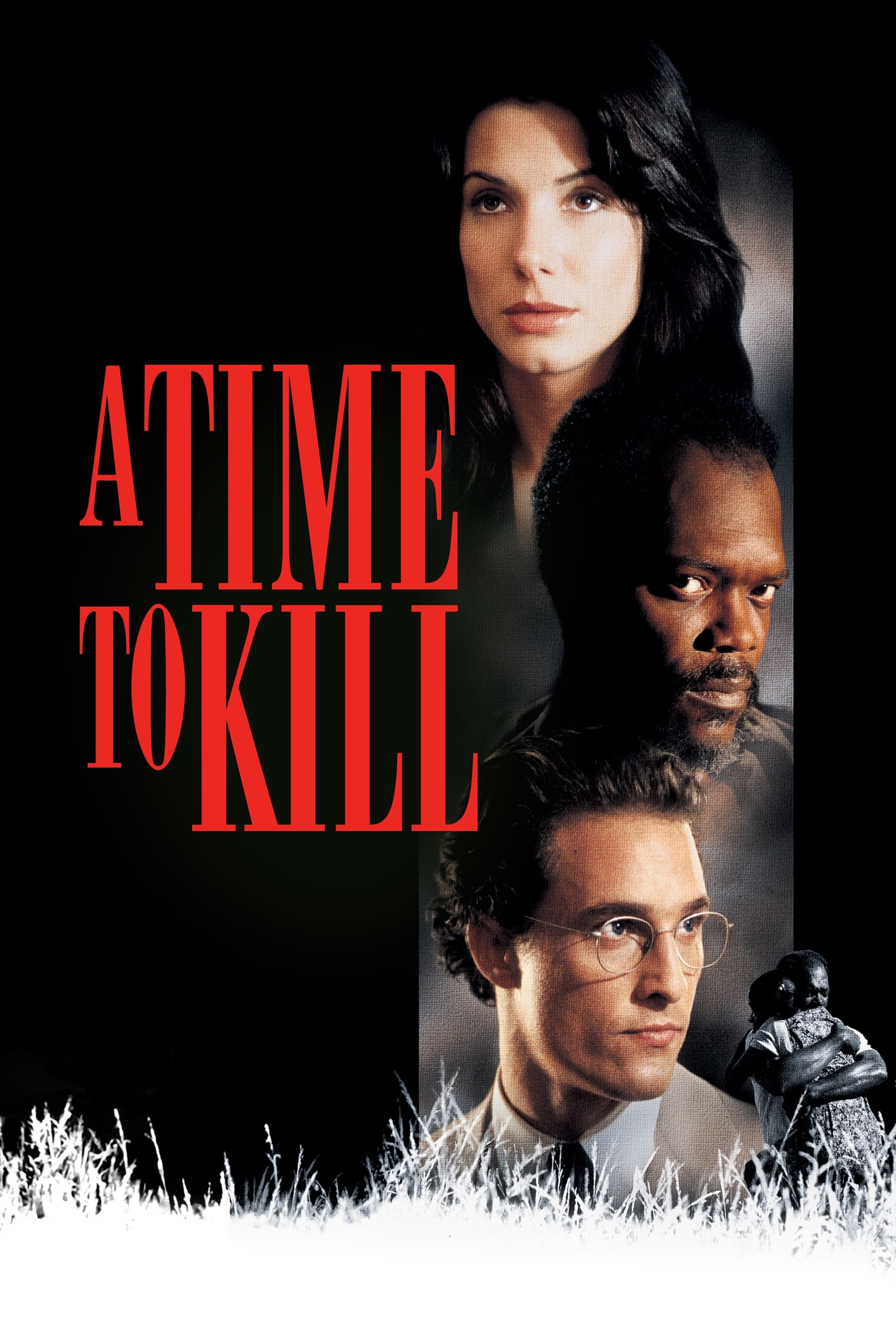
McConaughey’s Brigance, defending a father who killed his daughter’s attackers, delivers a gut-wrenching closing speech. He vividly describes the crime, forcing the jury to confront their biases by imagining it differently, with raw emotional power.
McConaughey’s intense delivery makes the courtroom feel electric. For me, this monologue’s bold storytelling flips the case and leaves you stunned.
‘A Few Good Men’ (1992) – Tom Cruise as Daniel Kaffee
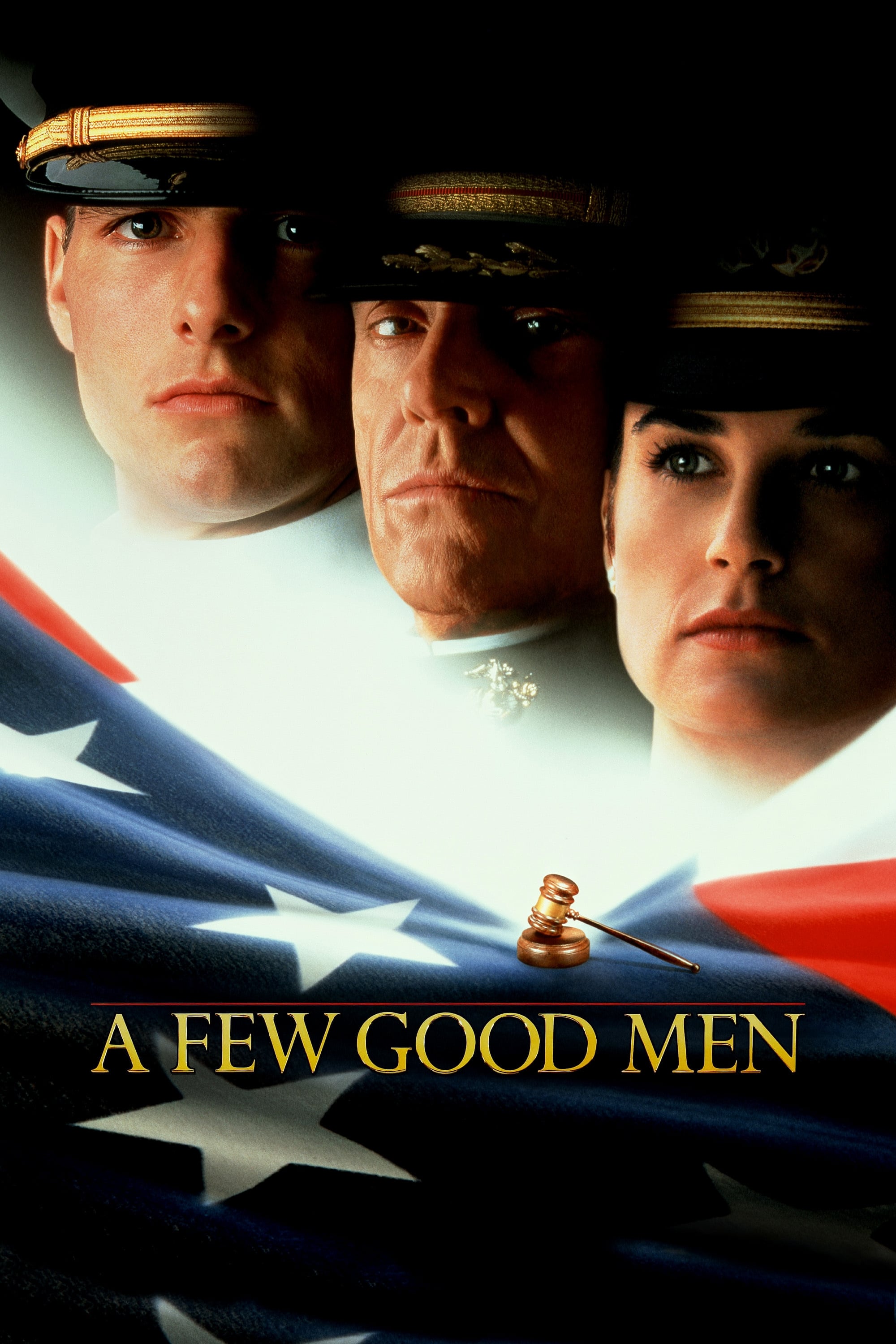
Cruise’s Kaffee, a Navy lawyer, unleashes a fiery cross-examination against a colonel, demanding the truth about a soldier’s death. His “You can’t handle the truth!” showdown, packed with defiance and wit, flips the trial’s momentum.
Cruise’s explosive energy and sharp pacing make the moment iconic. For me, this speech’s raw intensity and moral triumph define courtroom drama at its peak.
Which courtroom monologue gave you chills, or did I miss a powerful speech? Drop your thoughts in the comments!