12 Mecha Anime That Are Actually Deep Political Dramas



Mecha anime often dazzle us with giant robots and epic battles, but some go far beyond flashy action. Many weave intricate tales of power, betrayal, and societal struggles, using mecha as a backdrop to explore real-world issues. These stories challenge us to think about war, governance, and human ambition through gripping narratives and complex characters. Whether it’s rebellion against empires or moral dilemmas in futuristic worlds, these anime deliver thought-provoking political drama alongside their mechanical spectacle.
We’ve rounded up 12 mecha anime that stand out for their deep political themes. From interstellar conflicts to shadowy conspiracies, each show or movie uses its robots to mirror human struggles and question authority. These selections span decades, showcasing how the genre has evolved while tackling timeless issues. Let’s dive into these captivating stories that blend high-stakes action with sharp political commentary.
Mobile Suit Gundam (1979-1980)
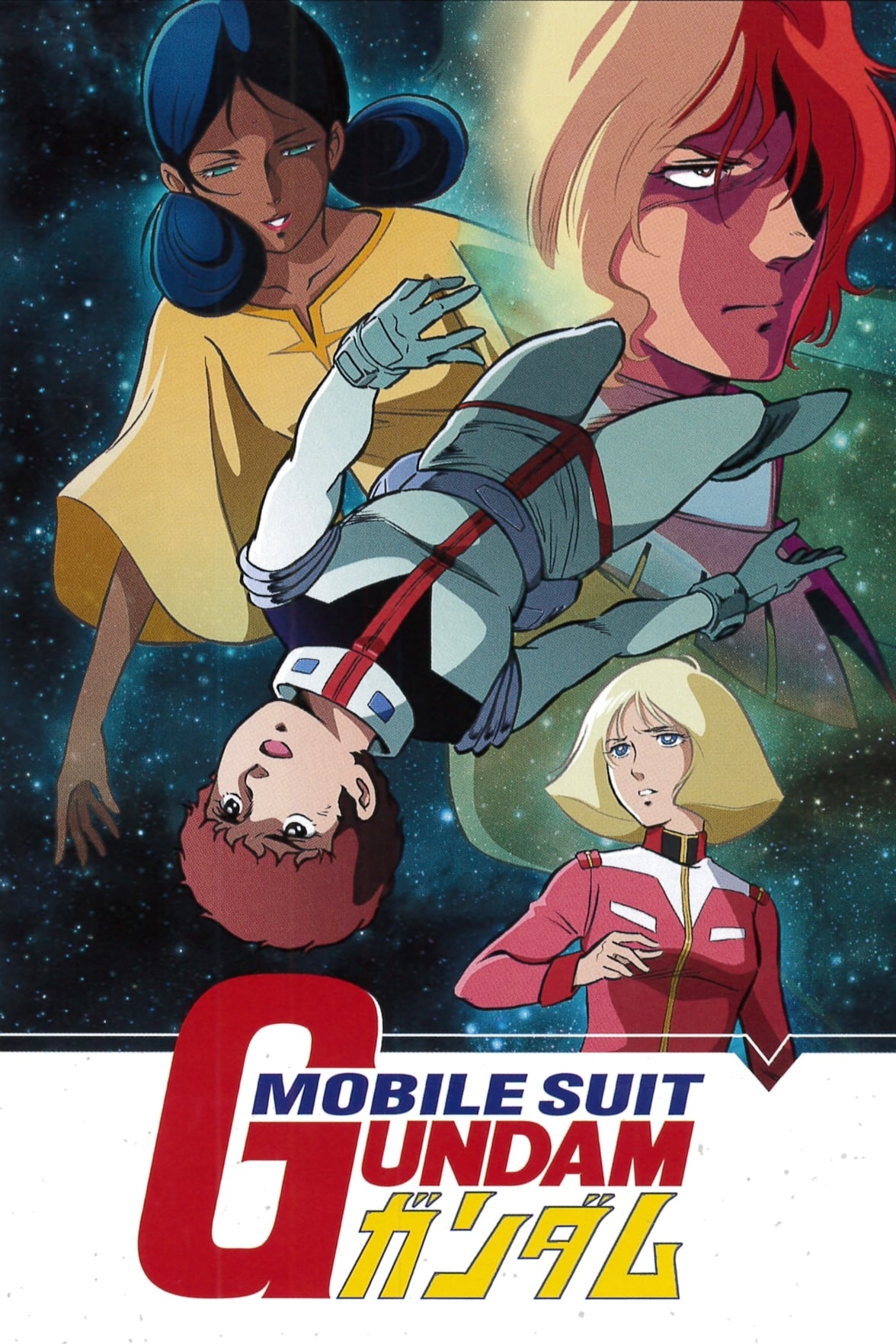
This classic kicked off the Gundam franchise and set the standard for political mecha anime. It follows Amuro Ray, a young pilot thrust into a war between the Earth Federation and the Principality of Zeon, a space colony seeking independence. The story explores the cost of conflict, with both sides grappling for control while civilians suffer.
Its focus on war’s moral gray areas and the political motivations behind each faction makes it a standout. Themes of nationalism and sacrifice are woven into intense mecha battles. The show’s grounded take on war still resonates, cementing its place as a genre-defining masterpiece.
Neon Genesis Evangelion (1995-1996)
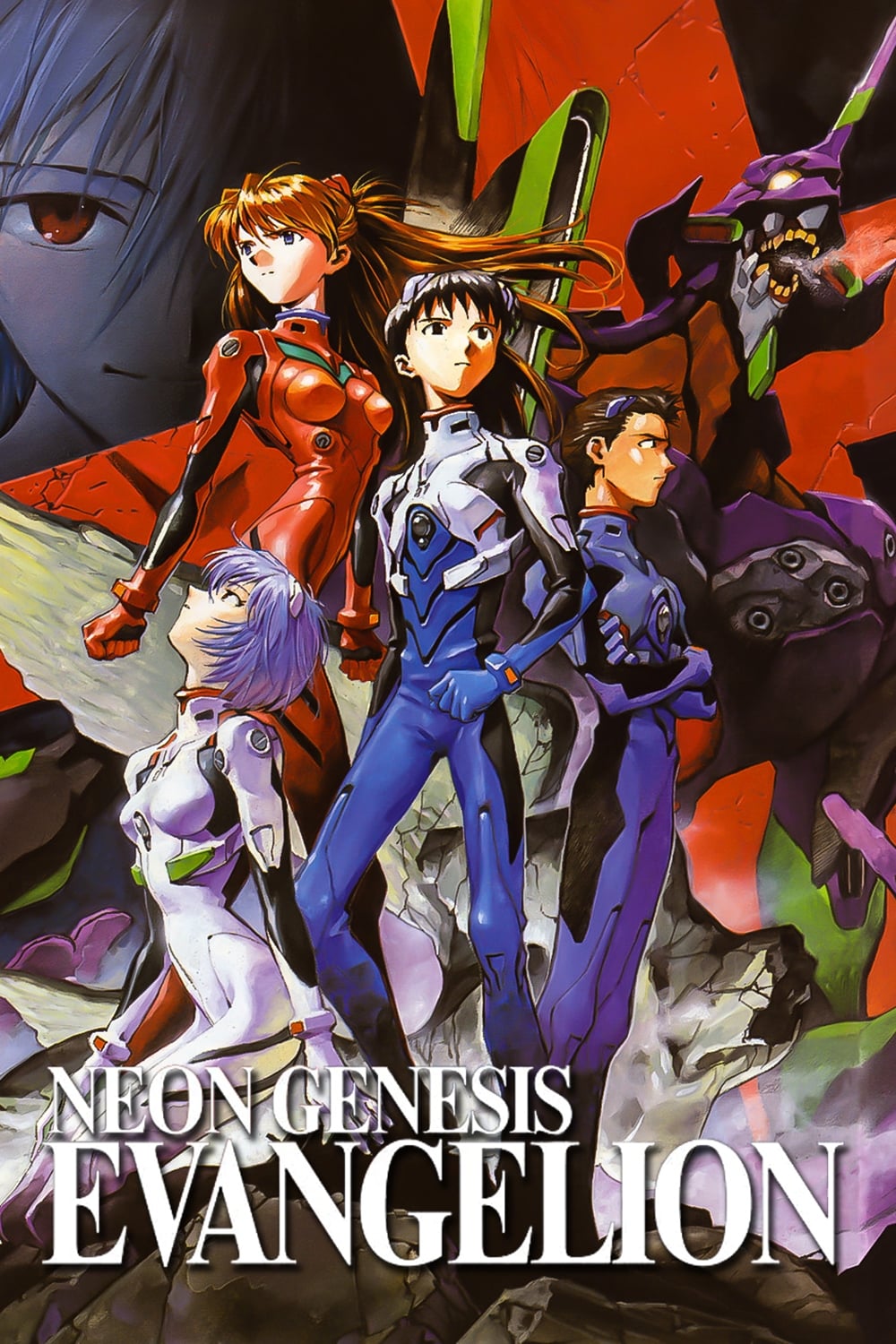
‘Neon Genesis Evangelion’ redefined mecha anime with its psychological depth and political undertones. Teen pilot Shinji Ikari operates a giant mech to fight mysterious beings called Angels, under the command of the secretive NERV organization. Beneath the surface, the show delves into power struggles and hidden agendas.
The political drama unfolds through NERV’s shadowy dealings and the manipulation of its young pilots. Questions of authority, control, and human survival drive the narrative, making every battle a reflection of deeper societal issues. Its bold storytelling keeps us hooked.
Macross Plus (1994-1995)
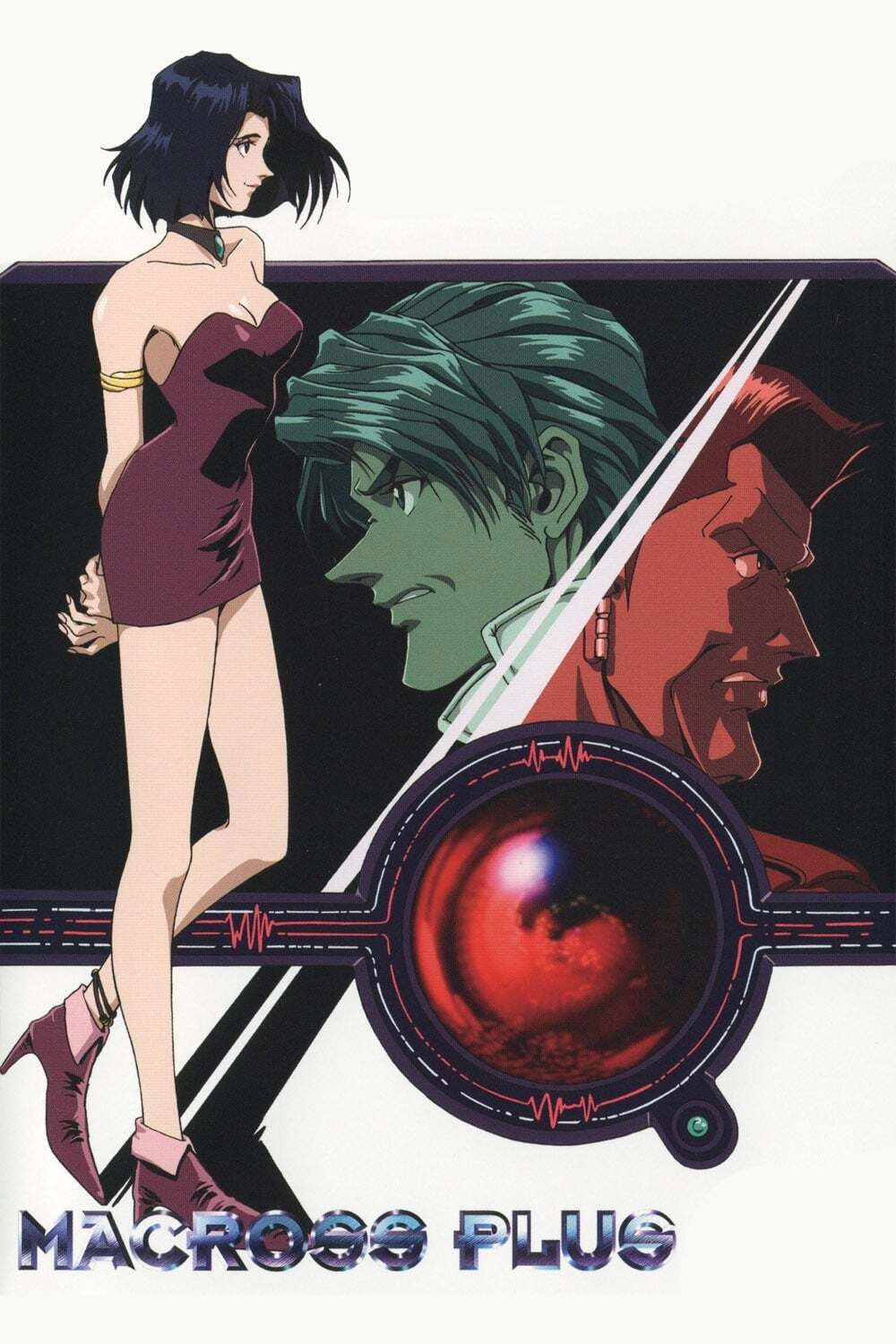
This OVA series, set in the Macross universe, centers on a love triangle and a military project testing advanced mecha. On the planet Eden, pilots compete to prove their tech’s worth, but an AI pop star, Sharon Apple, sparks chaos. The story tackles the dangers of unchecked technology and corporate influence.
Political intrigue emerges as factions vie for control over the AI and its potential as a weapon. The mix of personal drama and broader societal questions, like the ethics of AI in warfare, gives this series a sharp edge. Its stunning animation adds to the impact.
Patlabor 2: The Movie (1993)

Set in a near-future Tokyo, ‘Patlabor 2: The Movie’ follows a police unit using mecha called Labors to combat crime. A terrorist attack exposes tensions between Japan and global powers, pulling the unit into a web of political conspiracy. The film grounds its mecha action in real-world issues.
It explores themes of military overreach and the fragile balance of international relations. Director Mamoru Oshii crafts a slow-burn thriller that prioritizes political tension over robot fights. The realistic portrayal of bureaucracy and power struggles makes it unforgettable.
Code Geass: Lelouch of the Rebellion (2006-2008)
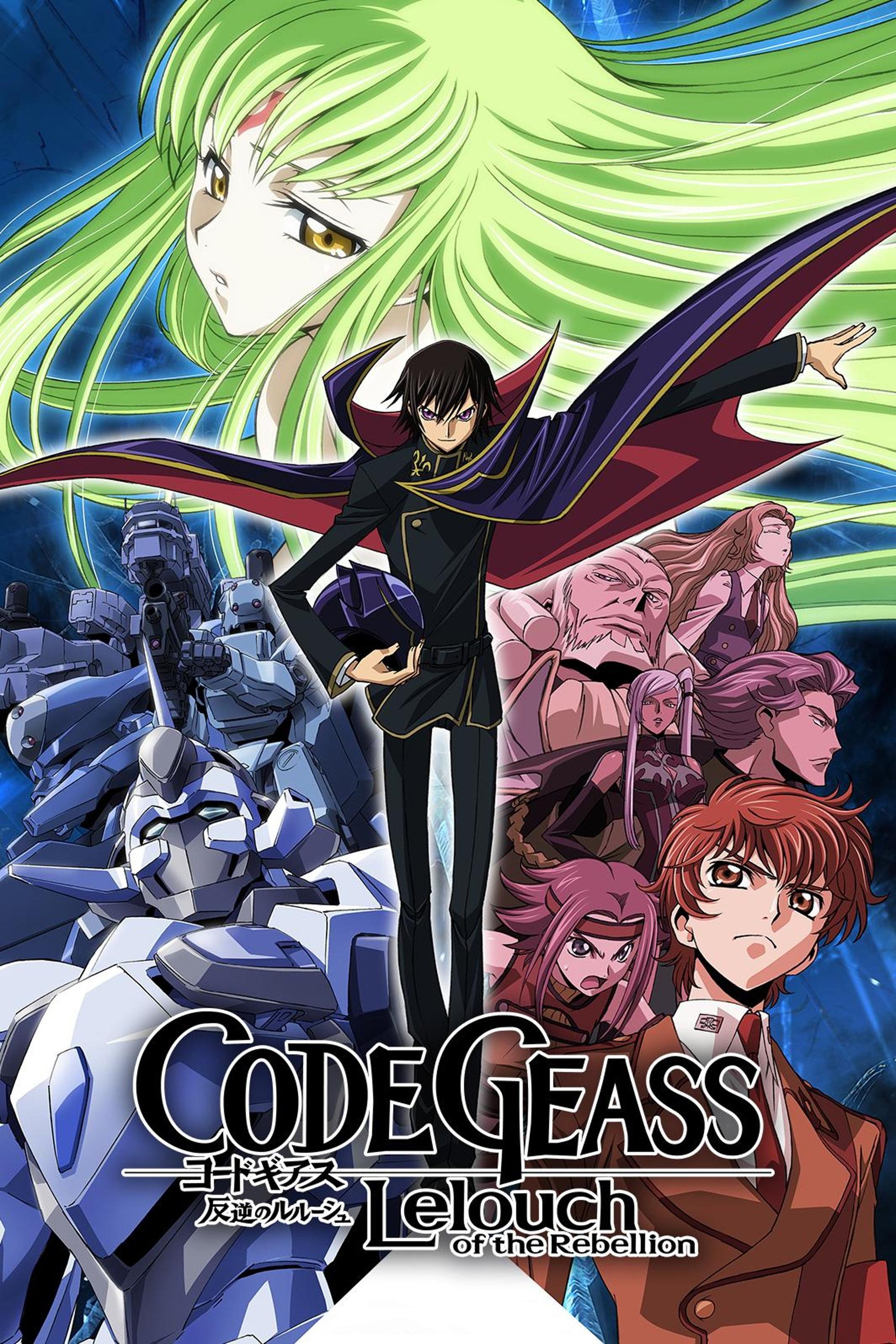
‘Code Geass’ follows exiled prince Lelouch, who gains a mind-control power called Geass and leads a rebellion against the Britannian Empire. Using his strategic genius and a mecha called Shinkiro, he fights for Japan’s freedom. The show blends high-stakes battles with intricate political schemes.
The story dives into themes of imperialism, resistance, and the cost of power. Lelouch’s morally complex journey, filled with betrayal and sacrifice, keeps us on edge. Its unique geopolitical world, resembling our own, adds depth to every decision.
Aldnoah.Zero (2014-2015)
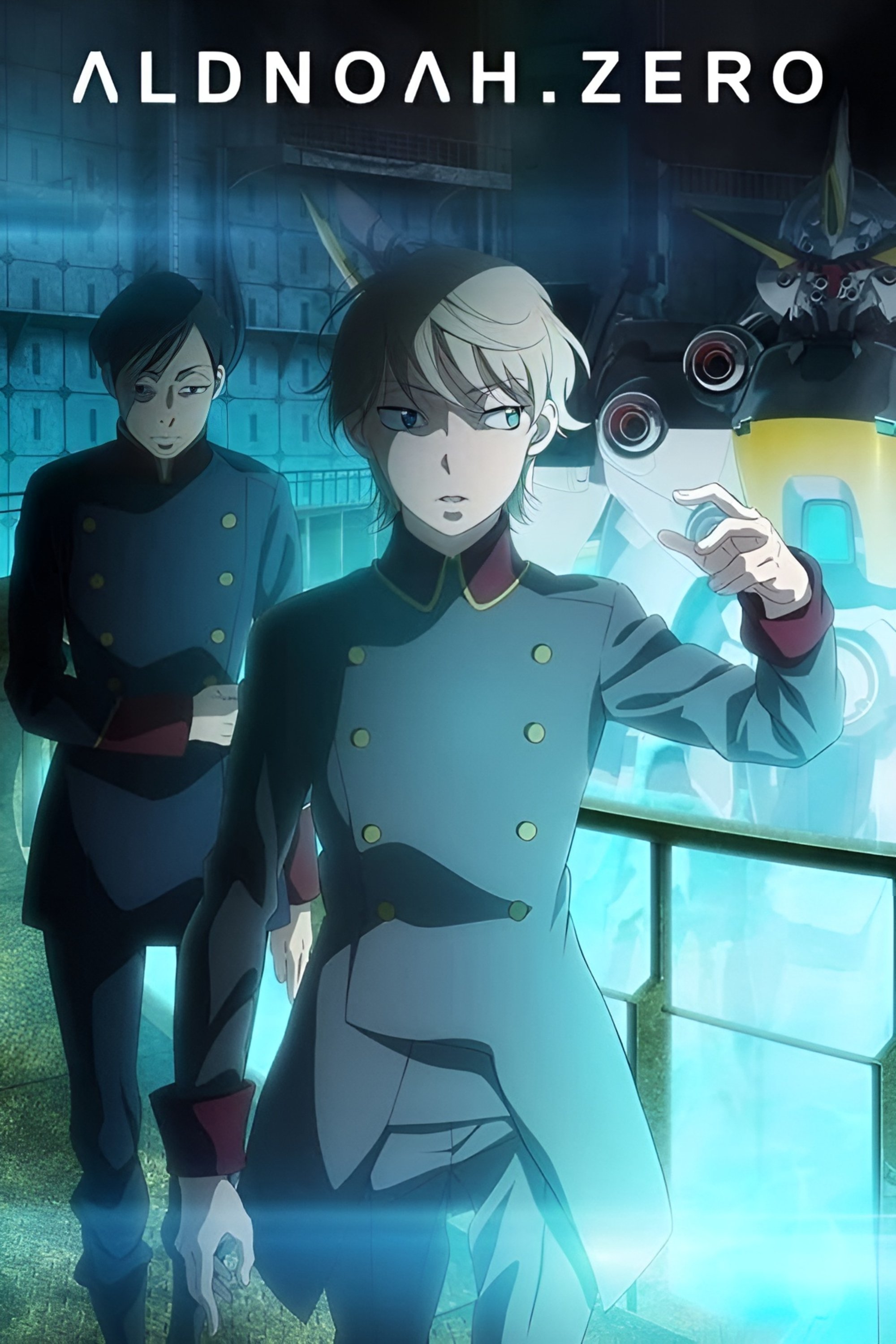
In ‘Aldnoah.Zero’, a war reignites between Earth and the Mars-based Vers Empire after a fragile truce collapses. Earth’s forces, led by the tactical Inaho, face advanced Martian mecha. The show examines class divides, propaganda, and the ethics of warfare through its intense conflicts.
Political drama drives the narrative, with both sides manipulating loyalty and truth to gain the upper hand. The stark contrast between Earth’s underdog fighters and Mars’ elite adds tension. Its focus on strategy and diplomacy makes it a gripping watch.
Full Metal Panic! (2002-2005)
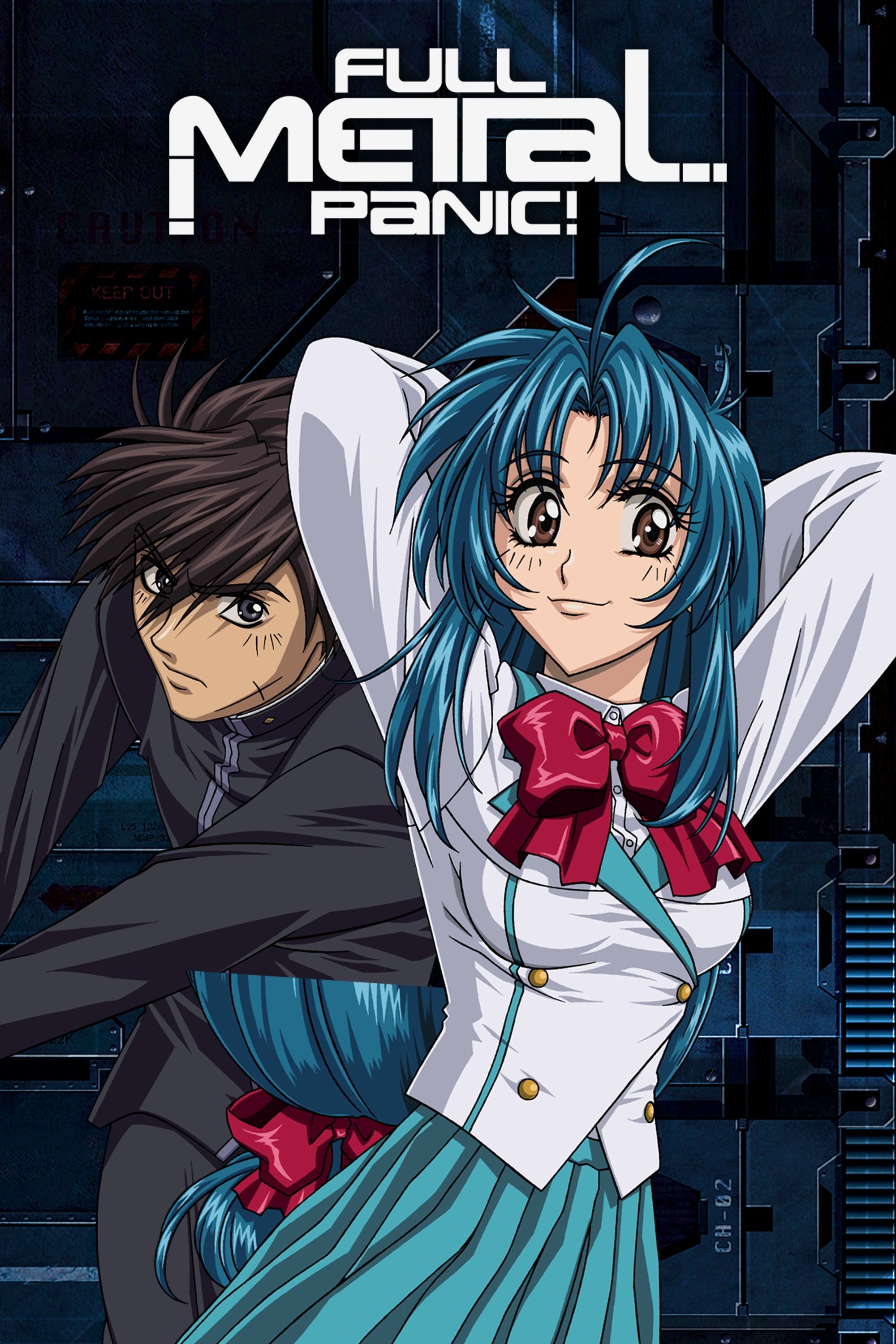
This series follows Sousuke Sagara, a soldier from the paramilitary group Mithril, tasked with protecting a high school girl. Beneath its comedic surface, ‘Full Metal Panic!’ explores geopolitical conflicts and proxy wars. Mecha battles highlight the clash between justice and hidden agendas.
Mithril’s secret missions reveal how nations use shadow organizations to push their goals. The mix of personal stakes and global politics creates a layered story. Sousuke’s struggle to balance duty and humanity keeps the drama engaging.
Eureka Seven (2005-2006)
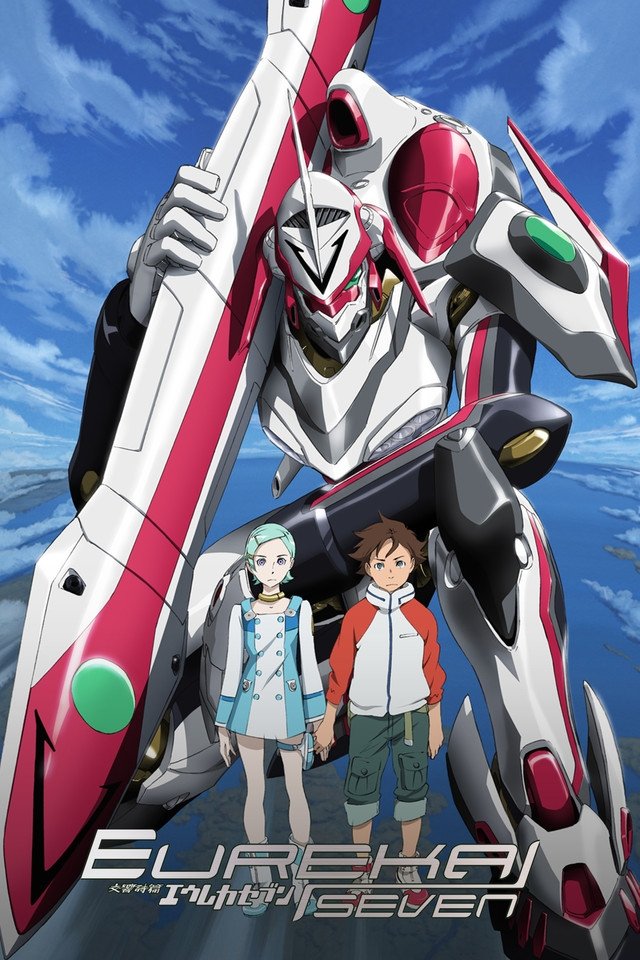
‘Eureka Seven’ follows Renton, a teen who joins the rebel group Gekkostate and pilots the mecha Nirvash. Set in a world where humans and an alien race, the Scub Coral, vie for Earth, the show tackles coexistence and ideological divides. Its vibrant visuals complement the deep themes.
The political narrative centers on competing visions for humanity’s future, with factions clashing over territory and ideals. Renton’s coming-of-age story mirrors the broader struggle for peace. The blend of romance and rebellion makes it a heartfelt political epic.
Broken Blade (2010-2014)
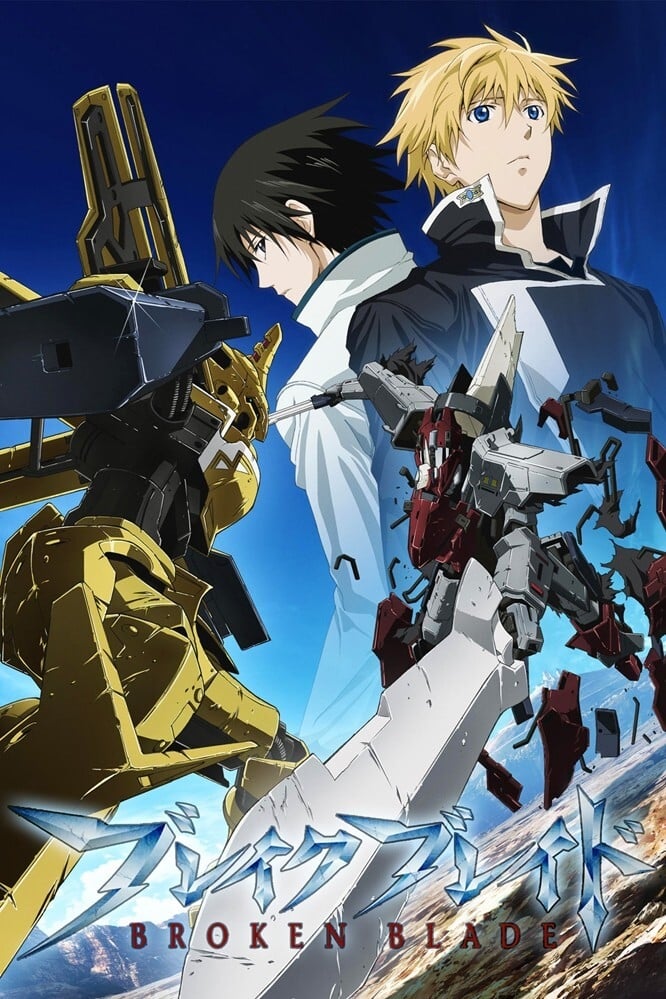
Set in a medieval world with magic-powered mecha called Golems, ‘Broken Blade’ follows Rygart, a pilot caught in a war between the Kingdom of Krisna and the Athens Commonwealth. The story explores colonization and the personal toll of political decisions.
Kings and queens face tough choices, while soldiers grapple with loyalty and survival. The unique blend of medieval politics and mecha warfare sets it apart. Its focus on human cost over flashy battles delivers a grounded, emotional drama.
Gasaraki (1998-1999)
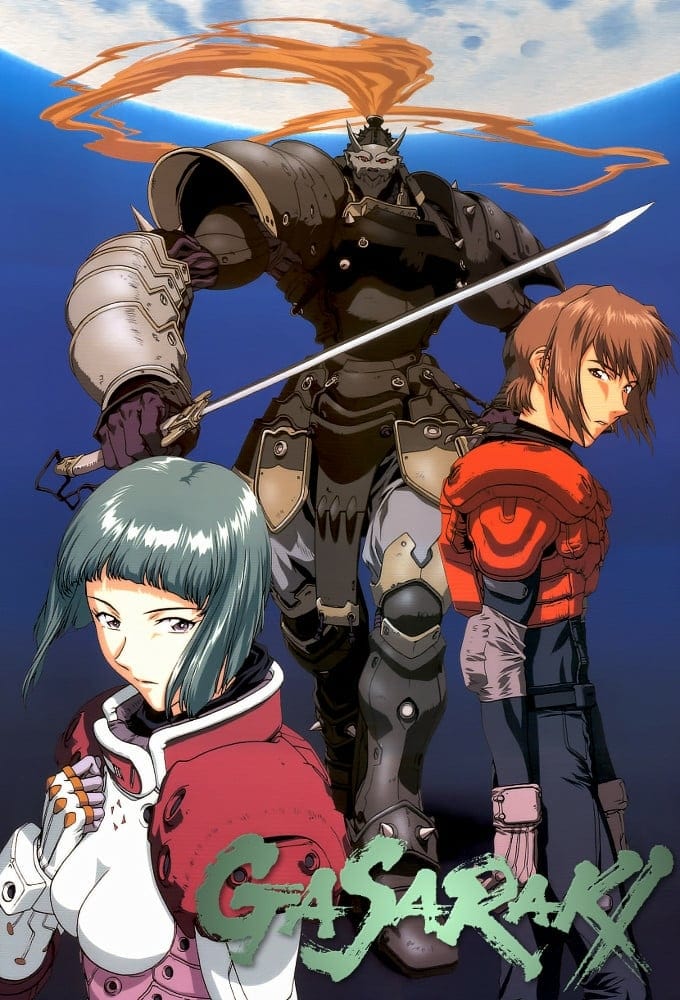
‘Gasaraki’ centers on Yushiro, a pilot for a powerful Japanese conglomerate testing experimental mecha. The story weaves modern military politics with feudal Japan’s legacy, blending supernatural elements. It examines corporate influence and national identity in a globalized world.
The show’s political depth lies in its portrayal of international power struggles and the military-industrial complex. Yushiro’s personal journey ties into larger questions of duty and heritage. Its slow pace rewards viewers with a rich, thought-provoking narrative.
Legend of the Galactic Heroes (1988-1997)
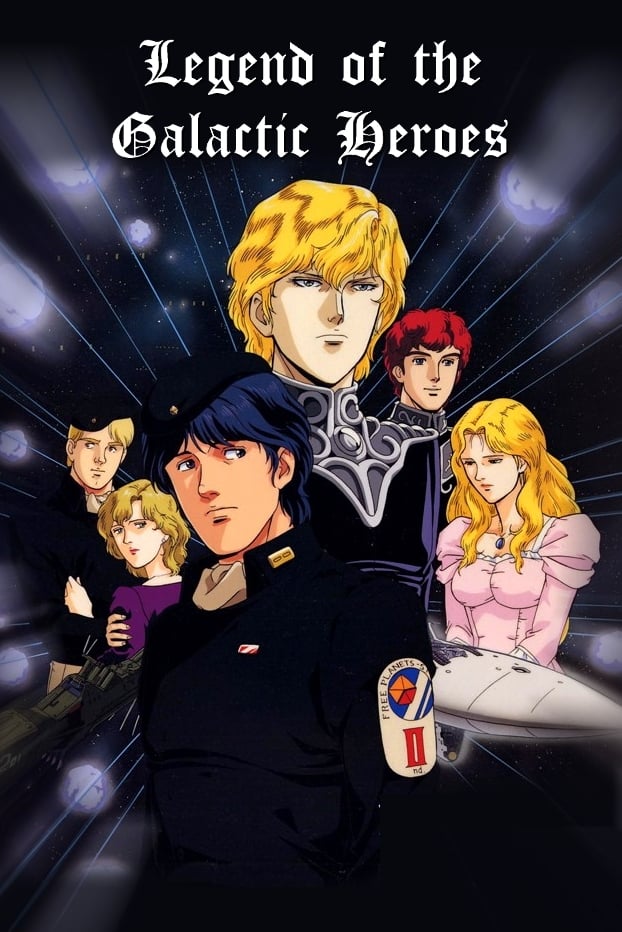
This sprawling space opera pits the authoritarian Galactic Empire against the democratic Free Planets Alliance in a century-long war. Mecha play a role, but the focus is on commanders Reinhard and Yang, whose strategies shape the conflict. The series dives into power, corruption, and morality.
Its political drama explores leadership and the cost of ambition across a vast universe. Every decision carries weight, from diplomatic maneuvers to battlefield tactics. The sheer scope and philosophical depth make it a must-watch for political anime fans.
86 – Eighty-Six (2021-2022)
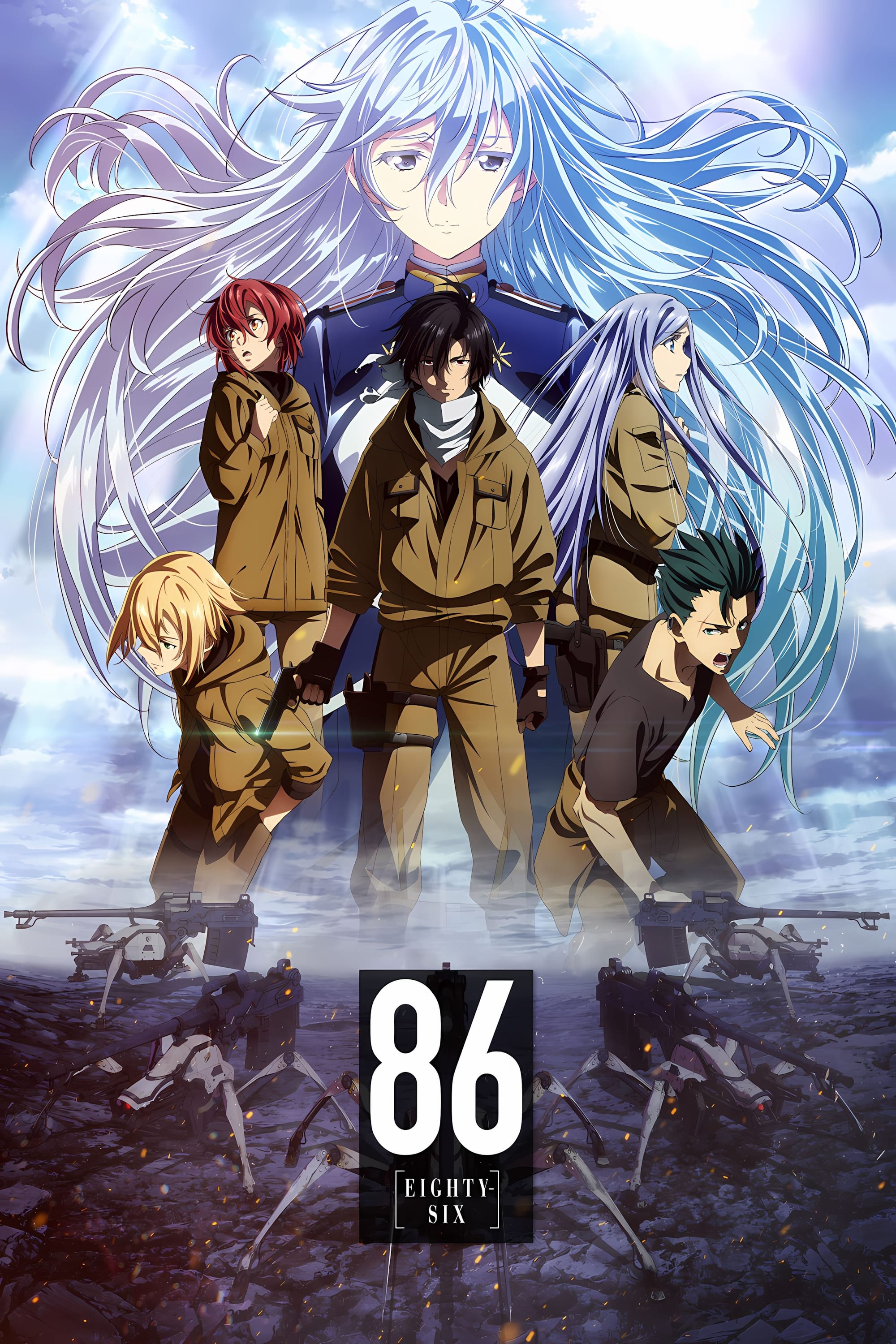
‘86 – Eighty-Six’ follows a marginalized group forced to pilot mecha for the Republic of San Magnolia against enemy drones. The story reveals the republic’s propaganda and systemic oppression, with young soldiers fighting for survival. It’s a raw look at discrimination and war.
The political narrative exposes how governments exploit minorities while hiding the truth. The bond between handler Lena and pilot Shin adds emotional weight to the critique of authority. Its intense action and social commentary create a powerful, modern classic.
Which of these political mecha anime is your favorite, or did we miss one that deserves a spot? Drop your thoughts in the comments!