Here Are the 15 Best Asian Actors in the History of Cinema

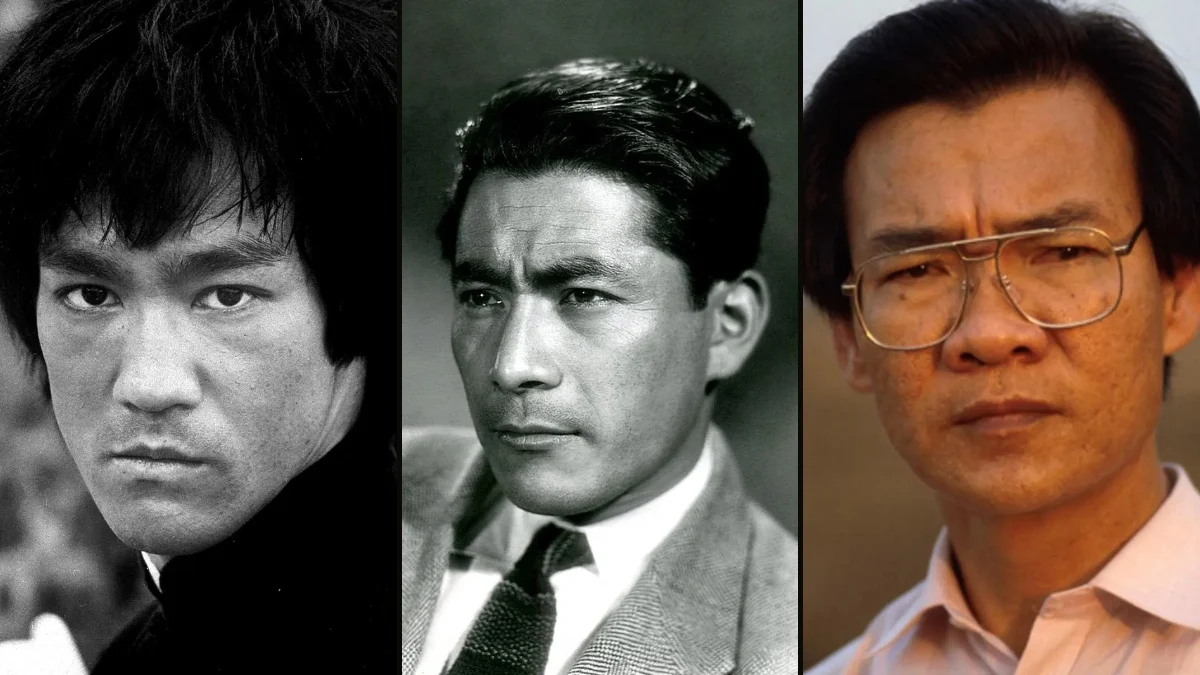

Asian male actors have transformed global cinema with their powerful performances, leaving a lasting impact across generations. From martial arts legends to dramatic powerhouses, these stars have broken stereotypes and delivered unforgettable roles in film and television, shaping the industry for decades.
This article celebrates 15 of the greatest Asian male actors, each bringing unique talent and cultural significance to their work. Their contributions, from action-packed blockbusters to soulful dramas, have redefined storytelling. Let’s dive into their stories and the roles that made them legends.
Haing S. Ngor

Haing S. Ngor, a Cambodian doctor turned actor, delivered a gut-wrenching performance as Dith Pran in ‘The Killing Fields’ (1984). His portrayal of a journalist surviving the Khmer Rouge genocide earned him an Oscar, the first for an Asian actor. Ngor’s real-life experience as a survivor brought raw authenticity to the role.
His later work in films like ‘Heaven & Earth’ (1993) showcased his emotional depth. Despite his tragic death in 1996, Ngor’s performance remains a powerful symbol of resilience. His legacy continues to inspire audiences worldwide.
James Shigeta
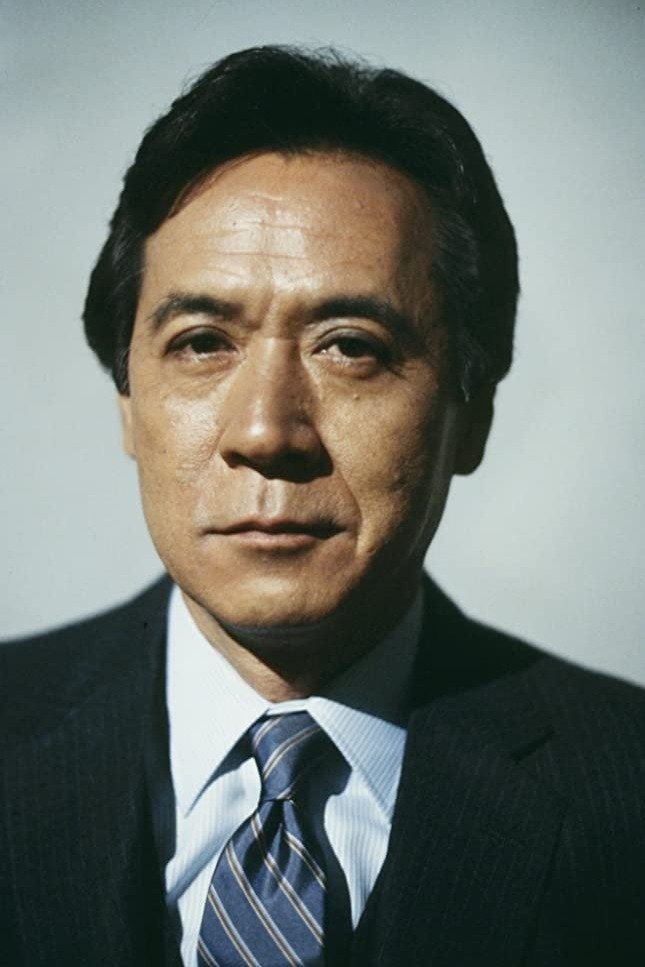
James Shigeta, a Japanese-American actor, shone as Wang Ta in ‘Flower Drum Song’ (1961), a landmark for Asian-American representation. His heartfelt role as a diplomat in ‘Bridge to the Sun’ (1961) highlighted his ability to convey deep emotion. Shigeta’s warm charisma made him a standout.
Starting as a nightclub singer, he transitioned seamlessly to acting, appearing in ‘Hawaii Five-O’ (1968-1980). Shigeta’s grace in navigating limited roles left a lasting mark. His career pushed for more diverse stories in Hollywood.
Sessue Hayakawa
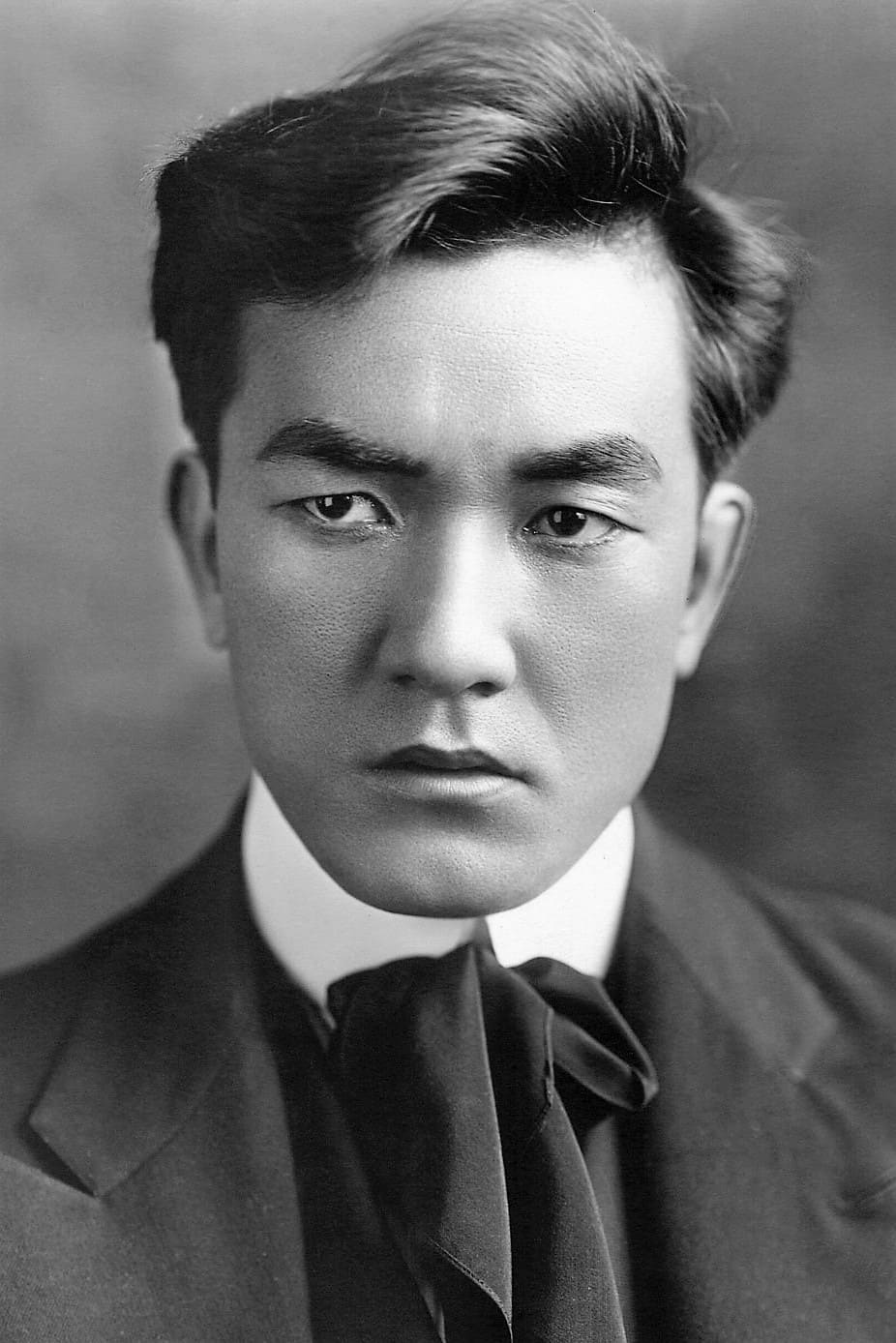
Sessue Hayakawa, a Japanese silent film star, became a sensation with his intense performance in ‘The Cheat’ (1915). As a rare Asian leading man in early Hollywood, he captivated audiences. His Oscar-nominated role as Colonel Saito in ‘The Bridge on the River Kwai’ (1957) cemented his legacy.
His production company crafted roles blending Japanese heritage with universal appeal. Films like ‘The Great Prince Shan’ (1924) expanded his global reach. Hayakawa’s charisma broke racial barriers and inspired future generations.
Chow Yun-Fat
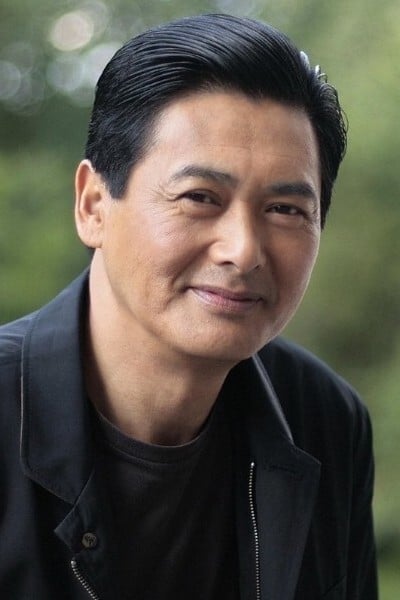
Chow Yun-Fat, a Hong Kong legend, redefined action cinema with ‘The Killer’ (1989) and ‘Hard Boiled’ (1992). His role as Li Mu Bai in ‘Crouching Tiger, Hidden Dragon’ (2000) brought his magnetic charm to the world. Chow’s blend of grit and elegance is unforgettable.
His Hollywood films like ‘The Replacement Killers’ (1998) and ‘Anna and the King’ (1999) showcased his versatility. His iconic trench coat and dual-wield gun style became legendary. Chow’s influence on action films remains unmatched.
Tony Leung Chiu-Wai
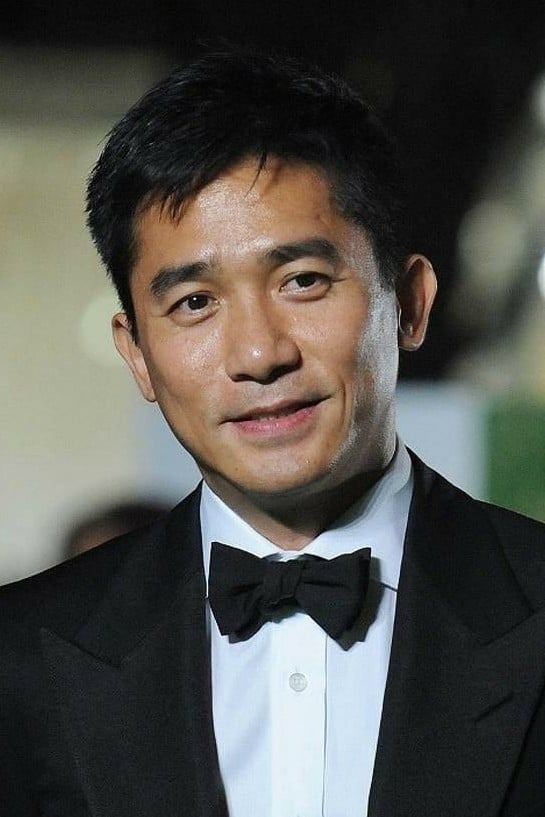
Tony Leung Chiu-Wai, a Hong Kong star, delivered a soulful performance in ‘In the Mood for Love’ (2000), conveying longing with subtle glances. His work in ‘Chungking Express’ (1994) earned him a Cannes Best Actor award. Leung’s understated depth captivates audiences.
His roles in ‘Hero’ (2002) and ‘Shang-Chi and the Legend of the Ten Rings’ (2021) show his range across genres. Leung’s quiet intensity redefines the leading man archetype. His performances continue to resonate globally.
Jet Li
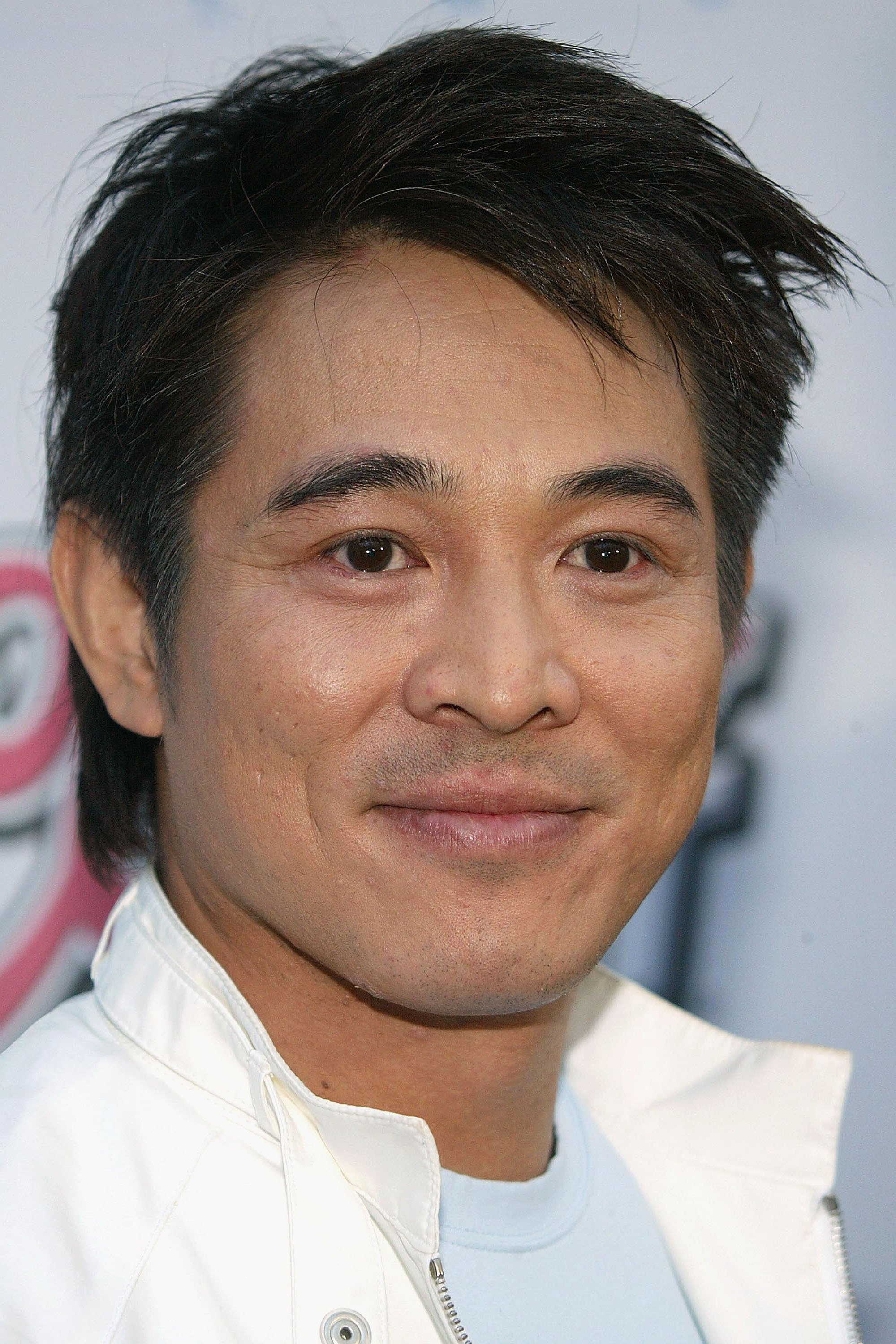
Jet Li, a Chinese martial arts icon, rose to fame with ‘Shaolin Temple’ (1982). His portrayal of Wong Fei-hung in ‘Once Upon a Time in China’ (1991) made him a star. Li’s Hollywood debut in ‘Lethal Weapon 4’ (1998) showcased his electrifying fight skills.
Films like ‘Hero’ (2002) and ‘The Expendables’ (2010) highlight his versatility beyond action. Li’s discipline and humanitarian efforts add to his legacy. His impact on martial arts cinema inspires performers worldwide.
Jackie Chan
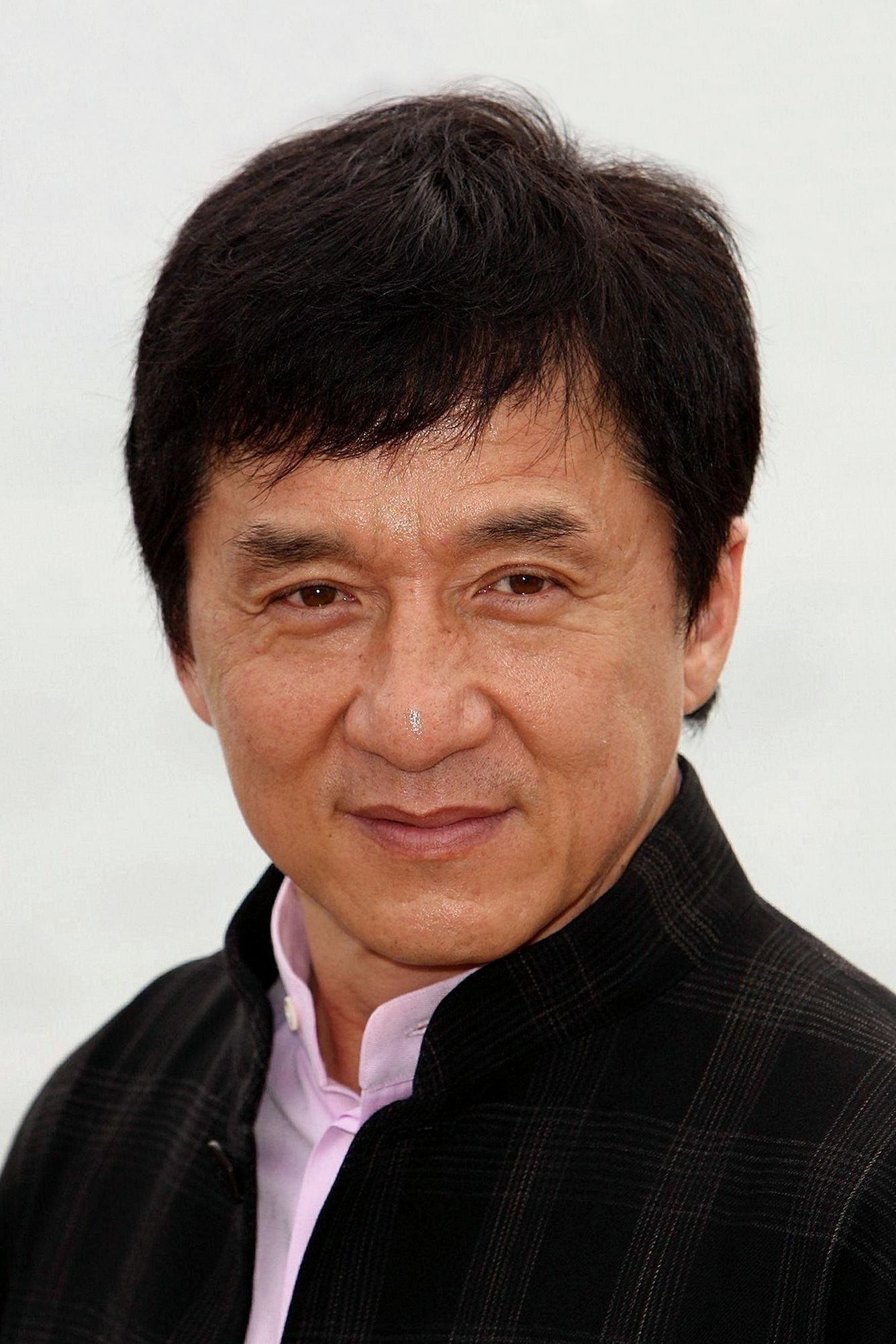
Jackie Chan, a Hong Kong superstar, blended action and comedy in ‘Rumble in the Bronx’ (1995) and ‘Rush Hour’ (1998). His daring stunts in ‘Shanghai Noon’ (2000) and ‘The Myth’ (2005) made him a global icon. Chan’s acrobatic charm is one-of-a-kind.
Overcoming early comparisons to Bruce Lee, Chan forged his own path as a director and stuntman. His Hong Kong roots shaped his unique style. His films remain a joyous celebration of action and heart.
Donnie Yen
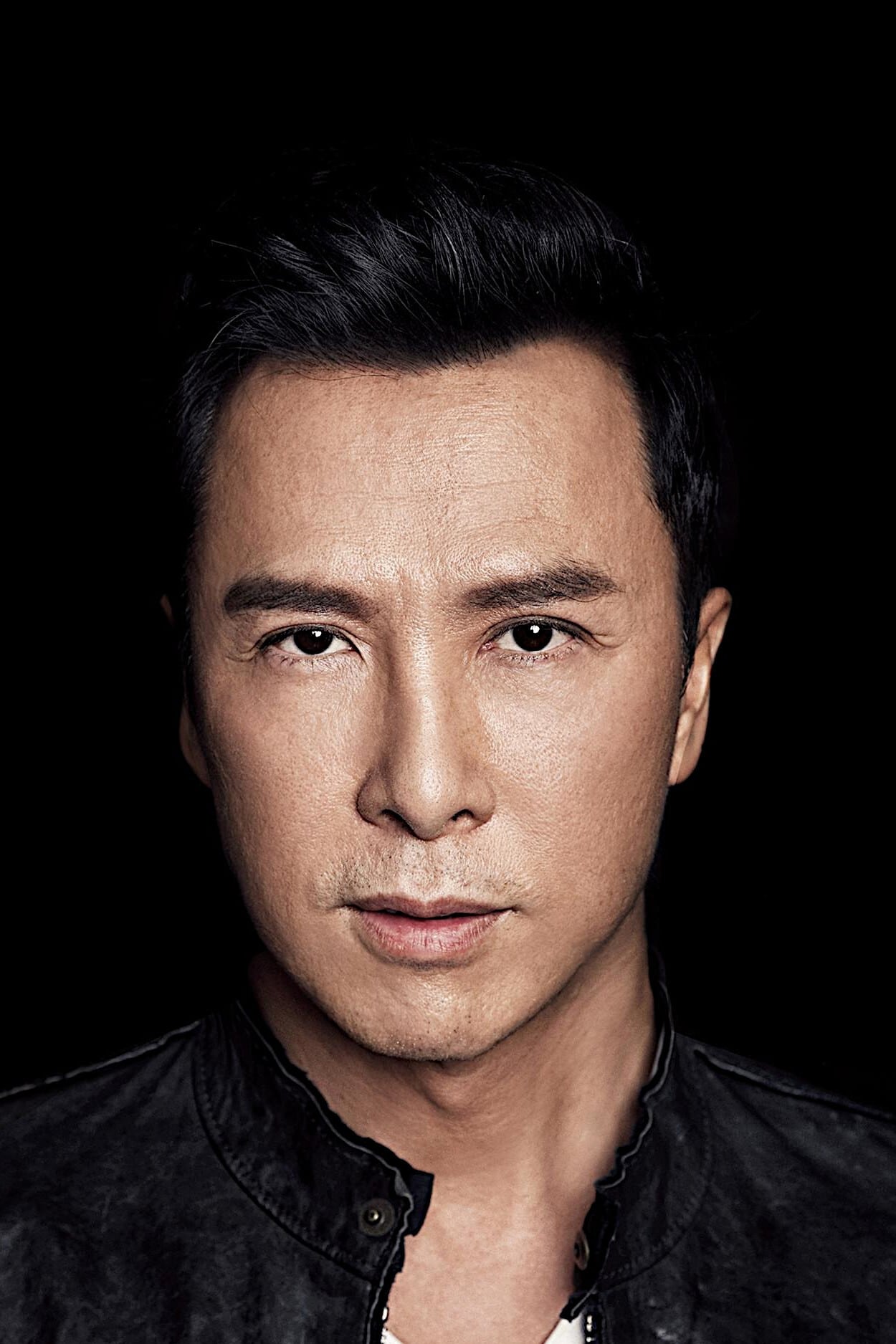
Donnie Yen, a Hong Kong martial artist, became a global star with ‘Ip Man’ (2008) as the legendary Wing Chun master. His roles in ‘Rogue One: A Star Wars Story’ (2016) and ‘Crouching Tiger, Hidden Dragon: Sword of Destiny’ (2016) showed his broad appeal. Yen’s fight choreography is revolutionary.
His work in ‘Kung Fu Jungle’ (2014) and ‘Fist of Fury’ (1995) highlights his range. Yen blends Eastern and Western styles seamlessly. His modern action-hero status continues to push cinematic boundaries.
Tadanobu Asano
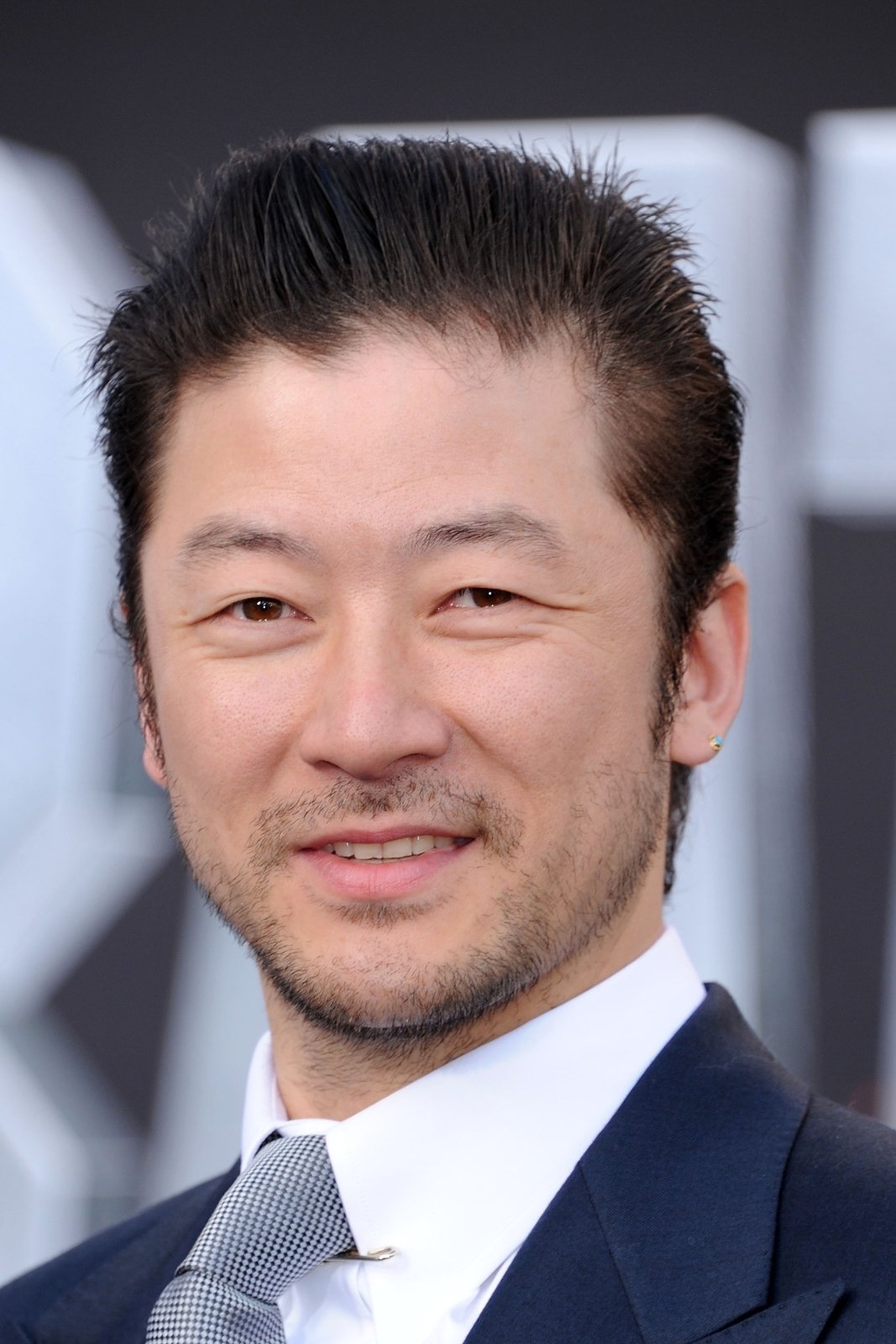
Tadanobu Asano, a Japanese actor, brought raw intensity to ‘Ichi the Killer’ (2001) and ‘Mongol’ (2007). His role as Hogun in ‘Thor’ (2011) introduced him to Hollywood. Asano’s ability to portray complex, unpredictable characters sets him apart.
His performances in ‘The Wailing’ (2016) and ‘Shogun’ (2024) show his versatility across genres. Asano’s bold energy bridges Japanese and global cinema. His career continues to captivate audiences with its fearless choices.
Takeshi Kitano
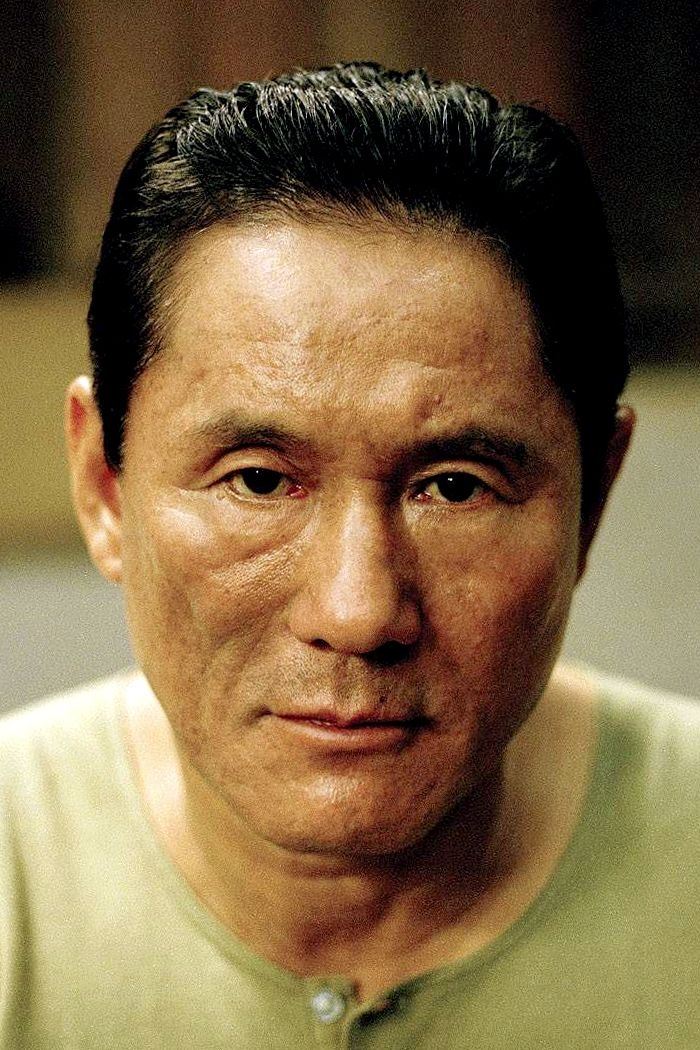
Takeshi Kitano, a Japanese actor and director, starred in ‘Hana-bi’ (1997), blending stoic intensity with emotional depth. His chilling role as a teacher in ‘Battle Royale’ (2000) became iconic. Kitano’s minimalist acting style draws viewers in.
Known as Beat Takeshi, he directed films like ‘Sonatine’ (1993), showcasing his storytelling genius. His role in ‘Johnny Mnemonic’ (1995) reached international audiences. Kitano’s unique presence continues to shape global cinema.
Ken Watanabe
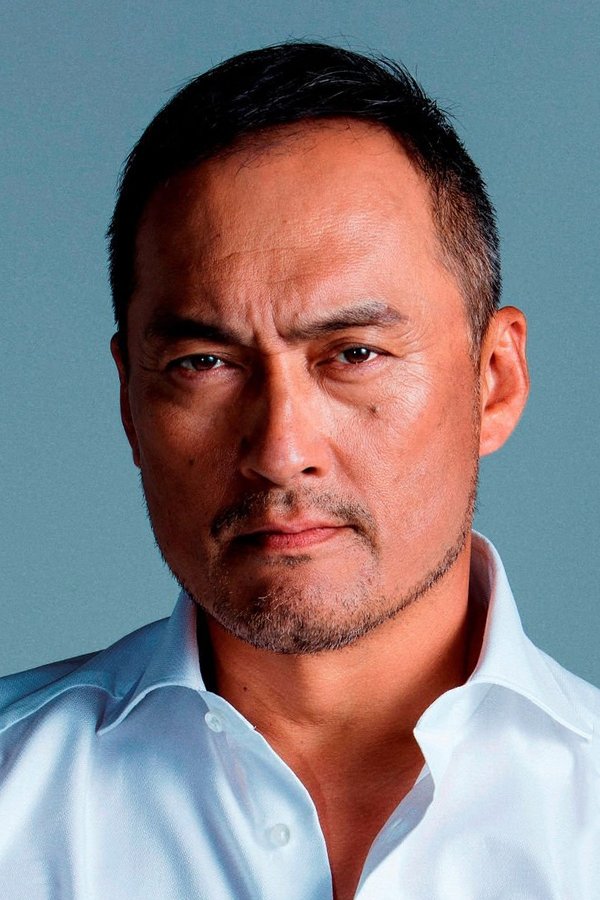
Ken Watanabe, a Japanese actor, earned an Oscar nomination for his role as Katsumoto in ‘The Last Samurai’ (2003). His performances in ‘Letters from Iwo Jima’ (2006) and ‘Inception’ (2010) showcased his commanding presence. Watanabe brings dignity to every role.
His work in ‘Godzilla’ (2014) and ‘Shogun’ (2024) highlights his global appeal. Watanabe’s ability to convey strength and vulnerability makes him a standout. His career bridges Eastern and Western storytelling effortlessly.
Hiroyuki Sanada
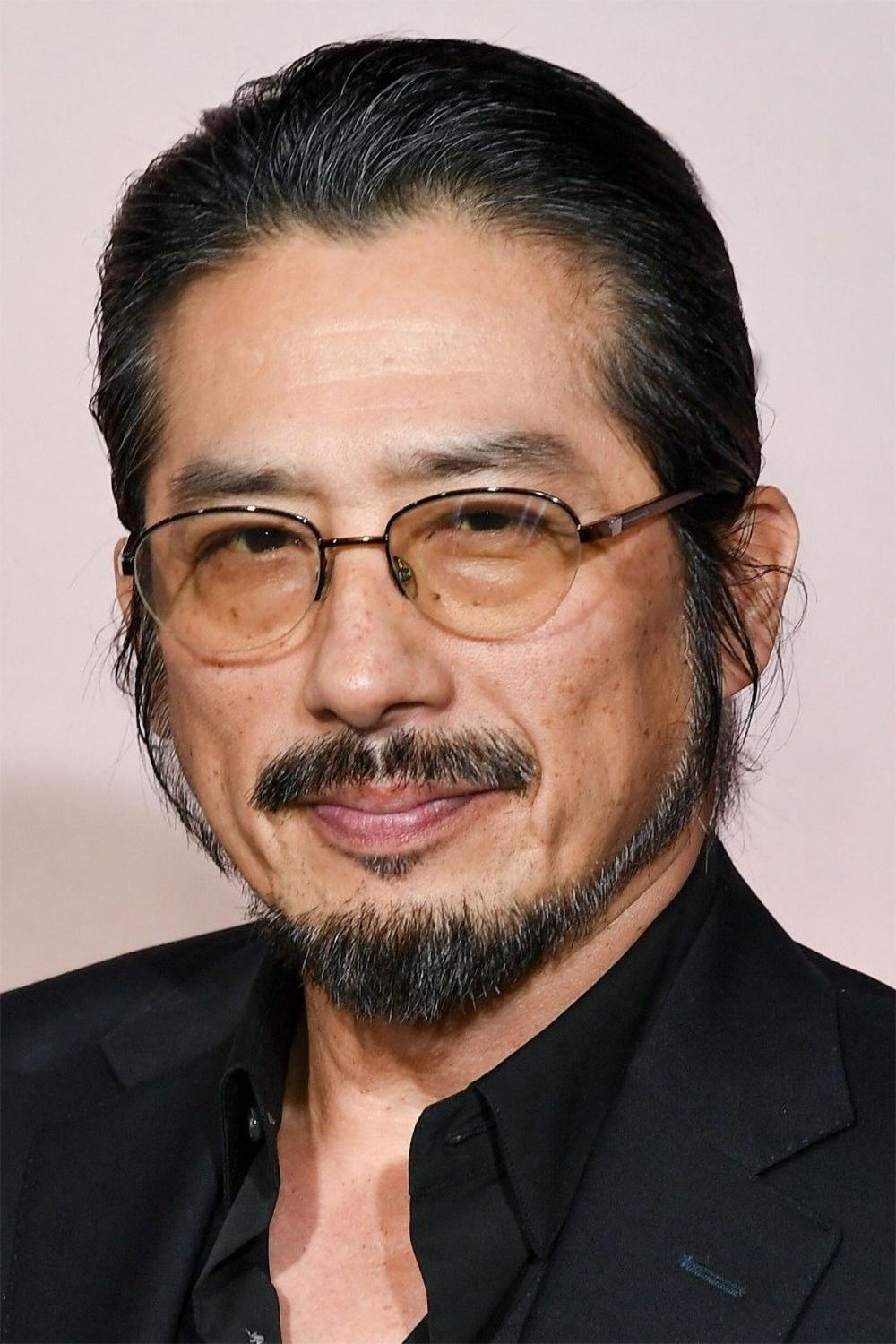
Hiroyuki Sanada, a Japanese actor, gained fame for his role in ‘The Last Samurai’ (2003) alongside Ken Watanabe. His performance in ‘The Twilight Samurai’ (2002) earned critical acclaim for its quiet intensity. Sanada’s samurai roles blend precision and emotion.
His work in ‘Westworld’ (2016-2022) and ‘Shogun’ (2024) brought him to global audiences. Sanada’s versatility across historical dramas and modern blockbusters is remarkable. His presence continues to elevate Asian representation in film.
Song Kang-ho

Song Kang-ho, a South Korean actor, delivered a masterful performance in ‘Parasite’ (2019), which won the Oscar for Best Picture. His role as the cunning patriarch showcased his ability to blend humor and desperation. Song’s work in ‘Memories of Murder’ (2003) further proved his dramatic range.
His performances in ‘The Host’ (2006) and ‘Snowpiercer’ (2013) highlight his versatility across genres. Song’s ability to embody complex characters has made him a global star. His career continues to redefine Korean cinema’s impact.
Toshirō Mifune
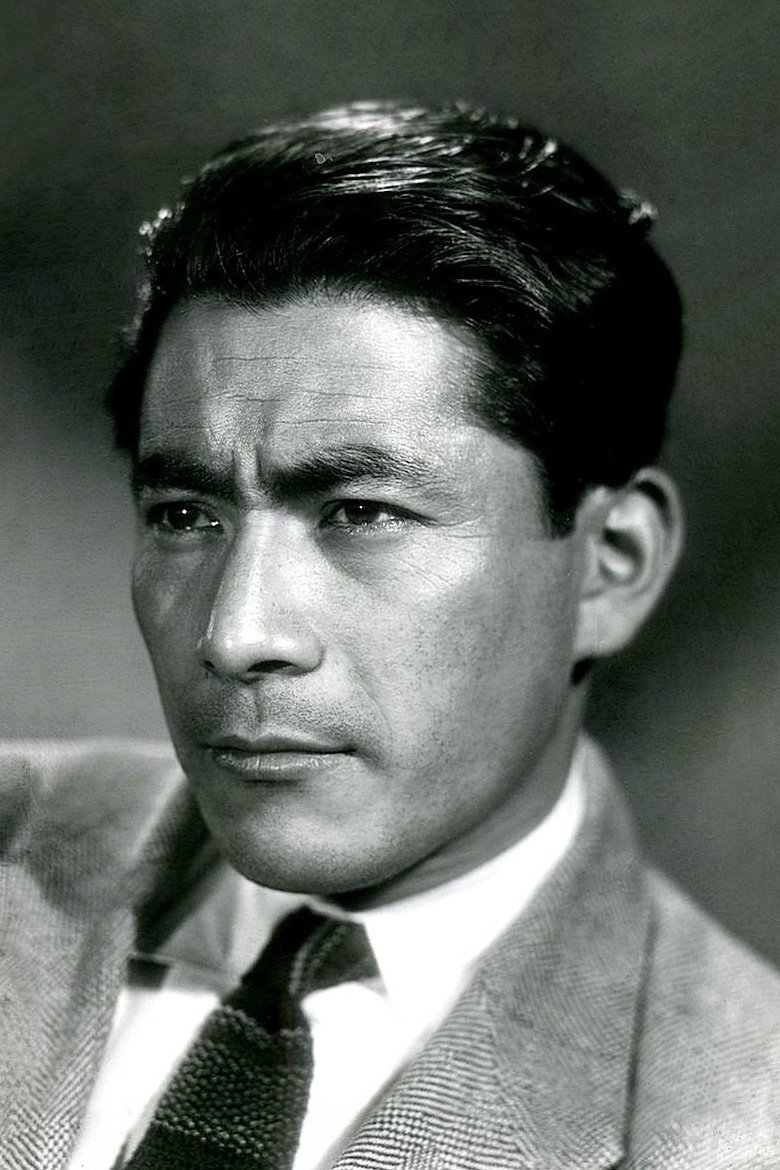
Toshiro Mifune, a Japanese legend, starred in Akira Kurosawa’s masterpieces like ‘Seven Samurai’ (1954) and ‘Yojimbo’ (1961). His fierce yet nuanced role as Kikuchiyo in ‘Seven Samurai’ defined samurai cinema. Mifune’s raw energy captivated audiences worldwide.
His work in ‘Throne of Blood’ (1957) and ‘The Hidden Fortress’ (1958) showed his versatility. Mifune’s collaboration with Kurosawa revolutionized filmmaking. His legacy as a cinematic giant endures.
Bruce Lee
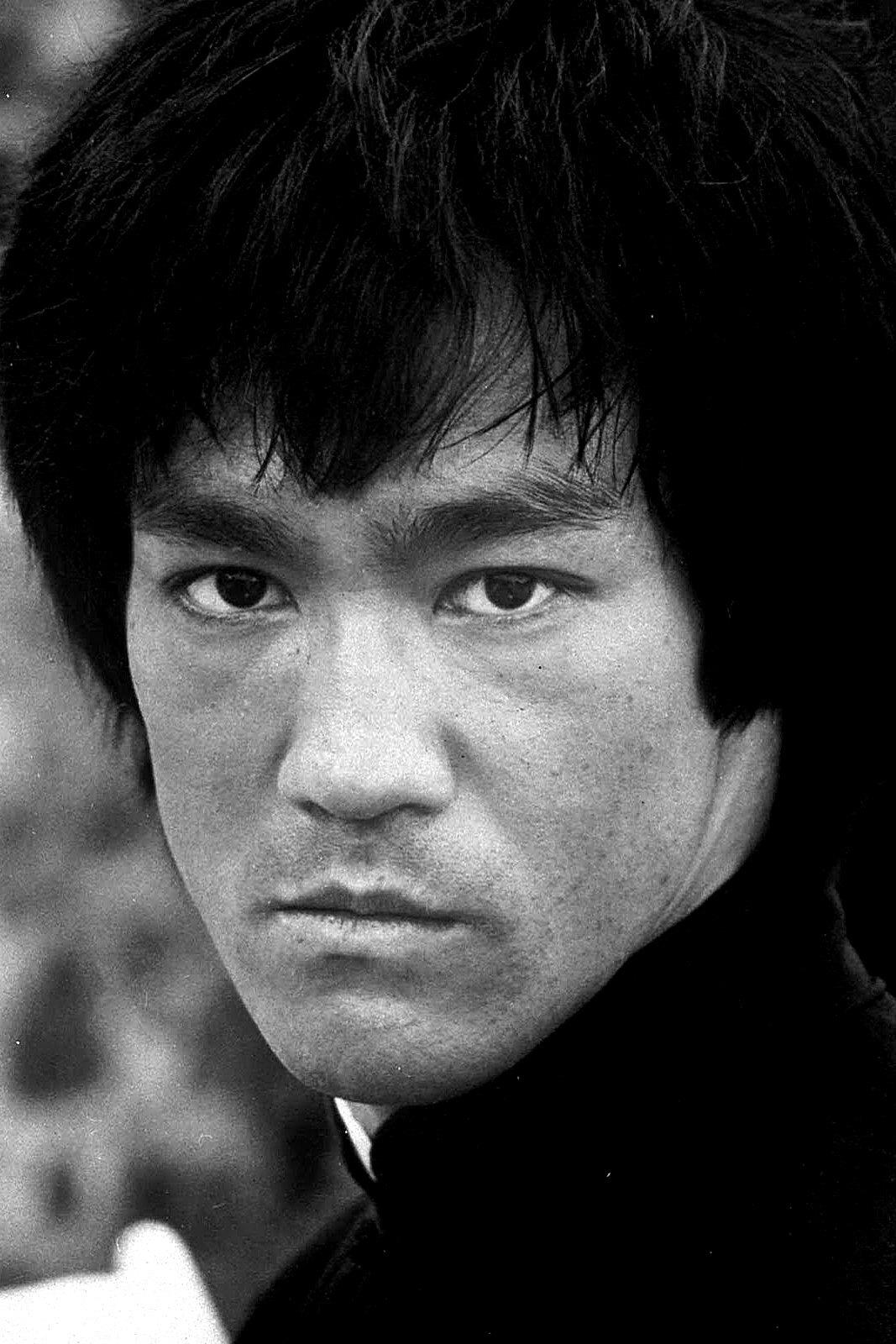
Bruce Lee, born in San Francisco and raised in Hong Kong, changed cinema with ‘Enter the Dragon’ (1973) and ‘Fist of Fury’ (1972). His role as Kato in ‘The Green Hornet’ (1966-1967) introduced his electrifying martial arts. Lee’s philosophy and charisma made him an icon.
Despite his death in 1973, Lee’s influence on action films and pop culture is immense. His blend of physical skill and wisdom inspired countless artists. Lee remains the ultimate symbol of strength and cultural pride.
Which Asian actor’s performance left the biggest impact on you, or did I miss a cinematic legend? Share your thoughts in the comments!