Bob Iger Rallies Support at White House Over AI Concerns as AI Threatens Copyright – Stars and Studios Demand Protection

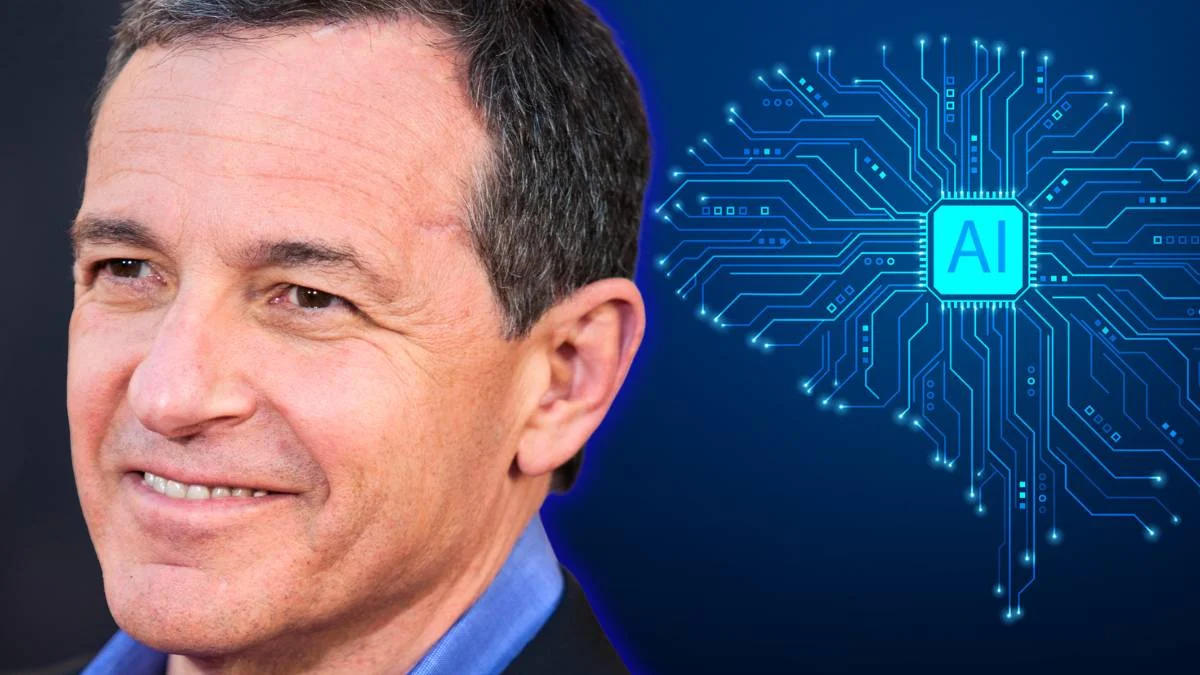

Disney CEO Bob Iger recently met with White House officials to talk about serious concerns over artificial intelligence and how it might misuse Disney’s characters and intellectual property. People close to the discussions say Iger, along with Disney’s legal chief Horacio Gutierrez, expressed worries about AI models using Disney’s work without permission in harmful ways.
This conversation is part of a larger battle happening in Hollywood and Washington. Many creators and companies are fighting against AI companies that train their models on copyrighted films, TV shows, and performances without paying or asking permission.
Actress and director Natasha Lyonne described staying up all night texting and calling Hollywood friends like Cate Blanchett and Ron Howard, urging them to sign her letter to the Trump administration. She said, “At one point my phone started smoking.” Lyonne managed to collect over 400 signatures. She wants artists to be paid fairly for their work and supports a new studio called Asteria, which uses AI only on data that has been properly licensed. She said, “My primary interest is that people get paid for their life’s work.”
Tech companies argue that they need access to these creative materials to develop AI and keep up with China in what they call a crucial AI race that impacts national security. But many creators disagree. They believe that unlimited use of their work by AI will destroy its value.
Recently, Disney and Comcast’s Universal sued the AI company Midjourney, accusing it of stealing copyrighted work to train its image generator. Midjourney has not responded to the lawsuit. This legal fight reflects a bigger clash between the tech giants and the creative industries, with billions of dollars and important legal rules on the line. Joshua Levine, a research fellow at the Foundation for American Innovation, explained, “They’re fighting over who’s going to control and dictate the next generation of technological development.”
The White House is preparing an artificial-intelligence action plan that might shape how U.S. copyright laws apply to AI training. Officials are cautious about taking a side because the issues are complicated and politically sensitive. The plan is expected to be released soon.
In recent court cases, judges ruled partly in favor of tech companies like Meta and Anthropic. They found that using copyrighted material for AI training can be considered fair use if the material is changed enough. White House AI expert David Sacks said on his podcast, “It’s very important that we end up with a sensible fair use definition like the one the judge has come up with in this Anthropic case because otherwise we will lose the AI race to China.”
Still, some parts of the rulings favored creators. Anthropic faces a trial over whether it used pirated content illegally. Judges also noted that if AI harms the market for the original works, creators might have a stronger case. Keith Kupferschmid, CEO of the Copyright Alliance, called the situation confusing, saying it could cause “copyright chaos for AI companies and copyright owners.”
Tech companies including Meta, Google, and Microsoft, organized under a group called AI Progress, are expected to meet with government officials soon to discuss these issues. At a recent meeting with the Motion Picture Association, White House policy adviser Sriram Krishnan emphasized the goal of keeping the U.S. ahead of China in AI development.
Security officials also see unclear copyright rules as a possible obstacle to using AI technology in national intelligence. Earlier this year, President Trump fired the librarian of Congress partly because of concerns that a report on AI and copyright might favor copyright holders.
The report, published soon after, suggested that the legality of AI training depends on how much AI outputs resemble the copyrighted material and whether pirated content was used. The report also said courts should consider if AI-generated content competes with original works and hurts the market, an argument used by judges in recent decisions.
The debate continues, with many court cases still pending and no clear solution on how artists and creators should be compensated for AI-generated work. The future of AI and copyright law in the U.S. is still very uncertain, and creators are fighting hard to protect their rights.
Have something to add? Let us know in the comments below!