15 Fictional Vehicles That Break the Laws of Physics



Fictional vehicles often steal the show with their wild designs and impossible feats. From spaceships that zip faster than light to cars that leap skyscrapers, these creations ignore the rules of physics for the sake of excitement. They spark our imagination, letting us dream of adventures beyond reality. Whether in movies, TV shows, games, or anime, these vehicles push boundaries to deliver unforgettable moments.
I’ve rounded up 15 iconic vehicles that laugh in the face of gravity, momentum, and logic. Each one bends or breaks physical laws to create thrilling scenes or hilarious antics. Let’s dive into the list, exploring how these machines make the impossible look effortless across different media.
TARDIS – ‘Doctor Who’ (1963-1989, 2005-Present)
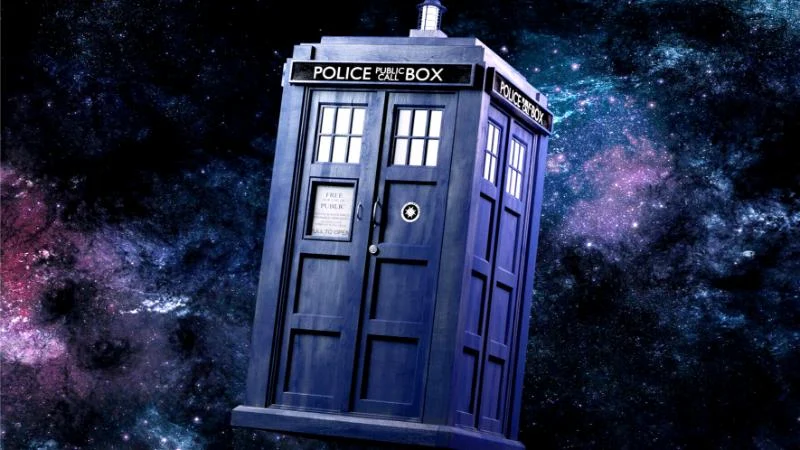
The TARDIS, a time-traveling spaceship disguised as a 1960s British police box, is the heart of ‘Doctor Who’. It’s bigger on the inside, cramming endless rooms into a tiny exterior, which defies spatial dimensions. This Time Lord tech zips through time and space instantly, ignoring the light-speed barrier.
Its ability to materialize anywhere, from ancient Rome to distant galaxies, breaks causality and physics as we know it. The TARDIS, piloted by the Doctor (played by various actors like David Tennant and Jodie Whittaker), also seems to have a mind of its own, adding a quirky charm to its impossible mechanics.
Millennium Falcon – ‘Star Wars’ (1977-Present)

The Millennium Falcon, Han Solo’s beat-up freighter from ‘Star Wars’ films like ‘Episode IV: A New Hope’ (1977), is a fan favorite. It travels faster than light using a hyperdrive, which physics says is impossible for any object with mass. The ship’s ability to dodge asteroids and dogfight in space ignores real-world inertia.
This junky-looking vessel, flown by Harrison Ford’s Han Solo and later by Rey (Daisy Ridley), also pulls off the Kessel Run in record time. Its clunky design hides tech that lets it outrun Imperial ships, making it a physics-defying legend in a galaxy far, far away.
DeLorean DMC-12 – ‘Back to the Future’ (1985-1990)

The DeLorean from ‘Back to the Future’ (1985) is a time machine powered by a flux capacitor, a fictional device that lets it jump through time at 88 mph. Time travel itself breaks causality and energy conservation laws. The car, driven by Marty McFly (Michael J. Fox), also flies in the sequels, defying aerodynamics.
Fueled by plutonium or lightning, the DeLorean’s glowing trails and instant time jumps make no sense in physics. Yet, its sleek gull-wing doors and retro vibe, crafted by director Robert Zemeckis, make it one of cinema’s most iconic rides.
Planet Express Ship – ‘Futurama’ (1999-2013, 2023-Present)
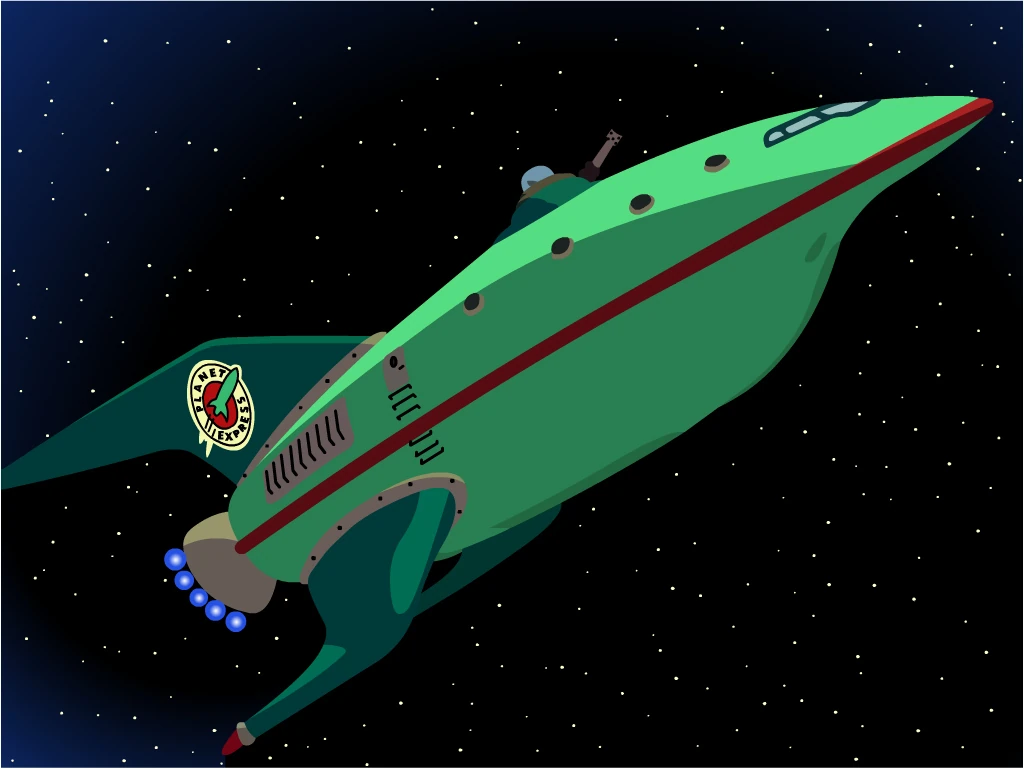
The Planet Express Ship from ‘Futurama’ is a green delivery spacecraft that moves the universe around it using dark matter. This flips Newton’s laws, as the ship stays still while space shifts. Piloted by Turanga Leela (voiced by Katey Sagal), it zips across galaxies instantly.
The ship’s design, with a cartoonish dome and fins, leans into the show’s comedic tone. Its ability to ignore gravity and inertia, plus survive crashes that would obliterate real ships, makes it a perfect example of animated physics-breaking fun.
Light Cycles – ‘Tron’ (1982)
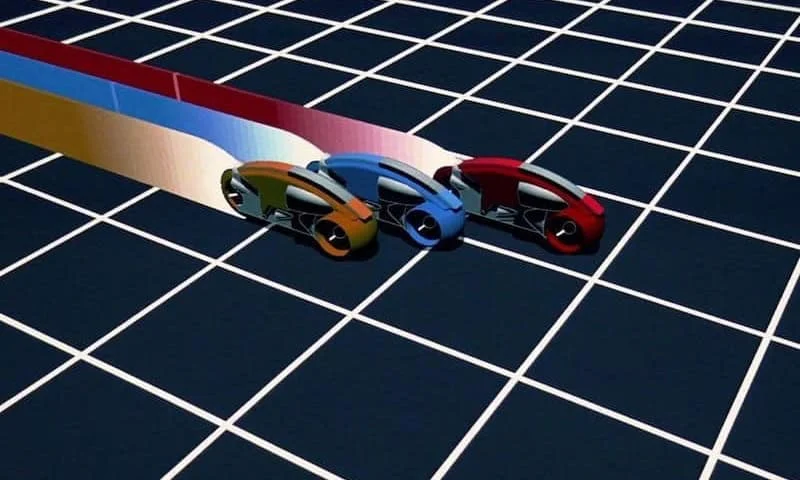
The Light Cycles from ‘Tron’ (1982) are digital motorcycles in a virtual world, ridden by characters like Kevin Flynn (Jeff Bridges). They move at insane speeds, turn at perfect 90-degree angles, and leave solid light trails that can trap foes. These traits defy momentum and material science.
In the game-like grid of ‘Tron’, these bikes ignore friction and inertia, making instant turns no real vehicle could. Their sleek, glowing design and physics-defying stunts cemented their place as a sci-fi classic in the groundbreaking film.
The Magic School Bus – ‘The Magic School Bus’ (1994-1997)

The Magic School Bus, driven by Ms. Frizzle (voiced by Lily Tomlin) in ‘The Magic School Bus’ (1994-1997), is a shape-shifting vehicle that shrinks, grows, or transforms to explore impossible places like the human body or outer space. This breaks laws of mass conservation and structural integrity.
It can dive into bloodstreams or survive black holes, all while carrying a class of kids. The bus’s whimsical ability to morph and endure extreme environments makes it a beloved, physics-ignoring staple of educational animation.
Batmobile – ‘Batman’ (1966-Present)
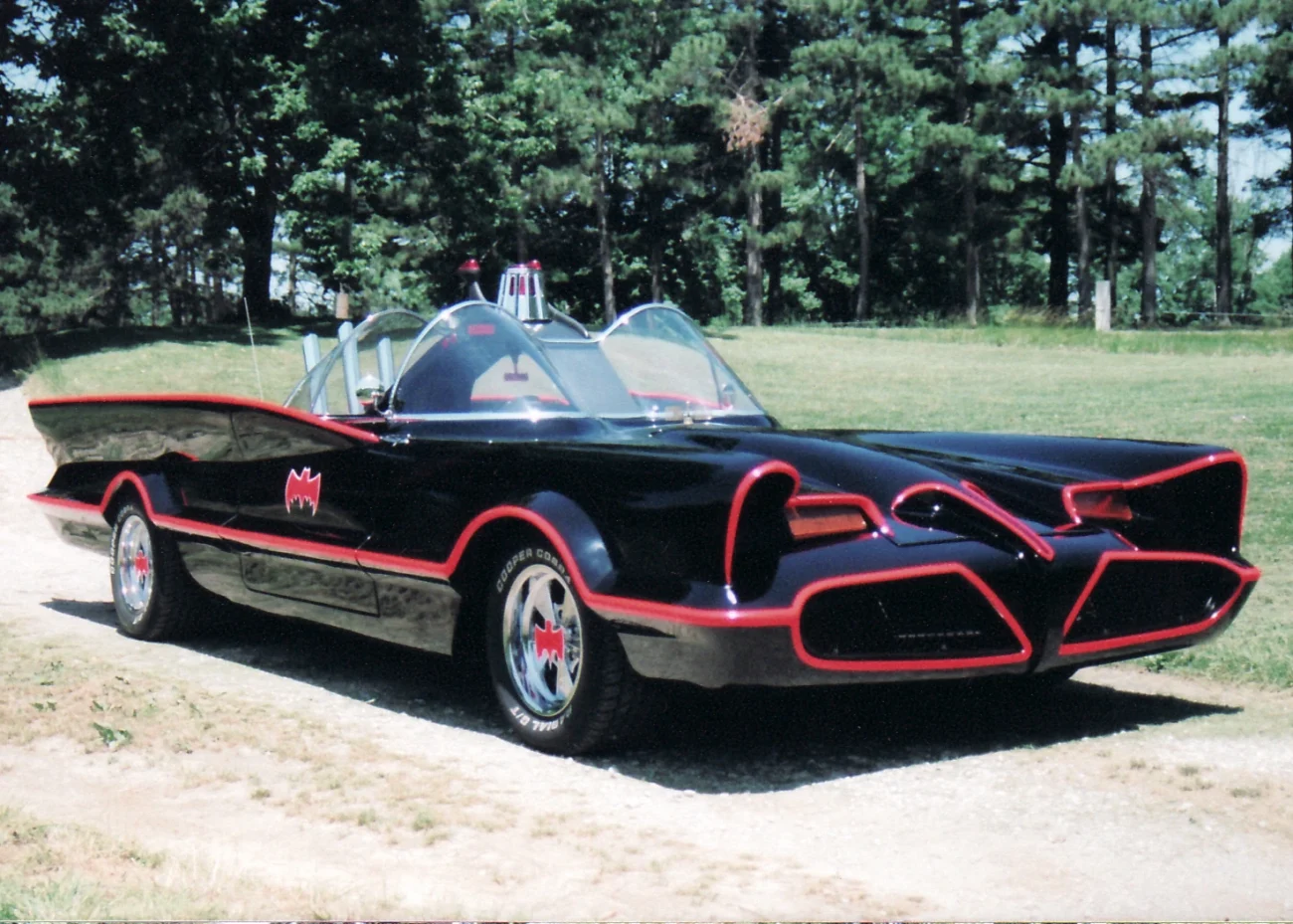
The Batmobile, Batman’s ride across films like ‘Batman’ (1989) and shows like ‘Batman: The Animated Series’ (1992-1995), is a high-tech car packed with gadgets. Its ability to leap long distances, deploy instant shields, or survive massive crashes defies structural physics and energy limits.
Whether driven by Adam West or Christian Bale’s Batman, the Batmobile’s sleek designs and impossible maneuvers, like scaling walls or dodging missiles, make it a comic-book icon that ignores real-world engineering constraints.
Enterprise – ‘Star Trek’ (1966-Present)

The Enterprise, the starship from ‘Star Trek’ shows like ‘The Original Series’ (1966-1969) and films like ‘Star Trek’ (2009), uses warp drive to exceed light speed, breaking Einstein’s relativity. It also has transporters that dematerialize and rebuild people, defying quantum mechanics.
Captained by icons like Kirk (William Shatner) or Picard (Patrick Stewart), the Enterprise’s shields and instant maneuvers in space battles ignore inertia and energy laws, making it a sci-fi legend that thrives on impossible tech.
Warthog – ‘Halo’ (2001-Present)

The Warthog, a rugged jeep from the ‘Halo’ video game series, is a three-seated vehicle driven by Master Chief’s allies. It defies physics with its ability to flip, jump, and crash through alien terrain without breaking apart, ignoring real-world vehicle durability.
Its oversized tires and turret let it mow down enemies while surviving explosions that would shred actual jeeps. The Warthog’s wild handling and resilience make it a chaotic, physics-bending staple of the ‘Halo’ universe.
Silver Surfer’s Board – ‘Fantastic Four: Rise of the Silver Surfer’ (2007)
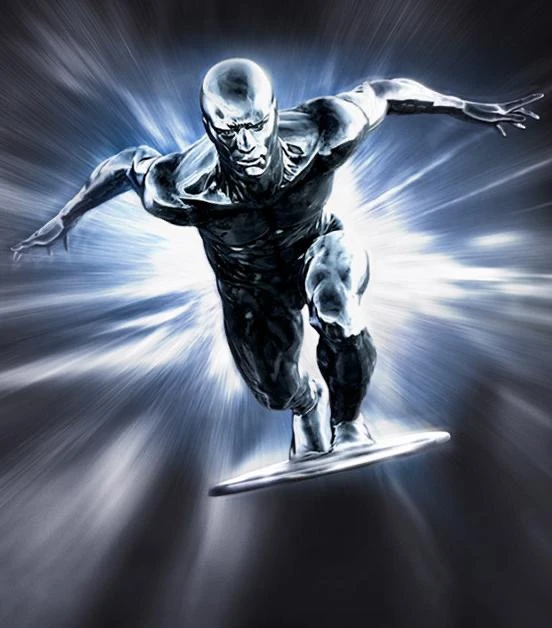
The Silver Surfer’s cosmic surfboard in ‘Fantastic Four: Rise of the Silver Surfer’ (2007) glides through space at impossible speeds, controlled by the Surfer’s (voiced by Laurence Fishburne) thoughts. It defies gravity, inertia, and material science, being indestructible and frictionless.
This sleek board lets the Surfer zip across galaxies or surf planetary atmospheres without burning up. Its physics-defying elegance and mental link to its rider make it a standout in Marvel’s cinematic universe.
Falconcar – ‘Dynomutt, Dog Wonder’ (1976-1977)
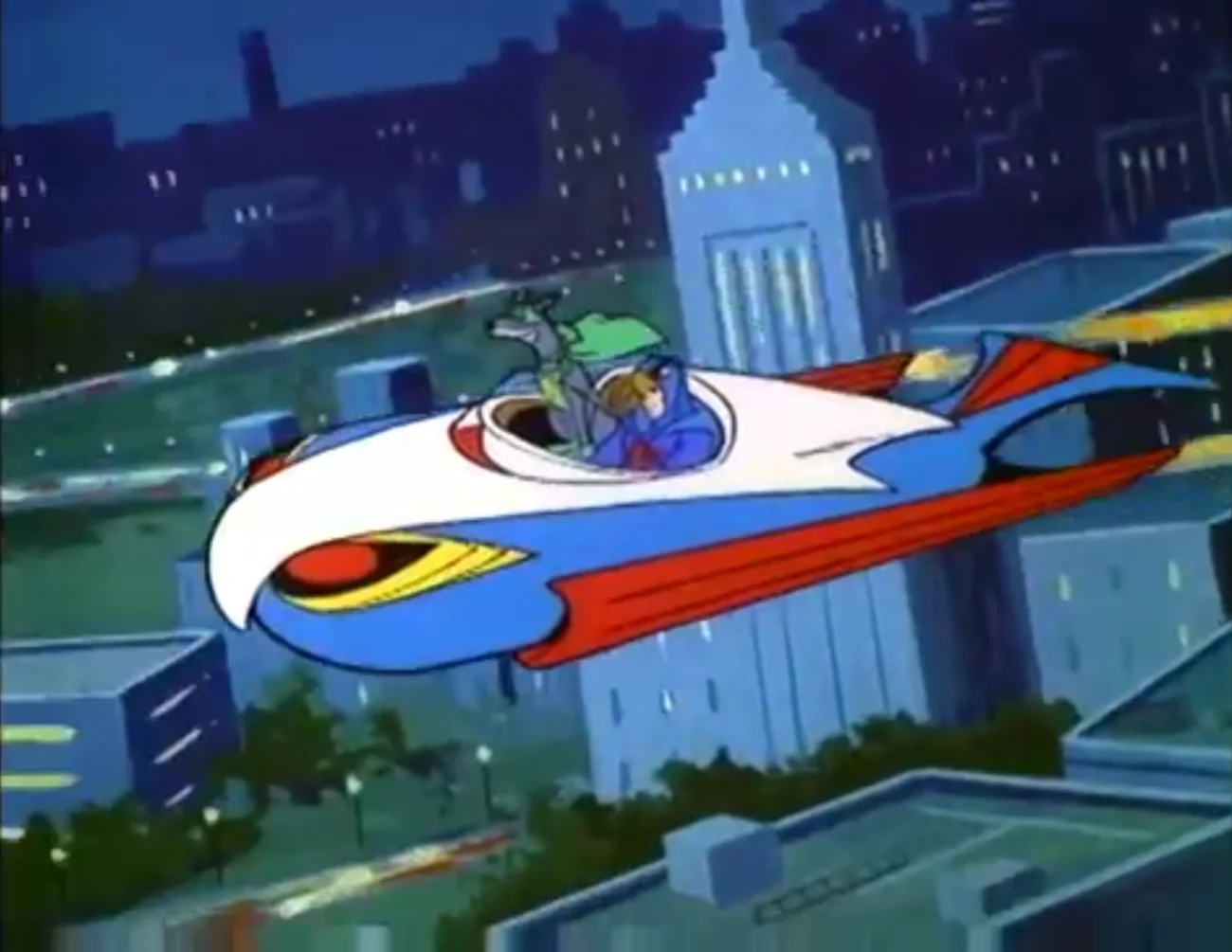
ABCThe Blue Falcon’s namesake vehicle from ‘Dynomutt, Dog Wonder’ (1976-1977) is a high-tech car flown by the superhero Blue Falcon (voiced by Gary Owens). It transforms, flies, and shoots gadgets, breaking aerodynamics and energy conservation with its instant shifts and limitless power.
Paired with the bumbling robotic dog Dynomutt, the Blue Falcon’s ability to chase villains through impossible scenarios, like mid-air flips, leans into the show’s campy, physics-ignoring Hanna-Barbera charm.
Catbus – ‘My Neighbor Totoro’ (1988)

The Catbus from Studio Ghibli’s ‘My Neighbor Totoro’ (1988) is a giant, grinning cat that’s also a bus, carrying kids like Satsuki and Mei. It runs at blinding speeds and leaps over landscapes, defying biology, aerodynamics, and gravity with its furry, flexible body.
This whimsical creation, directed by Hayao Miyazaki, blends animal and vehicle in a way that ignores physical structure. Its surreal, physics-breaking design makes it a magical highlight of anime storytelling.
Gurren Lagann – ‘Gurren Lagann’ (2007)
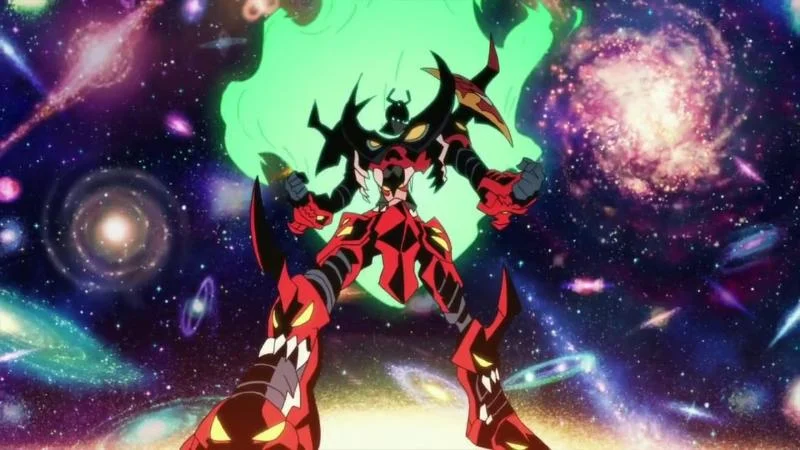
The Gurren Lagann, a giant mecha from the anime ‘Gurren Lagann’ (2007), is a robot powered by spiral energy, a fictional force that lets it grow massive and drill through planets. This violates energy conservation and structural physics, as no machine could withstand such forces.
Piloted by Simon and Kamina (voiced by Tetsuya Kakihara and Katsuyuki Konishi), the mecha’s ability to merge, expand, and fight galaxy-sized battles makes it a bombastic, physics-defying symbol of human willpower in anime.
Speed Racer’s Mach 5 – ‘Speed Racer’ (1967-1968)
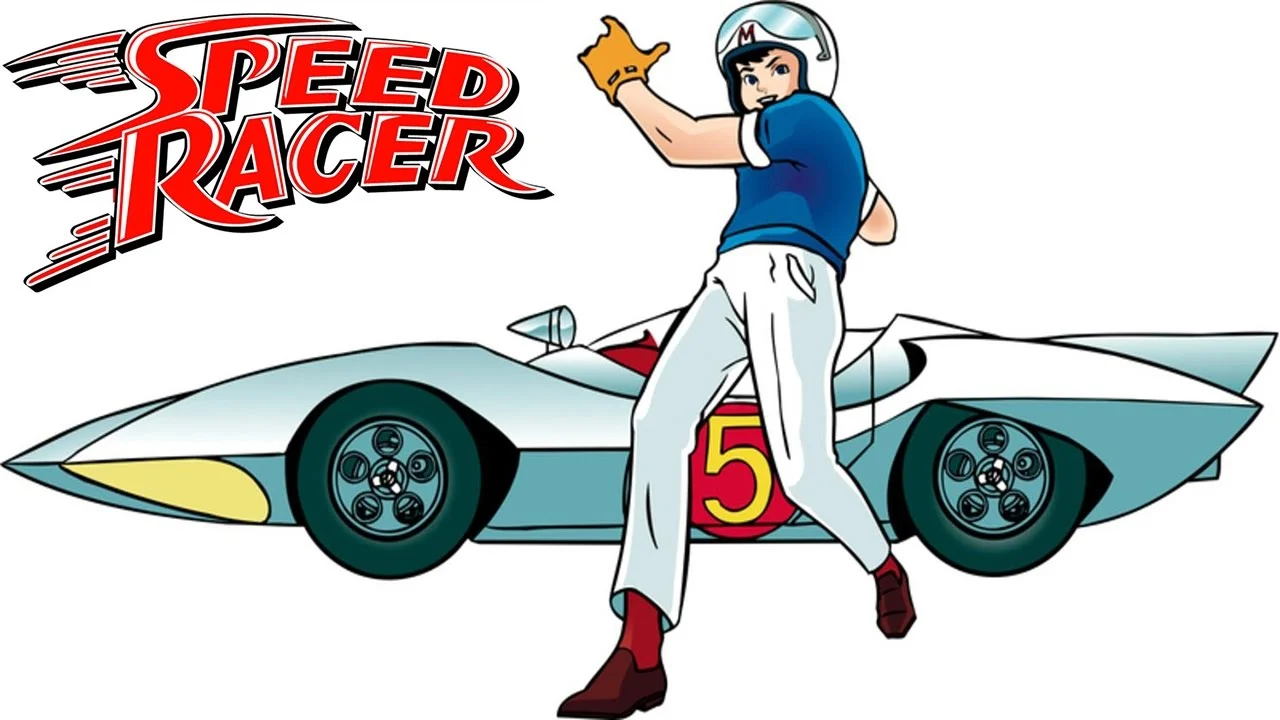
The Mach 5 from ‘Speed Racer’ (1967-1968) is a racecar with gadgets like auto-jacks and retractable saws, driven by Speed Racer (voiced by Katsuji Mori). It performs impossible jumps and survives crashes that defy structural integrity and momentum laws.
This anime icon, with its sleek white design, zips through races with maneuvers no real car could pull off. Its physics-breaking tricks, like cutting through obstacles, make it a timeless symbol of high-speed adventure.
A-Team’s GMC Vandura – ‘The A-Team’ (1983-1987)
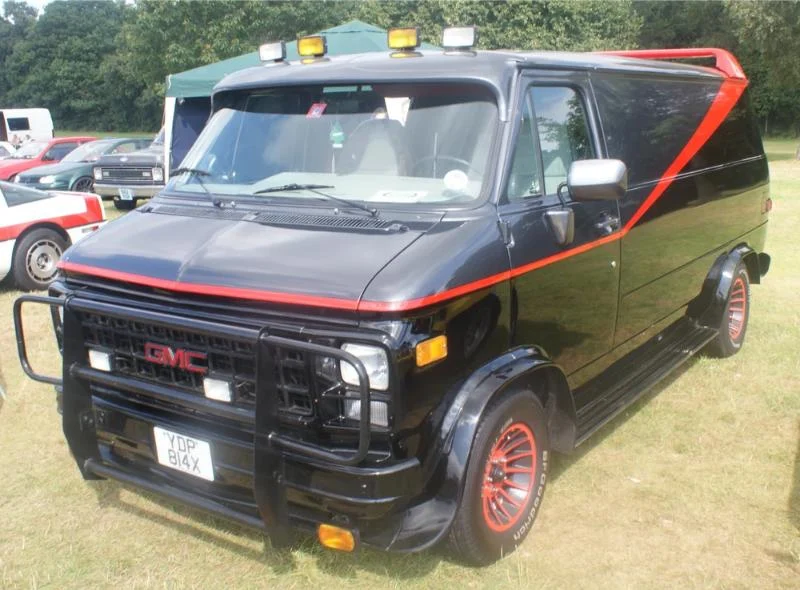
The A-Team’s black-and-red GMC Vandura from ‘The A-Team’ (1983-1987) is a van that pulls off insane stunts, like jumping ramps or surviving explosions. Driven by B.A. Baracus (Mr. T), it defies physics with its ability to flip, crash, and keep rolling without breaking apart.
The van’s durability and speed, despite being a heavy vehicle, ignore real-world mechanics. Its role in the team’s wild missions, alongside stars like George Peppard, makes it a TV icon that bends reality for action-packed fun.
Which physics-defying vehicle is your favorite, or did I miss a wild ride you love? Drop your thoughts in the comments!