The 10 Most Confusing Movie Timelines, Finally Explained



Some movies love to mess with your head, twisting time into knots that leave you puzzled long after the credits roll. These films use time loops, flashbacks, or fractured narratives to tell stories that demand focus and often a second watch to fully grasp.
I’ve always been fascinated by how filmmakers play with time to create unforgettable stories. Here’s a breakdown of the 10 most confusing movie timelines, explained in a way that makes sense.
10. Looper (2012)
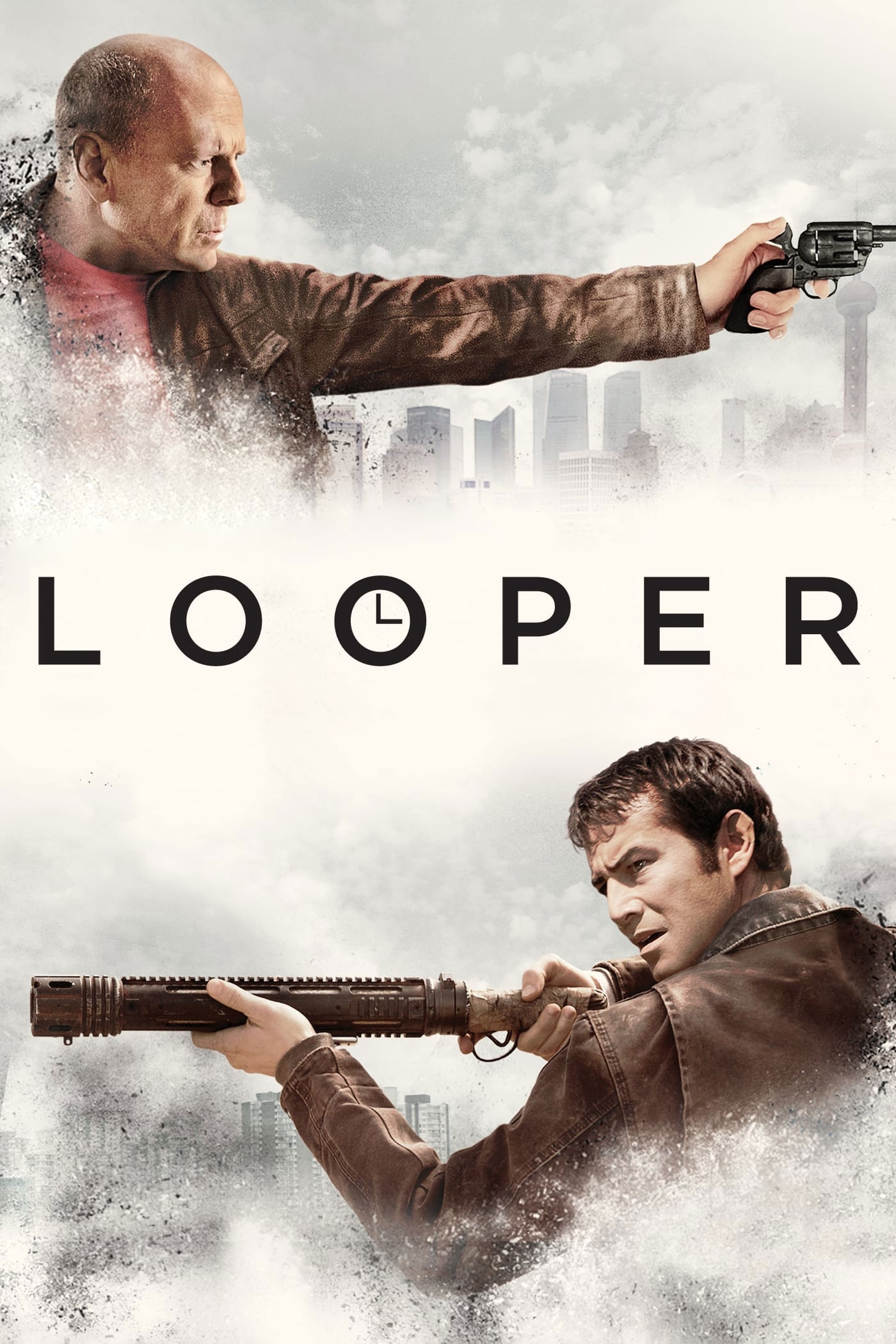
In ‘Looper,’ time travel gets messy when hitmen called loopers kill targets sent from the future. Joe, a young looper, faces his older self, who’s trying to change the future to save his wife. The timeline splits as actions in the present instantly affect the future, like injuries showing up in real-time. It’s a single timeline with clear rules, but the interplay of past and future selves can trip you up.
The film’s strength lies in its tight cause-and-effect logic, even if it feels chaotic at first. Joseph Gordon-Levitt and Bruce Willis deliver gripping performances as the same character at different ages, making the time-bending stakes feel personal. A second watch helps clarify how every action ripples forward.
9. Twelve Monkeys (1995)
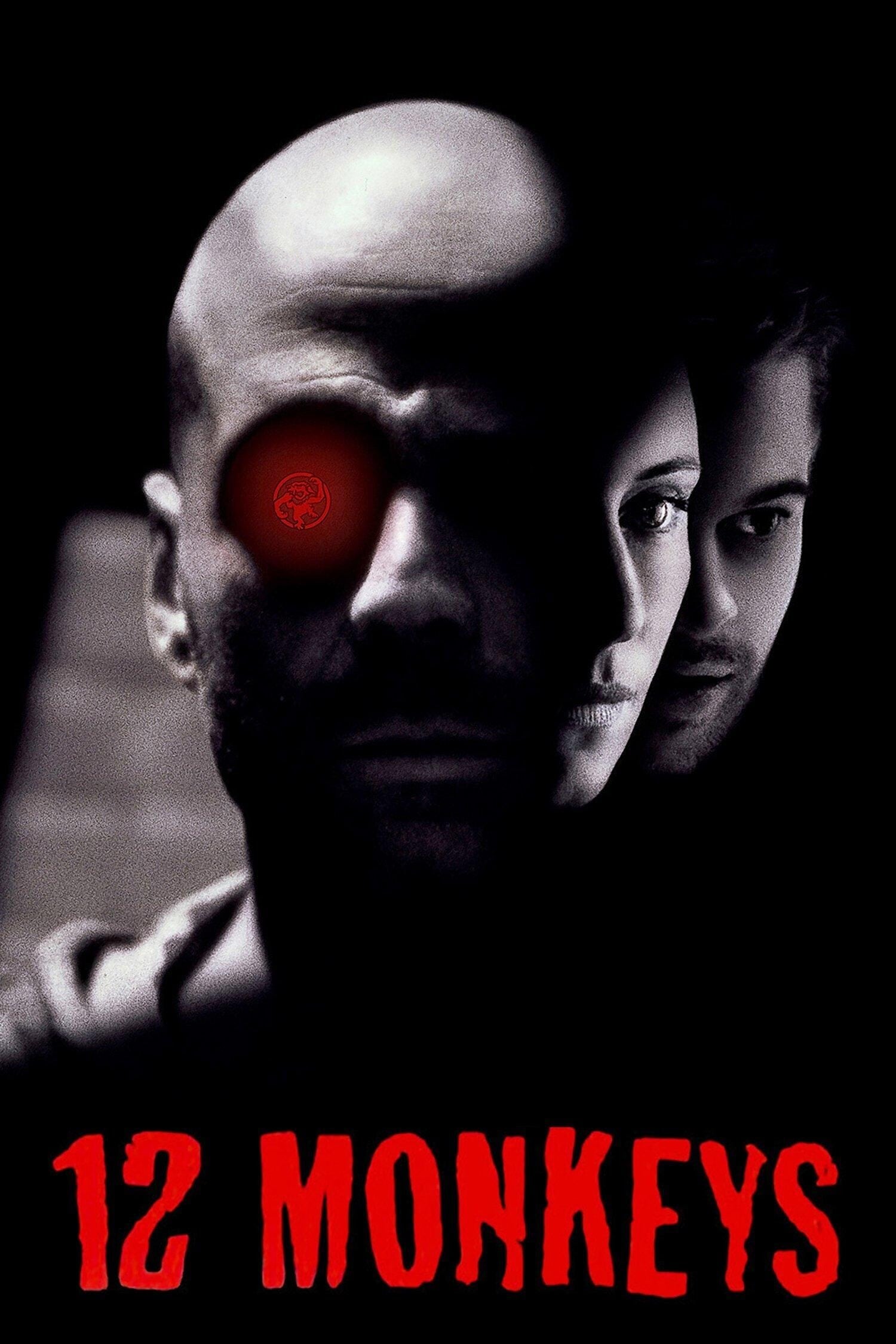
‘12 Monkeys’ follows Cole, a man from a post-apocalyptic future, sent back to the 1990s to stop a viral outbreak. His time jumps create a fixed loop where his childhood self witnesses his own death at an airport. The circular timeline means events can’t be changed, which is consistent but disorienting due to Cole’s fragmented memories.
Bruce Willis and Brad Pitt shine in this gritty sci-fi thriller, with Pitt’s unhinged performance stealing scenes. The film’s strength is its commitment to a predetermined fate, but keeping track of Cole’s erratic jumps takes effort. The airport scene ties it all together, revealing the loop’s tragic inevitability.
8. Memento (2000)
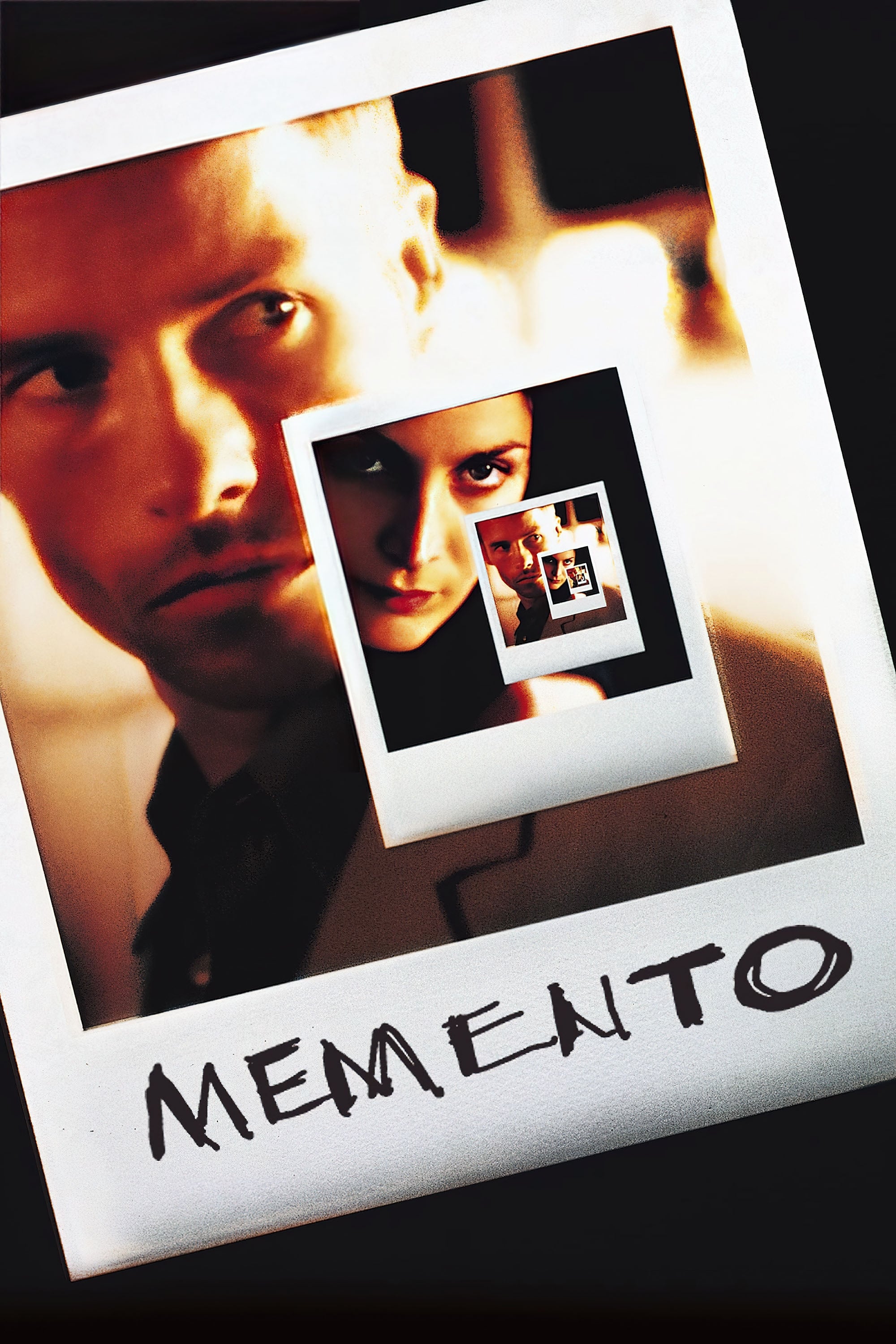
‘Memento’ centers on Leonard, a man with amnesia who can’t form new memories, hunting his wife’s killer using tattoos and notes. The story unfolds in two timelines—color scenes move backward, while black-and-white scenes move forward, meeting in the middle. This structure mirrors Leonard’s fractured mind, making you question what’s true.
Guy Pearce’s intense performance grounds the film’s disorienting narrative. The dual timelines are deliberate, forcing you to piece together Leonard’s reality. It’s not as complex as some, but the reversed storytelling demands focus to unravel the truth behind his quest.
7. The Fountain (2006)
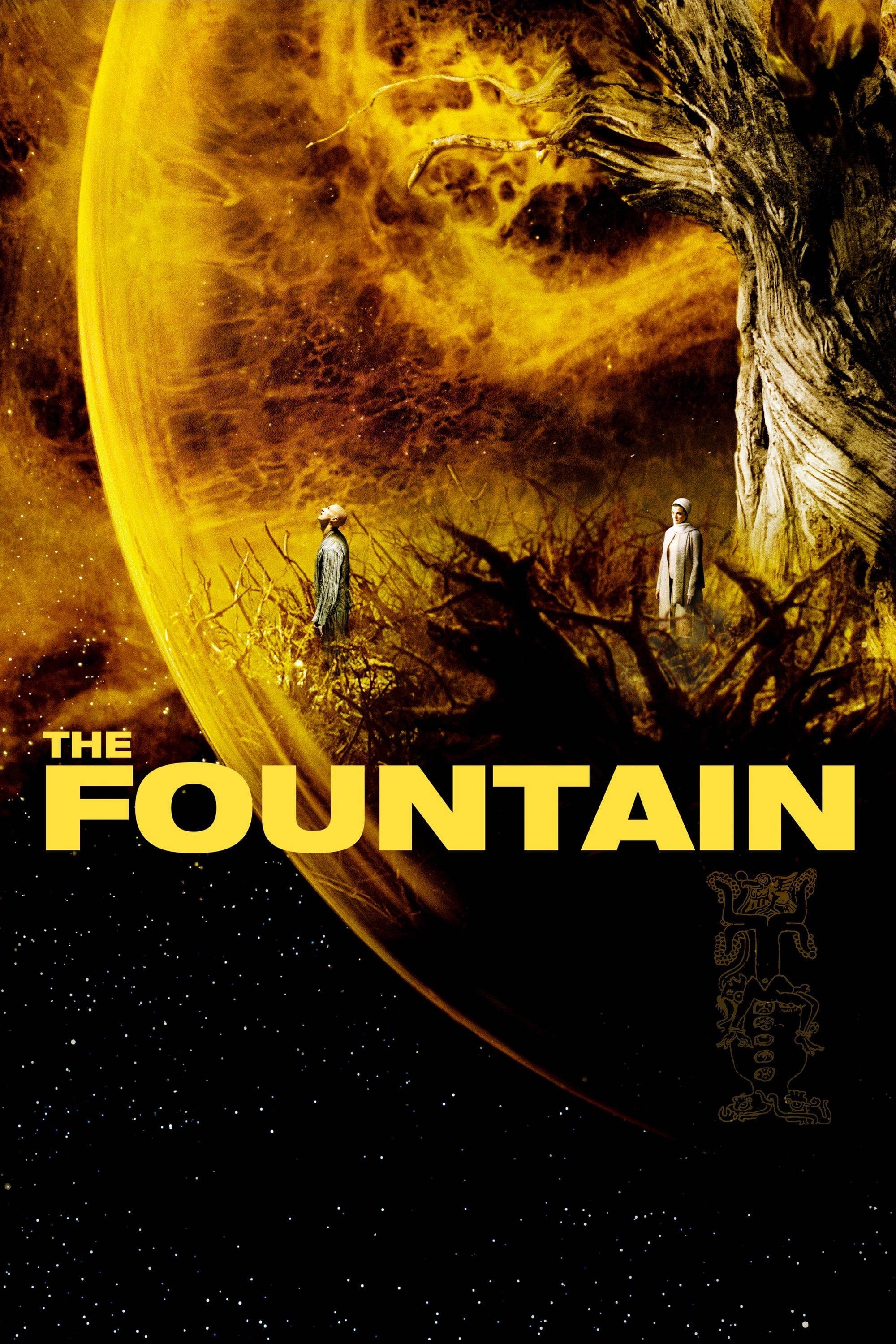
‘The Fountain’ weaves three timelines—an epic love story spanning the 1500s, 2000s, and far future. Hugh Jackman plays a conquistador, a doctor, and a space traveler, all linked by love for Rachel Weisz’s character. The modern-day story is clear, but the future segment, with Jackman in a celestial biome with a symbolic tree, confuses many.
The film’s emotional core makes the timelines feel connected, even if the transitions are jarring. Its layered narrative rewards patience, as the tree and Xibalba reveal deeper meanings about love and mortality on rewatch.
6. Time Lapse (2014)
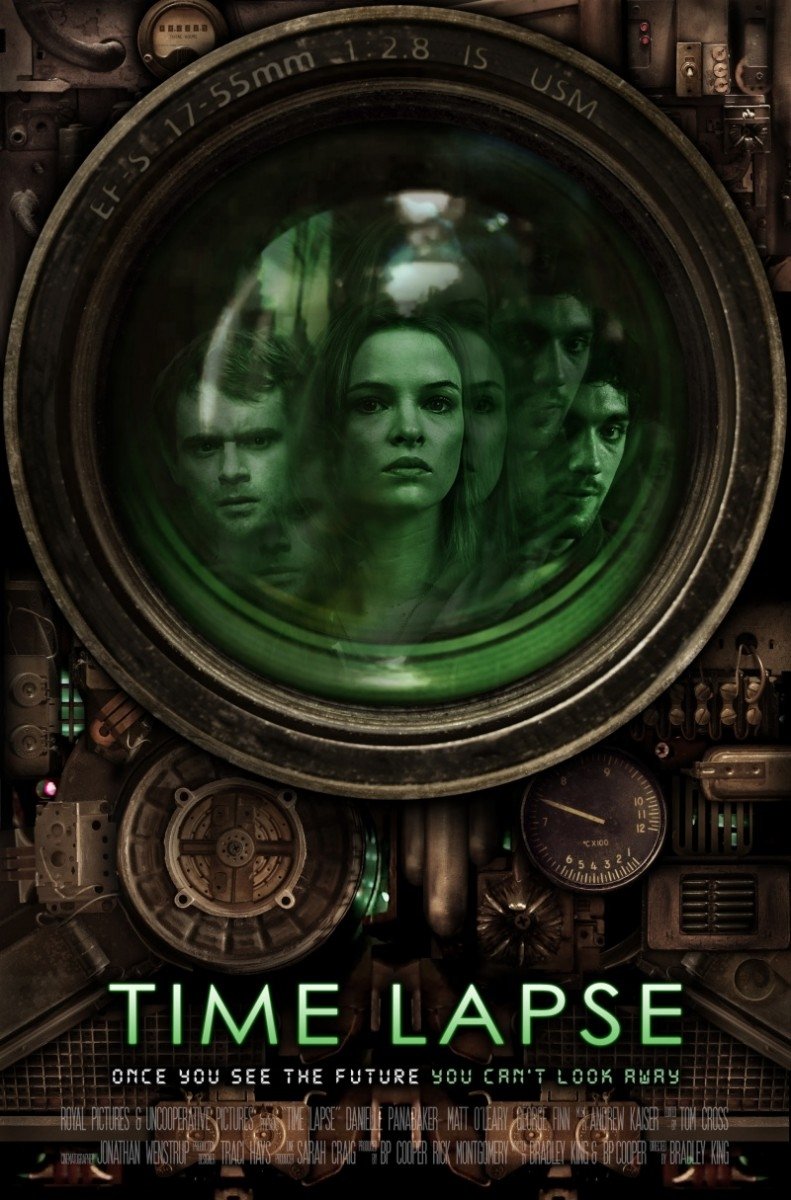
‘Time Lapse’ follows three friends who find a camera that takes photos 24 hours into the future. They try to use it for profit, but the images create a web of cause and effect, trapping them in a cycle of inevitable outcomes. The timeline is single but feels tangled as their actions lock them into the future they see.
This low-budget gem thrives on suspense, with each photo raising the stakes. The film’s simplicity makes the timeline easier to follow than others, but the fixed future keeps you guessing how they’ll escape—or if they can.
5. Triangle (2009)

‘Triangle’ is a psychological horror where Jess, a single mother, boards a deserted ocean liner after a yacht sinks. She experiences déjà vu as a masked figure kills her friends, and the timeline loops, revealing she’s stuck repeating the same events. The loops build on each other, creating a haunting cycle.
Melissa George’s raw performance carries the film’s eerie tone. The time loop’s rules are consistent, but piecing together Jess’s role in the cycle takes careful attention. It’s a gripping puzzle that clicks on a second viewing.
4. Donnie Darko (2001)
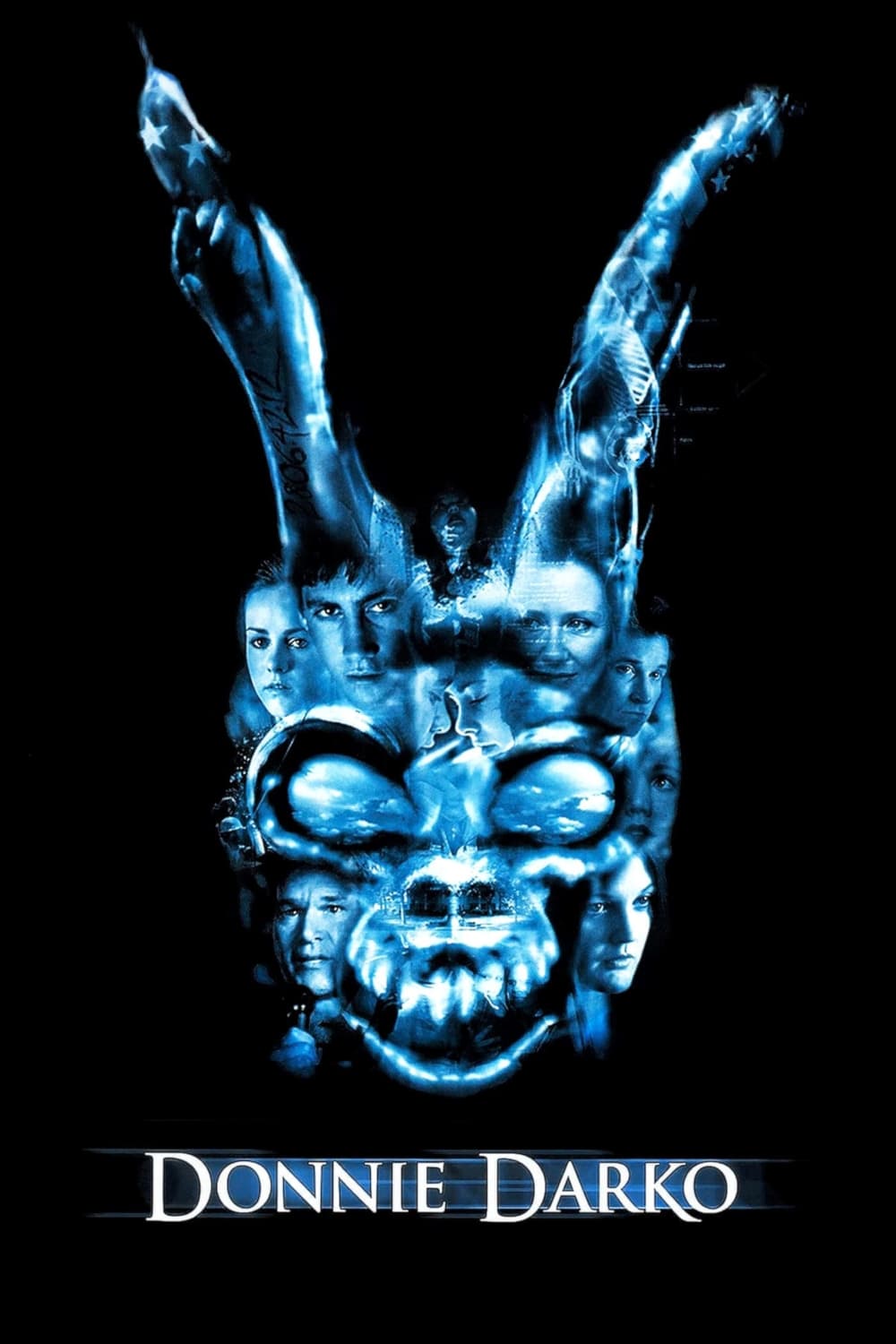
‘Donnie Darko’ follows a troubled teen, Donnie, guided by a mysterious figure in a rabbit suit named Frank. The story involves time loops and parallel universes, with Donnie navigating alternate timelines to prevent a catastrophe. The film jumps between realities, making it hard to track what’s real.
Jake Gyllenhaal’s haunting performance anchors the film’s surreal vibe. The timeline’s complexity comes from its blend of sci-fi and psychological elements, but the director’s cut offers clues to unravel Donnie’s sacrifice and the looping universe.
3. Arrival (2016)
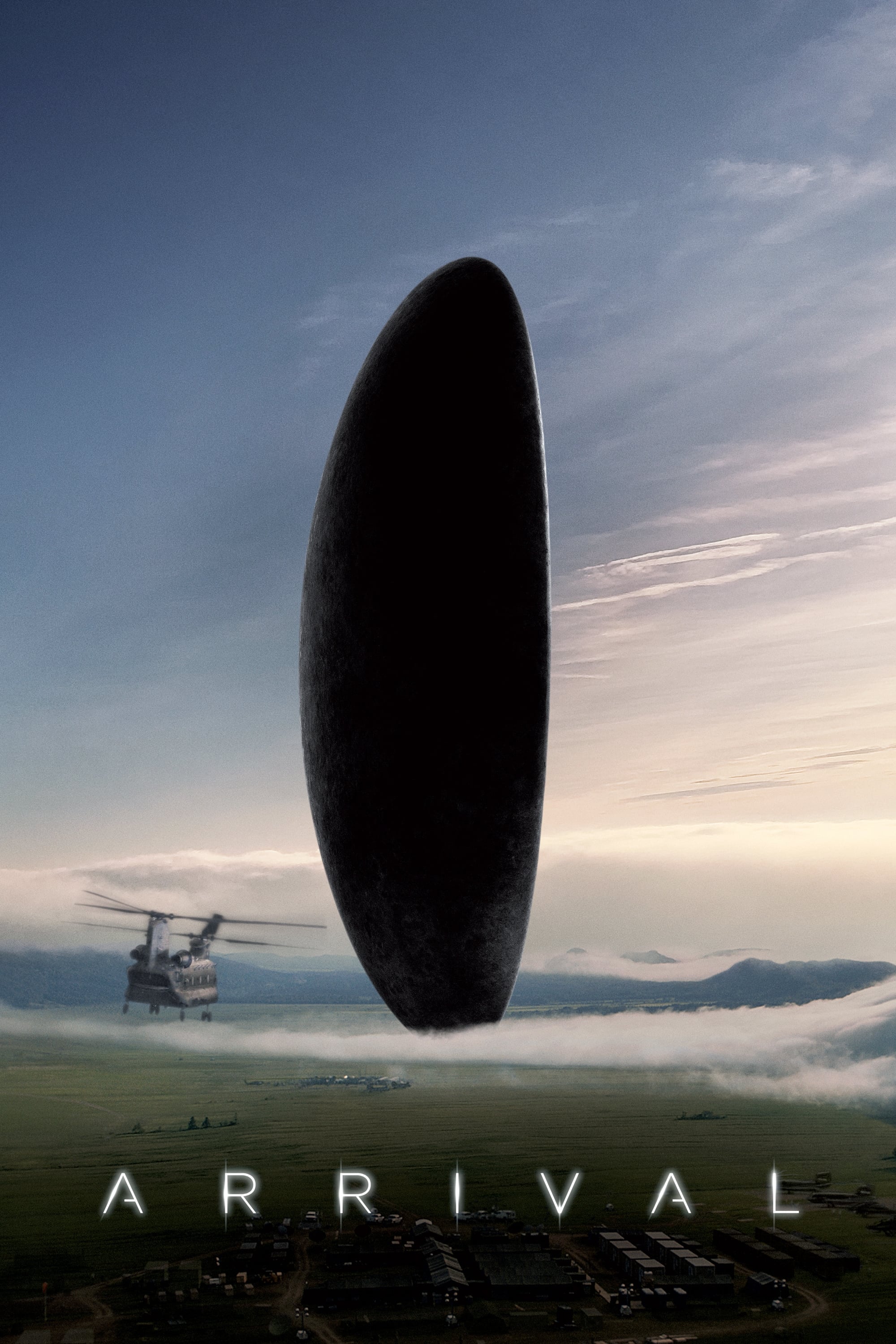
‘Arrival’ explores time through linguist Louise, who learns an alien language that alters her perception of reality. The film intertwines present and future events, using the Sapir-Whorf hypothesis to suggest language shapes how we experience time. Flashbacks turn out to be flash-forwards, flipping the timeline.
Amy Adams delivers a subtle, powerful performance as Louise. The non-linear structure is deliberate, reflecting how the alien language reshapes her mind. It’s less chaotic than others but requires focus to see how past, present, and future connect.
2. Tenet (2020)
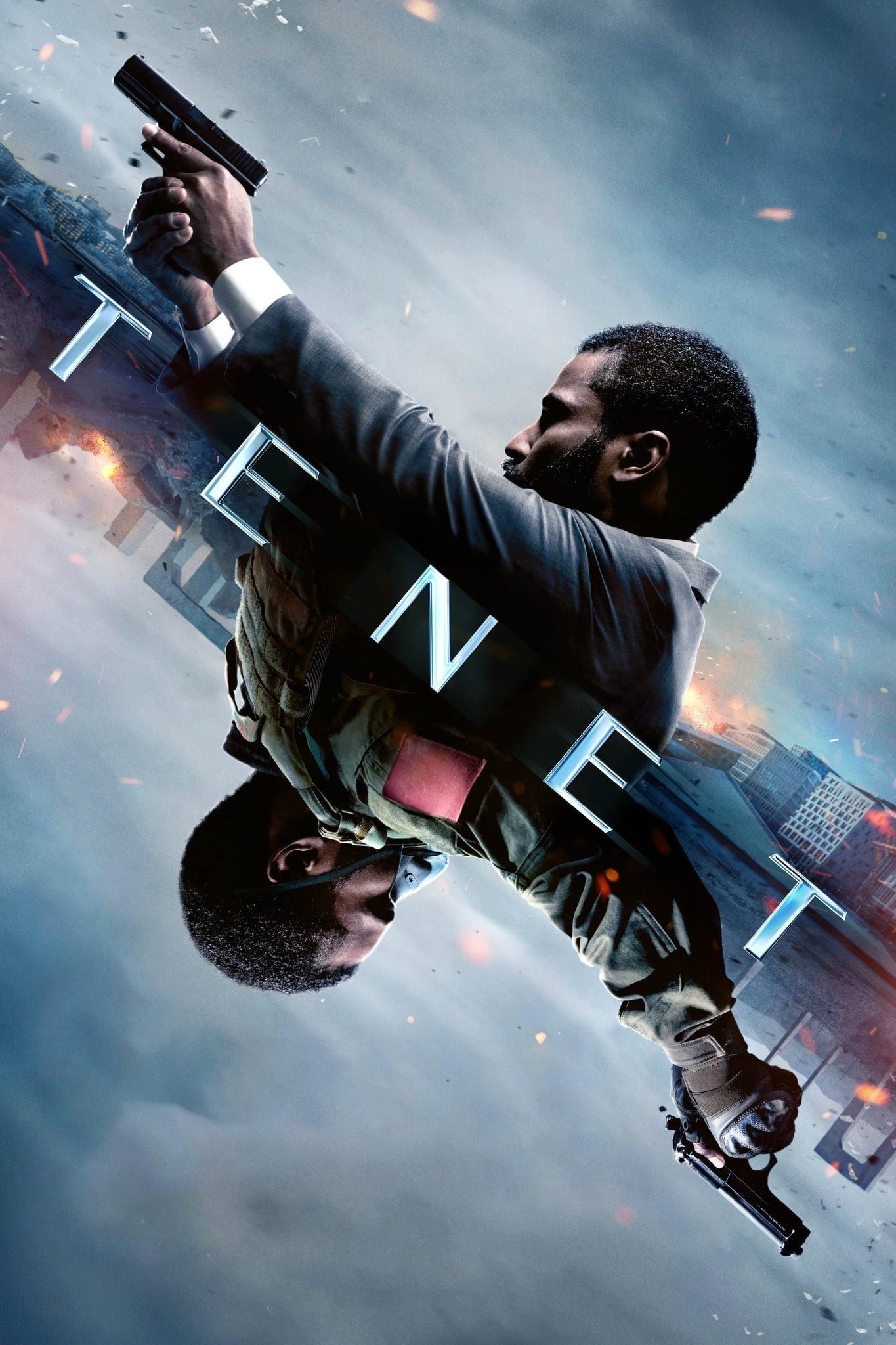
‘Tenet’ dives into a world of time inversion, where objects and people can move backward in time. The Protagonist orchestrates a mission that converges in a palindromic battle, later revealed as his own future plan. The forward and reverse timelines collide, creating a dense puzzle.
John David Washington leads a sleek, intense cast, with Christopher Nolan’s direction pushing the boundaries of time. The film’s mechanics are intricate, demanding attention to track who’s moving in which direction. Diagrams help, but the twist of the Protagonist’s identity adds a final layer of complexity.
1. Primer (2004)
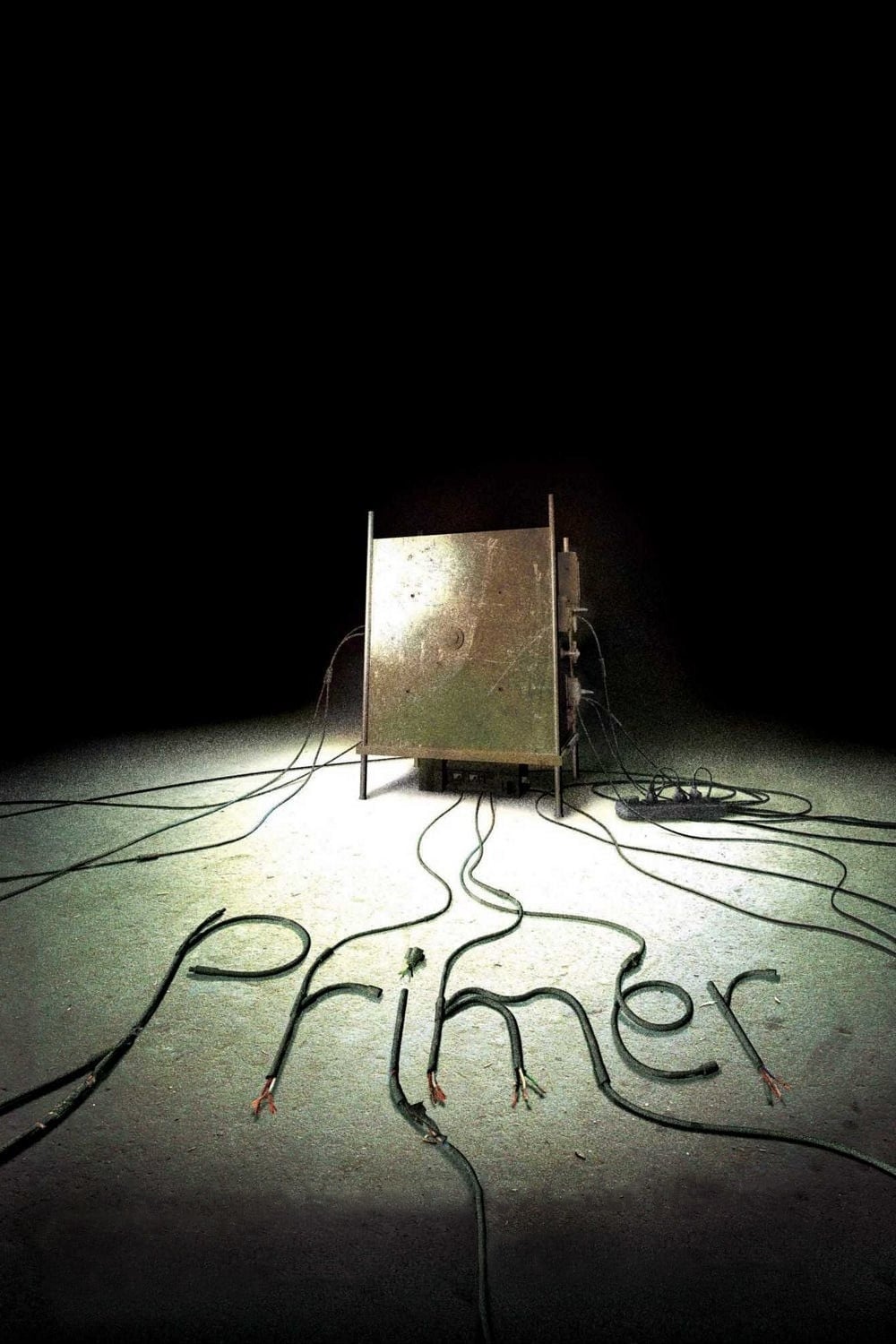
‘Primer’ tops the list as two engineers, Aaron and Abe, accidentally build a time machine. Their attempts to control the past create recursive loops and multiple versions of themselves, spiraling into a chaotic web. The low-budget film’s dense dialogue and realistic time travel logic make it nearly impossible to follow on one watch.
Shane Carruth’s minimalist approach and authentic science amplify the confusion. The overlapping timelines and doubles require intense focus—or a flowchart—to decode. It’s a brilliant but daunting masterpiece that rewards multiple viewings.
Which movie timeline twisted your brain the most, or is there another time-bending film I missed? Share your thoughts in the comments!