‘Jimmy Kimmel Live!’ and Other Controversial Talk Shows That Got Canceled

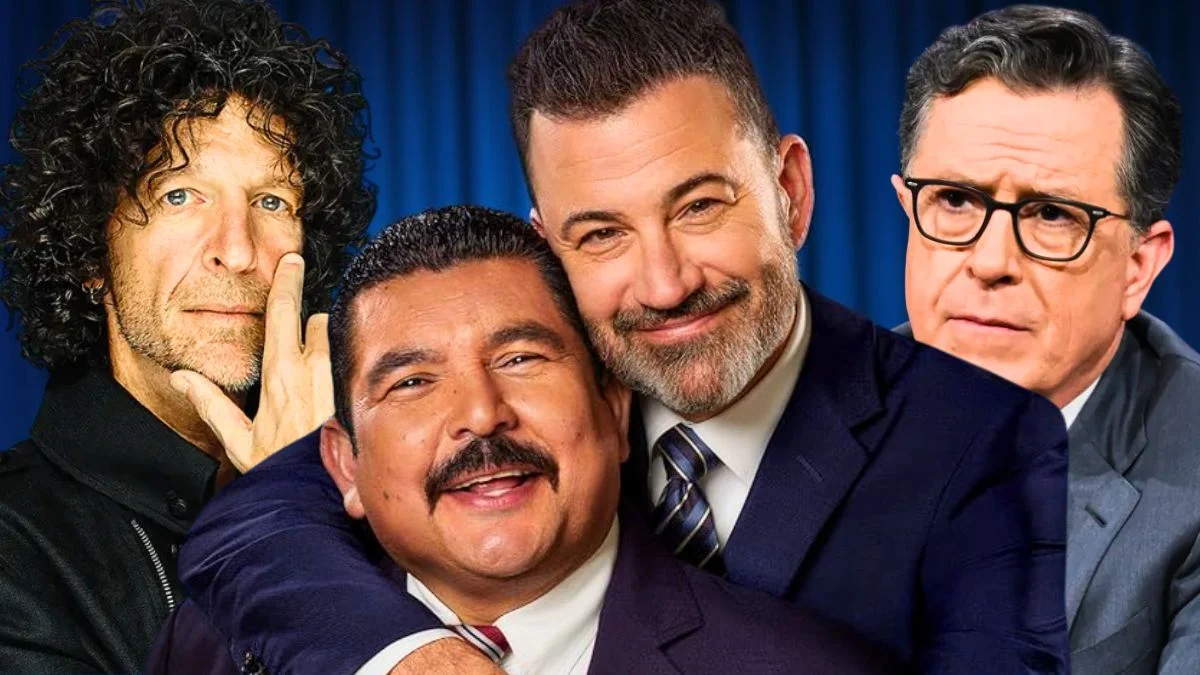

Howard Stern’s radio show has been a cultural force for decades, known for pushing boundaries with edgy humor and candid celebrity interviews. Recently, reports surfaced that ‘The Howard Stern Show’ may face cancellation at SiriusXM as his $100 million contract nears its end, with insiders citing financial disagreements and his outspoken political views as factors. This potential end marks a shift in the radio landscape, where controversial talk shows often struggle to balance provocative content with changing audience tastes.
From shock jocks to late-night hosts, many talk shows have faced the axe due to controversy, declining ratings, or financial pressures. These cancellations often stem from offensive remarks, political backlash, or a failure to adapt to modern sensibilities. Here’s a look at ‘The Howard Stern Show’ and other controversial talk shows that got canceled, exploring what led to their downfall.
The Howard Stern Show (2006–present)

‘The Howard Stern Show’ has been a radio giant since its move to SiriusXM in 2006, drawing millions with its raw humor and in-depth interviews. Stern’s shift from shock jock antics to more introspective content, along with his vocal criticism of political figures like Donald Trump, has polarized fans, with some praising his evolution and others feeling he’s lost his edge.
Recent reports indicate SiriusXM may not renew Stern’s $100 million-a-year contract, citing cost-cutting and a pivot to younger talent like podcasters. His 2024 interview with Kamala Harris and reduced live shows—often broadcast from home—have fueled speculation about retirement, leaving his staff of nearly 100 blindsided and fans debating the show’s legacy.
The Jerry Springer Show (1991–2018)

‘The Jerry Springer Show’ was infamous for its chaotic episodes featuring brawls, outrageous confessions, and controversial topics. Airing for 27 years, it thrived on shock value but faced constant criticism for exploiting guests and promoting sensationalism, which alienated some viewers over time.
The show ended in 2018 when Springer’s contract wasn’t renewed, as networks shifted toward less confrontational programming. Declining ratings and a cultural move away from tabloid-style TV contributed, though Springer later pivoted to a courtroom show, ‘Judge Jerry’.
The Morton Downey Jr. Show (1987–1989)
‘The Morton Downey Jr. Show’ was a short-lived but fiery talk show known for its host’s aggressive style and polarizing debates on race, politics, and social issues. Downey’s in-your-face approach, often yelling at guests and audiences, made him a pioneer of confrontational TV but sparked backlash for inciting hostility.
Canceled after two years due to low ratings and advertiser pullouts, the show couldn’t sustain its controversial edge. Sponsors grew wary of Downey’s volatile behavior, including a staged incident where he claimed to be attacked, which eroded credibility.
The Chevy Chase Show (1993)
‘The Chevy Chase Show’ was a late-night disaster that aimed to compete with giants like ‘The Tonight Show’ but lasted only five weeks. Chase’s awkward hosting, marked by cringe-worthy interviews and poorly received comedy, drew harsh criticism and alienated viewers expecting his movie-star charm.
Fox pulled the plug in 1993 after dismal ratings and negative reviews, with Chase himself admitting he was unprepared for the talk show format. The show’s failure highlighted the risks of banking on celebrity names without a strong hosting foundation.
The Roseanne Show (1998-1998)
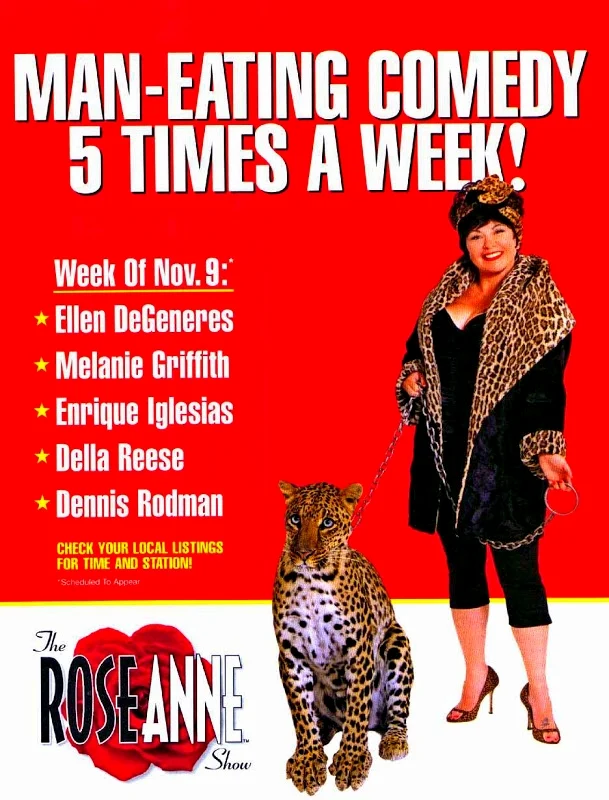
‘The Roseanne Barr Show’ brought the comedian’s brash humor to daytime TV, but its mix of celebrity interviews and controversial skits stirred trouble. Barr’s outspoken nature, including remarks on politics and social issues, often overshadowed the show’s lighter moments, leading to mixed reception.
Canceled after two seasons due to low ratings and network concerns over its polarizing content, the show struggled to find a consistent audience. Barr’s later controversies, including her 2018 Twitter scandal, echoed the challenges that doomed her talk show.
The Arsenio Hall Show (1989–1994, 2013–2014)
‘The Arsenio Hall Show’ broke ground as a late-night platform for Black artists and urban culture, but its initial run faced criticism for Hall’s handling of controversial guests, like Louis Farrakhan. The show’s edgy vibe and political undertones sometimes clashed with network expectations.
Despite a strong start, it was canceled in 1994 due to declining ratings and competition from ‘The Tonight Show’. A 2013 revival lasted only one season, as Hall struggled to recapture his original magic amid a crowded late-night landscape.
The Wanda Sykes Show (2009–2010)

‘The Wanda Sykes Show’ offered sharp comedy and social commentary, but its bold takes on race, politics, and sexuality sparked backlash from conservative viewers. Sykes’ unapologetic style was a draw for some but too divisive for mainstream audiences.
Fox canceled the show after one season due to low ratings and budget concerns. The network’s shift toward safer, less provocative programming left Sykes’ edgy humor without a home, though she continued to thrive in other formats.
The Pat Sajak Show (1989–1990)

‘The Pat Sajak Show’ saw the ‘Wheel of Fortune’ host try his hand at late-night talk, but his mild-mannered style struggled to compete with flashier rivals. Controversial moments, like a heated interview with Rush Limbaugh, exposed Sajak’s difficulty handling hot-button topics.
CBS axed the show after 15 months due to poor ratings and a lack of standout moments. Sajak’s return to game shows proved his strength lay elsewhere, as the talk show format demanded a sharper edge he couldn’t deliver.
The Magic Hour (1998)
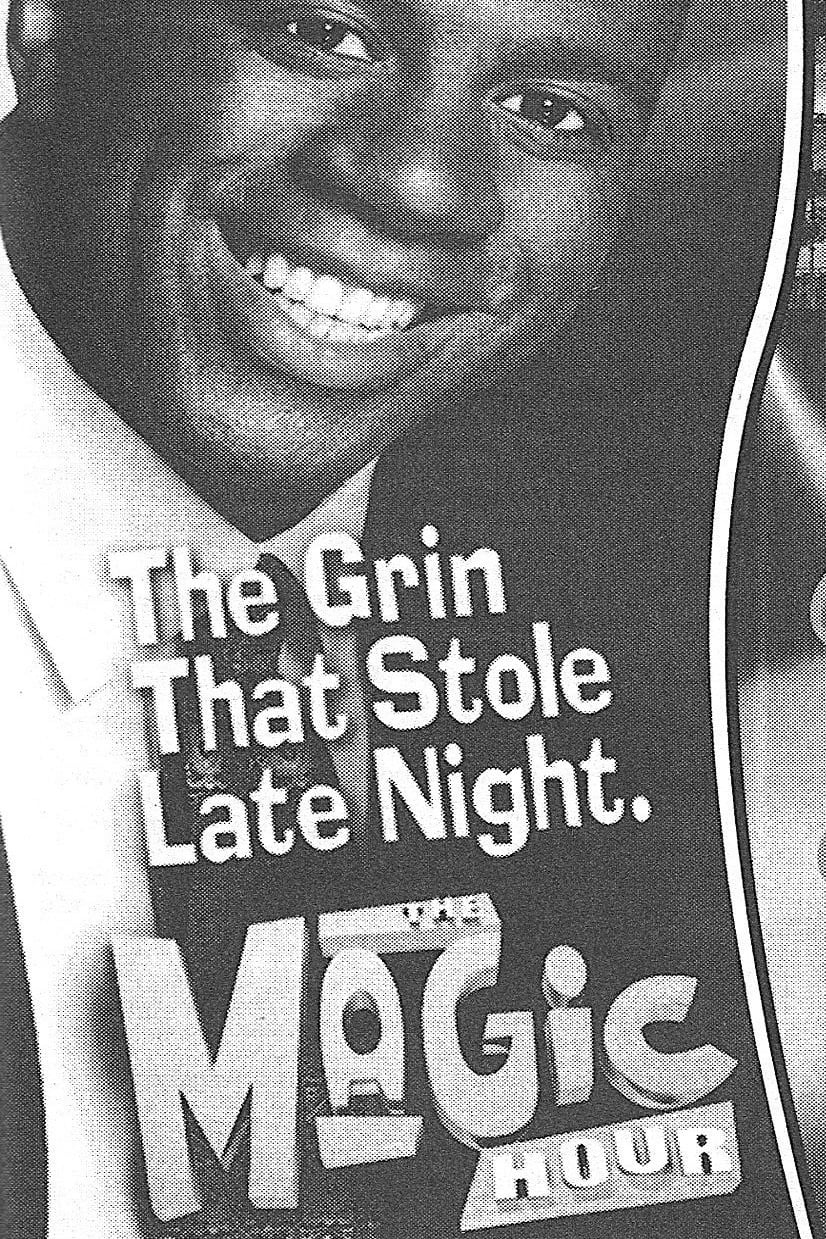
‘The Magic Hour’, hosted by Magic Johnson, aimed to bring a sports legend to late-night TV but flopped due to Johnson’s inexperience and awkward interviews. A controversial moment involving Howard Stern as a guest, where he made offensive remarks, drew heavy criticism and embarrassed the show.
Canceled after three months due to abysmal ratings and negative press, ‘The Magic Hour’ became a cautionary tale of miscasting. Johnson later admitted talk shows weren’t his forte, returning to basketball and business ventures.
The Megan Mullally Show (2006–2007)
‘The Megan Mullally Show’ leaned on the ‘Will & Grace’ star’s quirky charm, but its mix of comedy and celebrity chats failed to connect. Mullally’s occasional dives into controversial topics, like political jabs, didn’t land well with daytime audiences expecting lighter fare.
Syndication ended after one season due to low ratings and network hesitance to back a show that couldn’t find its footing. Mullally’s comedic talents were better suited to scripted roles than navigating talk show controversies.
The Late Show with Stephen Colbert (2015–2025)
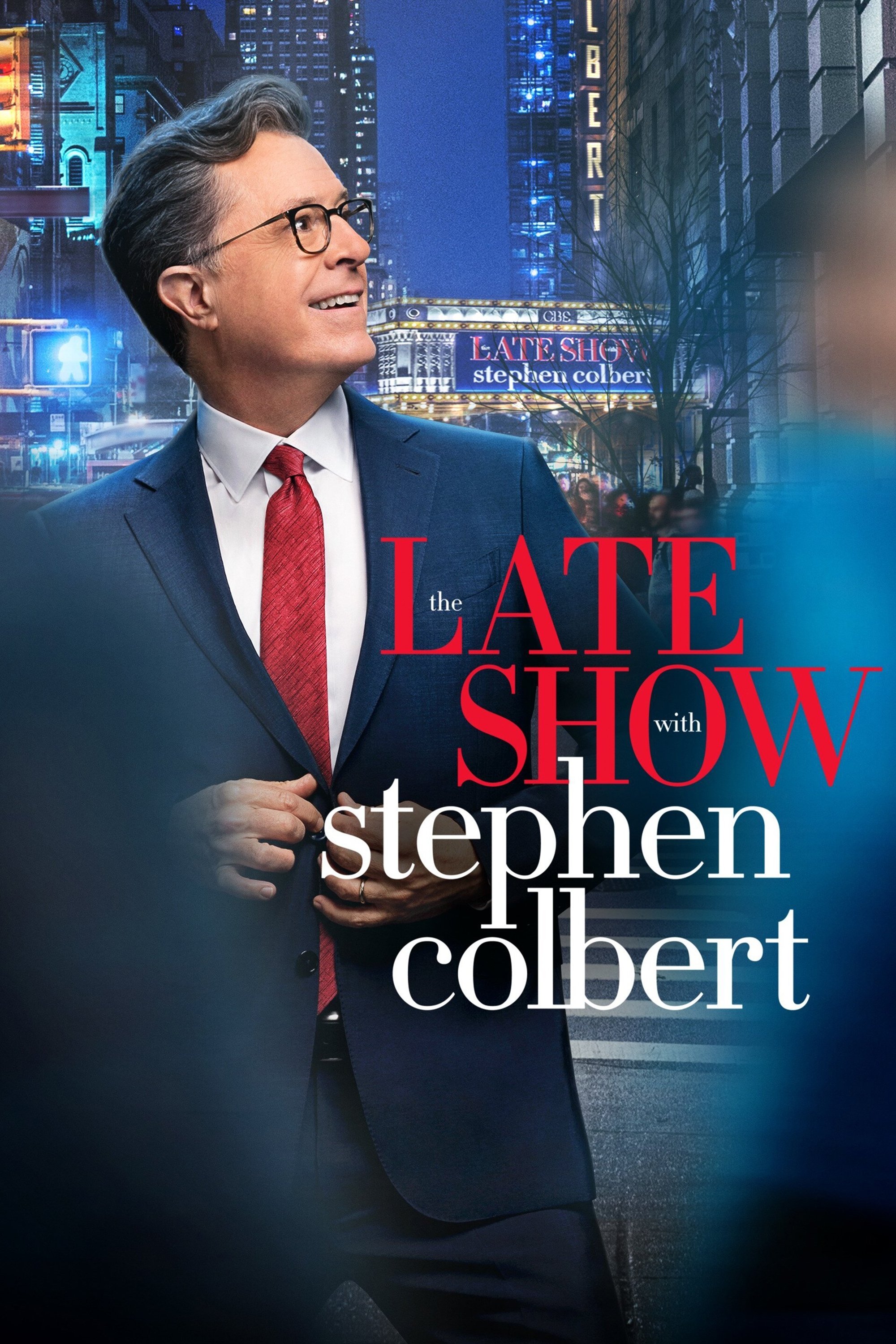
‘The Late Show with Stephen Colbert’ was a late-night staple, but its sharp political satire, especially targeting Donald Trump, drew accusations of bias from conservative viewers. CBS cited financial reasons for its 2025 cancellation, though many speculated Colbert’s anti-Trump humor played a role in a polarized climate.
The show enjoyed strong ratings early on but faced declining viewership as audiences grew fatigued with partisan comedy. Colbert’s exit marks a broader trend of networks rethinking politically charged talk shows.
Jimmy Kimmel Live! (2003–2025)

‘Jimmy Kimmel Live!’ became a late-night powerhouse after its 2003 debut on ABC, captivating audiences with Kimmel’s razor-sharp monologues, celebrity interviews, and iconic segments like ‘Mean Tweets’ and YouTube Challenges. The show’s blend of pop culture commentary and unapologetic political satire—frequently skewering figures like Donald Trump—cemented Kimmel’s status as a liberal voice in comedy, though it often sparked backlash from conservative critics decrying perceived bias.
In September 2025, ABC suspended the show indefinitely—and effectively canceled it—after Kimmel’s monologue quipped that the suspected killer of conservative activist Charlie Kirk, Tyler Robinson, might have been a pro-Trump Republican. The remarks ignited FCC complaints, advertiser boycotts, and intense public outrage, leaving Kimmel’s team stunned and fans mourning the potential end of a 22-year era amid a broader industry shift away from divisive late-night fare.
What’s your take on these controversial cancellations—do you think they deserved to end, or should some have gotten another chance? Share your thoughts in the comments!