Stars Who Quietly Give Millions to Indie Films


Indie cinema doesn’t just survive on grants and good vibes. Behind a surprising number of boundary-pushing features are famous faces who funnel serious money, clout, and sweat equity into tiny budgets so audacious stories can exist at all. They don’t always headline these projects (and often don’t want the attention), but they open checkbooks, waive fees, and leverage relationships so filmmakers can keep final cut and crews can get paid.
From micro-horror to tender character dramas, these stars operate like stealth patrons. Through their production companies and personal investments, they shoulder first-risk financing, bridge gaps when cash falls out, and ride along through festival trenches to distribution. Here are fifteen of the most reliable, low-key champions keeping indie film weird, risky, and alive.
Brad Pitt
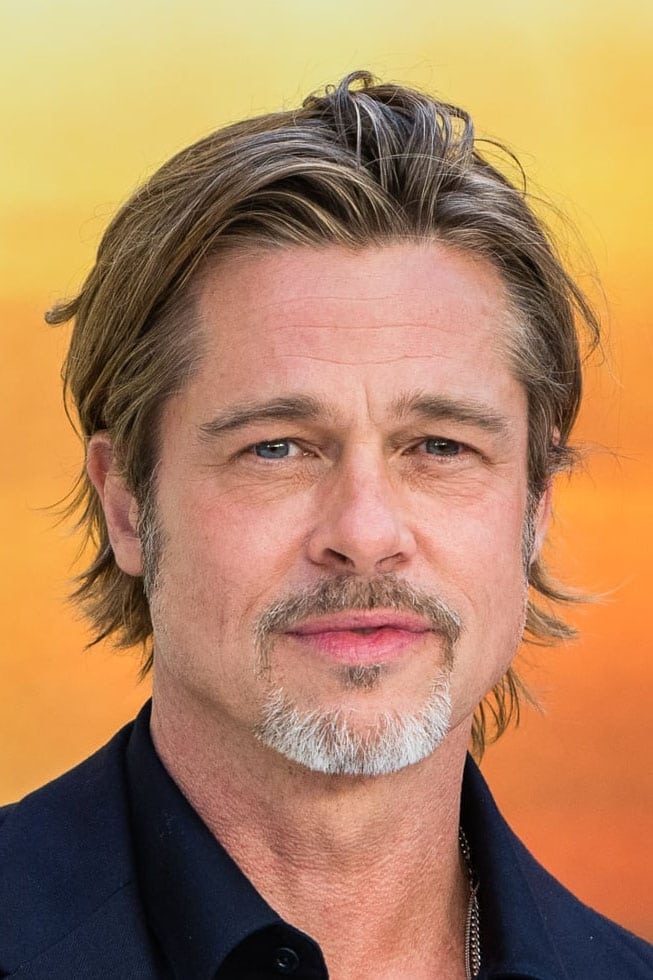
Through Plan B, Pitt has quietly turned prestige gambles into a repeatable model for daring independents. The company is infamous for stepping in early, backing directors who want to work outside the franchise machine, and then protecting the films through post and release.
Plan B’s track record speaks for itself, with intimate, director-driven projects like ‘Moonlight’, ‘Minari’, ‘The Tree of Life’, and ‘If Beale Street Could Talk’ proving that art-house bets can travel globally when a star is willing to put real muscle behind them.
Forest Whitaker
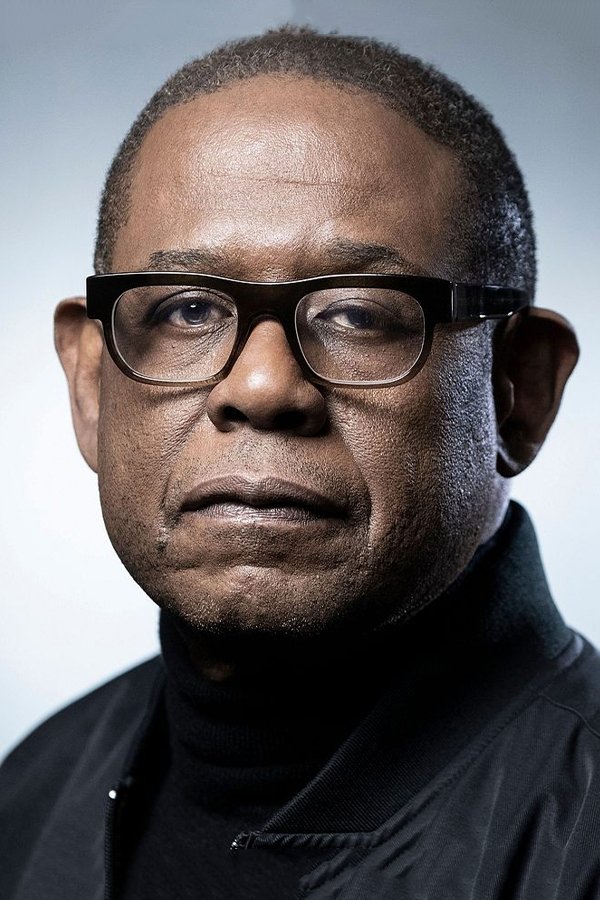
Whitaker, alongside producer Nina Yang Bongiovi at Significant Productions, specializes in the kind of first-time or second-time filmmaker that scares off traditional money. He lends credibility in the room, then follows it with the kind of capital and mentorship that actually closes.
The result has been a pipeline of breakout indies—from ‘Fruitvale Station’ to ‘Dope’, ‘Songs My Brothers Taught Me’, and ‘Sorry to Bother You’—that launch careers, broaden what American indie cinema looks like, and prove social bite and commercial spark can coexist.
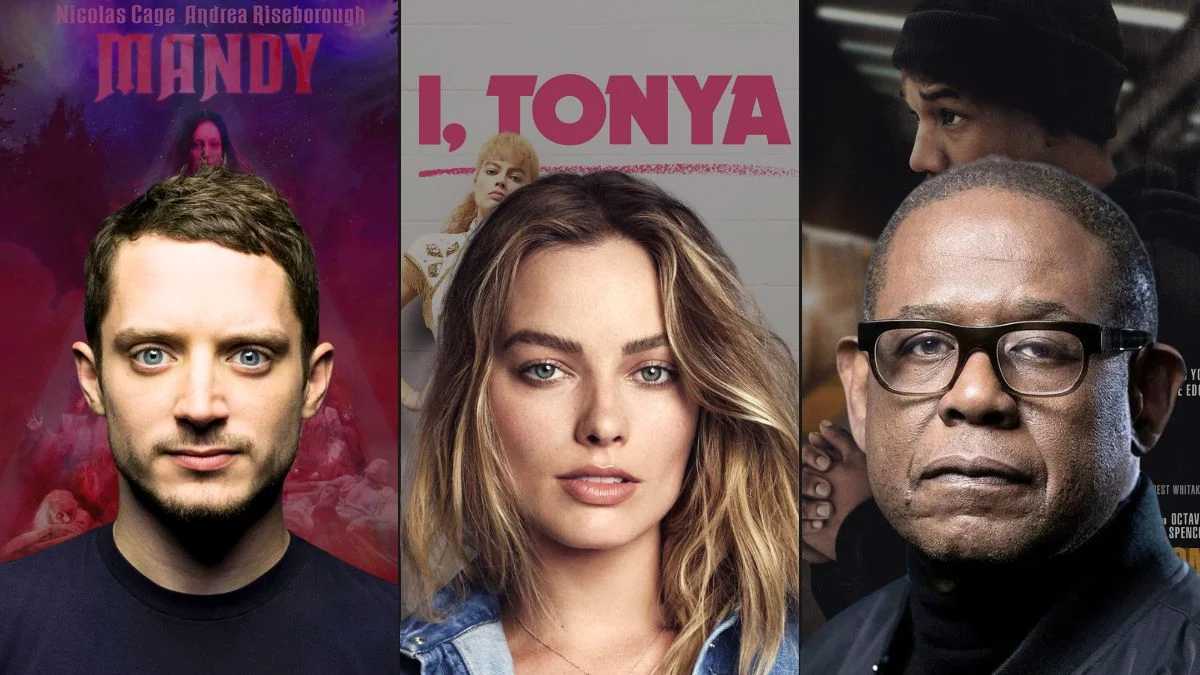
Elijah Wood
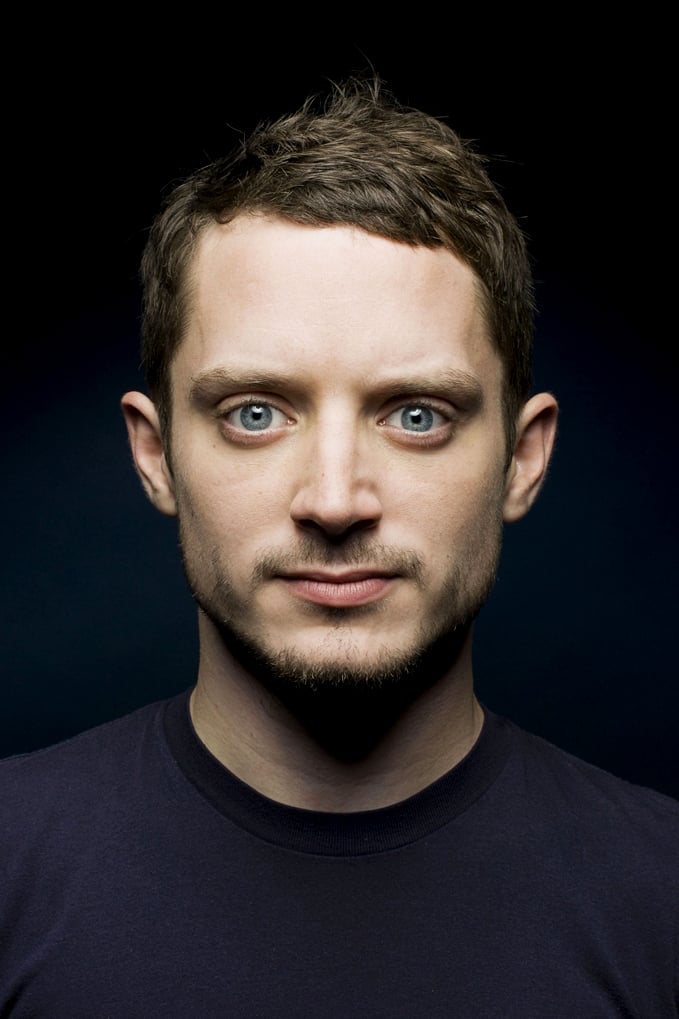
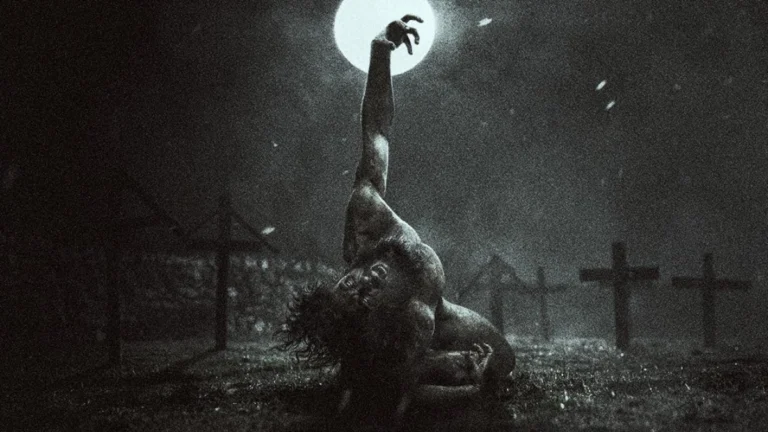
Wood didn’t just talk about loving genre; he built SpectreVision to bankroll it. The shingle finances and nurtures horror and midnight-movie auteurs who want to swing strange, then defends their choices when things get deliciously unmarketable.
That’s how singular visions like ‘A Girl Walks Home Alone at Night’, ‘The Greasy Strangler’, and ‘Mandy’ got the resources, time, and post-production polish they needed—without sanding off the edges that made them cult phenomena in the first place.
Margot Robbie

Robbie’s LuckyChap Entertainment funnels star capital into filmmaker-first indies with sharp point-of-view, especially when the industry hesitates on tone or subject. She and her partners are adept at assembling financing stacks, then staying hands-on through awards campaigns.
LuckyChap helped power bracing originals like ‘I, Tonya’ and ‘Promising Young Woman’, and has continued to put weight behind bold voices who want to color outside the lines rather than chase safe middlebrow fare.
Emma Stone
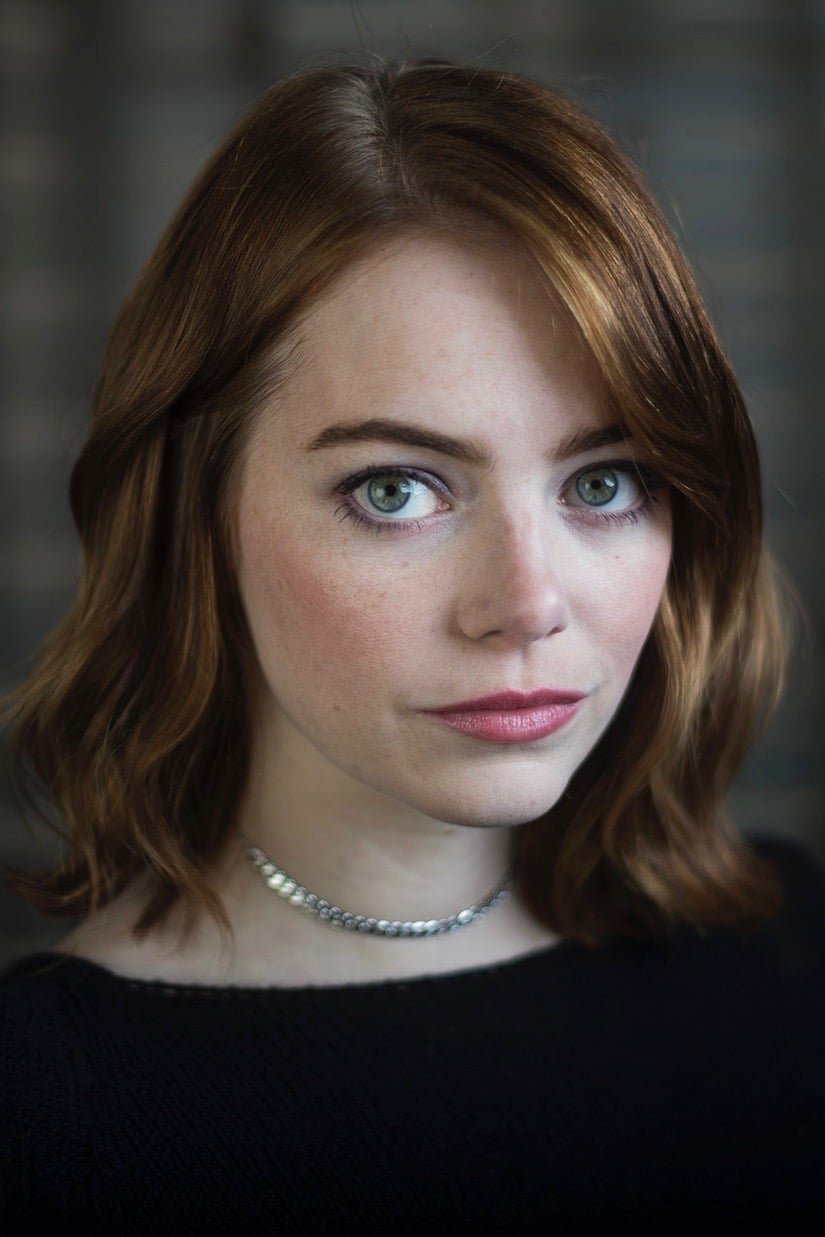
With Fruit Tree, Stone has become a dependable ally for offbeat, director-led storytelling. The company is comfortable backing projects that live between genres, then shepherding them through festival debuts where discovery—and the right distribution partner—matters.
That quiet push has buoyed singular visions like ‘When You Finish Saving the World’, ‘I Saw the TV Glow’, and ‘Problemista’, where the mandate is less “play it safe” and more “protect the filmmakers’ weird.”
Jake Gyllenhaal
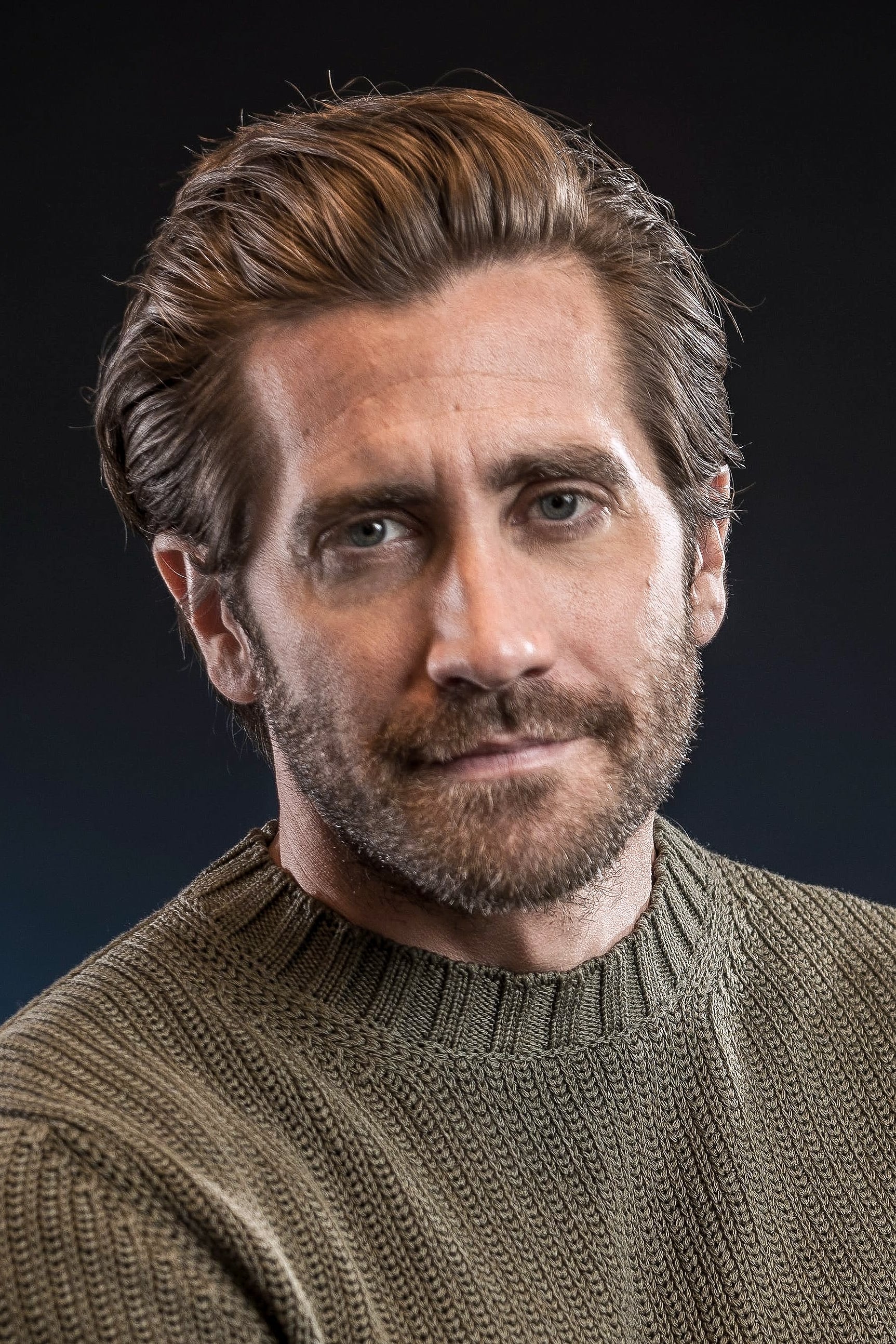
Gyllenhaal’s Nine Stories backs actor-driven indies that hinge on performance and atmosphere. He’s known to roll up his sleeves on development and packaging, often unlocking financing by attaching himself or by brokering trust with wary backers.
That approach helped intimate pieces like ‘Wildlife’ come together, and has supported character-first projects such as ‘The Guilty’ and ‘The Lost Daughter’, where the money follows the filmmaker’s instincts rather than a four-quadrant formula.
Michael Fassbender
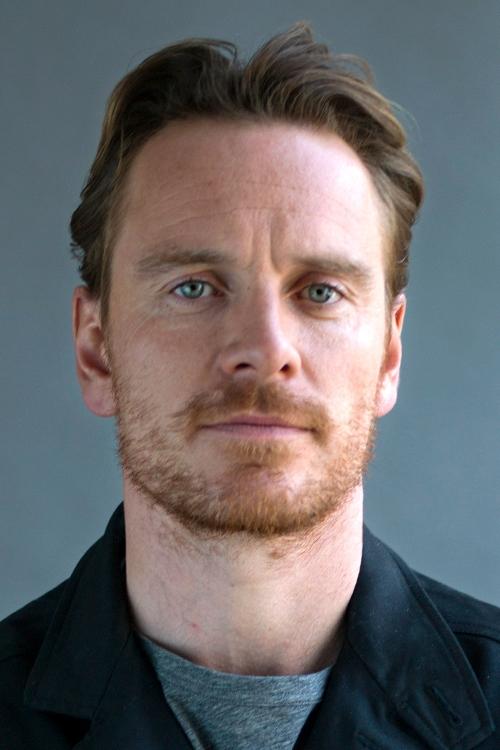
Fassbender co-founded a boutique shingle to anchor rugged, director-centric films that might otherwise struggle to close. He’s comfortable with lean shoots, location-heavy productions, and material that prizes texture over tidy plotting.
That sensibility led to modern western ‘Slow West’ and bruising Irish drama ‘Calm With Horses’, proof that a well-placed equity check and a protective producer can give uncompromised stories the space to breathe.
Benedict Cumberbatch
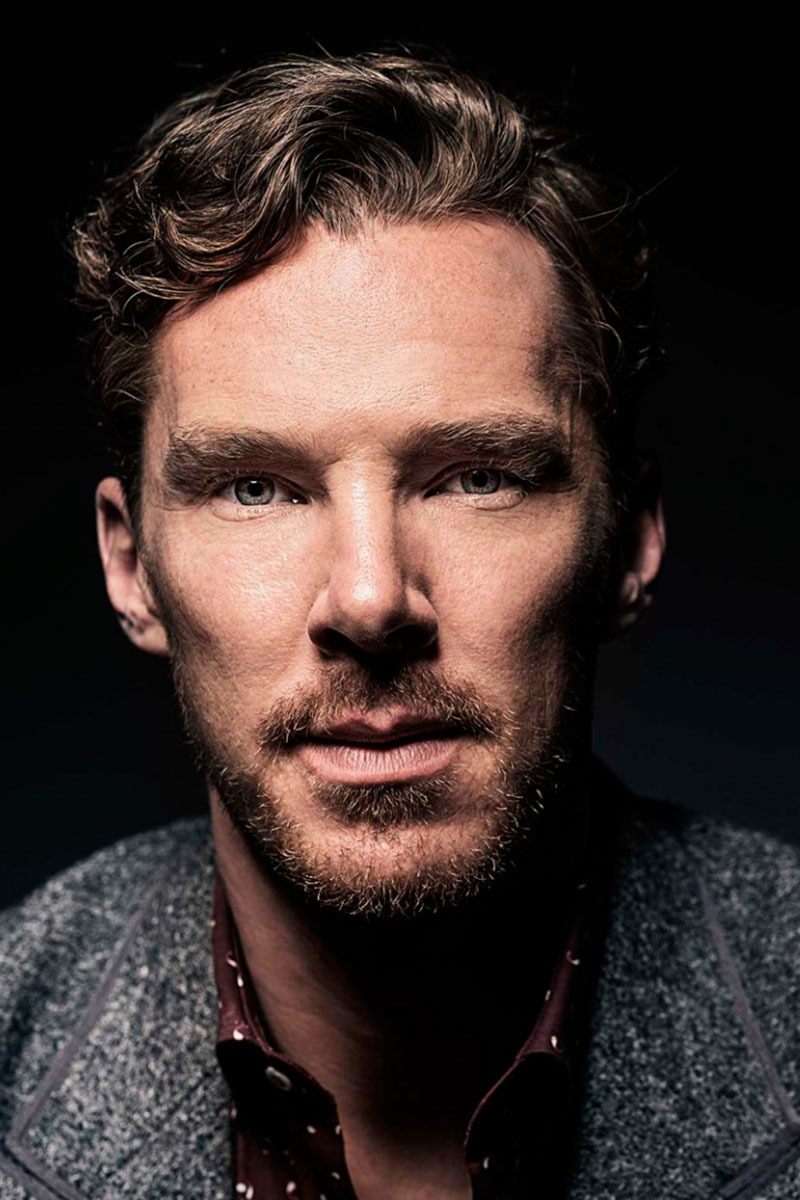
Cumberbatch’s SunnyMarch has become a haven for literary, left-of-center films that require patience, tasteful packaging, and the right festival runway. He pairs capital with advocacy, often serving as a film’s public face until the director is ready to take the mic.
SunnyMarch’s slate includes distinctive fare like ‘The Electrical Life of Louis Wain’, ‘The Courier’, and ‘The End We Start From’—projects that benefit from star wattage in service of filmmaker-first choices.
Salma Hayek

Hayek’s Ventanarosa channels resources toward culturally specific stories and filmmaker-driven indies, frequently championing Latinx creators and women-led teams. She’s especially adept at navigating co-financing across borders and mediums.
Her backing has brought to life projects as varied as the intimate social satire ‘Beatriz at Dinner’ and the hand-crafted anthology ‘Kahlil Gibran’s The Prophet’, showcasing how star stewardship can open doors for nontraditional formats.
Gael García Bernal
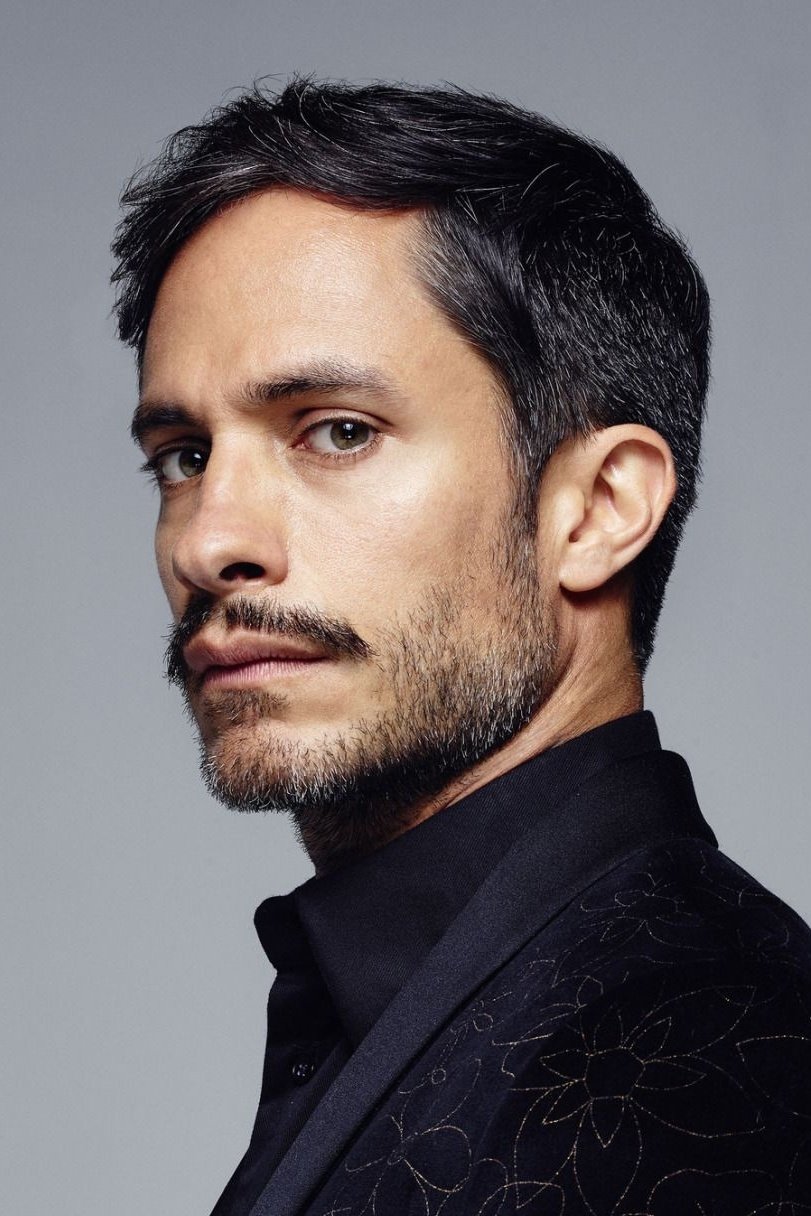
Bernal’s producing work—often alongside longtime collaborator Diego Luna—has been pivotal for new Latin American voices and politically charged narratives. He’s willing to bet on risky subject matter and then carry the film through the festival ecosystem.
That commitment helped films like ‘Sin Nombre’, ‘Miss Bala’, and ‘No’ find the partners and platforms they needed, reframing what international-minded indie cinema can look like in the mainstream conversation.
Diego Luna
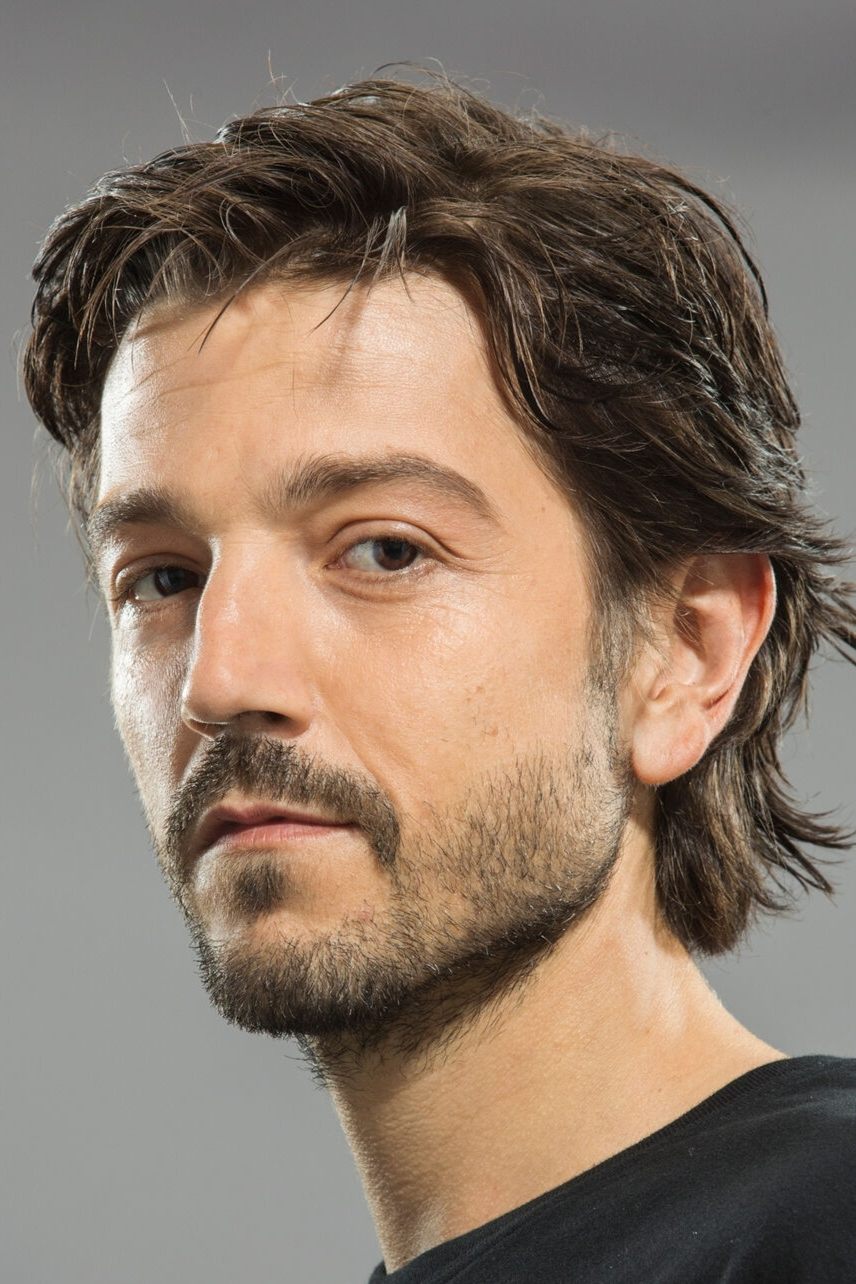
Luna shares the same indie DNA: protect the director, elevate local stories, and think globally about distribution. He brings financing, but also the soft power of a marquee name who can keep doors open through rough patches.
That’s translated into durable support for the same wave of breakthrough titles—‘Sin Nombre’, ‘Miss Bala’, and ‘No’—and further investments in new filmmakers who might otherwise never get a first pass from traditional financiers.
Robert Redford
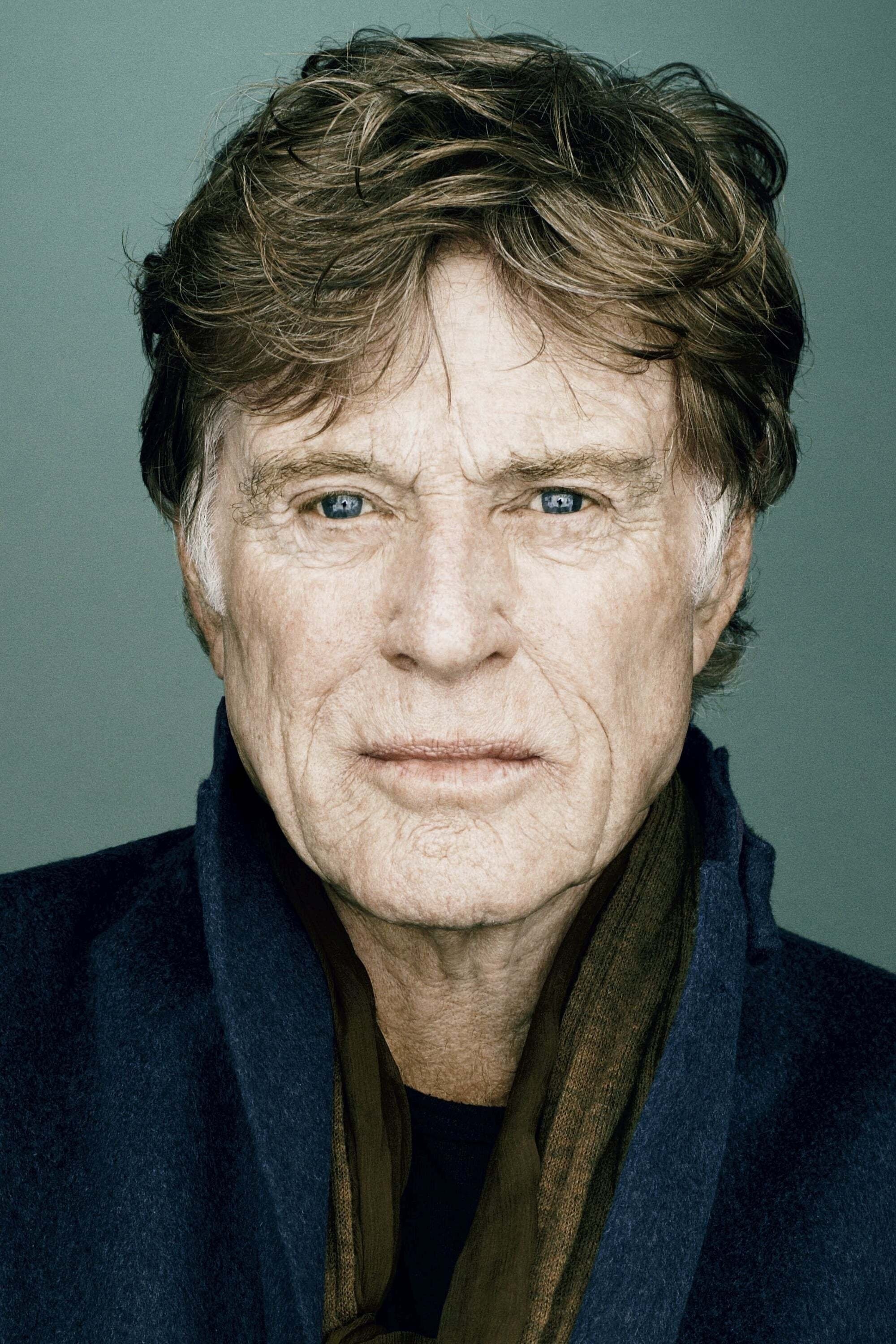
Redford’s on-screen legacy is matched by a behind-the-scenes commitment to funding the pipeline. Through the Sundance Institute and his own patronage, he’s helped provide grants, labs, and finishing funds that literally keep films in production.
While not tied to a single title, that money—and the mentorship that comes with it—has been oxygen for countless breakouts that premiered at the Sundance Film Festival before finding their way to audiences worldwide.
Viola Davis
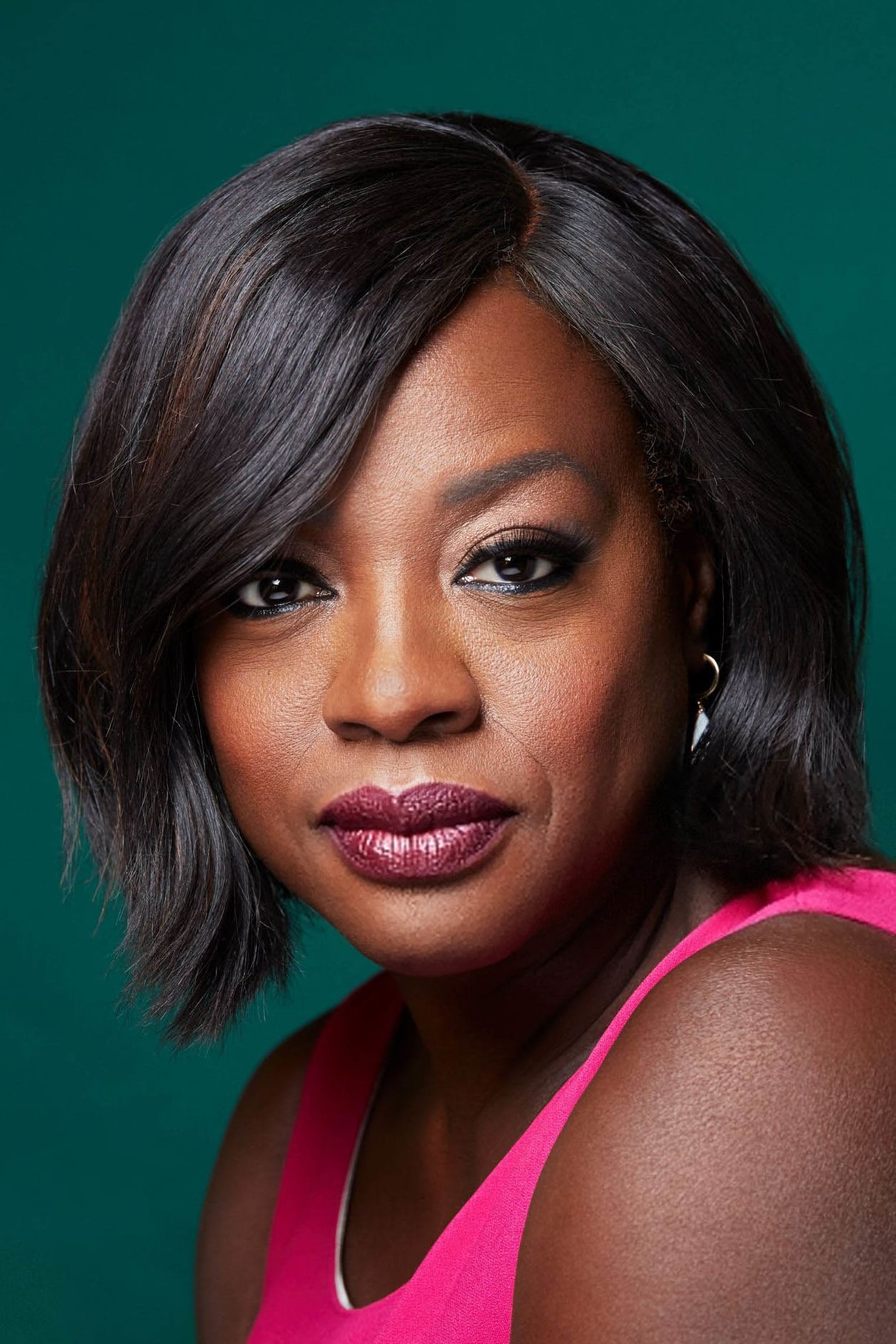
With JuVee Productions, Davis and Julius Tennon pursue director-led indies that foreground underrepresented perspectives. They bring equity and visibility, then stand guard over the creative until the final mix.
JuVee’s fingerprints are on intimate dramas like ‘Lila & Eve’ and ‘Custody’, as well as documentary and short-form projects such as ‘Giving Voice’—evidence of a star turning clout into sustainable, filmmaker-friendly financing.
David Oyelowo
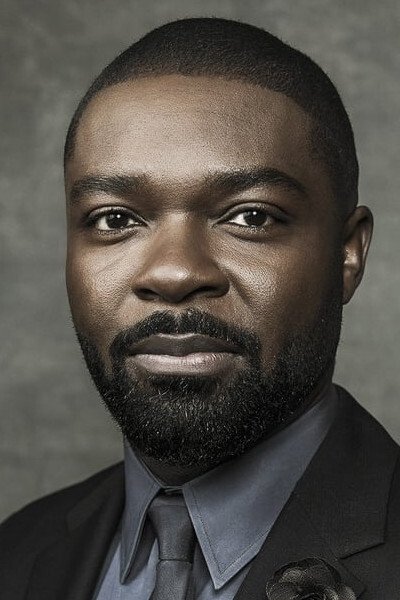
Oyelowo’s Yoruba Saxon aims straight at character-driven stories, often empowering emerging filmmakers and cross-border narratives. He’s not afraid of scrappy budgets or hybrid distribution if it means the film keeps its soul.
That’s borne out across titles like ‘Nightingale’, ‘A United Kingdom’, and ‘The Water Man’, where steady, star-level backing helps directors take swings the market might otherwise discourage.
Tessa Thompson
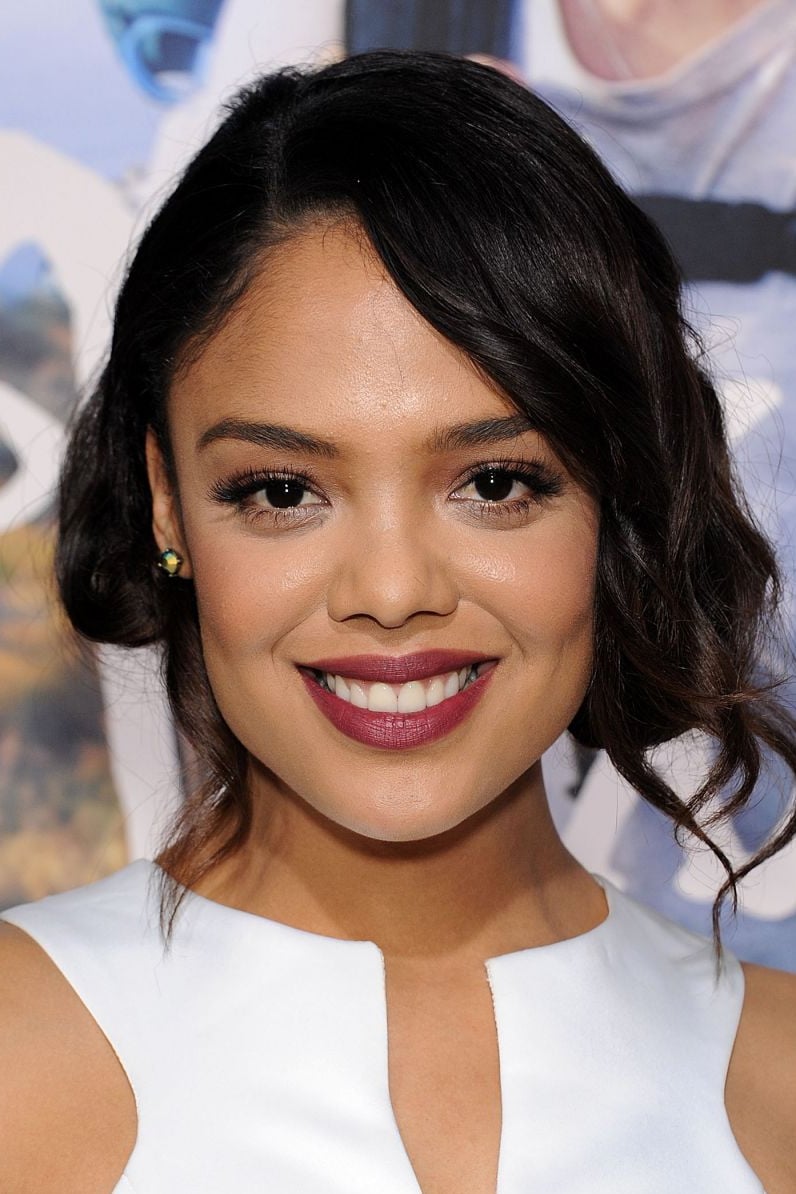
Thompson’s Viva Maude exists to incubate distinctive voices—especially women and creators of color—and then to will those films into the world with smart packaging and festival strategy. She’s comfortable being the first call and the last line of defense.
That ethos has yielded elegant indies like ‘Little Woods’ and ‘Passing’, and extends to bold new work like ‘Freaky Tales’, where the mandate is to use star power as a shield so the movie can stay itself all the way to release.
Share your picks: which other stars are quietly bankrolling indie cinema—drop your thoughts in the comments.