TV Characters That Haven’t Aged Well


Over the years, some TV characters have gone from beloved fan favorites to cultural relics that don’t quite land the same way anymore. Whether it’s due to outdated humor, cringe-worthy storylines, or portrayals that reflect values we’ve since moved past, these once-iconic figures now feel like they belong to a different era. It’s not that we can’t still appreciate them in their original context—it’s just that watching them today can feel a little awkward.
In many cases, these characters were wildly popular in their time, helping define the shows they were part of. But television—and society—evolves, and the traits or jokes that once made them funny or charming may now feel tone-deaf or even offensive. Here’s a look at TV characters who haven’t aged well, and why they don’t shine quite as brightly in the modern era.
Ross Geller – ‘Friends’ (1994–2004)

Ross was once considered the brainy, charming paleontologist with an awkward streak that made him relatable. But watching him now, his jealousy, controlling tendencies, and constant self-pity can come across as grating rather than endearing. His obsession with Rachel and frequent boundary-crossing moments feel less like romantic persistence and more like unhealthy fixation.
While some fans still see Ross as the intellectual underdog, his inability to take responsibility for his actions and his manipulative streak make him harder to root for. In today’s era of more nuanced relationship portrayals, his behavior often reads as red flags rather than cute quirks.
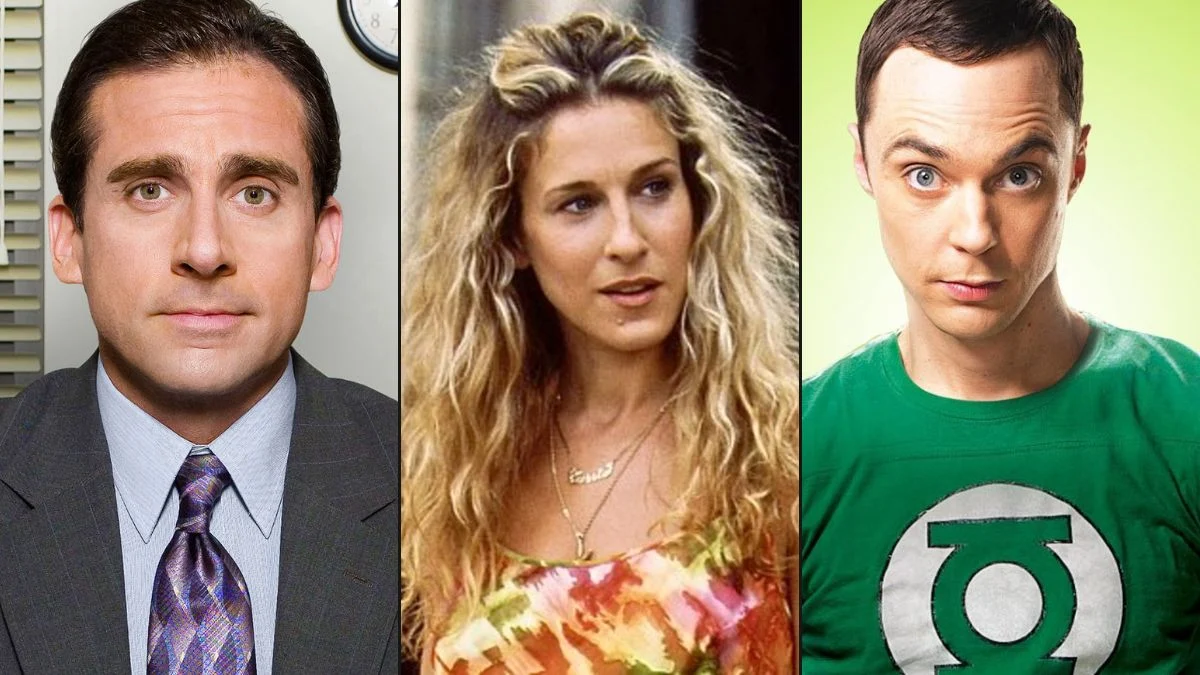
Sheldon Cooper – ‘The Big Bang Theory’ (2007–2019)
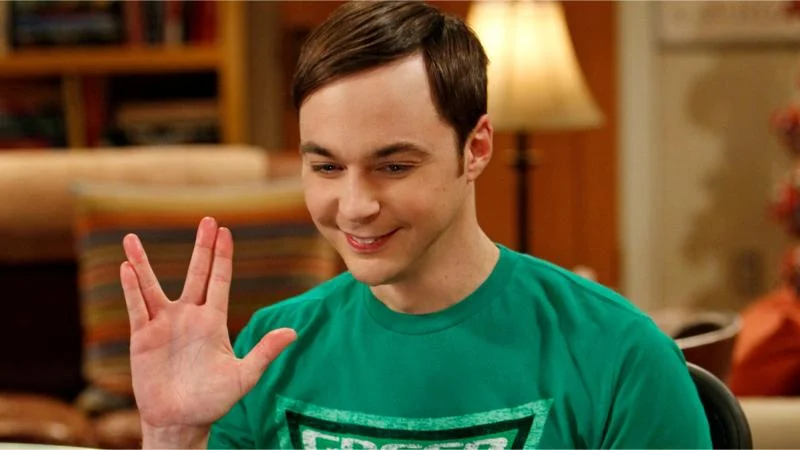
Sheldon was originally celebrated as a hilariously quirky genius whose social awkwardness was part of his charm. But over time, his complete disregard for others’ feelings, condescending nature, and manipulative tactics became more pronounced. His friends’ tolerance of his behavior now feels less like patience and more like enabling.
Although the show occasionally explored his growth, Sheldon’s repeated lack of empathy and unwillingness to meet others halfway makes him less sympathetic. What was once seen as lovable eccentricity often feels like selfishness with a laugh track.
J.D. – ‘Scrubs’ (2001–2010)

J.D.’s whimsical daydreams and awkward charm made him a lovable narrator for the show’s mix of comedy and heartfelt moments. However, rewatching reveals a character who can be self-absorbed, inconsiderate in relationships, and overly judgmental of others’ personal lives. His constant need for validation wears thin quickly.
While his friendships and emotional vulnerability still resonate, J.D.’s immaturity—especially in professional and romantic contexts—feels less forgivable today. He often expects loyalty and understanding without reciprocating it in equal measure.
Ted Mosby – ‘How I Met Your Mother’ (2005–2014)
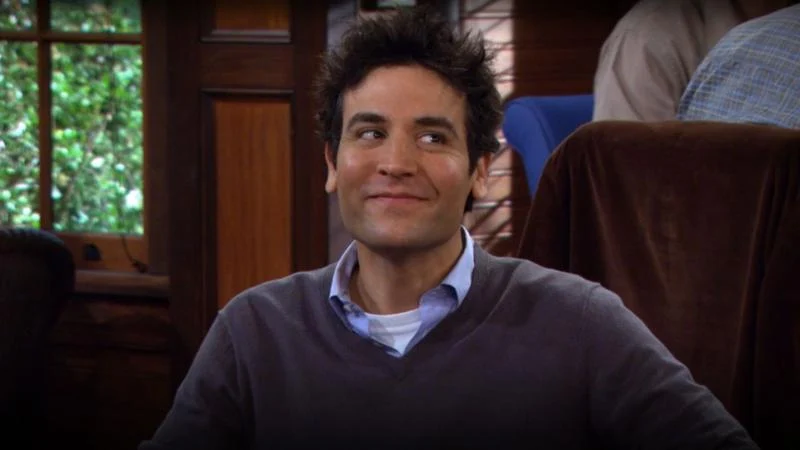
Ted was framed as a hopeless romantic searching for “the one,” but in hindsight, his long-winded storytelling and tendency to romanticize questionable behavior have aged poorly. His fixation on certain women despite their disinterest, and his judgmental attitude toward friends, can feel off-putting.
While some viewers admire Ted’s determination, his habit of holding himself above others while making equally flawed choices undercuts his likeability. What once seemed sweet now often feels entitled and self-serving.
Michael Scott – ‘The Office’ (2005–2013)

Michael’s inappropriate jokes and cringe-worthy management style were a central comedic engine for the series. At the time, his lack of self-awareness was funny because it was exaggerated. But revisiting his antics today highlights how his repeated harassment and offensive comments wouldn’t fly in a real workplace.
Even though the show often revealed his loneliness and desire for friendship, those moments are harder to reconcile with his persistent pattern of unprofessional and discriminatory behavior. The humor now lands differently, often prompting more discomfort than laughter.
Carrie Bradshaw – ‘Sex and the City’ (1998–2004)
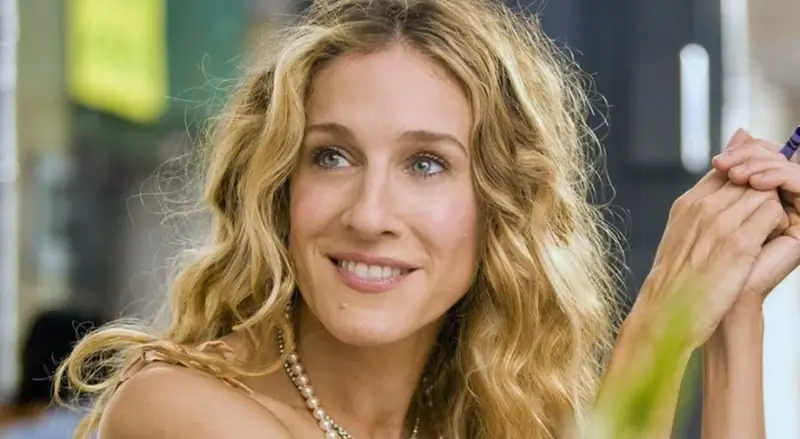
Carrie was once celebrated as a glamorous, witty voice on modern dating, but time has not been kind to her character. Her selfishness, financial irresponsibility, and tendency to treat friends’ problems as secondary to her own drama stand out far more now.
While Carrie’s vulnerability and charm remain in moments, her recurring inability to take accountability in relationships and her habit of making everything about herself have dulled her once-iconic status.
Rory Gilmore – ‘Gilmore Girls’ (2000–2007)
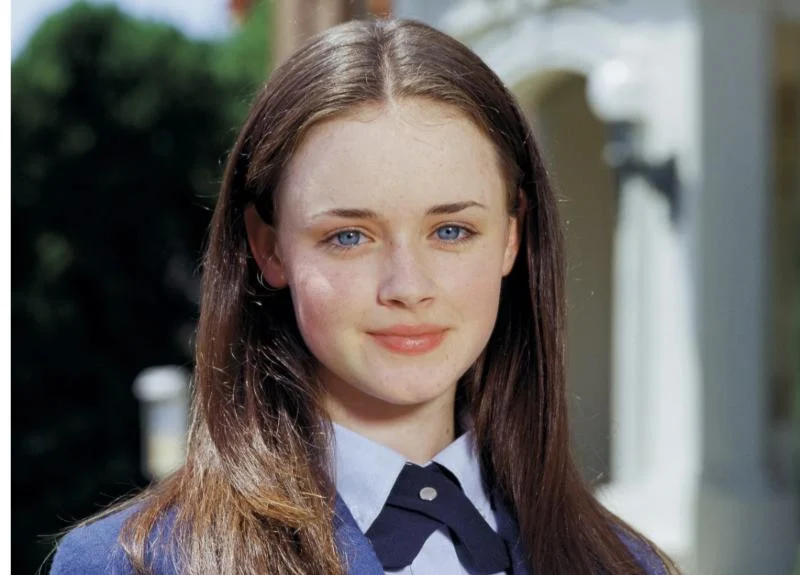
Rory began as a studious, ambitious teen destined for greatness, but later seasons revealed a more entitled, selfish side. Her repeated poor decisions in relationships, disregard for others’ feelings, and privileged outlook don’t resonate as well with today’s audience.
Although the show framed her as a moral compass, Rory often failed to live up to that image. Her journey feels less like a relatable coming-of-age and more like a slow unraveling of the qualities that made her admirable.
Jim Halpert – ‘The Office’ (2005–2013)

Jim’s pranks on Dwight were once a highlight of the show, a playful counterbalance to office monotony. But in hindsight, his constant mockery and lack of professional ambition read less as charming rebellion and more as immature avoidance of responsibility.
His relationship with Pam also loses some of its magic when rewatched, as moments of emotional neglect and complacency emerge. The easygoing everyman persona doesn’t hold up as well against modern expectations for workplace and relationship dynamics.
Fez – ‘That ’70s Show’ (1998–2006)
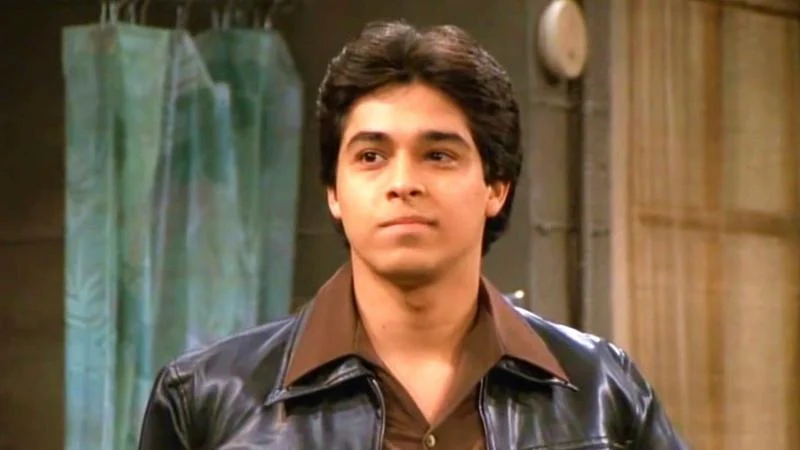
Fez was portrayed as the quirky foreign exchange student whose misunderstandings about American culture fueled much of the humor. But many of the jokes about his accent, cultural background, and sexual desperation now feel dated and rooted in stereotypes.
While his innocence and loyalty sometimes shine through, the repeated objectification and reduction of his character to a punchline strip away much of the depth he could have had.
Penny – ‘The Big Bang Theory’ (2007–2019)
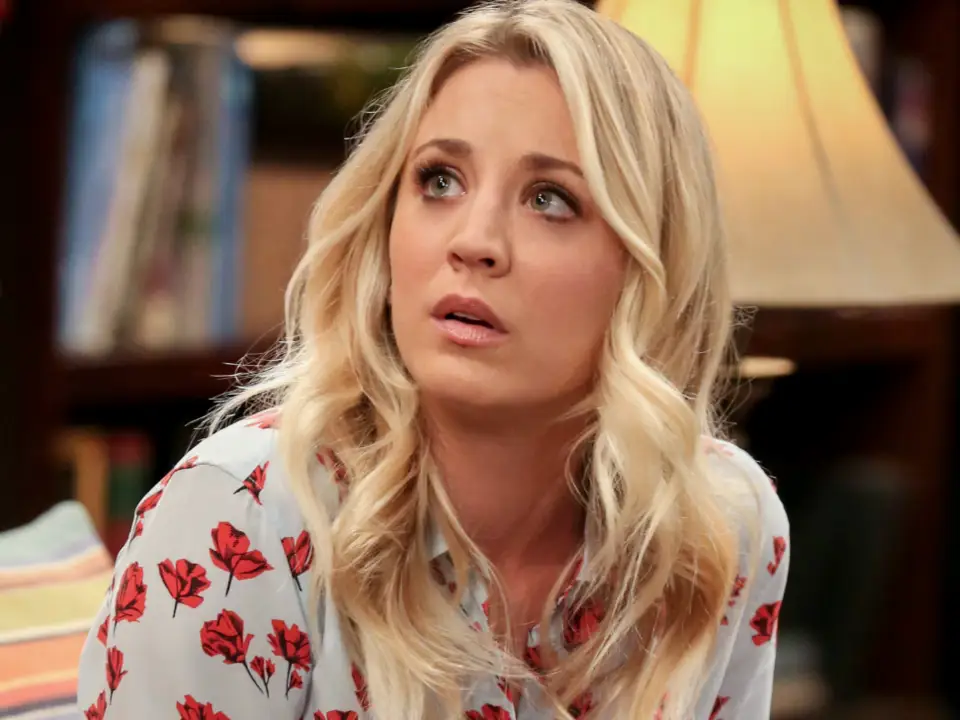
Penny started as the relatable outsider in a group of socially awkward scientists, but the show often reduced her to a caricature of a “dumb blonde” for comedic effect. This shallow treatment undermines her moments of intelligence, insight, and emotional maturity.
As the series progressed, Penny’s development was inconsistent, often reverting to tired tropes instead of allowing her character to grow beyond them. The humor at her expense feels less clever in hindsight.
Dawson Leery – ‘Dawson’s Creek’ (1998–2003)

Dawson was marketed as the sensitive, self-aware dreamer, but over time, his self-centered worldview and moral superiority became increasingly irritating. He often viewed others’ actions through a lens of judgment while excusing his own missteps.
Although the series framed Dawson as its emotional core, his inability to handle challenges without making himself the victim has aged poorly, especially in a modern context of self-awareness and accountability.
Rachel Berry – ‘Glee’ (2009–2015)

Rachel’s ambition and talent made her a standout, but her ruthless drive often came at the expense of her friends and teammates. Her manipulative tendencies and constant need to be in the spotlight overshadow her more vulnerable moments.
In a show full of over-the-top personalities, Rachel’s behavior feels especially grating when revisited. Her relentless competitiveness and disregard for others’ feelings have not stood the test of time.
Homer Simpson – ‘The Simpsons’ (1989– )

Homer’s lazy, bumbling antics have been a comedic staple for decades, but his constant mistreatment of his family and lack of growth feel outdated. The humor around his incompetence can seem tired after years of repetition.
While still an iconic figure in animation, modern audiences often crave more character evolution. Homer’s static nature and reliance on slapstick dysfunction make him feel more like a relic of an earlier era of sitcom humor.
Barney Stinson – ‘How I Met Your Mother’ (2005–2014)
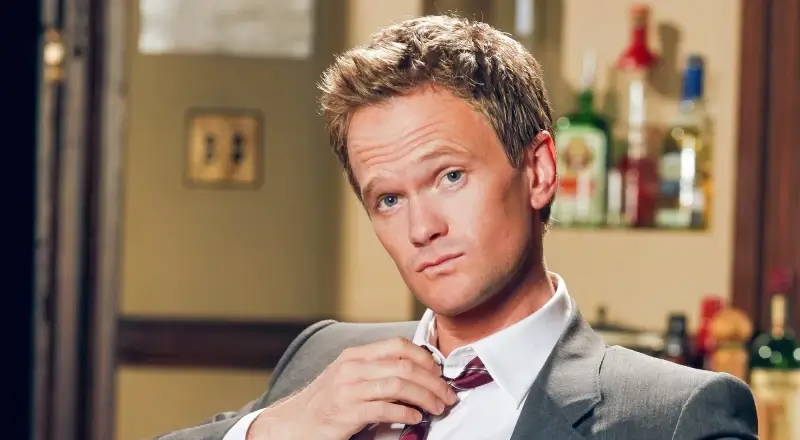
Barney’s elaborate schemes and over-the-top playboy antics were once a comedic highlight, but his behavior is now often seen as manipulative and predatory. Many of his actions cross lines that modern viewers find troubling.
Although the series occasionally humanized Barney, those moments are overshadowed by his objectification of women and refusal to respect boundaries. The humor in his persona has lost much of its shine.
Will Schuester – ‘Glee’ (2009–2015)
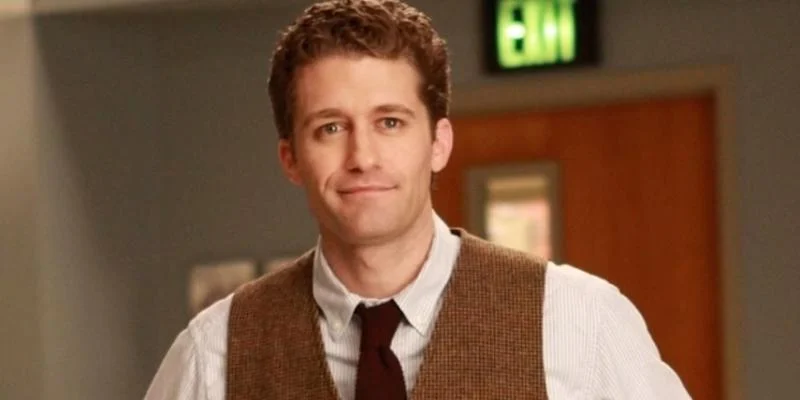
Initially positioned as the wholesome teacher guiding his students, Will’s repeated boundary issues, questionable decisions, and tendency to make the glee club about himself feel far more glaring now. His relationships with students often crossed into inappropriate territory.
While meant to be a mentor figure, Will’s self-centeredness and lack of professional boundaries make him a problematic presence upon rewatch. His portrayal is less inspirational and more unsettling.
Joey Tribbiani – ‘Friends’ (1994–2004)

Joey’s lovable dim-wittedness was a key part of the show’s humor, but his constant womanizing and inability to take relationships seriously read differently now. His behavior toward women often relied on objectification and persistence despite disinterest.
Though Joey had moments of genuine kindness, his lack of growth and continued reliance on outdated dating tropes keep him from aging well as a character.
Lorelai Gilmore – ‘Gilmore Girls’ (2000–2007)

Lorelai’s quick wit and independence made her a fan favorite, but her tendency to avoid responsibility and deflect with humor can feel frustrating today. She often failed to address serious issues head-on, both in her relationships and as a parent.
While her rebellious spirit and close bond with Rory remain memorable, her avoidance of accountability and stubbornness are more glaring in a modern rewatch.
Jack Shephard – ‘Lost’ (2004–2010)

Jack was portrayed as the natural leader of the survivors, but his stubbornness, need for control, and dismissive attitude toward others’ ideas often caused more problems than solutions. His inability to adapt to perspectives outside his own hindered group progress.
Although the series gave him moments of heroism, Jack’s flaws dominate much of his arc. In today’s context, his leadership style feels rigid and outdated.
Rachel Green – ‘Friends’ (1994–2004)

Rachel’s growth from spoiled rich girl to independent professional was one of the show’s strongest arcs. However, her self-centered tendencies, manipulative moments, and treatment of certain friends now stand out more sharply.
While she remains an iconic character, her actions—especially in relationships—don’t always hold up under modern scrutiny. Her romantic decisions with Ross, in particular, often perpetuated toxic patterns.
Eric Cartman – ‘South Park’ (1997– )

Cartman’s outrageous offensiveness was always intentional satire, but as cultural awareness has shifted, some of his antics feel less sharp and more shock-for-shock’s-sake. His consistent cruelty, bigotry, and selfishness are harder to view as harmless parody.
Though still a central figure in the show’s satire, his lack of meaningful evolution makes him a harder sell for audiences who expect growth alongside the humor.
April Ludgate – ‘Parks and Recreation’ (2009–2015)
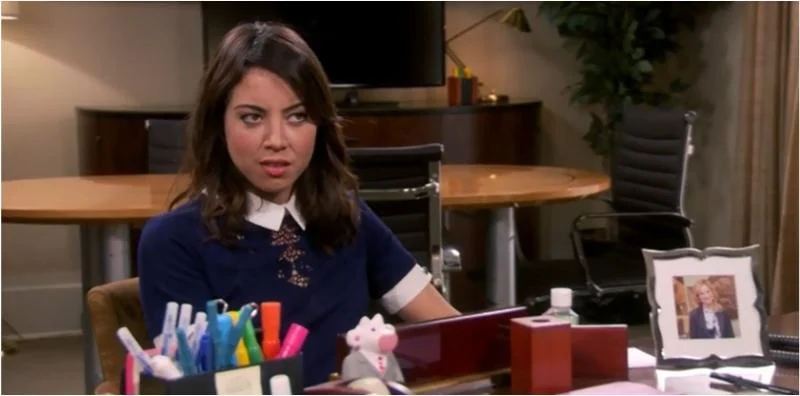
April’s sarcastic, detached persona was a refreshing contrast to the show’s optimism, but her deliberate underachievement and mean-spirited humor toward friends can feel unnecessarily harsh now. Her disinterest in others’ feelings sometimes crossed from funny into alienating.
While April’s dry wit and eventual softening are memorable, the prolonged commitment to her apathetic attitude makes parts of her arc less enjoyable on rewatch.
Dr. Gregory House – ‘House’ (2004–2012)

House’s brilliance and biting wit made him fascinating, but his constant disregard for rules, manipulation of colleagues, and emotional cruelty toward patients and friends don’t sit as well today. His “ends justify the means” philosophy often came at a steep human cost.
Although the show framed his behavior as a product of genius and pain, modern audiences are less likely to excuse such toxic traits without genuine accountability or change.
Miranda Hobbes – ‘Sex and the City’ (1998–2004)
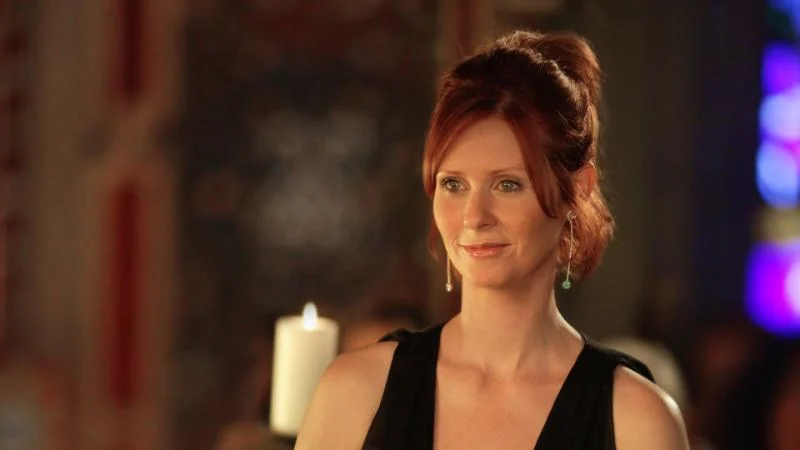
Miranda’s pragmatic, career-focused approach was groundbreaking at the time, but her cynicism, judgmental nature, and occasional coldness toward friends make her feel less appealing now. She often dismissed others’ choices as inferior to her own.
While she had moments of vulnerability and growth, her tendency to alienate those closest to her undermines much of her more positive impact on the show’s dynamics.
Charlie Harper – ‘Two and a Half Men’ (2003–2011)

Charlie’s womanizing lifestyle and crude humor were once central to the show’s appeal, but his casual misogyny and refusal to grow feel hollow now. Much of his charm relied on stereotypes and behaviors that age poorly.
Though intended as satire of a certain kind of bachelor, Charlie’s lack of evolution makes his character feel stagnant and out of place in today’s TV landscape.
What do you think—are there any other TV characters you think haven’t aged well? Share your thoughts in the comments.