The Best Actors Who Have Played Tarzan, Ranked

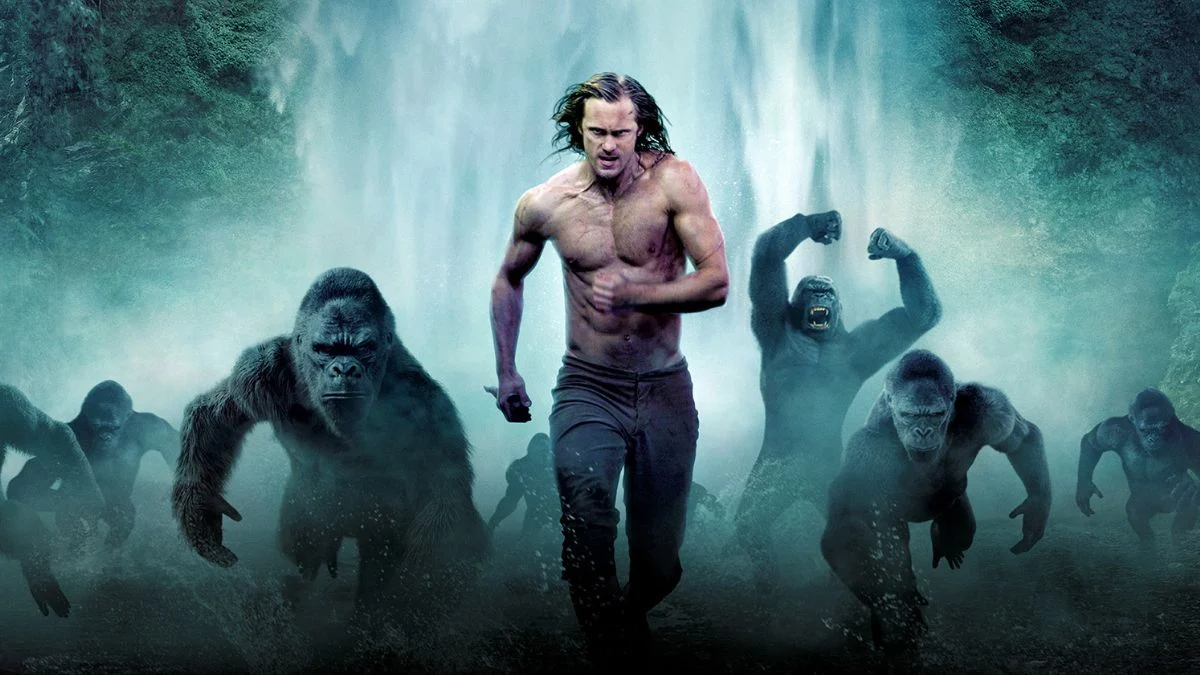

Tarzan has swung through more than a century of film and television history, and a long line of actors have left their mark on the role. From early silent epics to modern blockbusters, each performer stepped into the jungle with a different era’s tools and expectations and helped shape how audiences picture the Lord of the Apes.
This list looks at ten actors who portrayed Tarzan in live action across movies and TV, with attention to the scope of their work, the cultural footprint of their performances, and the historical significance of their productions. You will find studio mainstays, athletes turned stars, and modern leads who helped introduce the character to new generations.
10. Travis Fimmel
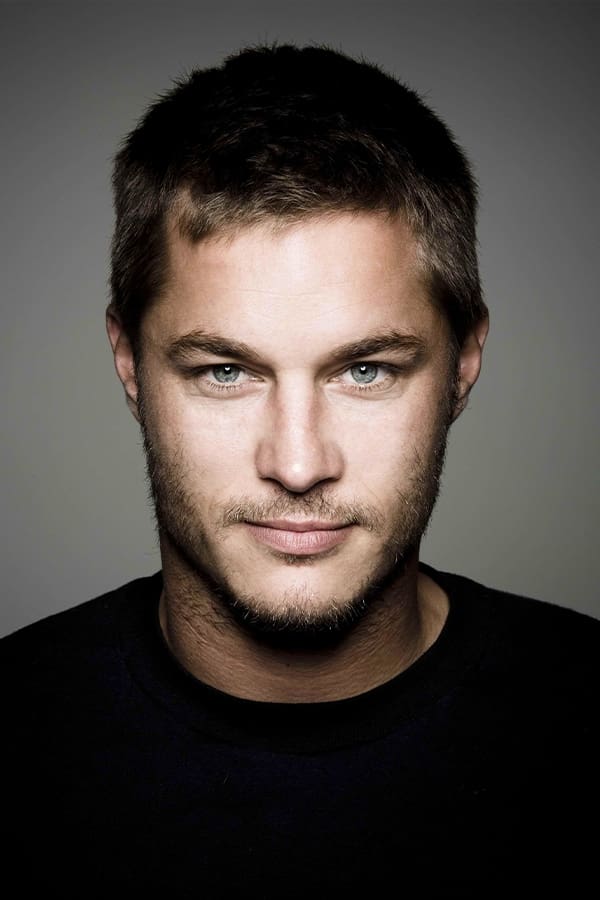
Travis Fimmel starred in the 2003 network series ‘Tarzan’ that reimagined John Clayton in contemporary New York City. The show aired on The WB and ran for eight episodes, introducing Tarzan as a missing heir who escapes from his family’s control and reconnects with the wild instincts that kept him alive. Sarah Wayne Callies played Detective Jane Porter, and the series placed the character’s origin against a modern urban setting.
The production presented a present day take on classic names and relationships while using practical stunt work and location shooting around Toronto and New York stand-ins. The show’s limited run still provided a complete arc for its leads and represented a rare attempt to translate the property to a weekly drama format in a present day timeline.
9. Mike Henry
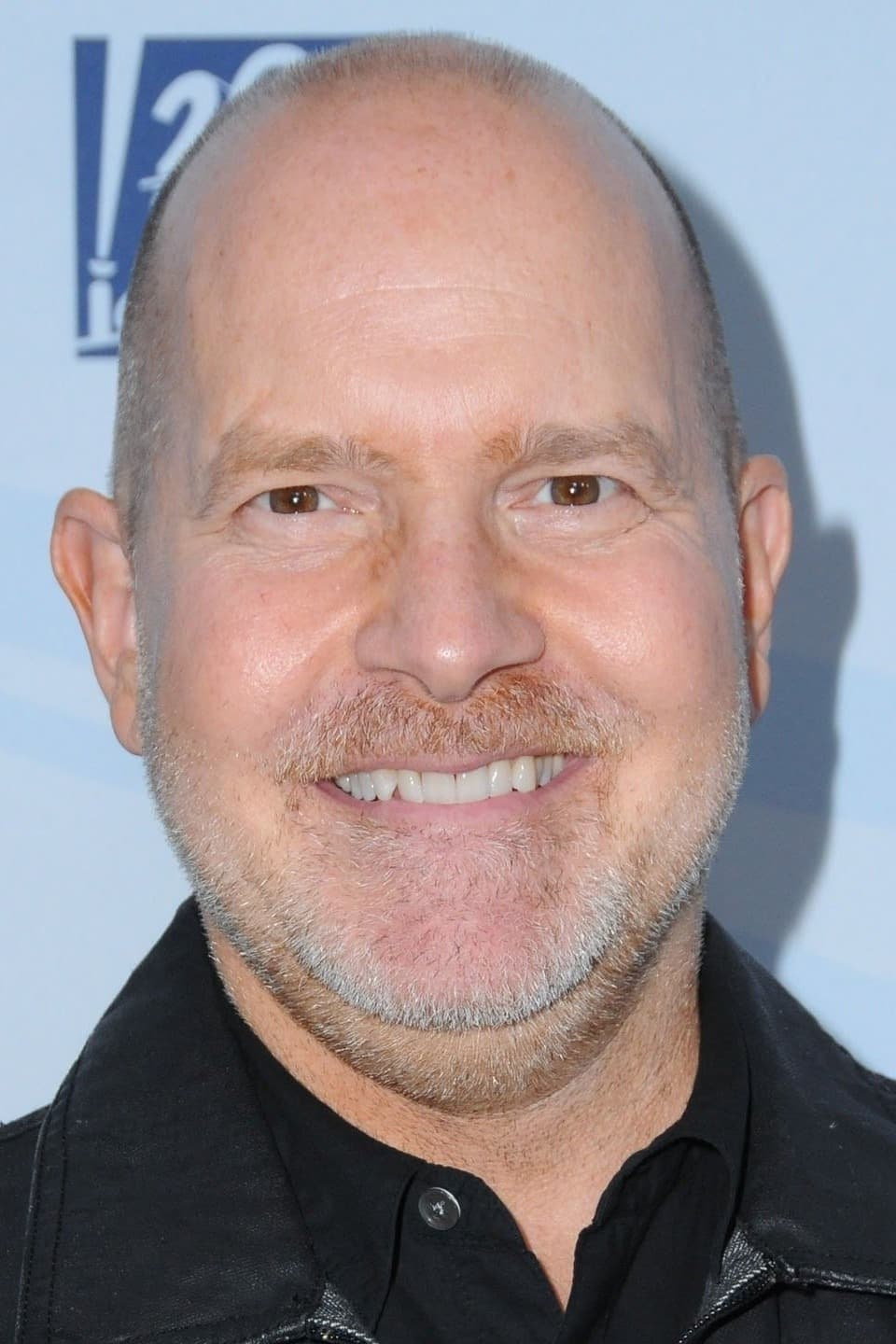
Mike Henry headlined three features in the late 1960s that continued producer Sy Weintraub’s run of location-heavy Tarzan adventures. His films were ‘Tarzan and the Valley of Gold’, ‘Tarzan and the Great River’, and ‘Tarzan and the Jungle Boy’, released from 1966 to 1968. Before acting, Henry played linebacker in the NFL, which informed the physical style of the action scenes.
Production on these films took cast and crew to Latin American and African settings for jungle sequences and river work, which matched the series’ move toward travelogue scale photography. Henry sustained several injuries during filming and ultimately stepped away from a planned television transition, after which the small screen role went to Ron Ely.
8. Hermann Brix
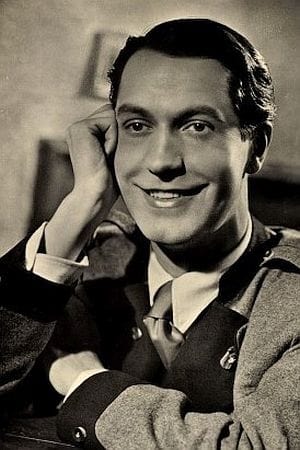
Herman Brix, later known as Bruce Bennett, led the 12 chapter serial ‘The New Adventures of Tarzan’ in 1935, produced with the involvement of Edgar Rice Burroughs. The serial was notable for on location photography in Guatemala and for presenting Tarzan as multilingual and literate, in line with the novels. A feature version titled ‘Tarzan and the Green Goddess’ was assembled from the serial footage.
The production moved equipment and performers through Central American jungles and ruins, which gave the chapters an unusual authenticity for the time. Brix performed demanding stunts shaped by his background as an Olympic silver medalist in shot put, and the serial’s international shoot preserved rare images of sites and landscapes as they appeared in the mid 1930s.
7. Elmo Lincoln
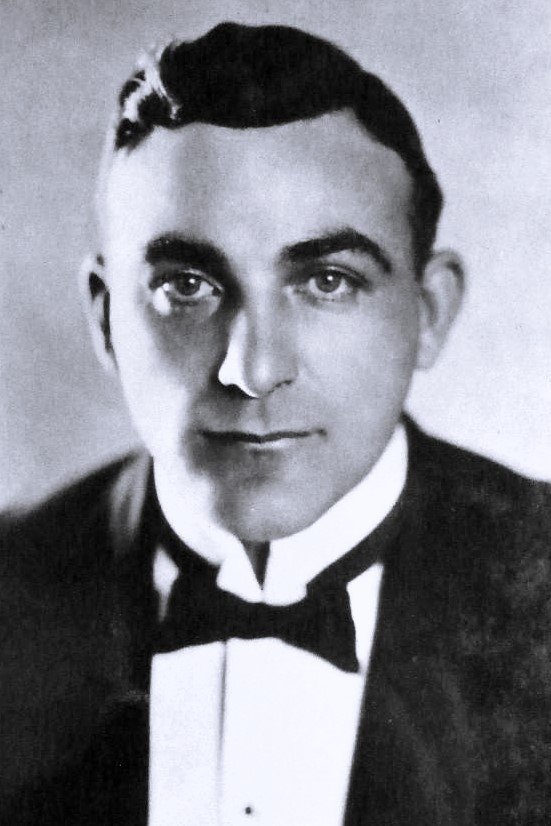
Elmo Lincoln became the first screen Tarzan in ‘Tarzan of the Apes’ in 1918, followed by ‘The Romance of Tarzan’ and the 1921 serial ‘Adventures of Tarzan’. The silent era production built sets and used Louisiana swamplands around Morgan City to simulate the jungle, and the initial feature earned major box office returns that proved the character’s draw.
Lincoln’s movies established cinematic conventions for tree travel, animal encounters, and jungle peril that later productions adapted with sound and color. He returned for brief appearances in later Tarzan pictures, connecting the earliest films to the sound era and preserving a throughline across multiple decades of adaptations.
6. Lex Barker
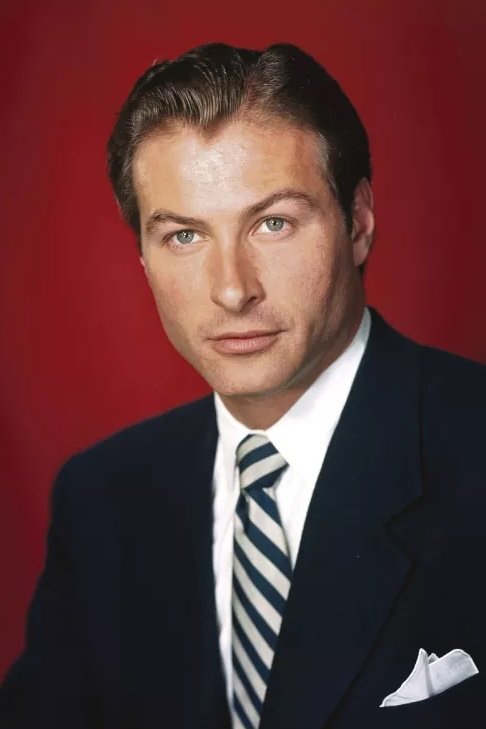
Lex Barker took over the role for five RKO entries released between 1949 and 1953. His run included ‘Tarzan’s Magic Fountain’, ‘Tarzan and the Slave Girl’, ‘Tarzan’s Peril’, ‘Tarzan’s Savage Fury’, and ‘Tarzan and the She-Devil’. These films continued the studio’s approach of mixing backlot jungle sets with travel footage and offered a steady pipeline of family adventure for postwar audiences.
Barker’s tenure bridged the franchise from the Weissmuller period into a new decade with rotating actresses as Jane and a familiar roster of animal allies. After his time as Tarzan, Barker built a major career in European cinema, which kept his name prominent on international marquees while the character moved on to other performers.
5. Gordon Scott
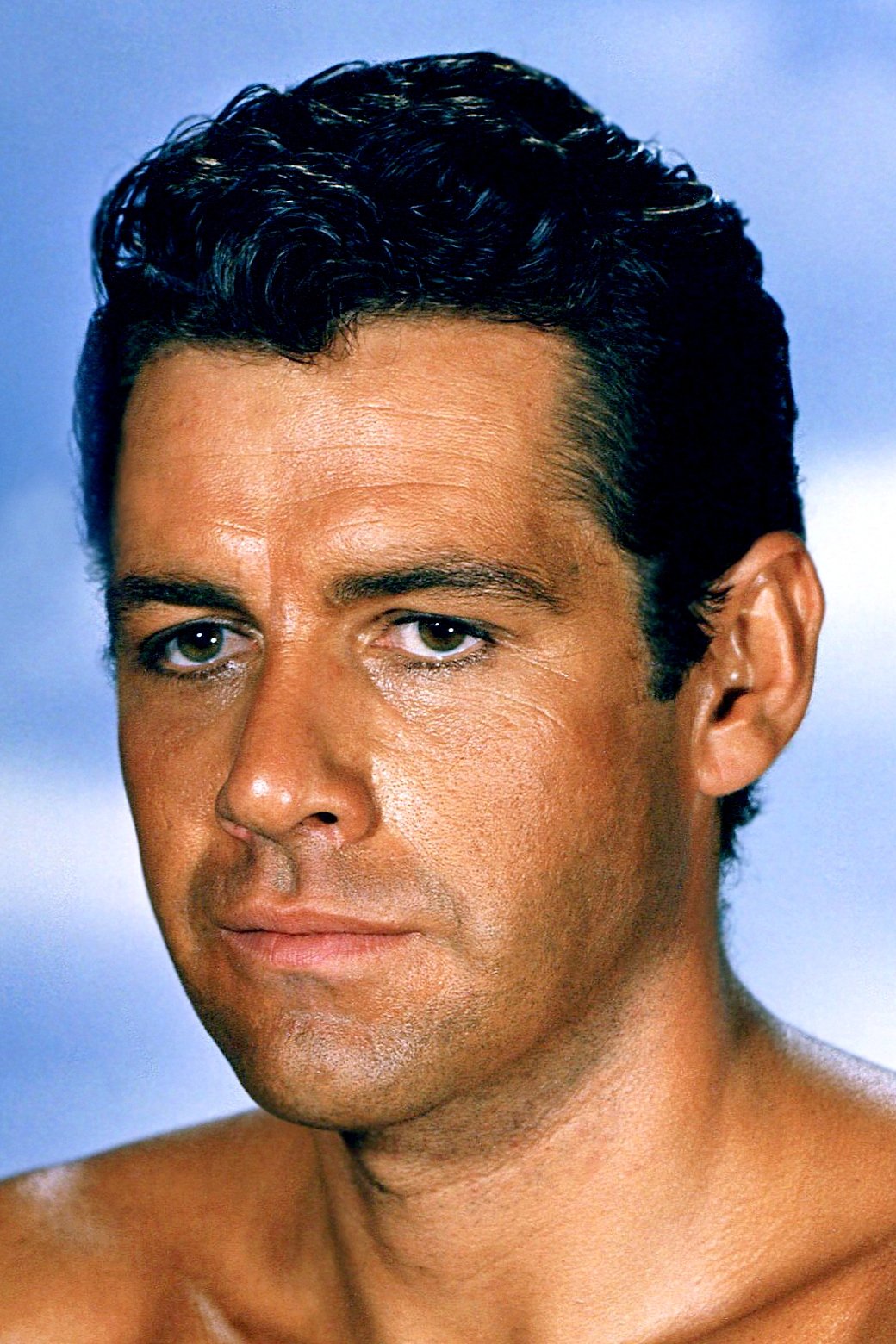
Gordon Scott made six features from 1955 to 1960, among them ‘Tarzan’s Hidden Jungle’, ‘Tarzan and the Lost Safari’, ‘Tarzan’s Fight for Life’, ‘Tarzan’s Greatest Adventure’, and ‘Tarzan the Magnificent’. The cycle leaned into color photography and wider frames, and several entries incorporated African location work and second unit material that expanded the sense of place.
‘Tarzan’s Greatest Adventure’ featured an early screen role for Sean Connery, and ‘Tarzan the Magnificent’ pitted Tarzan against a gang that included Jock Mahoney, who would later lead the series. Scott’s films aligned more closely with the novels in giving Tarzan a wider vocabulary and a strategic mind, and they set up the handoff to the next generation of actors.
4. Ron Ely

Ron Ely led the ‘Tarzan’ television series on NBC from 1966 to 1968 across a total of 57 episodes. The show presented Tarzan as an educated man who returned to the jungle, and it delivered weekly stories that blended conservation themes with expedition plots and episodic guest stars. Ely became widely known for performing many of his own stunts during river work, climbing scenes, and animal interactions.
The series arrived during a period when the character moved from the theatrical spotlight to television, which meant building a regular production base for jungle sets and repeat locations. Its two season run kept the property visible on American network TV while feature films continued in parallel, and syndication helped the episodes reach new viewers for years afterward.
3. Alexander Skarsgård
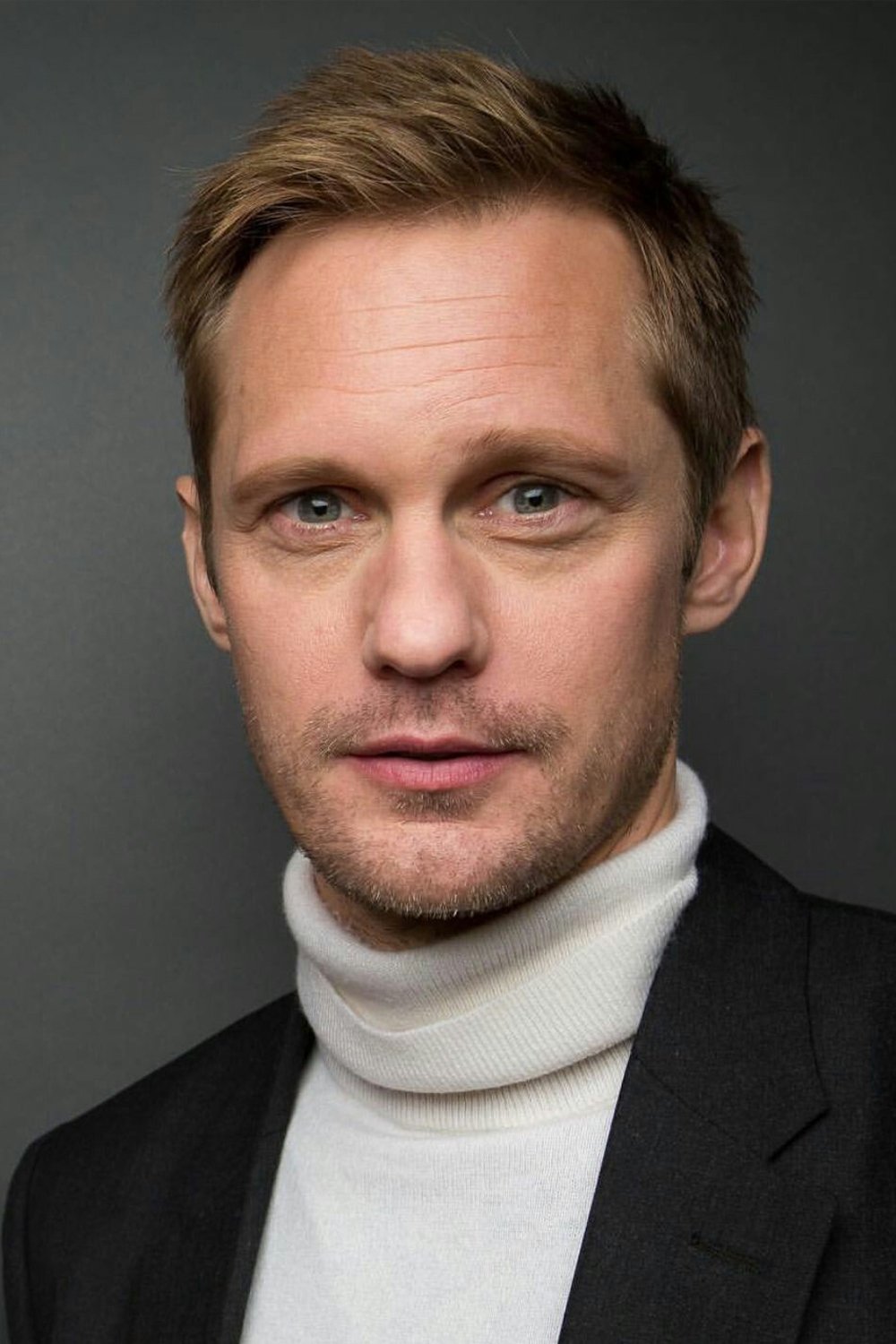
Alexander Skarsgård starred in ‘The Legend of Tarzan’ in 2016, directed by David Yates and released by Warner Bros. The film paired him with Margot Robbie as Jane, Samuel L. Jackson as George Washington Williams, Christoph Waltz as Leon Rom, and Djimon Hounsou as Mbonga. The production combined extensive visual effects with stage work in the United Kingdom and incorporated aerial and reference photography to build its jungle environments.
The story followed John Clayton after his return to England and then sent him back to Central Africa, which allowed the film to present both courtly settings and large scale action. The release brought the character back to multiplex screens for a new generation and used modern stunt coordination and digital creature work for the many ape and wildlife sequences.
2. Christopher Lambert
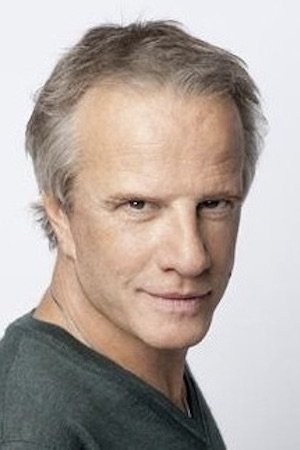
Christopher Lambert headlined ‘Greystoke: The Legend of Tarzan, Lord of the Apes’ in 1984, directed by Hugh Hudson. The film traced the origin from shipwreck to aristocratic inheritance and featured Andie MacDowell as Jane with dialogue dubbed by Glenn Close, Ian Holm as D’Arnot, and Ralph Richardson in his final screen role as the Earl of Greystoke. The production earned multiple Academy Award nominations and brought prestige attention to the property.
Filming combined studio work in the United Kingdom with carefully staged animal and period sequences that emphasized authenticity in costume and setting. The movie’s approach drew directly from elements in the novels and focused on language acquisition and identity, which influenced how later adaptations introduced the character’s background.
1. Johnny Weissmüller
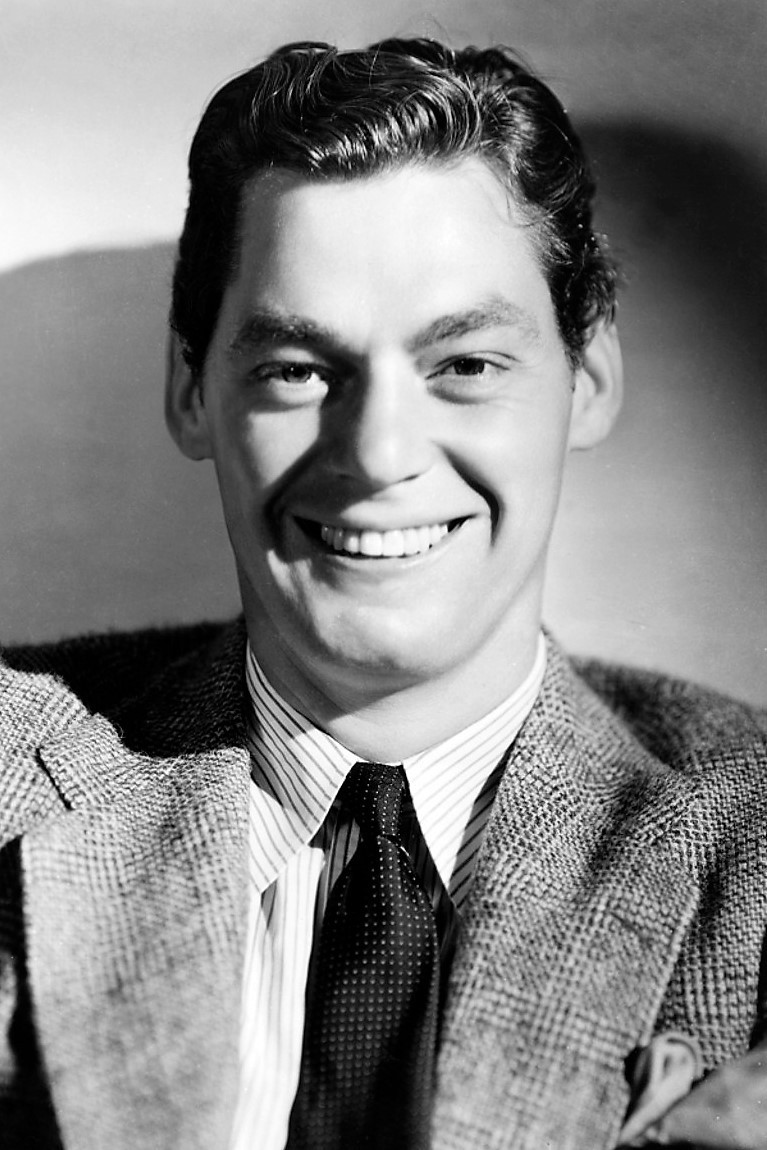
Johnny Weissmüller appeared in twelve Tarzan movies from 1932 to 1948, beginning with ‘Tarzan the Ape Man’ and ‘Tarzan and His Mate’. A five time Olympic gold medalist in swimming with an additional bronze in water polo, he brought world class athletic ability to river sequences and vine work. Maureen O’Sullivan played Jane in several early entries, and the films moved from MGM to RKO as the series continued.
Weissmüller’s run established many elements audiences still associate with the screen version of the character, including the famous call that studios reused for decades. The pictures rolled out through the Great Depression and the war years and reached global markets, which cemented this interpretation of Tarzan as a fixture of twentieth century popular culture.
Share your own top ten in the comments and tell everyone which Tarzan performances you think deserve a spot.