Celebrities Who Died Without a Will



It is easy to put off estate planning, even for people with massive careers and complex finances. When a public figure dies without a will, the law decides who inherits and how debts and taxes are handled. That can mean long court cases, unexpected outcomes, and money tied up for years while families wait for decisions.
This list looks at well known names who passed away without valid wills and what happened next. You will see how estates moved through probate, who was appointed to manage the assets, and how state or national laws determined the heirs. These cases show how different the process can be depending on where someone lived and the kind of property they left behind.
Prince

Prince died in April 2016 in Minnesota with no will on file, which meant his estate had to be divided under state intestacy laws. The court appointed a bank as administrator while officials identified heirs among his half siblings. The valuation process took years and involved appraisals of music rights, unreleased recordings, and real estate.
When the court finalized the value at well over one hundred million dollars, the estate was split between the identified heirs after taxes and professional fees. Ongoing work continues through his companies to manage licensing, long term catalog strategy, and releases from the vault.
Howard Hughes
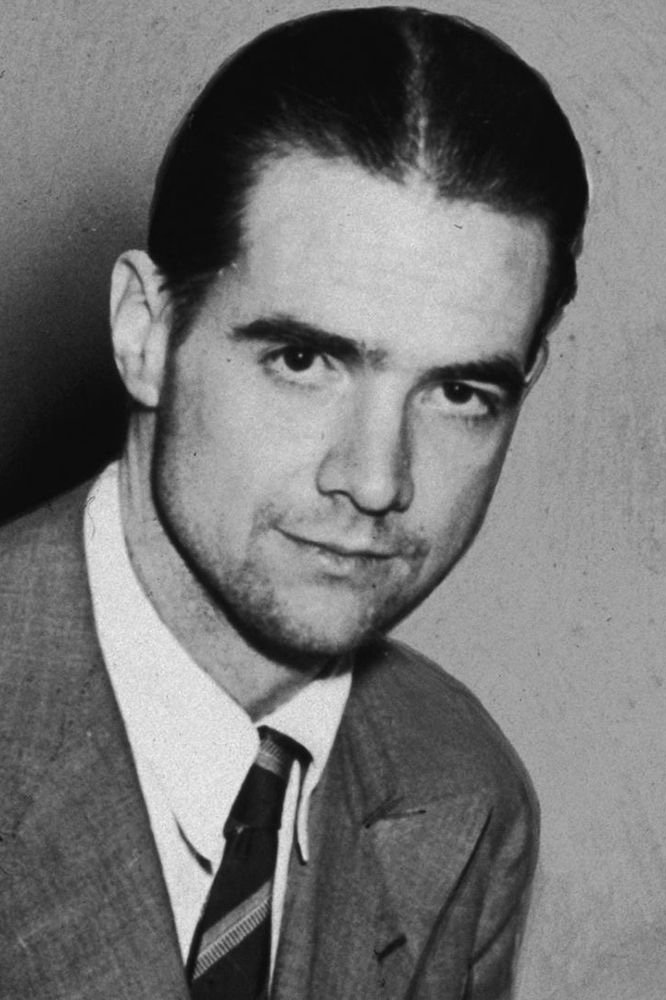
Howard Hughes died in 1976 without a valid will, which set off one of the longest and most complicated probate fights in American history. A document known as the Mormon Will surfaced and was later ruled a forgery. Without a genuine will, courts in Nevada and Texas followed intestacy laws to determine his heirs.
After years of litigation and asset tracing, a large group of cousins ultimately inherited. The estate included airline holdings, hotels, and extensive investments, so administrators spent years selling or reorganizing assets and resolving tax issues before distributions were made.
Jimi Hendrix
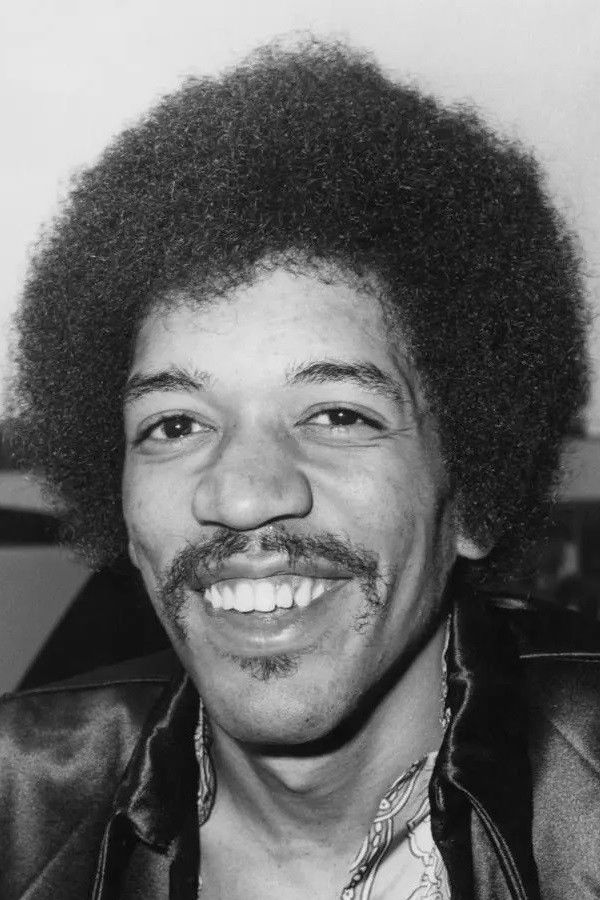
Jimi Hendrix died in 1970 at age 27 without a will. Under Washington state law, his father became the primary heir and later formed companies to control music rights, merchandise, and licensing. Questions around who should run the business side of the legacy led to repeated disputes inside the family.
Courts approved changes over the years as administrators and managers shifted. Revenue streams included publishing royalties, recording rights, and brand licensing, all of which required ongoing contracts and audits to keep the catalog active and protected.
Bob Marley
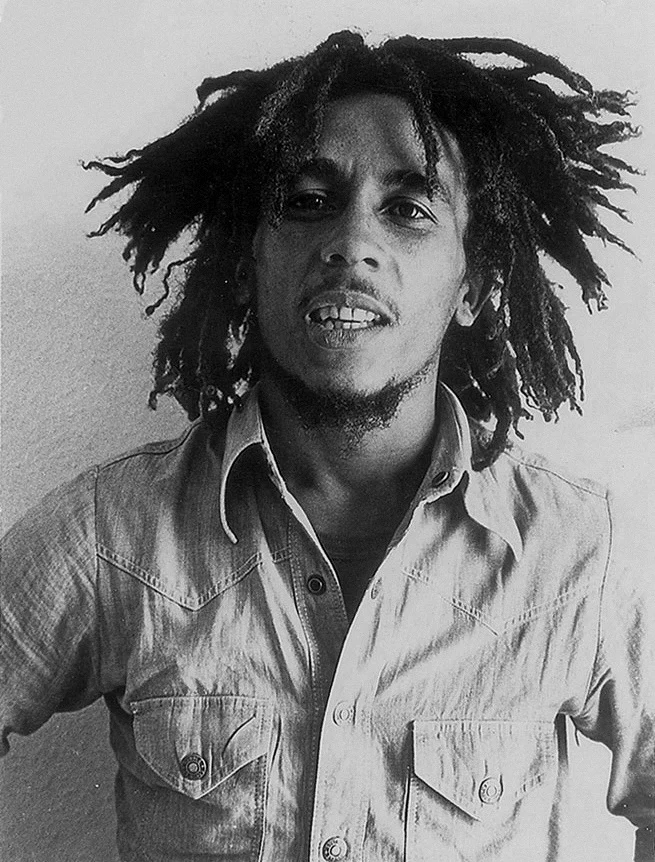
Bob Marley died in 1981 without a will, which meant Jamaican intestacy law determined how his estate would be shared between his widow and children. The absence of a will complicated decisions about music rights and future business deals, especially cross border contracts.
Multiple lawsuits followed as managers and family members worked to establish control of name, likeness, and publishing income. The estate eventually set up a structure to handle licensing and catalog releases, with court oversight to resolve claims and confirm lawful ownership.
Pablo Picasso
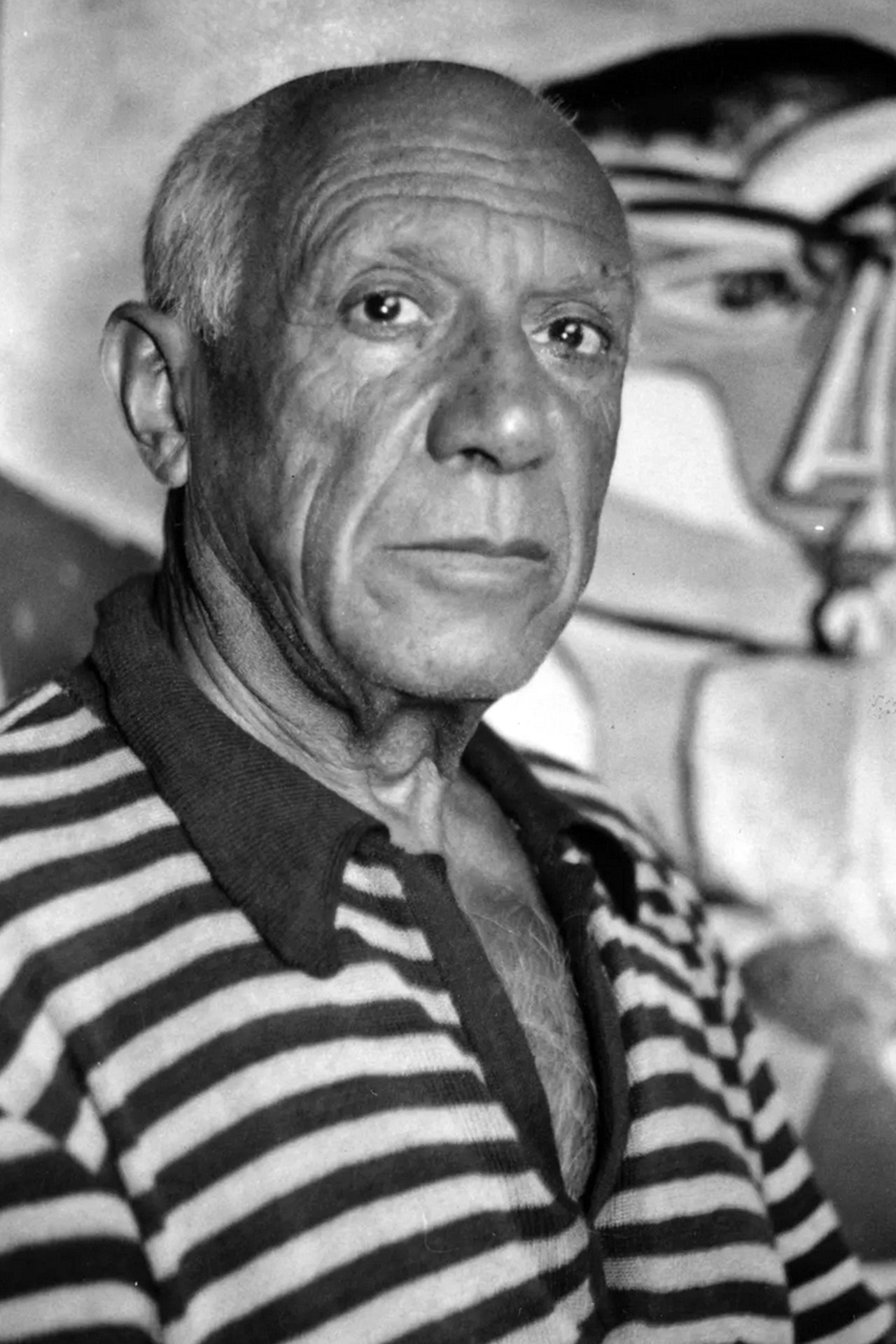
Pablo Picasso died in 1973 without a will, leaving an estate that included thousands of artworks, sketches, and copyrights. French law required a detailed inventory and valuation, which took years because each piece needed expert assessment for taxation and distribution.
The final settlement involved his heirs, including children and grandchildren, and created a legal framework for authentication, exhibitions, and sales. The inventory process also formed the foundation for museum donations and long term catalog management.
Sonny Bono
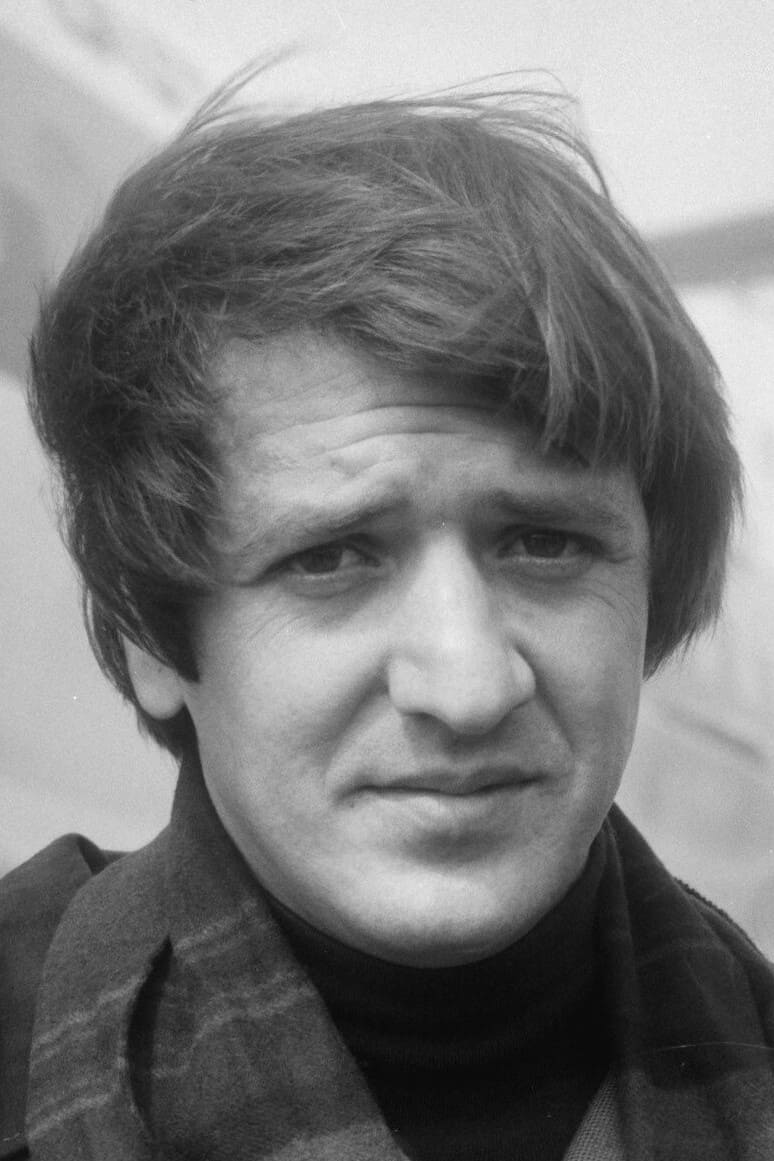
Sonny Bono died in 1998 without a will. His widow, Mary Bono, petitioned the California court to be appointed administrator so she could account for assets, debts, and ongoing royalties. The probate docket documented claims from business partners and creditors, which were evaluated under state law.
A man alleging to be Bono’s son also filed a claim that required genetic testing before the court could decide on heirship. The estate ultimately addressed alimony issues related to a prior marriage and set procedures for future royalty collections.
Stieg Larsson

Stieg Larsson died in 2004 without a will under Swedish law, which meant his long time partner did not inherit because they were not married. The rights to his Millennium series, including stories adapted into films like ‘The Girl with the Dragon Tattoo’, passed to his father and brother as his legal heirs.
A formal agreement later allowed his partner to participate in literary decisions without transferring ownership. Subsequent publications and licensing deals proceeded through the heirs, with contracts specifying translation rights, royalties, and approvals.
Chadwick Boseman
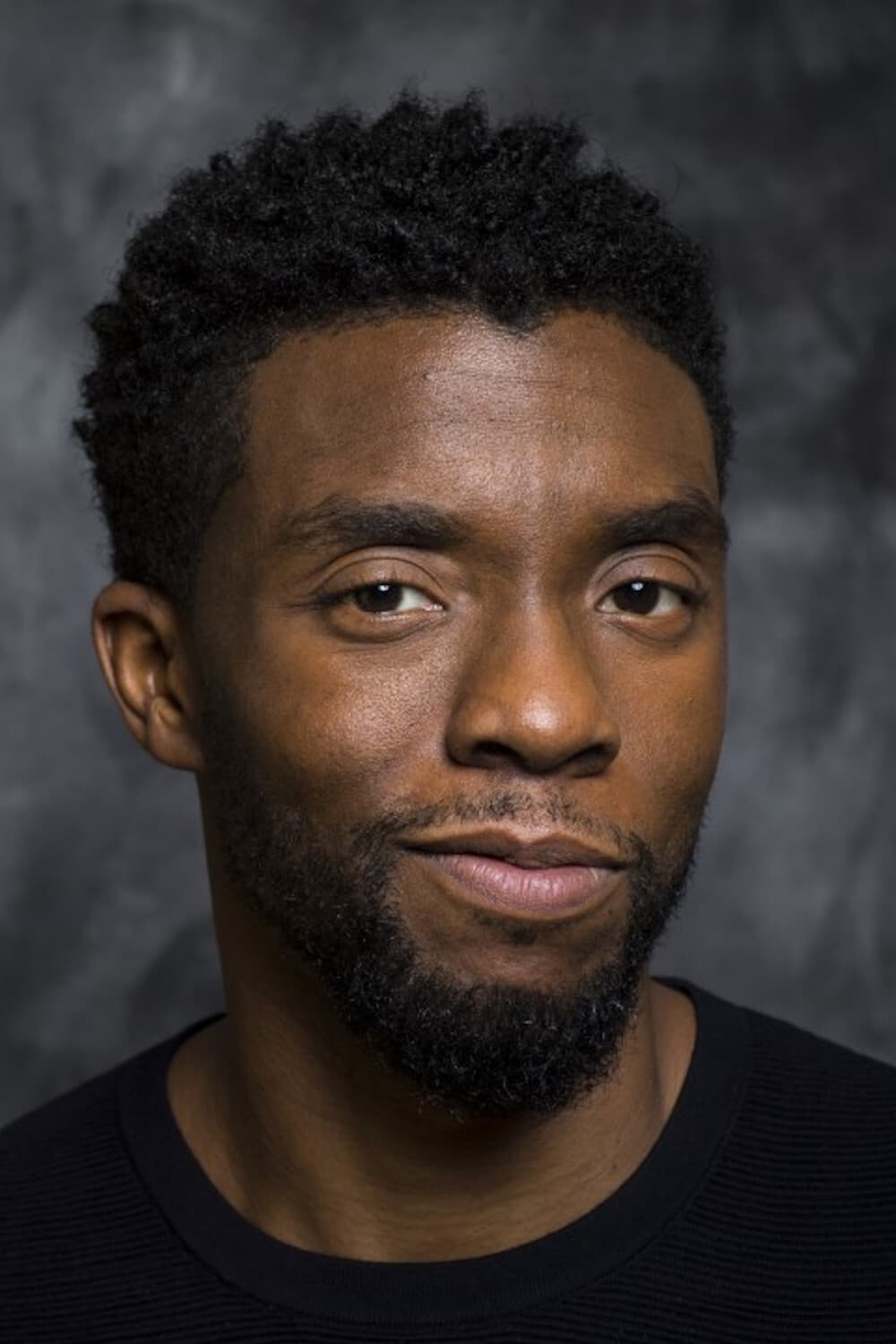
Chadwick Boseman died in 2020 without a will in California. His wife petitioned to act as personal representative and provided the court with an inventory that included bank accounts and residuals. Under state law, his spouse and parents became the beneficiaries after expenses and taxes.
The court filings show how administrators gather information from unions, studios, and financial institutions to verify assets. Once the final accounting was approved, distributions were made according to intestacy rules and documented in the probate record.
DMX
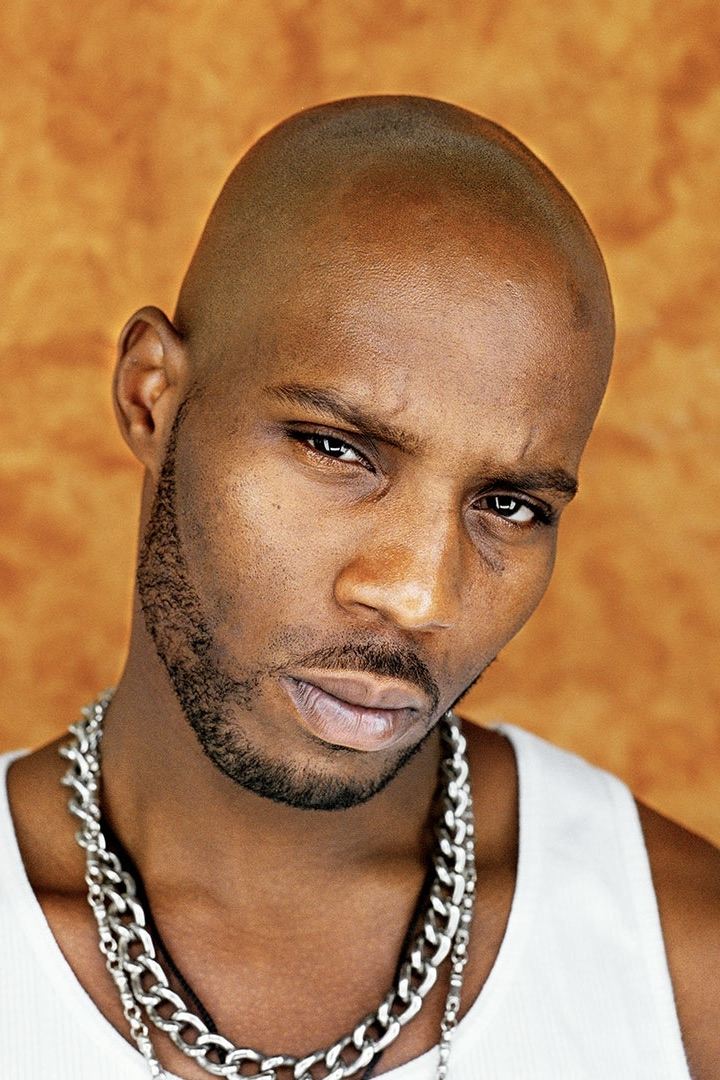
DMX died in 2021 without a will in New York, which led the court to appoint temporary administrators while identifying heirs. Multiple individuals petitioned with claims of paternity, and the court required evidence before adding anyone to the list of beneficiaries.
The estate centered on music publishing and recording royalties, performance income, and potential future licensing. Administrators set up procedures to collect revenue, audit statements, and resolve disputes so distributions could be made under state law.
Coolio
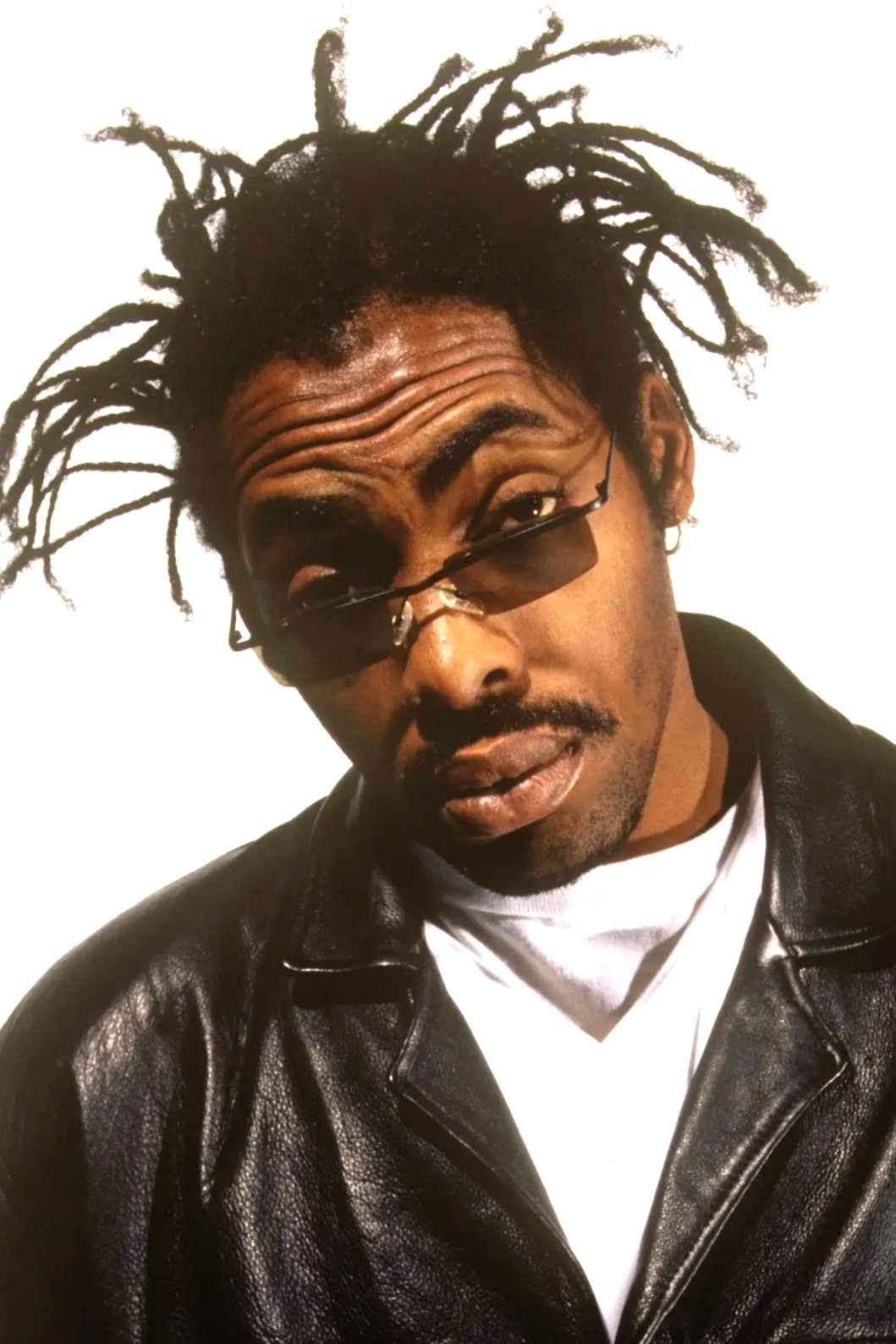
Coolio died in 2022 without a will, so his children petitioned the California court to manage the estate. The inventory included music royalties, personal property, and potential rights from future uses of name and likeness.
Because there was no will, distributions follow intestacy guidelines with court supervision. Administrators are responsible for collecting income, paying taxes, and verifying creditor claims before any final payout is approved.
Anne Heche

Anne Heche died in 2022 with no formal will filed in California. Her son petitioned to be the administrator, and a former partner submitted an email as an informal expression of intent. The court ruled that the email did not meet the legal standards for a will.
The case proceeded under intestacy law, which required a full accounting of assets such as residuals, book proceeds, and potential future royalties. The court established an administration plan to handle debts, taxes, and distributions to the lawful heir.
Tony Hsieh

Tony Hsieh died in 2020 without a will in Utah. The court appointed his father and brother as special administrators to gather and safeguard assets that included real estate, investments, and business interests. Notes found in his home did not qualify as testamentary documents.
The administrators developed a process to identify contracts and obligations, unwind informal arrangements, and value properties. Creditors had a limited period to file claims before the court could approve distributions under state intestacy rules.
Rik Mayall

Rik Mayall died in 2014 without a will in the United Kingdom. Without a testament, his estate fell under intestacy rules that can create larger tax bills for surviving spouses and children, depending on asset levels and ownership structures.
His family used a discretionary trust to manage inheritance tax exposure and provide flexibility for distributions. The case is often cited in the UK as an example of how even modest planning can help families avoid unnecessary costs.
Amy Winehouse
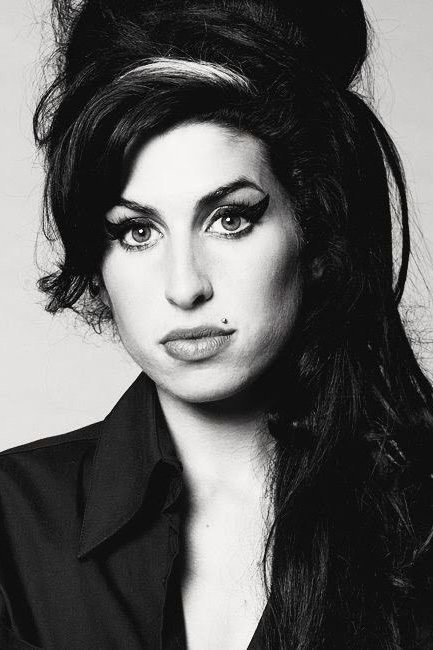
Amy Winehouse died in 2011 without a will in England. Her parents applied to the court to manage the estate, which included music royalties and personal assets. The lack of a will meant that intestacy rules determined the heirs and the order of distribution.
Administrators prepared an inventory, paid debts and taxes, and then released funds according to the law. Future royalty income continued to be collected through the estate structures set up during the administration process.
Tupac Shakur
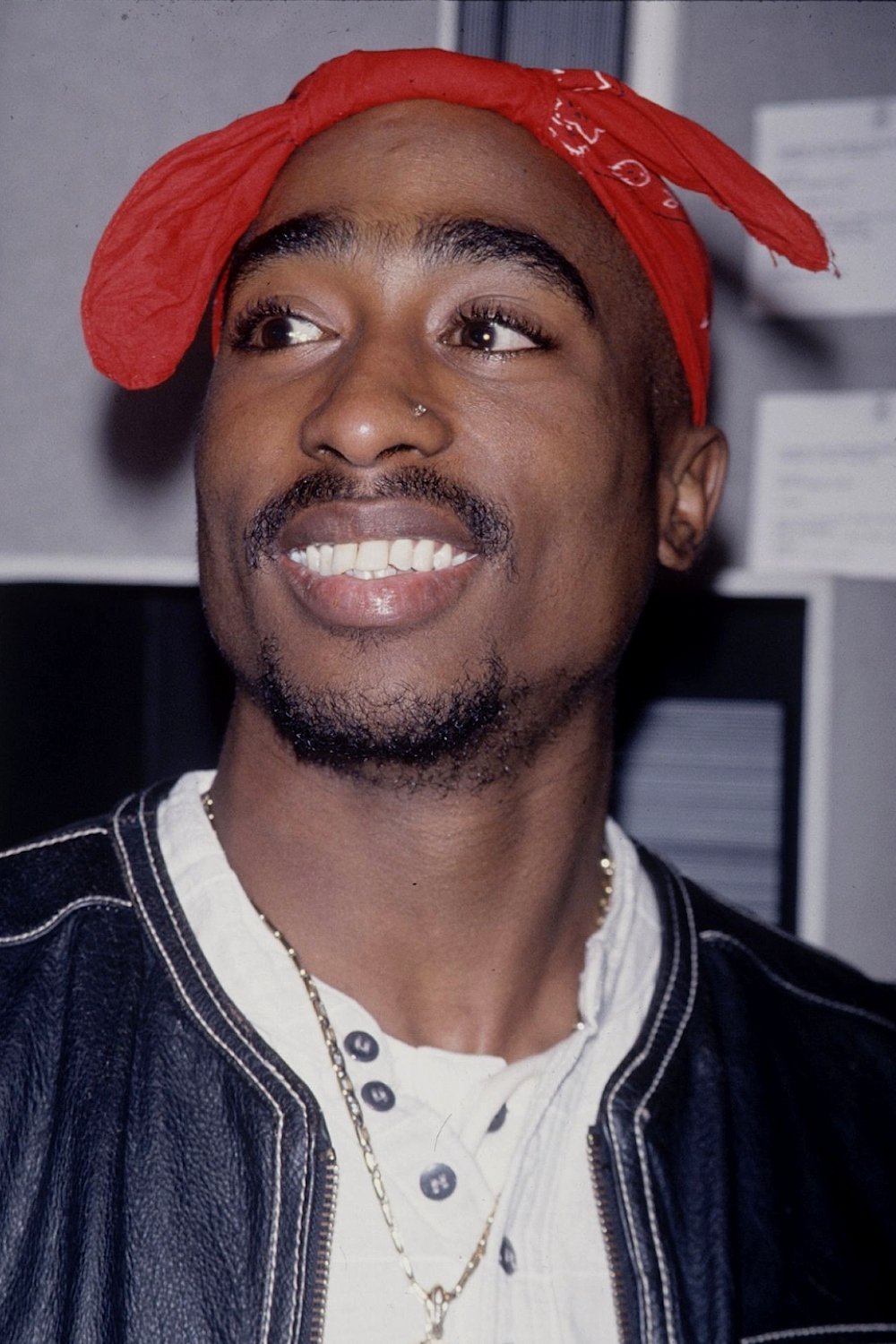
Tupac Shakur died in 1996 without a will in California. His mother, Afeni Shakur, took control of the estate and created entities to manage his recording and publishing rights. Contracts executed after death focused on compilations, licensing, and preservation of master recordings.
The estate’s business operations included negotiations with labels and publishers to reconcile royalties and secure long term value. Successor managers continued those efforts, ensuring ongoing audits and new agreements as the catalog remained active.
Avicii

Avicii, born Tim Bergling, died in 2018 without a will in Sweden. Under Swedish law, his parents became the heirs and were responsible for managing assets, including music royalties and business accounts.
The estate conducted a full accounting and worked with labels and publishers to centralize licensing and royalty collection. Administrators implemented processes for future approvals and catalog curation to maintain consistent handling of new releases and partnerships.
Nipsey Hussle
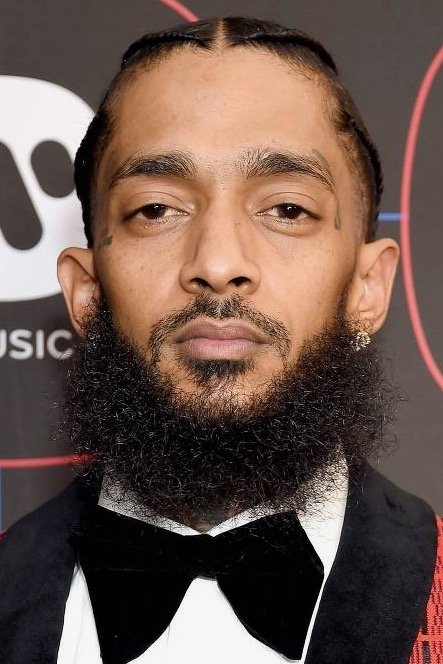
Nipsey Hussle died in 2019 without a will in California. His brother petitioned to administer the estate, which included music income and interests in retail and brand ventures connected to his business activities.
Guardianship issues for his minor child were addressed in separate filings while the probate court oversaw asset valuation and creditor claims. The estate coordinated with partners to keep ongoing businesses operational and compliant with court requirements.
Steve McNair
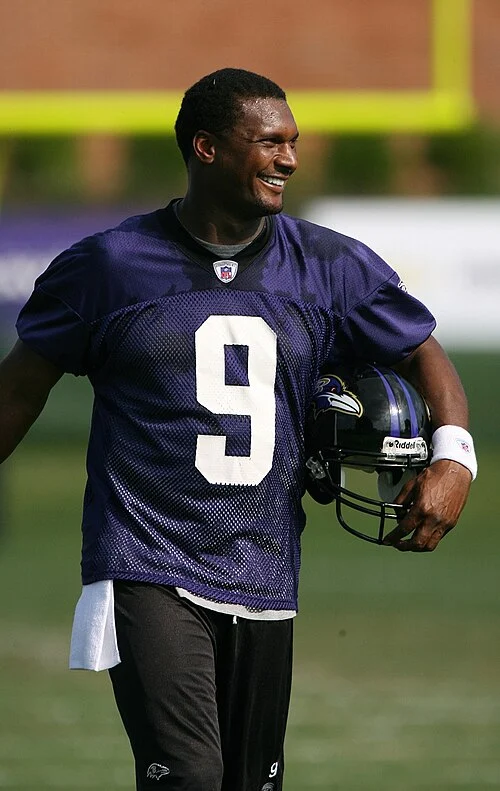
Steve McNair died in 2009 without a will in Tennessee. His widow was appointed administrator and filed inventories listing properties, vehicles, and financial accounts. Creditors submitted claims for review before any distributions could be made.
The court process required appraisals and documentation to establish fair values for real estate and personal property. After taxes and approved expenses, remaining assets were distributed under Tennessee intestacy law to his legal heirs.
River Phoenix

River Phoenix died in 1993 at age 23 without a will. His parents handled the administration under Florida law, which required an inventory of property and verification of any debts. Because of his age and career stage, many assets involved residuals and future royalties.
The estate set up mechanisms to collect income from acting work and licensing. Administrators filed accountings with the court to document receipts and expenses before distributing funds according to the statutory order of heirs.
Aaliyah

Aaliyah died in 2001 at age 22 without a will. Her parents were responsible for managing the estate, which included music and film residuals along with intellectual property rights connected to her name and image.
The estate oversaw licensing, catalog availability, and posthumous projects, working with labels and studios to manage contracts. Court filings ensured that taxes, fees, and creditor claims were handled before distributions consistent with applicable law.
Share your thoughts in the comments and tell us which cases you think most clearly show why planning ahead matters.