25 Celebrities Who Suffered Stunning Downfalls and Lost It All

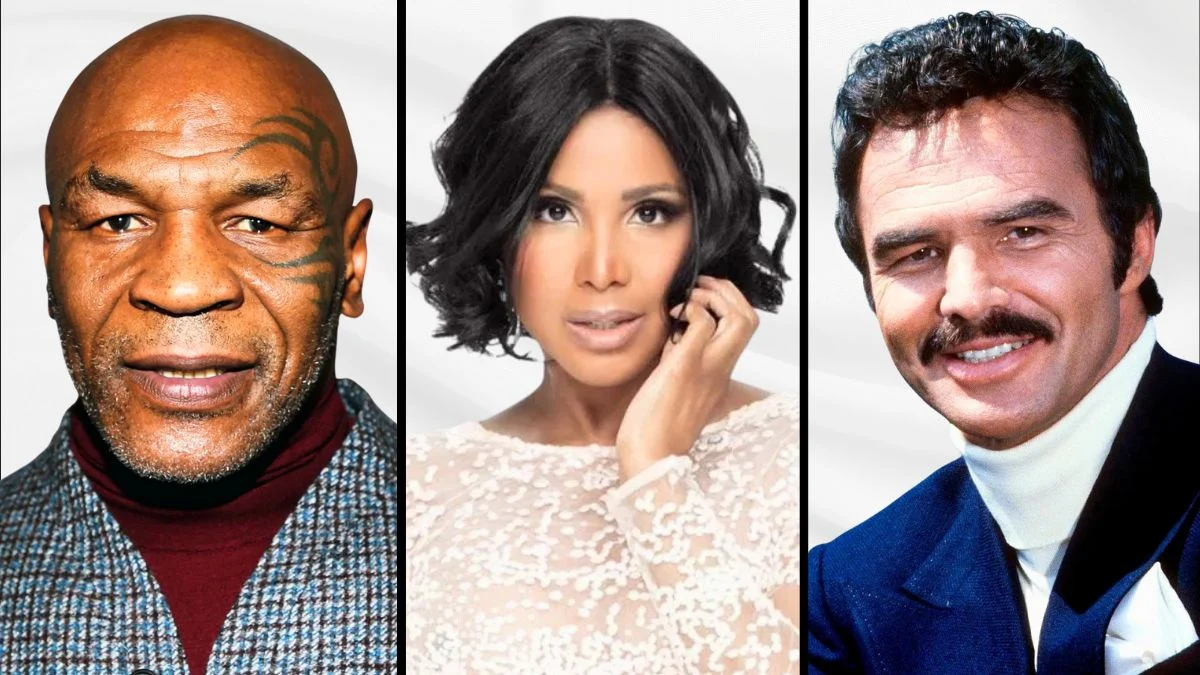

Fame can feel permanent when the lights are bright and the deals are rolling in. History shows a different story, with careers that crashed after legal problems, bankruptcies, court judgments, and disastrous decisions that wiped out fortunes and stalled momentum. The people here faced highly public setbacks that reshaped their finances and their futures, often after years at the top.
Each entry highlights specific events that led to a steep decline, including filings in court, prison sentences, stripped titles, canceled projects, lost endorsements, foreclosures, or forced sales of assets. The goal is to lay out what happened and how it affected their money and work, so you can see clearly how fast success can turn.
MC Hammer
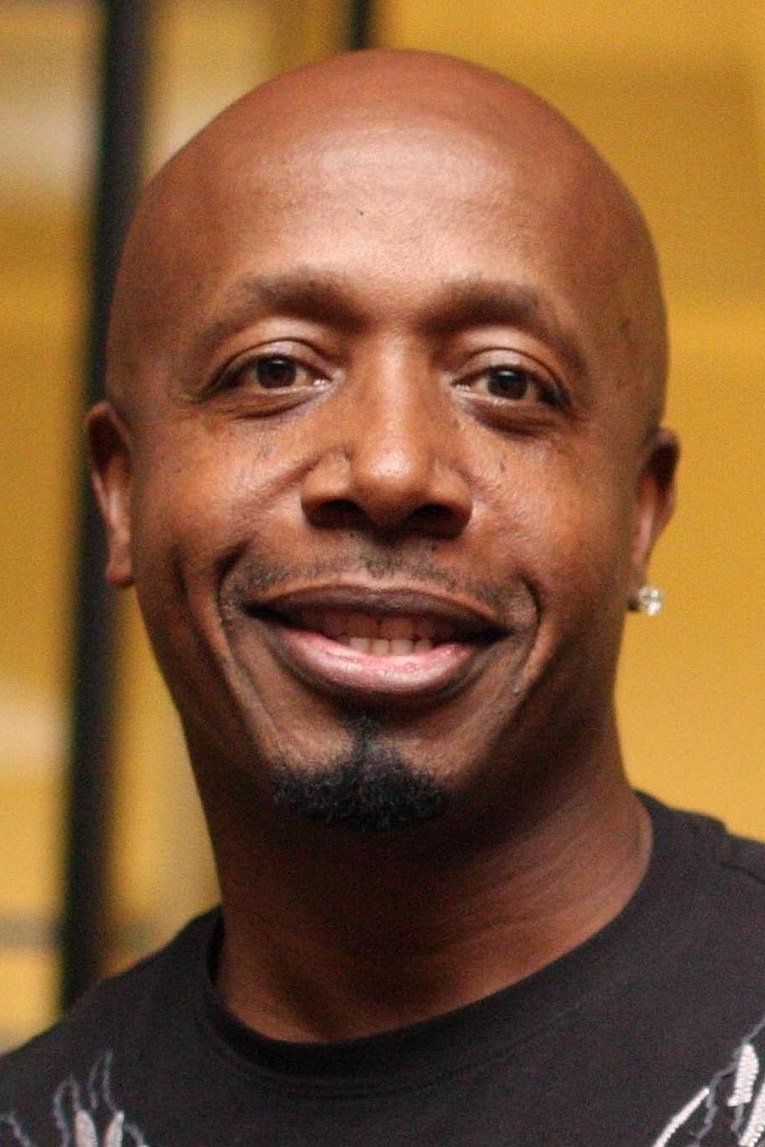
At the peak of his success he spent heavily on real estate, staff, and a large entourage while revenue from music slowed. In 1996 he filed for bankruptcy after debts outpaced his income and the courts moved through his case with a detailed accounting of obligations and assets.
In the years that followed he pursued touring and television work to stabilize his finances. He also licensed his name and performed regularly, which helped him meet ongoing obligations created by the bankruptcy process.
Mike Tyson
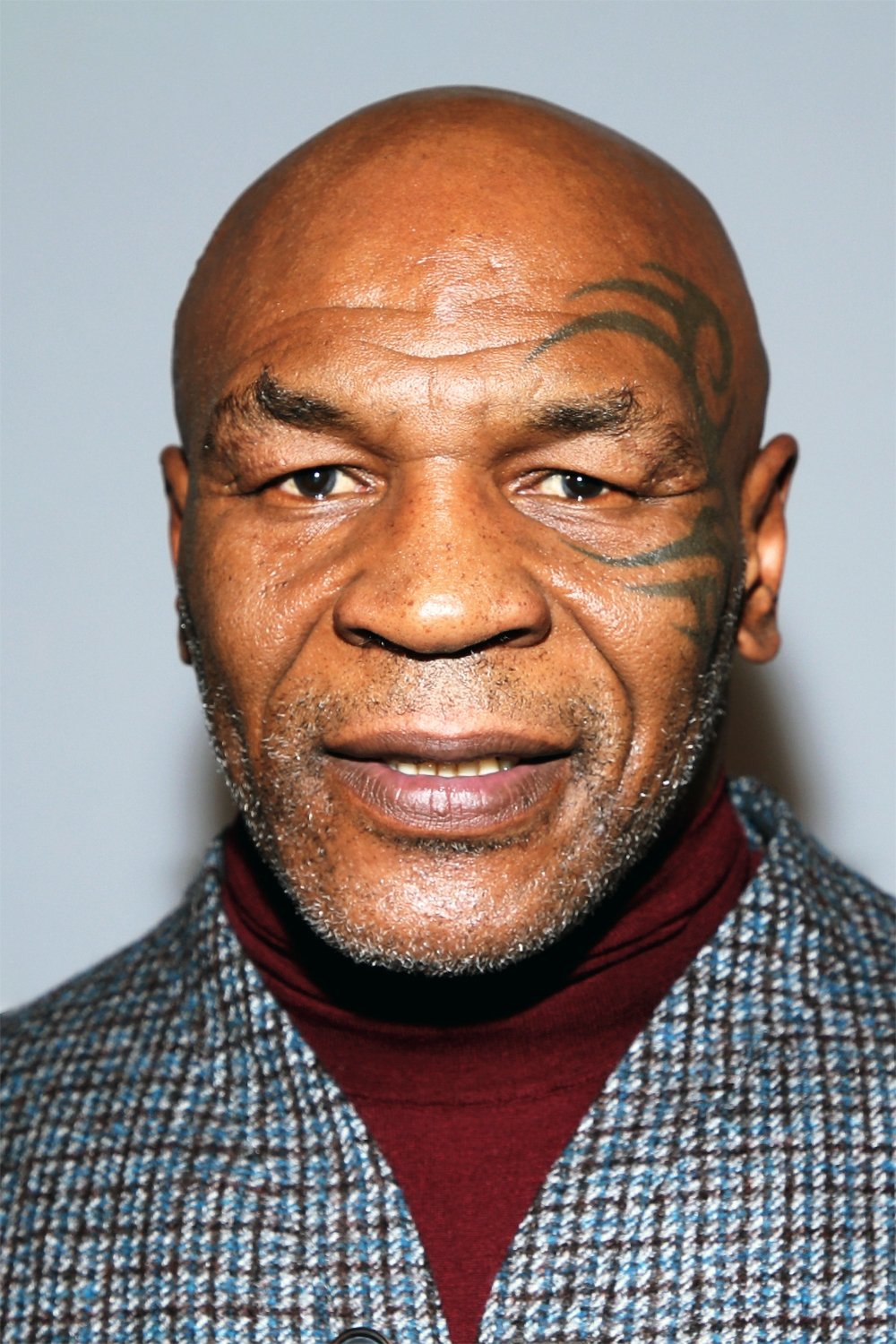
After earning hundreds of millions from boxing he faced lawsuits, fines, and a long list of unpaid obligations. In 2003 he filed for bankruptcy, listing large debts that included tax liabilities and judgments.
He returned to the ring for several bouts and later shifted to appearances and entertainment projects. That activity allowed him to settle portions of what he owed while rebuilding regular income after the bankruptcy.
Toni Braxton

She filed for bankruptcy in 1998 following disputes over royalties and touring costs that exceeded receipts. Years later she filed again after a Las Vegas residency ended early, which left her with canceled dates and significant overhead that could not be recovered.
The court supervised liquidation of certain assets and a plan to address creditor claims. She later resumed recording and performing, which restored steady earnings and allowed her to move beyond the bankruptcy cases.
Kim Basinger

A major breach of contract judgment tied to her withdrawal from the film ‘Boxing Helena’ led her to file for bankruptcy protection in 1993. The verdict and the appeal process created a debt load she could not cover from acting income at the time.
She sold assets and later reached a settlement that reduced the immediate pressure. She continued acting and regained financial footing through new roles and careful management after the case closed.
Wesley Snipes
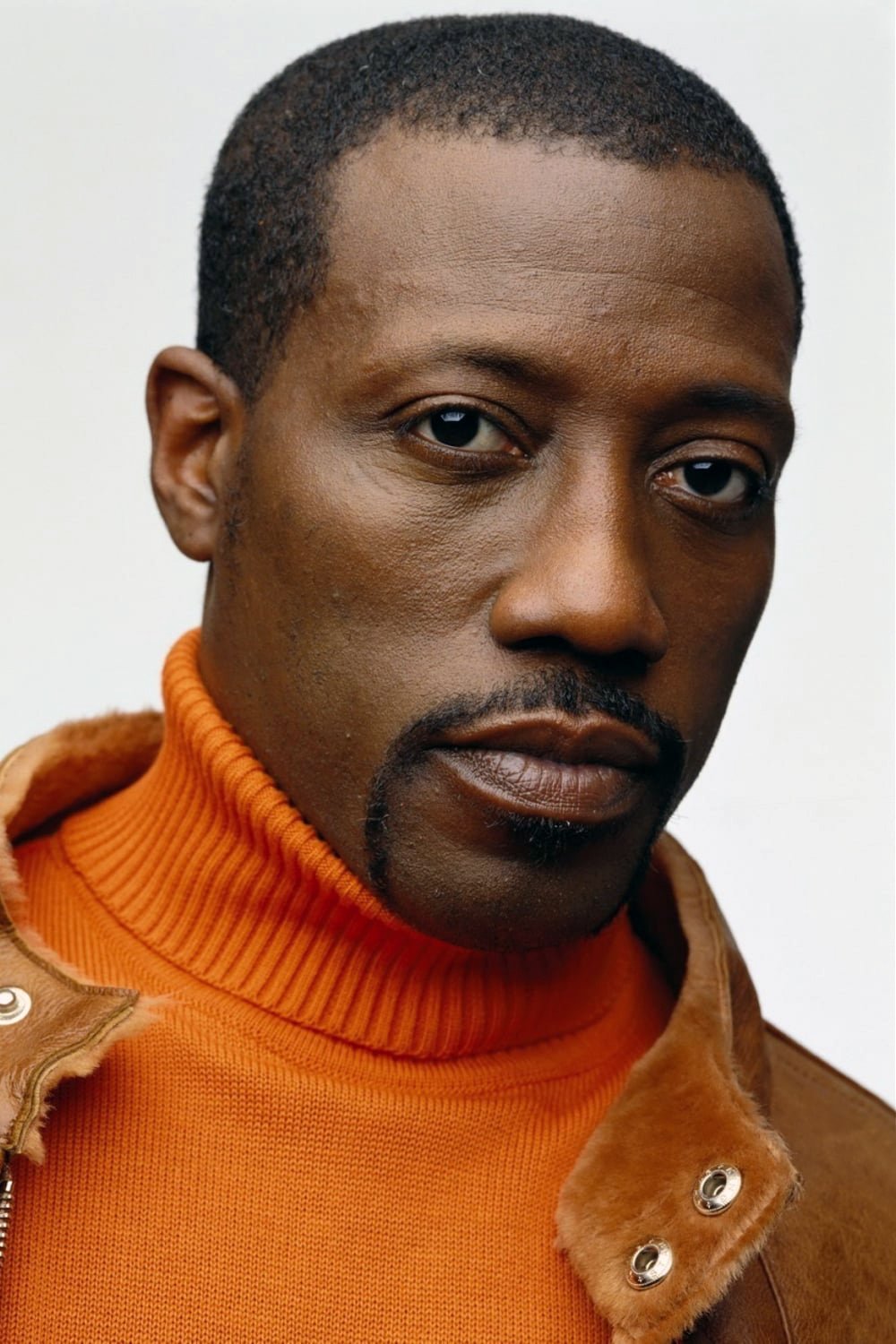
He was convicted of three misdemeanor counts for failing to file federal income tax returns and served time from 2010 to 2013. The government pursued unpaid taxes and penalties that added up over multiple years, which placed a heavy burden on his finances.
After release he returned to film and television work to generate income and address the remaining liabilities. He also negotiated with tax authorities, a process that typically includes payment plans and interest calculations over time.
50 Cent
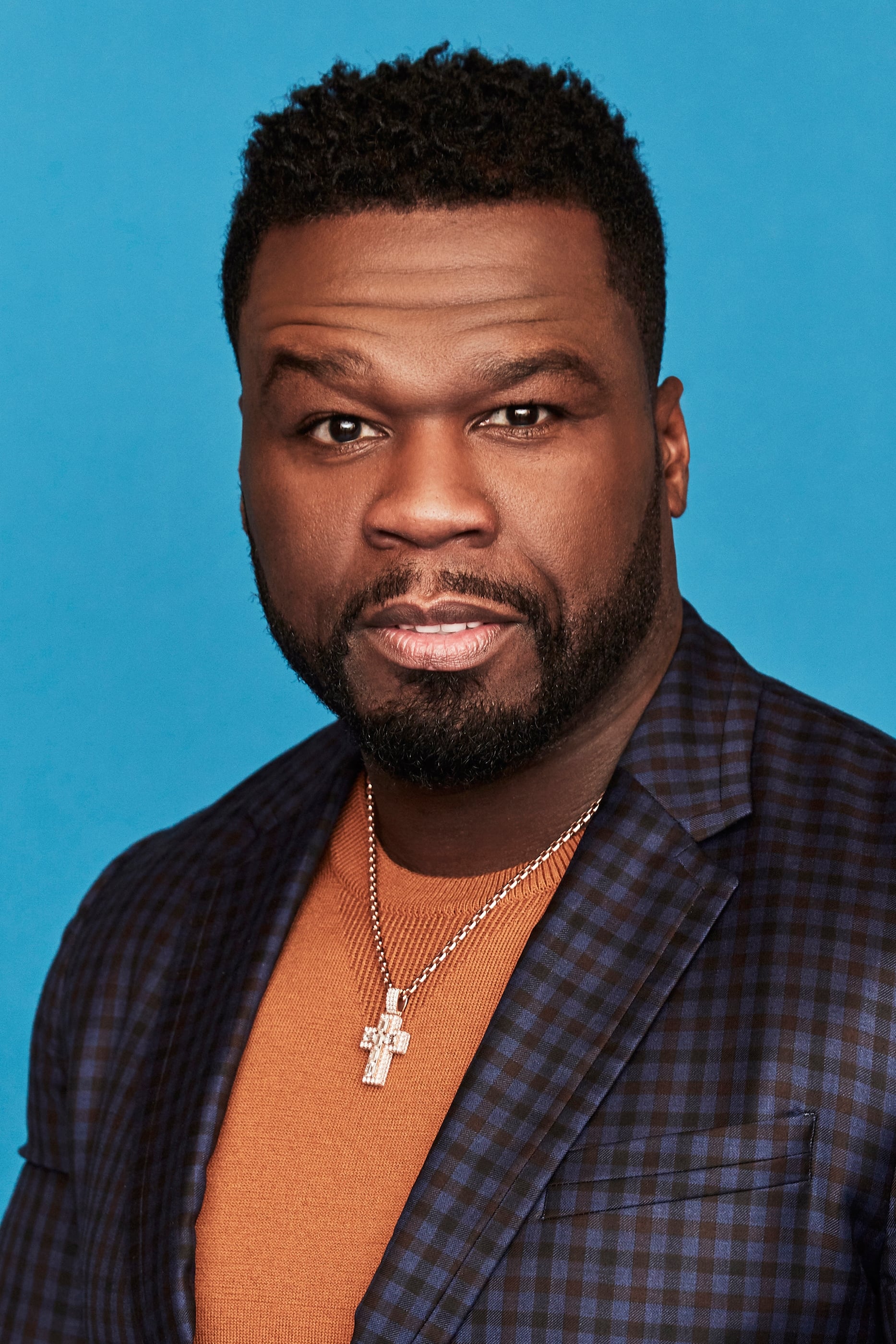
He filed for Chapter 11 protection in 2015 during litigation that created large liabilities. The filing allowed him to propose a plan to restructure what he owed while continuing to work and earn.
The bankruptcy court approved a plan that spread payments across a defined schedule. He completed obligations under that plan while expanding into television production and other ventures that produced steady revenue.
Burt Reynolds
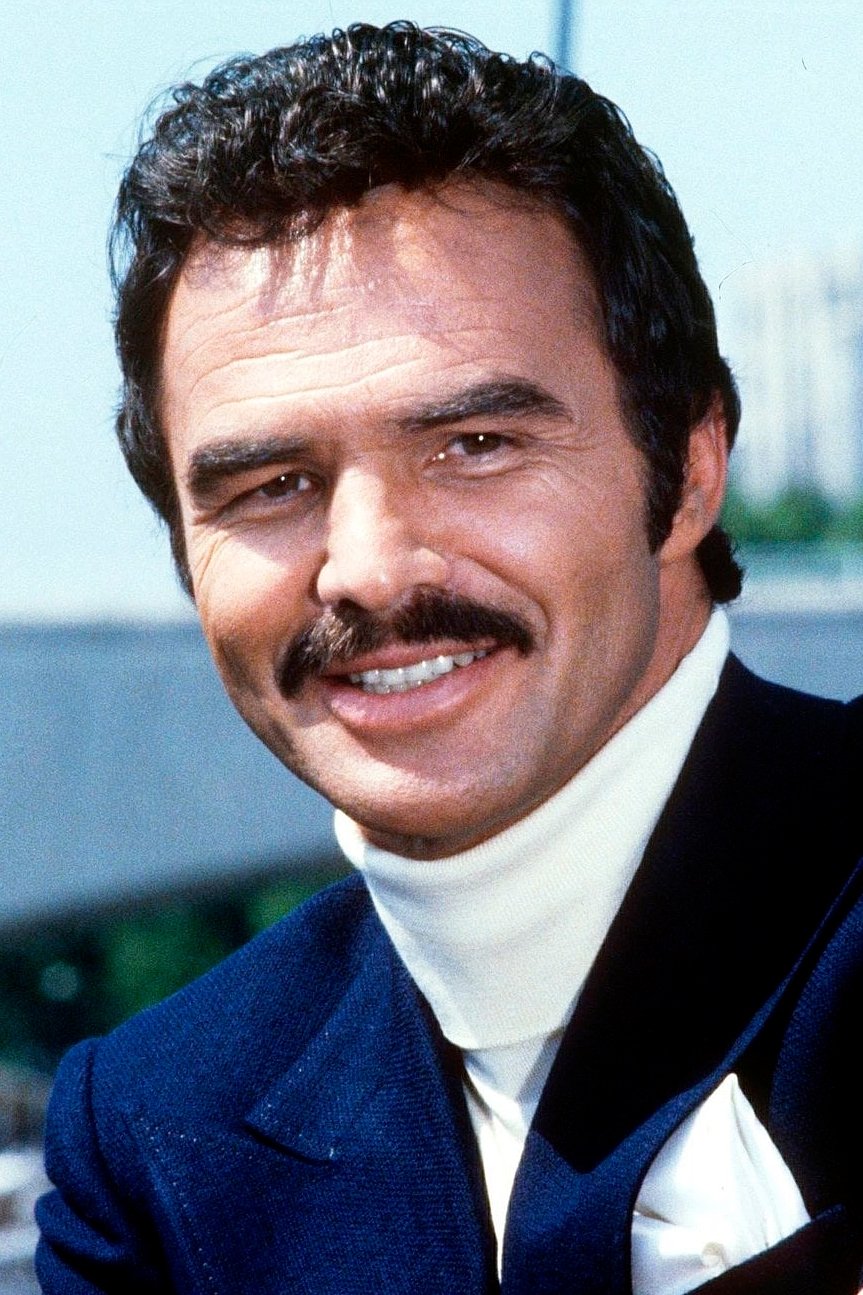
He filed for Chapter 11 bankruptcy in 1996 after a series of failed investments and significant personal expenses. The case detailed debts that included property obligations and loans that could not be supported by his acting income at the time.
He sold memorabilia and real estate to raise cash for creditors and adjusted his lifestyle to match reduced income. He kept working in film and television, which provided the money to meet court supervised payment plans.
Gary Busey

He filed for Chapter 7 bankruptcy in 2012 and listed many creditors, including tax agencies and medical providers. The filing indicated that his debts exceeded his available assets and required court relief.
The process led to the liquidation of certain property and a discharge of eligible debts. He continued to work in reality television and smaller film roles to maintain income after the bankruptcy case.
Janice Dickinson

She filed for Chapter 7 bankruptcy in 2013 with tax debts and unpaid bills that had accumulated over multiple years. The court filing showed limited assets relative to what was owed, making discharge the only realistic option.
The case ended with a discharge of eligible debts, while nondischargeable taxes and other obligations required separate arrangements. She pursued television and modeling appearances to stabilize her finances after the case concluded.
Sinbad
The comedian filed for bankruptcy in 2013, citing large federal and state tax debts along with other liabilities. The petition explained that his earnings had declined while obligations kept growing, which created an unmanageable gap.
He continued performing live and working in voice roles to generate income. Over time he entered into payment plans that allowed him to address tax obligations while keeping up with day to day expenses.
Stephen Baldwin
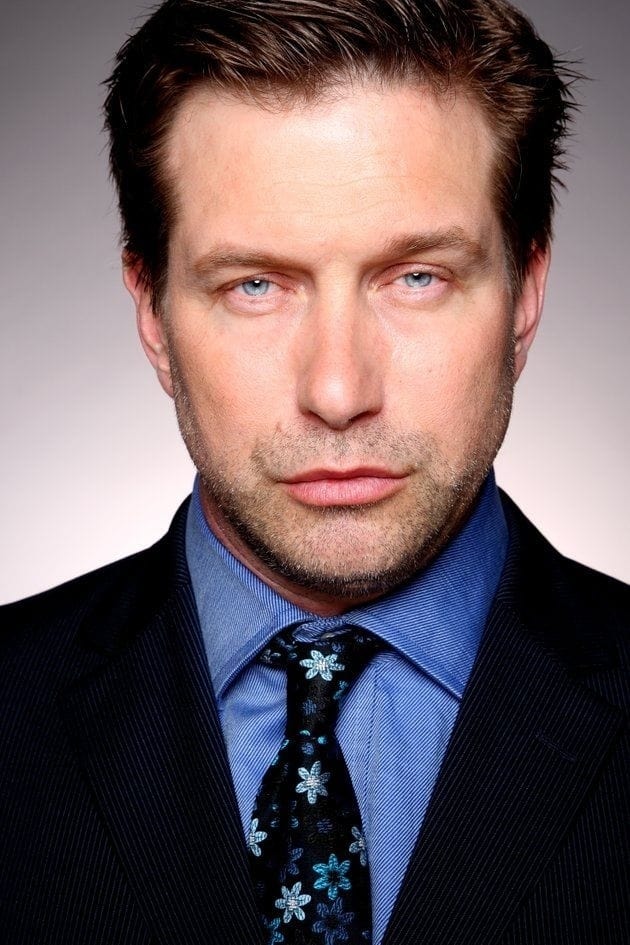
He filed for bankruptcy in 2009 after mortgage defaults and personal debts outpaced his earnings. Separate from the bankruptcy he later pleaded guilty to failing to file New York State income taxes and agreed to pay restitution.
The bankruptcy court managed creditor claims while he pursued acting and speaking engagements to rebuild income. He worked out plans with tax authorities that spread payments over time to resolve outstanding liabilities.
Michael Vick
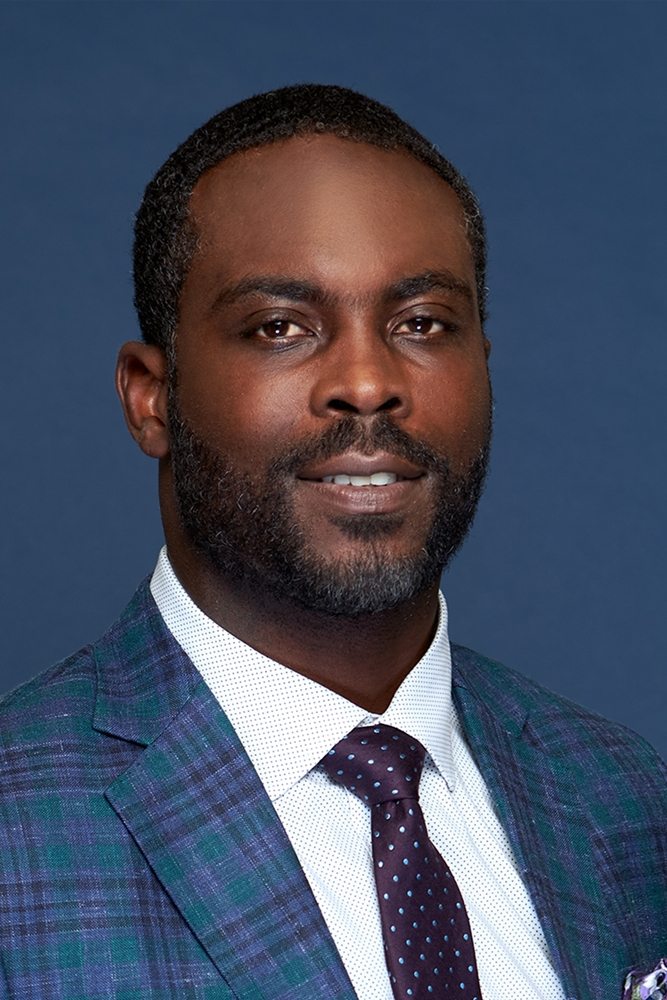
He pleaded guilty in 2007 to a federal conspiracy related to a dogfighting ring and served nearly two years in prison. Legal fees and lost NFL income led him to file for bankruptcy in 2008 to organize what he owed under court supervision.
After his release he returned to the NFL and used his salary to pay creditors according to a structured plan. By staying employed and following the court approved schedule he completed the bulk of his repayment obligations.
Lil’ Kim
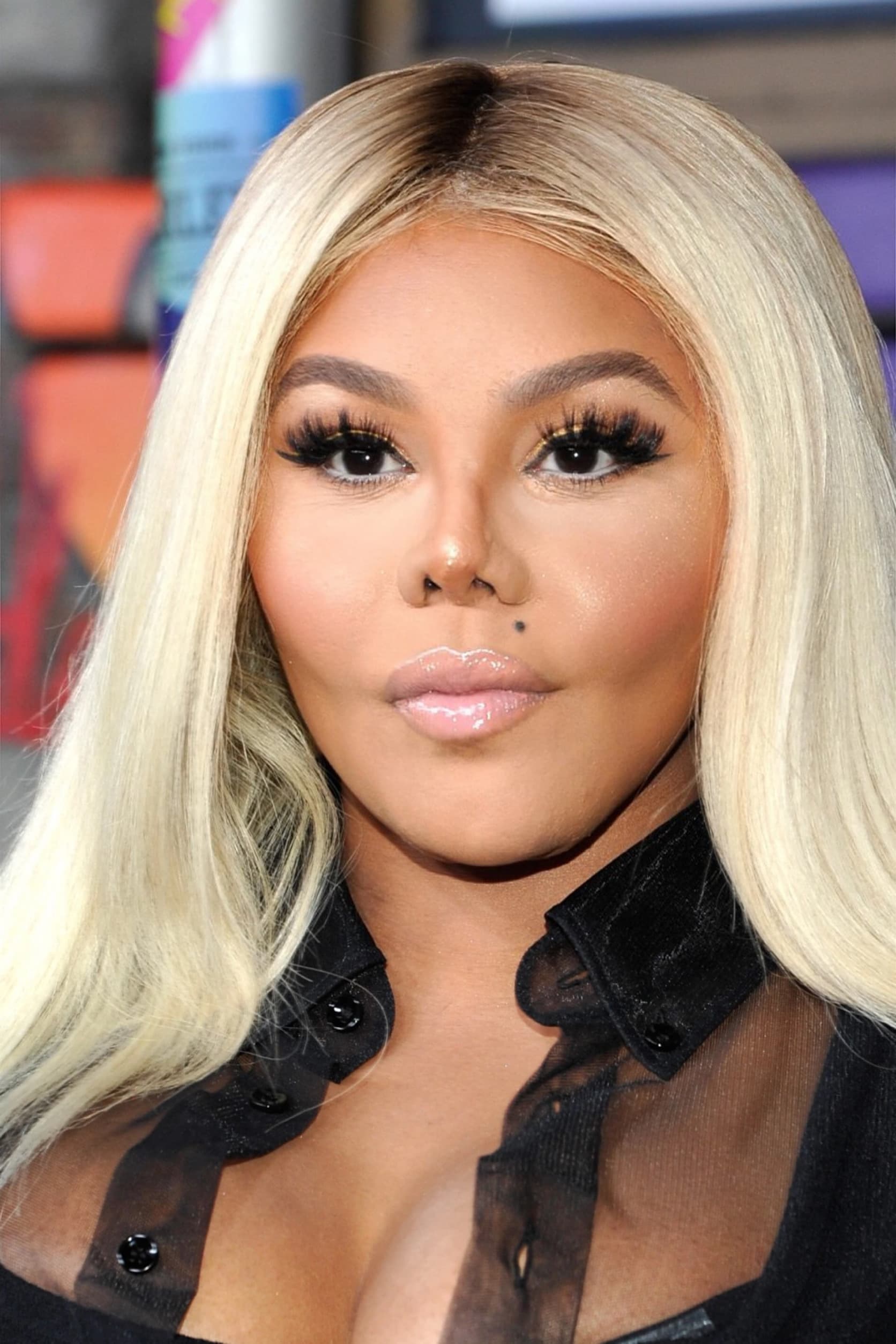
She filed for Chapter 13 bankruptcy in 2018 as she faced foreclosure on her home and other outstanding debts. The filing proposed a plan to repay creditors from future income while protecting key assets.
She continued to tour and release music, which supported negotiations with creditors. The case was later resolved with arrangements outside the original filing that addressed the immediate foreclosure risk.
Teresa Giudice

She and her husband filed for bankruptcy and later pleaded guilty in 2014 to federal charges related to bankruptcy fraud and financial misstatements. She served a prison sentence and later paid restitution that was set by the court.
Television work paused and endorsement opportunities disappeared during the case and incarceration. After release she returned to ‘The Real Housewives of New Jersey’, which restarted income and helped cover ongoing obligations.
Abby Lee Miller

The ‘Dance Moms’ figure pleaded guilty in 2016 to bankruptcy fraud after failing to disclose income to the court. She was sentenced in 2017 and served time, which interrupted her television and business activities.
Following release she resumed work on projects connected to dance and media. She also addressed remaining financial obligations that stemmed from the bankruptcy case and related penalties.
R. Kelly
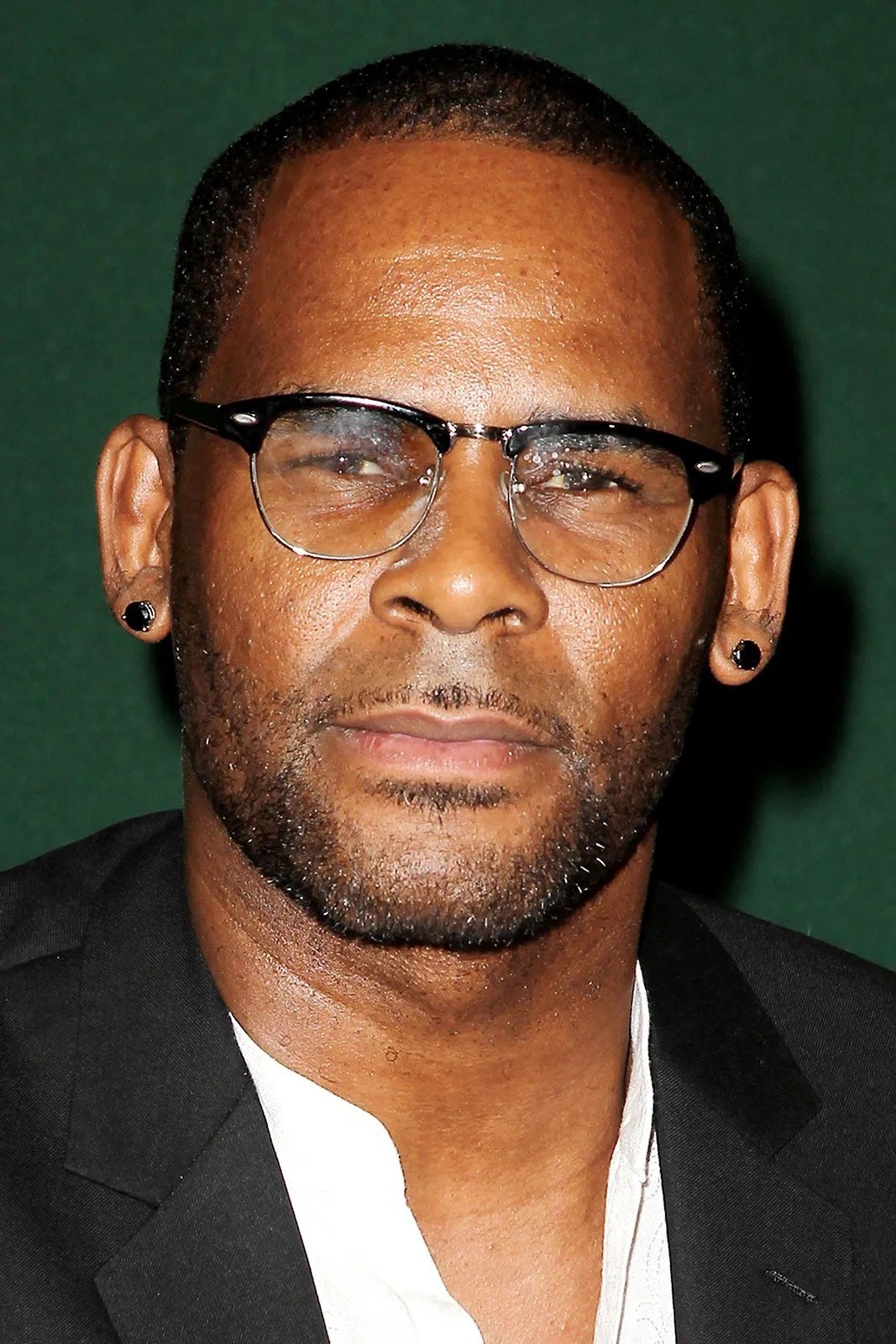
He was convicted in federal court in 2021 on racketeering and sex trafficking counts and later received lengthy sentences. Royalties and other income streams were redirected to pay fines and restitution set by the courts.
His touring and recording work stopped as the legal cases moved forward and prison terms began. Creditors and victims pursued designated funds through court orders, which severely limited any remaining earnings.
Harvey Weinstein
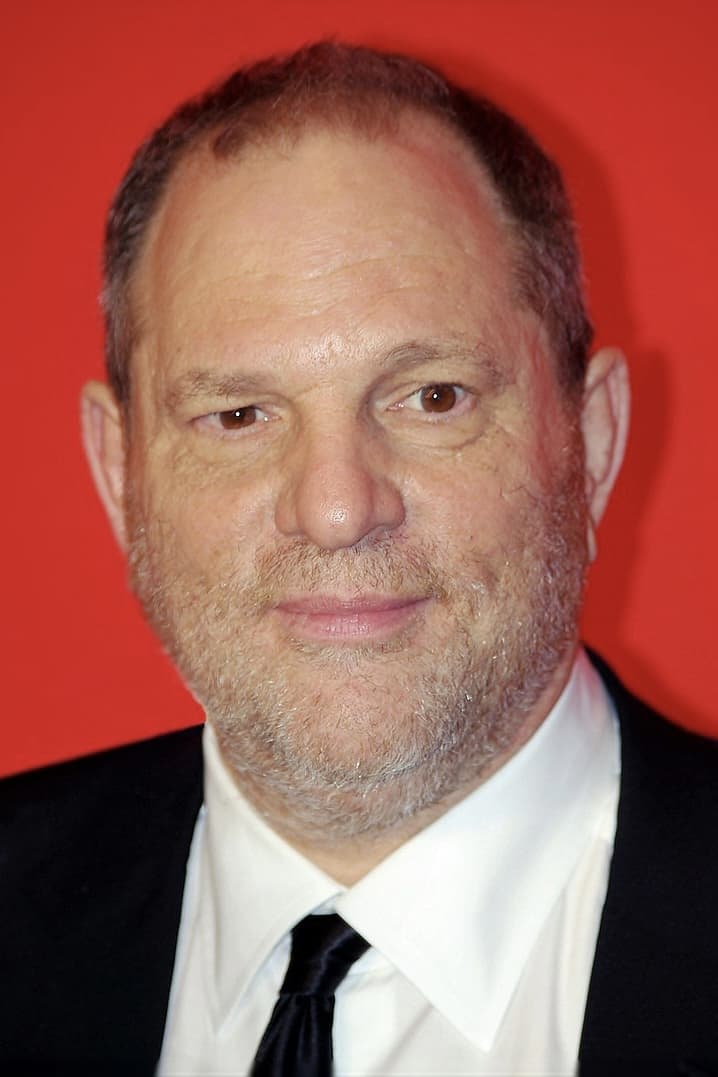
He was convicted in Los Angeles in 2022 and received a prison sentence that remains in effect. Civil claims followed and the company once associated with his name previously entered bankruptcy, which left many claimants seeking compensation through court processes.
His ability to earn ended as convictions and sentences were imposed. Ongoing legal proceedings have focused on appeals and retrials while incarceration continues to limit any financial activity.
O. J. Simpson

He was found liable in a 1997 civil judgment connected to the deaths of Nicole Brown Simpson and Ronald Goldman, which created a large award against him. In 2008 he was convicted in Nevada for armed robbery and kidnapping and served nearly nine years before parole in 2017.
Collection efforts on the civil judgment continued for years as creditors pursued available assets and royalties. His income was largely limited to protected pensions and minor appearances, which did not satisfy the full judgment.
Lance Armstrong
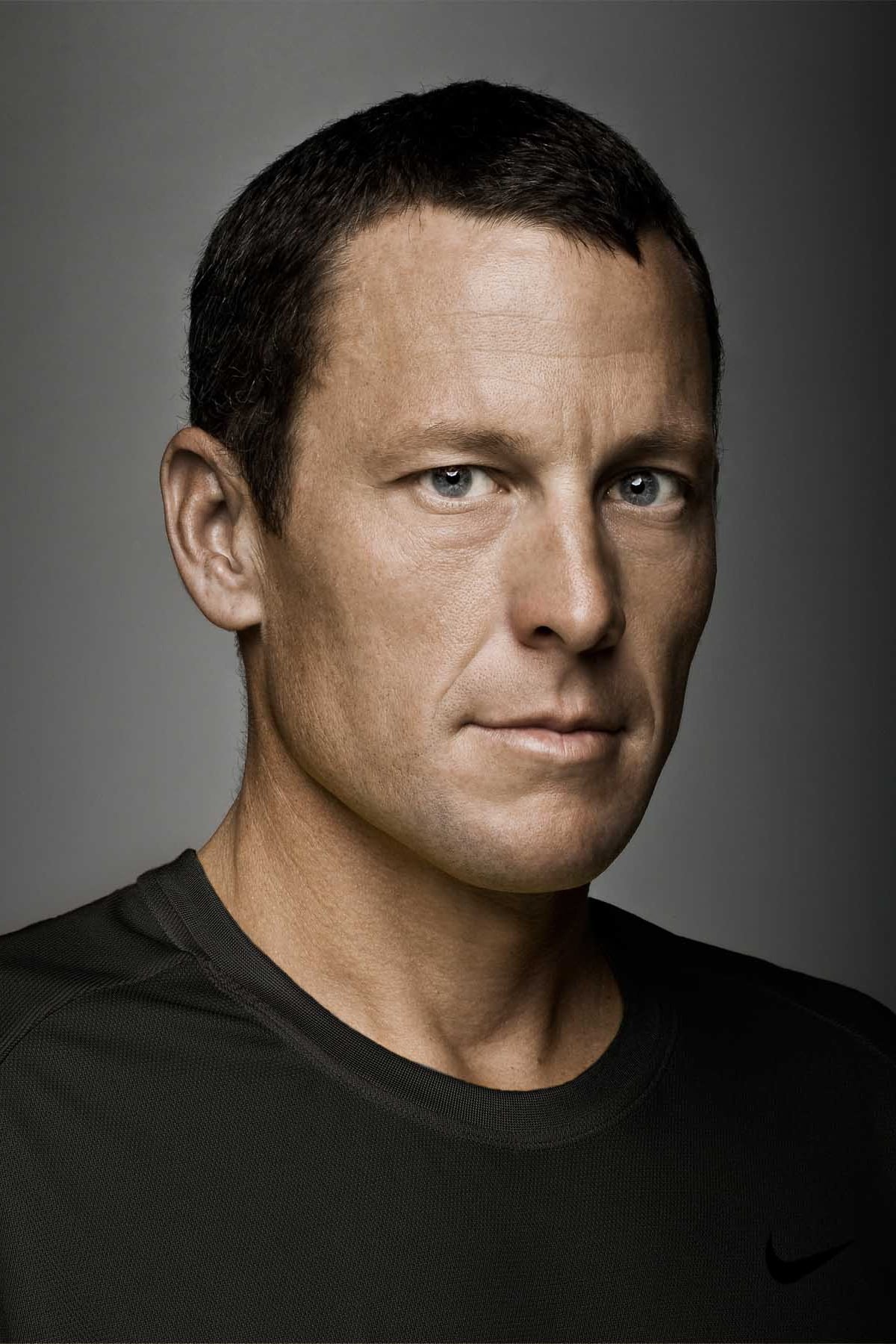
In 2012 the anti doping authority issued a lifetime ban and he was stripped of his Tour de France titles. Major sponsors ended contracts and civil litigation followed, including a high profile case that he later settled for a substantial payment.
He shifted to podcasting and business ventures to rebuild earnings after the ban. The loss of endorsements and prize related income marked a sharp financial decline compared to his peak.
Sly Stone
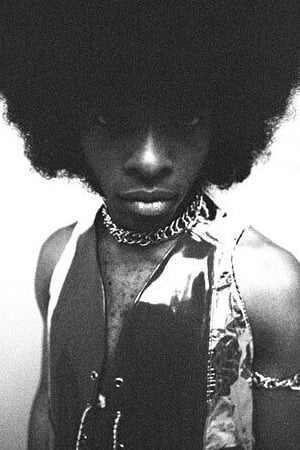
Reports in the early 2010s described him living out of a van after years of unpaid royalties and legal disputes. He later won a significant judgment for royalties that had not been properly paid, which improved his situation.
The case highlighted how legacy artists can lose income when contracts are not honored or audited. After the judgment he pursued additional licensing and appearances to capture revenue that aligned with his catalog.
Dana Plato
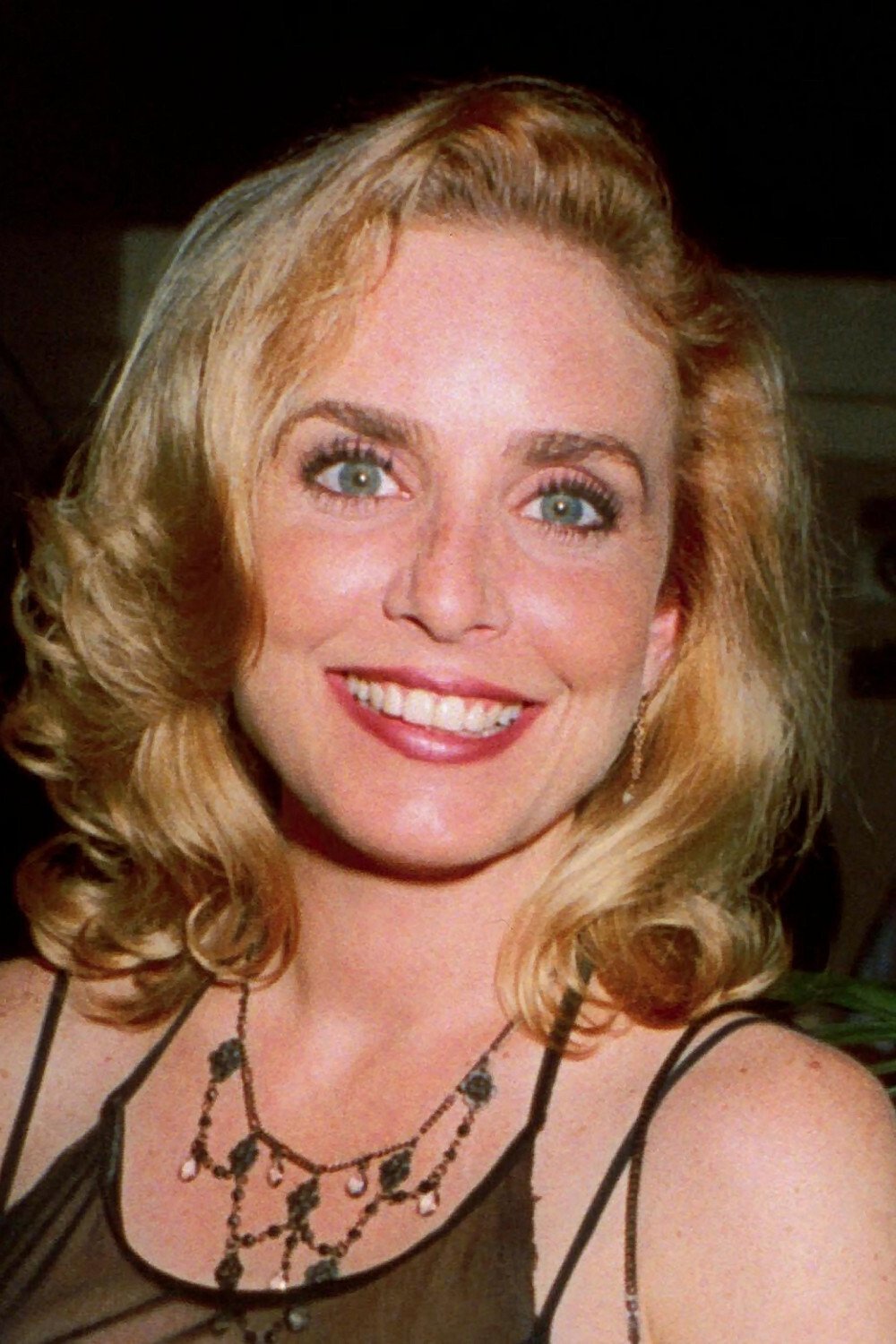
After early success on ‘Diff’rent Strokes’ she struggled to find steady work and faced financial and legal problems. She was arrested in 1991 and later placed on probation, which made it harder to rebuild her career.
Limited roles and ongoing personal challenges left her with few reliable income sources. She died in 1999, and her story is often cited as a cautionary tale about the financial pressures that can follow early fame.
Ja Rule
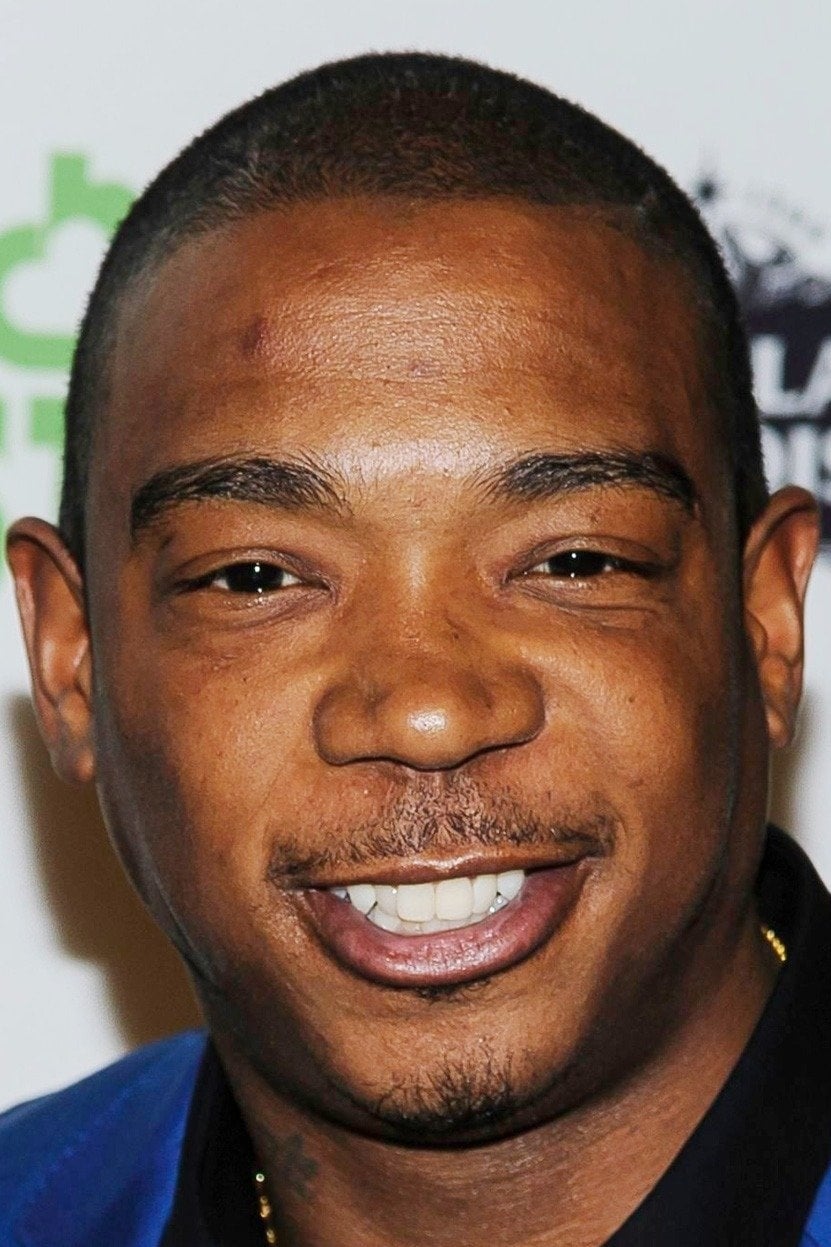
He pleaded guilty in 2011 to tax charges and illegal firearm possession and served time in prison. The sentences halted touring income and created tax obligations that required repayment plans.
He later became linked publicly to the failed Fyre Festival through lawsuits that targeted organizers and promoters. Claims against him were dismissed in key actions, but the association damaged his business opportunities and bookings for a period.
Evander Holyfield
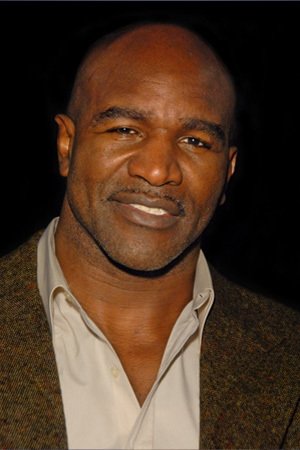
He faced foreclosure on his Georgia estate in the late 2000s after loan defaults, which forced the property to auction. He also dealt with lawsuits over unpaid support and other bills that piled up when fight purses slowed.
To raise cash he sold memorabilia and trimmed expenses while making media appearances. He continued with exhibitions and endorsements to generate income after losing the mansion that had symbolized his peak earnings.
Nicolas Cage
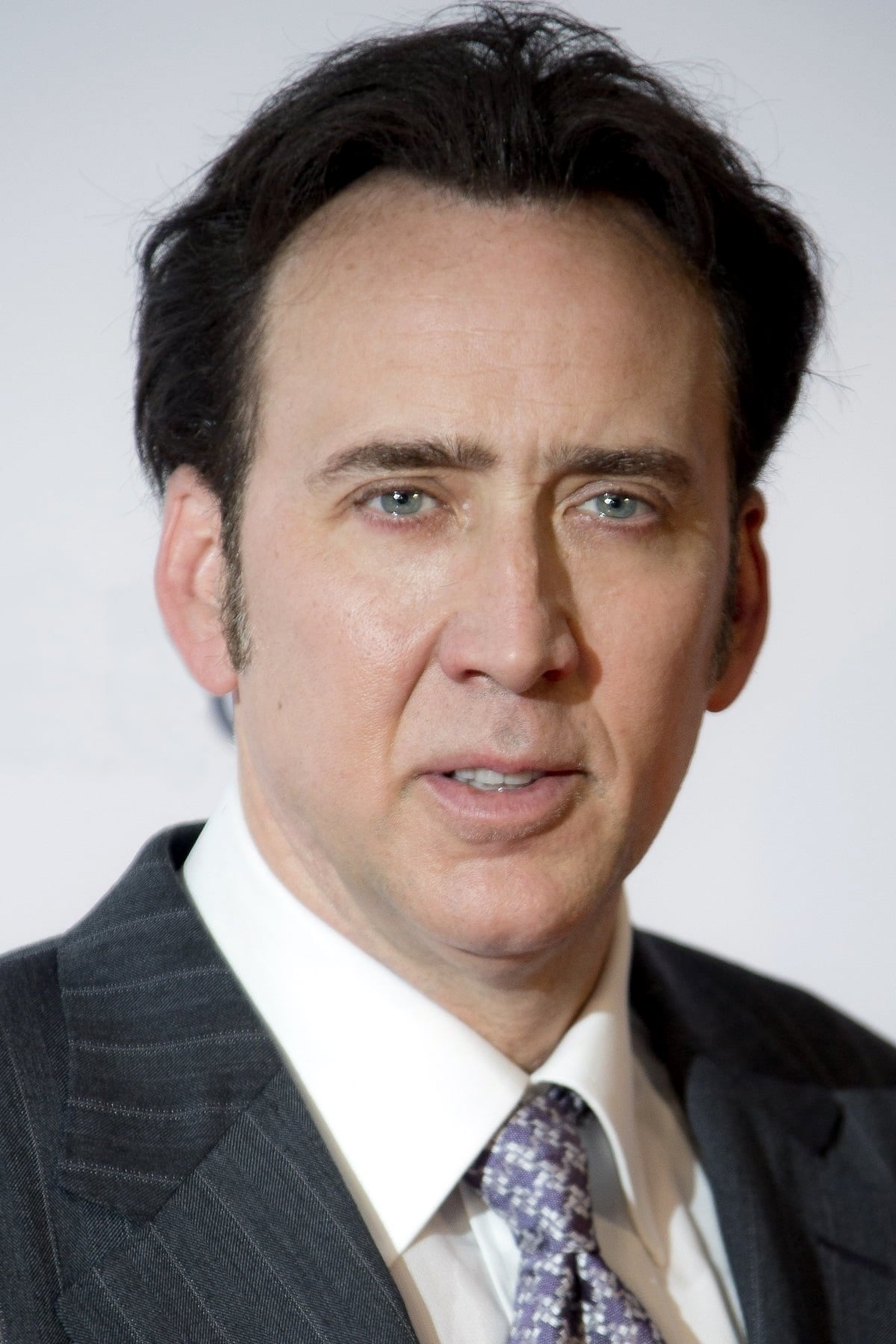
Around 2009 he faced large tax bills and sold multiple properties and collectibles to raise money. He also sued a former business manager while negotiating with the IRS to address the outstanding liabilities.
He increased his film output to stabilize cash flow and pay down debts. Over time he balanced tax obligations with steady acting work, which gradually improved his financial picture without a bankruptcy filing.
Lindsay Lohan

A string of arrests and court appearances from 2007 to 2013 led to canceled projects and stalled negotiations. Tax liens were filed as unpaid balances came due, which reduced her access to credit and complicated new deals.
She later relocated for work and pursued projects in television and streaming to rebuild income. By completing court ordered requirements and keeping new commitments she regained opportunities that had vanished during the most turbulent years.
Share your picks and the stories we missed in the comments so we can keep the conversation going.