15 Anime Characters Who Are Canonically LGBTQ+


LGBTQ+ characters have been part of anime for decades, appearing across genres from magical girl adventures to sports dramas and slice of life stories. Many of these characters are central to their series, with identities and relationships that are confirmed in the text or by creators, not just hinted at in subtext. They help anchor plots, motivate key decisions, and shape the worlds around them in clear and specific ways.
This list spotlights characters whose orientation or gender identity is canon within their stories. Each entry notes where the character appears and what the work itself establishes, so you can track down the relevant moments in the anime or its direct sources. Titles are in single quotes to make them easy to spot, and the focus stays on verified information that shows up on screen or in aligned official material.
Haruka Tenoh
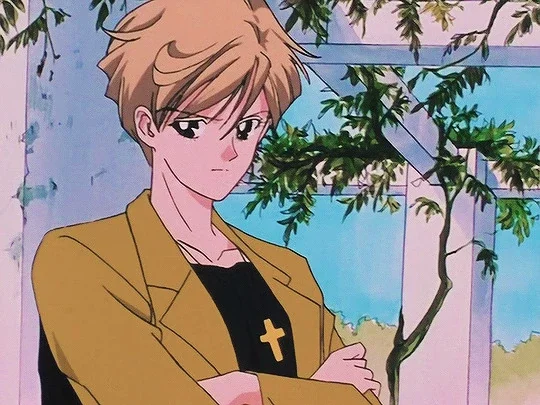
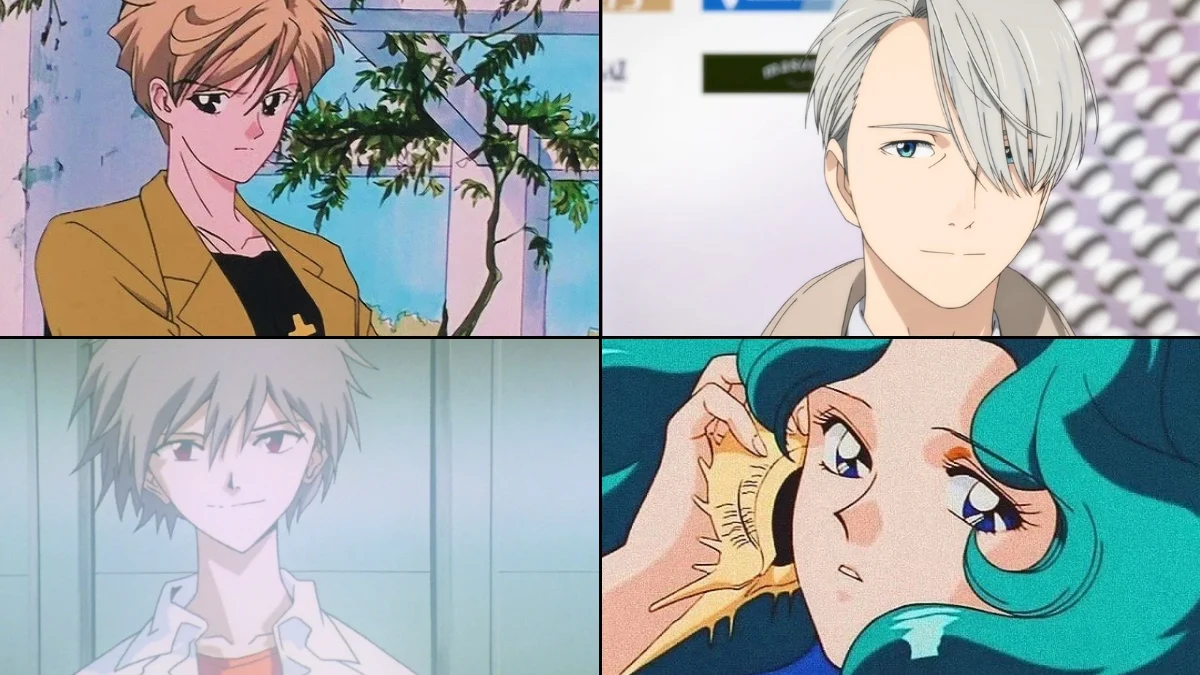
Haruka Tenoh appears in ‘Sailor Moon’ as Sailor Uranus and is in a confirmed romantic relationship with Michiru Kaioh. The anime and manga depict them as partners who fight side by side, live together, and speak about their bond in unambiguous terms, even when some localizations softened the wording.
Haruka also presents with a masculine gender expression at times in ‘Sailor Moon’, which the story treats as part of her character rather than a disguise. Scenes across the ‘Sailor Moon S’ arc show her openly flirting with girls while remaining a woman who is romantically involved with Michiru.
Michiru Kaioh
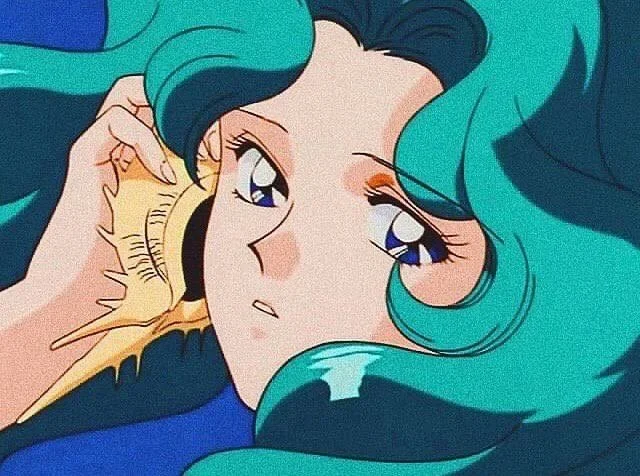
Michiru Kaioh appears in ‘Sailor Moon’ as Sailor Neptune and is Haruka Tenoh’s confirmed partner. The series shows them as a couple whose teamwork and decisions are driven by their commitment to each other and to their mission as Outer Guardians.
In ‘Sailor Moon’, Michiru’s relationship with Haruka is depicted through shared domestic life, physical closeness, and direct statements about their connection. Their partnership remains consistent across anime and manga material that adapts the same storyline.
Utena Tenjou
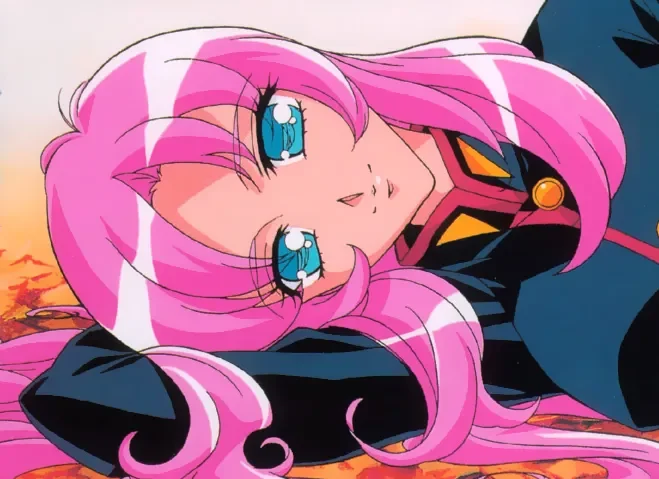
Utena Tenjou is the lead of ‘Revolutionary Girl Utena’ and forms a canonical romantic bond with Anthy Himemiya. The anime places their relationship at the center of the plot, with Utena’s choices tied to protecting Anthy and redefining their roles within Ohtori Academy.
The series ties Utena’s desire to be a prince to a critique of rigid gender roles in ‘Revolutionary Girl Utena’. The story presents Utena and Anthy’s connection through on screen intimacy and a shared departure that signals an affirmed romantic outcome.
Anthy Himemiya
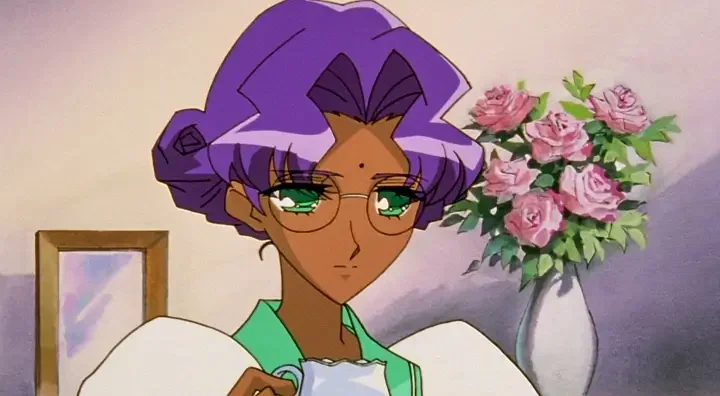
Anthy Himemiya appears in ‘Revolutionary Girl Utena’ as the Rose Bride and is canonically in love with Utena Tenjou. The narrative shows Anthy moving from an arranged engagement to a mutual relationship with Utena that shapes the resolution of the plot.
Throughout ‘Revolutionary Girl Utena’, Anthy’s actions and final choice confirm her romantic feelings. The anime uses repeated scenes of physical closeness and direct dialogue to establish a same sex romance as a core element of the story.
Kaworu Nagisa

Kaworu Nagisa appears in ‘Neon Genesis Evangelion’ and explicitly tells Shinji Ikari that he loves him. The episode that introduces Kaworu shows a rapid deepening of their relationship, which the script underscores with affectionate language and intimate staging.
Later entries in the franchise keep Kaworu’s feelings intact within ‘Neon Genesis Evangelion’ continuity. While Shinji’s response is complex, multiple versions preserve the core detail that Kaworu expresses romantic love toward him.
Shion
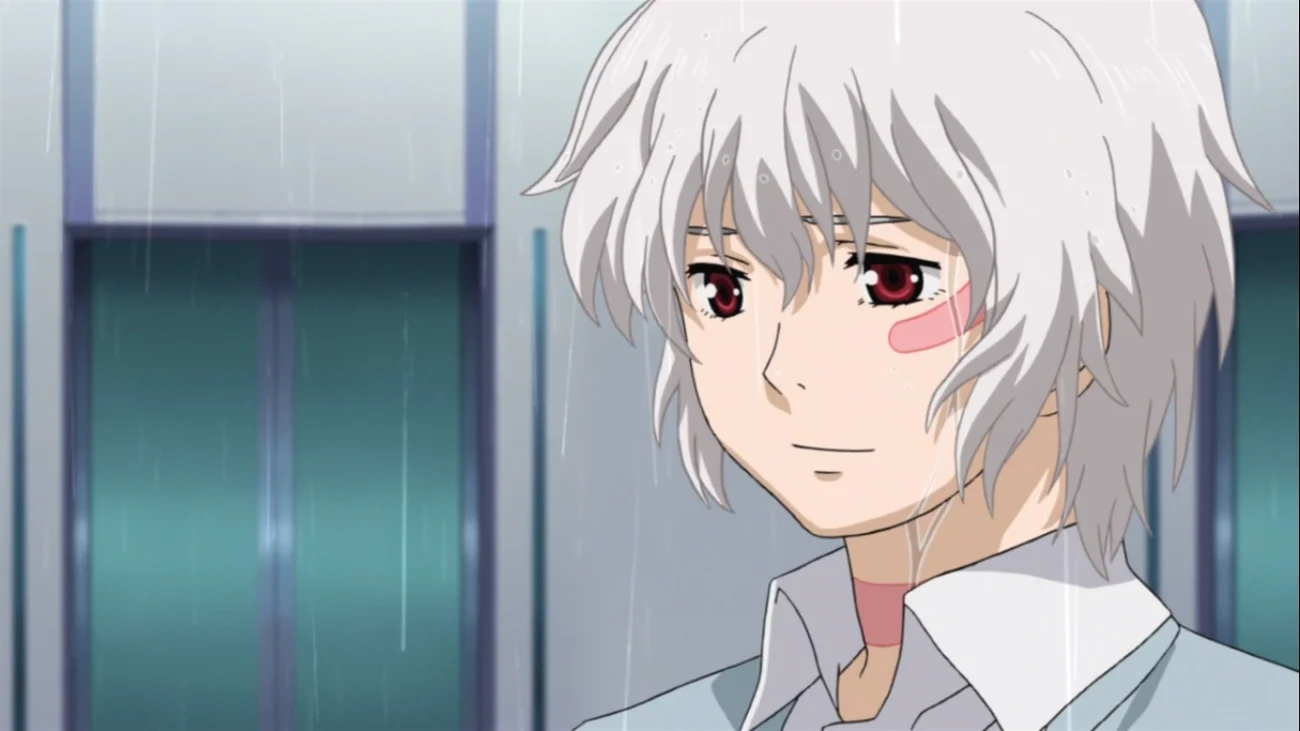
Shion is one of the two leads in ‘No. 6’ and shares a confirmed romantic relationship with Nezumi. The anime includes a kiss between them and builds their bond through acts of mutual protection and trust that drive the escape from their city.
Across ‘No. 6’, Shion’s feelings for Nezumi are stated clearly in dialogue and action. Their scenes together present a same sex romance that is integral to the story’s emotional arc and final separation.
Nezumi
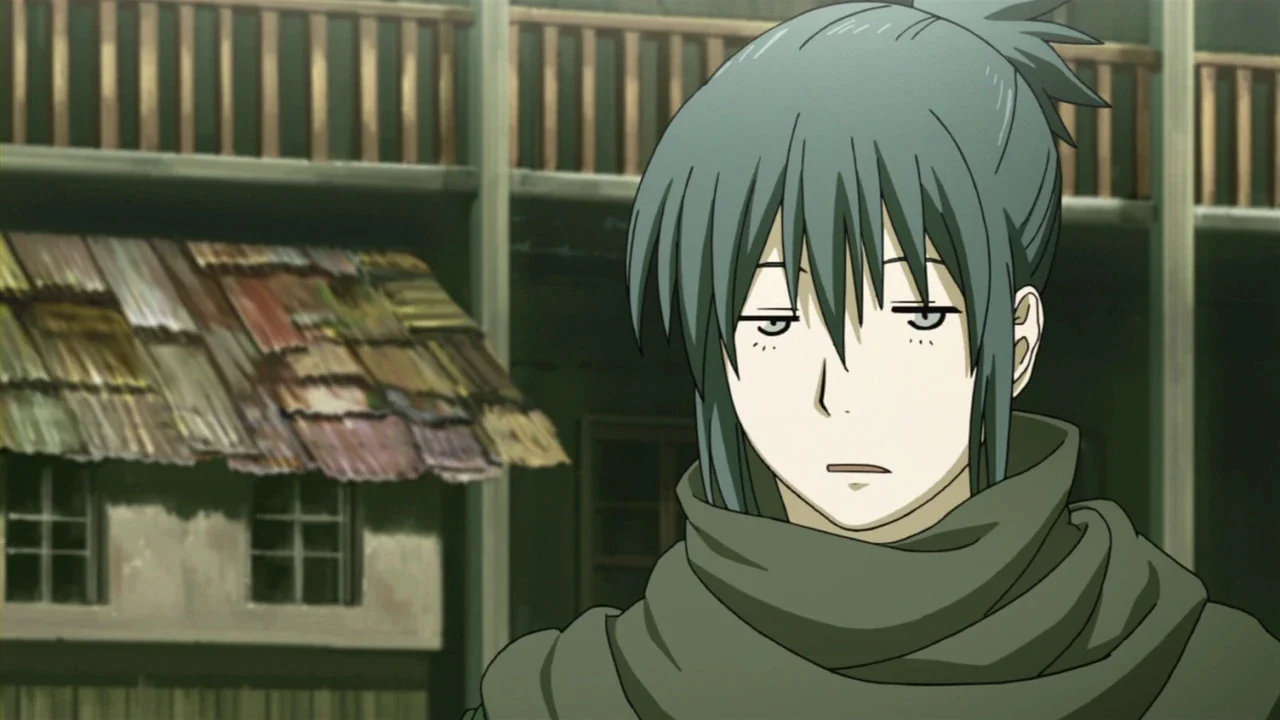
Nezumi co leads ‘No. 6’ with Shion and reciprocates Shion’s romantic feelings. The series shows Nezumi initiating physical affection, returning Shion’s confessions, and risking his life to keep him safe.
The relationship in ‘No. 6’ is textual and sustained, with multiple scenes that confirm it rather than a single moment. Their dynamic shapes the choices that bring down the city’s systems and frame the series ending.
Yuri Katsuki
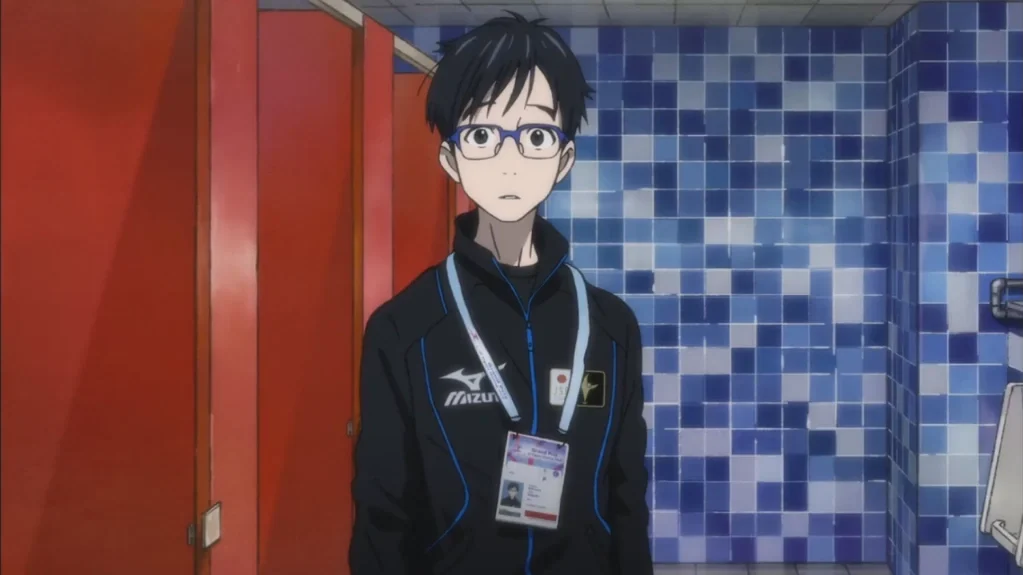
Yuri Katsuki is the protagonist of ‘Yuri on Ice’ and enters a romantic relationship with Victor Nikiforov. The anime stages an on ice embrace that is framed as a kiss and shows their exchange of rings, which the characters describe as good luck charms in dialogue while acknowledging the gesture publicly.
‘Yuri on Ice’ follows Yuri and Victor through training, travel, and competition while treating their relationship as part of the main plot. Visuals and dialogue confirm a same sex romance that advances alongside Yuri’s athletic progress.
Victor Nikiforov
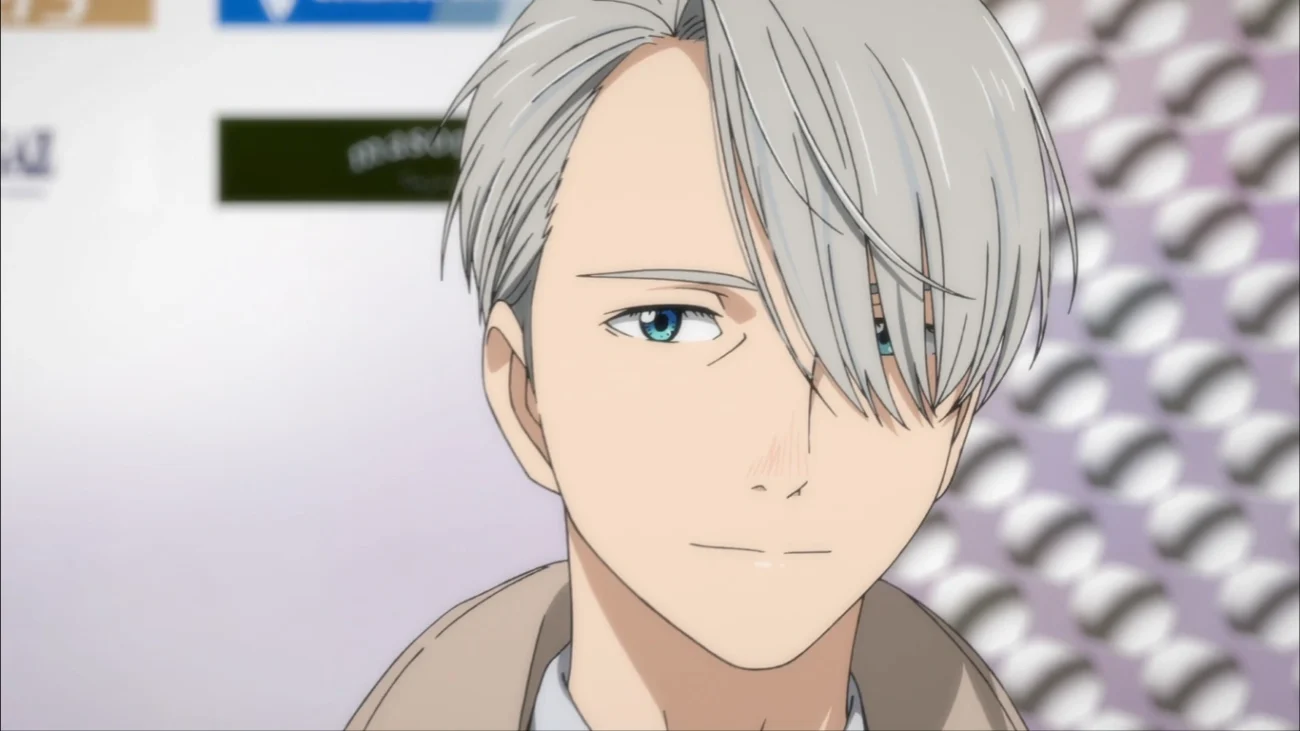
Victor Nikiforov appears in ‘Yuri on Ice’ as Yuri’s coach and partner. The anime presents Victor’s romantic commitment through intimate scenes, a ring exchange that both discuss openly, and decisions that balance his career with Yuri’s success.
Throughout ‘Yuri on Ice’, Victor’s actions support and affirm the relationship. The series uses shared living arrangements, joint choreography, and on screen affection to establish their status as a couple.
Mafuyu Sato
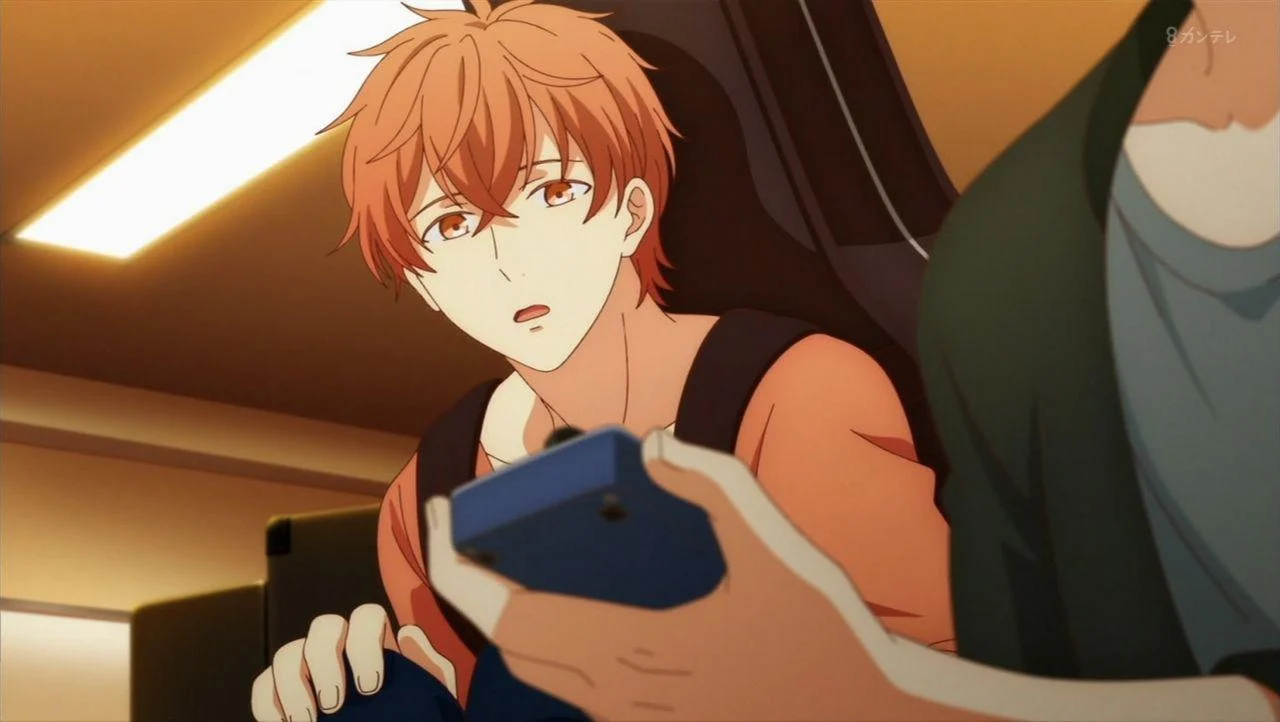
Mafuyu Sato is the vocalist in ‘Given’ and is canonically in a relationship with Ritsuka Uenoyama. The anime shows Mafuyu’s confession through a song and includes their first kiss, after which they agree to date.
‘Given’ treats Mafuyu’s sexuality as part of a broader personal story that addresses grief and recovery. His relationship with Ritsuka continues through performances and everyday scenes that confirm they are boyfriends.
Ritsuka Uenoyama
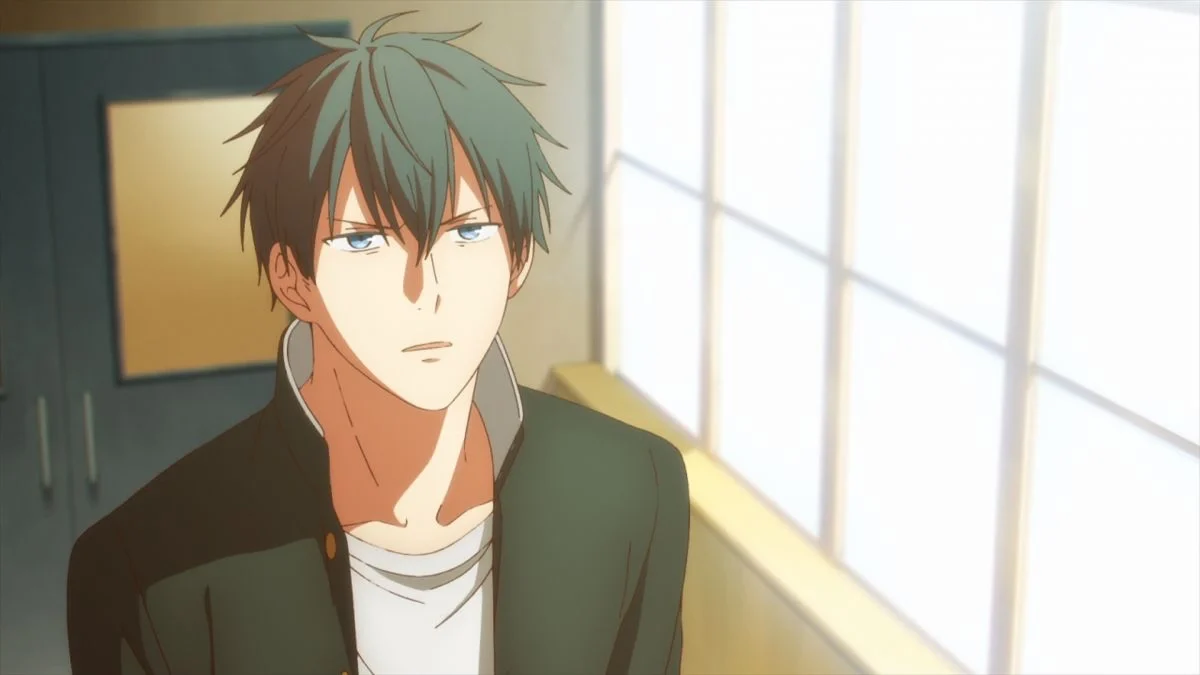
Ritsuka Uenoyama is the guitarist in ‘Given’ and becomes Mafuyu Sato’s boyfriend. The anime depicts Ritsuka initiating their first kiss and later confirming that they are dating while continuing to play in the same band.
In ‘Given’, Ritsuka’s romantic development is presented alongside band rehearsals and concerts. Dialogue and repeated couple moments make the relationship canonical within the televised storyline.
Touko Nanami
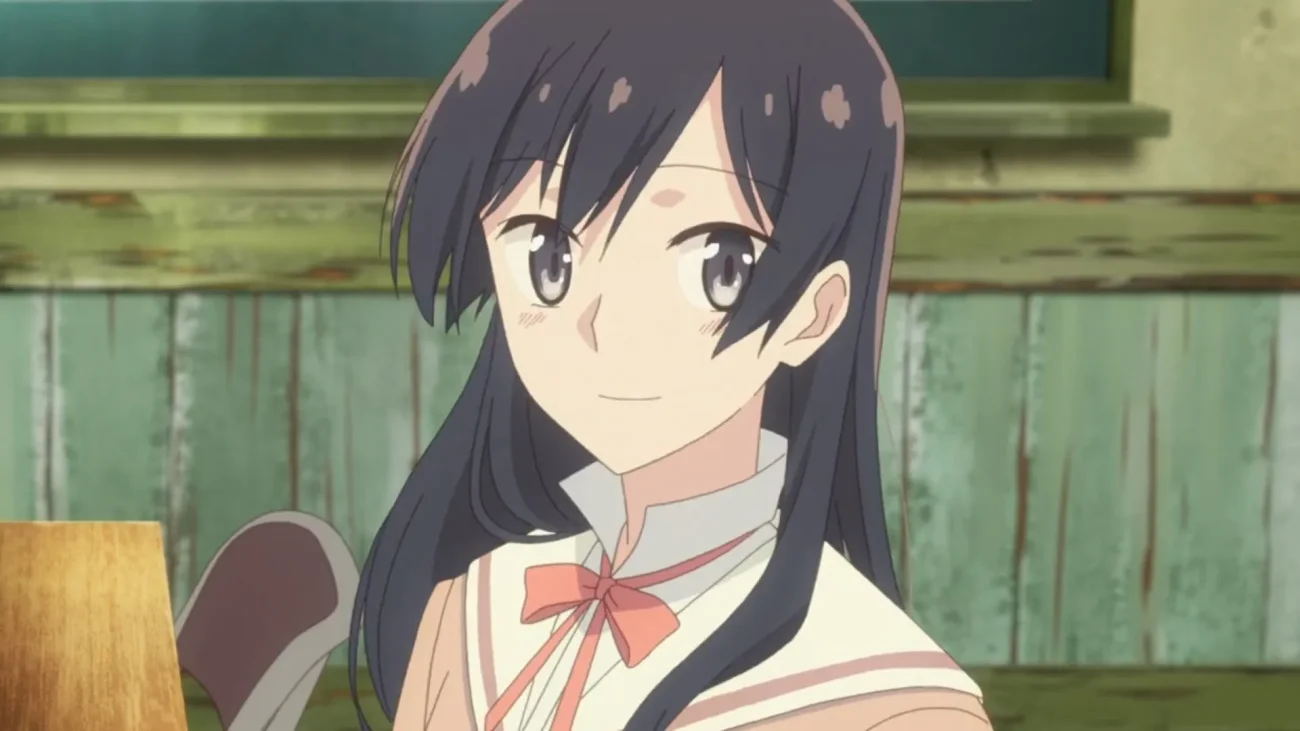
Touko Nanami is a student council president in ‘Bloom Into You’ and develops a confirmed romantic relationship with Yuu Koito. The anime presents multiple kisses between them and shows Touko speaking about her feelings as the two navigate expectations at school and in their circle of friends.
Across ‘Bloom Into You’, Touko and Yuu rehearse a stage play and use that process to discuss identity and desire. Scenes of direct confession and physical affection mark their relationship as canon within the adaptation.
Ymir
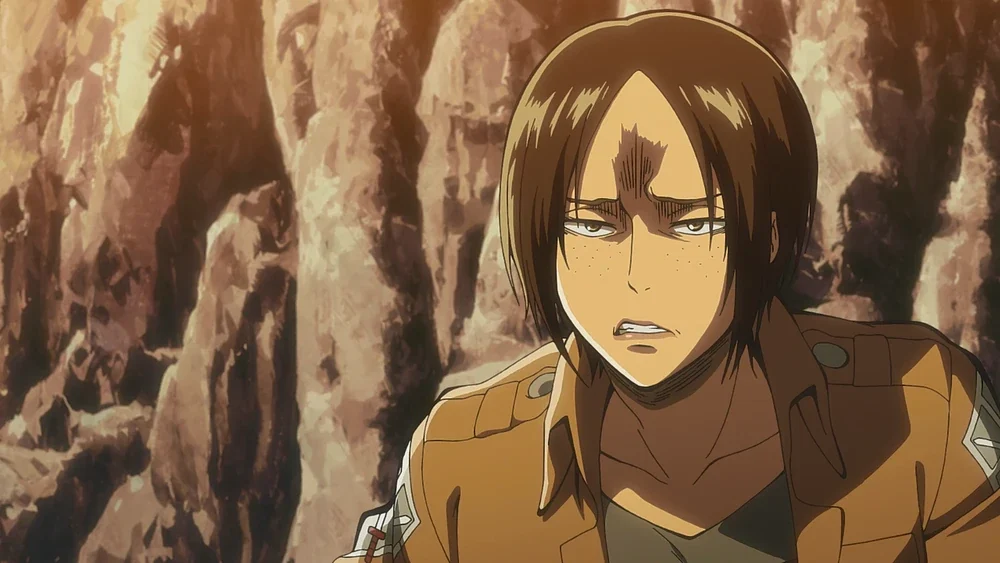
Ymir is a key supporting character in ‘Attack on Titan’ and is canonically in love with Historia Reiss. The anime shows Ymir prioritizing Historia’s safety and includes direct statements of affection, which Historia acknowledges.
Across ‘Attack on Titan’, Ymir’s letters and actions confirm a same sex romance that influences major plot turns. Scenes with shared backstory and battlefield choices make her feelings explicit within the narrative.
Shuichi Nitori
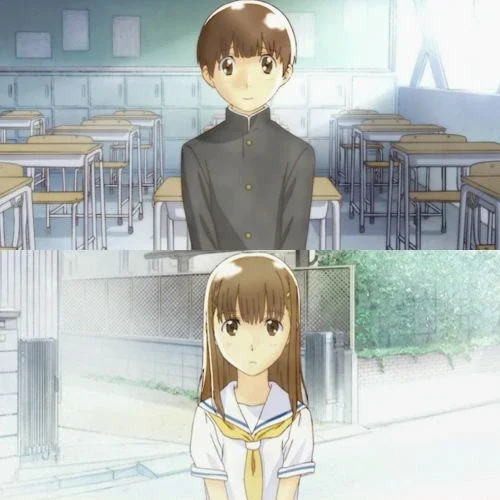
Shuichi Nitori is the protagonist of ‘Wandering Son’ and is a transgender girl exploring her identity. The anime follows Shuichi’s use of clothing, names, and conversations that articulate a wish to live as a girl.
In ‘Wandering Son’, Shuichi’s experiences at school and with friends present social and family responses to her transition. The story provides clear textual markers that her gender identity is central and acknowledged within the narrative.
Yoshino Takatsuki
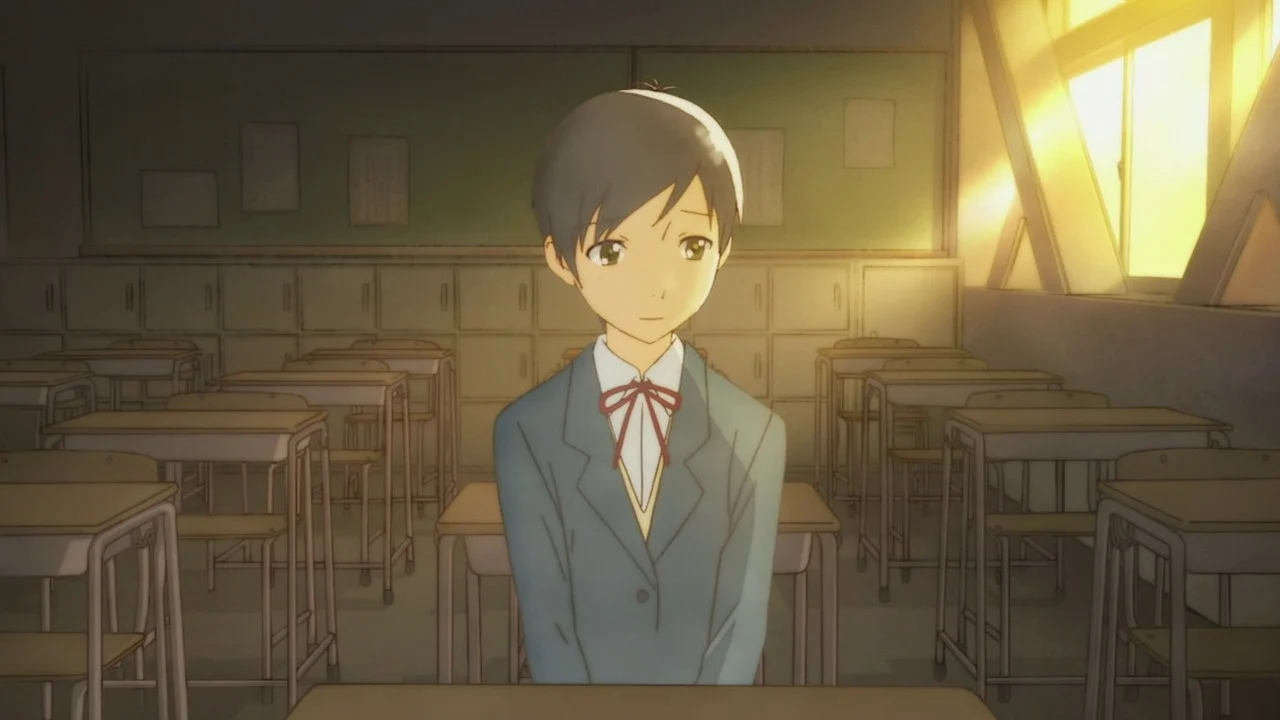
Yoshino Takatsuki appears in ‘Wandering Son’ as a transgender boy. The anime shows Yoshino adopting a male name, pursuing a masculine presentation, and speaking about wanting to live as a boy.
‘Wandering Son’ pairs Yoshino’s journey with Shuichi’s to show different paths of transition. The series uses school events, family conversations, and daily life to confirm Yoshino’s male identity in clear terms.
Share your picks for other canon LGBTQ+ anime characters in the comments so everyone can compare notes and discover new shows to watch.