Every Oscar Winner Who Refused Their Award and Why

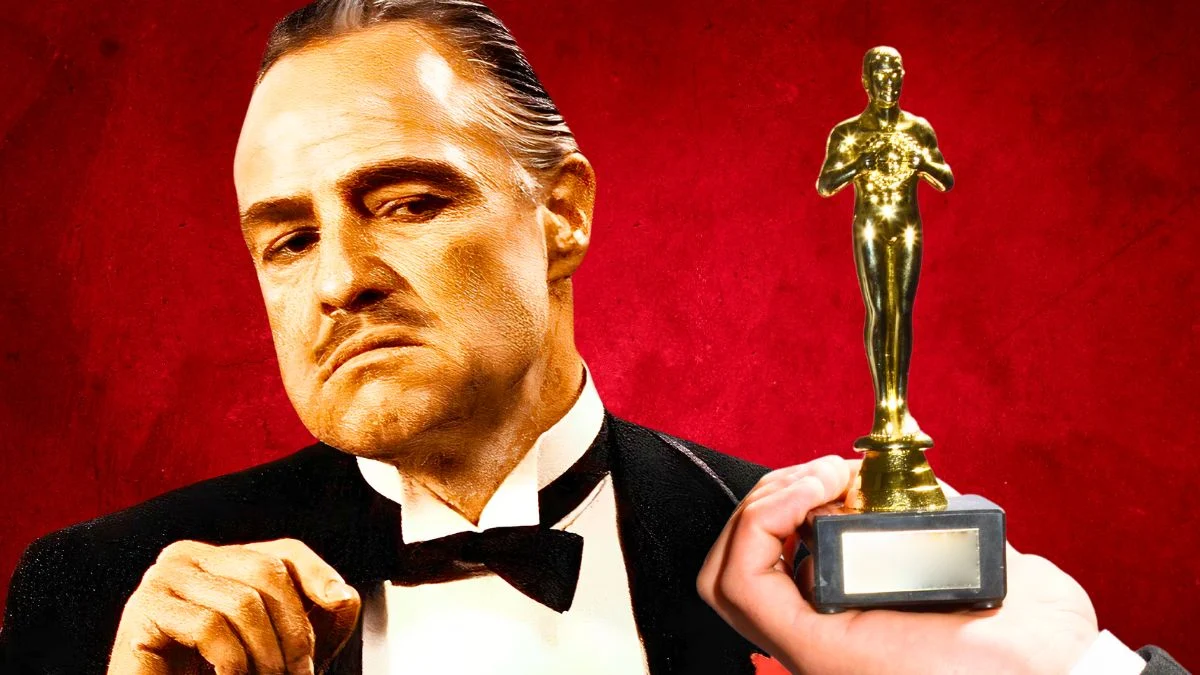

Most winners step on stage, say thank you, and carry that statuette home. In nearly a century of Academy Awards, only a tiny handful have said no in the moment or pushed back on how the honor was presented. Their decisions came with clear reasons that went beyond personal preference, from labor rights to objections about competition to choices about how and whether to appear at the ceremony.
This list gathers the confirmed cases where an Oscar was declined at the time, declined to be received in person, or initially rejected. You will find the exact category and year, what each person said or did, and what happened next. It is a short roll call, but each instance changed how people talk about the Oscars and about power in the film industry.
Dudley Nichols
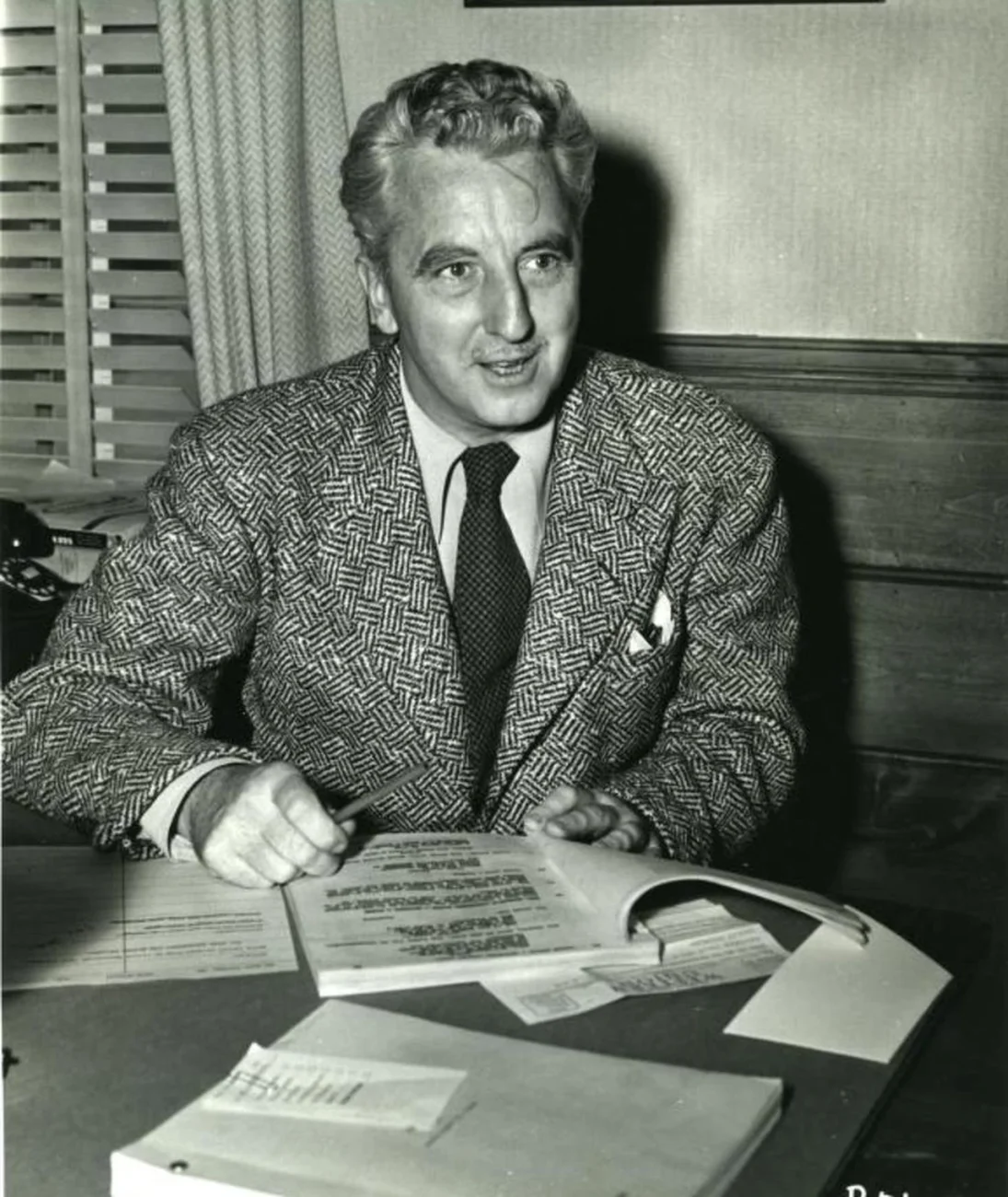
Screenwriter Dudley Nichols won Best Writing for ‘The Informer’ at the 1936 ceremony and refused to accept the statuette. As a founding figure in the Screen Writers Guild, he declined the award to support writers who were seeking union recognition and informed the Academy that accepting would undermine the ongoing labor fight.
Nichols maintained his refusal until the Guild secured formal recognition. After that goal was achieved he accepted the Oscar in 1938. His action stands as the first recorded refusal in Academy history and connected the awards directly to the studio era campaign for collective bargaining by writers.
George C. Scott
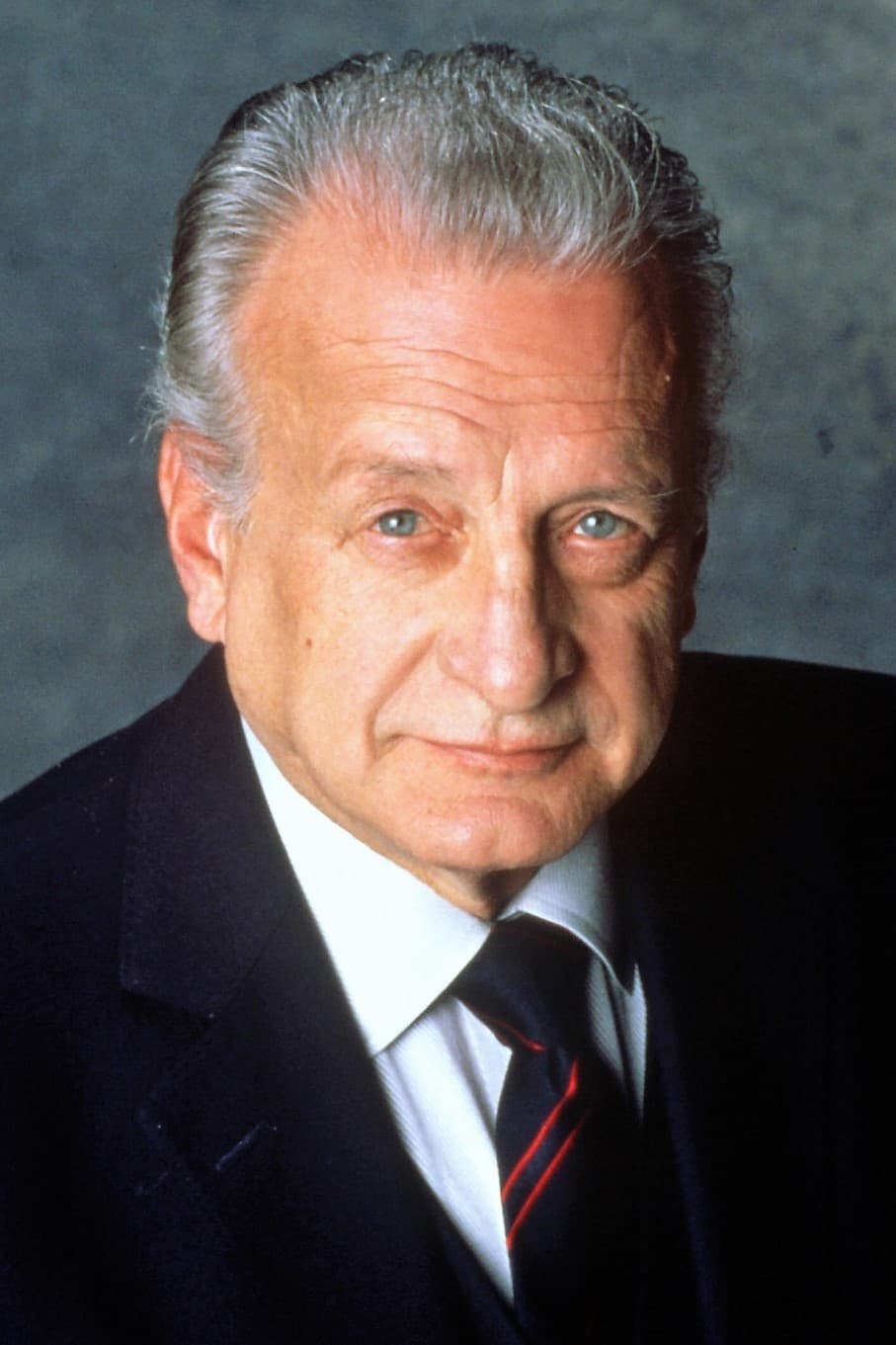
George C. Scott won Best Actor at the 1971 ceremony for ‘Patton’ and declined the award after he had already told the Academy that he did not want to be part of a competition. He did not attend the event and asked to be left out of consideration before the vote, stating that performances should not be ranked.
Scott had previously rejected acting nominations for ‘Anatomy of a Murder’ and ‘The Hustler’ and kept the same stance after the ‘Patton’ win. The Academy still announced him as the winner, but he never picked up the statuette and did not reverse his position on competitive awards.
Marlon Brando
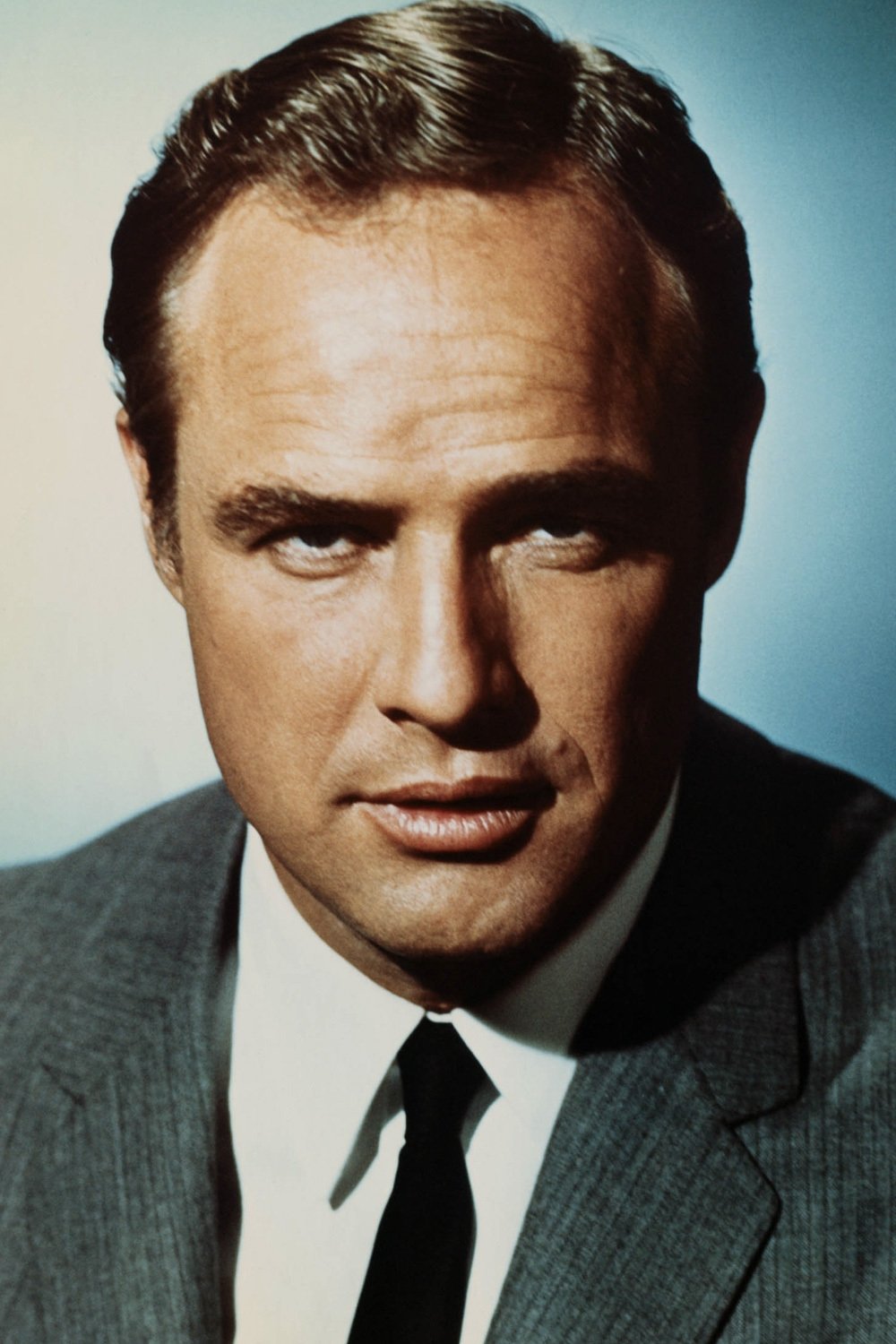
Marlon Brando won Best Actor at the 1973 ceremony for ‘The Godfather’ and sent Sacheen Littlefeather to the stage to decline the Oscar. Brando cited the film industry’s portrayal of Native Americans and ongoing events at Wounded Knee and notified the Academy in advance that he would not appear and would refuse the award if he won.
Littlefeather delivered the message on live television and the moment drew wide attention. Brando did not collect the statuette afterward and the event remained a reference point in discussions about representation. Years later the Academy issued a formal apology to Littlefeather for how she was treated that night.
Peter O’Toole
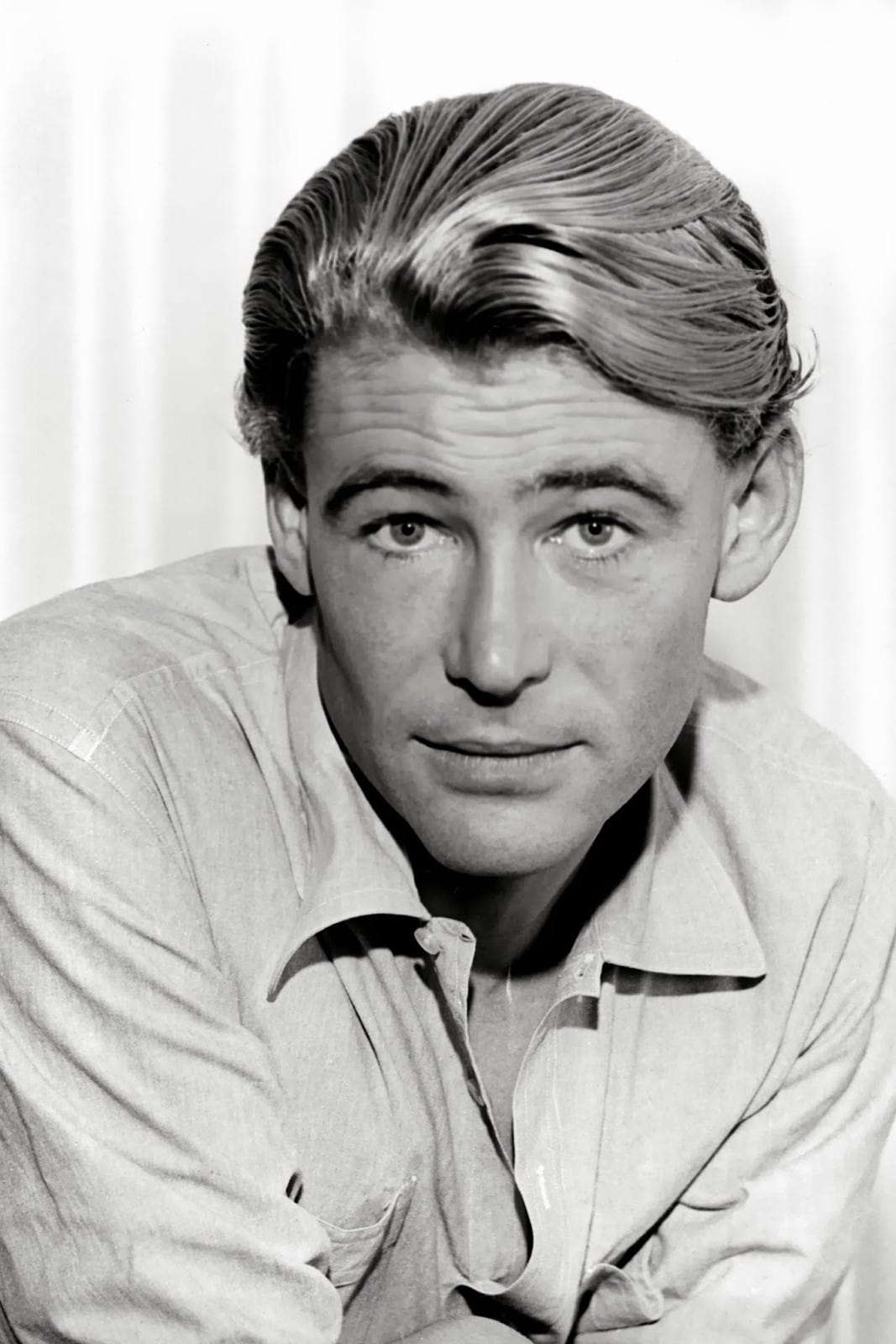
Peter O’Toole was selected for an Honorary Award in 2003 and initially wrote to the Academy to decline, saying he wished to try to win a competitive Oscar first. He later reconsidered and accepted the Honorary Award at the ceremony after discussions with the Academy and colleagues.
O’Toole finished his career with eight acting nominations and no competitive wins, with the Honorary Award standing as the Academy’s recognition of his body of work. His case shows that an initial refusal can lead to acceptance without changing the historical record of why he hesitated.
Jean-Luc Godard
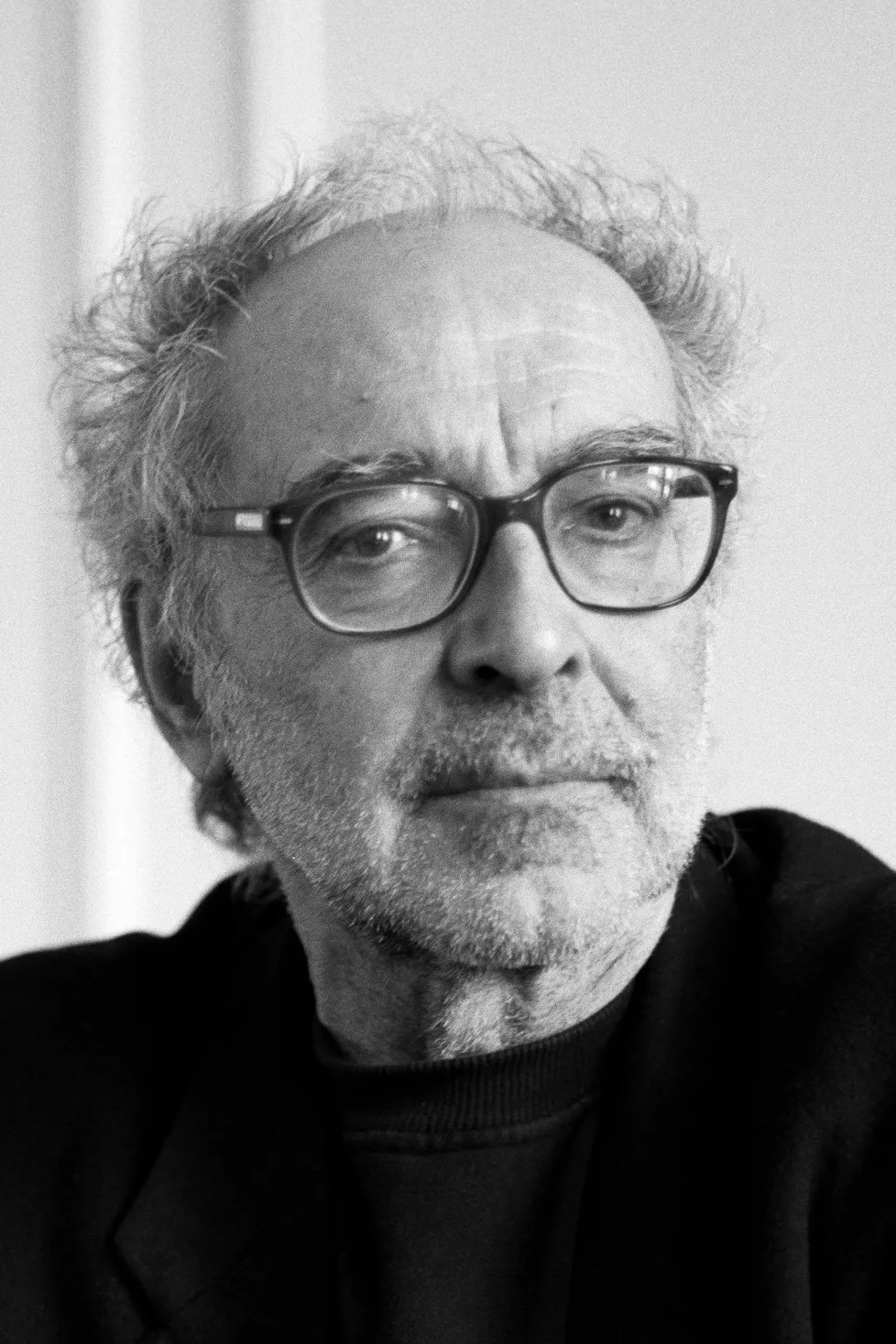
Jean-Luc Godard received an Honorary Award in 2010 and did not attend the Governors Awards ceremony to accept it in person. The Academy presented the award in absentia and recorded him as an honoree.
Godard did not make a public speech at the event and the statuette was not collected on stage. The honor recognized his influence on world cinema through films such as ‘Breathless’ and ‘Band of Outsiders’ while his absence made clear that he chose not to appear for the presentation.
Share your thoughts on these rare refusals in the comments and tell us which case you think had the biggest impact on the Oscars.