The Most Expensive Movie Ever Made and How It Nearly Bankrupted Its Studio

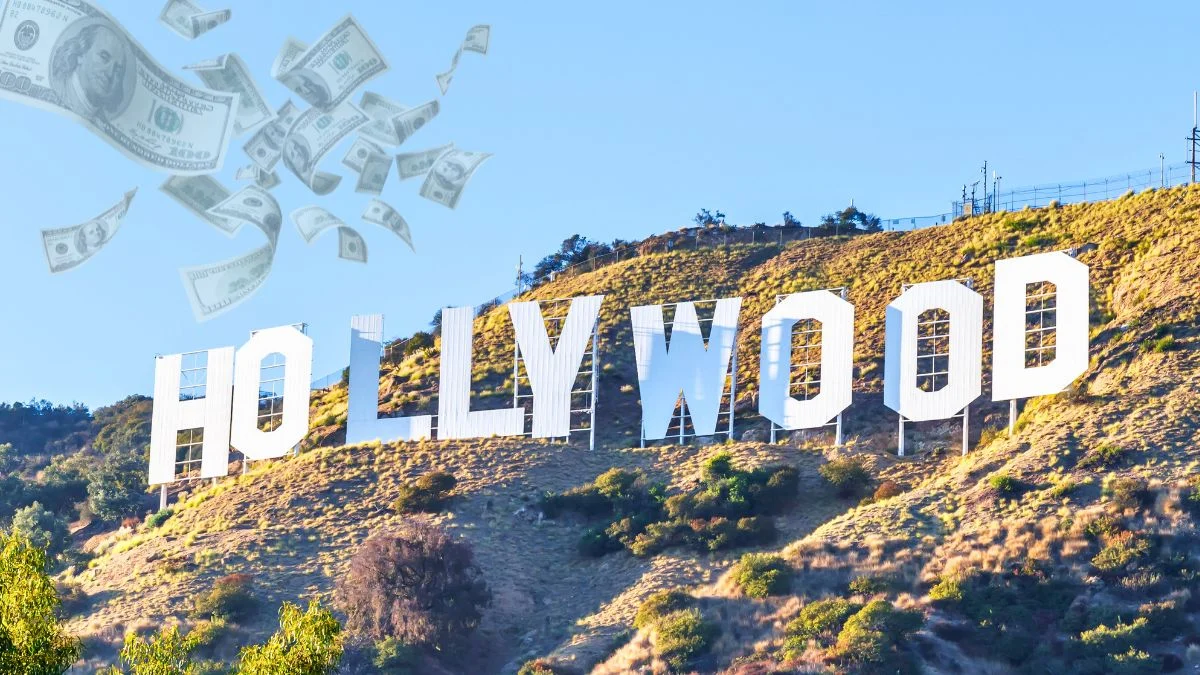

For a generation of moviegoers, Cleopatra is the vision that springs to mind when they picture Old Hollywood excess. The gowns. The palaces. The armies that seemed to stretch to the horizon. It is a film that wants you to feel the weight of an empire every time the camera moves.
The pageantry is part of the legend. So is the whirlwind romance at its center. Elizabeth Taylor and Richard Burton turned a historical saga into a global spectacle long before the lights dimmed. Off screen intrigue fed the on screen myth, and audiences arrived primed for grandeur.
Here is the simple truth that came later. Cleopatra became the most expensive movie of its time and the bill nearly capsized 20th Century Fox. Production costs swelled to about 44 million dollars at the time, which is roughly 460 million dollars in today’s money. It was an eye watering figure for a studio already wobbling, and each day of shooting added strain.
Some of that money sat in the costumes and colossal sets. Some of it paid for the first modern movie star contract of its kind. Taylor earned a then record 1 million dollars, about 10 and a half million dollars in today’s money, along with a share of the profits. That deal signaled a shift in power toward marquee names and it set a template other stars would study.
The creative journey was as turbulent as the finances. The production started in one country then uprooted to another. Directors changed. Scripts ballooned. There were weeks where the only constant was the calendar turning. Yet on screen the film kept its regal poise. Taylor’s Cleopatra faces defeat and says, “I will not be triumphed over.” The line lands with added sting when you know what the studio endured to get there.
When Cleopatra finally opened, crowds came in waves. It finished as the top box office draw of its year with about 58 million dollars worldwide, near 610 million dollars today. Even that was not enough to erase the mountain of spending. The studio sold off land and retrenched operations while waiting for re releases and television deals to soften the blow. The movie did not topple the empire, but it came close.
Time has turned those bruises into folklore. Critics and scholars still debate the film’s rhythms, yet its images remain undeniable. The Roman entry alone looks like money poured onto the screen. Antony’s farewell carries the echo of the stage with “I am dying, Egypt, dying.” The audacity of it all keeps pulling new viewers in.
Cleopatra changed more than a balance sheet. It forced studios to rethink how they greenlight spectacle and how they manage risk with megastar contracts. The film stands as a monument to ambition. It also stands as a cautionary tale about what happens when dreams cost more than anyone planned, even when adjusted for the world we live in now.