Actors Whose Final Interview Hit Harder After Their Passing


Some conversations only reveal their full weight in hindsight. Final interviews can capture where an actor was creatively, what they were planning next, and what mattered most to them at the time. After they are gone, those same words often map the projects they were closing out, the causes they championed, and the personal histories they chose to record on the record.
This list looks back at actors whose last sit downs or televised chats gained new significance later. You will find details on when and where those interviews happened, what topics they covered, and how they connect to work released around the same time. Each entry focuses on concrete context so you can trace the timelines and the ties to specific films, shows, and books.
James Dean
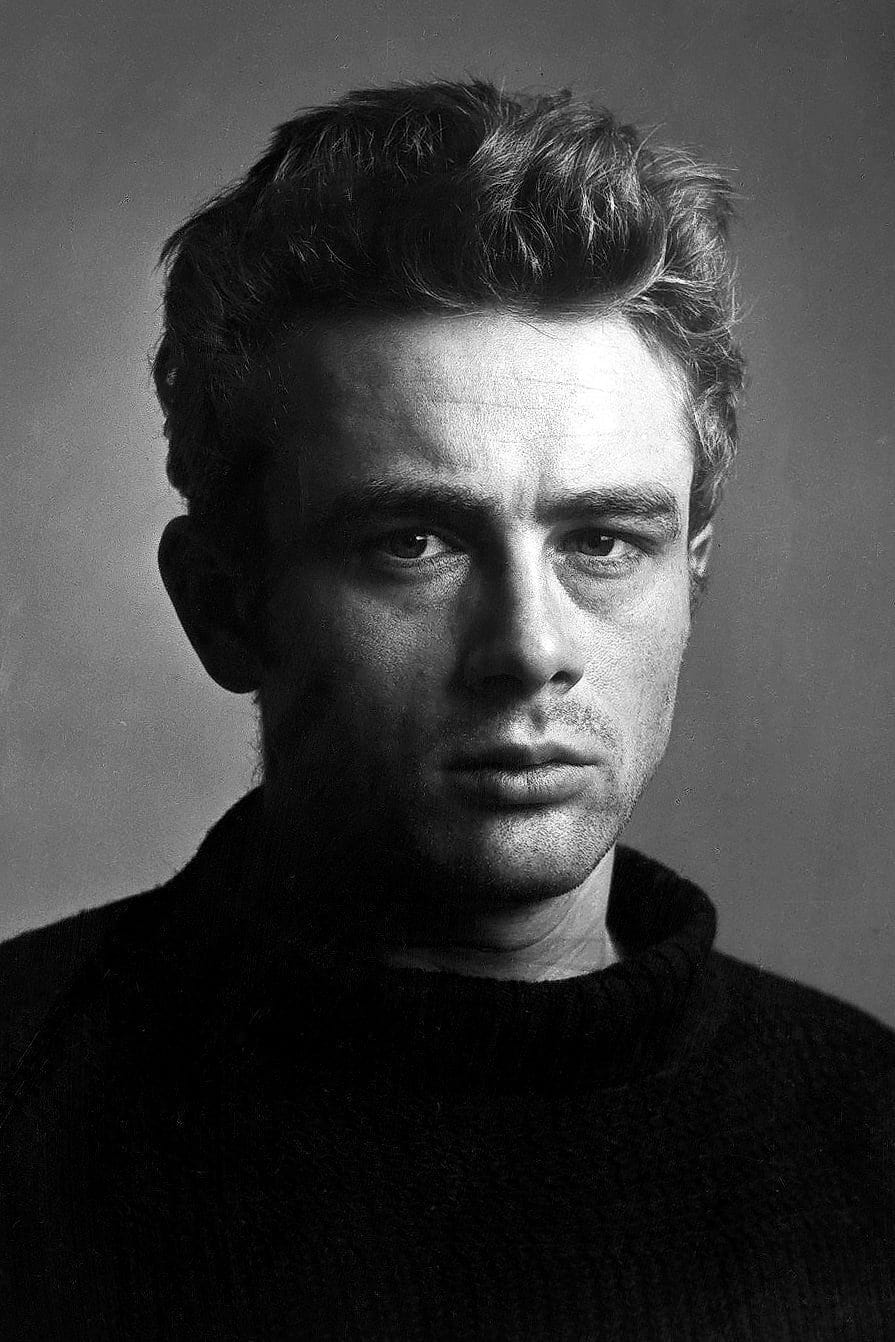
James Dean filmed a brief safety segment for television on September 30, 1955, shortly before the road accident that ended his life the same day. In that appearance he addressed driving behavior, spoke from his experience as an enthusiastic racer, and underscored the risks facing young drivers at high speeds.
The segment was produced as part of a studio television program and circulated to promote safer habits behind the wheel. In the months prior he had completed work on major features, and the message aligned with outreach efforts that targeted teen audiences who were flocking to theaters to see his performances.
Bruce Lee
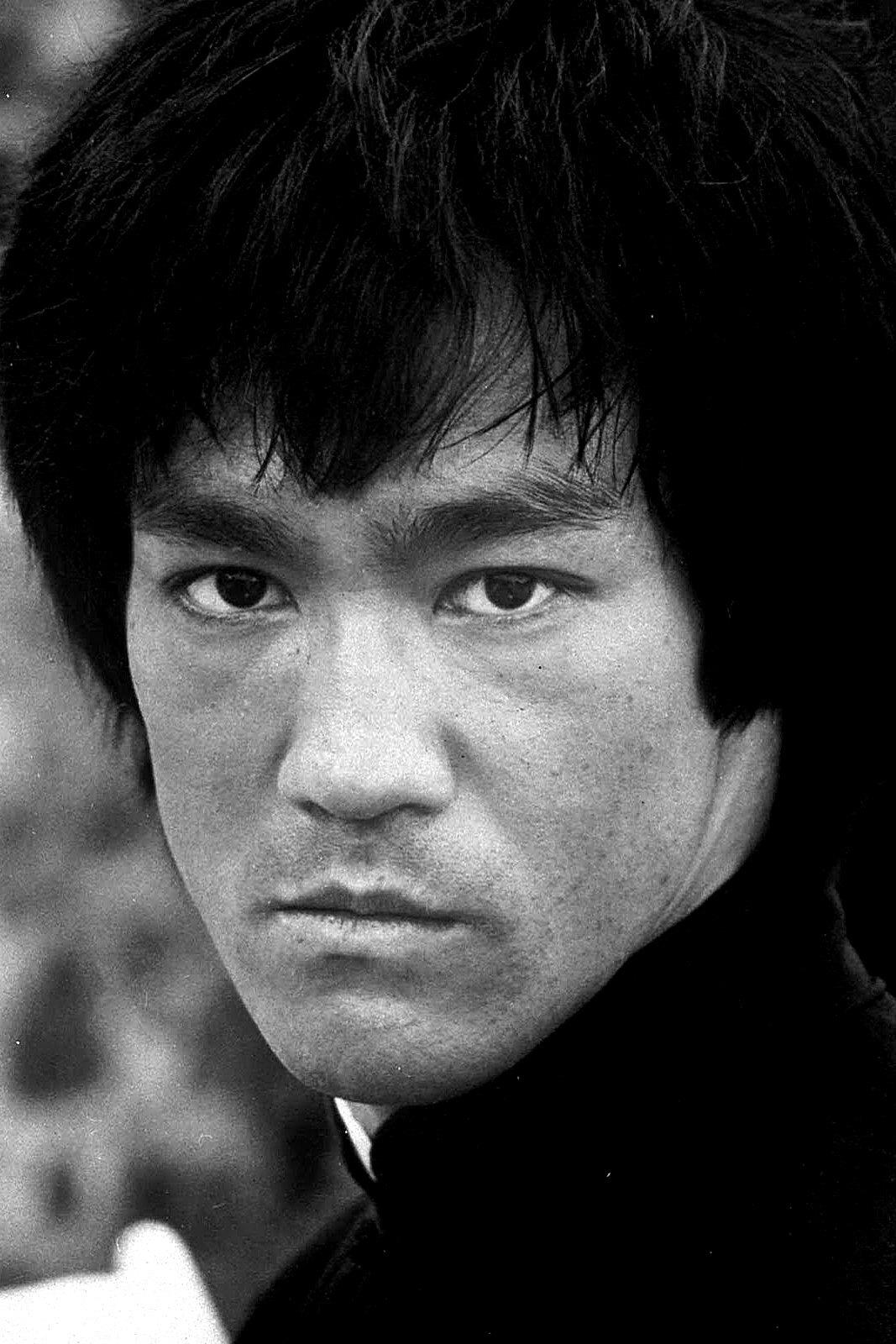
Bruce Lee sat for a long form conversation on ‘The Pierre Berton Show’ in 1971 while working in Hong Kong. He discussed his training methods, screen roles, and a personal philosophy of adaptability that he connected to movement and performance.
The taping offered rare English language reflections on the industry in both the United States and Asia. It later became a widely referenced record of his views on casting, choreography, and representation, and it has been used extensively in documentaries and retrospectives about his work.
Philip Seymour Hoffman
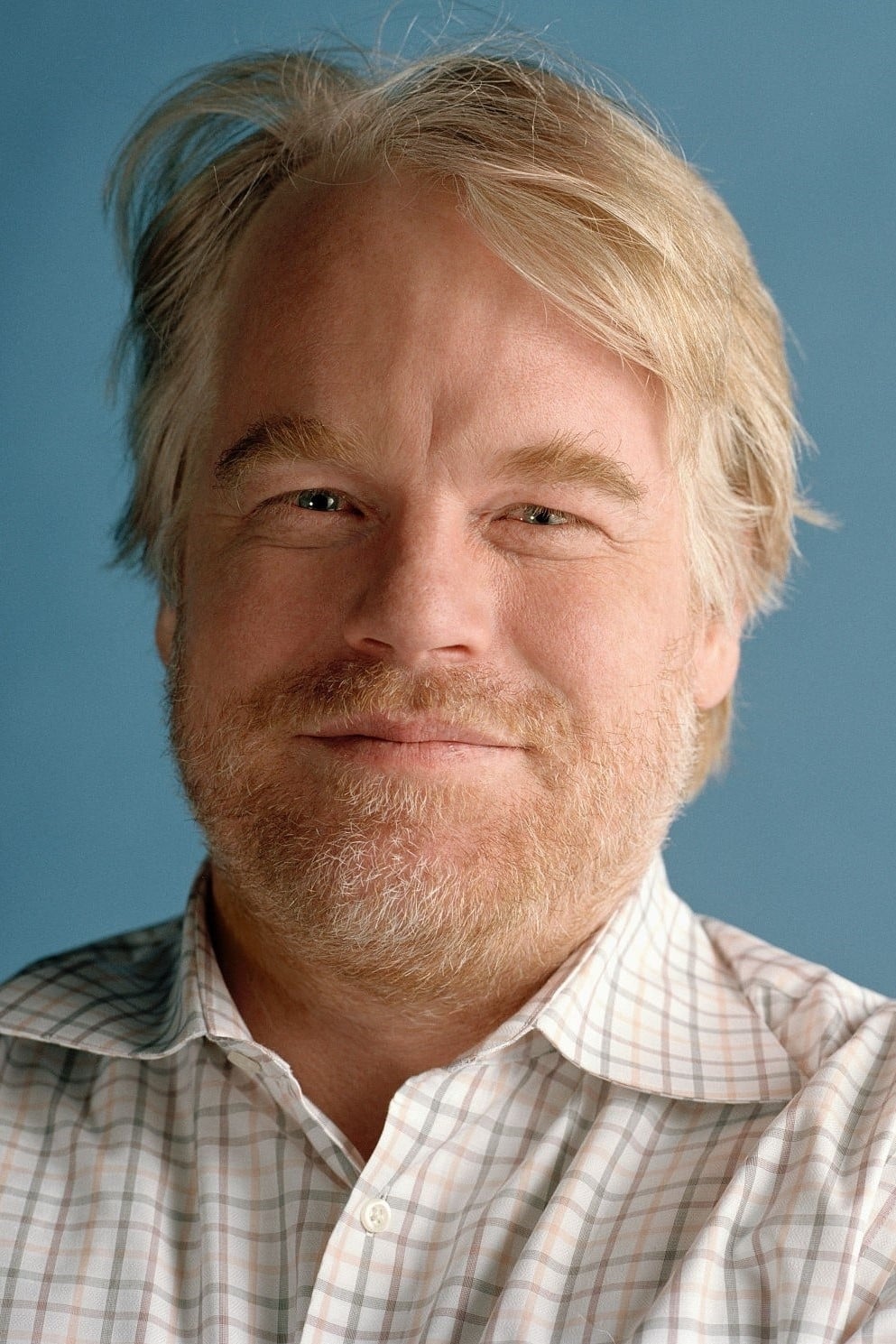
Philip Seymour Hoffman gave press interviews at the Sundance Film Festival in January 2014 for ‘A Most Wanted Man’ and ‘God’s Pocket’. He outlined his approach to character preparation, cited the source material that guided his choices, and talked about collaborating with directors and ensembles in those productions.
Both films reached audiences after the festival circuit and were part of a cluster of releases that followed in quick succession. He also had remaining scenes scheduled within the franchise timeline of ‘The Hunger Games: Mockingjay’, which required post production adjustments after his death.
Carrie Fisher
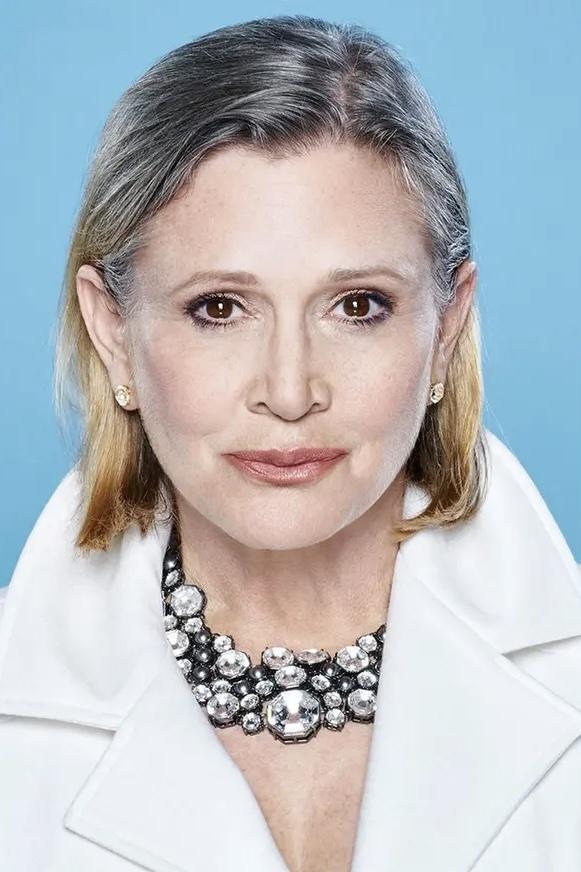
Carrie Fisher promoted ‘The Princess Diarist’ in late 2016 through television appearances that included ‘The Graham Norton Show’. She spoke about revisiting early journals, recording memories from the first ‘Star Wars’ production, and the way writing had accompanied acting across her career.
Those stops coincided with renewed attention to Leia Organa in the sequel era, along with continued book tour dates. The interviews help document the archive she left, from annotated scripts to notebooks that shaped her published memoirs and stage readings.
Chadwick Boseman
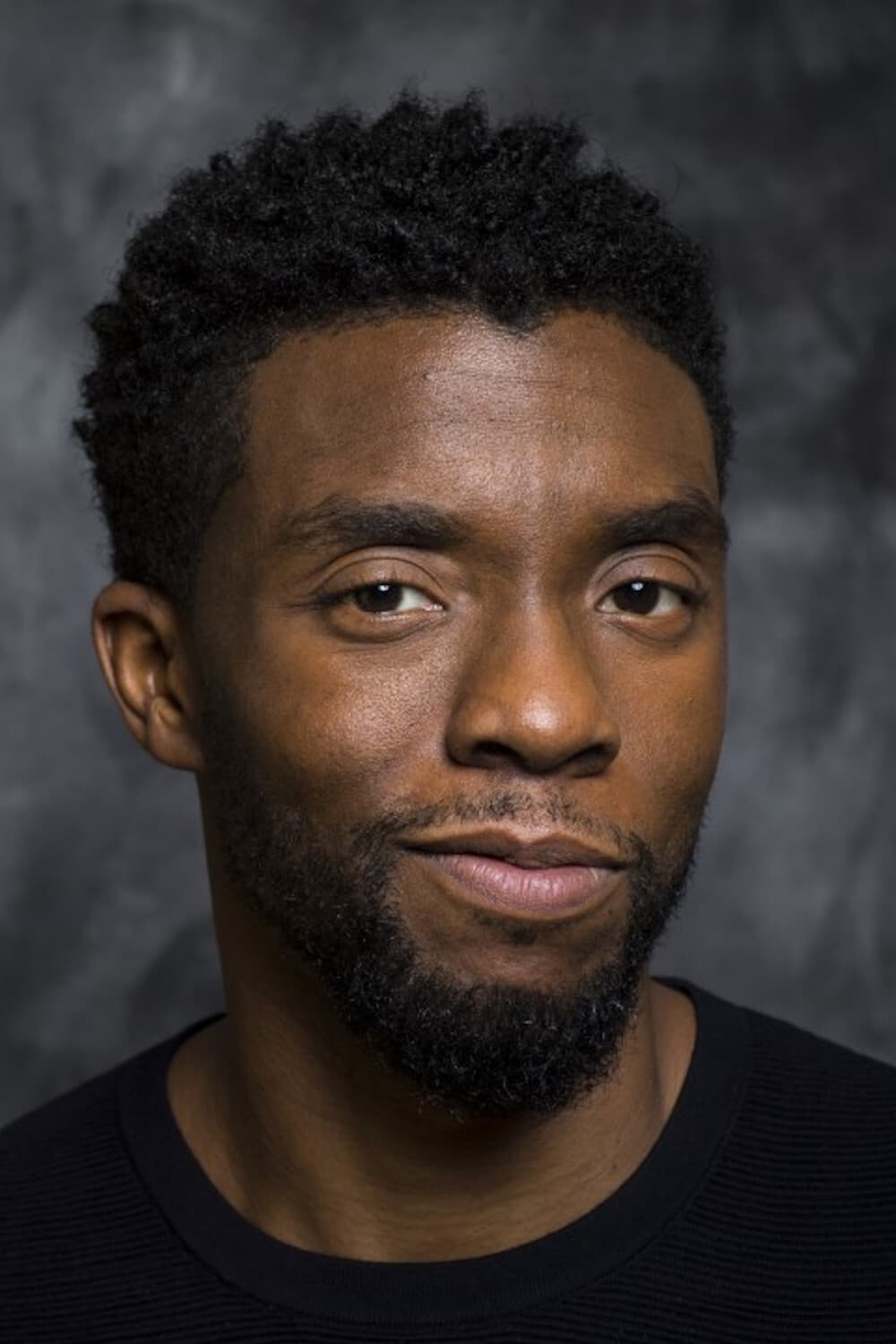
Chadwick Boseman participated in virtual press conversations in 2020 tied to ‘Da 5 Bloods’ and later ‘Ma Rainey’s Black Bottom’. He discussed working with veteran filmmakers and musicians, the demands of playing artists and soldiers at specific historical moments, and the research that went into building those roles.
These appearances sat alongside his support for hospital programs and education initiatives that he had championed for years. The films arrived within months of each other, framing a final run that included awards recognition and preserved performances that were completed under intense private health challenges.
Robbie Coltrane
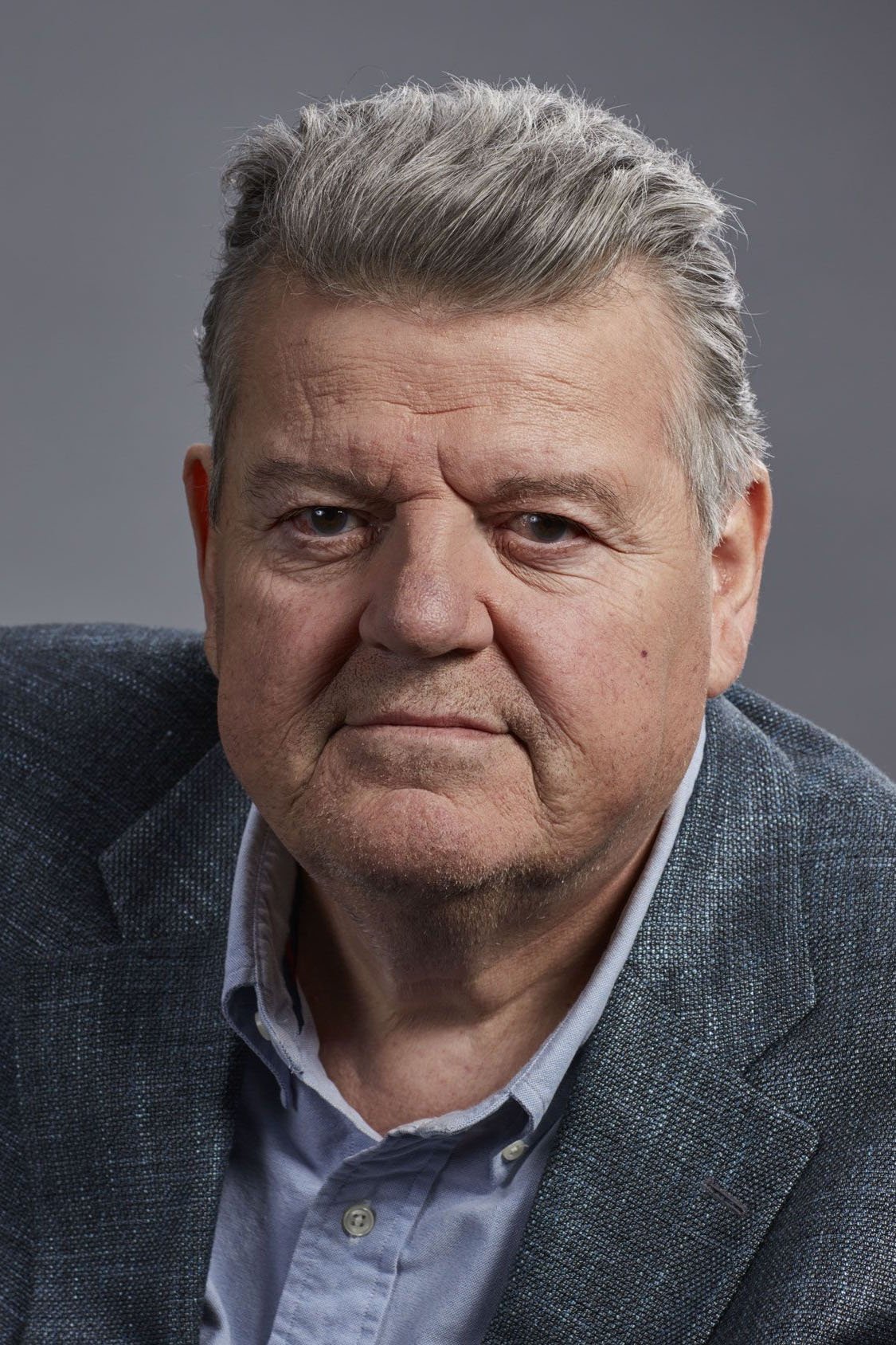
Robbie Coltrane recorded his segment for ‘Harry Potter 20th Anniversary: Return to Hogwarts’ during 2021. He reflected on the early casting process, technical hurdles in the first productions, and the long tail of how children discover the series anew on streaming and television.
That anniversary special captured many first person accounts from principal cast. Coltrane’s remarks sit within a complete oral history of the franchise, offering behind the scenes notes about creature effects, location shoots, and the way recurring ensembles kept continuity across multiple directors.
Bob Saget
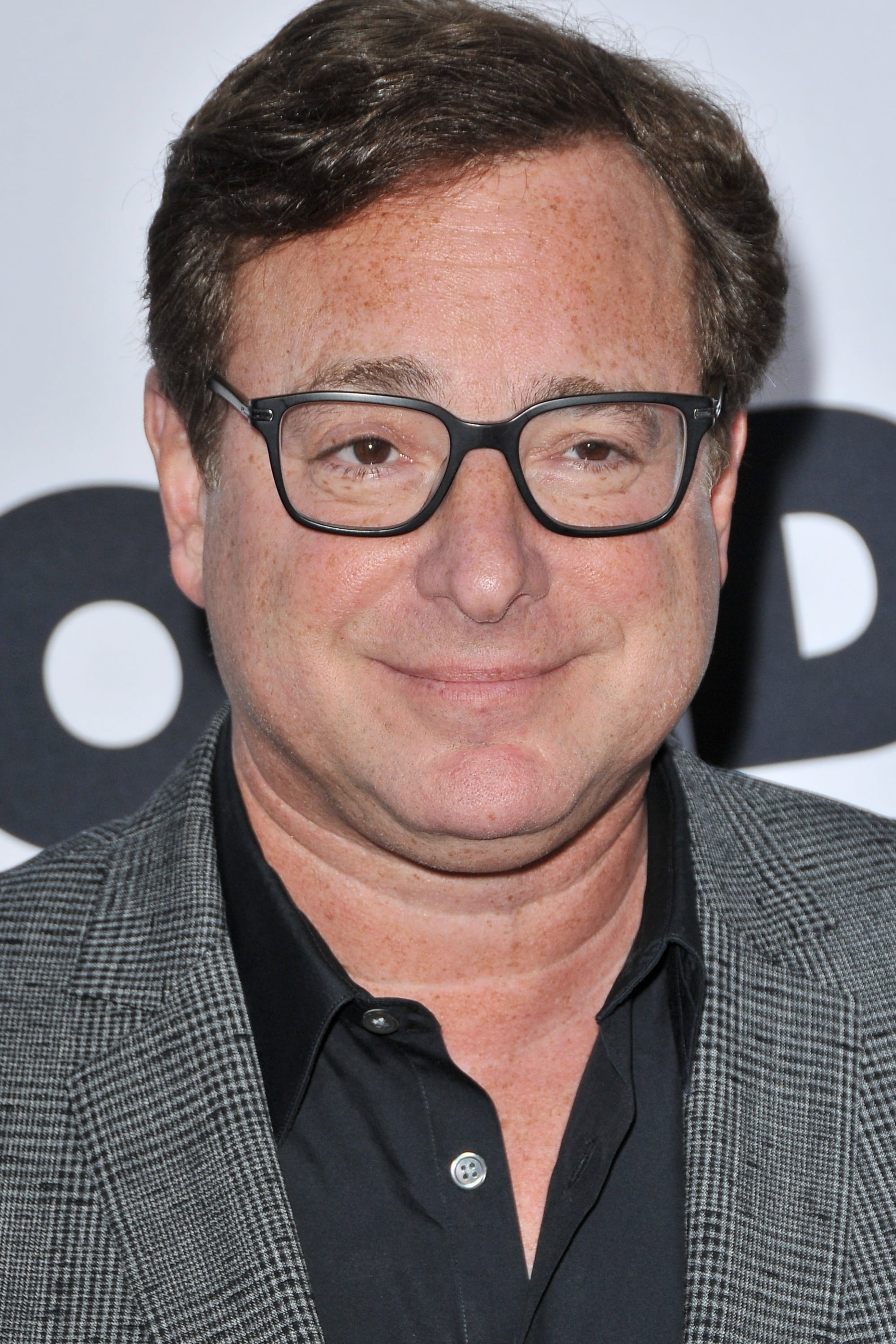
Bob Saget’s final media appearances included a podcast episode released in early January 2022 while he was on the road for a national stand up tour. He talked through routing, venue sizes, and the technical process he was using to shape a new hour from city to city.
He also highlighted upcoming dates and described how the tour fit around continuing television and production commitments. The episode doubled as a tour diary entry, listing recent cities, audience turnout, and plans to tape a refined set after the run.
Matthew Perry
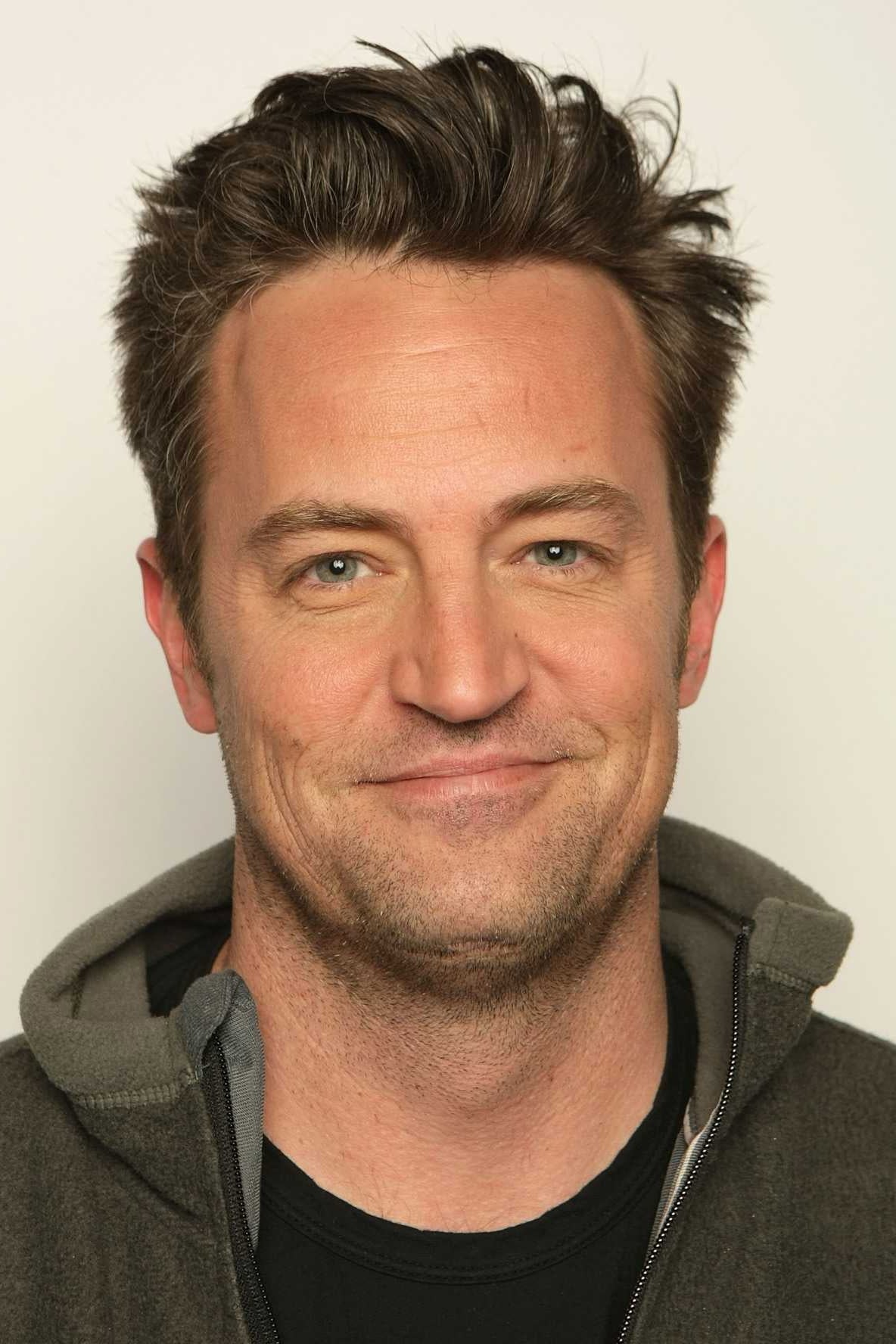
Matthew Perry’s last extensive interviews arrived in 2022 during the press window for his memoir ‘Friends, Lovers, and the Big Terrible Thing’. He laid out a detailed recovery timeline, described clinical care that had been effective for him, and named organizations that provide treatment resources.
He also addressed the origin of specific chapters, editing decisions that protected other people’s privacy, and the reason he wanted the book to serve a practical purpose for readers in recovery. Those discussions became a guide to how he hoped to be useful beyond sitcom reruns and reunion specials.
Alan Rickman

Alan Rickman gave interviews at film festivals in 2015 for ‘Eye in the Sky’. He explained the production’s military chain of command scenes, the preparation needed to deliver dialogue that tracked real world protocols, and how the filmmakers staged remote operations rooms to scale.
He also mentioned recording work for a final voice role that would be completed in post. The conversation offers a clear view into his method for calibrating authority figures, which he linked to research with technical advisers and rehearsals designed around precise blocking.
Anton Yelchin
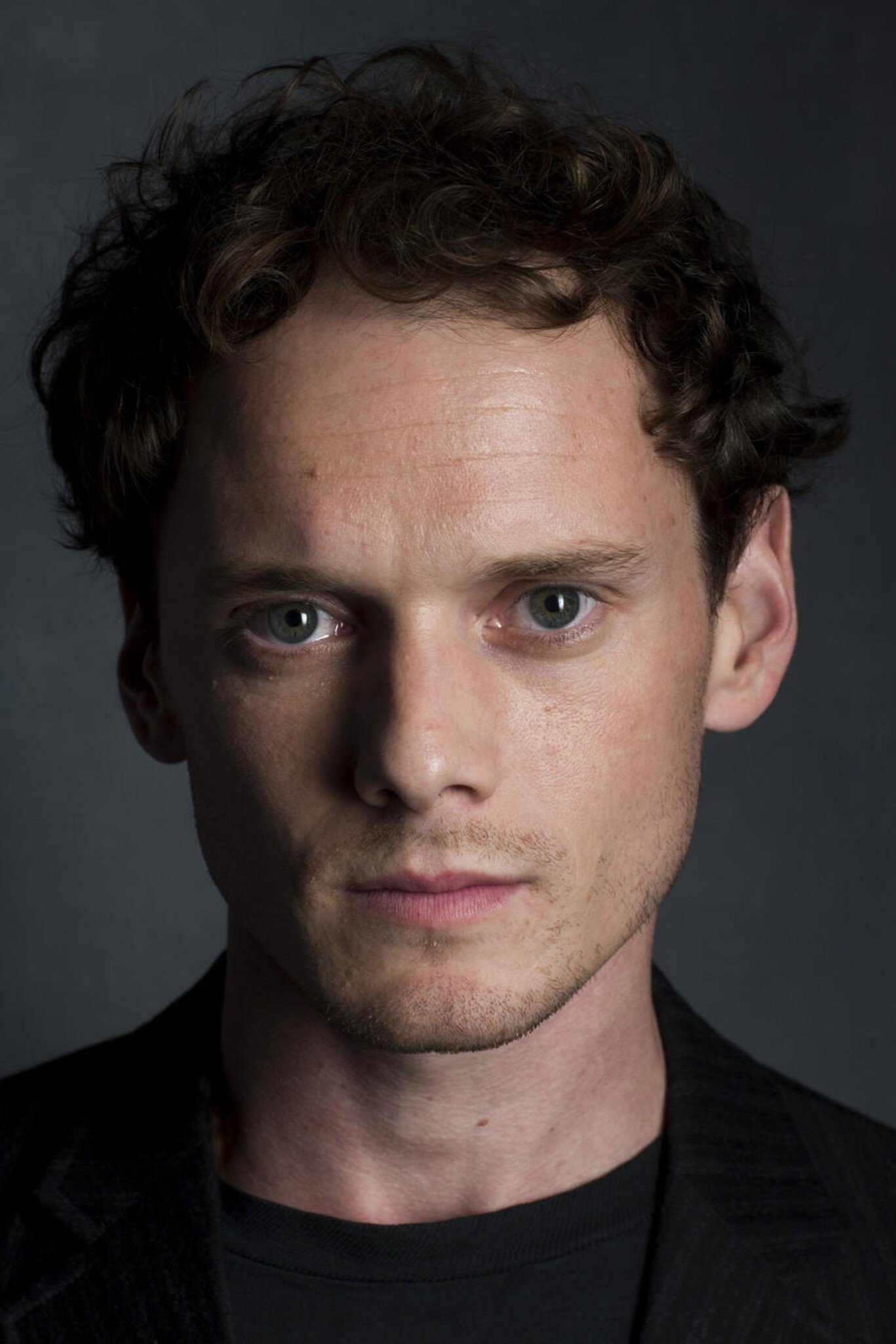
Anton Yelchin spoke with press in 2016 around the release of ‘Green Room’ and in advance of promotion for ‘Star Trek Beyond’. He covered independent film schedules, how he balanced studio commitments with small productions, and the ways he prepared accents and physicality for different directors.
He also talked about personal creative interests outside acting, including photography and music. Those notes have since been folded into archive exhibits and a documentary profile that traces his development from child roles to leading parts across genres.
Paul Walker
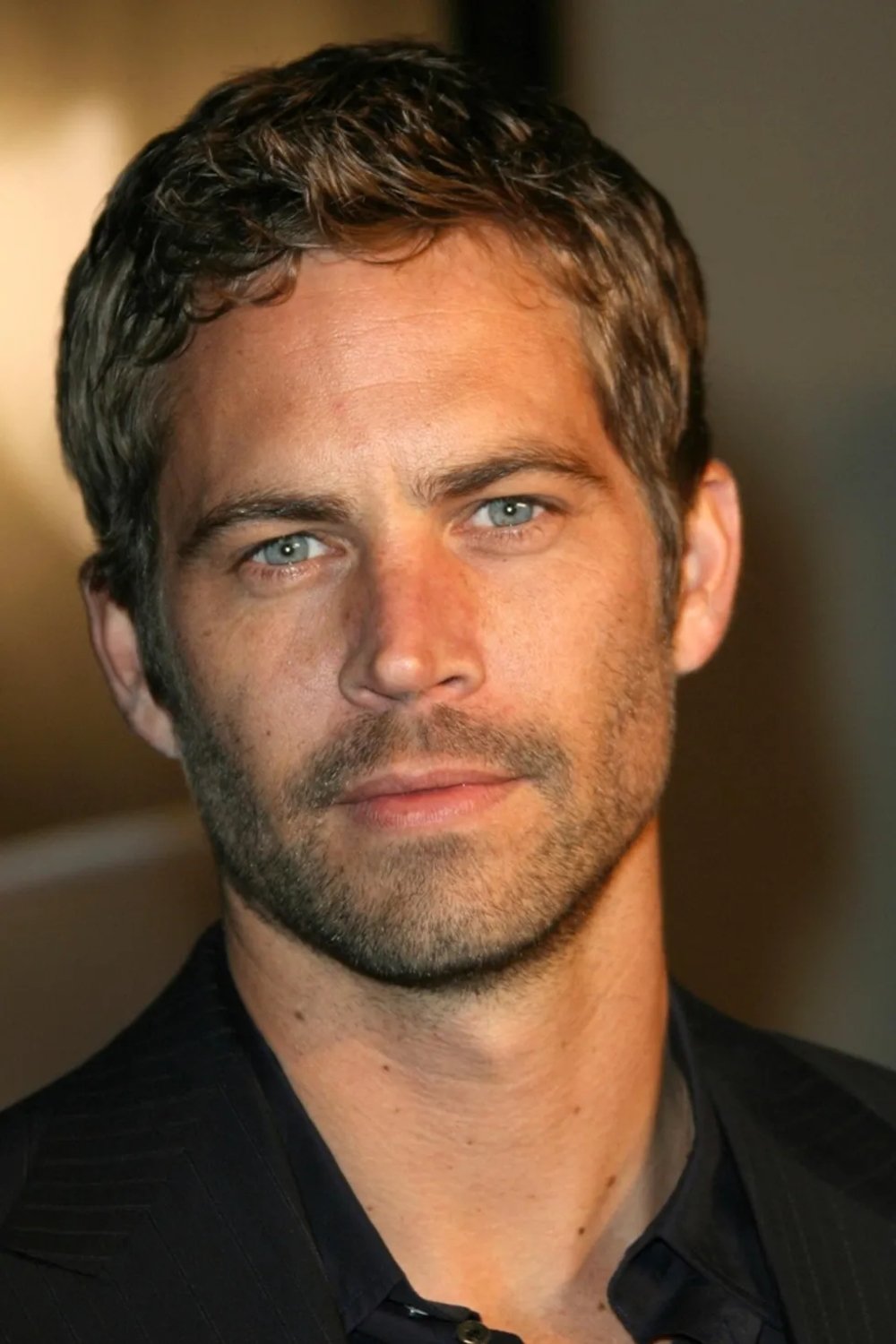
Paul Walker’s final interviews in late 2013 included promotion for the hurricane thriller ‘Hours’ and media tied to his charity Reach Out Worldwide. He outlined the organization’s disaster response model, recent deployments, and how volunteers trained for field operations alongside local partners.
He had additional franchise work ahead on the calendar, which was paused for rewrites and visual effects planning after his death. The interview record from that week lists charity goals, fundraising targets, and the ways film schedules had been arranged around relief trips.
Michael K. Williams
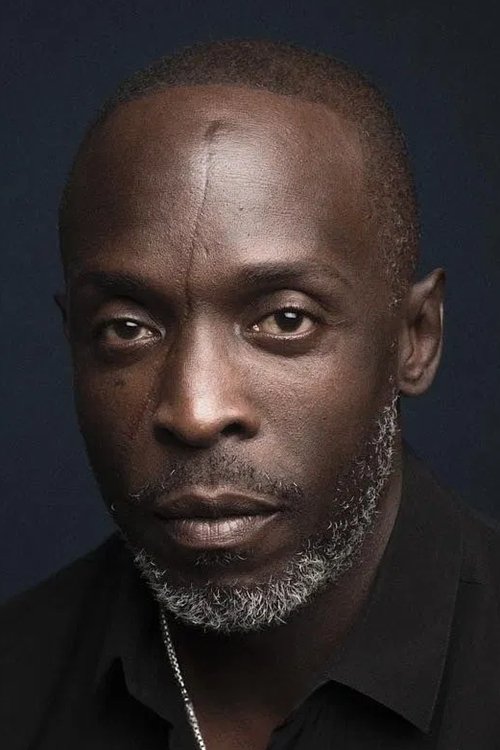
Michael K. Williams appeared on daytime television in 2021 to discuss ‘Black Market’ and community programs he supported in New York. He spoke candidly about addiction, mentorship, and the role of storytelling in steering people toward treatment and job training.
Those segments directed viewers to specific organizations, alumni networks, and reentry initiatives he had visited. They also mapped how he used docuseries episodes, panel discussions, and local partnerships to connect media platforms with practical services.
Ray Liotta
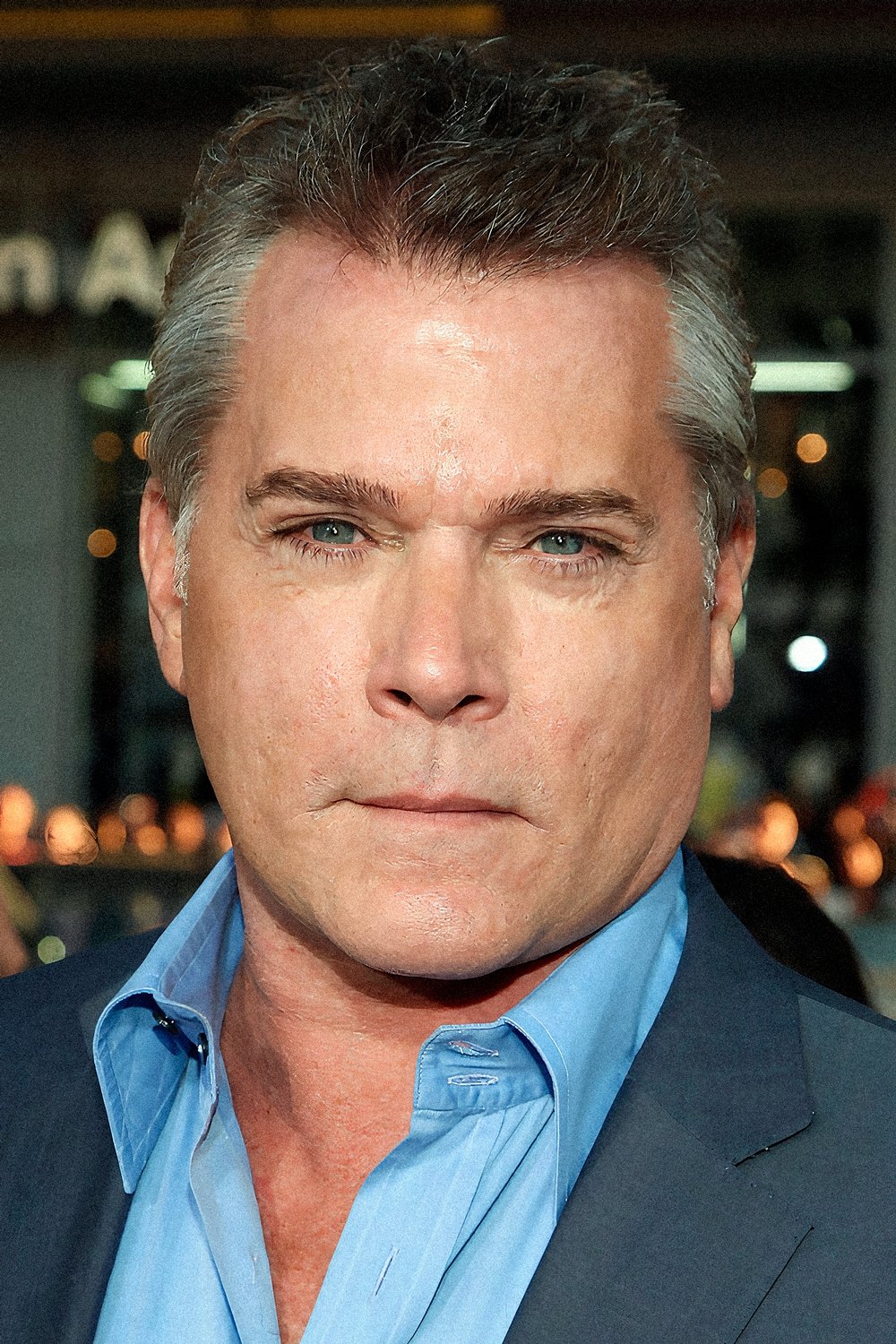
Ray Liotta gave interviews in 2022 for the limited series ‘Black Bird’ and for features that were in the can awaiting release, including ‘Cocaine Bear’. He detailed how he approached law enforcement roles, how he built backstories that were not on the page, and how schedules were arranged across different countries.
He also described shooting logistics in the Caribbean tied to another project in production. The conversations place his late career work in sequence, listing the order in which he wrapped sets and the teams he worked with in the final year.
Cicely Tyson

Cicely Tyson sat for interviews in January 2021 to launch her memoir ‘Just As I Am’. She traced formative stage roles, explained why she turned down parts that did not meet her standards, and walked through collaborations that altered the kinds of stories available to Black actresses.
She also read passages from the book and described how she organized decades of clippings and photographs into a narrative. Those appearances double as a curated table of contents, helping readers connect major sections of the memoir to broadcast clips they can identify by topic.
Heath Ledger
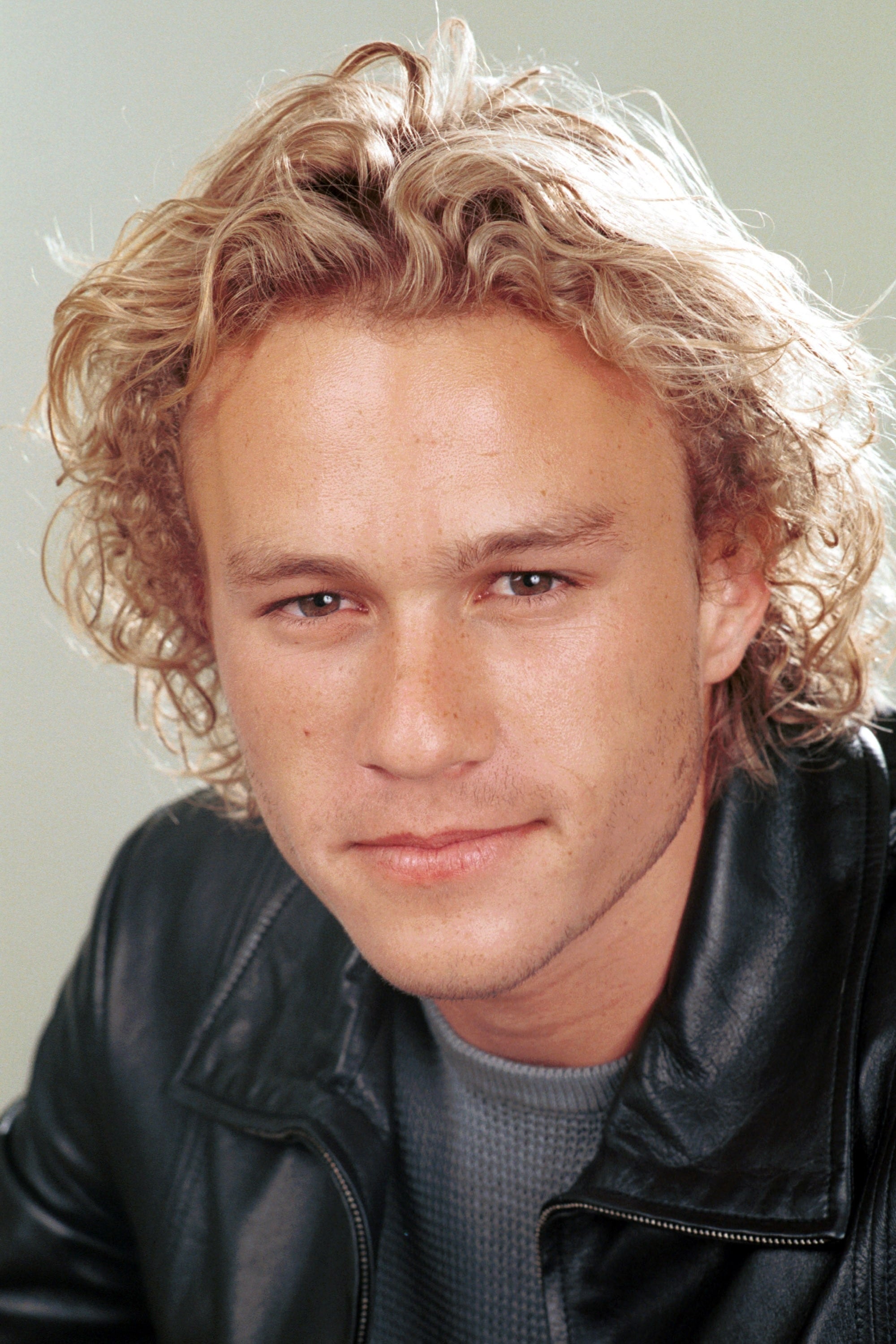
Heath Ledger’s late 2007 interviews covered festival premieres and upcoming studio releases. He addressed sleep difficulties during periods of intense preparation, described how he isolated voice and movement patterns for a new character, and noted the music and visual references that informed those choices.
He also outlined a directing path he wanted to pursue between acting jobs. The interviews list projects in editing or still filming at the time, along with dates for overseas travel and the press stops he had just completed.
Share the final interview that stayed with you in the comments so other readers can find and revisit it.