Best Action Movie Characters, Ranked



Action cinema has introduced audiences to operatives, archaeologists, ex-soldiers, cyborg law-enforcers, and more—characters built on clear motivations, distinct skill sets, and tightly choreographed set-pieces. Many of these figures began in novels, video games, or comics before leading long-running film series, often with multiple directors and screenwriters shaping their trajectories across sequels and reboots.
To keep things apples-to-apples, this list focuses on movie characters and how they’re depicted on the big screen—roles defined by performers, stunt teams, and filmmakers who codified everything from fight styles and gadgets to catch-phrases and mythologies. Longevity, box-office footprint, cross-media influence, and consistent character construction all factor into who made the cut.
15) Bryan Mills
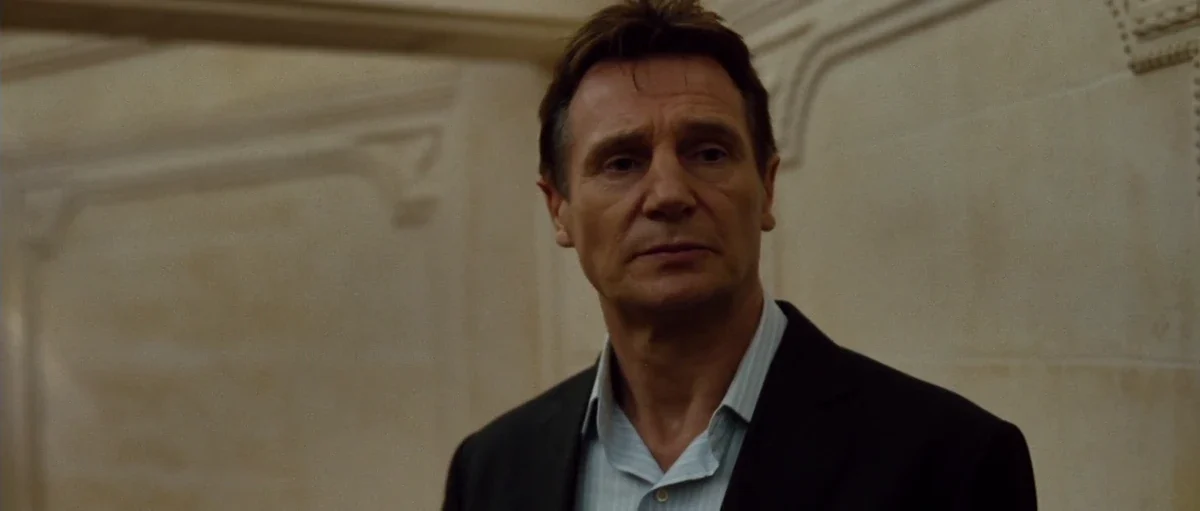
Bryan Mills is a former CIA operative introduced in ‘Taken’ and portrayed by Liam Neeson. The character is defined by tradecraft—surveillance, interrogation, close-quarters combat—and a network of former colleagues he taps when his daughter is abducted during a trip to Paris. The film was directed by Pierre Morel from a screenplay by Luc Besson and Robert Mark Kamen, establishing Mills as a parent who applies professional skills to a family crisis.
Across subsequent entries in the ‘Taken’ series, the character relocates the conflict to Los Angeles and other locations while continuing to work outside official channels. A television prequel expanded on his early career, but the films keep the focus on personal stakes, improvised tactics, and the way he leverages phones, vehicles, and urban terrain to locate and neutralize adversaries.
14) RoboCop (Alex Murphy)
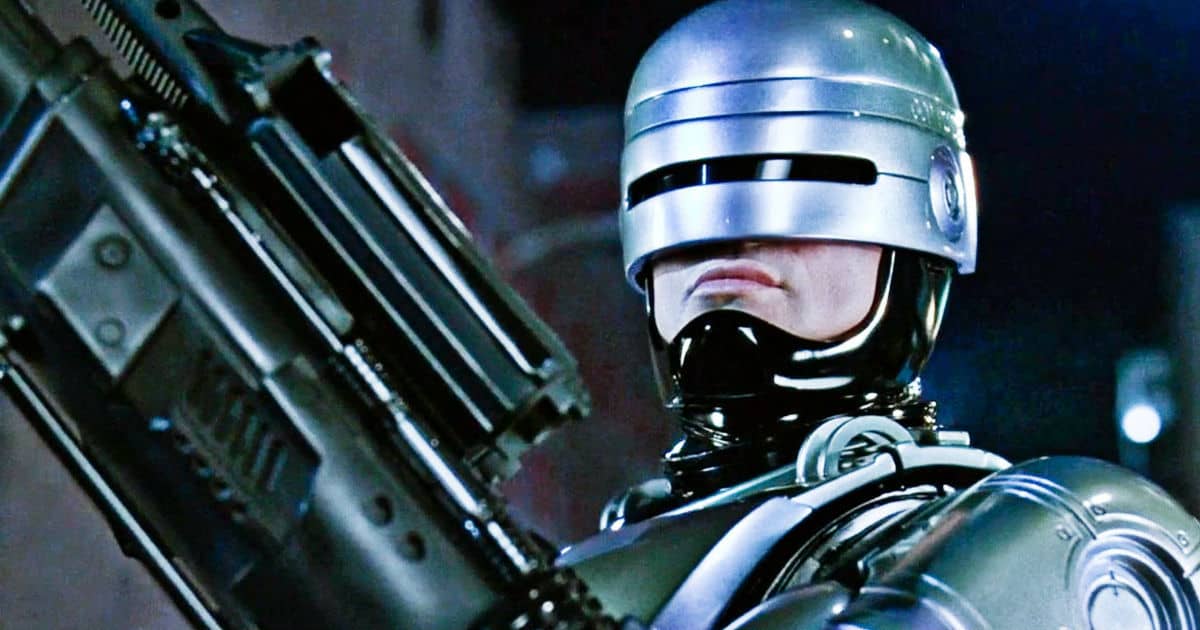
Alex Murphy becomes RoboCop in ‘RoboCop’, a Detroit-set story blending corporate control with law enforcement. Played by Peter Weller, the character is built around Prime Directives that initially limit his autonomy until fragments of Murphy’s memories resurface. Omni Consumer Products funds the cyborg program, placing RoboCop at the intersection of public safety and privatized policing.
The armor, Auto-9 sidearm, and built-in targeting systems define his on-screen action vocabulary, from precision shots to data-spike access. Sequels, reboots, and animated projects returned to issues like identity, corruption, and productized policing, while the original film’s practical effects and suit performance informed how later installments staged movement, recoil, and damage.
13) Lara Croft

Lara Croft transitions from game protagonist to movie lead in ‘Lara Croft: Tomb Raider’ and ‘Tomb Raider’. On film, she’s portrayed first by Angelina Jolie and later by Alicia Vikander, maintaining core attributes—archaeology expertise, multilingual fieldwork, and agility—in settings that move from estate labs to remote ruins. The character’s cinematic toolkit includes dual sidearms, climbing gear, and puzzle-oriented problem-solving.
The films adapt game-style traversal into practical stunts and extended chase sequences, pairing vaults, rappels, and underwater work with artifact-driven plots. Supporting figures—mentors, rivals, and corporate antagonists—frame Croft as an independently resourced explorer who balances academic knowledge with expedition logistics and rapid decision-making.
12) John Rambo

John Rambo debuts on film in ‘First Blood’, adapted from David Morrell’s novel and portrayed by Sylvester Stallone. The character is a U.S. Army Special Forces veteran whose training encompasses survival, reconnaissance, and unconventional warfare. The opening story tracks a conflict with local authorities that escalates as his fieldcraft overwhelms conventional responses in rugged terrain.
Later entries move Rambo into overseas theaters and rescue operations, integrating bows, knives, and improvised traps with small-unit tactics. The films foreground PTSD, military bureaucracy, and post-service isolation while mapping how Rambo’s skills—tracking, camouflage, and adaptive use of environment—scale from cat-and-mouse engagements to full-on siege scenarios.
11) Furiosa

Imperator Furiosa enters the saga in ‘Mad Max: Fury Road’ as the War Rig driver who redirects a supply run to aid a high-risk escape. Portrayed by Charlize Theron, the character operates with a mechanical arm, diesel-hauling expertise, and convoy-level command skills. The film’s geography—citadels, canyons, and deserts—turns every kilometer into a logistics problem Furiosa solves under pressure.
Furiosa’s coordination with alliances like the Vuvalini emphasizes radio signals, fuel rationing, and vehicle triage. The prequel ‘Furiosa: A Mad Max Saga’ explores her earlier years, establishing how barter economies, engine modifications, and route control shape a road-war society where her tactical driving and split-second route changes determine survival.
10) Jason Bourne
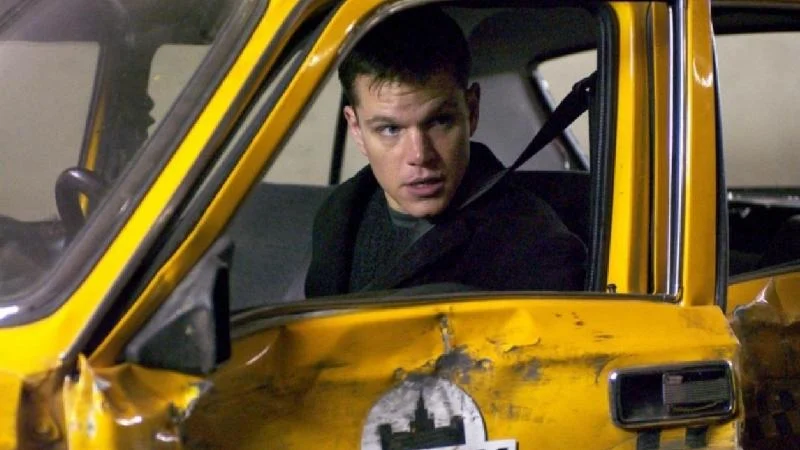
Jason Bourne is a covert operative suffering from amnesia in ‘The Bourne Identity’, adapted from Robert Ludlum’s work and portrayed by Matt Damon. His on-screen tradecraft includes situational awareness, document forgery, safe-house navigation, and a fight style grounded in close-quarters efficiency. The films detail how he audits rooms, exits, and surveillance patterns in real time.
Successive entries place Bourne against program architects who erase and rewrite identities. Directors like Doug Liman and Paul Greengrass emphasize handheld camerawork and location-based chases—train stations, rooftops, and urban traffic circles—allowing the character’s resourcefulness to play through map knowledge, light weapons, and reconnaissance under pursuit.
9) John Wick

John Wick is introduced in ‘John Wick’ and portrayed by Keanu Reeves as a retired hitman drawn back into an underworld governed by codes and markers. The mythology includes Continental Hotels, gold coin economies, and an adjudication system known as the High Table. Wick’s training blends firearms manipulation, judo, and jiu-jitsu into gun-fu sequences executed with reload discipline and target transitions.
Across sequels, the scope expands from New York to international hubs, adding excommunicado status and escalating bounties that force Wick to engineer escapes through motorcycles, horses, and multi-level interiors. Choreography and stunt design foreground proficiency—draws, retention, and grappling—while production design externalizes the rules that shape every engagement.
8) Ethan Hunt

Ethan Hunt leads the Impossible Mission Force in the ‘Mission: Impossible’ film series, portrayed by Tom Cruise. The character works with a rotating team—tech specialists, field agents, and assets—while leveraging masks, voice replication, and dead-drop protocols. Mission briefs define objectives, while Hunt’s on-site decisions reconfigure plans around shifting intel and compromised covers.
Set-pieces have included a HALO jump, a cliff-face free-solo, a Burj Khalifa climb, and helicopter and motorcycle pursuits that integrate real-world locations with practical rigging. The films track a through-line of rogue elements and shadow consortia, highlighting how Hunt uses layered identities, timed detonators, and synchronized team maneuvers to extract or neutralize targets.
7) Max Rockatansky (Mad Max)
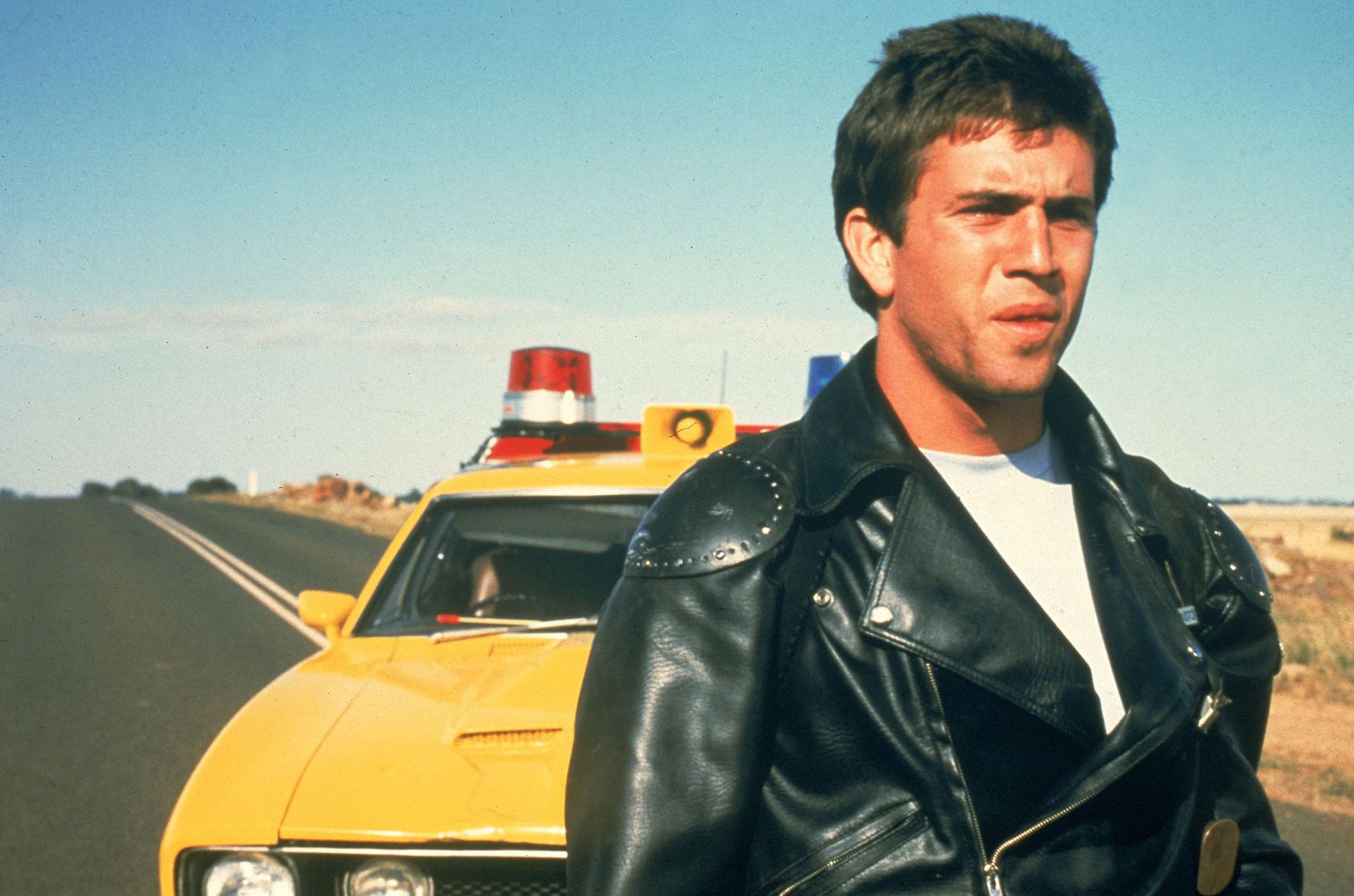
Max Rockatansky begins as a highway patrol officer in ‘Mad Max’ before becoming a drifting survivor across a resource-scarce wasteland. Played by Mel Gibson and later Tom Hardy, Max adapts V8 Interceptors, scavenged armor, and fuel caches to outdrive and outlast gangs and warlords. The films link road-culture hierarchies with barter economies founded on water and fuel control.
In ‘Mad Max: Fury Road’, Max’s interactions with Furiosa and the War Rig showcase bolt-gun fixes, tire swaps under fire, and weaponized pole-cats. Across the series, he trades in favors and salvage, leveraging mechanical know-how, tracking, and barbed-wire improvisation to navigate settlements, strongholds, and convoy warfare.
6) T’Challa (Black Panther)
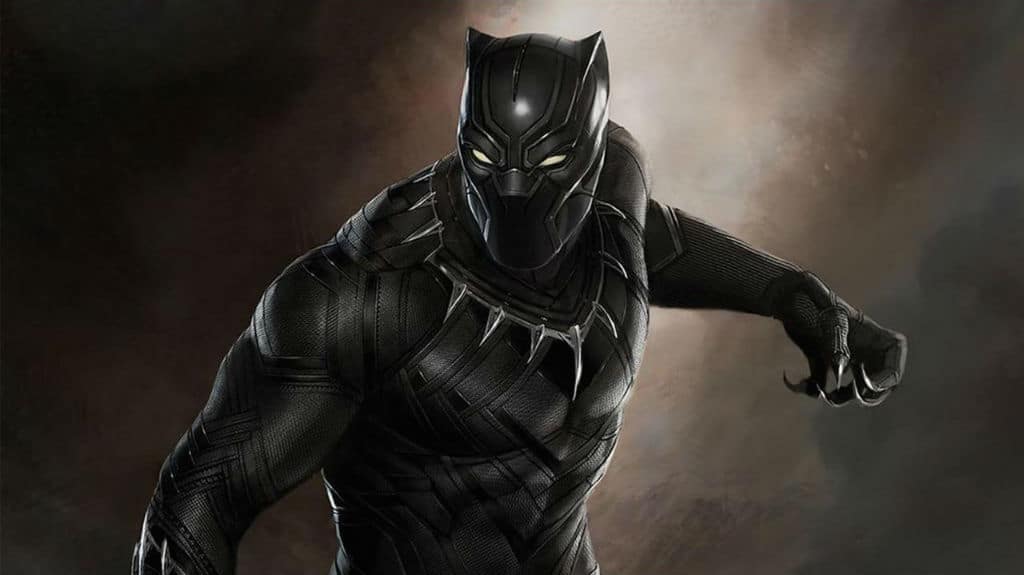
T’Challa, King of Wakanda, headlines ‘Black Panther’ and appears across ensemble entries, portrayed by Chadwick Boseman. His suit integrates vibranium weave, kinetic energy redistribution, and retractable claws, while Wakandan tech—from kimoyo beads to remote piloting—supports operations beyond the Golden City. Governance structures like the tribal council and Dora Milaje define how authority and security function.
‘Black Panther’ brought Afrofuturist production design and language integration to mainstream action cinema, with action beats mapped onto ritual combat, urban chases in Busan, and lab-assisted suit deployment. The film earned multiple Academy Awards in craft categories, and the character’s arcs connect diplomacy, succession, and international exposure of Wakandan science.
5) Sarah Connor

Sarah Connor’s story begins in ‘The Terminator’ and continues through ‘Terminator 2: Judgment Day’ and later entries. Played by Linda Hamilton, she transitions from civilian life to survival training after learning of Skynet’s plans and her son’s role in the resistance. The films track her weapons handling, tactical planning, and use of off-grid allies to prepare for machine threats.
Connor’s preparation includes small-arms proficiency, safe-house setups, and contingency planning that anticipates infiltrators. Her relationships with reprogrammed models and human allies generate mixed teams, while facilities—mental institutions, desert compounds, and cybernetics labs—become arenas where she applies reconnaissance and decisive action to disrupt development timelines.
4) John McClane

John McClane is a New York police officer first seen on screen in ‘Die Hard’, adapted from Roderick Thorp’s novel ‘Nothing Lasts Forever’. Portrayed by Bruce Willis, McClane operates with limited gear, relying on radios, shoeless mobility, and service-weapon fundamentals inside vertical environments. The inaugural film positions him against a heist team while he coordinates with outside law enforcement via a single patrolman.
Sequels situate McClane in airports, cities, and cross-border scenarios, escalating from building takeovers to infrastructure sabotage. The character’s procedural knowledge—codes, jurisdictional friction, and chain-of-command loopholes—lets him exploit gaps, while the films sustain themes of communications spoofing, hostage leverage, and improvised explosives.
3) Ellen Ripley

Ellen Ripley anchors the ‘Alien’ franchise, portrayed by Sigourney Weaver. Initially a warrant officer on the Nostromo, she applies quarantine rules, ship protocols, and chain-of-command debates to life-cycle threats posed by xenomorphs. ‘Aliens’ repositions Ripley within a colonial marines unit, combining power loader operation with maternal guardianship over Newt while confronting corporate priorities.
Weaver received an Academy Award nomination for ‘Aliens’, marking a milestone for action-driven performances. Across films, Ripley’s decisions involve atmospheric processors, cryosleep, and containment strategies, while settings—cargo holds, corridors, and infirmaries—shape engagements that balance flamethrowers, motion trackers, and airlock controls against an evolving species.
2) Indiana Jones

Dr. Henry “Indiana” Jones, Jr. is an archaeologist-adventurer introduced in ‘Raiders of the Lost Ark’, portrayed by Harrison Ford. The character balances university lectures with field expeditions, deploying a bullwhip, revolver, and multi-language inscriptions to navigate traps and tombs. His work often intersects with rival archaeologists, military units, and clandestine agents pursuing the same artifacts.
Locations range from deserts and jungles to Himalayan passes and subterranean temples, translating academic research into maps, symbols, and rites. Jones’s stories integrate practical effects with stunt driving, horseback pursuits, and practical rope-swing gags, while collaborators like Sallah and Marcus Brody anchor institutional and personal networks that fuel each expedition.
1) James Bond
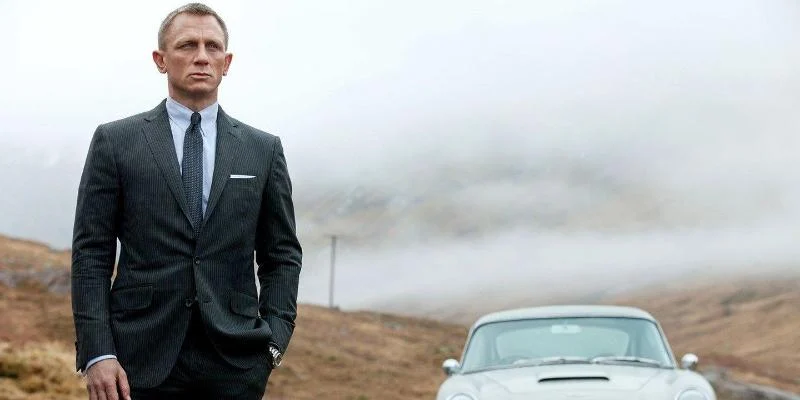
James Bond, the MI6 agent created by Ian Fleming, leads a long-running spy franchise in cinema, portrayed by multiple actors including Sean Connery, Roger Moore, Pierce Brosnan, and Daniel Craig. Bond’s toolkit spans Walther pistols, custom Aston Martins, and Q Branch gadgets, while narratives revolve around SPECTRE-style syndicates, double-crosses, and geopolitical flashpoints. M, Q, and Moneypenny provide institutional anchors that carry across eras and performers.
The film series standardizes elements like pre-title sequences, title songs, and globe-trotting location work, from ski chases to underwater combat and parkour foot pursuits. Entries such as ‘GoldenEye’, ‘Casino Royale’, and ‘Skyfall’ map shifts in tone and technology, but maintain core tradecraft—covers, surveillance, and counter-intelligence—while expanding the character’s personal backstory and MI6’s internal structure.
Share your own picks for the greatest action movie characters in the comments—who did we miss, and who would you move up or down?