Celebs Denied Entry to Film Festivals (And Why)



Film festivals run on tight rules, country visas, and accreditation systems, so even well known names sometimes hit a wall at the door. When that happens, it is usually because of travel restrictions, legal cases, or a formal ban by either a host country or a festival organization. The details vary from one case to the next, but the reasons tend to fall into a few clear buckets that festivals enforce consistently.
Below are figures from the film world who were kept from entering festival venues or could not get past a border in time for their premieres. Each entry explains what happened and the policy or legal reason behind it, so you can see how travel law, accreditation procedures, and festival governance shape who actually makes it onto the carpet.
Lars von Trier

Cannes declared him persona non grata after remarks at a press conference for the premiere of ‘Melancholia’. Persona non grata status meant the festival could refuse his entry to official venues and events for a multi year period under its own conduct rules.
The restriction covered accreditation issuance and on site access, so invitations tied to screenings or juried events were not honored during the ban. When the festival later allowed participation again, that change followed a new internal determination that restored eligibility for accreditation.
Roman Polanski

He was detained upon arrival in Switzerland while traveling to receive an honor connected to the Zurich Film Festival. The detention prevented him from entering festival venues because he was held under a legal process tied to an outstanding case.
Festival procedures require physical accreditation pickup and identity verification, so detention automatically blocks entry. Organizers continued with scheduled programming but adjusted ceremonies since the honoree could not be present inside accredited areas.
Jafar Panahi
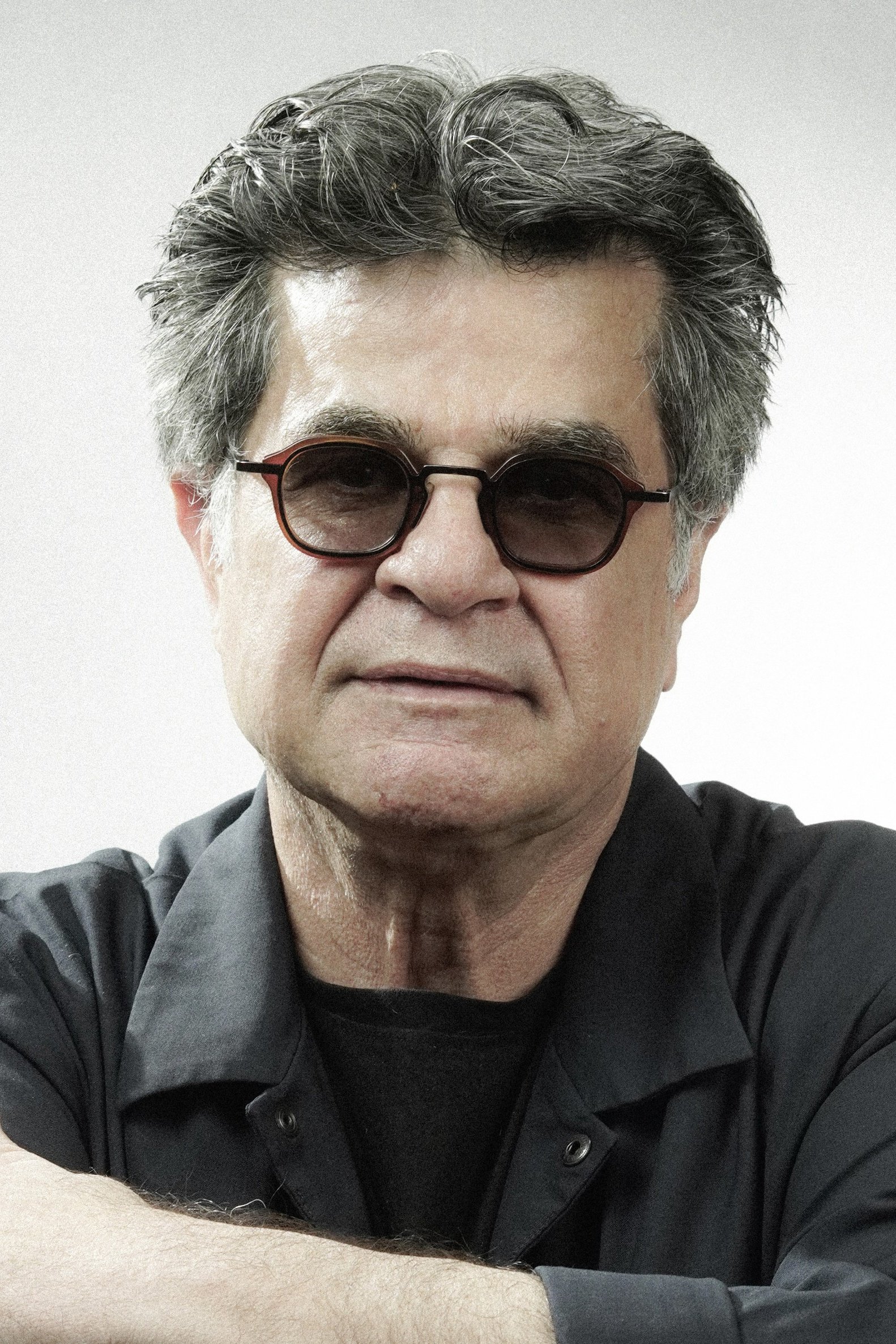
Travel bans and legal restrictions in Iran kept him from leaving the country during multiple festival cycles, including years when his work screened in competition. Because he could not legally exit, he could not cross host country borders to present films or attend press calls.
Festivals marked his absence by issuing empty seat tributes or statements, but border control law supersedes invitations. Without a valid exit permit and passport clearance, accreditation cannot be activated on site and entry to any festival venue is denied.
Mohammad Rasoulof

Passport confiscations and court orders prevented him from traveling for premieres and award ceremonies. Even when his films appeared in official selections, he could not be accredited in person due to those legal limits.
Festival entry requires both an invitation and the ability to pass immigration controls. When a filmmaker is under a travel ban, organizers cannot issue usable badges, and security teams at venues deny entry because the holder is not present to verify identity.
Kirill Serebrennikov
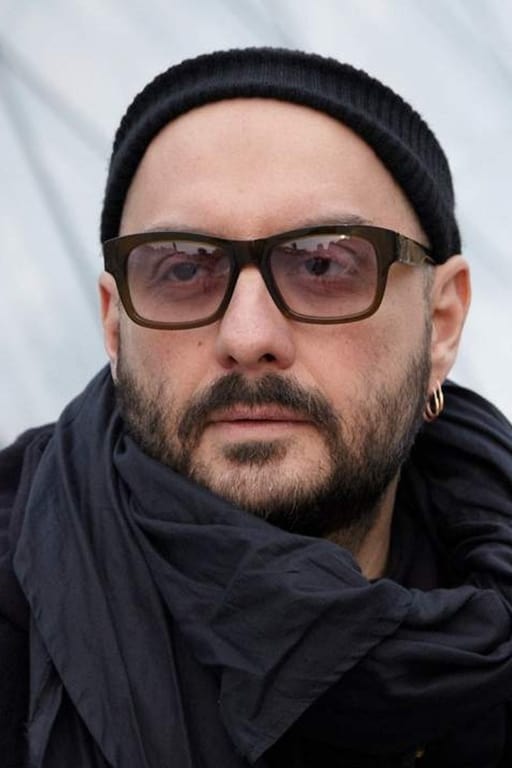
While under house arrest and later under travel restrictions, he could not leave Russia to attend European festival premieres of his films. The legal constraints meant he failed the basic test of being able to appear at accreditation desks in the host cities.
Festivals sometimes allowed remote participation for press, but physical entry to screenings and ceremonies was impossible. Venue security follows badge rules that require the invited guest to appear in person with valid identification.
Oleh Sentsov
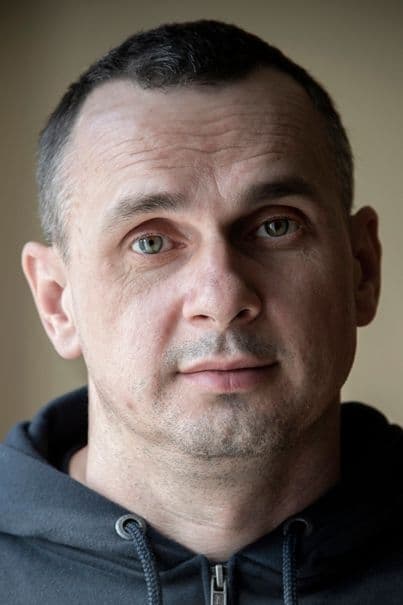
During his imprisonment he could not travel to present his work or participate in festival events that highlighted his case. Since he was in custody, immigration formalities and on site accreditation steps could not be completed.
Festival organizations publicized his situation during programs, but entry to restricted spaces remained off limits. Legal custody overrides all invitations, so he was absent from auditoriums and red carpet areas even when his work or advocacy was featured.
Ai Weiwei
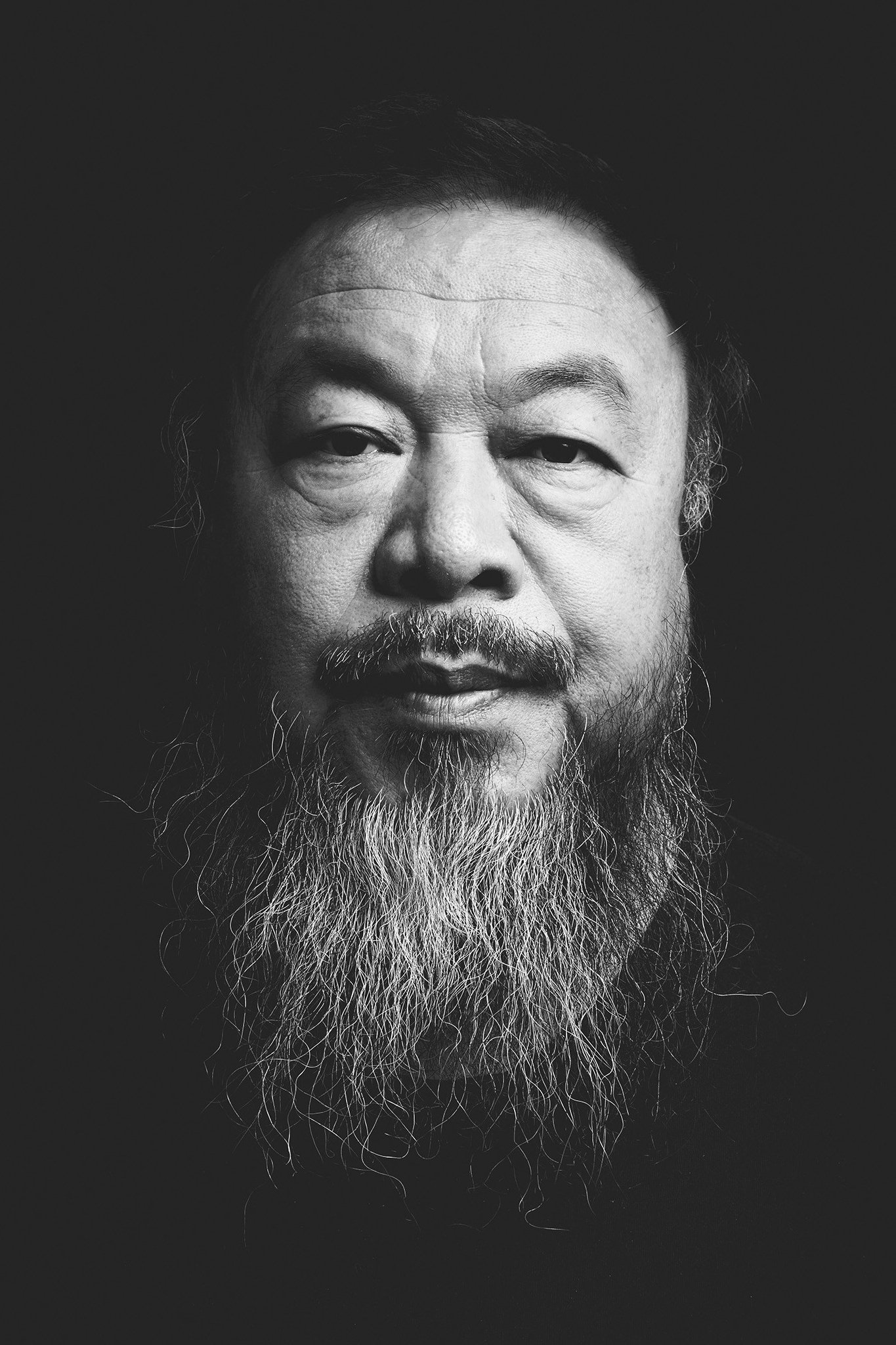
For several years he lacked a valid passport because it was withheld by authorities, which blocked him from traveling to international screenings of films about his work. Without a travel document, he could not pass airline and border checks to reach host cities.
Festival accreditation requires a government issued ID and physical pickup by the named person. If the invited guest cannot clear outbound immigration, they cannot enter controlled festival zones, and their badges remain inactive.
Lou Ye
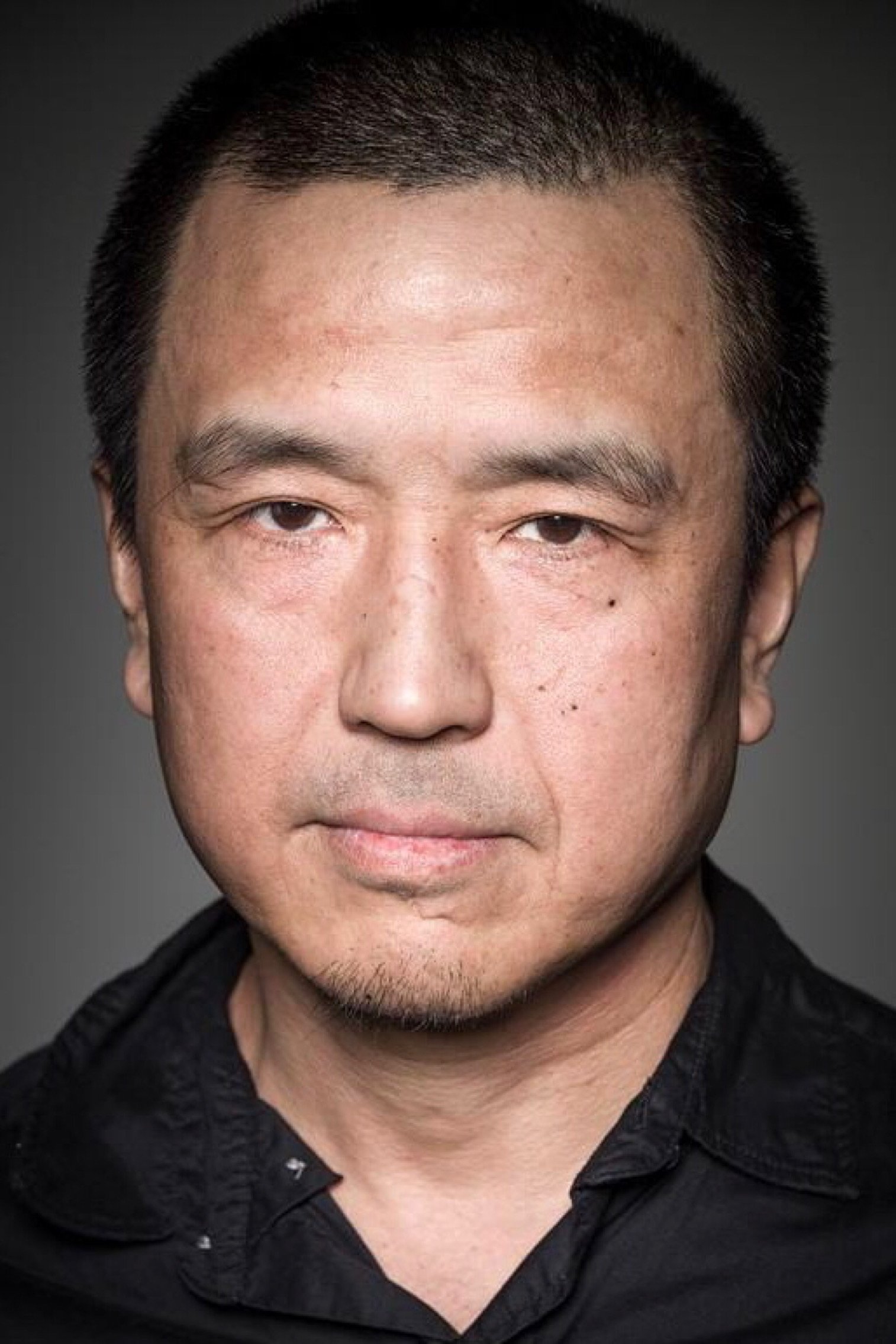
After screening ‘Summer Palace’ abroad without domestic approval, he received a ban that restricted filmmaking and travel for a set period. Those measures prevented appearances at overseas festivals even when his work circulated informally.
Festival entry is contingent on legal permission to travel and work. During the term of his restriction, organizers could not process credentials for him, and venue security would not admit a guest who could not present a valid badge tied to a present identity.
Jia Zhangke

Early in his career he faced periods when official permission to travel for films made outside the approval system was not granted. As a result he missed in person festival presentations despite selections that proceeded without him.
Because travel permission is a prerequisite to cross borders, the accreditation process could not be completed in host countries. Festivals proceeded with screenings while noting the absence, and entry to press and industry areas remained unavailable to him.
Gérard Depardieu

He was placed on a host country entry ban for a period following political statements, which meant he could not legally cross that border. Any invitation issued by a festival in that country would not result in entry to venues because immigration would refuse admission.
Festival teams rely on national border decisions, so a standing entry ban prevents accreditation and venue access. Until the restriction expires or is lifted, invited guests covered by it cannot set foot inside event spaces within that jurisdiction.
Steven Seagal
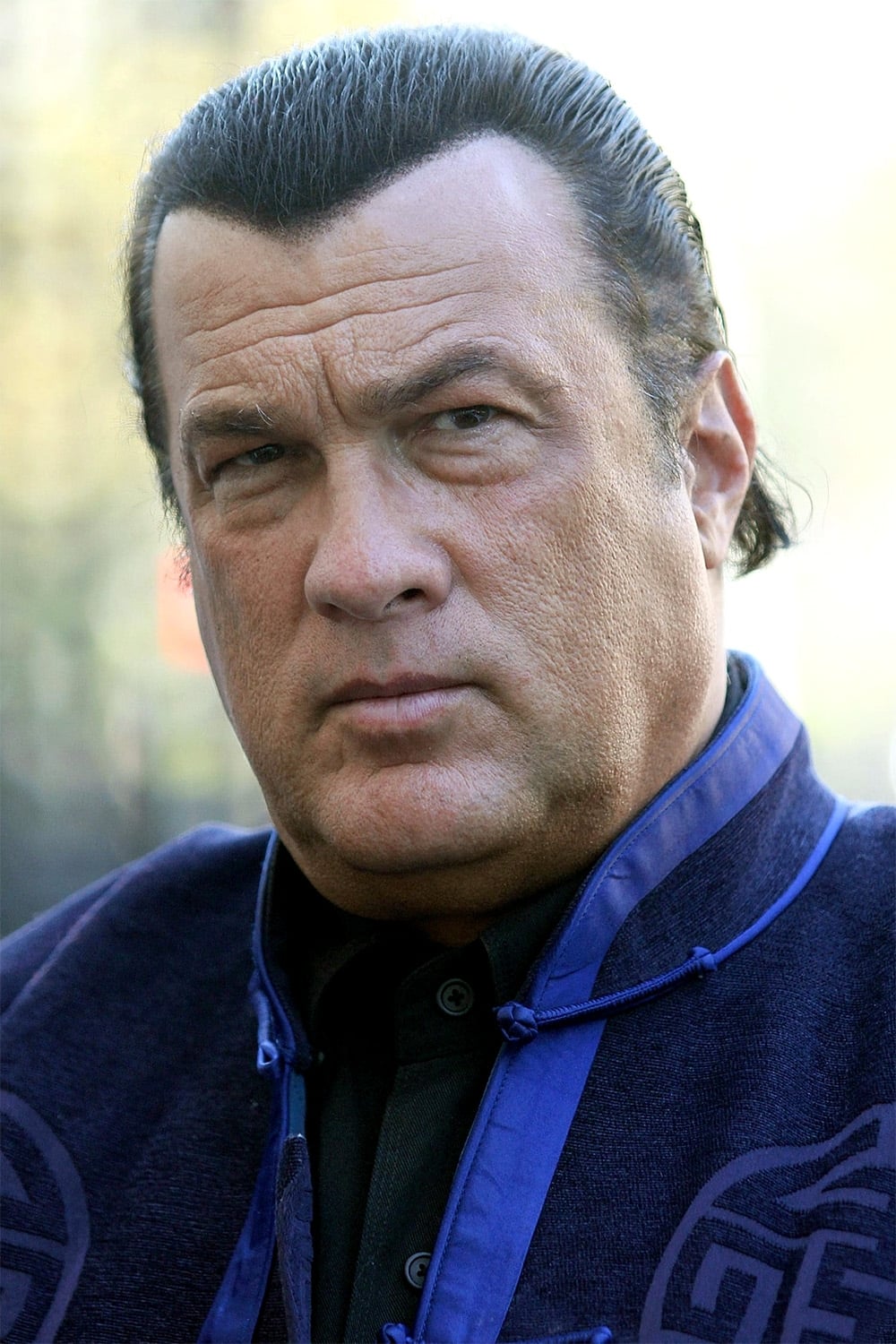
A host country issued a multi year entry ban that categorized him as a security concern, which barred him from entering that territory. During the ban, any festival based there could not admit him to screenings or events because he could not pass border control.
Accreditation databases interface with passport details during pickup. If a person cannot lawfully enter the country, the system cannot issue a badge, and venue checkpoints will deny entry even if program materials still list a tentative appearance.
Mojtaba Mirtahmasb
He was detained in Iran ahead of a scheduled appearance for a documentary release cycle that included major North American and European festivals. Detention prevented travel to pickup credentials and attend premieres.
Festival entry requires the invitee to collect accreditation in person with valid ID. Because he could not leave custody, access to auditoriums and official events was not possible, and colleagues or advocates appeared in his stead when allowed.
Keywan Karimi

A court case in Iran brought travel restrictions and incarceration that interrupted his ability to attend festival invitations. While films circulated internationally, he remained unable to appear for screenings and panels.
Entry denial in practice occurred because immigration clearance and on site verification could not happen. Festival organizers documented his absence while maintaining programming tied to his work and subject matter.
Hossein Rajabian
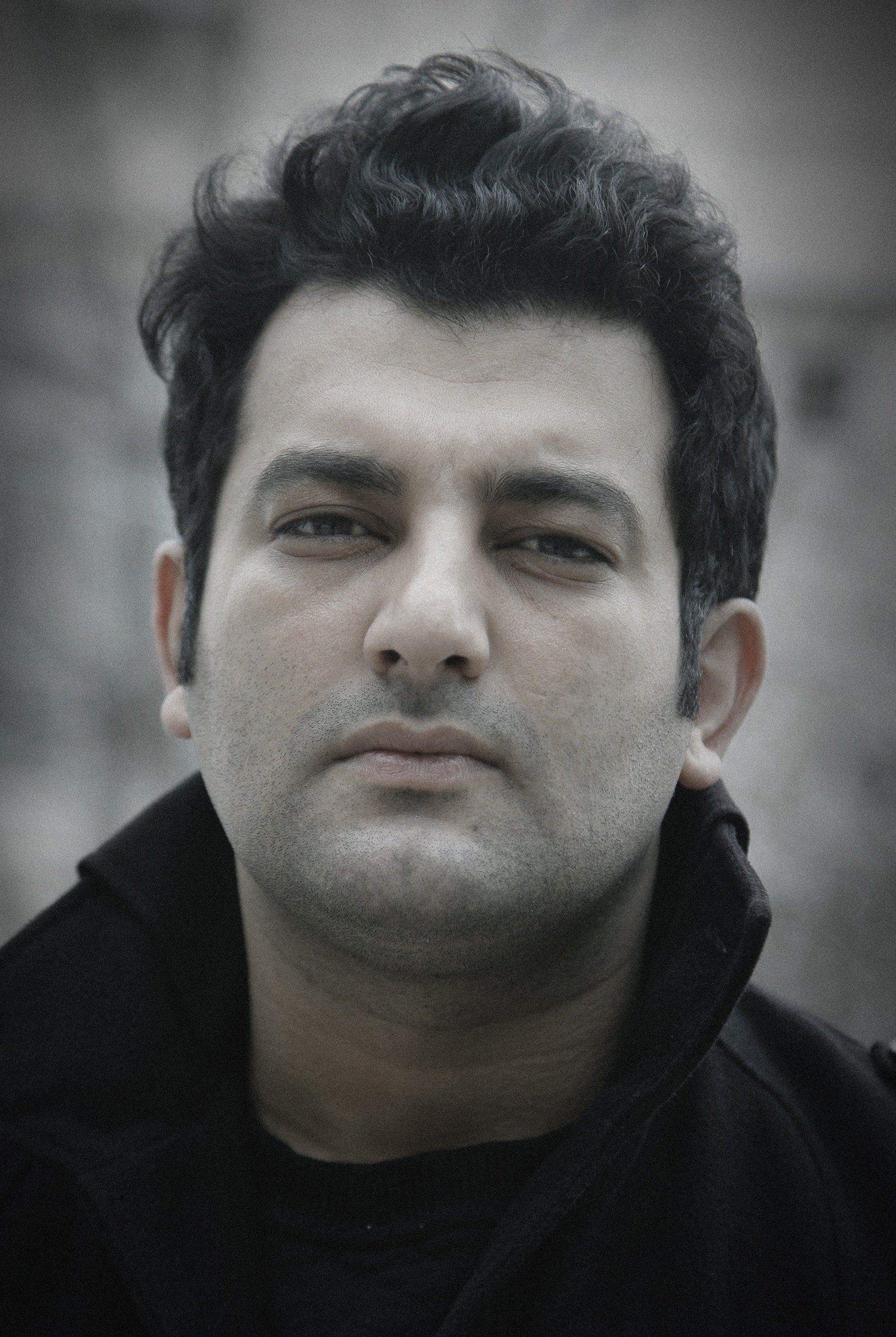
Legal proceedings in Iran led to travel limitations that stopped him from presenting his films at foreign festivals. Without permission to exit, he could not reach accreditation centers or pass venue security.
Festivals often note such cases in catalogs and introductions, but entry policies are fixed. Without the guest’s presence and documents, badges remain unissued and access controlled spaces remain closed to the invitee.
Zhang Yuan
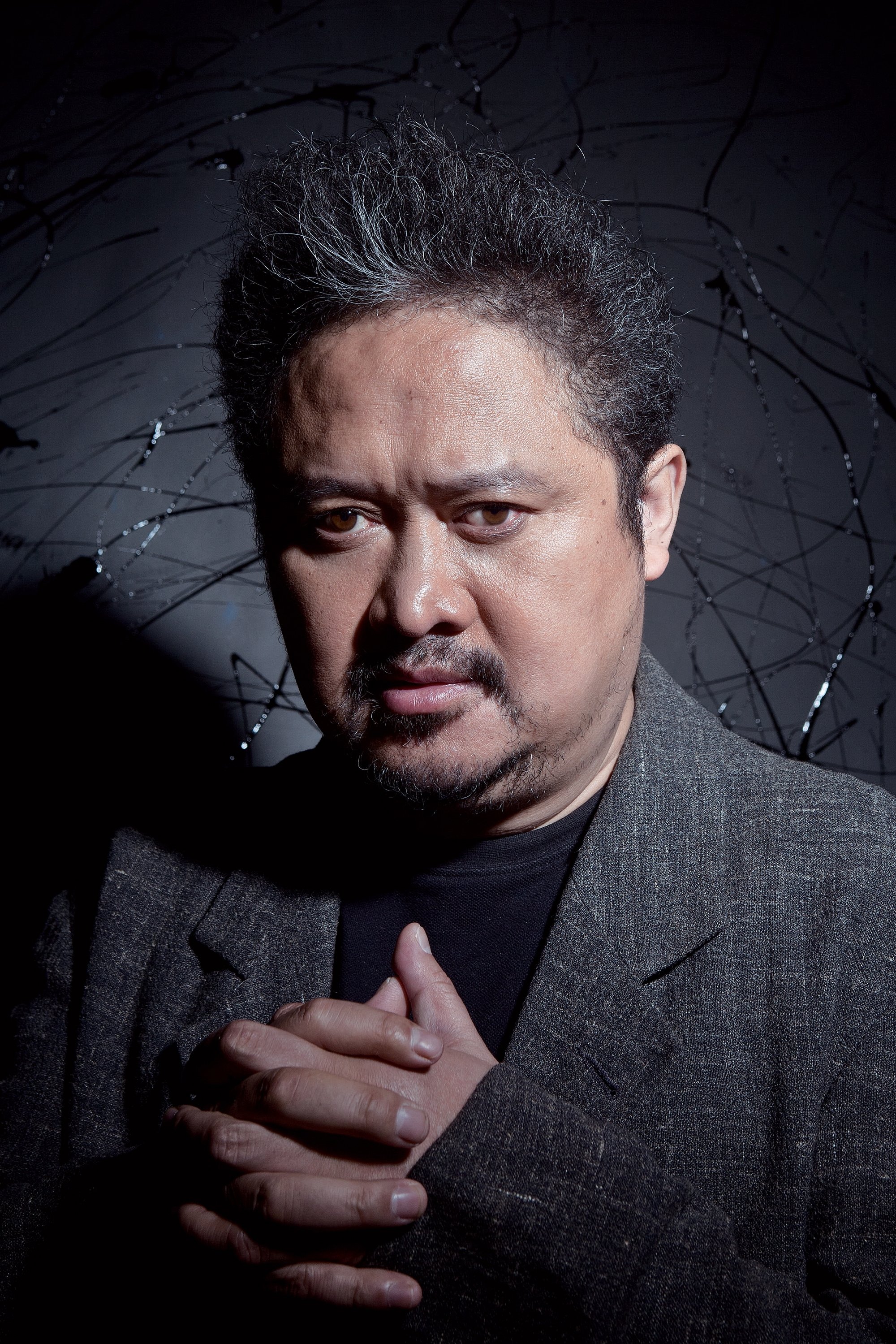
During periods when his independent work fell outside domestic approval, he faced restrictions that curtailed international travel. That prevented on site festival appearances even when his films played for overseas audiences.
Festival venue entry hinges on a valid badge tied to a person in the building. If travel restrictions stop the guest at the source, the festival cannot admit them, and screenings proceed without a post film discussion from the filmmaker.
Wang Xiaoshuai

At points in his early career, regulatory issues around production and approvals affected travel permissions. Those limits kept him from boarding flights for international premieres tied to his films.
The accreditation process at festivals is straightforward but inflexible. Without a passport and exit authorization, the guest cannot complete pickup, so they are denied entry to press conferences, industry meetings, and official screenings.
Bahman Ghobadi
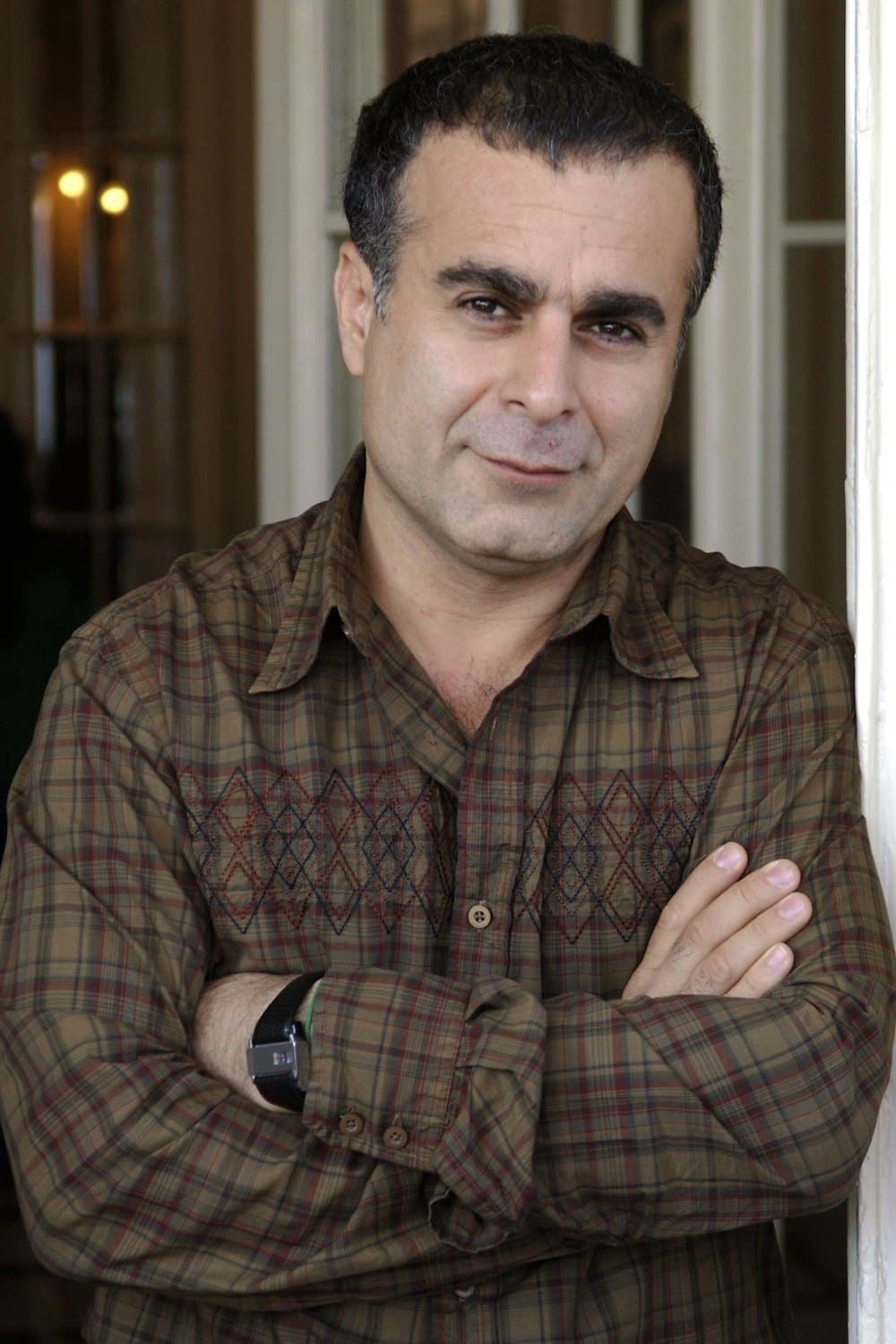
Following pressure in Iran after politically sensitive releases, he encountered periods when travel was constrained. Invitations to present work abroad could not be honored because exit permits and passport use were restricted.
Festival access checkpoints require an active badge, and badges require the holder to stand at the desk with identification. In the absence of that step, entry to auditoriums and event spaces is denied regardless of program billing.
Kirill Sokolov

Travel and legal complexities around work permits and documentation limited his ability to attend certain European events when his film gained traction. Without timely visa issuance, he could not enter the host country for premieres.
Visa processing timelines are a common reason for festival entry denial. If a visa is not approved by the start of the event, accreditation remains uncollected, and security teams do not admit guests without the printed or digital badge verified on site.
Feras Fayyad

Administrative and security related visa denials and delays disrupted his travel plans during a high profile festival run for his documentaries. When a visa is refused or delayed, the filmmaker cannot legally enter the territory to collect credentials.
Festivals sometimes arrange remote Q and A sessions in these cases, but entry to controlled venues remains impossible. Immigration outcomes determine whether a guest can be accredited, so a rejection at consular level results in denial at the door.
Share other cases you remember in the comments so we can keep building a complete picture of how and why festival entry gets denied.