Black Actors Who’ve Played Historical World Leaders


Portraying a head of state or a figure who shaped global events takes more than a good accent or a sharp suit. It calls for research, restraint, and a sure sense of the history that surrounds the role. These performances do not just recreate faces from the past. They help audiences understand how power was used and how decisions from one office or one movement rippled across nations.
From South African presidents to Egyptian and Ugandan leaders, and from American presidents to architects of independence movements, these roles span continents and eras. Each entry highlights the project, the historical figure, and the approach that made the portrayal stand out, along with context that places the performance inside the real story it set out to tell.
Morgan Freeman
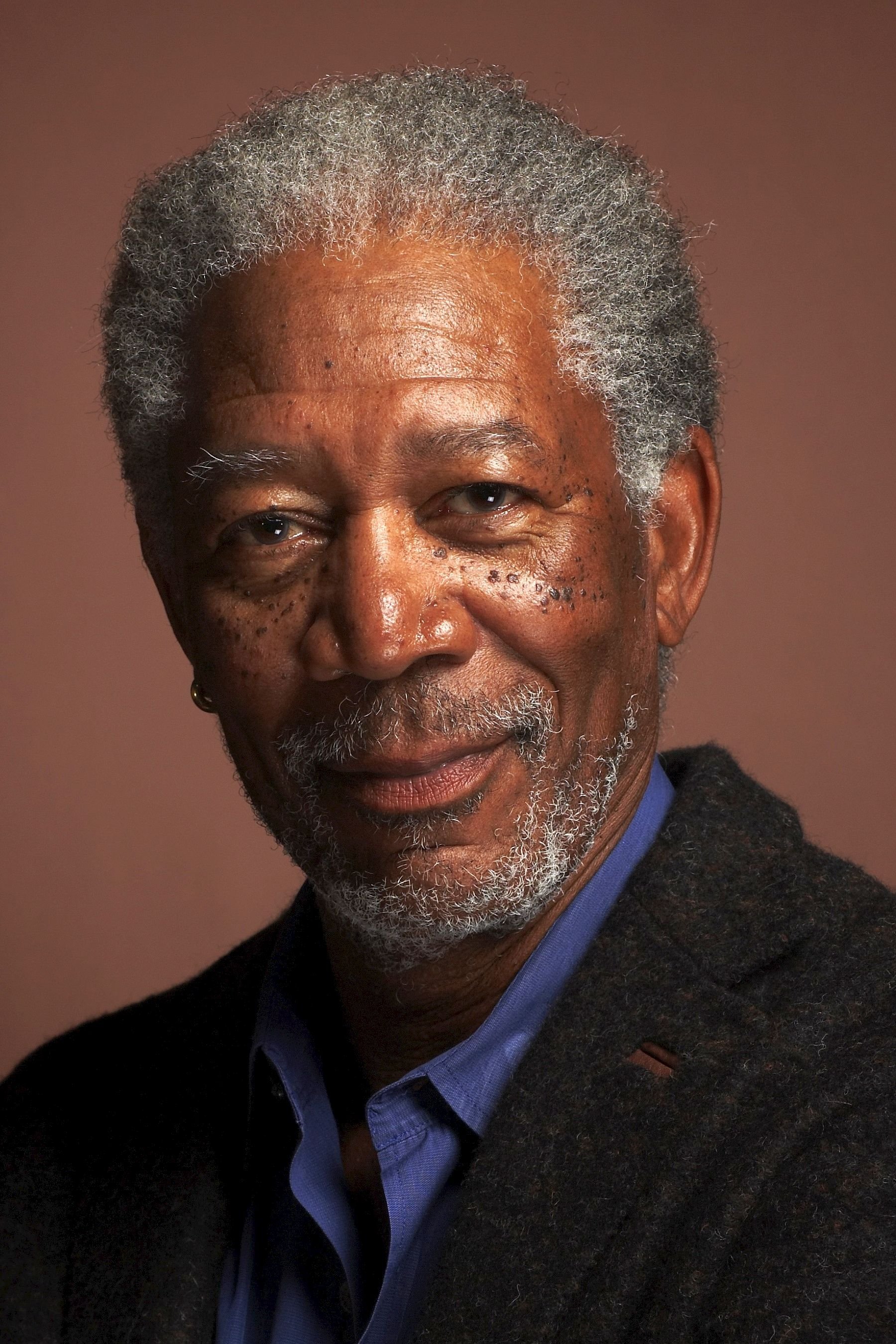
Freeman embodied Nelson Mandela in ‘Invictus’, a drama that centers on how sport became a tool for national unity after the end of apartheid. The film follows Mandela’s support for the Springboks and his partnership with rugby captain Francois Pienaar to bring a divided country together through a single tournament.
Clint Eastwood directed the production and framed the political backdrop through locker rooms, training fields, and presidential offices. Freeman’s performance anchors scenes that explain policy and reconciliation through quiet meetings, public appearances, and moments that show how symbolism can move a nation.
Idris Elba
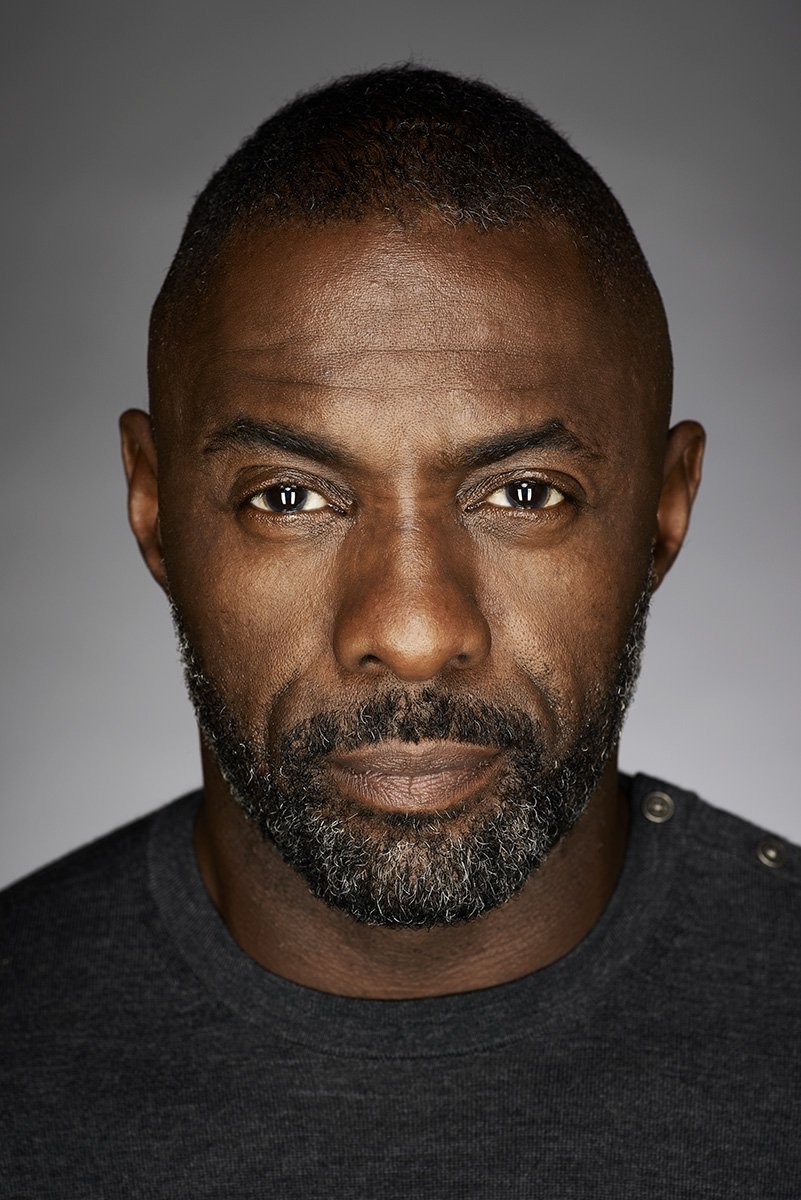
Elba led ‘Mandela: Long Walk to Freedom’, which adapts Nelson Mandela’s autobiography and traces his path from rural beginnings to the presidency. The story covers activism, imprisonment on Robben Island, and the negotiations that opened the door to a democratic South Africa.
The film pairs Elba with Naomie Harris as Winnie Mandela to show the personal costs that ran alongside public milestones. Location work in South Africa, extensive makeup effects, and a timeline that spans decades give viewers a clear view of the movement, the man, and the office he would eventually hold.
Sidney Poitier
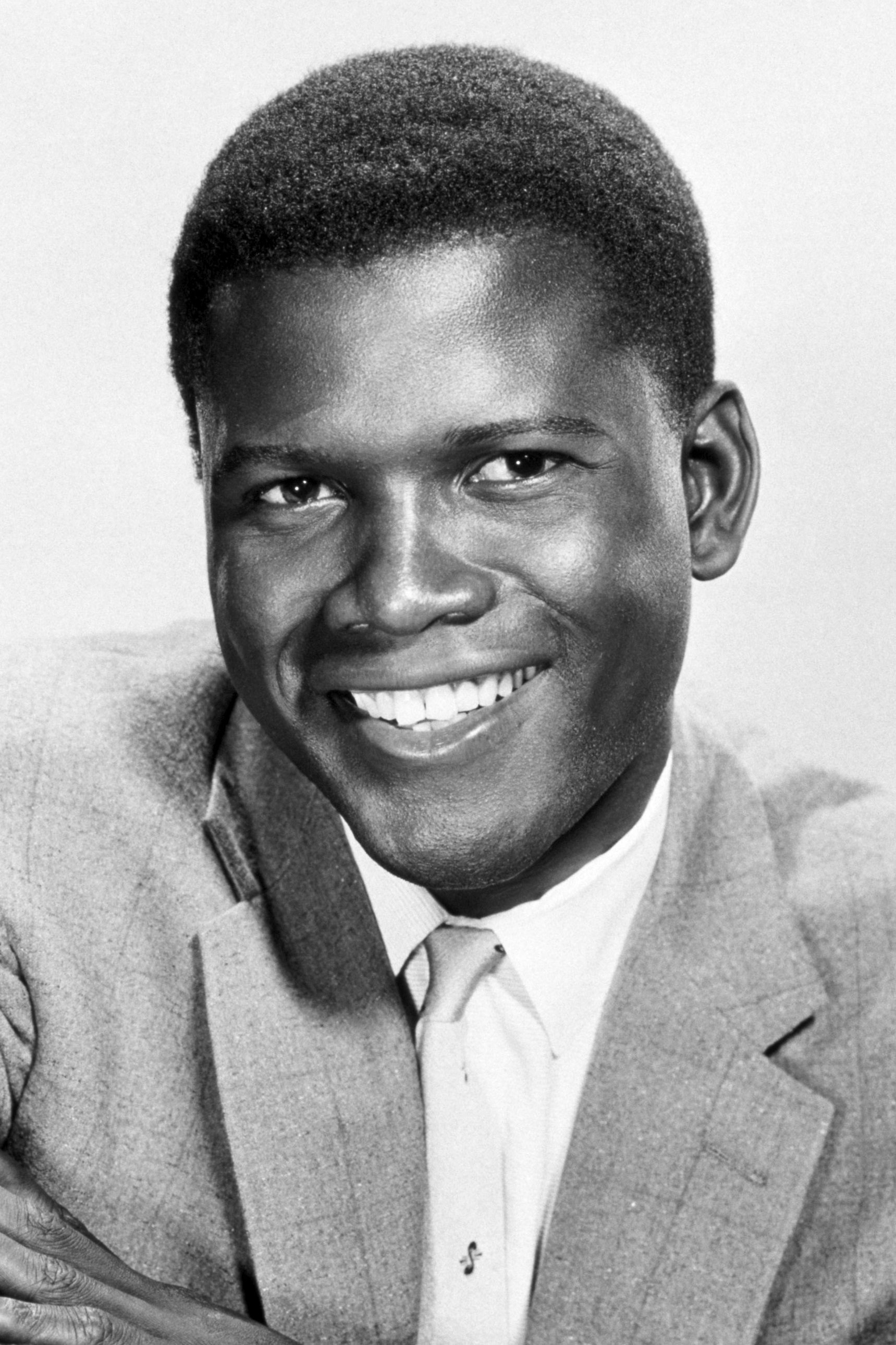
Poitier portrayed Nelson Mandela in ‘Mandela and de Klerk’, a television film focused on the talks that dismantled apartheid. The script concentrates on the relationship between Mandela and F. W. de Klerk and on the choices that shaped the transition to free elections.
The production places cabinet rooms and private meetings at the center of the story. Poitier’s scenes chart the careful language of diplomacy, the risks assumed by both sides, and the steps that led to a peaceful transfer of power.
Danny Glover
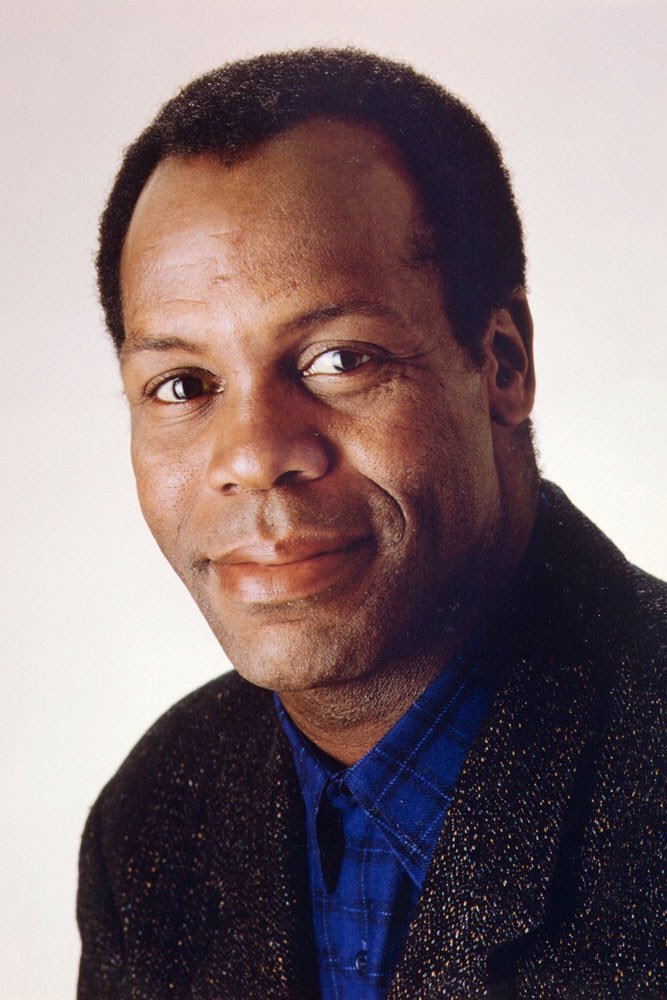
Glover starred as Nelson Mandela in ‘Mandela’, an HBO film that follows the rise of the African National Congress and the crackdown that sent its leadership underground. The narrative moves from legal activism to resistance and then to the arrests that changed the course of the struggle.
The film balances courtroom proceedings, clandestine organizing, and family life with Winnie Mandela. It presents the early years of a political journey that would later reach the Union Buildings, showing how the foundations of leadership were laid long before any election.
Kingsley Ben-Adir
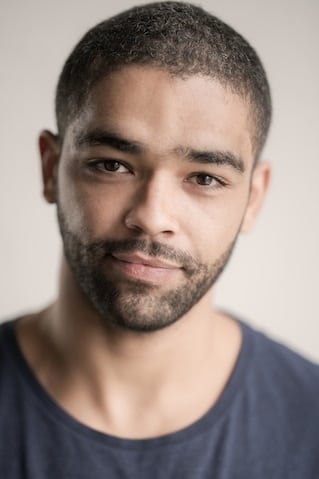
Ben-Adir played Barack Obama in ‘The Comey Rule’, a limited series about the FBI and the Justice Department during a turbulent period. His scenes present the president’s role in briefings and conversations that established expectations for law enforcement and national security.
The series uses West Wing offices and situation rooms to place viewers inside real decision spaces. Ben-Adir’s performance supports a story that explains process, protocol, and the limits of presidential involvement in ongoing investigations.
Parker Sawyers
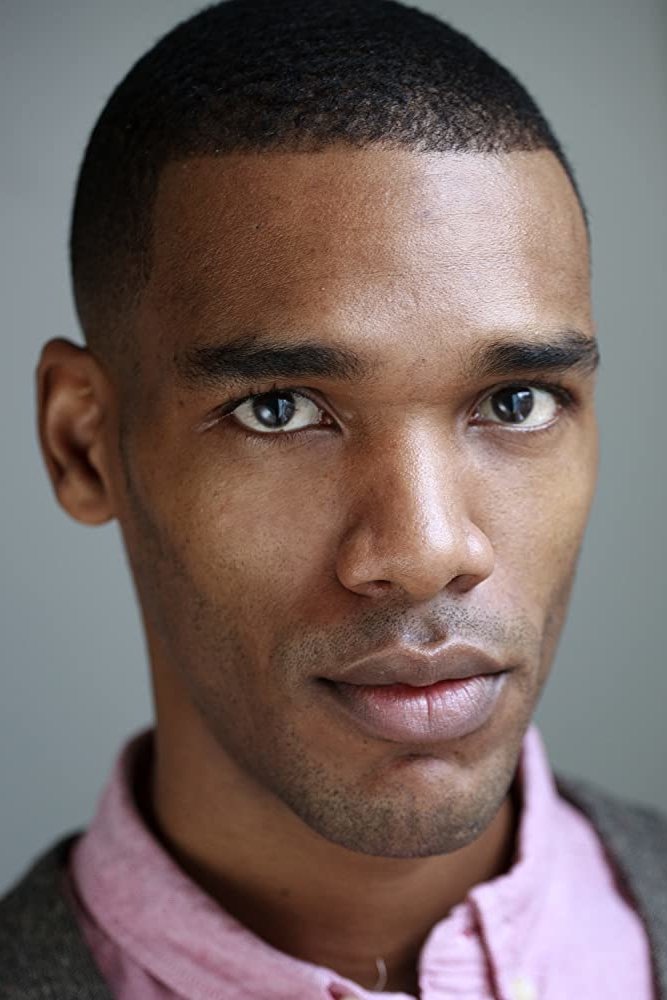
Sawyers portrayed a young Barack Obama in ‘Southside with You’, which follows a single day that would become the first date with Michelle Robinson. The film shows how a future president navigated work, community meetings, and conversation that ranged from art to public service.
The production shoots on Chicago streets, cultural centers, and neighborhood gatherings to ground the story in the city that shaped both leads. Sawyers learned Obama’s cadence and physicality for quiet scenes that point to the values that later defined a political career.
Devon Terrell
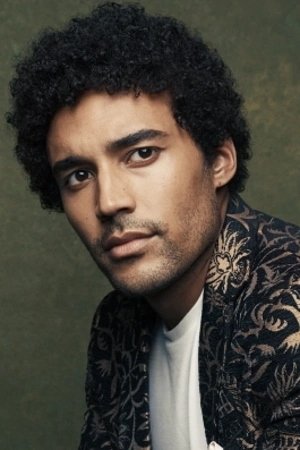
Terrell led ‘Barry’, a dramatization of Barack Obama’s college years in New York. The film explores identity, family, friendships, and early steps toward public life while showing the environment that tested and refined his outlook.
The project weaves campus life with city experiences and introduces mentors and classmates who push the future president to think about community and responsibility. Terrell’s performance connects youthful questions to the direction that would eventually lead to the Oval Office.
O-T Fagbenle
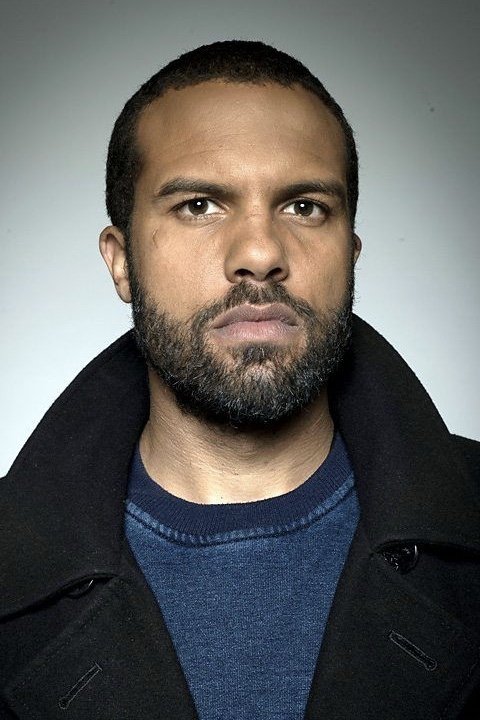
Fagbenle played Barack Obama in ‘The First Lady’, a series that tells presidential history through the experiences of three women in the White House. His portrayal appears alongside Viola Davis as Michelle Obama and supports a narrative that emphasizes policy priorities and family life inside the residence.
The series recreates campaign stops, private strategy sessions, and East Wing initiatives. Fagbenle’s scenes provide the counterpart from the West Wing as the show maps how public roles intersect with personal relationships at the highest level of government.
Forest Whitaker
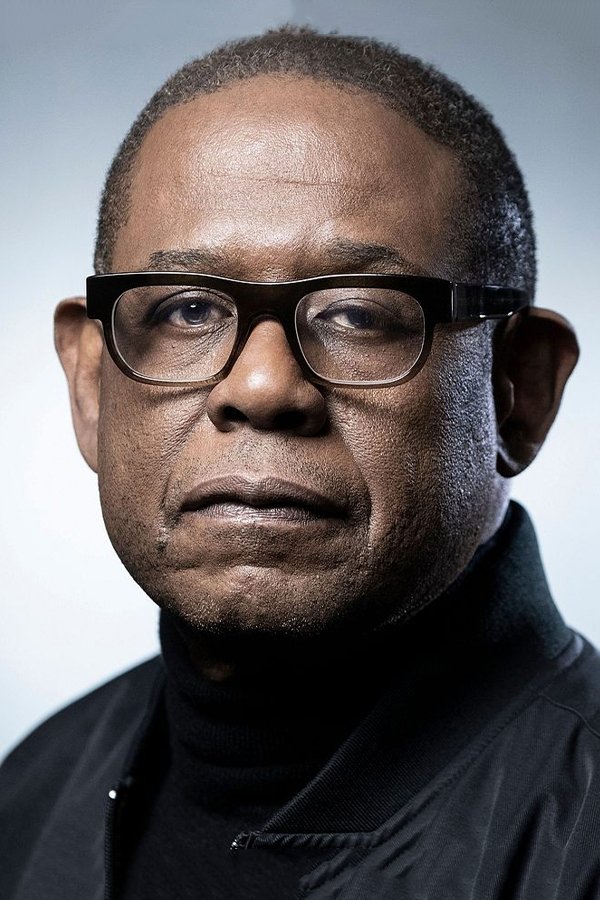
Whitaker portrayed Idi Amin in ‘The Last King of Scotland’, a political thriller that tracks the Ugandan dictator’s rule through the eyes of a fictional Scottish doctor. The film shows how charm and brutality coexisted and how the regime consolidated power.
Director Kevin Macdonald builds tension with scenes inside State House corridors, military compounds, and hospitals. Whitaker’s work earned top awards recognition and anchors a story that explains how a leader can manipulate institutions and individuals to maintain control.
Ériq Ebouaney
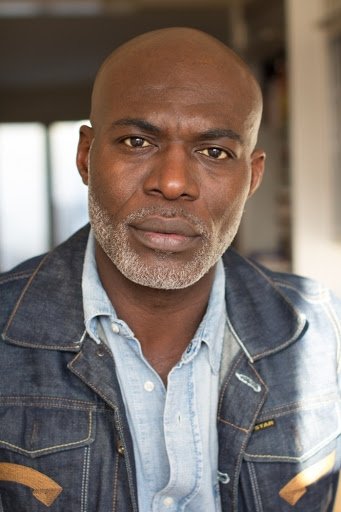
Ebouaney portrayed Patrice Lumumba in ‘Lumumba’, a drama about Congo’s independence and the turmoil that followed. The story follows Lumumba from regional politics to the office of prime minister and then to the crisis that ended his life.
Raoul Peck directs with attention to international pressure and internal rivalries, placing the viewer inside cabinet rooms and diplomatic exchanges. Ebouaney’s performance shows how a leader tried to hold a new nation together while navigating foreign interests and domestic power struggles.
Chiwetel Ejiofor
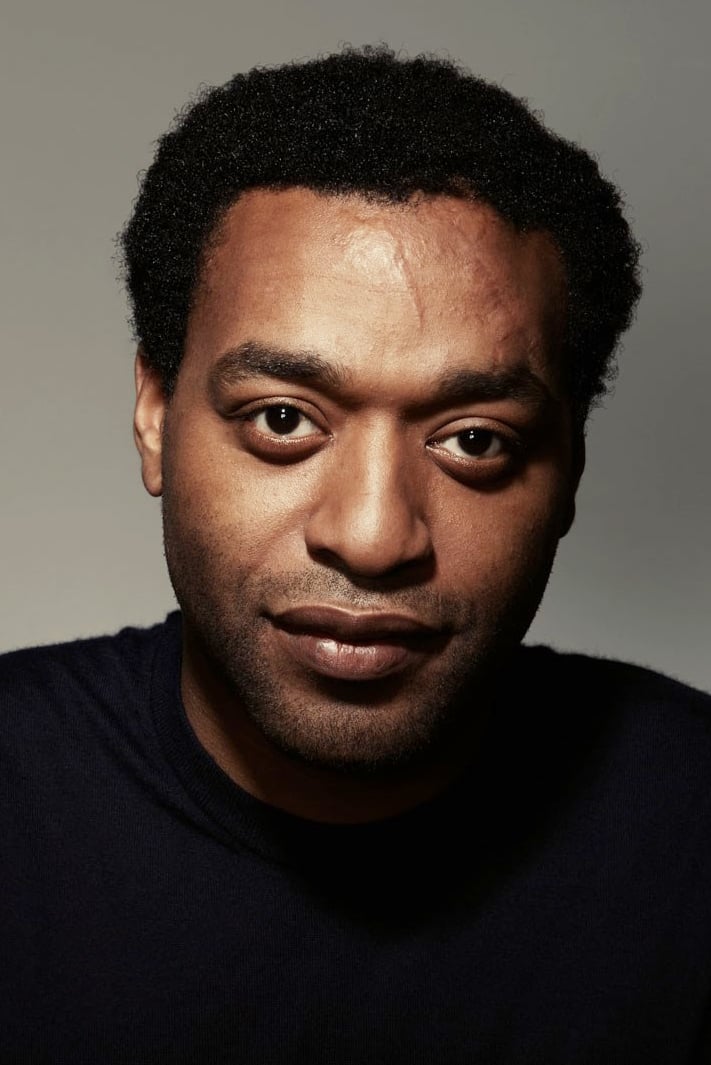
Ejiofor played Thabo Mbeki in ‘Endgame’, which chronicles secret talks between the African National Congress and influential figures from the ruling establishment. The film explains how dialogue outside the public spotlight prepared the ground for formal negotiations.
The production sets pivotal scenes in English country houses and South African offices to reflect the hidden and the official fronts of the process. Ejiofor’s Mbeki serves as strategist and envoy, outlining positions and testing compromises that anticipated a post apartheid settlement.
Jimmy Jean-Louis
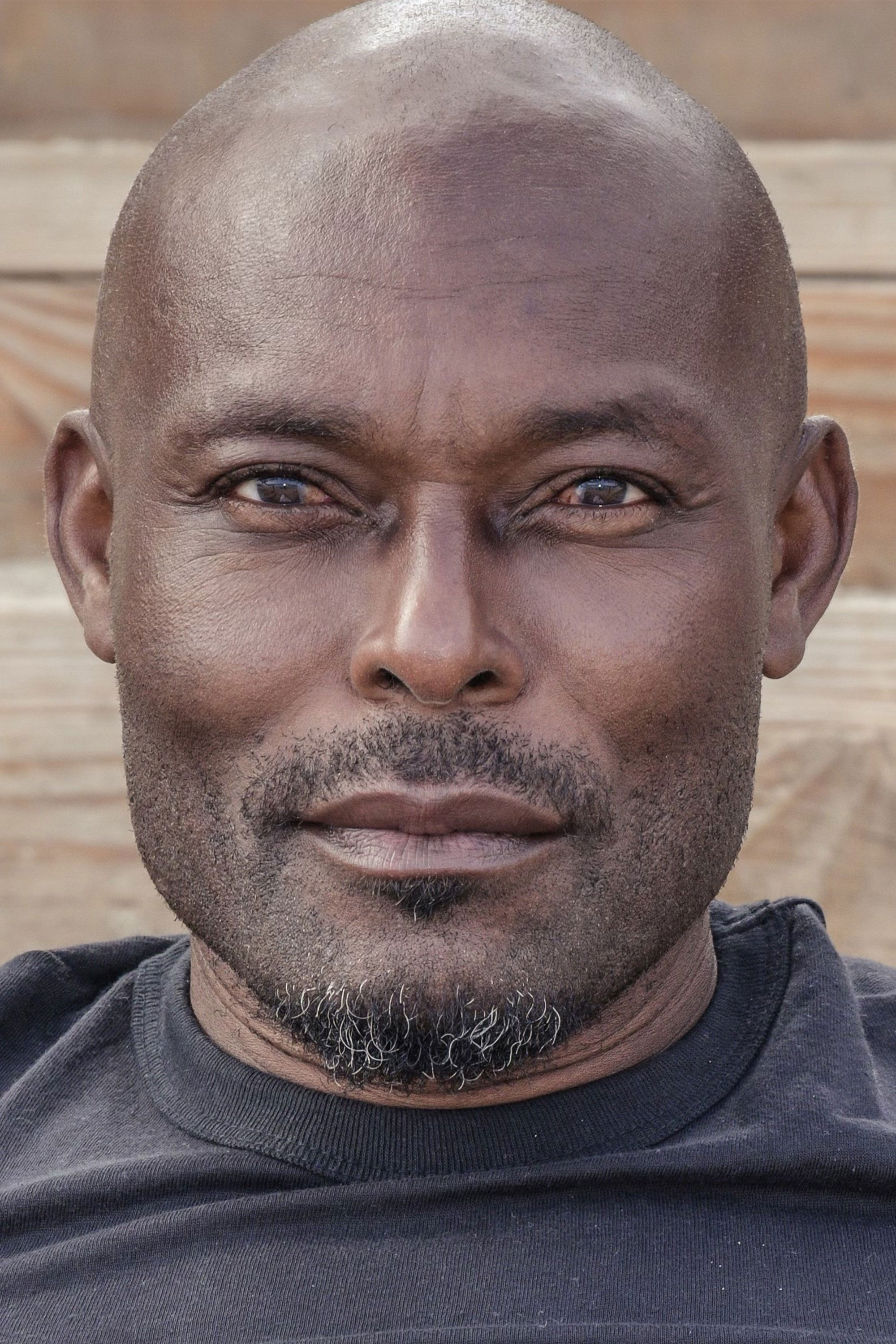
Jean-Louis starred as Toussaint Louverture in ‘Toussaint Louverture’, a French miniseries about the Haitian Revolution. The story traces his rise from enslavement to leadership and shows how he organized armies, negotiated with European powers, and governed a changing colony.
Battle sequences and council chambers share screen time as the production explains both military and administrative decisions. Jean-Louis presents a statesman who balanced ideals with the demands of war and governance, placing Haiti’s fight for freedom in a global context.
Louis Gossett Jr.
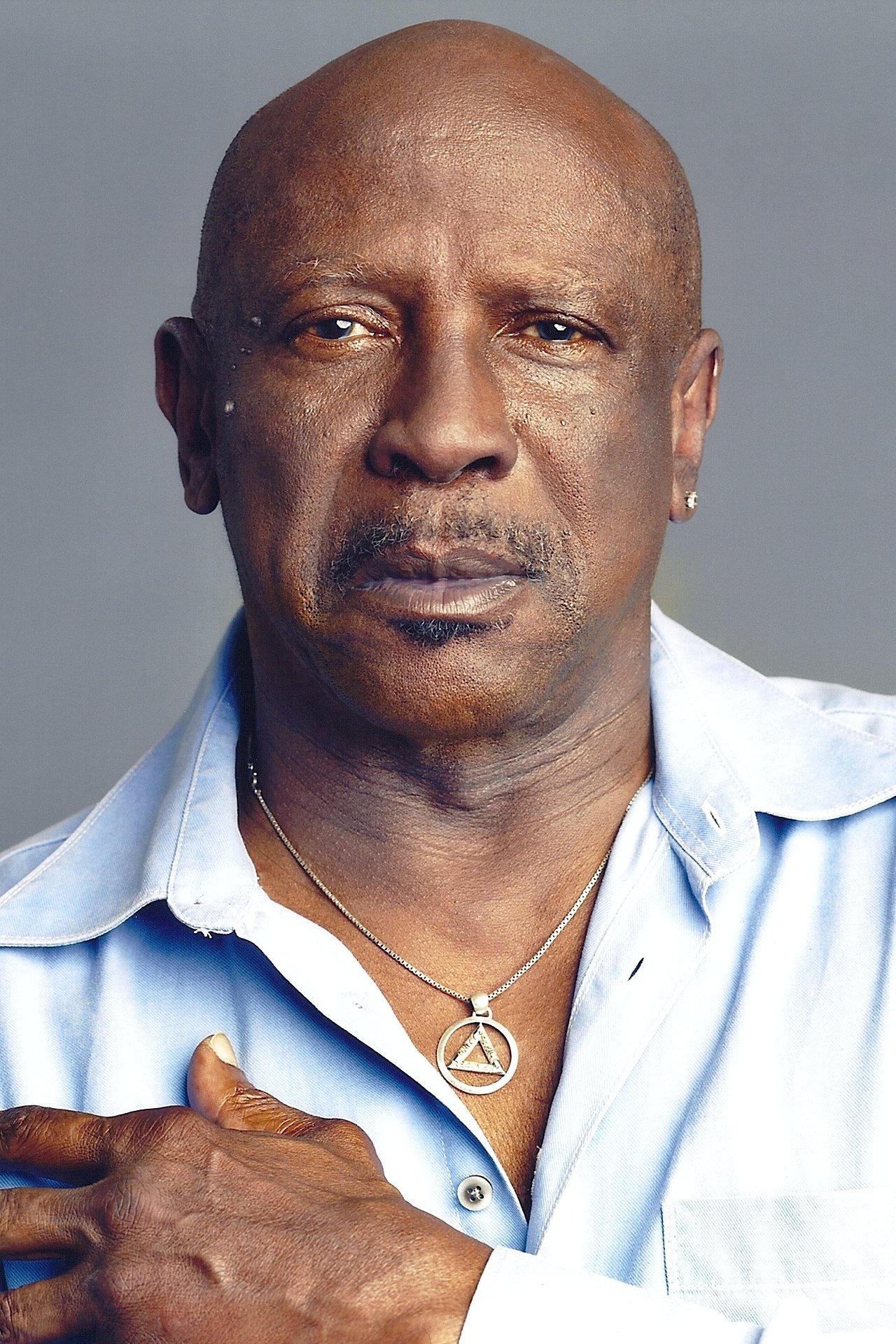
Gossett Jr. portrayed Anwar Sadat in ‘Sadat’, an American miniseries that covers the Egyptian leader’s path from activism to the presidency. The narrative includes cabinet disputes, the visit to Jerusalem, and the peace process that reshaped regional politics.
The series recreates parliaments, airfields, and summit rooms to show the mechanics of diplomacy. Gossett’s performance places viewers inside the choices that defined a presidency and into the risks that came with bold moves on the world stage.
David Oyelowo
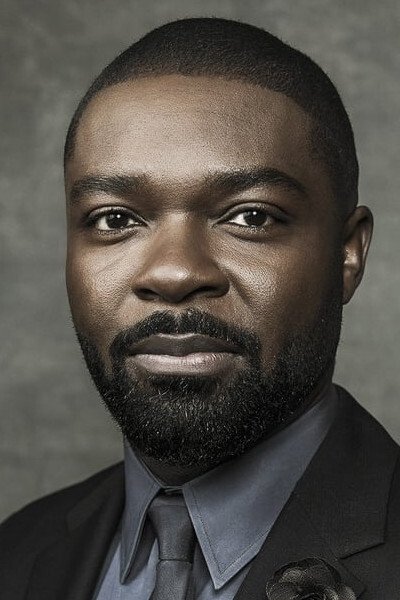
Oyelowo played Seretse Khama in ‘A United Kingdom’, which tells the story of the Botswanan leader and Ruth Williams and the controversy that surrounded their marriage. The film follows exile, legal battles, and the struggle to return home and lead.
Director Amma Asante uses London offices and Bechuanaland landscapes to show how personal decisions intersected with colonial policy. Oyelowo’s portrayal captures the statesman who guided a young nation toward independence and laid the groundwork for stable democratic rule.
Share your favorite portrayals and the roles you think should be added in the comments.