45 Worst Cases of Hollywood Straightwashing


Hollywood has a long history of taking queer people and stories and presenting them as straight. Sometimes this happens because of old censorship rules. Other times it happens when studios soften or ignore the source material to appeal to a wider audience. Either way, the result is the same. Viewers lose important parts of a character’s identity and the record gets blurred for the next generation.
This list rounds up well known examples across classic dramas, modern blockbusters, and comic book adaptations. Each entry focuses on specific changes, deletions, or choices that removed same sex relationships or queer identities that existed in history, literature, mythology, or prior canon. The goal is to show what was left out, how it was changed on screen, and why it matters for anyone who cares about accuracy and representation.
Russell Crowe in ‘A Beautiful Mind’ (2001)
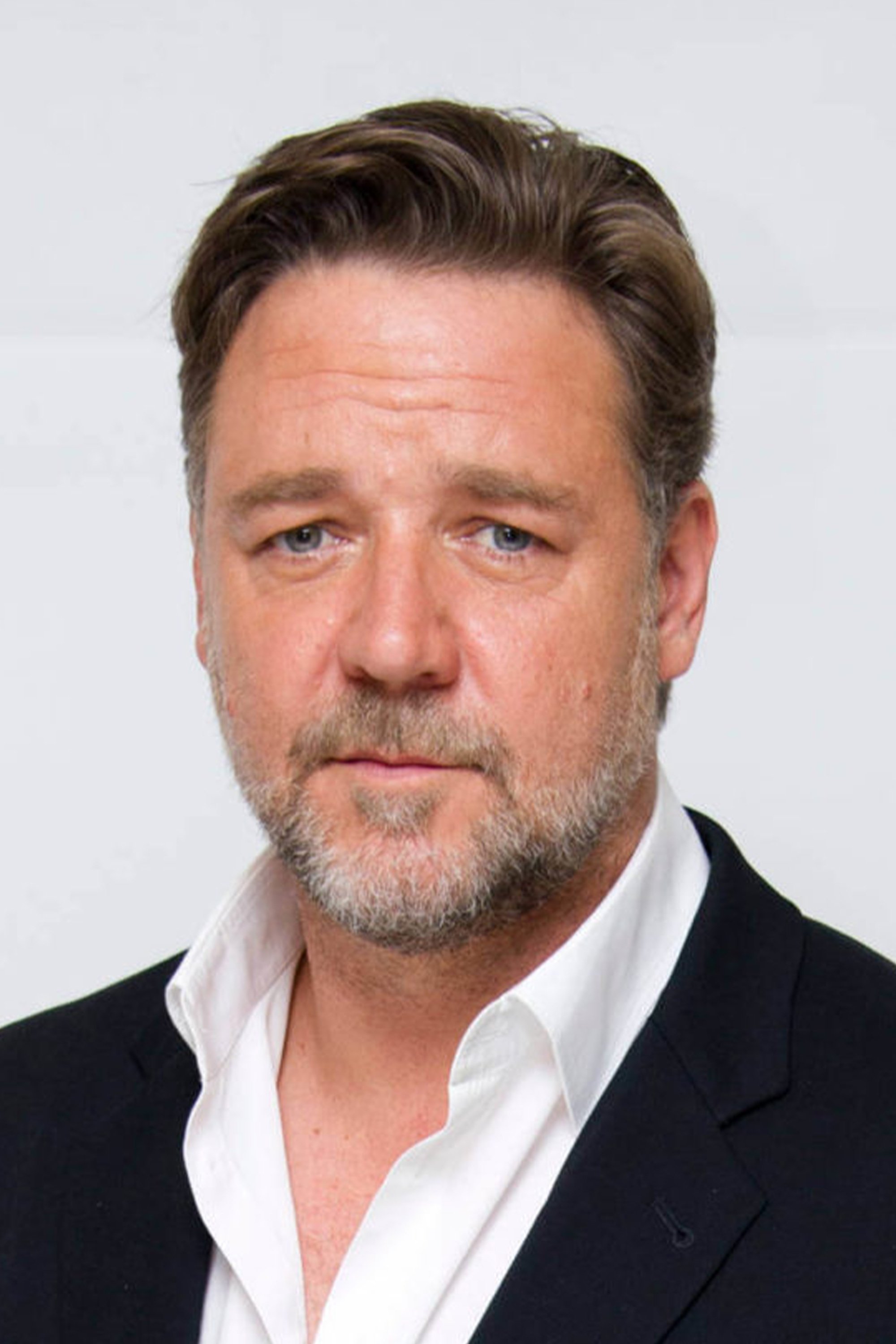
The real John Nash had documented relationships with men and faced legal trouble that reflected the era’s criminalization of queer life. The film presents his courtship and marriage to Alicia Larde as the sole intimate storyline and does not include his relationships with men.
By centering only the heterosexual romance, the script simplifies Nash’s personal history while retaining his professional arc and illness narrative. The omissions change how viewers understand the pressures he faced in mid century America and narrow the portrait to a conventional family frame.
Colin Farrell in ‘Alexander’ (2004)
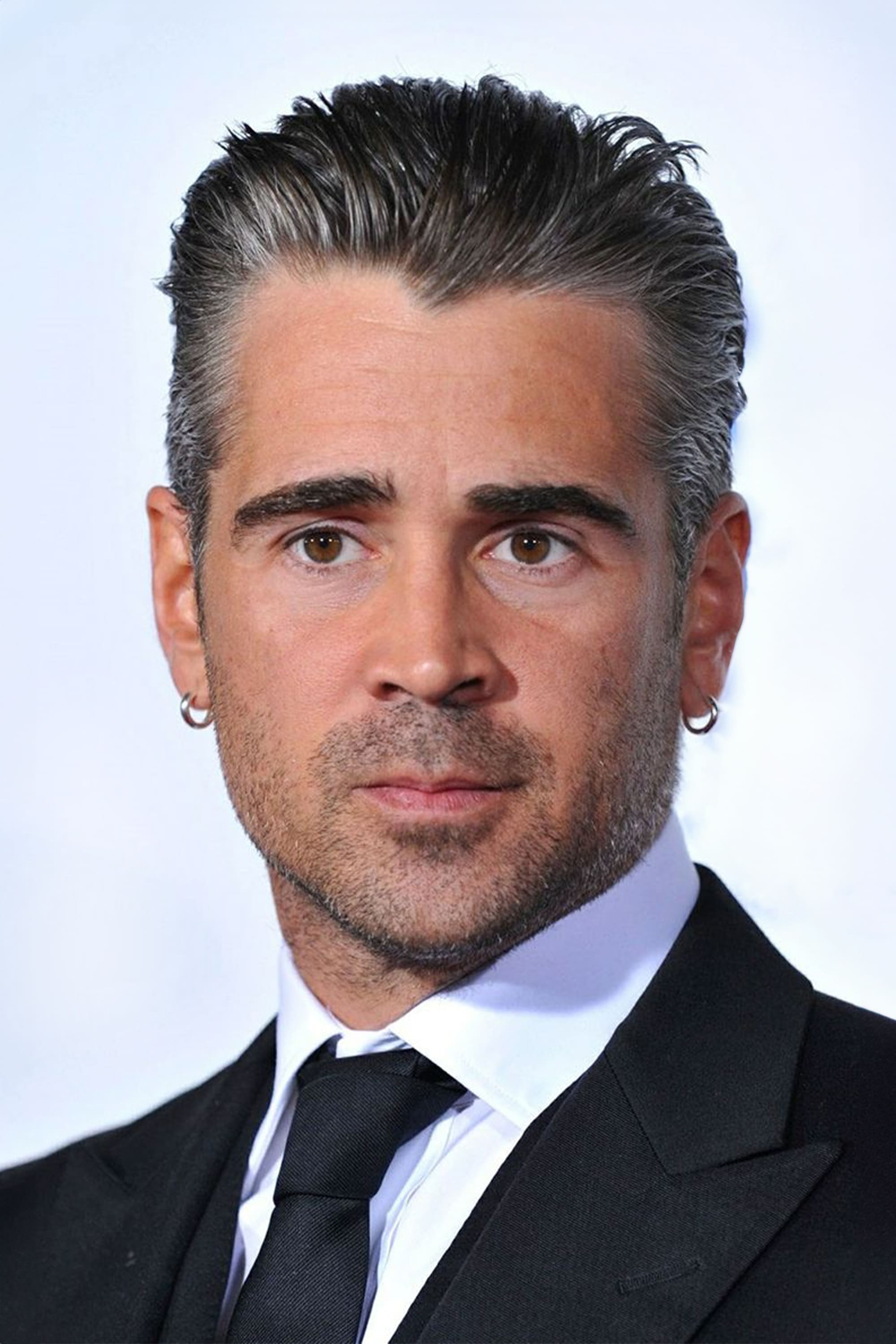
Historical sources and classical traditions record Alexander’s close relationships with Hephaestion and Bagoas. The United States theatrical cut reduces same sex scenes and focuses attention on his marriage alliances and conquests.
Later edits restored more of the material, yet the most widely seen version at release did not give equal weight to his male partners. That choice shaped public perception of a figure whose bisexuality is well attested in ancient accounts.
Whoopi Goldberg in ‘The Color Purple’ (1985)
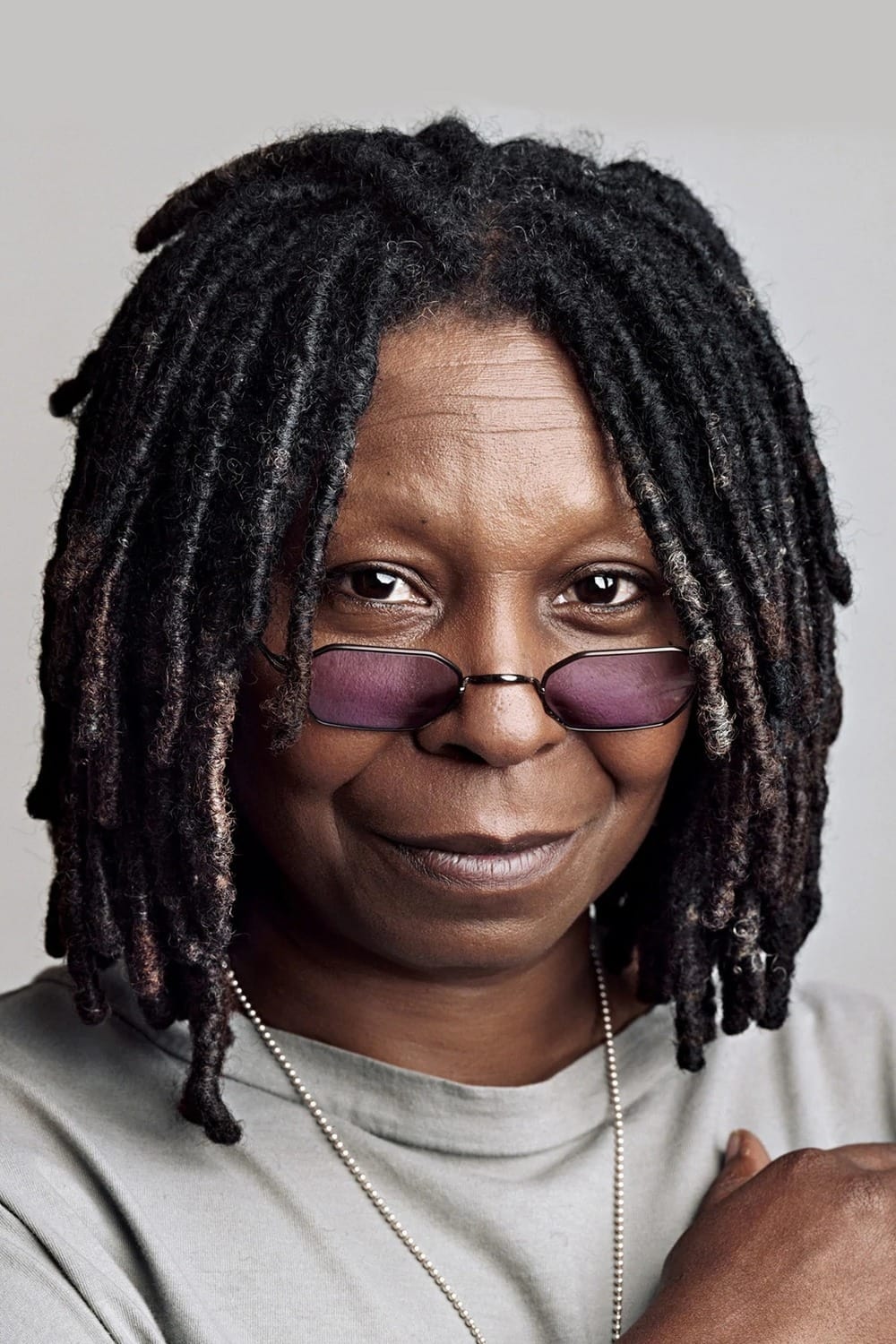
Alice Walker’s novel depicts a sustained romantic and physical relationship between Celie and Shug Avery. The film scales that down to brief moments and moves the emotional center to family reconciliation.
Those changes keep much of the story but remove the depth of Celie’s queer awakening. The adaptation leaves audiences with a more muted impression of the bond that defines Celie’s sense of self in the book.
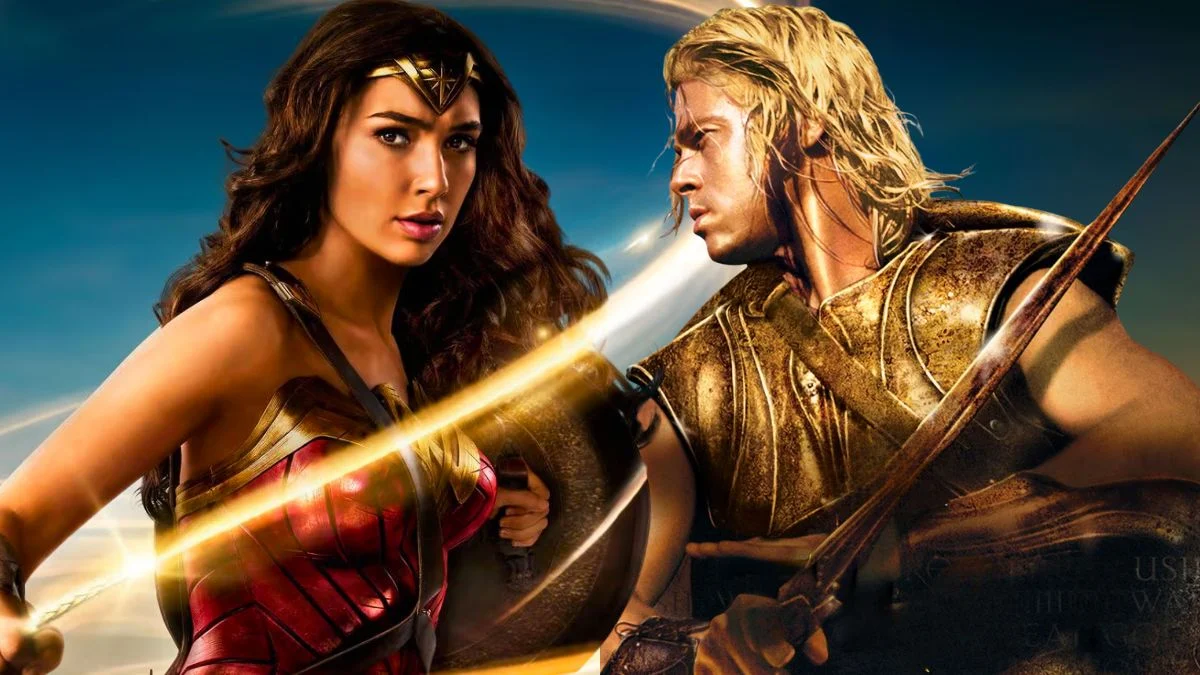
Brad Pitt in ‘Troy’ (2004)
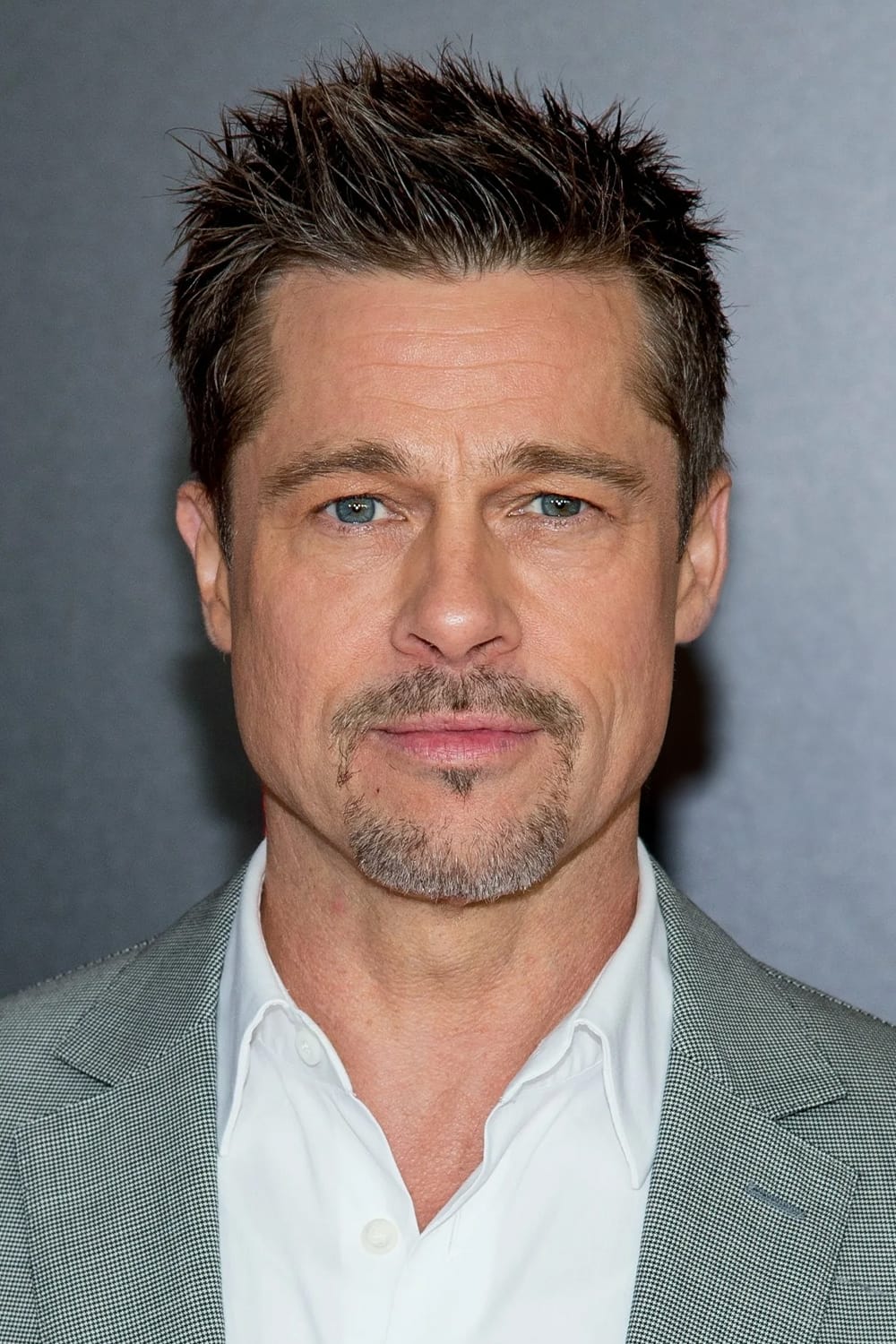
Many readings of the Achilles story treat his bond with Patroclus as romantic. The film recasts them as cousins and gives Achilles a prominent heterosexual love interest in Briseis.
This approach uses the war plot while avoiding the romantic interpretation that has a long history in classical studies. The choice reframes Achilles as a traditional leading man and steers viewers away from same sex intimacy.
Charlton Heston in ‘Ben-Hur’ (1959)
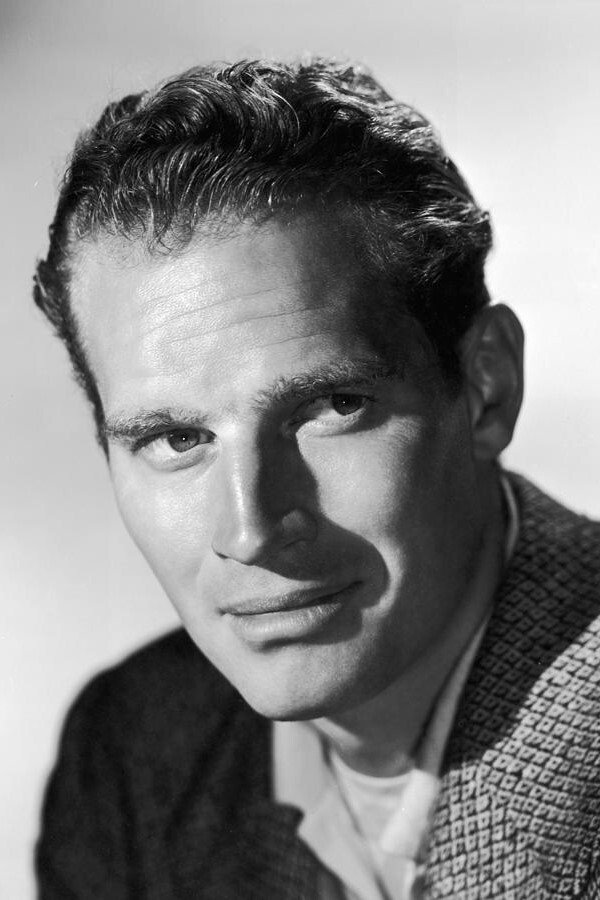
Writers developed scenes between Judah Ben Hur and Messala to play as former lovers without telling the lead. The finished film never states a past romance and presents their conflict as broken friendship and betrayal.
Audience members received only hints through performance and staging. The story remains within a heterosexual frame and reduces queer subtext to private direction notes and subtextual glances.
Miriam Hopkins in ‘These Three’ (1936)
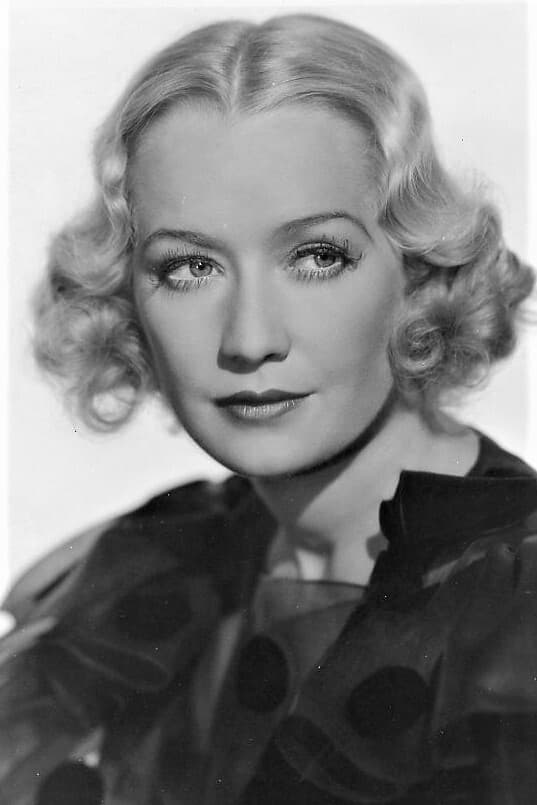
Lillian Hellman’s play ‘The Children’s Hour’ revolves around a lie about a lesbian relationship. The film version was forced by the Production Code to turn the rumor into a standard heterosexual triangle.
By changing the nature of the accusation, the adaptation removes the central subject of the original drama. Viewers get the events of the plot but not the reason the scandal carried such weight in the source text.
Paul Newman in ‘Cat on a Hot Tin Roof’ (1958)
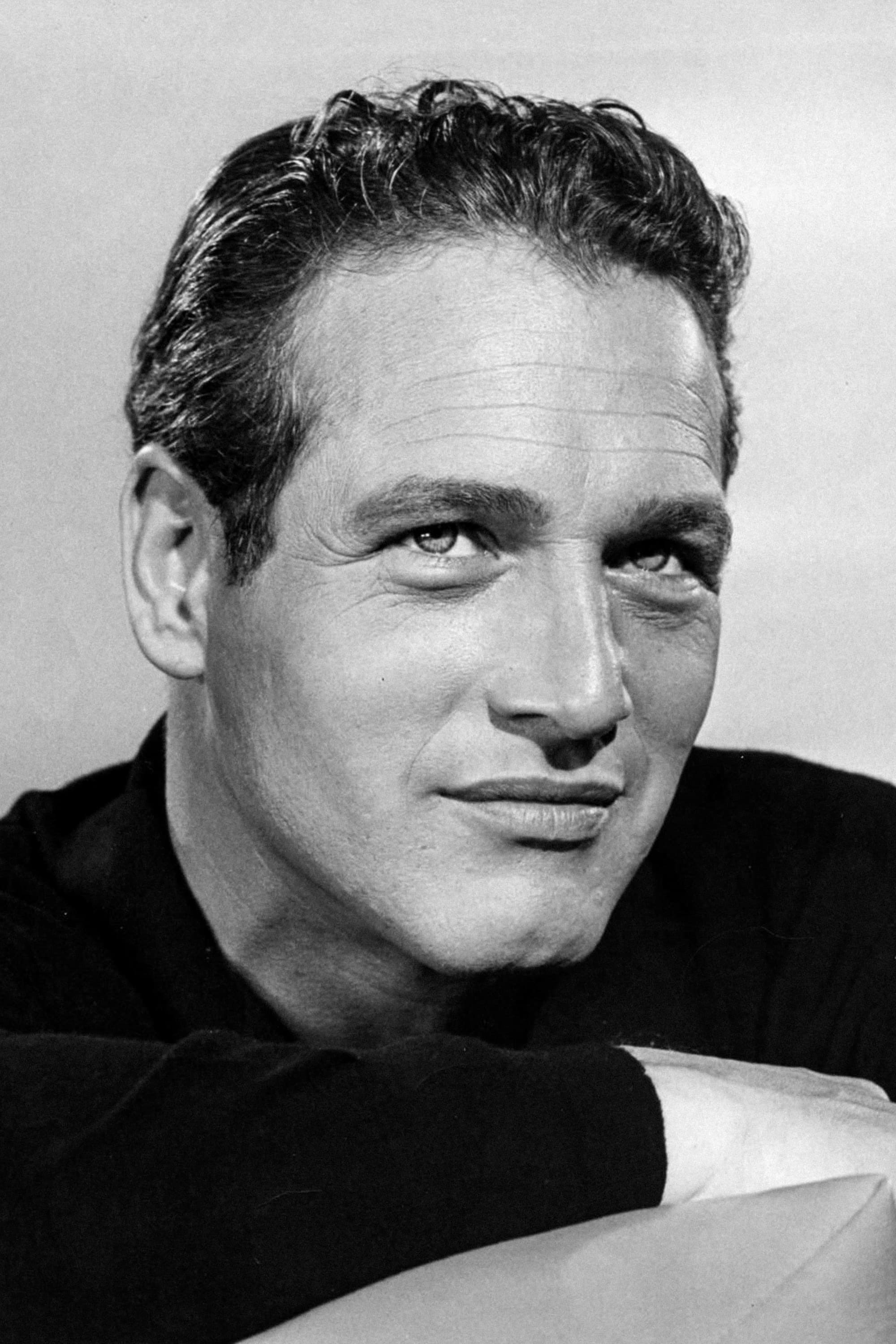
Tennessee Williams wrote Brick’s desire for his friend Skipper as a core issue. The film replaces that with a focus on guilt, grief, and alcohol while keeping the marriage standoff with Maggie.
This shift preserves family conflict but strips out the motive that explains Brick’s withdrawal. The result keeps the Southern gothic setting and stakes while avoiding the queer dimension that Williams put on the page.
Judith Anderson in ‘Rebecca’ (1940)
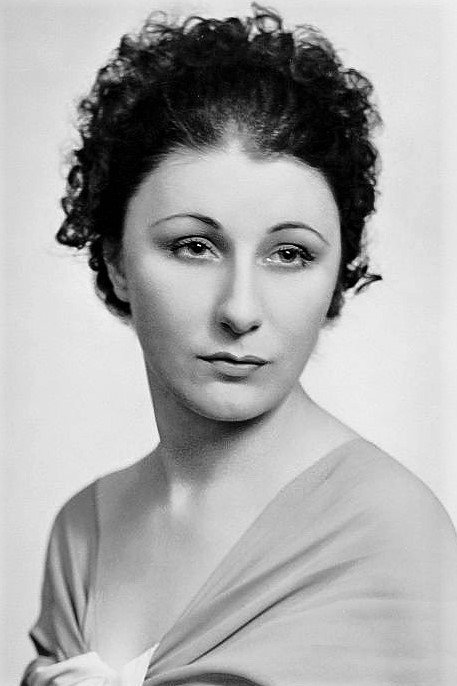
Daphne du Maurier’s novel gives Mrs Danvers an intense attachment to Rebecca that reads as romantic fixation. The film presents it as devotion and jealousy without naming or showing queer desire.
The difference protects the adaptation from censorship while blunting the character’s motivation. Viewers see control and manipulation but not the forbidden love that sharpened the book’s tension.
Laurence Olivier in ‘Spartacus’ (1960)
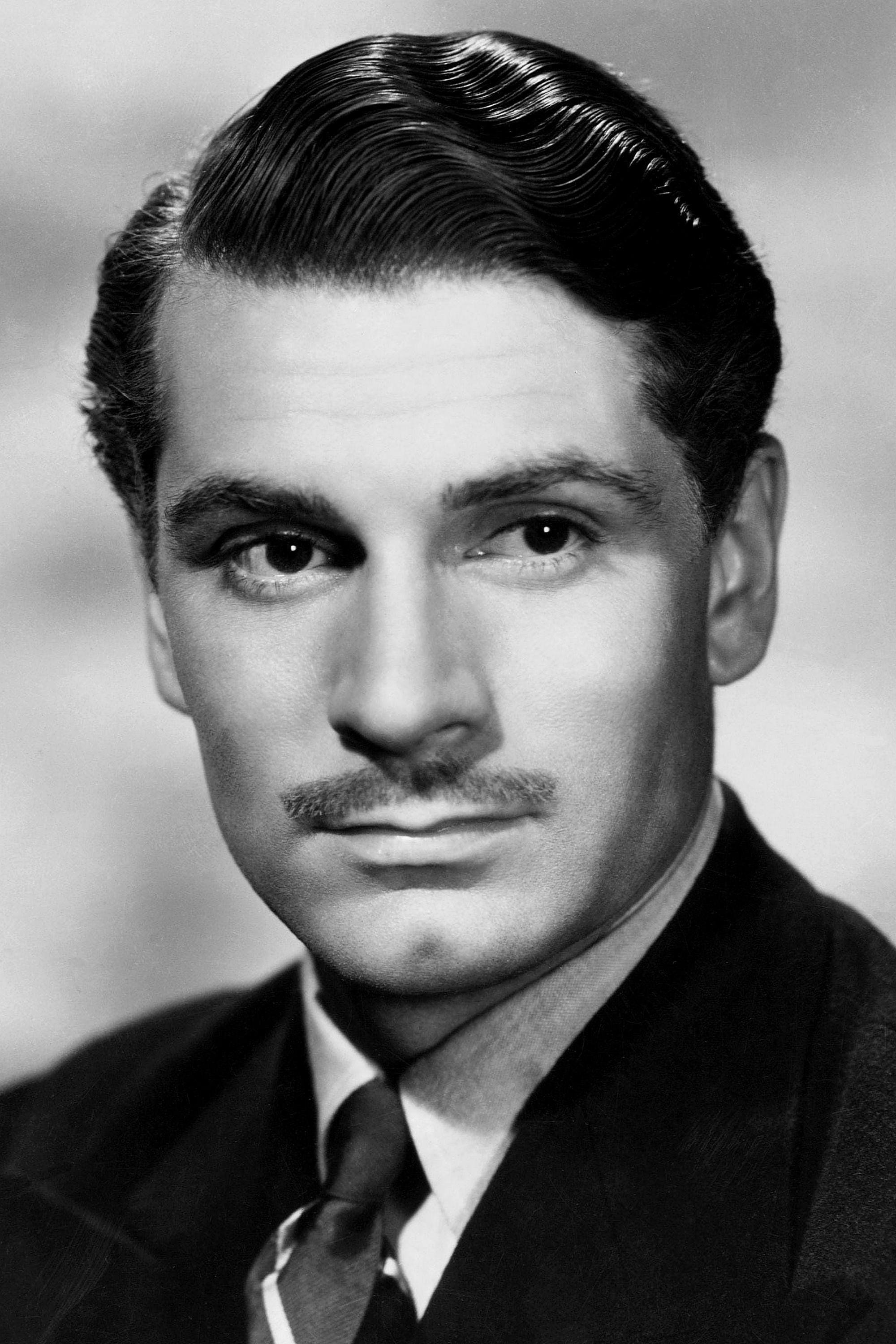
A scene with Crassus and Antoninus uses oysters and snails to signal attraction to both sexes. The original release cut that exchange for many audiences, and later restorations put it back.
The cut version kept the epic spectacle and politics and removed clear acknowledgment of bisexual desire. For years most viewers saw a story cleansed of the frank discussion that the writers designed to pass the censors.
Hurd Hatfield in ‘The Picture of Dorian Gray’ (1945)
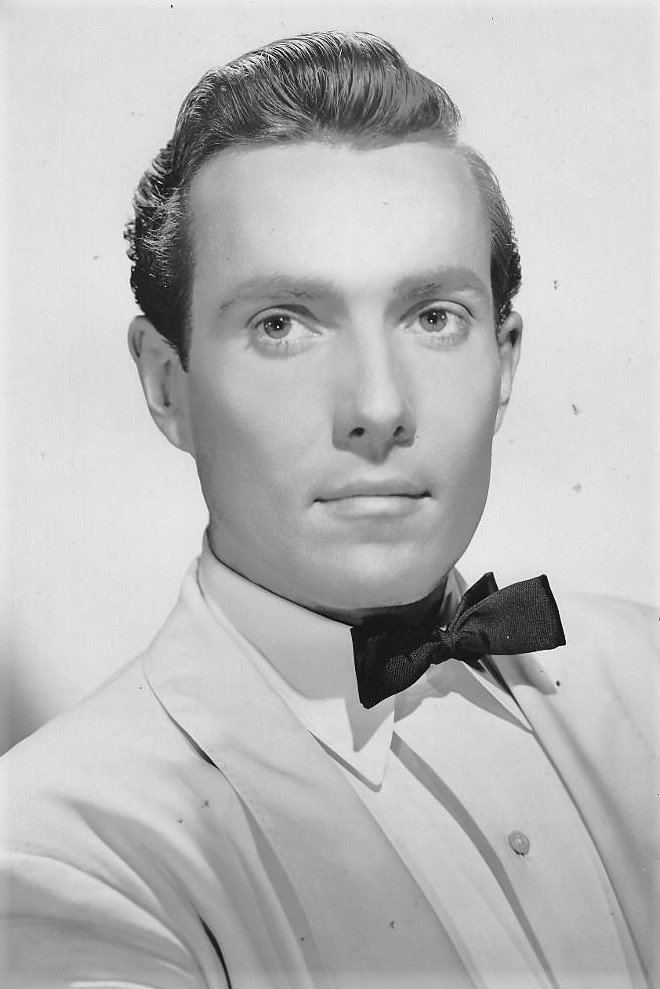
Oscar Wilde’s novel builds homoerotic tension between Dorian and Basil and links it to art and corruption. The film emphasizes a supernatural morality tale and pairs Dorian with women.
The adaptation keeps the portrait device and Victorian setting but erases the same sex currents that informed Wilde’s life and work. What remains is a warning about vanity rather than a study of forbidden desire.
Alain Delon in ‘Purple Noon’ (1960)
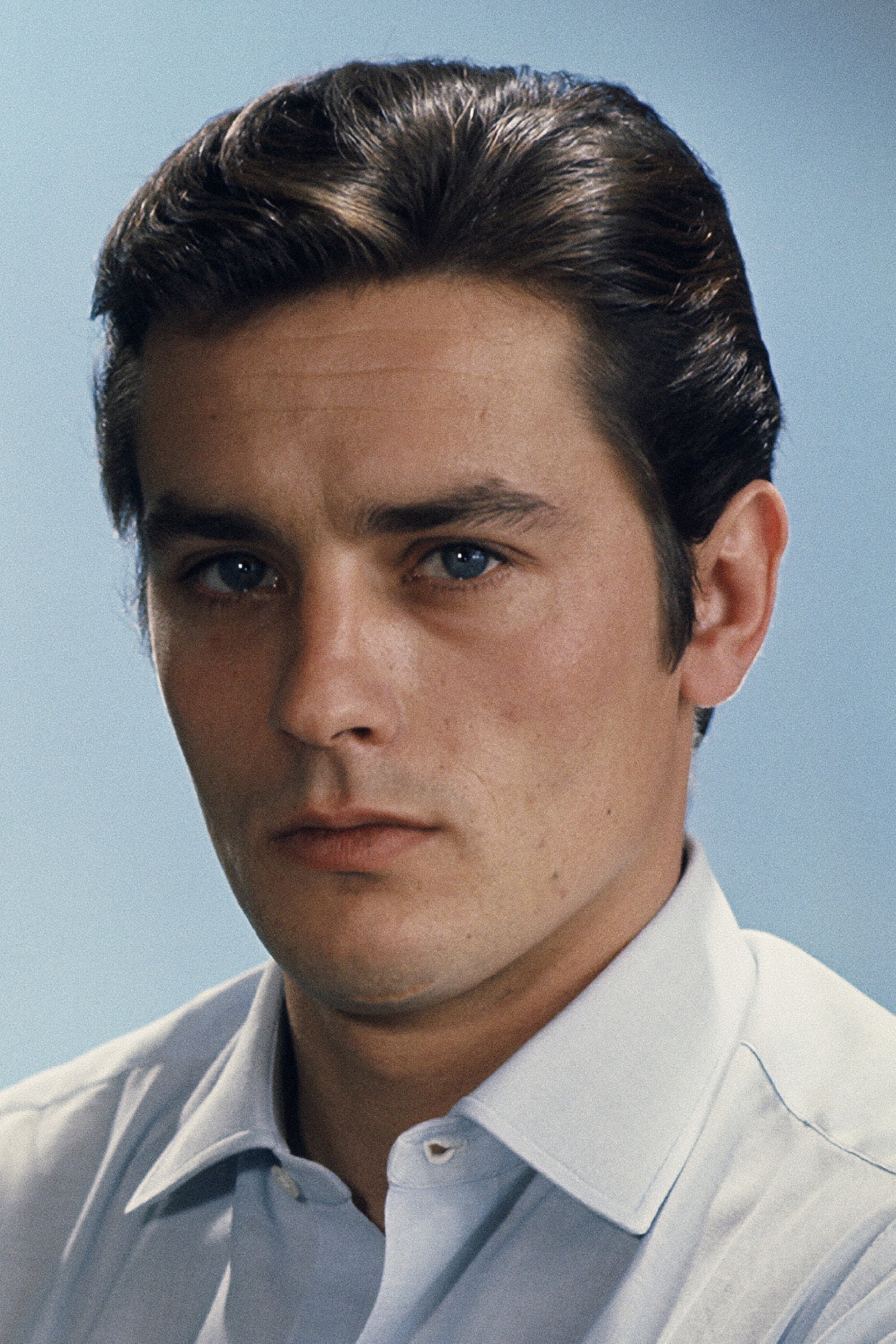
Patricia Highsmith wrote Tom Ripley with desire for Dickie Greenleaf woven into the obsession. The film cools those feelings and adds a girlfriend while reshaping the ending.
Audiences get a sunlit thriller with an elegant antihero. They do not get the queer longing and identity slippage that define Ripley across the novels and later screen versions.
Shawn Ashmore in ‘X-Men’ (2000)

Iceman is presented on screen in a straight relationship with Rogue. In the comics, the character has been written as gay and has pursued relationships with men across major storylines.
Keeping the movie version straight disconnects the film universe from the published canon. It also removes a high profile opportunity for a queer superhero story in a series that shaped the genre for a decade.
Keanu Reeves in ‘Constantine’ (2005)
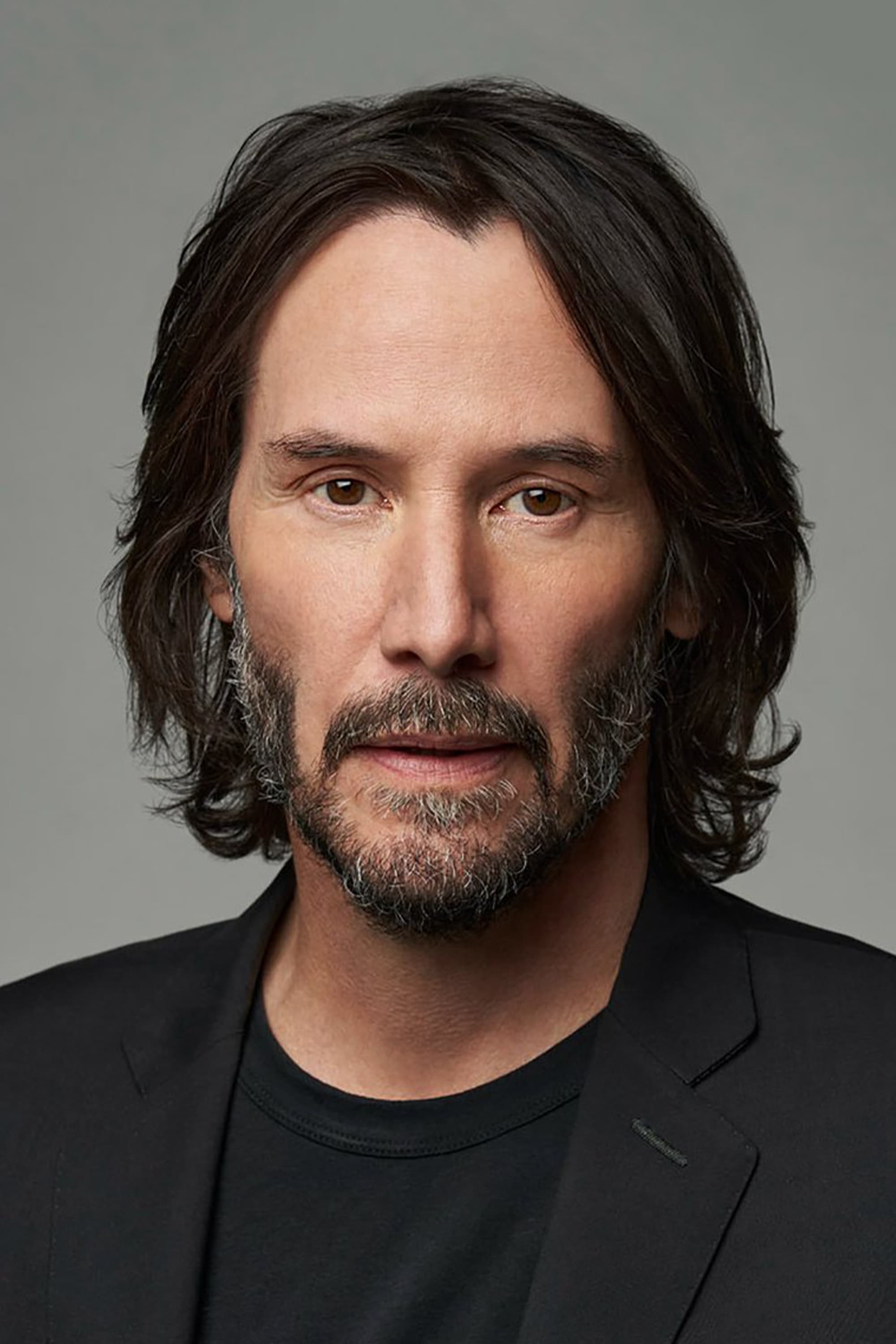
John Constantine in the comics is canonically bisexual and has had male and female partners. The film shows him with women and does not reference same sex relationships.
This choice keeps the demon hunting and noir tone while narrowing the character’s identity. The on screen Constantine loses a trait that writers and readers consider central to his modern portrayal.
Gal Gadot in ‘Wonder Woman’ (2017)

Themyscira is a society of women and the comics have acknowledged same sex relationships among Amazons. The film focuses on Diana’s romance with Steve Trevor and does not depict Amazon romances.
That decision leaves out a part of life on the island and a part of Diana’s cultural background. The story keeps its World War setting and heart but skips the queerness that exists in the source material and myth.
Tessa Thompson in ‘Thor: Ragnarok’ (2017)
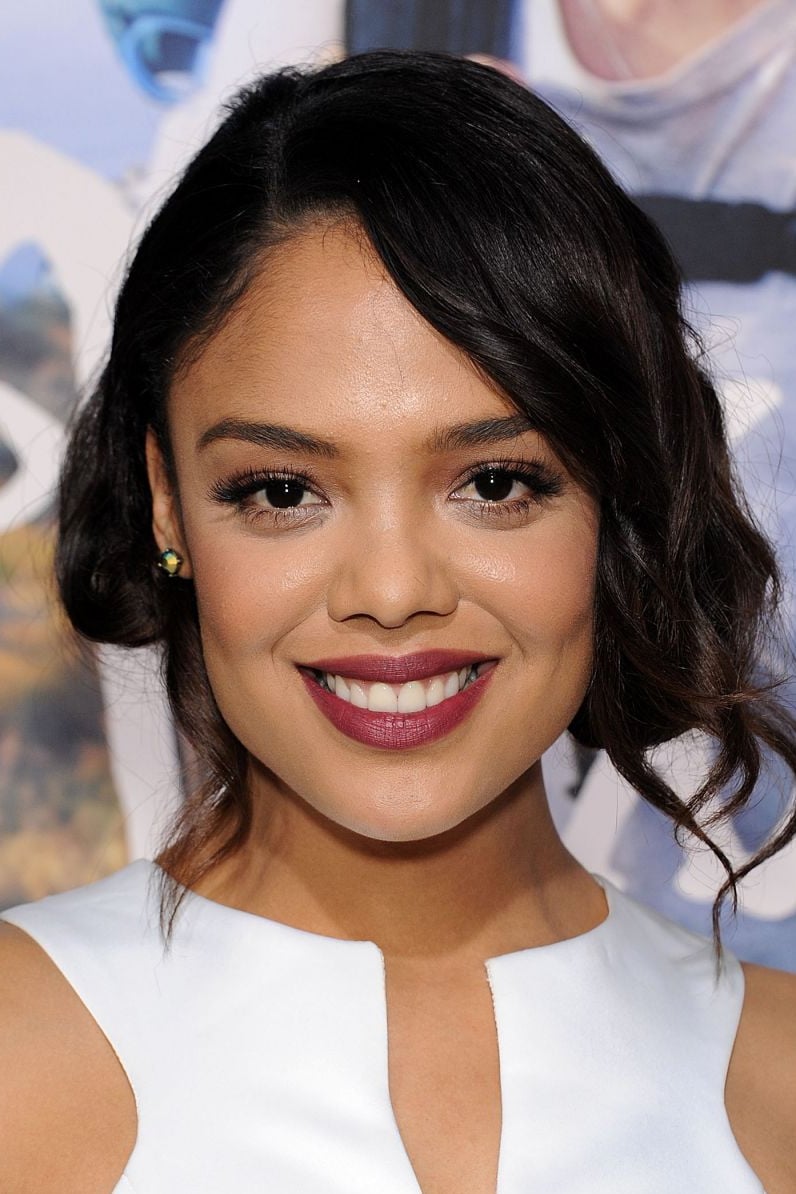
The actor has described Valkyrie as bisexual and filmed a moment that hinted at a woman leaving her room. That beat was removed for the theatrical cut, and the film does not show her with a female partner.
Fans see a charismatic warrior with a tragic backstory and no explicit same sex romance. Later projects began to acknowledge more, but this film leaves her queer identity off the screen.
Margot Robbie in ‘Suicide Squad’ (2016)

Harley Quinn in the comics has a long running relationship with Poison Ivy and is written as bisexual. The movie centers her fixation on the Joker and gives no sign of attraction to women.
This framing keeps the chaotic love story that fits the plot while narrowing Harley’s personal life. It separates the popular film version from years of character development on the page.
Michael Gambon in ‘Harry Potter and the Goblet of Fire’ (2005)
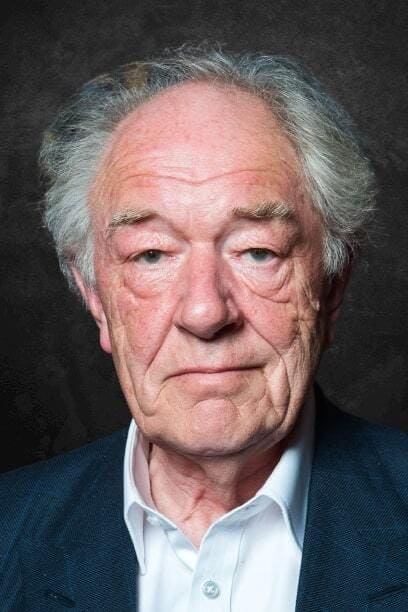
The films arrived before the author stated publicly that Dumbledore is gay. Across the series, the scripts do not mention his relationship with Grindelwald and present him only as a mentor and headmaster.
That silence shapes how audiences view a major figure in the wizarding world. It also leaves a key element of his past to off screen statements and later tie in stories rather than the main saga.
Jude Law in ‘Fantastic Beasts: The Crimes of Grindelwald’ (2018)
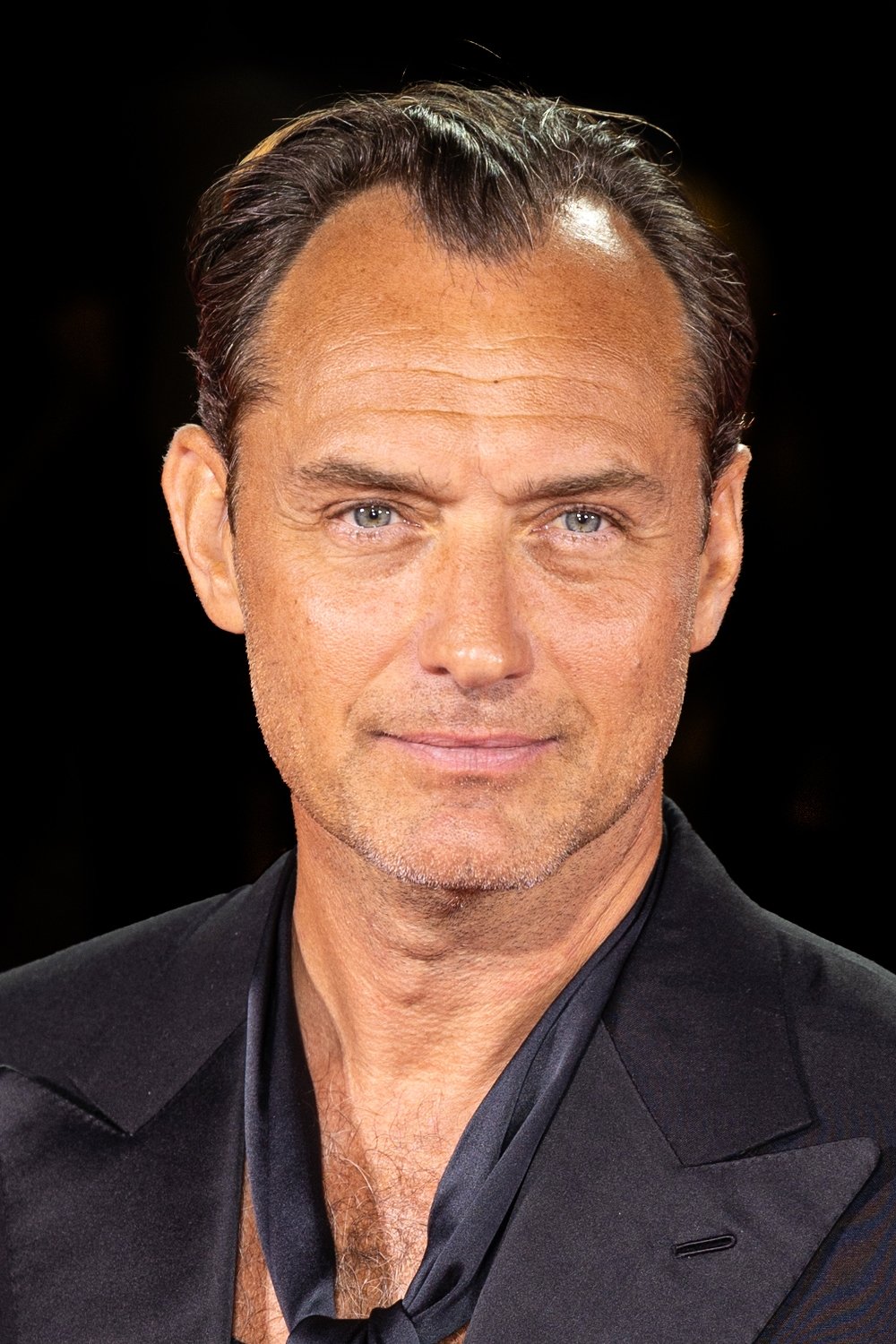
The plot acknowledges a deep bond between Dumbledore and Grindelwald and a blood pact that binds them. The film stops short of naming the relationship as a romance or showing it in clear terms.
The choice supports the franchise arc and keeps future revelations for later entries. It also limits what viewers learn about a formative queer relationship in the lives of both men during this chapter.
Peter O’Toole in ‘Lawrence of Arabia’ (1962)
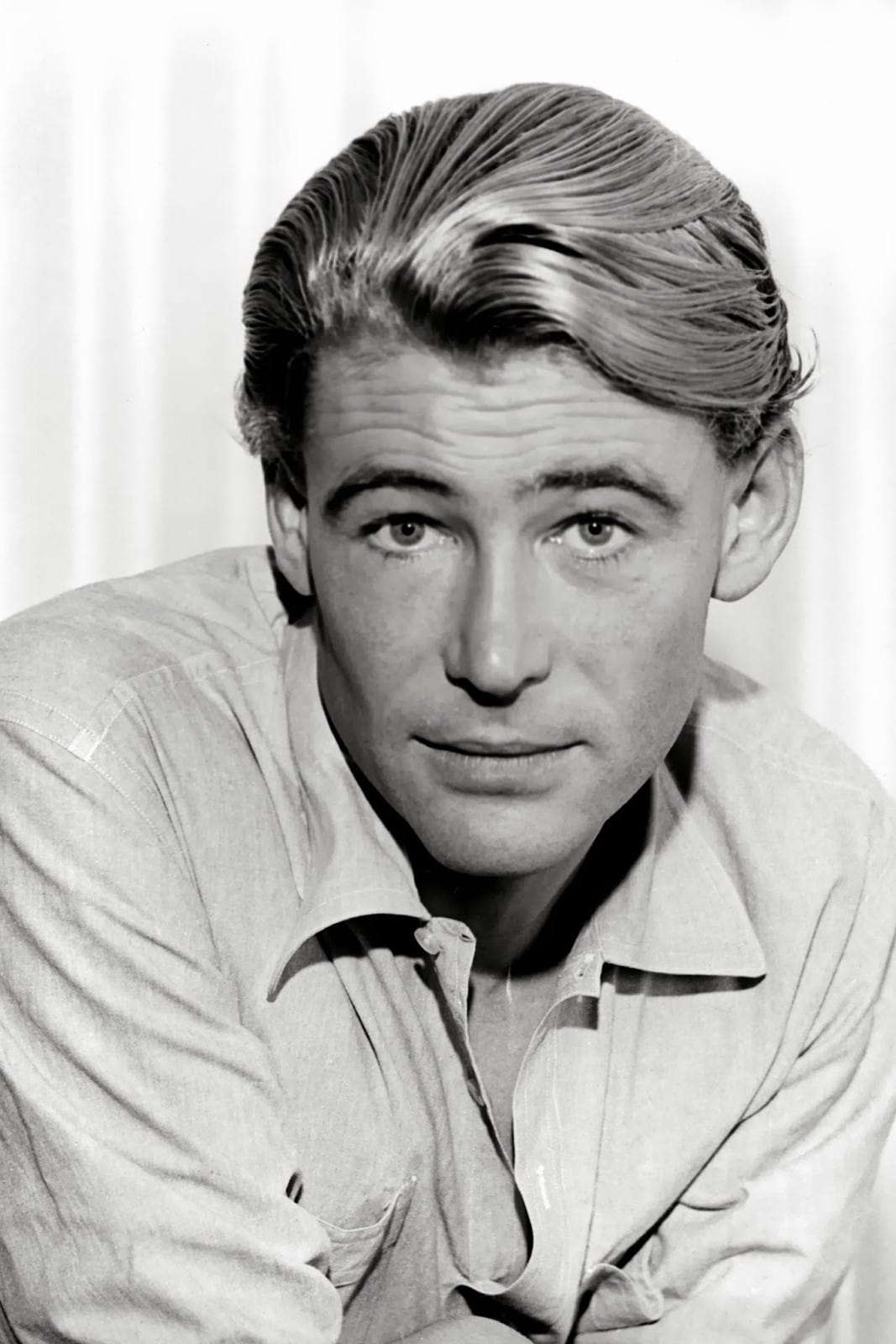
T E Lawrence’s sexuality has been discussed by historians and biographers through letters and accounts. The film avoids the subject entirely and keeps all intimacy off screen.
By doing so, the epic covers the Arab Revolt and Lawrence’s legend while leaving his private life untouched. Audiences gain a heroic image and lose context that could explain aspects of his isolation and pain.
Donald Glover in ‘Solo: A Star Wars Story’ (2018)

Creators have described Lando Calrissian as pansexual. On screen he flirts with women and shares banter with a droid and does not pursue any same sex romance.
The film keeps the roguish charm and smuggling adventures and declines to depict queerness directly. That gap leaves a stated part of the character’s identity outside the frame.
Oscar Isaac in ‘Star Wars: The Rise of Skywalker’ (2019)
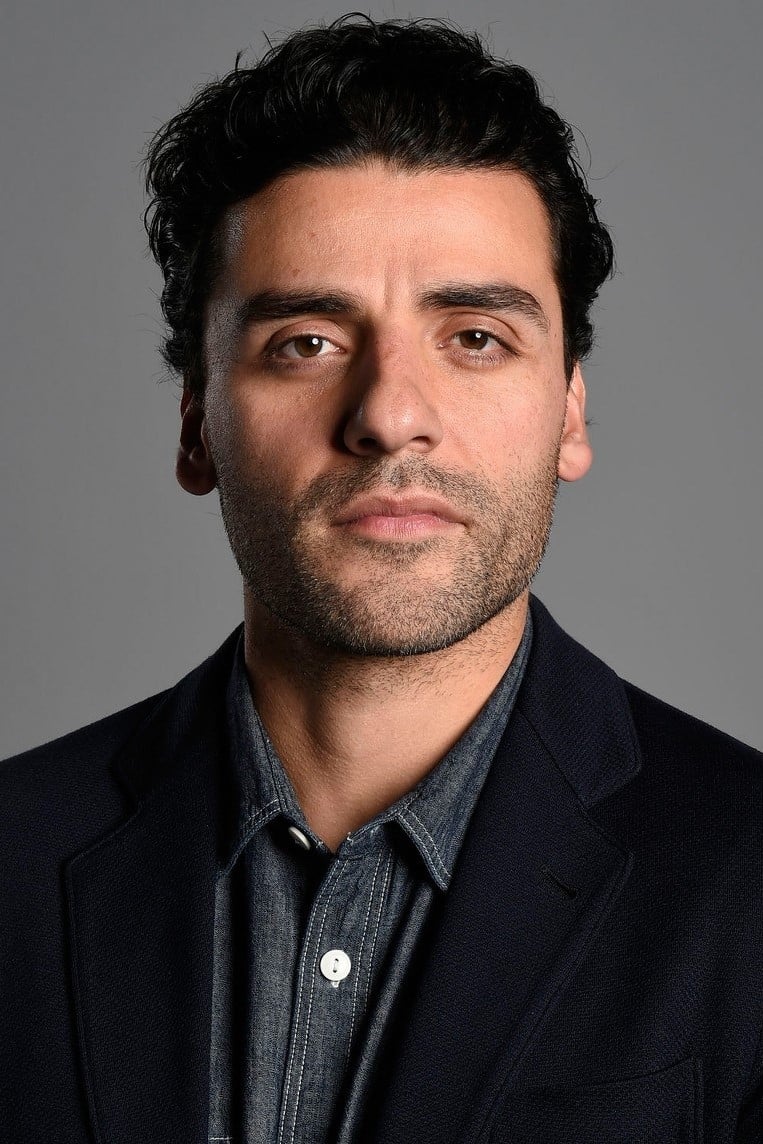
The film introduces a female figure from Poe Dameron’s past and uses her to fill in his backstory. The trilogy does not explore a same sex romance for any lead and keeps potential pairings as friendship.
A brief background kiss between minor characters appears late in the story. The main narrative remains aligned with heterosexual pairings for its heroes.
Tate Donovan in ‘Hercules’ (1997)
Greek myth includes male lovers in the life of Heracles, including Hylas and Iolaus in various traditions. The animated film focuses on Megara as the love interest and presents a single straight pairing.
This makes sense for a family format and still changes the record that students learn from the movie. Viewers come away with a cleaned up hero story and no reference to the queer strands in the myths.
Gerard Butler in ‘300’ (2007)
Historical accounts describe Spartan mentorship structures that included same sex relationships in certain contexts. The film emphasizes marriage, glory in battle, and insults toward other Greeks while avoiding that part of the culture.
The adaptation delivers a bold visual style and a simple good versus evil frame. It does not reflect the complexity of sexuality in the society it celebrates.
Tobey Maguire in ‘The Great Gatsby’ (2013)
Fitzgerald’s novel includes scenes that many readers find homoerotic, including a late night with Mr McKee that ends with a fade to black. The movie omits that thread and presents Nick as an observer with no same sex interest.
The result keeps the Jazz Age romance and tragedy while removing one avenue into Nick’s inner life. The change favors a familiar love triangle and sets aside a reading long discussed in classrooms.
Humphrey Bogart in ‘The Big Sleep’ (1946)
Raymond Chandler’s novel features gay characters and an underworld that includes a gay pornographer. The film reduces or removes these elements under the Production Code and reshapes the plot around straight chemistry.
This keeps the wisecracks and mystery while cutting queer presence from the screen version. Viewers get an iconic noir that tracks the book’s twists but not its depiction of sexuality in Los Angeles.
Rami Malek in ‘Bohemian Rhapsody’ (2018)
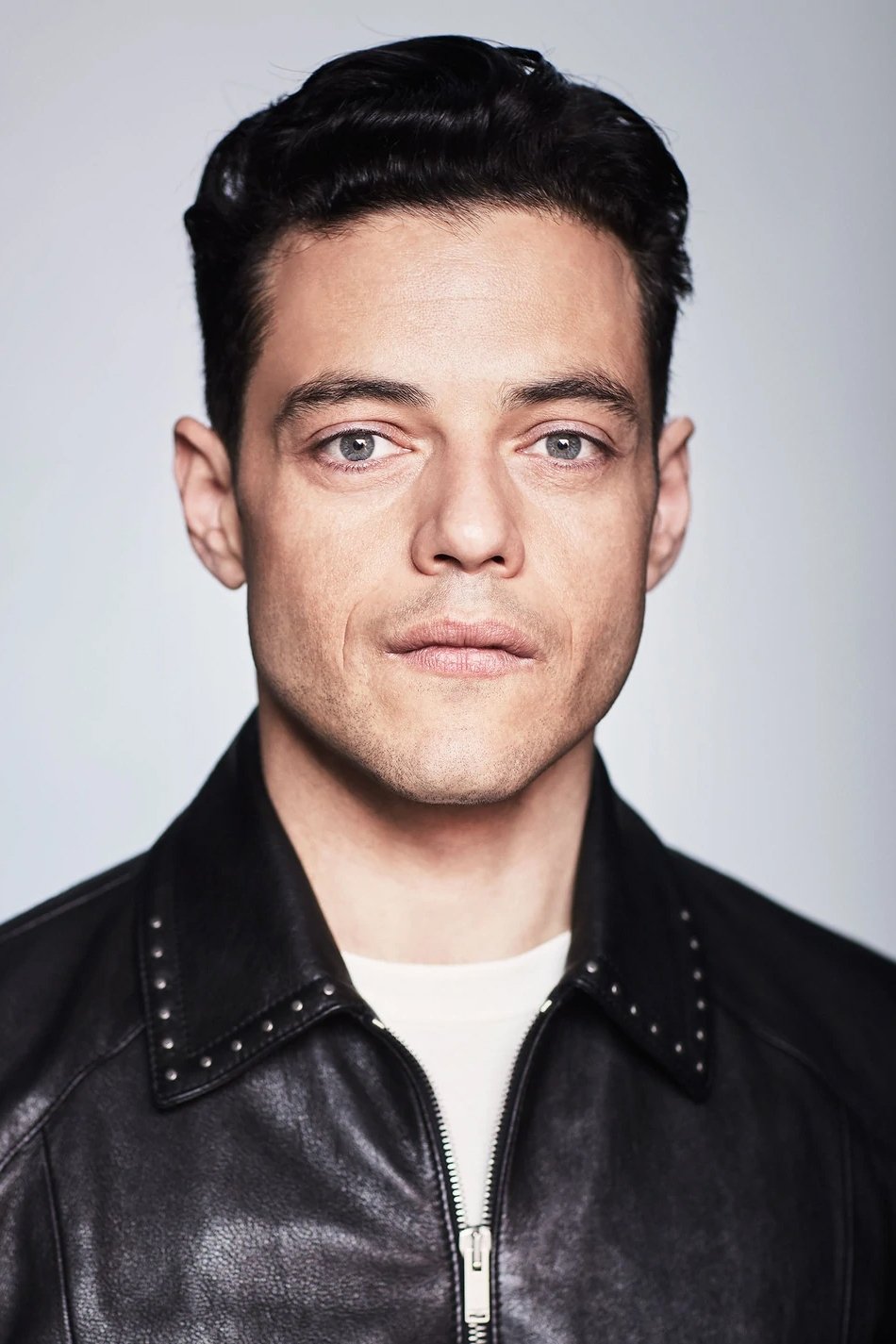
Freddie Mercury’s relationships with men are compressed into short scenes while the film spends extensive time on his bond with Mary Austin and the build to Live Aid. The script relocates key moments in his personal timeline and keeps his romantic life with men mostly off screen.
Public accounts describe partners like Jim Hutton and a social world that shaped Mercury’s later years. The movie favors professional milestones and a single formative straight relationship and leaves little space for the fuller record of his same sex relationships.
Benedict Cumberbatch in ‘The Imitation Game’ (2014)
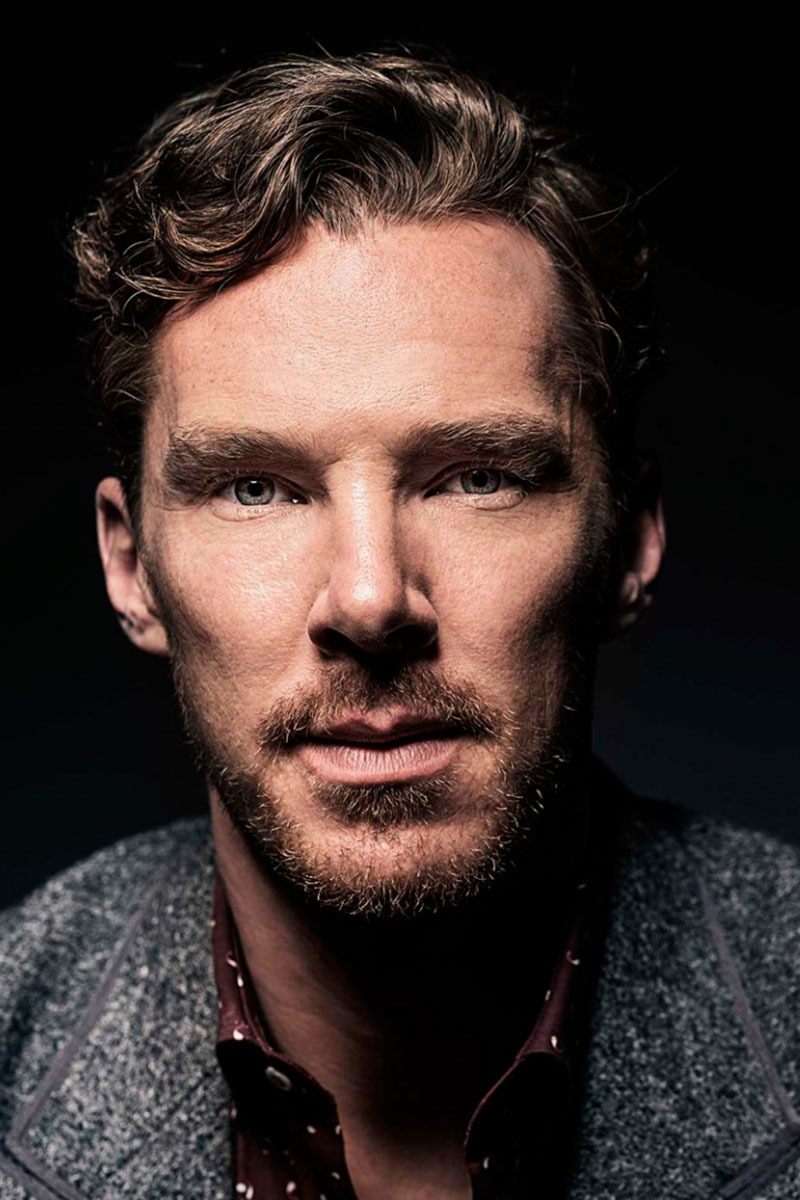
Alan Turing’s prosecution for homosexuality appears in the story but his romantic life with men is not shown as an actual relationship on screen. The film frames intimacy through his engagement to Joan Clarke and uses brief dialogue to acknowledge what the law punished.
Historical records include letters, police files, and testimony that document how the state targeted him for same sex relations. The adaptation emphasizes wartime codebreaking and a platonic partnership and minimizes the lived details of his sexuality.
George Peppard in ‘Breakfast at Tiffany’s’ (1961)
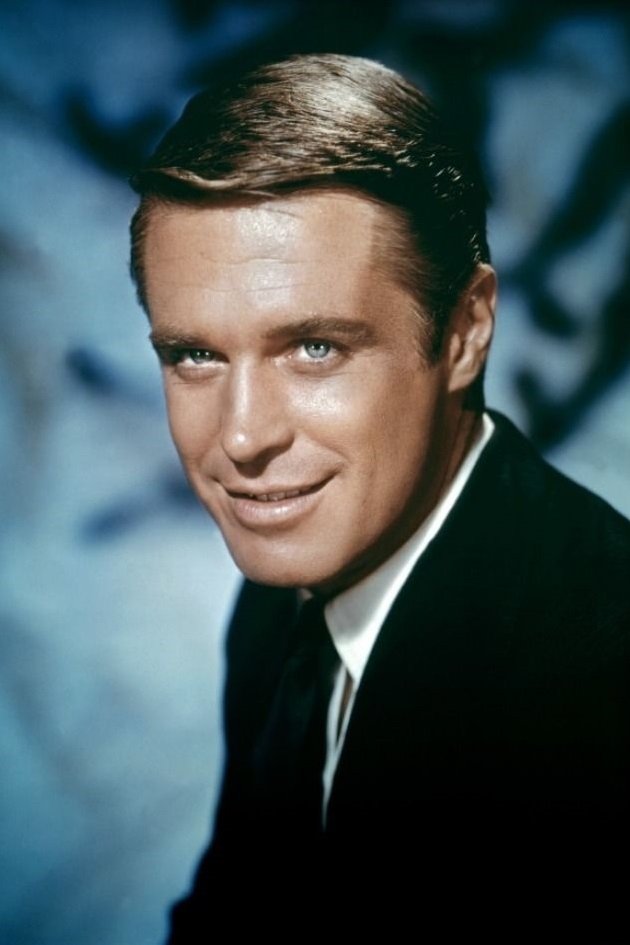
Truman Capote’s novella uses an unnamed narrator whose orientation is widely read as gay or bisexual. The film invents Paul Varjak as a straight romantic lead and builds a love story with Holly Golightly that is not in the same shape in the book.
The screen version turns literary ambiguity into a conventional boy meets girl arc. That choice removes the queer lens through which readers often interpret the original narrator and changes the dynamic of every major scene.
Peter Lorre in ‘The Maltese Falcon’ (1941)
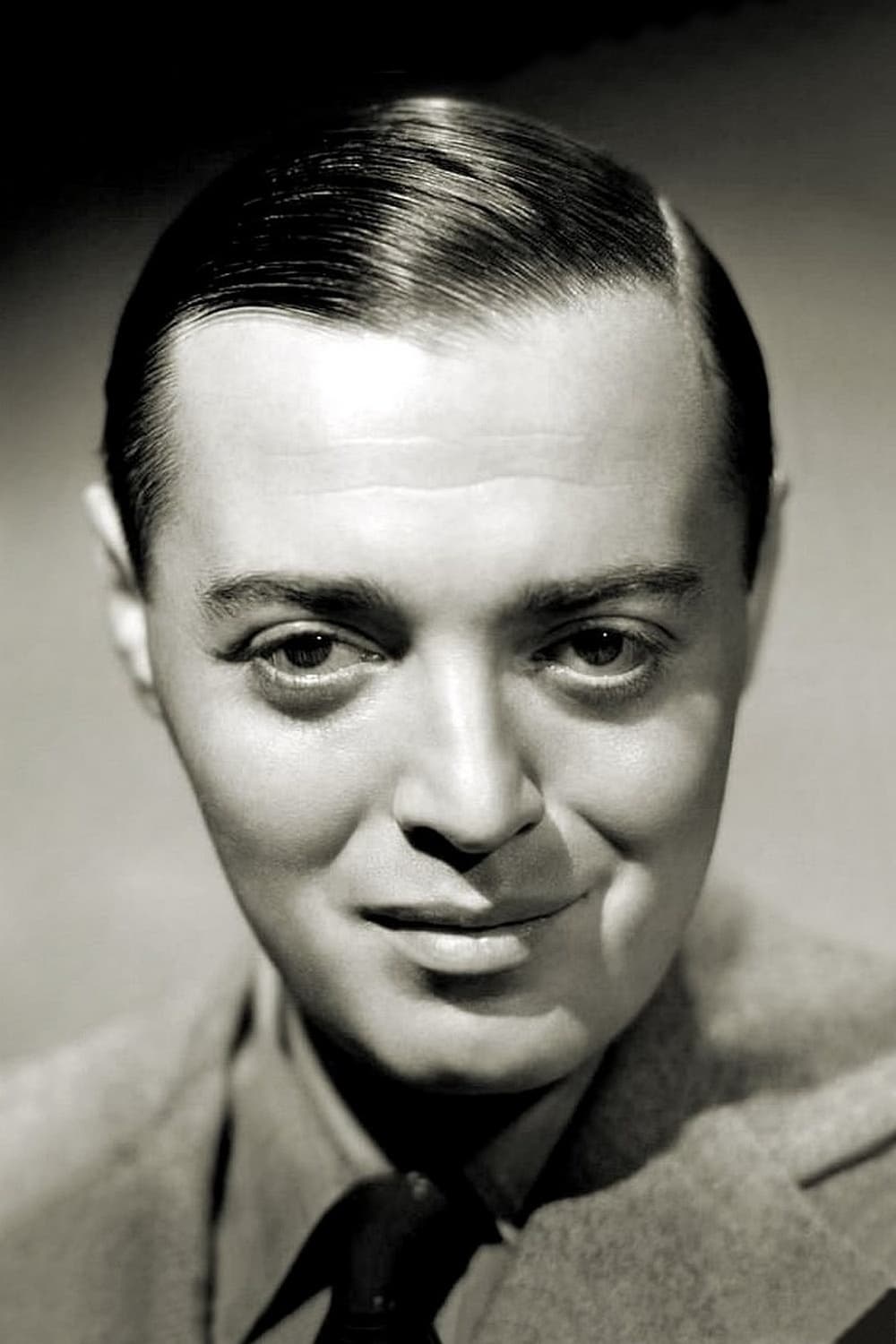
Dashiell Hammett’s Joel Cairo is explicitly gay in the novel and is described with traits that mark him as such in the era’s language. The film keeps Cairo’s fussiness and perfumes but avoids naming his orientation due to Production Code limits.
Other queer elements in the book are reduced or recast to pass censorship. Viewers get a tight detective plot while the sexuality that complicates the underworld in the source text is largely erased.
Farley Granger in ‘Rope’ (1948)
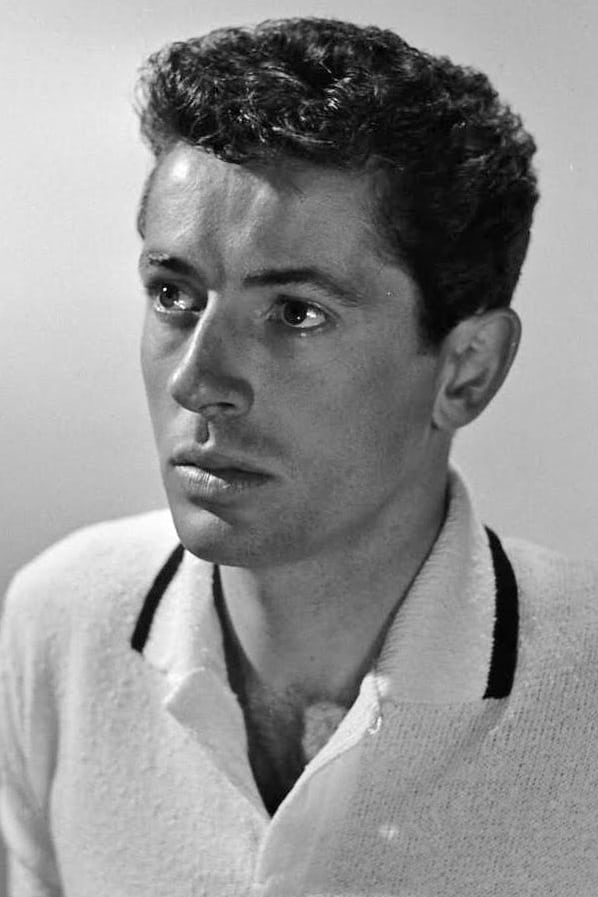
The characters Brandon and Phillip are based on a real life murder case that involved a close pair of young men. The play and film imply an intimate partnership but never say it directly on screen.
Dialogue, staging, and performance clues suggest a bond beyond friendship. The lack of explicit naming reflects the period’s rules and leaves the relationship in a permanent gray area for audiences.
Sal Mineo in ‘Rebel Without a Cause’ (1955)
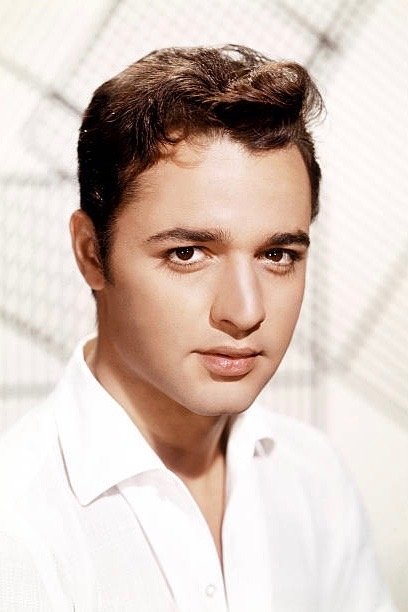
Plato’s fixation on Jim Stark is a central thread that signals same sex longing through glances and private scenes. The film uses coded behavior and avoids clear statements about why Plato attaches himself to Jim.
This approach places a queer reading behind layers of suggestion. The story follows teen alienation while keeping Plato’s desire unspoken under the constraints of mid century studio standards.
Greta Garbo in ‘Queen Christina’ (1933)
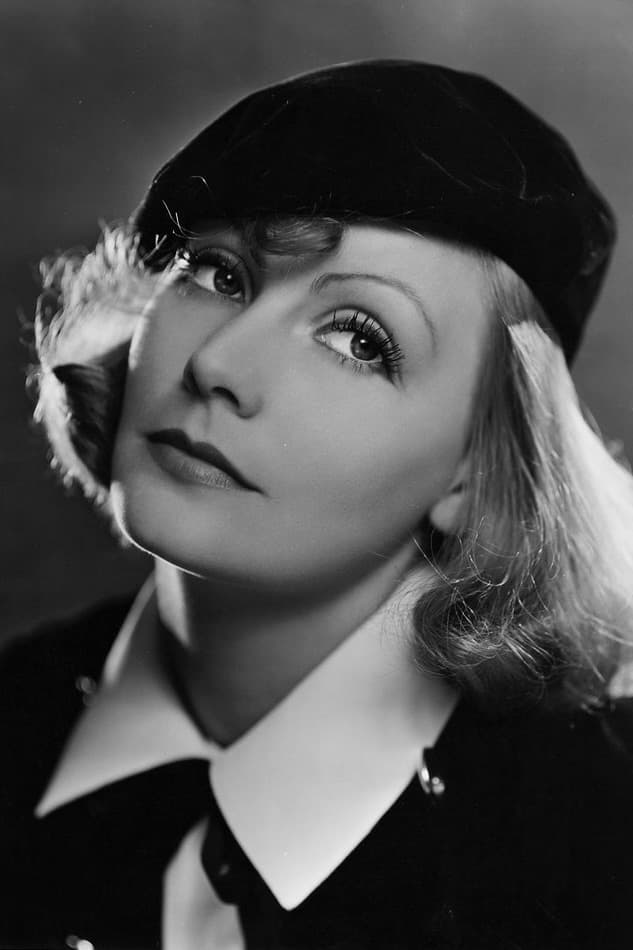
Queen Christina of Sweden is documented to have intense attachments to women, including a lifelong closeness with Ebba Sparre. The movie centers a romance with a Spanish envoy and leaves her relationships with women at the margins.
The narrative emphasizes abdication and travel and presents a single grand affair with a man. The historical pattern of same sex intimacy that surrounded the monarch is not explored in the main plot.
Doris Day in ‘Calamity Jane’ (1953)
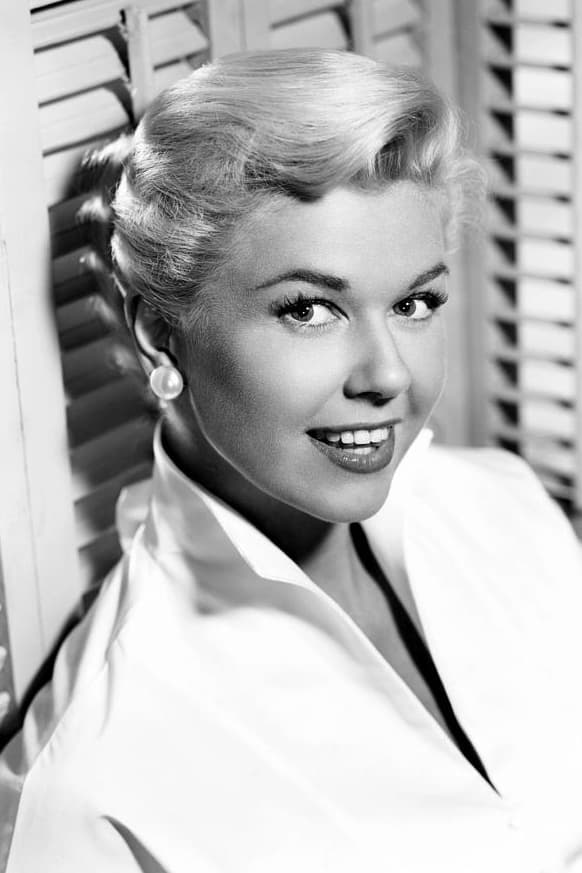
Frontier accounts and later research describe Calamity Jane’s unconventional domestic life and deep bonds with women. The musical builds toward a tidy wedding pairing and a restored feminine image for its heroine.
Songs and dialogue smooth away the sexuality debates that historians still discuss. The screen story closes with heterosexual harmony and sets aside the possibilities suggested by the record.
Cary Grant in ‘Night and Day’ (1946)
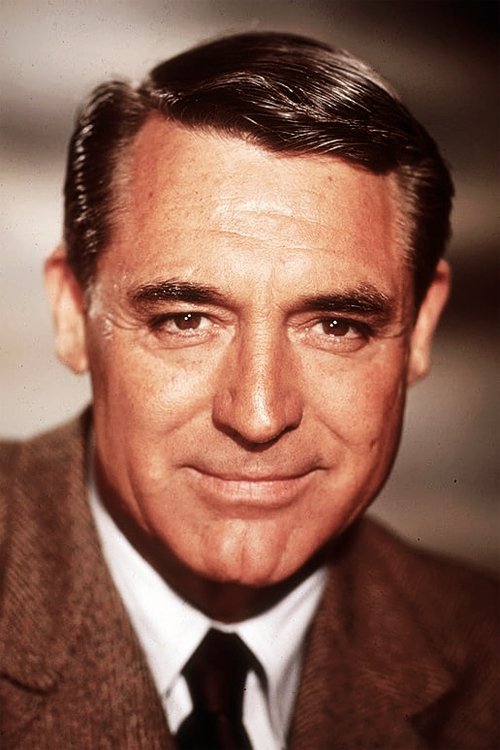
Cole Porter’s life included long partnerships with men alongside his marriage to Linda Lee Thomas. The biopic presents a straightforward romance and professional triumphs without showing his same sex relationships.
Concerts, rehearsals, and a devoted marriage form the spine of the plot. The film preserves the songs and public legend and removes the private relationships that shaped many of those lyrics.
Richard Burton in ‘Alexander the Great’ (1956)

Ancient sources describe Alexander’s bonds with Hephaestion and Bagoas in terms that go beyond friendship. The film gestures at closeness and political alliances and does not present romantic love between men.
Court life and campaigns receive lavish attention while personal intimacy is redirected toward dynastic marriages. The result follows military milestones and omits the male relationships recorded in classical accounts.
Claire Bloom in ‘The Haunting’ (1963)
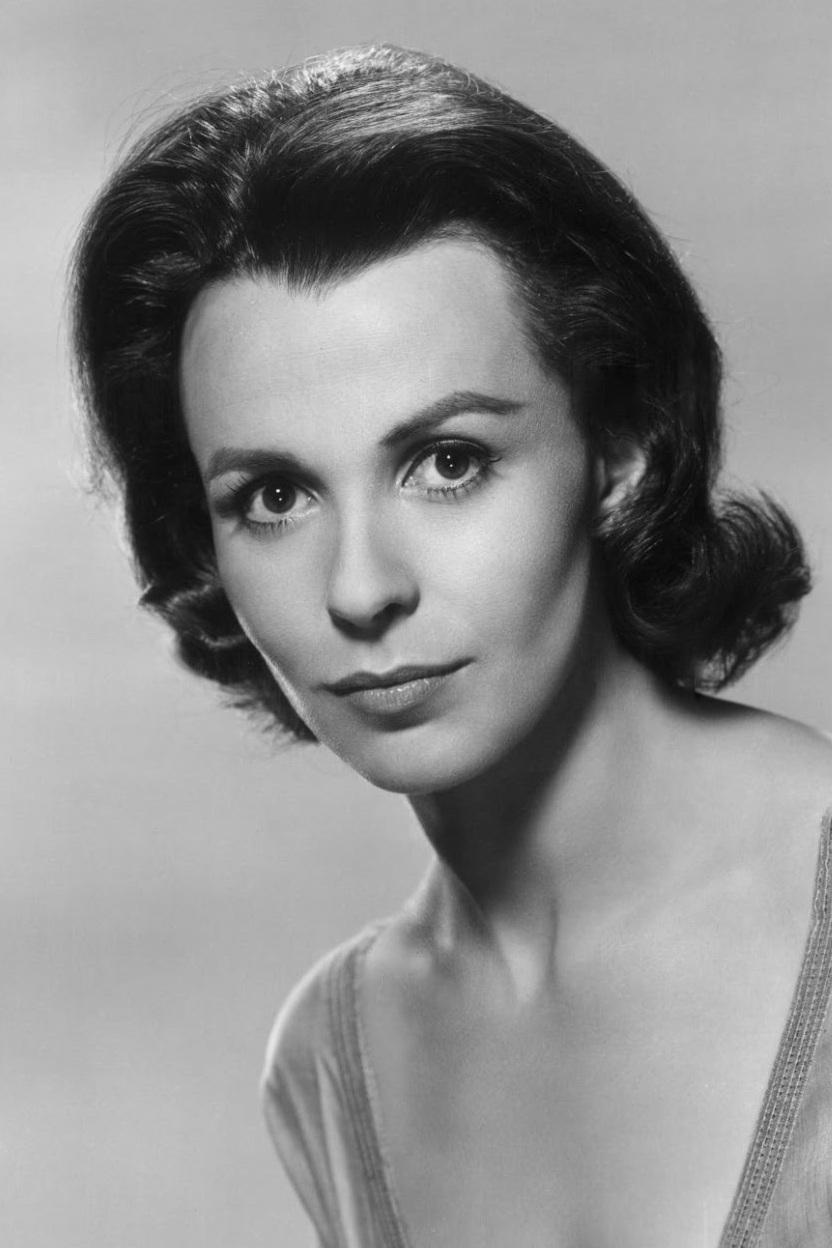
Shirley Jackson’s novel writes Theodora with signals that many readers recognize as queer. The film keeps fashion cues and charged conversations but avoids naming the character’s orientation.
Haunted house set pieces take center stage and character backstories stay vague. The adaptation leaves a trail of hints and keeps Theodora’s sexuality safely implicit for the period.
Mary Stuart Masterson in ‘Fried Green Tomatoes’ (1991)
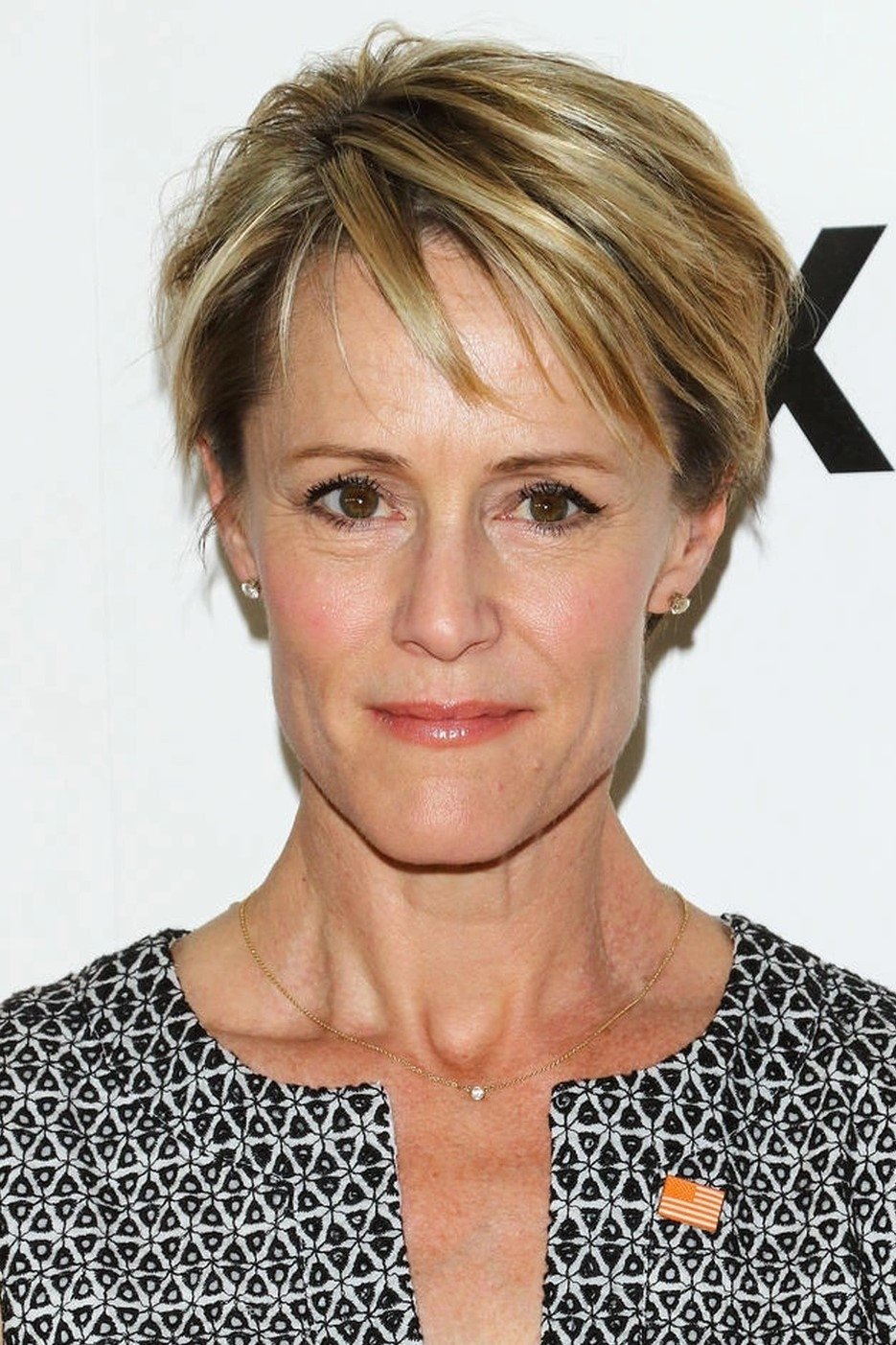
The novel presents Idgie Threadgoode and Ruth Jamison as romantic partners whose bond drives the story across decades. The film recasts their connection as sisterly devotion and removes open declarations of love.
Set pieces remain intact, including the cafe and the trial. The underlying relationship is translated into deep friendship and the queer love story that motivates many decisions in the book is softened.
Montgomery Clift in ‘From Here to Eternity’ (1953)
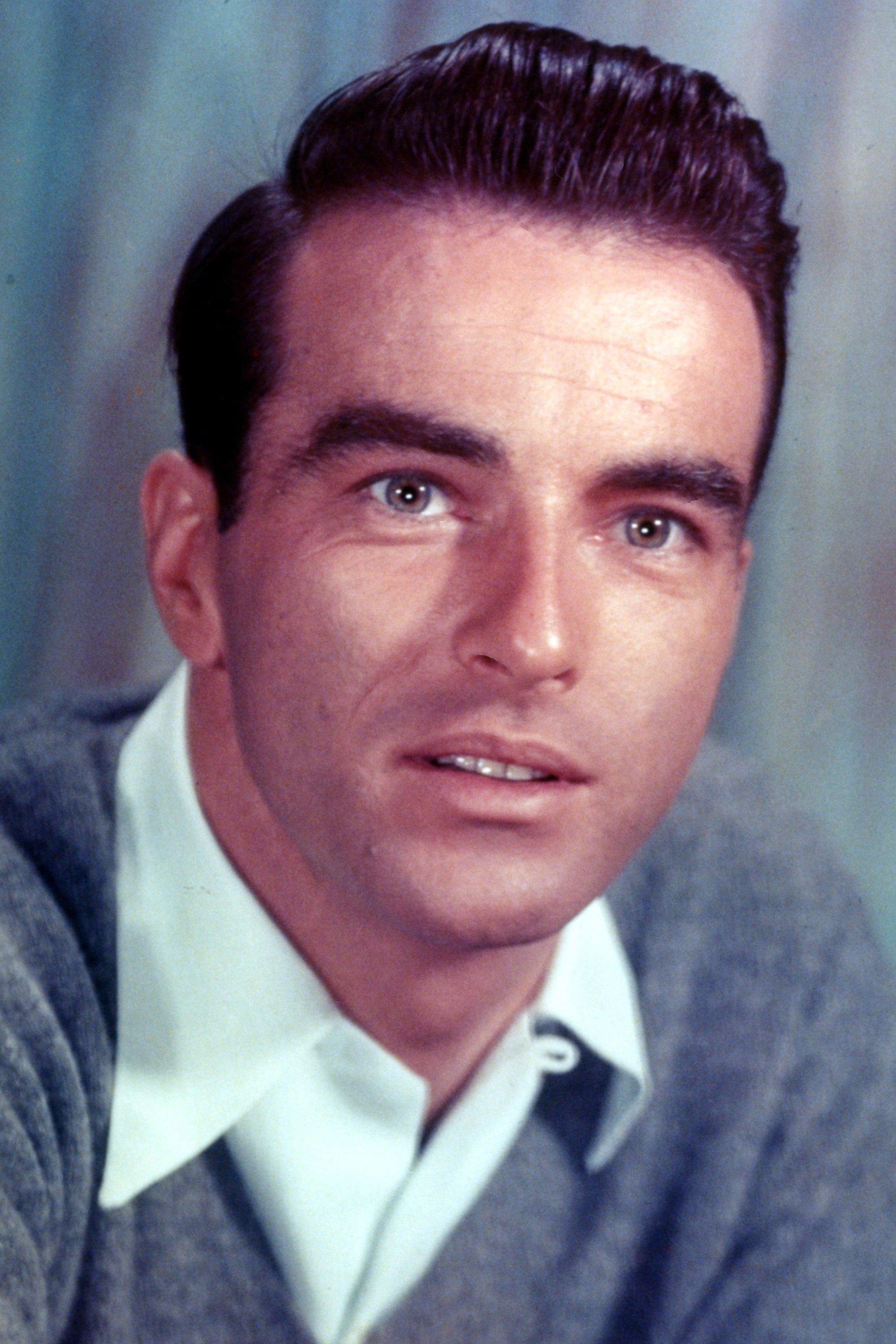
James Jones’s novel includes scenes in Honolulu that depict gay bars and the policing of soldiers for same sex encounters. The film removes those settings and focuses on barracks discipline and a straight affair at the beach.
Censorship rules shaped what could be shown in a major studio release. The adaptation retains military conflict and romance and trims material that documented queer life around the base.
Anne Hathaway in ‘The Dark Knight Rises’ (2012)
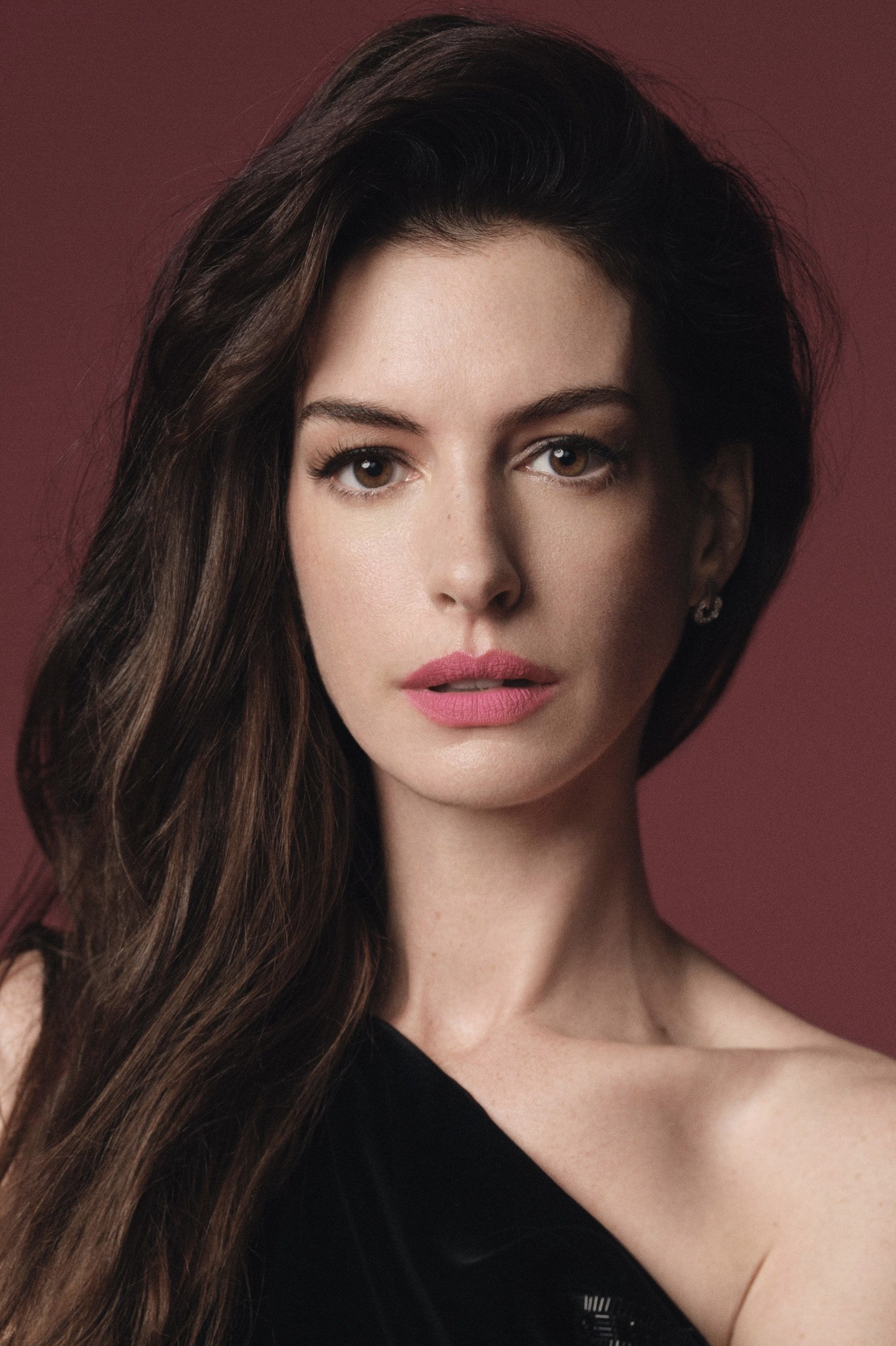
Selina Kyle has been written in the comics as bisexual with relationships that include women. The film pairs her with Bruce Wayne and shows no same sex attraction in her storyline.
Action sequences and a heist plot define her arc in the finale. The version on screen does not reflect the breadth of her published relationships and presents a single straight path.
Ryan Reynolds in ‘Deadpool’ (2016)
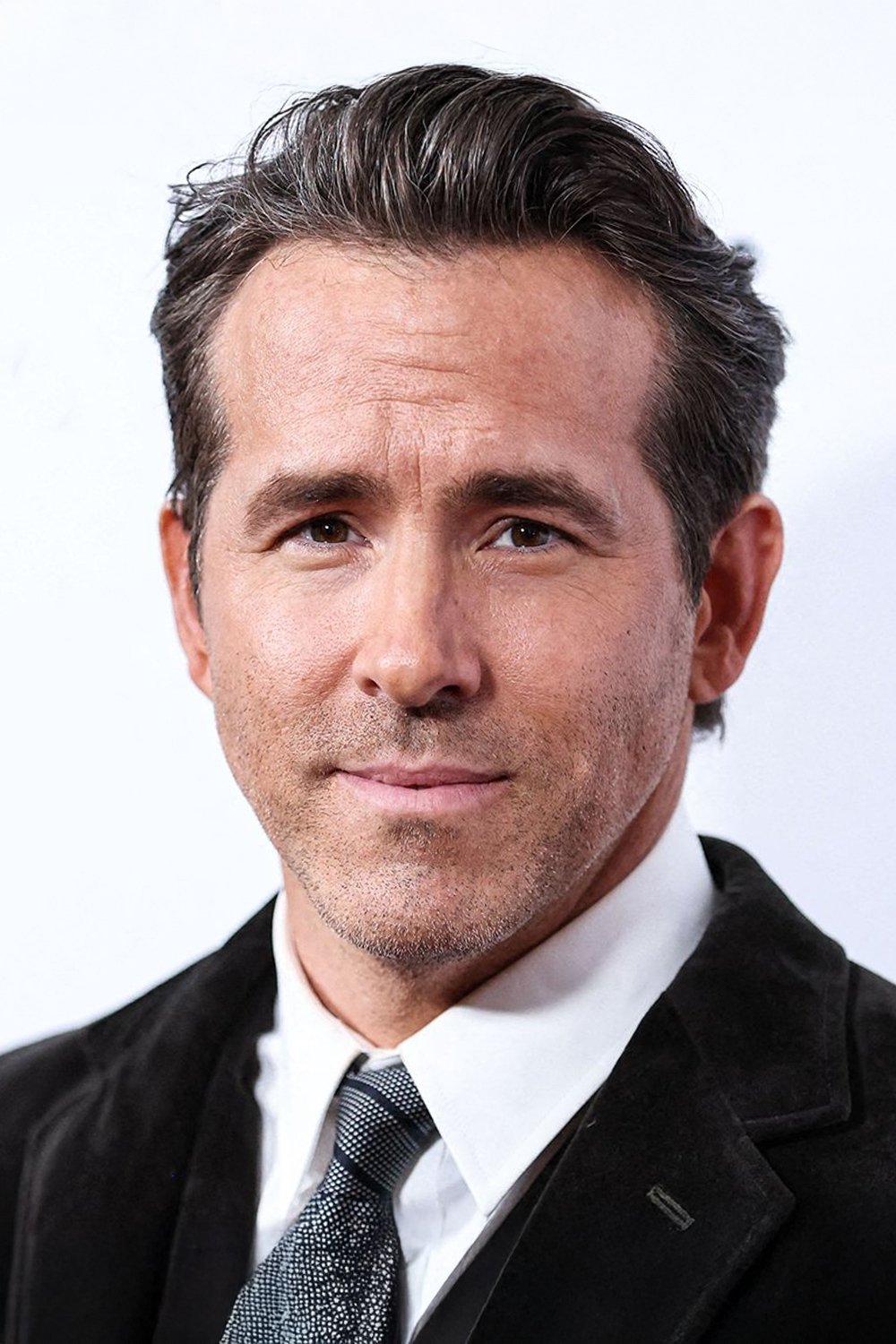
Deadpool is portrayed in the comics as pansexual with explicit attraction across genders. The movie centers a long term relationship with Vanessa and limits queer moments to brief jokes or flirtation.
Sequels keep the focus on the same straight partnership. The films foreground violence and humor and sidestep the fuller range of attraction that is part of the character’s canon.
Jennifer Lawrence in ‘X-Men: First Class’ (2011)
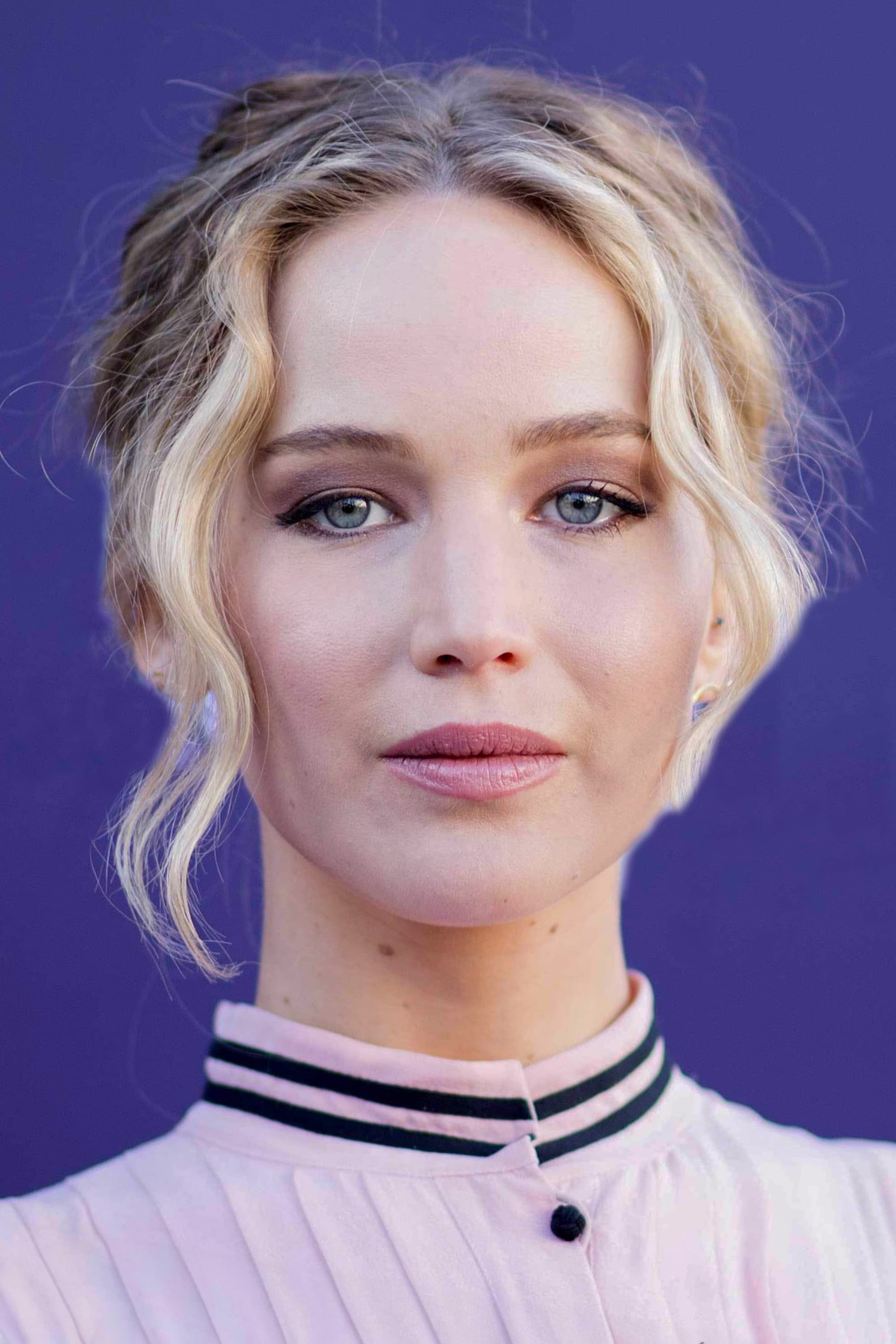
Mystique’s comic history includes a long relationship with Destiny and other same sex connections. The film explores romances with Beast and Magneto and does not include women partners for her.
Character development turns on questions of appearance and allegiance. The choices align her personal life with the men around her and leave out a major strand from decades of stories.
Danai Gurira in ‘Black Panther’ (2018)
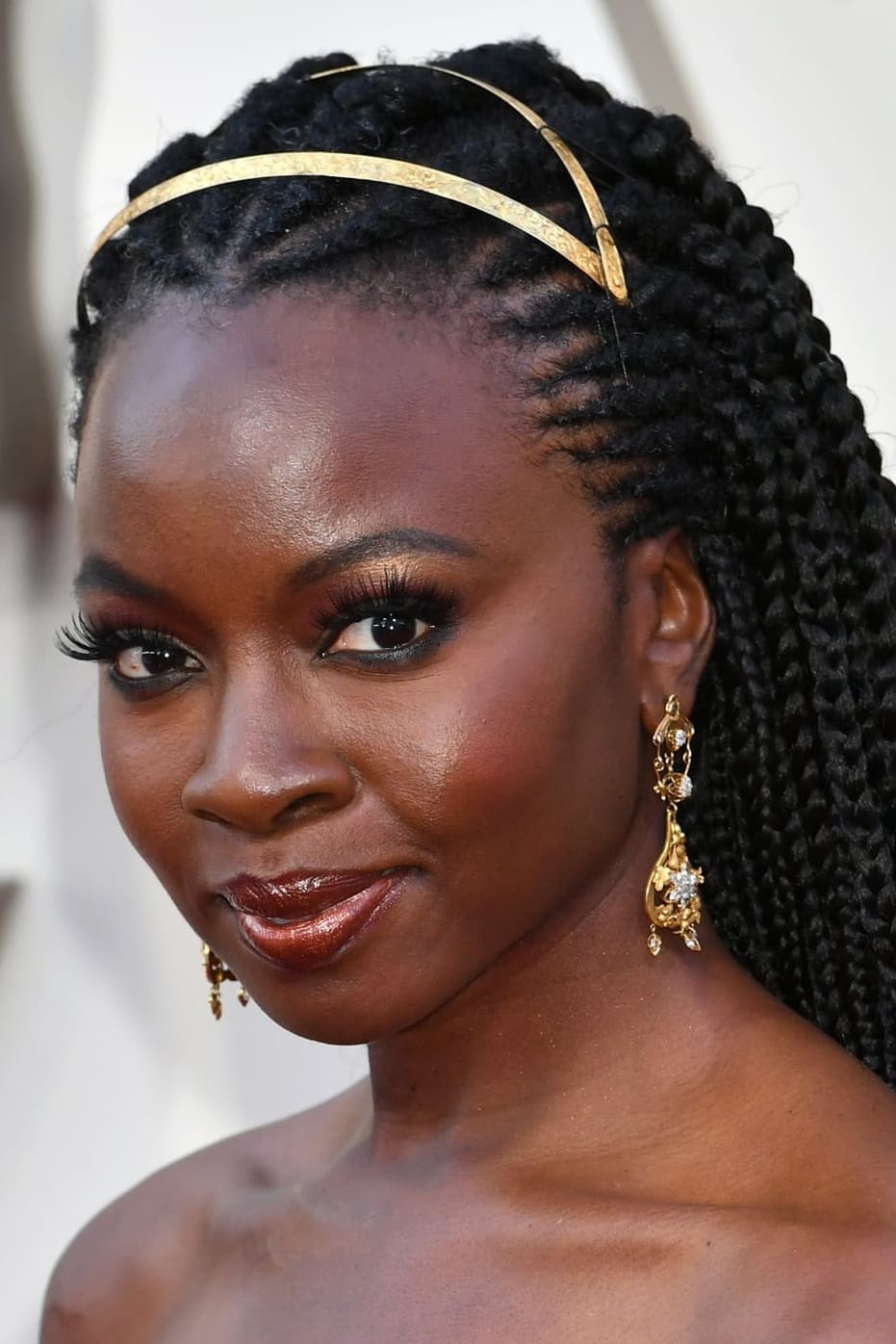
In the comics, members of the Dora Milaje include Ayo and Aneka, who become a couple in a prominent arc. Reports of a flirtatious exchange filmed for Okoye and Ayo did not appear in the final cut and the movie presents only straight pairings.
The film highlights loyalty, nation building, and established relationships like Okoye and W’Kabi. The queer romance that exists on the page for Dora members is not part of this chapter on screen.
Emma Thompson in ‘Saving Mr. Banks’ (2013)
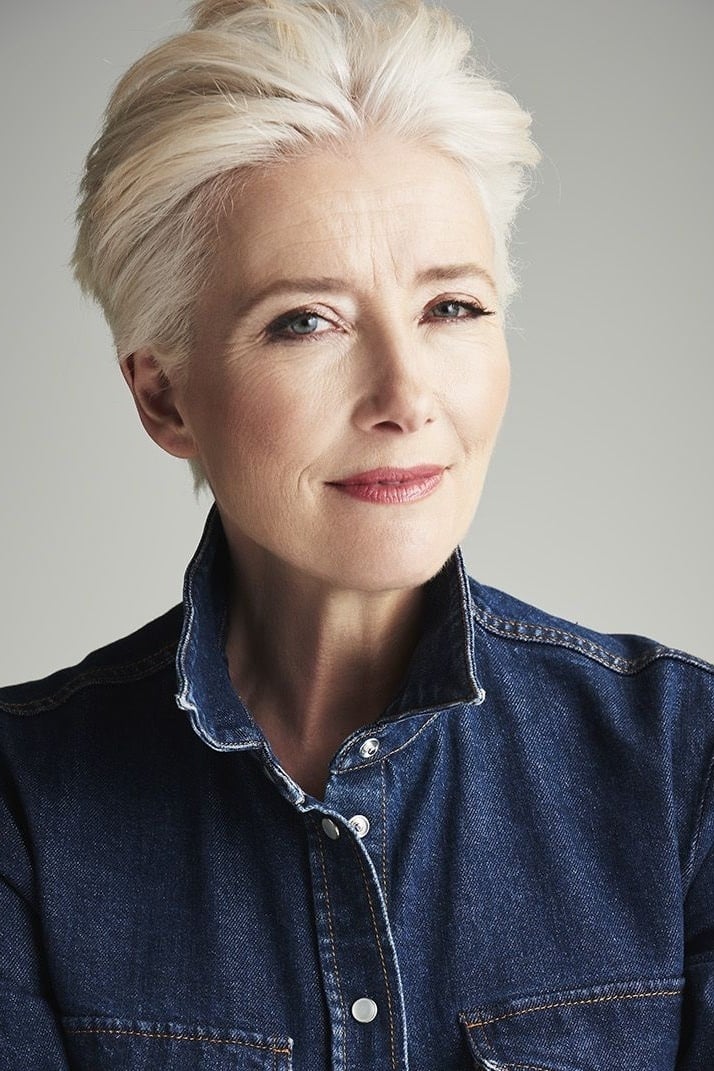
P L Travers never married and had a private life that included close relationships with women over many years. The film focuses on her childhood in Australia, her adopted son, and her negotiations with Walt Disney.
Scenes in Los Angeles and flashbacks in Queensland shape a portrait of creative control and grief. Her adult partnerships are not addressed and the character is presented without the queer context found in biographies.
Liu Yifei in ‘Mulan’ (2020)

The animated film from the nineties included Li Shang, whose interest in Mulan while she passed as a man allowed for a bisexual reading of his attraction. The live action version splits his traits between Commander Tung and Honghui and avoids that reading while keeping a restrained straight flirtation.
Training grounds, honor codes, and family duty remain central. The structure removes a point that once invited discussions of fluid attraction and presents a single route to romance.
Terence Stamp in ‘Billy Budd’ (1962)
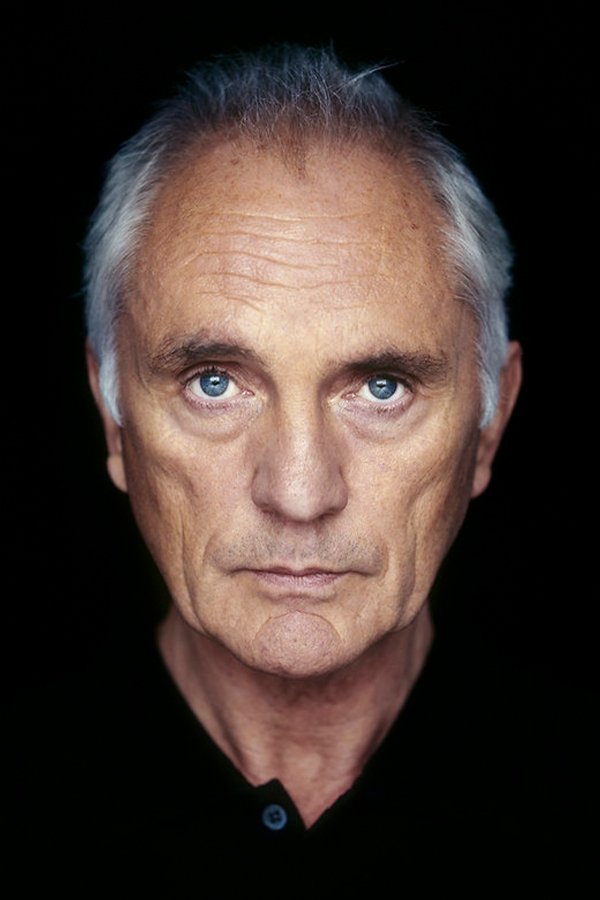
Herman Melville’s novella builds tension from the master at arms fixation on Billy that critics analyze as erotic obsessiveness. The film frames that obsession largely as envy and discipline and steers away from the sexual implications.
Naval hierarchy and moral tests carry the plot to its verdict. The adaptation trims the homoerotic undercurrent that powers the conflict in many readings of the source text.
Share your thoughts and tell us which examples you think belong on this list in the comments.