15 Unforgettable TV Characters Who Deserved a Better Fate


Some TV characters leave such a mark that their exits reshape entire series. These are the people whose choices, relationships, and losses set off chain reactions—altering alliances, shifting power, and changing what their worlds look like for everyone left behind. When their stories end, the shows themselves often pivot, sometimes subtly, sometimes overnight.
This list looks back at characters whose final chapters carried major narrative weight. You’ll find concise recaps of who they were, what they did, how their stories concluded, and the concrete ways those endings affected plots, themes, and other characters across their shows.
Ned Stark — ‘Game of Thrones’
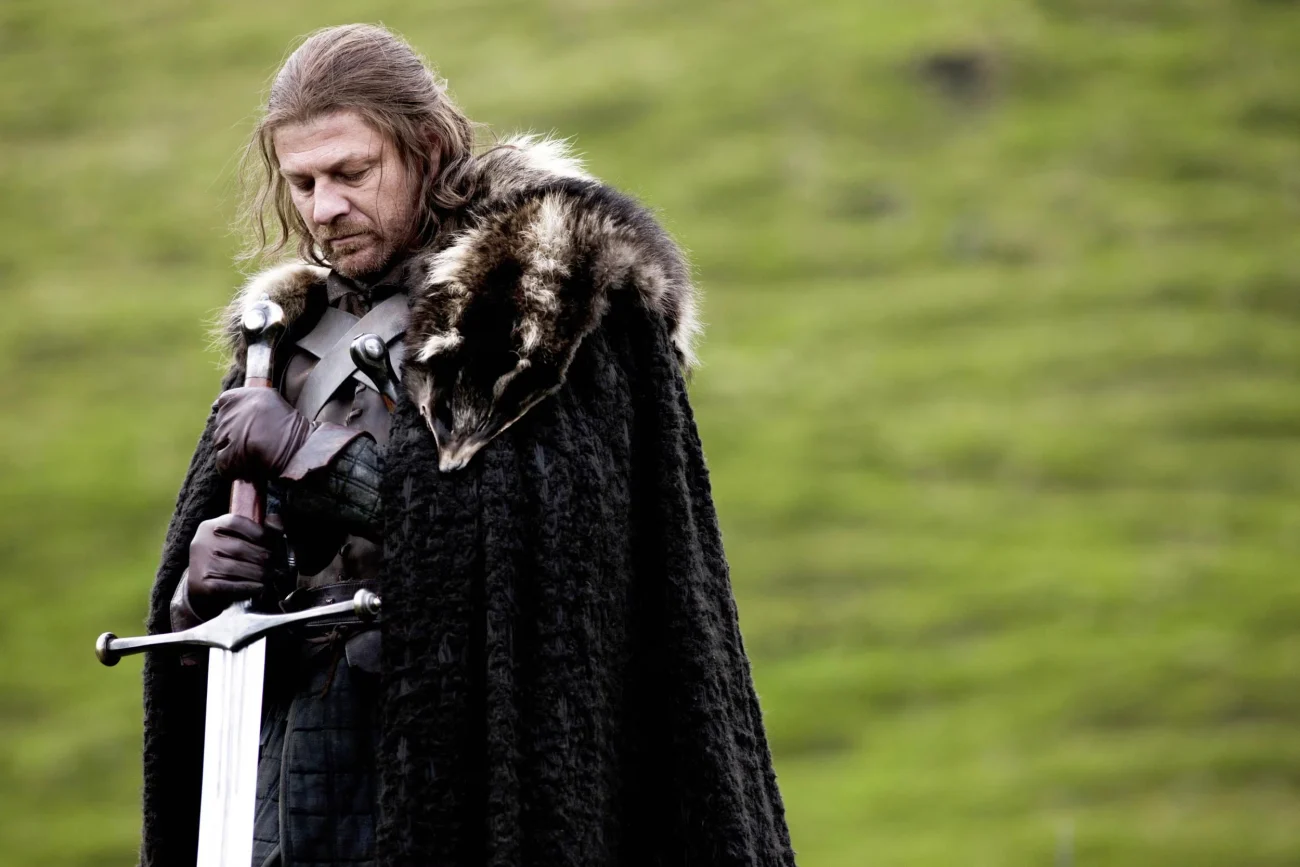
Lord Eddard Stark serves as Warden of the North and Hand of the King, establishing the show’s early framework of honor, governance, and family duty. His investigation into royal lineage sets the political story in motion by exposing competing claims and hidden parentage. His public execution at the Sept of Baelor closes the door on a negotiated peace and signals that lawful process has lost its hold over the capital.
That single act fractures the realm, catalyzing the Northern rebellion, destabilizing the Riverlands, and emboldening rivals to declare for their own crowns. It also displaces the Stark family across the map, creating parallel journeys that feed later arcs—Sansa’s education in court politics, Arya’s training, Robb’s campaign, and Jon’s rise in the North—each traceable to the vacuum his death creates.
Lexa — ‘The 100’

Lexa is the Commander who leads the Grounder coalition, uniting disparate clans through a mix of custom, justice, and strategic compromise. Her governance brings relative order to constant conflict, and her alliance with Skaikru opens new channels for diplomacy and shared security. A fatal stray bullet during a moment of relative peace ends her rule abruptly.
The aftermath unravels the coalition’s stability, produces a leadership vacuum within Polis, and forces Skaikru to navigate changing allegiances without a reliable partner. Successors struggle to hold the clans together, and the loss of a pragmatic Commander reshapes policy choices that ripple through wars, technology decisions, and survival strategies in later seasons.
Glenn Rhee — ‘The Walking Dead’
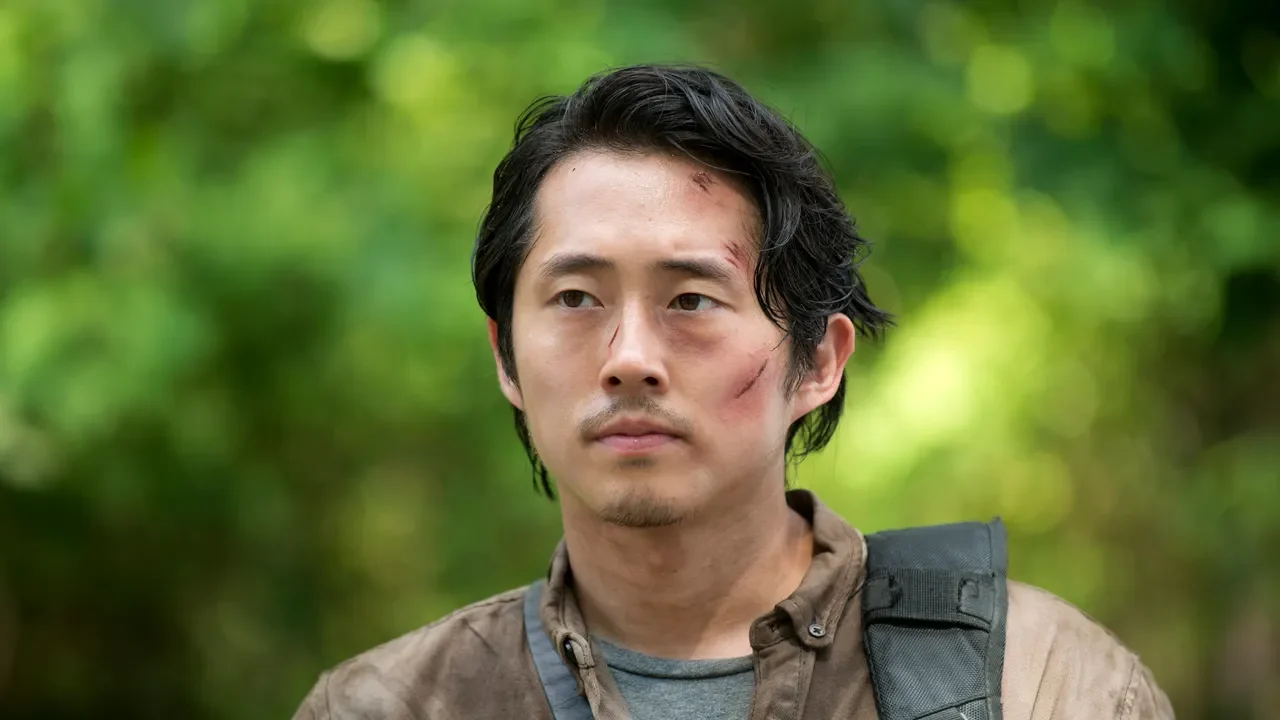
Glenn begins as a quick-thinking supply runner whose resourcefulness rescues the Atlanta survivors multiple times. He becomes a central figure in building community, bridging groups, and demonstrating how cooperative tactics can outperform brute force. His death at the hands of Negan during a forced lineup marks a brutal shift in the balance between the survivors and the Saviors.
The loss removes a skilled negotiator and planner from the survivors’ leadership core, dramatically changing Maggie’s trajectory and the Hilltop’s politics. It also hardens group tactics against the Saviors, setting the stage for coordinated resistance, territorial strategy, and a prolonged conflict that redefines how communities trade, govern, and defend themselves.
Poussey Washington — ‘Orange Is the New Black’
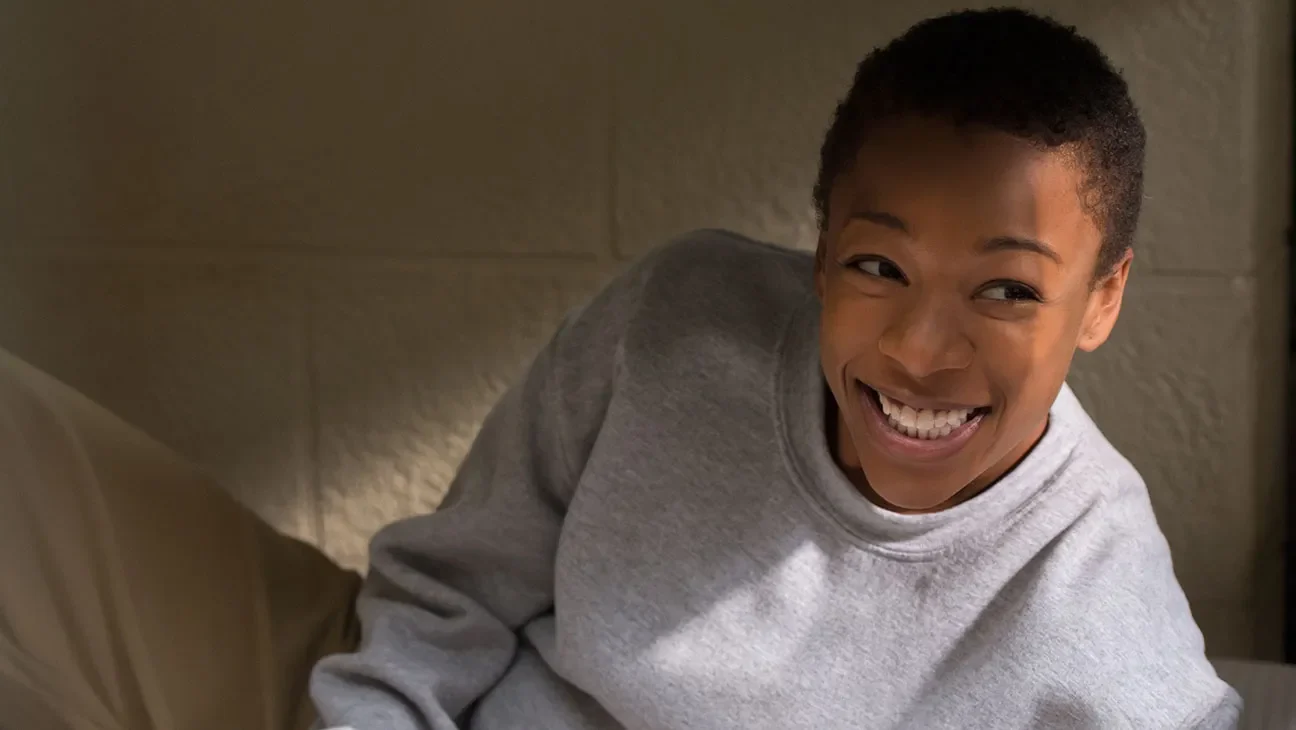
Poussey works in the library, speaks multiple languages, and functions as a social connector across prison cliques. During a peaceful demonstration, a restraint gone wrong leads to her death on the cafeteria floor, witnessed by inmates and guards alike. The incident is captured on surveillance and becomes an institutional flashpoint inside and outside the facility.
Her death precipitates a prison-wide crisis, fueling a protest movement that escalates into a full-scale disturbance. Administrative decisions, guard training, and private management contracts come under scrutiny, while the inmates reorganize around new leaders and demands. The ripple effects alter housing, security protocols, and the show’s focus on systemic accountability.
Tara Maclay — ‘Buffy the Vampire Slayer’
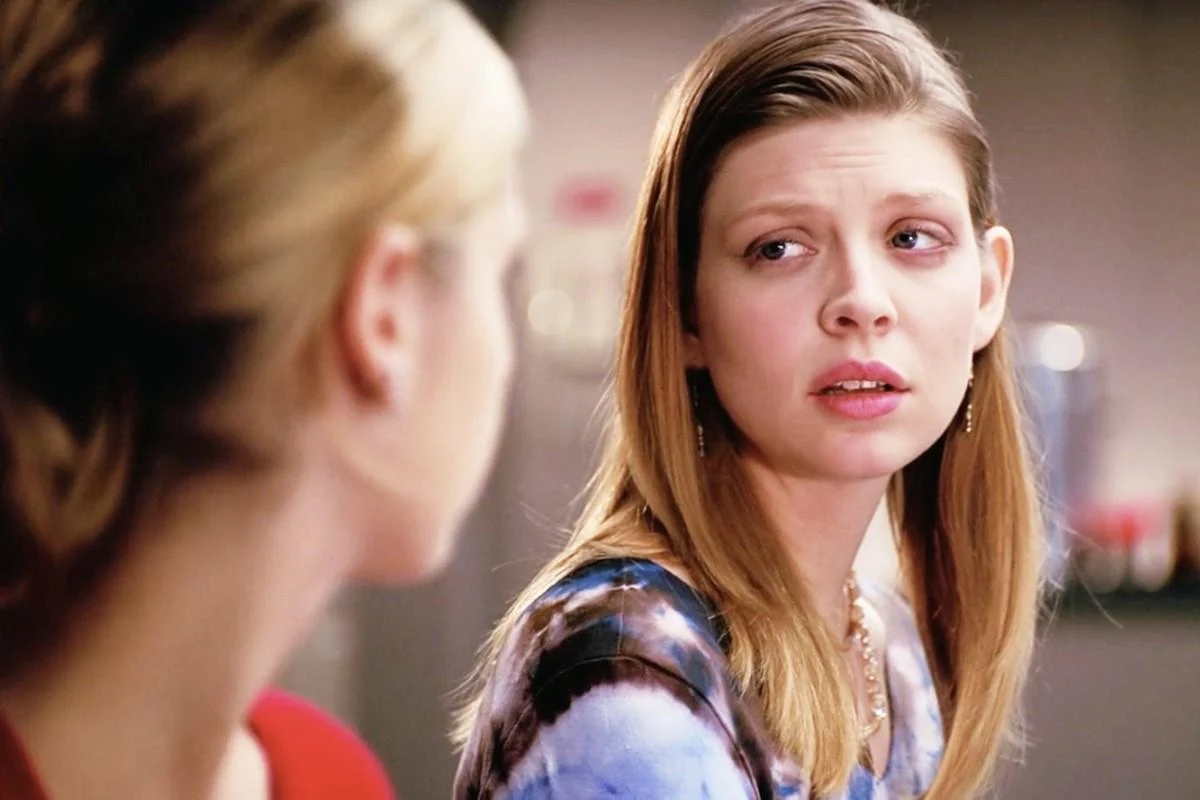
Tara is a gifted witch whose calm, precise magic anchors complex rituals and repairs mystical damage after major battles. A gunshot fired through a window kills her suddenly at home, ending a stabilizing presence within the Scooby Gang. The timing and method cut through the show’s usual supernatural rules, bringing real-world violence into a story world of demons and spells.
The fallout triggers Willow’s uncontrolled descent into dark magic, a direct escalation that forces the group to confront new limits and safeguards. It also reshapes the team’s division of labor in research and spellcraft, with others stepping into roles Tara had handled, and it reframes how the show treats consequences for power used without restraint.
Mike Ehrmantraut — ‘Breaking Bad’
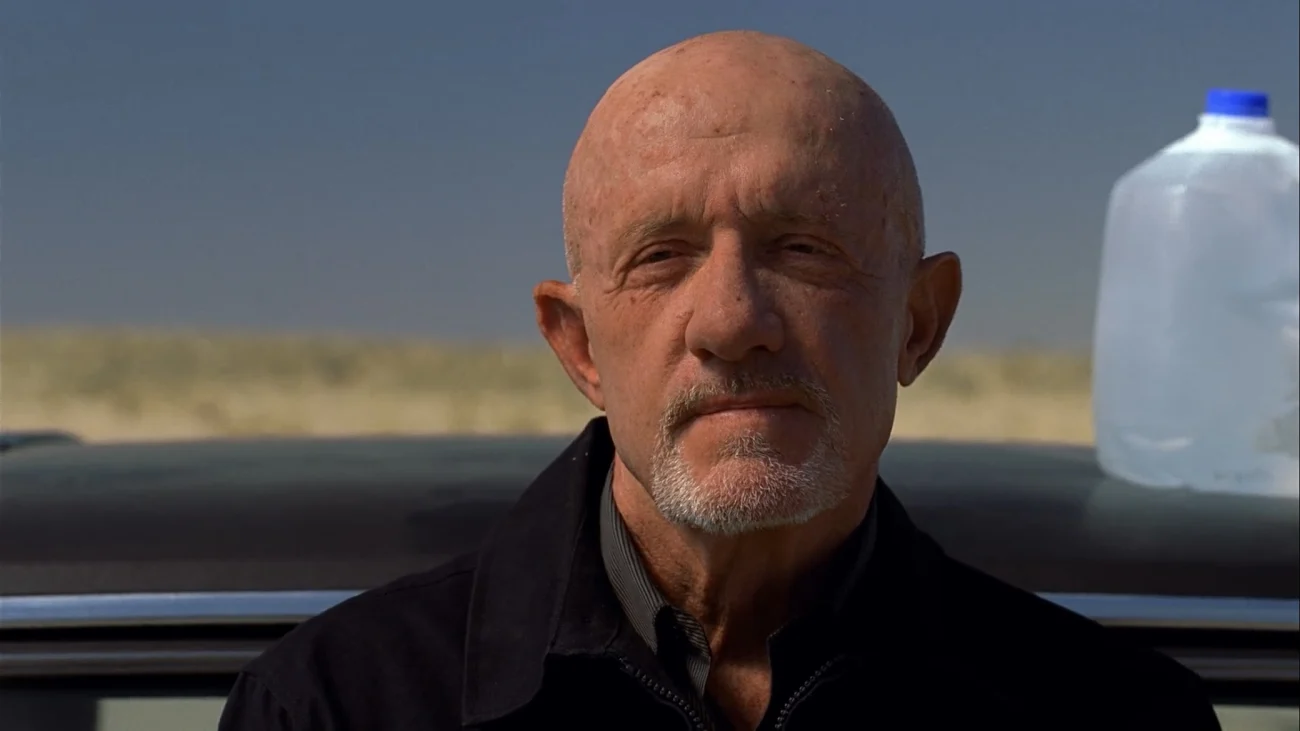
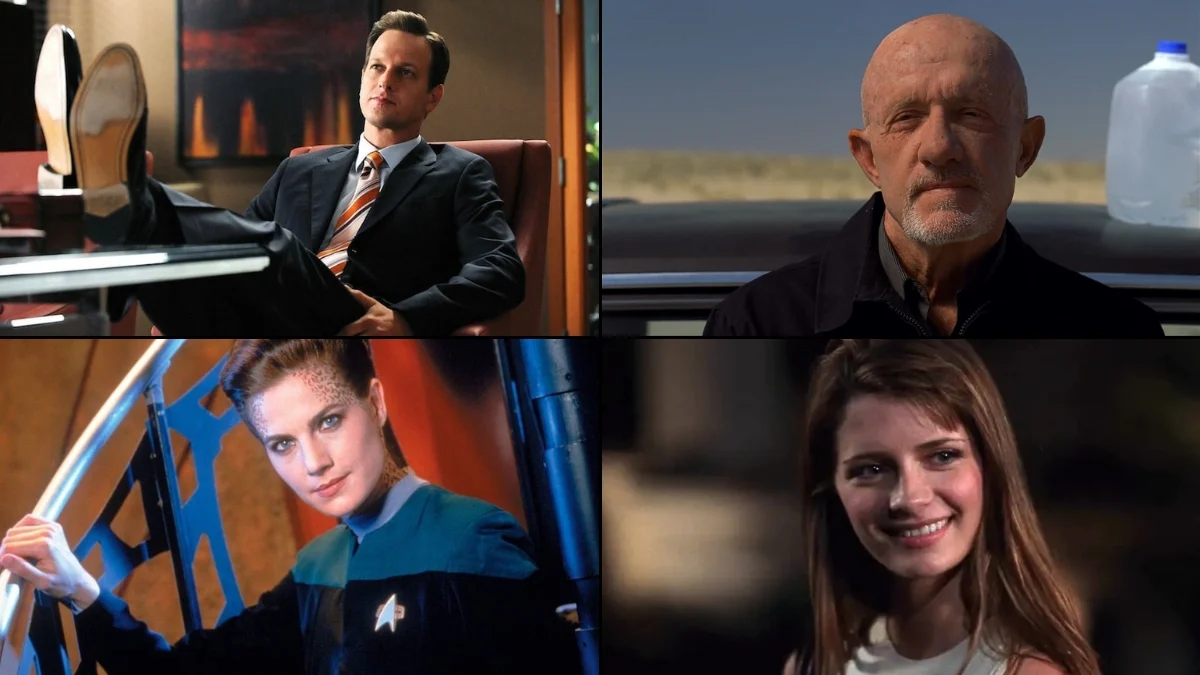
Mike is a former police officer who runs security, logistics, and cleanup for Gus Fring’s operation, handling surveillance, counter-surveillance, and risk management with methodical precision. After the fall of the Fring enterprise, Mike attempts a controlled exit while protecting his crew’s hazard pay. A confrontation by the river ends with a fatal gunshot from Walter White.
His absence removes a practical backstop against chaotic decisions, leaving the meth operation exposed to avoidable risks. Without Mike’s disciplined procedures, the organization’s accountability and compartmentalization erode, accelerating law-enforcement pressure and internal instability that push remaining players into increasingly reckless tactics.
Jadzia Dax — ‘Star Trek: Deep Space Nine’
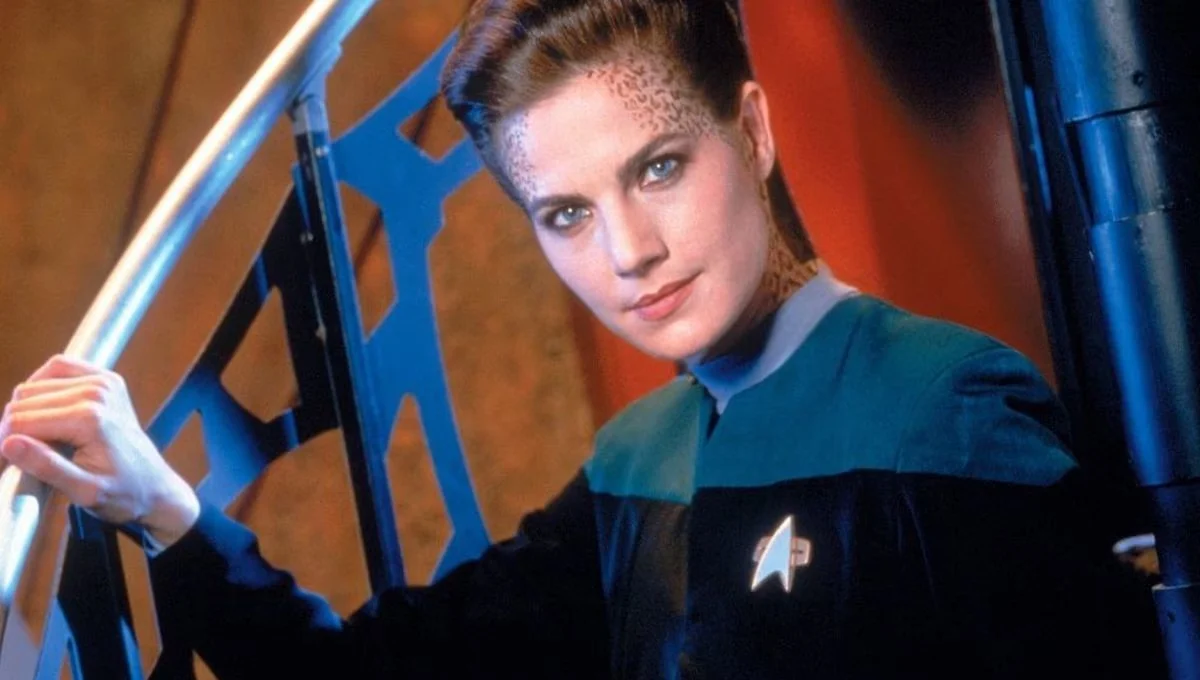
Jadzia is the Trill science officer and station’s bridge between Starfleet protocol and diverse alien cultures, combining Dax symbiont experience with a modern Starfleet outlook. Possessed by a Pah-wraith, Gul Dukat attacks the station’s temple and kills Jadzia, while the Dax symbiont survives to be joined to Ezri. The event closes a key chapter in DS9’s diplomatic and exploratory fabric.
Her death alters the station’s interpersonal and strategic dynamics, particularly within the Klingon storyline, Bajoran spirituality, and the Dominion War’s tactical decision-making. Ezri Dax brings a different skill set and perspective, requiring the crew to adapt roles and responsibilities that Jadzia had held in science briefings, diplomatic overtures, and mission planning.
Ianto Jones — ‘Torchwood’
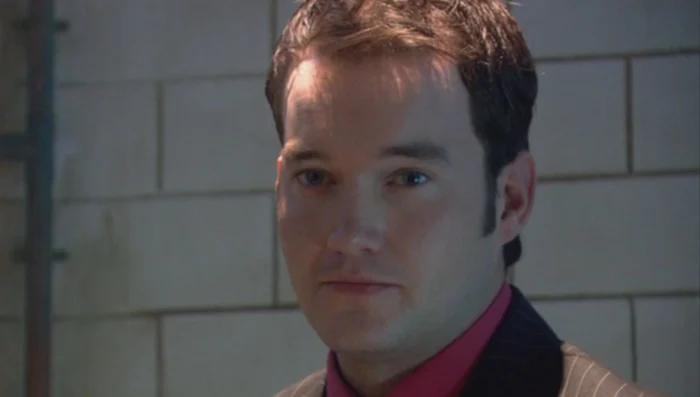
Ianto manages Torchwood’s archives, field support, and containment protocols, providing operational continuity for the small Cardiff team. During the ‘Children of Earth’ crisis, he confronts the 456 alongside Captain Jack in a sealed chamber; the alien releases a toxic agent, and Ianto dies from exposure. The team loses a coordinator who kept the hub functional under pressure.
The death narrows Torchwood’s capacity to respond to layered threats, forcing remaining members to split duties across logistics, intel, and fieldwork. It also changes Jack’s decision-making posture in high-stakes negotiations, informing later choices about sacrifice, secrecy, and public accountability that define subsequent operations.
Charlie Bradbury — ‘Supernatural’

Charlie begins as a hacker who becomes a trusted ally to the Winchesters, building encryption tools, decoding grimoires, and sourcing hard-to-find intel from legitimate and shadow markets. She is murdered by the Styne family after producing critical translations tied to the Mark of Cain. The loss removes a high-value technical asset from the hunters’ support network.
Her absence increases operational risk for Sam and Dean, who must pursue magical solutions with diminished research speed and fewer digital workarounds. It also constrains collaboration with other hunters, since Charlie had bridged the gap between modern information security and arcane knowledge, a combination that had repeatedly shortened the timeline from clue to action.
Fred Burkle — ‘Angel’
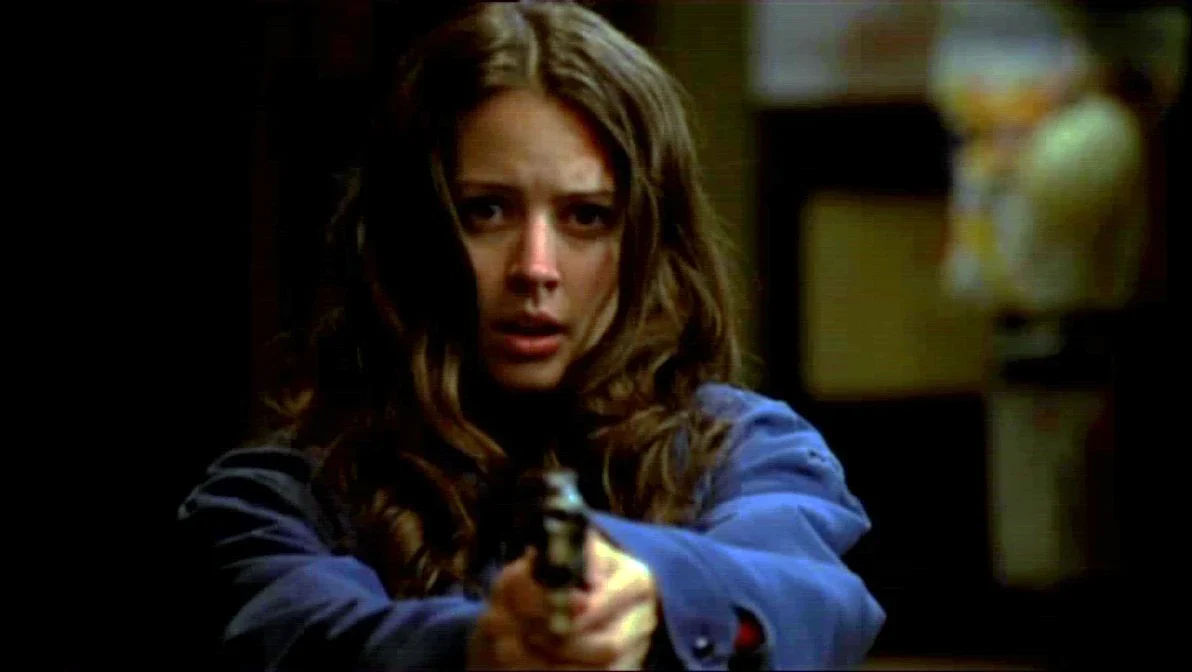
Fred is the team’s physicist, translating supernatural anomalies into testable frameworks and building engineering fixes for magical problems. After exposure to an ancient sarcophagus, her body is consumed by the Old One Illyria, who inhabits Fred’s form while erasing her consciousness. The team no longer has access to Fred’s analytical approach and bespoke devices.
Illyria’s presence reshapes group dynamics and mission parameters, adding volatile power but complex ethical constraints. Without Fred’s inventions and scientific modeling, investigations grow less precise and more improvisational, altering how the team prepares for confrontations and manages collateral damage during Los Angeles’ escalating mystical conflicts.
Opie Winston — ‘Sons of Anarchy’

Opie is a founding member of SAMCRO whose loyalty and history make him a stabilizing influence inside the clubhouse. During a prison negotiation gone wrong, he volunteers for a fatal beating to protect Jax and other members, resolving a debt the club owes to a rival. The club loses a senior member whose presence often tempered rash decisions.
His death drives tactical and strategic shifts in how SAMCRO handles retaliation, business deals, and alliances. It intensifies internal debates about leadership and legitimacy, and it changes the emotional calculus that informs Jax’s choices in subsequent conflicts, from gun-running arrangements to truces and betrayals with outside crews.
Will Gardner — ‘The Good Wife’
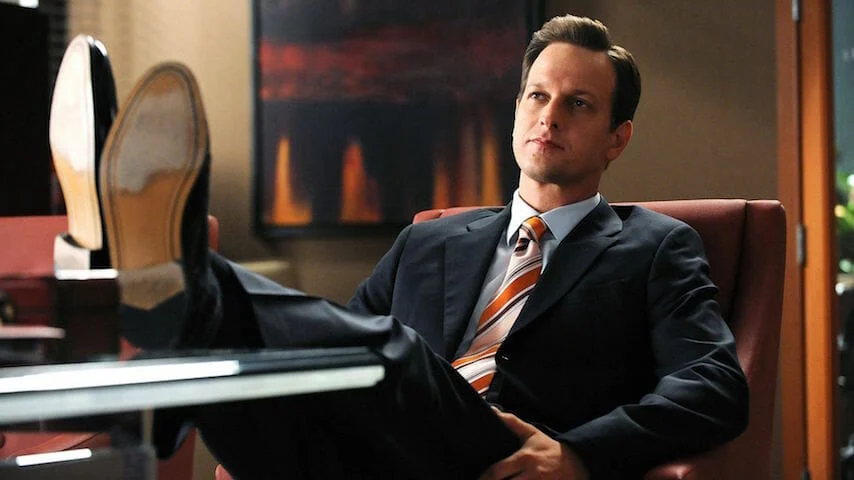
Will is a name partner at Lockhart/Gardner and a mentor-turned-peer to Alicia Florrick, central to the show’s merger of legal maneuvering and office politics. He is shot in open court by a client during a routine proceeding, a security breach that halts the trial and sends shockwaves through the Chicago legal community. The firm must rapidly redistribute caseloads and leadership responsibilities.
In the wake of his death, case strategy, client retention, and inter-firm rivalries shift as partners renegotiate power and portfolios. Alicia’s professional path changes direction, influencing campaign choices, firm affiliations, and how she structures her practice, while the court system revisits procedural safeguards and courtroom security protocols.
Marissa Cooper — ‘The O.C.’

Marissa’s trajectory intersects with nearly every storyline, from family scandals to school dynamics and community reputation. After a roadside confrontation, a car crash ends her story at the close of a season, leaving the show to examine grief across friendships, parents, and rivalries. The Cohen and Cooper families must recalibrate routines and expectations without her.
Seasonal arcs that once centered on Marissa’s choices pivot to new characters and settings, shifting the show’s mix of school, work, and home plots. Ryan’s next steps, Julie’s survival strategies, and the Harbor School social order all change, while the series retools its tone and pace to accommodate a major cast and narrative transition.
Derek Shepherd — ‘Grey’s Anatomy’
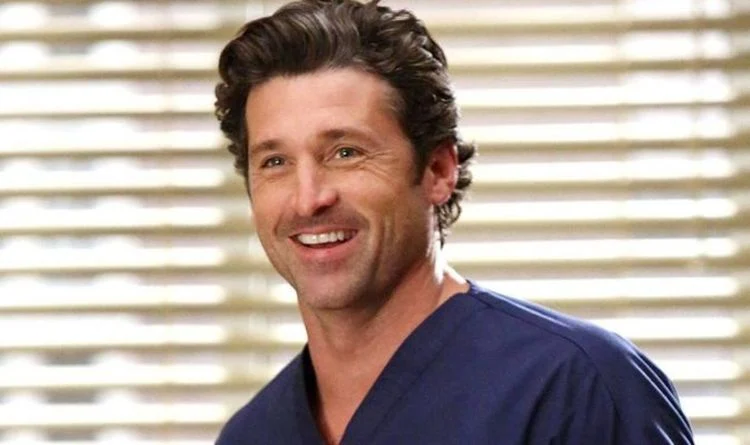
Derek is the hospital’s leading neurosurgeon whose research and surgical innovations anchor multiple medical arcs. After a roadside accident, delays and gaps in trauma protocol at a nearby facility prevent timely neurosurgical intervention, resulting in his death. The event spotlights triage processes, inter-hospital transfers, and the limits of emergency response without specialized staff.
His absence forces a reorganization of the neurosurgery service line, research projects, and mentoring pipelines. Meredith’s career and family decisions evolve in response, while the hospital’s leadership addresses staffing, fellowship tracks, and quality control changes that arise when a top specialist is no longer part of the surgical team.
Zoe Barnes — ‘House of Cards’

Zoe is an ambitious reporter who leverages sources inside Washington to expose political maneuvering, trading access for information and building stories that link private strategy to public outcomes. In a confrontation on a subway platform, Frank Underwood pushes her onto the tracks, killing her instantly and severing a key channel of investigative pressure.
Her death compels surviving journalists to reorganize around different leads and methods, shifting the locus of reporting to new partnerships and data sources. It also alters law-enforcement interest in related cases, changing how information moves through the capital and how political actors adapt their tactics to minimize exposure.
Share the characters you’d add to this list—and the moments that cemented them in your memory—in the comments.