15 Anime That Were Canceled Too Soon (Fans Still Aren’t Over It)

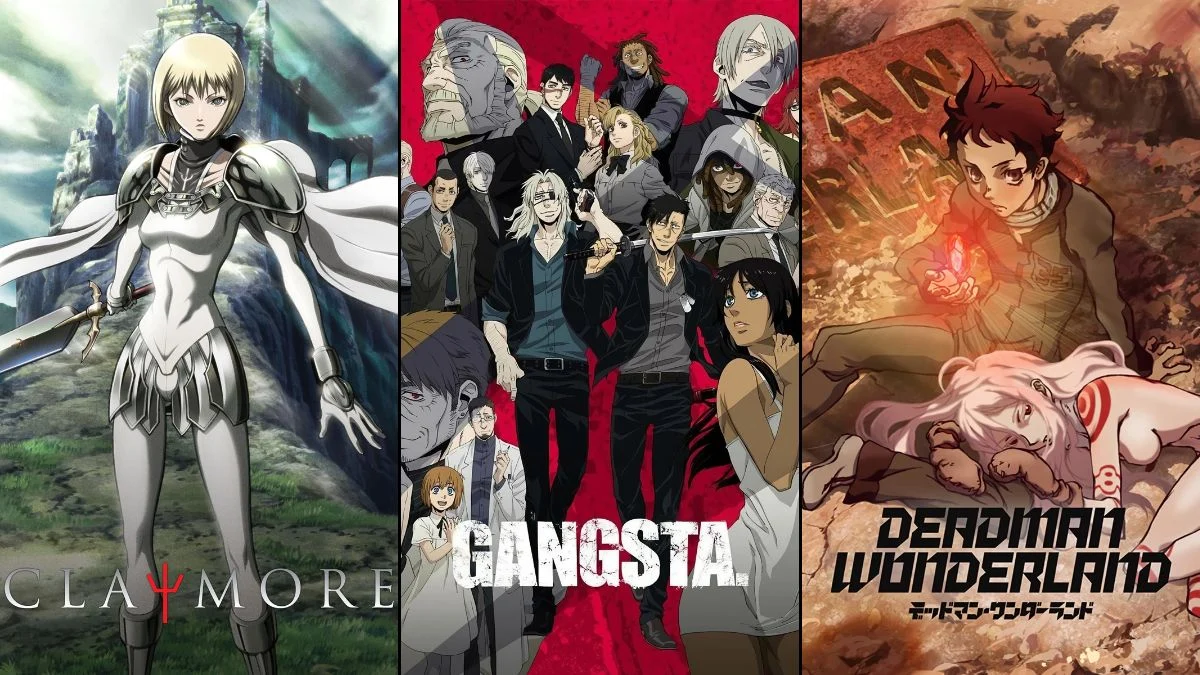

Some anime stop right when the story is building momentum. Production issues, sales concerns, legal complications, creator health, or source material hiatuses can all bring a show to a halt before it reaches a planned finish. The result is a season that sets up characters and conflicts while leaving key arcs waiting for an adaptation that never arrives.
This list gathers shows that ended early or lost planned continuations even though significant story material remained. You will find episode counts, what the anime covered, what it skipped, and what happened to the source material afterward so you can see exactly where things paused and why nothing further was produced.
‘Nana’ (2006–2007)
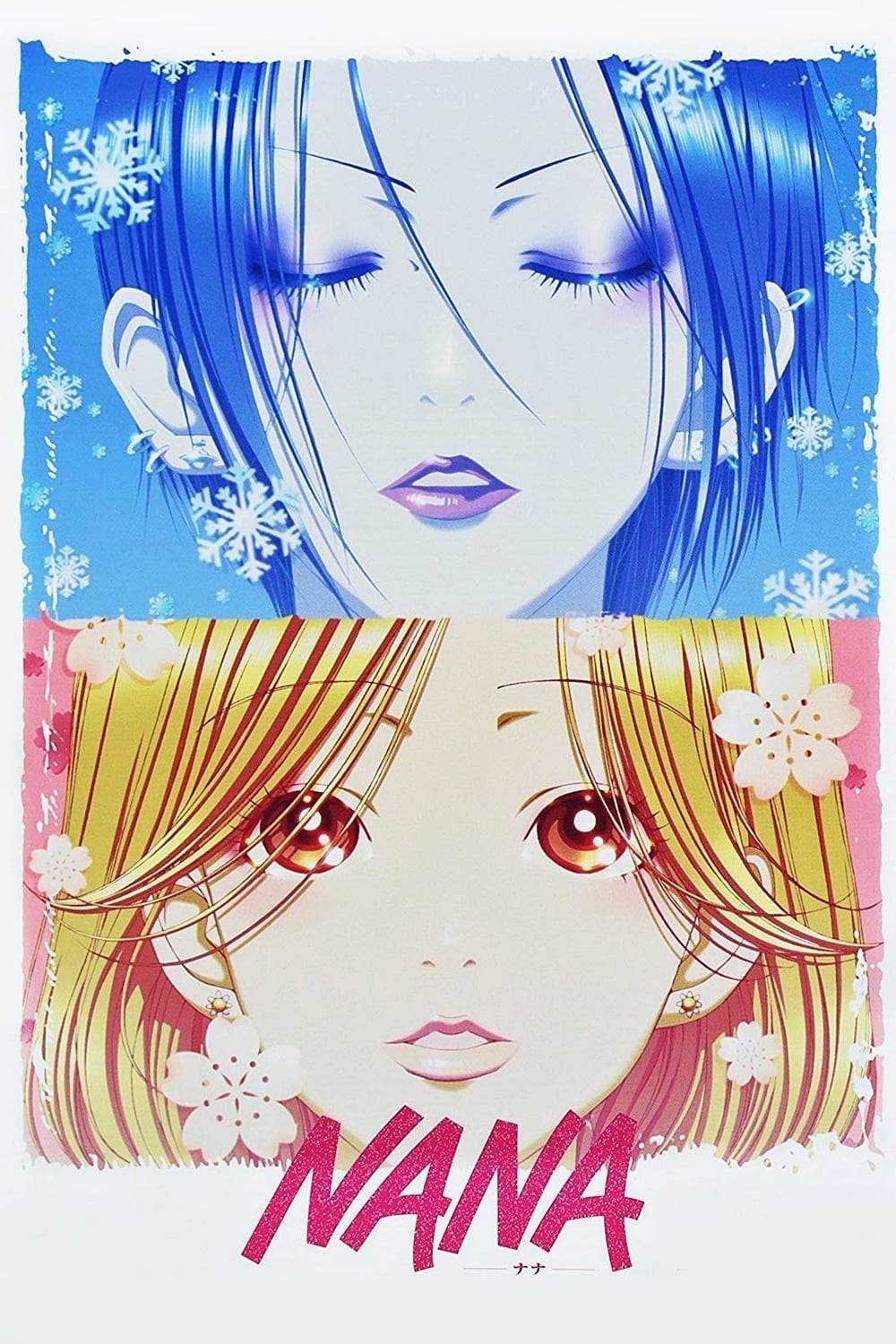
The anime runs for 47 episodes and adapts a large early portion of Ai Yazawa’s manga. It follows the two Nanas through Tokyo life and band activity while stopping before multiple long running plotlines conclude. The television run wrapped with open character and relationship threads still on the page.
The manga went on indefinite hiatus in 2009 due to the author’s health. With no new chapters for years and major arcs unresolved in print, no further anime season has been produced to continue what the 47 episodes began.
‘Gangsta.’ (2015)
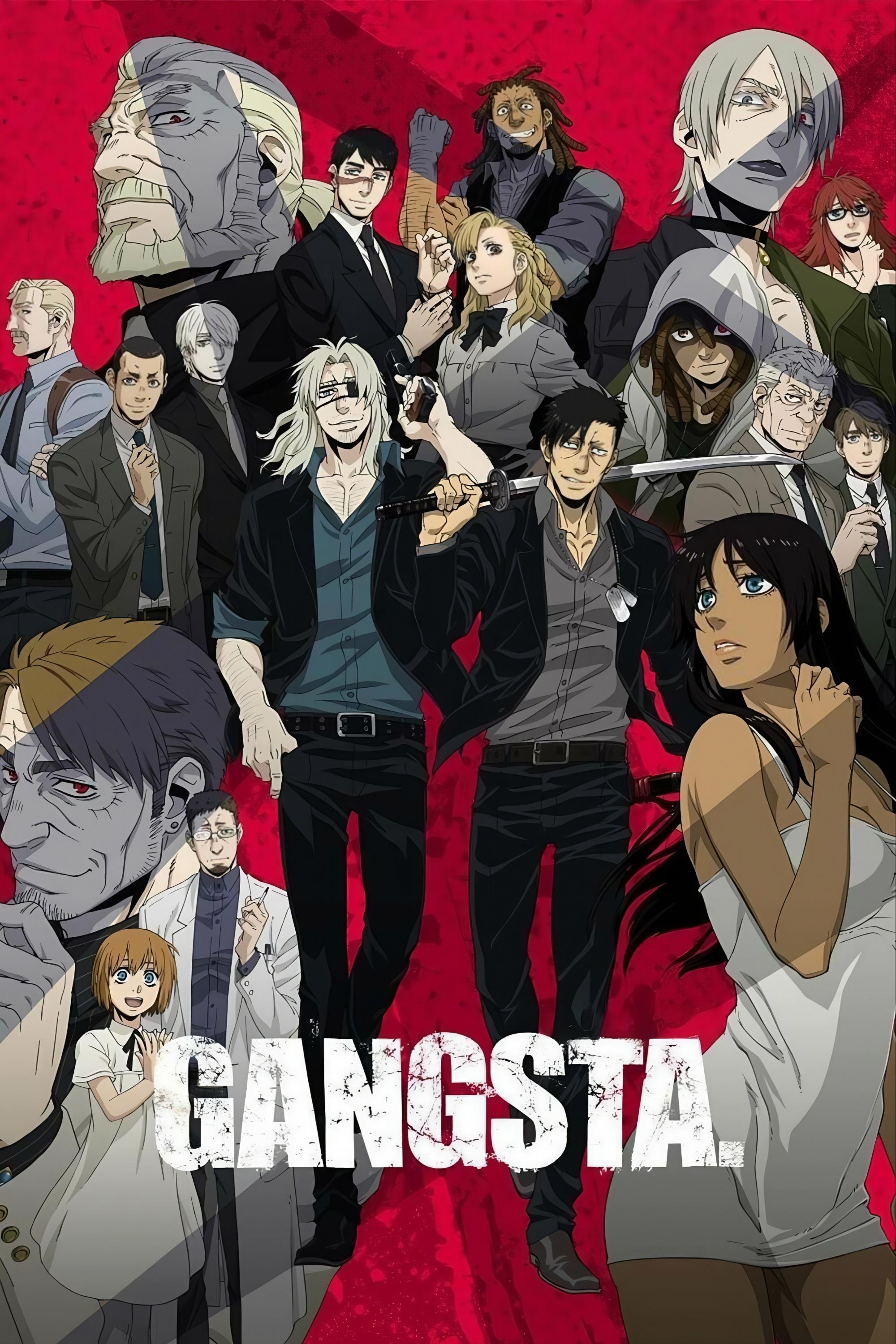
The series aired 12 episodes adapting the early volumes of Kohske’s manga set in the city of Ergastulum. The first season introduces the main cast and the Twilights and ends before the fallout from the citywide conflicts is resolved.
Shortly after broadcast, studio Manglobe entered bankruptcy in 2015. That shutdown halted prospects for additional episodes. The manga itself has experienced long hiatus periods related to the author’s health, leaving more material but no follow up season.
‘Stars Align’ (2019)
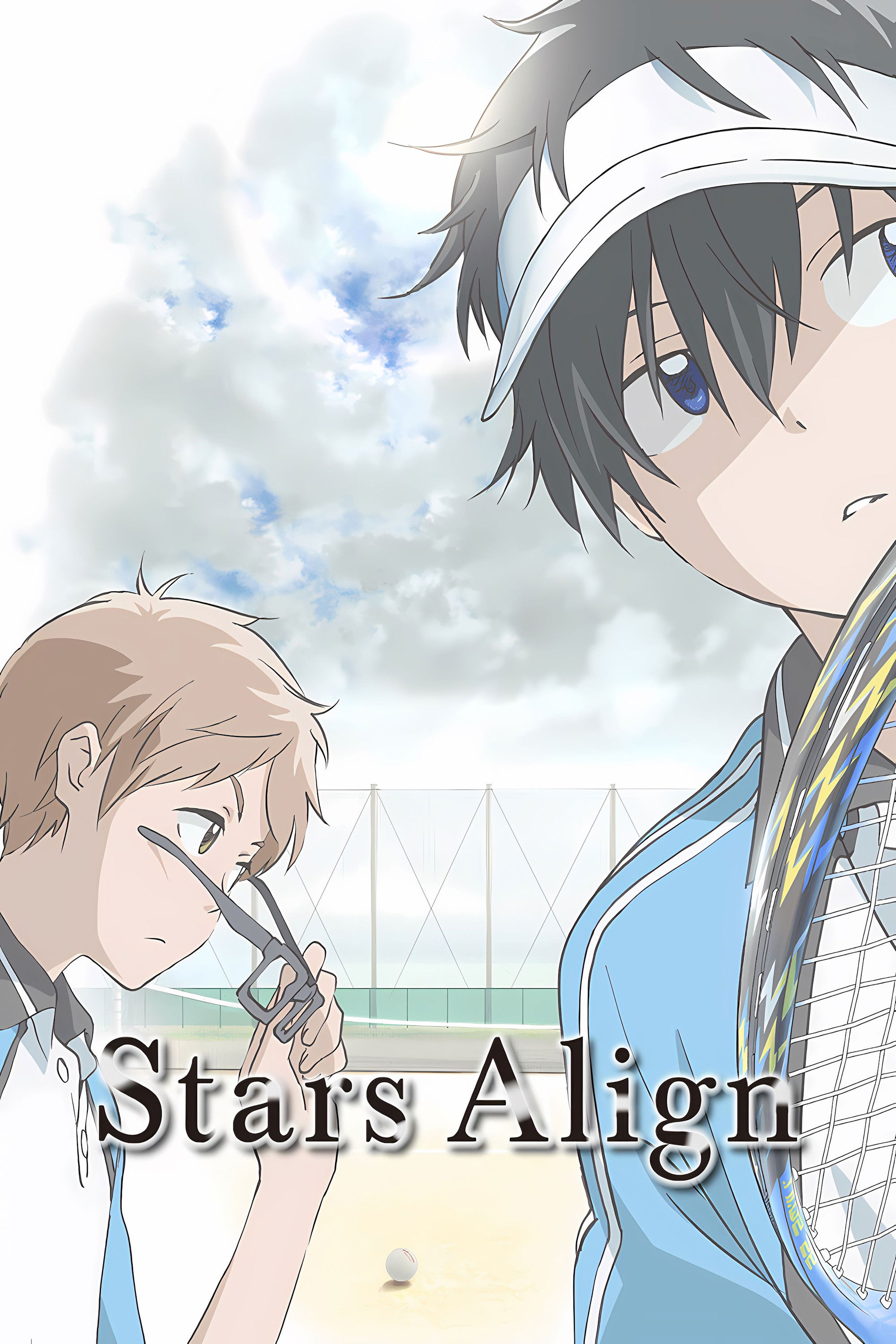
This original series delivered 12 episodes about a junior high soft tennis team. The director publicly stated the plan had been for a 24 episode story, which means the televised run concluded at the halfway point with tournaments and family subplots still unfolding.
Because the episode order was reduced, the show stops in the middle of character arcs and match play. The director later shared outlines and script material after airing, but no greenlit continuation has been announced.
‘Deadman Wonderland’ (2011)
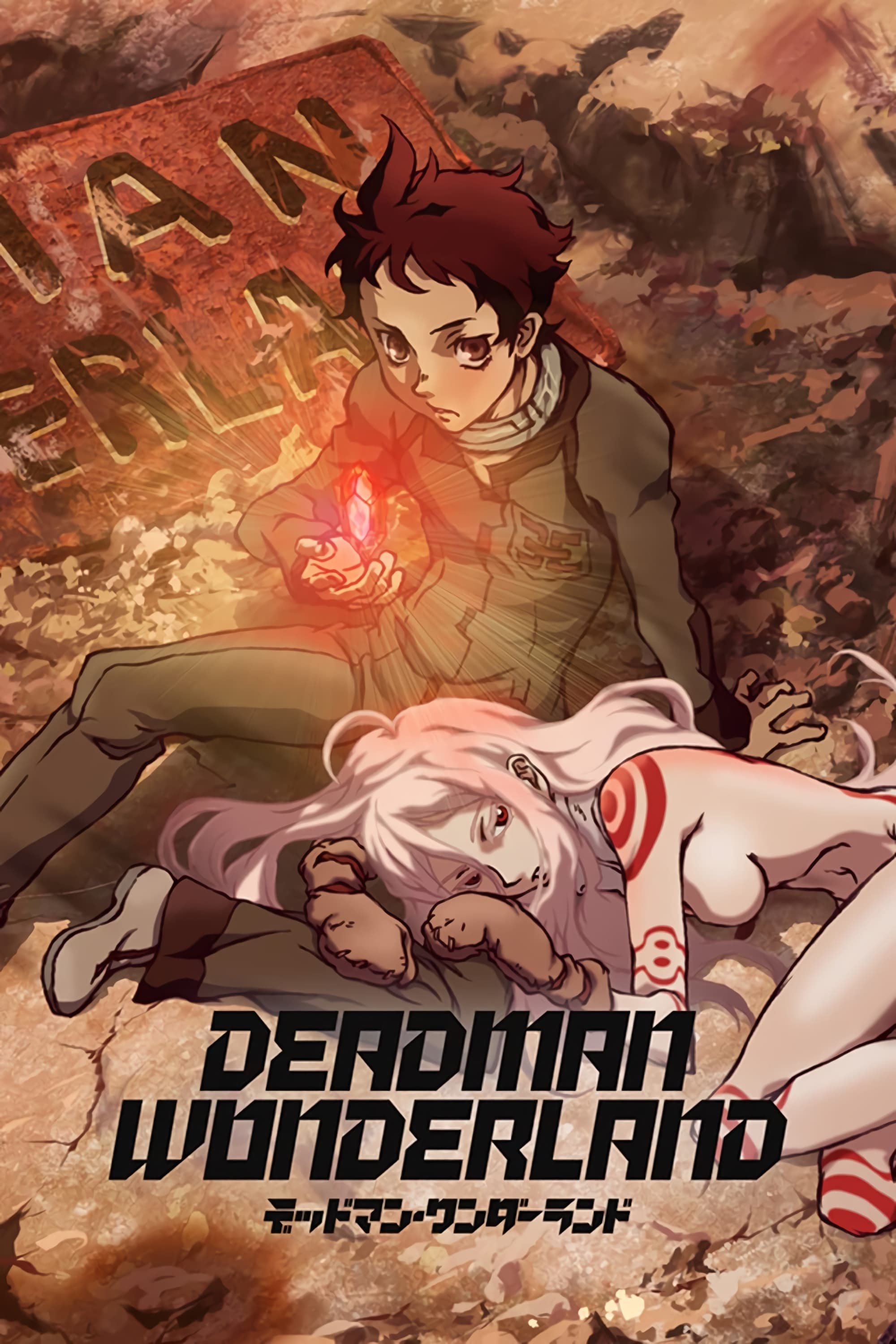
The adaptation covers only the early arcs of Jinsei Kataoka and Kazuma Kondou’s manga in 12 episodes. It introduces the prison theme park setting and major cast, then ends before later battles and revelations appear on screen.
The source manga finished in 2013 across 13 volumes. An OVA titled ‘Red Knife Wielder’ arrived in 2011 to spotlight Senji, but a second season that would cover the remainder of the print story was never produced.
‘High School of the Dead’ (2010)
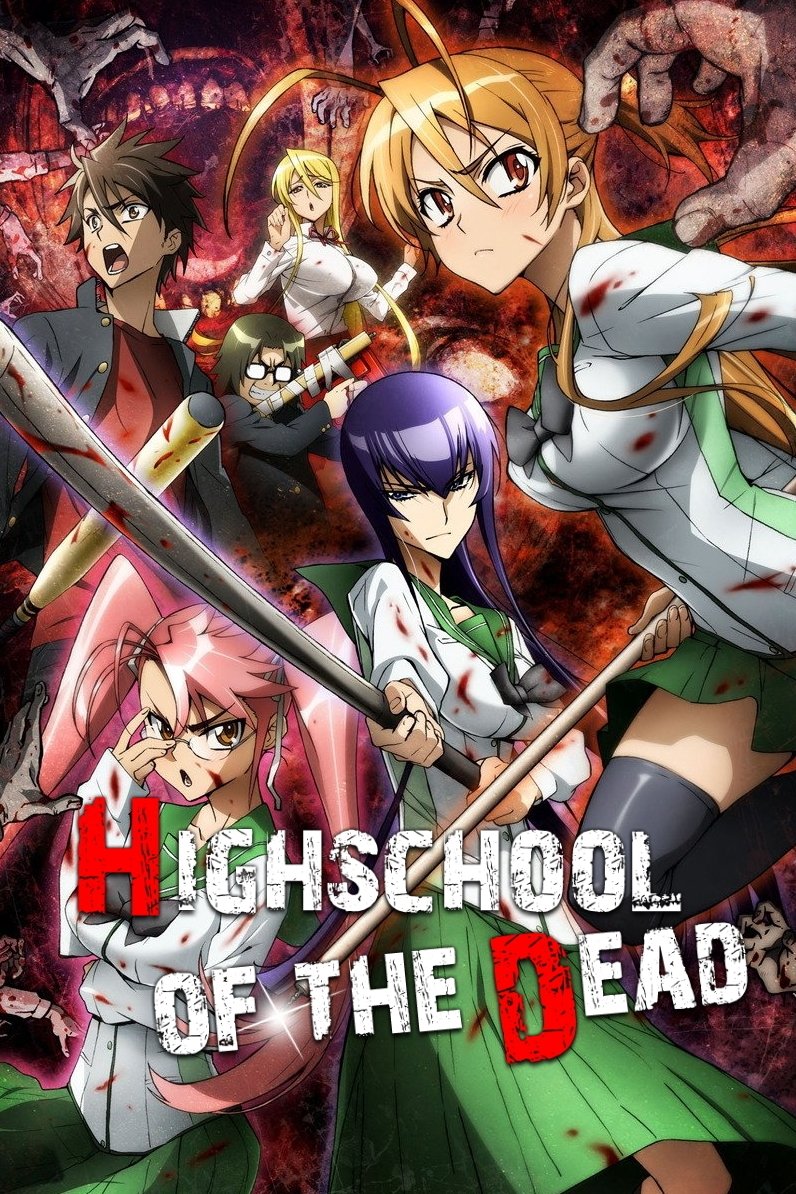
The anime consists of 12 episodes and an OVA and adapts the early run of the manga by Daisuke Satō and Shōji Satō. It establishes the outbreak premise and core group, then stops with major narrative goals still ahead.
The manga went on hiatus and later ceased entirely after the passing of author Daisuke Satō in 2017. With no continuation of the source, the anime did not return for additional seasons.
‘Claymore’ (2007)
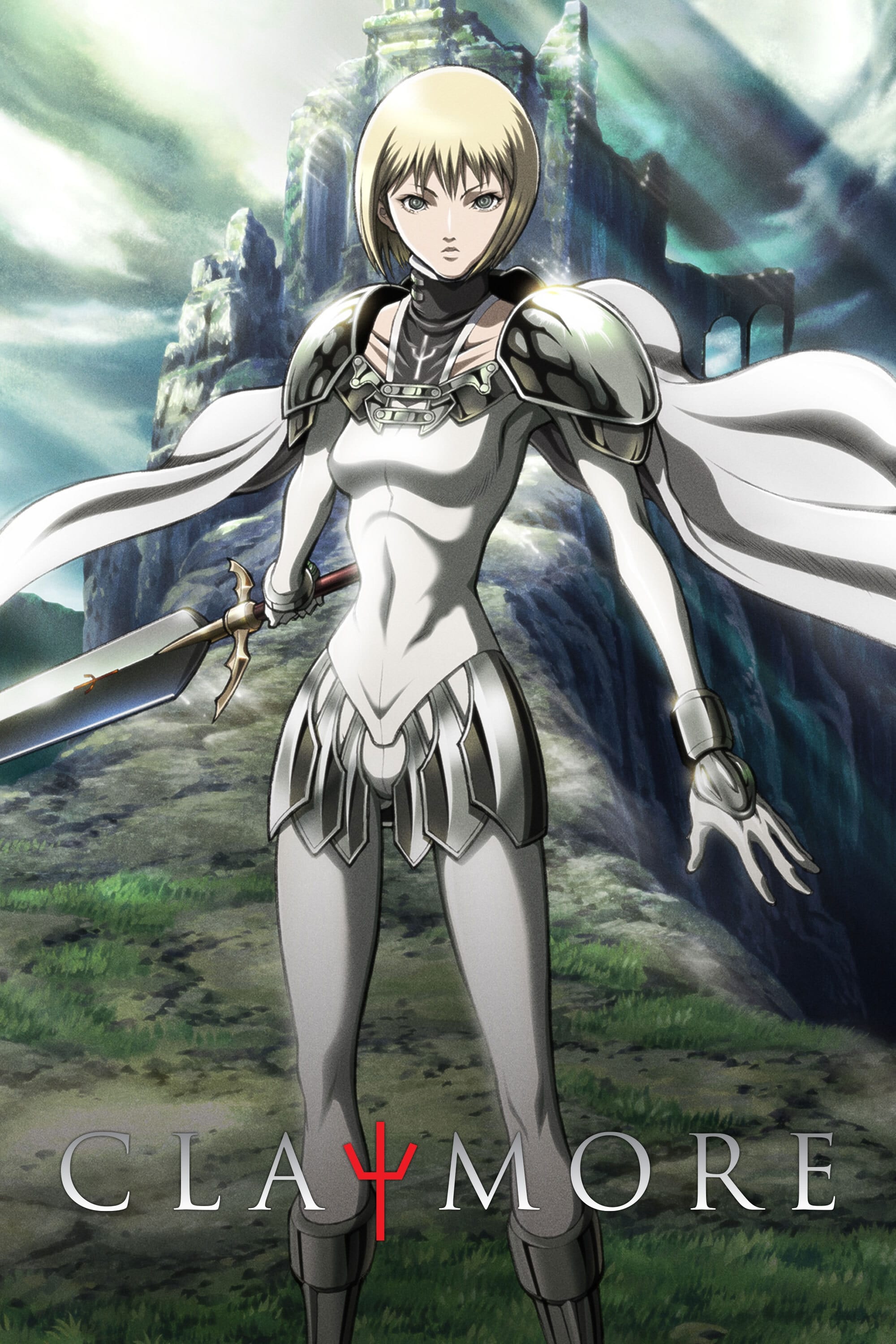
This adaptation runs 26 episodes and initially follows Norihiro Yagi’s manga before diverging with an original ending near the close of the season. The televised conclusion differs from the print storyline and leaves the majority of later events untouched.
The manga continued well beyond the anime and concluded in 2014 with 27 volumes. No new television season has revisited the canon path or adapted the extensive material that followed.
‘Btooom!’ (2012)
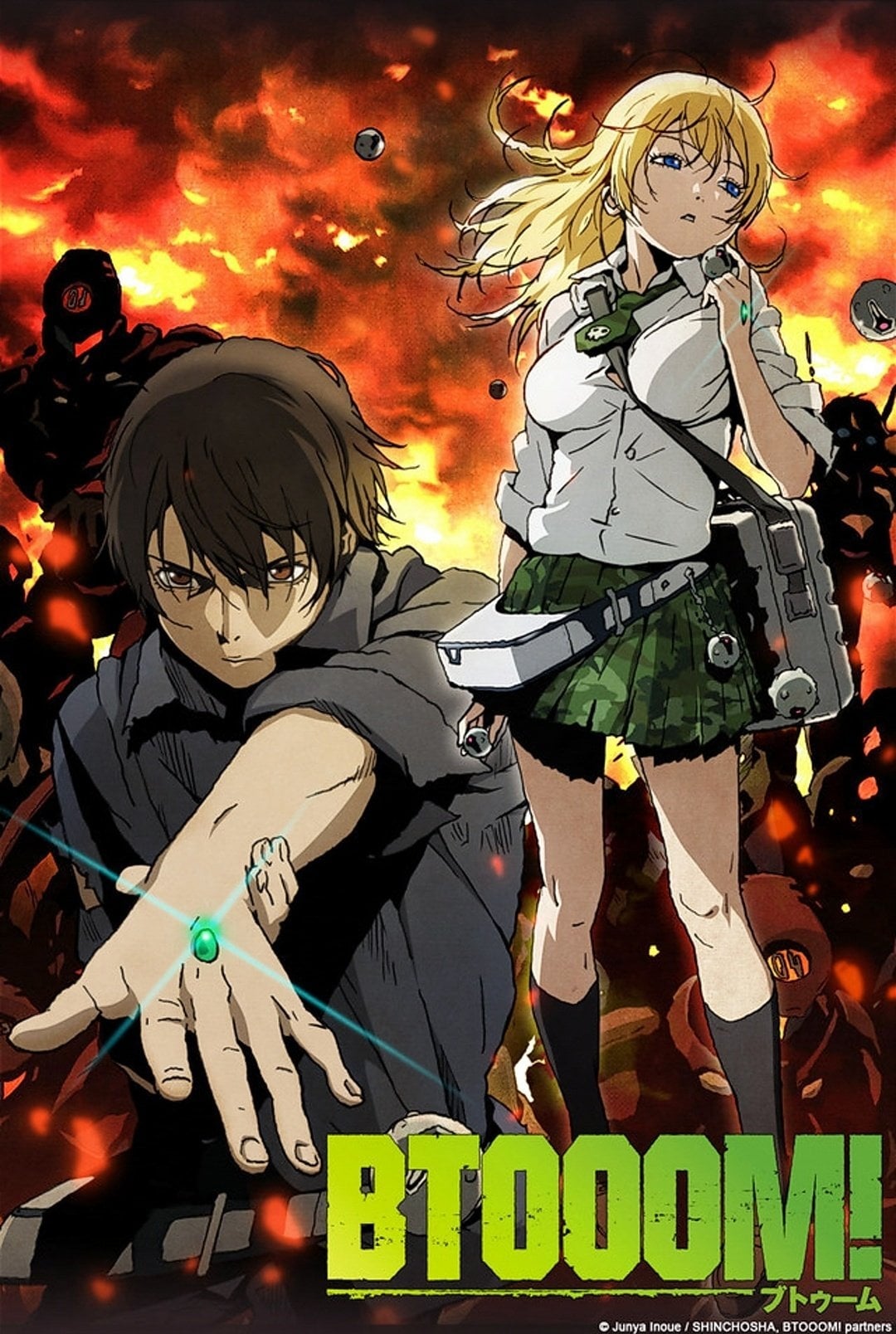
The first season spans 12 episodes and adapts only the beginning of Junya Inoue’s survival game manga. It introduces the island conflict and the mechanics of the explosive combat, then ends before the central competition reaches a definitive resolution.
The manga continued for years and concluded with two alternate endings in print. Despite that complete roadmap, the anime has not advanced past its initial cour.
‘Rokka: Braves of the Six Flowers’ (2015)
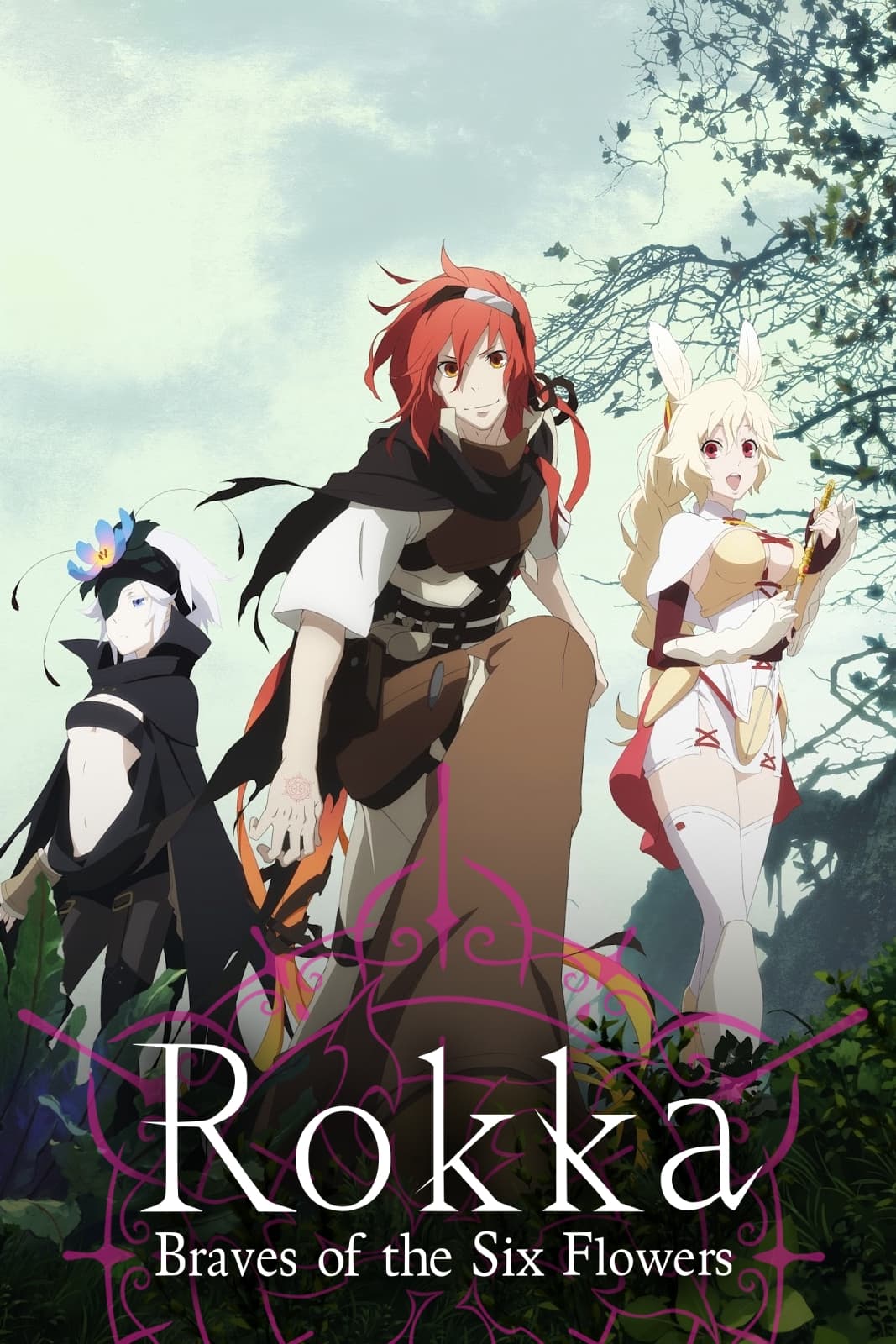
This mystery fantasy adaptation covers the first light novel by Ishio Yamagata across 12 episodes. The season focuses on the seven braves conundrum at the temple and stops after the initial mystery is solved, leaving the wider journey for later books.
The light novel series released multiple volumes but then went quiet, and no television sequel has been produced. As a result, the animated version adapts only the opening segment of the longer narrative.
‘Ouran High School Host Club’ (2006)
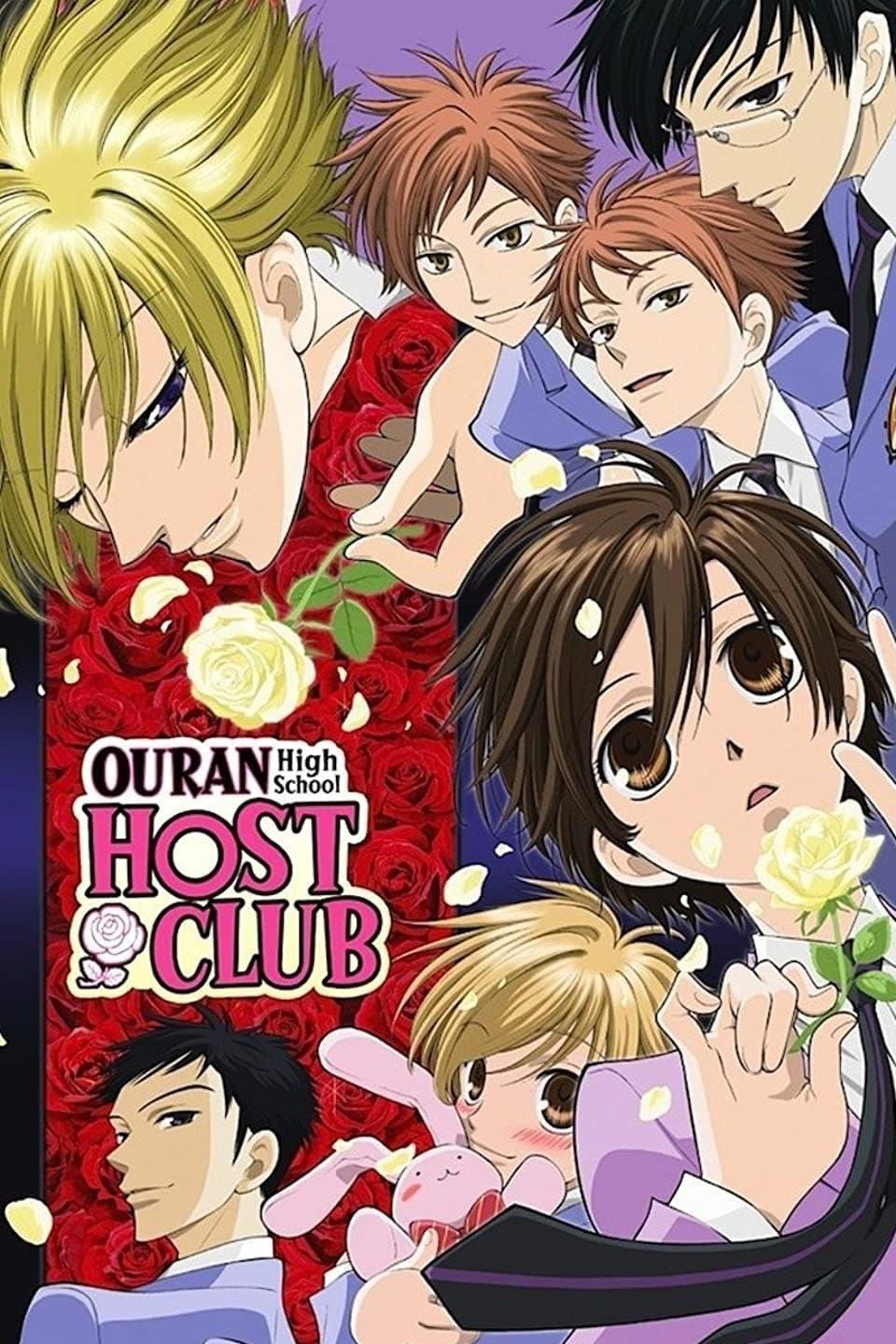
The 26 episode season adapts early arcs of Bisco Hatori’s manga and uses an anime original wrap up that does not reflect the final print storyline. Numerous character developments and later school events remain unanimated.
The manga finished in 2010 across 18 volumes. Although there is ample source material beyond what appears in season one, a second season has not been made.
‘Noragami’ (2014–2015)
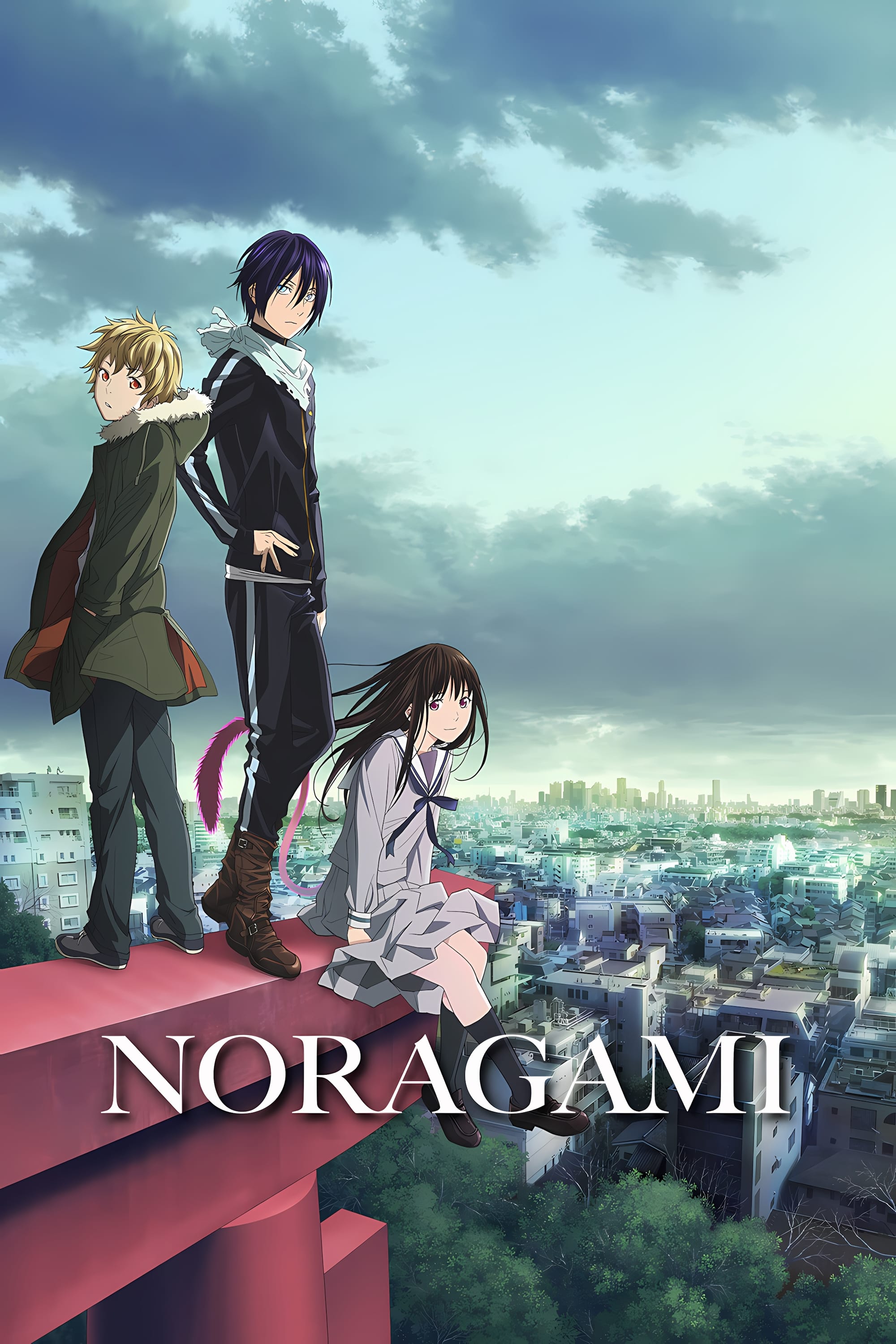
Across two seasons and several OADs, the anime adapts major arcs including Bishamon and Ebisu. The televised run stops afterward, leaving substantial later story content unseen in animated form.
The manga concluded in 2024 with 27 volumes. No additional season has been announced to adapt the remaining chapters that followed the 2015 episodes.
‘Tsubasa RESERVoir CHRoNiCLE’ (2005–2006)
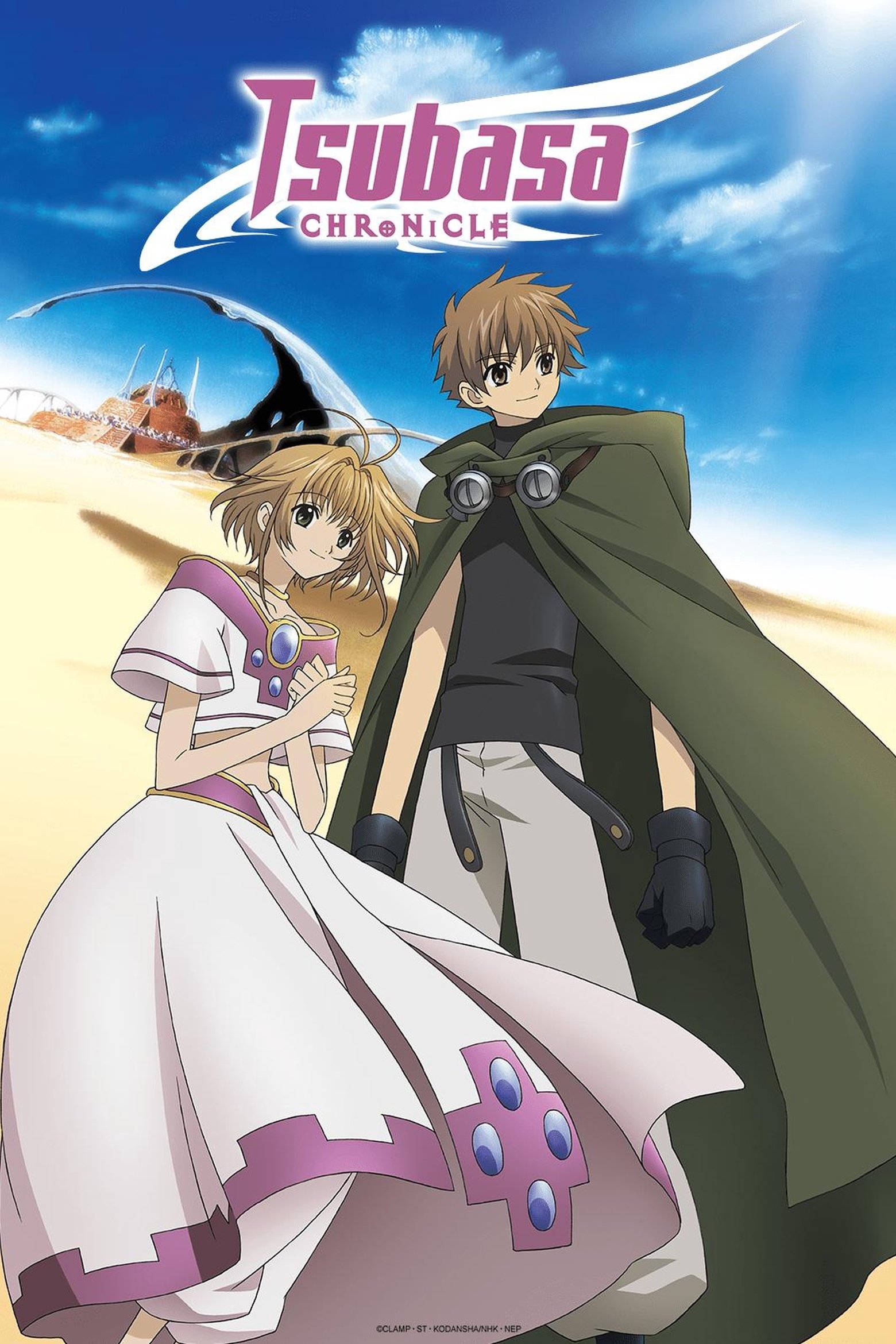
The television version spans two seasons for a total of 52 episodes and follows CLAMP’s dimension hopping story through its early travel arcs. The show ends before the darker mid story turns that redefine the journey.
Two OVA projects titled ‘Tokyo Revelations’ and ‘Spring Thunder Chronicle’ later adapted key middle arcs with a separate production team. Even with those additions, the TV storyline has not been carried through to a concluding season.
‘Gantz’ (2004)
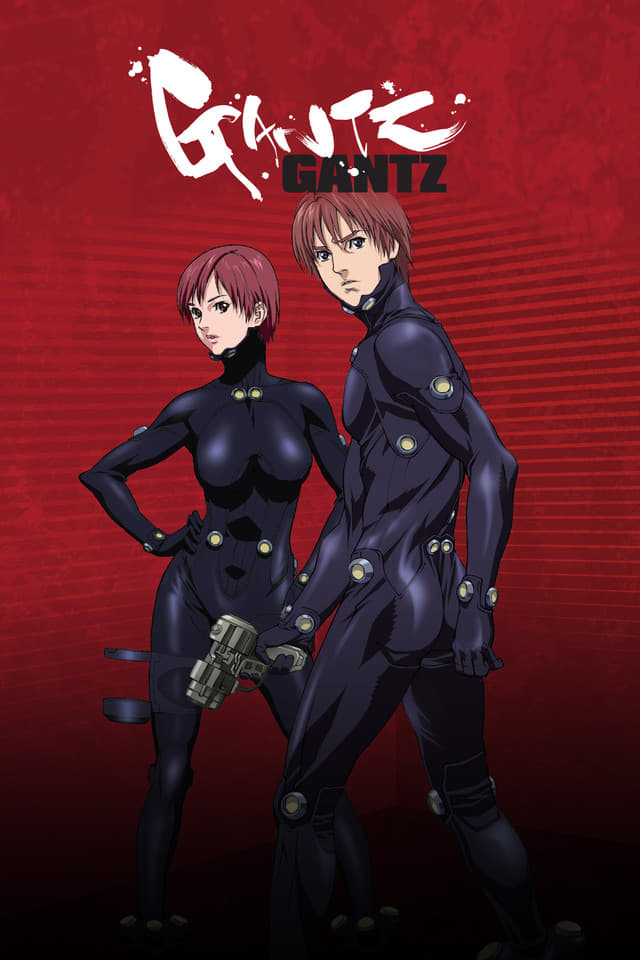
This adaptation aired in two cours for a total of 26 episodes under the labels First Stage and Second Stage. The anime diverges from Hiroya Oku’s manga and presents an original ending rather than the long print storyline.
The manga continued years beyond the broadcast and finished in 2013. Later screen projects explored the world, including films, but no new television season has adapted the extended plot from the manga.
‘Rurouni Kenshin’ (1996–1998)

The original television run totals 95 episodes and ends after the Kyoto arc, stopping before the manga’s final Jinchu arc is adapted. Filler stories occupy the closing stretch of the broadcast rather than the printed conclusion.
Subsequent OVAs covered the backstory and an epilogue, but the missing final arc remained unanimated in the original TV era. A newer adaptation began long after the first series ended, while the original broadcast still stands as an incomplete version of the manga’s mainline story.
‘Berserk’ (1997–1998)
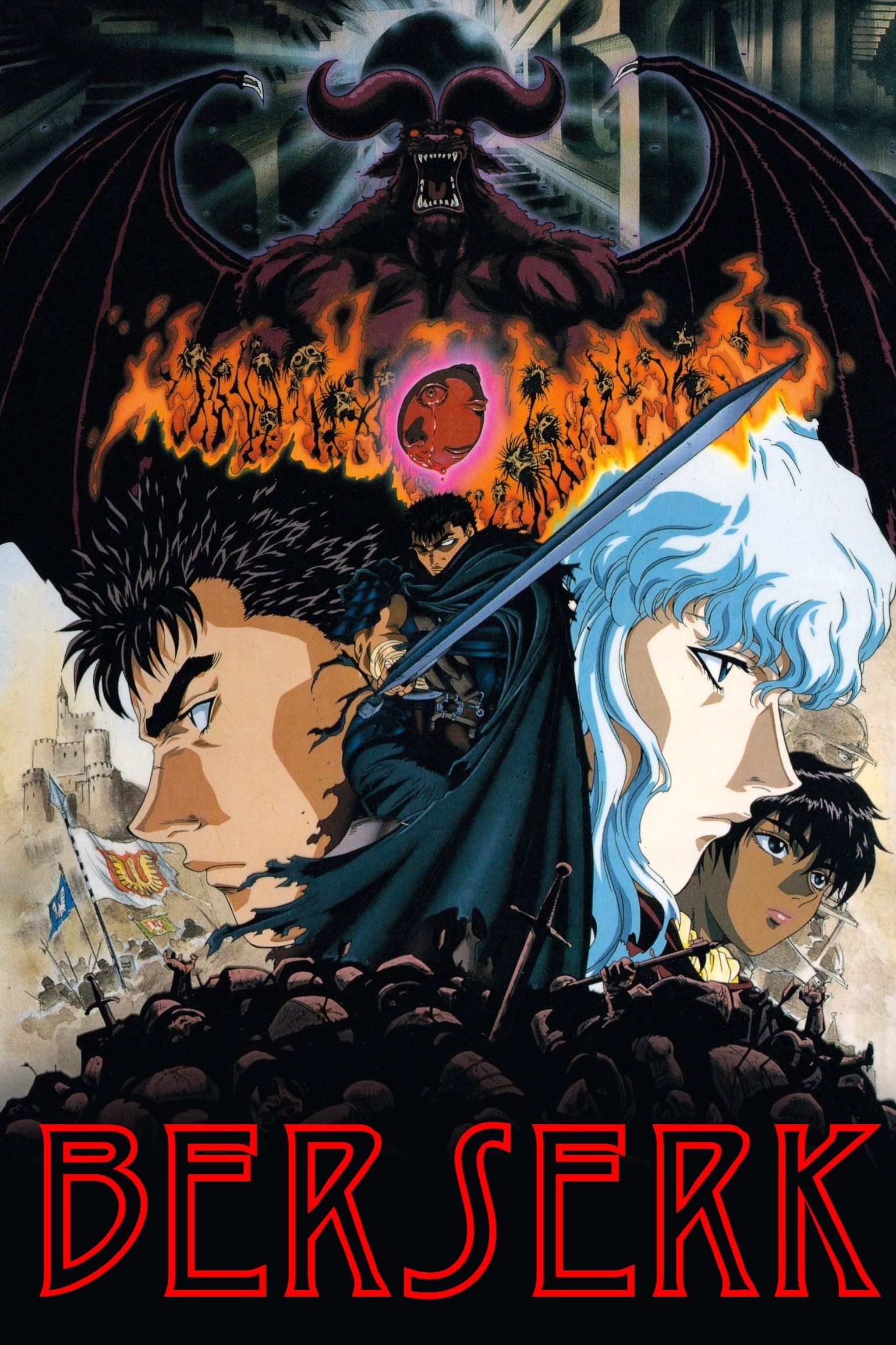
The 25 episode classic adapts the Golden Age arc and concludes at the Eclipse event. It does not continue into the long stretch of story that follows in print.
A later television series in 2016 and 2017 adapted parts of a later arc and a film trilogy retold the Golden Age, yet large portions of the manga remain without a long form TV adaptation that follows from the 1997 episodes.
‘Nura: Rise of the Yokai Clan’ (2010–2011)
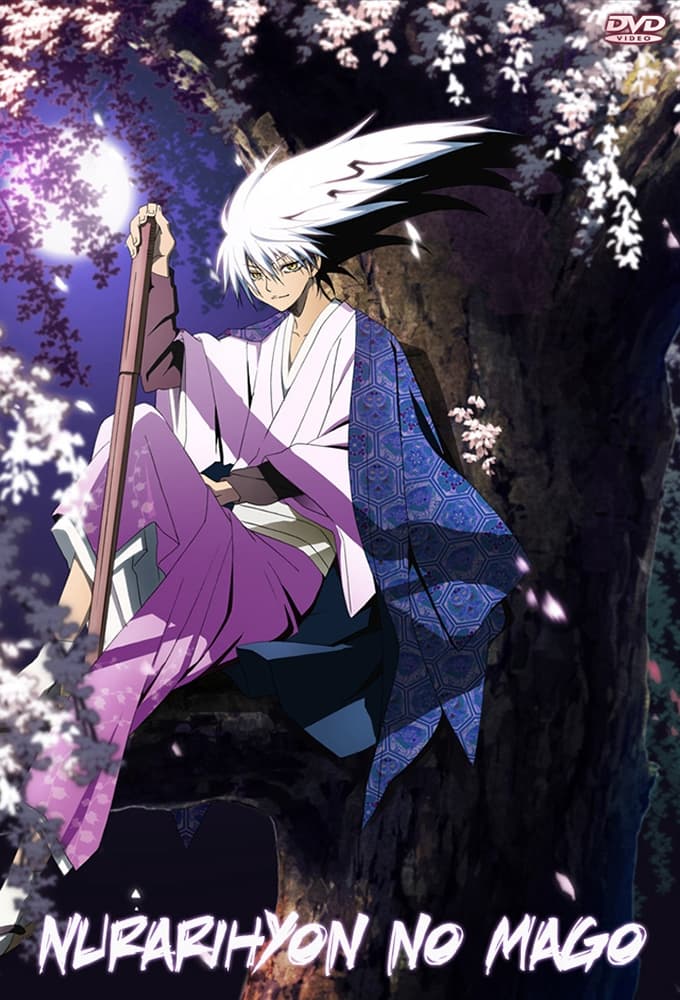
Two seasons combine for 48 episodes that cover the early conflict and the Kyoto arc from Hiroshi Shiibashi’s manga. The televised story stops before the later print arcs that deepen the power struggles among yokai.
The manga concluded in 2012 with chapters that never appeared on television. A third season was not produced, leaving the animated version short of the manga’s full scope.
Share the missing season you still want most in the comments so everyone can compare where these stories left off.