Celebrities Who Lost All Their Money



Money can disappear faster than fame. Careers can be booming one year and in serious trouble the next, and the reasons are often the same. Bad contracts, tax trouble, legal battles, expensive real estate, and large entourages can drain even the biggest paychecks.
These well known names all hit a financial wall at some point. Many filed for bankruptcy. Others publicly described being broke or facing overwhelming debts. Here is what actually happened in each case and what they did next to dig out.
Mike Tyson
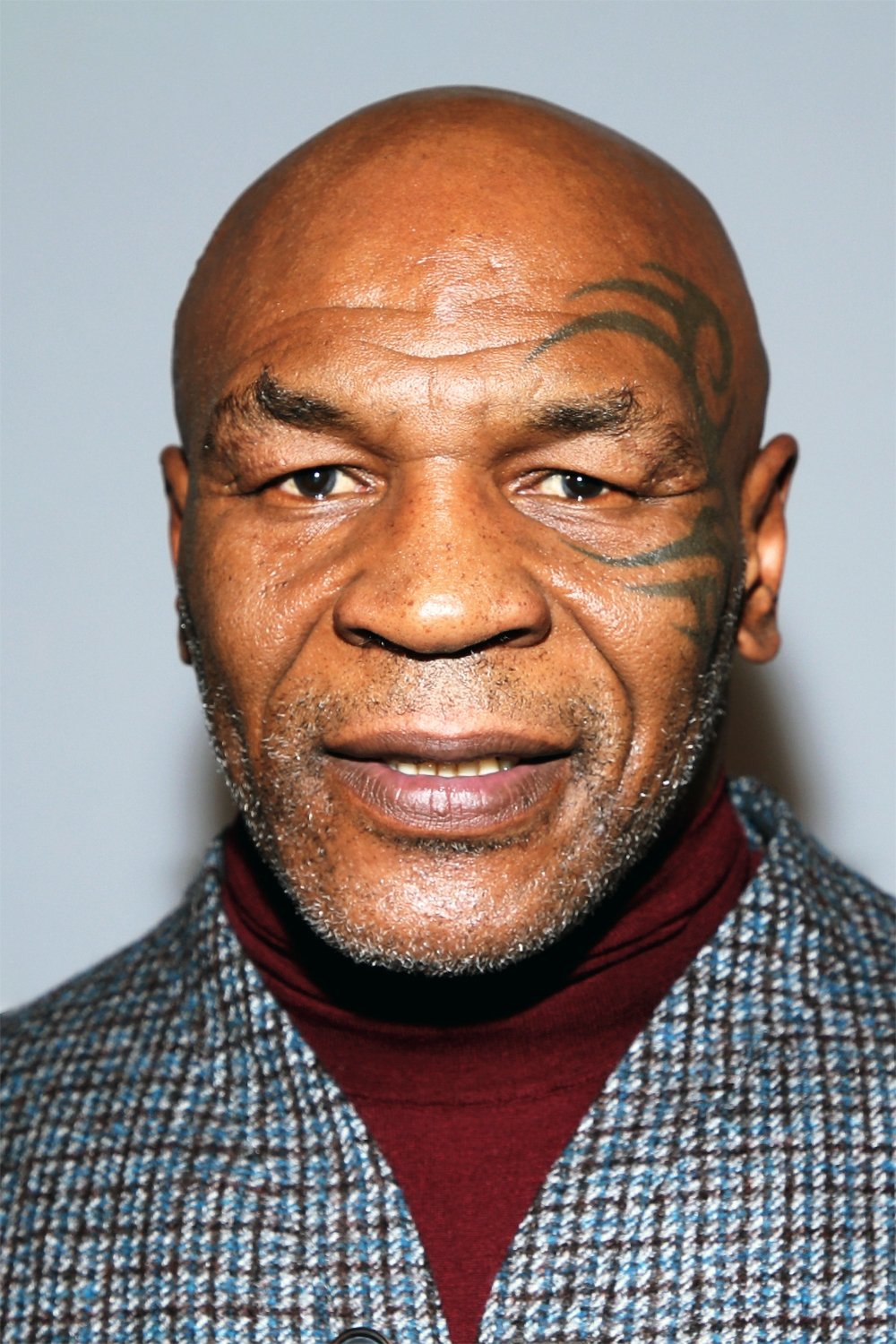
The former heavyweight champion filed for Chapter 11 bankruptcy in 2003 after years of massive earnings. Court papers listed more than twenty million dollars in debts that included tax obligations, legal fees, and divorce related costs. He sold assets and continued to work to address what he owed.
After the filing he pursued exhibition bouts, entertainment work, and a one man stage show to generate income. Licensing deals and media appearances helped him stabilize his finances while he resolved creditor claims from the case.
MC Hammer
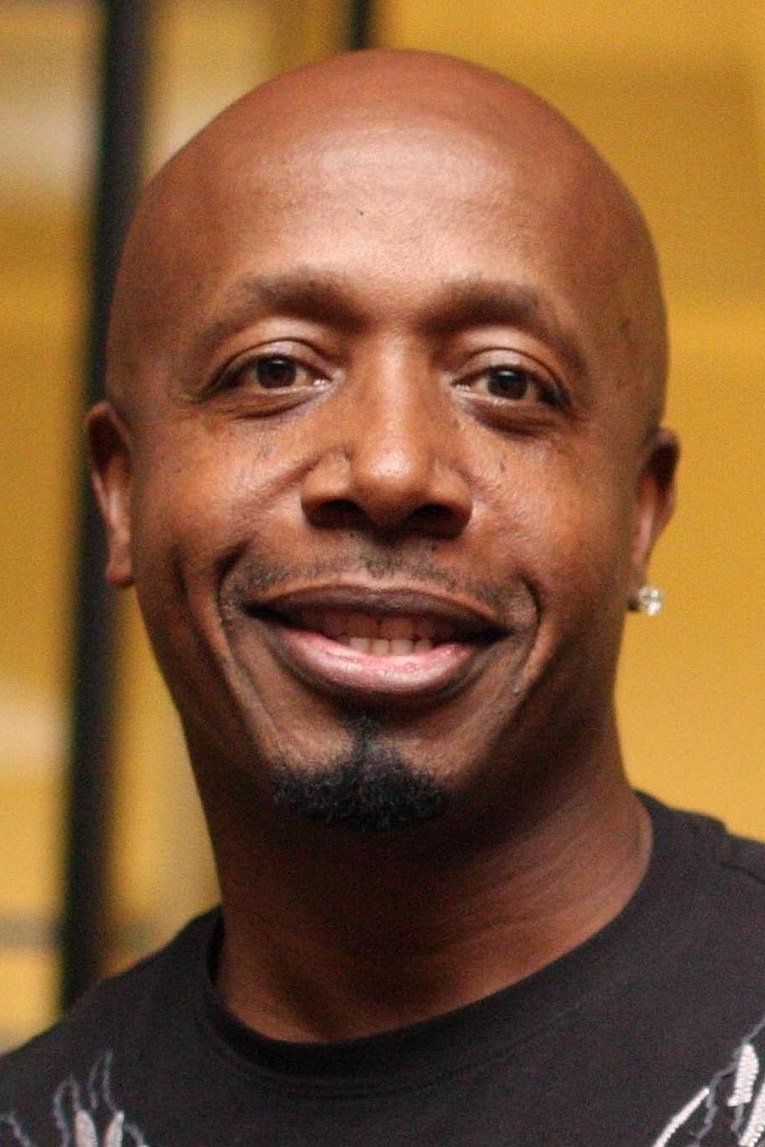
The rapper filed for bankruptcy in 1996. He listed debts in the tens of millions after a period of heavy spending on staff, property, and a large household payroll. Real estate sales and asset liquidation followed the case.
In later years he shifted into television projects and consulting. He also made technology investments and speaking appearances that brought in steady income following the collapse of his peak era fortune.
50 Cent

The artist and entrepreneur filed for Chapter 11 in 2015. The case followed costly legal judgments and business setbacks that created liquidity pressure. The court approved a repayment plan that he completed ahead of schedule.
He continued to release music and built television and film production work during and after the proceedings. New deals and catalog income provided cash flow that allowed him to satisfy creditors and exit the case.
Kim Basinger

The actress filed for bankruptcy in 1993 after a breach of contract judgment related to withdrawing from the film ‘Boxing Helena’. The award created an immediate financial burden that exceeded her available cash and forced the filing.
She later settled for a reduced amount and moved forward with new roles to rebuild earnings. She also sold properties, including interests in land she had purchased in Georgia, to cover obligations and restructure her finances.
Toni Braxton

The singer filed for bankruptcy in 1998 citing unfavorable recording contract terms and touring expenses that outpaced income. She resolved that case and returned to the charts, but a second filing followed in 2010 after a Las Vegas show was canceled due to health issues.
She reached settlements with creditors and resumed recording and touring. Television work and royalties contributed to a sustained recovery once the second case closed.
Burt Reynolds
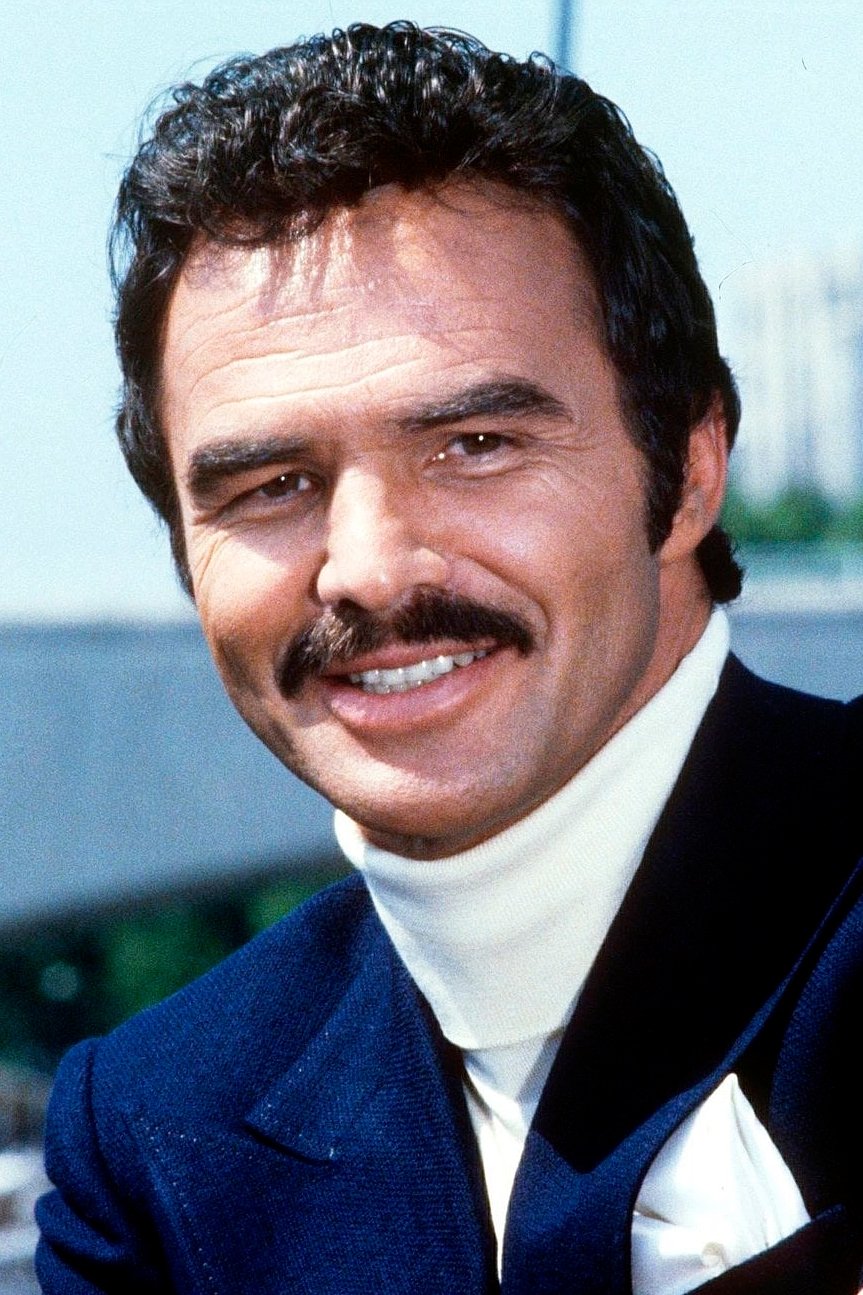
The actor filed for Chapter 11 in 1996. Debt from a failed restaurant venture, an expensive divorce, and property costs pushed his finances into distress. He sold memorabilia and real estate to meet obligations.
He continued acting and completed personal appearance work to generate income. Residuals and new roles created cash flow that supported a long term repayment plan after the filing.
Gary Busey

The actor filed for bankruptcy in 2012. He reported modest assets and debts that included tax liabilities and bills to service providers. The case allowed him to discharge qualifying debts and reorganize what remained.
He pursued reality television and endorsement work to stabilize income following the filing. Bookings and media appearances became his primary revenue streams while he managed remaining obligations.
Sinbad
The comedian filed for Chapter 7 bankruptcy in 2013 and later entered another case in 2019. Tax debts made up the bulk of what he owed, along with business related expenses that had accumulated over years of touring.
He reworked payment plans with tax authorities and kept performing to generate income. Appearances and voice work supported a gradual return to stable finances while outstanding claims were addressed.
Stephen Baldwin

The actor filed for bankruptcy in 2009. He listed mortgage debt and unpaid taxes among his liabilities. The filing helped him restructure obligations tied to several properties that had lost value.
He continued to work in independent films and television to rebuild income. Public speaking and media projects also contributed to ongoing payments toward what he owed after the case.
Aaron Carter

The pop singer filed for bankruptcy in 2013. He cited tax debts that dated back to his teen years along with credit card and personal liabilities. The court allowed him to discharge certain debts and set a path to settle the taxes.
He returned to touring and released new music to support himself. Merchandising and appearances provided additional income while he completed agreements with tax authorities.
Dionne Warwick
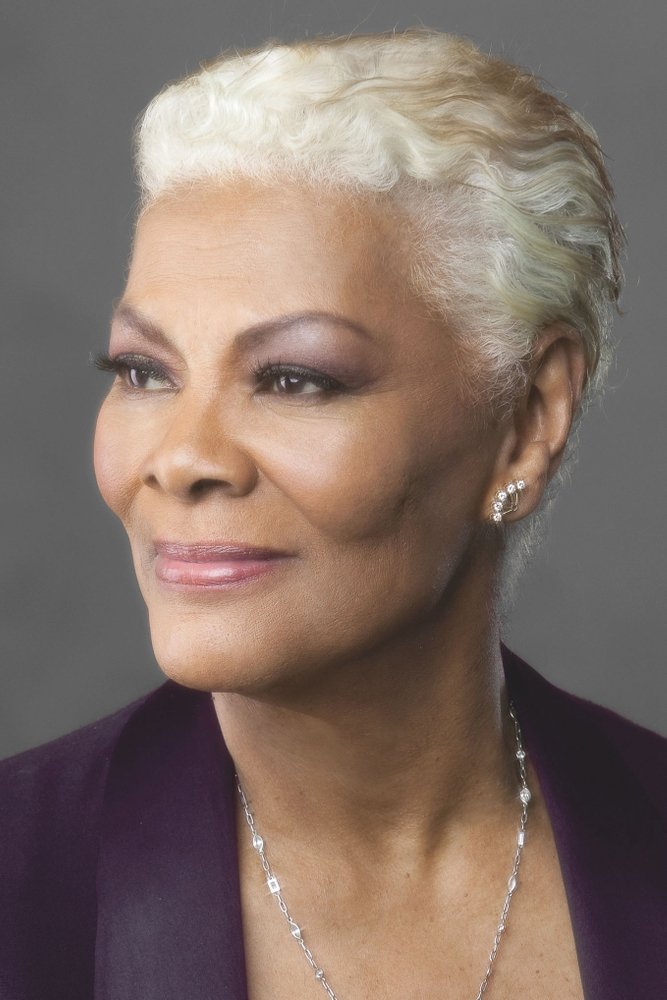
The singer filed for Chapter 7 bankruptcy in 2013. She listed total debts in the eight figure range, most of which were tax obligations that had accrued interest and penalties over many years.
She continued to perform and reached arrangements with tax agencies after the filing. International touring and catalog royalties helped sustain her finances as she complied with the terms set by the court.
Marvin Gaye
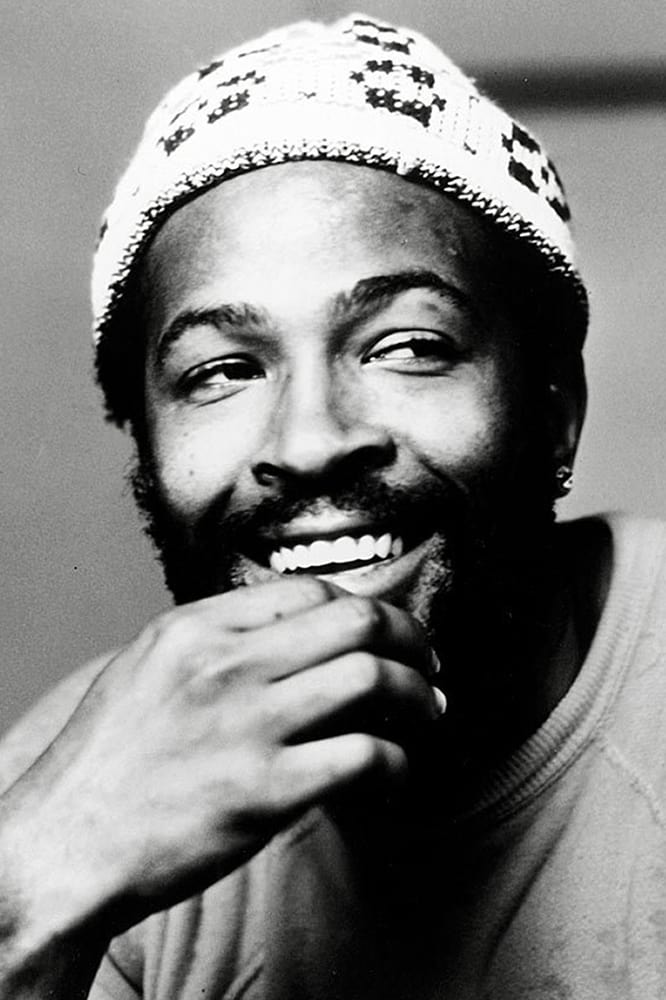
The musician filed for bankruptcy in the mid 1970s during divorce proceedings. As part of a settlement, he agreed to deliver the album that became ‘Here, My Dear’ with proceeds directed toward alimony.
Royalties from his catalog and new recording work followed the case. The structure of the settlement provided a clear mechanism for paying what was owed through documented music income.
Meat Loaf

The rock singer filed for bankruptcy in the early 1980s after legal disputes over management and royalties. Court battles restricted his ability to release new music, which limited cash flow and led to the filing.
He returned to recording and touring once litigation eased. Strong sales from new releases and steady concert revenue funded a recovery that stabilized his financial situation.
Lil Kim
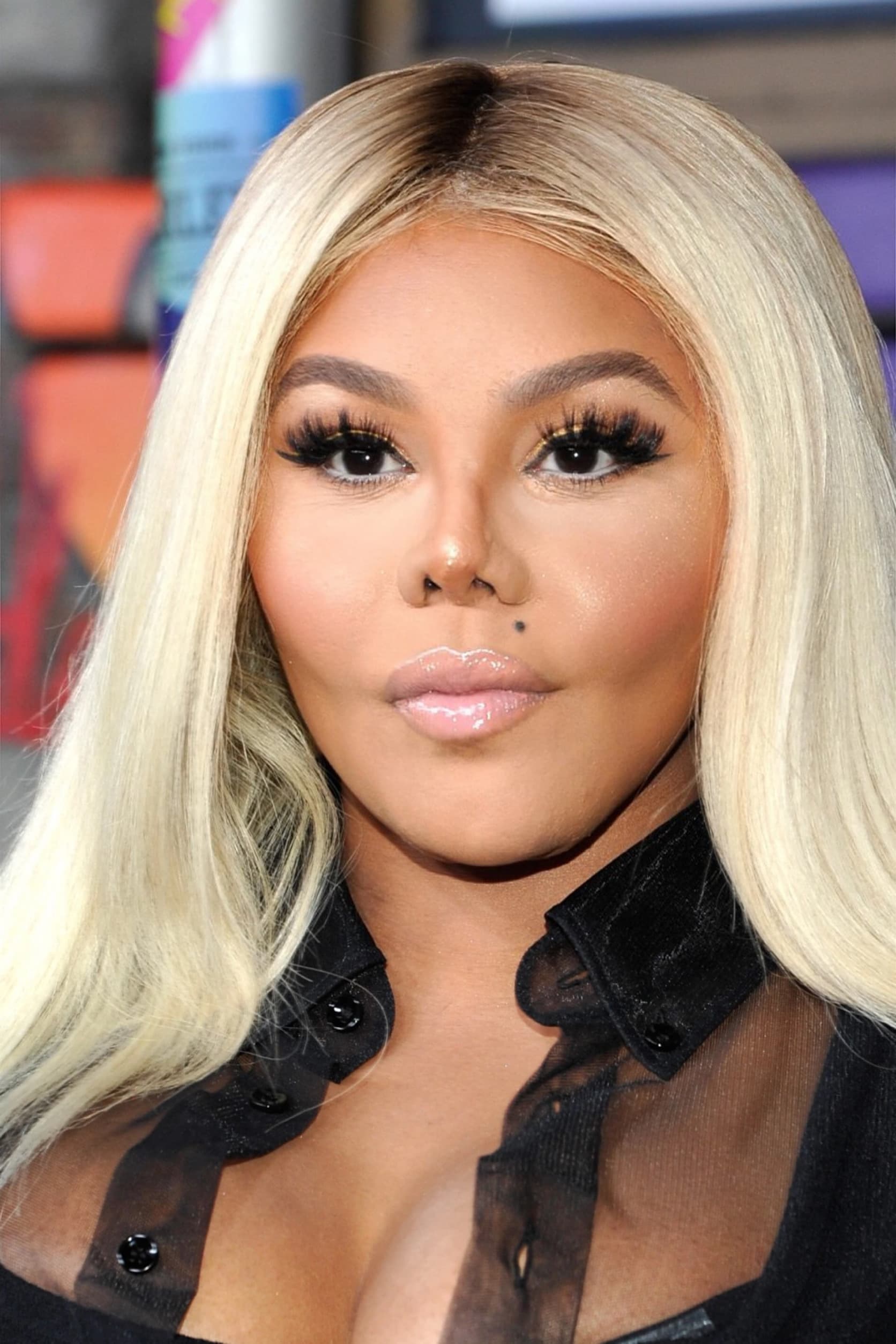
The rapper filed for Chapter 13 bankruptcy in 2018. She faced foreclosure on a New Jersey home and significant tax debt. The filing proposed a plan to reorganize payments and protect the property.
She pursued new music, television appearances, and brand partnerships to meet plan obligations. The reorganization allowed her to make structured payments while continuing to work.
Michael Vick

The NFL quarterback filed for Chapter 11 bankruptcy in 2008 while serving a federal sentence. He owed millions to creditors and sponsors. The court approved a plan that prioritized repayment from future salary.
After his release he signed new contracts that directed a significant portion of earnings to creditors. By following the plan he completed payments and closed the case within the required time frame.
Larry King

The broadcaster filed for bankruptcy in 1978 after legal issues and business debts. He owed hundreds of thousands of dollars and used the filing to reorganize and settle accounts.
A new opportunity in radio and later on cable television created consistent income. Contracted salary and syndication brought stability that supported a full financial reset.
Wayne Newton
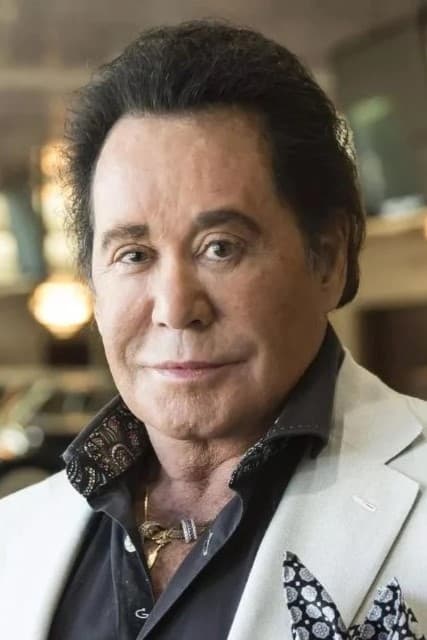
The entertainer filed for bankruptcy in 1992. He faced heavy debts that included loans and tax obligations tied to his Las Vegas operations. Asset sales and restructuring followed the case.
He continued to perform and secured new residencies that provided steady cash flow. Revenue from live shows and licensing covered ongoing payments and allowed him to remain active in entertainment.
Gary Coleman

The actor filed for bankruptcy in 1999. He cited legal fees and mismanagement of childhood earnings as key reasons for the filing. The court process allowed him to address outstanding claims and reset his finances.
He took on a variety of jobs and media appearances to support himself. Autograph shows and occasional roles offered income while he navigated a simpler financial structure after the case.
Mekhi Phifer
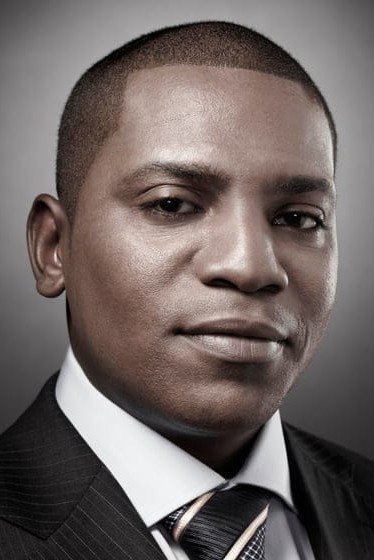
The actor filed for bankruptcy in 2014. He listed tax debts, child support obligations, and consumer credit among his liabilities. The filing set a plan for manageable payments based on his income at the time.
He continued to work in television and film and participated in conventions and appearances. These projects generated reliable revenue that supported the repayment schedule outlined in court.
T-Pain

The artist has said he went broke around 2011 after a period of heavy spending and investment losses. He described having no money in accessible accounts and needing to rebuild from scratch through touring and releasing new music.
He focused on songwriting, features, and live shows to rebuild cash flow. Later television work and streaming revenue added stability and demonstrated a disciplined approach to money after the downturn.
Share your thoughts on which stories surprised you the most in the comments.