Top 20 Movies Impacted By Real-Life Events

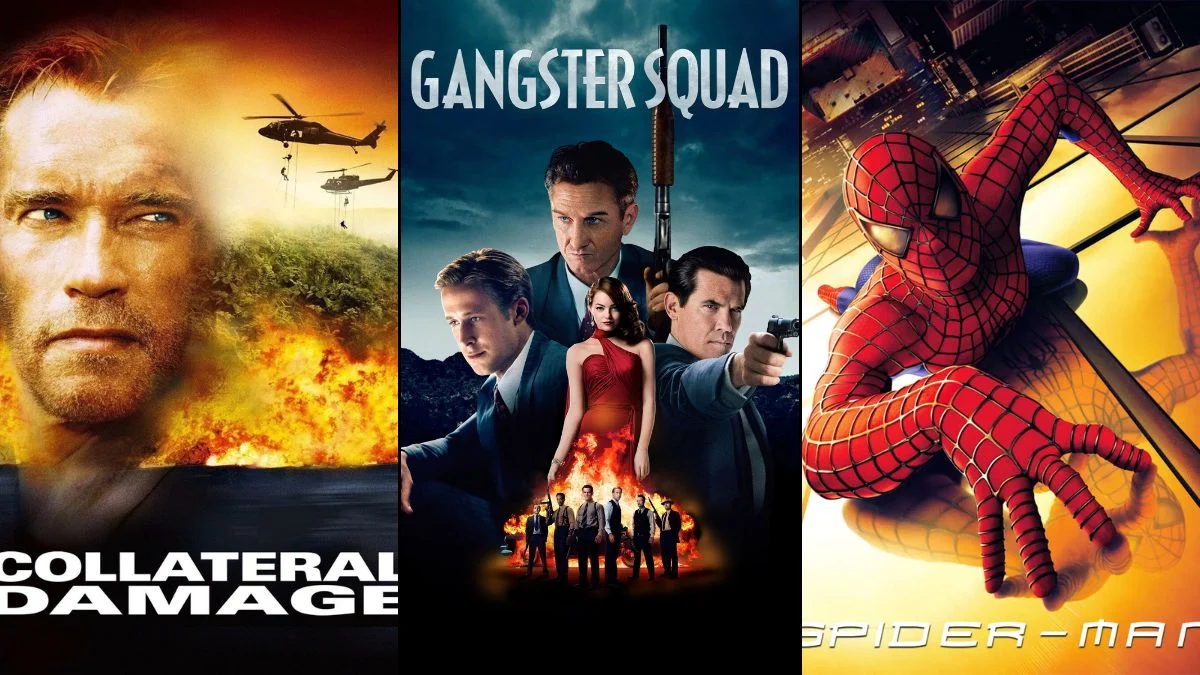

Movies do not exist in a bubble. Productions bend to breaking news, public tragedies, legal disputes, accidents on set, and even fan reactions that ripple through marketing and release plans. Sometimes the changes are small, like an altered skyline shot. Other times they reshape a story, replace a star, or push a release by months or years.
This list looks at films that were directly affected by things happening off screen. You will find projects delayed after world events, productions rebuilt after a star’s death, releases changed by controversy, and visual effects used to solve real problems created far from the camera.
‘Spider-Man’ (2002)
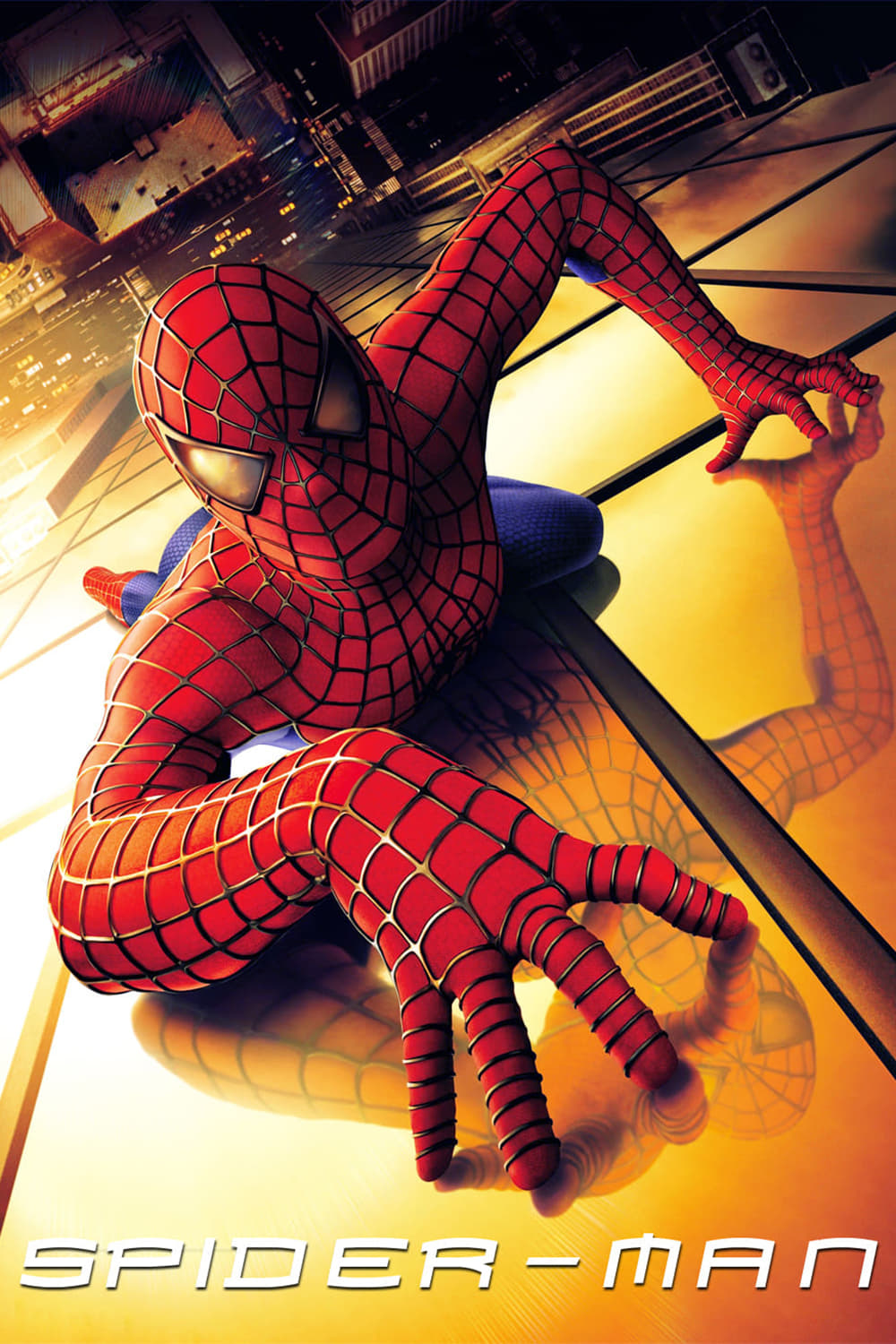
After the attacks on September 11, a teaser featuring a helicopter caught in a web between the Twin Towers was withdrawn and posters showing the towers reflected in Spider-Man’s eyes were recalled. Shots of the New York skyline with the towers were removed or replaced, and marketing materials were updated to reflect the new reality.
The film’s release window held for the following spring, but the studio reviewed advertising tone and placement in New York. The adjustments extended to trailer edits and television spots so the campaign would not include imagery tied to the destroyed buildings.
‘Lilo & Stitch’ (2002)
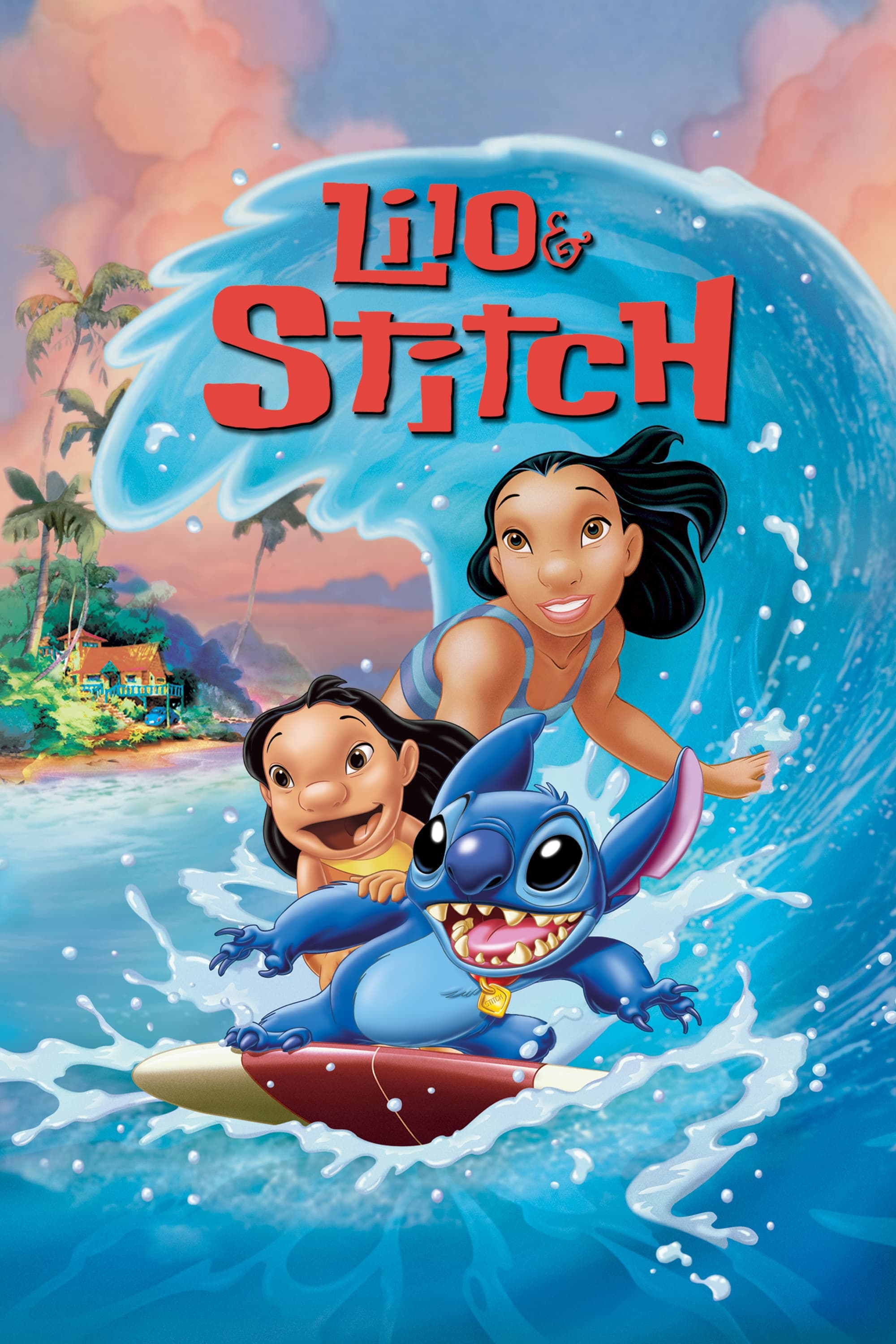
An action sequence originally used a passenger jet weaving through Honolulu. After September 11, the set piece was rebuilt with a spaceship and new backgrounds so the chase moved to remote canyons and mountains away from city streets.
Animators repurposed flight animation while layout teams painted nonurban scenery to avoid recognizable buildings. The change preserved the beats of the chase while removing sensitive visuals tied to real aircraft in a populated area.
‘Men in Black II’ (2002)
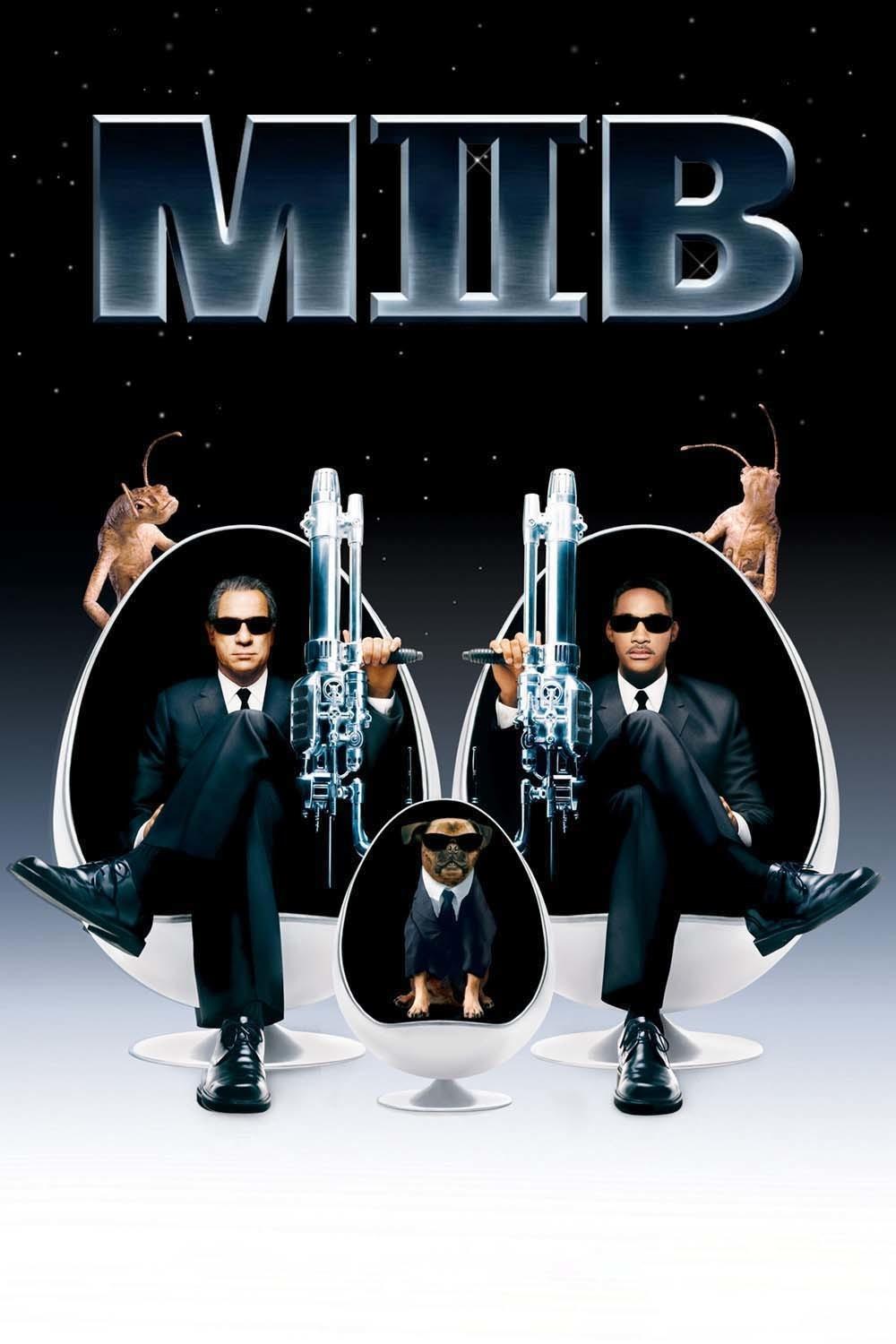
The finale was initially designed around the World Trade Center. Following September 11, the production staged a new climax at the Statue of Liberty and ran reshoots to match the revised setting.
Visual effects vendors updated wide shots of Manhattan and trimmed material that referenced the original location. Editorial and sound departments rebuilt the sequence to fit the new geography without disrupting the established story.
‘Collateral Damage’ (2002)
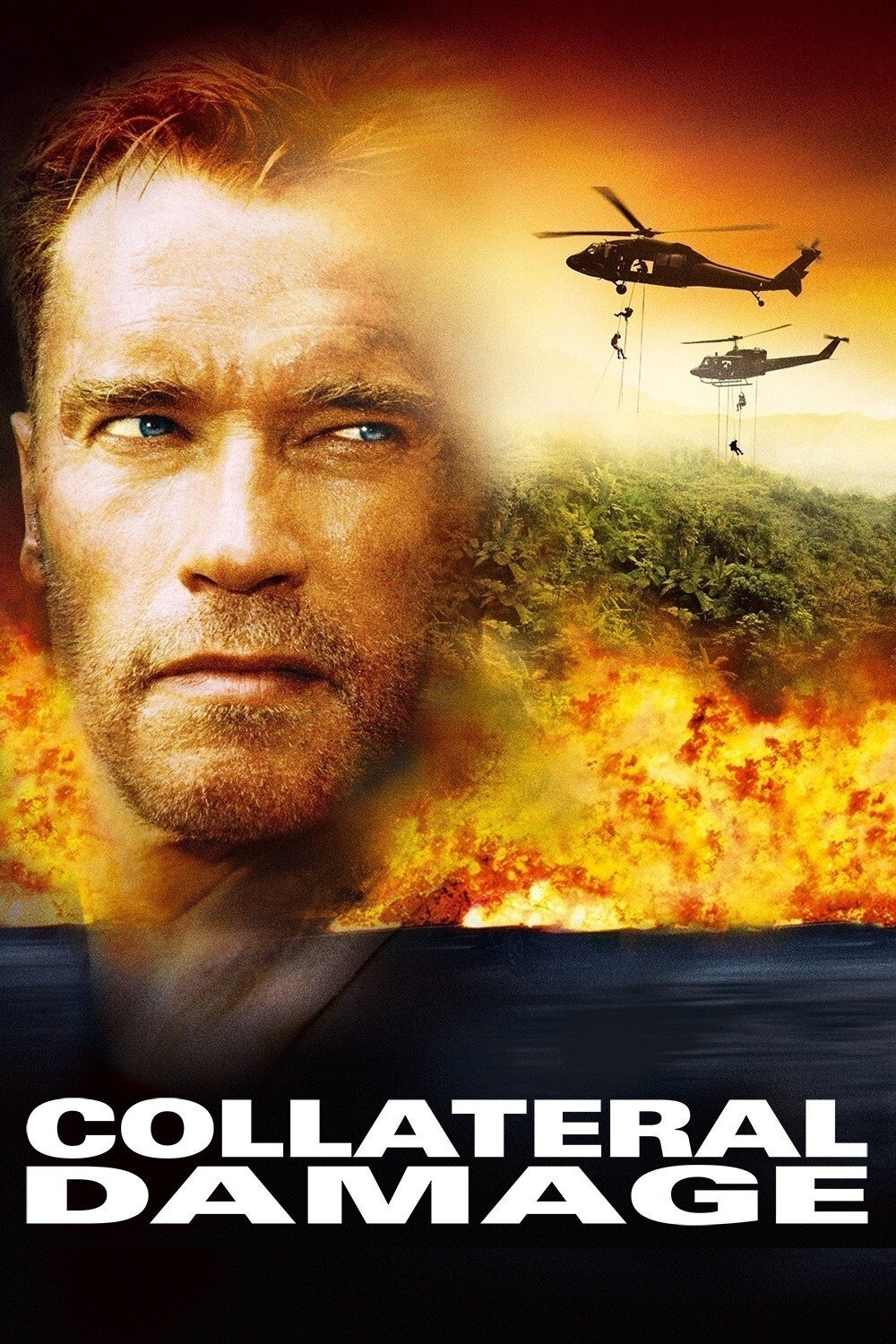
With a plot centered on terrorism, the film’s fall 2001 release was postponed. The studio shifted the date to early 2002 and reevaluated trailers and TV spots to remove imagery and lines that might feel too raw so soon after real attacks.
International distribution plans were also reviewed, with some territories adjusting media buys and promotional beats. The delay allowed for revised outreach to press and exhibitors and for new materials to replace earlier ads.
‘Zoolander’ (2001)
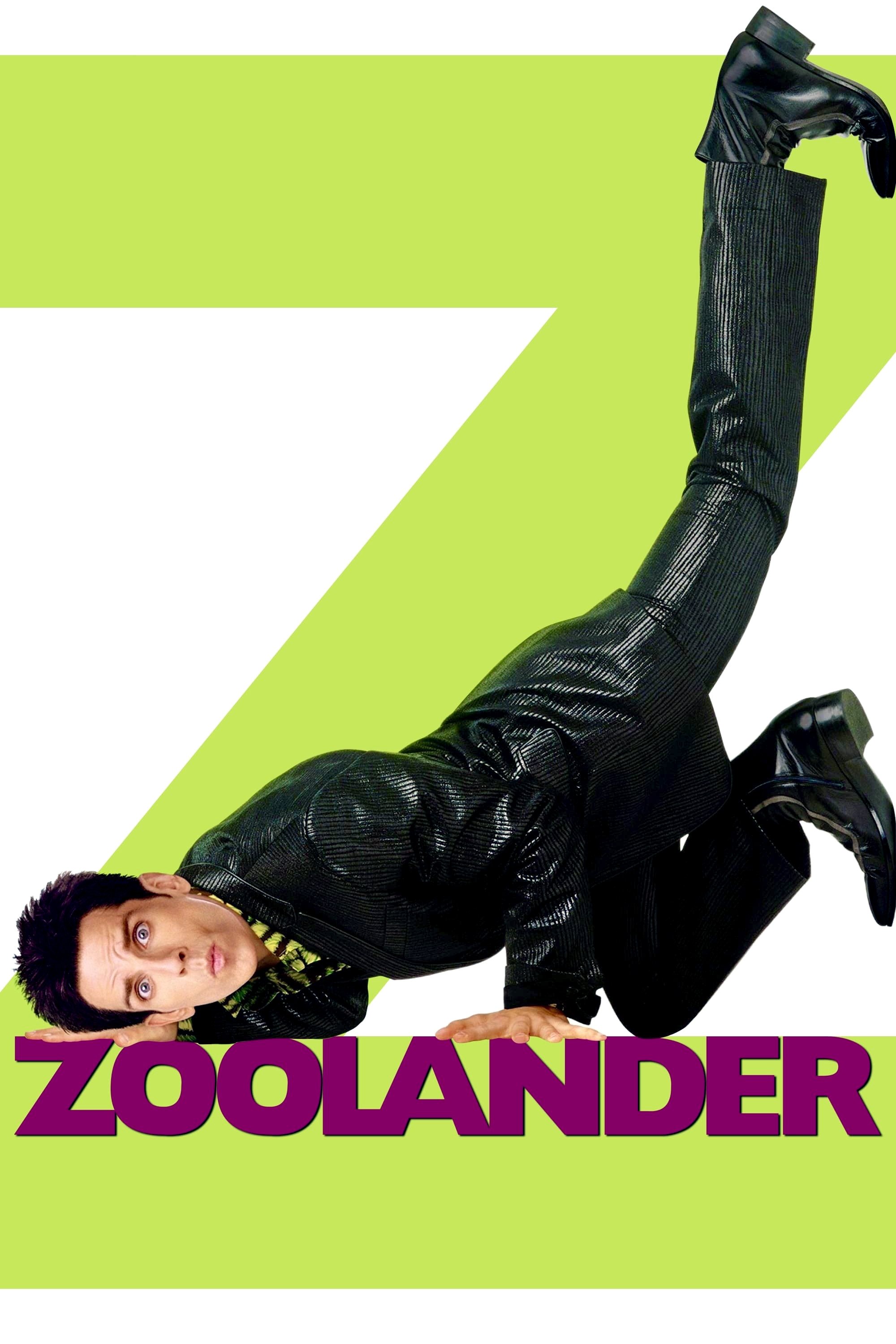
Later versions removed or altered background shots that included the Twin Towers. The edits affected skyline plates and second unit material where the buildings were visible behind street scenes.
Home video masters and television deliveries used the updated shots. The changes did not affect dialogue or plot but ensured that exterior imagery aligned with the city as audiences would see it after September 11.
‘Gangster Squad’ (2013)
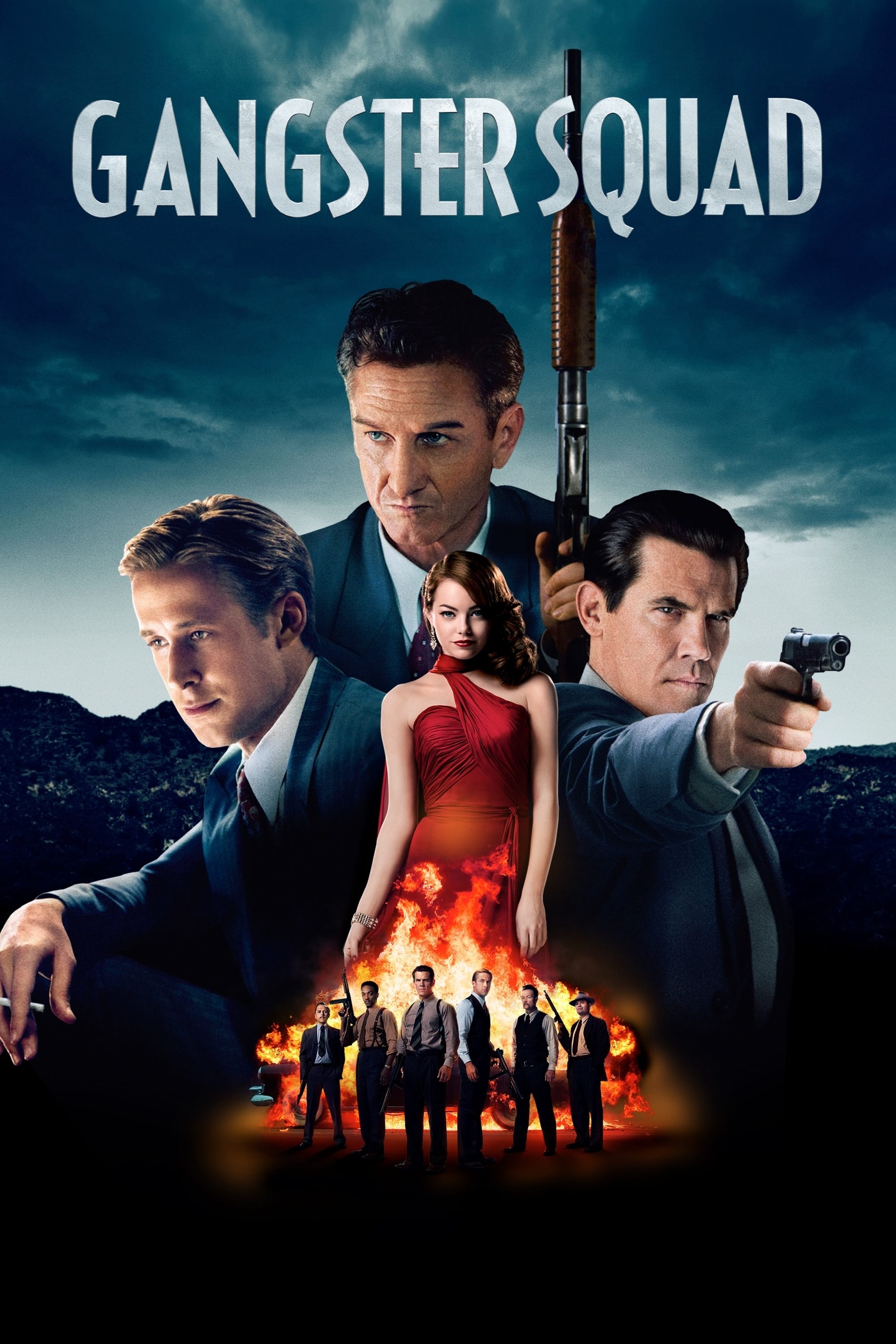
A set piece showing a shootout inside a movie theater was pulled after the Aurora theater shooting in 2012. The studio reshot the sequence in a new Chinatown location and pushed the release from late summer to January.
Marketing materials featuring the theater scene were withdrawn. Editorial teams integrated the new footage, and trailers were rebuilt to remove the original imagery while maintaining the film’s action emphasis.
‘The Interview’ (2014)
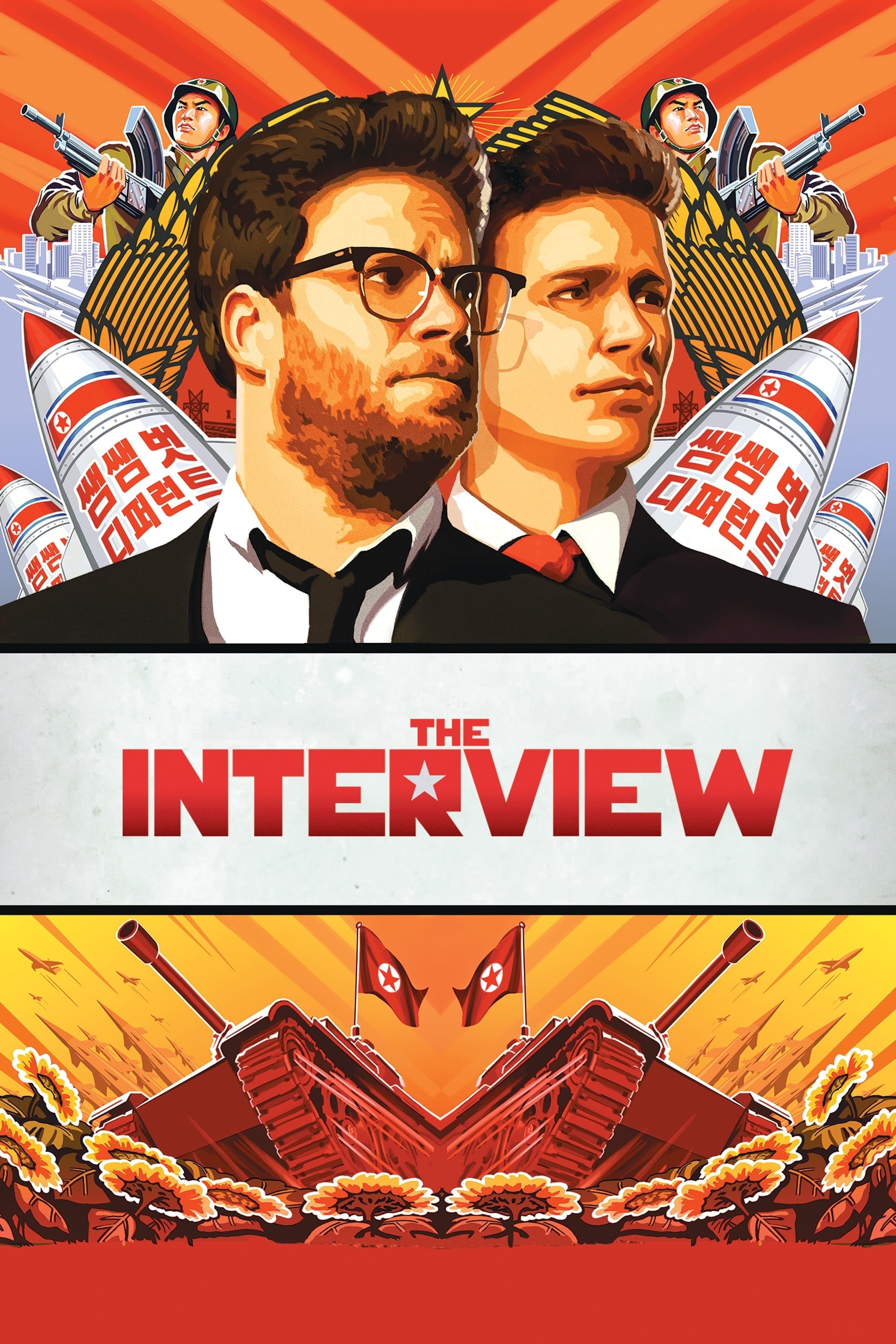
After a high profile hack and threats tied to the subject matter, major theater chains canceled bookings. The studio pulled the wide theatrical release, then pivoted to a limited run alongside a digital rental and purchase rollout.
Publicity plans shifted to explain the new distribution approach. The change affected revenue projections, security planning for participating venues, and contracts with exhibition partners that had been set for a holiday launch.
‘All the Money in the World’ (2017)
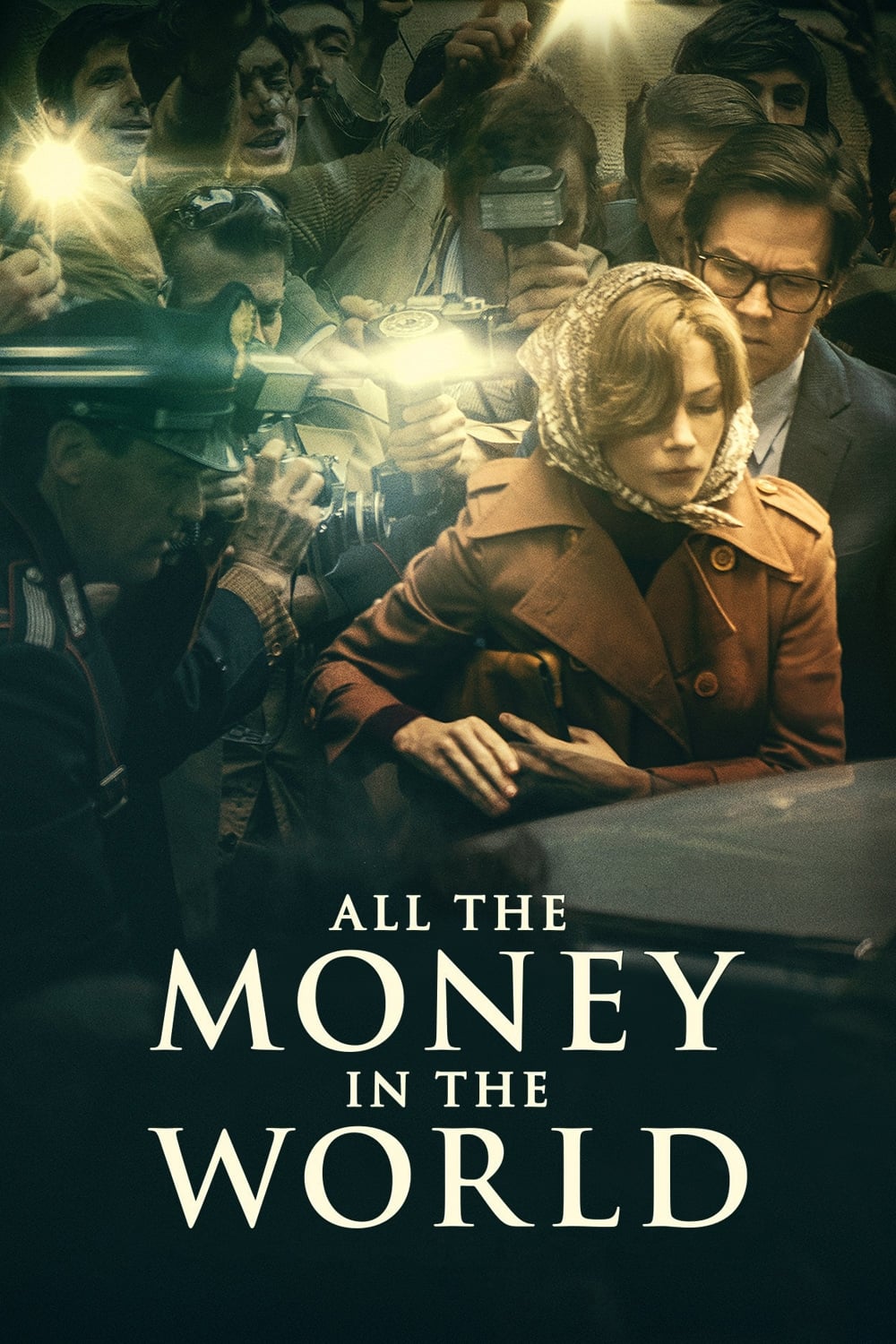
Following allegations against Kevin Spacey, every scene featuring him was reshot with Christopher Plummer only weeks before release. Cast members including Michelle Williams and Mark Wahlberg returned, and the new footage was cut in under a tight deadline.
The swap required new posters, trailers, and awards screeners. Post production teams handled color and sound work on the replacement scenes at speed so the film could meet its late year release date.
‘Furious 7’ (2015)
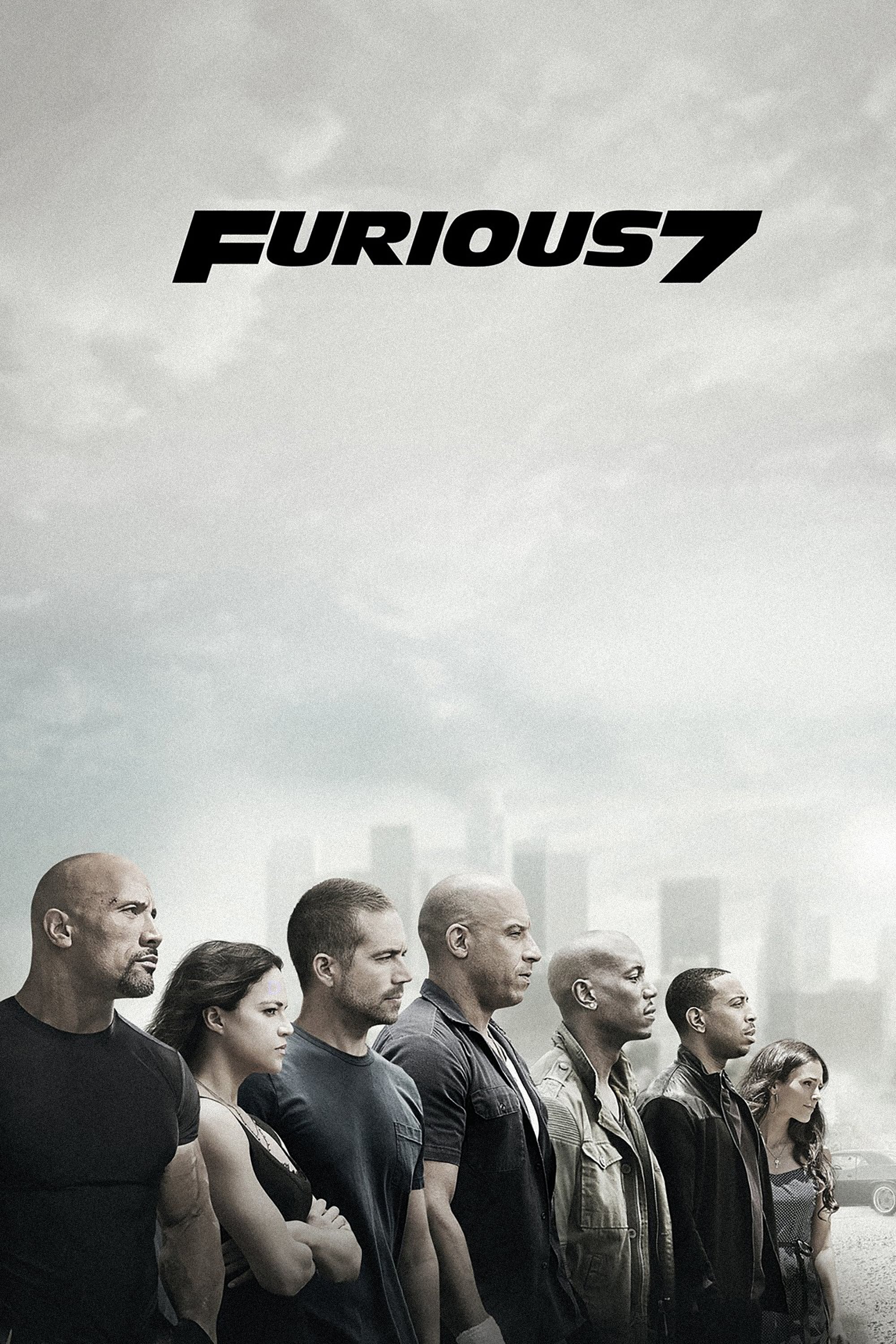
Production halted after Paul Walker’s death in 2013. The team finished his remaining scenes using stand ins, including his brothers, and digital facial work, and the script was adjusted to retire the character respectfully.
Insurance and scheduling plans were renegotiated, with vendors scaling up visual effects to complete dialogue and action beats. The release moved to the following year to accommodate the revised production calendar.
‘The Imaginarium of Doctor Parnassus’ (2009)
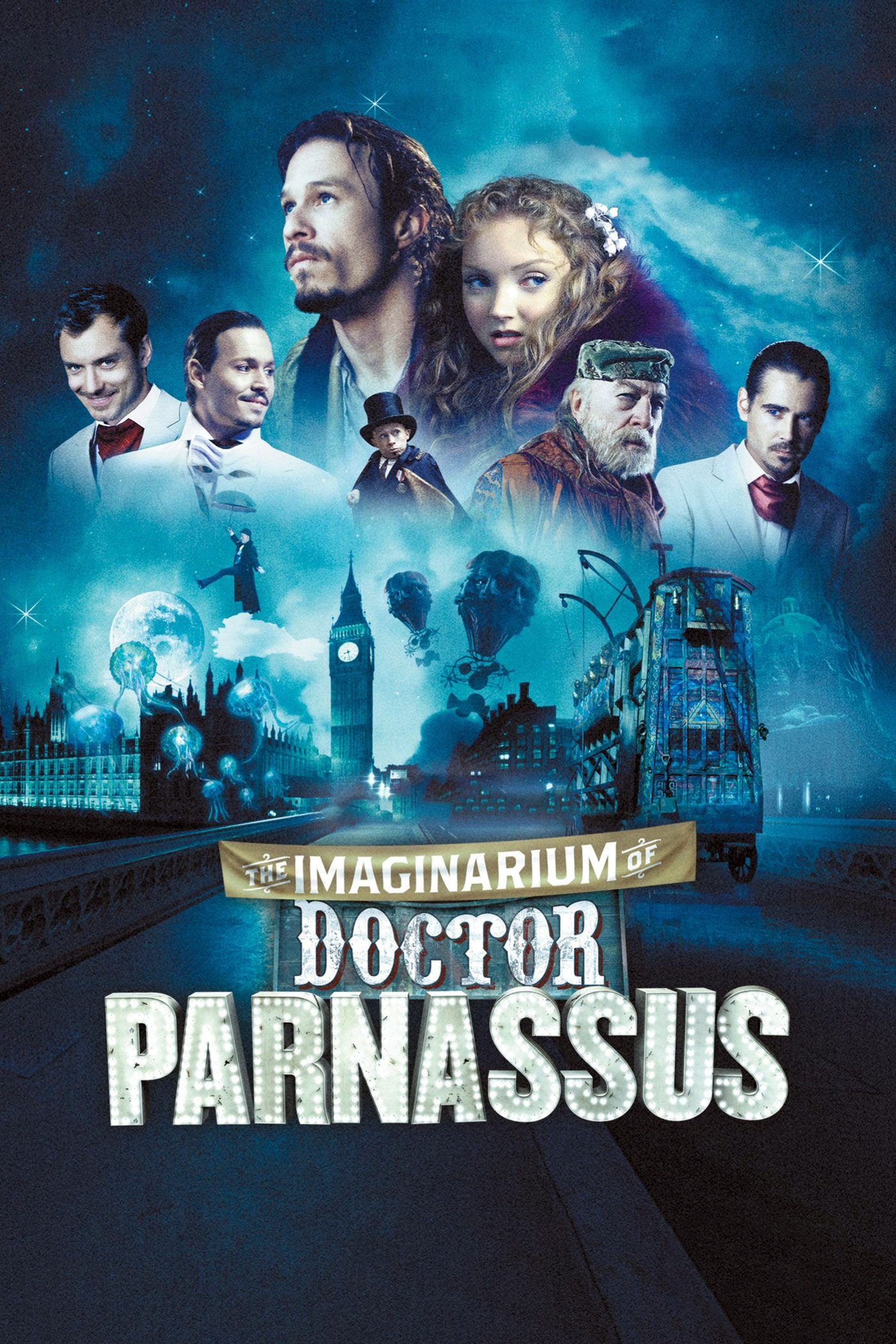
Heath Ledger’s death in 2008 occurred mid production. The filmmakers rewrote the concept so the character transforms when passing through a magical portal, allowing Johnny Depp, Jude Law, and Colin Farrell to complete different segments of the role.
Each actor’s scenes were staged to match the production design and to connect through wardrobe and props already established. Proceeds from the three new actors were directed to support Ledger’s family according to public statements from the team.
‘Gladiator’ (2000)
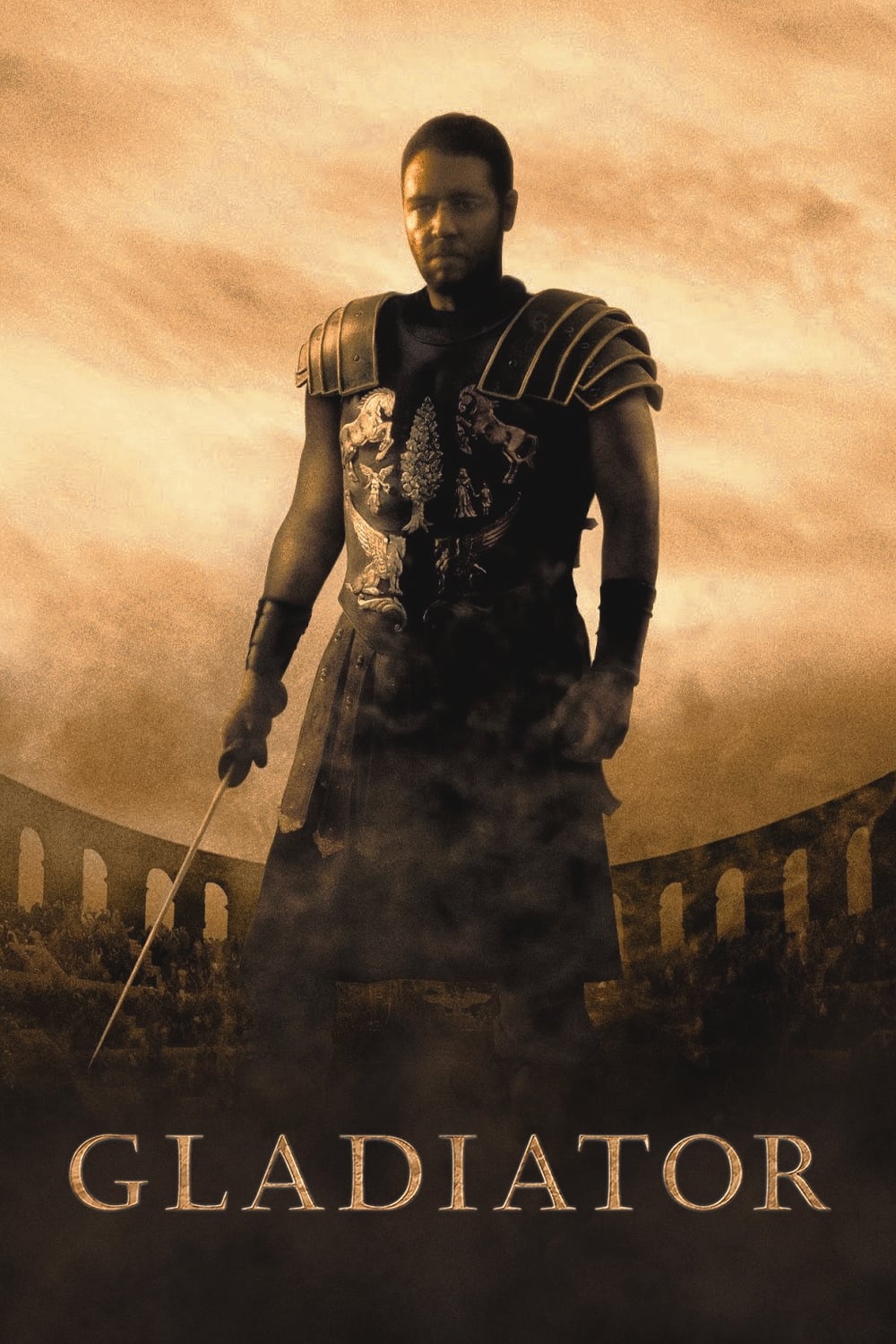
Oliver Reed died during filming. Remaining scenes for his character were assembled with a body double, dialogue from earlier takes, and digital compositing. The script was tweaked to accommodate a shorter arc.
The production filed an insurance claim to cover additional costs tied to the visual effects and reshoots. Editors and sound teams blended new material with existing footage to keep continuity across sets in Malta and the UK.
‘Game of Death’ (1978)
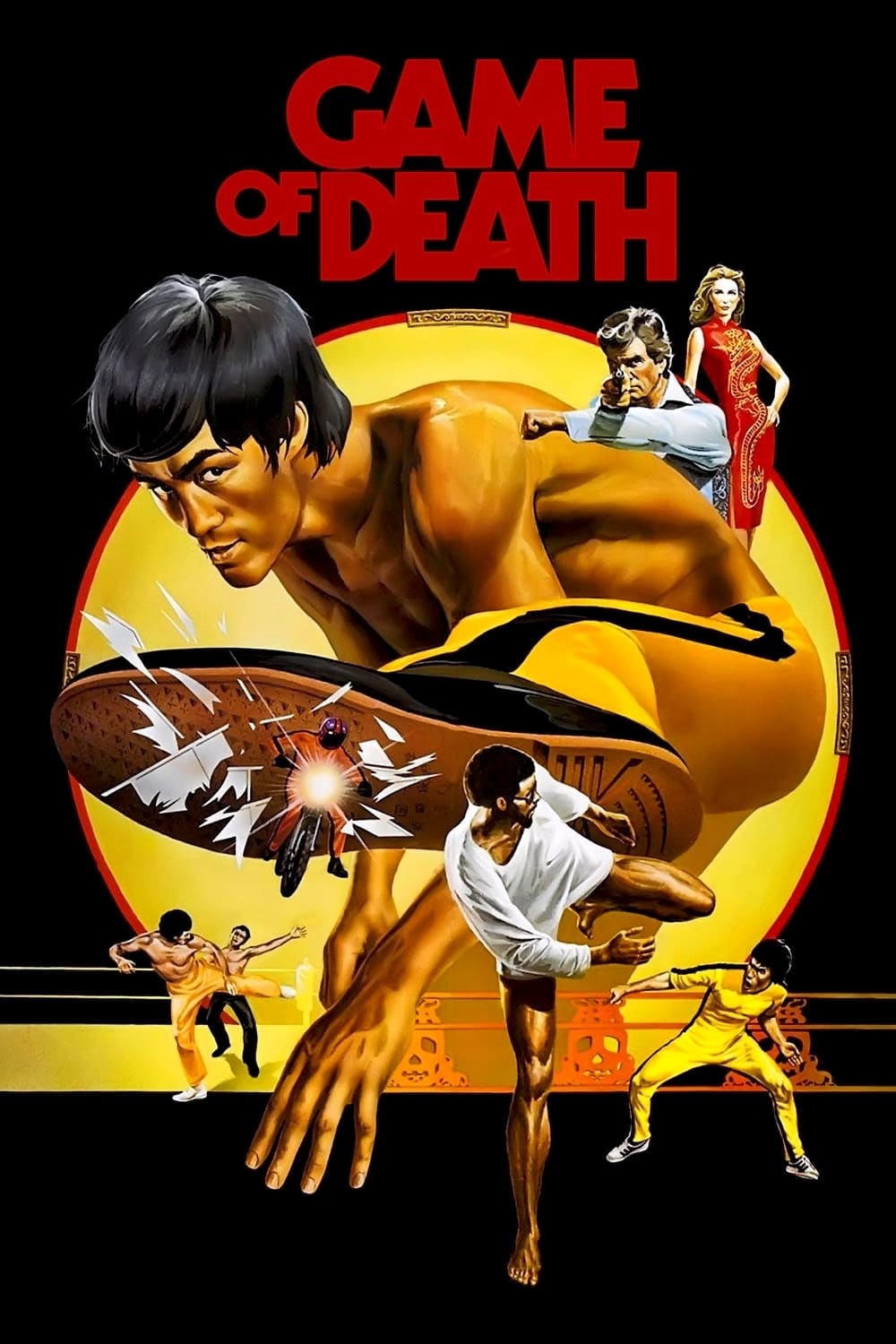
Bruce Lee’s death in 1973 left only a small amount of completed footage. The 1978 release used stand ins, creative framing, and cutaways to fill gaps, along with a limited number of original fight minutes from Lee.
Writers reframed the plot to explain changes in appearance and to incorporate the available material. The final cut included real funeral footage, demonstrating how far the producers went to assemble a releasable feature.
‘A Clockwork Orange’ (1971)
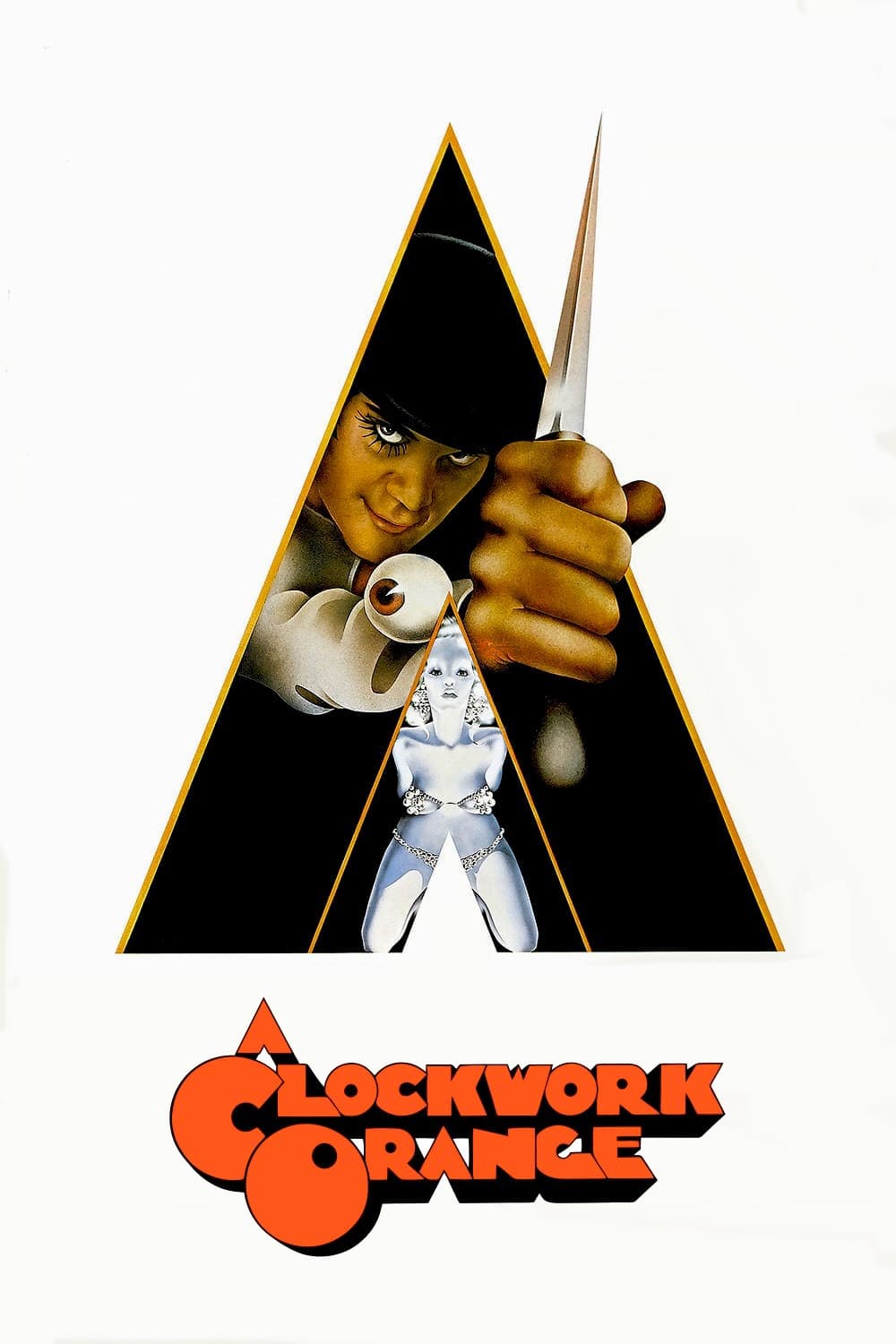
Reports of threats and concerns about copycat incidents led Stanley Kubrick to withdraw the film from UK distribution in the early seventies. For decades the movie was unavailable in British theaters and on home video at the director’s request.
Imports and unauthorized screenings were pursued by some viewers, but official UK access returned only after Kubrick’s death. The gap shaped the film’s release history and legal handling in that market for many years.
‘The Watch’ (2012)
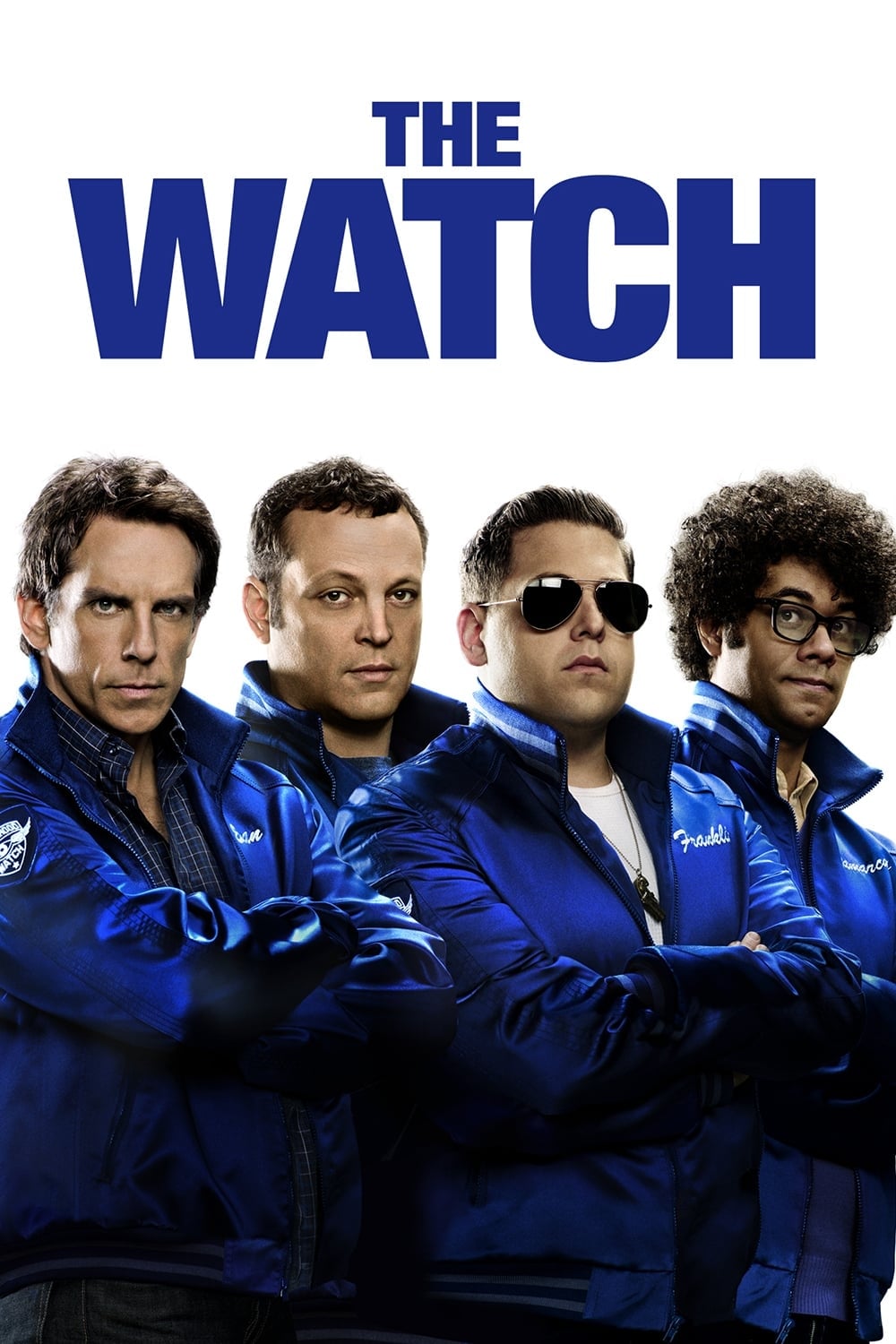
The project was originally titled ‘Neighborhood Watch’. Following the shooting of Trayvon Martin and the resulting scrutiny of community patrols, the studio changed the title to ‘The Watch’ and redesigned marketing to emphasize science fiction elements.
Advertising materials dropped imagery of neighborhood patrol gear and highlighted the alien plot. Retail tie ins and outdoor placements were updated to match the new title ahead of release.
‘The Hunt’ (2020)
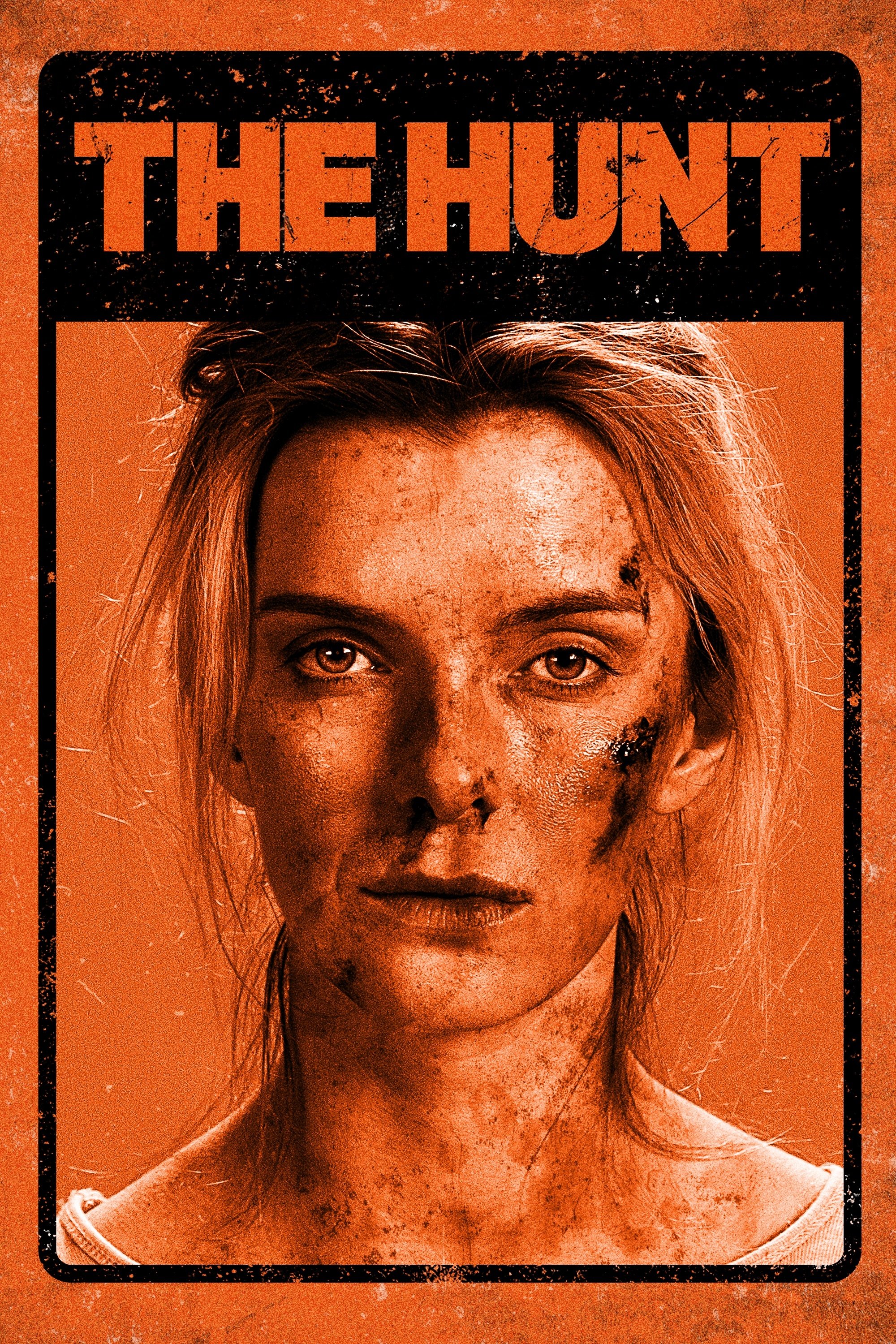
After mass shootings in 2019 and political debate around the film’s premise, the studio canceled the planned fall release. The film opened the following spring with revised marketing.
The new date placed it in the early weeks of pandemic related theater closures. The distributor responded with an accelerated digital offering, changing the revenue path from the original wide theatrical plan.
‘No Time to Die’ (2021)
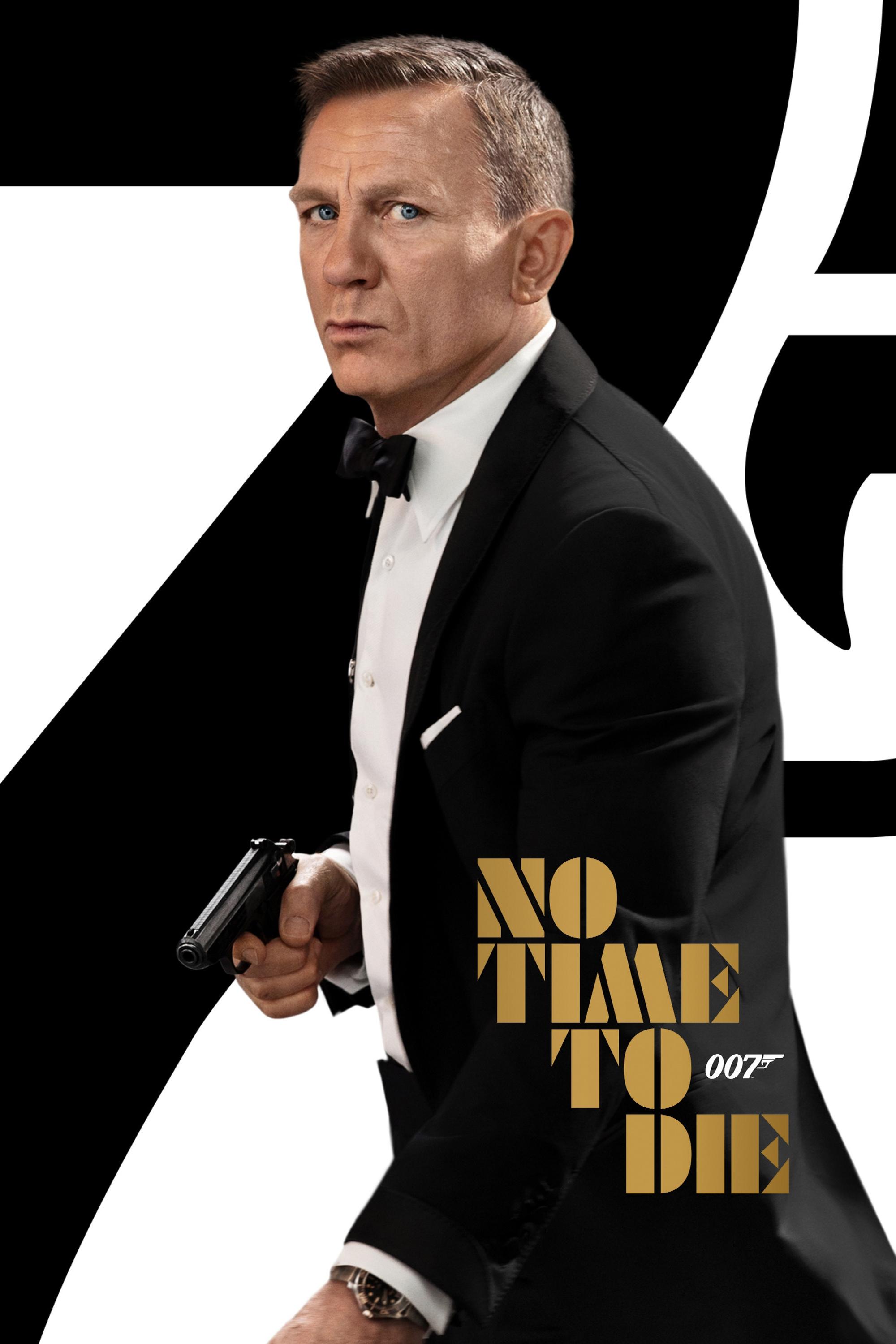
The Bond entry delayed its launch multiple times because of COVID related shutdowns. The shift required new rounds of global advertising, renegotiated premieres, and updates to partner campaigns.
Product placement agreements were refreshed to address aging models and time sensitive technology. The post schedule included final checks after the long hold to deliver current compliance and localization materials.
‘Army of the Dead’ (2021)
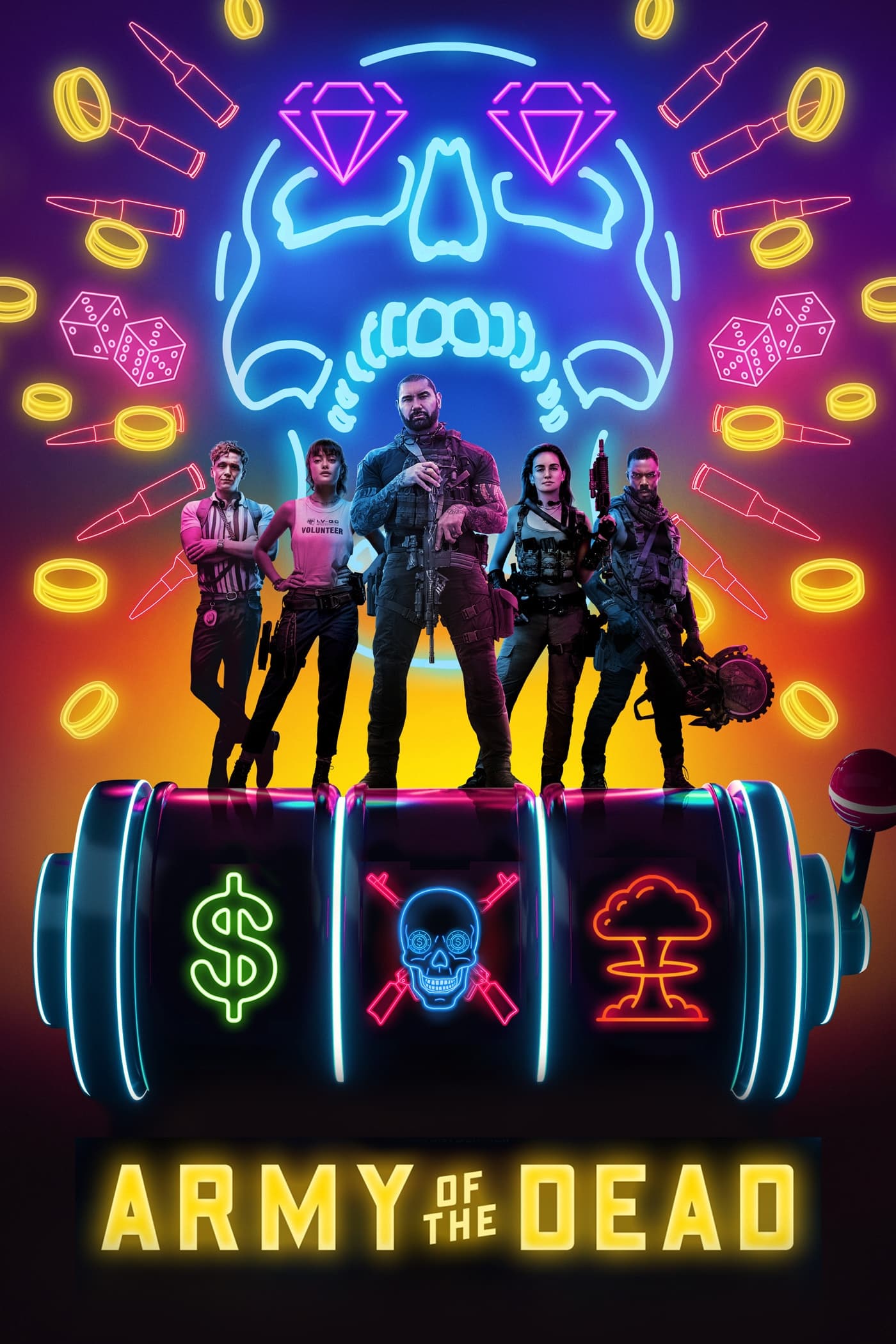
After allegations surfaced against Chris D’Elia, the role was recast with Tig Notaro. She filmed scenes months later on smaller sets, and visual effects teams composited her into group shots with lighting and eyeline work to match original photography.
Sound and dialogue editors rebuilt interactions so exchanges played naturally with the new performance. The switch did not require the full cast to reconvene, which kept the schedule focused on integration and finishing.
‘Sonic the Hedgehog’ (2020)
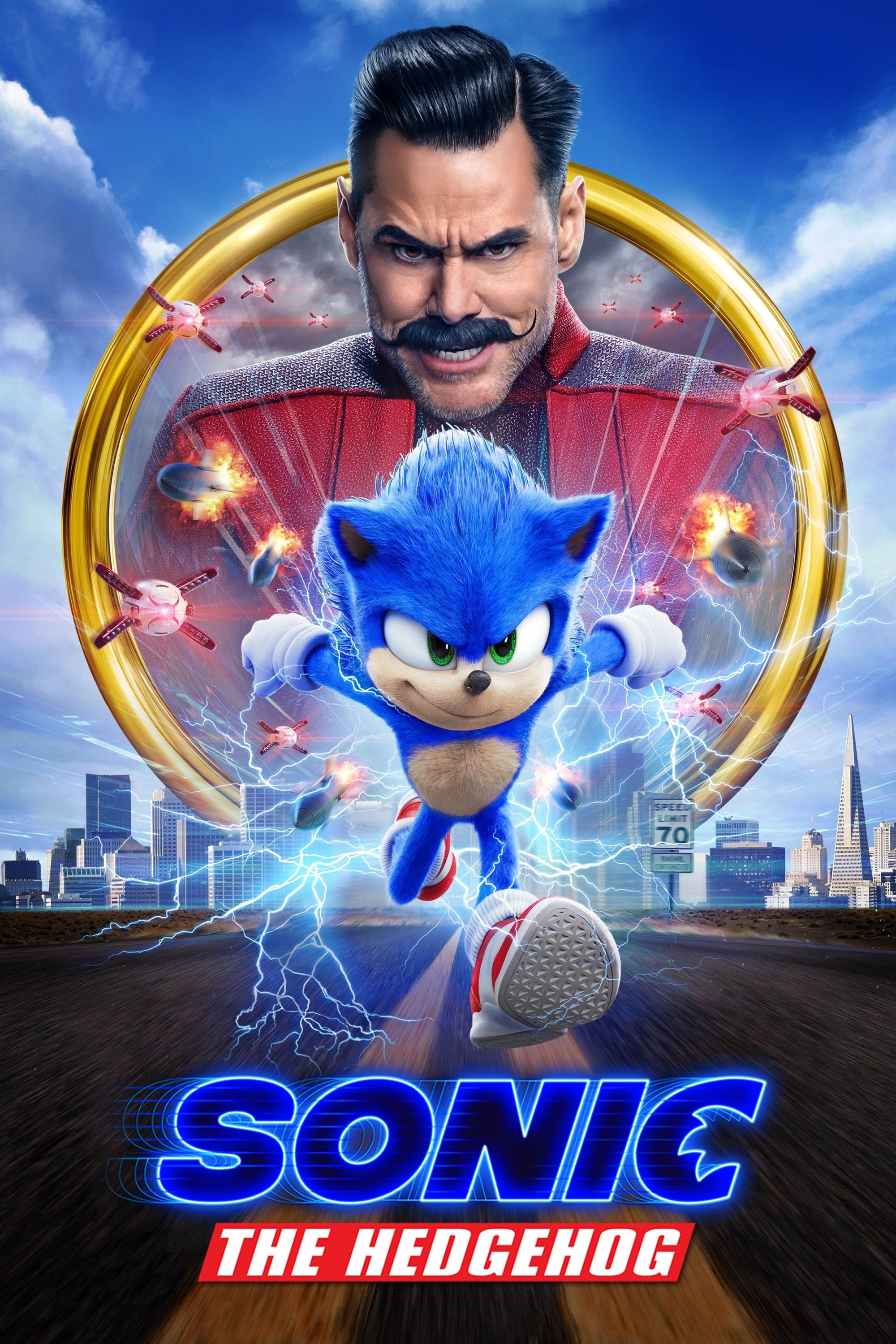
The first trailer sparked broad criticism of the title character’s design. The studio delayed release to allow a redesign that brought the look closer to the games, and vendors reworked animation across the film.
The update required new renders for marketing and licensee materials. The change affected promotional tie ins, toy sculpts, and display art so that all consumer facing imagery matched the new model.
‘Back to the Future Part II’ (1989)
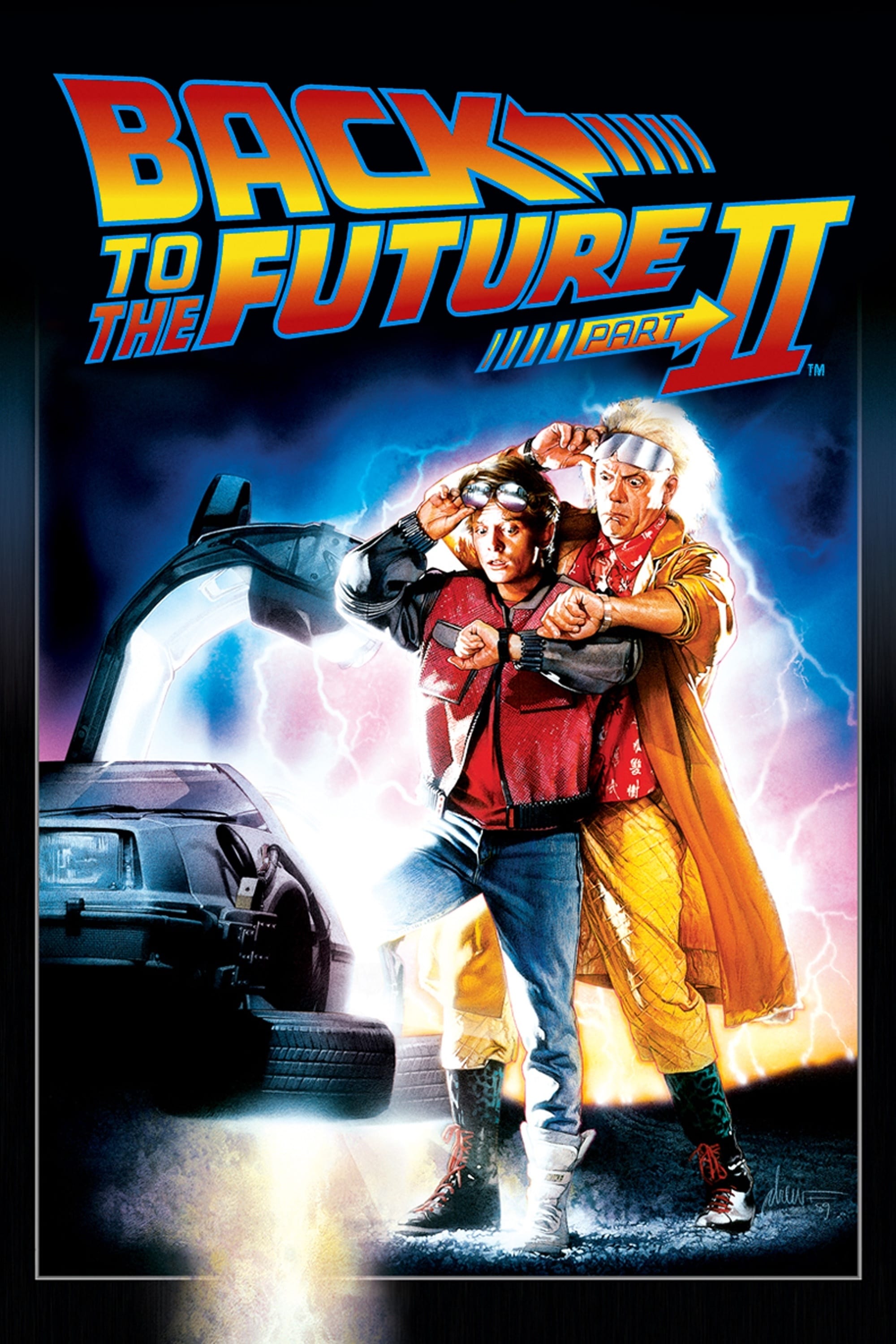
Crispin Glover did not return as George McFly after disputes. The production used another actor with prosthetics and reused footage, which led to a legal case and a settlement that influenced industry rules around likeness and reuse of material.
The decision affected staging in scenes set at the McFly home and in the school environment. Camera setups and blocking were designed to minimize direct comparisons while keeping continuity with the first film.
‘The Crow’ (1994)
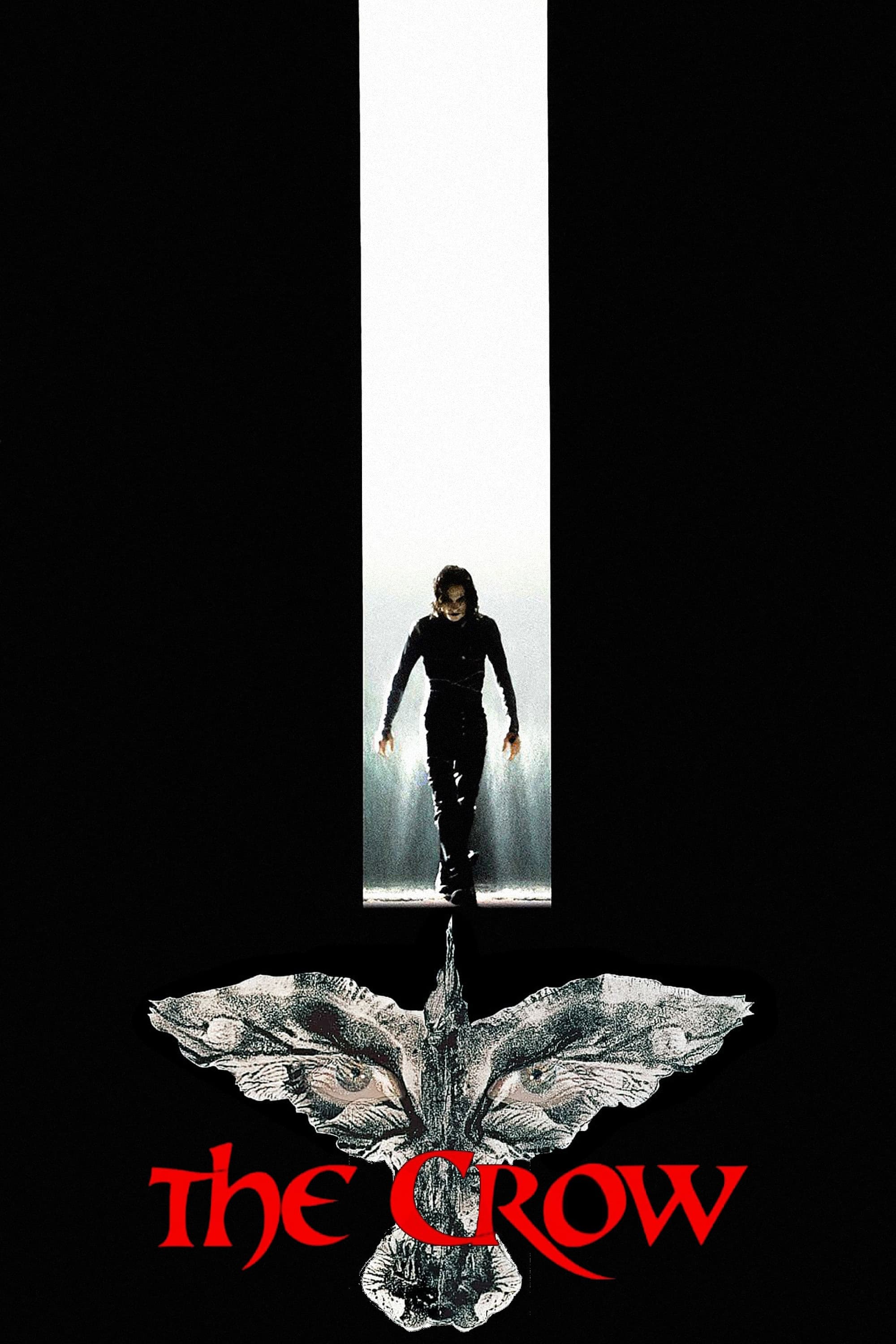
Brandon Lee died during filming after an on set firearm incident. Production shut down, then resumed with script revisions, body doubles, and digital effects to complete remaining shots.
The studio coordinated safety reviews and insurance steps before restarting. The finished film carried a dedication and demonstrated how late stage visual effects and editorial solutions can complete a project after a fatal accident.
Share other films you know that were shaped by real events in the comments.