15 Totally Insane Anime Characters



Some characters don’t just steal scenes—they hijack entire stories with unpredictable choices, terrifying logic, and break-the-mold behavior. In anime, these figures become lightning rods for pivotal twists, shocking turns, and the kind of tension that keeps you glued to the screen. They aren’t just “wild”; they’re meticulously crafted forces that push protagonists to their limits and redefine what danger looks like.
Below are fifteen unforgettable examples. Each one is grounded in a specific series and storyline, with concrete actions, powers, and roles that explain exactly how they destabilize the worlds around them. No fluff—just the facts that show why these characters feel so unhinged once they’re unleashed.
Yuno Gasai
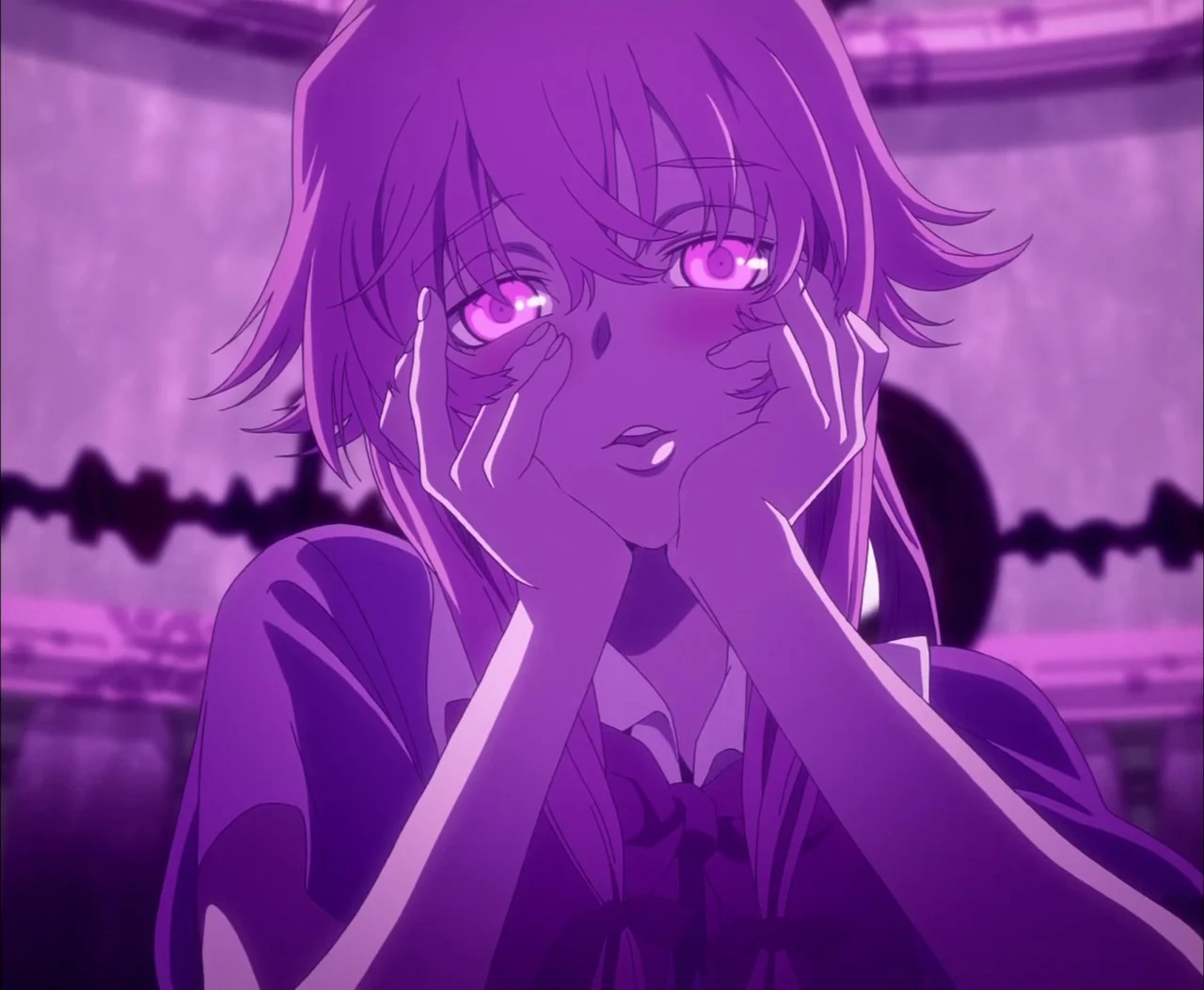
Yuno Gasai is a central participant in the deadly survival game at the heart of ‘Future Diary’, wielding the “Yukiteru Diary,” which gives near-real-time updates about her chosen person. Her tactical edge comes from precise information access, covert planning, and a willingness to eliminate competitors to keep her target alive, anchoring multiple eliminations and reversals across the game’s stages.
Her backstory involves prolonged confinement and abuse that inform her attachment patterns and decision-making under stress. Over the course of the survival game, Yuno manipulates alliances, engineers traps using building layouts and phone logs, and exploits the rules of the diary system—especially timeline contingencies—to maintain control.
Hisoka Morow
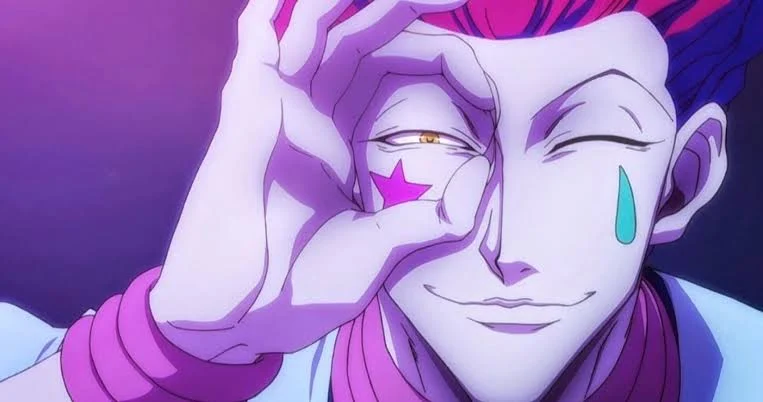
Hisoka in ‘Hunter × Hunter’ is a licensed Hunter and high-level combatant whose Nen ability, Bungee Gum, behaves with properties of both rubber and gum. He uses it for misdirection, elasticity-based counters, and battlefield control, often masking his intent with card-throwing techniques and feints that exploit opponents’ blind spots.
He infiltrates formal arenas like Heaven’s Arena and structured events like the Hunter Exam to test fighters, frequently setting conditional duels and opportunistic truces. Hisoka’s selective targeting of strong opponents shapes key tournament outcomes and impacts the trajectories of several Hunters by forcing rapid skill evolution under pressure.
Light Yagami
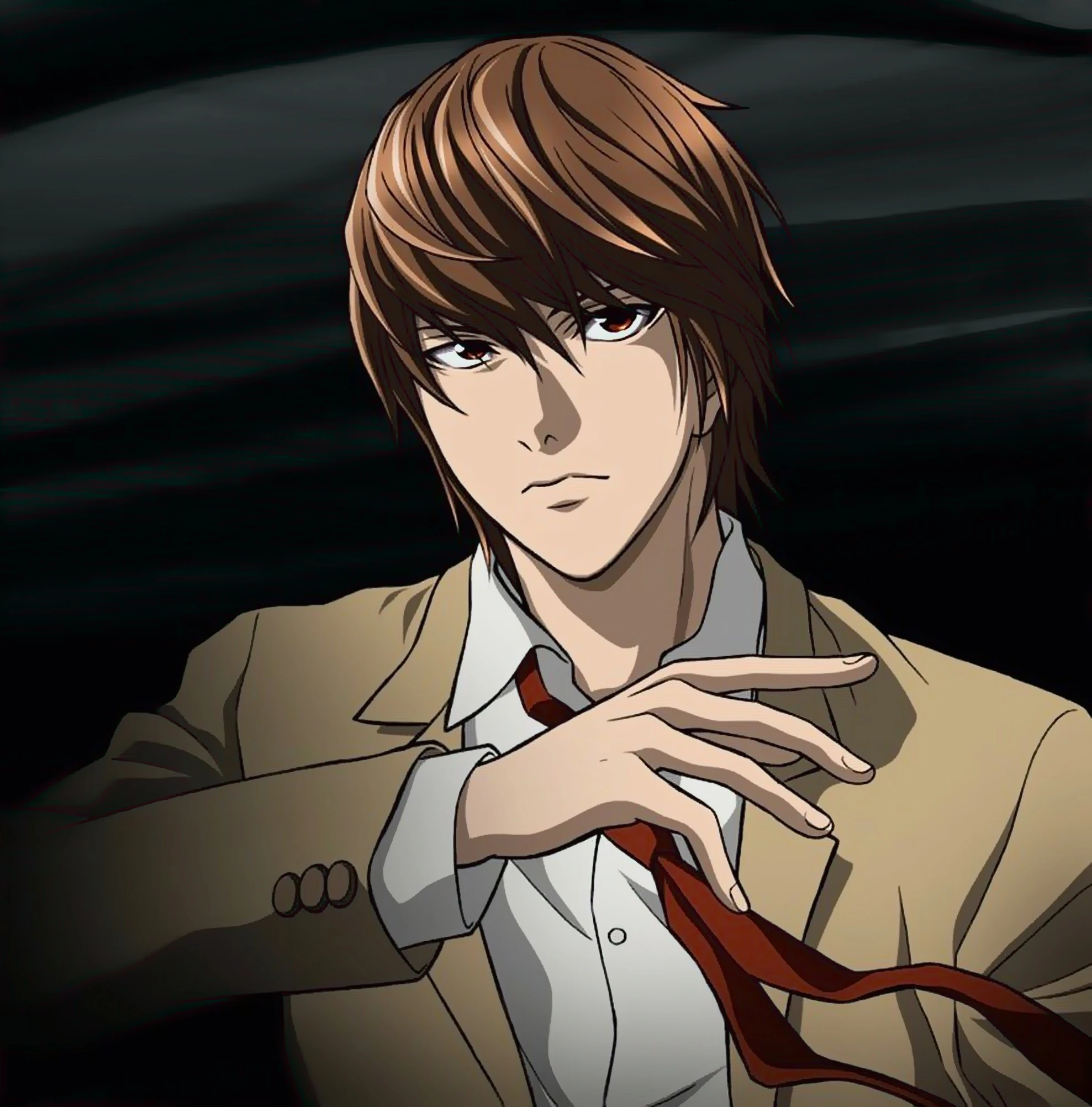
Light Yagami acquires the Death Note in ‘Death Note’, enabling remote execution by writing names under defined conditions. He conducts a long-term clandestine operation against criminal suspects, incorporating memory erasure schemes, planted evidence, and proxy identities to fragment law-enforcement pursuit.
Light’s cat-and-mouse battle with L and subsequent investigators is built on surveillance countermeasures, controlled media manipulation, and layered alibis involving task force access. His strategic use of schedule mapping, message timing, and misdirection with the Death Note’s rules turns a single notebook into an asymmetric weapon against global policing efforts.
Lucy (Kaede)

Lucy, also known as Kaede, is a Diclonius in ‘Elfen Lied’ with invisible, telekinetic “vectors” that can slice, deflect, and manipulate objects. Her abilities are measurable by range and count of vectors, and she switches between Lucy and the amnesiac Nyu personality, each state dictating different behavioral patterns and risk profiles.
The series documents multiple containment failures, research exploitation, and high-casualty incidents linked to Lucy’s breakout. Her interactions with experimental protocols, prosthetic countermeasures, and military deployments outline the escalating arms race around Diclonius capabilities and the institutional responses to them.
Ken Kaneki
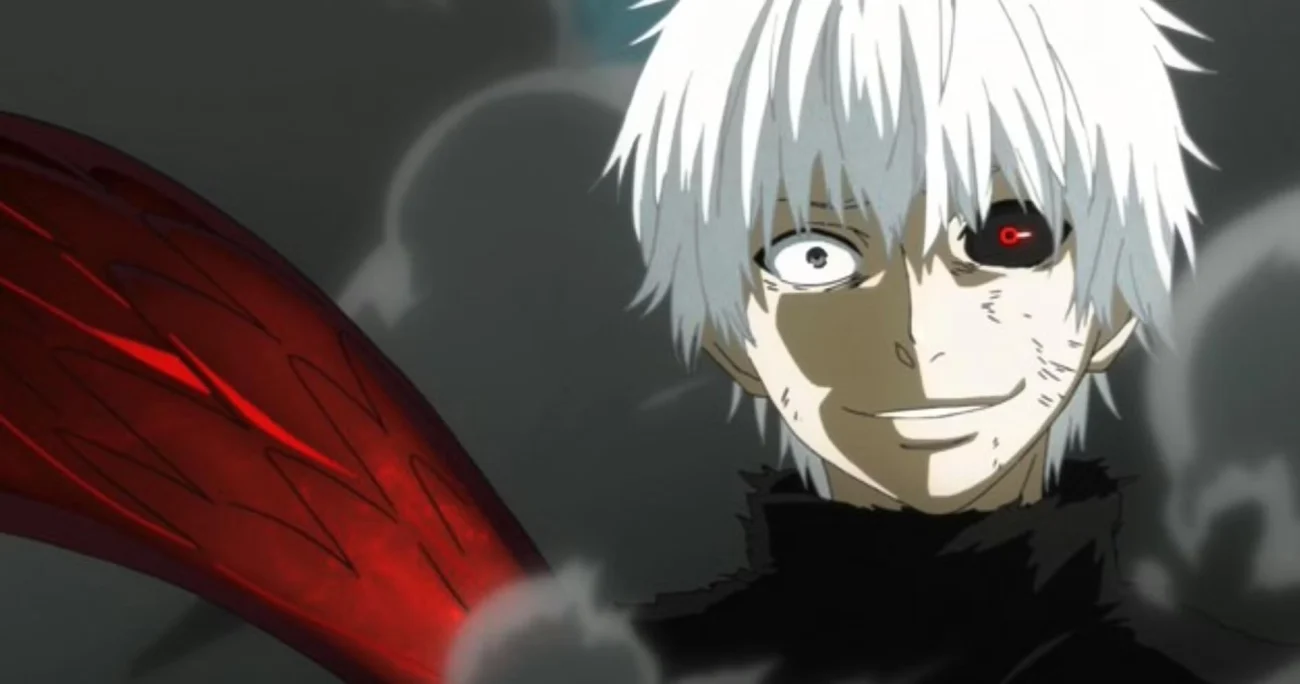
Ken Kaneki in ‘Tokyo Ghoul’ becomes a half-ghoul after receiving transplanted organs from a ghoul, gaining a kagune that adapts for offense and defense. He undergoes systematic torture and conditioning that alter pain thresholds and decision processes, resulting in significant shifts in combat approach and leadership choices.
Operating between human authorities and ghoul factions, Kaneki navigates CCG operations, Anteiku’s rules, and Aogiri Tree conflicts. He reorganizes teams, redefines territory lines, and uses intelligence from both sides to plan rescues, raids, and counter-raids that reshape power balances in Tokyo’s ward system.
Rena Ryuugu

Rena Ryuugu of ‘Higurashi: When They Cry’ experiences paranoia and violent spirals tied to Hinamizawa’s cyclical catastrophes and local folklore. Across arcs, she acquires tools, secures locations like the school, and sets detailed traps based on knowledge of classmates’ routines and town infrastructure.
Her actions include hostage scenarios, barricade strategies, and evidence concealment that leverage small-town geography and community schedules. The series’ repeating fragments highlight how slightly altered triggers—medical, social, or rumor-driven—can shift Rena’s responses from cautious investigation to extreme defensive measures.
Yoshikage Kira
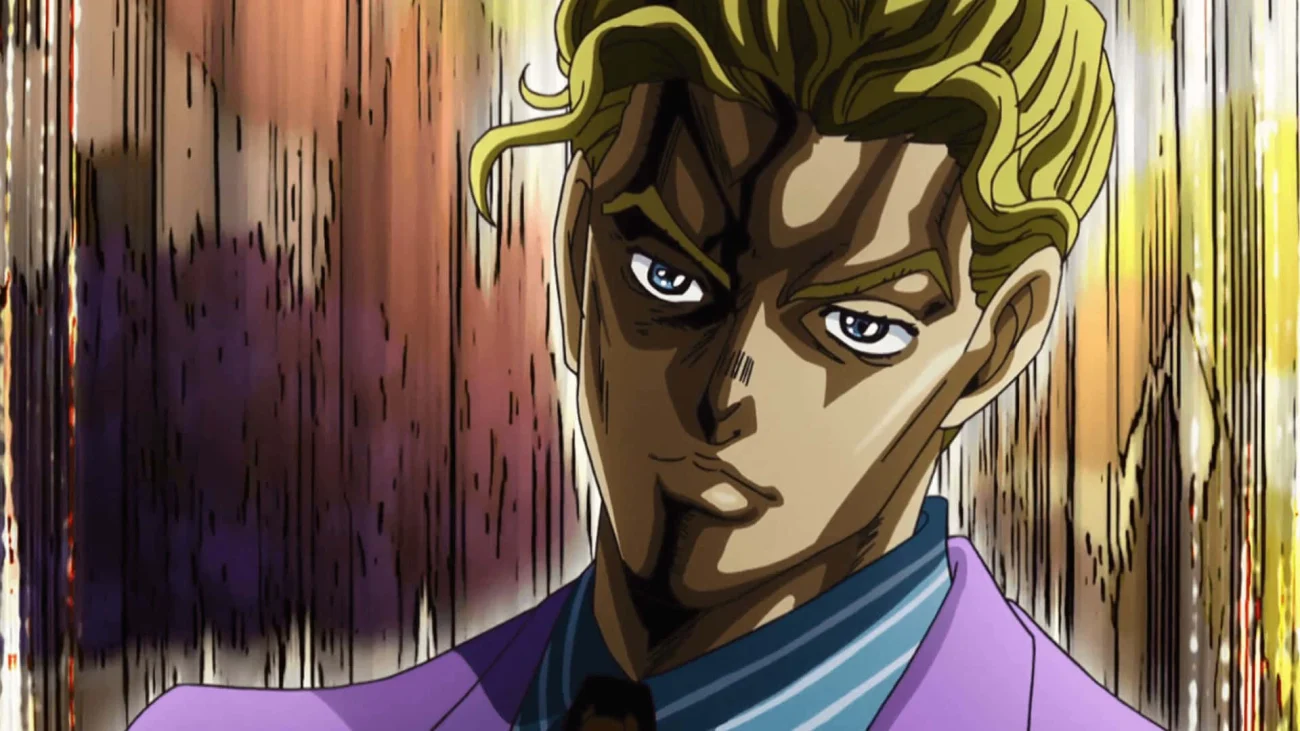
Yoshikage Kira is the primary antagonist of ‘JoJo’s Bizarre Adventure: Diamond Is Unbreakable’, wielding the Stand Killer Queen. Its abilities include instantaneous detonation of anything it touches, a secondary bomb via Sheer Heart Attack with autonomous tracking, and a time-reversion function activated under specific identity-protection conditions.
Kira maintains a meticulous cover in Morioh, cycling identities and managing forensic risks by eliminating traces after killings. He adapts quickly to Stand countermeasures, using urban terrain and routine patterns to evade detection while incrementally neutralizing investigators and Stand users who close in.
DIO
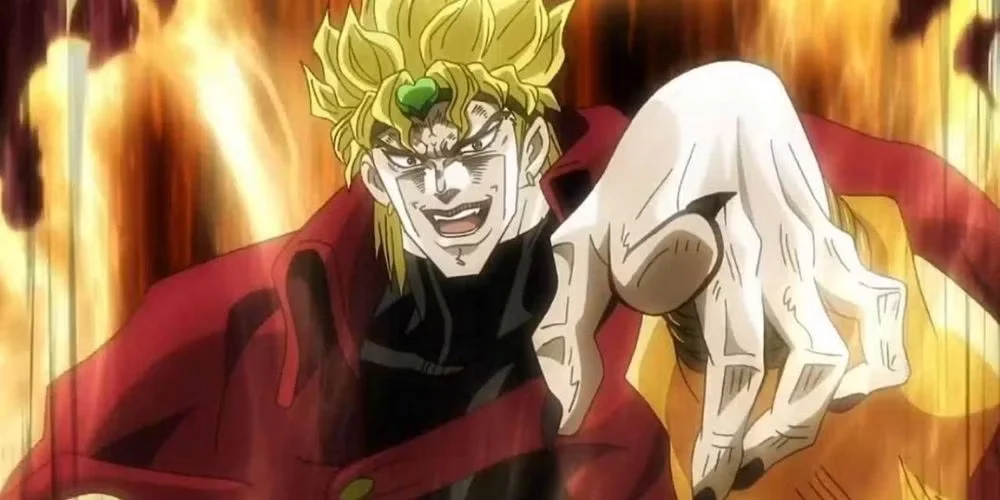
DIO in ‘JoJo’s Bizarre Adventure: Stardust Crusaders’ commands The World, a Stand that can halt time for short bursts. He coordinates international movement, proxy agents, and staged encounters to wear down the Stardust Crusaders, exploiting time-stop windows for precision strikes and strategic withdrawals.
His operations integrate vampire physiology—enhanced regeneration and physical strength—with Stand tactics, allowing layered attacks that combine brute force and temporal advantage. DIO’s influence extends through a network of Stand-empowered subordinates, each tasked with delaying or fragmenting the protagonists’ route.
Shougo Makishima
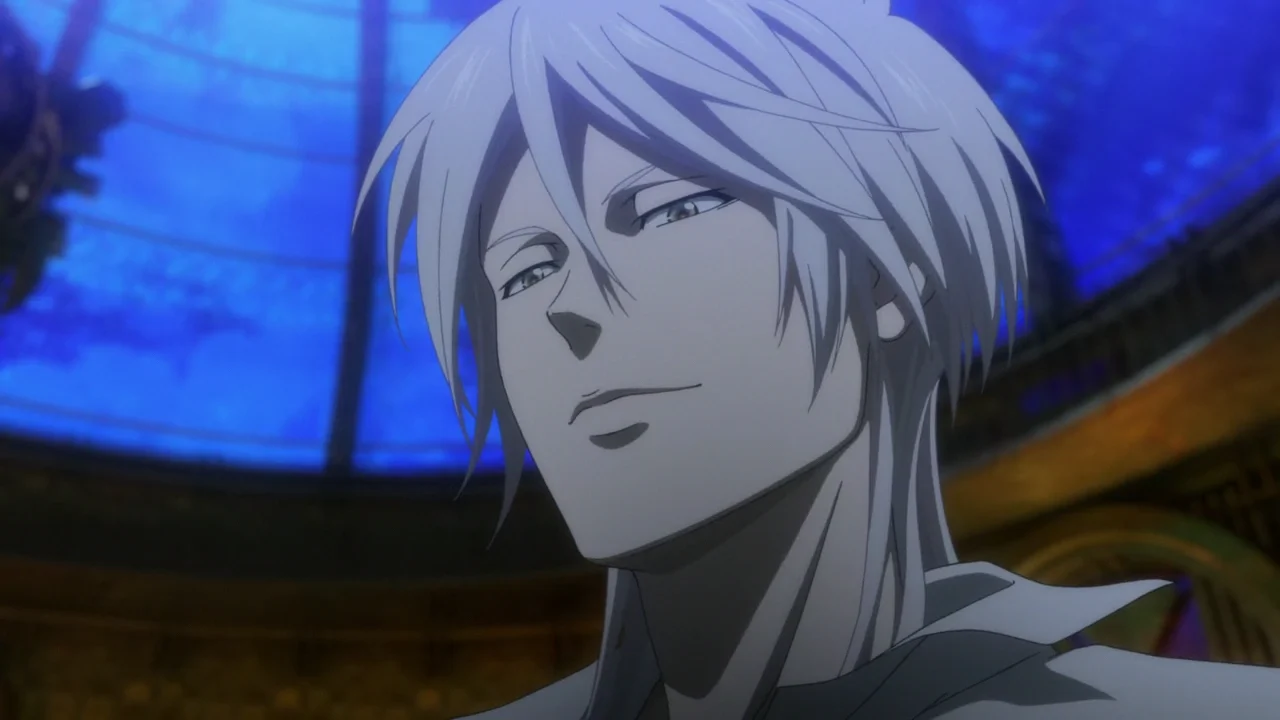
Shougo Makishima is a criminal mastermind in ‘Psycho-Pass’ whose psychological profile evades the Sibyl System’s standard threat detection. He orchestrates sociotechnical experiments that test automation limits, including supply-chain disruptions and coordinated street crimes that exploit latency in law-enforcement response.
Makishima targets critical infrastructure and key personnel to expose systemic blind spots, using analog tools and low-tech methods to bypass digital oversight. His operations serve as stress tests on societal control mechanisms, revealing how dependent institutions are on predictive policing thresholds and centralized judgment.
Johan Liebert

Johan Liebert from ‘Monster’ is a carefully constructed antagonist whose background includes clandestine experimentation and identity manipulation. He engineers multi-party conflicts by planting stories, forging relationships, and inciting chain reactions that cause groups to self-destruct without direct physical force.
His methods rely on precise timing, psychological leverage, and mobility across European cities, with a trail of missing persons, cultic cells, and institutional corruption. Johan’s ability to assume and discard identities allows him to infiltrate schools, families, and organizations, producing cascading failures in law enforcement and social services.
Bondrewd
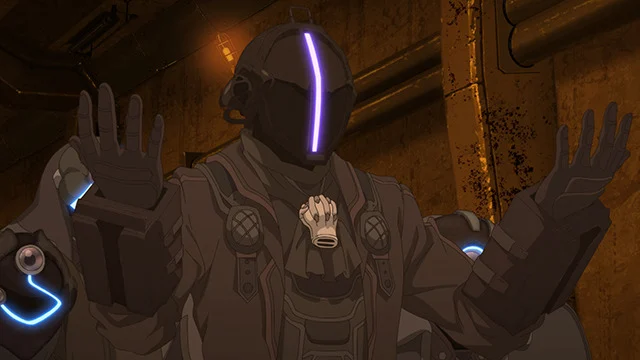
Bondrewd in ‘Made in Abyss’ is a White Whistle Delver conducting biomedical research tied to the Abyss’s layers and their curse mechanics. He constructs facilities that exploit relics and environmental anomalies, running procedures that convert human subjects into artifacts with specialized survival functions.
His technology stack includes cartridges, field labs, and weaponized relic integration, enabling repeated redeployments despite catastrophic damage. Bondrewd’s expeditions map little-understood biomes and fauna, extracting data under conditions that would incapacitate most Delvers, and his findings directly affect how later descents are planned.
Shiro (Wretched Egg)
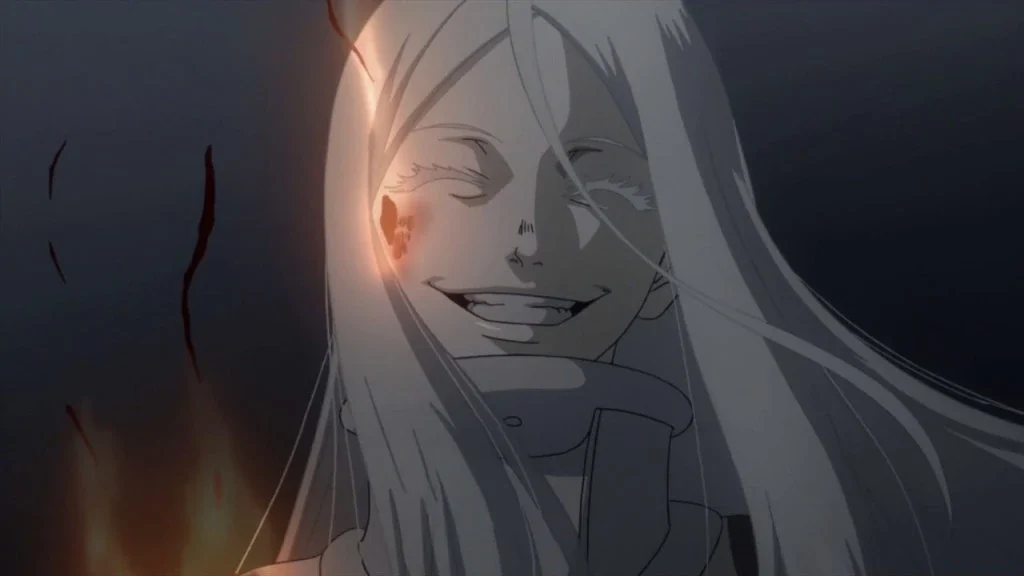
Shiro, known as the Wretched Egg, is the original Branch of Sin user in ‘Deadman Wonderland’, capable of projecting high-velocity blood-based attacks. She demonstrates superhuman agility and durability under a specialized suit, with containment protocols designed around her unique physiology.
Her history intersects with experimental programs that created other Branch of Sin users, linking her presence to prison events, lethal games, and facility meltdowns. Shiro’s dual identity impacts key characters’ choices and determines the escalation path of conflicts inside and outside the complex.
Hidan
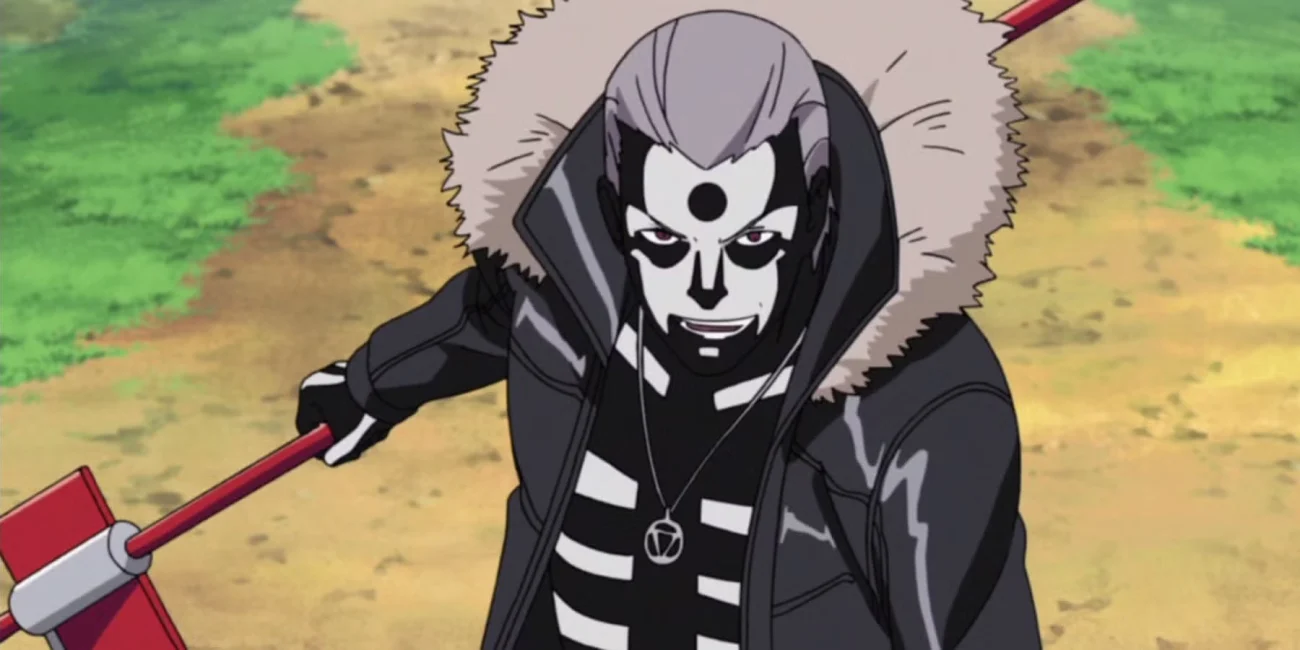
Hidan of ‘Naruto: Shippuden’ is a member of the Akatsuki with a ritual-based immortality tied to Jashinist practices. By ingesting an opponent’s blood and completing a ritual circle, he establishes a sympathetic link that reflects his self-inflicted injuries onto the target, enabling remote lethality.
Hidan operates in tandem with Kakuzu to capture tailed beasts and eliminate high-value shinobi targets. His battle record features ambushes leveraging reconnaissance by other Akatsuki, and his persistence after severe bodily damage necessitates containment strategies rather than conventional defeat.
Ragyo Kiryuin
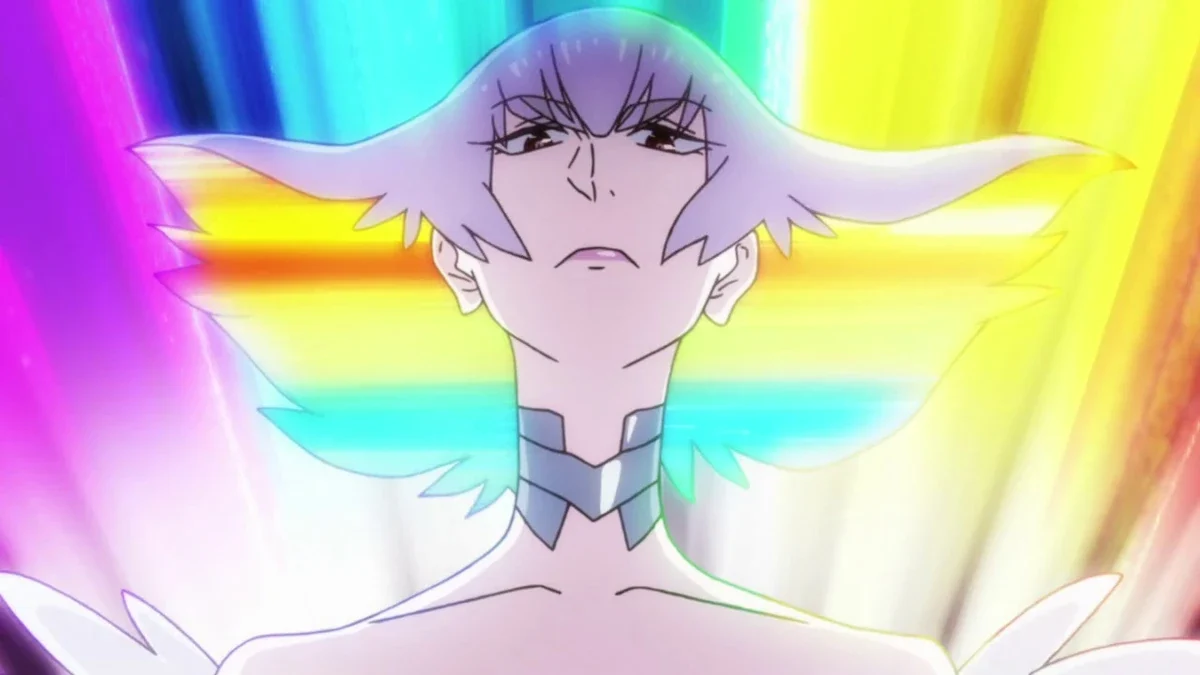
Ragyo Kiryuin is the chair of the Revocs Corporation in ‘Kill la Kill’, overseeing Life Fiber distribution integrated into clothing. She coordinates global-scale assimilation plans by embedding parasitic Life Fibers in consumer garments, effectively turning fashion supply chains into deployment vectors.
Her capabilities include direct synchronization with Life Fibers, energy projection, and control over enhanced uniforms. Ragyo’s oversight of research divisions, academy enforcement, and corporate logistics allows her to stage mass demonstrations of Life Fiber dominance and to counter insurgent groups with escalated uniforms and weapons.
Tomura Shigaraki
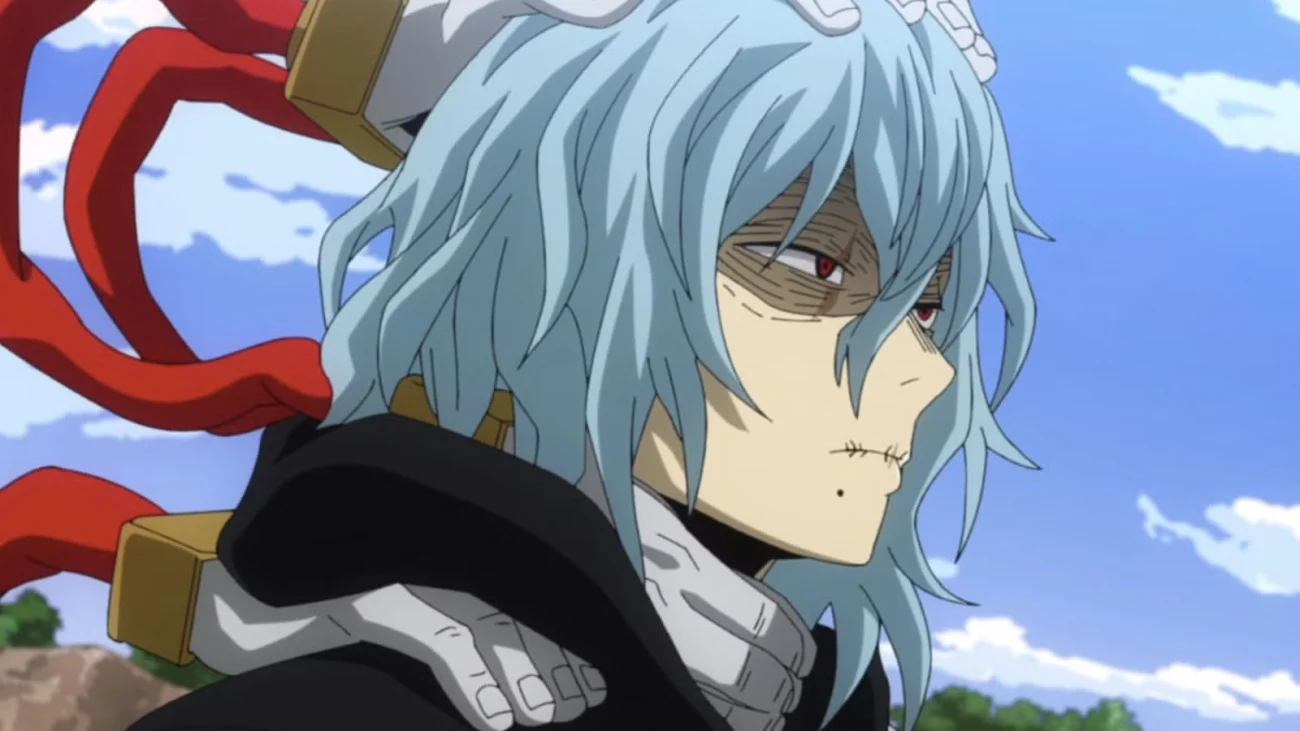
Tomura Shigaraki in ‘My Hero Academia’ leads the League of Villains and later a larger coalition, wielding the Decay Quirk that disintegrates matter via chain reactions upon contact. After undergoing extensive augmentation, his area-of-effect increases, enabling wide-scale destruction across complex environments.
Shigaraki’s operations include prison breaks, coordinated assaults on hero infrastructure, and absorption of rival groups to consolidate resources. He employs Nomu assets, black-market support, and strategic misinformation, creating multi-front conflicts that draw heroes into unfavorable terrain while destabilizing public confidence.
Share your pick for the most off-the-rails anime character in the comments and tell us who deserves a spot on this list!