Top 20 Shocking British Celebrity Secrets


Celebrities look like open books, yet many of the biggest names in Britain kept major parts of their lives out of the spotlight for years. Some hid personal struggles until they were ready to speak. Others worked in secret under different names or kept private milestones away from cameras to protect family and health.
Here are twenty true stories that only became public through court cases, autobiographies, interviews, or official statements. Each one shows how fame often sits beside a private life that is far more complicated than headlines suggest.
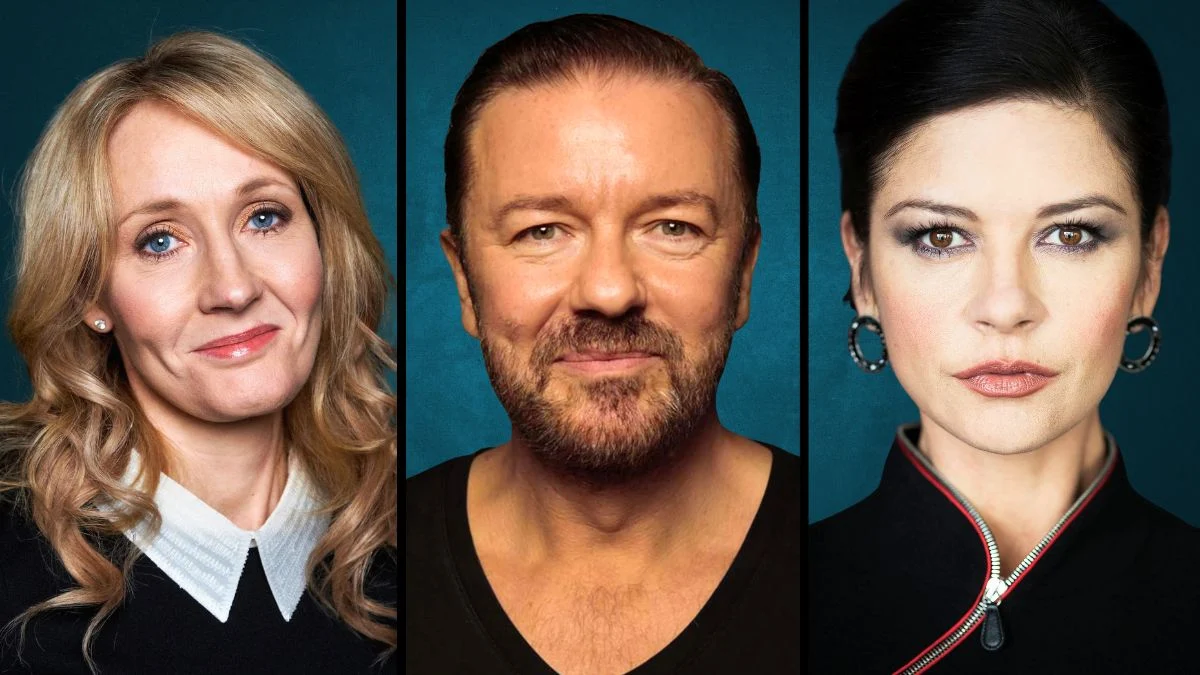
J.K. Rowling – secret pen name
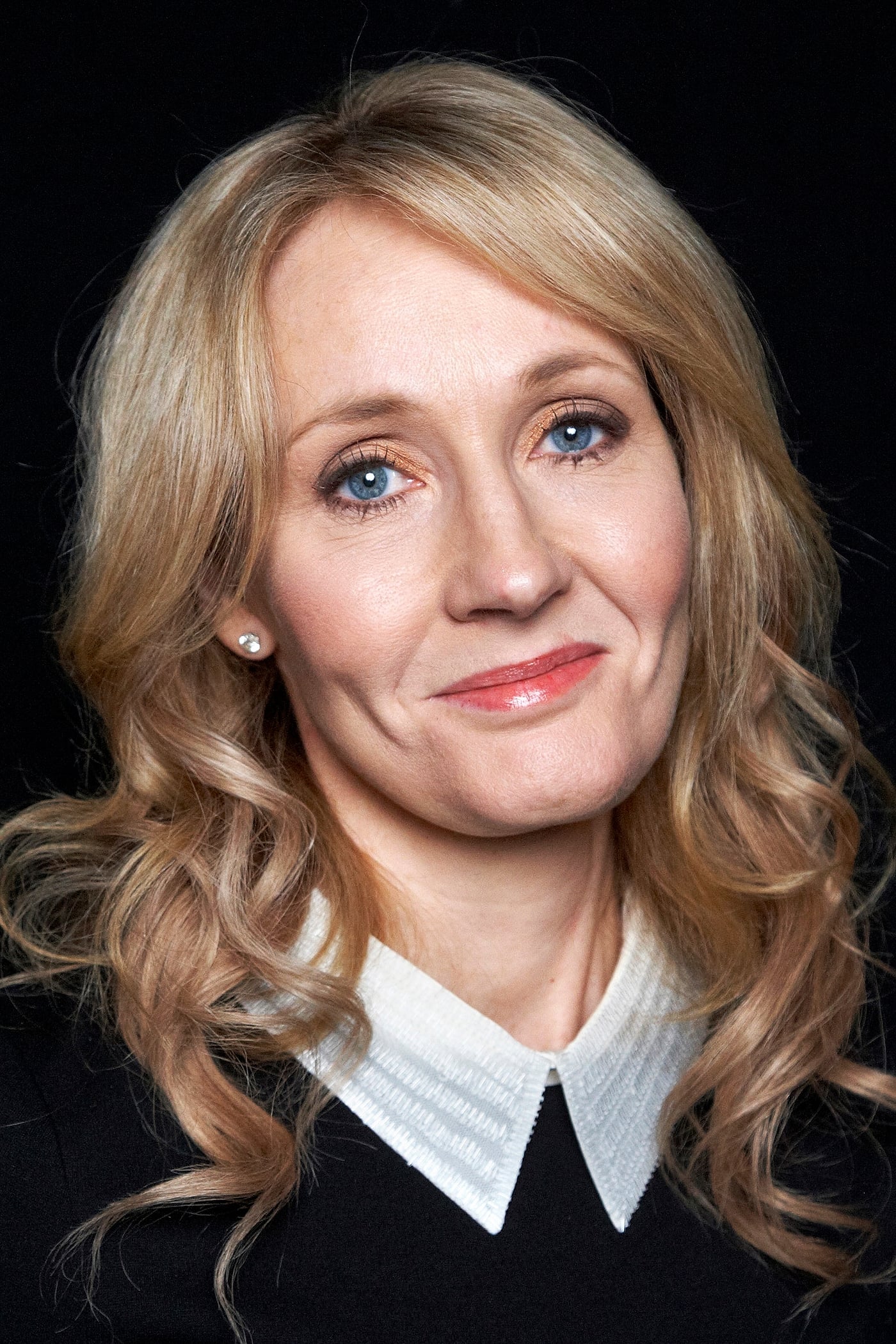
For months after publication, crime debut author Robert Galbraith drew modest attention before an investigation revealed the writer was J.K. Rowling. The leak traced back to a law firm, which prompted an apology and a confidentiality settlement after the author’s identity was exposed.
‘The Cuckoo’s Calling’ immediately surged in sales once the secret came out. Rowling kept the series going under the Galbraith name with a returning detective hero and continued to publish further installments while maintaining the separate author identity on book jackets and publicity.
Banksy – hidden identity
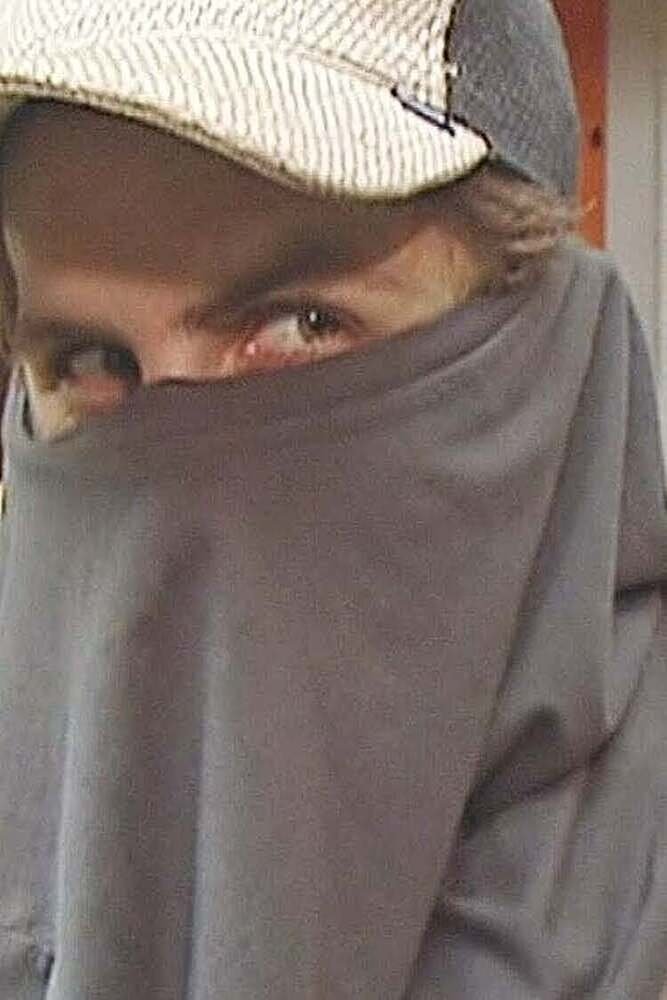
The Bristol born street artist known as Banksy has created exhibitions and headline grabbing public works while keeping his legal name out of the public record. New murals appear overnight, authentication runs through an official handling service, and public appearances rely on voice distortion or intermediaries.
Stunts such as the partial shredding of a framed print at an auction house showed a high level of planning without revealing who designed the mechanism. Despite years of speculation, no authority has confirmed an identity, and commercial dealings continue through representatives rather than personal contracts.
David Bowie – private cancer battle
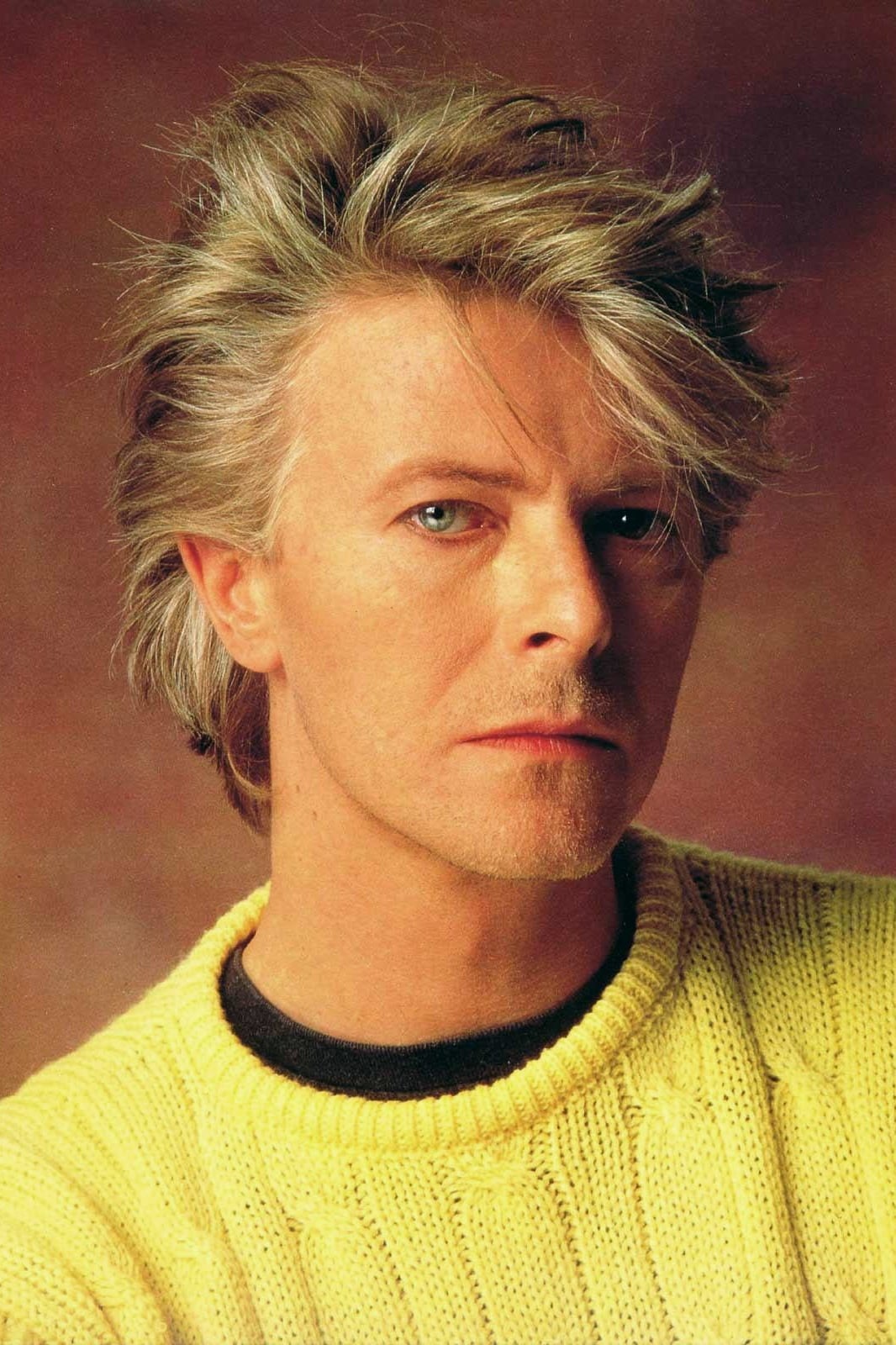
David Bowie recorded ‘Blackstar’ while receiving treatment for cancer that he never announced to the public during his lifetime. Collaborators later explained that production schedules and video shoots were organized around his health without disclosing specifics beyond a small circle.
The album arrived two days before his death and listeners quickly noted lyrics and imagery that reflected illness and mortality. The secrecy allowed Bowie to control his final creative work, and statements from his estate confirmed the timeline only after his passing.
Freddie Mercury – late diagnosis announcement
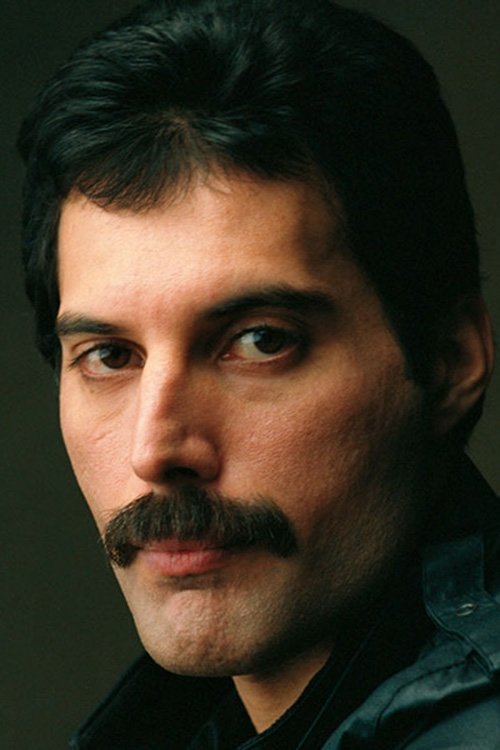
Freddie Mercury confirmed he had AIDS in a brief statement on a Saturday in November, one day before he died. For years before that announcement, band members and managers shielded details of his health and limited public appearances to preserve his privacy.
Recording sessions with ‘Queen’ continued with careful scheduling to match his energy. After his death, the band and Mercury’s friends organized memorial efforts and fundraising that acknowledged his illness and supported research and treatment initiatives.
George Michael – anonymous philanthropy
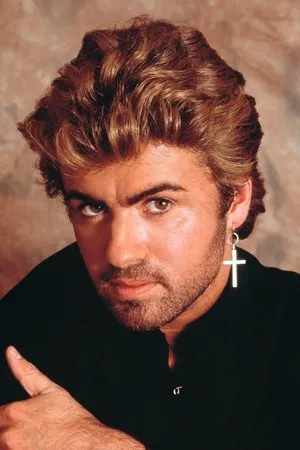
Charities shared after his death that George Michael quietly donated large sums and volunteered without publicity. He supported organizations that aided children, healthcare workers, and people experiencing financial hardship, often asking staff to keep his name off any public list.
Stories later emerged about television appearances where he contacted producers privately to pay off debts for strangers featured on air. Several hospitals and helplines reported ongoing anonymous gifts that they were able to link to him only when estate records and testimonies came together.
Adele – hidden pregnancy and son’s private name
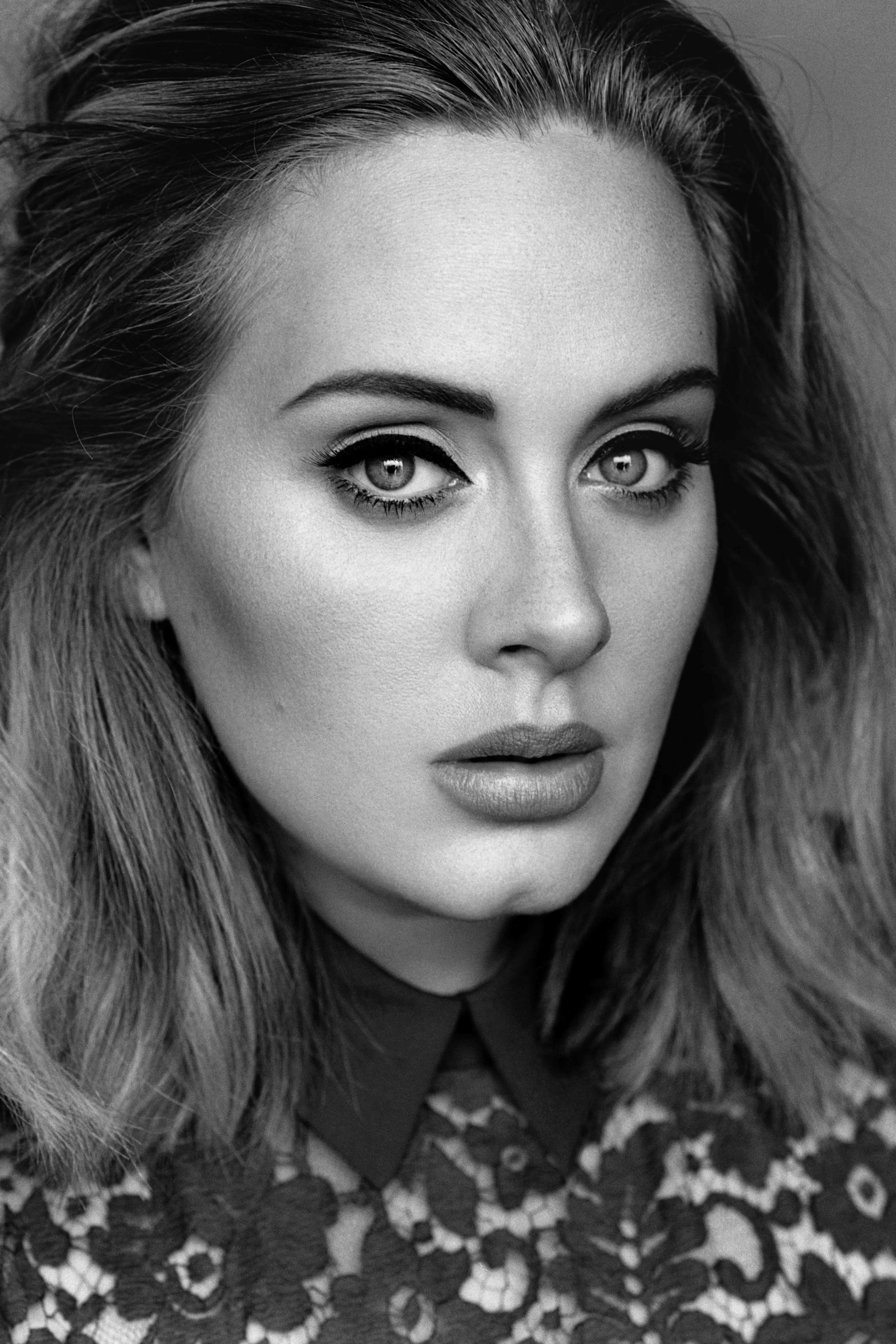
Adele kept her first pregnancy out of the public eye for as long as possible and later avoided revealing her son’s name while he was an infant. She and her partner managed early months with limited photos and no official release of personal details to maintain a normal routine.
When legal action became necessary over intrusive images, filings emphasized the family’s expectation of privacy for a child not in public life. Interviews years later confirmed his name and acknowledged why the decision to wait protected his early childhood.
Benedict Cumberbatch – abduction ordeal revealed later
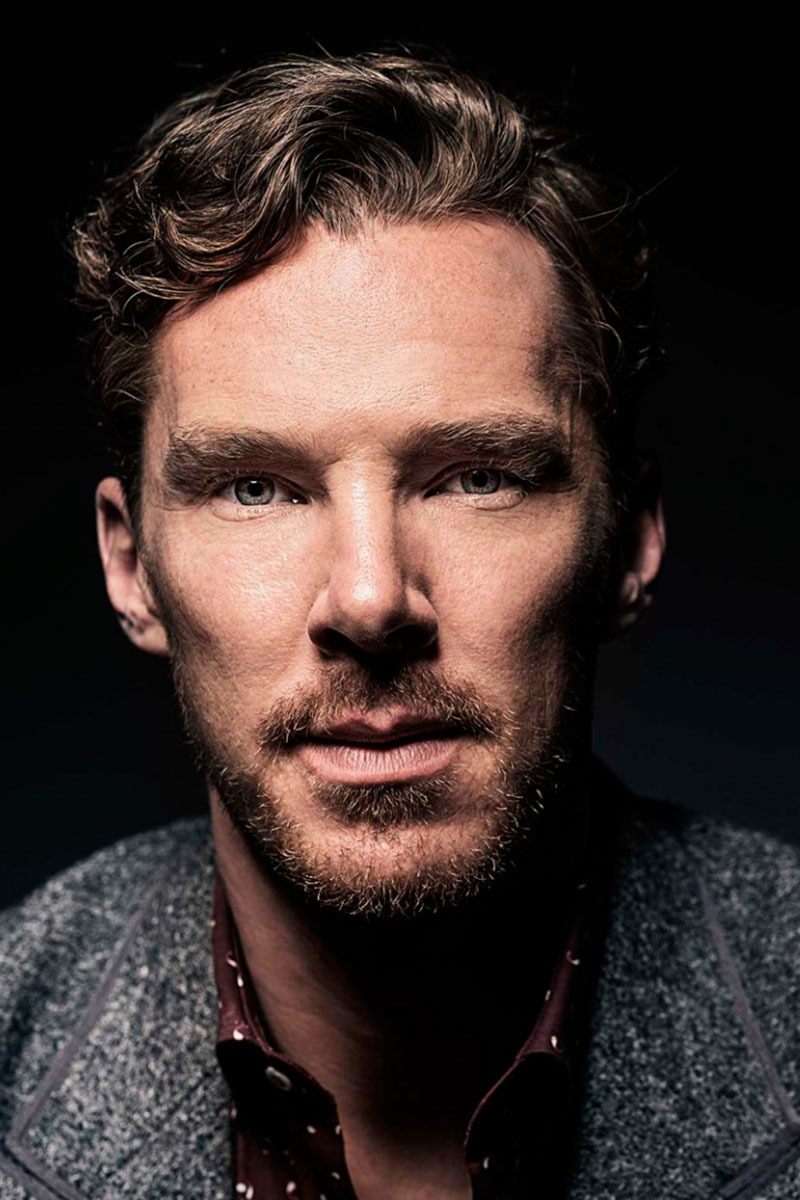
Benedict Cumberbatch spoke years after the fact about being abducted at gunpoint while filming in South Africa. The incident began with a disabled tire on a remote road and ended when the captors released the group after several hours.
He described how the experience altered his perspective on fear and vulnerability and why he originally chose not to publicize the event. Production schedules moved on, and only later did interviews document the sequence of events from his point of view.
Idris Elba – pre fame homelessness
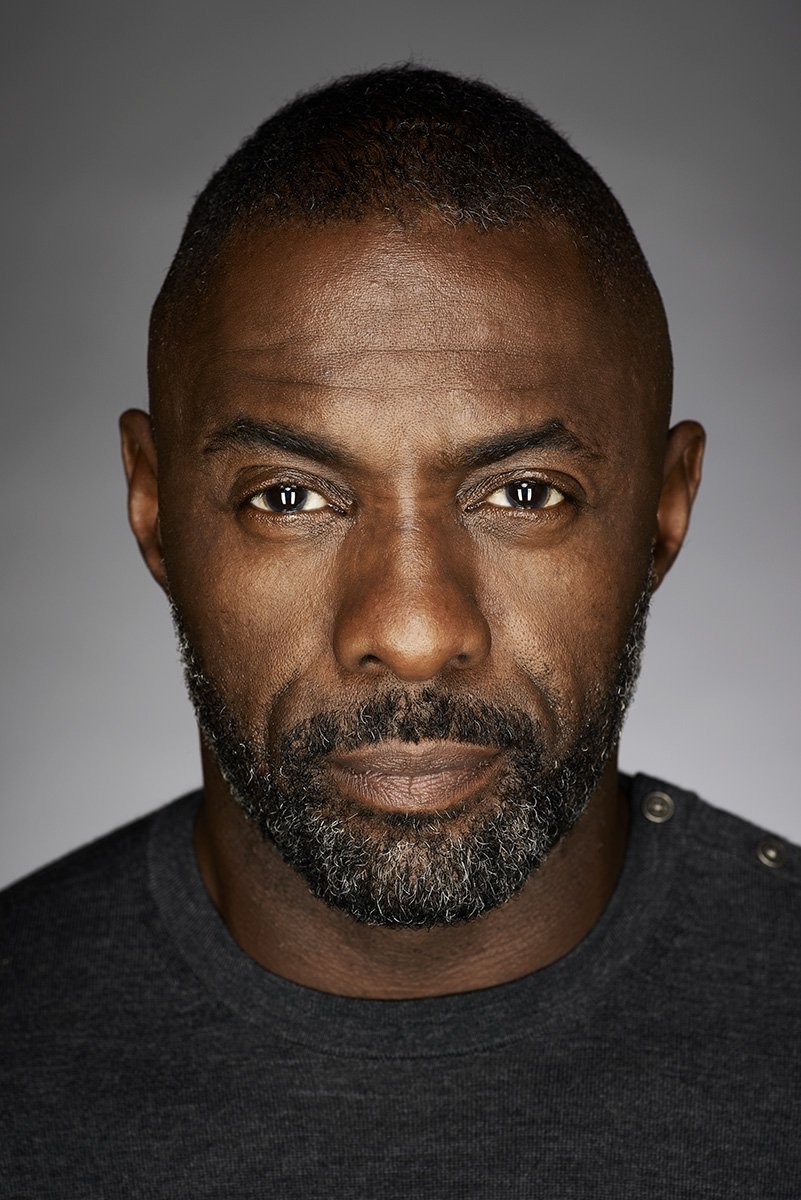
Before ‘The Wire’ brought steady work, Idris Elba described a period in London and New York when he slept in his van and picked up short term jobs to cover rent. DJ gigs and bit parts bridged long gaps between auditions and the next paycheck.
He used that time to build contacts and sharpen skills that later supported leading roles in film and television. The financial strain and uncertainty remained unknown to most fans until he discussed it openly in profiles and talks aimed at young performers.
Catherine Zeta-Jones – bipolar II diagnosis
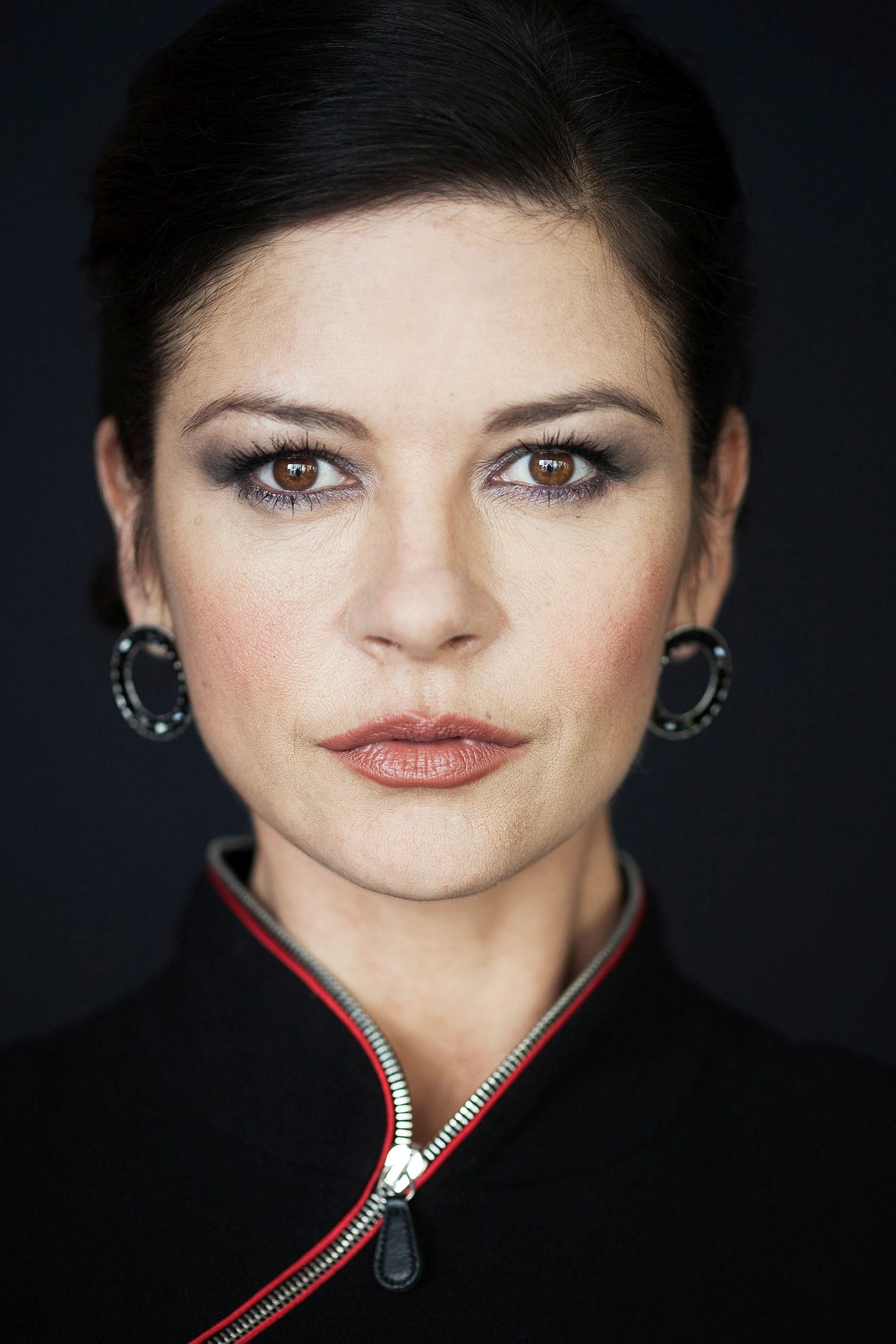
Catherine Zeta Jones chose to keep mental health treatment private until she had a diagnosis and a plan. She later confirmed she lives with bipolar II and described entering care during a stressful period that combined work schedules and family responsibilities.
Follow up statements explained how maintenance therapy and monitoring help manage the condition. She urged accurate reporting so the diagnosis would not be presented as a career crisis and emphasized that ongoing treatment allows sustained work on stage and screen.
Elton John – secret struggle with bulimia and addiction
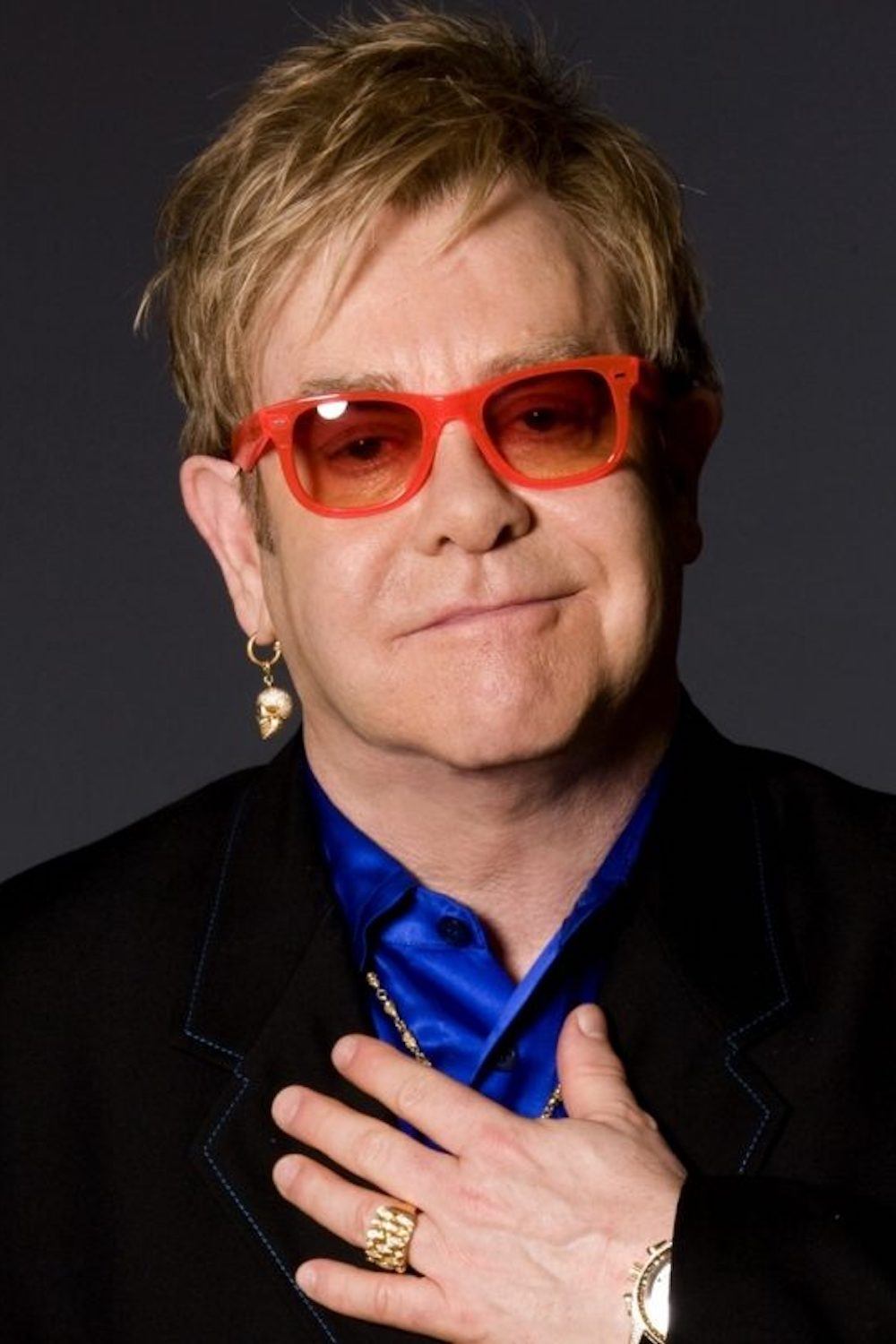
Elton John concealed bulimia and substance use for years while touring and recording. He eventually sought treatment and later discussed how secrecy and shame kept him from getting help sooner.
He founded a major AIDS foundation after achieving sobriety and has used public appearances to promote harm reduction and access to care. His accounts detail the routines that support long term recovery and the importance of medical supervision for eating disorders.
Sienna Miller – phone hacking revelations
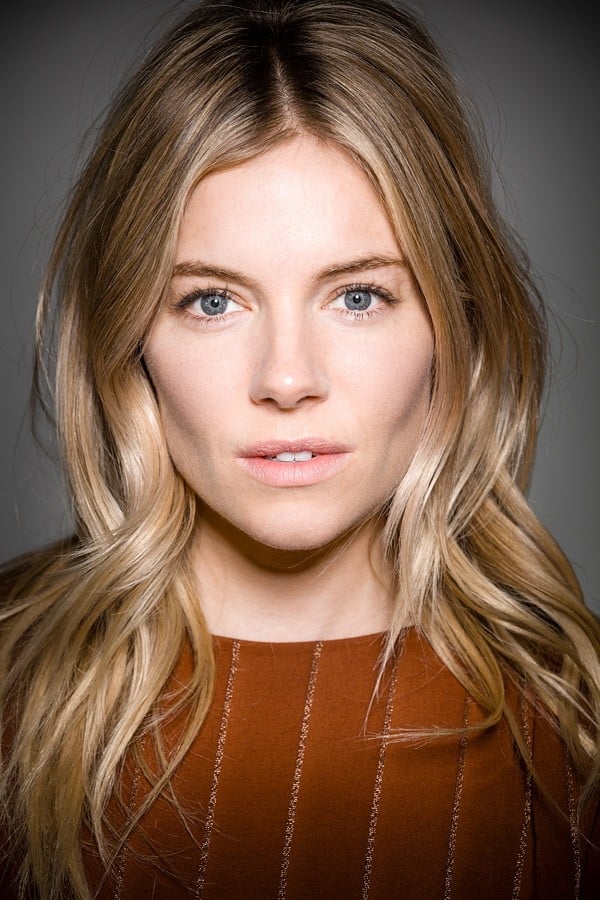
Sienna Miller became one of the best known victims in the press phone hacking scandal when evidence showed her voicemail had been intercepted. Legal proceedings forced disclosures that explained years of intrusive stories and the sources that supplied them.
She testified about how private travel and family plans ended up in tabloids and how the breach affected personal relationships. Settlements and public apologies followed, and her case helped build momentum for broader investigations into illegal newsgathering.
Daniel Radcliffe – hidden drinking during ‘Harry Potter’
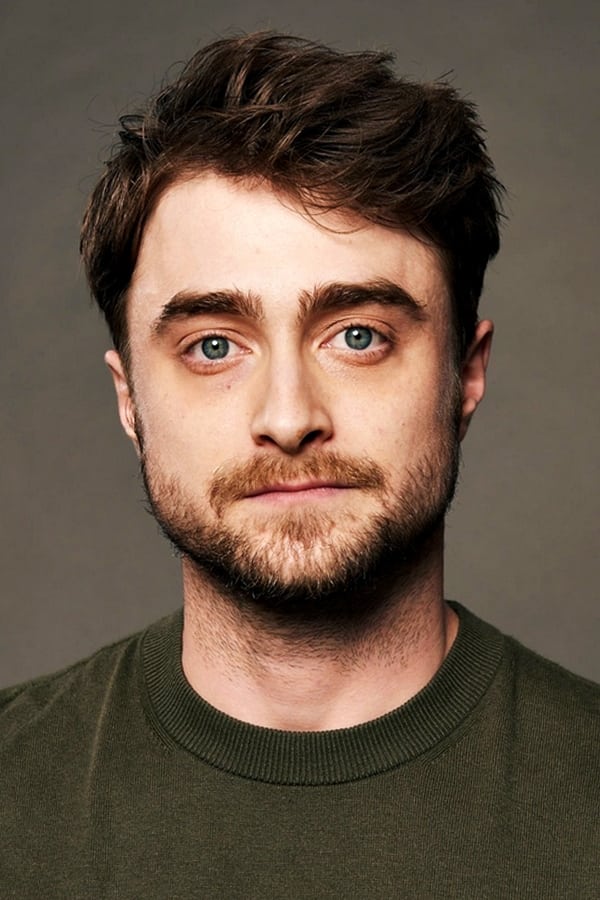
Daniel Radcliffe later revealed that he relied on alcohol to cope with fame during the middle films in the ‘Harry Potter’ series. He kept the problem away from the set as much as possible while fulfilling press and production commitments.
He decided to stop drinking in his early twenties and described seeking new routines that kept him away from nightlife. Stage work, independent films, and charity projects filled the space that heavy social drinking had occupied, and he credited a small group of friends with steady support.
Tom Hardy – quiet recovery from addiction
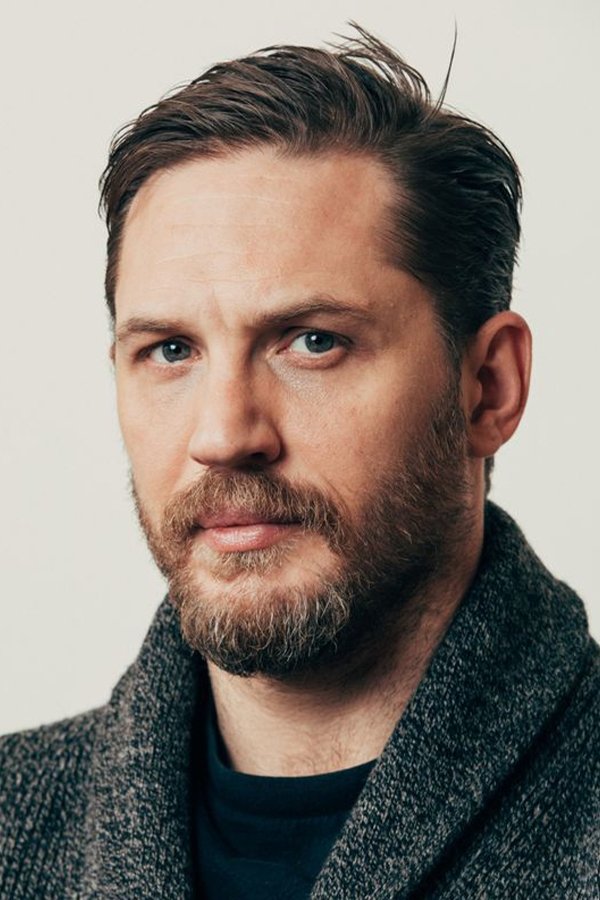
Tom Hardy has spoken about addiction to alcohol and crack cocaine in his early twenties that he managed to hide from many colleagues. A crisis pushed him into treatment, and he has continued recovery practices while building a career that includes ‘Bronson’ and ‘Mad Max: Fury Road’.
He has described how early secrecy isolated him and why sharing the story later can help others seek help sooner. Physical training for demanding roles sits alongside the same recovery routines he established when he first got sober.
Lewis Capaldi – Tourette syndrome disclosure
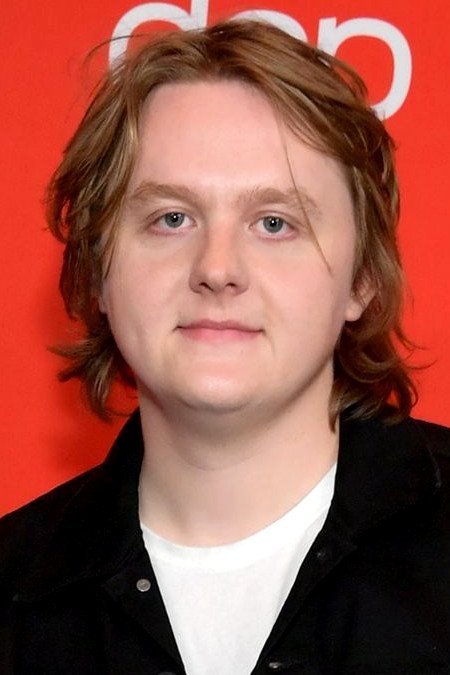
Lewis Capaldi explained that a diagnosis of Tourette syndrome helped him make sense of shoulder and neck tics that fans had noticed during shows. He kept the process private until he had the information he needed from specialists.
Treatment plans and rest periods were built into touring to reduce symptom flare ups. He has detailed how vocal technique, medication, and schedule changes allow him to perform safely while keeping health as the first priority.
Emma Thompson – IVF struggle and adoption story
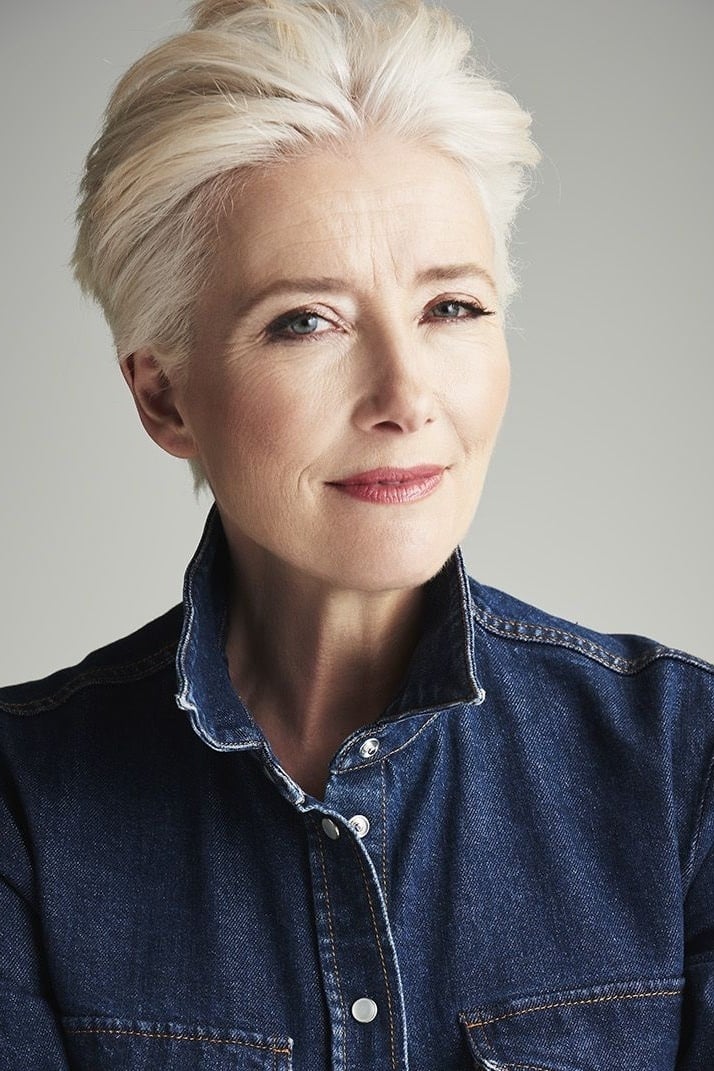
Emma Thompson has shared that she went through multiple rounds of IVF after the birth of her daughter and that treatment did not lead to a second pregnancy. She kept the process confidential at the time and spoke about it years later to give context to a period when she worked less.
She and her husband Greg Wise later adopted Tindyebwa Agaba, a refugee who had fled conflict. They described how the decision followed months of getting to know him and how legal guardianship and adoption proceeded through family court.
David Beckham – obsessive routines at home
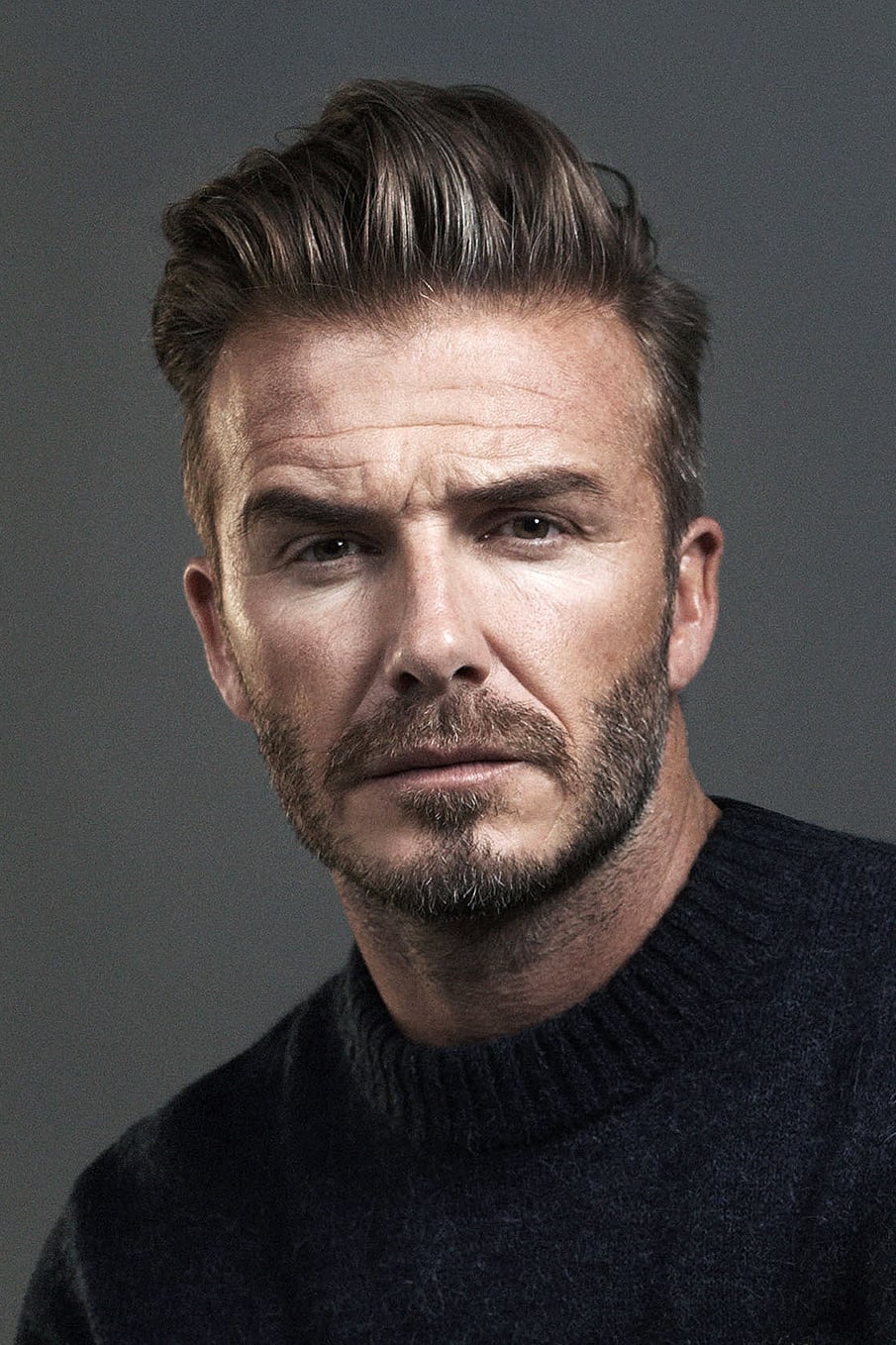
David Beckham has talked about obsessive routines that he once kept entirely private, including arranging items in straight lines and maintaining strict order in the kitchen. He described spending long stretches of time on small tasks while hiding the behavior from guests.
He later chose to speak about these habits to explain why late nights and hotel stays could be difficult during his playing career. Sharing the details helped normalize conversations about compulsive behaviors among athletes and fans.
Ricky Gervais – failed pop star past
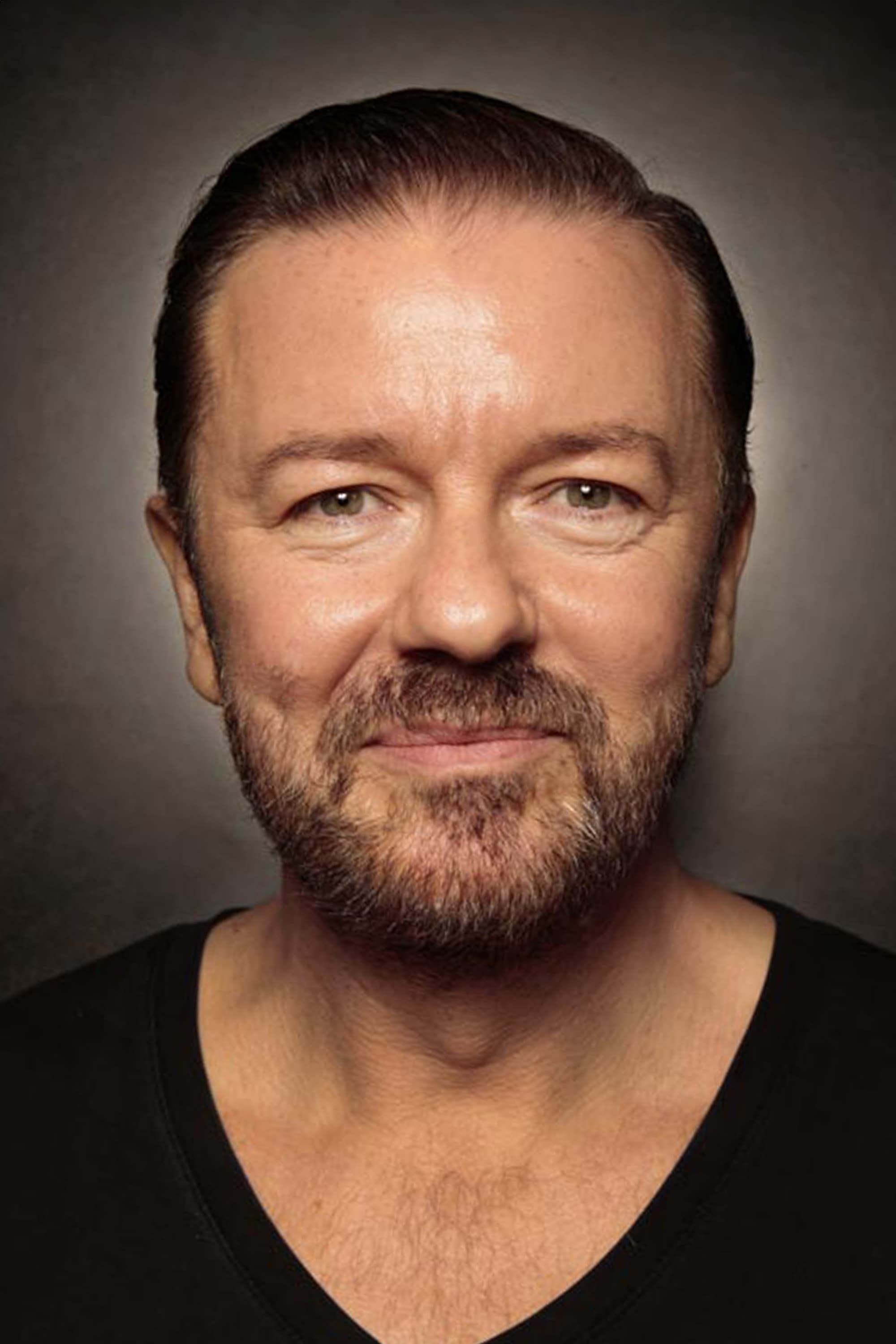
Before comedy success, Ricky Gervais managed and performed in a new wave duo called Seona Dancing. The group released singles that barely charted in the United Kingdom and quietly disbanded when momentum faded.
Years later, one of the tracks developed a cult following in the Philippines after being mislabeled by radio stations. The brief music career remained little known to British audiences until archival clips resurfaced during interviews about his early life.
Peter Capaldi – first act as a punk frontman
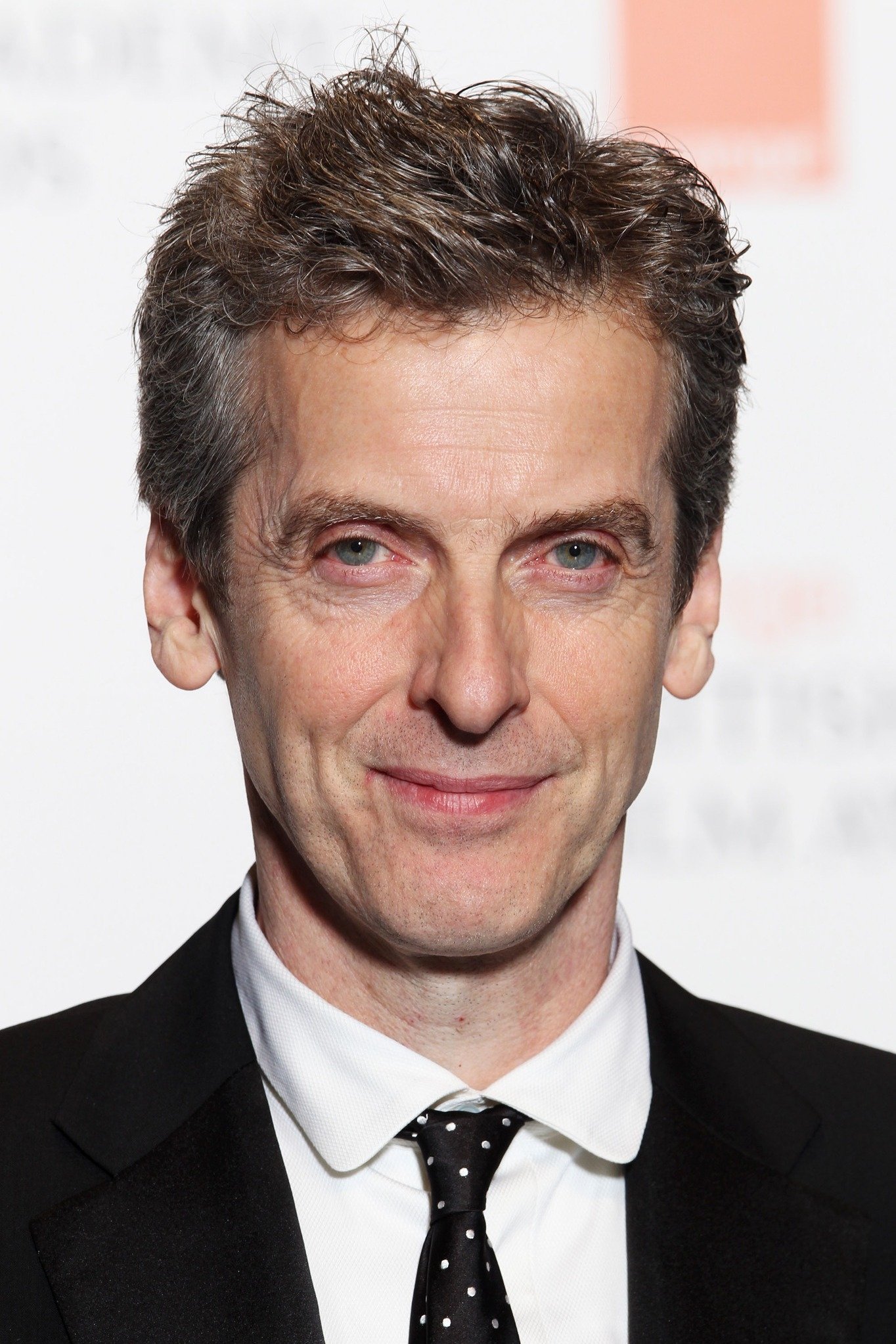
Long before the TARDIS, Peter Capaldi sang and played guitar in a Glasgow band that included future talk show host Craig Ferguson on drums. The group gigged under more than one name and opened for local acts while members juggled day jobs.
Capaldi kept mementos from that time and has spoken about how performing in cramped venues prepared him for stage and screen. The early friendship with Ferguson later turned into television collaborations when both found success in different countries.
Emily Blunt – childhood stutter
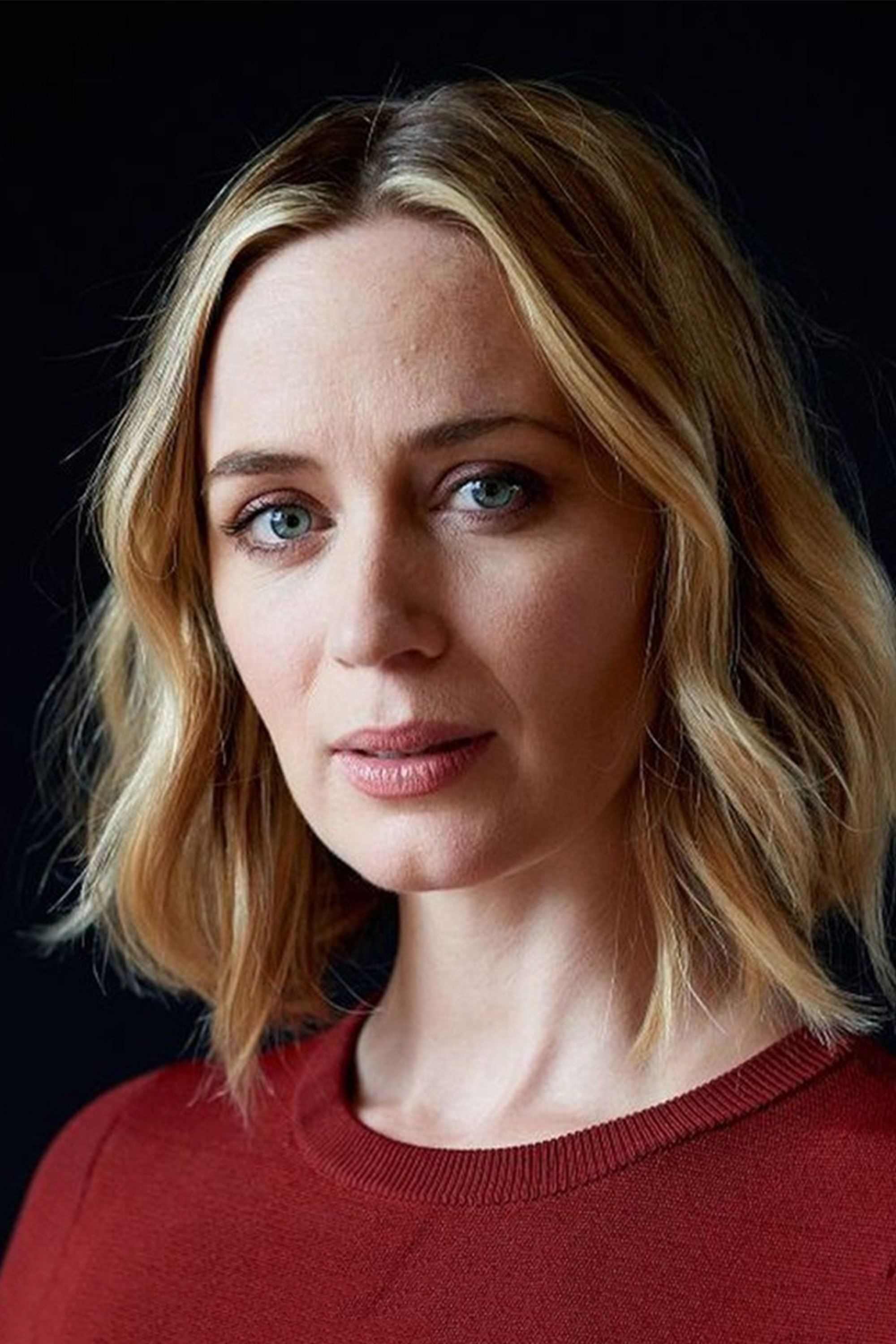
Emily Blunt grew up with a significant stutter that she tried to hide at school. A teacher introduced her to acting exercises that replaced everyday speech with character voices, which gave her fluency in performance.
She kept the severity of the stutter private until she had enough distance to discuss it publicly. Blunt now supports organizations that provide therapy and research, and she often explains practical techniques that helped her reduce blocks during conversations.
Rowan Atkinson – midair emergency
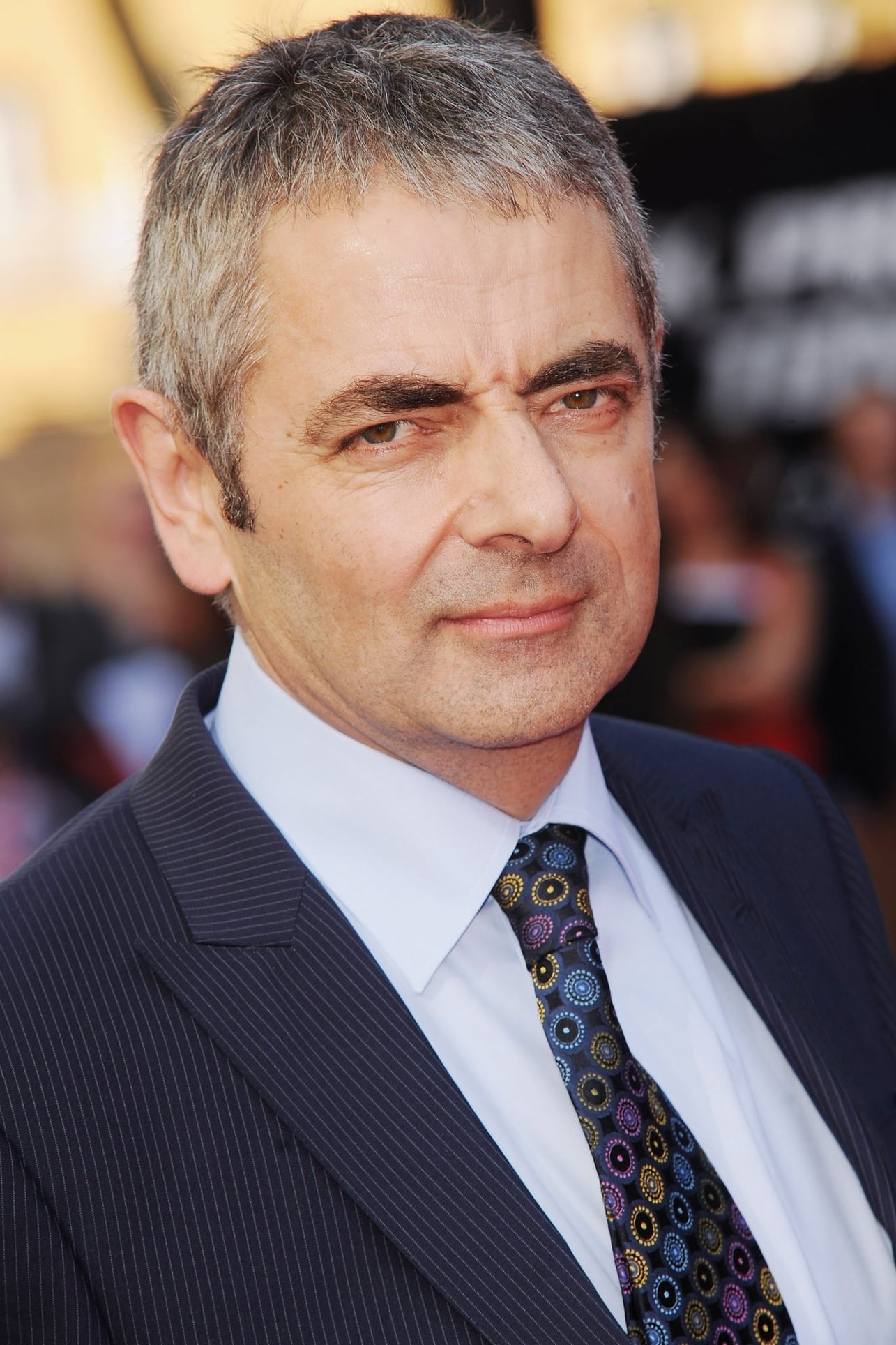
Rowan Atkinson and his family experienced a small plane emergency during a private flight when the pilot lost consciousness. Atkinson kept the aircraft steady until the pilot revived and could land safely.
The incident only became widely known after officials filed reports that matched accounts from those on board. Atkinson rarely discusses it, but the story shows why he and his family keep travel details out of the news where possible.
Share the secrets you think we missed in the comments so readers can compare notes on the most surprising stories.