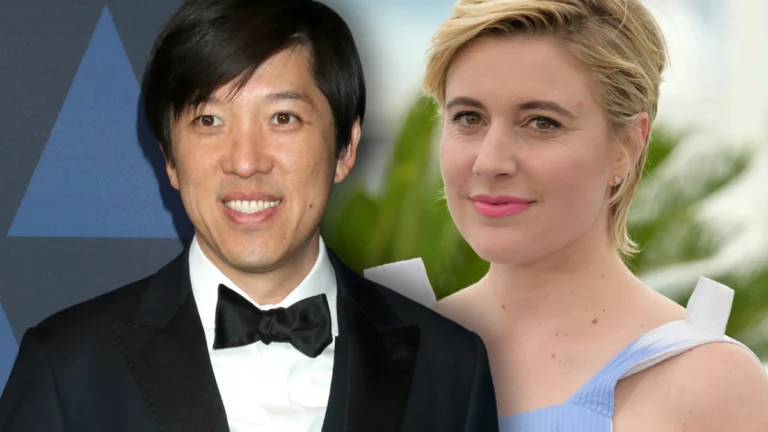
Worst Celebrity Role Models

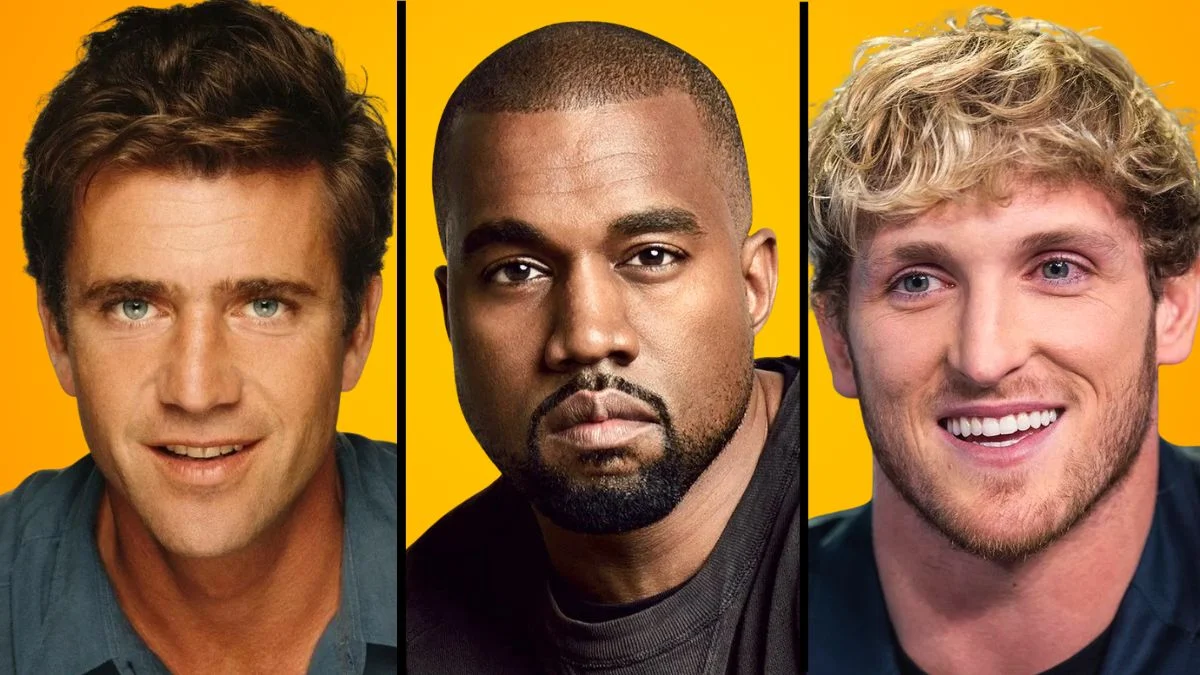

Celebrities often shape trends and values for millions of fans, so their choices matter far beyond a single headline. When public figures cross legal lines or create harm through their words and actions, the fallout can influence young audiences who look to them for cues on what is acceptable. This list focuses on verified incidents, legal outcomes, and professional consequences that made these stars cautionary examples.
Each entry highlights concrete events and documented repercussions such as convictions, civil judgments, suspensions, and lost deals. The goal is to present clear information about what happened and how the industry and courts responded, so readers can understand why these stories are frequently cited when people talk about poor examples in the public eye.
Harvey Weinstein
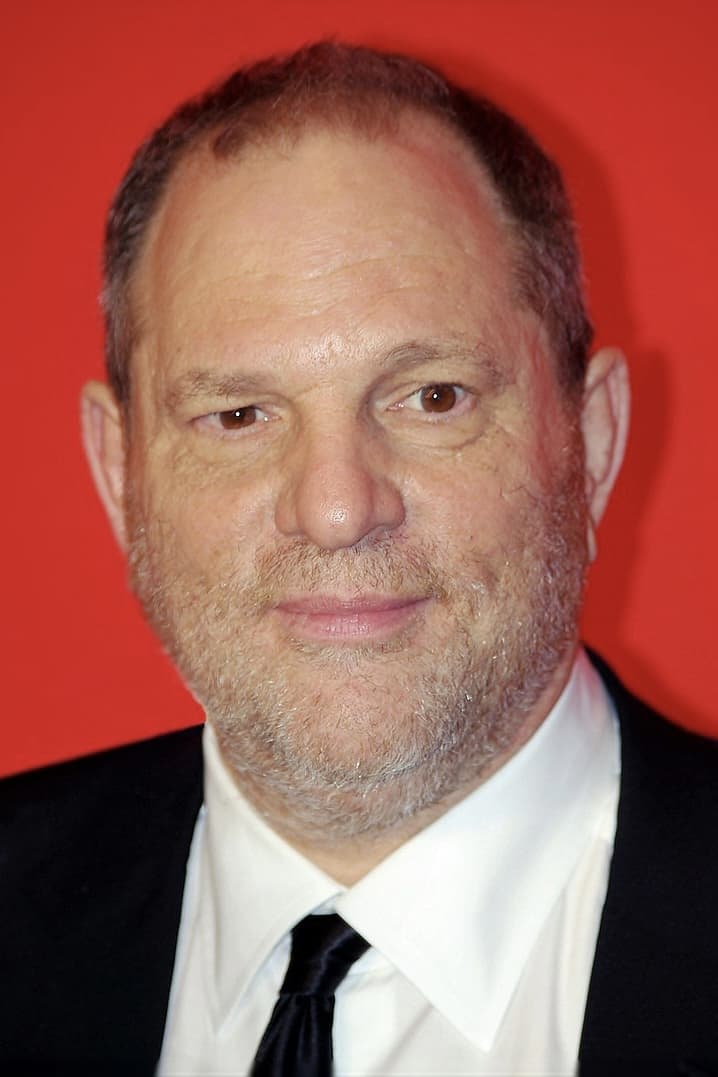
Weinstein faced numerous allegations of sexual abuse that led to criminal prosecutions in multiple jurisdictions. He was convicted of serious sex crimes and received lengthy prison sentences, with separate cases producing additional time behind bars.
The revelations helped catalyze the broader workplace reckoning associated with the MeToo movement. Professional honors were rescinded, his company went bankrupt, and industry groups expelled him as the legal process moved forward.
R. Kelly
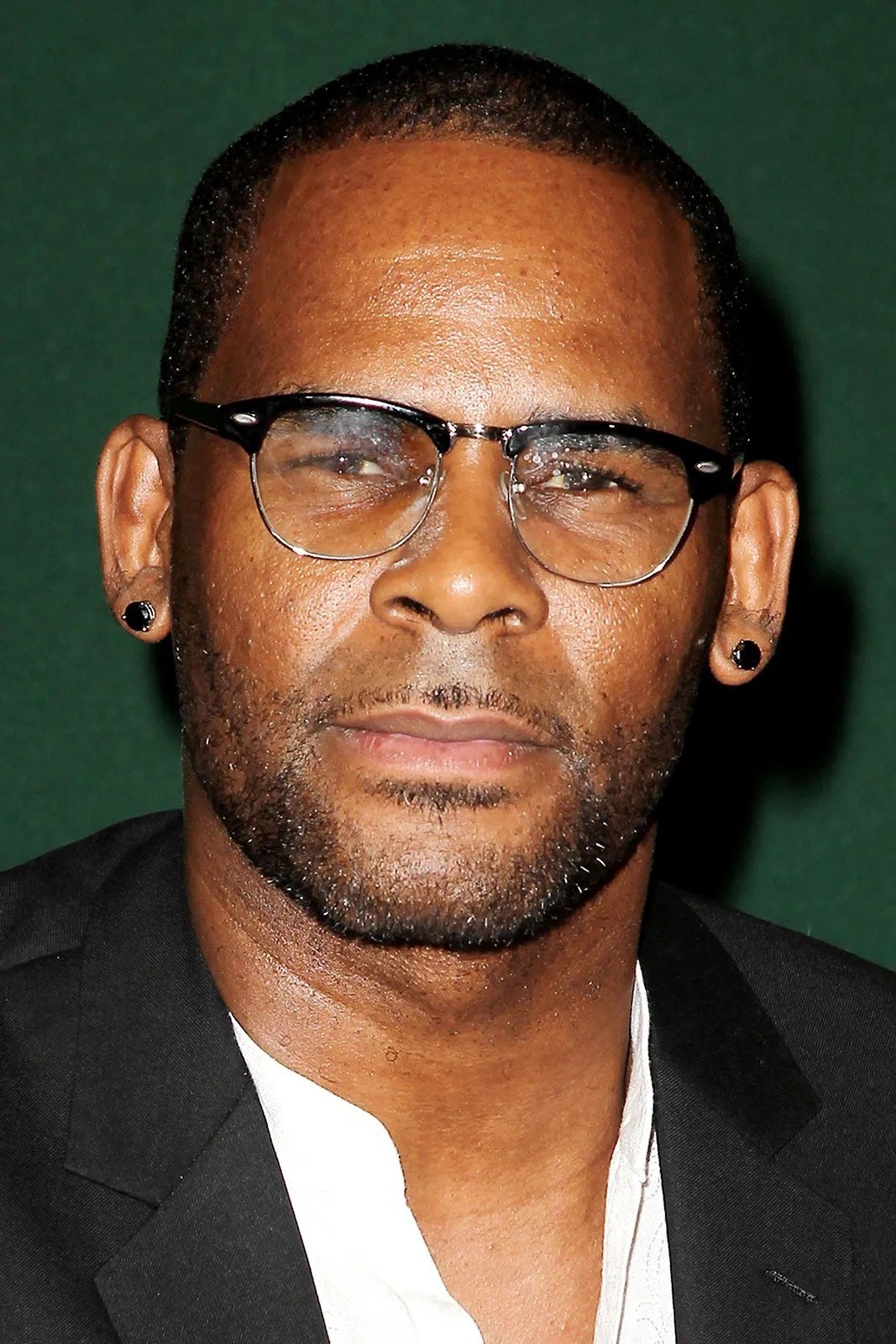
Kelly was convicted in federal court on racketeering and sex trafficking charges after years of accusations involving abuse of minors and coercion. A judge imposed a decades long prison sentence that reflected the scale of the offenses.
A second federal case brought additional penalties. His recordings were pulled from playlists, multiple collaborators severed ties, and financial damages were sought by survivors through civil actions.
O. J. Simpson

Simpson was acquitted of murder in criminal court but was later found liable for wrongful death in a civil trial that awarded significant damages to the victims families. Years later he was convicted in Nevada of robbery and kidnapping related charges and served a lengthy prison term before release.
His commercial endorsements disappeared after the criminal case. The civil judgment remained in place for years, and subsequent legal troubles reinforced why his public image shifted from sports icon to cautionary figure.
Chris Brown
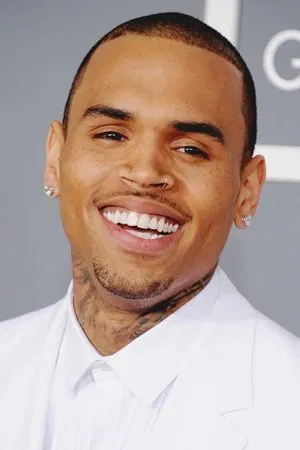
Brown pleaded guilty to felony assault after a widely reported incident involving Rihanna. Court orders required counseling, community labor, and years of probation with additional consequences for violations.
Tour plans and endorsements were disrupted following the case. Travel restrictions and venue backlash affected bookings, and legal issues continued to draw scrutiny long after the original incident.
Mel Gibson
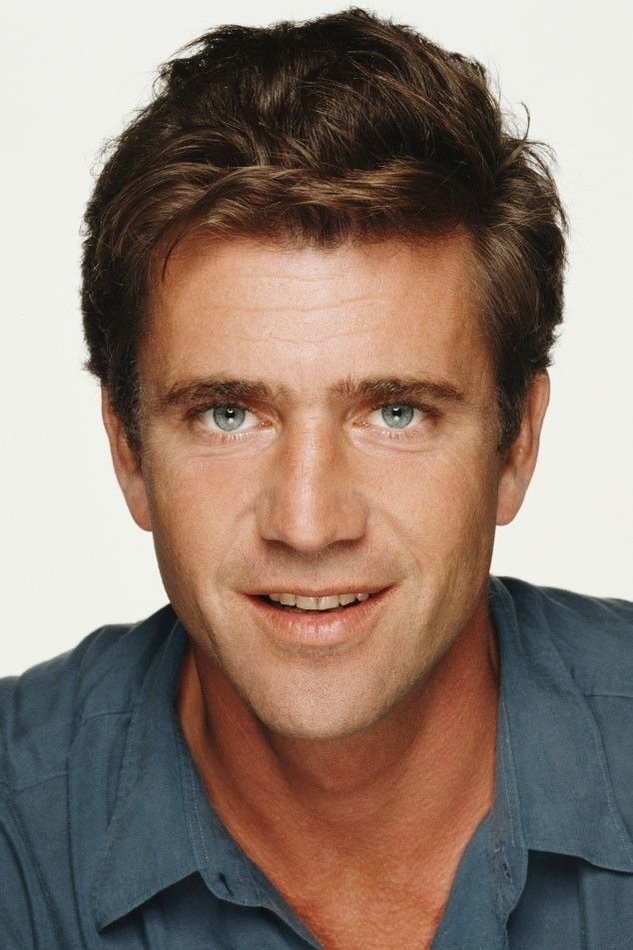
Gibson was arrested for driving under the influence and made antisemitic and misogynistic remarks that were recorded and later publicized. He subsequently entered a plea to misdemeanor battery involving his former partner.
Studios paused projects and talent agencies ended relationships. Over time he returned to some filmmaking work, but the documented incidents remain central to coverage of his career and public reputation.
Ye
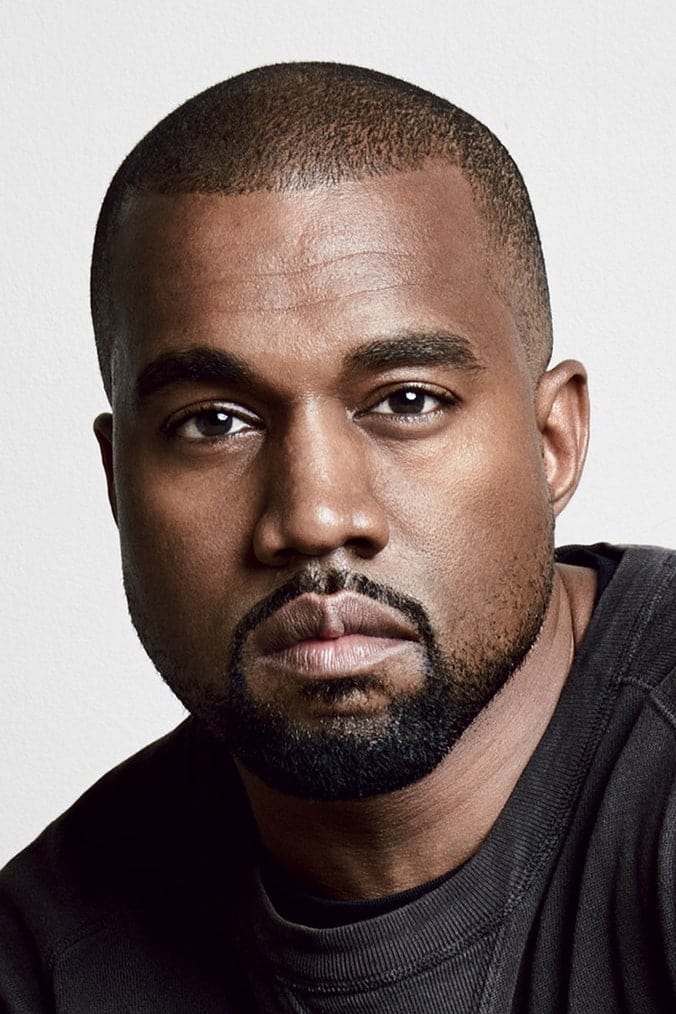
Ye, formerly known as Kanye West, made a series of antisemitic statements in interviews and on social media that led to immediate business consequences. Major partners ended collaborations and retail releases were canceled as the comments drew broad condemnation.
Social media accounts were restricted or suspended at various points. Fashion and music distribution partners publicly detailed their decisions to cut ties, and significant revenue streams were reported as lost following the fallout.
Lance Armstrong
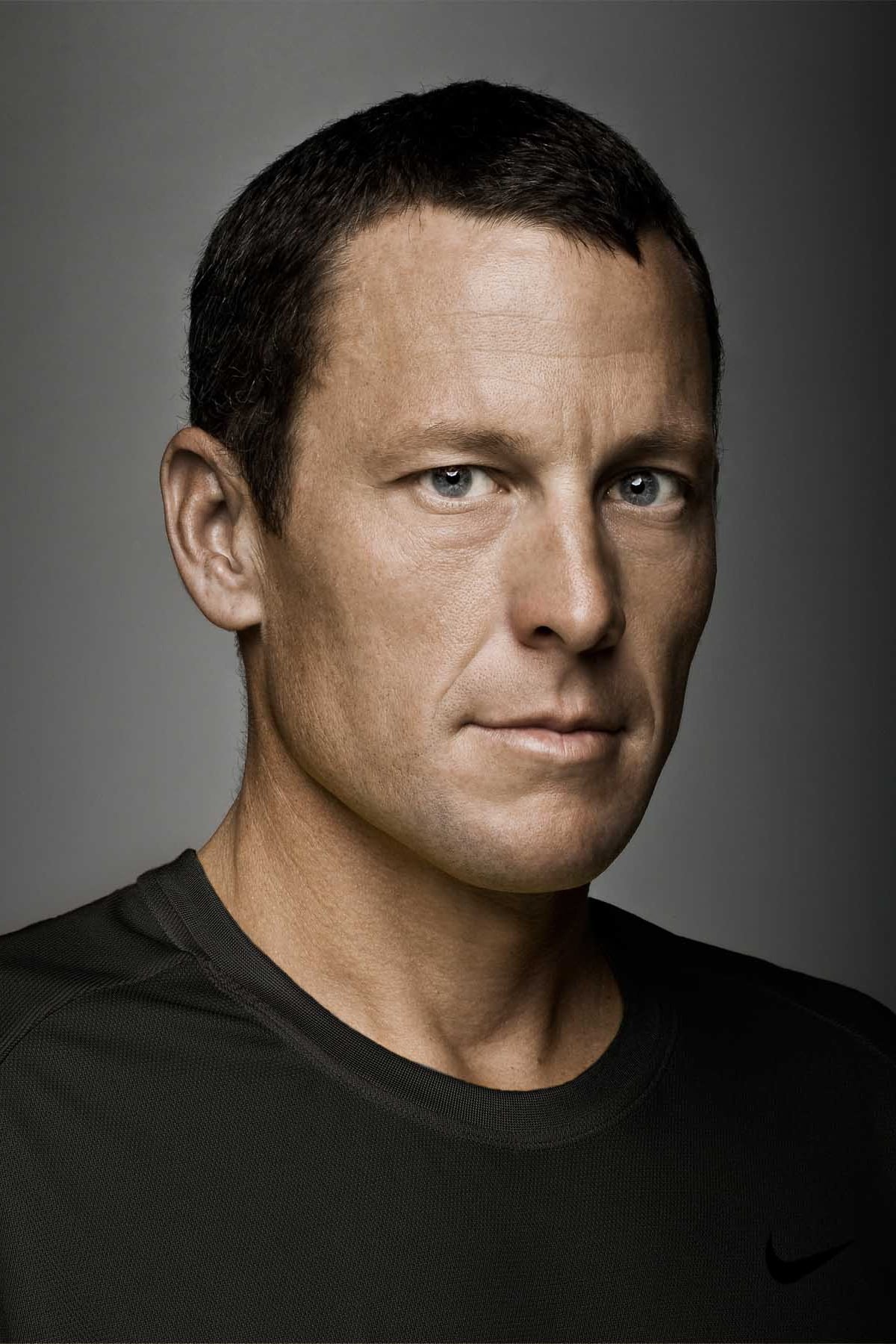
Armstrong was stripped of seven Tour de France titles after the anti doping authority detailed extensive use of banned substances and methods by him and his teams. He admitted to doping in a televised interview on ‘The Oprah Winfrey Show’.
Sponsors canceled contracts and sought repayment of bonuses. A federal whistleblower case led to a multimillion dollar settlement, and his leadership roles in a major cancer charity ended amid the scandal.
Logan Paul
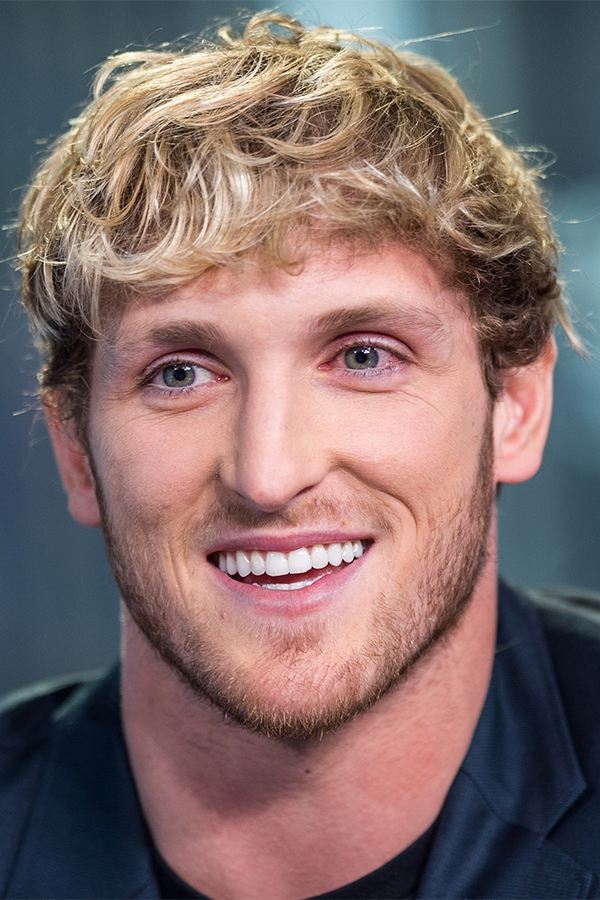
Paul posted a video filmed in Japan that included footage of a deceased person, which drew worldwide condemnation and platform penalties. He removed the video, issued apologies, and faced temporary suspensions and demonetization measures.
He later faced criticism over a cryptocurrency gaming project that prompted complaints from buyers who alleged losses. Public responses included promises of restitution programs and ongoing discussions about creator responsibility and consumer protection.
Jake Paul
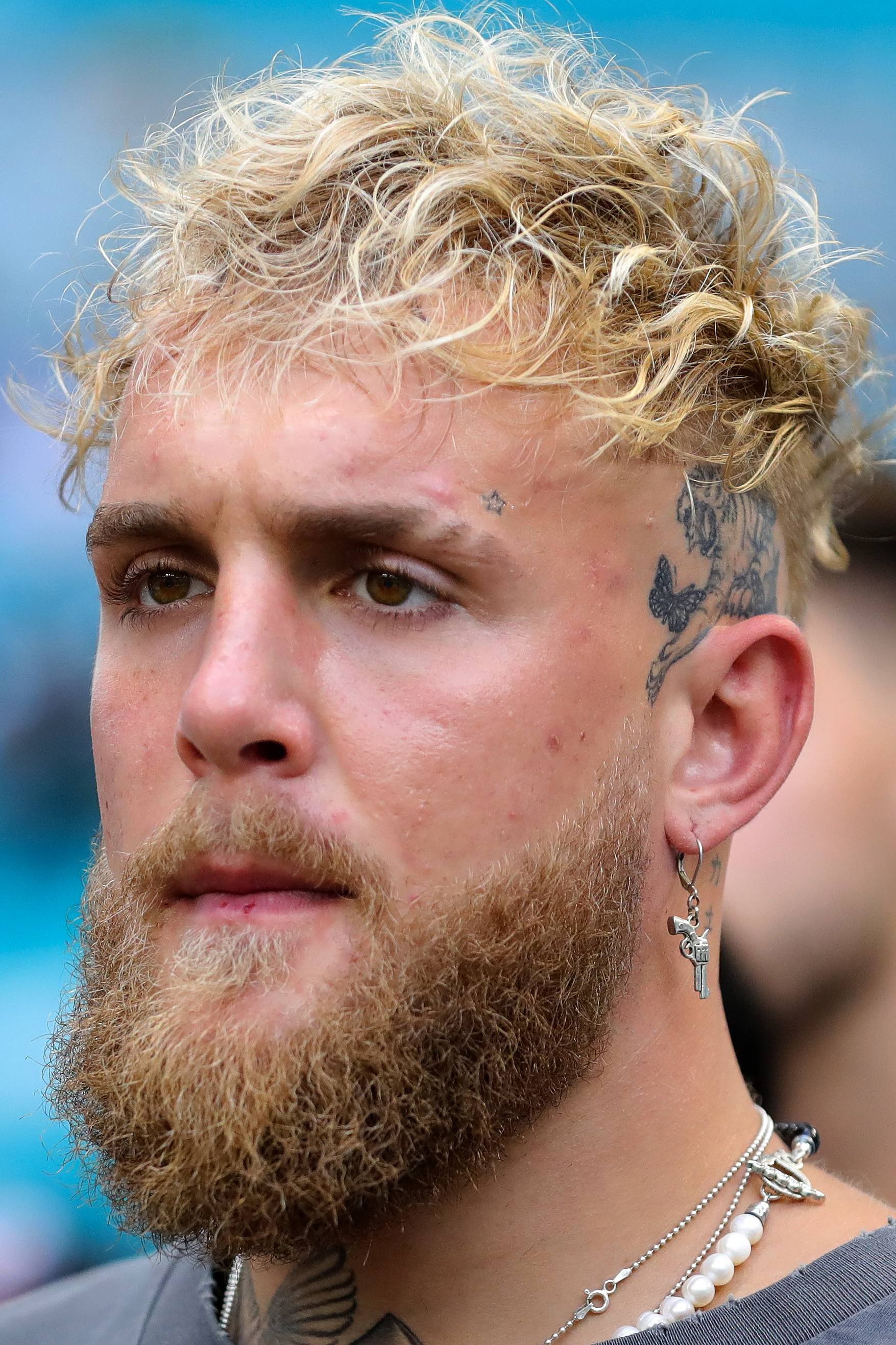
Paul settled charges with securities regulators over undisclosed promotion of a crypto asset, agreeing to pay monetary penalties without admitting or denying the findings. The case was part of a broader enforcement action involving celebrity endorsements of digital tokens.
He also drew law enforcement attention when his residence was searched by federal agents during an investigation linked to a prior incident. His content has repeatedly prompted neighborhood and public safety complaints that brought formal warnings and civil actions.
Lindsay Lohan

Lohan’s legal history includes multiple arrests for driving under the influence along with probation violations that led to short jail stays and mandated treatment. A widely covered theft case involving a necklace ended with a plea to a reduced charge and community service.
Years later she settled charges with securities regulators related to undisclosed promotion of a crypto asset. The settlement included payments and restrictions on future promotions, adding another chapter to a long record of legal troubles.
Paris Hilton
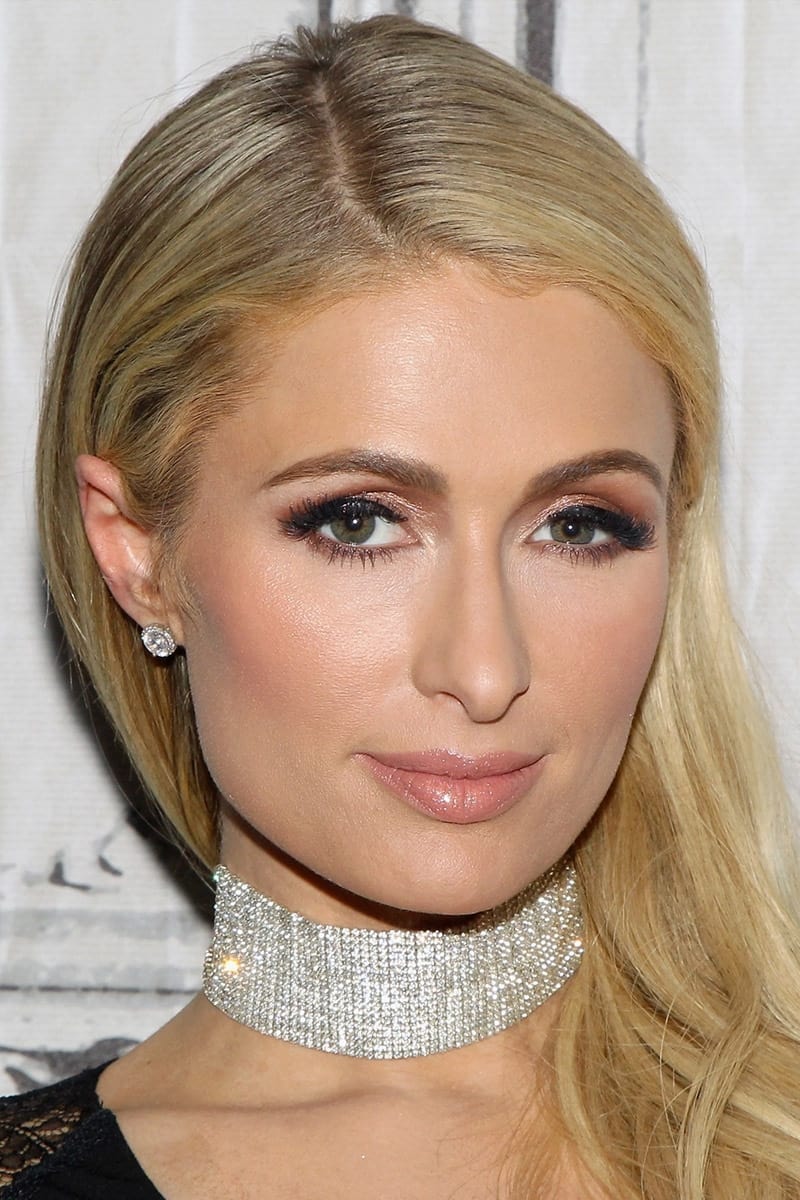
Hilton was arrested for driving under the influence and later jailed for violating probation terms. Court orders included license restrictions and mandated programs that were documented in public records.
The sentence drew extensive media coverage and prompted sponsorship reevaluations. Appearances were canceled and brand partners distanced themselves as the case unfolded and the jail term was carried out.
Justin Bieber
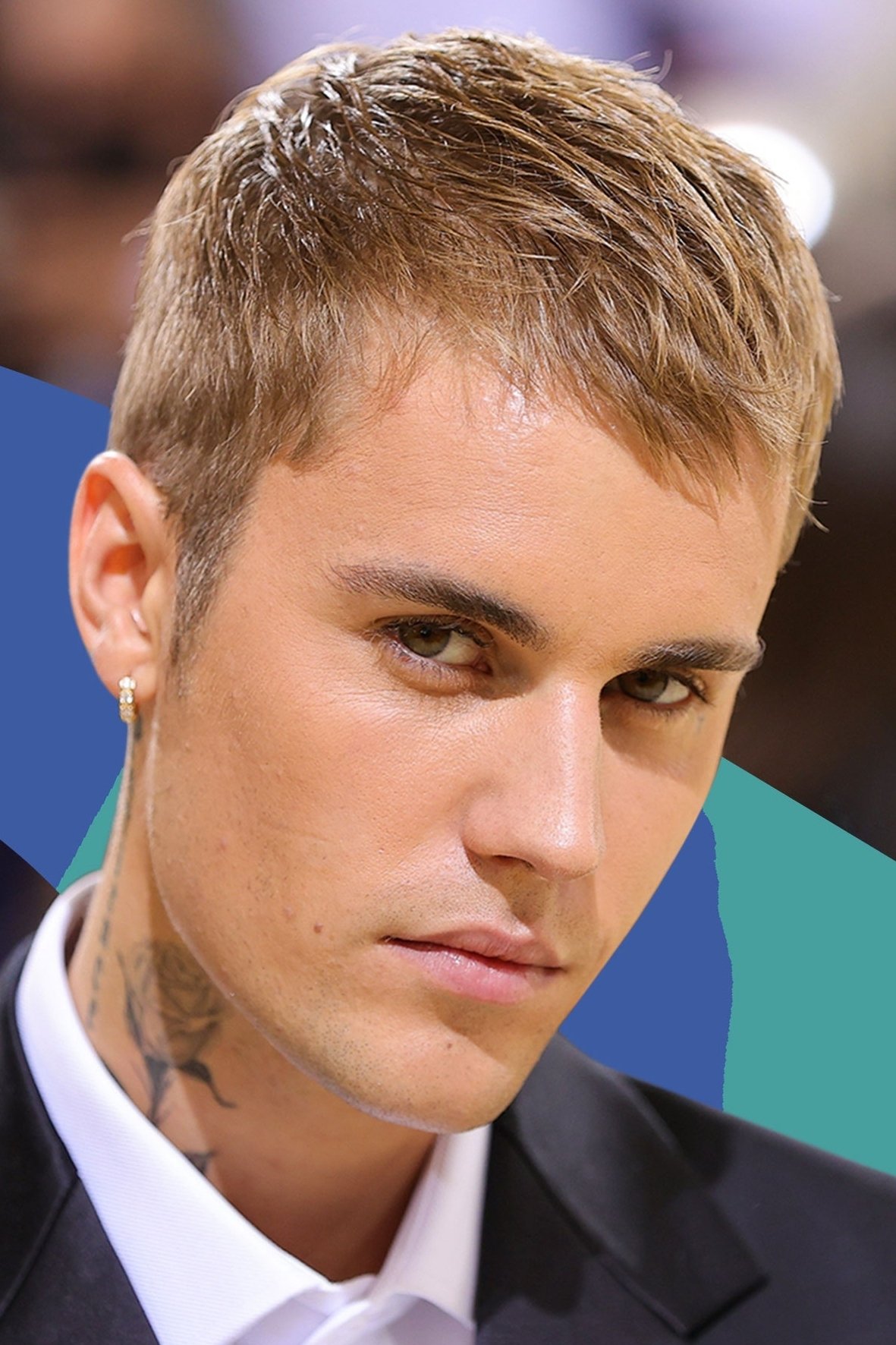
Bieber was arrested for driving under the influence and street racing in Miami, which led to a plea agreement that included classes, fines, and charitable contributions. In a separate case he admitted to vandalism after an egging incident and performed community service.
His troubles also involved temporary detentions and investigations in other countries related to tour conduct and behavior. Travel and performance plans were affected, and legal conditions shaped public statements during that period.
Mike Tyson
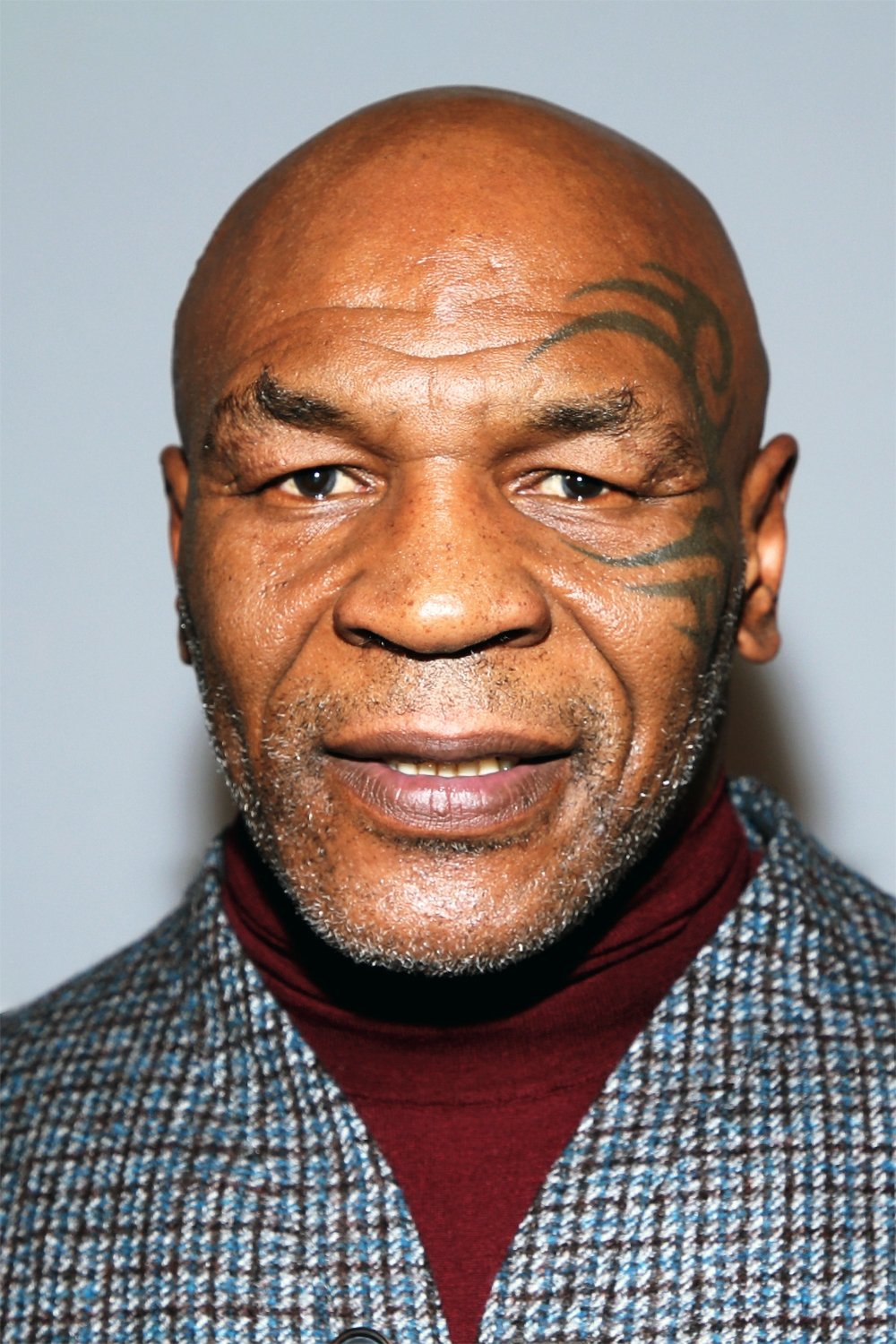
Tyson was convicted of rape in the early 1990s and served several years in prison before returning to boxing. Athletic commissions later imposed fines and suspensions for in ring conduct that included the infamous ear biting incident.
Endorsements vanished after the conviction, and boxing licenses were revoked and reinstated following hearings. His case remains a frequent reference point in conversations about athlete conduct and consequences.
Roman Polanski
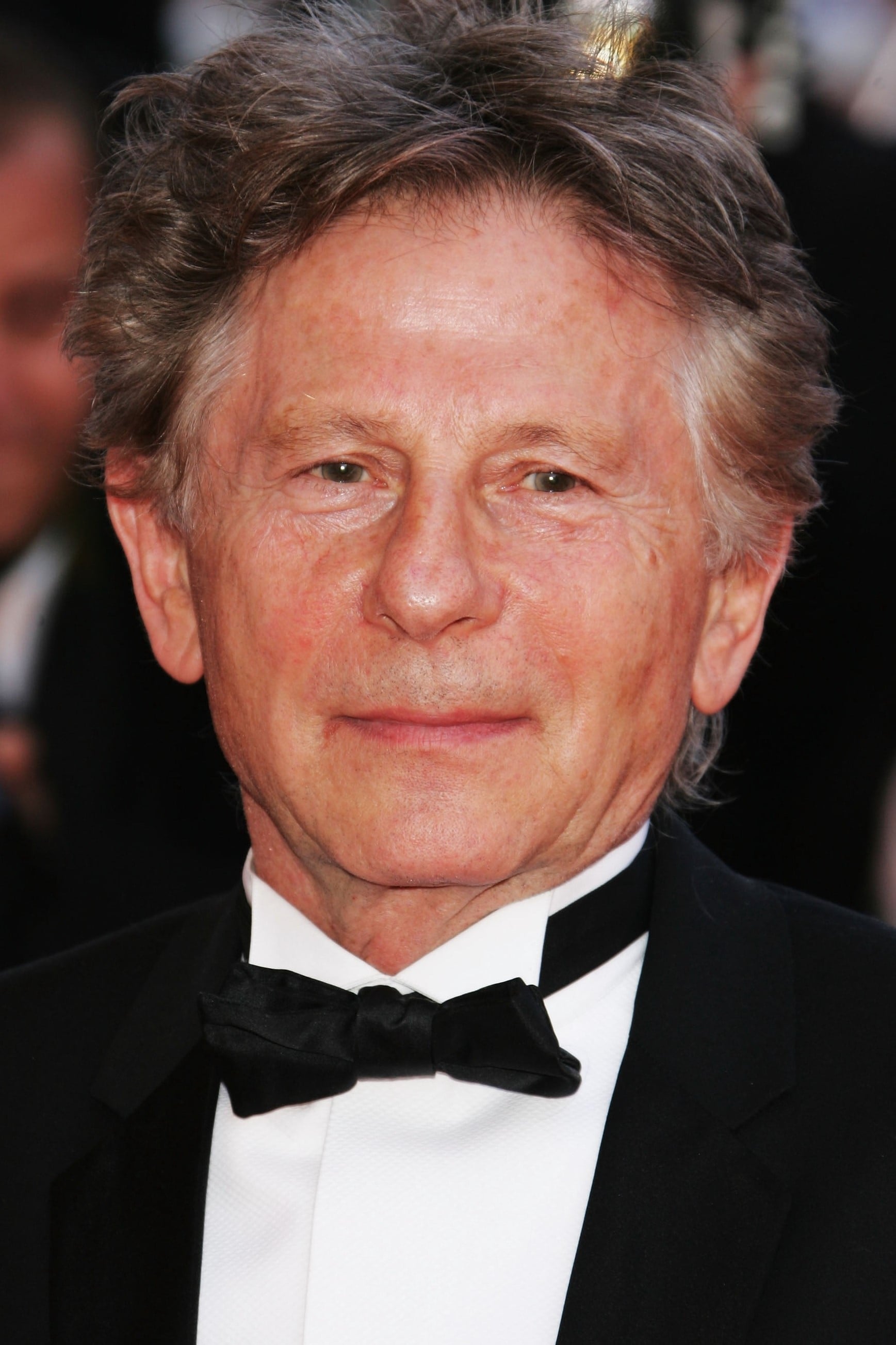
Polanski pleaded guilty to unlawful sexual intercourse with a minor in the United States and fled the country before sentencing. He has lived abroad for decades while remaining a fugitive from U.S. justice.
Courts in Europe have wrestled with extradition requests and travel has triggered periodic detentions. Film academies and festivals have revoked memberships and honors as institutions reassessed his status.
Jared Fogle
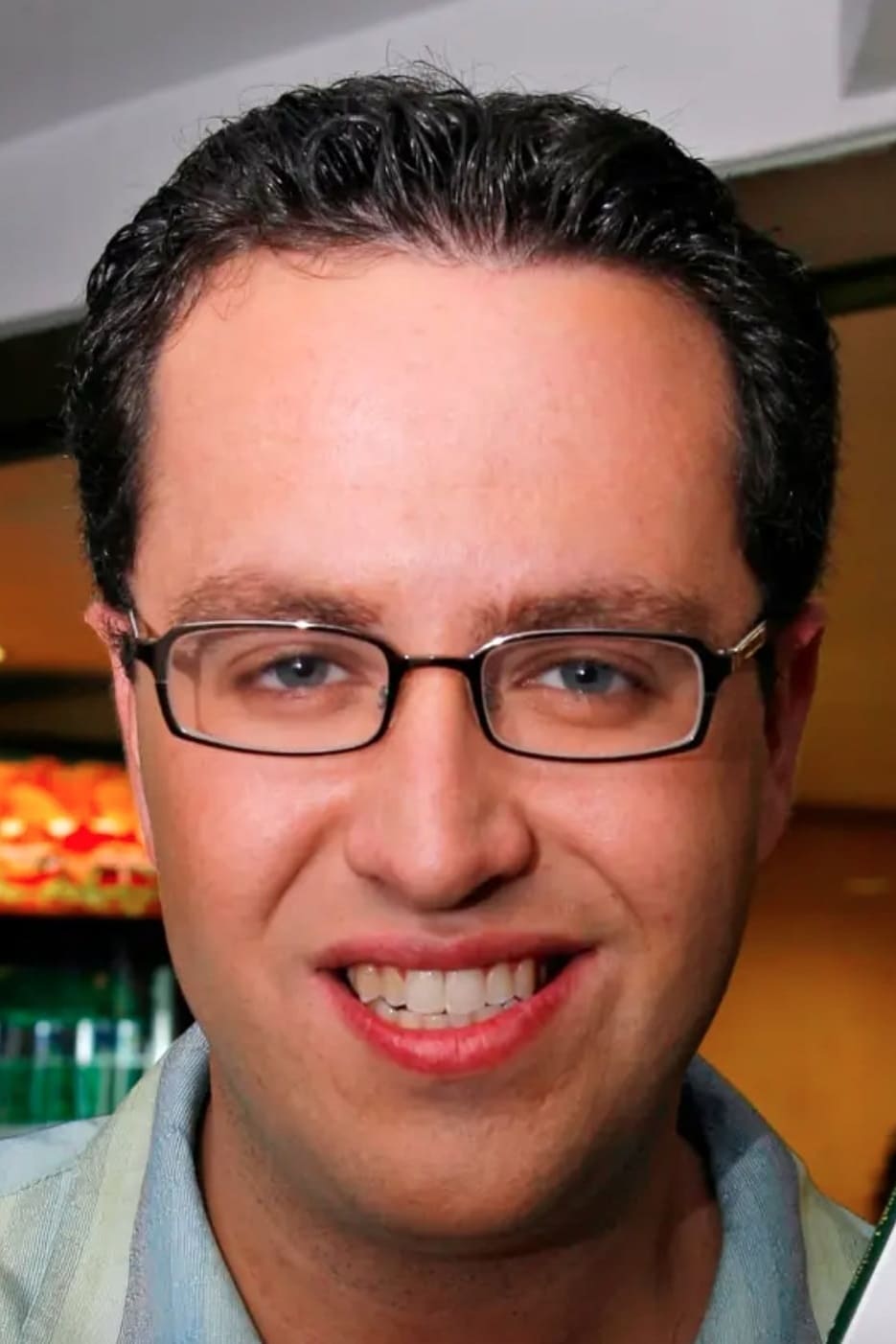
Fogle pleaded guilty to distribution of child sexual abuse materials and crossing state lines to engage in unlawful sexual conduct with a minor. The sentence included many years in federal prison along with hefty fines and restitution.
Contracts were terminated immediately and advertising archives were pulled. Civil suits sought damages for harm, and long term supervised release conditions were set for any future time outside prison.
Phil Spector
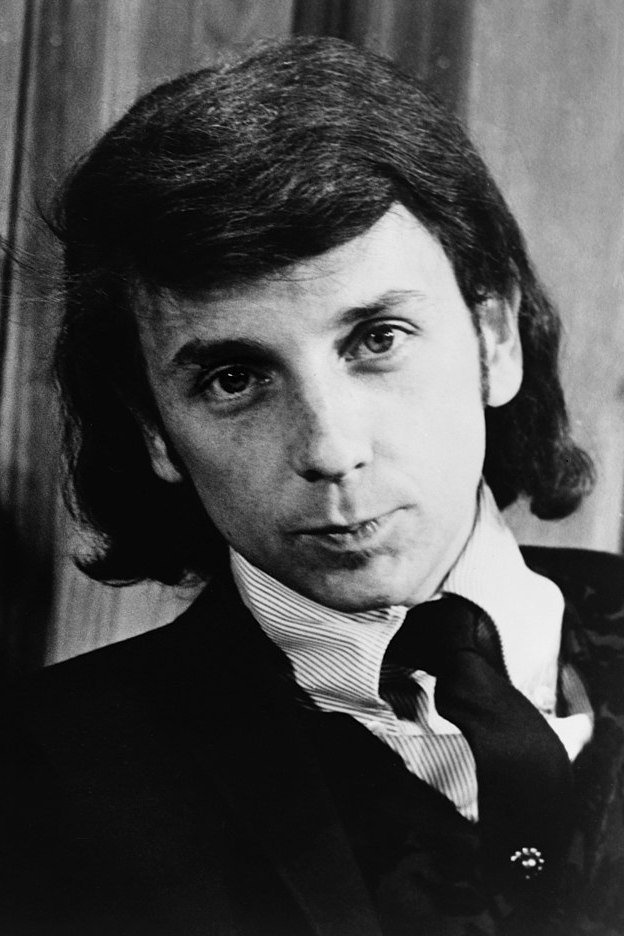
Spector was convicted of second degree murder in the shooting death of Lana Clarkson and received a prison sentence of nineteen years to life. The verdict followed an earlier mistrial and extensive forensic testimony.
His case led to the removal of industry recognition and a reevaluation of his legacy in music history. Estate and rights issues continued after his death, but the conviction remains the defining fact of his public record.
Bill Cosby
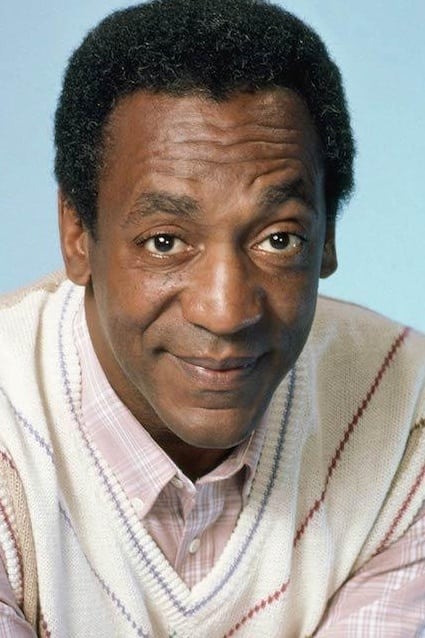
Cosby was convicted of aggravated indecent assault and sentenced to prison, a conviction that was later overturned by the state’s highest court because of due process issues in how the case was handled. He still faced numerous civil suits, and a jury found him liable in a separate civil case involving sexual battery.
Colleges rescinded honorary degrees, organizations expelled him, and syndication deals were halted. The entertainment industry severed ties, and litigation has continued to shape the discussion of his career.
Tekashi 6ix9ine
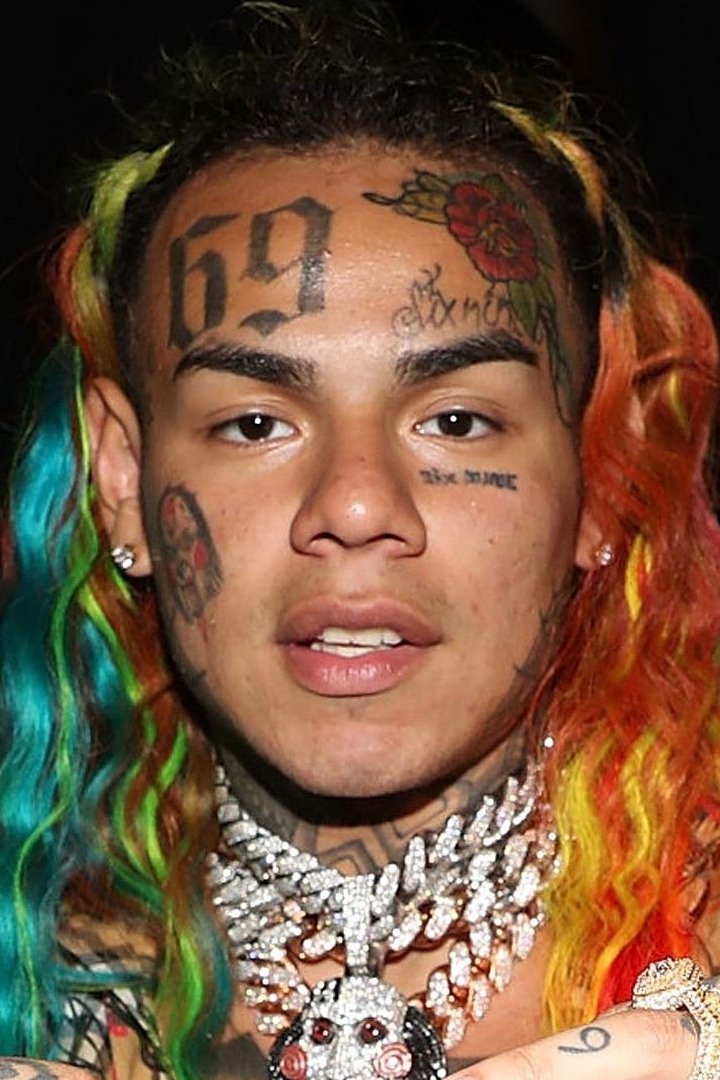
The rapper pleaded guilty to racketeering and firearms offenses as part of a federal gang case that included cooperation with prosecutors. Sentencing credited time in custody and set supervised release conditions.
Venue policies and security requirements changed around his shows due to the documented gang ties in the case record. Ongoing legal incidents kept attention on compliance with court orders and travel restrictions.
Charlie Sheen
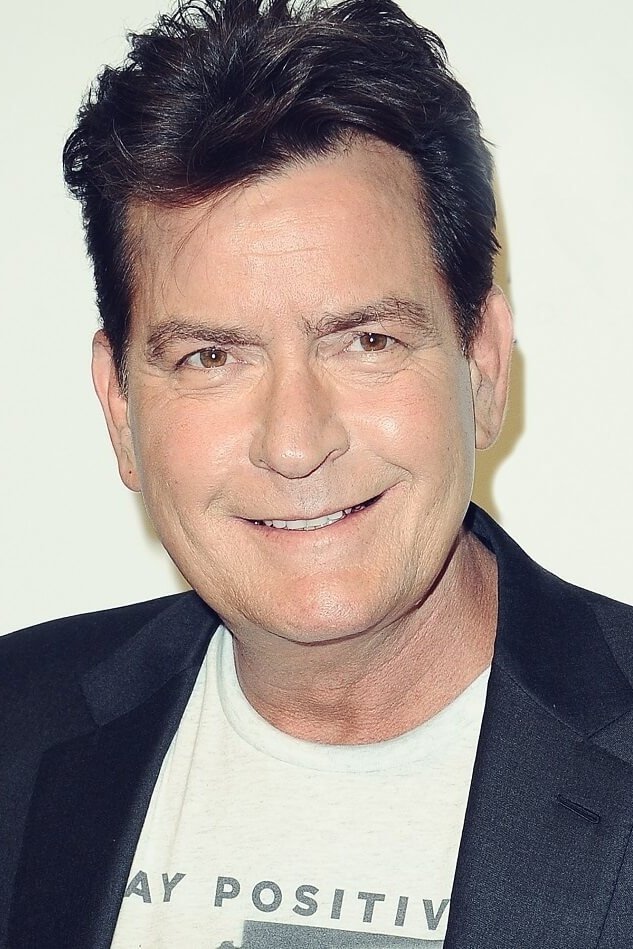
Sheen’s public meltdown included repeated work stoppages, arrests related to domestic disputes, and admissions of heavy substance use. The production company for ‘Two and a Half Men’ terminated his contract after a series of disruptive incidents.
Civil settlements and protective orders followed several cases. Insurance and studio risk assessments shaped casting decisions and narrowed opportunities until he addressed legal obligations and treatment plans.
Tory Lanez
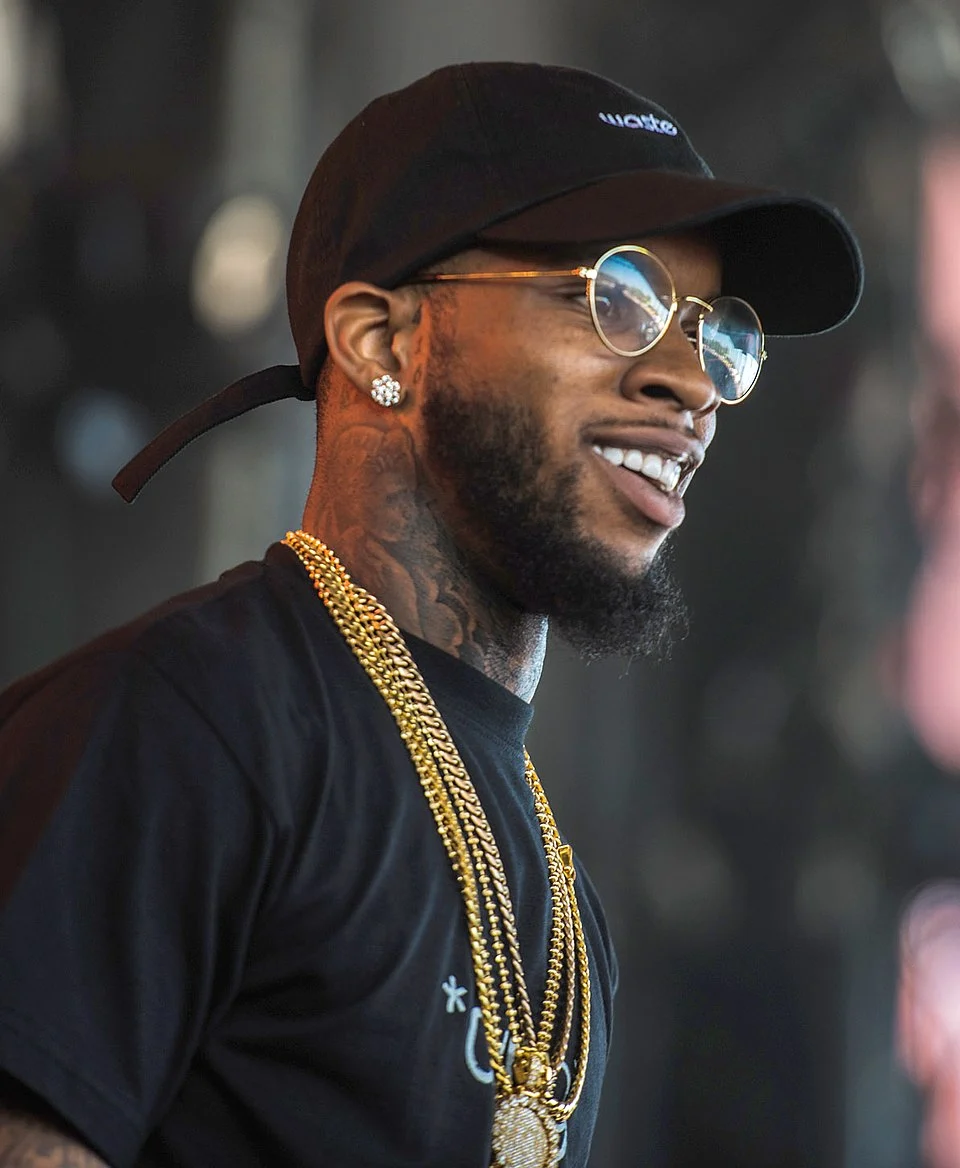
Lanez was convicted for the shooting of Megan Thee Stallion after a trial that examined forensic evidence and eyewitness accounts. The sentence imposed multiple years in state prison along with post release supervision.
The case impacted touring and collaborations as promoters and artists canceled plans. Appeals and post conviction motions were filed, but the core conviction stands in the public record that governs future work and travel.
Share your thoughts in the comments and tell us which cases you think most clearly show why public actions can make or break a role model.