Best Anime Prequels, Ranked

Prequels can fill in the pieces that make a world feel complete. They show how key relationships started, why certain conflicts exist, and what events pushed characters toward the choices they make later. When they are done well, they add context that changes how the original story reads without asking the audience to relearn everything from scratch.
This list gathers anime films, series, and OVAs that arrive before a main story while staying tied to its canon or established continuity. Each entry explains where it fits, what ground it covers, and how it connects to the work that follows. You will find character origins, foundational battles, and earlier incidents that set the tone for the stories people already know.
‘Eureka Seven Hi-Evolution 1’ (2017)
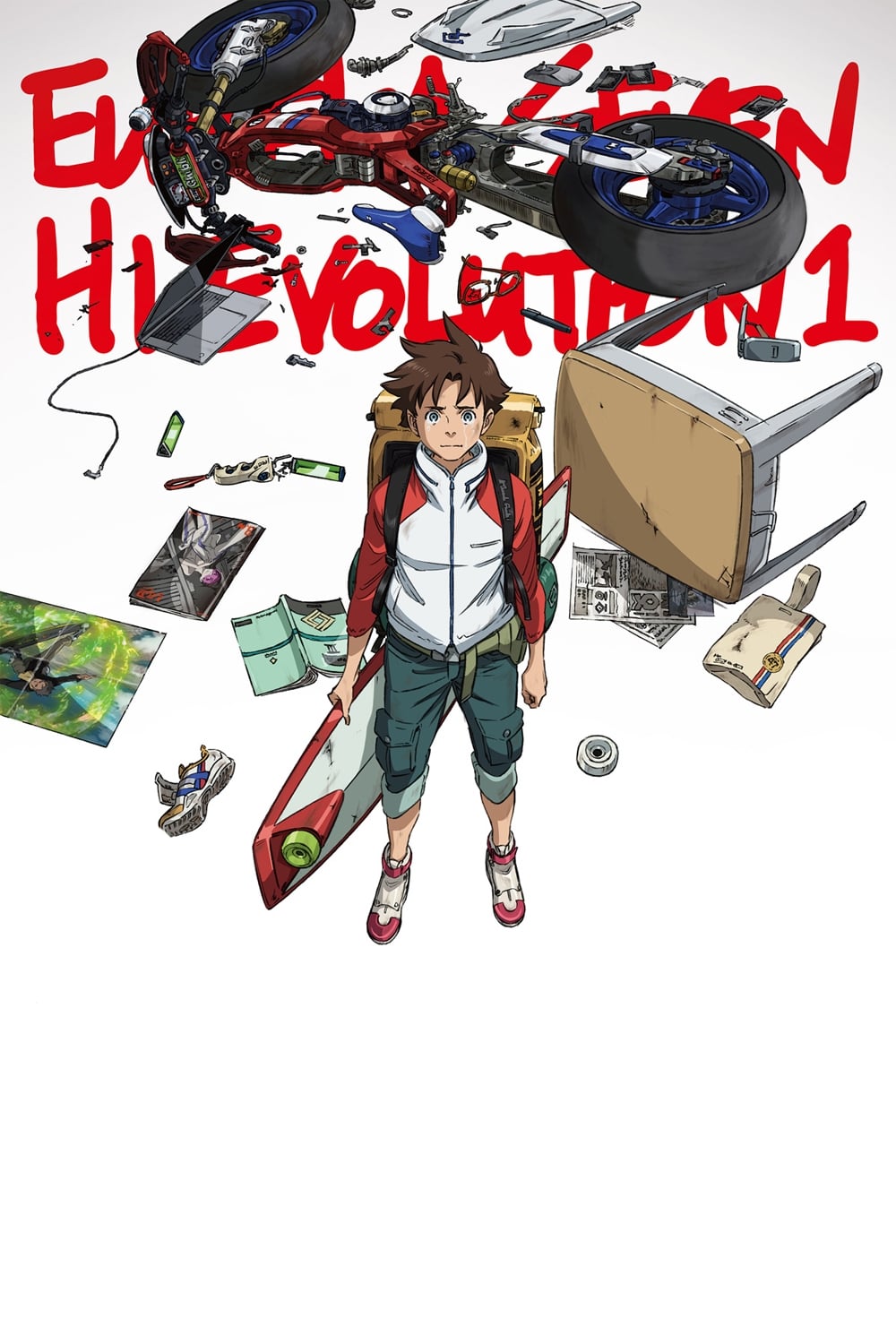
This film explores the First Summer of Love event that sits at the heart of the setting in ‘Eureka Seven’. It gives on-screen form to a backstory that the original series referenced through dialogue and fragments. Audiences see early versions of characters and the chain of incidents that shaped the world’s politics and technology.
The release opened a trilogy that reimagines parts of the timeline and expands material that had not been animated. Its placement lets viewers understand why the world looks the way it does when ‘Eureka Seven’ begins and clarifies the origins of the conflict over the Scub Coral.
‘One Piece Film: Strong World Episode 0’ (2009)
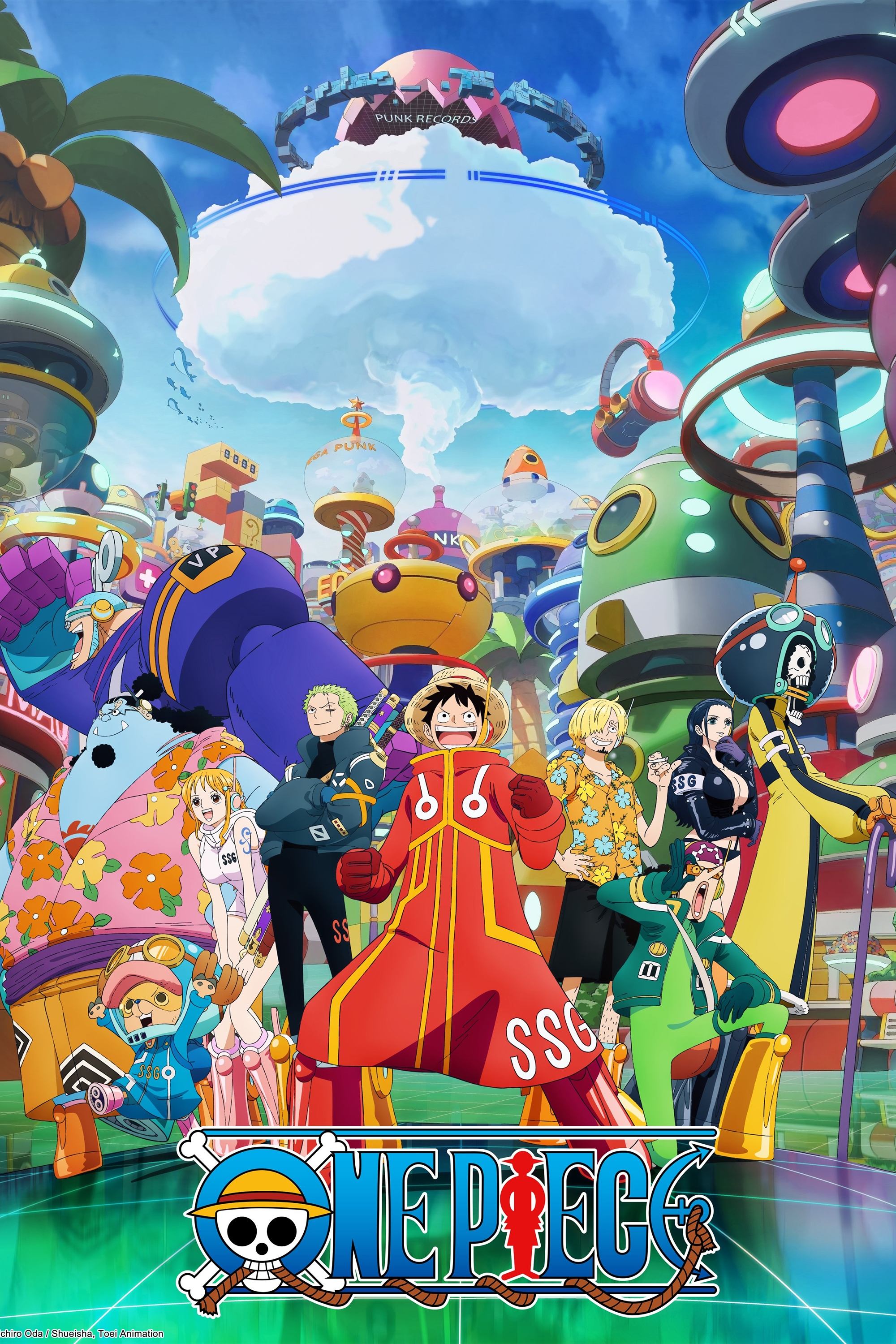
This animated special adapts the short manga chapter that details Gol D Roger’s era and the rise of Shiki the Golden Lion before the events of ‘One Piece’. It focuses on the balance of power that existed among pirates and the navy in an earlier generation. The story provides a clear bridge to the film ‘One Piece Film Strong World’.
By showing the older cast in action and connecting them to locations and incidents later referenced, it anchors the main series in a specific historical context. Fans get dates and incidents that are often discussed by characters in the present timeline, which helps explain reputations and rivalries.
‘Given: Uragawa no Sonzai’ (2021)
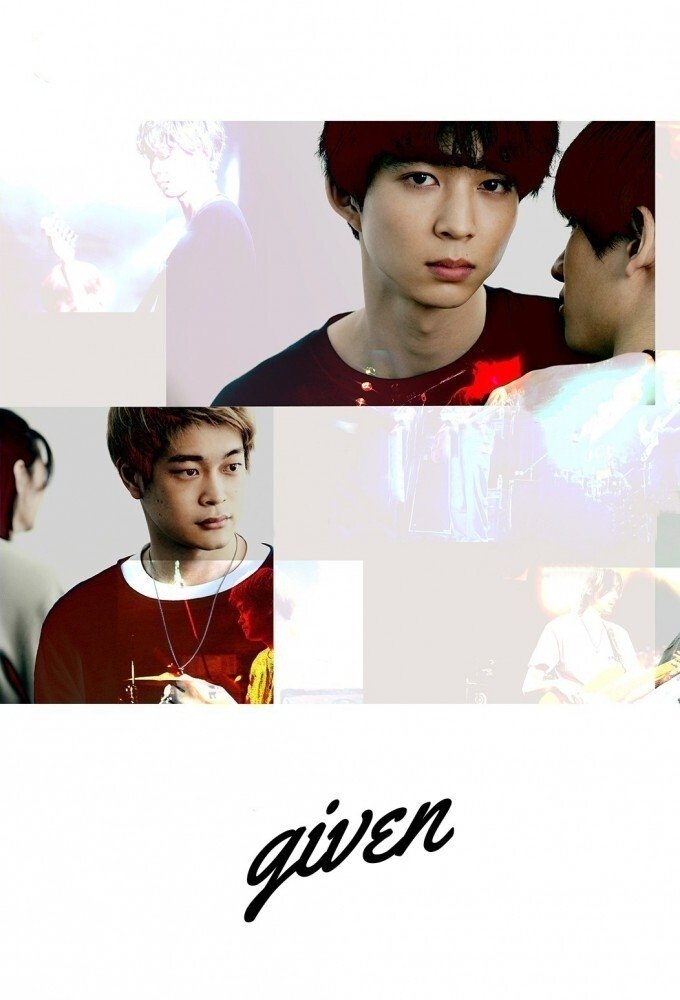
This OVA tells events that precede ‘Given The Movie’ and fills in time between moments in the television series. The focus is on Akihiko and Haruki, with scenes that show the state of their band and relationships before the next major performance. It documents conversations and choices that the film references but does not fully depict.
Because it addresses emotional and logistical details around music practice, school life, and gigs, it provides continuity for viewers moving from the series to the film. The short format delivers missing context so the next story beats land with clear motivation.
‘The Irregular at Magic High School: Reminiscence Arc’ (2021)
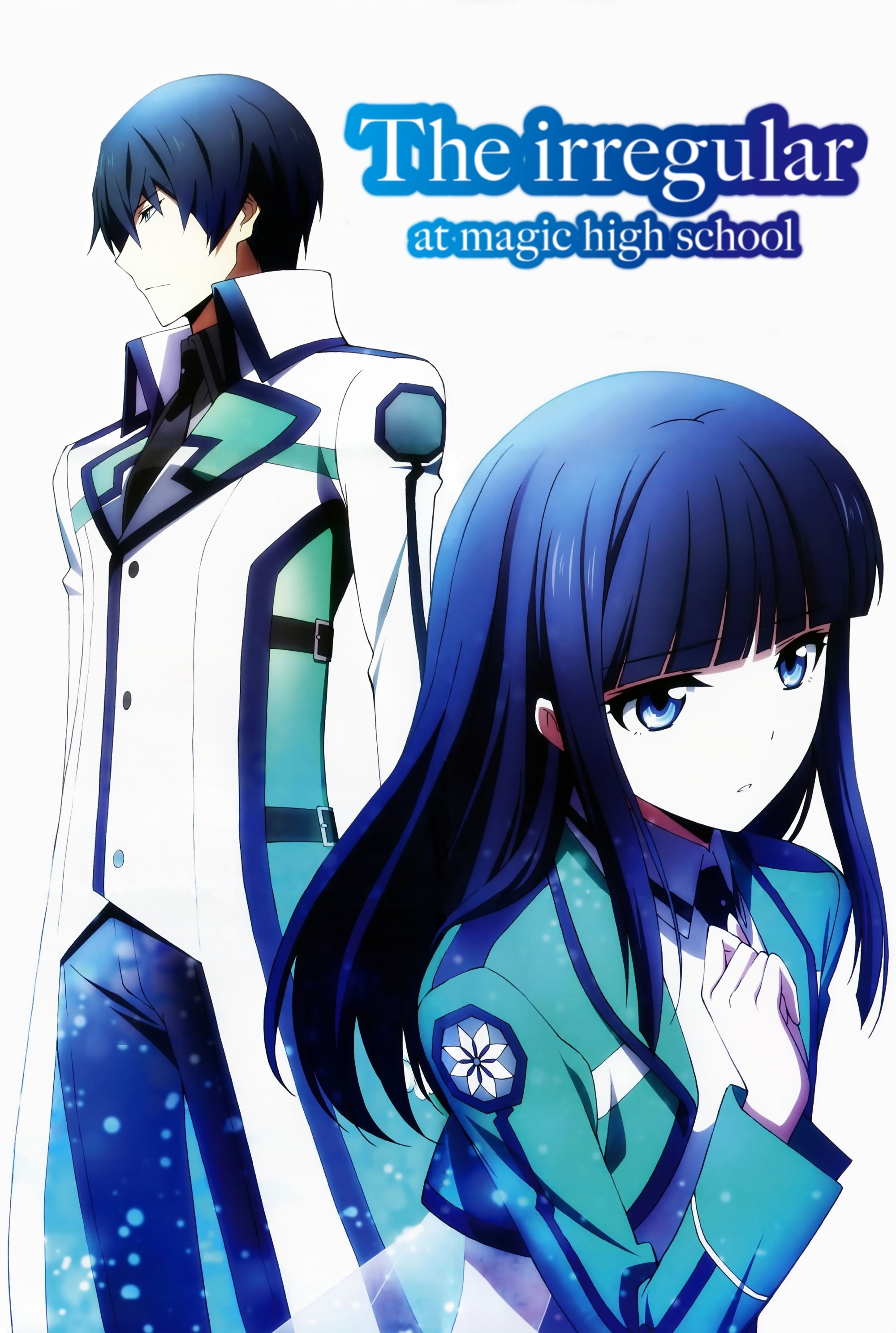
This television special adapts the Reminiscence Arc from the light novels and shows Tatsuya and Miyuki’s earlier family life. It covers their move to Okinawa, the security situation around them, and the incident that reshaped how they interact. The arc answers questions that the main series raises about restrictions and duties placed on both siblings.
The special explains the origin of Tatsuya’s role and clarifies why Miyuki treats him with such trust in later seasons. Viewers get a direct account of the event that defines their dynamic, which makes their behavior in the main timeline easier to follow.
‘K: Seven Stories Movie 1 – R:B – Blaze’ (2018)
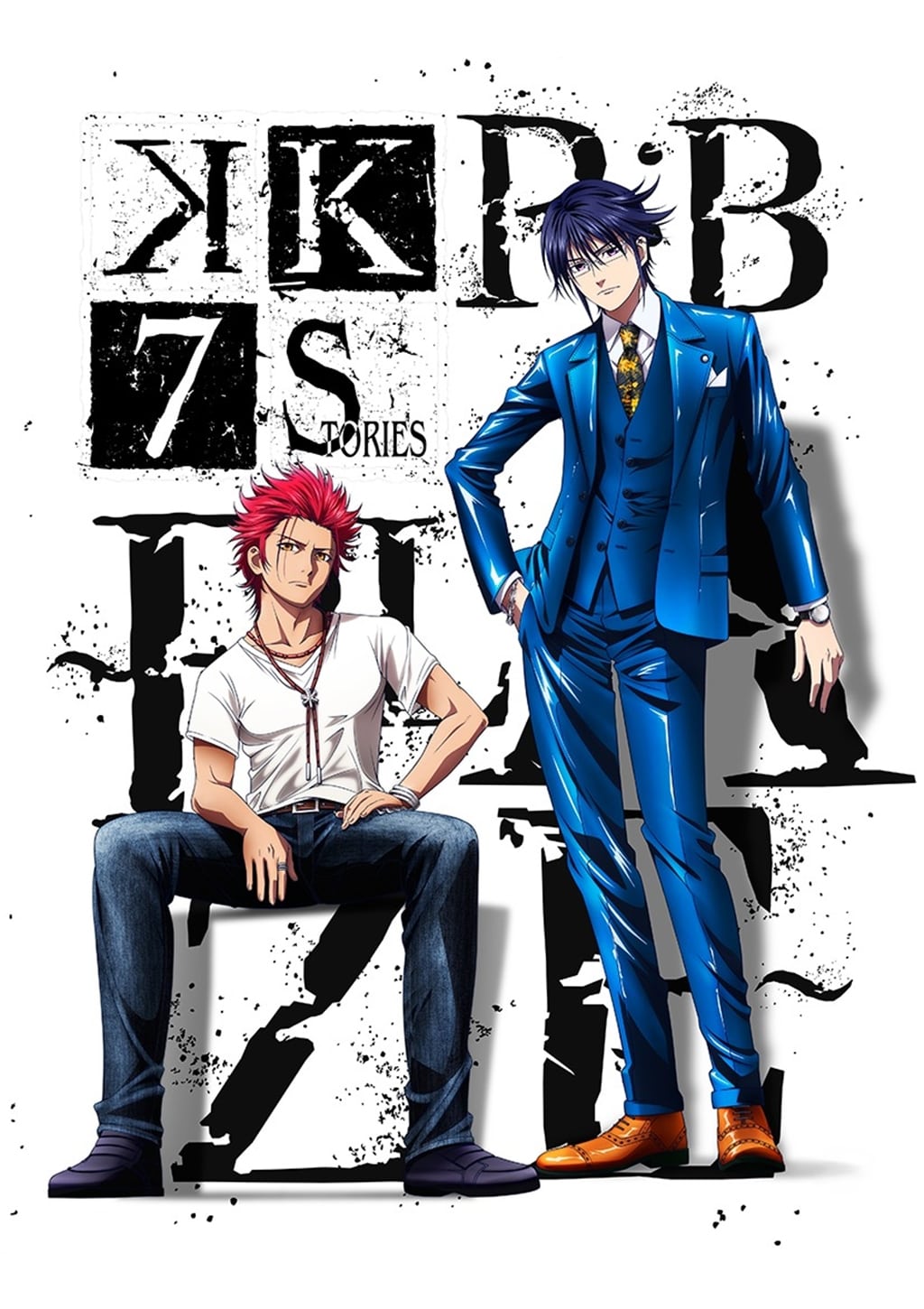
This anthology film entry traces the beginnings of Homra and its Red King before the timeline of the ‘K’ television series. It shows how the group formed, how core members met, and why specific codes matter to them. The film also maps the early use of red power and how that energy affects the city.
By documenting the founding period of a major clan, it sets up conflicts that spill into the first season and beyond. Locations, symbols, and call signs that appear later get their meaning here, which tightens the continuity of the franchise.
‘Re:ZERO -Starting Life in Another World- The Frozen Bond’ (2019)
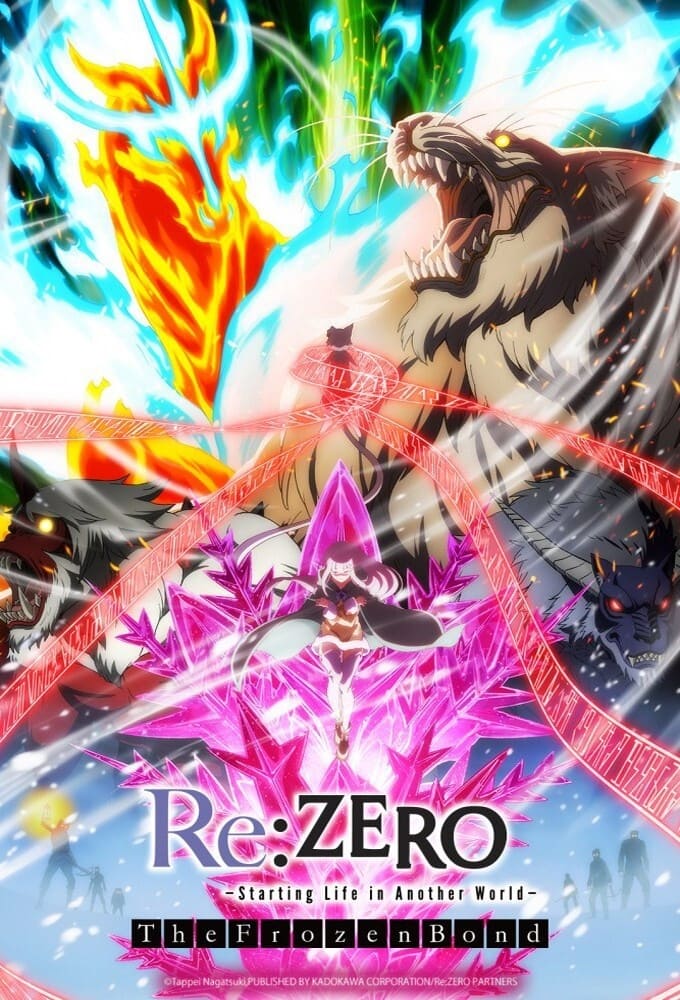
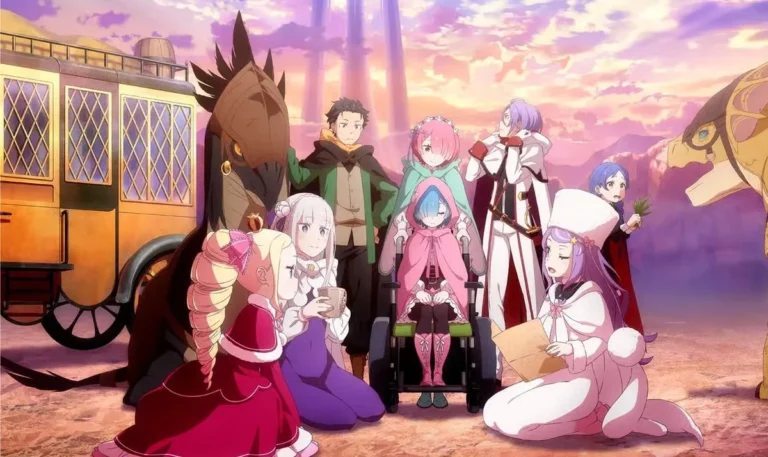
This OVA adapts the prequel novella centered on Emilia and Puck, focusing on the events before Emilia meets Subaru. It follows her daily life in the forest, her responsibilities to nearby villagers, and the circumstances that test her magic. The story outlines how her contract with Puck functions under pressure.
The episode clarifies Emilia’s reputation and the suspicion she faces when she enters the royal selection. It shows the practical limits of her magic and the decisions she makes to protect others, which explains her posture in the earliest episodes of ‘Re Zero’.
‘Ghost in the Shell Arise’ (2013–2014)
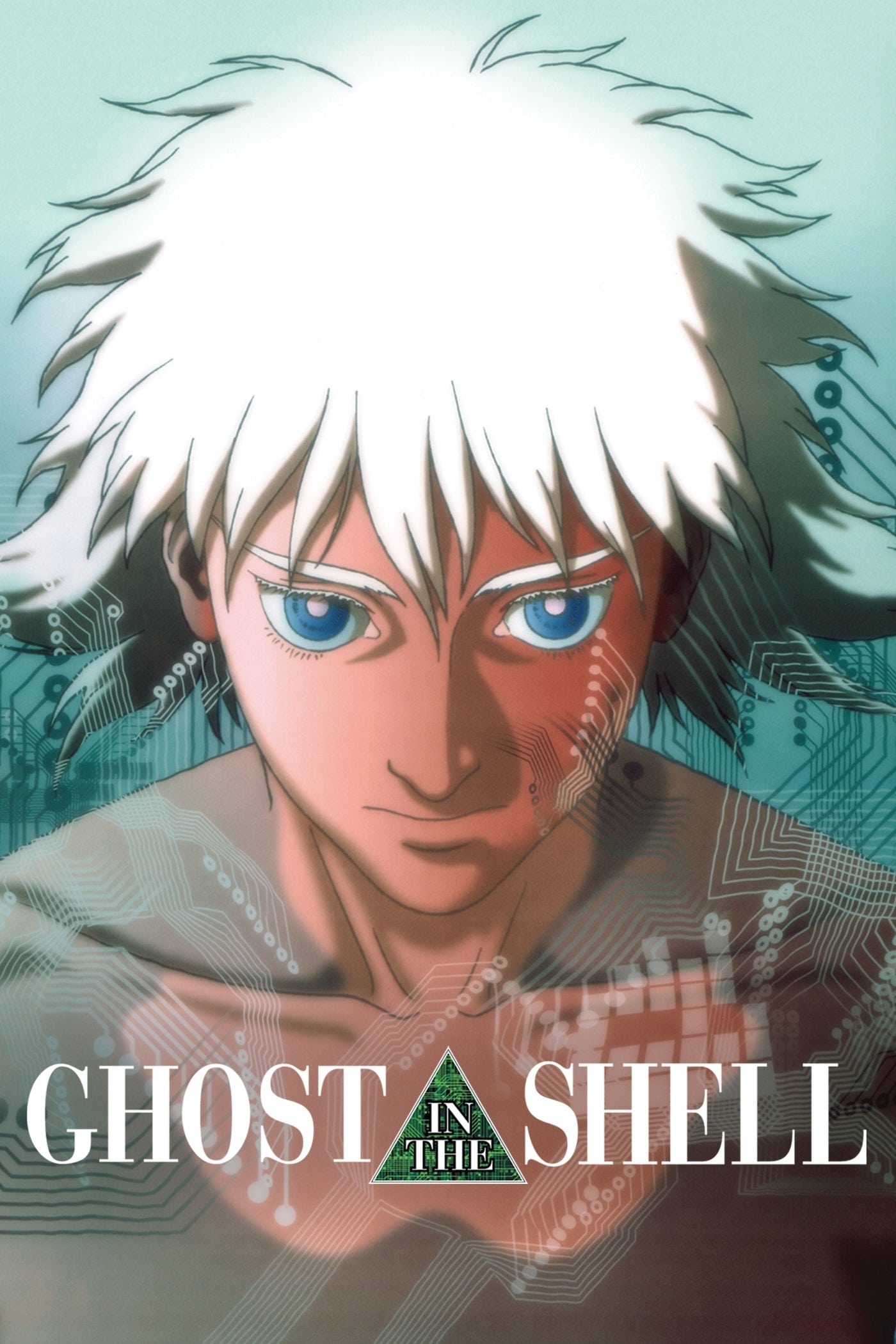
This OVA series presents an earlier stage of Motoko Kusanagi’s career and the formation of Public Security Section 9 before ‘Ghost in the Shell’ as most viewers know it. It covers the origins of key team members and the initial strategies they use against cybercrime. The story also examines Motoko’s body, hardware, and independence at the start of her career.
The narrative provides fresh versions of major cases and shows how procedures and alliances came together. It sets up tools, protocols, and relationships that viewers later see as already established in other ‘Ghost in the Shell’ entries.
‘Lupin the 3rd The Woman Called Fujiko Mine’ (2012)
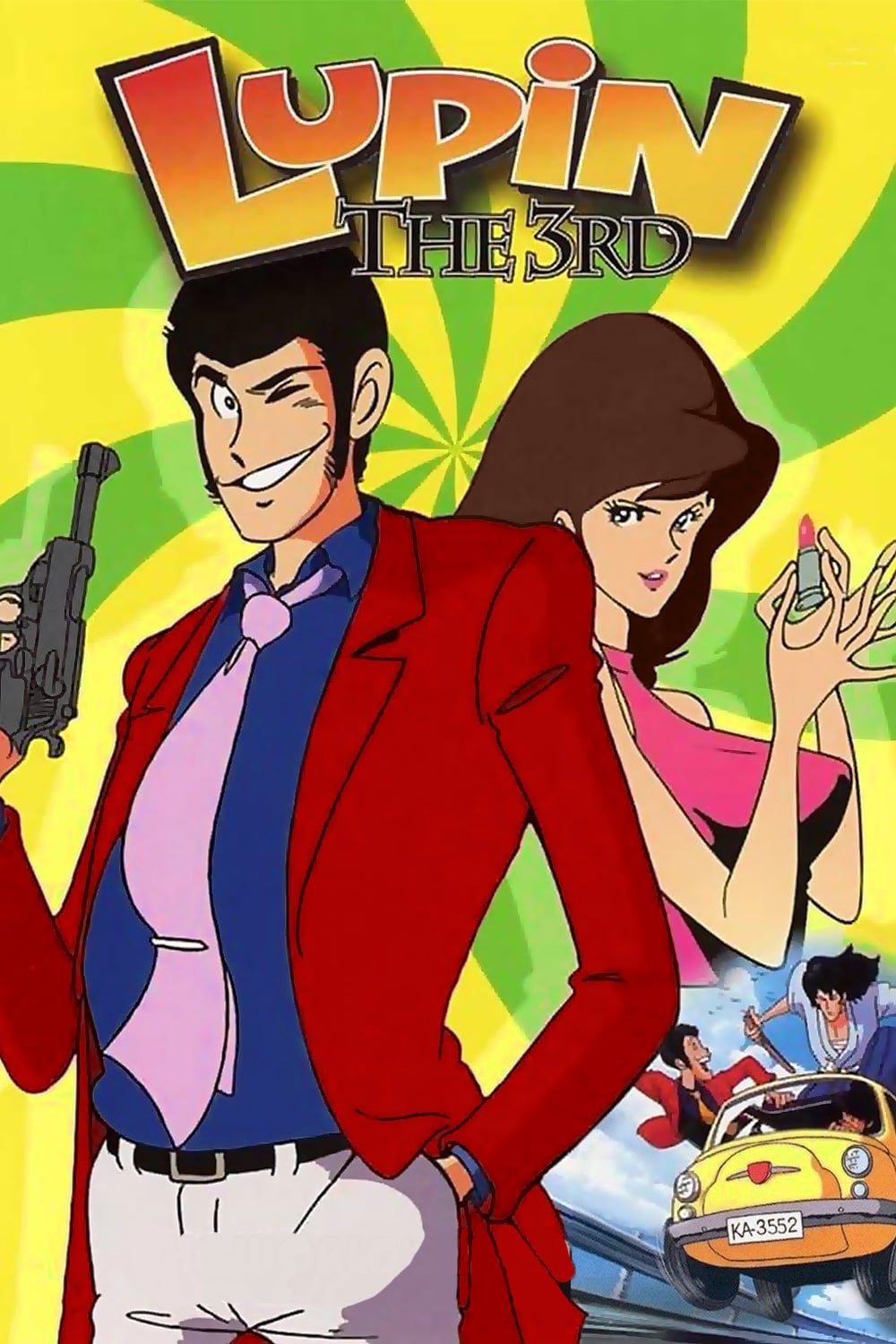
This series focuses on Fujiko Mine and takes place before the classic ‘Lupin the Third’ capers. It shows how she meets Lupin, Jigen, and Goemon and how her methods differ from each of theirs. The tone and visual style highlight espionage and heists from Fujiko’s point of view.
The story explains recurring tactics and deceptions that appear throughout later adventures. It also documents the early alignment and misalignment of goals within the crew, which helps viewers track why alliances shift so quickly in the main timeline.
‘Dragon Ball Z Bardock The Father of Goku’ (1990)

This television special explores the life of Bardock and the Saiyan race before the destruction of Planet Vegeta in ‘Dragon Ball Z’. It follows missions under Frieza’s command and records Bardock’s discovery of the plan that threatens his people. The special also shows the circumstances around Goku’s departure from his homeworld.
By showing the Saiyan society on the ground and the chain of command around it, the special makes later conflicts with Frieza easier to understand. It provides dates, locations, and combat context that the main series summarizes in brief lines.
‘Berserk The Golden Age Arc’ (2012–2013)
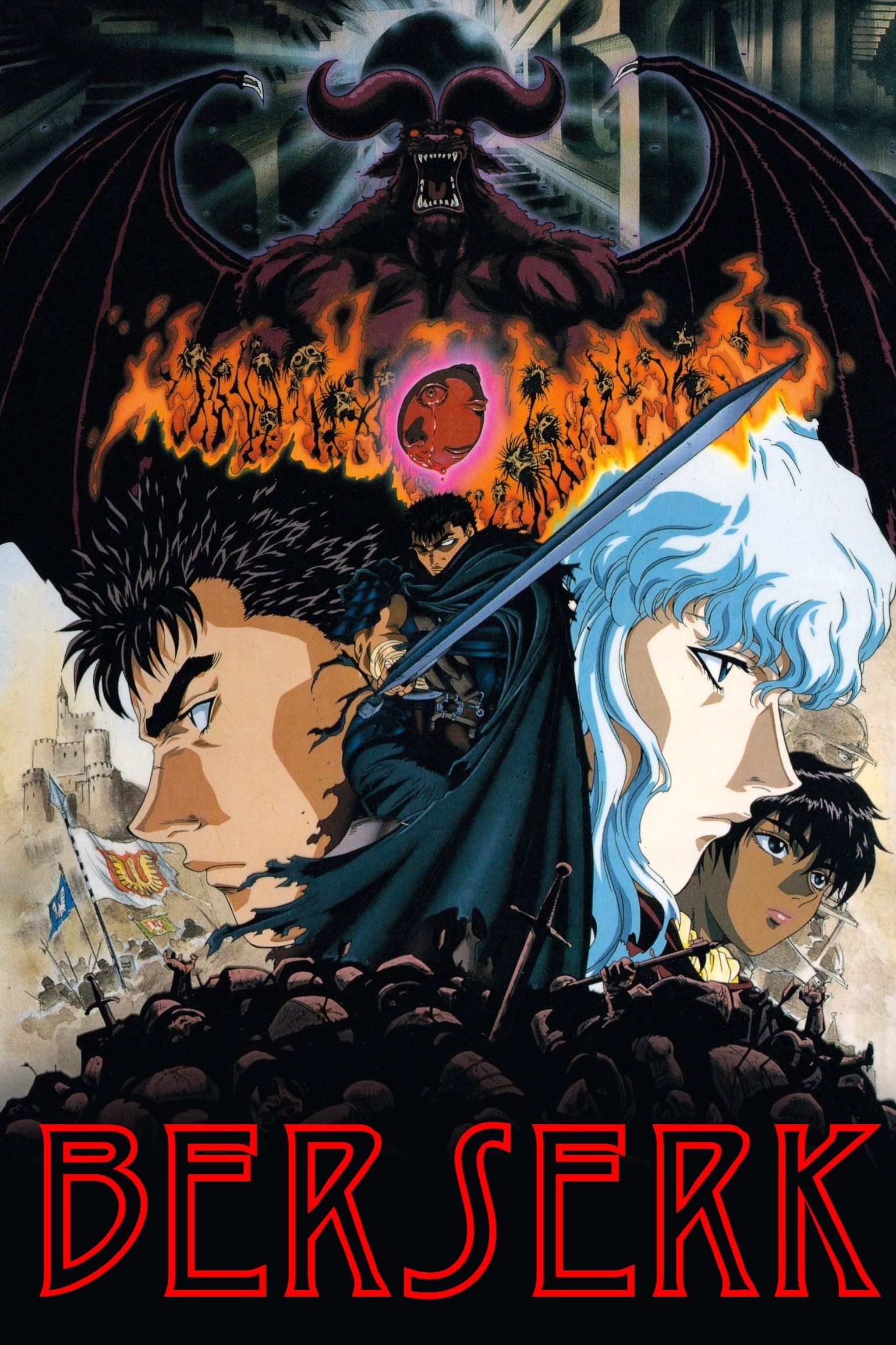
This film trilogy adapts the Golden Age portion of the manga and leads into the timeline that ‘Berserk’ continues. It follows Guts joining the Band of the Hawk, their campaigns, and the political situation inside Midland. The trilogy concludes at the pivotal ceremony that changes the status of every principal character.
Because it animates the same period that underpins later episodes, the trilogy serves as a direct bridge to the continuation. It supplies maps, factions, and specific battles so viewers can follow the strategic stakes that drive choices in the main series.
‘Psycho-Pass Sinners of the System Case 2 First Guardian’ (2019)
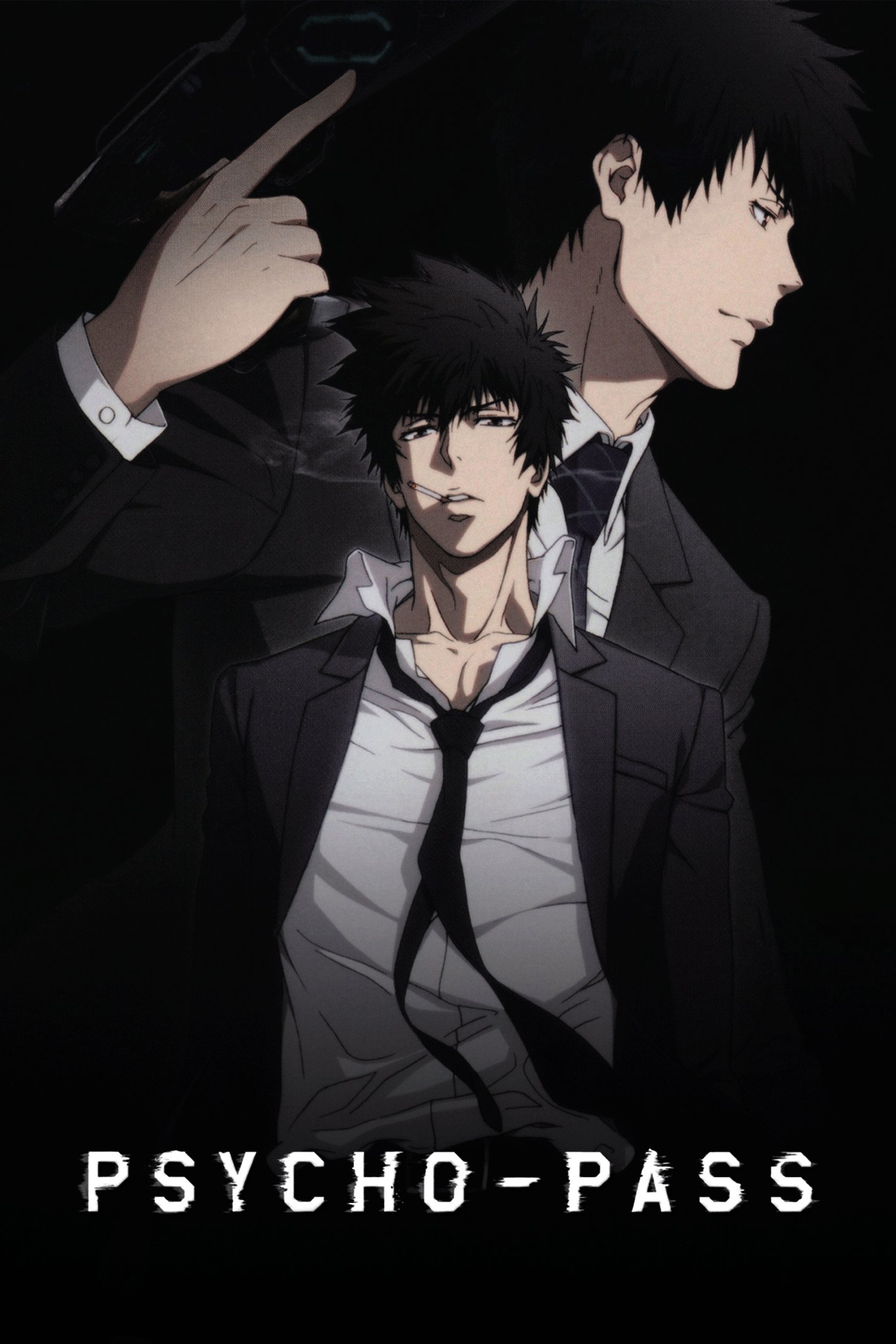
This film is set before several events in ‘Psycho-Pass’ and examines the military background connected to the Sibyl System. It focuses on Tomomi Masaoka and Teppei Sugo during an operation that exposes security and accountability concerns. The case details the chain of orders and the evidence trail that later affects Division 1.
The prequel structure shows how personnel move between military and law enforcement roles and how investigations are constrained by classified programs. It establishes names and departments that viewers encounter in the main series and explains why certain individuals distrust each other.
‘Nekomonogatari Kuro’ (2012)
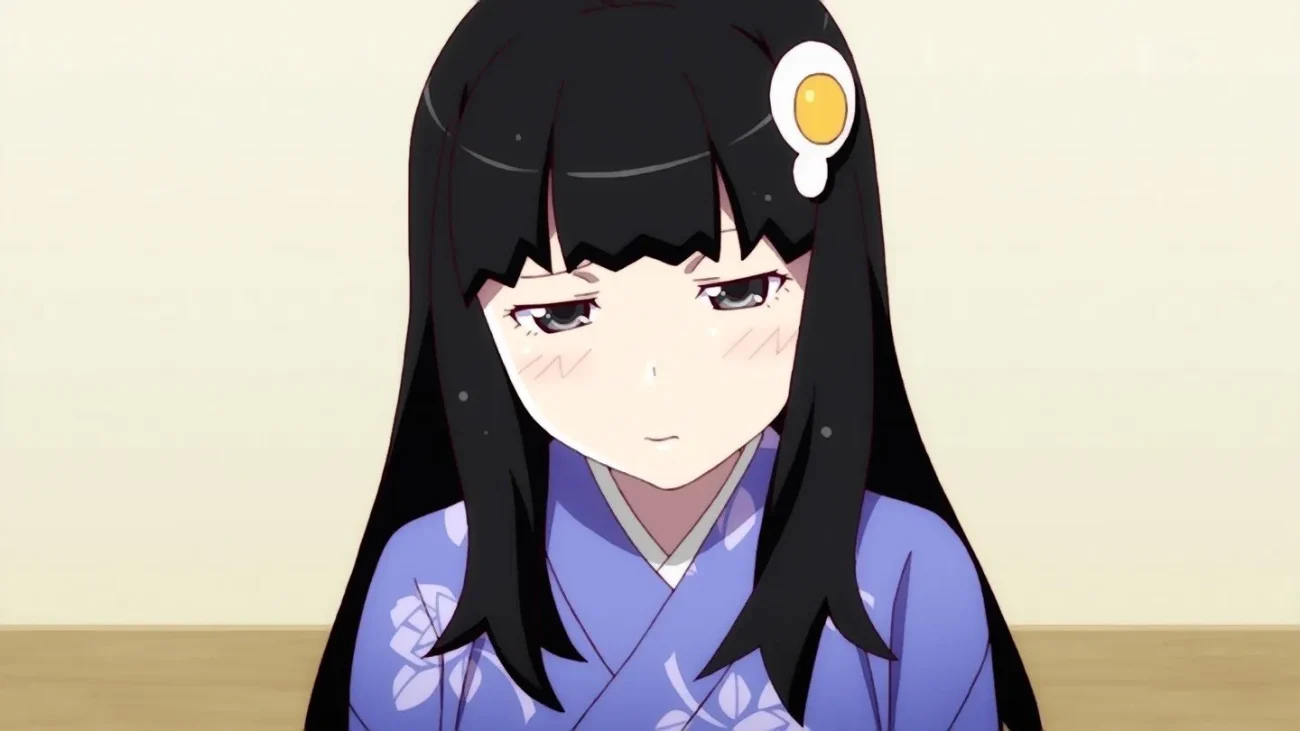
This prequel to ‘Bakemonogatari’ adapts the Black volume and follows Tsubasa Hanekawa’s case before the first season. It documents the events of Golden Week, the appearance of the oddity, and the steps taken to resolve it. The focus is on the effect of stress and knowledge on the form the oddity takes.
Because it lands right before ‘Bakemonogatari’, the episodes explain references that characters make in the early arcs. Viewers get a record of what Araragi and Senjougahara already know when they meet in the main timeline, which clarifies their first conversations.
‘Attack on Titan No Regrets’ (2014–2015)
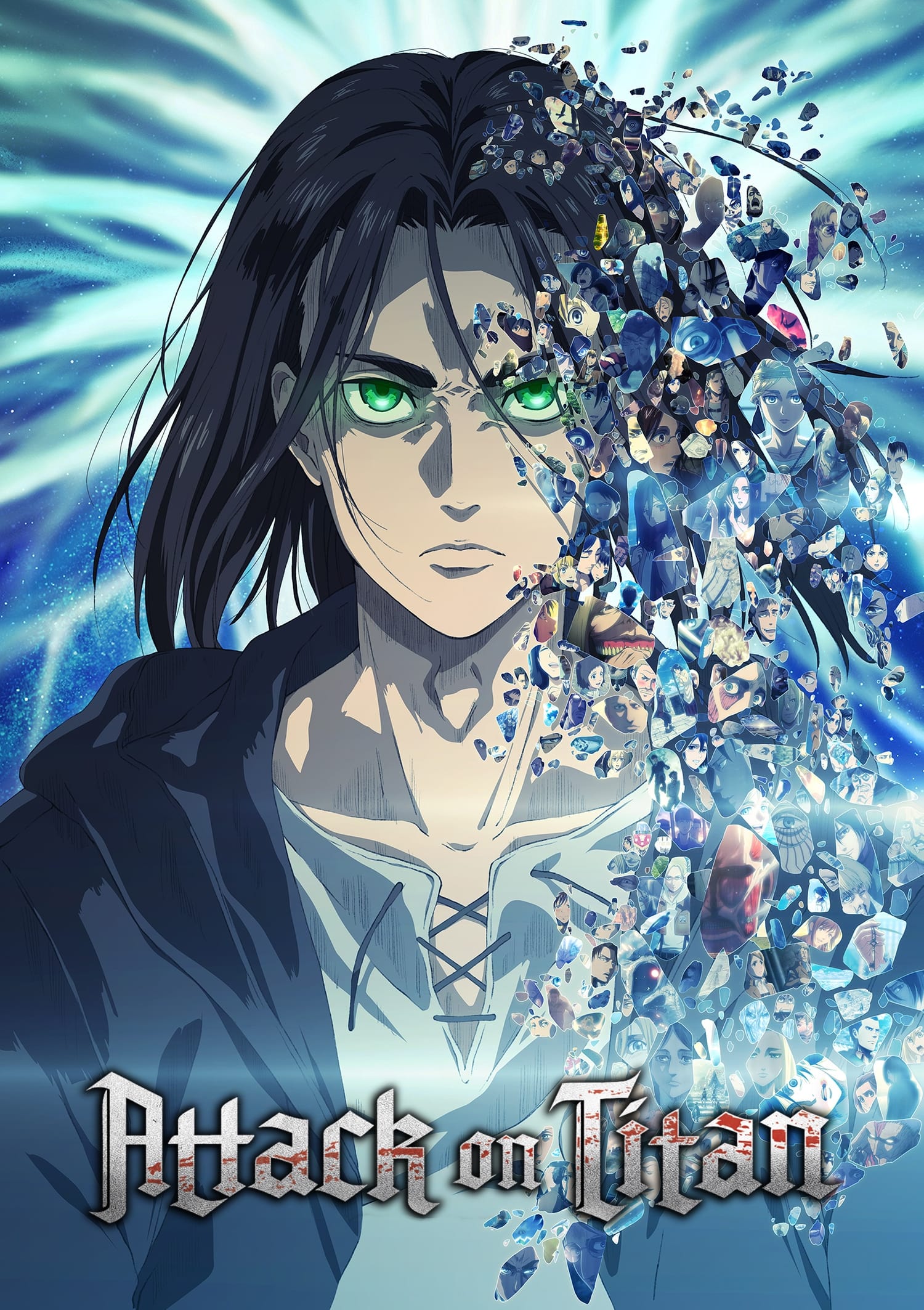
This OVA adapts the side story that shows Levi’s life in the underground city and his recruitment by Erwin before ‘Attack on Titan’. It covers his skills as a criminal leader, the mission that brings him into contact with the Scouts, and the conditions under which he agrees to enlist. The episodes record early operations outside the walls.
The prequel gives precise context for the trust and tension between Levi and Erwin that the main series assumes. It includes gear usage and formation details that help explain later tactics during expeditions and urban fights.
‘Legend of the Galactic Heroes: My Conquest Is the Sea of Stars’ (1988)
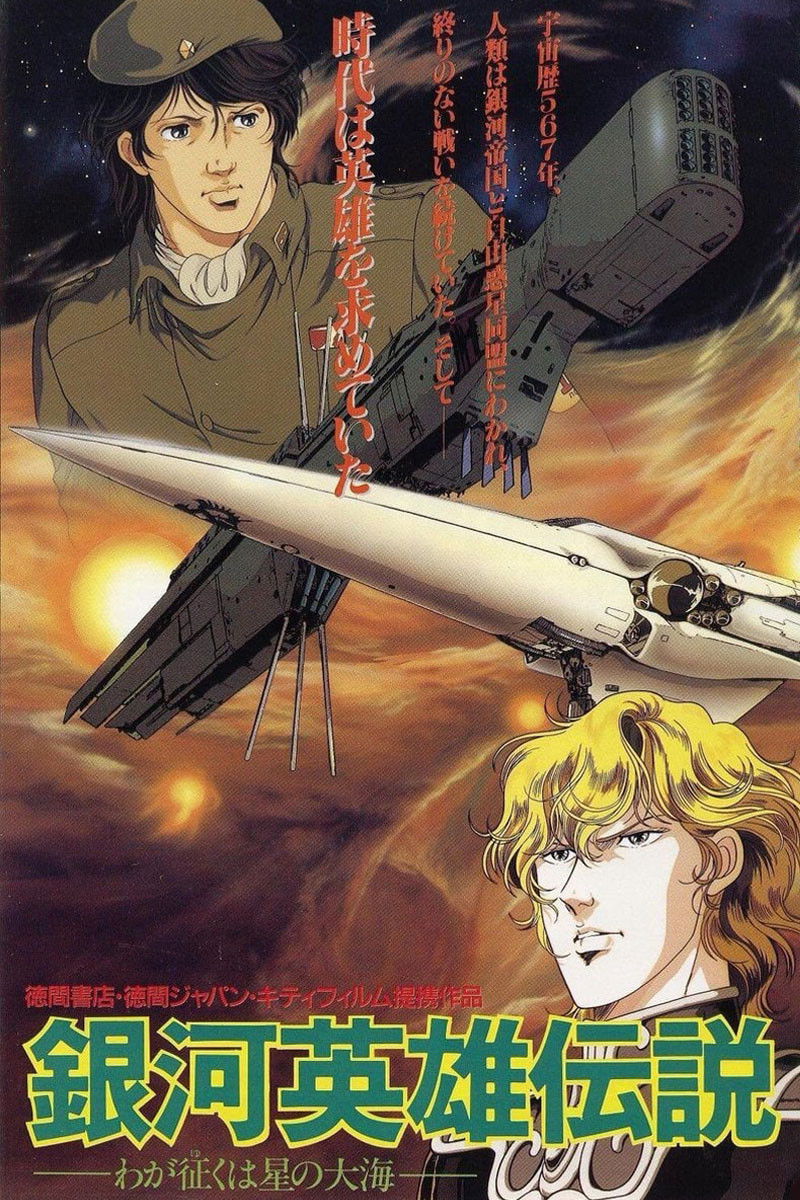
This film acts as an introduction to the war between the Free Planets Alliance and the Galactic Empire before the long OVA series. It shows the first direct clash between Yang Wenli and Reinhard von Lohengramm and lays out their approaches to command. The battle also demonstrates the logistics and planning scale that defines the franchise.
Because it arrives before the larger body of episodes, the film gives viewers a straightforward entry point with both leads on screen. It explains the chain of command and the kinds of political pressures that will frame strategy in the main story.
‘Jujutsu Kaisen 0’ (2021)
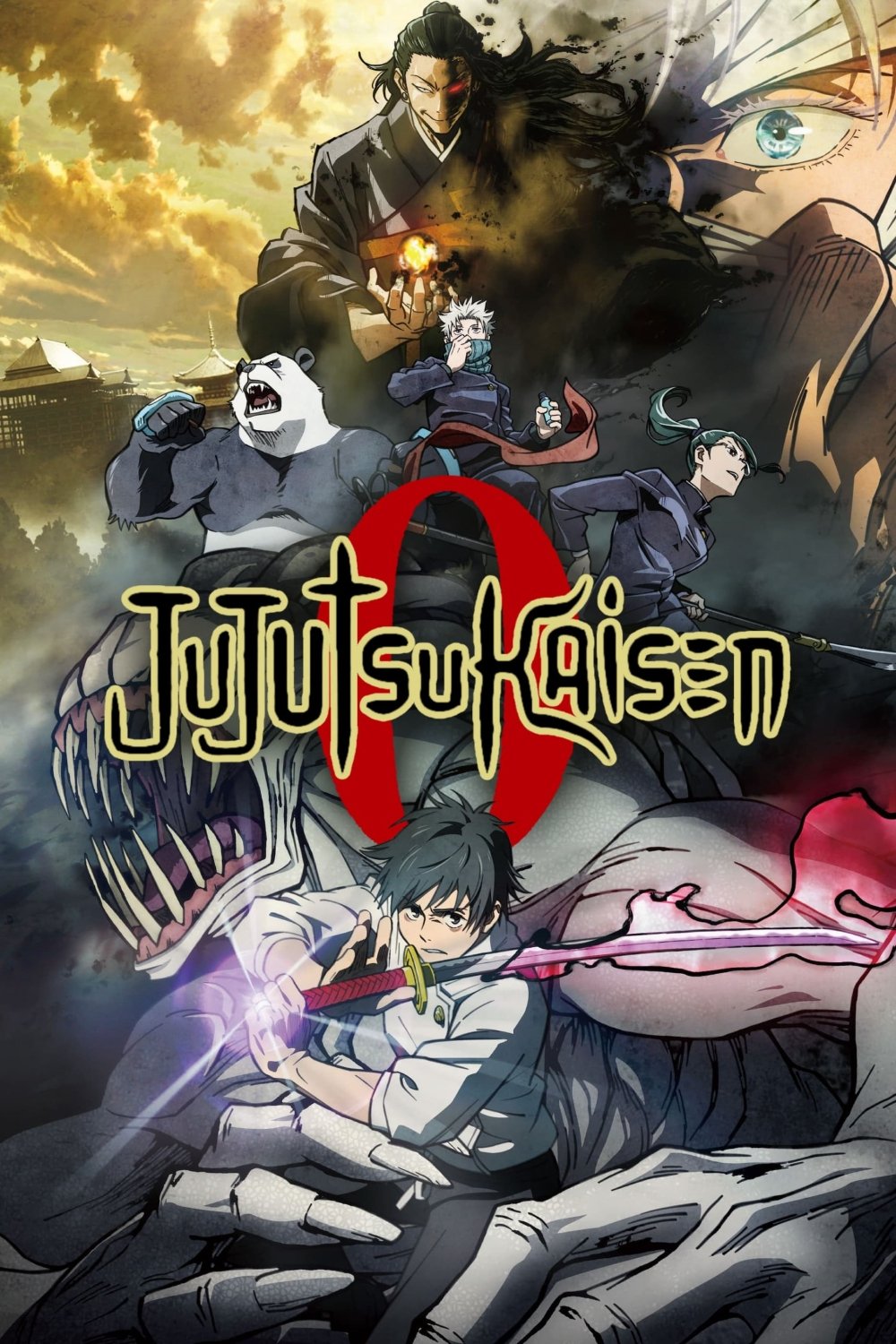
This prequel film adapts the original short series that predates ‘Jujutsu Kaisen’ and introduces Yuta Okkotsu and Rika. It takes place at Tokyo Jujutsu High before Yuji Itadori’s enrollment, showing Gojo’s faculty role and the status of second year students. The plot records the incident that drives the main conflict of the movie and ties directly to the academy’s policies.
The events documented here establish techniques, ranks, and relationships that the series references later. Viewers meet recurring characters in a different configuration and see how the school responded to a case that set procedures for future curses.
‘Mobile Suit Gundam: The Origin’ (2015–2018)
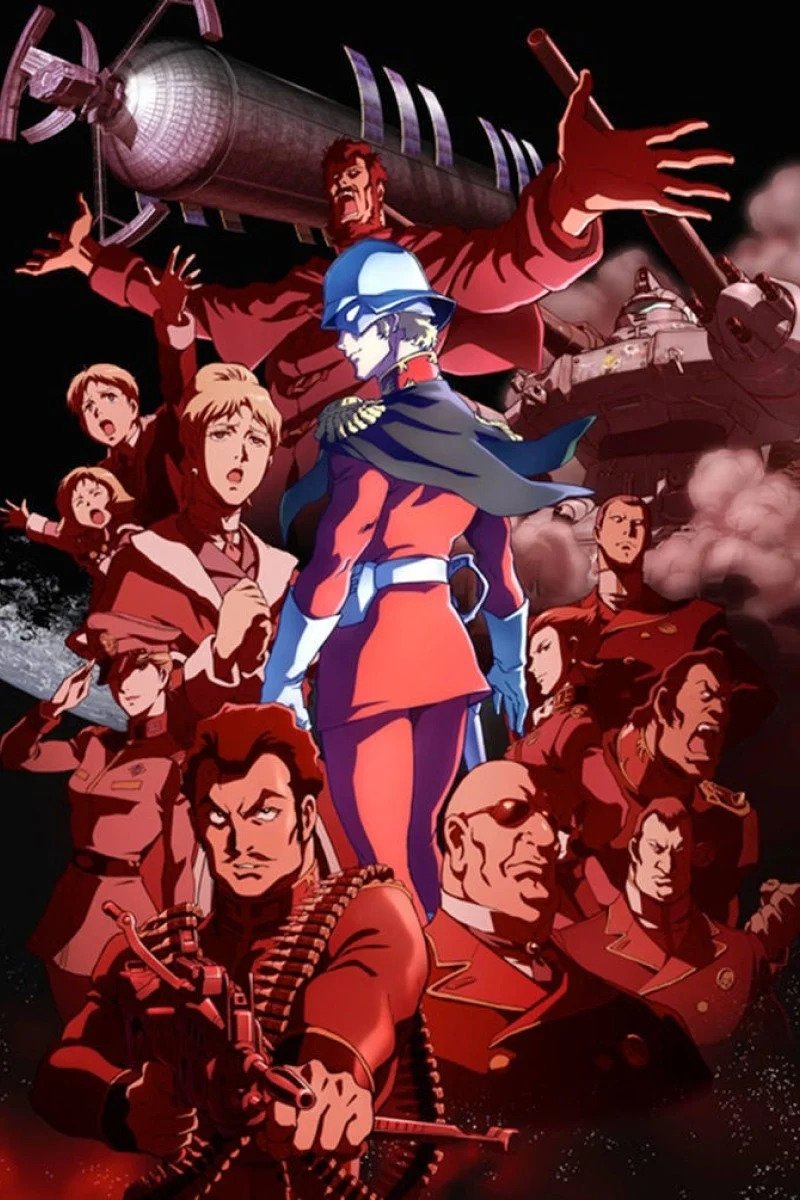
This OVA details the rise of the Zabi family, Char Aznable’s early life, and the political situation that produces the One Year War before ‘Mobile Suit Gundam’. It depicts the development of mobile suits, the annexation of Side 3, and the shift from skirmishes to open conflict. The story includes specific tests and prototype units that matter later.
By covering the people and machines that defined the war, the series gives clear reasons for alliances and rivalries in the main show. It places the Earth Federation and Zeon decisions on a timeline, which aligns technology and unit deployments with later battles.
‘Kizumonogatari’ (2016–2017)
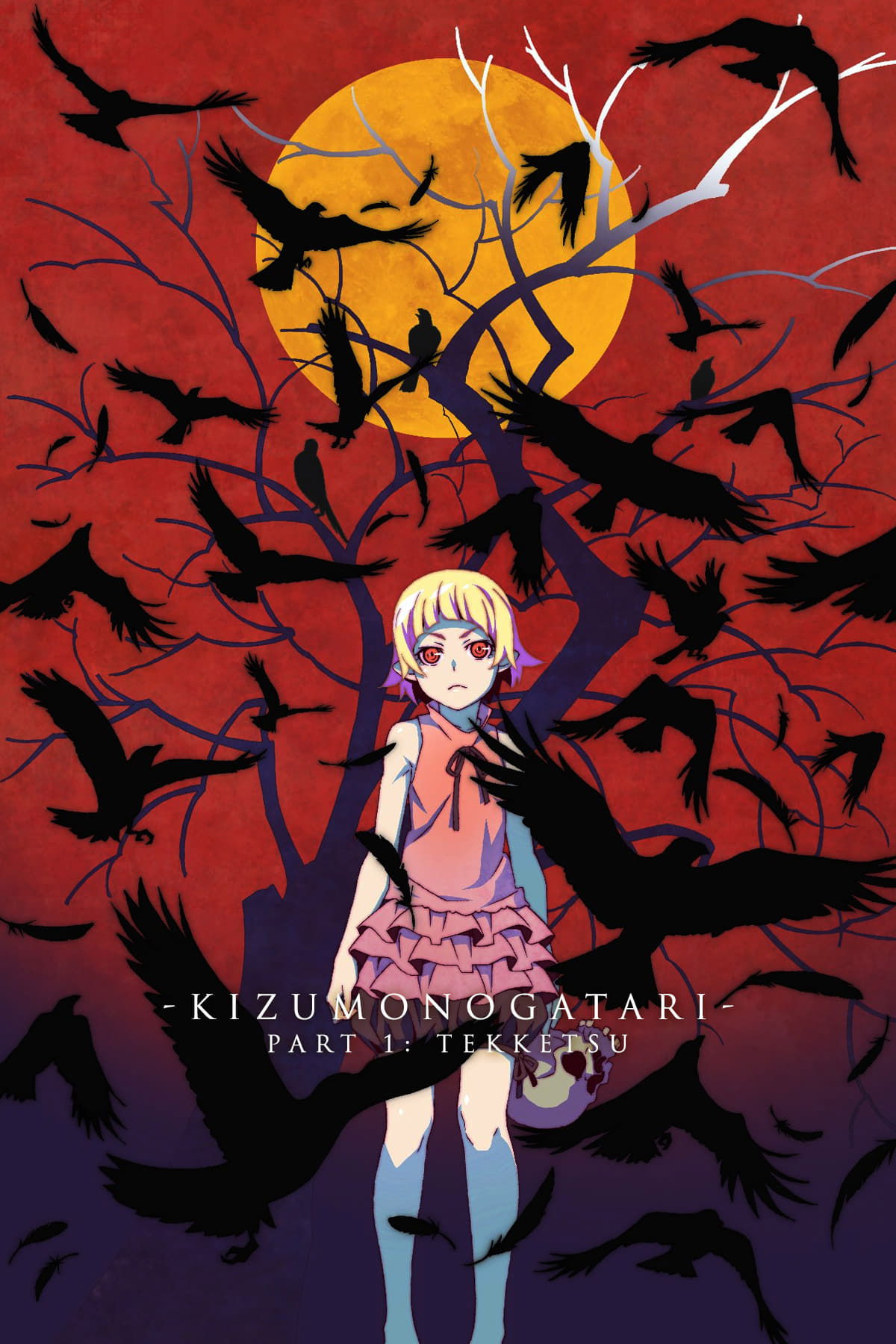
This film trilogy adapts the novel that precedes ‘Bakemonogatari’ and shows how Koyomi Araragi meets Kiss-shot Acerola-orion Heart-under-blade. It records the incident that turns him into what he is at the start of the main series. The films document the negotiations and fights with the three vampire hunters who seek parts taken from their target.
Because the story sits directly before the first televised arcs, it explains Araragi’s condition, Shinobu’s presence, and the terms of their bond. It also catalogs items and locations that later arcs assume, so viewers get a complete account of how the cast entered the supernatural world.
‘Legend of the Galactic Heroes Gaiden’ (1998–2000)
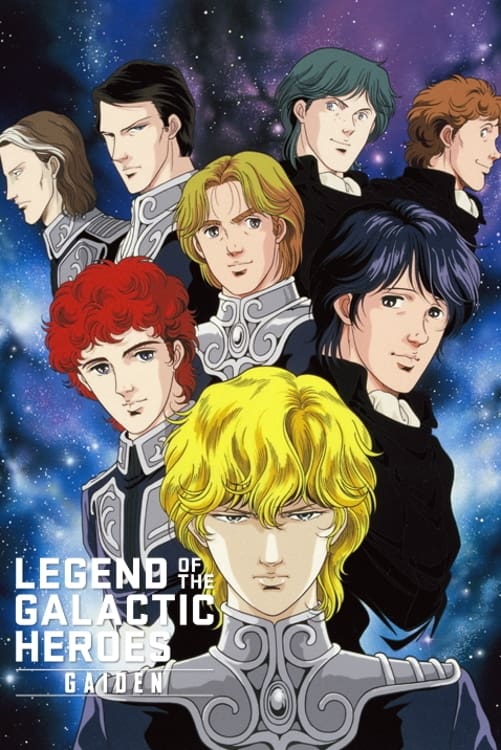
These OVA stories focus on Yang Wenli and Reinhard von Lohengramm before the events of the main ‘Legend of the Galactic Heroes’ series. They cover academy days, early assignments, and investigations that shaped both men’s careers. The episodes explore the formation of key teams and the habits that define each commander.
By presenting procedures, mentors, and early opponents, the gaiden material rounds out the professional records that characters mention in later episodes. It also connects ships and tactics to a time before large scale campaigns, which helps track how the war escalated.
‘Fate/Zero’ (2011–2012)
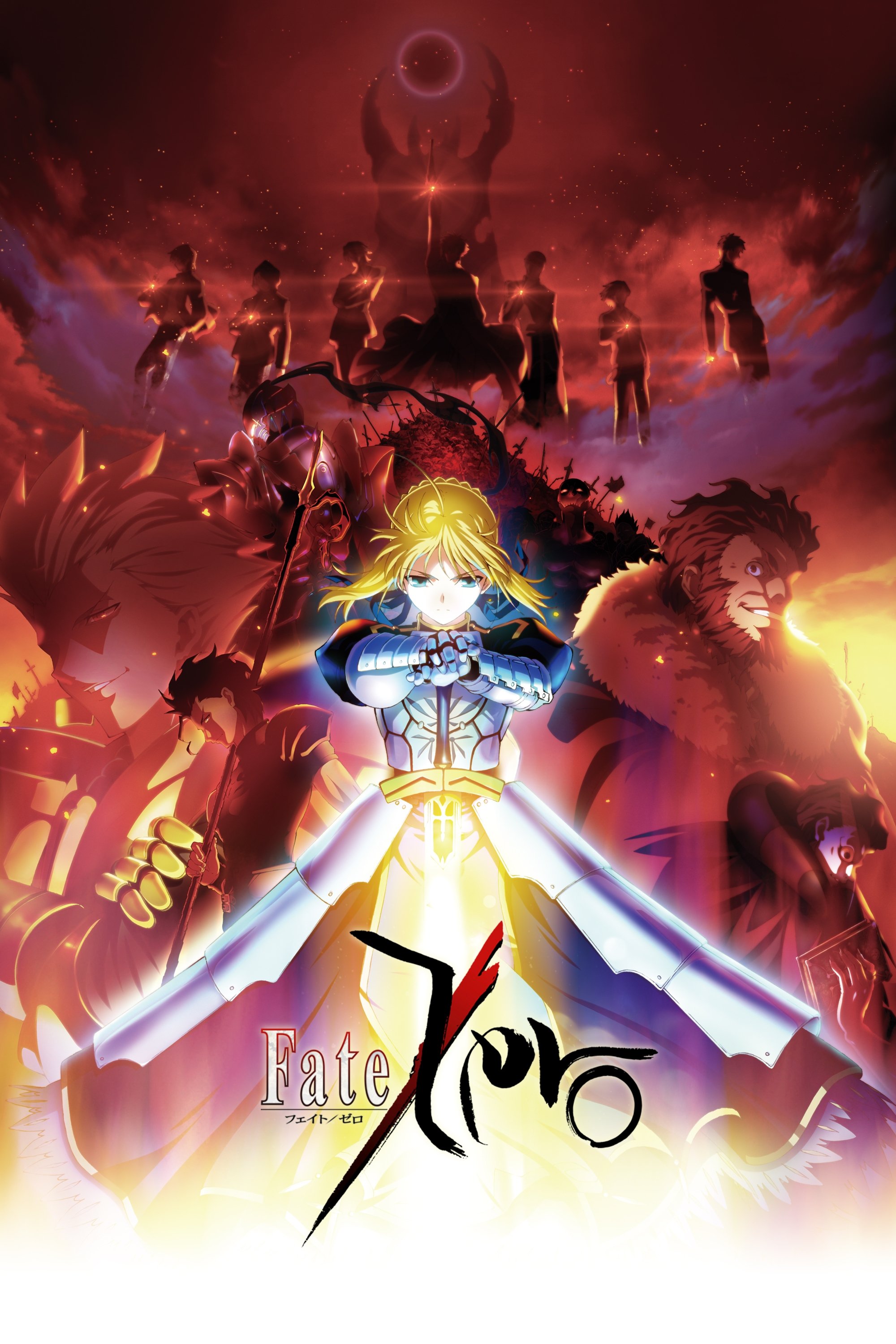
This series adapts the novel set before ‘Fate stay night’ and chronicles the Fourth Holy Grail War. It follows the masters and servants who fought in Fuyuki City and the choices that lead directly to the situation seen at the start of the later story. The series documents contracts, command seals, and the rules that govern the ritual.
Because it concludes where the next story begins, it provides a complete framework for why specific families and magi act as they do. It supplies dates, alliances, and outcomes that make the status of characters in ‘Fate stay night’ precise rather than implied.
‘Samurai X: Trust & Betrayal’ (1999)
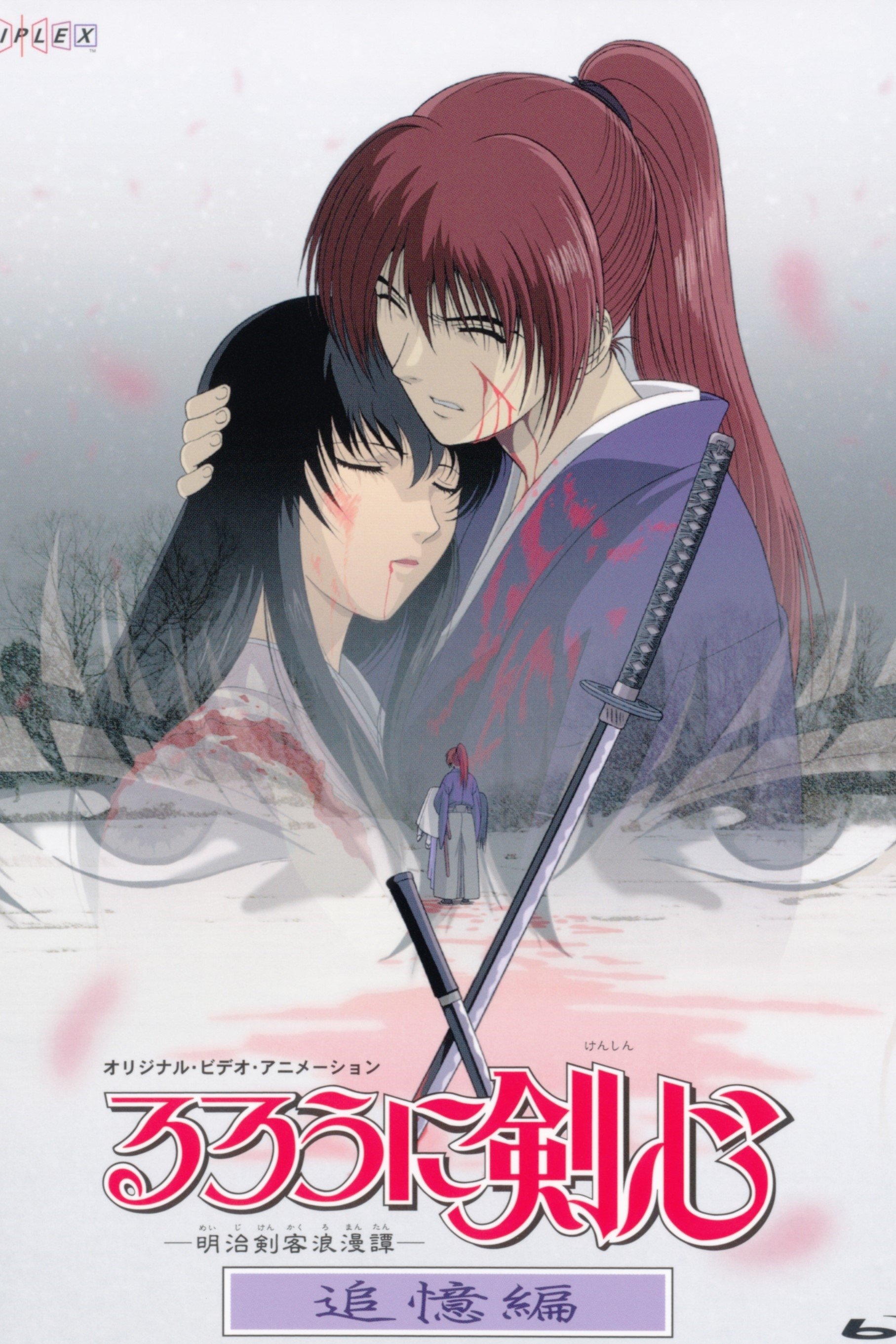
This OVA adapts the manga’s backstory about Kenshin Himura’s time as Hitokiri Battosai before ‘Rurouni Kenshin’. It shows his recruitment, missions, and the political upheaval around the Bakumatsu period. The narrative includes the meeting with Tomoe and the incident that leaves Kenshin with the scar that is central to his design.
The episodes give a factual basis for Kenshin’s vow, sword choice, and behavior in the main series. They record names, factions, and locations that the television episodes later reference, which places the lighter tone of the original show in a detailed historical frame.
Share your favorite anime prequel in the comments and tell everyone which backstory you think adds the most to its main series.