Major Celebs Who Turned Down Knighthoods

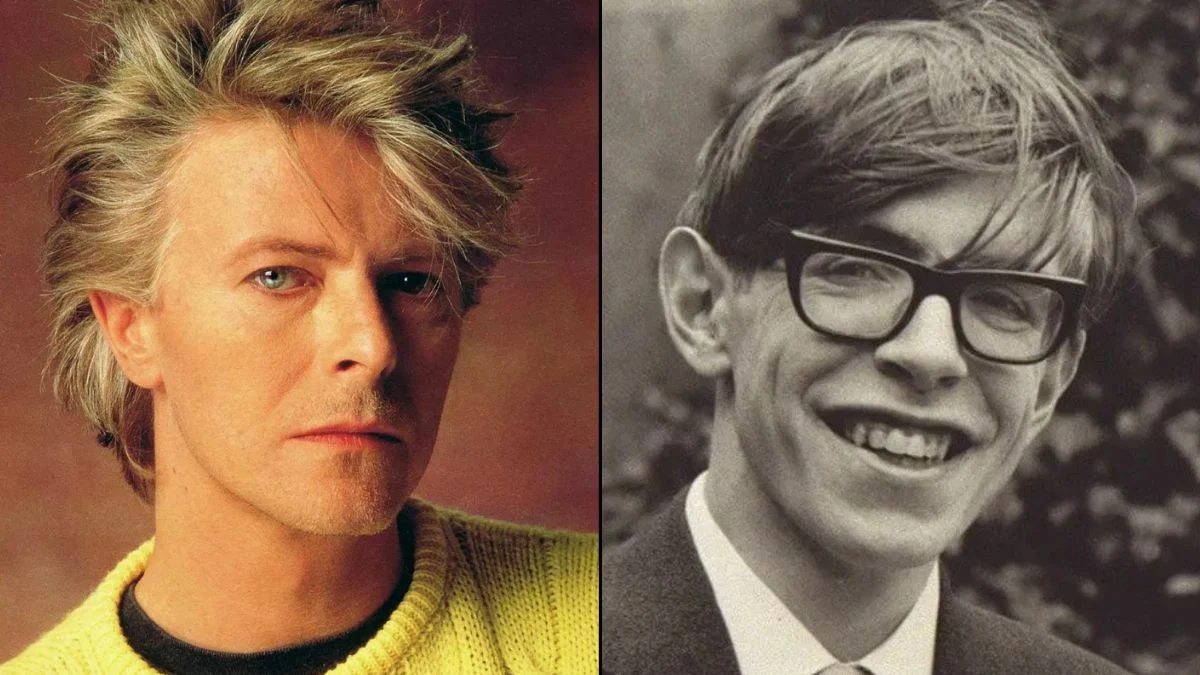

In the United Kingdom, the honours system recognizes contributions to the arts, sciences, public service, and more. A knighthood or a damehood allows recipients to use the title Sir or Dame, and it often arrives after years of sustained achievement. Not everyone says yes when the letter arrives. Over the years a surprising number of high profile figures have declined the accolade for reasons that range from personal principles to objections about the system itself.
Declining does not remove their achievements or reduce their standing. Many of these figures accepted other honours at different times, while some avoided titles altogether. The choices they made tell their own story about how they viewed recognition, public service, and their relationship to the establishment. Here are major names who turned down the title.
David Bowie
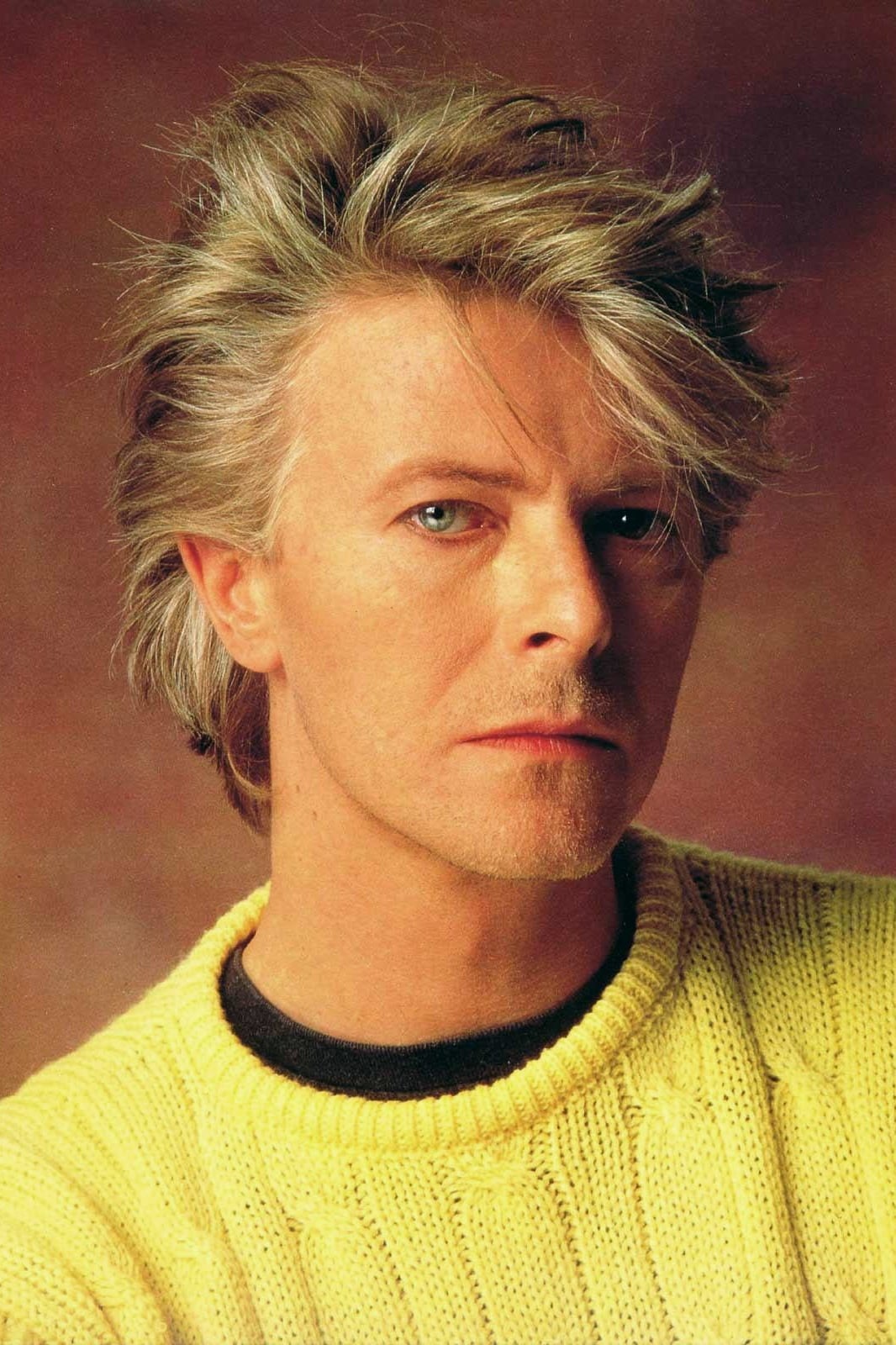
David Bowie declined a knighthood in 2003 after previously turning down a CBE in 2000. His decision followed decades of work that shaped popular music and culture, including pioneering albums and worldwide tours.
Bowie continued to accept industry awards and critical recognition from around the world while choosing not to hold a British title. His catalog, influence on fashion, and continued sales kept his profile high without the addition of Sir before his name.
Danny Boyle
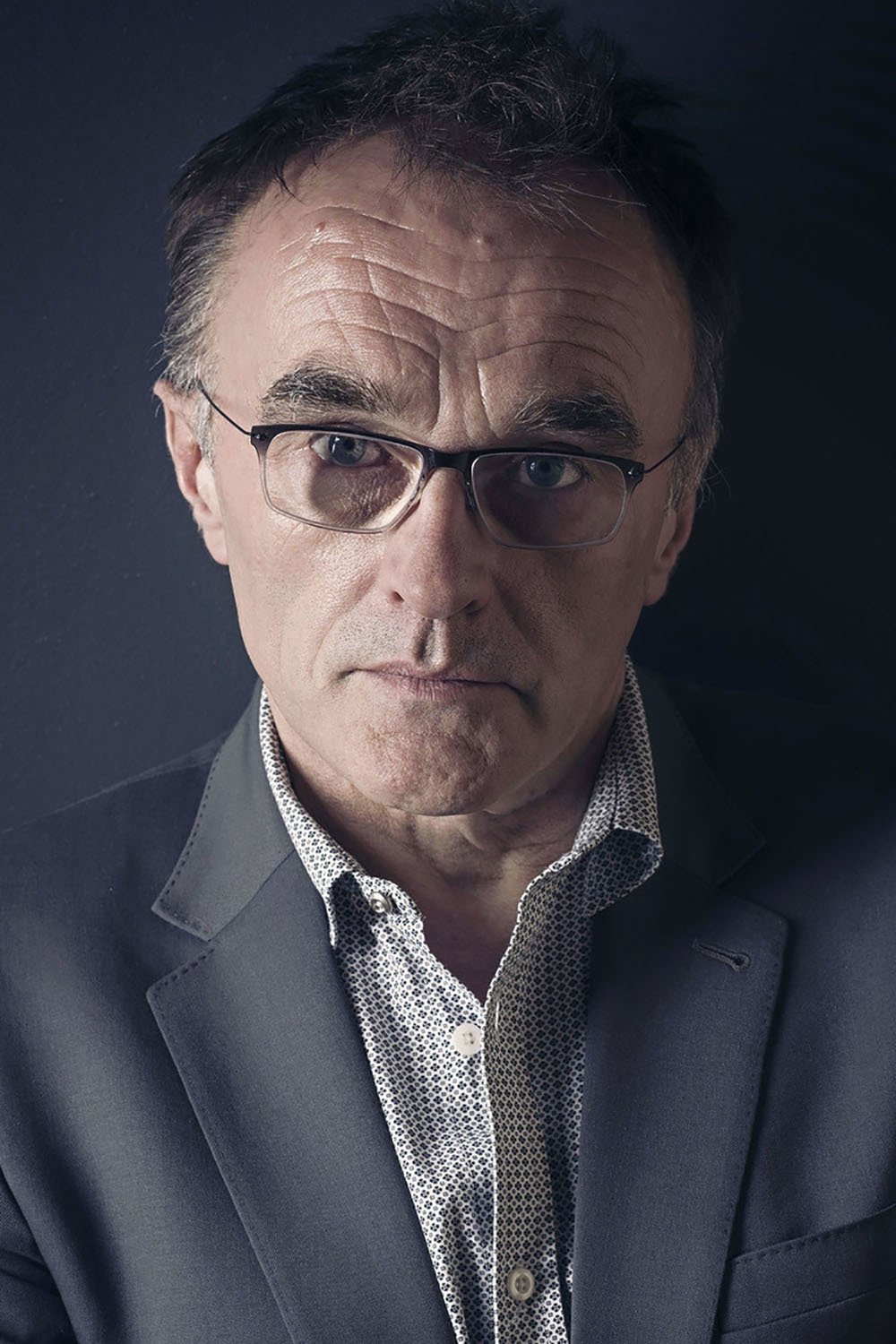
Danny Boyle turned down a knighthood offered after he directed the London 2012 Olympic Games opening ceremony. The ceremony featured a sweeping showcase of British culture and earned global praise.
Boyle had earlier won major awards for films such as ‘Slumdog Millionaire’. He kept working across film and theatre after 2012, continued producing and directing, and supported arts initiatives without adopting a title.
Albert Finney
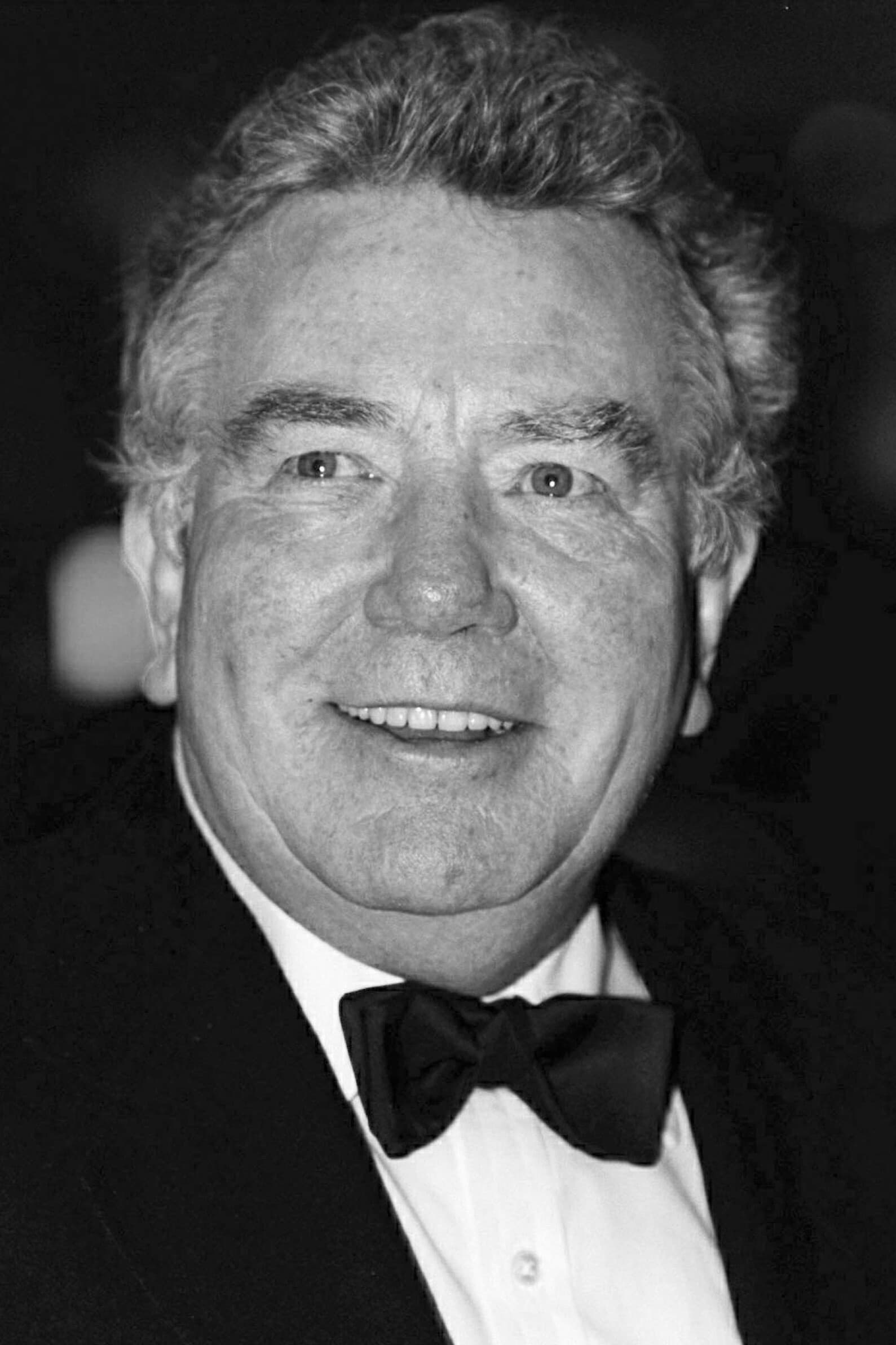
Albert Finney declined a knighthood in 2000. By then he had built a long career on stage and screen and had already received significant recognition for his performances.
Finney accepted some professional honours during his life yet chose not to become Sir Albert. He continued acting in acclaimed roles and remained a prominent figure in British cinema.
Paul Scofield
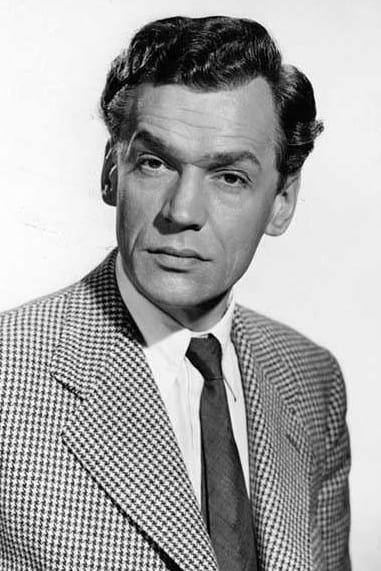
Actor Paul Scofield refused a knighthood multiple times. He had already earned international acclaim for stage and film roles and was widely respected for his craft.
Scofield did accept other distinctions during his career, including top theatre and film awards. He kept working selectively and maintained his privacy without using a title.
George Bernard Shaw
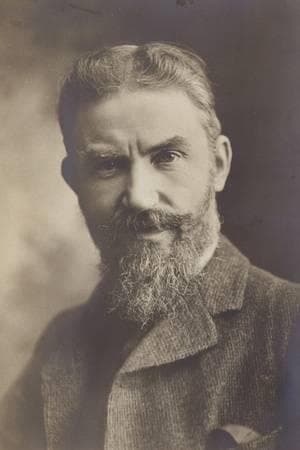
Playwright George Bernard Shaw declined a knighthood in the early twentieth century. He had already achieved fame for works that are still produced worldwide.
Shaw later accepted the Nobel Prize in Literature, which he famously donated to cultural causes. His decision about the title did not affect the continued success of his plays or his standing in literary history.
Alan Bennett
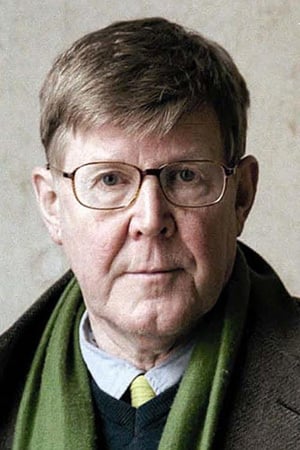
Writer and playwright Alan Bennett turned down a knighthood in the 1990s. His work for stage, television, and books had already made him a household name.
Bennett continued to publish bestsellers and to see his plays produced on major stages. He remained an influential voice in British letters while declining the title.
David Hockney
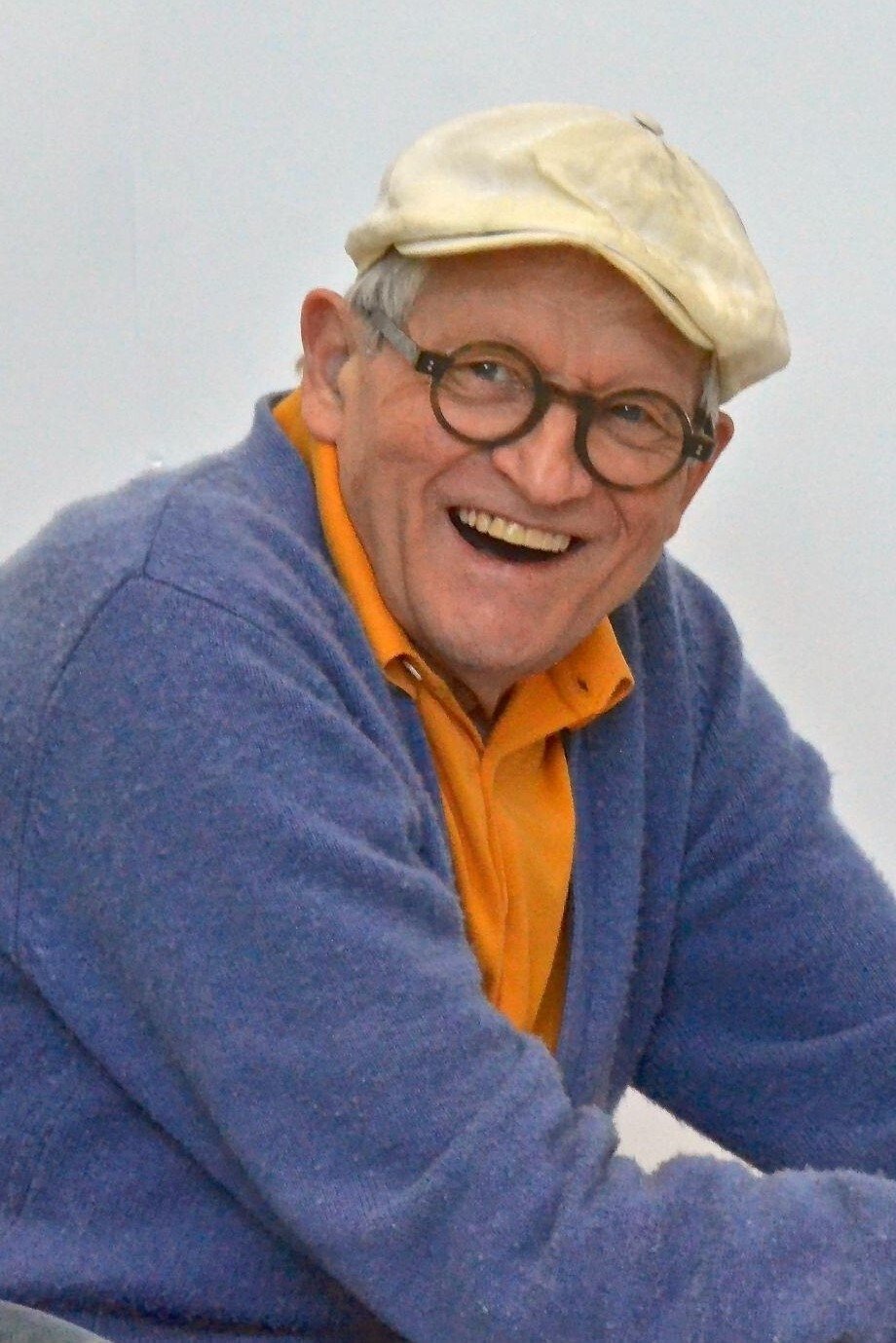
Artist David Hockney declined a knighthood in 1990. He was already one of the most prominent living painters, with major retrospectives and strong auction results.
Hockney later accepted other high honours that recognize service to the arts. He continued to exhibit around the world and to experiment with mediums while choosing not to be called Sir.
Stephen Hawking
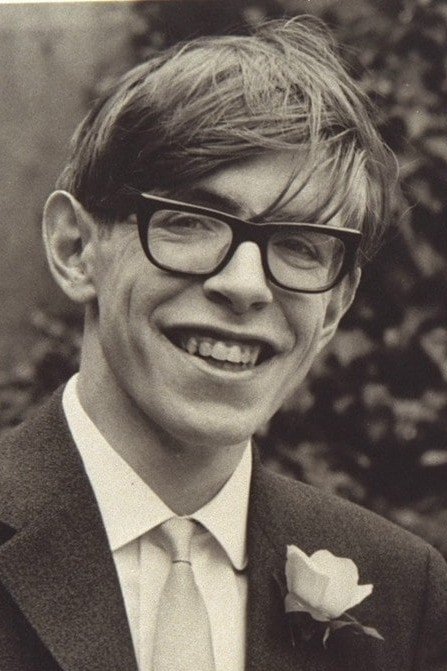
Physicist Stephen Hawking declined a knighthood in the late 1990s. His research on black holes and cosmology and his bestselling book brought science to a global audience.
Hawking held prestigious academic posts and accepted several other national and international honours. He kept focusing on research, teaching, and public outreach without a title.
John le Carré
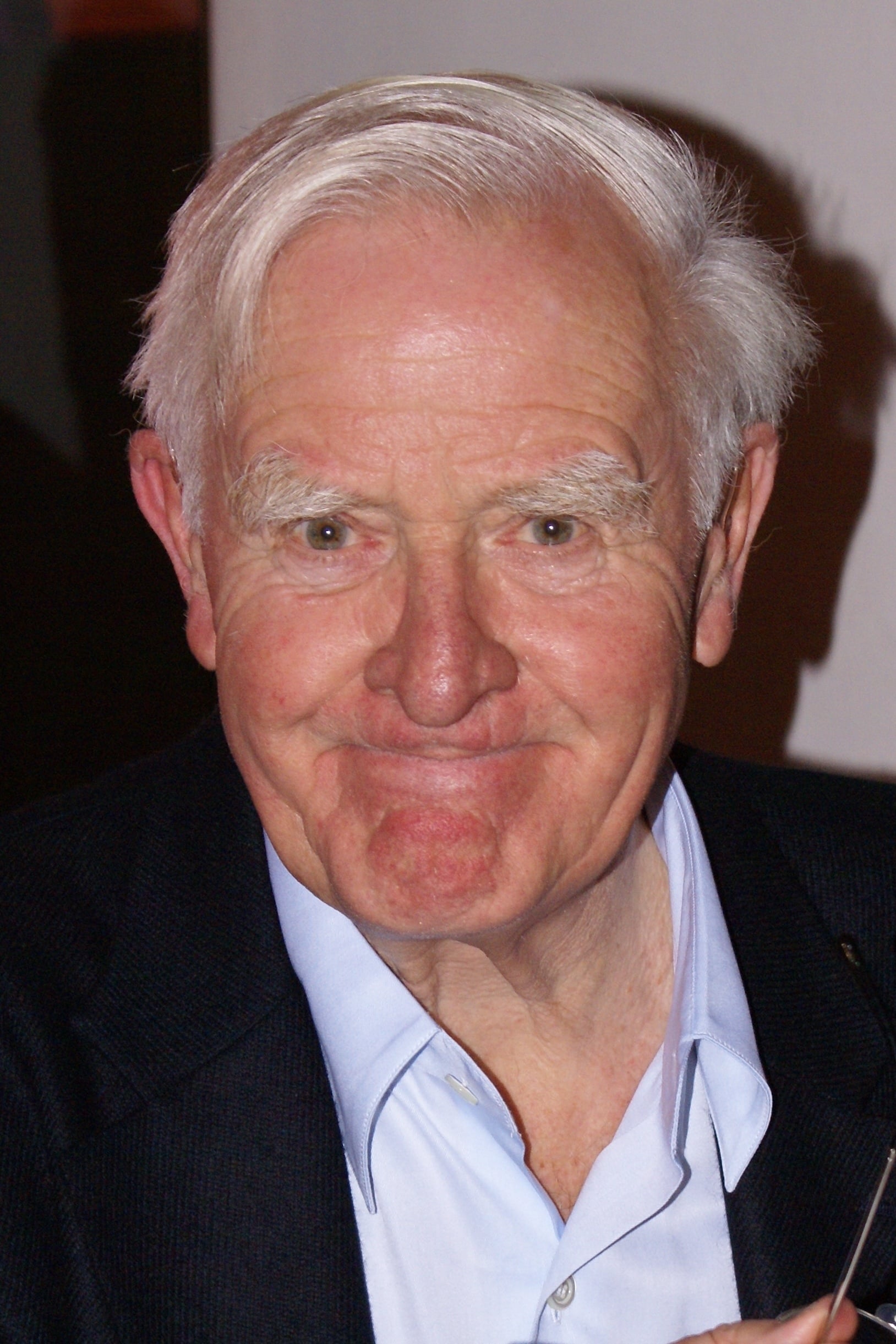
Novelist John le Carré turned down a knighthood in the late 1990s. His espionage books sold in the millions and shaped the modern spy novel.
Le Carré accepted earlier honours for his writing and continued to publish widely read novels well into later life. His decision about the knighthood did not alter his long standing reputation.
Doris Lessing
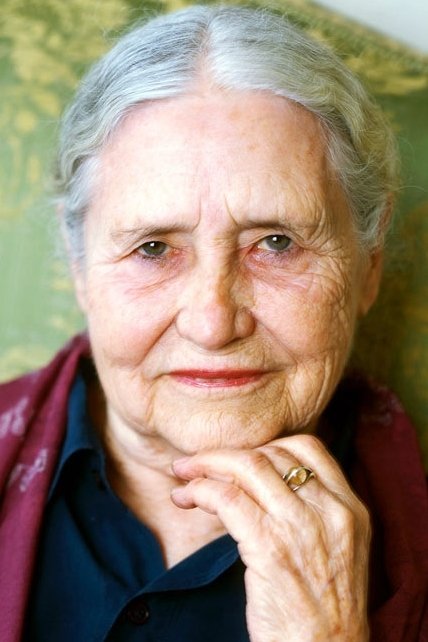
Author Doris Lessing declined a damehood in the 1990s. She had a large body of work that covered politics, society, and the human condition and she remained an enduring figure in world literature.
Lessing later received one of the highest national honours and also won the Nobel Prize in Literature. Her bibliography stayed in print and in classrooms without the title of Dame.
Vanessa Redgrave
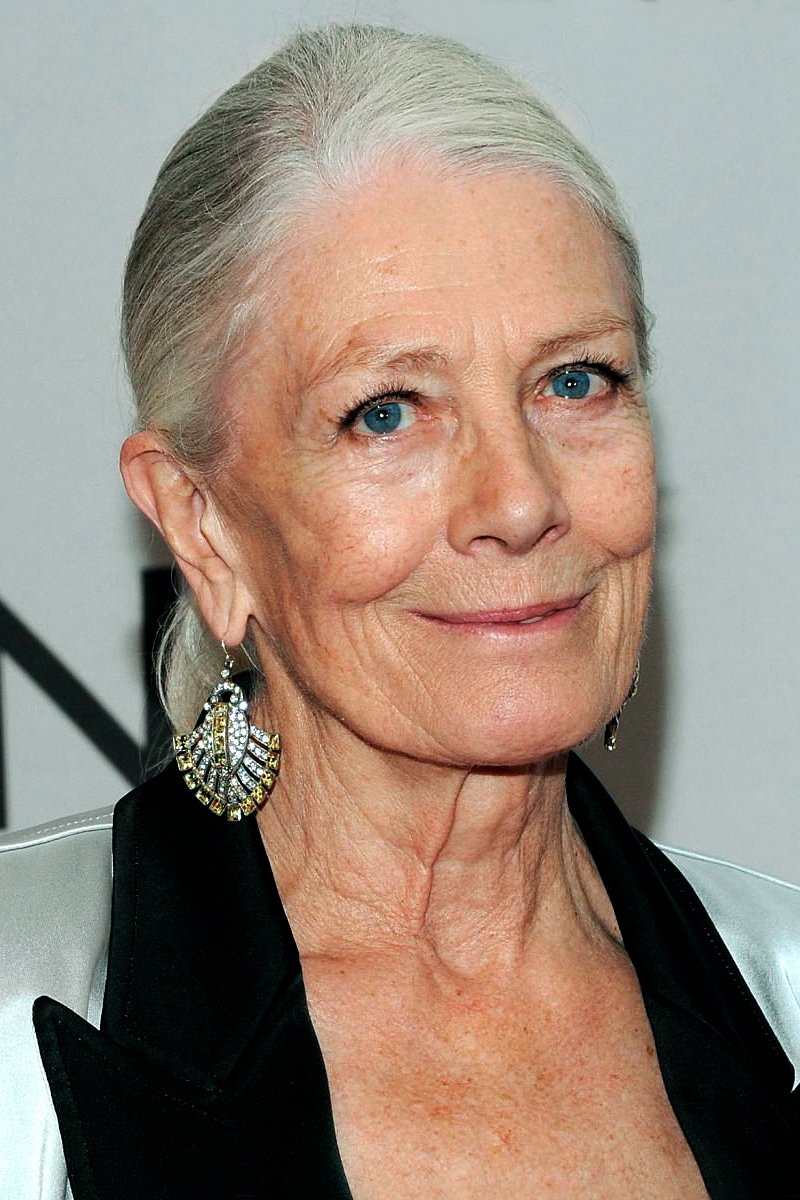
Actor Vanessa Redgrave turned down a damehood in the late 1990s. She already held awards across film, television, and theatre and came from a noted acting family.
Redgrave continued to work on international productions and later accepted major career honours. Her choice at the time did not slow the flow of roles or recognition.
Henry Moore
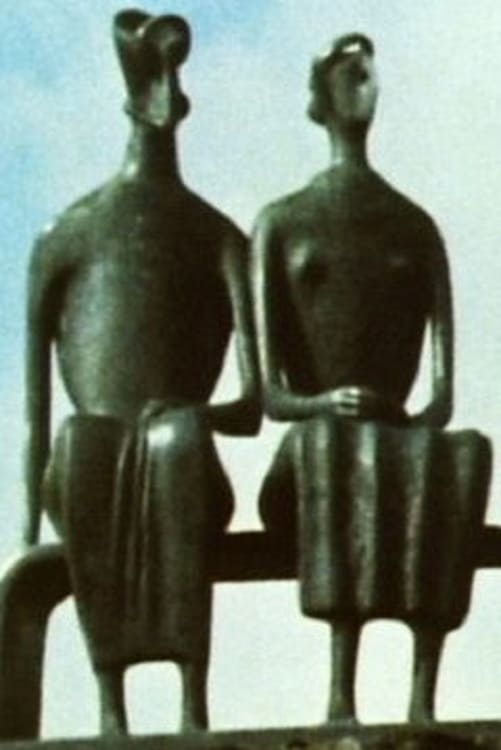
Sculptor Henry Moore declined a knighthood in the mid twentieth century. His monumental bronzes and public commissions appear in cities around the world.
Moore later accepted other distinctions that celebrate sustained contributions to culture. His foundation and archives continue to support exhibitions and scholarship without the use of Sir.
Thomas Hardy
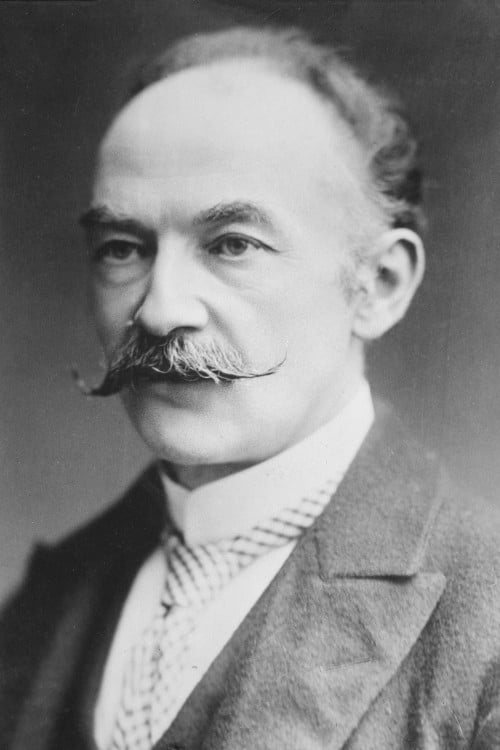
Novelist and poet Thomas Hardy refused a knighthood in the early twentieth century. His novels became classics and his poetry influenced generations of writers.
Hardy accepted a different senior national honour later in life. His works remained central in English literature studies, and new editions kept appearing without a change in how he was addressed.
E. M. Forster
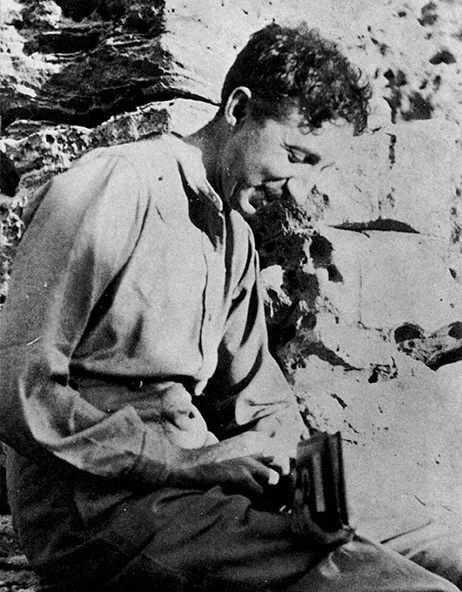
Author E. M. Forster declined a knighthood in the mid twentieth century. His novels inspired stage and screen adaptations that introduced new audiences to his writing.
Forster later accepted another high honour and continued to be active in literary circles. His legacy grew through publications and adaptations while he remained Mr Forster in name.
Philip Pullman
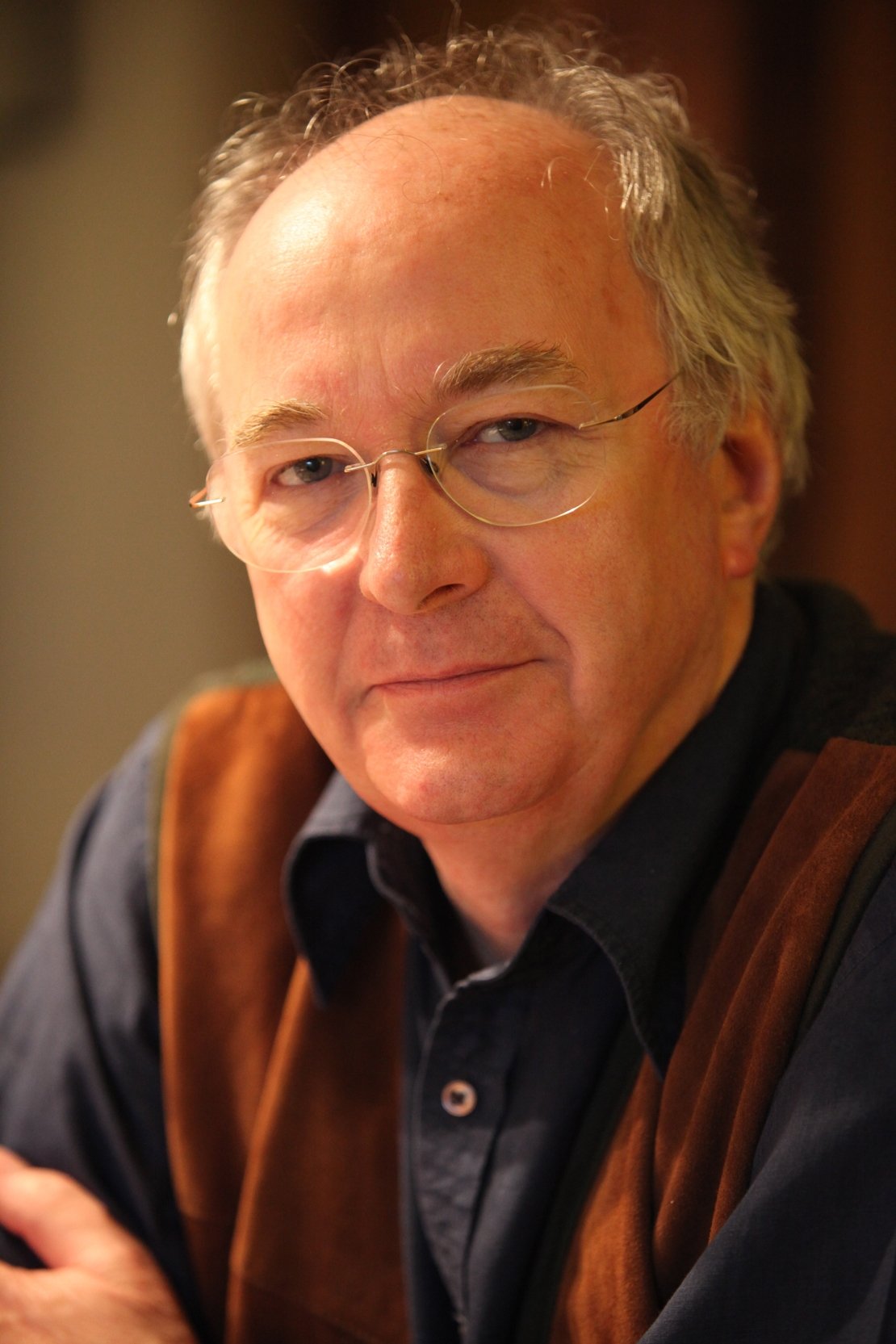
Novelist Philip Pullman declined a knighthood in the late 2010s. His fantasy series reached global readership and led to screen and stage adaptations.
Pullman continued to write and to chair literary organizations after the decision. His books remained on school syllabuses and in bestseller lists without the title.
Harold Pinter
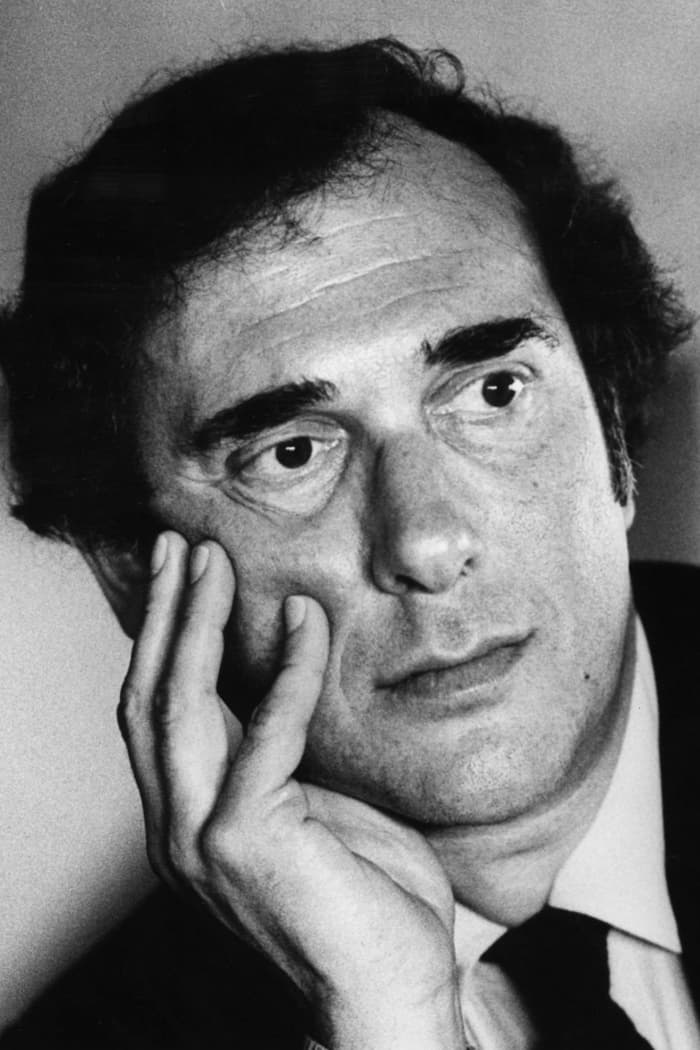
Playwright Harold Pinter turned down a knighthood in the 1990s. His body of work spanned theatre, film, and television and he later received the Nobel Prize in Literature.
Pinter accepted other honours during his career and continued to write, direct, and act. His plays remained in repertory around the world without a change to his name.
Ralph Vaughan Williams
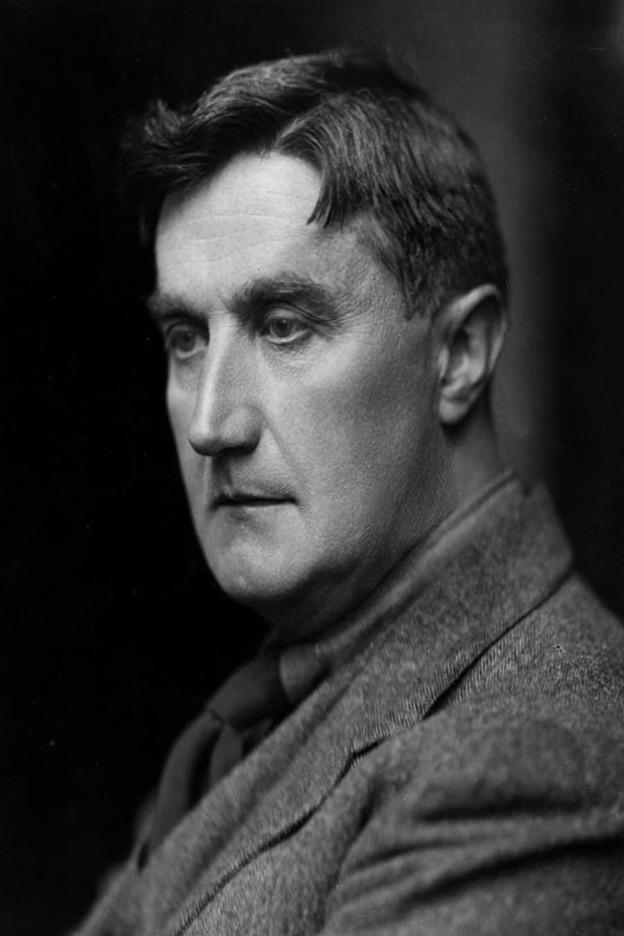
Composer Ralph Vaughan Williams refused a knighthood in the 1930s. His symphonies, choral works, and film scores became staples of concert halls and recordings.
He later accepted a senior honour that recognizes distinguished service. Performances of his music continued to grow in number and reach without the use of Sir.
Paul Dirac
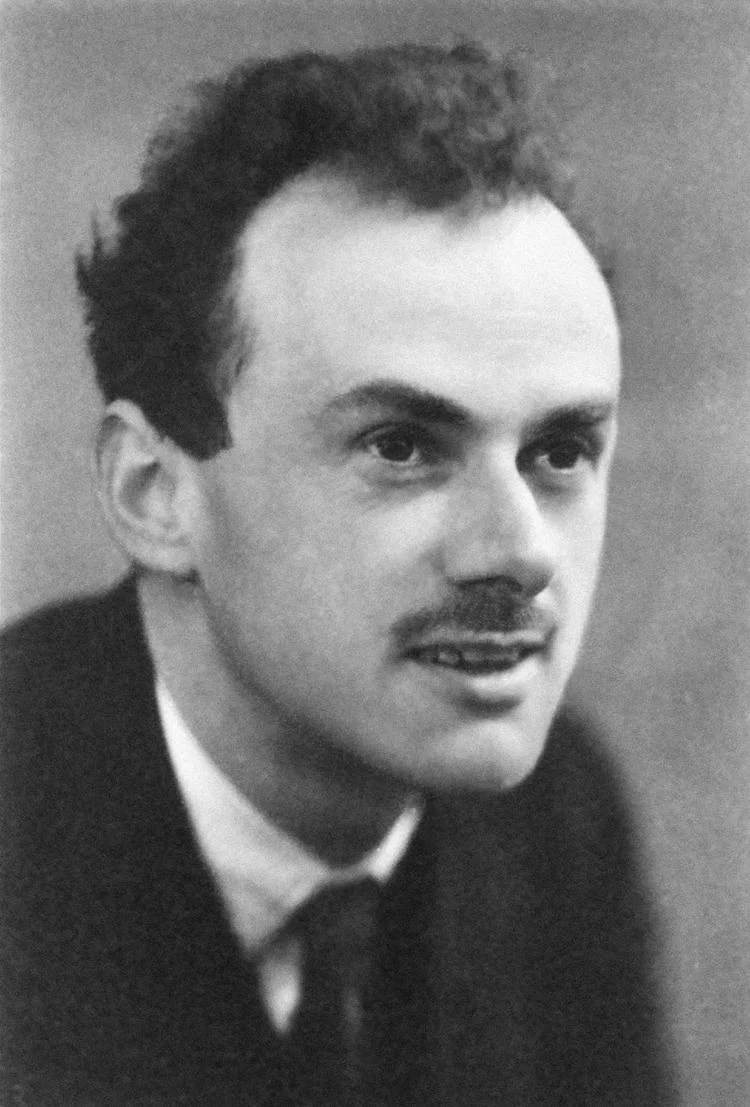
Physicist Paul Dirac declined a knighthood in the mid twentieth century. His work laid foundations for quantum mechanics and earned him the Nobel Prize in Physics.
Dirac accepted other distinctions during his academic career and kept a low public profile. His textbooks and research papers remained central to physics without the title.
Share your thoughts in the comments and tell us which decisions surprised you most.