The Most Tragic Accidents That Happened on Movie Sets


Movie sets are built to control chaos, yet real danger can creep in when stunts, special effects, and tight schedules collide. Across film history, a handful of productions have faced heartbreaking incidents that changed lives and reshaped safety expectations. These moments are remembered not for spectacle but for the urgent lessons they forced the industry to learn.
Below are widely discussed on set accidents from different eras and genres. Each one outlines what happened, who was affected, and how productions and regulators responded afterward. The goal is to give clear context so you can understand both the event and its impact on future filmmaking.
‘Rust’ (2025)
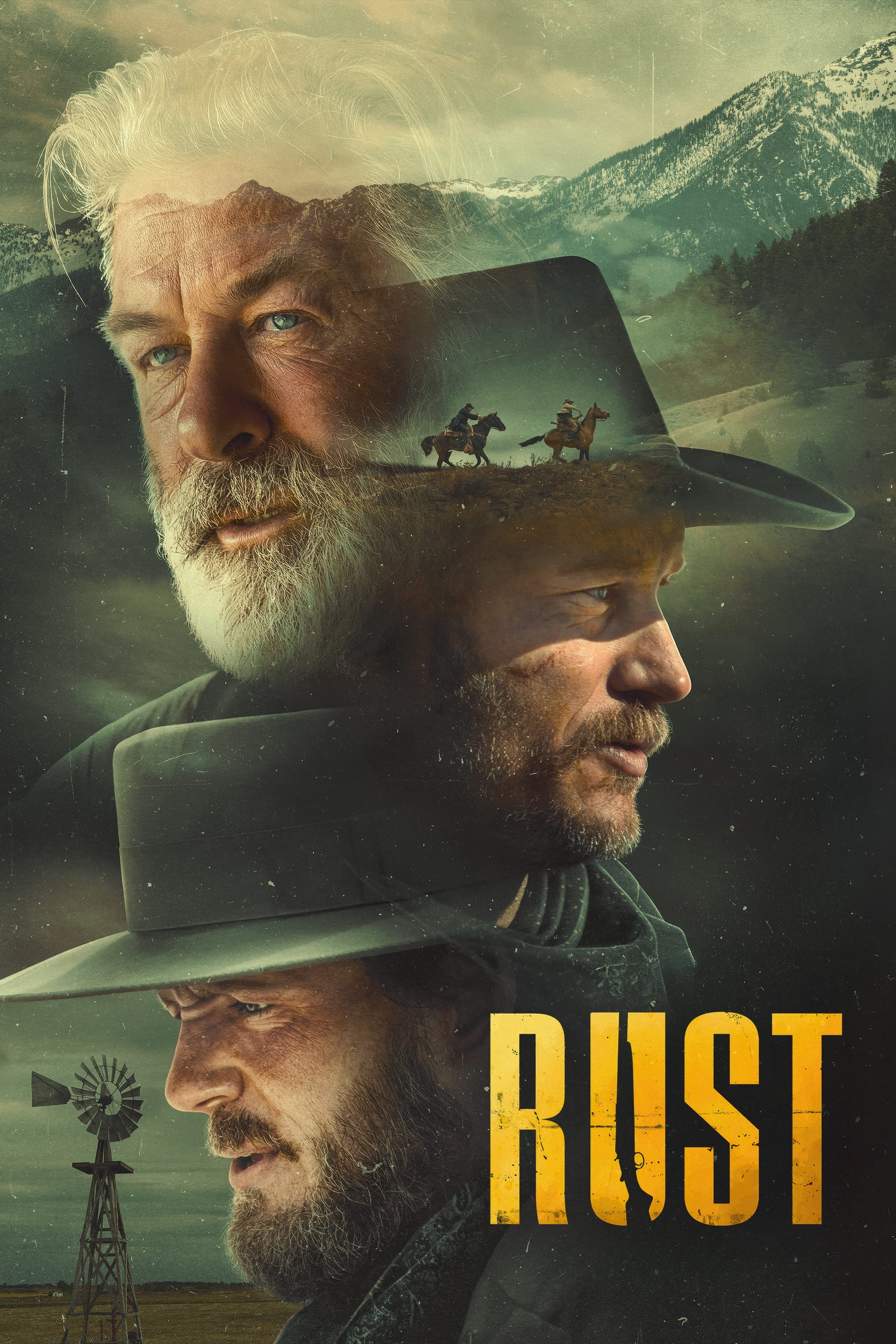
During a rehearsal inside a church set at Bonanza Creek Ranch near Santa Fe a firearm discharged and struck cinematographer Halyna Hutchins while also injuring director Joel Souza. Investigators later confirmed that a live round was fired from a period style revolver used as a prop during the scene setup.
Filming stopped and the production entered a lengthy legal and regulatory review. The incident triggered fresh scrutiny of how weapons are handled on sets and led many producers to adopt stricter checks or move to non firing replicas and digital muzzle flashes.
‘The Crow’ (1994)
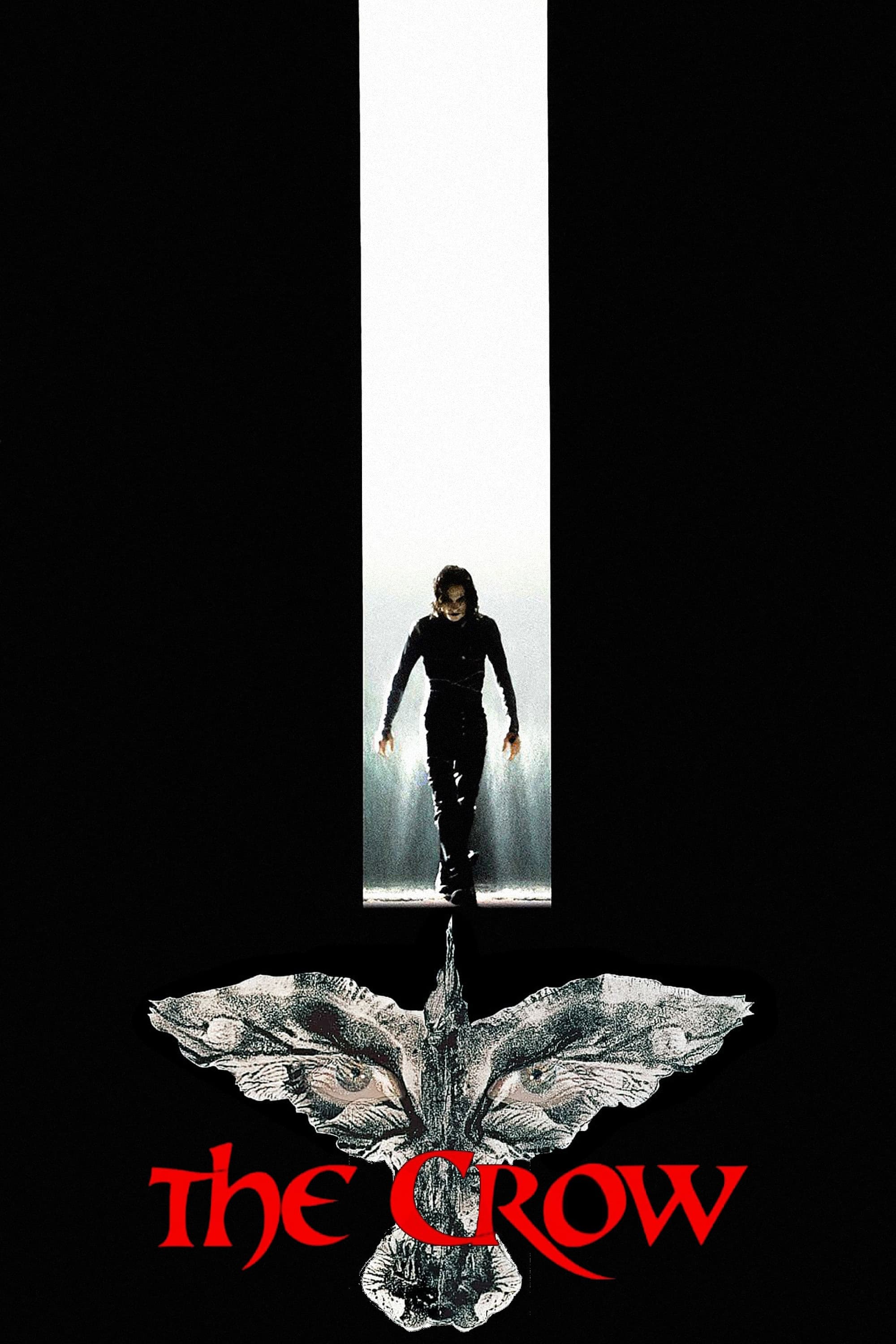
Actor Brandon Lee was mortally wounded during a scene involving a handgun that was believed to be safe. A projectile lodged in the barrel from earlier handling was propelled when a blank cartridge was fired at close distance.
The production halted and authorities examined prop procedures and ammunition sourcing. The event spurred tighter standards around firearm preparation including separate specialists for weapons and ammunition and mandatory barrel inspections before every take.
‘Twilight Zone: The Movie’ (1983)
A night shoot at the Indian Dunes location in California used a low flying helicopter amid explosions for a Vietnam War sequence. The aircraft lost control and crashed during the setup killing actor Vic Morrow and two child performers on the ground.
Multiple investigations followed and courts examined permitting and child labor practices. The tragedy led to stricter rules on combining aircraft and pyrotechnics and reinforced limits on minors working around hazardous effects.
‘Top Gun’ (1986)
Aerial coordinator and renowned stunt pilot Art Scholl took a Pitts biplane up to capture a flat spin for the production. The aircraft entered a spin over the Pacific and did not recover and both plane and pilot were lost.
The loss prompted a reassessment of how camera shots are prioritized during high risk aerobatics. Later productions relied more on chase planes, telemetry, and defined abort altitudes when attempting complex maneuvers.
‘The Flight of the Phoenix’ (1966)
Legendary pilot Paul Mantz flew a purpose built aircraft designed to look like a desert rescue plane for a take on rough terrain. The airframe broke up during a low pass and Mantz was fatally injured.
Studios and insurers subsequently tightened rules for flying experimental or heavily modified aircraft for camera. Clearance requirements expanded to include additional structural assessments and surface condition surveys for off runway operations.
‘Midnight Rider’ (2014)
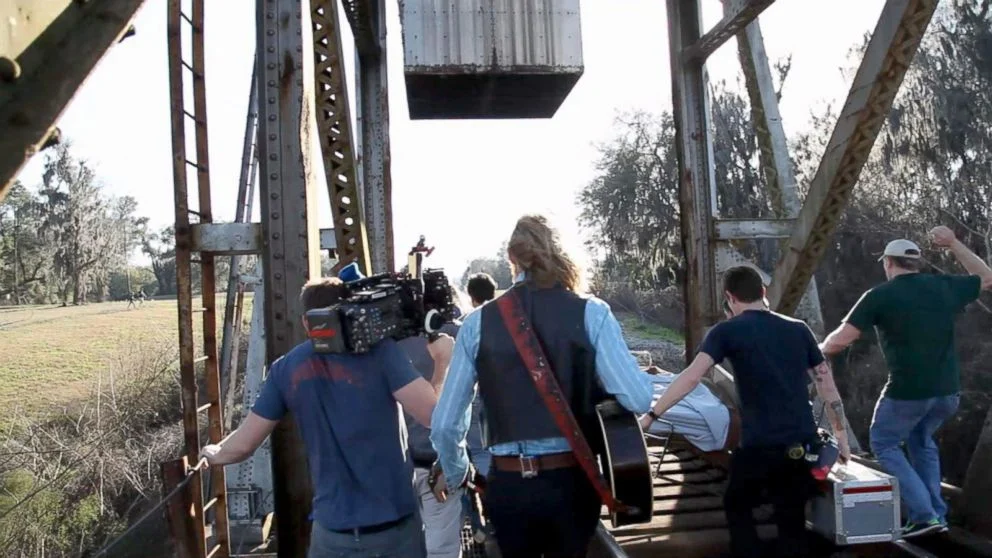
Camera assistant Sarah Jones was killed and several crew members were injured when a train entered a trestle where a hospital bed set piece had been placed for a scene. The crew was on active tracks and the train impacted the prop and the crew’s position with little time to escape.
The event galvanized a safety campaign across the industry. Productions increased verification of location permissions and implemented red flag protocols that halt work until written authorization from track owners and site controllers is documented and shared.
‘Deadpool 2’ (2018)
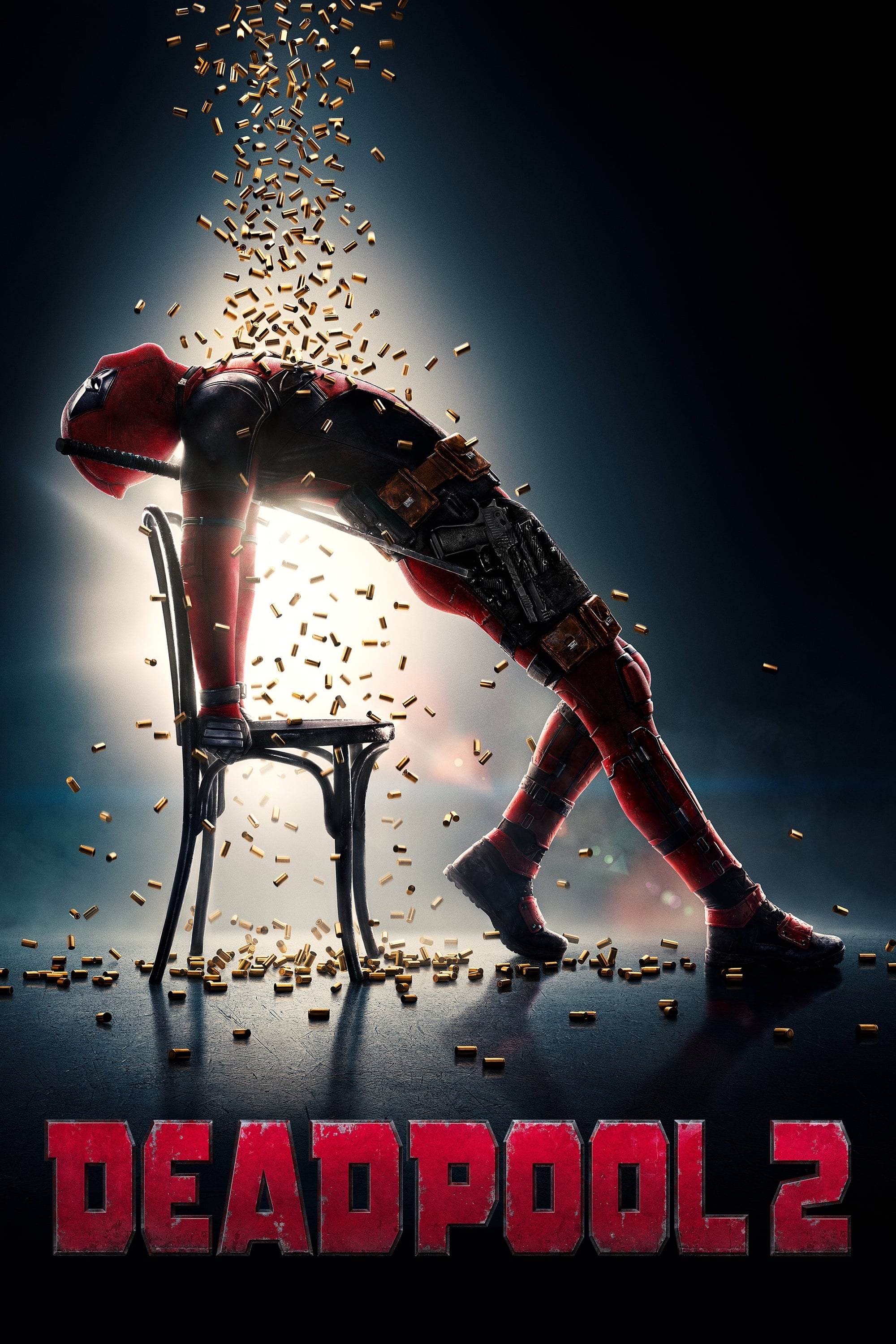
Stunt rider Joi Harris was performing a motorcycle maneuver through city streets in Vancouver for a sequence involving the character Domino. She lost control while exiting the stunt and suffered fatal injuries.
Regulators reviewed planning documents and rider protection measures. Productions broadened helmet and protective gear policies even when faces need to match a character and expanded rehearsal time for precision street work.
‘The Dark Knight’ (2008)
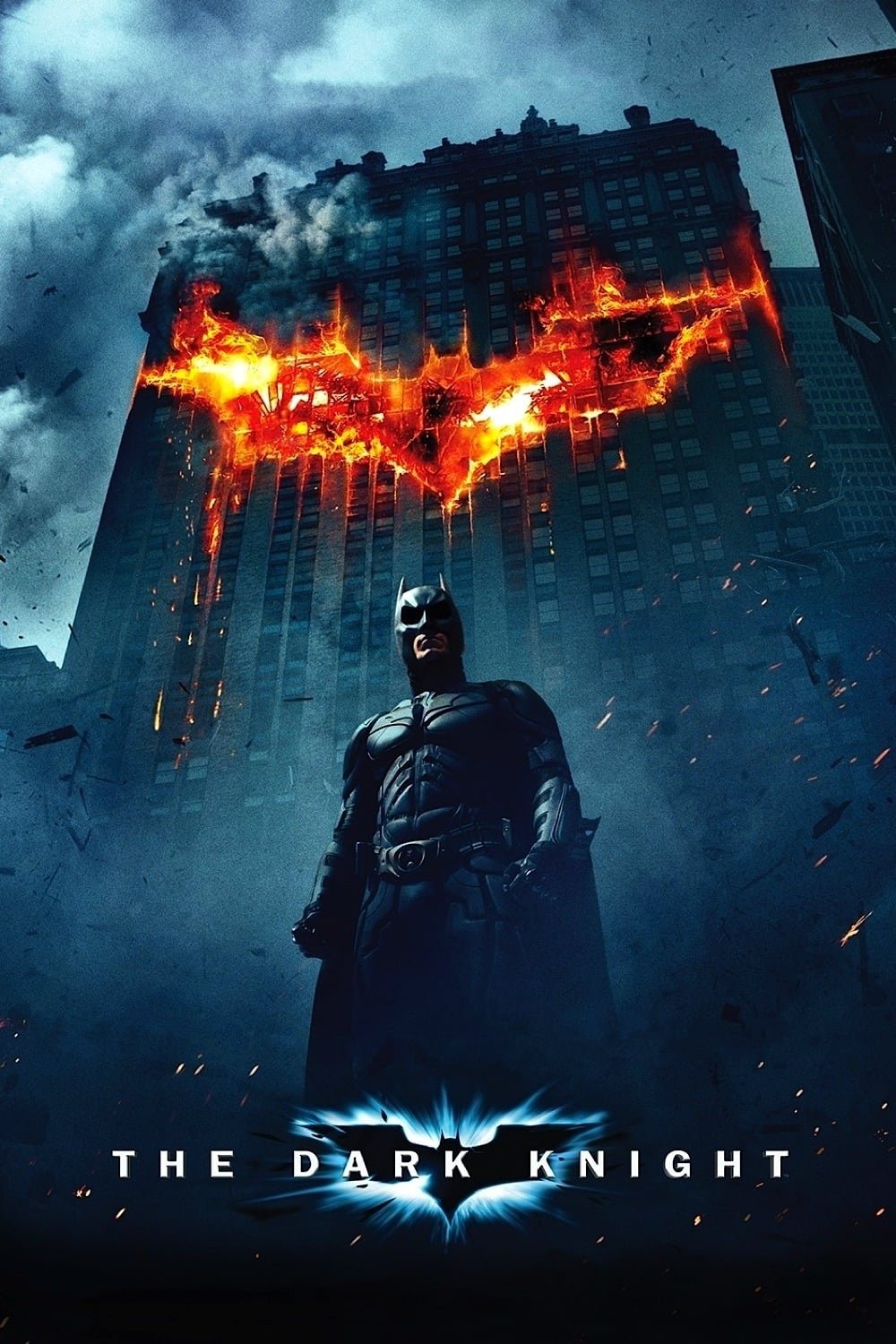
Special effects technician Conway Wickliffe died during a camera test for a vehicle sequence in Surrey. The camera car he was riding in left the road during a high speed maneuver.
The production examined test protocols and vehicle run offs at filming locations. Many effects units adopted longer buffer zones, revised seat and harness setups for camera technicians, and added independent spotters for every pass.
‘The Return of the Musketeers’ (1989)
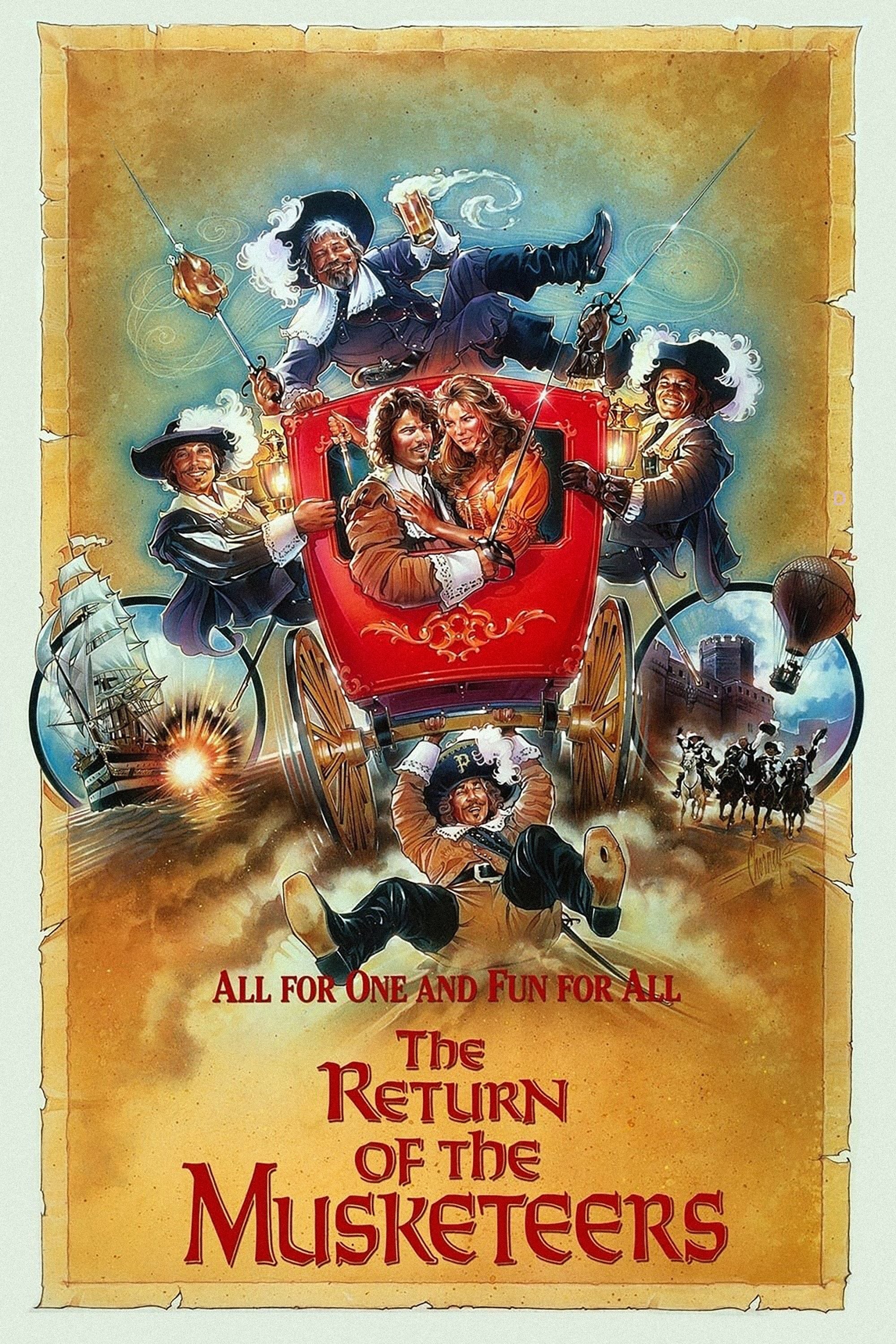
Actor Roy Kinnear fell from a horse during a scene filmed in Spain and sustained serious internal injuries. He died in hospital the following day.
The production increased equestrian safety support and brought in additional horse masters to review choreography. Film insurers began pushing for more detailed riding assessments for performers and for greater use of doubles on cobblestone and tight urban surfaces.
‘Noah’s Ark’ (1928)
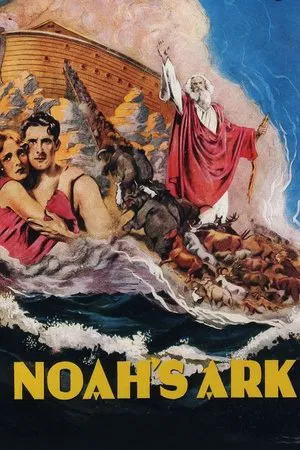
A large scale flood sequence used vast amounts of water to simulate deluge conditions. Multiple extras were swept off their footing and several drownings and many injuries were reported during the shoot.
Studios later adopted stricter water effects procedures. That included engineered spillways, breakaway obstacles, trained rescue swimmers on camera and off camera positions, and mandatory communication checks before each water release.
‘xXx’ (2002)
Stuntman Harry O’Connor was performing a parasailing stunt under a bridge in Prague for a second take after a successful first pass. He struck the structure at high speed and died from his injuries.
Following the accident the team reassessed clearance margins and wind condition thresholds for canopy stunts. Later projects introduced real time wind telemetry feeds to both pilot and ground coordinator and expanded the minimum distance required under fixed structures.
‘The Eiger Sanction’ (1975)
Climber and crew member David Knowles was struck by falling rock during filming on the Eiger in Switzerland. He died from his injuries and another climber was hurt in the same incident.
The production paused and re planned exposure on the mountain. Subsequent films shot in alpine terrain increased rockfall monitoring, protective rigging, and authority to cancel setups when warming temperatures raised objective hazard.
‘Jumper’ (2008)
Set dresser David Ritchie was working on a stage build in Toronto when a wall of frozen sand and ice collapsed during dismantling. He was killed and another worker was injured.
Afterward departments updated procedures for cold weather sets and for deconstruction sequences. Productions added engineering sign offs for freeze thaw risk and adopted controlled demolition plans rather than manual break down for heavy set pieces.
‘The Expendables 2’ (2012)
A second unit sequence in Bulgaria used boat explosions on a reservoir. A blast during a setup killed stuntman Kun Liu and seriously injured another performer.
The production reviewed charge placement and distancing for waterborne pyrotechnics. Many effects teams adopted additional stand off ranges and redundant remote firing locks to minimize risk during resets and misfires.
‘American Made’ (2017)
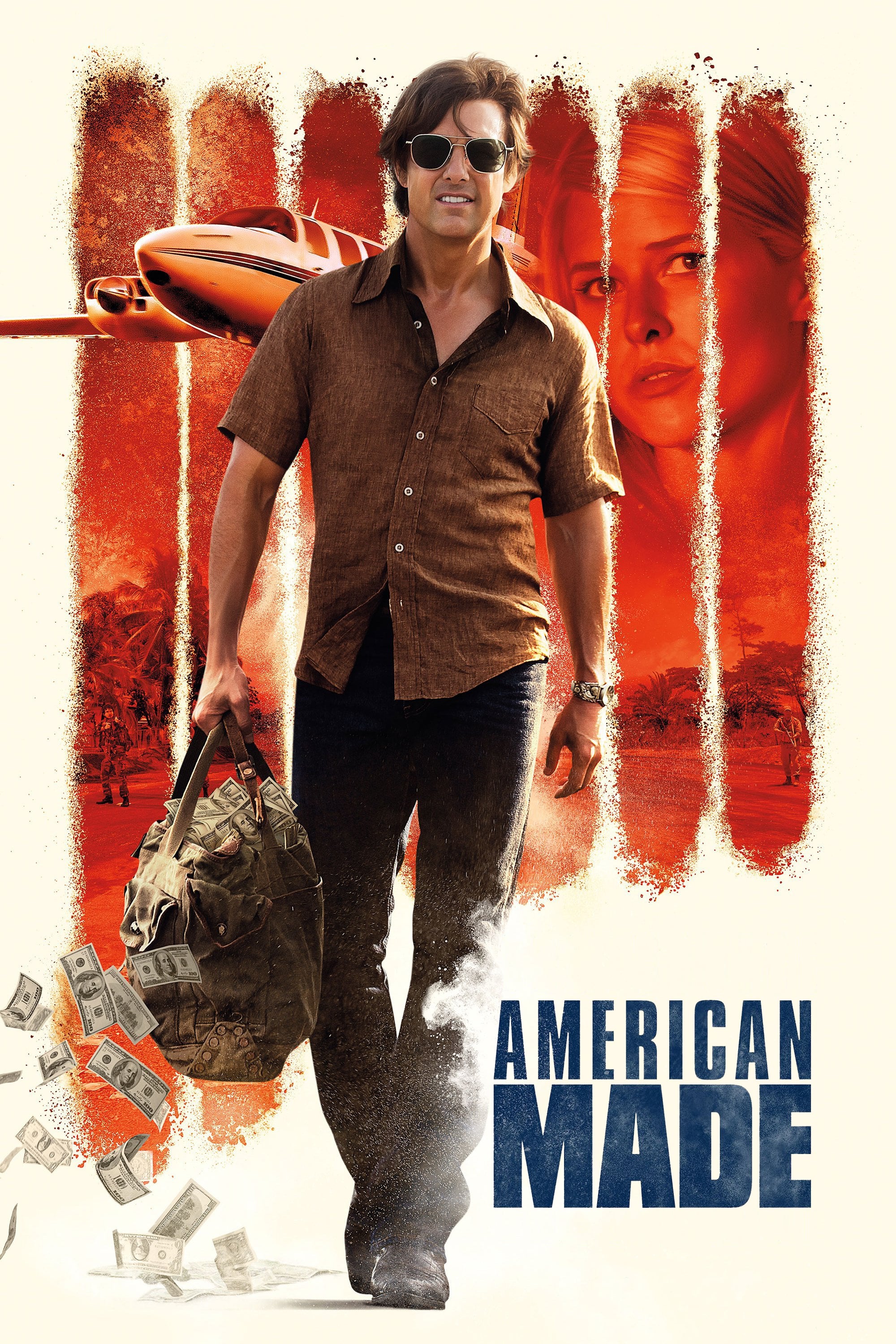
A twin engine aircraft carrying aviation crew crashed in mountainous terrain during location work in Colombia. Pilots Alan Purwin and Carlos Berl were killed and a third occupant was seriously injured.
Aviation plans for subsequent flights were reworked with more conservative routing and weather minimums. Film aviation coordinators widely reinforced requirements for terrain familiarization and second pilot qualifications on demanding routes.
‘Resident Evil: The Final Chapter’ (2016)
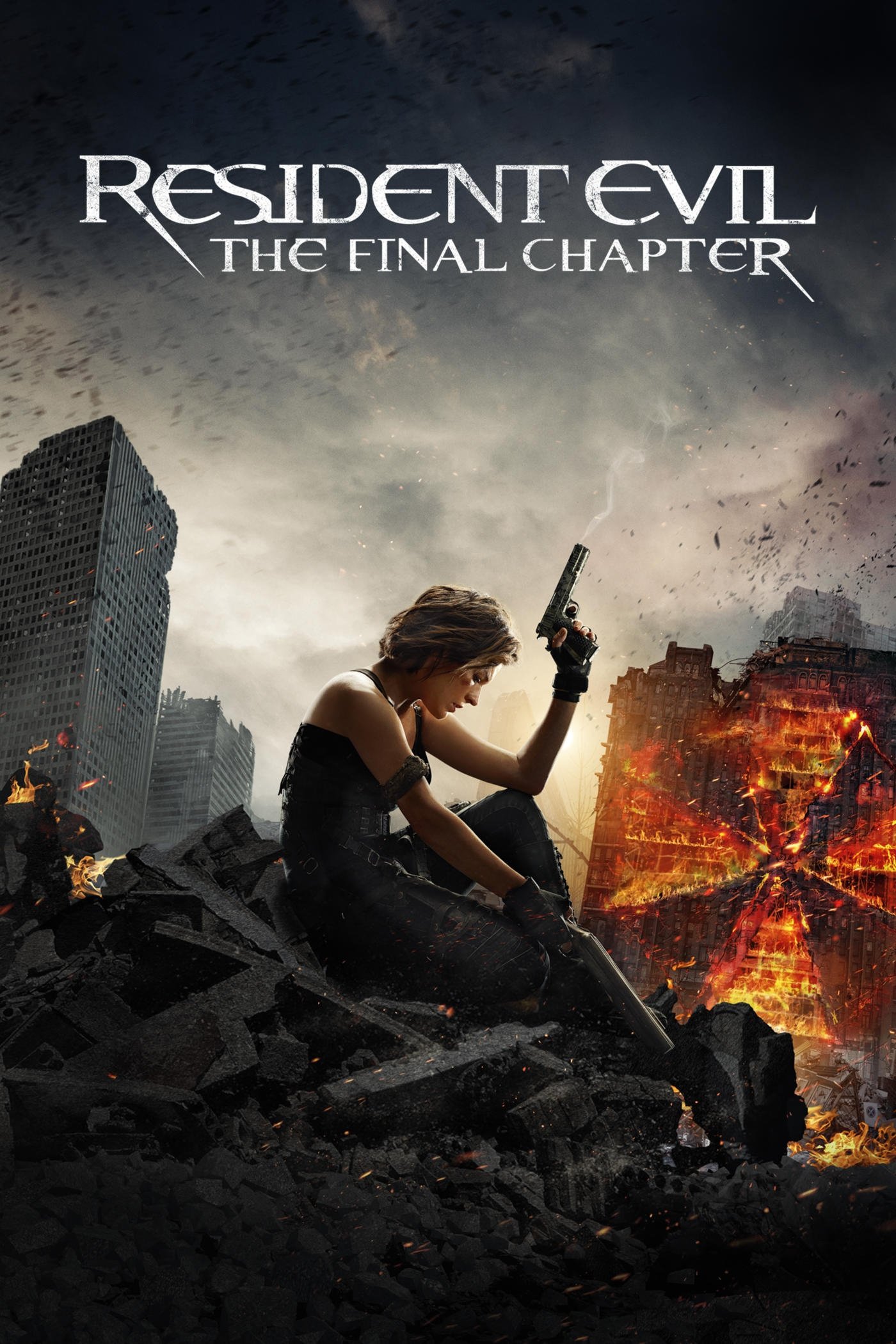
Stunt performer Olivia Jackson collided with a camera crane arm during a motorcycle stunt near Johannesburg and sustained catastrophic injuries that led to the amputation of her arm and other lasting damage. In a separate incident on the same production a crew member named Ricardo Cornelius was crushed by a vehicle and died.
The incidents led to new scrutiny of moving camera rigs near motorcycles and heavier vehicles on set. Productions increased clearance radiuses for crane sweeps and introduced additional lockout procedures while vehicles are repositioned.
‘Transformers: Dark of the Moon’ (2011)
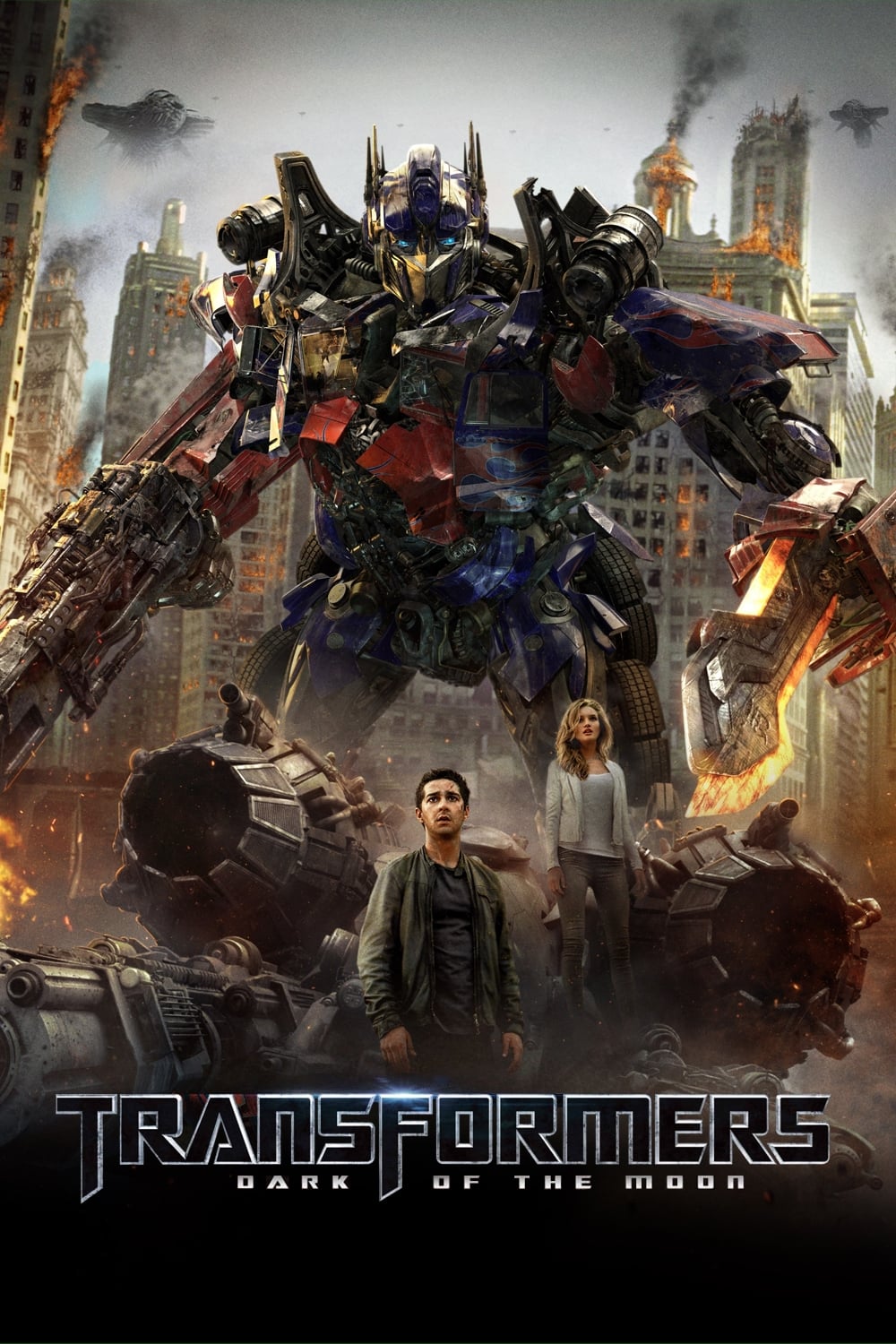
Background performer Gabriela Cedillo was injured when a cable associated with a stunt snapped and struck her vehicle during a second unit shoot near Chicago. She suffered permanent brain injury.
The production and local authorities reviewed rigging plans and area control around high tension lines. Subsequent shoots added expanded exclusion zones and independent inspections of cable routing before resets.
‘Harry Potter and the Deathly Hallows: Part 1’ (2010)
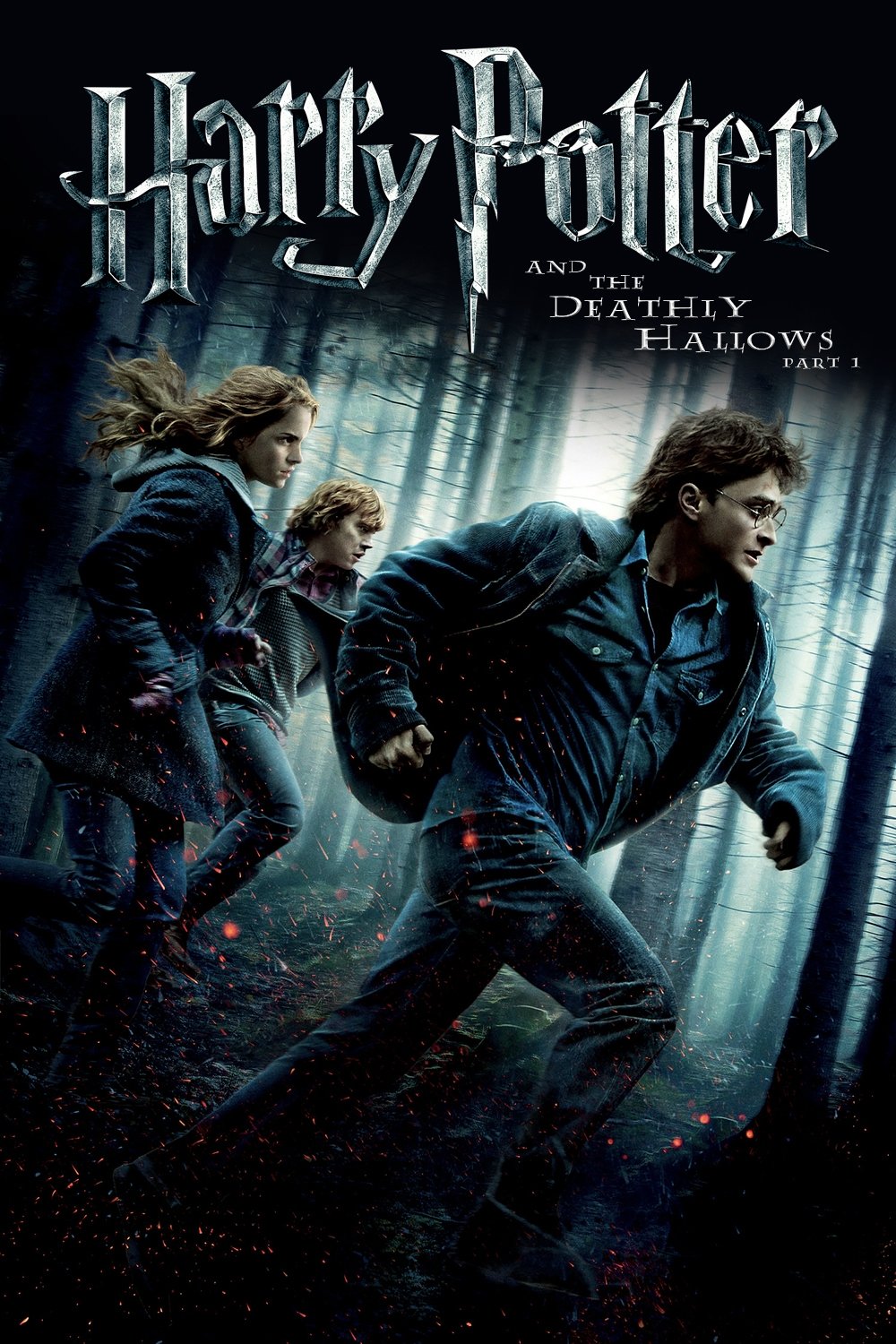
Stuntman David Holmes was testing a flying rig for an effects shot when an explosion propelled him into a wall. He was paralyzed from the chest down.
Warner Bros and stunt coordinators revisited the strength ratings of tethers, the placement of deceleration systems, and emergency stop access during explosive wire pulls. Training protocols for crew working near blast cords were also expanded.
‘Delta Force 2: The Colombian Connection’ (1990)
A helicopter supporting a location shoot in the Philippines crashed in difficult terrain during a planned move. Several crew members including the pilot were killed and others were injured.
The incident prompted productions to re evaluate mountain flying plans and emergency landing options for support aircraft. It also encouraged wider use of rehearsal flights without passengers before any low altitude maneuvers near filming areas.
‘A Vampire in Brooklyn’ (1995)

Stuntwoman Sonja Davis fell from a building while doubling a jump for a nighttime sequence in Los Angeles. She missed the landing area and later died from her injuries.
The production examined rigging measurements and fall arrest setups. Coordinators across the industry reinforced requirements for independent calculations of fall trajectories and for expanded margins around airbag or decelerator placements on high falls.
‘The Walking Dead’ (2010–2022)
Stunt performer John Bernecker fell from a balcony to a concrete floor while rehearsing a scene on a Georgia soundstage. He sustained severe head trauma and was taken to a nearby hospital where he later died.
Production halted and investigators reviewed fall protection planning and the placement of padding and deceleration equipment. The incident led shows to increase independent measurements for fall distances and to require clearer authority for stunt coordinators to stop rehearsals when landing areas are not fully verified.
‘Cover Up’ (1984–1985)
Actor Jon Erik Hexum suffered a fatal head injury on set after he fired a prop handgun loaded with blanks at close range. The force of the blast fractured his skull and caused massive trauma.
The show’s shutdown prompted productions to update handling rules for blank firing weapons in non action scenes. Safety briefings expanded to explain muzzle energy from blanks and to establish mandatory distance and direction protocols even when no projectile is present.
‘Cops’ (1989– )
Audio technician Bryce Dion was struck by police gunfire during a live robbery response while the crew was documenting officers in Omaha. He was wearing protective gear but the rounds penetrated.
Police departments and reality producers tightened rules for embedding crews alongside officers during active calls. Many agencies set stricter limitations on camera proximity and expanded training on crossfire risk when civilians or media personnel are present.
‘Troy’ (2004)
Maltese bodybuilder and stunt performer George Camilleri broke his leg during a horse sequence near Fort Ricasoli. He later died in hospital due to complications after surgery.
The production reexamined emergency response planning for large location units. Horse work on historical epics moved toward more pre visualized choreography and additional veterinary and medical teams on standby during gallop and charge shots.
‘Indian 2: Zero Tolerance’ (2024)
A large mounted crane collapsed during a night build at a studio facility near Chennai. Three crew members working below were killed and several others were injured.
Local authorities and the production audited heavy equipment permits and operator qualifications. After the incident many film crews in the region added redundant load tests for cranes and required exclusion zones beneath booms during any repositioning.
‘Braddock: Missing in Action III’ (1988)
A helicopter crashed during location work in the Philippines while supporting an action sequence. The aircraft struck terrain and several people including the pilot were killed.
Aviation coordinators adjusted flight plans for low level operations in tropical locations. Later shoots added additional scouting flights without passengers and set conservative weather limits for camera and support helicopters.
‘Blade Runner 2049’ (2017)
A set being dismantled at a studio complex near Budapest partially collapsed on a construction worker. He was pulled from the debris and later died from his injuries.
Studios increased requirements for engineering sign offs during strike and rebuild days. Productions also added daily toolbox talks that treat takedown work with the same risk controls used during active shooting.
‘Silence’ (2016)
A structure under construction at a Taiwan studio location gave way and trapped workers inside. One crew member died and multiple colleagues were injured.
The production and local regulators reviewed contractor oversight and load calculations for temporary buildings. New guidelines emphasized independent inspections and a slower pace for complex period set builds in high humidity conditions.
‘The Charge of the Light Brigade’ (1936)

A cavalry sequence used concealed trip wires to topple charging horses for camera. Numerous animals were injured or killed across multiple takes which triggered public outcry.
The controversy helped push the industry toward formal animal welfare oversight. Productions moved to trained falls without wire and eventually to mechanical rigs and visual effects that avoid harm to animals during large battle scenes.
‘Shark!’ (1969)
Stuntman Jose Marco was attacked by a shark during an underwater scene off the coast of Mexico. A protective net intended to hold the animals away had failed.
Filmmakers rethought live shark work and began favoring tank shoots with trained professionals and physical barriers. Later ocean scenes used cages, clearer water visibility rules, and more frequent safety checks before any diver entered the water.
‘Back to the Future Part II’ (1989)
Stuntwoman Cheryl Wheeler Dixon was performing a hoverboard gag that required a backward fall through glass while attached to a rig. She missed the planned mark and struck the pavement which caused serious injuries.
After the accident the team refined harness timing and introduced additional spotters for reverse movement gags. Future productions added secondary catch systems on high energy wire pulls that combine glass and hard surfaces.
‘The Hangover Part II’ (2011)
Stuntman Scott McLean was leaning out of a moving vehicle during a street pass when timing with an adjacent truck went wrong. He suffered a severe head injury and required long term rehabilitation.
The incident reinforced the need for wider speed deltas and better escape routes during close vehicle choreography. Productions added more rehearsal time at full scale and brought in dedicated traffic control teams to reduce external variables.
‘Zookeeper’ (2011)
A transportation worker was fatally injured in a parking area at the zoo location in Boston during an early morning move. He was pinned by a truck while vehicles and equipment were being repositioned.
In response, studio transport departments adopted clearer spotter rules and no solo moves in tight lots. Call sheets began to include quiet hours for heavy vehicles and stricter low light visibility standards for drivers and pedestrians.
‘The Lone Ranger’ (2013)
A water safety crew member died after a medical emergency while preparing a tank for an underwater sequence. The crew member was found unresponsive and could not be revived.
The production reviewed emergency response timelines and the placement of rescue divers and paramedics around water work. Many sets established additional drills for in water rescues and added automated external defibrillators near tanks and river units.
‘Red Cliff’ (2008)
A wooden boat used for a large battle scene rehearsal capsized on a lake location in China. One crew member died and several others were injured before rescue teams could reach them.
Producers strengthened life jacket policies and headcounts on floating platforms. Future large scale water scenes in the region included chase boats staffed with medics and better weather monitoring for sudden gusts.
‘The Viking’ (1931)
An explosion aboard the sealing ship SS Viking during location filming off Newfoundland killed dozens, including the film’s director and cinematographer on the voyage. The blast was linked to explosives stored to break ice and to difficult winter conditions.
The tragedy prompted calls for tighter control of pyrotechnics on vessels. Film companies operating at sea placed greater emphasis on separation of people and explosives and on conservative voyage planning in heavy ice.
‘The Captive’ (1915)
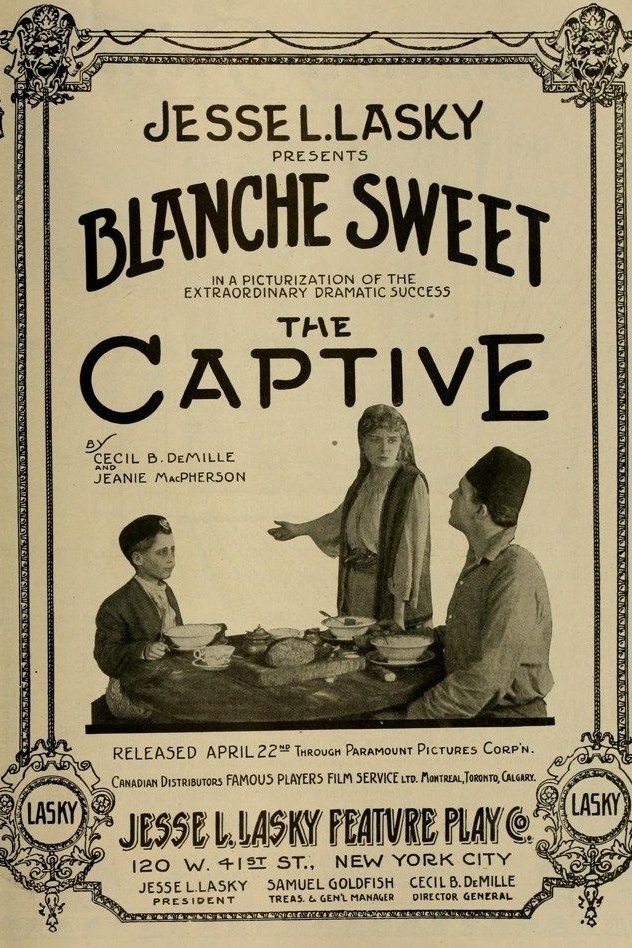
During a scene where a lock was to be shot off a door an extra was killed when live ammunition was used by mistake. The setup had been planned with blanks but the wrong rounds were introduced.
Studios responded by locking down weapons storage and labeling to prevent confusion. The incident influenced early rules that separate armorers from prop departments and that require a final check before any firearm is brought to set.
‘Coolie’ (1983)
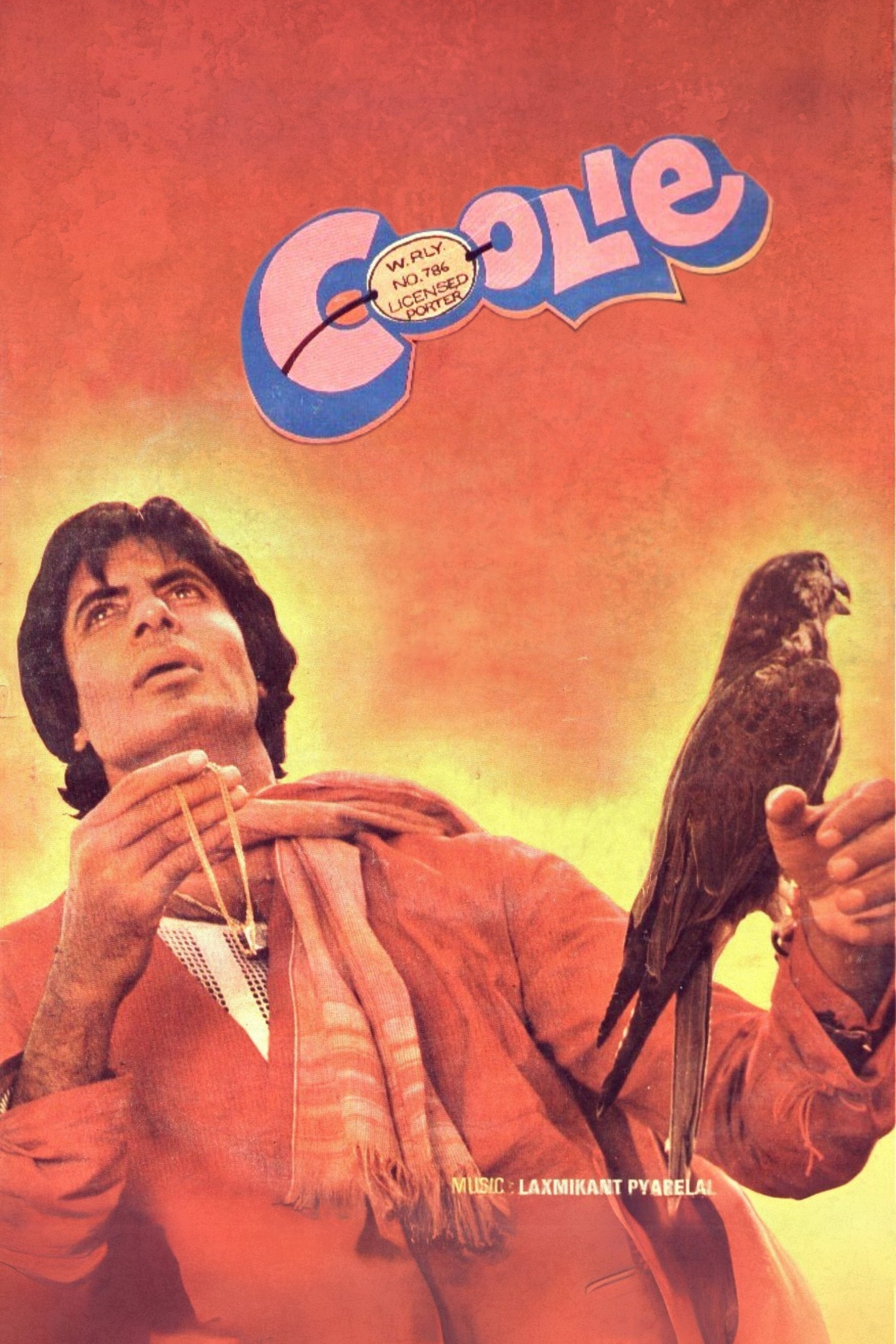
Actor Amitabh Bachchan was gravely injured during a fight scene on a college campus location when a planned fall went wrong. He suffered internal injuries and required extensive medical treatment and a long recovery.
Filming paused for months and the accident led to changes in how fight beats were measured and rehearsed in Indian cinema. Productions increased use of crash mats and required medical teams and ambulances on site for heavy action days.
‘G.I. Joe: Retaliation’ (2013)
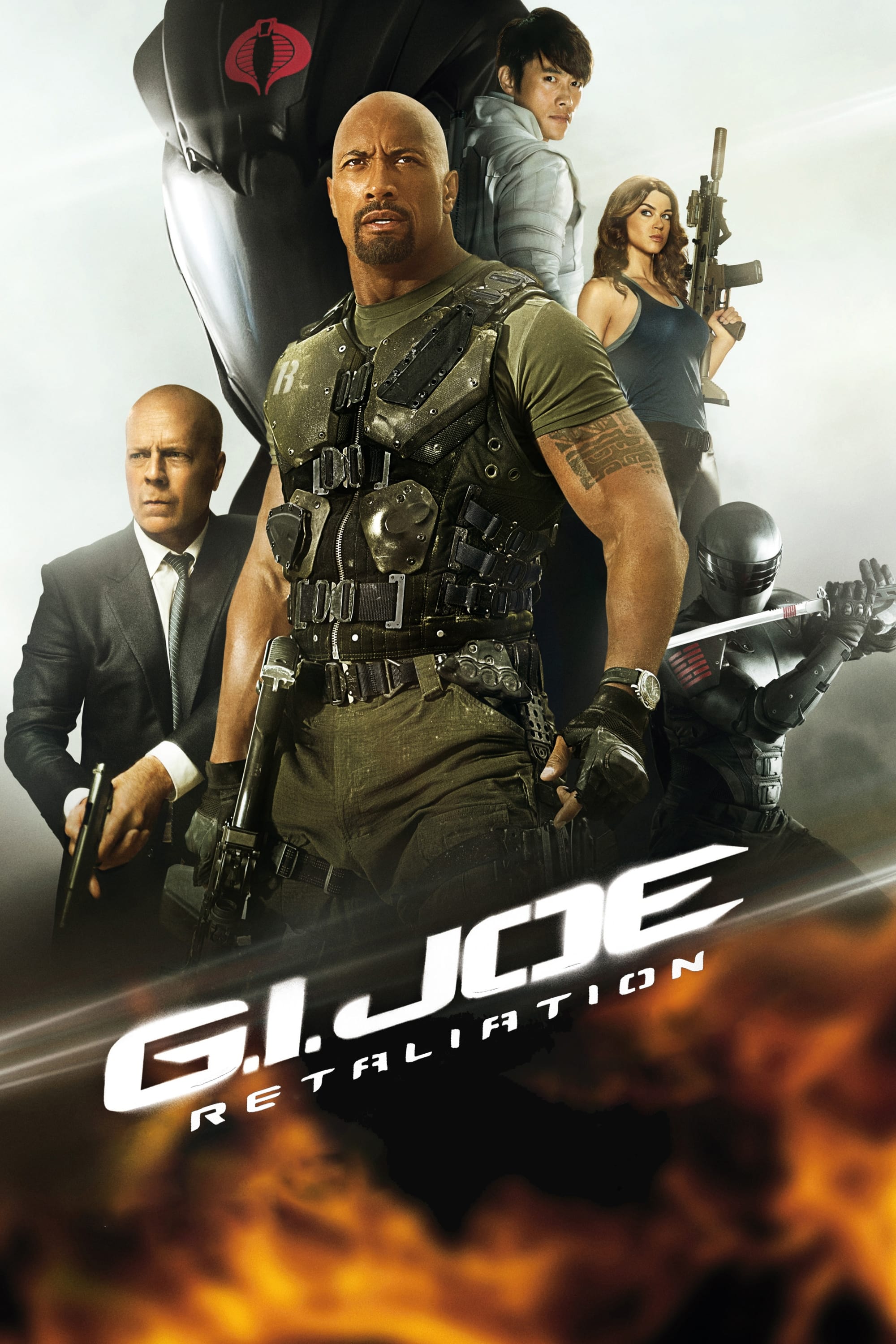
A crew member was killed during a set build when a scissor lift accident occurred at a New Orleans facility. The worker was pinned under equipment while a structure was being prepared.
Afterward studio construction departments expanded training and certification requirements for aerial lifts. Many shows now include lift spotters as a default and restrict movement during any overhead rigging work.
‘The Equalizer 2’ (2018)
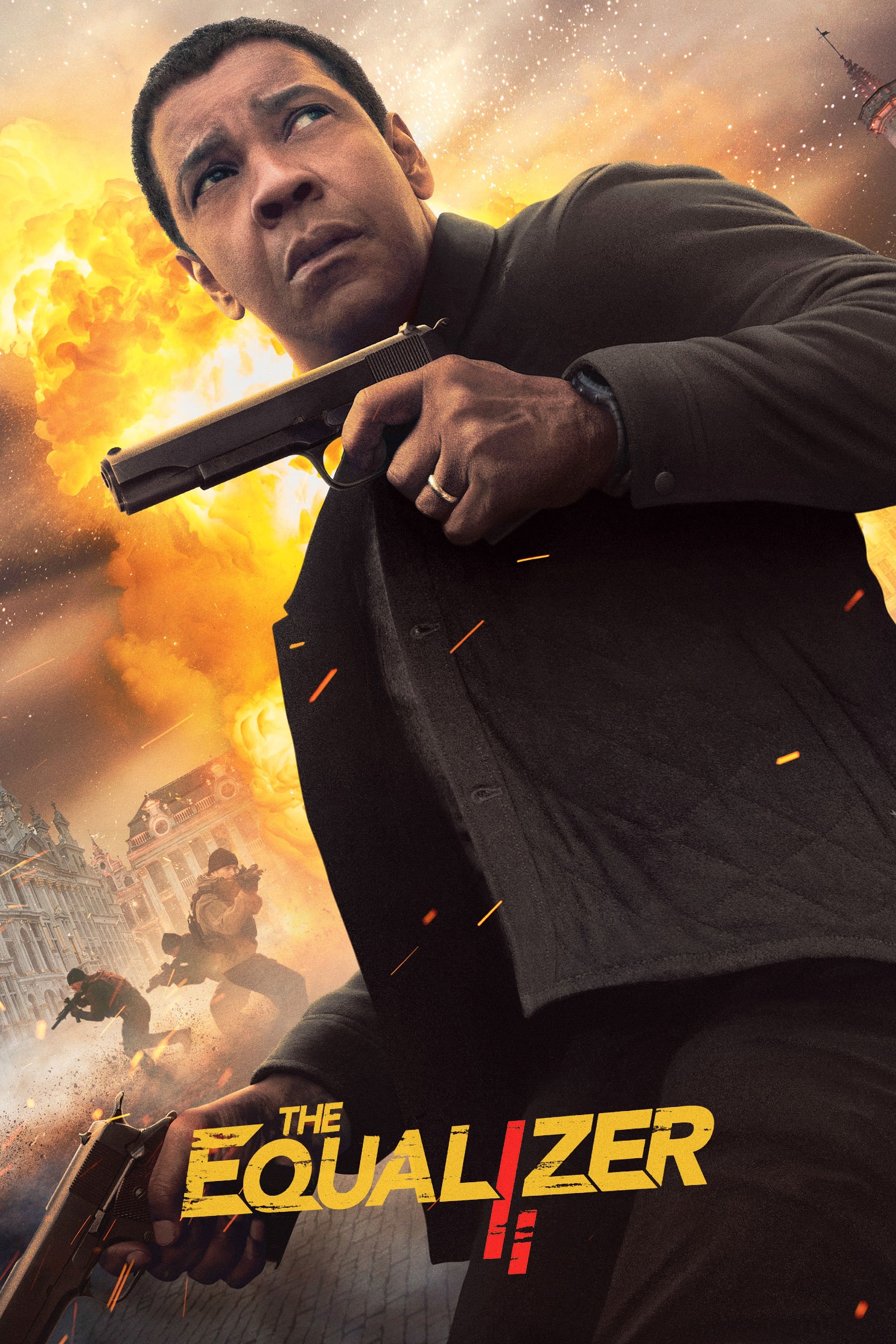
A construction worker died while repairing storm damage at a Massachusetts location used by the production. High winds had damaged structures and the worker fell during the cleanup.
The production and local officials reviewed severe weather protocols and the timing of return to work after storms. Crews adopted new hold rules that keep non essential personnel away until independent inspectors confirm that sets are safe to re enter.
Share the on set safety changes you think made the biggest difference in the comments.