Top Celebs Who Were Banned From Social Media

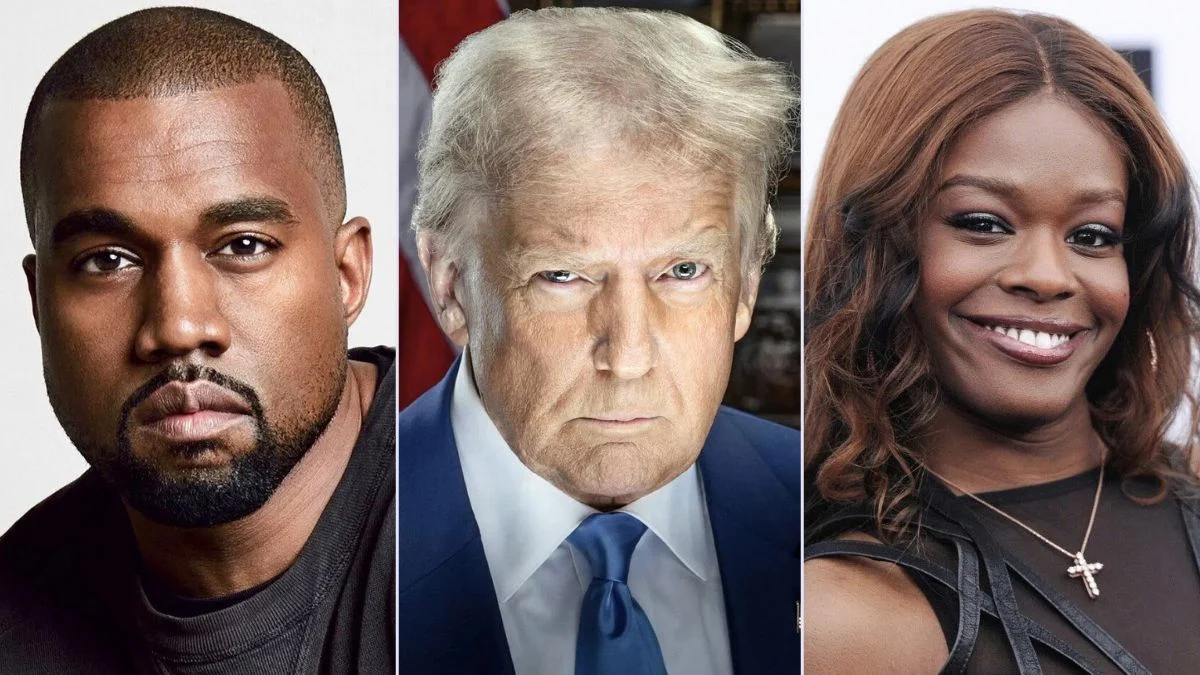

Social platforms set rules to curb harassment, misinformation, and harmful content, and sometimes very famous people violate those rules. Bans and suspensions can be temporary or long lasting, and policies vary widely between apps, which is why one person can disappear from one site yet remain active elsewhere.
This list looks at high profile cases where a celebrity or public figure was banned or suspended at least once and explains what triggered the action and what happened next. In each case the focus is on the specific policy cited or behavior flagged by moderators along with any appeals and reinstatements that followed.
Donald Trump
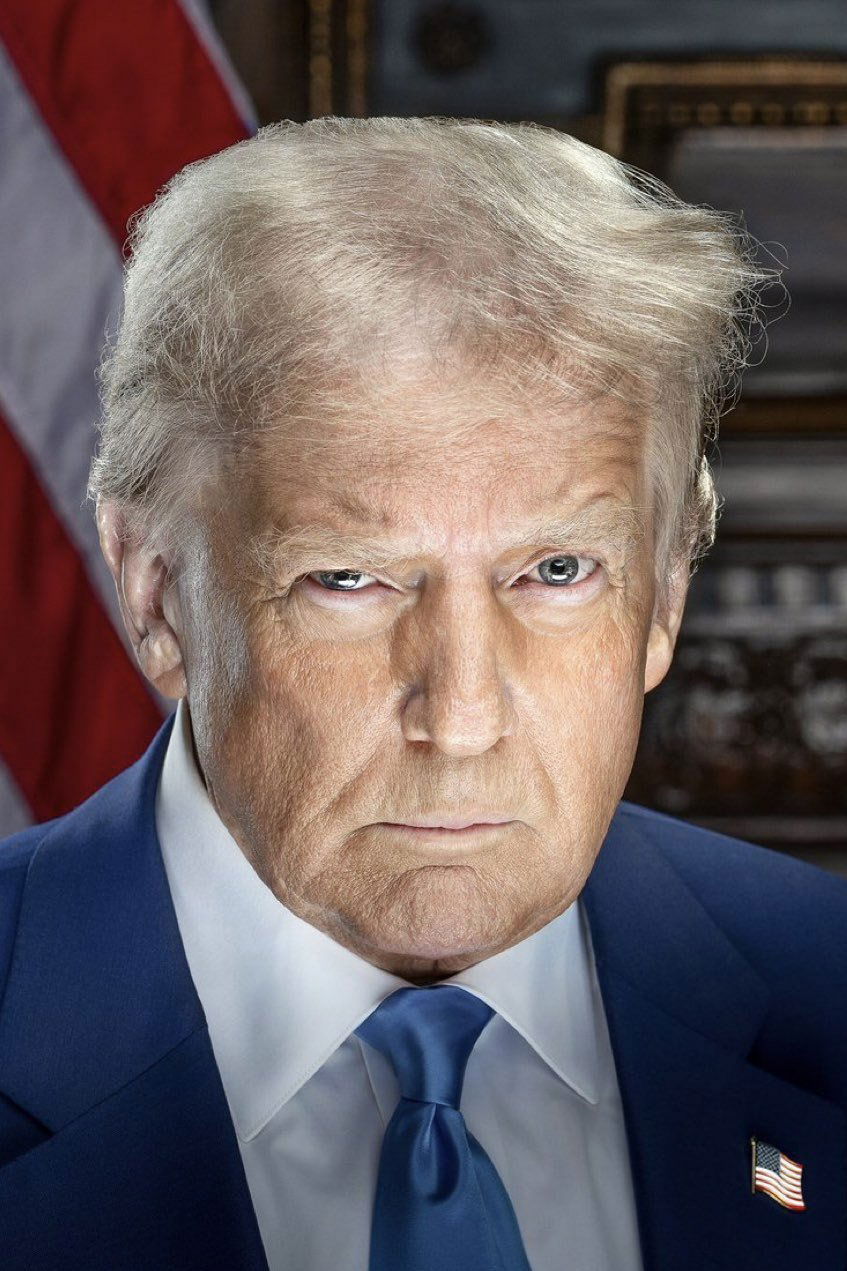
Twitter banned his account in January 2021 after the Capitol unrest and cited the risk of further violence. Facebook issued a suspension that was reviewed by its oversight board and later converted to a time bound penalty with specific conditions for return.
YouTube also suspended his channel in the same period over concerns about incitement. Over time some platforms restored access based on updated policies and new safeguards while others maintained restrictions for longer.
Ye
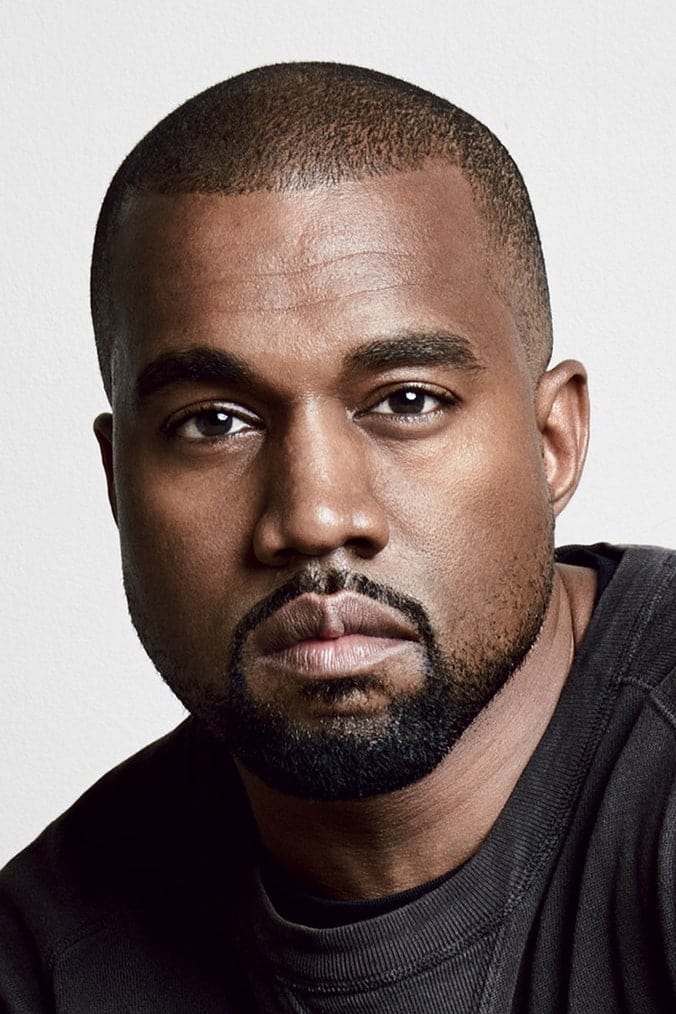
Twitter suspended his account multiple times in 2022 for posts that violated rules on hateful conduct. Moderation actions included removal of specific tweets and temporary lockouts before a full suspension was applied.
Instagram also restricted his account for content that broke policies on harassment and hate speech. Access was later restored after reviews but further violations triggered new enforcement actions.
Alex Jones
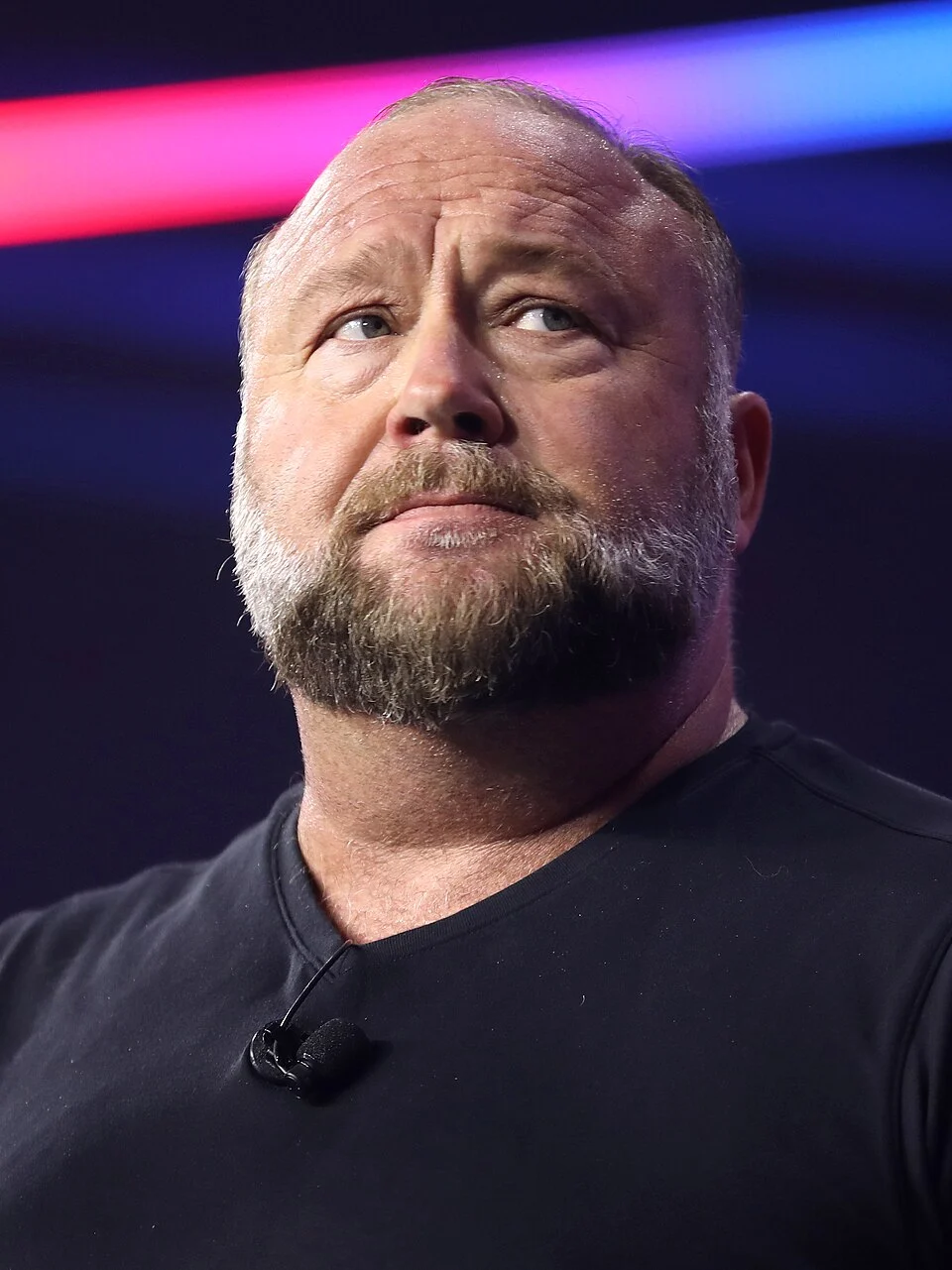
Facebook and YouTube removed his pages and channels in 2018 for repeated violations involving harassment and hate speech. Apple and Spotify took similar steps against show feeds that were judged to breach platform rules.
Twitter initially issued warnings and temporary limits before removing his accounts. Some services have kept bans in place while others have allowed limited returns under strict terms.
Andrew Tate
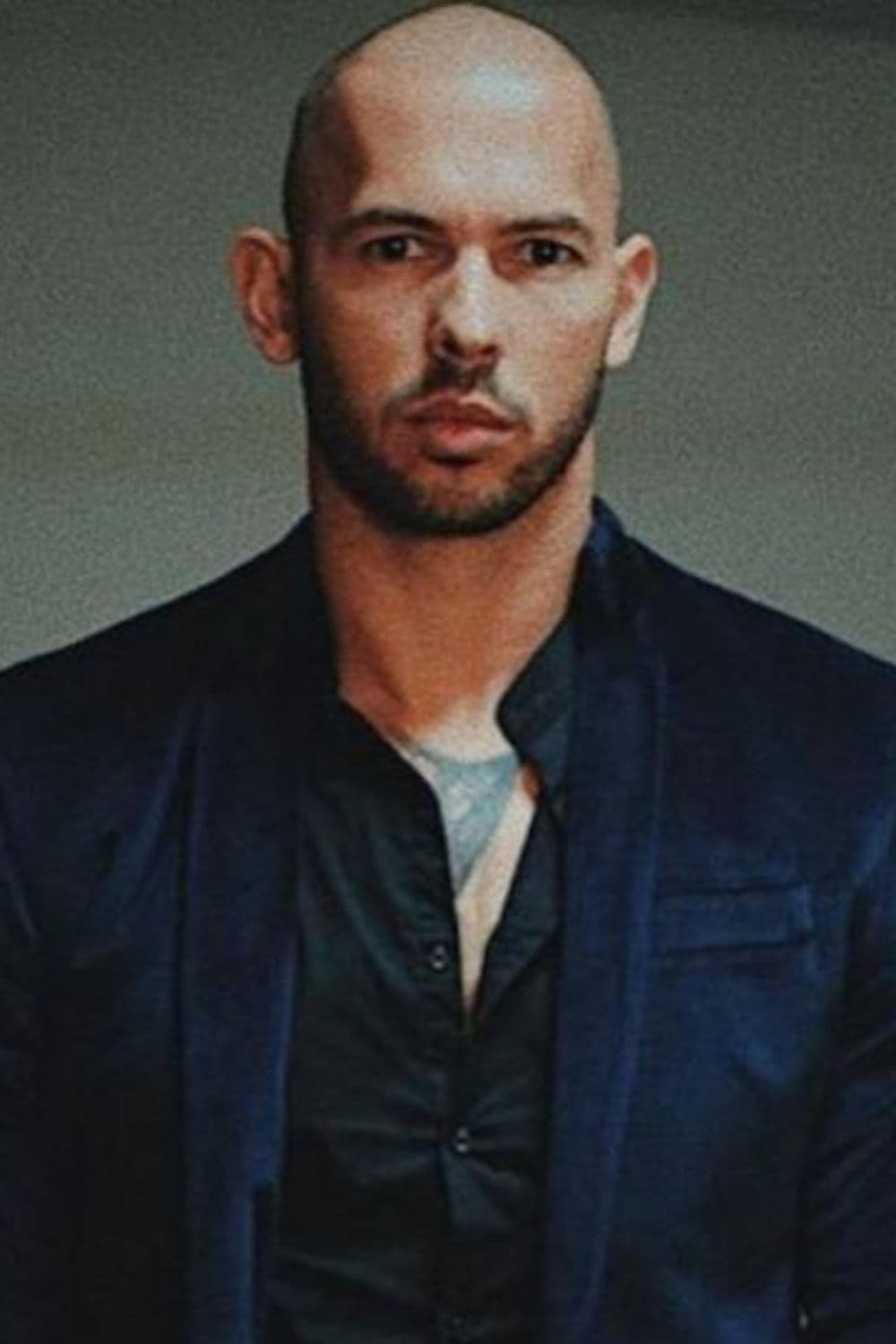
In 2022 Meta removed his accounts from Facebook and Instagram for breaching policies on dangerous organizations and individuals. TikTok took down associated content and blocked new uploads that promoted the same themes.
His Twitter account was later restored after a policy shift at the company. He continues to face takedowns on platforms that apply stricter enforcement to content that is flagged as promoting violence or hate.
Milo Yiannopoulos
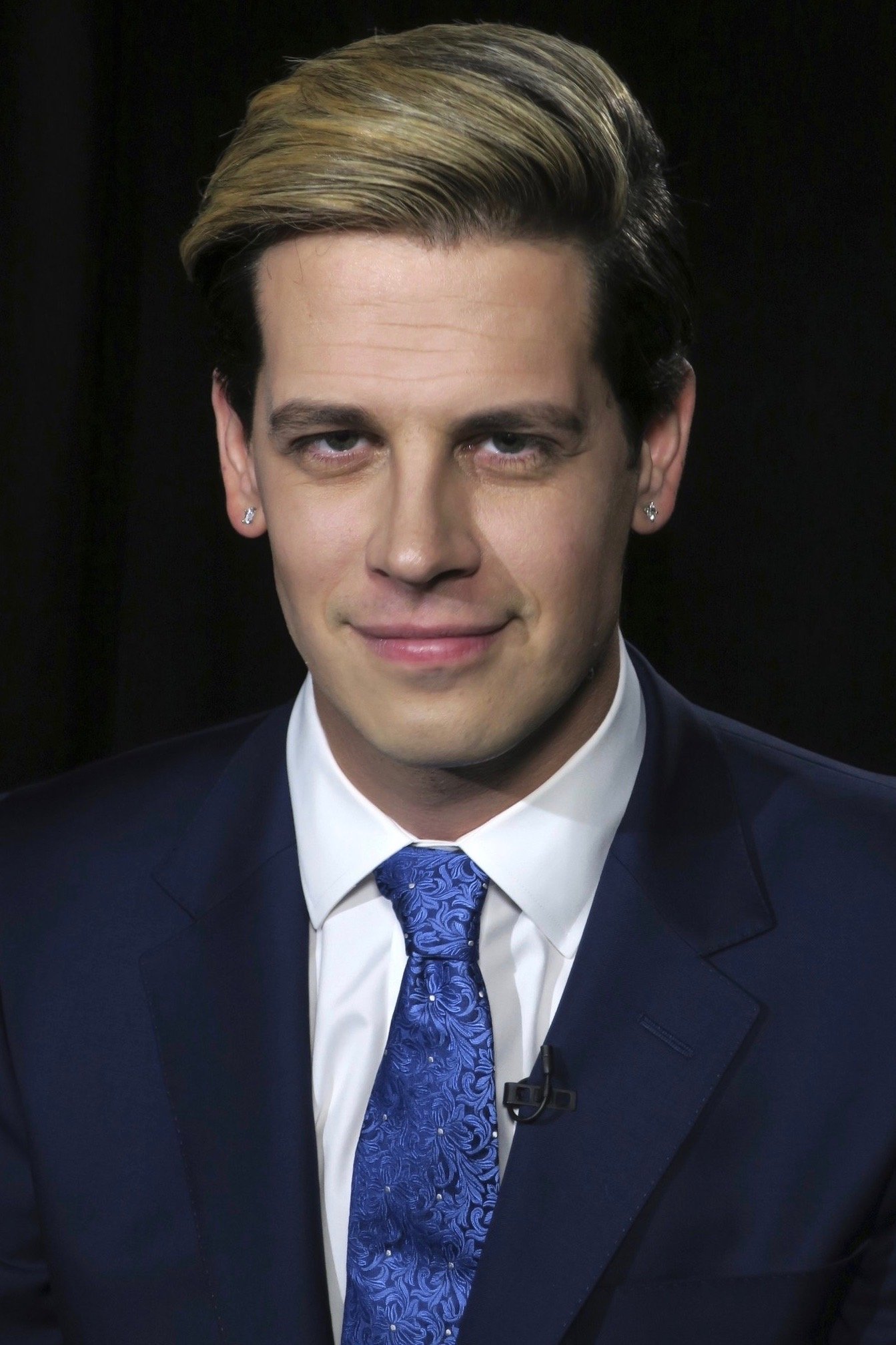
Twitter banned him in 2016 after a campaign of targeted harassment against a film actor was reported by users. The company cited repeated violations of rules on abuse and incitement.
Other platforms restricted his reach by removing verification and limiting features. He has since used alternative networks and self hosted channels to distribute content.
Katie Hopkins
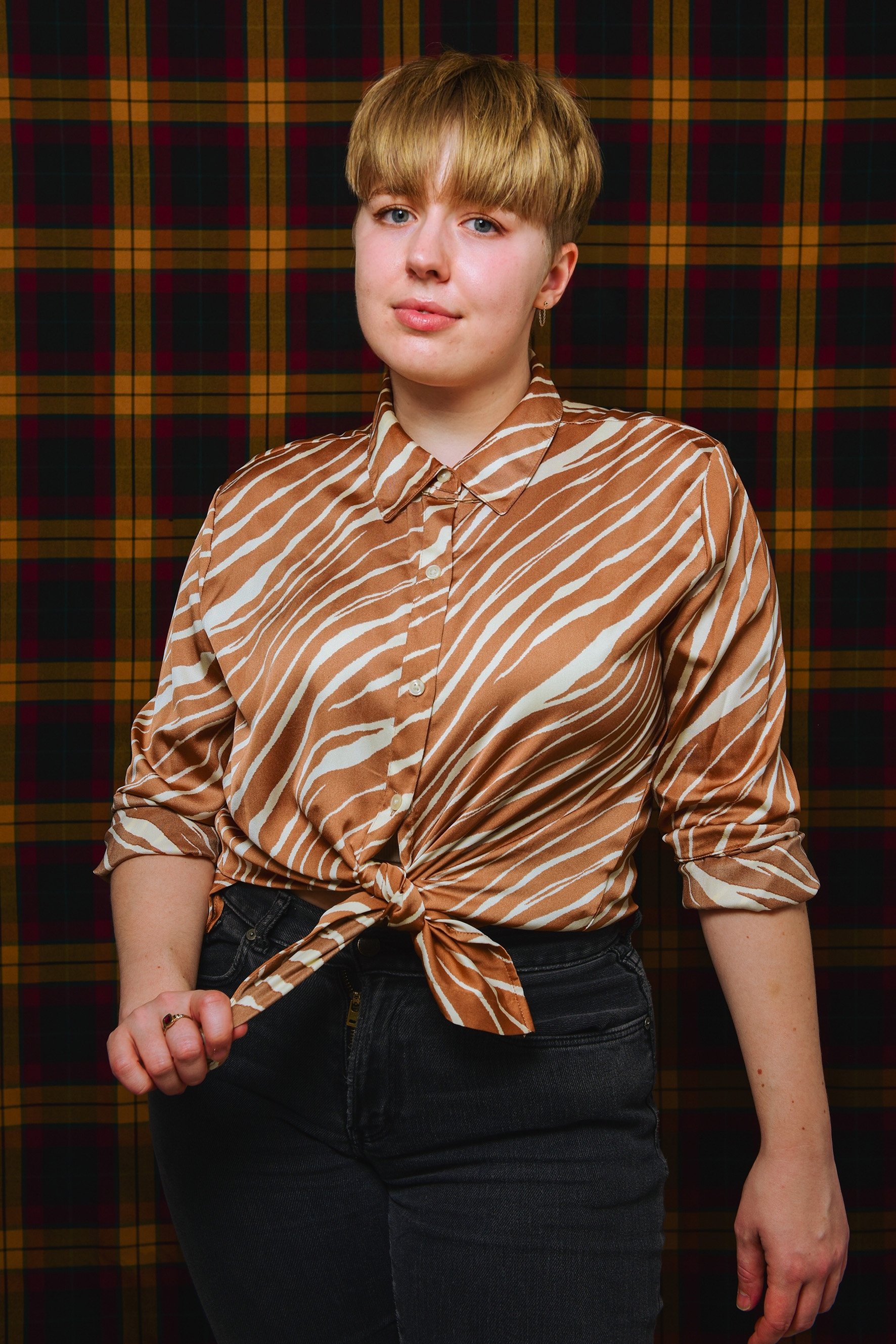
Twitter permanently banned her in 2020 for breaking rules on hateful conduct and platform manipulation. The enforcement followed repeated warnings and temporary suspensions.
Facebook later removed some of her content under policies covering harmful misinformation. She maintains a presence on smaller platforms and through email newsletters.
Tommy Robinson
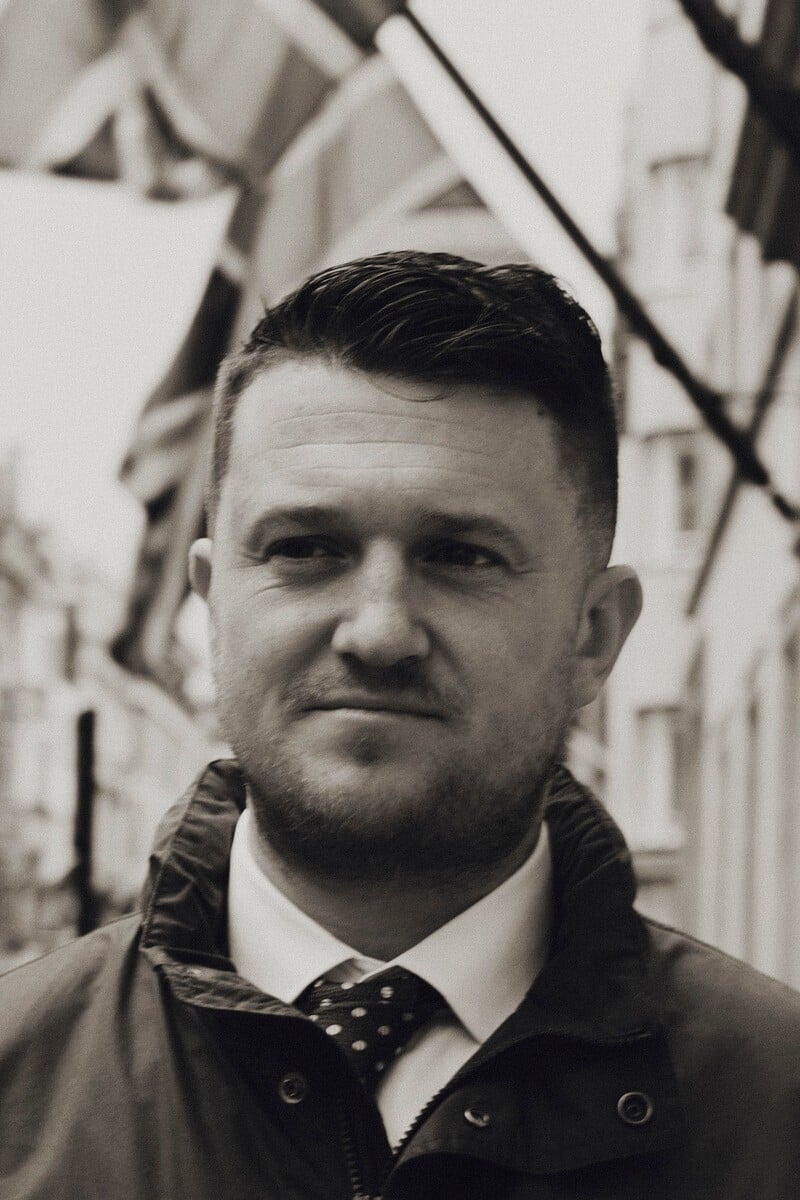
Facebook and Instagram banned him in 2019 for persistent violations involving organized hate. Twitter had previously suspended him for breaching rules on hateful conduct.
He attempted to re enter using new accounts and those were removed as evasion. His content continues to circulate on alternative platforms and in private groups.
David Icke

Facebook and YouTube removed his pages and channels in 2020 for spreading health misinformation during the pandemic. Moderators pointed to repeated claims that broke rules on harmful falsehoods.
He moved to smaller video sites and subscription platforms to host long form material. Mainstream networks continue to remove uploads that mirror the banned content.
Belle Delphine
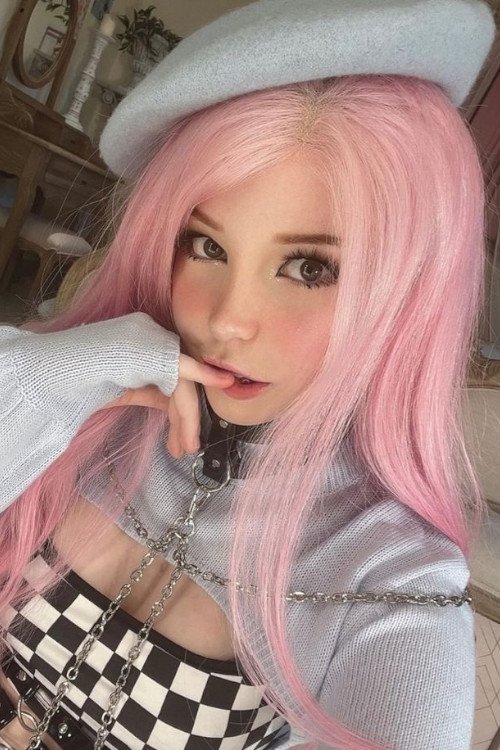
Instagram banned her account in 2019 for violating nudity and sexual content guidelines. The removal followed reports from users and earlier takedowns of specific posts.
YouTube later removed a channel for similar policy issues before a new channel returned with stricter compliance. She communicates updates through Patreon and other creator tools that apply different rules.
R. Kelly
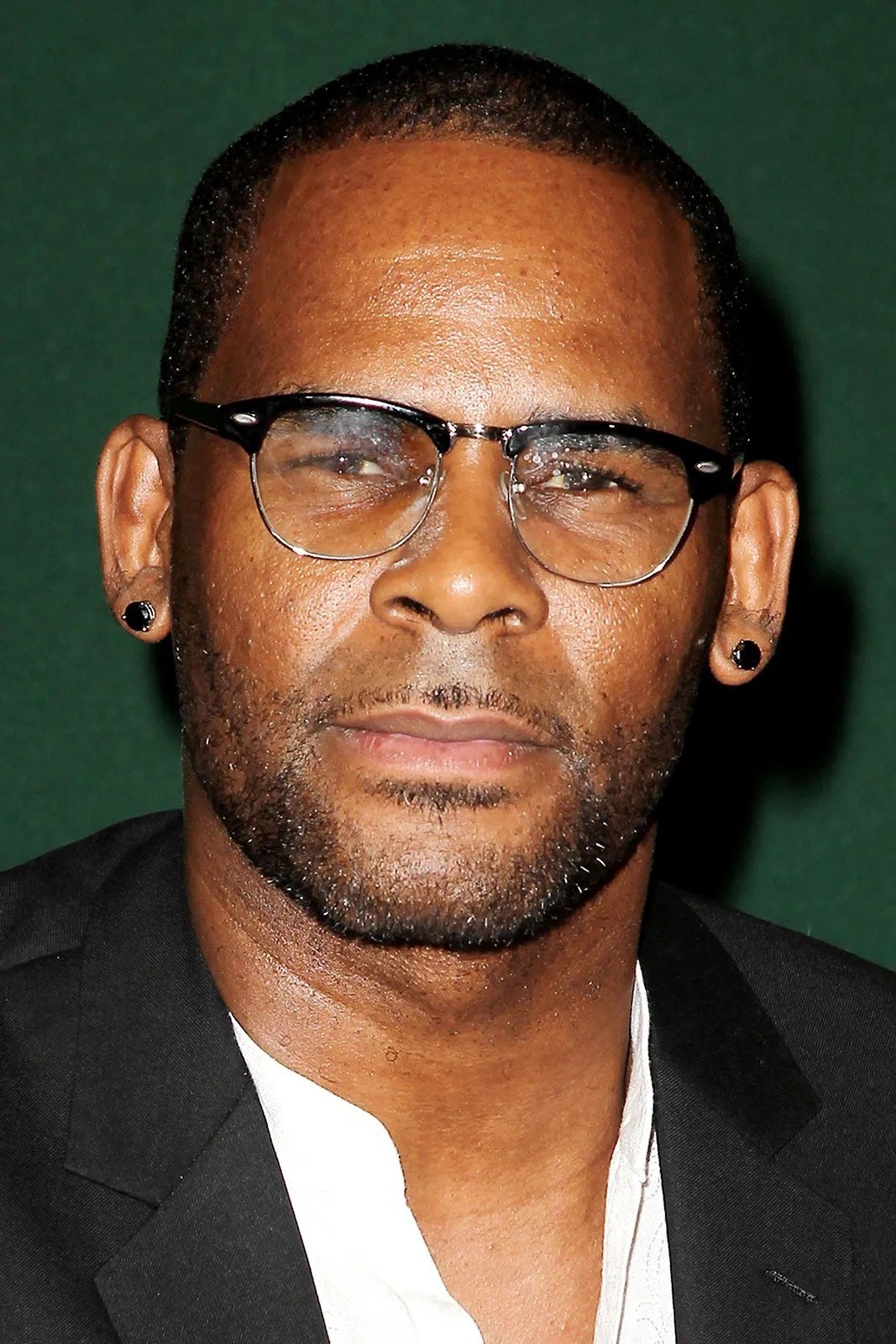
YouTube terminated his official channels in 2021 after his criminal conviction. The platform also barred him from creating new channels while continuing to allow user uploads of his music catalog through licensed partners.
Other services adjusted recommendations and visibility for his content in line with their safety policies. Official social accounts tied to his brand saw reduced activity or removal during legal proceedings.
Alex Berenson
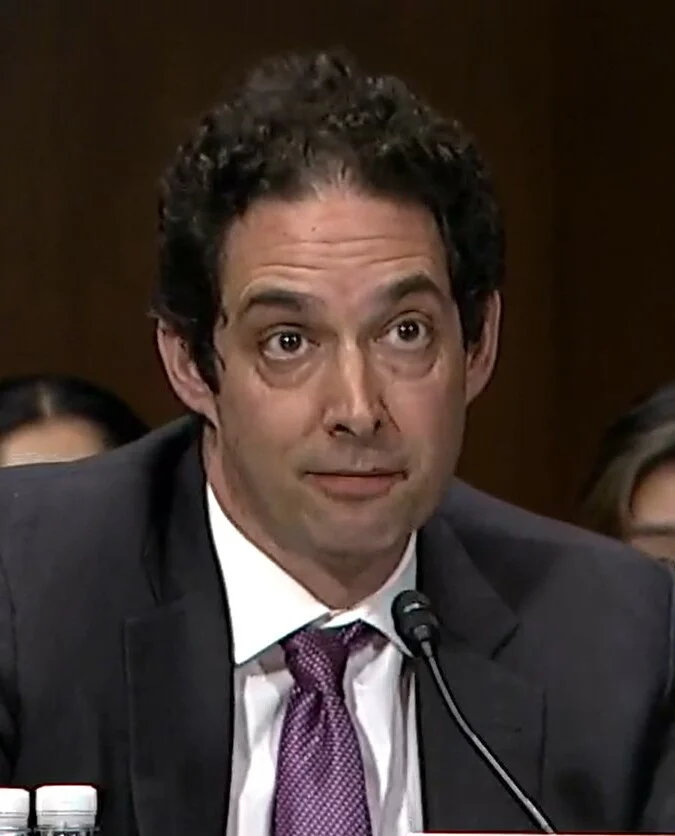
Twitter banned him in 2021 over COVID related posts that the platform said broke rules on misinformation. He sued and later announced a settlement that included reinstatement of his account.
After his return he continued to publish on subscription platforms and independent outlets. His case is often cited in debates about moderation standards and appeals.
Jordan Peterson
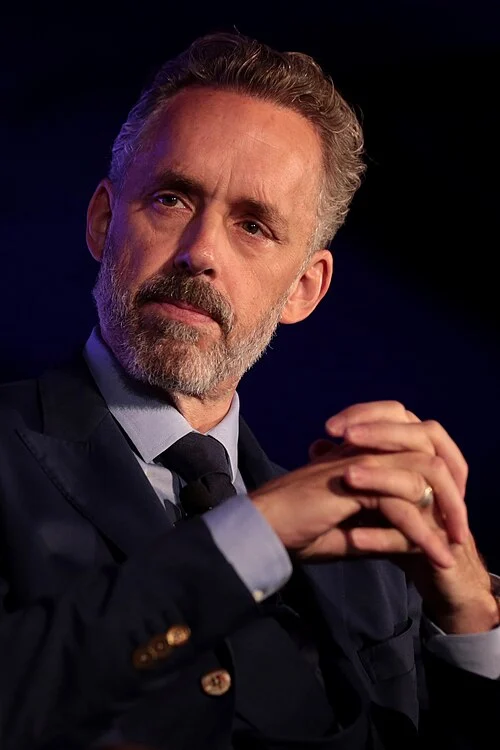
Twitter suspended him in 2022 for posts that violated rules on hateful conduct related to identity. The company offered restoration if he deleted the flagged tweet and he initially declined.
His account was later reinstated after ownership and policy changes at the company. He remains active on other platforms and uses long form video to provide context around disputed posts.
Gavin McInnes
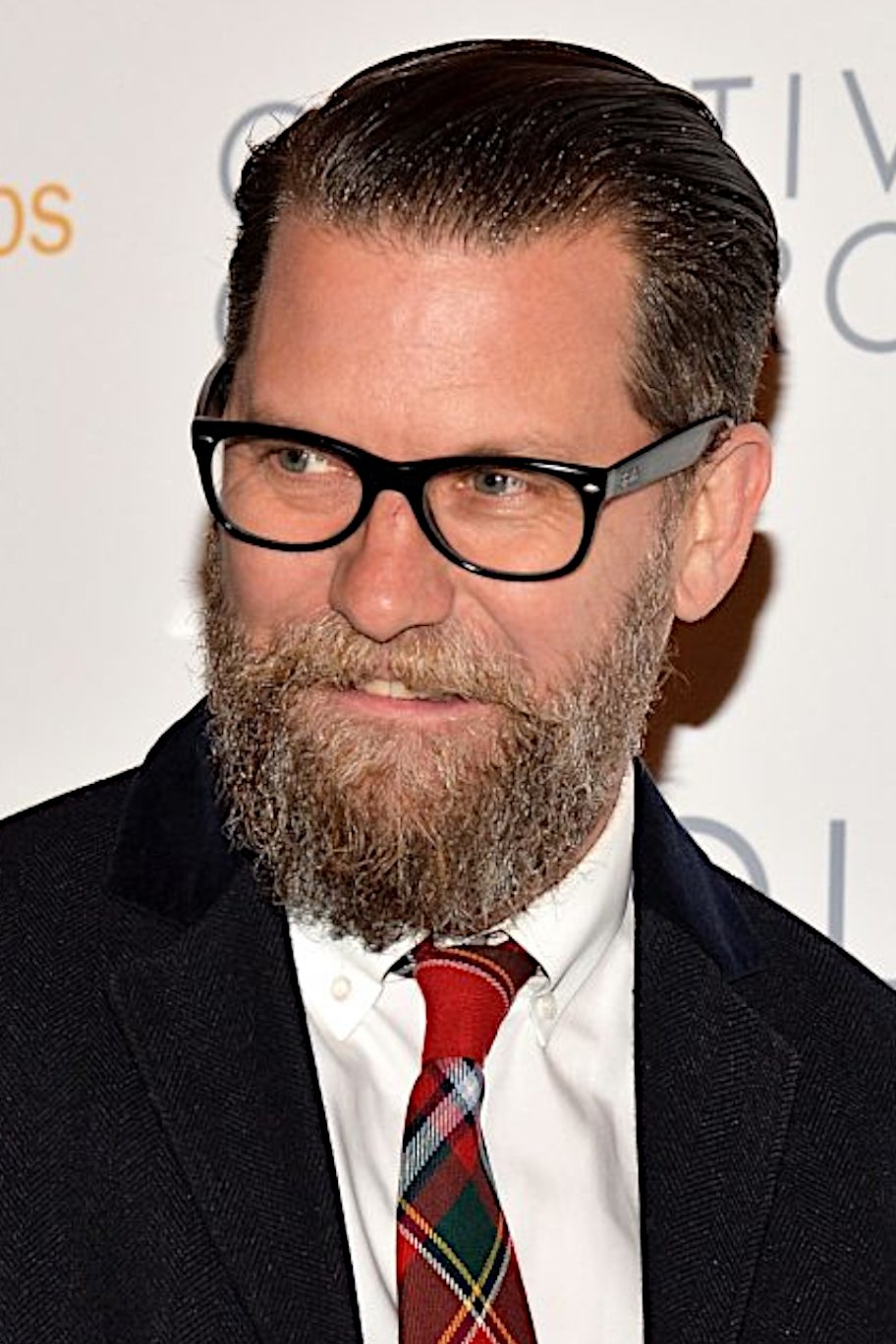
Twitter banned him and the Proud Boys in 2018 under policies addressing extremist activity. Facebook and Instagram followed with removals that targeted related pages and groups.
He shifted to subscription based video sites that allow his content under their rules. Mainstream platforms continue to remove accounts that appear to circumvent the bans.
Roger Stone

Twitter banned him in 2017 after a series of abusive tweets directed at journalists. The enforcement cited rules on targeted harassment and threats.
He later appeared on alternative social networks and returned to Twitter after policy changes at the company. Other platforms have applied temporary restrictions when posts violated their terms.
Azealia Banks
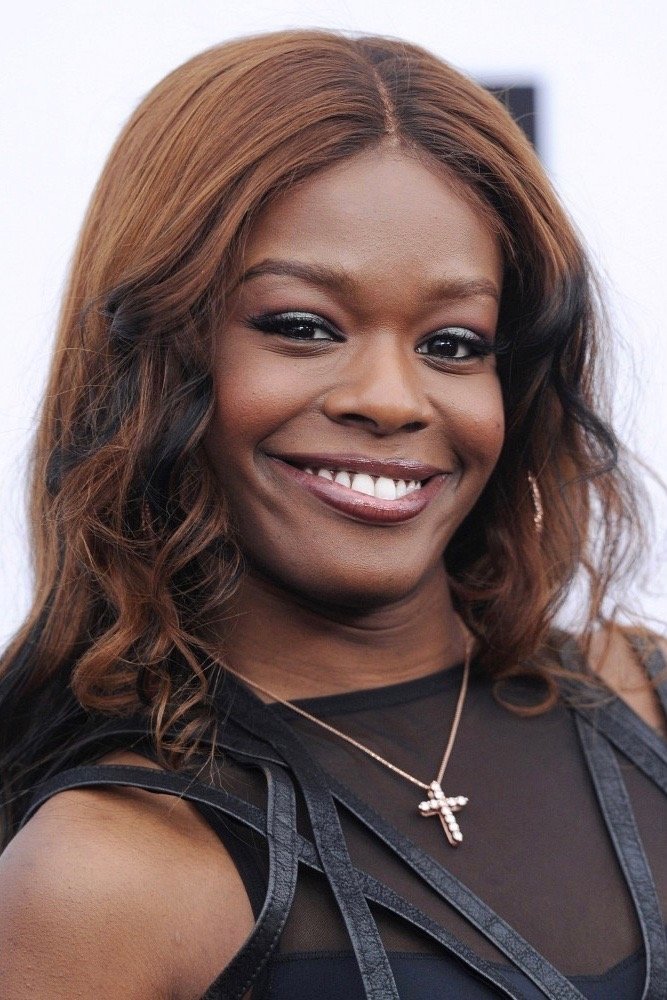
Twitter suspended her account in 2016 after a wave of abusive tweets toward another artist. The company pointed to repeated violations of hate speech and harassment policies.
Her accounts on other platforms have faced temporary restrictions when posts triggered reports. She continues to release music and announcements through services that allow stricter self moderation.
Tila Tequila

Twitter banned her in 2016 for posts that promoted extremist ideology. The decision followed earlier warnings about hateful content and rule breaking.
She has used smaller sites to share updates since the ban. Attempts to create new accounts on mainstream platforms were removed under evasion policies.
Louis Farrakhan
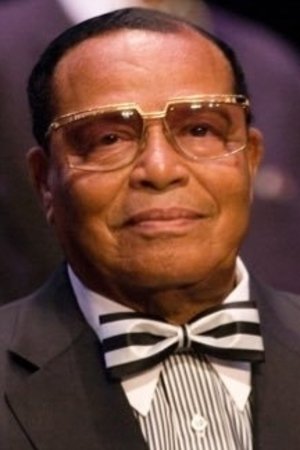
Facebook and Instagram banned him in 2019 as part of a removal of individuals labeled dangerous under their standards. The company cited a pattern of anti semitic content and policy violations.
He continues to publish statements through organization controlled websites and email lists. Clips and quotes that appear on mainstream platforms are frequently taken down when they breach the same rules.
Martin Shkreli
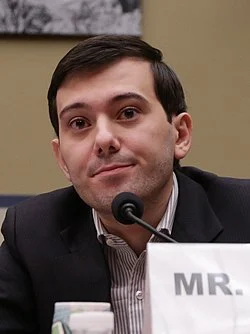
Twitter banned him in 2017 after sustained harassment of a journalist that violated rules on abuse. The company had previously warned him and limited features before the final action.
He attempted to create new accounts and those were removed under evasion policies. His presence shifted to forums and niche communities with different moderation approaches.
Steve Bannon
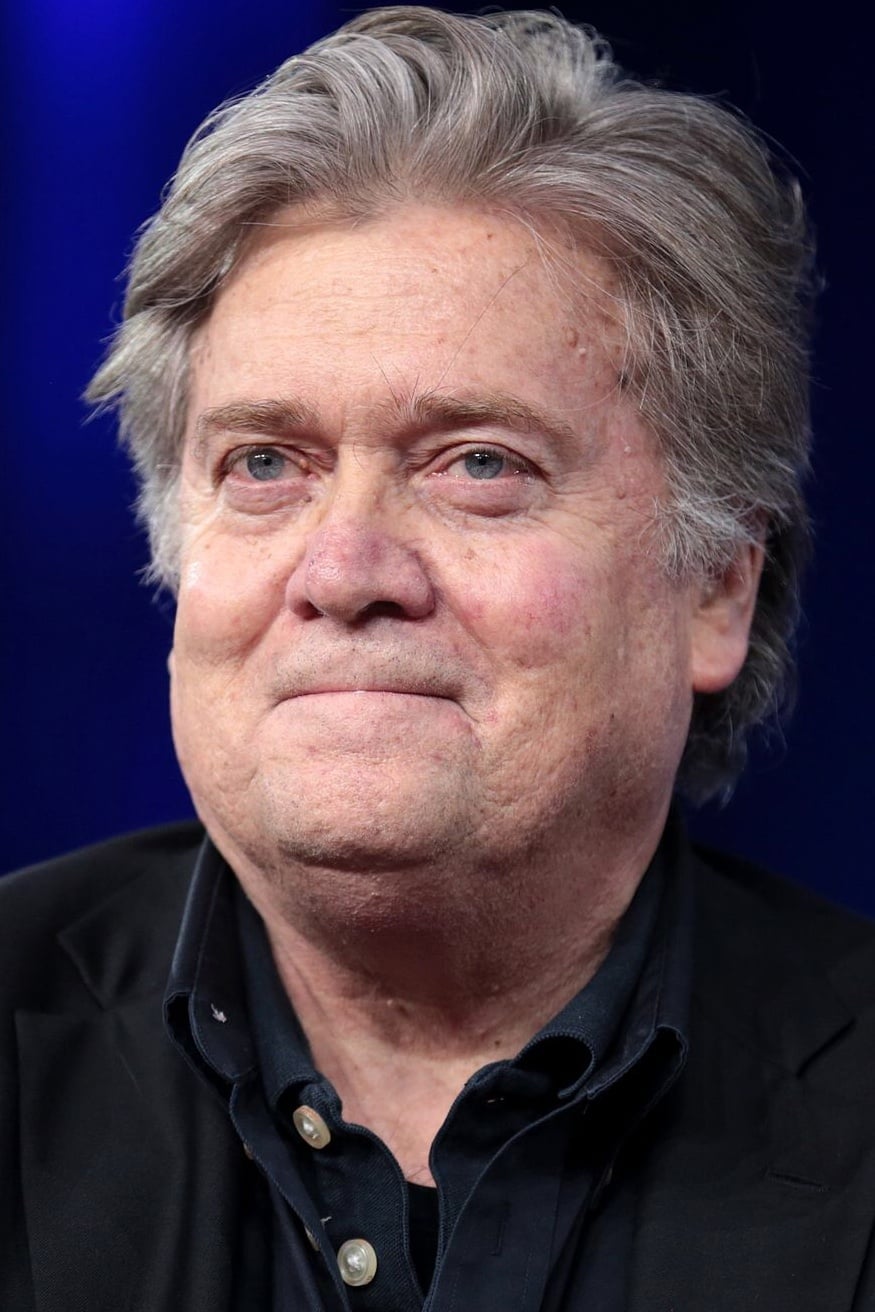
Twitter banned him in 2020 after comments that were flagged as incitement to violence. The platform applied its policy on glorifying or calling for violence and removed the account.
He continued to distribute his show through podcasts and video sites that allowed the content. Clips from those channels are often removed from mainstream networks when they breach local rules.
Donald Trump Jr.
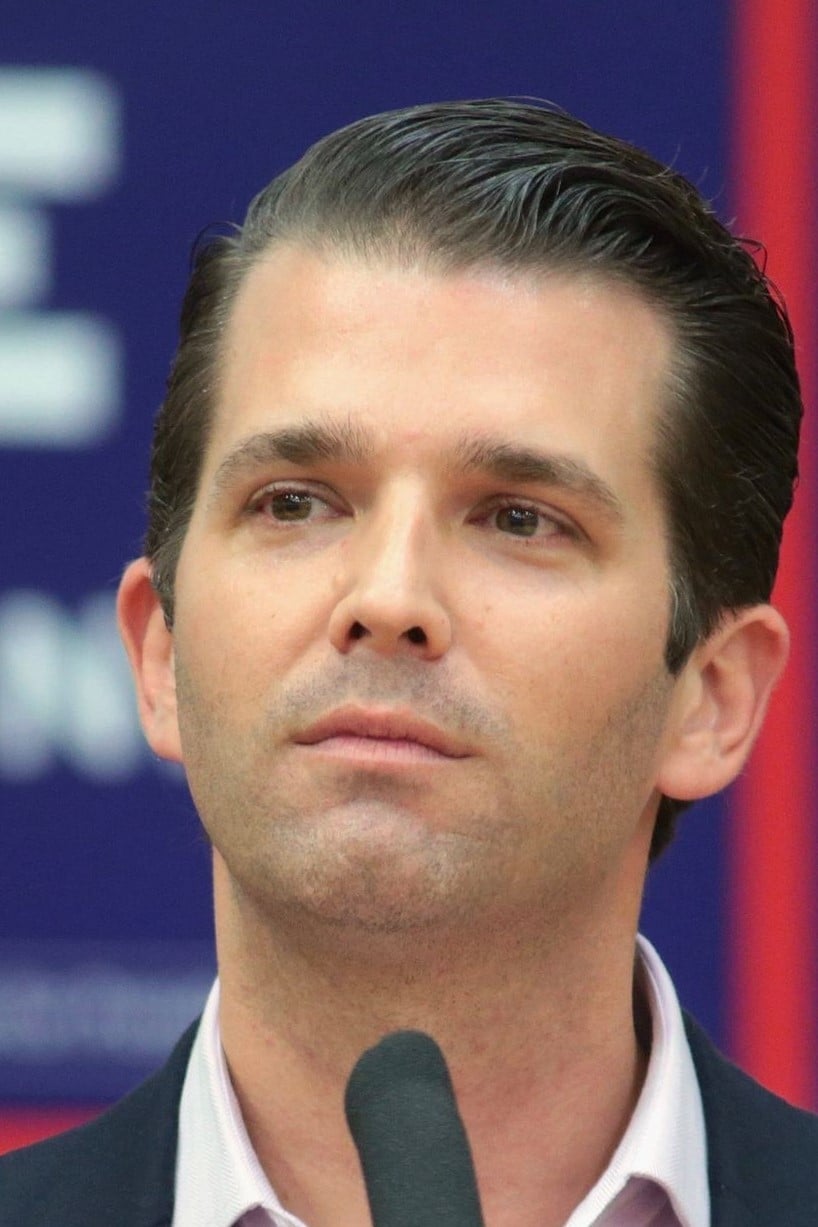
Twitter restricted his account for a period in 2020 over a post that the company said broke its COVID misinformation rules. The enforcement limited posting and sharing for a set time.
Instagram also took action on specific posts with labels and reduced distribution. He remains active across multiple platforms and uses email and video to reach followers when restrictions apply.
Share your take on the most notable bans in the comments and tell us which cases you think changed how platforms enforce their rules.