The 20 Worst Apologies From Actresses

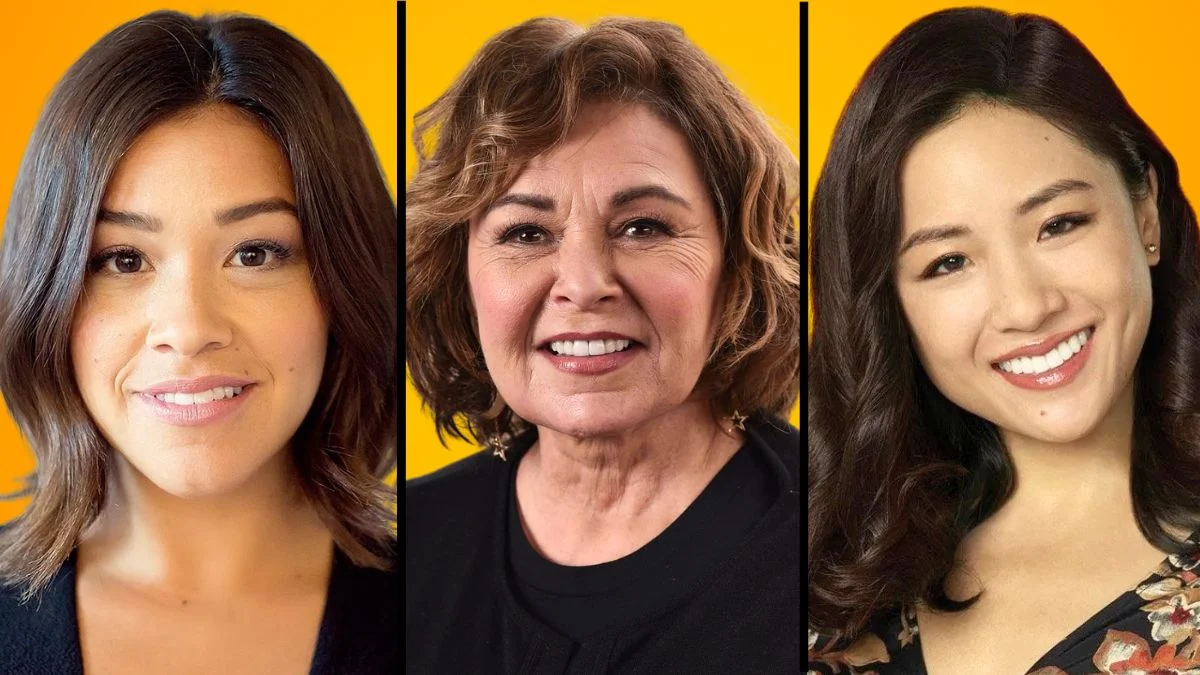

Public figures are expected to own mistakes with clarity and care, yet some apologies from actresses missed the mark and stirred even more debate. These moments often arrived after posts, interviews, or on set choices that sparked backlash, and the follow up statements were picked apart for what they said and what they left out. Audiences noticed when apologies sounded vague, defensive, or focused on intent instead of impact.
This list looks at widely discussed apologies that drew criticism for timing, wording, or tone and the ripple effects that followed. Each entry lays out what happened, where and how the apology appeared, and what changed after the statement went out. The goal is to give straightforward context so readers can understand why each apology became a talking point for fans and industry watchers.
Roseanne Barr
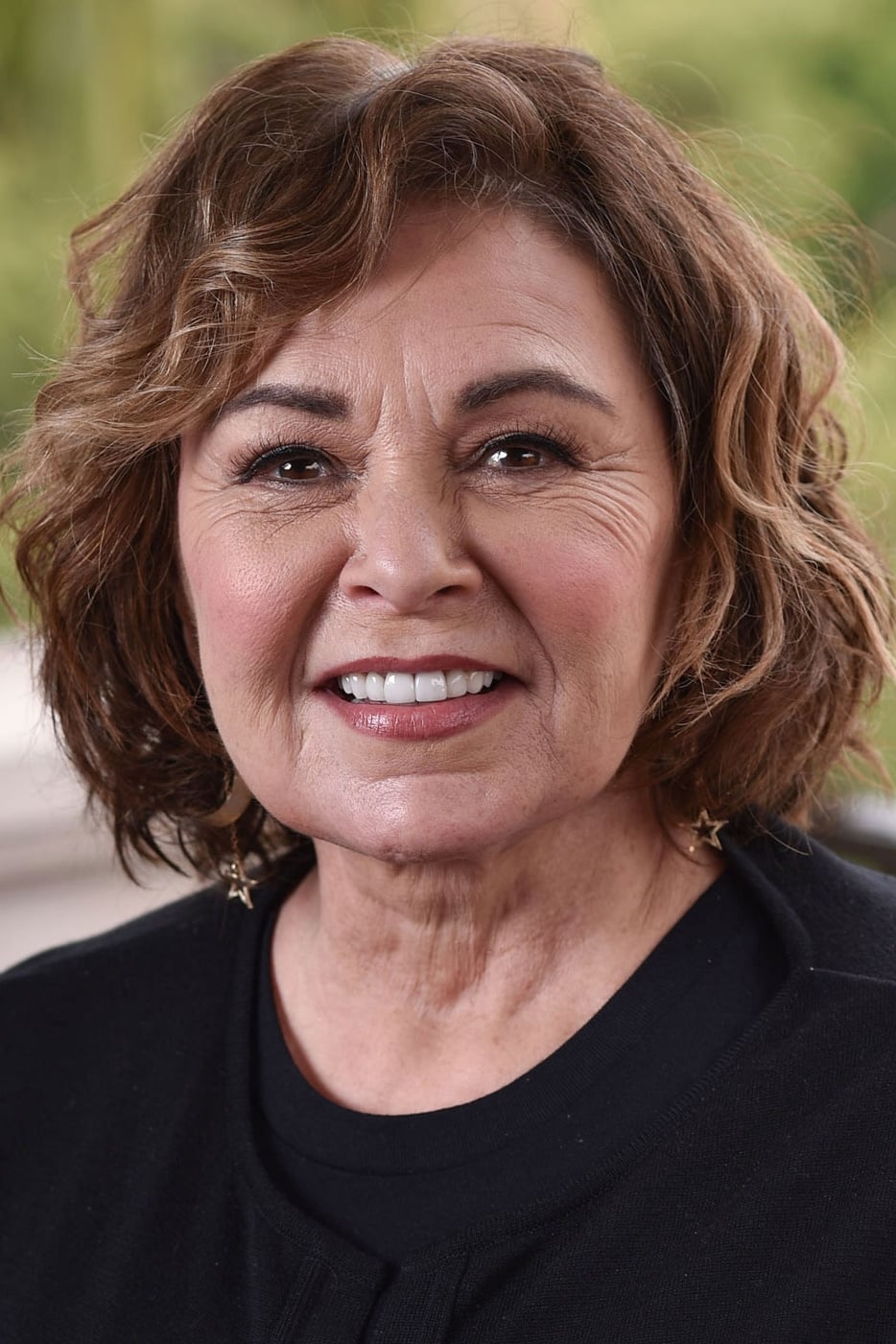
In 2018 she posted a tweet about a former White House adviser that was widely condemned as racist and ABC canceled her sitcom revival the same day. She issued an apology on social media but also suggested she had tweeted under the influence of a sleep aid, which drew more criticism because it shifted focus to a medication rather than the target of the remark. ABC quickly moved forward with a reworked series titled ‘The Conners’ without her involvement.
The apology did not reverse the cancellation and her long running association with ‘Roseanne’ effectively ended. Reruns were pulled by multiple platforms and the incident became a high profile case of how fast consequences can arrive when a network decides a line has been crossed.
Lena Dunham
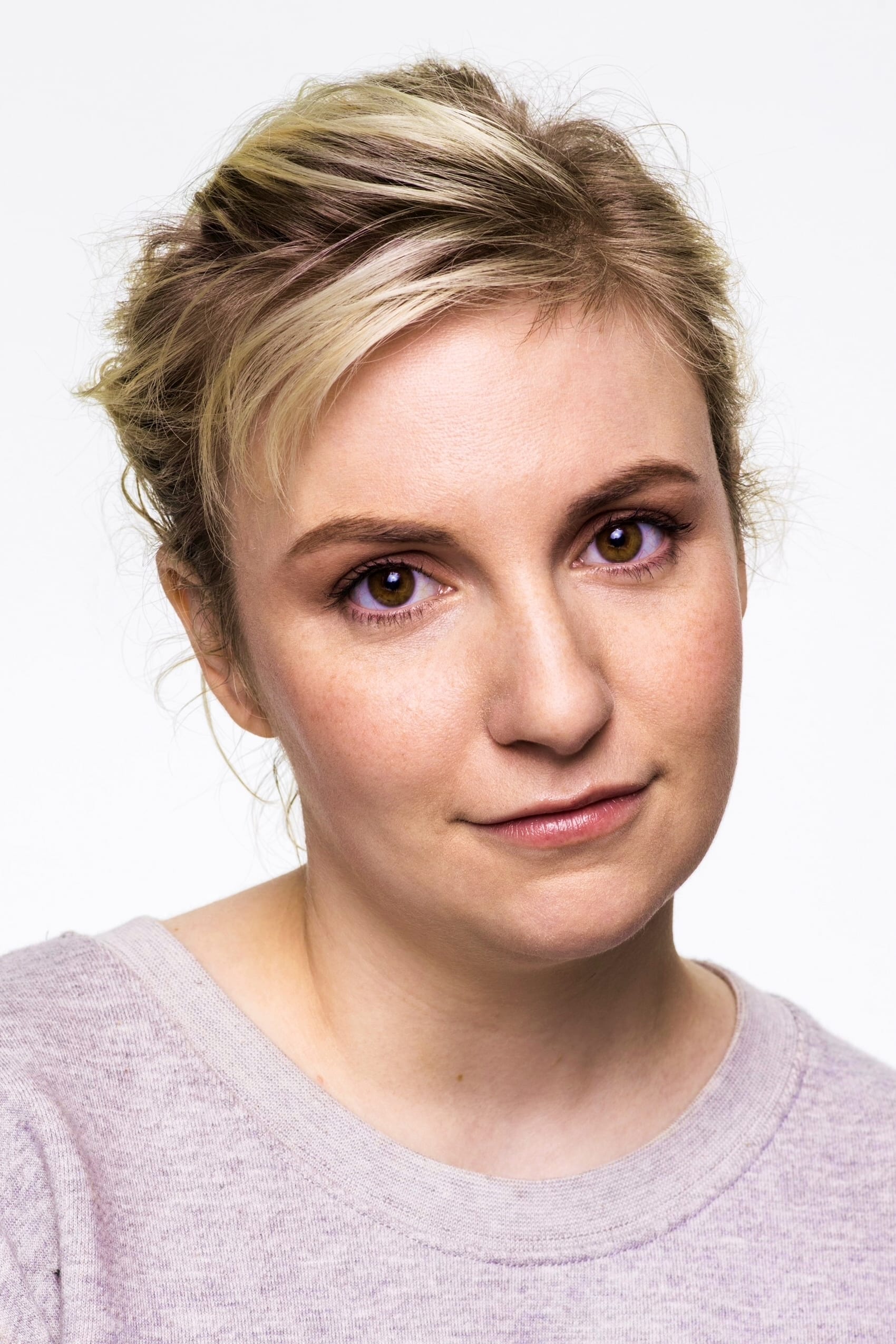
After a ‘Girls’ writer was accused of sexual assault in 2017 she issued a statement supporting him and casting doubt on the accuser. When additional reporting and public reaction mounted she apologized, acknowledging that her initial statement had harmed a woman who came forward. The apology arrived as an update that referenced her own advocacy history in the industry.
The reversal did not quiet criticism since many noted the shift only came after backlash. The episode became a touchstone in conversations about believing accusers and the responsibility of showrunners and creators associated with a workplace like the set of ‘Girls’.
Gina Rodriguez
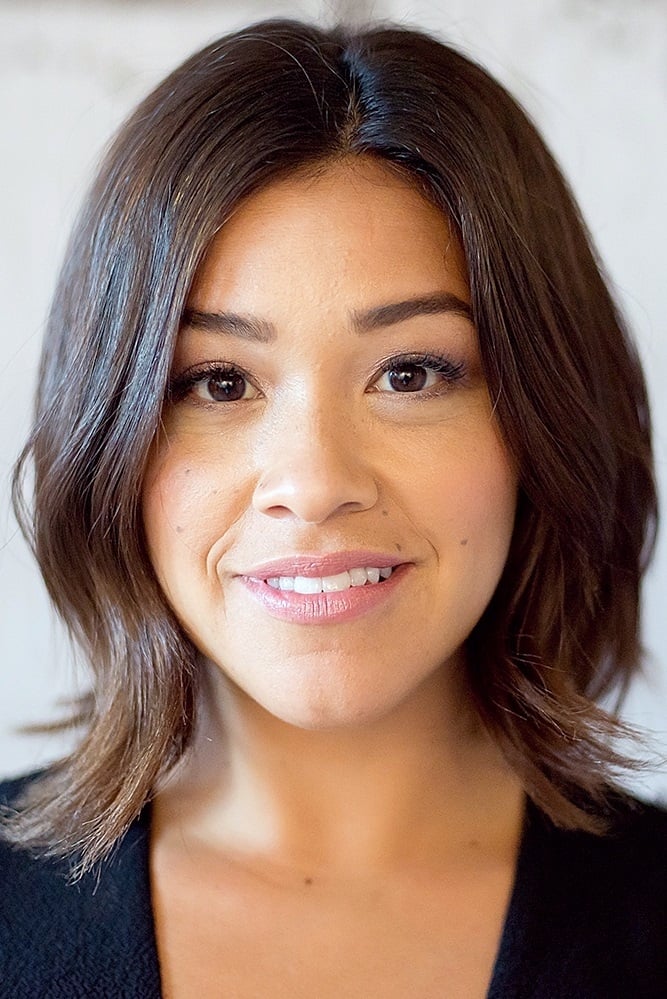
She posted an Instagram story in which she sang along to a song and used a slur that many viewers found unacceptable. She removed the clip and followed with an apology that said she was sorry if she offended anyone, which many people viewed as conditional language that avoided direct responsibility for saying the word. A second apology arrived later with more explicit wording.
The reaction stayed heated because the timing and tone of the first message set the narrative. The incident became part of a wider discussion about accountability online for stars known from series like ‘Jane the Virgin’ and how swiftly a one line video can damage trust with audiences.
Constance Wu
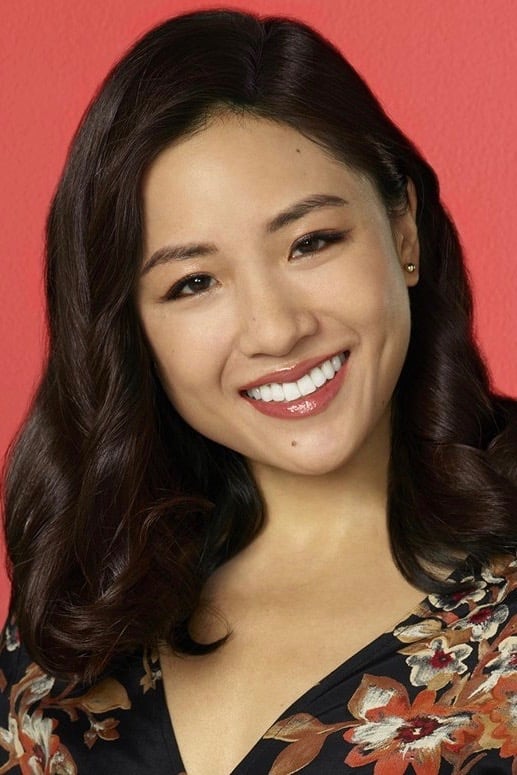
She reacted to the renewal of ‘Fresh Off the Boat’ with tweets that read as frustration about the news, which fans and colleagues took as dismissive of the show and the people working on it. She deleted some posts and issued an apology that tried to explain the emotion behind her reaction while acknowledging that the delivery was hurtful.
The statement did not fully calm the response and the situation followed her into later interviews. It also sparked industry commentary about how actors use social media during sensitive production announcements for shows like ‘Fresh Off the Boat’ where many jobs are tied to one decision.
Evangeline Lilly
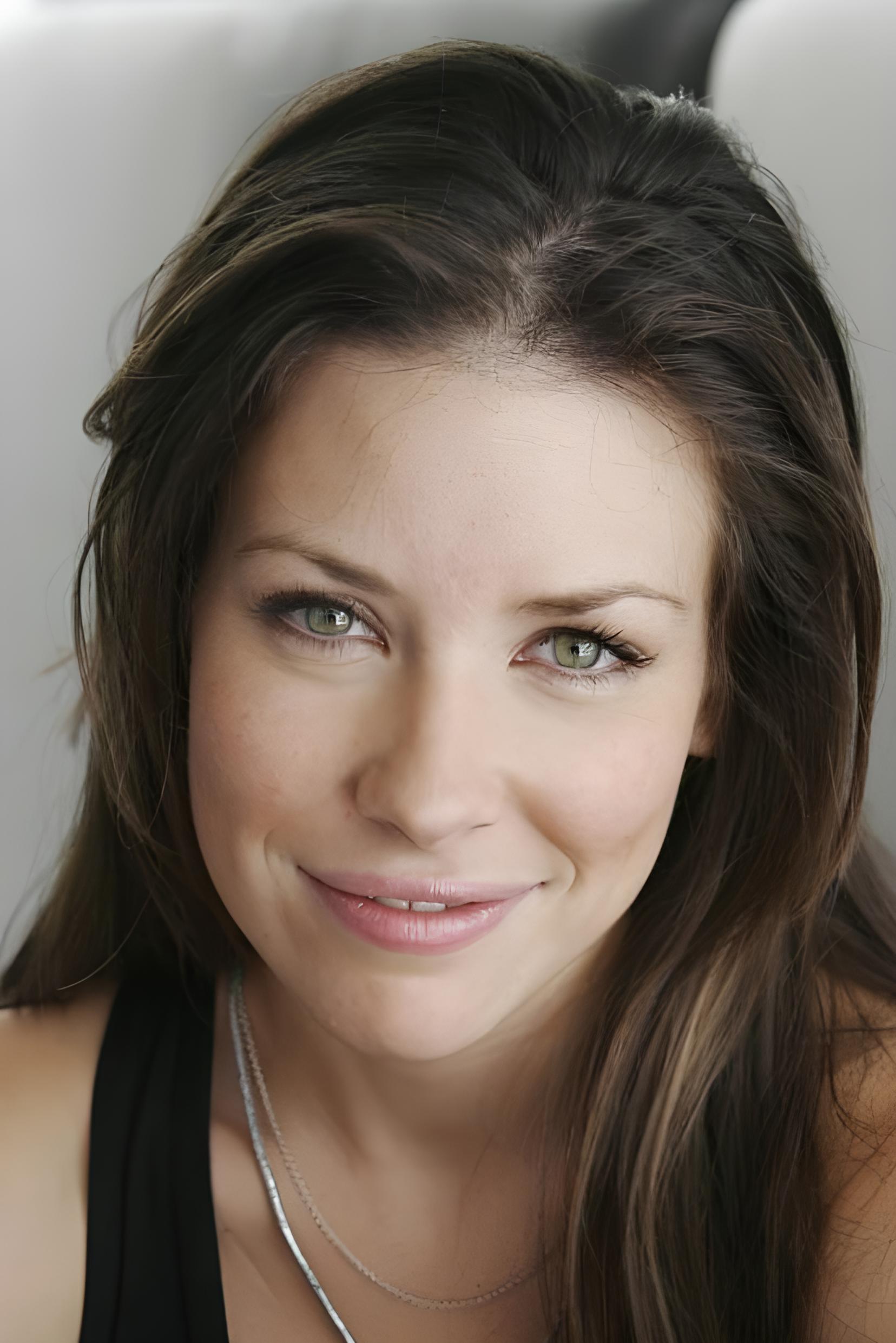
In early 2020 she shared that she was not practicing social distancing and referenced personal freedom during a period when health officials urged the opposite. As criticism grew she posted an apology acknowledging the seriousness of the pandemic and the impact on vulnerable people, noting that her earlier words were poorly timed.
The apology acknowledged changed understanding but many readers felt the harm was already done given the public platform of a star tied to projects like the ‘Ant Man’ films and ‘Lost’. The episode became one of several high profile pandemic era statements that actors later revisited.
Vanessa Hudgens
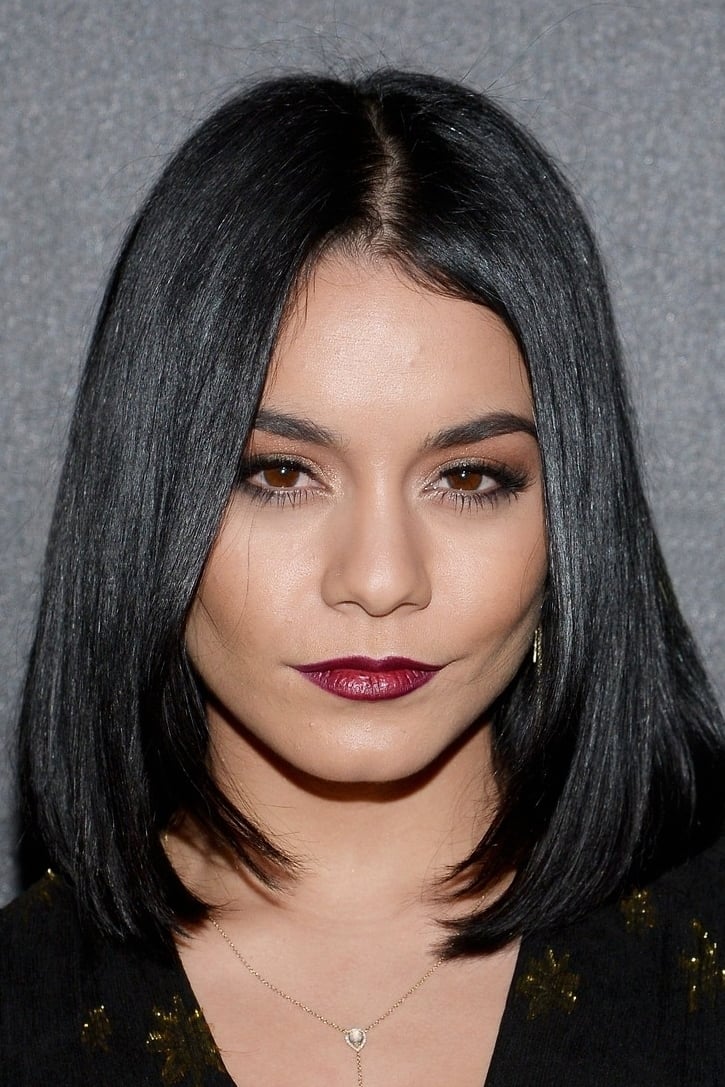
She commented on a live video in March 2020 about the pandemic with remarks that sounded dismissive of the risk to human life. She took the video down and issued an apology the next day saying the comments were insensitive and did not reflect her values.
The quick follow up limited long term fallout but the clip continued to circulate as an example of how casual live streams can produce lasting reputational damage. It also added to conversations about responsibility for performers recognized from franchises like ‘High School Musical’ who speak to large audiences during public health emergencies.
Hilaria Baldwin
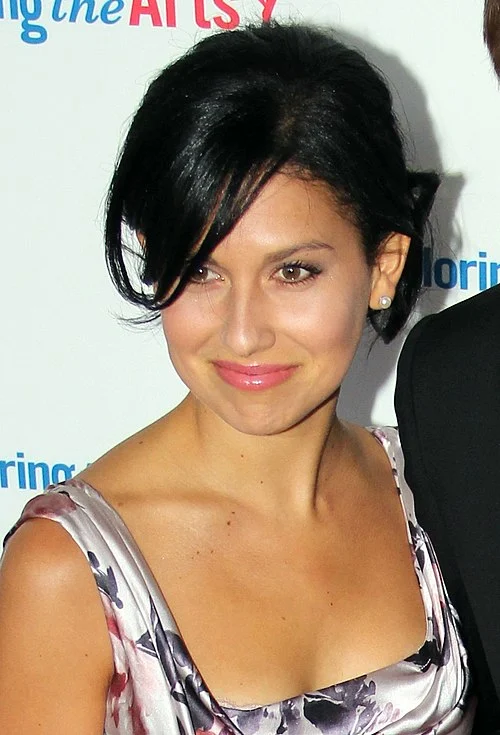
Questions about her background and accent grew over several days in late 2020 after users compiled past clips and bios that seemed inconsistent. She posted a video in early 2021 apologizing for not being clearer about her upbringing and identity and said she had made mistakes in the way she presented personal details.
The apology did not settle the matter for many viewers who felt the explanation left key points vague. The story kept circulating across outlets and podcasts and it reshaped how casting and lifestyle media referred to her in connection with appearances and credits.
Demi Lovato

She criticized a Los Angeles frozen yogurt shop for its product displays and tagged the business in posts accusing it of promoting diet culture. After pushback from the store and customers she posted an apology explaining that she had acted from a personal place while acknowledging she had not handled the callout well.
The situation prompted a broader dialogue about the impact of tagging small businesses and the weight of celebrity platforms. For an actress and singer with a large following the episode served as a case study in how quickly a consumer complaint can turn into a public relations problem.
Julianne Hough
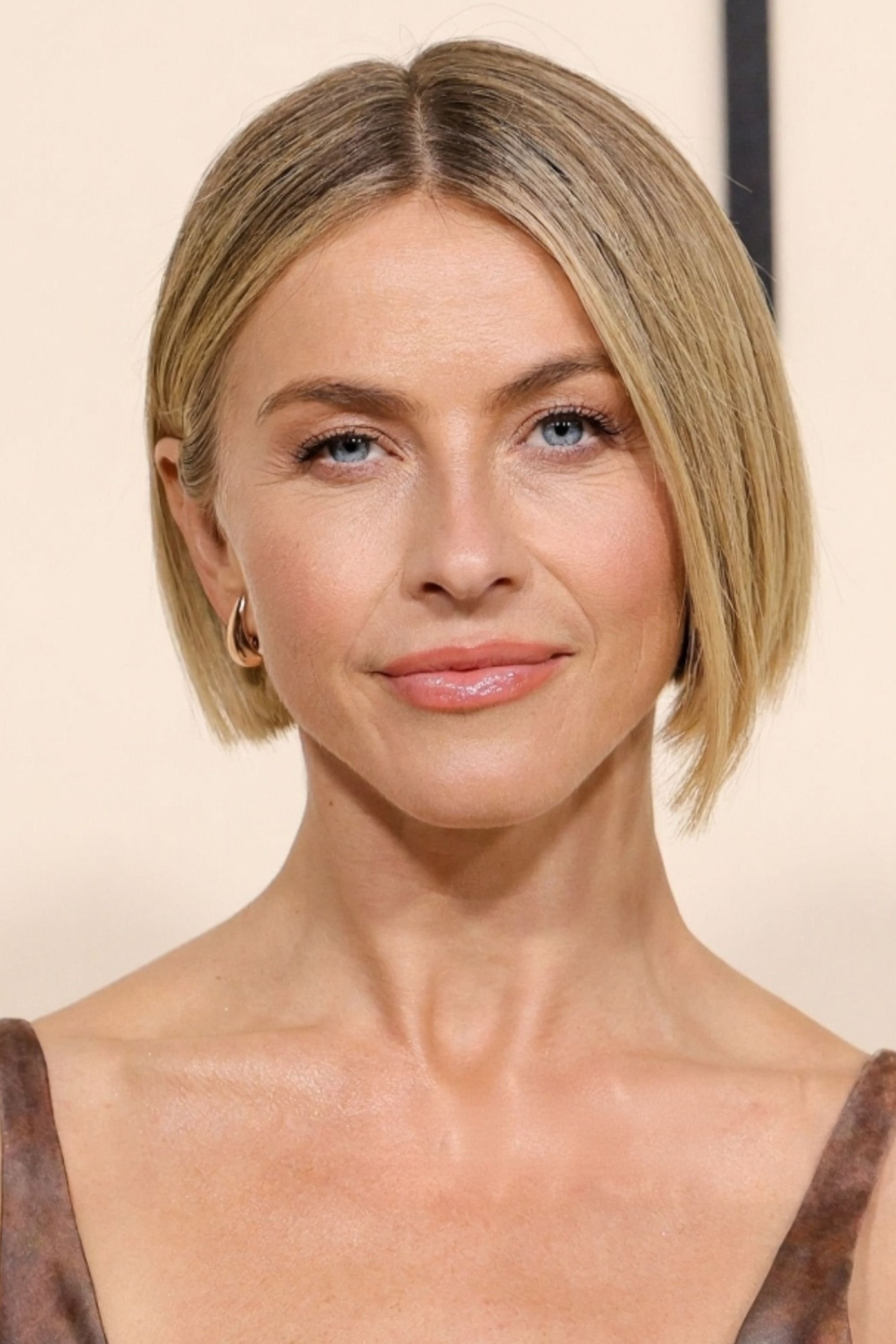
She wore makeup to darken her skin for a Halloween costume in 2013 while dressed as a character from ‘Orange Is the New Black’. The photos sparked immediate criticism and she apologized on social media the same day, stating that she had not meant to cause offense and that she understood the choice was wrong.
Despite the apology the images continued to be cited in discussions about blackface and costume choices by public figures. The incident remains part of her public timeline and is revisited when debates about representation and respect in entertainment resurface.
Hilary Duff
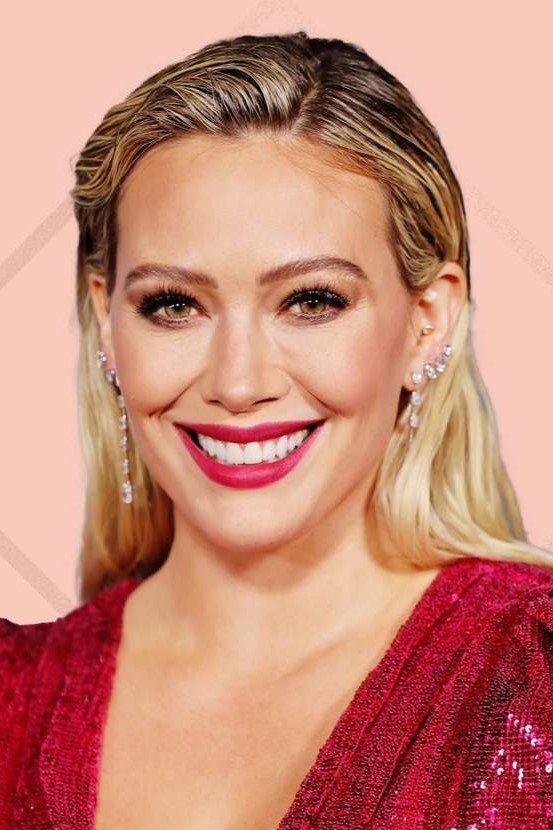
She and her partner wore a pilgrim and Native American couple costume in 2016 that drew swift criticism from Indigenous people and allies. She apologized on Twitter the next day saying she was truly sorry to people who were offended and that the choice was not thoughtful.
The apology acknowledged harm yet the photos continued to circulate in later Halloween news cycles. The moment is now a common example used in articles and posts urging celebrities to avoid costumes that lean on cultural stereotypes, including reminders connected to her work like ‘Lizzie McGuire’.
Zoe Saldaña
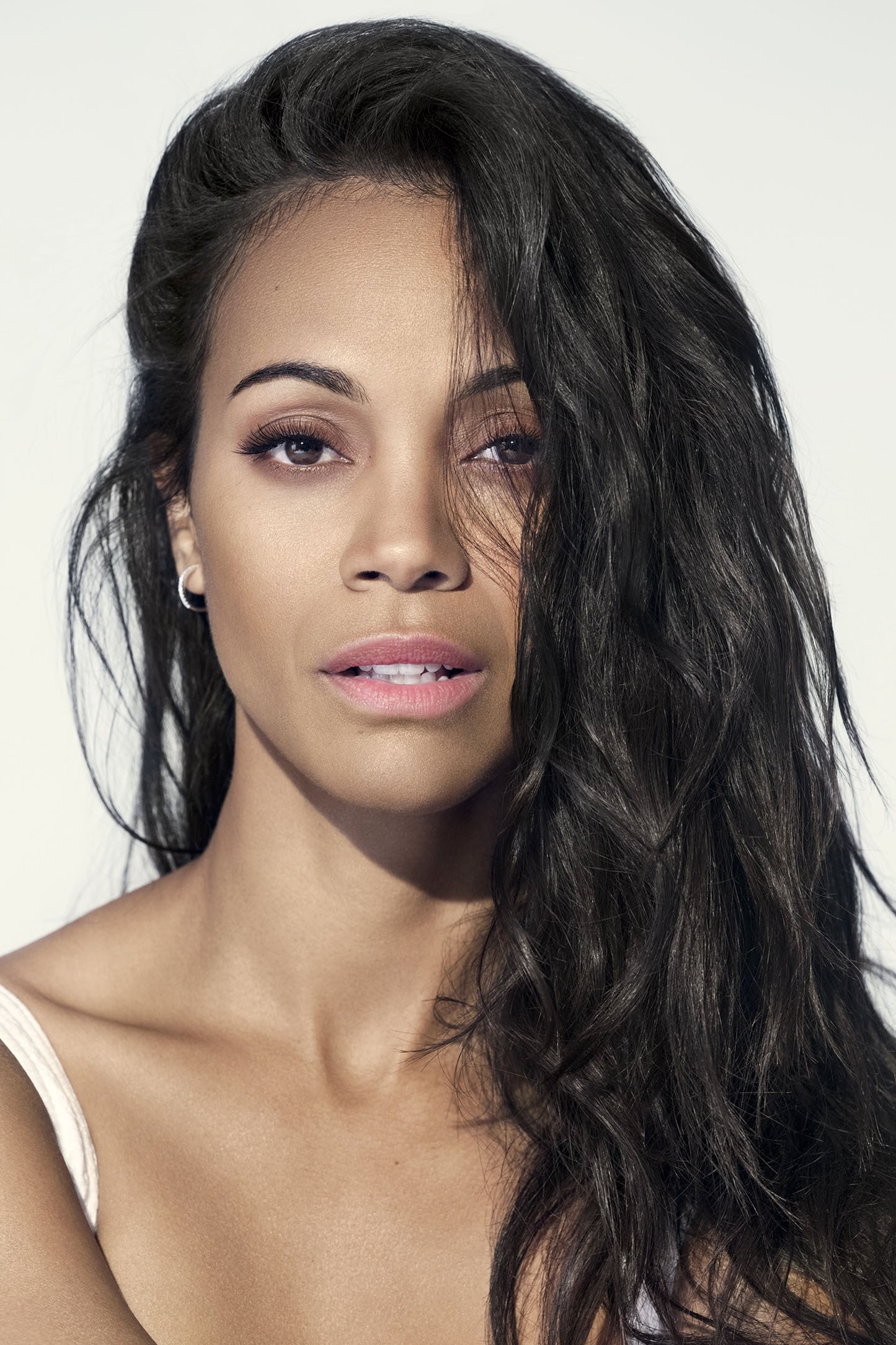
Years after playing Nina Simone in a biopic she publicly stated that she should not have taken the role and apologized to those who felt the portrayal relied on makeup and choices that distorted the singer’s image. She said a Black woman with the right skin tone should have played the part and that she had listened to criticism.
The later apology became a reference point in conversations about colorism and casting in biographical films. It is frequently mentioned when studios consider makeup and prosthetics for roles based on real people and how those decisions affect audience trust.
Jennifer Lawrence
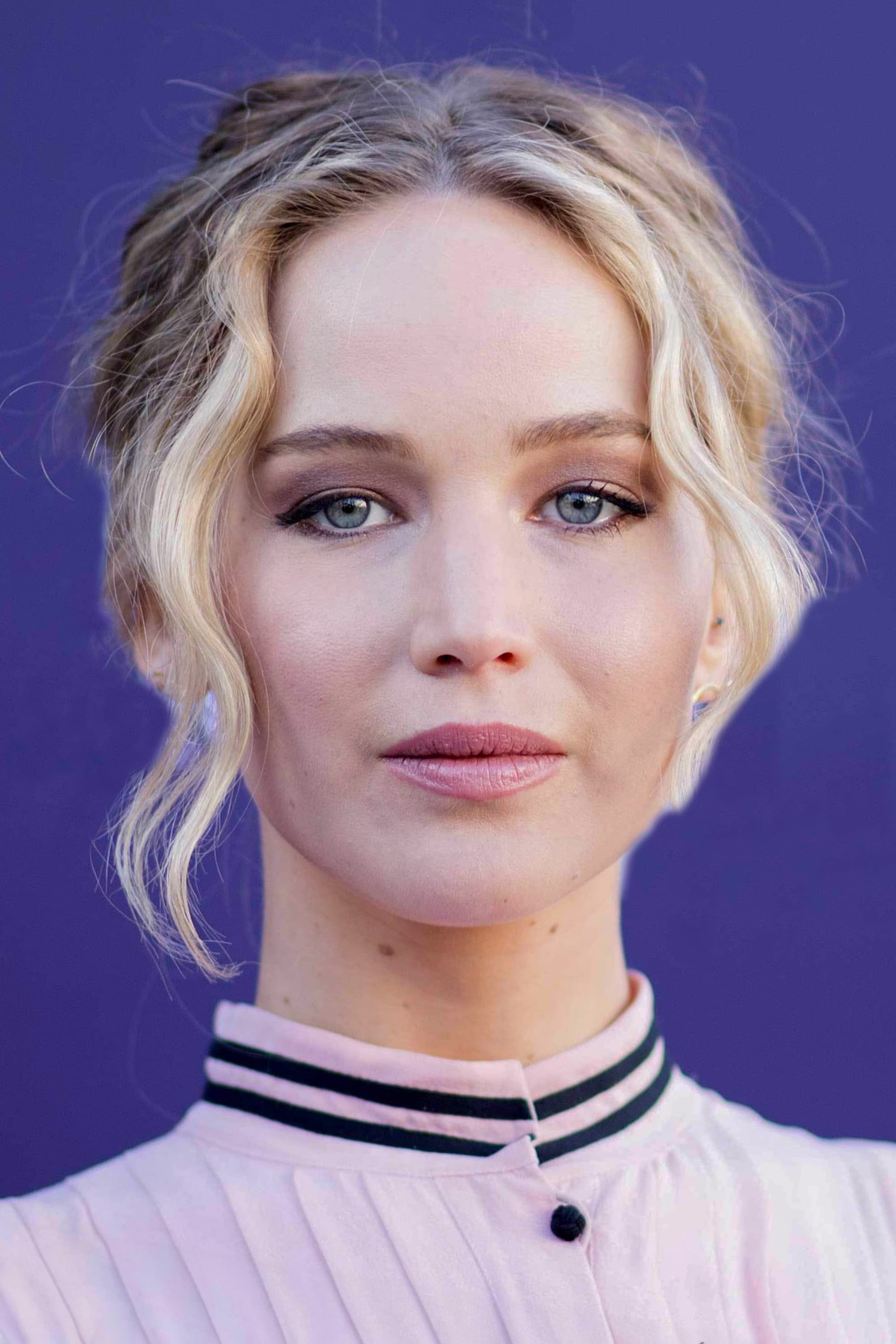
She told a talk show story about scratching sacred rocks in Hawaii while filming a ‘Hunger Games’ sequel and laughed about it on air. After viewers pushed back she posted a statement apologizing and saying she had not intended disrespect toward Hawaiian culture and that the anecdote was told poorly.
The apology recognized the cultural significance of the sites and arrived quickly, yet clips of the original interview continued to spread. The episode is often cited as a reminder to avoid framing on location anecdotes in ways that diminish local traditions connected to major franchises.
Awkwafina
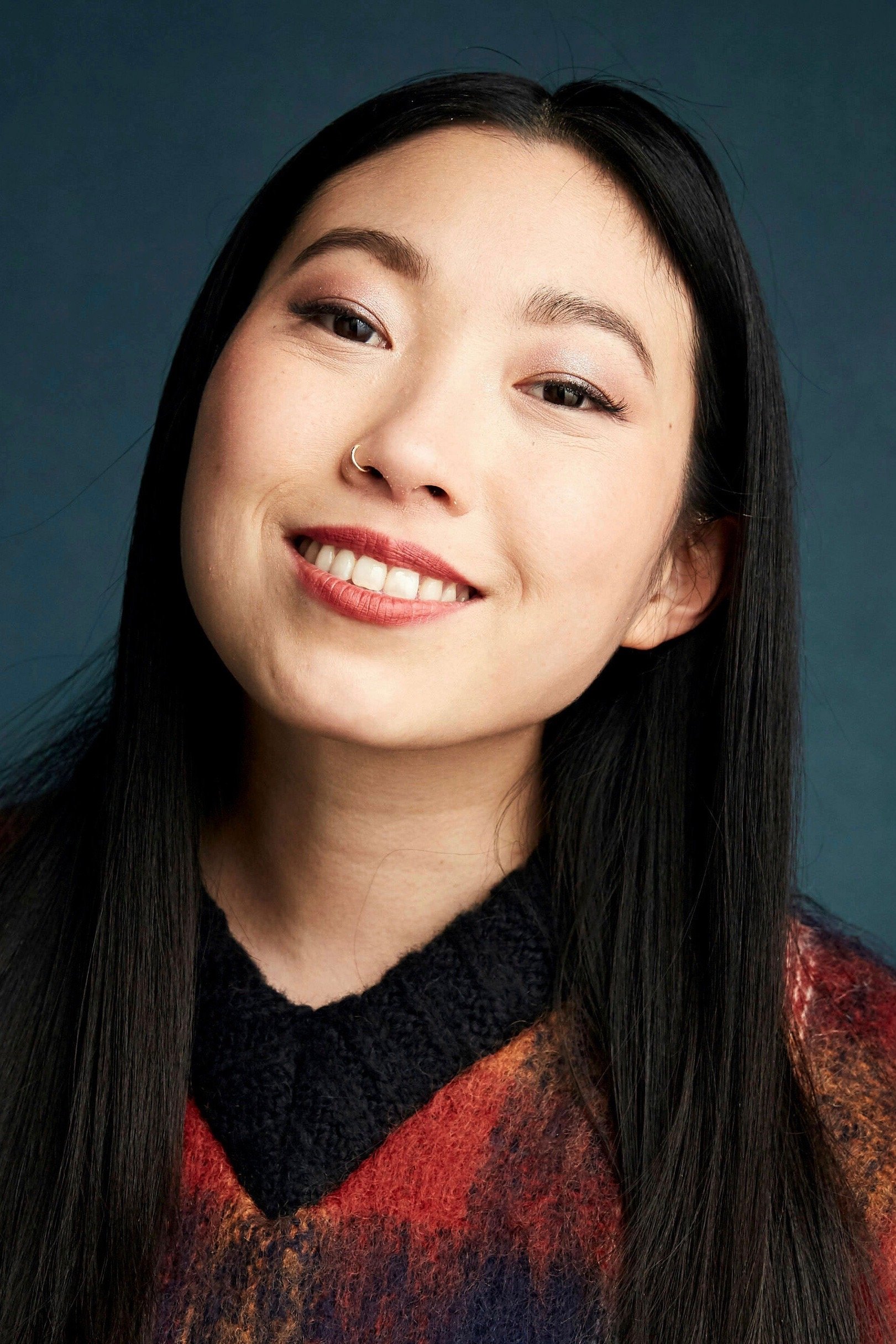
After years of criticism about her use of a Black accent in interviews and roles she posted a lengthy statement in 2022 addressing the topic and apologizing to communities who felt harmed. She said she would step back from Twitter and indicated she was listening and learning, though the message avoided some specifics that critics wanted addressed.
The response drew mixed reactions since some readers found the explanation incomplete and others appreciated the acknowledgment. The conversation remains part of casting and marketing discussions for projects where she appears, including animated films and comedies.
Drew Barrymore
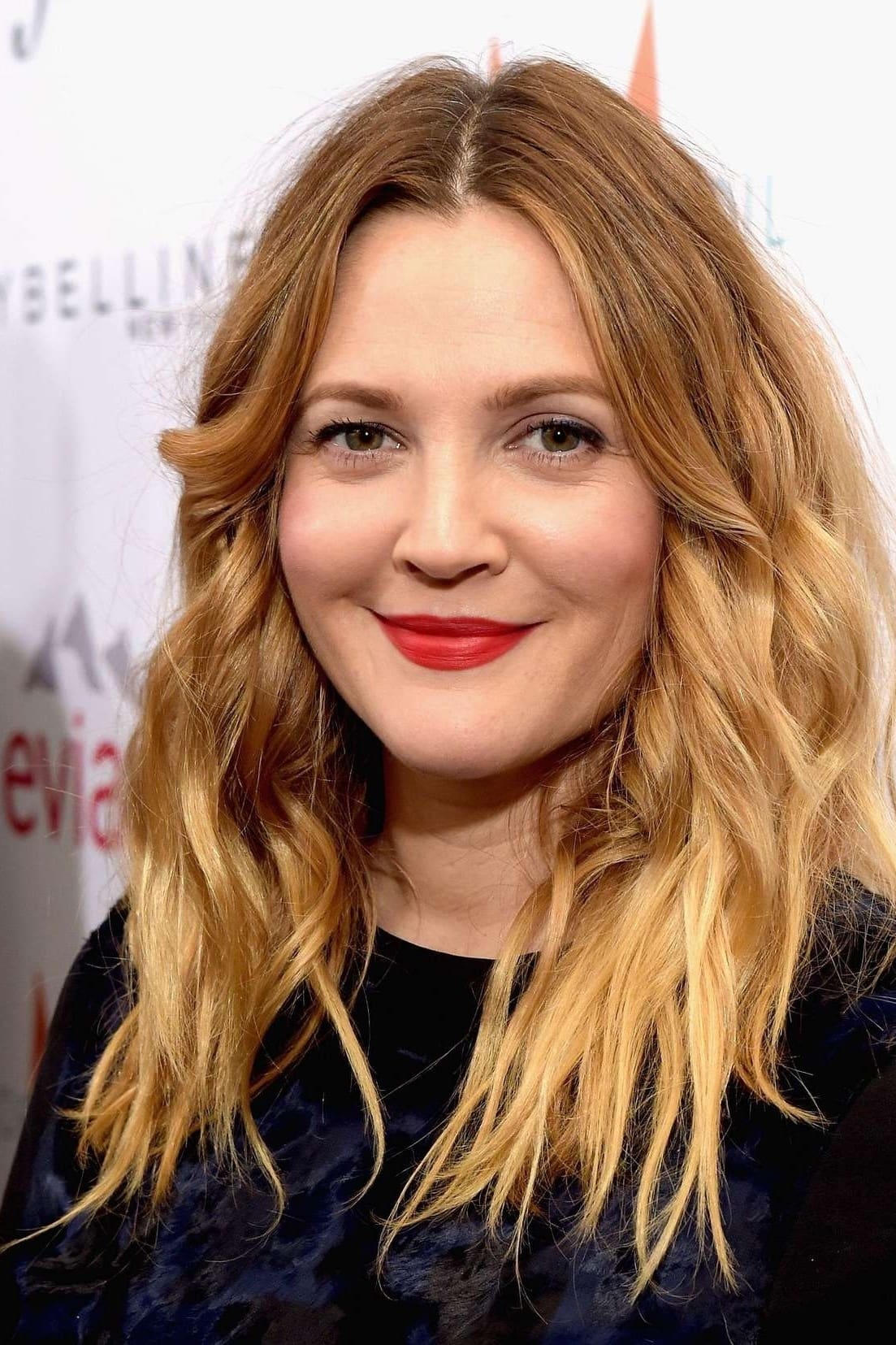
During the 2023 writers strike she announced that her daytime series would return without writers and taped episodes, then reversed course after widespread criticism. She posted a video apology that tried to explain the decision while saying she respected unions, but the video was removed after it generated more backlash.
The sequence of announce, apologize, and retract became a prominent example of how talk shows navigated labor disputes. The incident affected the start of the next season of ‘The Drew Barrymore Show’ and influenced how other productions communicated with audiences.
Lea Michele
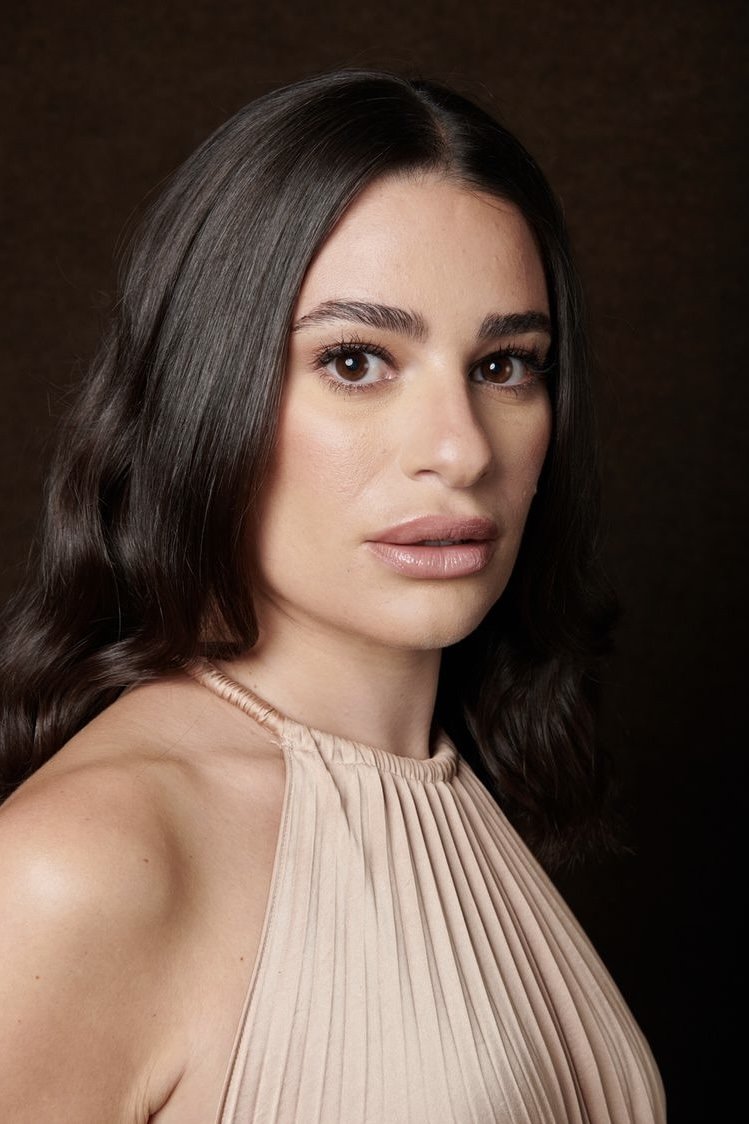
Former ‘Glee’ cast members accused her of bullying and creating a hostile environment on set. She posted a written apology that said she did not remember the events in the same way but that she had clearly acted in ways that hurt people and she would work to be better.
The message prompted debate because it did not detail actions or commitments and commenters contrasted it with the specific accounts that had surfaced. The conversation resurfaced around later stage roles and interviews that referenced her time on ‘Glee’.
Amber Heard
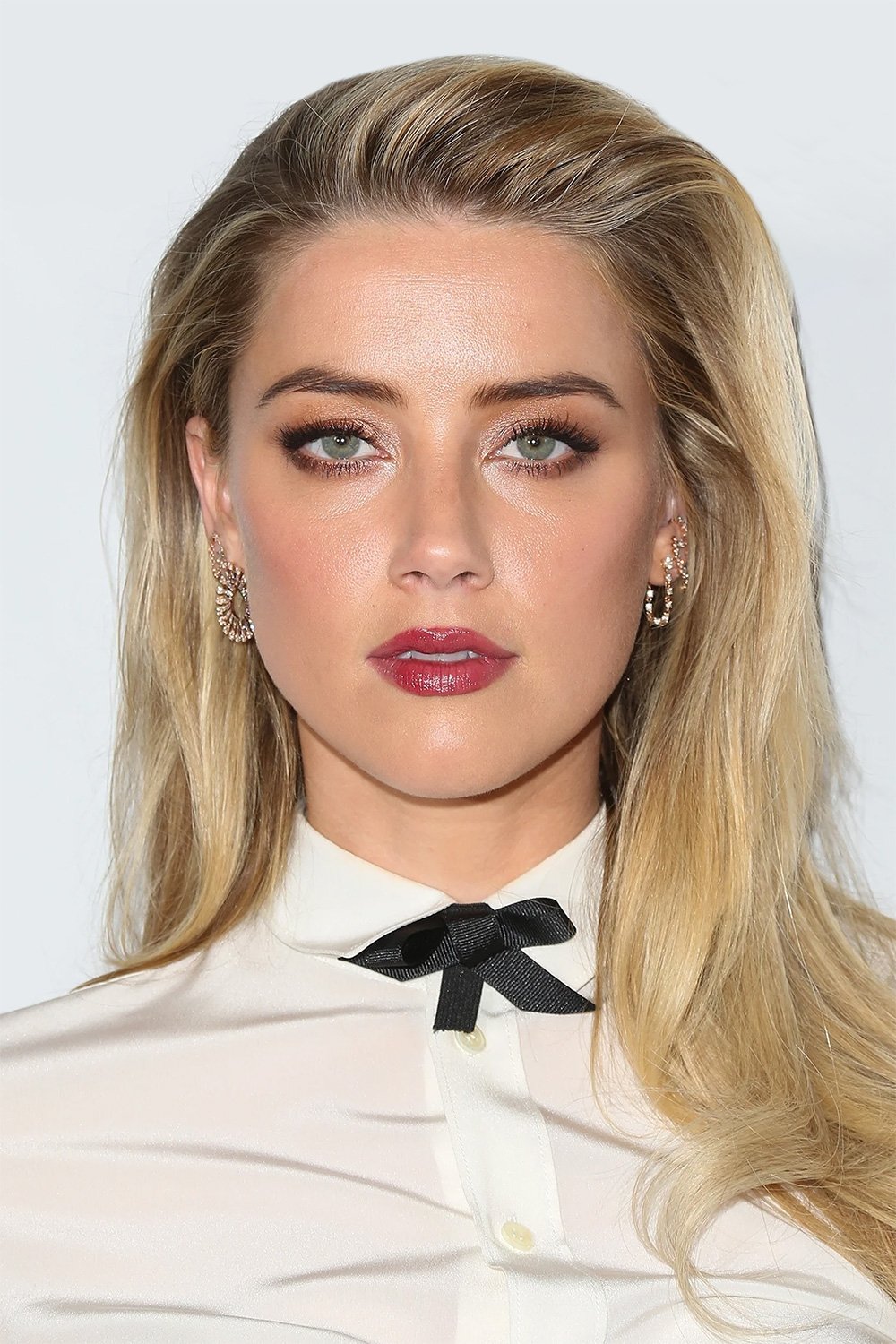
She and Johnny Depp recorded a formal apology video for bringing dogs into Australia without proper paperwork in 2015, which was released in 2016 as part of a court outcome. The video featured a flat tone that many viewers found stilted and it became widely mocked online.
Although the clip satisfied legal requirements it did little to improve public sentiment. The event now appears in timelines of her career alongside work like ‘Aquaman’ and is used in media literacy classes to illustrate how forced delivery can undercut a message.
Priyanka Chopra Jonas
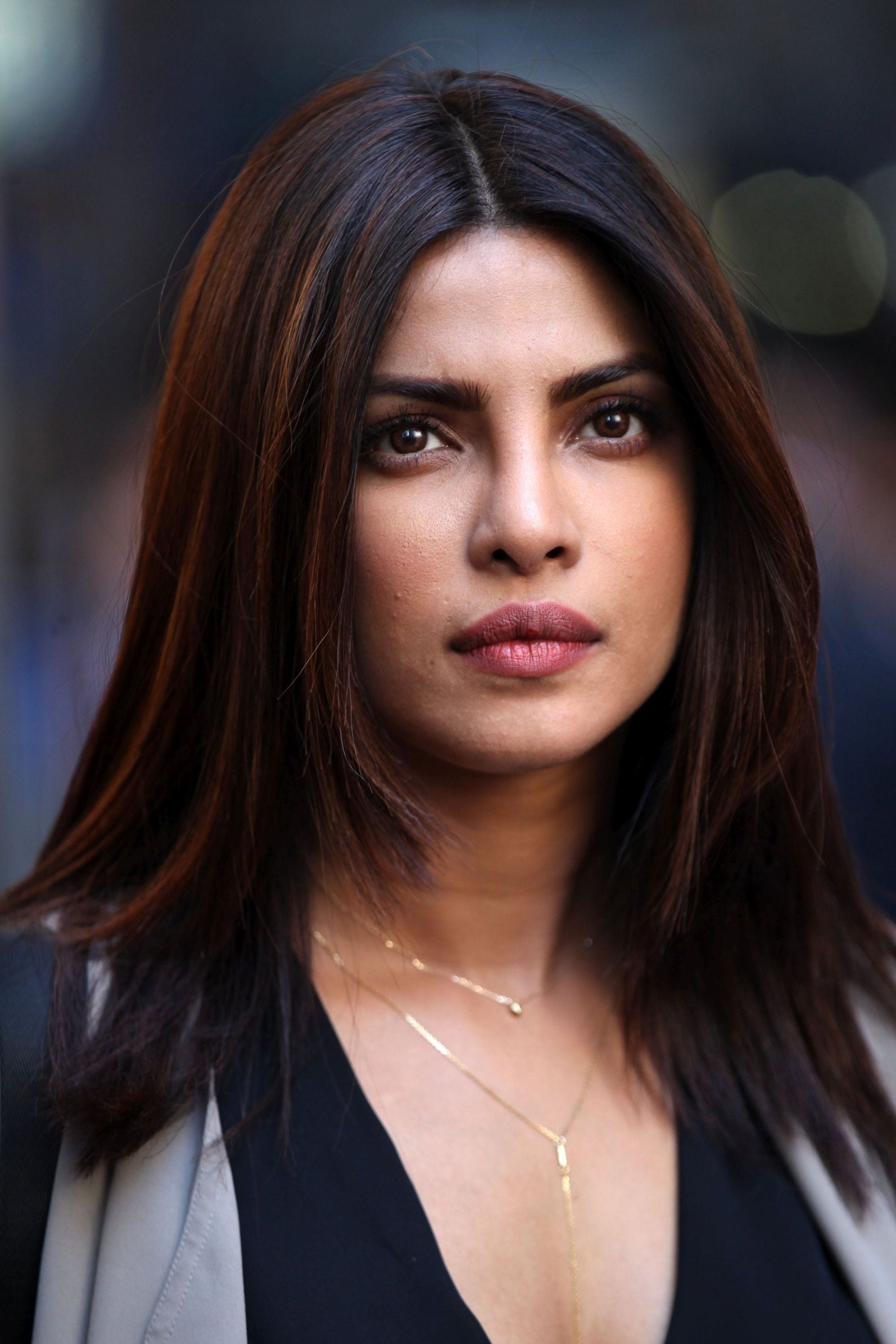
She faced criticism for past endorsements of skin lightening products and for a remark at an event where a questioner from Pakistan challenged her over a tweet about a military strike. She later said she was sorry for the hurt caused by fairness marketing and expressed that she should have taken a different path, and she told the questioner she was sorry if her words had seemed dismissive.
The mixture of brand history and geopolitical commentary kept the story alive across regions. The apologies are now referenced in discussions of celebrity brand deals in South Asia and how global stars with roles in projects like ‘Quantico’ approach activism and advertising.
Michelle Rodriguez
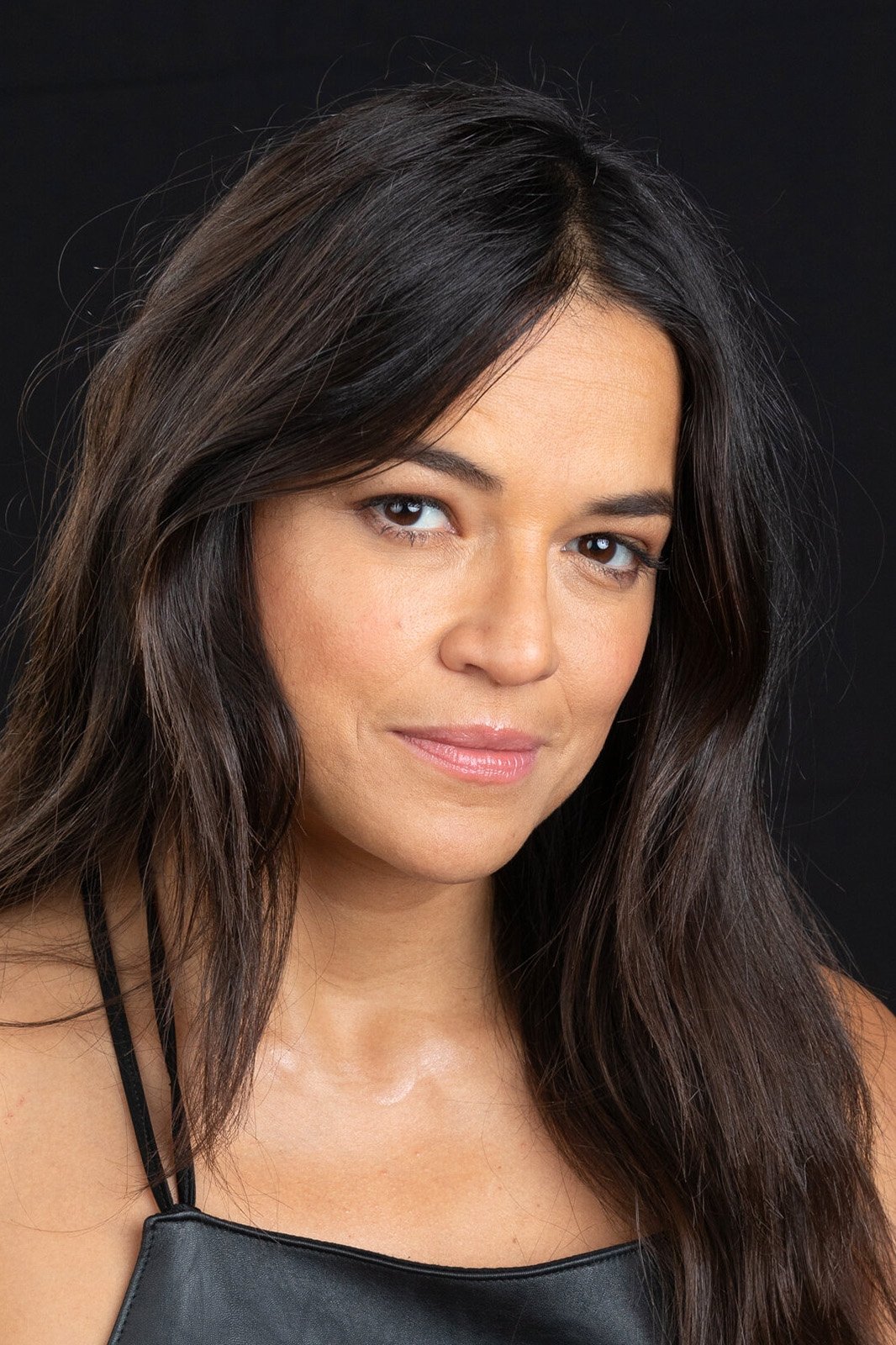
She said in an interview that minority actors should create original characters rather than take existing white superhero roles. After immediate pushback she posted a video apology explaining that she had spoken clumsily and that she wanted to see more original stories for underrepresented groups.
The clarification acknowledged poor wording but it remained an example cited in debates about race and casting in comic book films. It also surfaces in retrospectives about her career in action franchises when representation topics come up.
Mayim Bialik
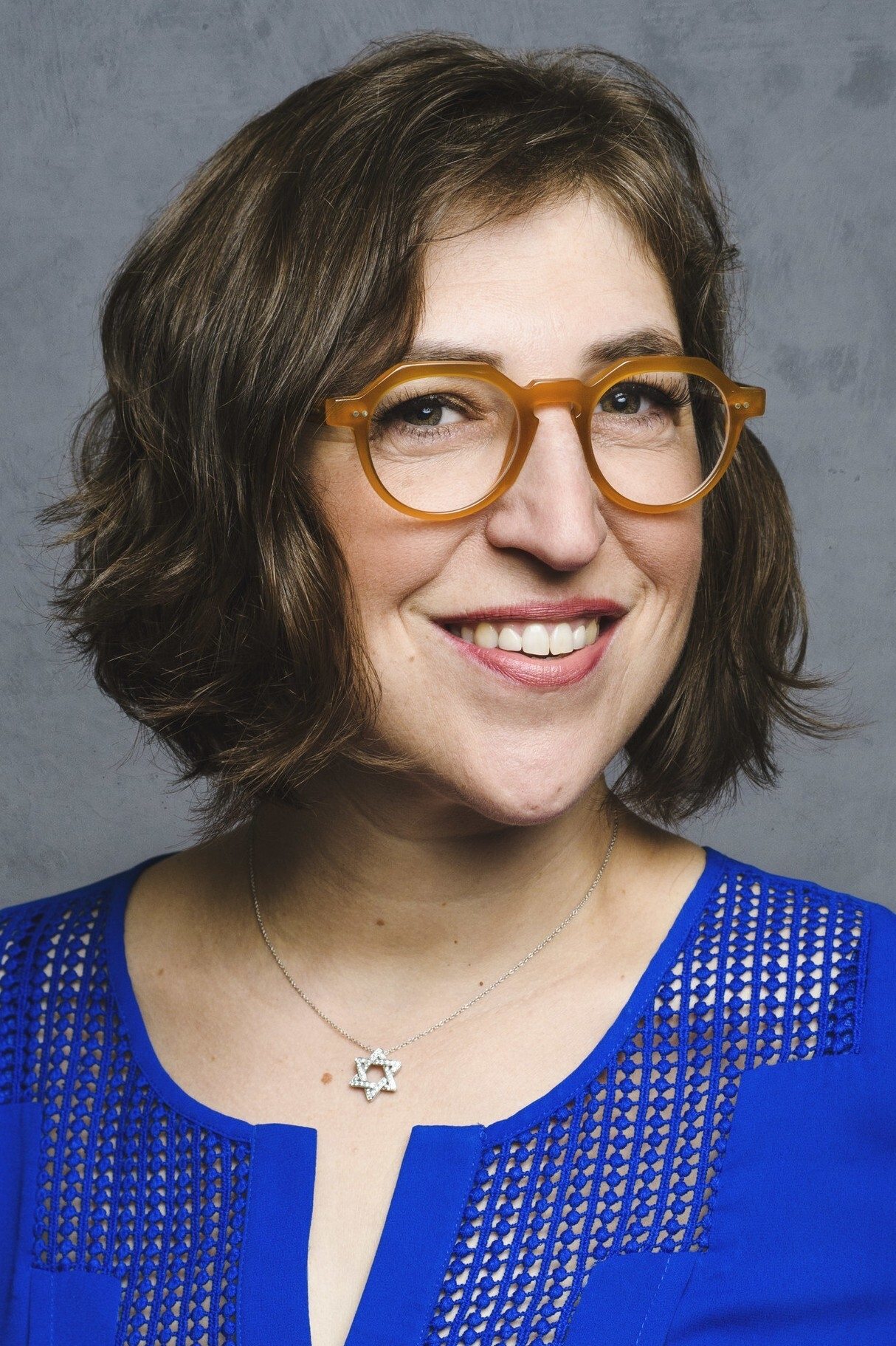
She wrote an opinion piece in 2017 about harassment in Hollywood that many readers viewed as implying that personal choices can protect women from assault. She apologized in follow up posts saying that she never intended to blame victims and that assault is never the fault of the person harmed.
The addendum helped clarify her position but the first publication continued to draw criticism and classroom discussion. The episode is often connected to her work on ‘The Big Bang Theory’ and later hosting duties when media outlets revisit public statements by television stars.
Reese Witherspoon
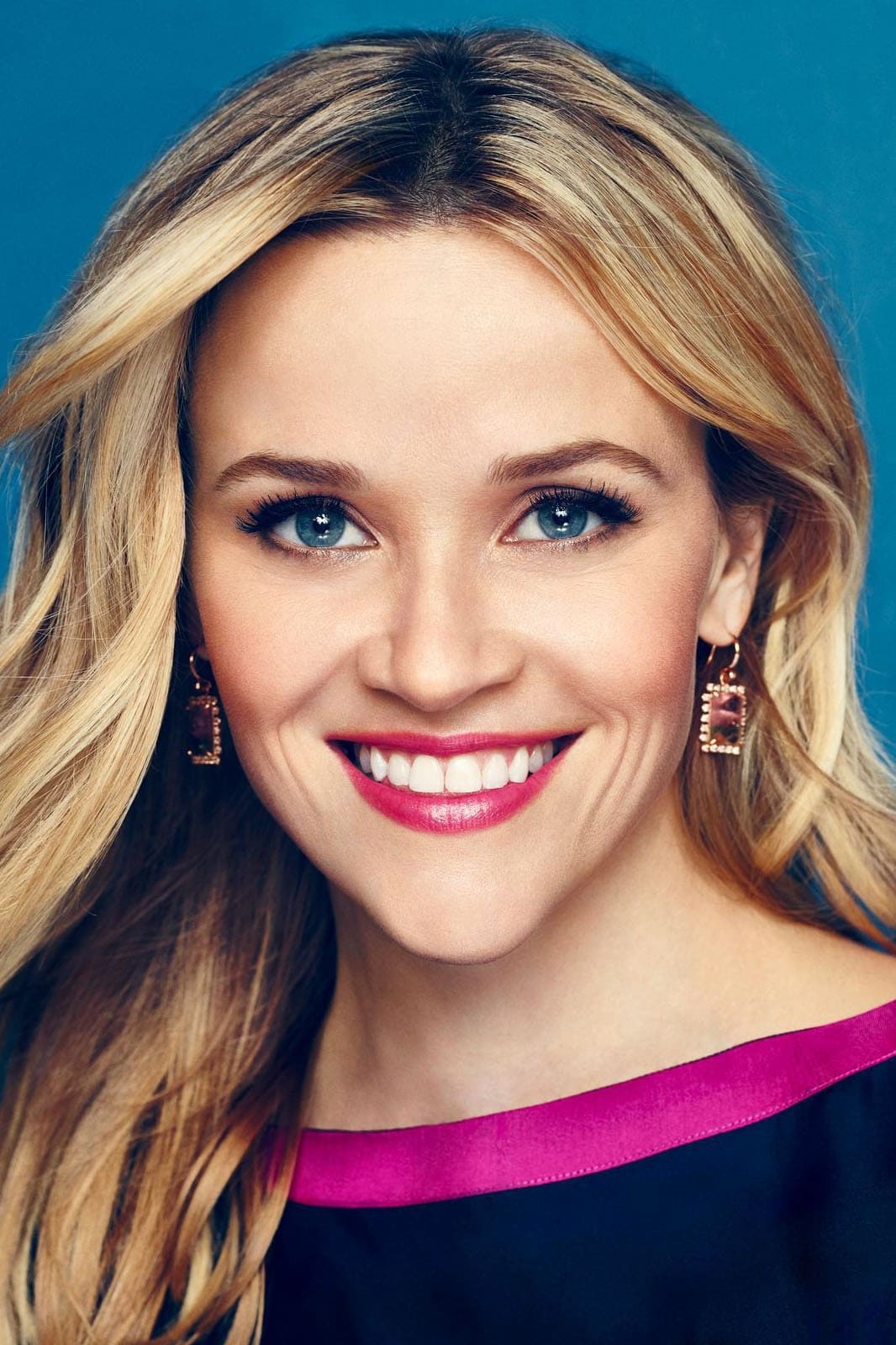
She was arrested in 2013 after an incident during a traffic stop and reportedly asked an officer if he knew who she was. She issued a straightforward apology soon after and said she had been disrespectful and had consumed alcohol and that she was deeply embarrassed.
The statement accepted responsibility yet the story remained in circulation for years as part of her public narrative. It is frequently included in profiles that trace her evolution from early star roles in films like ‘Legally Blonde’ to later producing work and industry leadership.
Share your thoughts in the comments and tell us which apology you think sparked the biggest conversation and why.