Top 10 Coolest Things About Goku

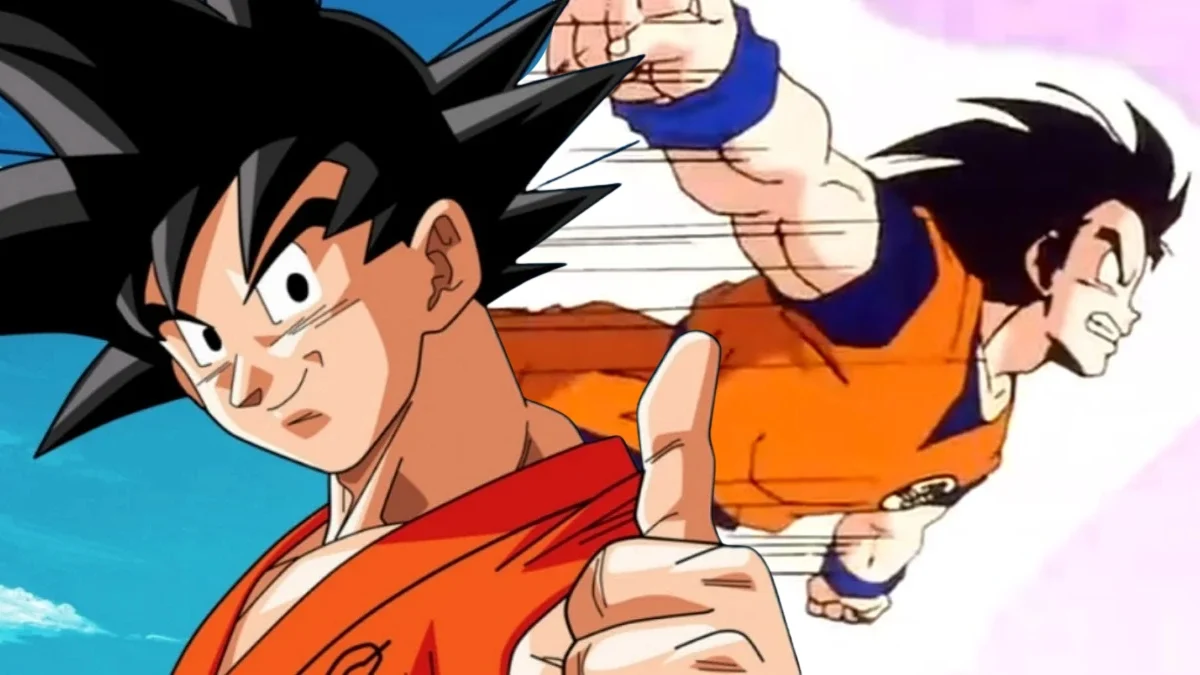

Goku has been the face of the ‘Dragon Ball’ franchise for decades, and his story tracks the growth of a fighter who constantly pushes past his limits. From early training under Master Roshi to battles that decide the fate of entire universes, his skill set expands in ways that are tightly connected to Saiyan biology, rigorous practice, and mentorship from some of the strongest teachers in the multiverse.
Across ‘Dragon Ball’, ‘Dragon Ball Z’, ‘Dragon Ball Super’, and even side continuities like ‘Dragon Ball GT’, Goku develops new techniques, transformations, and strategies that build on one another rather than replacing what came before. The result is a character whose abilities are grounded in consistent rules—ki control, training intensity, and tactical adaptation—so each “power-up” has a trackable origin, method, and limitation.
Saiyan Biology and Zenkai Adaptation
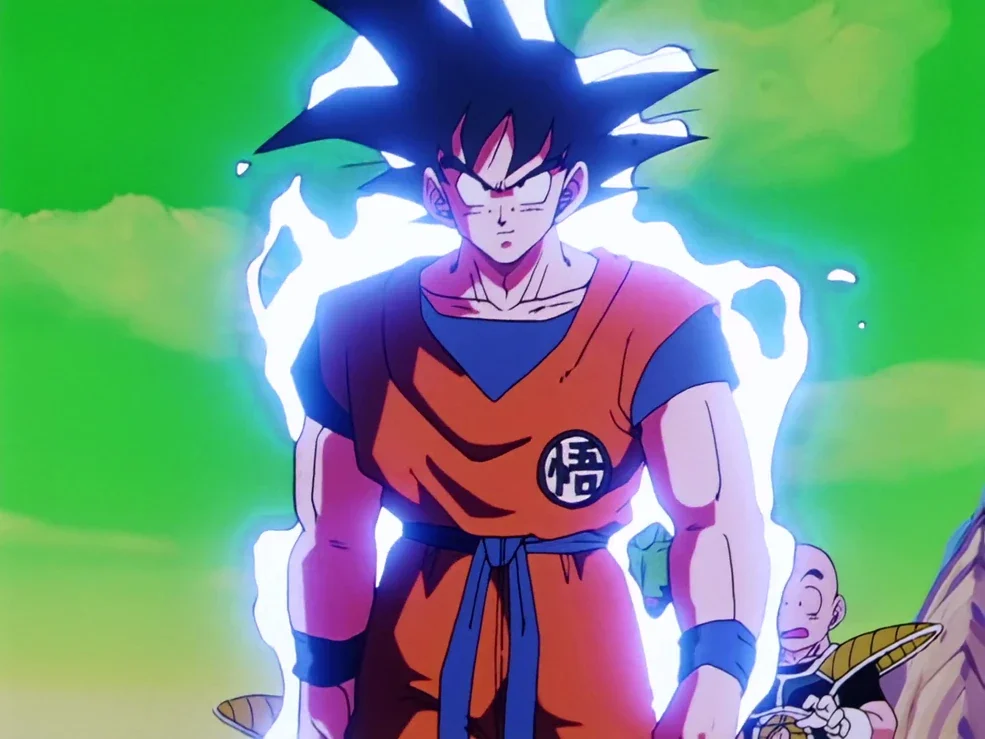
Goku’s physiology as a Saiyan gives him access to the Zenkai effect—post-battle recovery that can yield dramatic increases in strength after surviving near-fatal damage. This mechanism explains why training arcs often include high-risk sparring, gravity chambers, and Senzu Bean recovery: controlled exposure to extreme strain followed by rapid healing can produce measurable jumps in power. The Great Ape form, triggered by exposure to Blutz Waves from a full moon or equivalent sources, is another Saiyan-specific trait that historically multiplied power before Goku learned to control or bypass it.
Saiyan genes also underpin Goku’s unusually high ceiling for ki capacity and stamina, enabling long-duration techniques like sustained Kaio-ken multipliers and fusion time limits that align with his energy reserves. Family lineage matters too—Gohan and Goten exhibit accelerated development compared to baseline humans—highlighting how hybrid vigor and early training affect power trajectories within the same rule set established for Goku.
Mastery of Ki Control
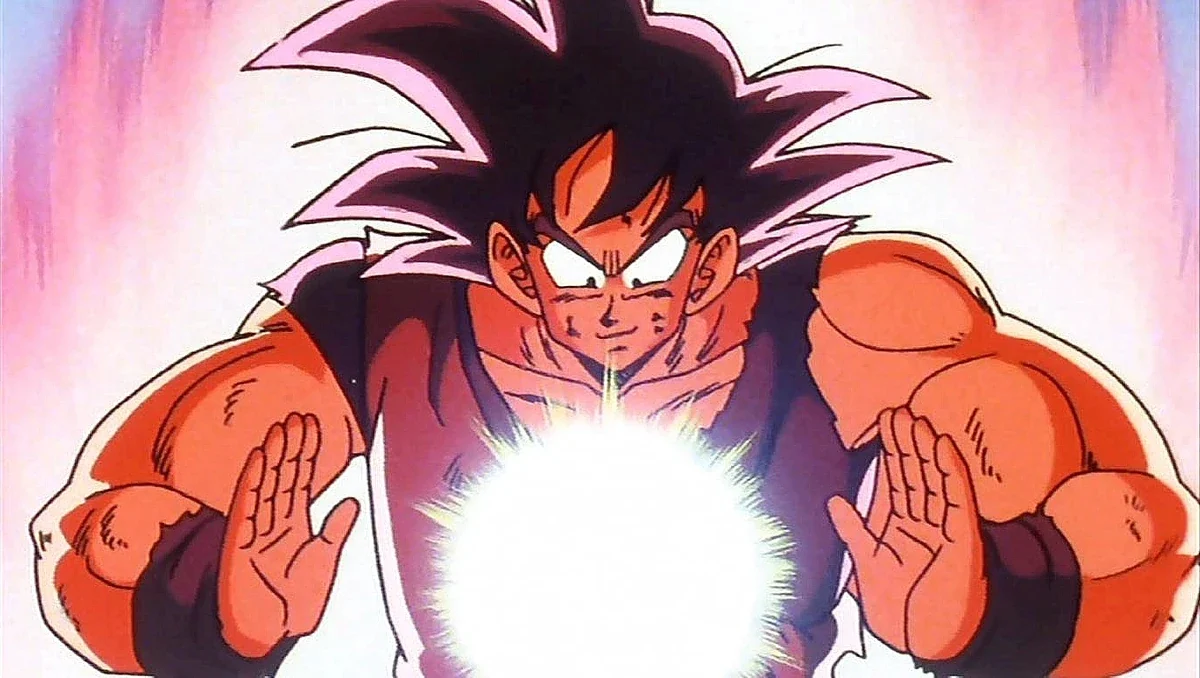
From his earliest lessons, Goku learns to sense, regulate, and project ki, which functions as the energy economy for every technique he uses. Efficient ki control lets him allocate output precisely—conserving power during scouting exchanges, then spiking it for finishing moves. Training with Kami and later King Kai formalizes concepts like ki sensing across distances and maintaining output under environmental stress (e.g., high gravity or thin atmospheres).
Advanced ki control also enables defensive and utility applications beyond raw offense. Goku can mask his ki to avoid detection, create barriers against energy attacks, and fine-tune propulsion for flight maneuvers that demand quick vector changes. This systemic approach is why he can stack transformations with techniques—each layer draws from the same, well-managed resource pool.
The Kamehameha Lineage
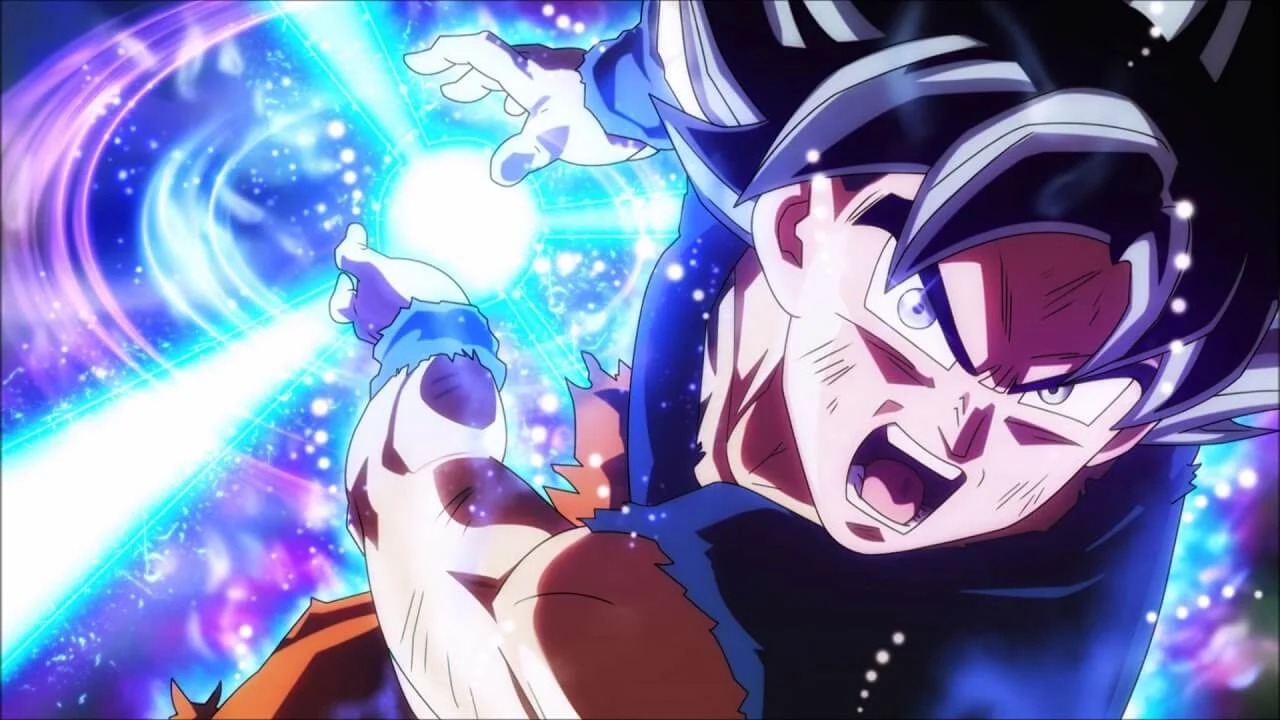
Goku’s signature Kamehameha traces directly to Master Roshi’s instruction, linking him to a martial lineage that treats the wave as both a technique and a training framework. Variations like the Super Kamehameha and the Instant Kamehameha emerge as Goku increases output, compresses charging time, or combines the wave with mobility skills. The move’s scalability—intensity, beam width, and dispersion—lets it stay relevant as his opponents advance.
Because the Kamehameha is fundamentally about focus and energy modulation, Goku can adapt it to different contexts: underwater releases, angled shots in close quarters, and beam struggles that require dynamic power management. The technique also serves as a benchmark for assessing progress; when Goku’s new forms amplify a Kamehameha without instability, it signals reliable integration of added power into his base mechanics.
Kaio-ken: Risk-Managed Multipliers
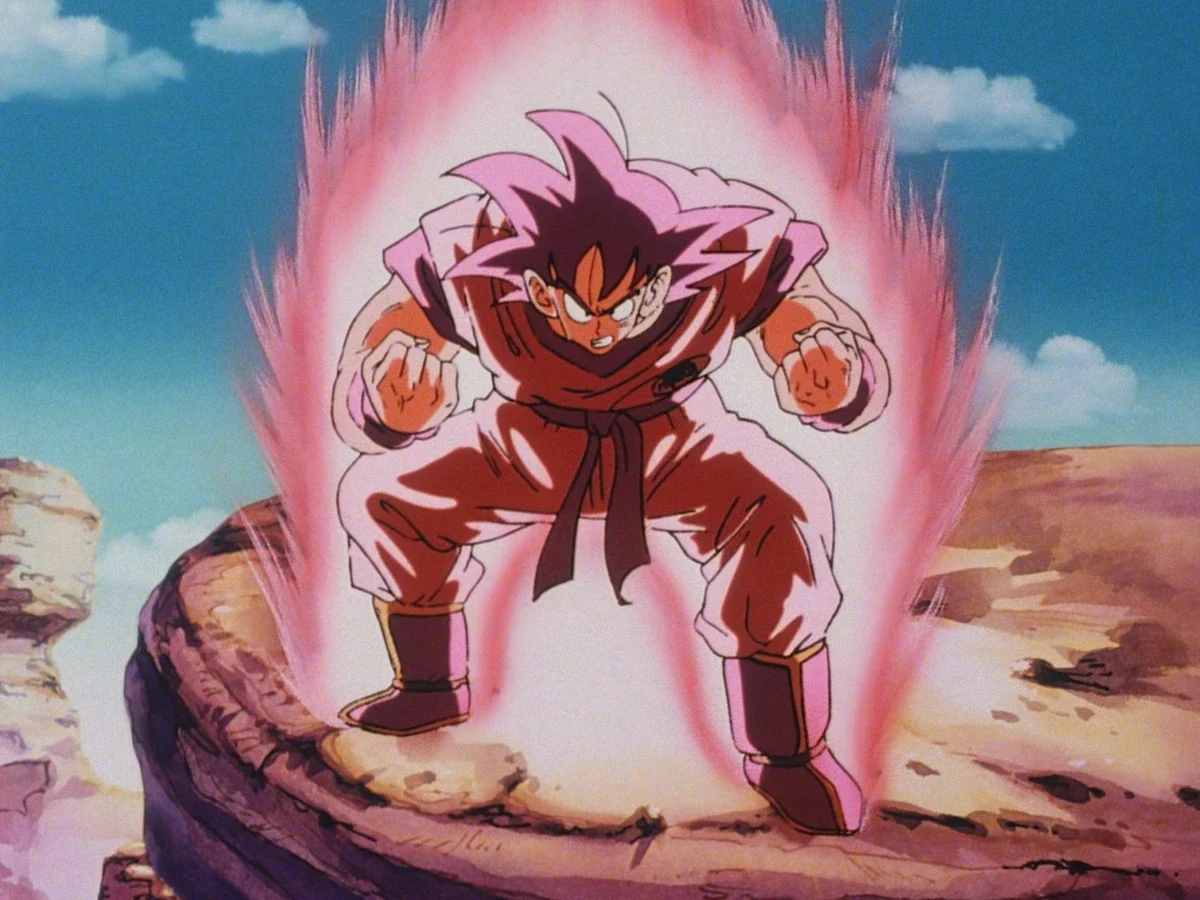
Under King Kai’s training, Goku learns Kaio-ken, a temporary ki multiplier that boosts strength, speed, and durability at the cost of severe bodily strain. The technique’s rules are clear: higher multipliers increase output but exponentially raise the risk of muscle and organ damage, making pacing and timing essential. In practical terms, Goku applies Kaio-ken in short, decisive bursts when he needs a tactical edge without committing to a transformation.
Kaio-ken’s compatibility with other states is a major asset. By later pairing it with elevated forms, Goku demonstrates layered power scaling bounded by tolerance thresholds he must constantly recalibrate. Monitoring fatigue, heart rate, and ki stability during use becomes part of his in-fight decision tree, turning Kaio-ken from a blunt boost into a controlled instrument.
Instant Transmission and Spatial Tactics
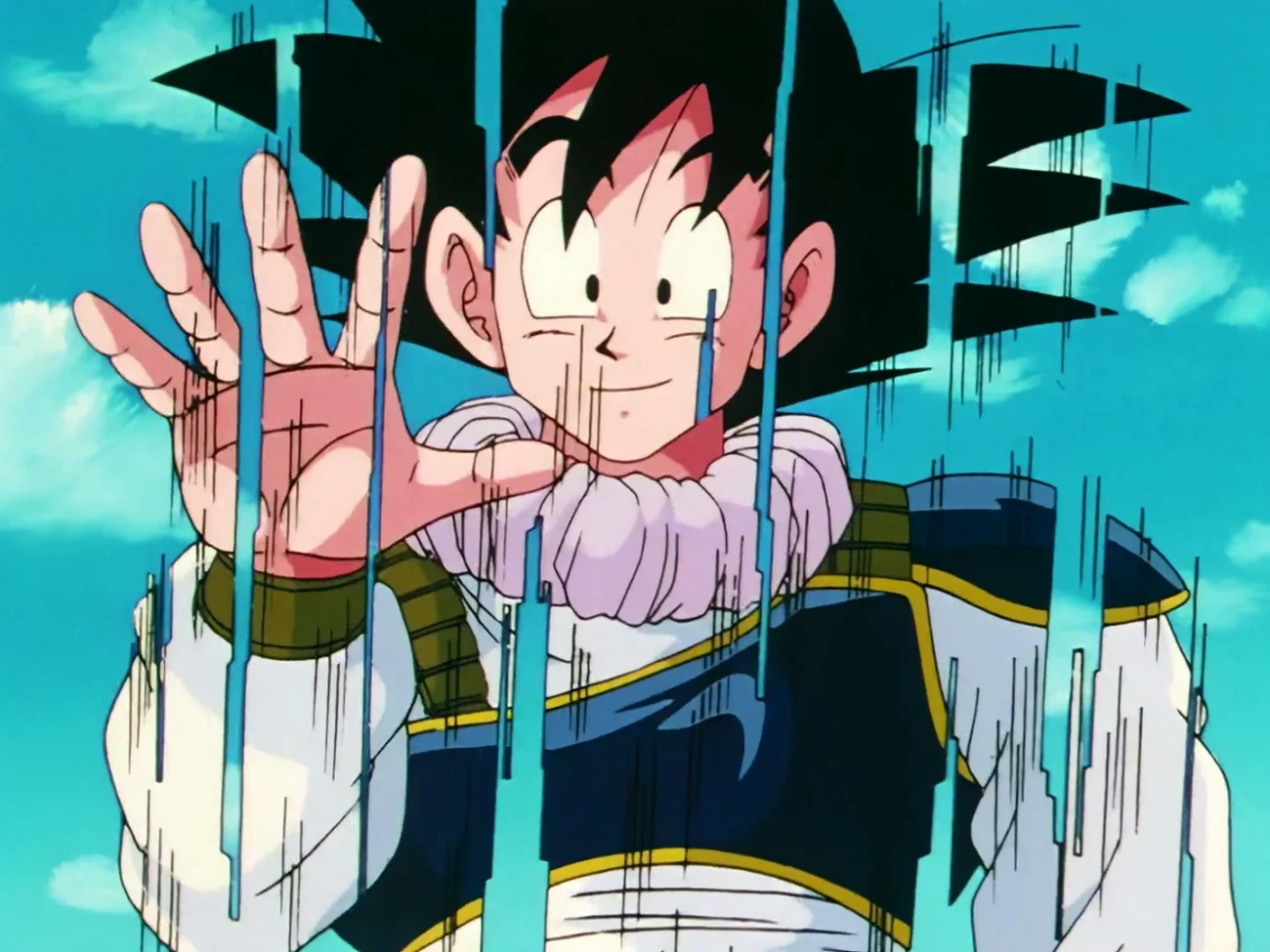
After learning Instant Transmission from Yardrat, Goku gains point-to-point travel by locking onto a ki signature. The method requires a detectable energy source at the destination, so he often coordinates with allies to provide a beacon or uses an opponent’s ki as a target. The technique works through obstacles and planetary distances, effectively removing conventional movement constraints from his planning.
In battle, Instant Transmission enables bait-and-switch setups, emergency evacuations, and zero-lag repositioning for close-range strikes or beam releases. Because it hinges on concentration, Goku trains to maintain situational awareness under stress—listening for ki fluctuations while defending—so he can teleport mid-exchange without creating exploitable gaps.
Super Saiyan Transformations and Energy Efficiency
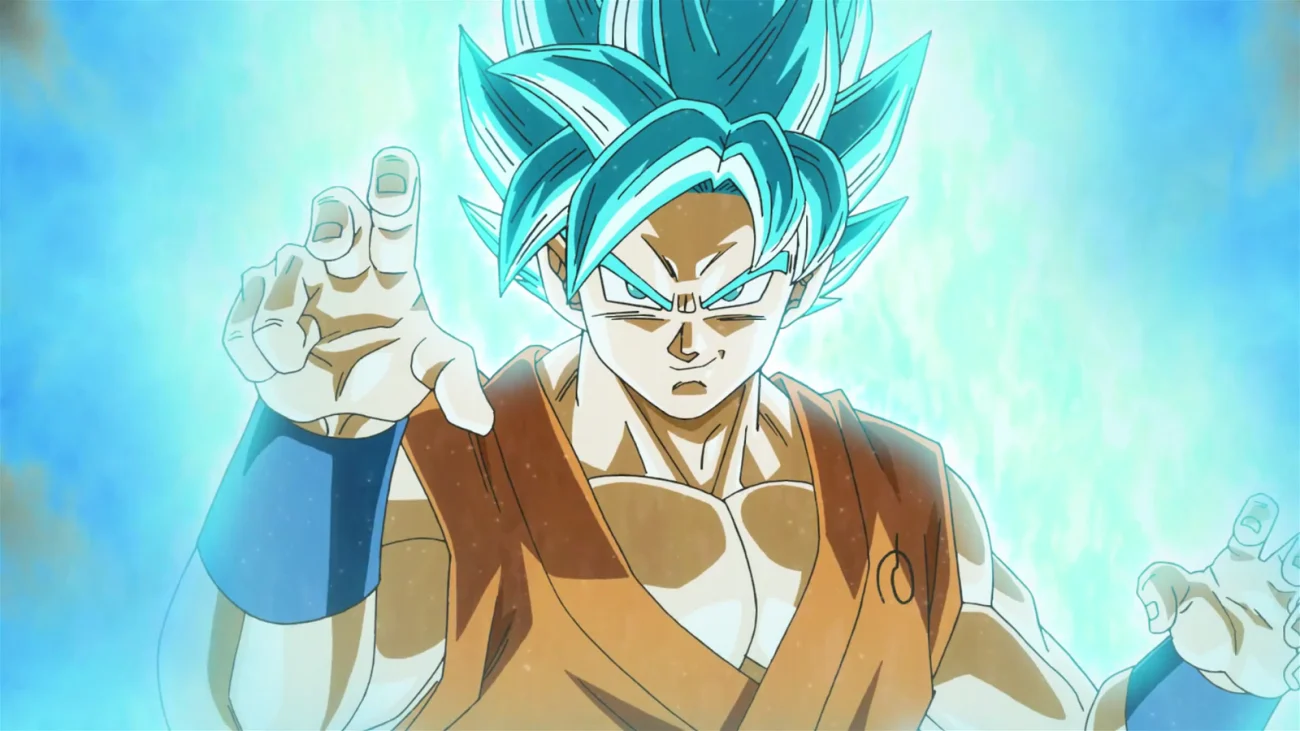
Goku’s transformation path—from Super Saiyan to Super Saiyan 2 and 3—follows a consistent logic: each form raises baseline output but introduces trade-offs in stamina and ki consumption. Super Saiyan 3, for example, magnifies raw power and speed but drains energy quickly, which limits its sustained use outside short windows or special conditions. This encourages selective deployment rather than constant reliance.
With divine ki, Super Saiyan God and Super Saiyan Blue add better energy stability and precision. God grants heightened perception and refined ki control, while Blue balances power with manageability for longer fights. Goku’s training focuses on reducing leakage and maintaining calm focus, ensuring these forms perform as reliable tools rather than unstable surges.
Ultra Instinct’s Autonomous Movement
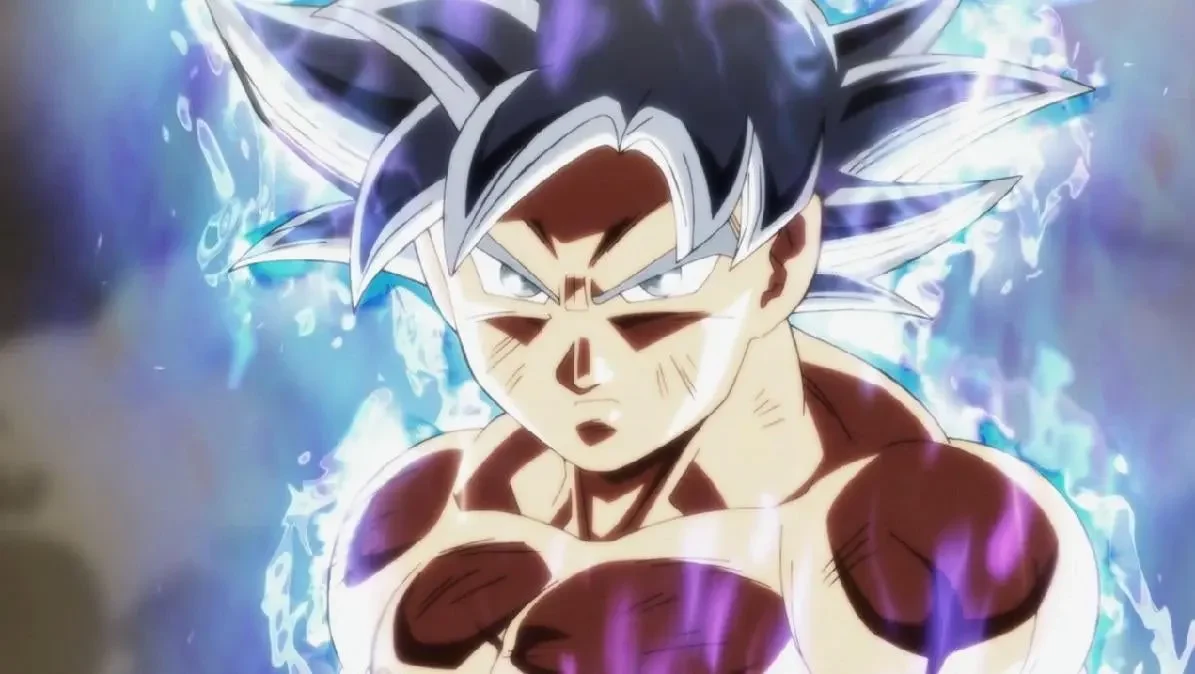
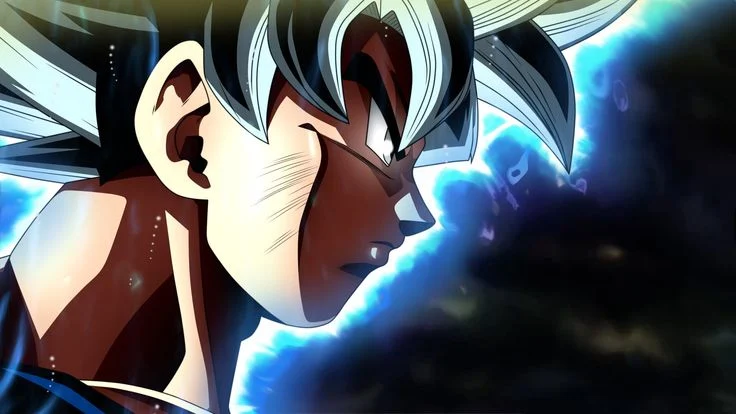
Ultra Instinct represents a qualitative shift: it separates perception and reaction from conscious decision-making, allowing the body to move and defend on its own. Achieving and stabilizing this state requires Goku to quiet deliberate thought, relying on disciplined training that ingrains efficient micro-responses. The result is heightened dodging, counter-timing, and attack selection that track to an opponent’s intent rather than just their movements.
Ultra Instinct also has stages and refinements, from initial “sign” manifestations to a more complete expression with improved offensive integration. Maintaining the state is the key challenge—energy control and mental composure must remain steady under escalating pressure—so Goku’s progress is measured by how long he sustains it and how seamlessly he transitions into and out of it during extended engagements.
Training Lineage and Mentorship
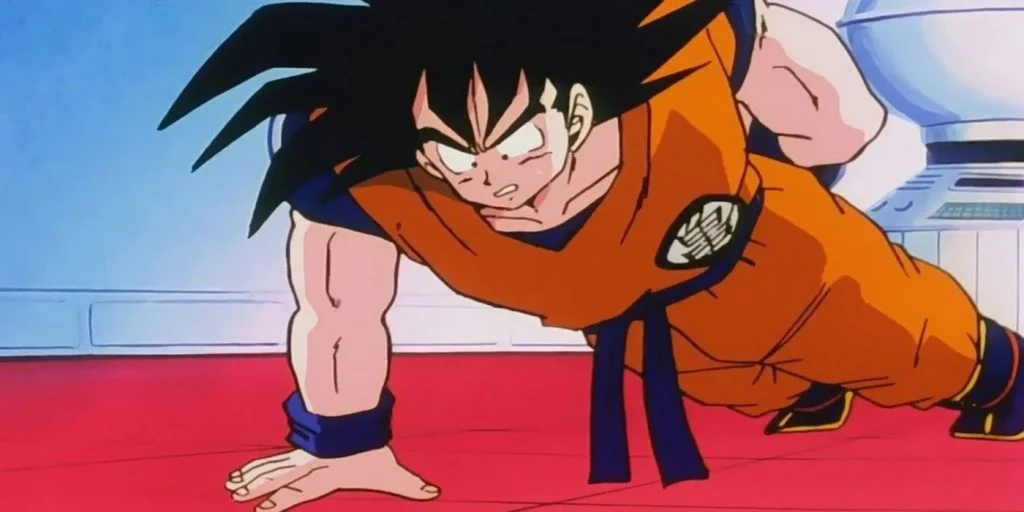
Goku’s development is traceable through mentors who each add specific competencies. Master Roshi instills fundamentals—stance, breath, and ki projection—while Kami and Mr. Popo refine spiritual awareness and discipline. King Kai introduces Kaio-ken and the Spirit Bomb (Genki Dama), which aggregates life energy from willing donors and requires moral alignment plus careful aim to avoid collateral harm.
In ‘Dragon Ball Super’, Whis teaches divine ki control and movement principles that pave the way for Ultra Instinct, while Beerus’s presence sets benchmarks that force Goku to reassess ceilings he once assumed were fixed. This mentorship chain highlights an iterative model: each teacher adds a layer that remains relevant later, making Goku’s growth cumulative rather than episodic.
Strategic Adaptation and Technique Copying
Goku demonstrates rapid pattern recognition, often internalizing an opponent’s timing, range control, and resource usage mid-fight. He studies how rivals pace ki expenditure and react to feints, then reorders his own combinations to exploit those habits. This is why he can pivot from power exchanges to grappling or precision counters when a matchup demands different tools.
He also learns techniques through observation and short practice—examples include adapting energy control methods and improving guard breaks after seeing how others layer their attacks. The underlying principle is transferable skill: by understanding why a technique works, not just how, Goku integrates it into his existing framework without creating conflicting cues or wasted motion.
Universe-Scale Stakes and Tournament Structure
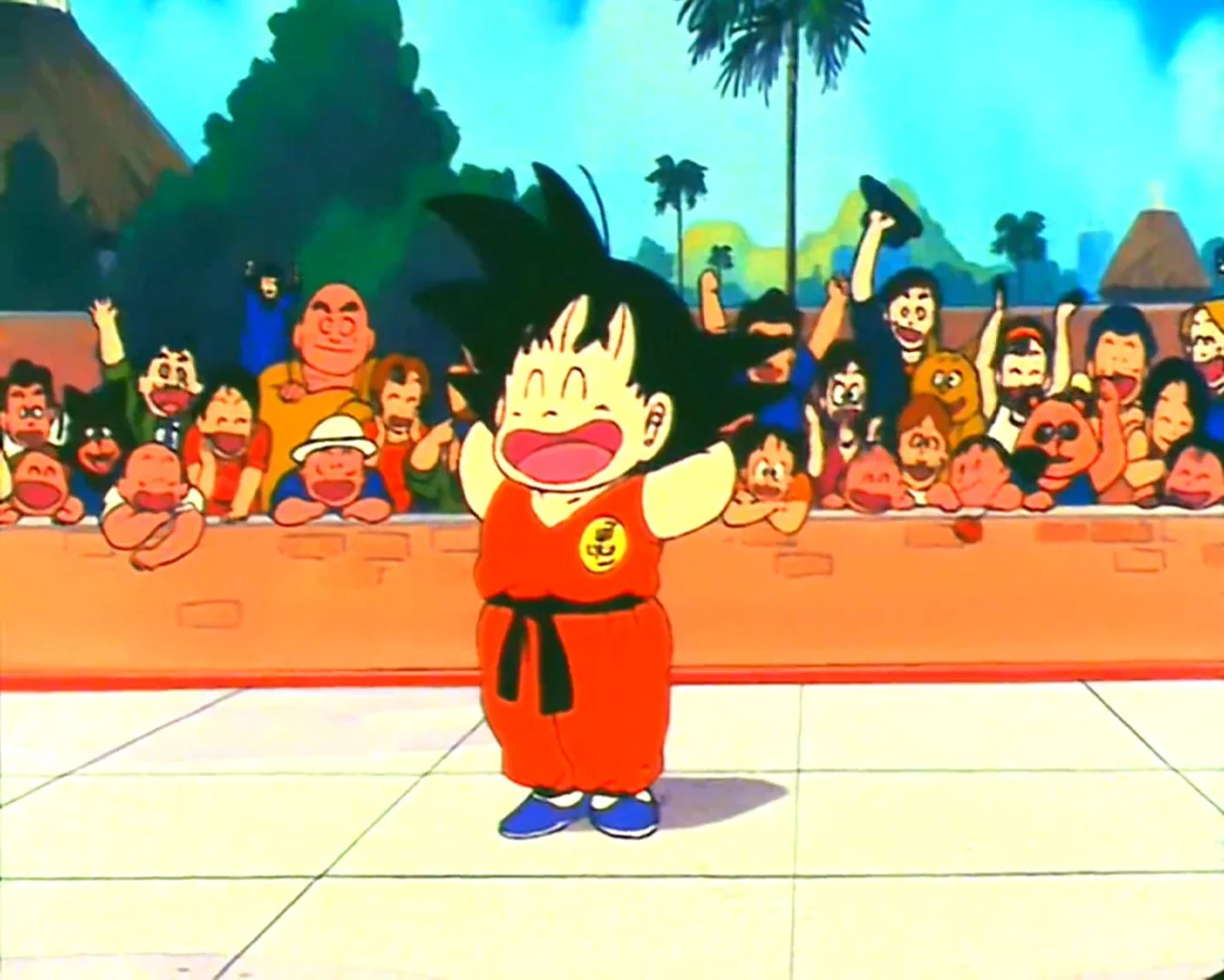
As threats escalate from planetary to multiversal, Goku’s responsibilities expand with them, and his approach adapts to formalized rulesets like the Tournament of Power in ‘Dragon Ball Super’. Time limits, ring-out conditions, and team compositions force him to balance individual duels with cooperative objectives, using mobility and ki-suppression to manage multiple opponents while protecting allies.
These structured environments also pressure-test his energy budgeting across many minutes of continuous engagement. By rotating forms, conserving ki, and choosing matchups that fit his current state, Goku demonstrates a practical understanding of tournament dynamics—seedings, endurance, and elimination risks—that matches the raw strength increases seen across the series.
Share your favorite Goku ability or moment from across ‘Dragon Ball’, ‘Dragon Ball Z’, ‘Dragon Ball Super’, or ‘Dragon Ball GT’ in the comments!