Celebrities Who Actually Predicted Their Own Death


Some famous figures left behind words or actions that seemed to foreshadow what would soon happen to them. In letters, interviews, lyrics, and private conversations, they described scenarios or fears that later unfolded with eerie accuracy. The details are specific and often well documented, which is why these stories continue to fascinate people long after the headlines faded.
This list gathers notable cases from different eras and fields. You will find writers, musicians, actors, and even a royal figure whose statements or writings pointed toward the way their lives would end. Each entry focuses on what was said or done and the concrete events that followed, so you can trace the timeline for yourself.
Mark Twain
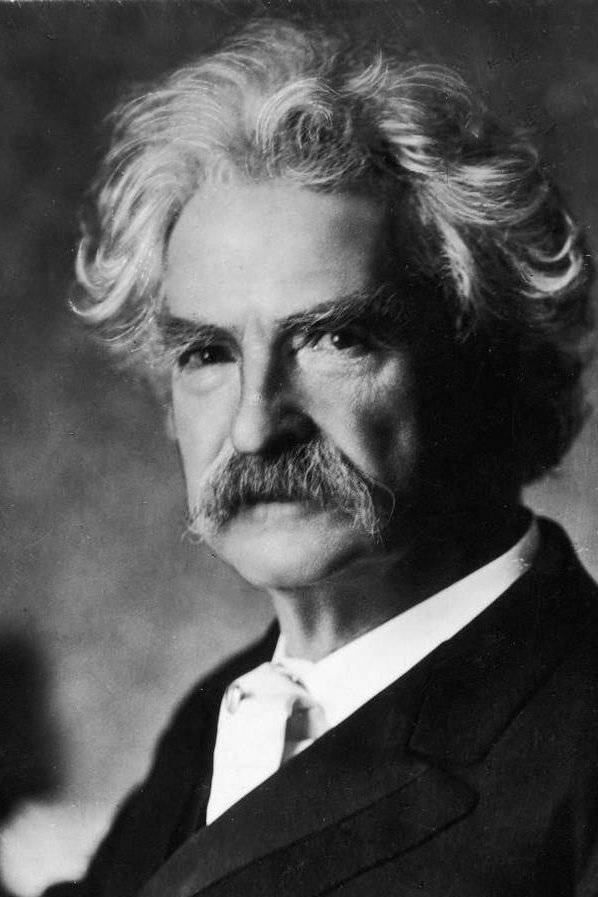
In 1909, Mark Twain told friends that he came in with Halley’s Comet in 1835 and expected to go out with it when it returned. Halley’s Comet reached its next close approach in April 1910. Twain died the same month, matching the timing he had linked to the comet’s cycle.
Twain’s remark was not a casual aside. He had tied his life’s bookends to the comet in public comments during his final years. The comet’s 1835 appearance coincided with his birth and its 1910 return lined up with the date of his death, which created one of the most cited coincidences in American literary history.
Abraham Lincoln
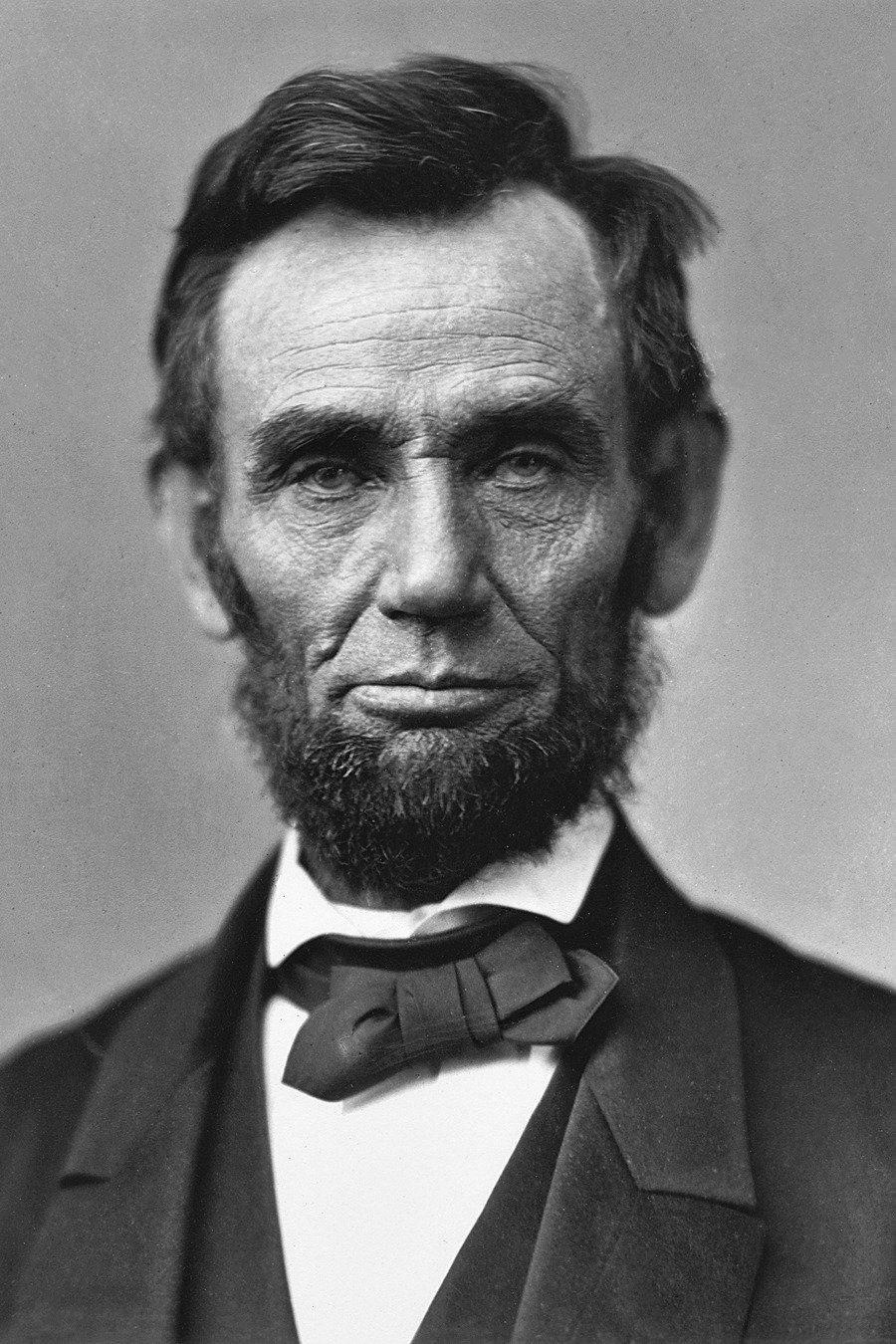
In the week before he was assassinated in April 1865, Abraham Lincoln described a dream to close confidants in which he wandered the White House and saw mourners around a covered corpse. When he asked who had died, the reply in the dream was that the president had been assassinated. He repeated this account to associates who later recorded it.
Lincoln had a documented habit of recounting vivid dreams to friends and family. The specific details he shared before April 14 matched the solemn scene that followed his shooting at Ford’s Theatre and death the next morning. The timing of the dream and the consistency of the retellings are why historians still cite it in assassination narratives.
Princess Diana
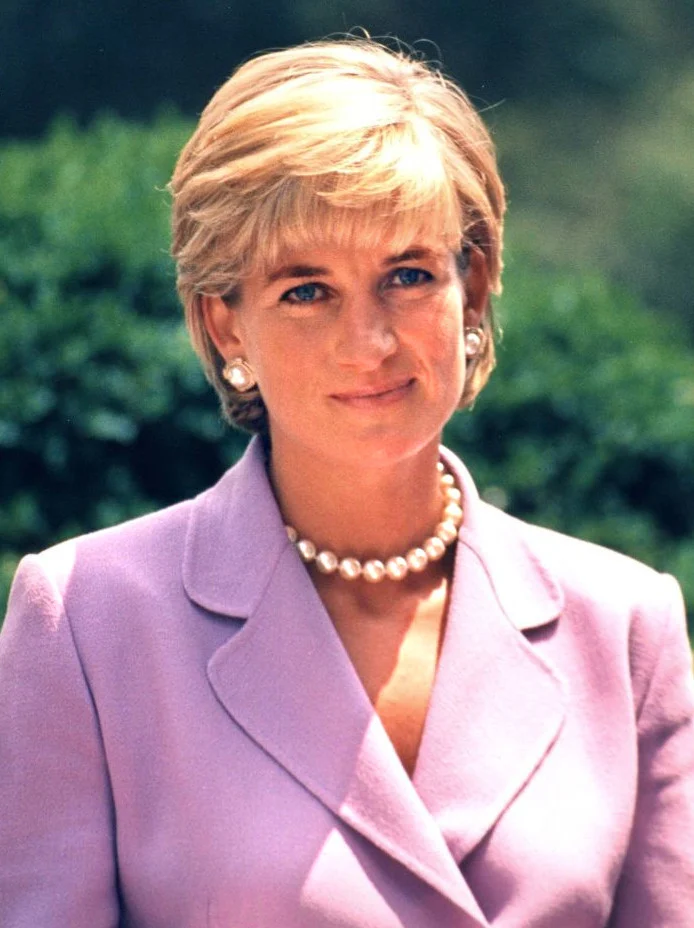
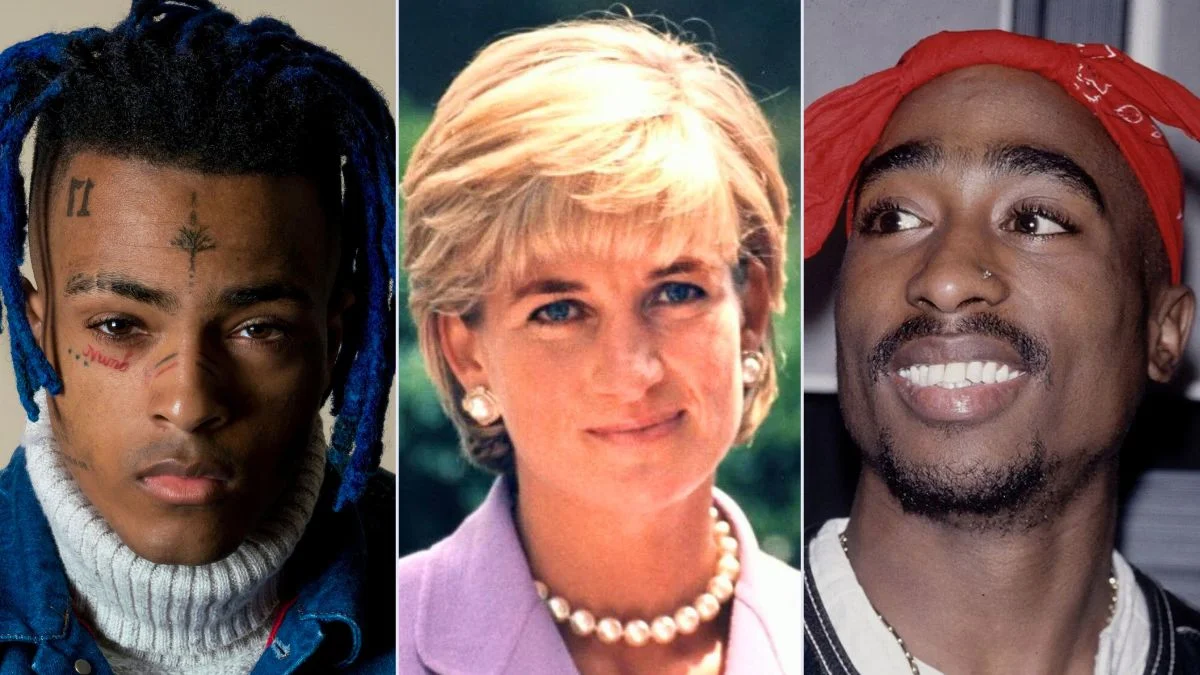
Months before the 1997 Paris crash, Princess Diana wrote notes expressing that she feared a car accident would be engineered to harm her. She told people close to her about concerns involving a tampered vehicle and a staged collision. These statements were preserved and later discussed in official inquiries.
The crash on August 31, 1997 involved a Mercedes that struck a pillar in the Pont de l’Alma tunnel. Investigations reviewed her letters and testimony from confidants alongside forensic results from the scene. The record shows that Diana’s written and spoken warnings existed well before the accident and that authorities evaluated them as part of the larger case history.
Tupac Shakur
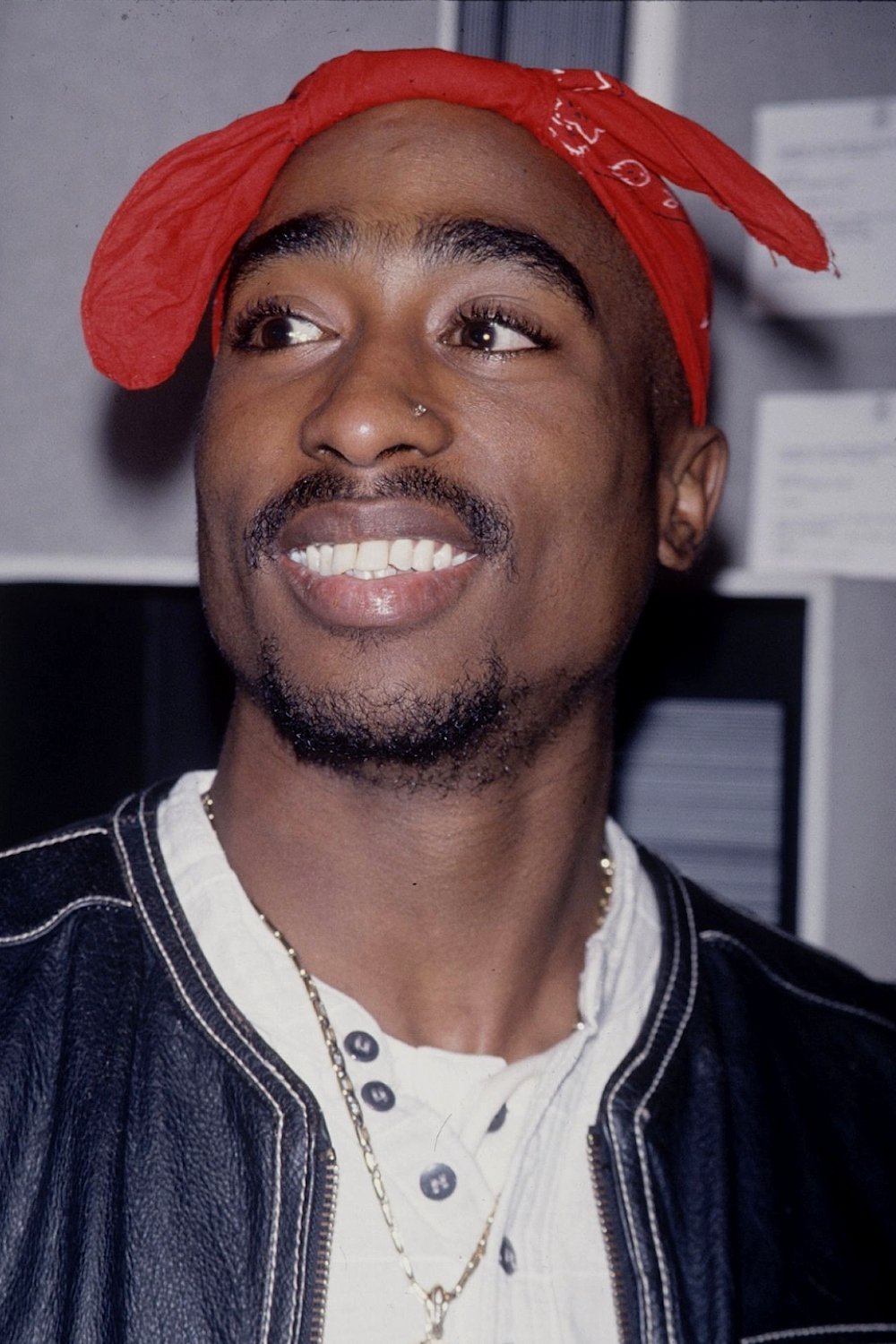
Tupac Shakur gave multiple interviews in which he spoke openly about the likelihood of dying young. He referenced shootings and ongoing conflicts and described a future where his life might be cut short. His albums included lyrics that mapped out violent scenarios and framed his legacy in advance.
On September 7, 1996 Tupac was shot in Las Vegas and died six days later at age 25. The contrast between his prior comments and the actual circumstances is clear in the public record. The interviews, the release dates of his songs, and the timeline of the Las Vegas shooting demonstrate how closely his words aligned with what happened.
The Notorious B.I.G.
Christopher Wallace discussed mortality in songs and interviews during the months leading up to his death. His double album title and track themes revolved around life, death, and aftermath. He described a sense of looming danger when speaking about travel and public appearances.
Wallace was killed in a Los Angeles drive by shooting on March 9, 1997. His recent promotional schedule and media clips showed him revisiting the topic of dying young. The proximity of those statements to the shooting, along with the subject matter of his released work, is why his case is consistently cited in conversations about artists who seemed to foresee their fate.
XXXTentacion

In livestreams and posts, XXXTentacion spoke directly to fans about the possibility that he might die suddenly. He articulated how he wanted listeners to remember him if something happened and he framed these remarks as messages to be replayed in the event of his death.
On June 18, 2018 he was fatally shot after leaving a motorsports dealership in Florida. The videos and posts were already archived by followers, so people compared the timestamps with the date of the shooting. The alignment between his public statements and the way events unfolded is documented through those digital records.
Patsy Cline
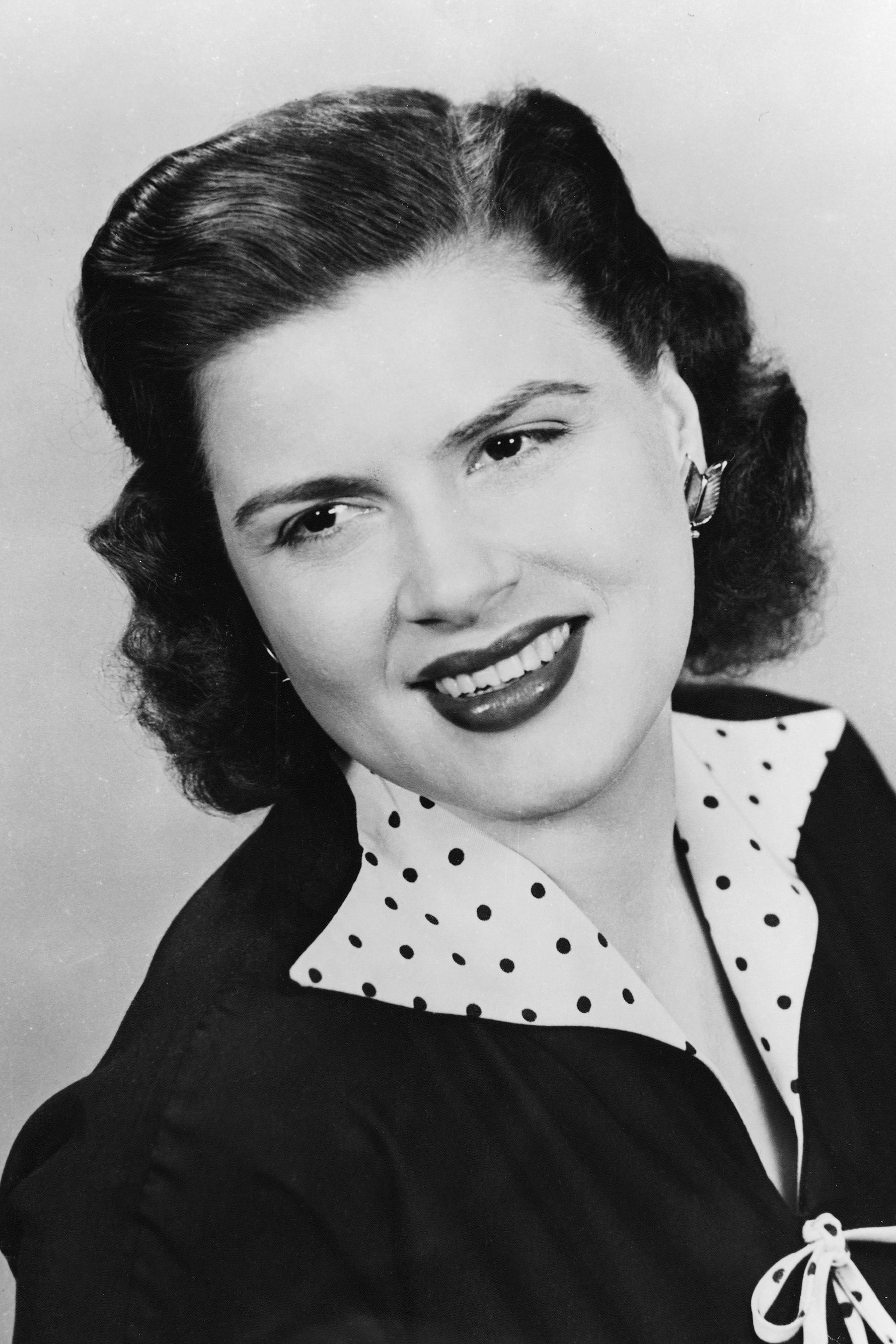
Patsy Cline told friends after earlier accidents that she felt she might die young. In early March 1963, while traveling for performances, she reportedly spoke about a sense of finality around upcoming flights. She had survived previous close calls, and her remarks contrasted with the optimism of her professional momentum at the time.
On March 5, 1963 her plane crashed in Tennessee during bad weather while returning to Nashville. Investigators reconstructed the route and conditions and placed the impact in the early evening. Accounts from her circle, along with her travel schedule and the crash timeline, form a consistent picture of warnings that preceded the flight.
Lisa “Left Eye” Lopes

During a spiritual retreat in Honduras in 2002, Lisa Lopes recorded extensive video diaries about feeling pursued by dark forces and about narrowly avoiding an accident that she believed targeted someone else by mistake. She addressed the camera with repeated concerns about an impending tragedy that involved a vehicle.
On April 25, 2002 she died in a rollover crash while riding in a Mitsubishi Montero on a rural road in Honduras. The footage from that month was later assembled into the documentary ‘The Last Days of Left Eye’. The raw tapes and the crash reports provide a clear timeline from her statements to the final accident.
Nostradamus
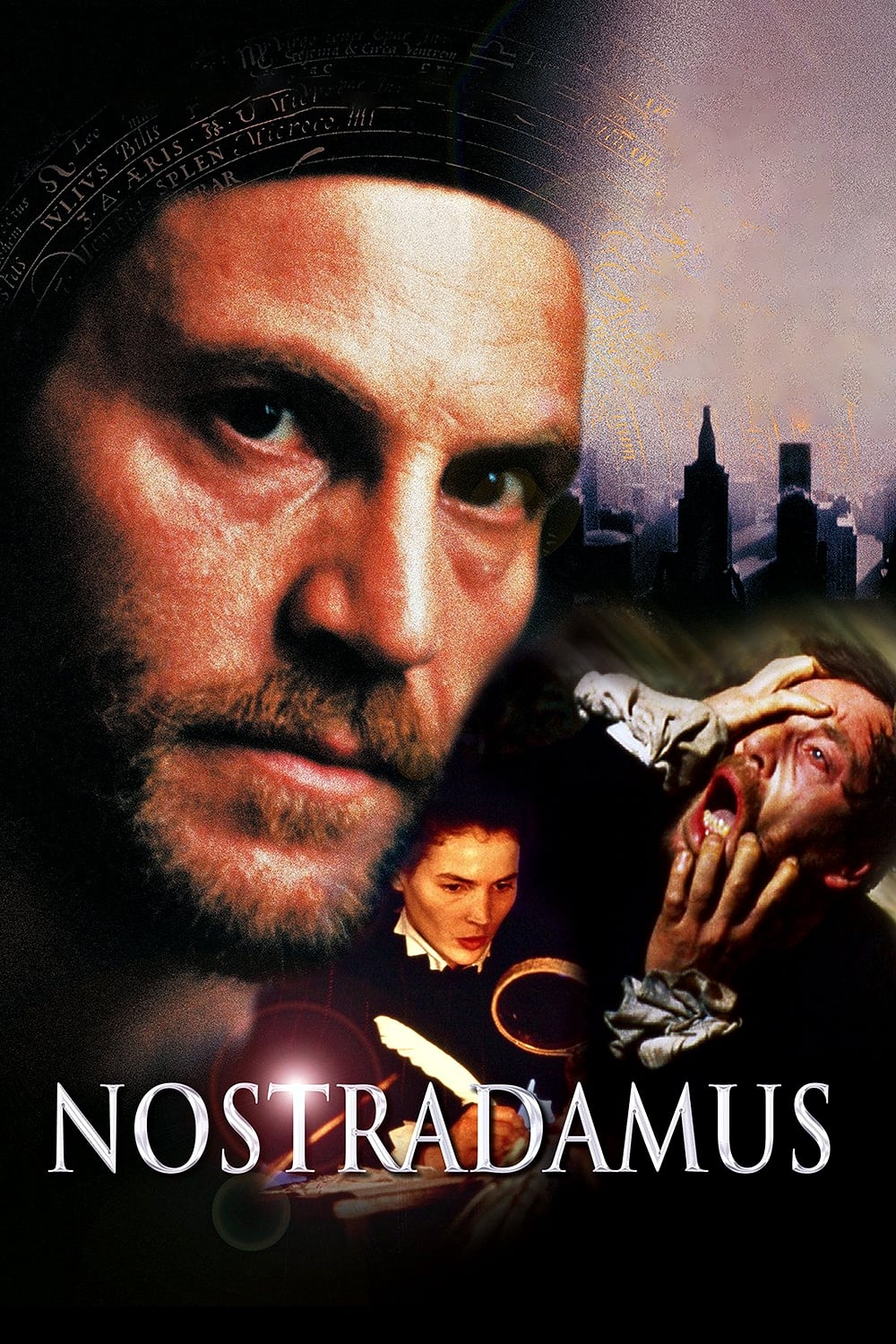
Michel de Nostredame was known for recording prophecies and private notes. The night before he died in July 1566, he reportedly told his secretary that by morning he would not be found alive. The statement was preserved in accounts from those who attended to him in his final days.
Nostradamus died the next day at his home in Salon de Provence. Parish records and contemporary biographies fixed the date and place. The proximity between his remark and the confirmed date of death made this one of the most frequently repeated anecdotes among historical references to his life.
Grigori Rasputin
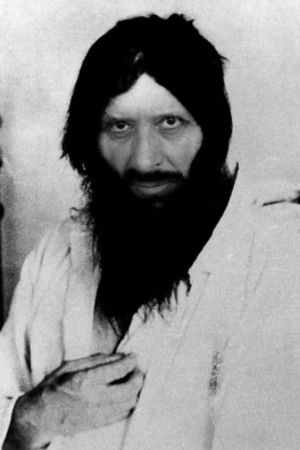
In late 1916, Grigori Rasputin wrote that if he were killed by common people the tsar would remain secure but if nobles murdered him the imperial family would fall within two years. He sent this warning in writing, tying his fate to the future of the Romanov dynasty.
Rasputin was killed in December 1916 by nobles connected to the imperial court. Less than two years later in 1918 the Romanovs were executed after the Russian Revolution solidified new power. The sequence of his letter, the identity of the killers, and the subsequent collapse of the dynasty match the conditions he described.
John Lennon
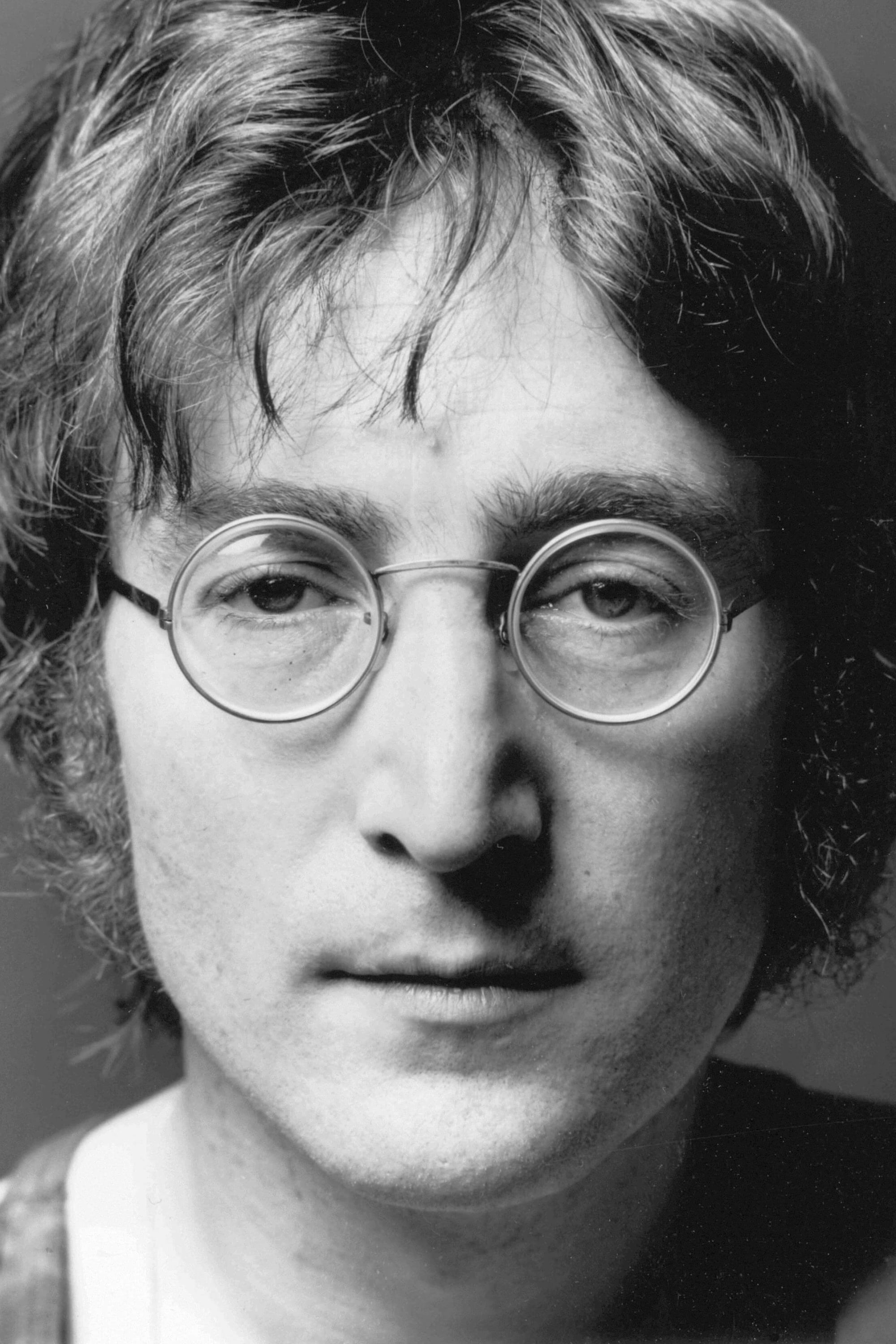
In interviews across the 1960s and 1970s, John Lennon spoke about the risk of being attacked by a disturbed person. He acknowledged that fame made him a visible target and he contrasted that risk with the desire to live a quiet life with his family. These comments appeared in both print and television formats.
On December 8, 1980 Lennon was shot outside the Dakota in New York City by a lone assailant. The collected interviews and air dates show that his comments about a potential shooting predated the attack by years. The consistency of his phrasing about random violence and the circumstances of his death are why his remarks are cited so often.
James Dean
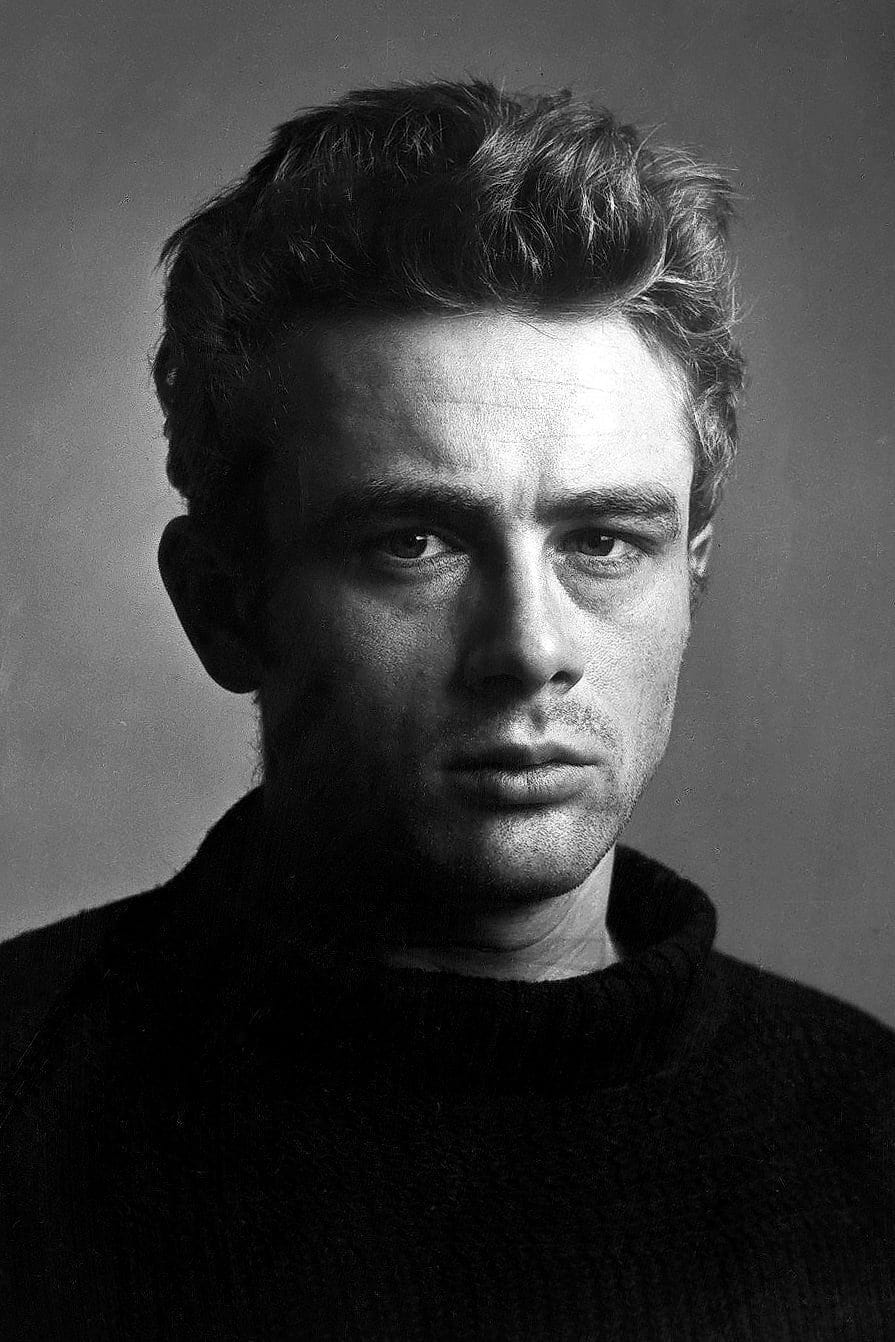
In the months before September 1955, James Dean spoke frequently about speed and risk while racing and while promoting safer driving in a filmed public service announcement. He warned other drivers to be careful and he acknowledged that crashes could be fatal if people underestimated distance and visibility.
On September 30, 1955 he died after his Porsche 550 collided with another car on a highway near Cholame, California. The police reconstruction described the approach speed and the angle of impact. The PSA and his racing schedule documented how much time he spent discussing road dangers in the same period.
Keith Moon
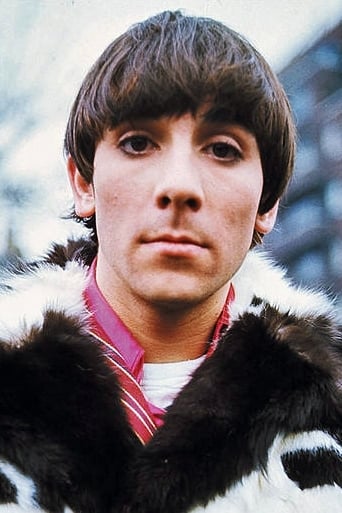
Friends and colleagues recalled Keith Moon making blunt remarks about not expecting a long life, especially during years when he struggled with substance issues. He referenced age milestones with a fatalistic tone and he linked that outlook to his chaotic lifestyle on and off stage.
Moon died on September 7, 1978 at age 32 from an overdose of medication prescribed for alcohol withdrawal. The autopsy findings and prescription records confirmed the cause. The gap between his earlier fatalistic comments and the official report on his death created a record that fans and biographers have compared for decades.
Jim Morrison
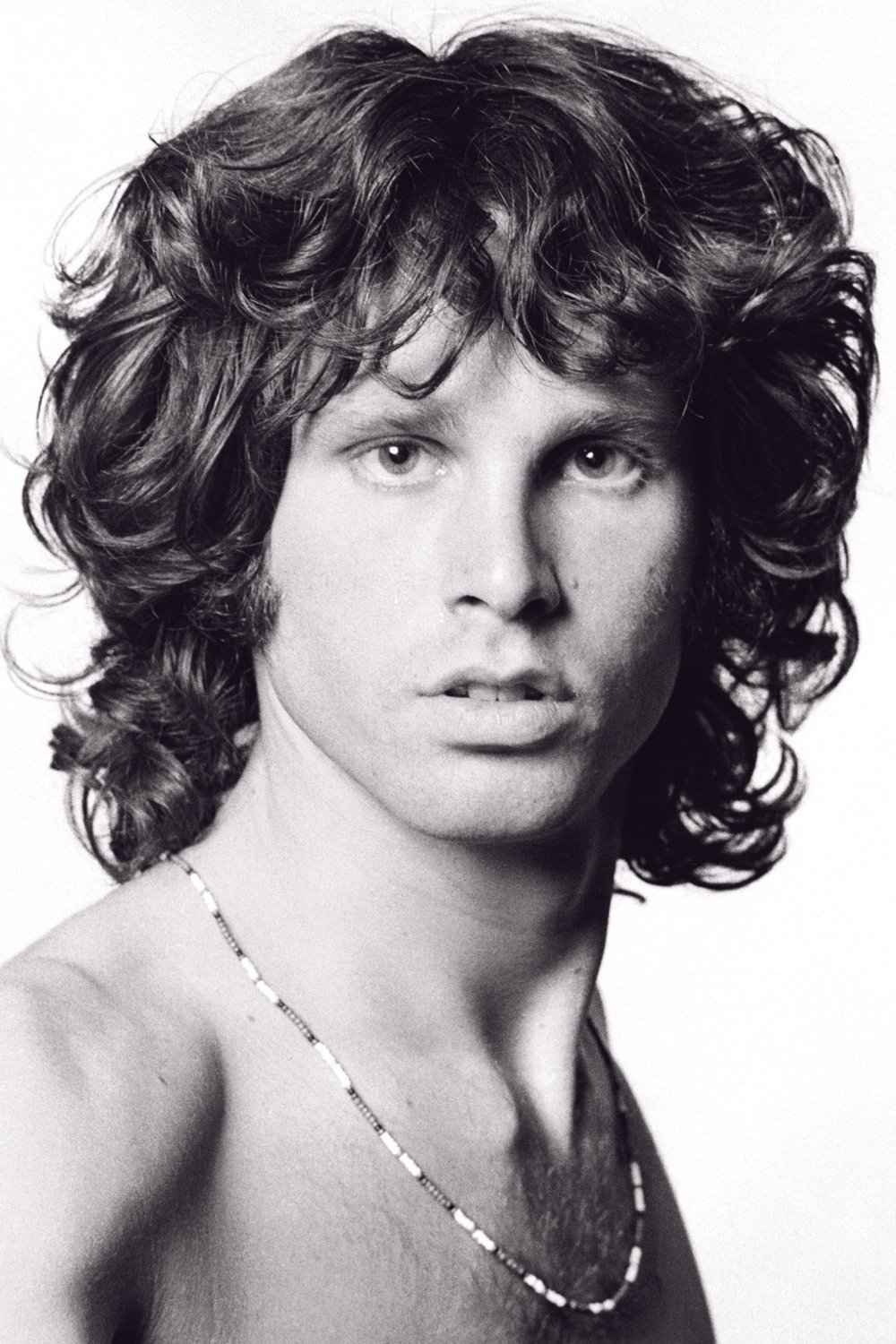
Jim Morrison discussed early death in poems and interviews, connecting the idea to the pressures of fame and the effects of heavy substance use. He told friends he wanted to step away from the spotlight and he wrote about mortality in journals and lyrics that circulated among his circle before publication.
Morrison died in Paris on July 3, 1971 at age 27. French authorities did not perform an autopsy and listed heart failure, which left room for later speculation. What remains clear in the record are his prior statements about dying young and the confirmed date and circumstances of his burial, which align with the themes he raised while alive.
Aaliyah

Aaliyah expressed anxiety about small aircraft and about tight schedules that forced quick turnarounds. People close to her recalled conversations where she worried about flights while balancing intense work demands. Those remarks were shared in interviews after her death by colleagues who traveled with her.
On August 25, 2001 the Cessna 402B carrying Aaliyah and members of her team crashed shortly after takeoff in the Bahamas. Investigators cited excess weight and balance problems along with pilot issues. The details of cargo and passenger counts and the timeline of the departure matched the pressures she had discussed regarding rushed travel and plane safety.
Share your thoughts below and tell us which story you had heard before and which one surprised you the most.