Celebs Who Had Tragic Childhoods



Growing up isn’t easy for anyone, but some famous names faced hardships long before the red carpets and bright lights. These stories include poverty, instability, violence, and loss that shaped their earliest years and influenced the paths they later took. Learning what they went through helps explain the resilience behind the headlines and the work they’ve done as adults.
Below are well-known figures who have openly shared difficult details about their early lives. You’ll find concise facts about where they came from, what happened in their families, and how those circumstances affected school, housing, safety, and basic needs. It’s a straightforward look at the realities they navigated as kids.
Oprah Winfrey

Oprah Winfrey was born into poverty in rural Mississippi and spent years moving between caregivers in different cities. She has described a childhood marked by instability, strict discipline, and unsafe situations that included abuse from people within her extended circle.
She attended multiple schools as her living arrangements shifted, which made consistent learning and friendships hard to maintain. As a teen she worked jobs while trying to keep up with classes, eventually entering a speech contest that led to a scholarship and a path into media.
Keanu Reeves
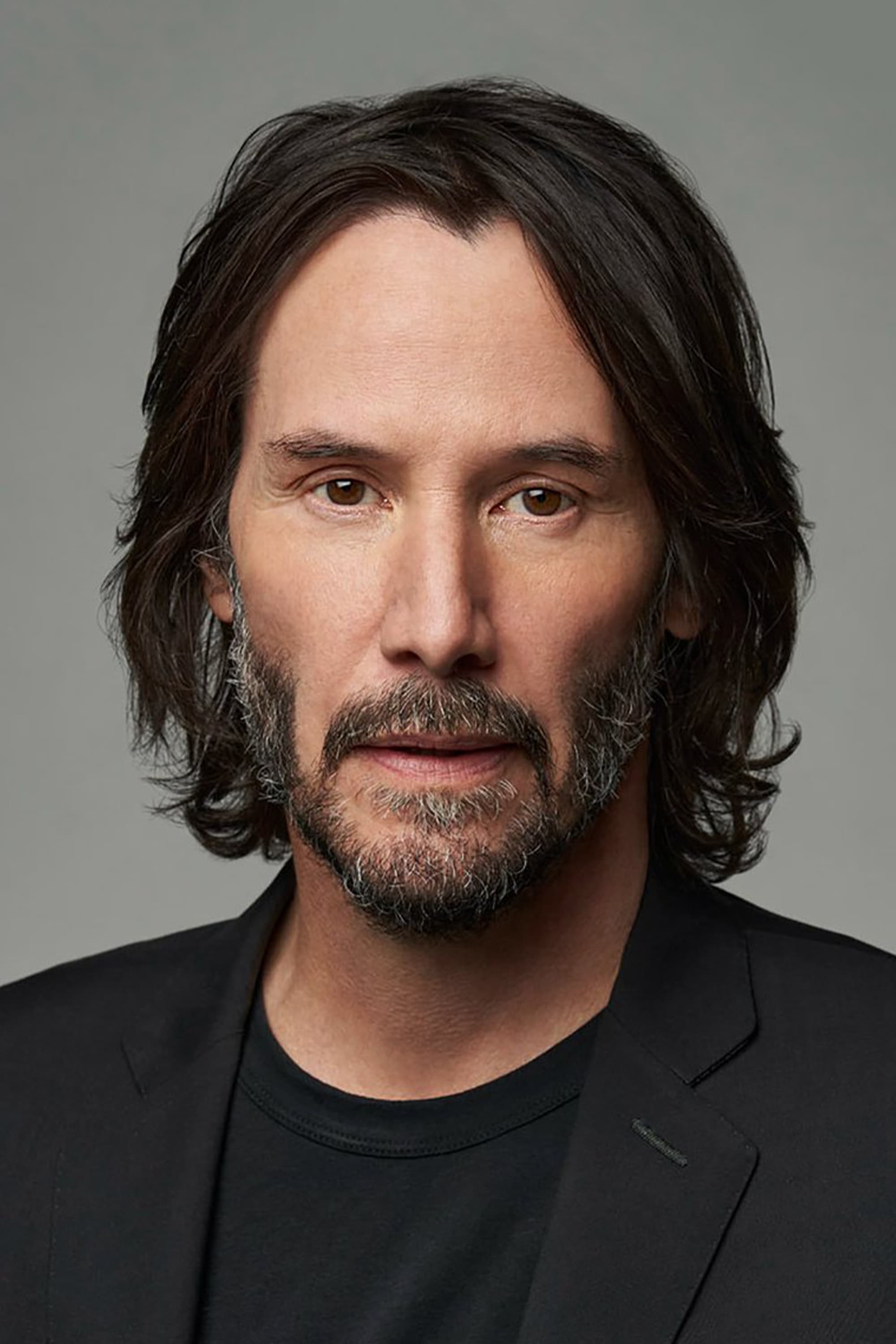
Keanu Reeves lived in several countries during his early years because his family relocated frequently after his father left. The constant moves, combined with changing schools, disrupted his education and made it difficult to build long-term support systems.
He has spoken about struggling with dyslexia in school, which created additional barriers to traditional classroom learning. Hockey became an outlet until an injury ended that pursuit, redirecting him toward acting while still in his teens.
Charlize Theron
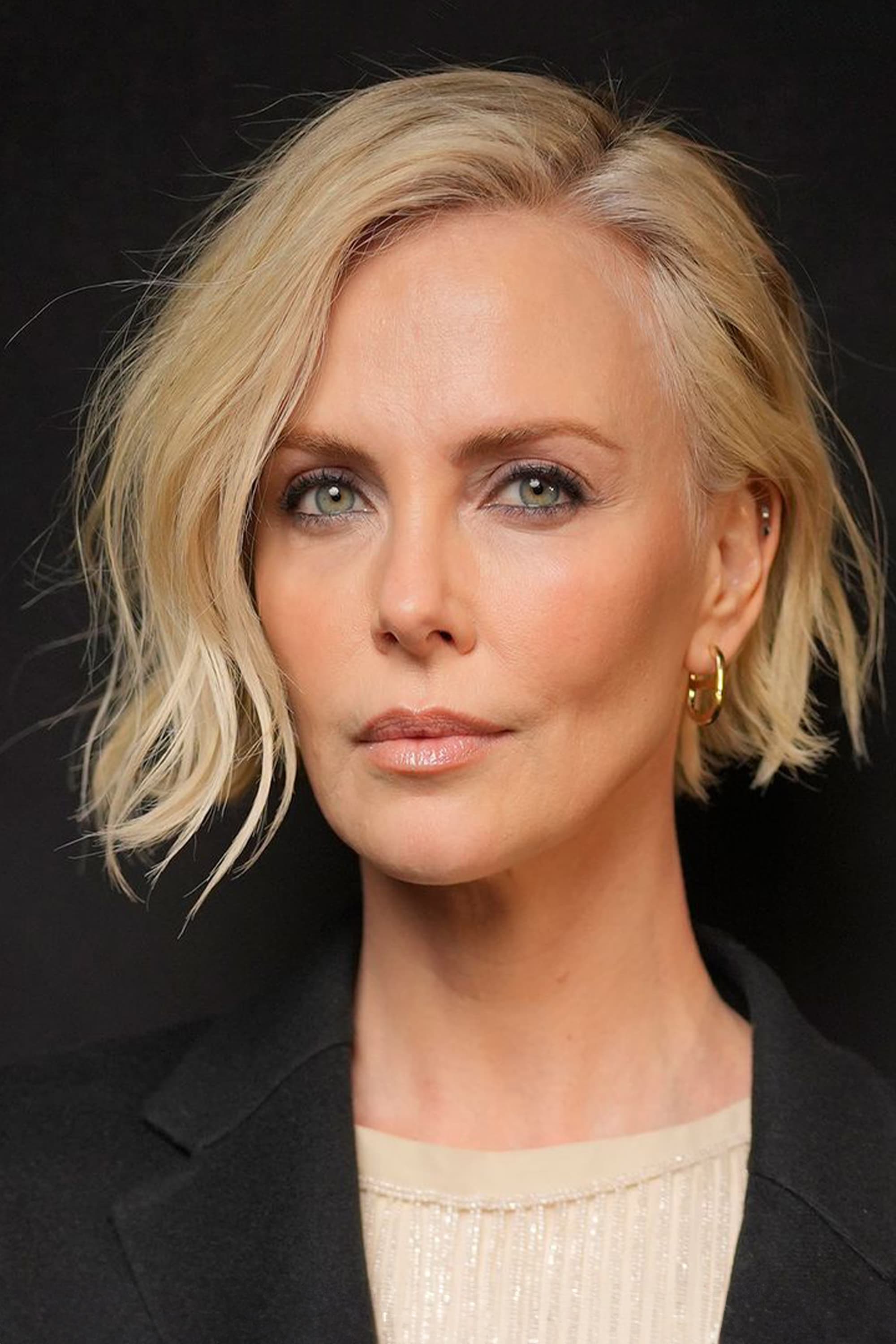
Charlize Theron grew up on a smallholding outside Johannesburg, where alcohol misuse and domestic conflict were part of home life. When she was a teenager, her mother fatally shot her father in self-defense after a violent incident, a turning point that forced immediate adult realities.
She finished school through correspondence while pursuing modeling opportunities to support herself. Those early work opportunities eventually led to acting, but the upheaval at home remained a defining element of her youth.
Eminem
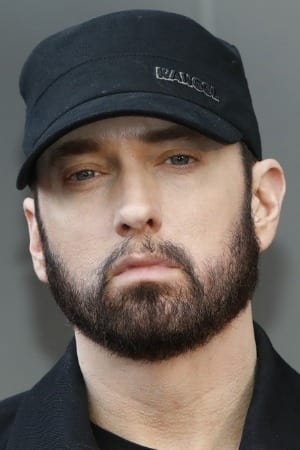
Marshall Mathers moved repeatedly around Missouri and Michigan as his mother struggled to maintain housing and income. The instability meant he changed schools often, which left him behind academically and exposed him to frequent bullying.
He has said he failed ninth grade more than once due to absences and the challenges of keeping up after each move. Isolated from long-term friendships, he gravitated to writing and local rap battles, which provided structure when school did not.
Drew Barrymore

Drew Barrymore entered the entertainment industry as a child and was introduced early to adult environments that weren’t appropriate for her age. By her early teens she was dealing with substance use and was placed in a psychiatric facility for stabilization and treatment.
After leaving the institution, she legally emancipated from her parents so she could make decisions about work and personal care. She rebuilt her education and career step by step, taking small roles while learning to manage her own finances and contracts.
Rihanna

Rihanna grew up in Barbados in a home affected by her father’s struggles with substances and episodes of domestic conflict. Those conditions led to health issues, including chronic headaches as a child, while her parents’ relationship fell apart.
After her parents’ separation, she leaned into school activities and music competitions for structure. A chance audition with visiting producers set up her first recordings, but those earliest years were marked by stress at home and limited resources.
Joaquin Phoenix
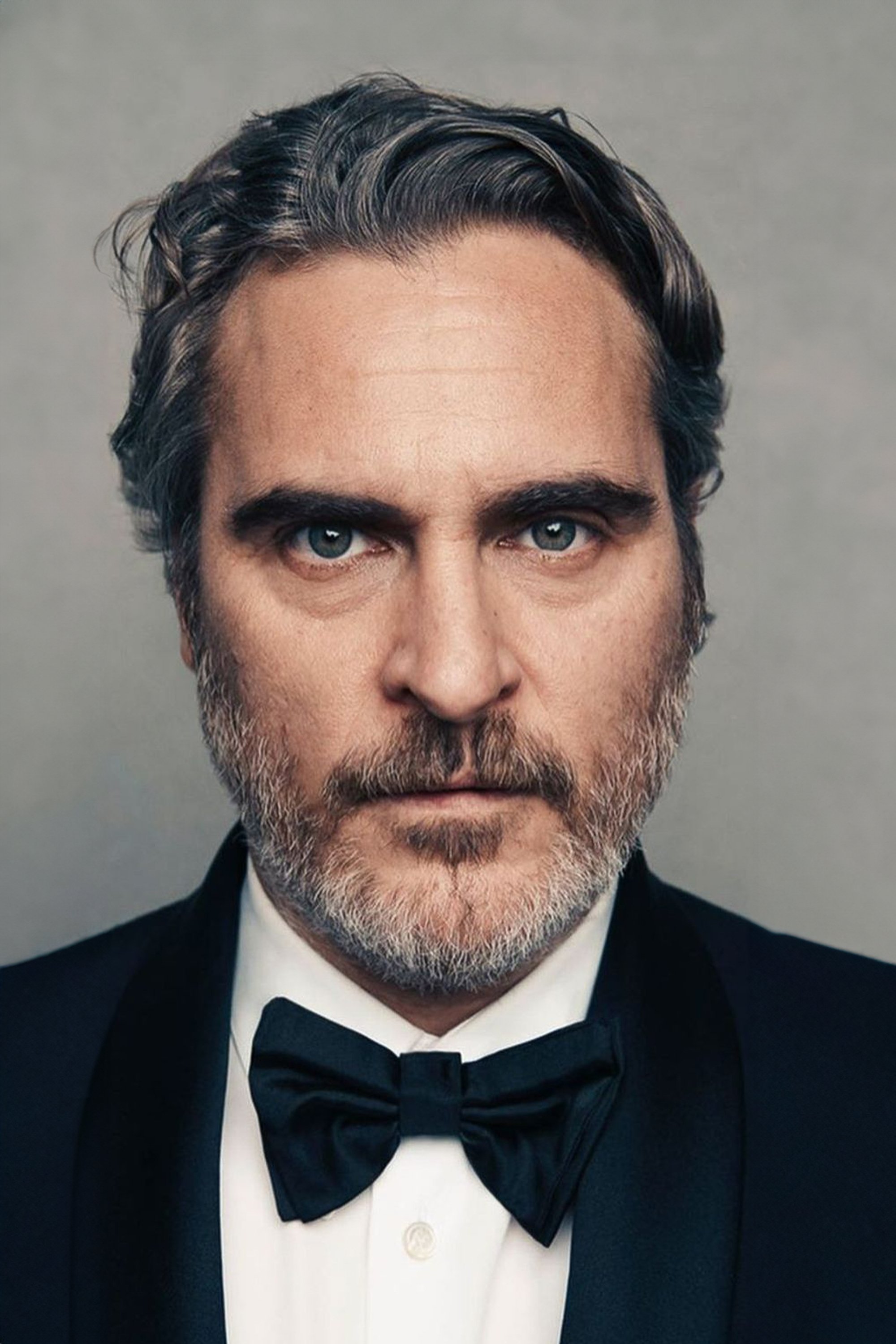
Joaquin Phoenix spent his early childhood in a religious sect known for controlling practices and long-term isolation from mainstream communities. His family left the group and returned to the United States with little money, starting over in a new country.
To help with expenses, the children performed music on streets and in public spaces while their parents looked for stable work. The siblings entered acting through auditions arranged to support the household, turning early financial necessity into a profession.
Rose McGowan

Rose McGowan was raised in the same sect during her early years in Italy, where traditional schooling and medical care were limited. After her family left, they moved frequently, including periods without secure housing while navigating life outside the group.
She entered public school in the United States without consistent academic records, which complicated placement and support. Modeling and auditions arrived later as ways to earn money, but the lack of stability early on defined much of her childhood.
Leighton Meester

Leighton Meester was born while her mother served a federal sentence related to drug trafficking, so early care involved relatives and guardians beyond her immediate parents. Court restrictions and family logistics shaped where she lived and who could legally oversee her day-to-day needs.
When her mother was released, they faced financial strain and frequent moves to keep up with rent and work. She began modeling and auditioning as a teenager to contribute to household costs, balancing school with travel for entry-level jobs.
Nicki Minaj

Nicki Minaj’s father struggled with addiction and explosive outbursts that created an unsafe environment. One widely reported incident involved a house fire that put the family at risk and highlighted the volatility at home.
To stay focused, she spent hours writing and attending performing arts programs that offered structure outside the house. Early mentors encouraged her to record demo tracks, and those sessions provided a stable routine when home life was unpredictable.
Tyler Perry
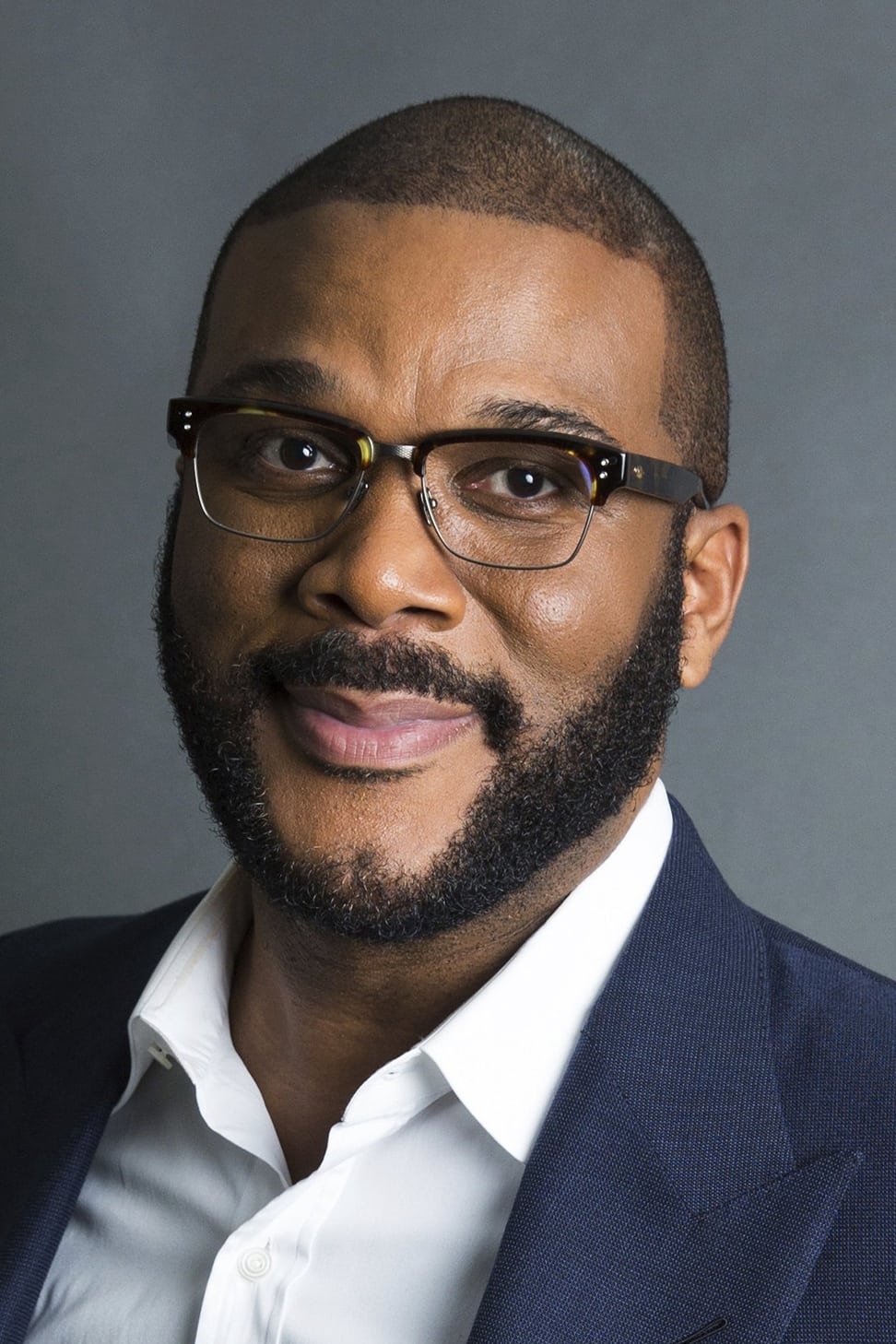
Tyler Perry has said his father used severe physical punishment and that he experienced abuse from multiple adults. He also reported sexual abuse in childhood, which left long-term trauma and affected his ability to trust caregivers and teachers.
He found one consistent refuge in writing letters to himself, a practice recommended on a daytime show that he adapted into journaling. Those private pages evolved into monologues and stage ideas that later formed the basis of his early theatrical work.
50 Cent

Curtis Jackson lost his mother when he was a child after she was killed under violent circumstances. He moved in with his grandparents in Queens, where limited income and neighborhood risks shaped his adolescence.
He began boxing and later used music as a structured activity that kept him off the streets for stretches of the day. Early recordings were made in makeshift studios while he navigated school, part-time work, and the realities of growing up without a parent.
Shania Twain
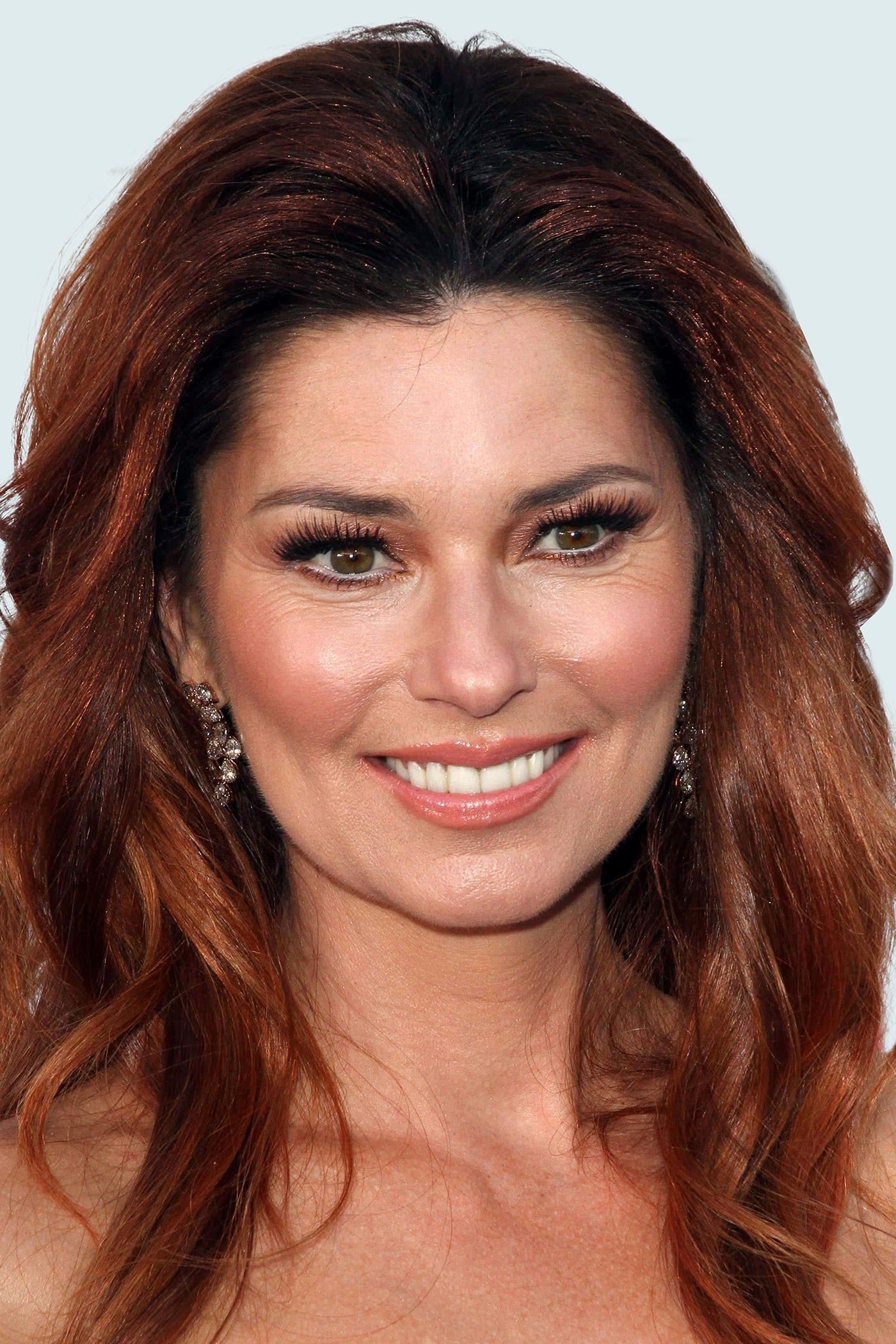
Shania Twain grew up in a household with scarce money where food and heating were ongoing concerns. She has described physical and emotional abuse from her stepfather, which intensified stress and insecurity at home.
As a teenager she performed in local venues to help pay household bills, often singing late into the night before school. After her parents died in a car crash, she took responsibility for younger siblings, putting her own education and career on hold to keep the family together.
Christina Aguilera
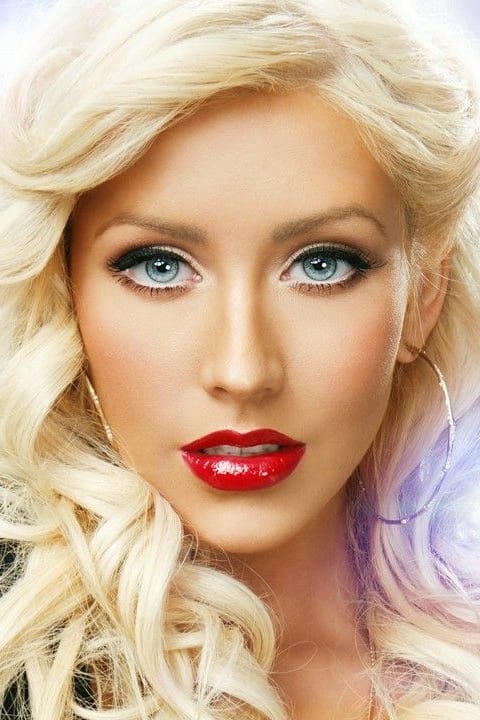
Christina Aguilera has said her father was abusive toward her mother and that incidents at home caused fear and anxiety from a young age. The family later left and moved frequently to stay safe and rebuild.
She turned to school choirs and local competitions as consistent outlets that didn’t depend on long-term addresses. Early television appearances came shortly afterward, offering structured rehearsal schedules and adult supervision that helped stabilize her routine.
Macaulay Culkin

Macaulay Culkin was one of several children living in a small apartment while working intense schedules as a child actor. Family finances were tied to his earnings, and decisions about jobs and travel often prioritized work over normal childhood routines.
As disputes grew over control of his funds, legal action placed his earnings in a trust and altered parental access. He sought greater autonomy as a teen to manage education and work without family interference, separating household dynamics from professional obligations.
Michael Jackson

Michael Jackson trained rigorously from an early age under a father who managed the family group with strict rules and harsh discipline. Rehearsals, performances, and travel replaced typical school activities and limited his contact with peers outside the music business.
He has said that criticism at home and the pressure to excel left him isolated and anxious. Tutors and private schooling covered academics between commitments, but the demands of constant work defined his childhood more than classrooms or playgrounds.
Viola Davis

Viola Davis spent early years in a household facing food insecurity and poor housing conditions, including apartments with rodent infestations. Winter heating was unreliable, and she has recalled wearing coats indoors to stay warm.
School lunches and community programs played a crucial role in meeting basic needs when groceries ran short. Summer programs and theater clubs provided safe places after classes, giving her structured activities while her parents worked.
Kelsey Grammer
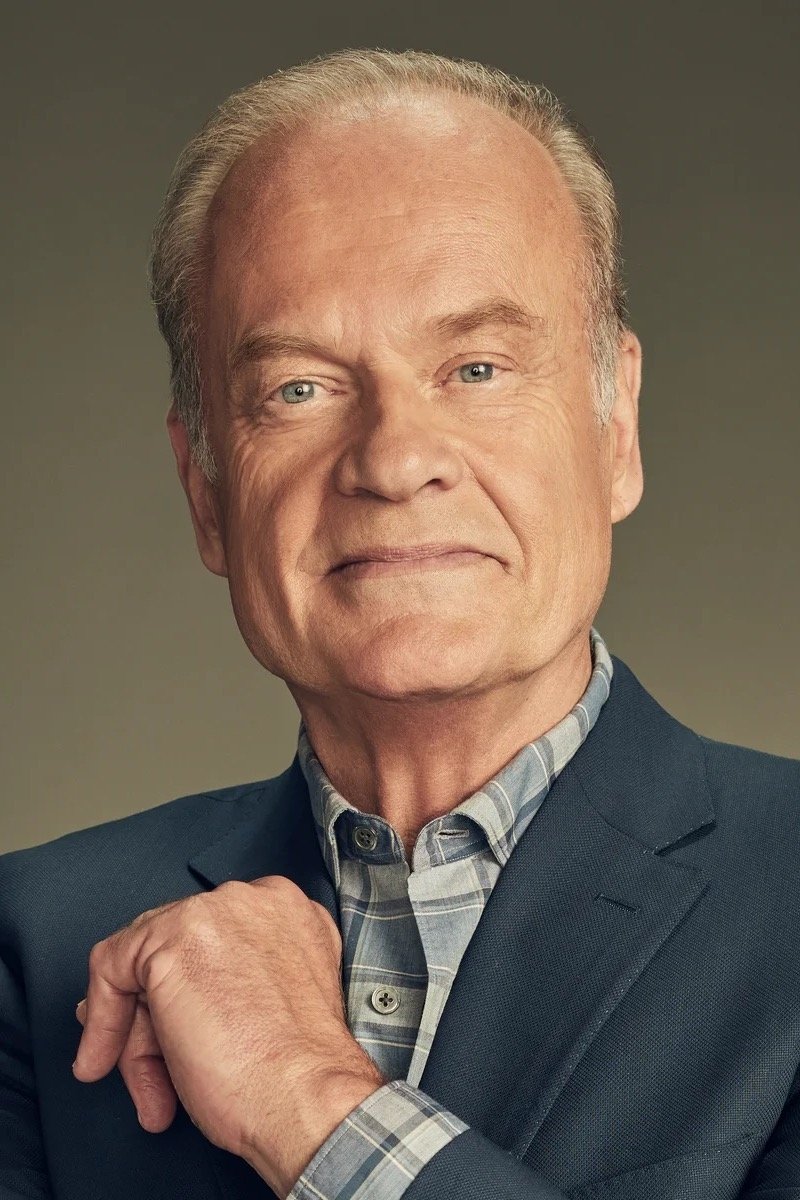
Kelsey Grammer’s father was murdered when Kelsey was still in school, a violent event that destabilized the family. A few years later, his younger sister was kidnapped and killed, compounding the trauma with another devastating loss.
He continued classes while traveling for court proceedings and family responsibilities tied to the investigations. These tragedies interrupted normal academic progress and required counseling and support services that were not readily available at the time.
Trevor Noah

Trevor Noah was born to a Black South African mother and a white Swiss father under apartheid, when interracial relationships were criminalized. Because his very existence could draw police attention, he often had to stay indoors or walk apart from one parent in public.
Official records and housing arrangements were complicated by laws that restricted where families like his could live. He moved between neighborhoods and relatives to stay safe, relying on school and church communities for structure and mentorship.
Marilyn Monroe
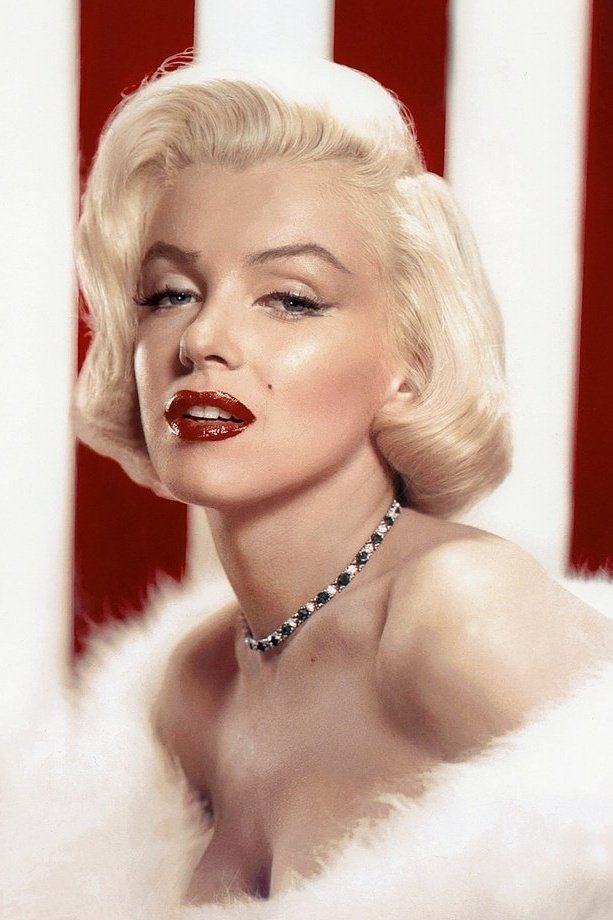
Marilyn Monroe spent much of her youth in foster homes and orphanages after her mother was hospitalized for mental health issues. Without a stable guardian, she changed homes repeatedly and lacked consistent care.
She married young to avoid returning to the foster system when a placement ended. Factory work and modeling followed, opening a path to screen tests, but the frequent moves and absence of a reliable parent shaped her early years.
If you know other stories that belong here, share your thoughts in the comments.