Top 20 R-Rated Anime


Some anime tell their stories with content meant for mature viewers, using graphic action, intense psychological themes, or unsettling imagery. These titles push into darker territory and tackle subjects like crime, war, identity, and trauma, which is why they carry restrictive ratings in many regions.
This list gathers feature films and series known for explicit violence, adult themes, or disturbing content. Each entry notes what the story covers and what kind of mature material to expect, so you can pick what fits your interests and comfort level.
‘Akira’ (1988)
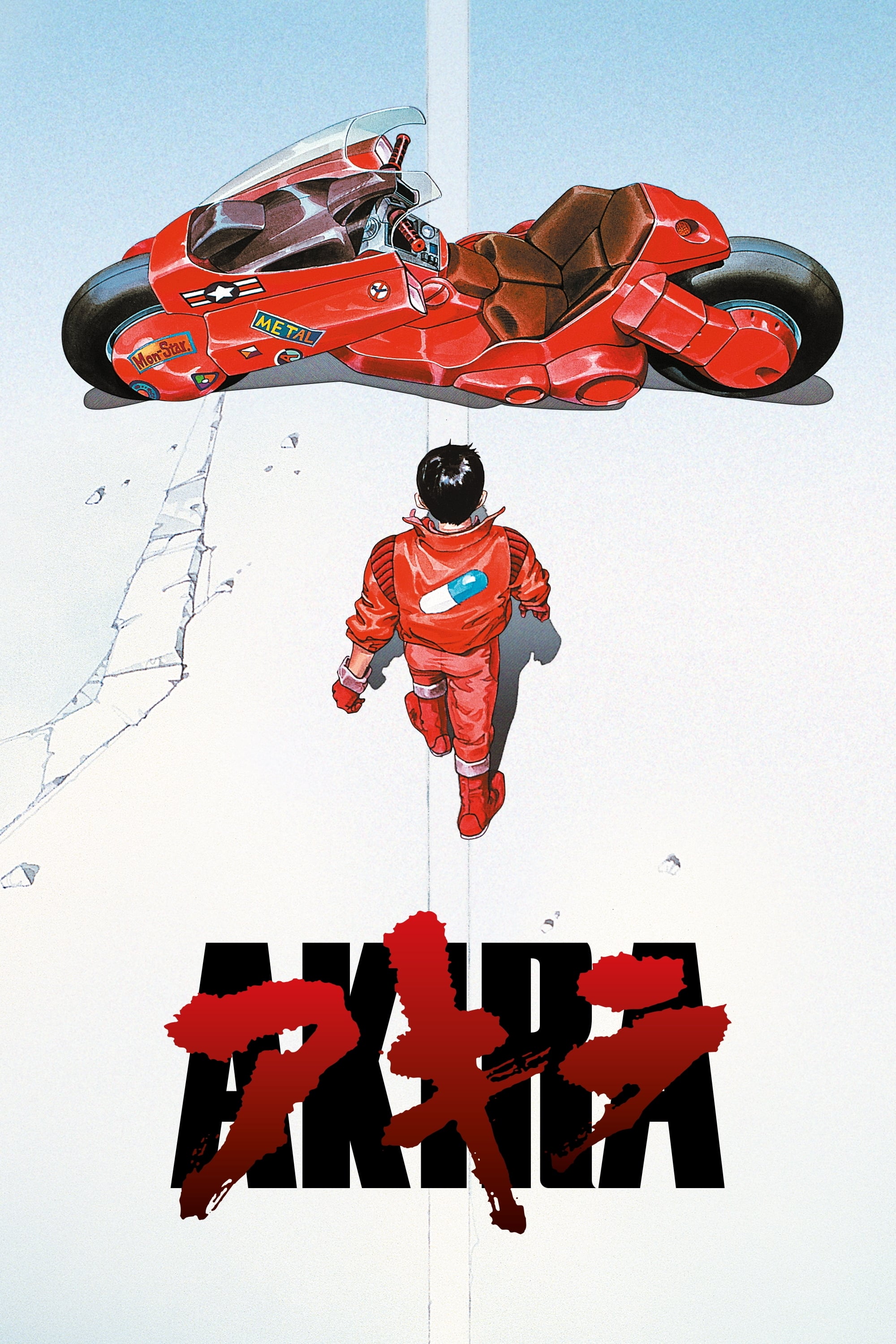
Set in a rebuilt Neo Tokyo, ‘Akira’ follows two friends from a biker gang after a government experiment awakens destructive psychic power. The film adapts a portion of Katsuhiro Otomo’s manga and features large scale city sequences created with extensive hand drawn animation.
Its rating stems from graphic violence, body horror, and scenes of civil unrest. The production is known for detailed backgrounds, a large cel count, and a distinctive percussive score that heightens tense action.
‘Ghost in the Shell’ (1995)
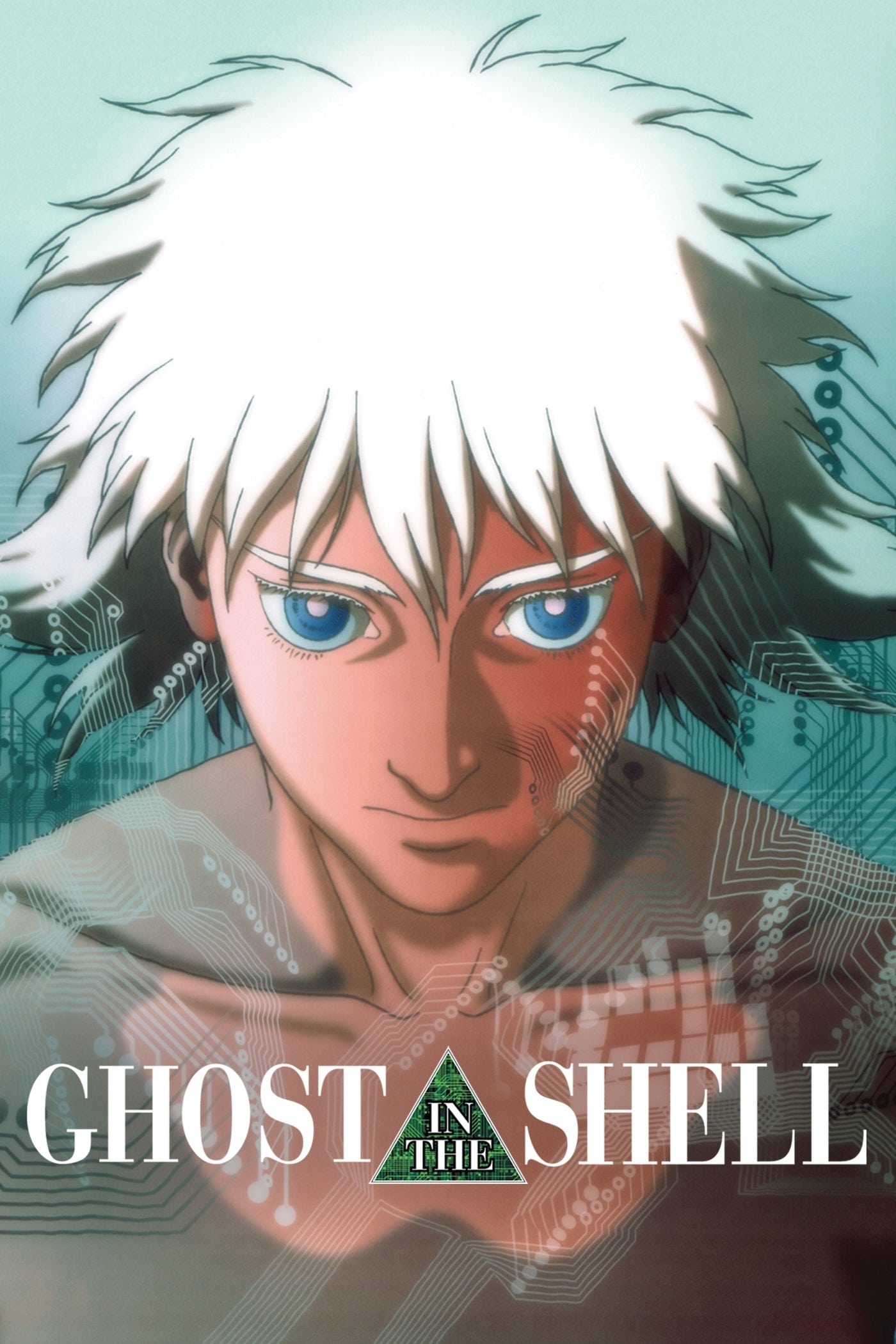
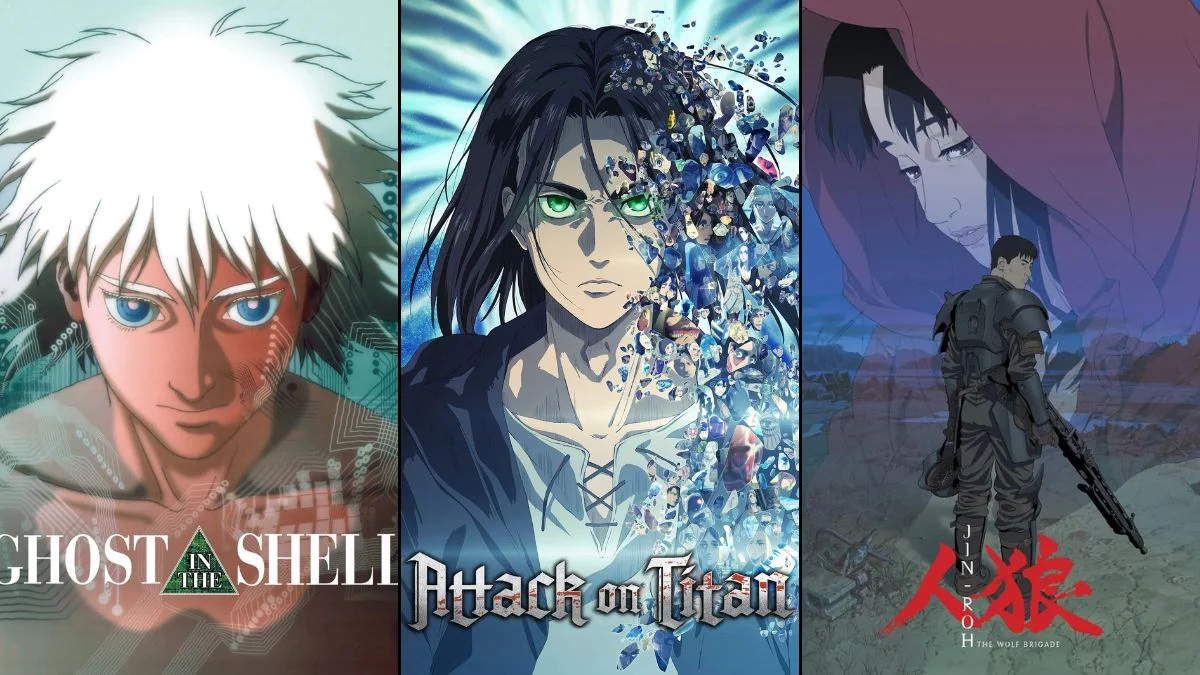
‘Ghost in the Shell’ centers on a cybernetic public security agent tracking a hacker who hijacks human minds. It blends police procedural elements with questions about consciousness and identity in a networked society.
The rating reflects realistic gunplay, nudity related to cybernetic bodies, and philosophical sequences that may unsettle younger viewers. The film combines traditional animation with early digital compositing to realize urban cyberpunk settings.
‘Perfect Blue’ (1997)
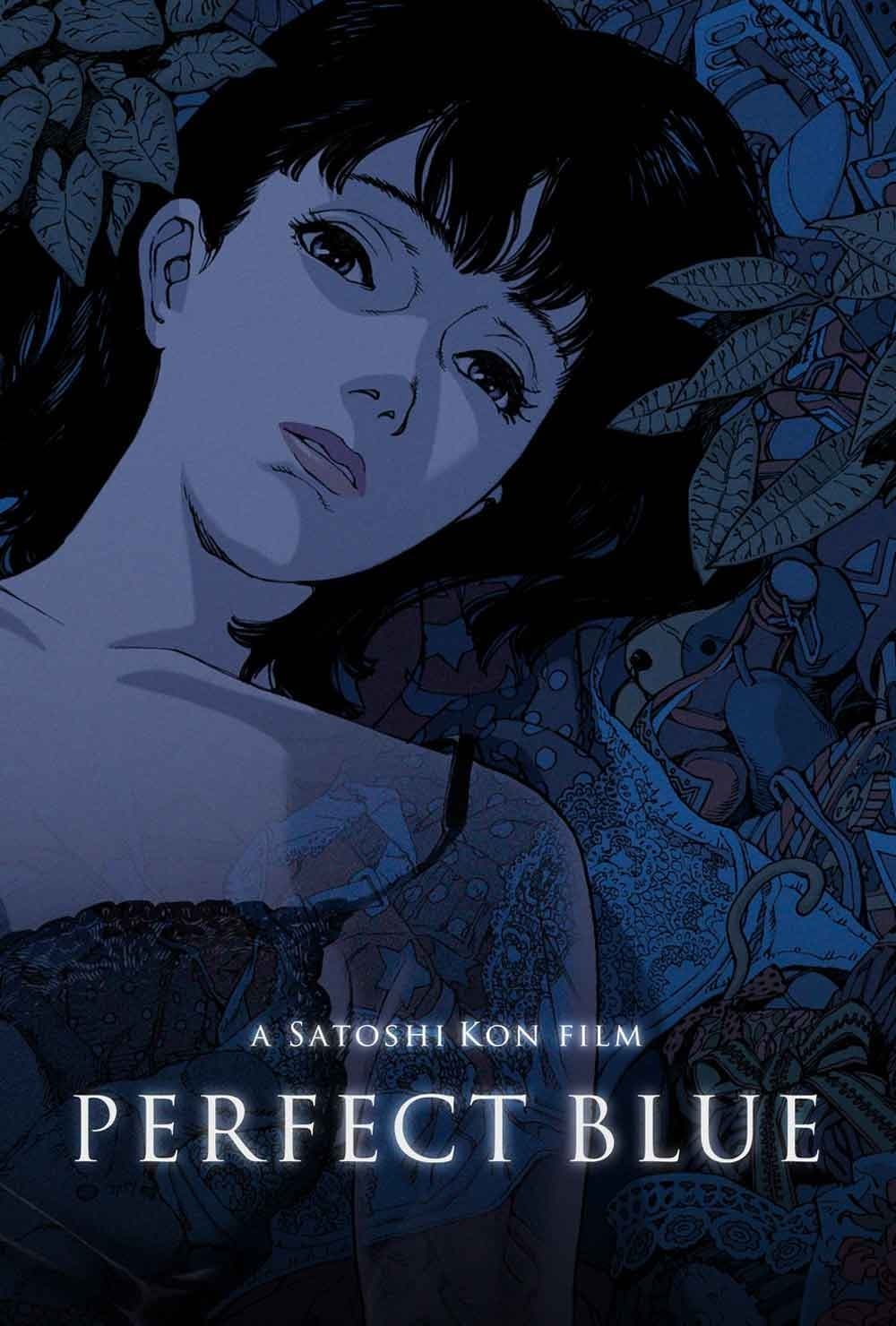
‘Perfect Blue’ follows a pop idol who transitions into acting while facing stalking and a blurring line between performance and reality. The narrative uses unreliable perspective and carefully framed mirrors to escalate psychological pressure.
Its mature rating is due to sexual content, depictions of assault, and intense psychological distress. Director Satoshi Kon employs sharp edits and match cuts that intentionally disorient, supporting the theme of fractured identity.
‘Ninja Scroll’ (1993)
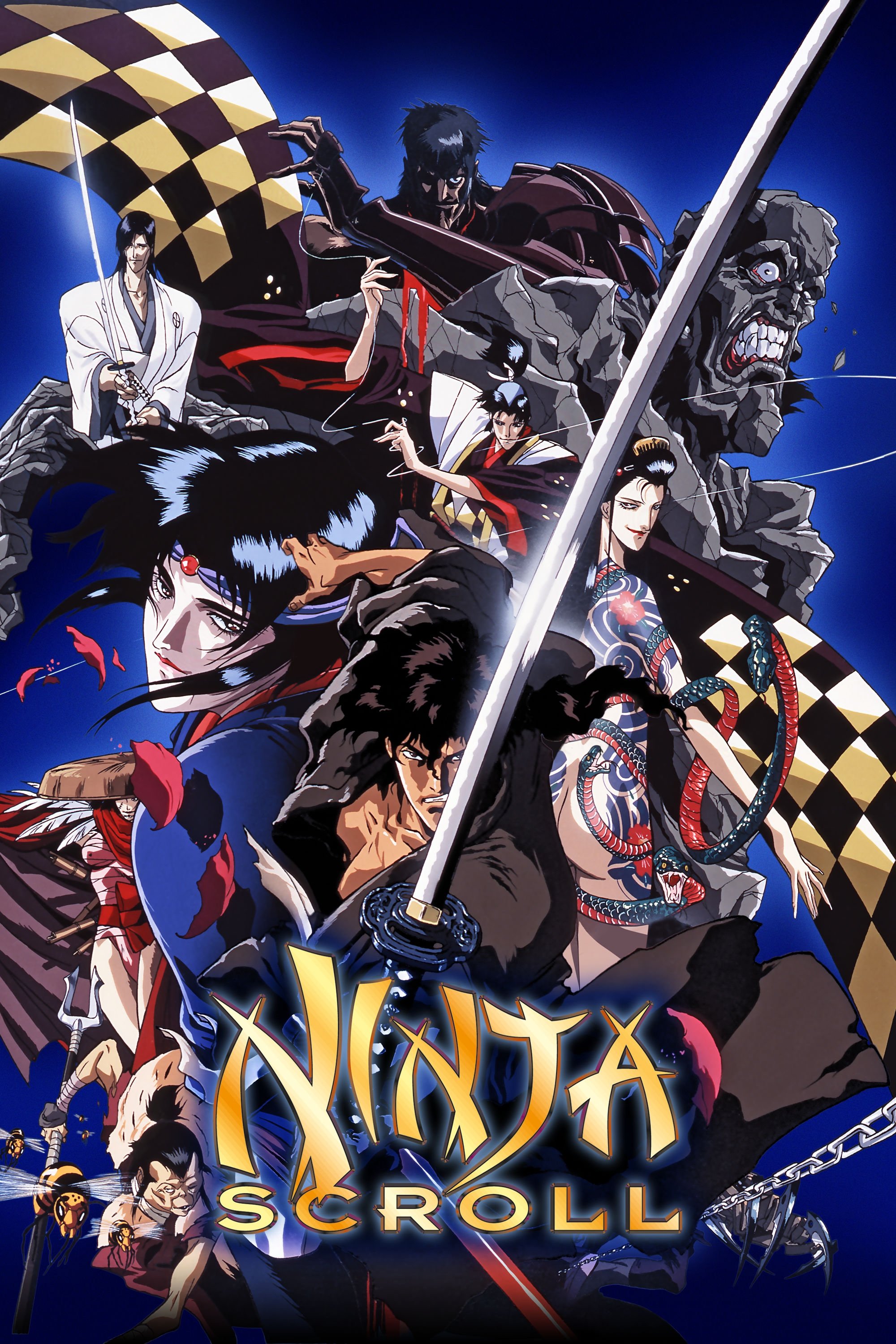
‘Ninja Scroll’ tells the story of a wandering swordsman drawn into a plot involving demonlike adversaries and political intrigue. The film showcases stylized combat with a focus on individual showdowns.
The rating comes from graphic violence, sexual content, and scenes of torture. Its animation emphasizes quick motion through smears and dynamic camera movement, producing elaborate fight choreography.
‘Jin-Roh: The Wolf Brigade’ (1999)
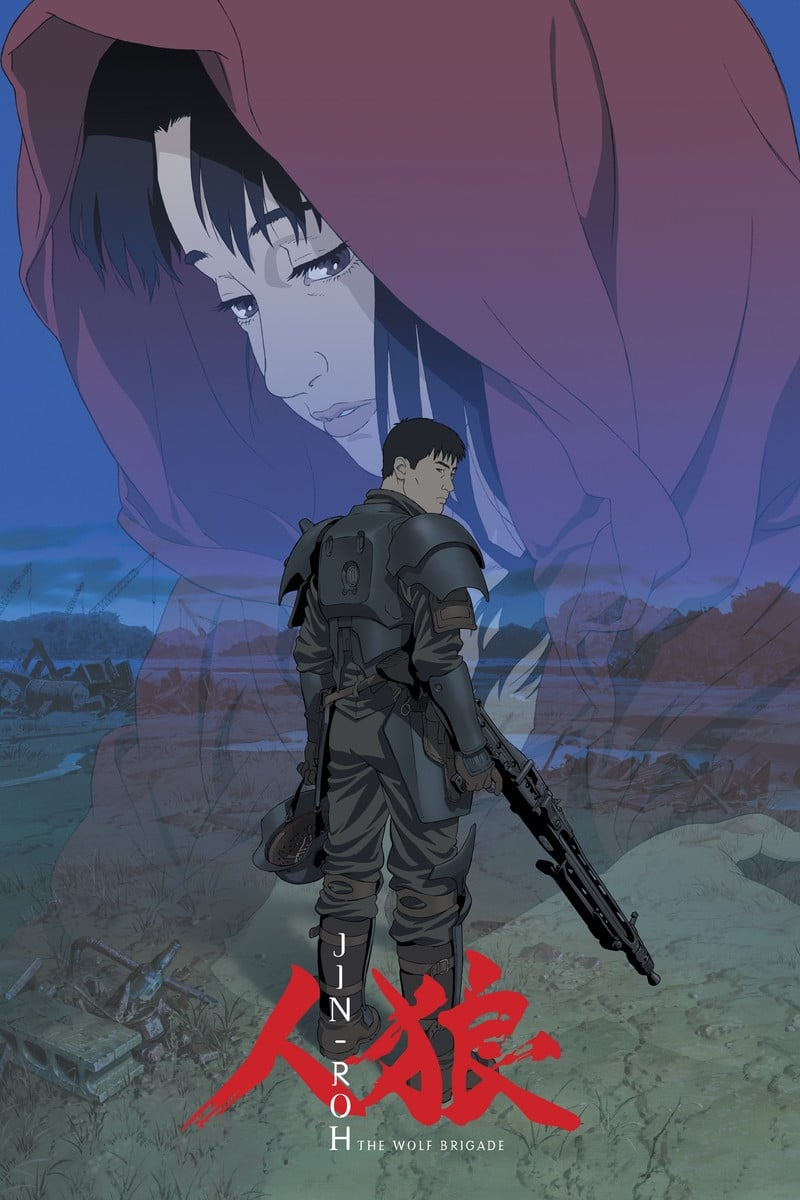
Set in an alternate postwar Japan, ‘Jin-Roh’ follows a member of a heavily armed unit entangled in a case involving underground resistance. The script originated from Mamoru Oshii and connects to broader Kerberos saga lore.
The adult rating reflects realistic firearm violence, bleak subject matter, and depictions of political repression. The film uses subdued color palettes and grounded character motion to convey a somber tone.
‘Paprika’ (2006)
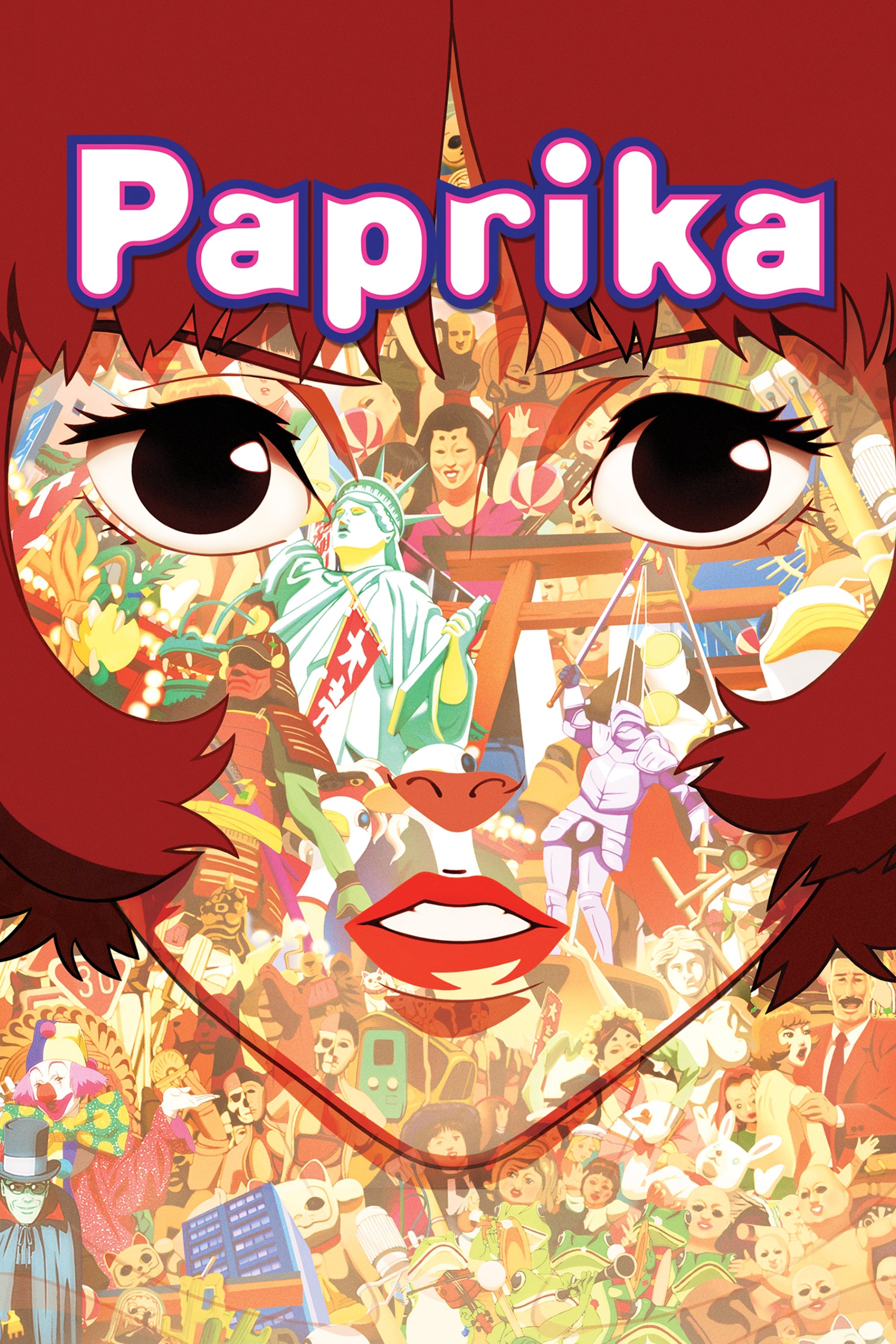
‘Paprika’ tracks researchers who use a device that lets therapists enter patients’ dreams, only to face a crisis when the technology leaks. The story moves between dream imagery and waking reality with rapid transitions.
It carries a mature rating for frightening surreal sequences, brief nudity, and moments of peril. The production features fluid layouts for dream parades and employs complex compositing to merge multiple planes in a single shot.
‘Wicked City’ (1987)
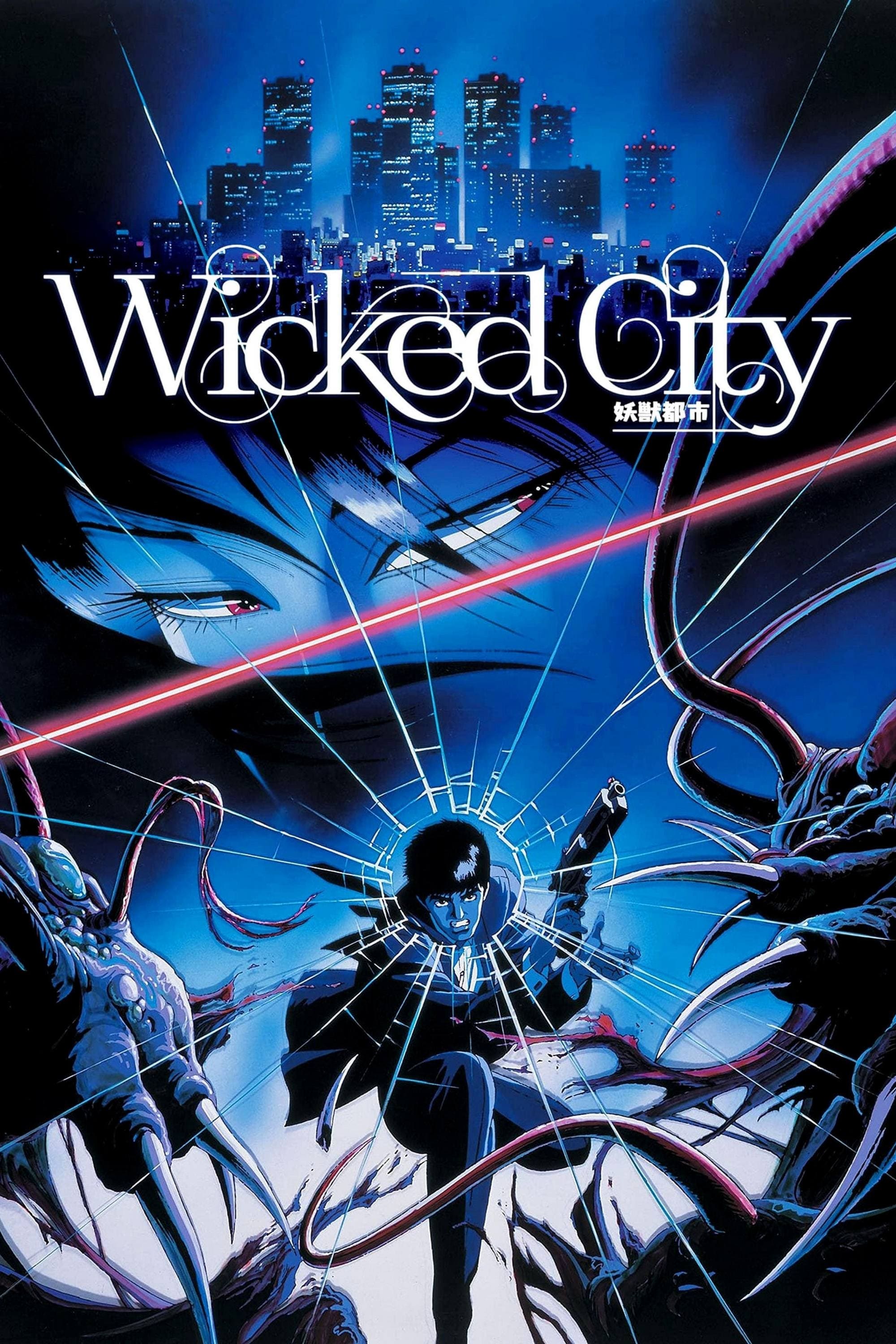
In ‘Wwicked City’ humans and demons maintain a fragile truce, protected by agents who operate in secrecy. The plot follows two operatives assigned to guard a key figure during tense negotiations.
The rating is based on explicit violence and sexual content involving demonic creatures. Visuals rely on heavy shadows, neon accents, and transformation sequences that emphasize body horror.
‘Vampire Hunter D: Bloodlust’ (2000)
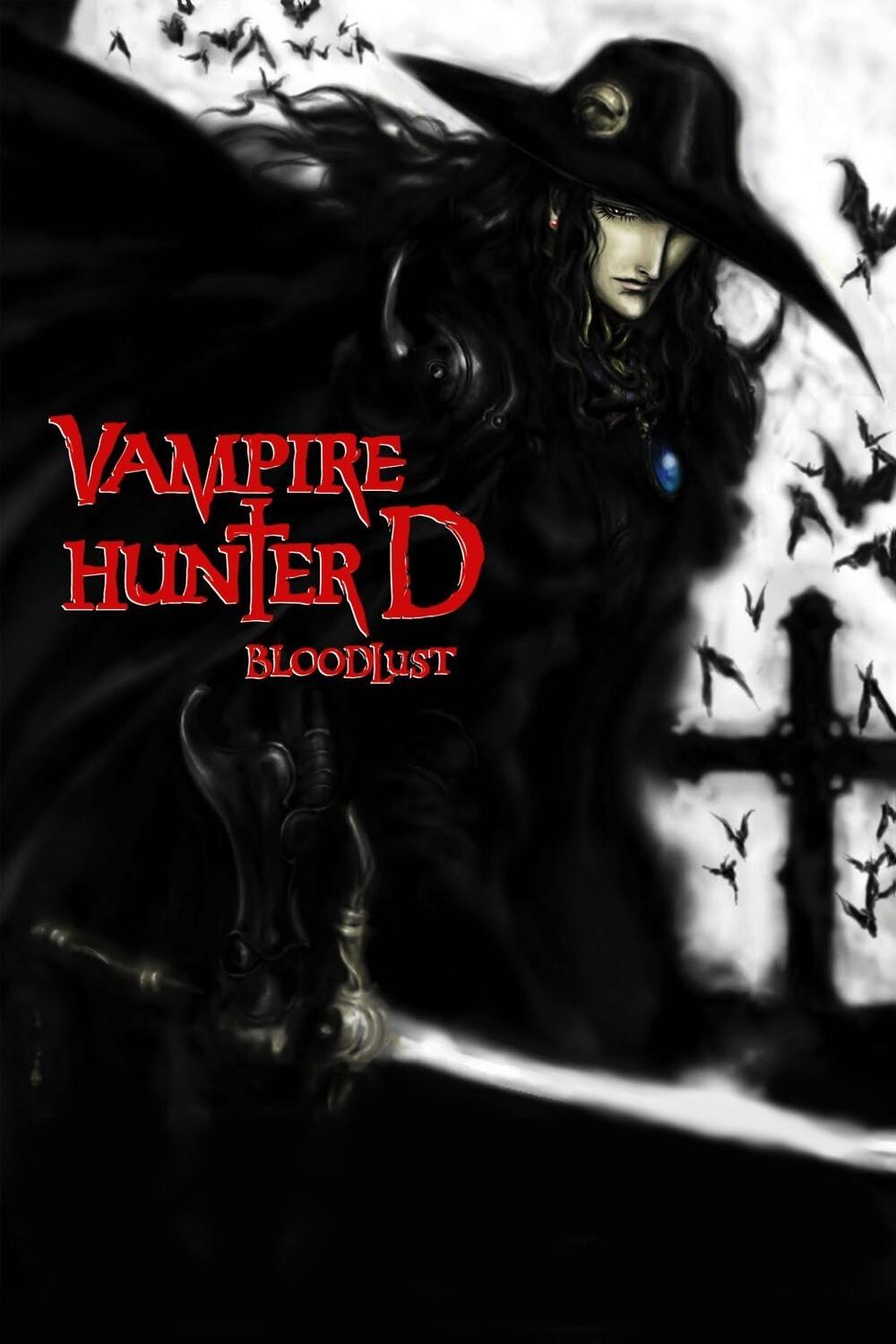
Set in a far future frontier, ‘Vampire Hunter D: Bloodlust’ follows a dhampir tracker hired to retrieve a kidnapped woman from a noble vampire. The story adapts a novel by Hideyuki Kikuchi and presents a blend of science fiction and gothic motifs.
Its rating stems from stylized decapitations, bloodshed, and supernatural menace. The film is noted for detailed background paintings, elongated character designs by Yoshitaka Amano, and fluid action layouts.
‘Devilman Crybaby’ (2018)
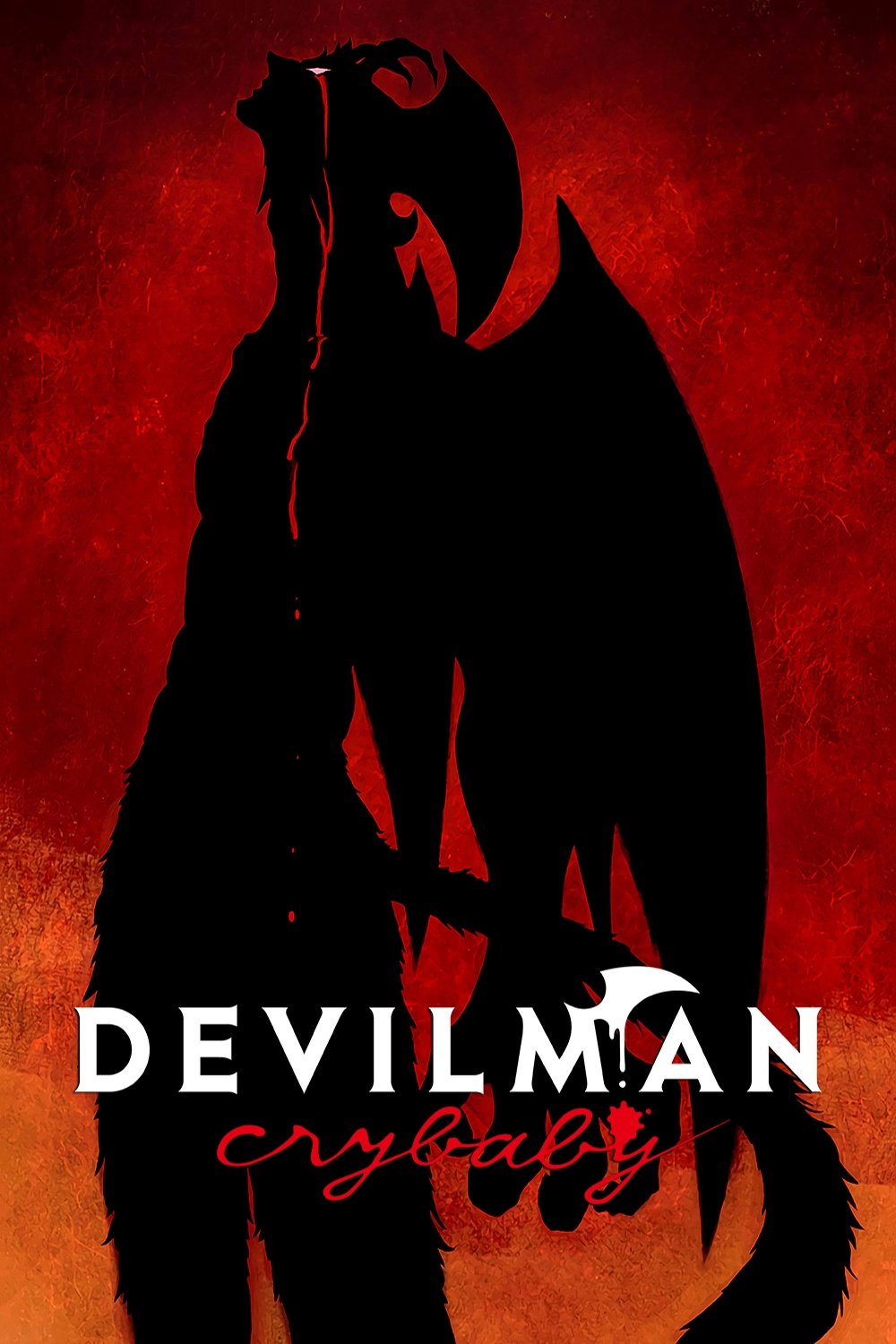
‘Devilman Crybaby’ reimagines Go Nagai’s manga, focusing on a sensitive teen who becomes a hybrid with demonic power. The narrative explores social collapse as fear spreads through media and personal relationships.
It is rated for explicit gore, sexual content, and depictions of drug use. The animation style uses limited lines, elastic motion, and bold color fields to accentuate transformation scenes and sprint sequences.
‘Attack on Titan’ (2013–2023)
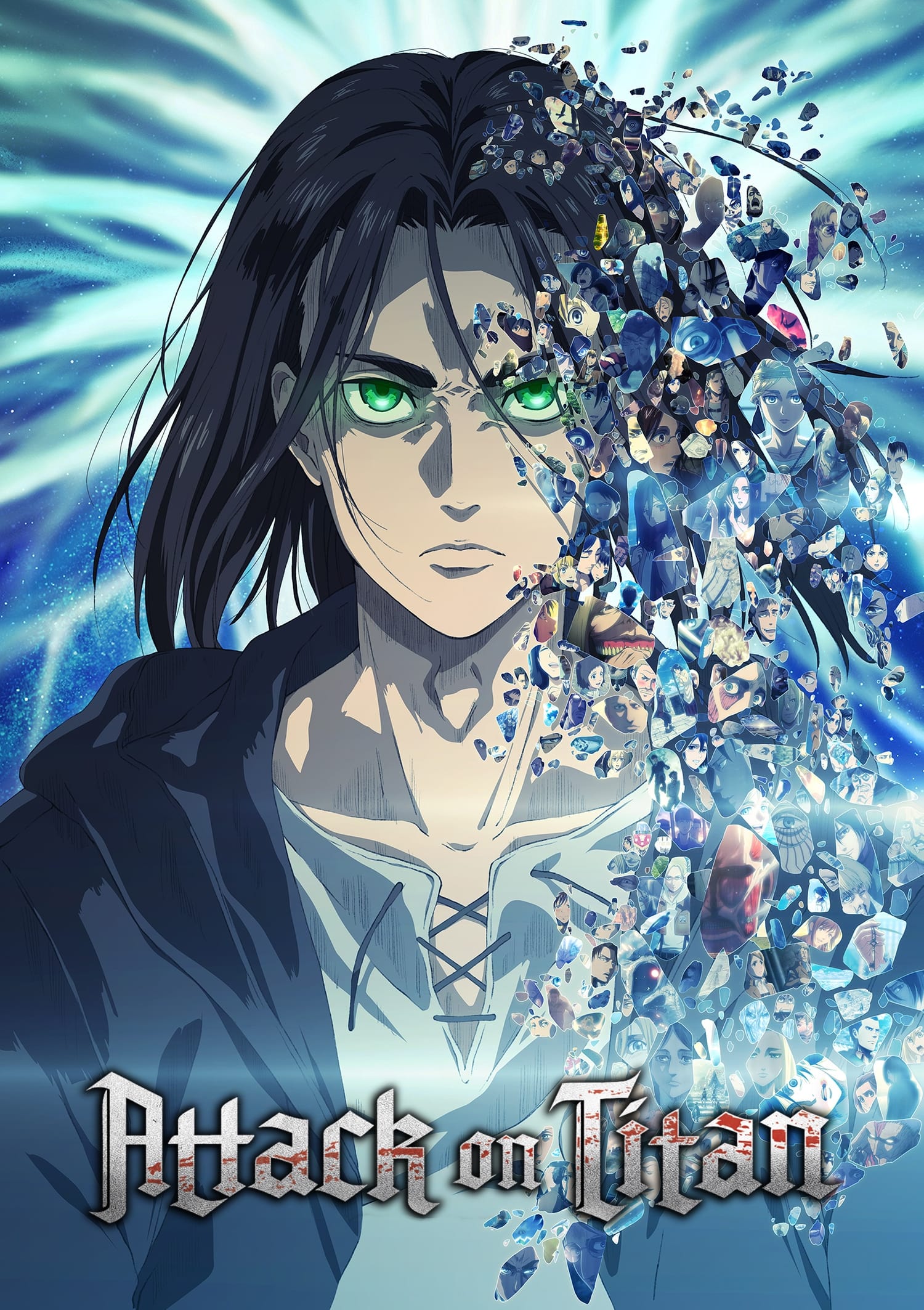
‘Attack on Titan’ follows a military society that battles giant man eating beings with omni directional mobility gear. The series gradually reveals political secrets and the origins of the conflict.
The mature rating cites graphic dismemberment, battlefield carnage, and intense peril. Production across multiple studios employs 3D maneuver gear animation combined with hand drawn effects to create vertical action.
‘Berserk’ (1997–1998)
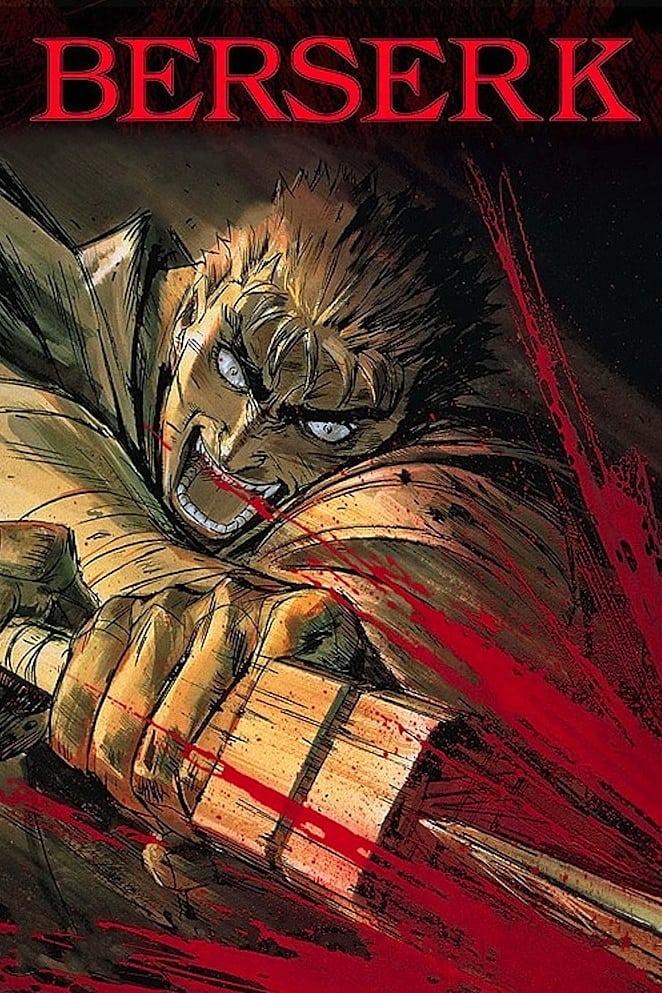
Based on Kentaro Miura’s manga, ‘Berserk’ tells the early life of a mercenary whose fate ties to a rising war leader. The narrative examines ambition, betrayal, and supernatural influence within a medieval setting.
Its rating reflects brutal combat, sexual violence, and disturbing imagery. The series uses stark lighting and carefully timed cuts to suggest scale while focusing resources on key battles.
‘Paranoia Agent’ (2004)
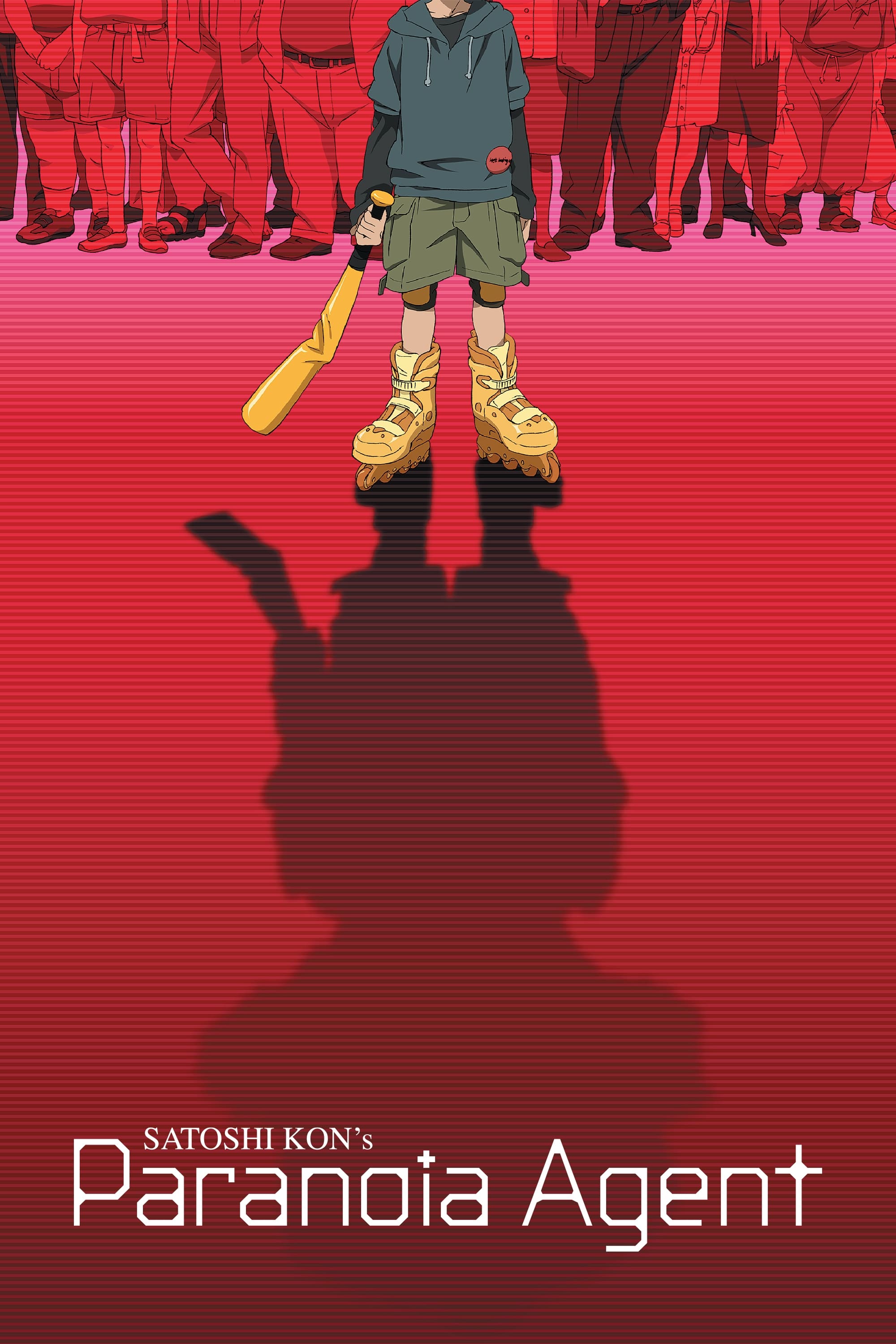
In ‘Paranoia Agent’ authorities investigate assaults linked to a figure on rollerblades, while victims share hidden pressures. Episodes shift focus among different characters to explore social anxiety and rumor.
The adult rating is due to psychological intensity, violence, and themes of self harm. The show experiments with tonal shifts and visual metaphors, including animated commercials and documentary styled segments within episodes.
‘Black Lagoon’ (2006)

‘Black Lagoon’ follows a small crew of smugglers operating in a criminal hub in Southeast Asia. Story arcs involve kidnappings, mercenary conflicts, and power struggles among syndicates.
The rating stems from strong language, gunplay, and realistic depictions of organized crime. Action scenes feature careful weapon modeling and choreography that aligns with the geography of ships, warehouses, and city blocks.
‘Hellsing Ultimate’ (2006–2012)

‘Hellsing Ultimate’ adapts the manga about a paramilitary group combating vampires and other supernatural threats within modern cities. Episodes are long format and released as original video animations.
Its rating is for extreme gore, religious themes tied to violence, and torture. Visuals use high contrast lighting and slow motion beats to emphasize impacts and supernatural powers.
‘Elfen Lied’ (2004)
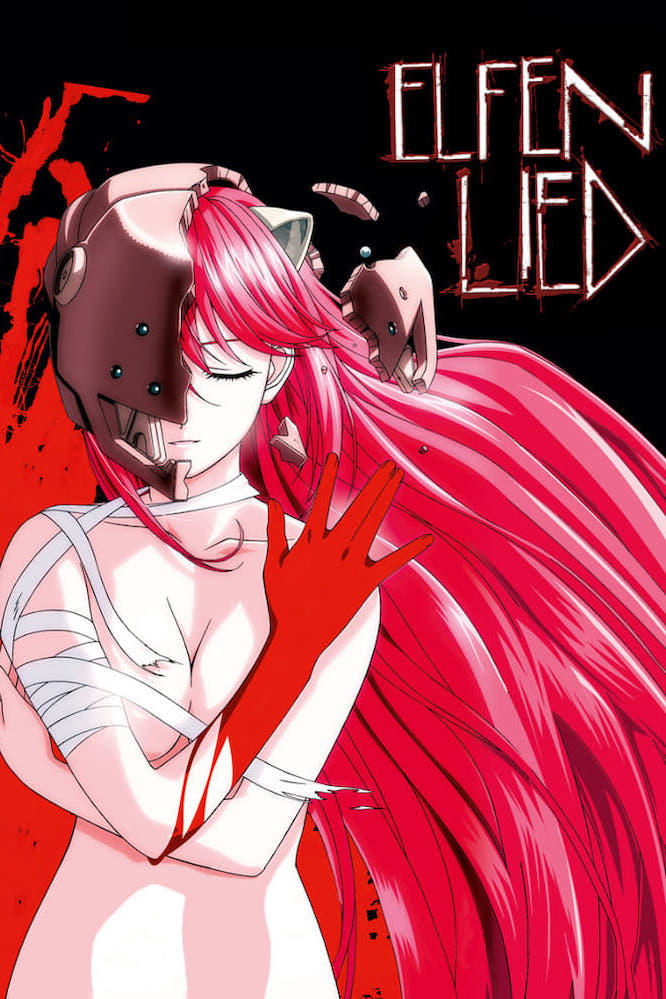
‘Elfen Lied’ focuses on a genetically mutated human with invisible arms who escapes from a laboratory. The clashes that follow involve government pursuit and questions about abuse and empathy.
The mature rating is due to graphic dismemberment, nudity, and traumatic backstories. The series juxtaposes soft color palettes in domestic scenes with sudden bursts of violence to heighten contrast.
‘Psycho-Pass’ (2012–2019)
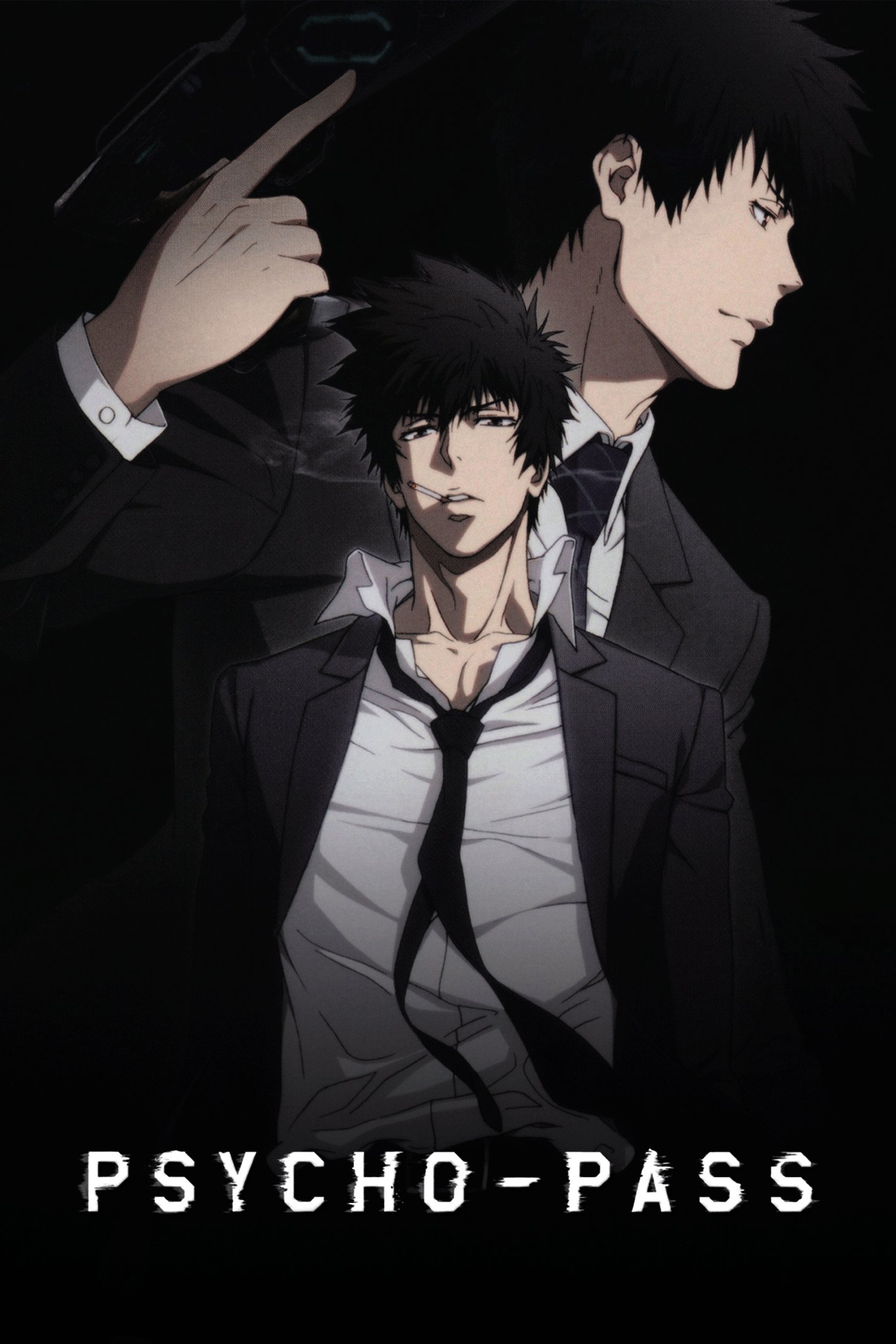
Set in a near future surveillance state, ‘Psycho-Pass’ follows inspectors and enforcers who use predictive technology to prevent crime. Cases question the limits of algorithmic control and individual agency.
Its rating covers disturbing deaths, firearm violence, and adult themes around social engineering. The production integrates heads up display graphics, holographic interfaces, and a consistent police equipment design bible.
‘Monster’ (2004–2005)

‘Monster’ adapts Naoki Urasawa’s thriller about a surgeon who saves a child who later becomes a serial killer. The plot tracks a pursuit across multiple countries with attention to secondary characters and their histories.
The adult rating cites serial murder, psychological trauma, and realistic crime investigation. Direction favors quiet scenes and long takes, allowing conversations and moral choices to carry tension.
‘Tokyo Ghoul’ (2014–2018)
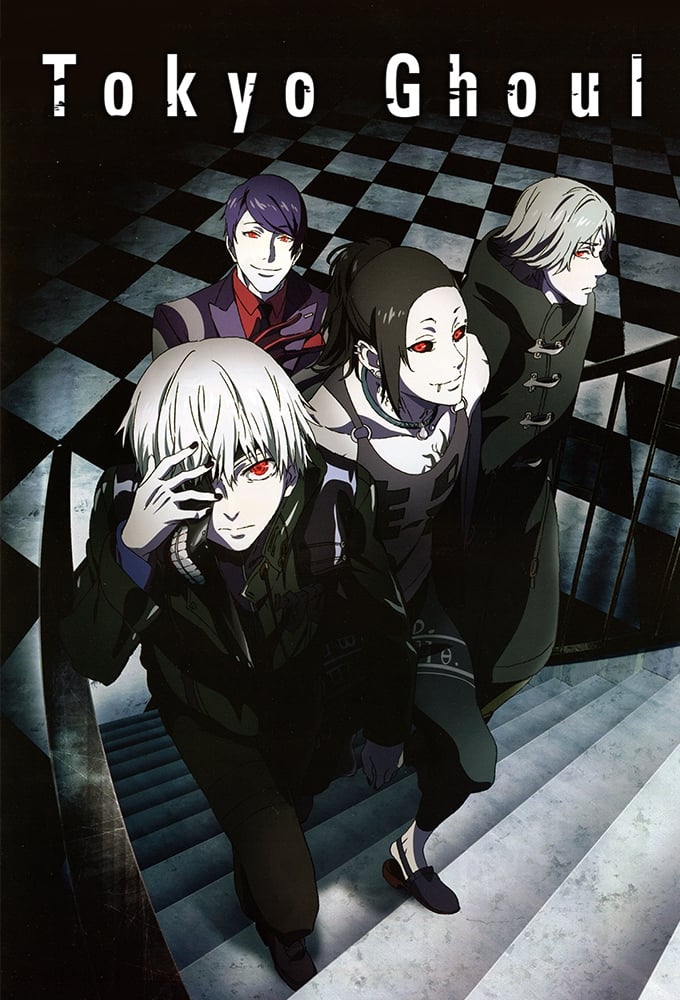
‘Tokyo Ghoul’ portrays a society where flesh eating beings live among humans, and a student becomes a hybrid after a medical procedure. The conflict pits clandestine investigators against hidden communities.
Its rating is for cannibalistic imagery, intense violence, and body horror. Character designs include distinct mask iconography and kagune weapon forms that drive both fights and identity.
‘Parasyte -the maxim-‘ (2014–2015)
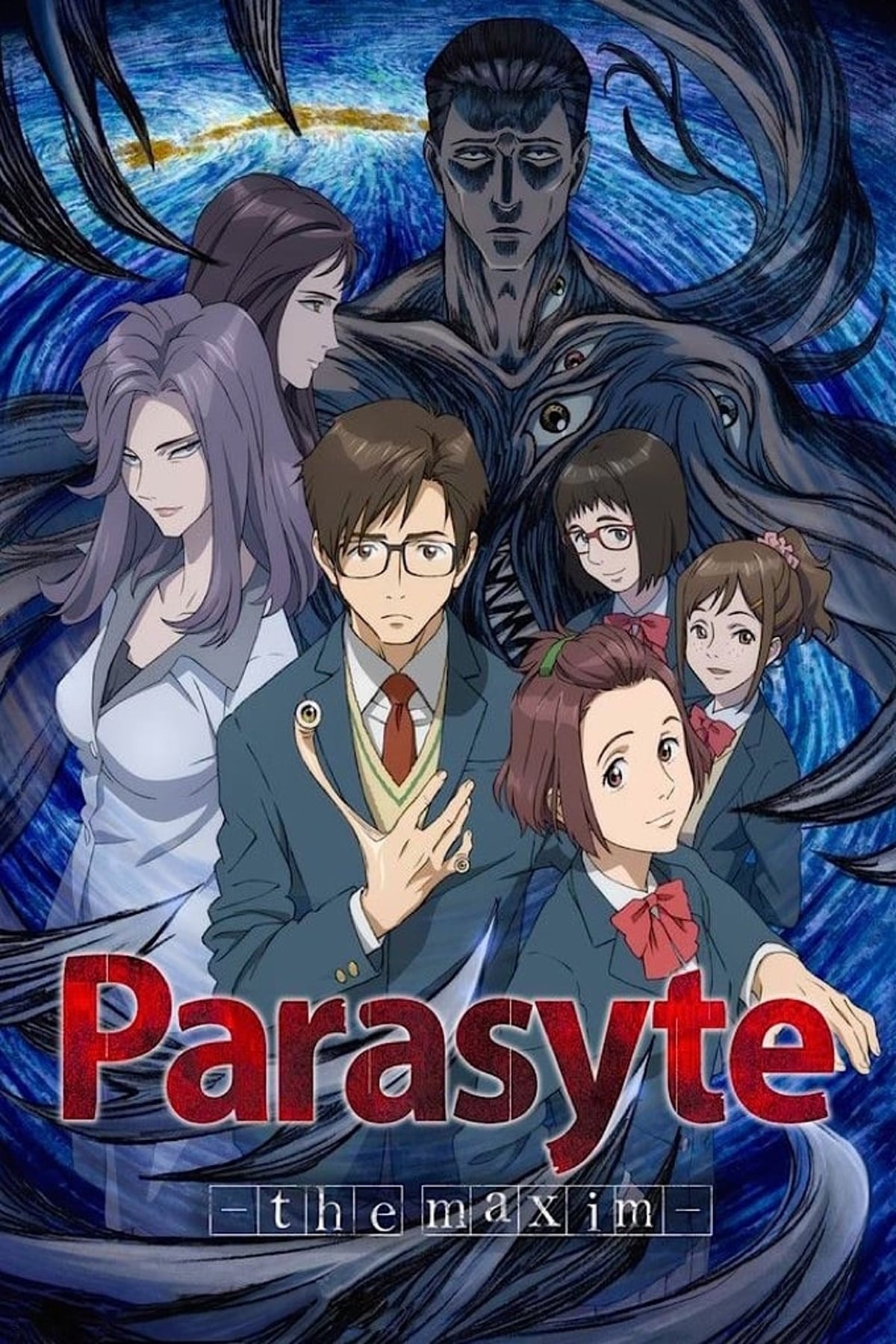
‘Parasyte: The Maxim’ follows a student whose right hand is taken over by an alien that fails to reach his brain. Together they confront other parasites that prey on humans while navigating school life.
The mature rating comes from graphic creature attacks and philosophical discussions about predation. The series uses clear staging for body morphing effects and pairs action with conversations that examine coexistence.
‘Made in Abyss’ (2017–2022)
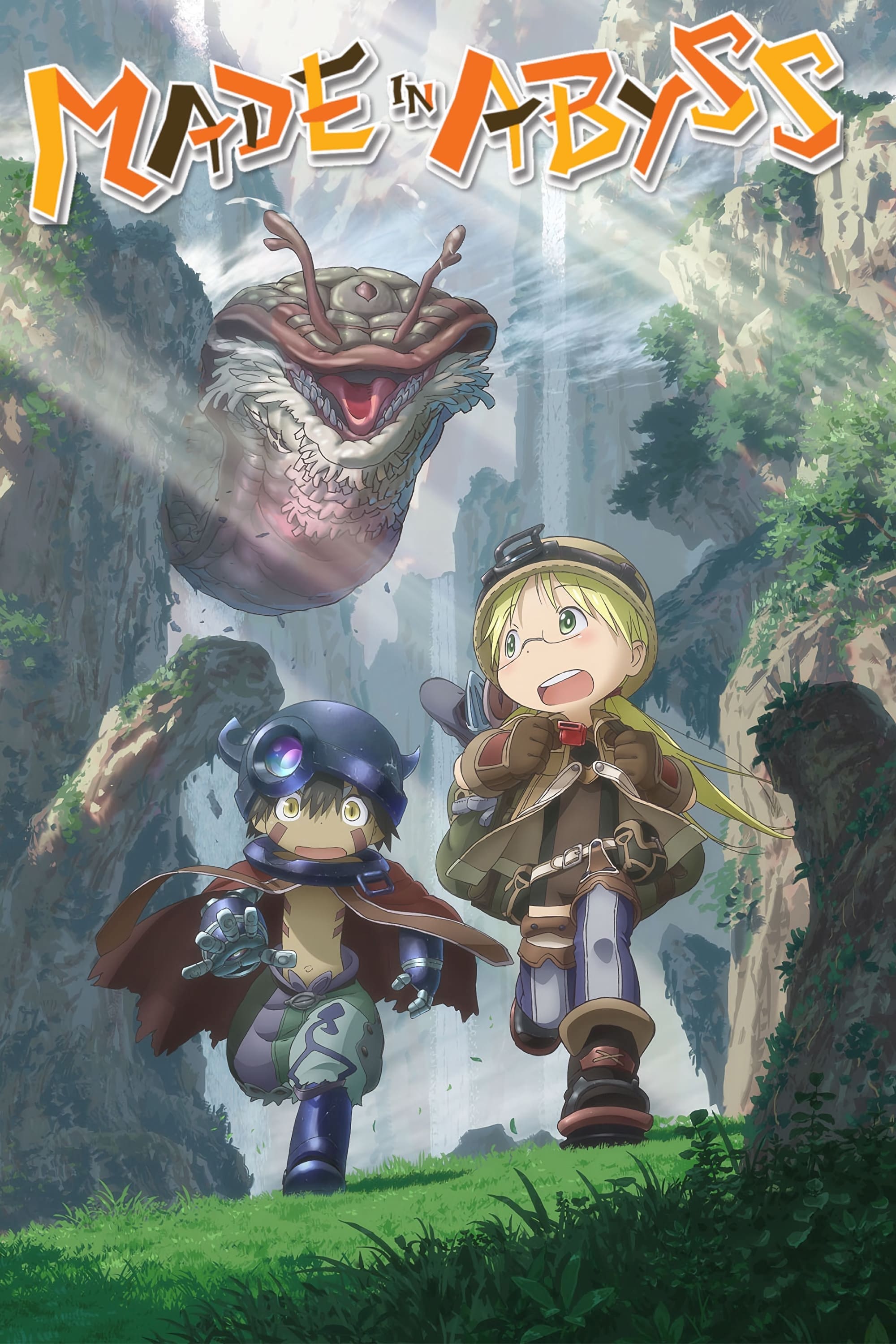
‘Made in Abyss’ depicts a city surrounding a massive pit filled with ancient artifacts and dangerous ecosystems. Two children descend while encountering creatures, relics, and a condition that punishes ascent.
Its adult rating is due to graphic injury detail and emotionally intense survival scenarios. The production contrasts cute character designs with intricate environmental art and carefully documented exploration gear and mapping.
‘Wicked City’ (1987)
In ‘Wicked City’ humans and demons negotiate a truce protected by secret agents. The story follows two operatives handling a high risk escort mission that exposes hidden plots.
The mature rating is driven by explicit violence, sexual content, and horror imagery. Visual style leans on noir lighting and transformative creature effects that push body horror to the forefront.
Share your favorite mature picks in the comments and tell us which titles you think belong on this list.