15 Anime Characters Who Could Destroy The World Easily

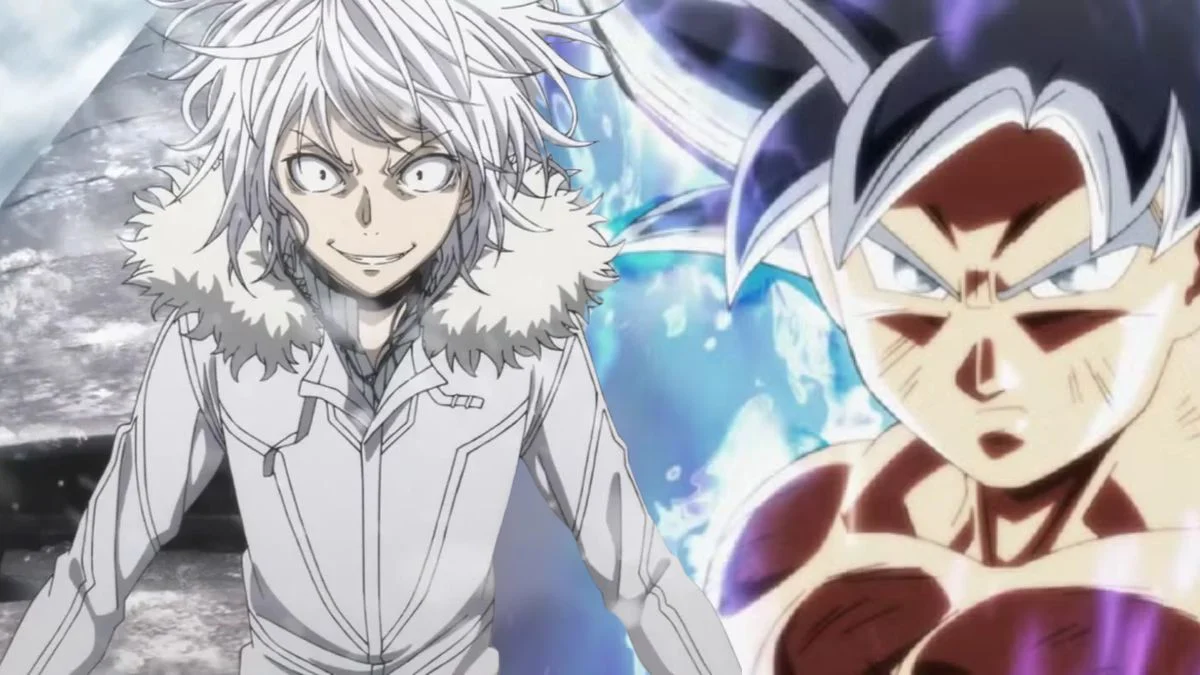

Some anime characters are written with power that goes way beyond city leveling. These are the ones whose abilities, transformations, or reality bending quirks make the notion of world ending events feel almost casual. When you look at the feats they show on screen, it is not hard to see how a single choice or accident could push things past the point of no return.
This list focuses on what the characters can actually do within their stories. You will find details on how their skills work, what they have done that proves the scale, and what systems or artifacts let them push further. Studios matter to fans too, so you will also spot a quiet nod to who brought these moments to life.
Son Goku
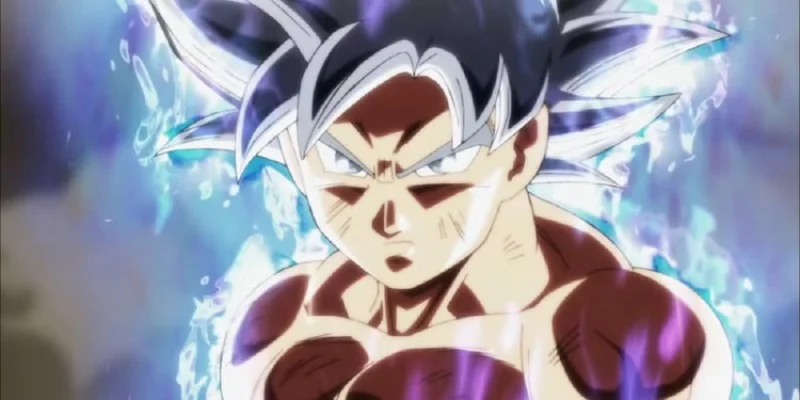
Goku’s highest forms show destructive output that reaches far beyond planetary scale. In ‘Dragon Ball Super’ he fights beings who can shatter entire realms and he trades blows that threaten the fabric of space around them. His Ultra Instinct state lets his body react without conscious thought, which removes the usual human limiters that keep power in check.
Training and divine energy access are what make this possible. God ki, fusion, and items like the Potara earrings all multiply his ceiling. Toei Animation’s staging of those tournament and deity arcs makes the scope plain through torn dimensions and shockwaves that cross distances with ease.
Saitama

Saitama ends threats with one serious punch and the show presents his strength as effectively limitless. In ‘One-Punch Man’ he splits clouds across continents and cancels energy attacks that dwarf cities. The narrative treats every measurable scale as something he will casually exceed when needed.
His power is built on a gag but the effects are direct and physical within the world. That means an unchecked strike could erase most of the map. Season one’s explosive set pieces came from Madhouse, while J.C.Staff handled season two, and both runs give clear visual proof of pressure waves and craters that would escalate without restraint.
Beerus

Beerus is a God of Destruction whose job is to erase worlds. In ‘Dragon Ball Super’ he shows fingertip blasts that can wipe a planet and a clash with Goku that risks the universe if left to run. He can nullify targets with Hakai, which deletes beings and objects beyond normal durability.
Divine authority matters here because it bypasses durability and regeneration. If Beerus chooses to end a world he simply does, and the lore treats that as routine. Toei Animation depicts this with quiet, casual shots of erasure that underline how effortless the act is for him.
Zeno

Zeno sits above the gods and deletes entire universes as a disciplinary measure. In ‘Dragon Ball Super’ he erases timelines and multiversal arenas with a gesture, and no defense or escape is shown to work once he decides. The show treats his will as absolute.
This makes global destruction trivial. A planet is a small target compared to what he normally handles. Toei Animation presents Zeno with simple movements and flat affect while whole realities blink out, which tells you how little effort world ending would take for him.
Kaguya Otsutsuki
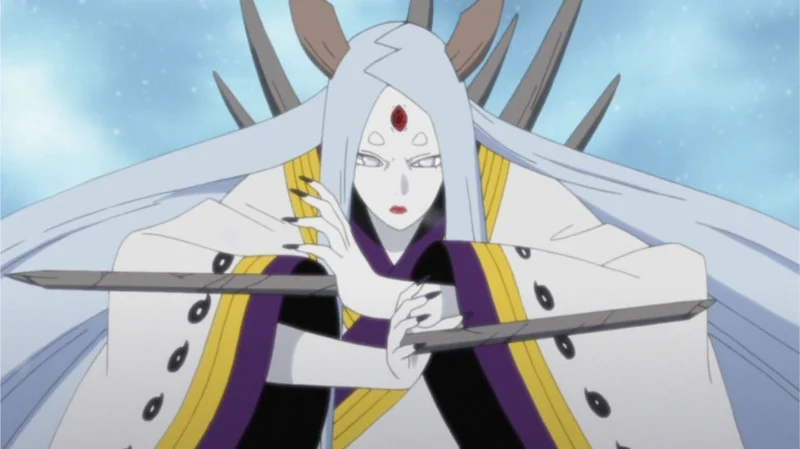
Kaguya controls dimensions and chakra on a scale that dwarfs nations. In ‘Naruto Shippuden’ she opens portals to hostile spaces and launches techniques that can swallow terrain and reshape environments. Her Expansive Truth Seeking Ball is described as a threat to the world itself.
She can also absorb chakra, regenerate, and bypass many ninjutsu defenses. That set of powers lets her undo armies and leaders before they can coordinate. Studio Pierrot shows this through sudden landscape swaps and globe wide stakes that make a single misstep catastrophic.
Yhwach

Yhwach rewrites futures by absorbing and distributing power through the Quincy. In ‘Bleach’ and ‘Bleach: Thousand Year Blood War’ he fuses with the Soul King’s power and begins unmaking the balance between the human world, Soul Society, and Hueco Mundo. The series frames that balance as what keeps reality stable.
If that balance collapses, the worlds merge and break apart. Yhwach’s Schrift lets him see and select outcomes, so stopping him requires more than strength. Studio Pierrot renders this through shifting skies, collapsing barriers, and an air of inevitability that signals a threat to everything living.
Sailor Moon

Usagi’s Silver Crystal channels energy that can cleanse or erase on vast scales. In ‘Sailor Moon’ she reverses extinctions, restores timelines, and defeats entities that feed on planetary life. The same power that heals can also overwhelm if used without restraint.
Later arcs confirm her potential reaches to universal renewal. A crystal that can reset existence can also unmake it if focused the other way. Toei Animation’s finales showcase reality rewrites and rebirths that make planetary destruction a low end use of her toolkit.
Tetsuo Shima
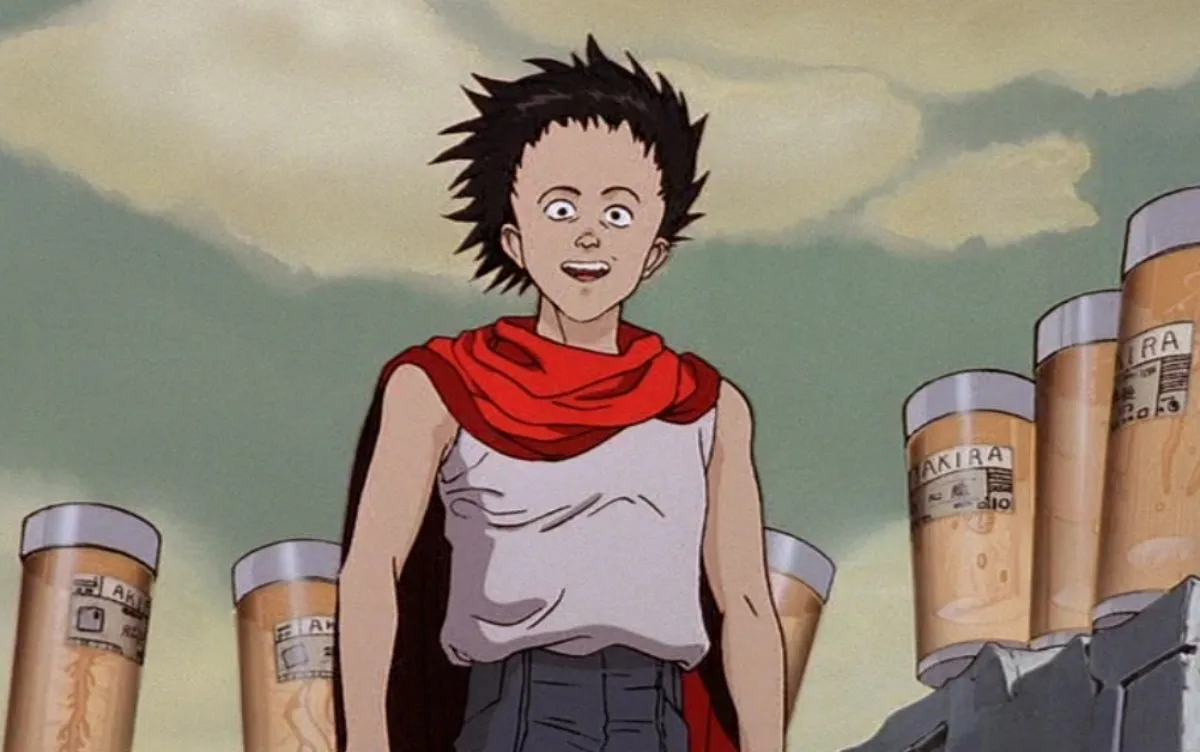
Tetsuo’s awakening triggers uncontrolled psychic growth. In ‘Akira’ he causes a detonation that levels Tokyo districts and then evolves into a reality warping state that engulfs everything near him. His power escalates the longer it runs without a limiter.
That escalation is the danger. His cells and mind expand beyond human limits and the environment tears under the strain. Tokyo Movie Shinsha, now TMS Entertainment, delivers that body horror and city scale ruin with crisp detail that makes the step from city to world feel like a matter of time.
Eren Yeager

Eren accesses the Founding Titan and commands the Rumbling. In ‘Attack on Titan’ that means he can set the Wall Titans marching in a wave that will flatten continents until nothing remains. The show explains that the only real limit is his choice to start or stop.
Coordinate power also edits memories and bloodlines, which lets him steer entire populations. Wit Studio began the adaptation and MAPPA continued it, and both present the Rumbling as a slow moving but inevitable end to the world once it begins.
Simon
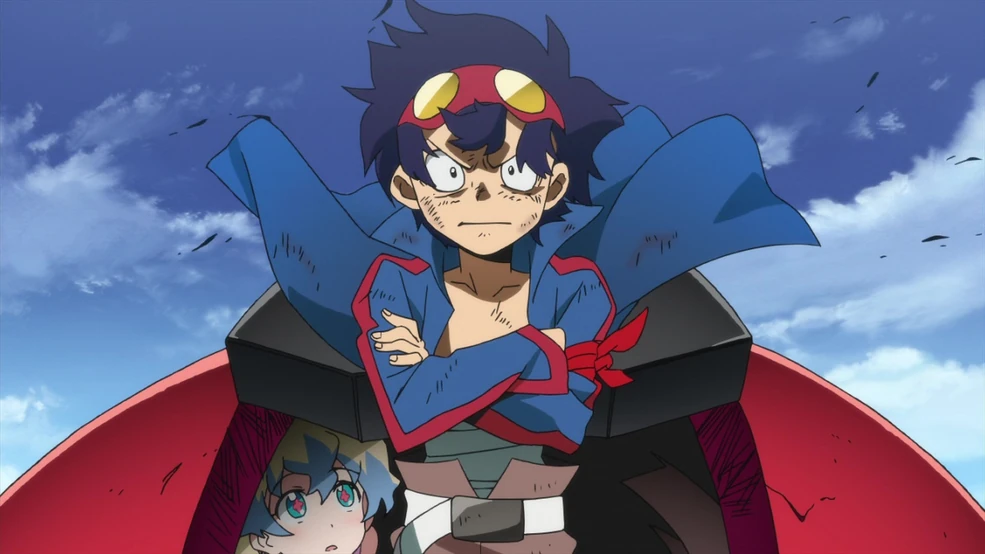
Simon pilots mecha that scale from city size to galaxy throwing. In ‘Tengen Toppa Gurren Lagann’ the later forms demonstrate energy output that makes planets negligible. The spiral energy system grows stronger with will and numbers, which removes the usual cap on power.
That system is why the threat is real. If spiral energy were turned toward destruction without limits, the effect would pass world ending with ease. Gainax animates those battles with wild perspective and size cues that place planetary bodies as set dressing.
Haruhi Suzumiya

Haruhi unconsciously edits reality to match her desire. In ‘The Melancholy of Haruhi Suzumiya’ her moods spawn closed spaces and beings that repair the world in ways that risk replacing it. The cast treats her boredom as an existential threat because it actually is.
Her power does not need rituals or machines. It acts as the world deciding to be different. Kyoto Animation underscores this with everyday scenes that suddenly slide into impossible phenomena, which shows how quickly normal life could vanish if she wished it.
Anos Voldigoad

Anos returns as a reincarnated demon king with magic that ignores common limits. In ‘The Misfit of Demon King Academy’ he erases enemies with a word, resurrects the dead, and rewrites the terms of spells. His Venuzdonoa sword nullifies any phenomenon it cuts.
World ending follows from those mechanics because barriers, gods, and timelines do not hold up when nullification is absolute. Silver Link adapts these ideas with crisp spell rules and visual signatures that make the scale of his dominance clear.
Rimuru Tempest

Rimuru gains Predator, Great Sage, and godlike evolutions that absorb and analyze everything. In ‘That Time I Got Reincarnated as a Slime’ he acquires skills that copy magic, capture souls, and form domains that control the battlefield. Later forms elevate him to a status where calamity class events are routine.
The combination of devouring and perfect analysis means any defense can be learned and countered. A world is only safe if he chooses mercy. Eight Bit animates these upgrades with careful skill readouts and arena wide effects that show how fast a conflict could escalate.
Shigeo Kageyama
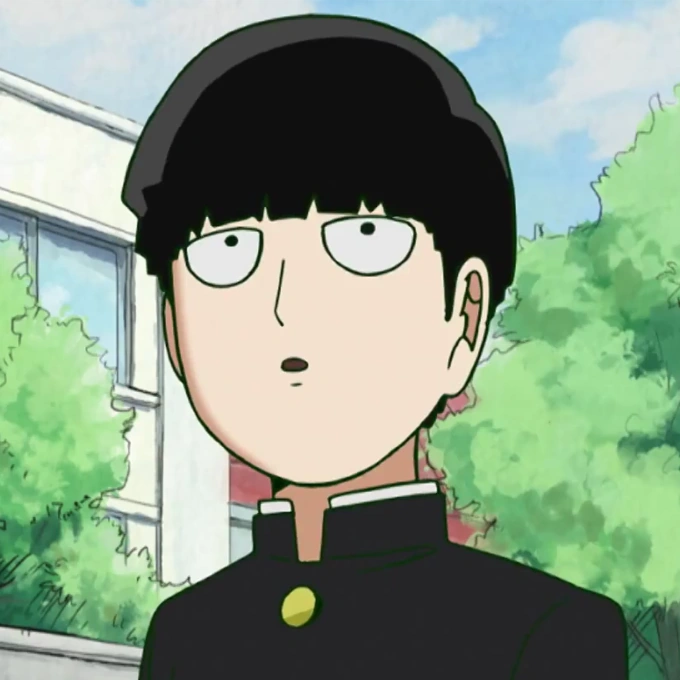
Shigeo, known as Mob, houses a psychic power that reaches one hundred percent and beyond. In ‘Mob Psycho 100’ his emotions trigger output that rips buildings apart and shields him from massive attacks. The ???% state acts without his conscious control when pushed.
Uncontrolled surges are the concern. If that state ran unchecked, the blast radius would climb with no ceiling in sight. Bones presents those spikes with swirling lines and crumpling city blocks, which conveys how a drawn out break could threaten everything around him.
Accelerator
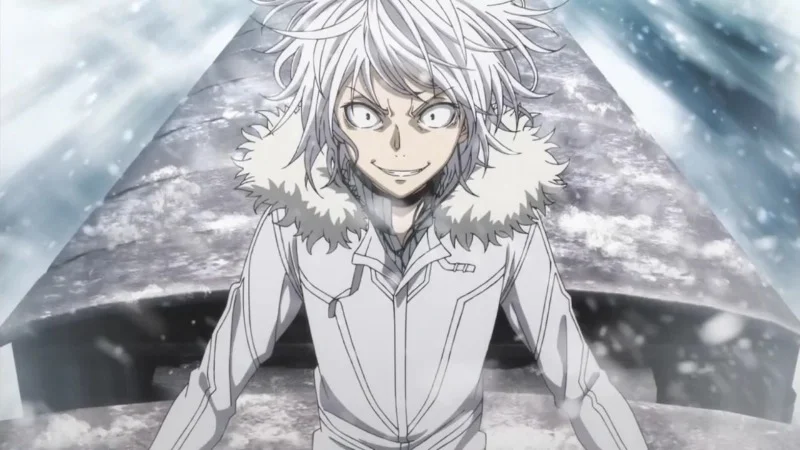
Accelerator manipulates vectors, which means he redirects any force he understands. In ‘A Certain Scientific Index’ and related stories he stops bullets, turns wind into cutting storms, and reflects attacks back at their source. When given enough power input, his output scales to match and exceed it.
He can also alter blood flow and air movement on a wide area, which gives him environmental control on a frightening level. J.C.Staff animates these scenes with clean arrows and surfaces that flip physics, and the math behind it makes global scale damage a realistic endpoint if he chose to push it.
Share your picks in the comments and tell us which character you think could end everything the fastest.