Top 10 Coolest Things About Darth Vader



Darth Vader stands at the center of the Skywalker saga, connecting the fall of the Republic, the rise of the Empire, and the eventual return of the Jedi. His story spans films, TV, novels, comics, and games, and each piece fills in details about his abilities, responsibilities, and technology. Taken together, they show a character whose impact reaches across the galaxy—both in-universe and in real-world storytelling.
What follows highlights concrete facets of Vader: the engineering behind his suit, the combat systems he uses, the military apparatus he commands, and the historical moments that define his arc from Jedi Knight to Sith Lord. Every point below sticks to verifiable details you can trace in canon sources, production notes, and reference guides.
Armor and Life-Support System
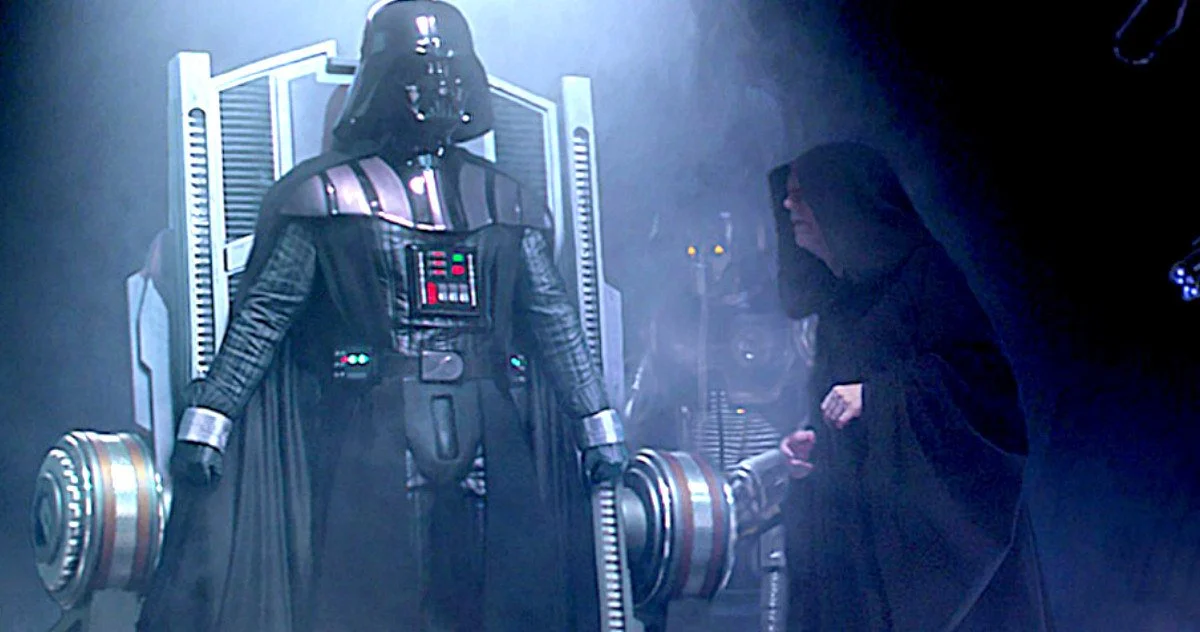
Vader’s black armor is a sealed life-support system built to stabilize him after catastrophic injuries. The suit includes a cybernetic right arm and both legs, a chest panel with manual override controls, a tri-tube respirator, and an armored plastron layered over a temperature-regulating bodysuit. Its helmet integrates polarized lenses, a respiratory intake, and a neural interface that links to spinal implants, allowing him to receive HUD-style readouts and manage pain through regulated neurostimulation.
The armor uses durasteel and obsidian-like composites to disperse blaster impacts, while the under-suit’s synth-mesh offers limited insulation against heat and electrical surges. Magnetic boots assist with traction in low-gravity or decompression events, and the cape’s fiber weave provides modest thermal buffering. The system requires routine calibration, which is why maintenance chambers and hyperbaric pods appear in Imperial installations tied to his flagship operations.
Red Lightsaber and Form V Mastery
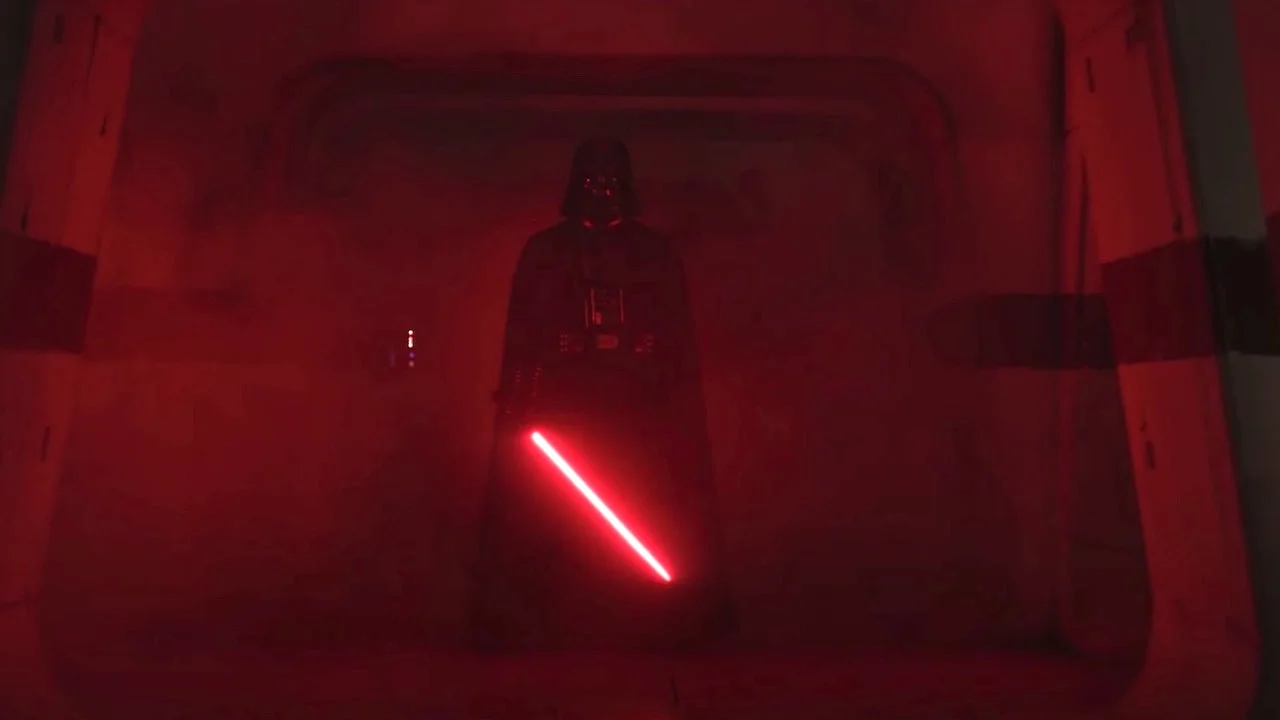
Vader wields a red-bladed lightsaber powered by a kyber crystal that has been “bled,” a Sith practice that corrupts a crystal through the wielder’s dark-side intensity. His hilt design—an evolution from earlier Jedi configurations—uses heavy emitter shrouds and a reinforced grip suitable for his prosthetic hands, making it reliable under high torque and withstanding parries from greatsabers and electrostaffs.
In combat, Vader is associated with Form V (Shien/Djem So), which emphasizes powerful counters, kinetic control, and forward pressure. He adapts the form to compensate for reduced mobility, using measured footwork, blade contests that exploit his mechanical strength, and targeted strikes that break an opponent’s guard. Training records and duel analyses show how he blends Form II elements for precision when facing skilled duelists and integrates telekinetic throws to disrupt spacing.
Force Capabilities and Signature Techniques
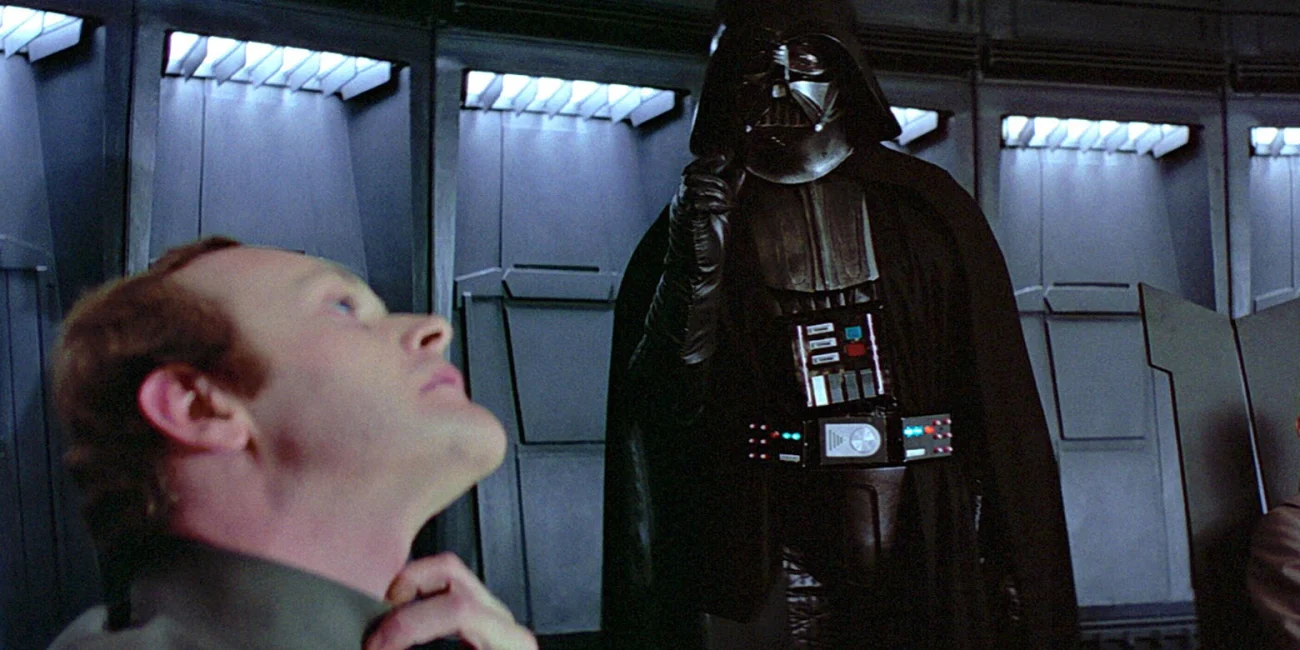
Vader demonstrates advanced telekinesis, employing sustained holds, rapid object manipulation, and high-force concussive bursts. The “Force choke” is a controlled laryngospasm induced at a distance, effective for both intimidation and rapid incapacitation. He also uses Force-assisted reflexes to track projectiles, anticipate feints, and recover balance despite the mass of his armor.
His Force sense and limited precognitive awareness aid in piloting and tactical decision-making, often seen when he flies with minimal computer assistance. Vader’s mental discipline enables pain management and compartmentalization, allowing him to function under continuous discomfort from his cybernetics. He shows resistance to some mind-affecting techniques, reflecting rigorous Sith training in counter-intrusion and emotional focus.
Command of the Imperial War Machine
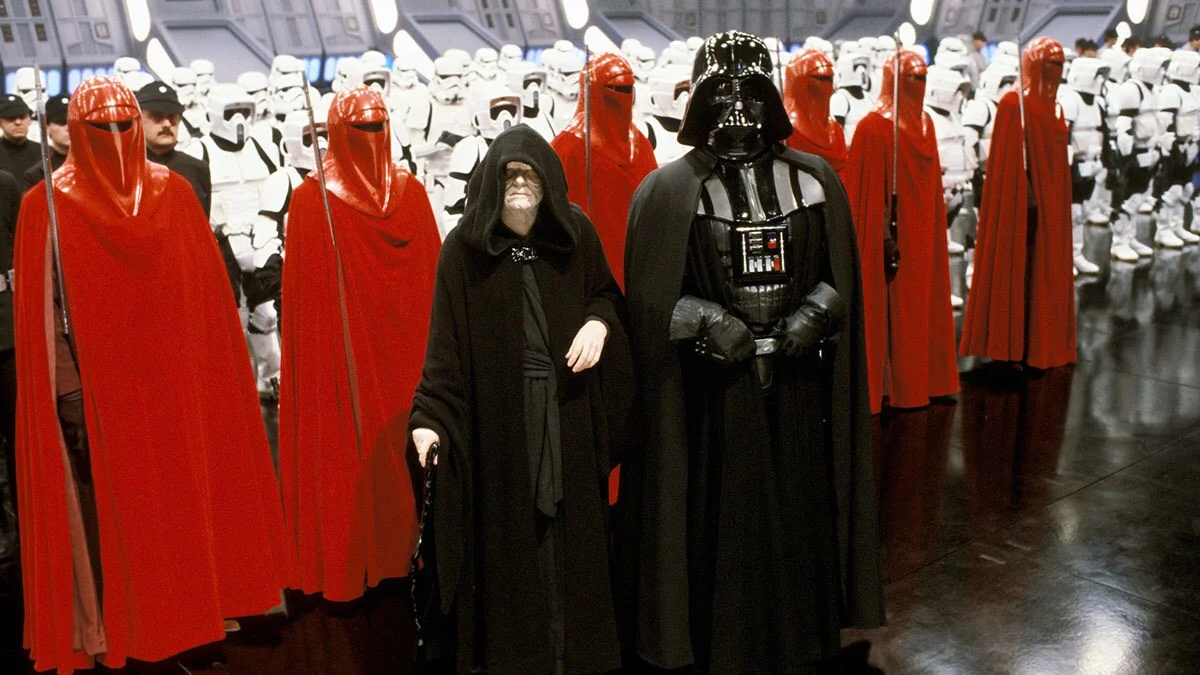
As the Emperor’s enforcer, Vader holds direct authority over fleet assets, intelligence units, and special weapons projects. He frequently operates from the Executor-class Super Star Destroyer, coordinating task forces that combine carrier groups, reconnaissance wings, and ground detachments led by elite stormtrooper legions. His presence often reallocates priorities across sectors, accelerating sieges and interdiction missions.
Vader’s command style relies on swift deployment and psychological dominance—reinforced by precise strikes against leadership nodes and supply chokepoints. Records of Imperial campaigns attribute rapid pacification of uprisings to his use of probe droids, rapid-hyperspace pursuit paths, and coordinated boarding actions that neutralize targets before they can scatter to hidden cells.
Transformation from Anakin Skywalker
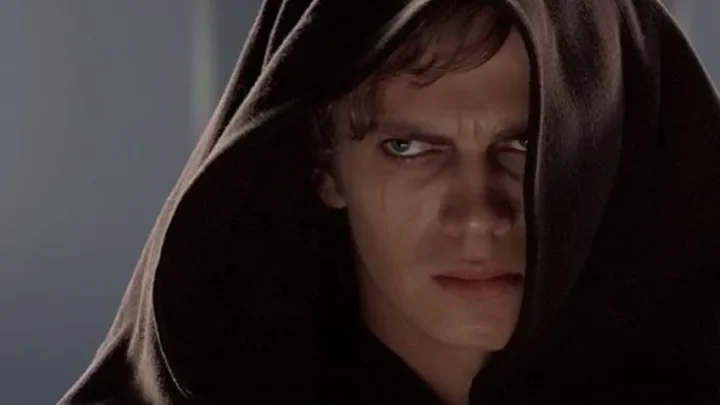
Anakin Skywalker’s transition to Darth Vader involves political manipulation, personal loss, and the collapse of the Jedi Order. After a decisive duel that left him severely injured on a volcanic world, he underwent emergency cybernetic reconstruction ordered by the newly-declared Emperor. The procedure replaced limbs, stabilized his lungs, and embedded control interfaces to synchronize remaining organic systems with prosthetics.
The name “Darth Vader” marks his initiation as a Sith Lord, signifying a new chain of command and the formalization of the Rule of Two under the Emperor. Documentation from Imperial archives and later Rebel analyses link his early missions to the purge of surviving Jedi, the seizure of key shipyards, and the consolidation of Outer Rim territories that became staging grounds for Tarkin’s doctrine of rule through fear.
Cybernetics: Strengths and Constraints
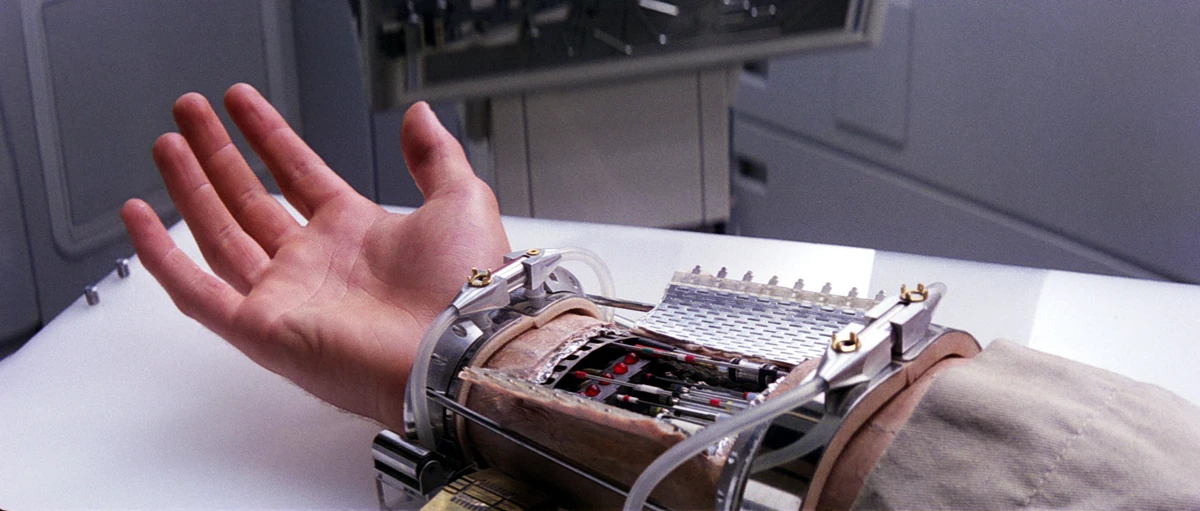
Vader’s prostheses deliver high mechanical output, enabling prolonged blade binds, one-handed parries against heavy strikes, and the ability to lift armored opponents. The limb housings include torque limiters and shock absorbers to mitigate feedback from impacts, while armored glove plating prevents emitter flare damage during close-quarters grappling.
The same systems impose limitations. Sensors in his prosthetics provide narrower tactile resolution than organic nerves, reducing fine haptic feedback. The respirator and chest control unit create audible and thermal signatures detectable at close range. His shoulder armor and control box can restrict overhead reach and twisting motions, which is why he favors economy of movement and controlled angles rather than acrobatic spins typical of other forms.
Starfighter Ace and Technical Proficiency
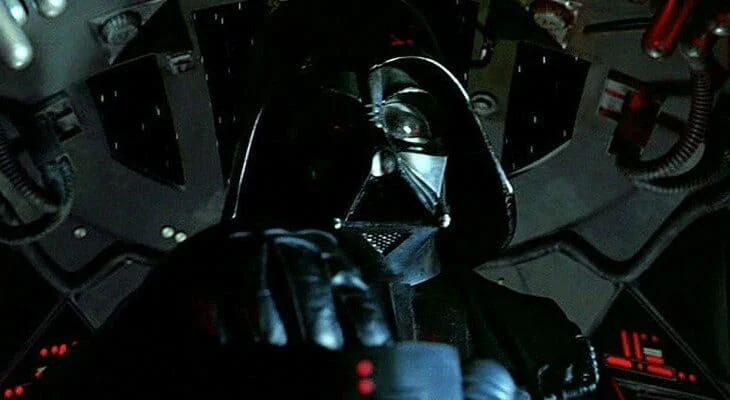
Before his transformation, Anakin established credentials as an elite pilot, and those skills carry into Vader’s service record. He flies custom-tuned TIE variants with modified targeting packages and reinforced solar arrays, often eschewing autopilot to exploit micro-maneuvers that press opponents into predictable evasion paths. After-action logs note unusually low miss ratios and rapid target reacquisition during dogfights.
Vader’s mechanical aptitude extends to maintenance and modification. He reviews diagnostic telemetry, orders bespoke component swaps for faster throttle response, and calibrates inertial compensators to handle aggressive roll-rates. His understanding of droid programming and sensor countermeasures informs his tactics against enemy astromechs and jammers, improving survivability for accompanying squadrons.
Intelligence, Interrogation, and Tracking Methods
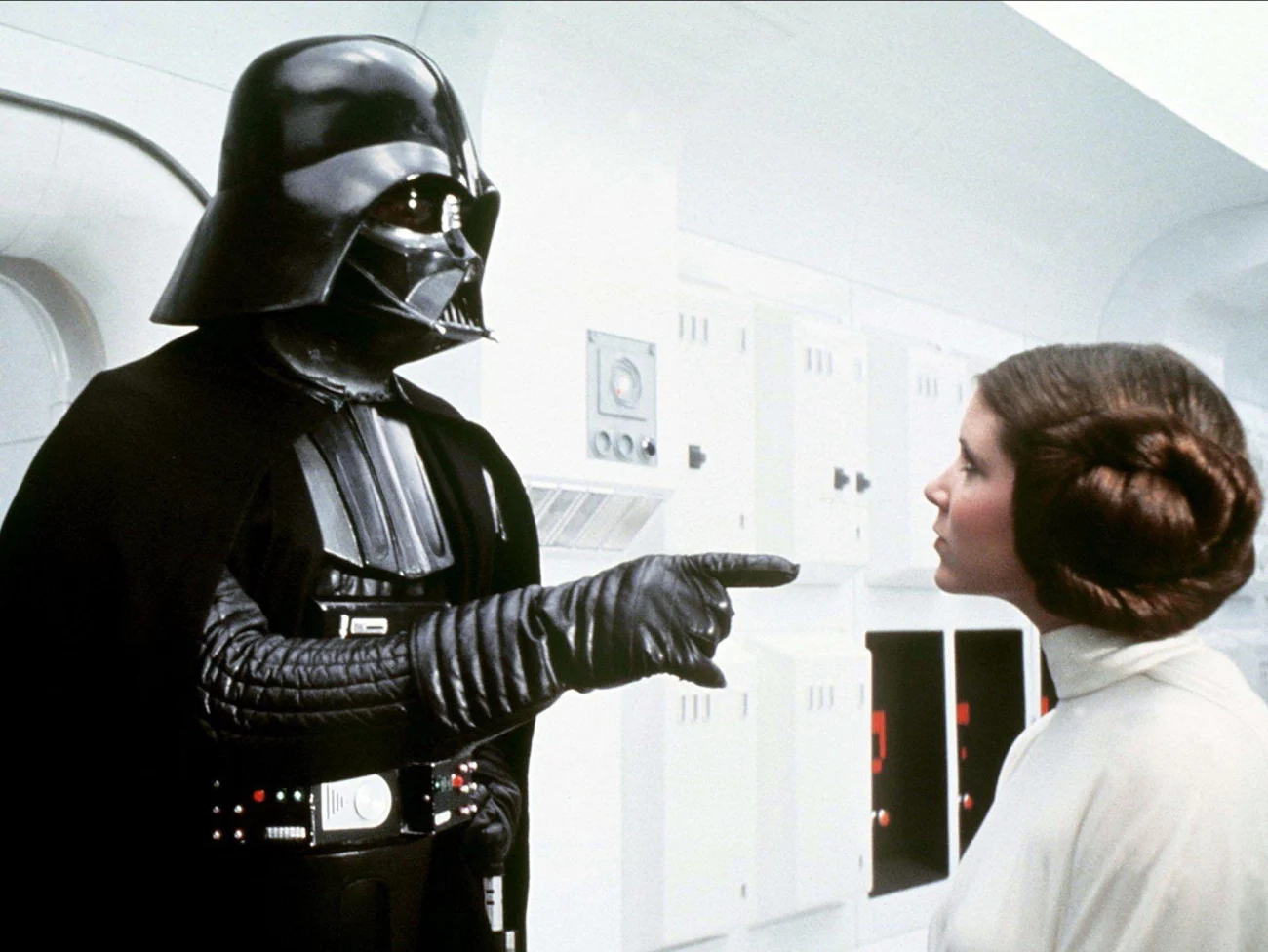
Vader employs a mix of traditional intelligence gathering and Force-assisted interrogation. He leverages Imperial Security Bureau dossiers, encrypted convoy timetables, and transponder audits to triangulate rebel movements. In garrisoned systems, he directs scan-grid expansions and decoy shipments to expose resistance cells that target high-value cargo.
During interrogations, he combines Force pressure with medical monitoring to avoid accidental terminal outcomes when actionable intelligence is needed. Reports from captured outposts describe his use of fear conditioning and controlled environmental changes to break false narratives. His operations commonly end with rapid follow-up raids that exploit freshly obtained coordinates before adversaries can rotate codes or scatter.
Pivotal Moments Across the Saga
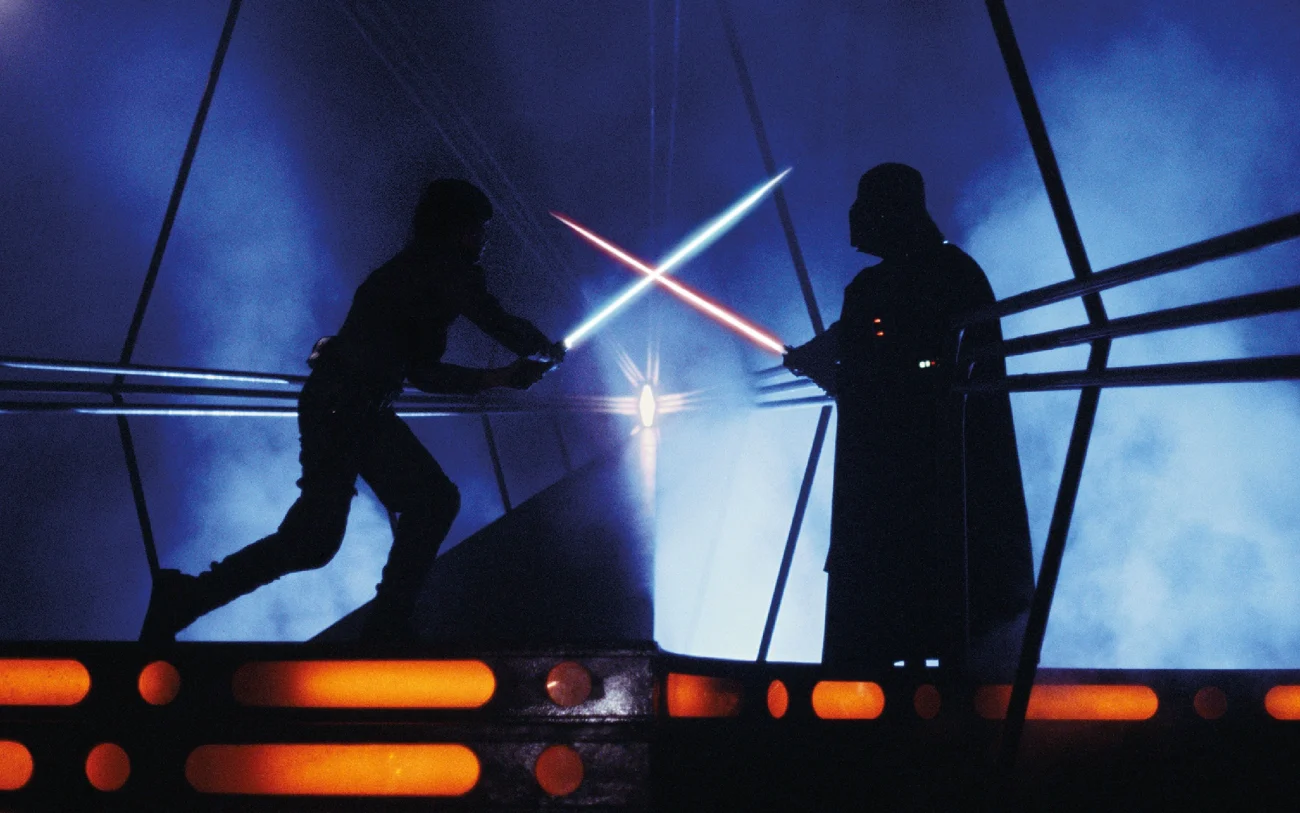
Vader’s confrontation with Luke Skywalker in ‘The Empire Strikes Back’ reorients the conflict by tying the Galactic Civil War to a family lineage, leading to subsequent attempts at recruitment rather than immediate execution. Later, his actions aboard the second battle station in ‘Return of the Jedi’ culminate in the overthrow of the Emperor, which destabilizes centralized Imperial command and accelerates fracturing into warlord fiefdoms.
His earlier duels and decisions in ‘Revenge of the Sith’ establish the tactical and political foundations of the Empire’s early years, showing how his battlefield experience translates into enforcement of the new order. Operations chronicled in ‘Rogue One’ depict his role in safeguarding strategic projects and responding to compromised installations, illustrating how he functions as both symbol and problem-solver within the Imperial hierarchy.
Presence Beyond the Films

Animated and live-action series deepen Vader’s profile. ‘Star Wars Rebels’ tracks his pursuit of emerging Jedi survivors, integrating Inquisitorius operations and demonstrating his ability to counter unconventional guerrilla tactics. ‘Obi-Wan Kenobi’ explores his post-Order 66 priorities, including planet-level sweeps and targeted confrontations designed to draw out high-value adversaries.
Comics and reference works expand on his internal chain of command, procurement of kyber resources, and disciplinary actions against underperforming officers. These sources also cover his interactions with the Inquisitors, the testing of prototype starfighters, and the establishment of forward operating bases that support rapid-response deployments across the Mid Rim.
Share your own favorite Vader details in the comments and tell us which moments or facts you think best capture who he is.