25 Anime Series That Are Great to Binge Watch


If you are looking for shows with tight arcs, clear episode counts, and stories that keep moving, these anime deliver well paced viewing marathons. Most wrap in a season or two, while a few offer longer journeys that still break cleanly into arcs. You will find a mix of action, mystery, sci fi, and drama, with many based on completed manga or self contained originals. Use the episode totals and structure notes to plan an easy weekend or a full week of watching.
‘Fullmetal Alchemist: Brotherhood’ (2009–2010)
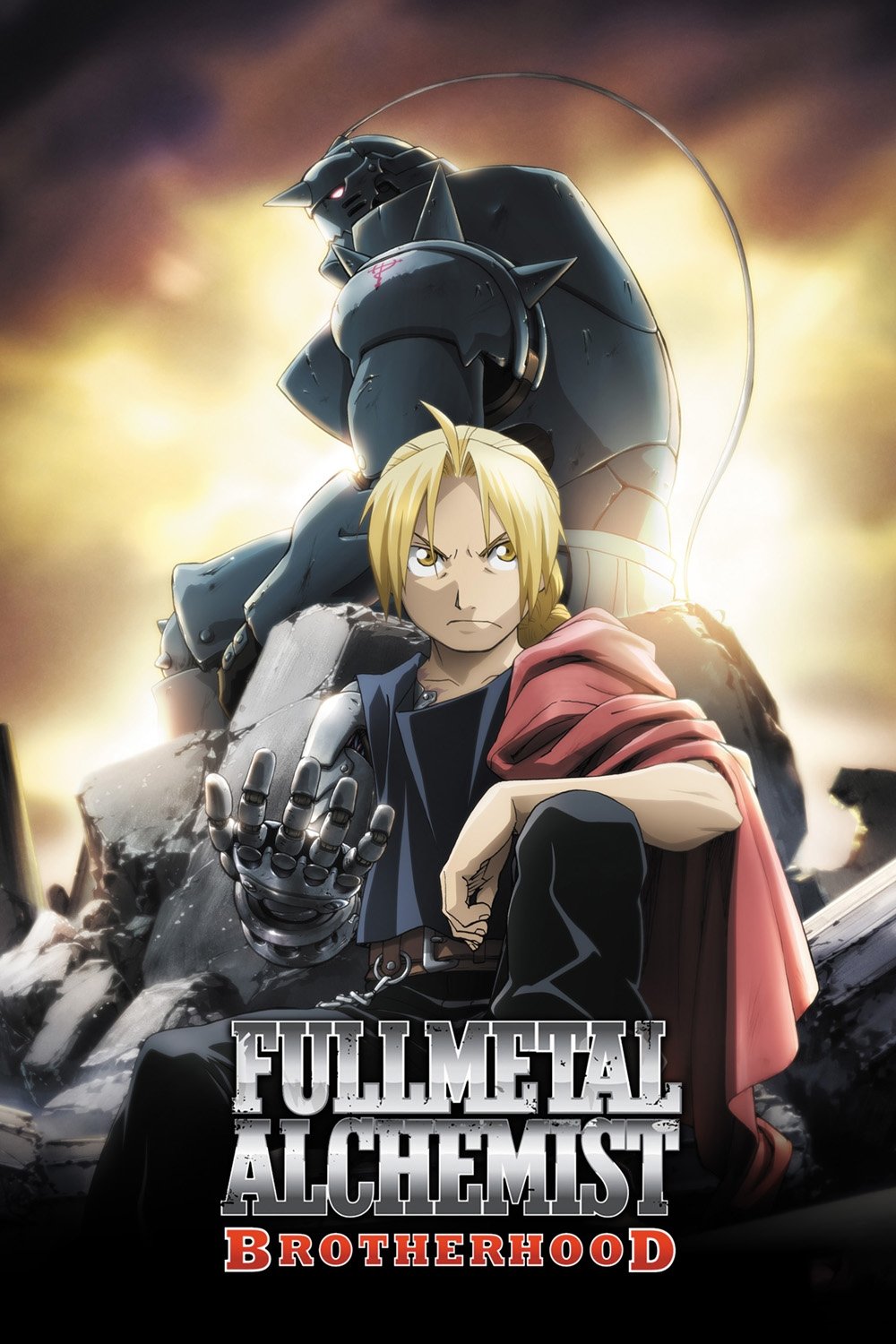
This adaptation covers the entire manga storyline in 64 episodes. The plot follows two brothers who use alchemy to search for the Philosopher’s Stone after a failed ritual. Arcs move through military intrigue, travel across the country, and battles with homunculi. It is structured in clear phases that make it simple to split across a few nights.
‘Attack on Titan’ (2013–2023)
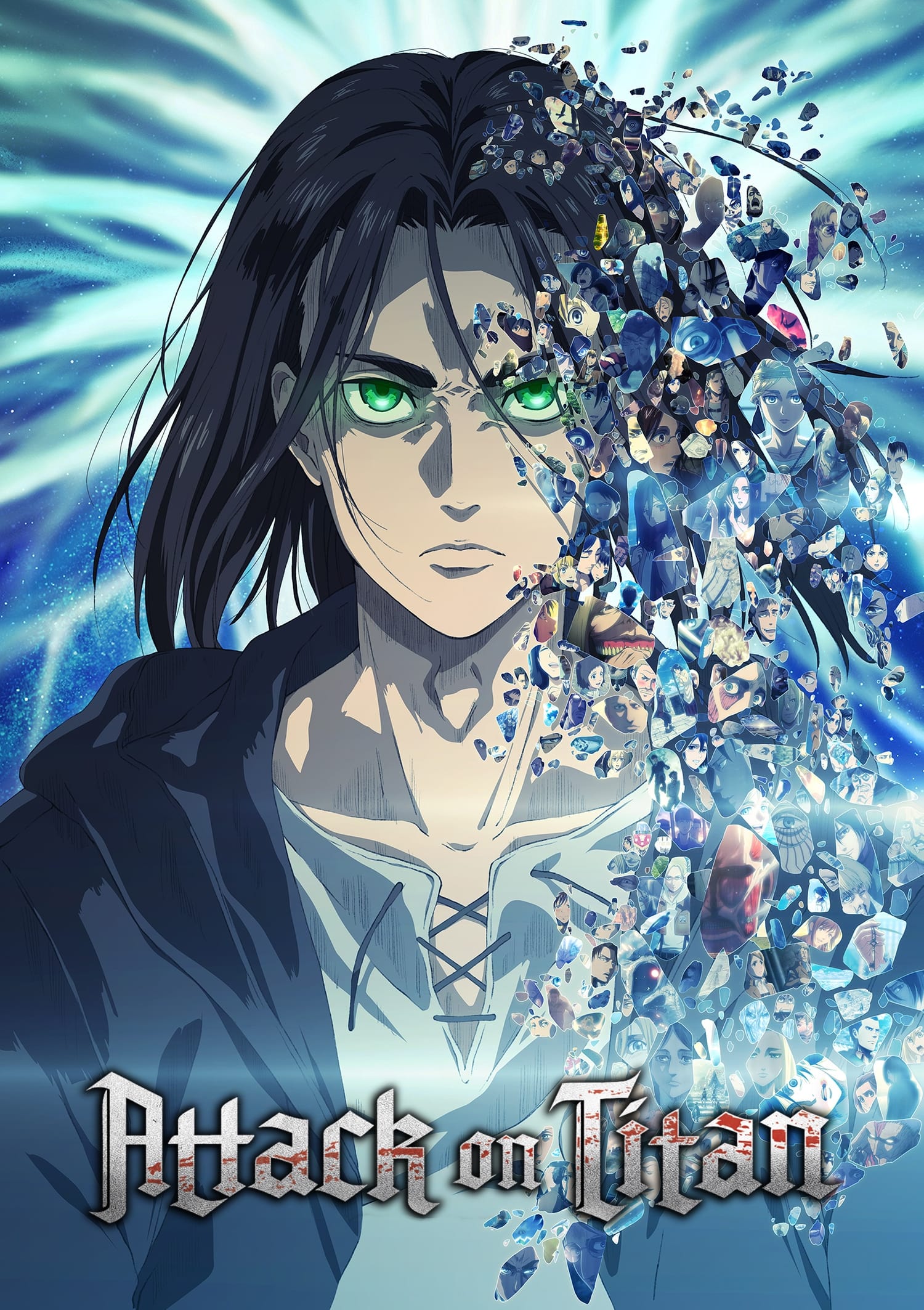
The series runs across four seasons with split cours and several specials that finish the story. It begins in walled cities under threat from man eating giants and expands into politics, history, and warfare. Major reveals land at the ends of arcs which encourages continuous viewing. The final specials close all main plot threads.
‘Death Note’ (2006–2007)
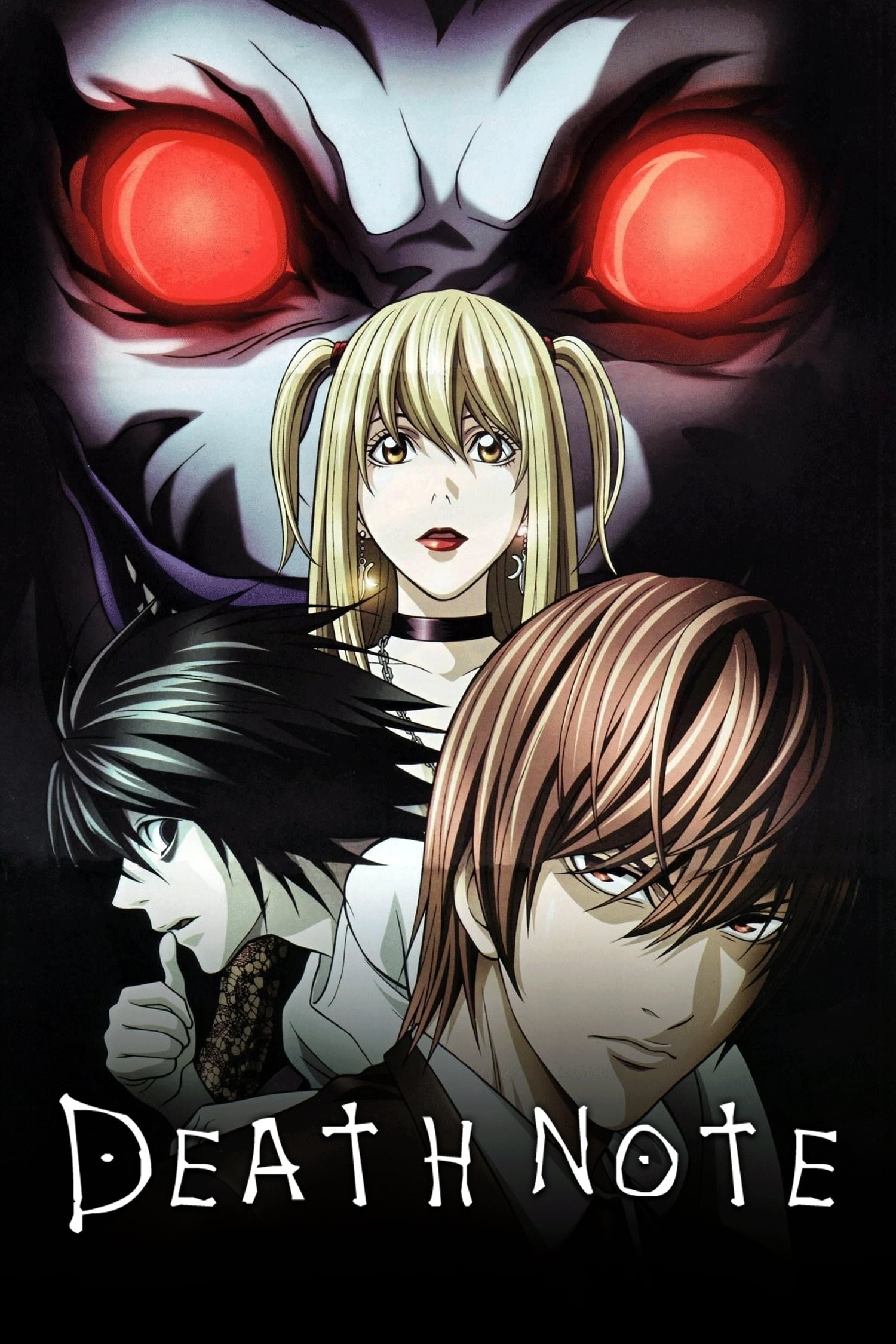
The cat and mouse story runs 37 episodes from start to finish. A student gains a notebook that can kill and faces off against a world class detective. The series tracks investigations, coded messages, and shifting alliances. The narrative is linear and resolves the central conflict by the end.
‘Steins;Gate’ (2011)
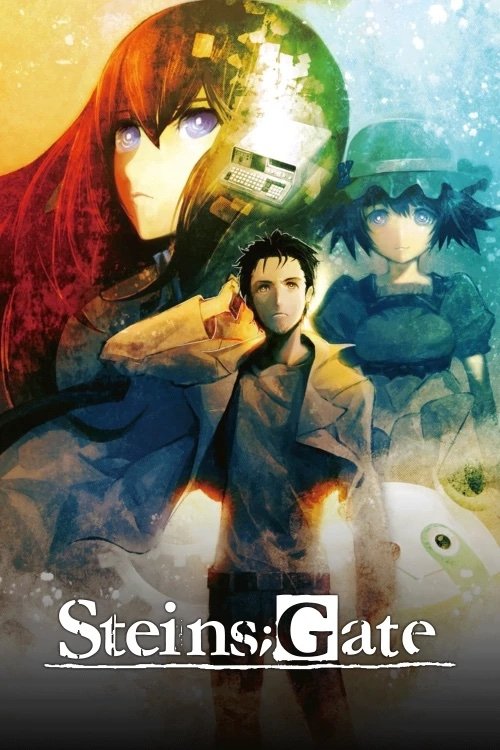
The main story is 24 episodes with one OVA that acts as an epilogue. A small group in Akihabara discovers a way to send messages to the past and deals with altered timelines. The first half builds character routines that pay off during the later time jumps. It concludes with a closed loop that ties the events together.
‘Code Geass: Lelouch of the Rebellion’ (2006–2008)
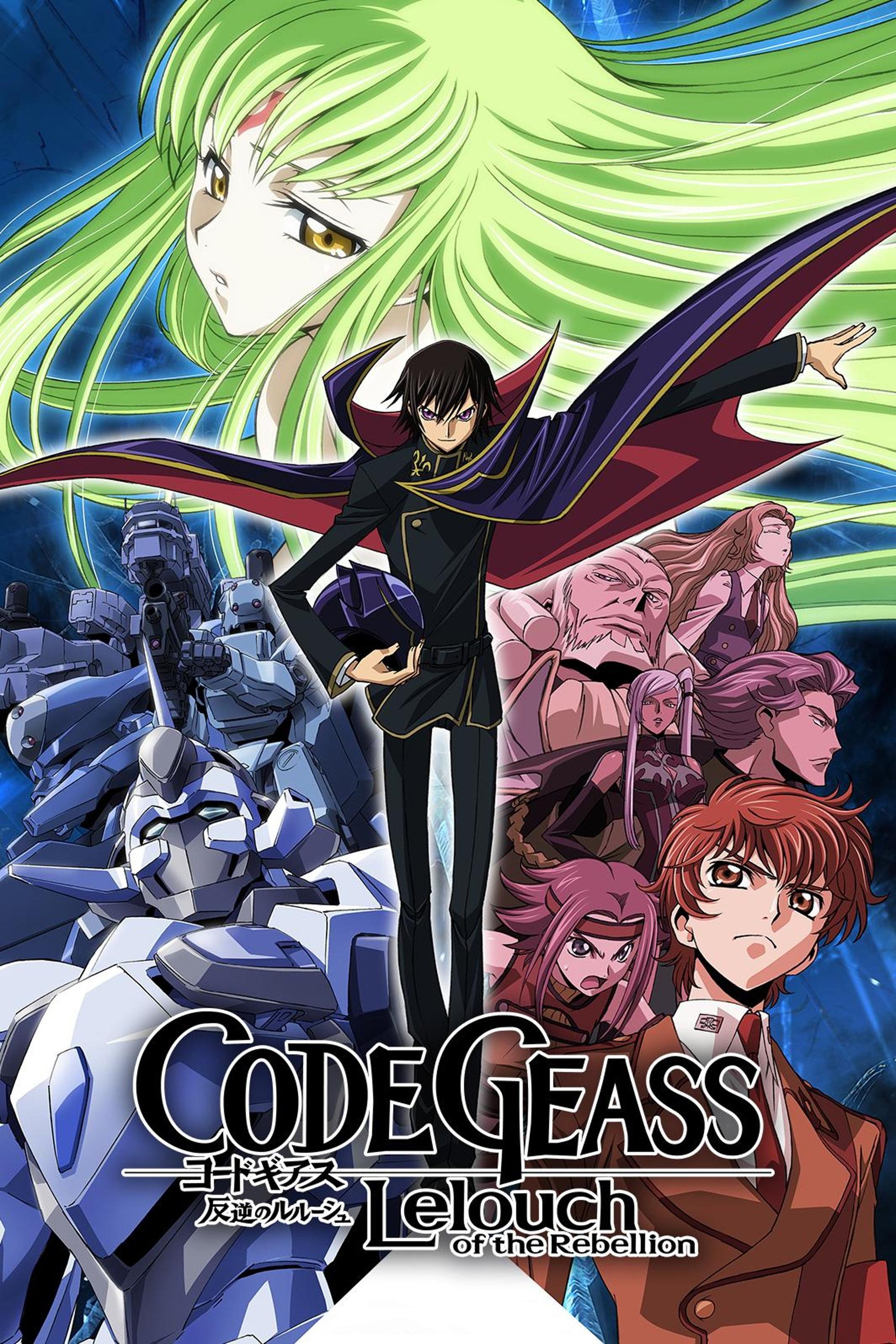
Two seasons deliver 50 episodes that complete the rebellion storyline. A student gains a power that compels obedience and leads a masked uprising against an empire. Episodes alternate between school life and large scale tactics before converging in season two. The final arc provides a definitive endpoint.
‘Cowboy Bebop’ (1998–1999)

This classic runs 26 episodes with mostly stand alone bounties that gradually reveal backstories. A crew of bounty hunters travels the solar system in a converted fishing ship. The show mixes self contained cases with a through line involving a past syndicate. The last two episodes form a direct two part conclusion.
‘Samurai Champloo’ (2004–2005)
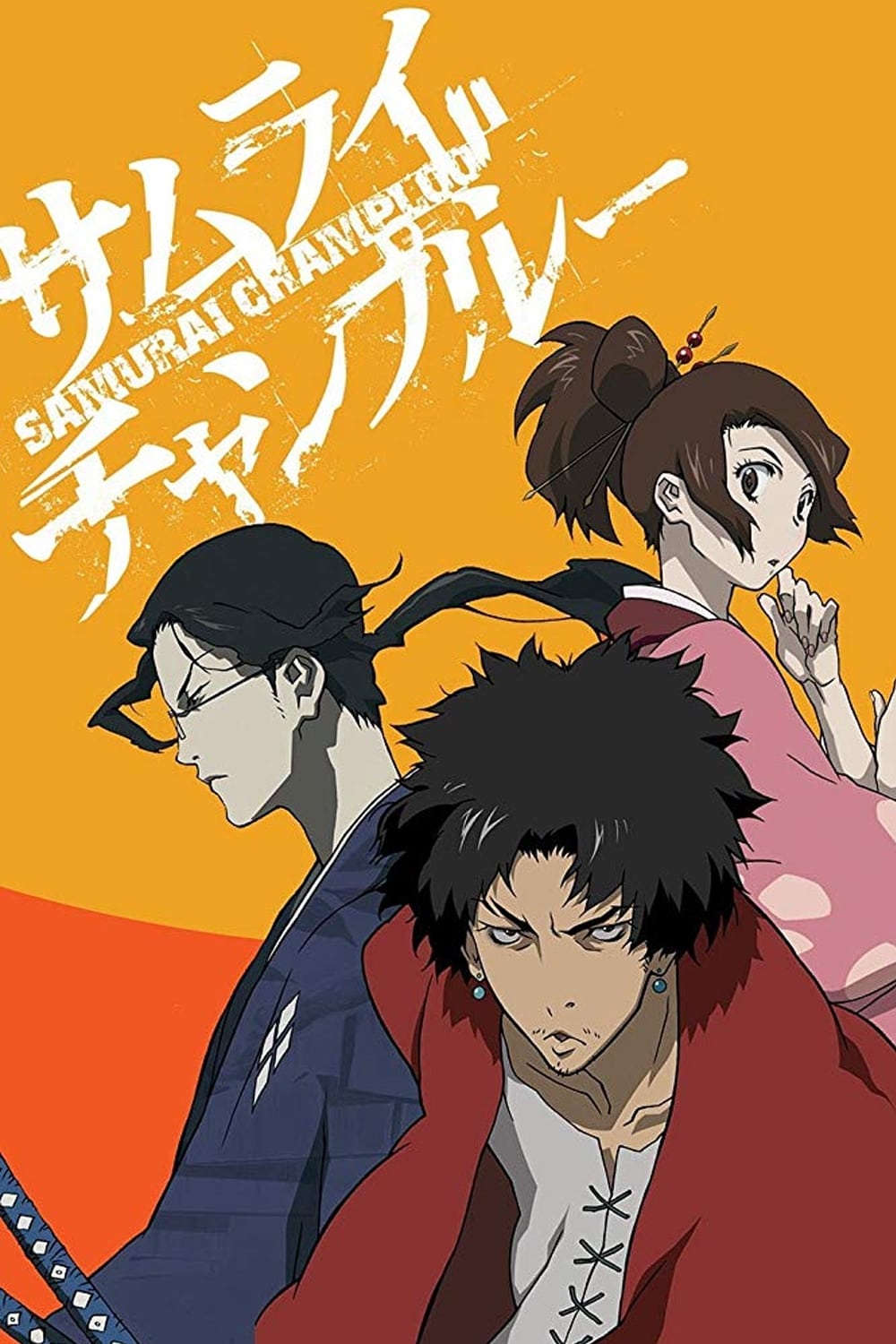
There are 26 episodes that follow three travelers across Edo period Japan. The group searches for a samurai who smells of sunflowers and meets new characters each stop. Episodes play like road trip chapters with occasional two parters. The finale resolves the main search and separates the leads.
‘Parasyte -the maxim-‘ (2014–2015)
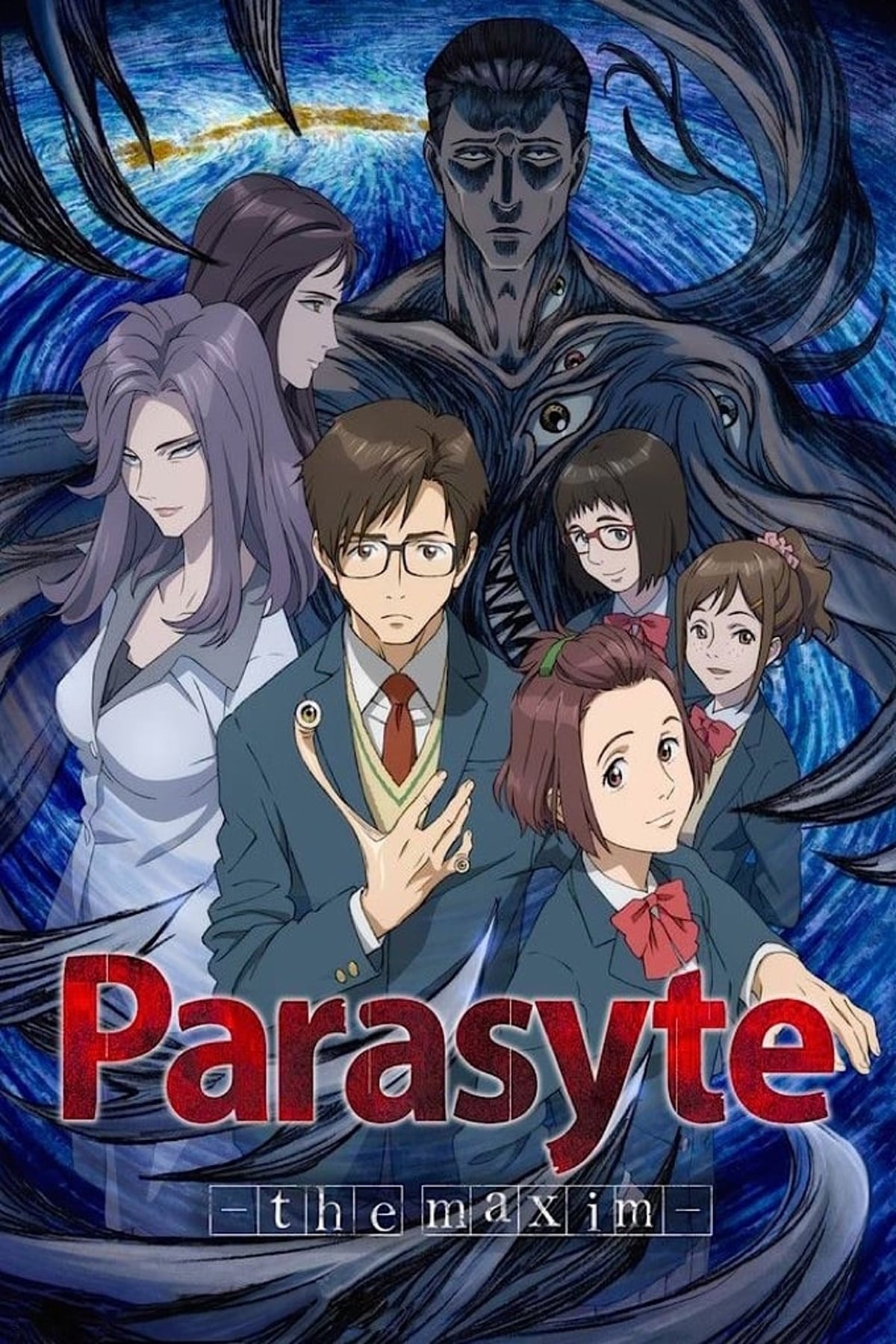
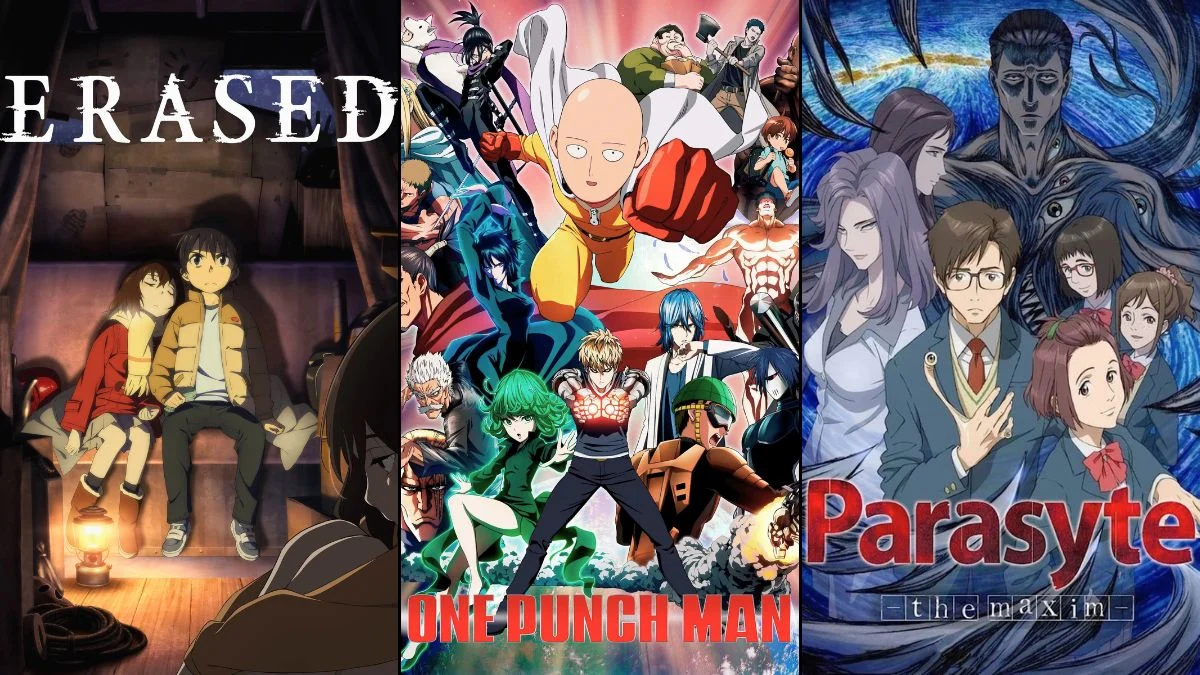
This adaptation completes the manga in 24 episodes. A teenager shares his body with a sentient parasite and confronts others of its kind. The show moves through school incidents, investigations, and government responses. The last episodes close the human versus parasite conflict with no cliffhangers.
‘Mob Psycho 100’ (2016–2022)
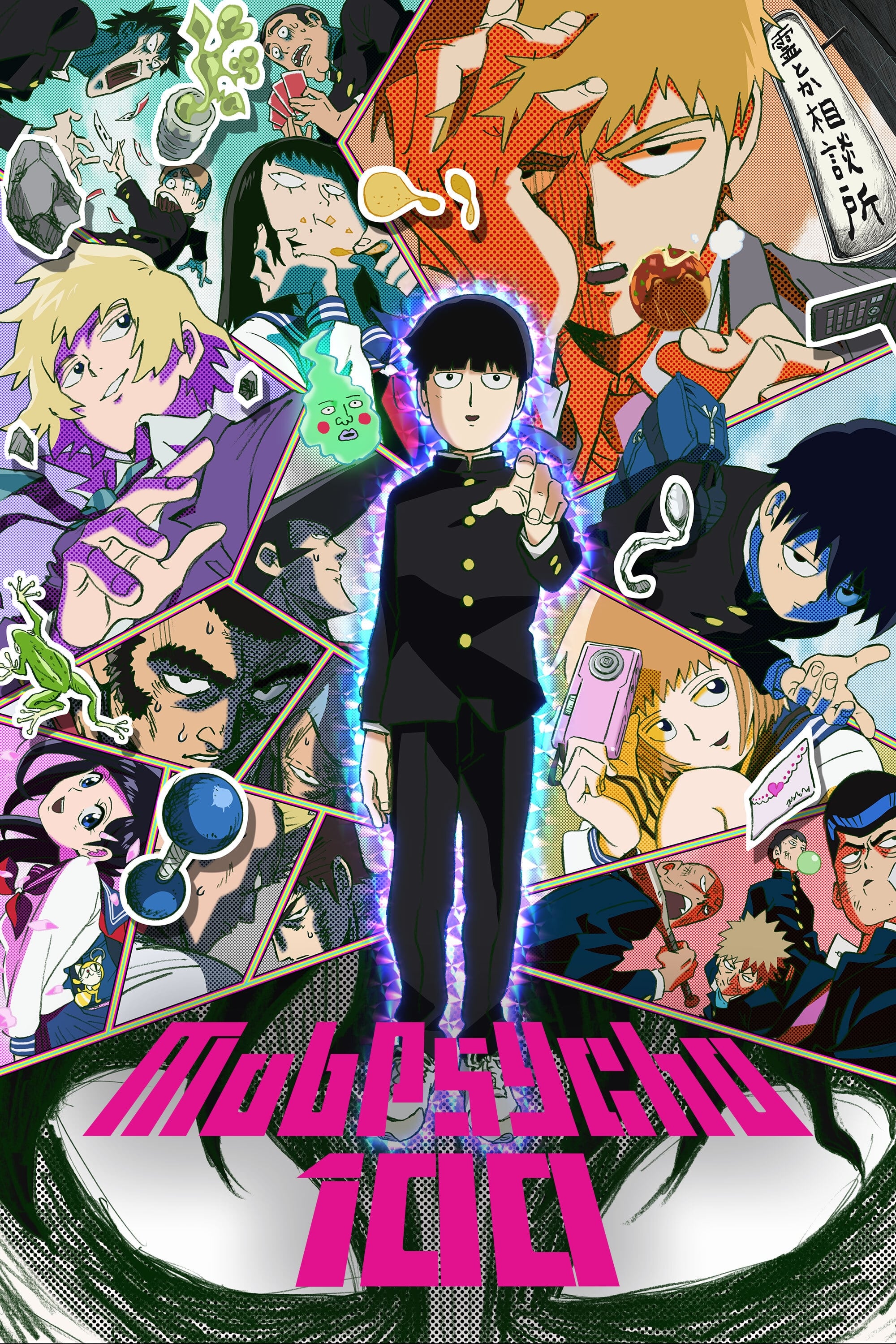
Three seasons cover the story in 37 episodes. A reserved middle schooler with psychic powers works for a con artist mentor while trying to live a normal life. Arcs revolve around cults, rival schools, and criminal espers. The third season resolves character growth and wraps the central themes.
‘One-Punch Man’ (2015–2019)
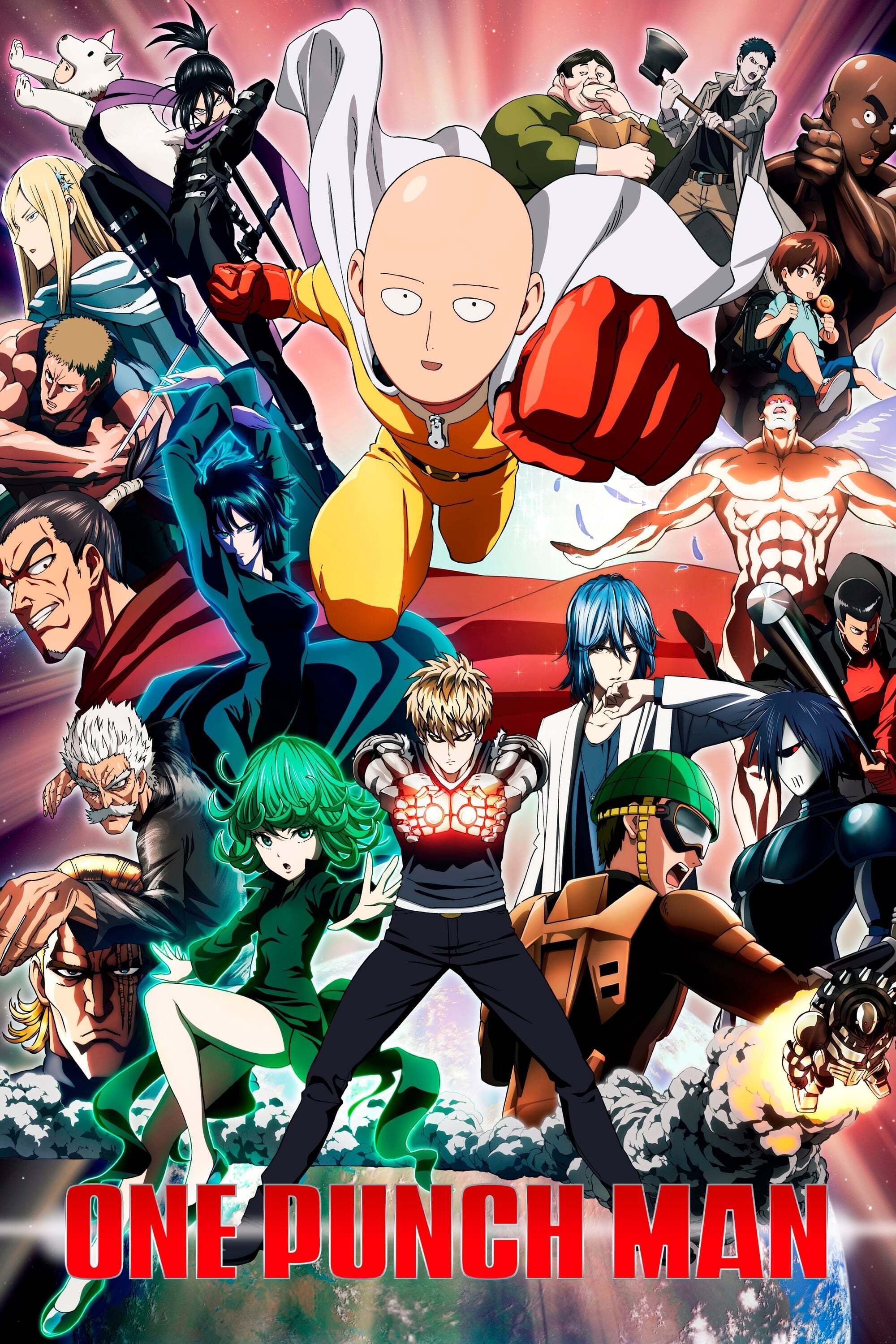
Two seasons total 24 episodes focused on a hero who defeats enemies with a single punch. The story tracks hero rankings, city threats, and the rise of villain organizations. Episodes mix monster of the week battles with tournament and invasion arcs. The season two finale closes its main conflict while leaving room for more.
‘Psycho-Pass’ (2012–2019)
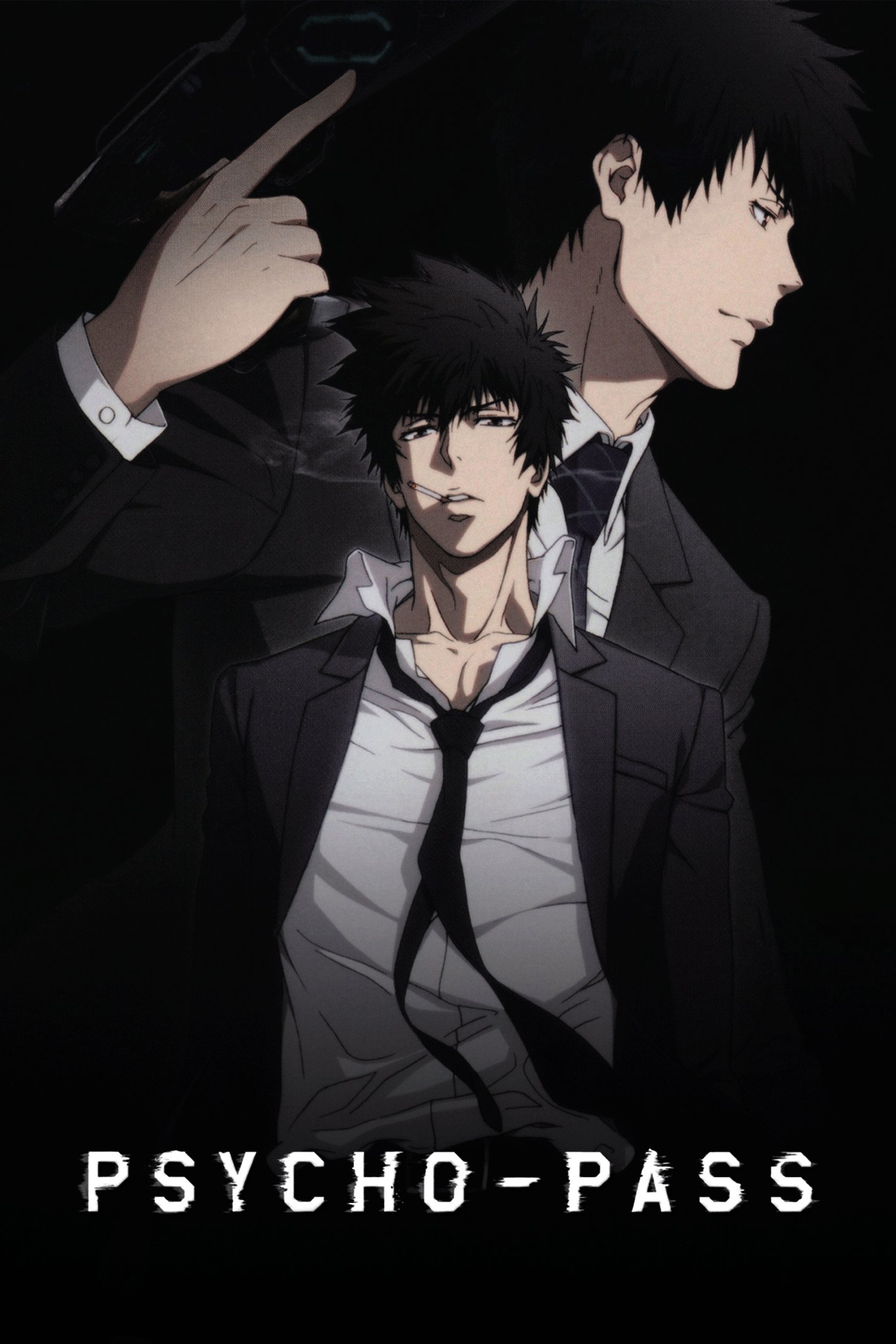
Across multiple seasons and films, the core experience starts with a 22 episode season. Inspectors and enforcers police a society where crime potential is measured in real time. Cases build toward conspiracies around the system that governs citizens. The season closes its primary investigation and sets up optional follow ons.
‘Violet Evergarden’ (2018)
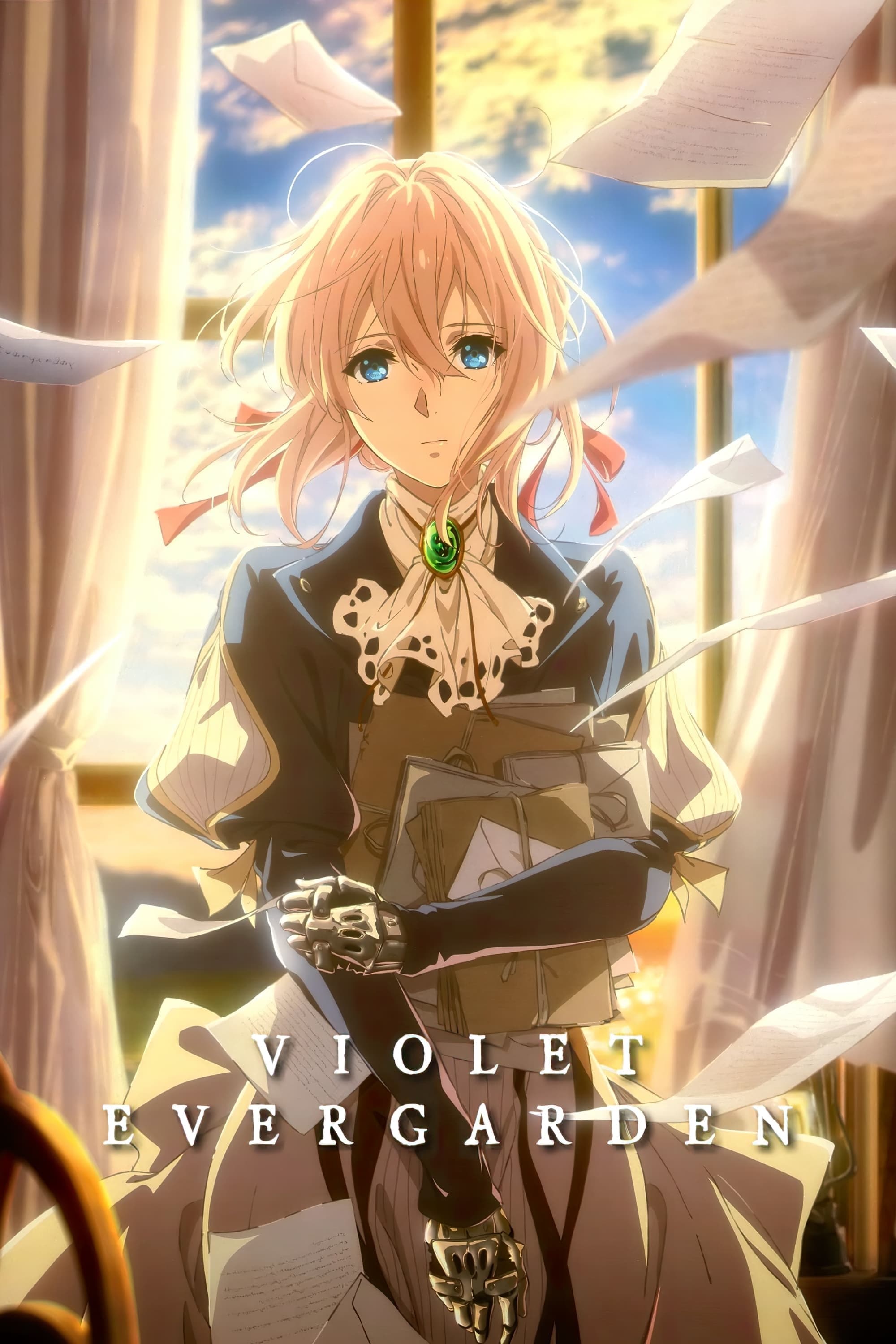
The main run is 13 episodes with side stories available as extras. A former soldier becomes an auto memory doll who writes letters for clients. Each episode handles a new assignment that connects to her personal recovery. The series reaches an emotional endpoint before the additional film content.
‘Erased’ (2016)
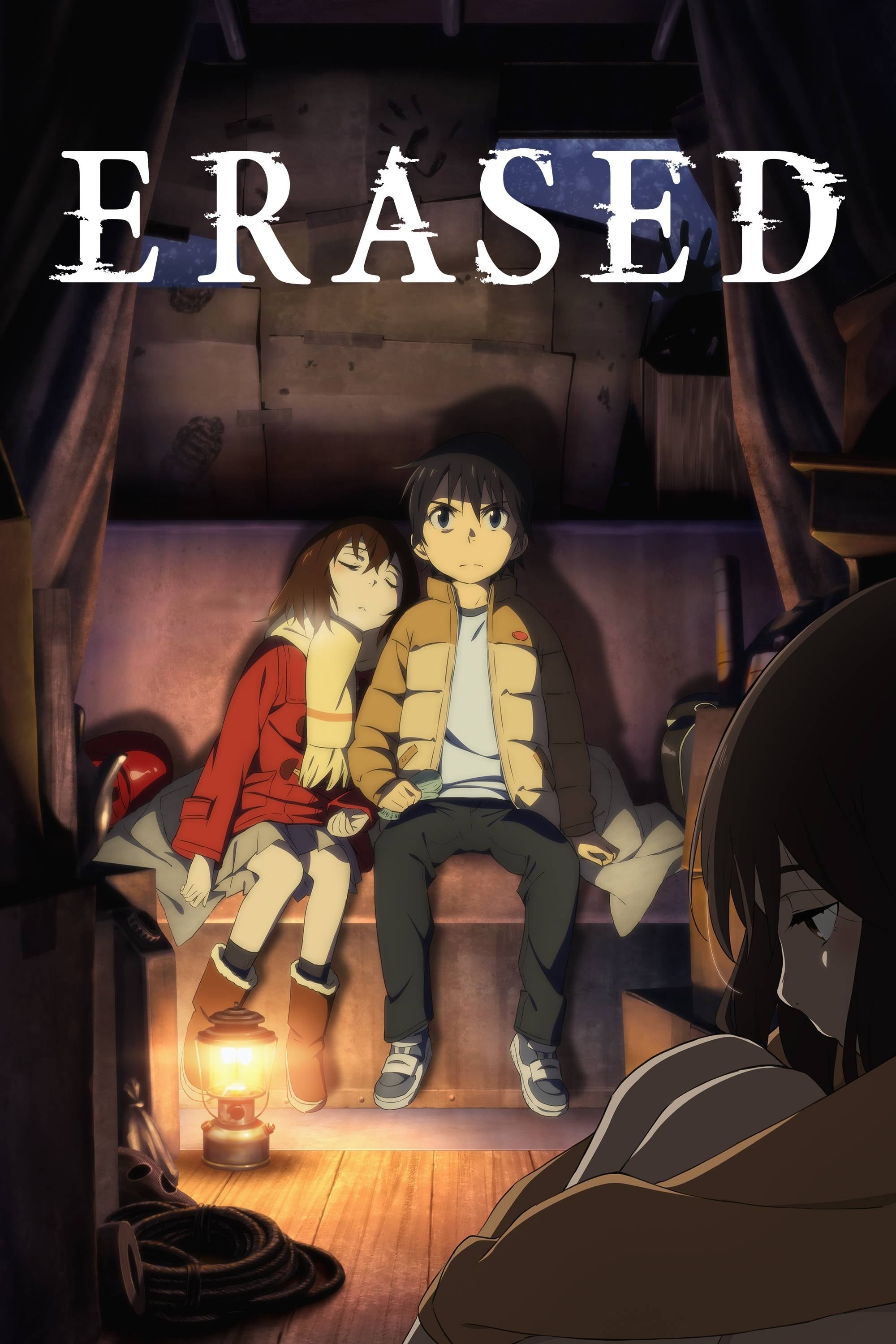
This thriller tells a complete story in 12 episodes. A delivery worker experiences time slips and returns to childhood to prevent a classmate’s murder. The plot alternates between past and present as clues accumulate. The final episode resolves the case and its long term effects.
‘Toradora!’ (2008–2009)
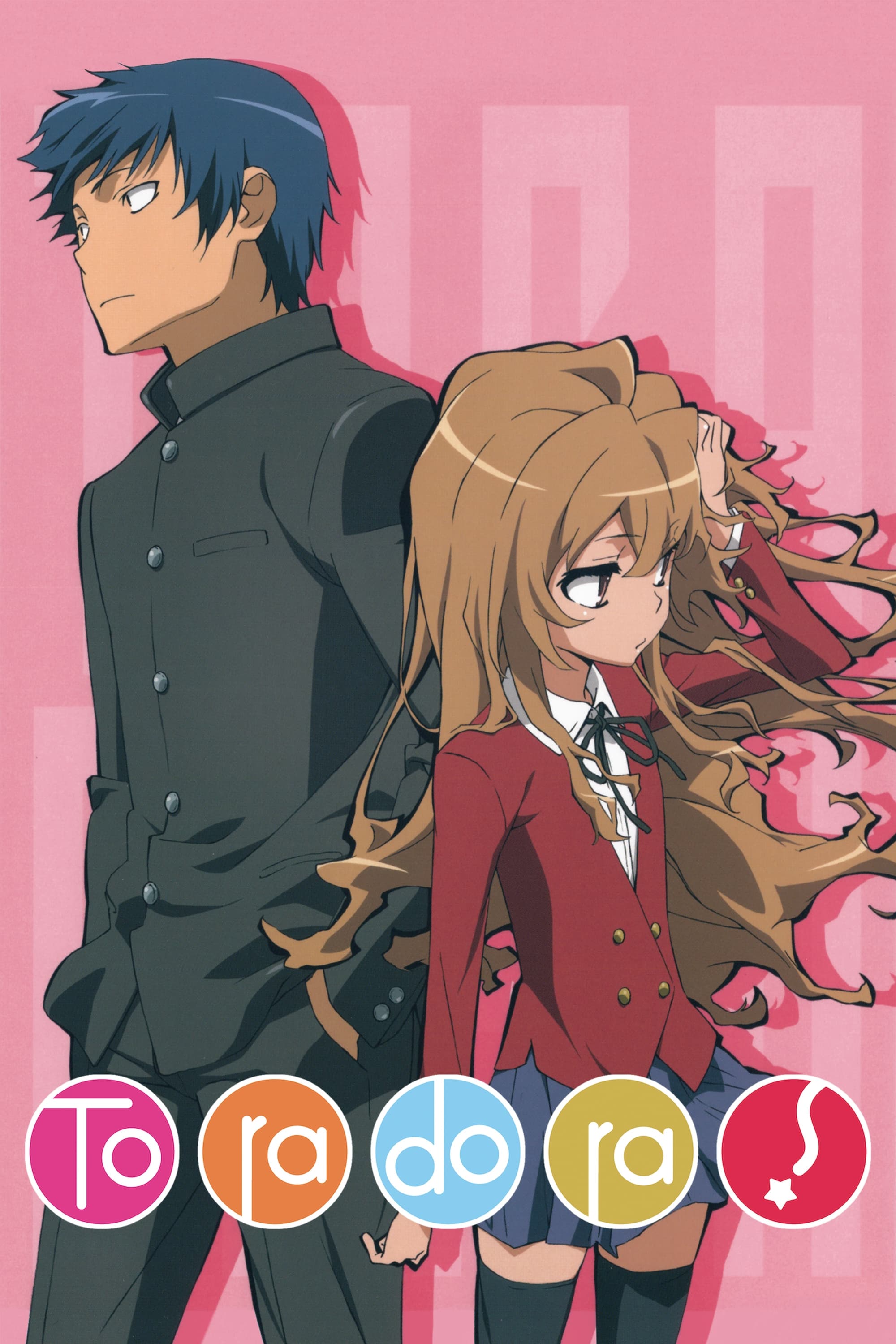
The romance runs 25 episodes and adapts the light novels to completion. Two classmates agree to help each other with their crushes and slowly confront personal issues. School events mark the calendar and push relationships forward. The closing episodes finish the character arcs and the central pairing.
‘Your Lie in April’ (2014–2015)

This musical drama has 22 episodes that cover the manga’s full narrative. A retired piano prodigy meets a violinist who brings him back to the stage. Competitions and recitals provide clear checkpoints through the season. The final episodes conclude both the performance arc and the personal letters.
‘Haikyu!!’ (2014–2020)

Four seasons follow Karasuno High’s volleyball team through training and national tournaments. Matches are presented in multi episode arcs with clear beginnings and ends. Character focus rotates across positions and rivals. The televised seasons reach key tournament milestones before later films continue the story.
‘Hunter x Hunter’ (2011–2014)
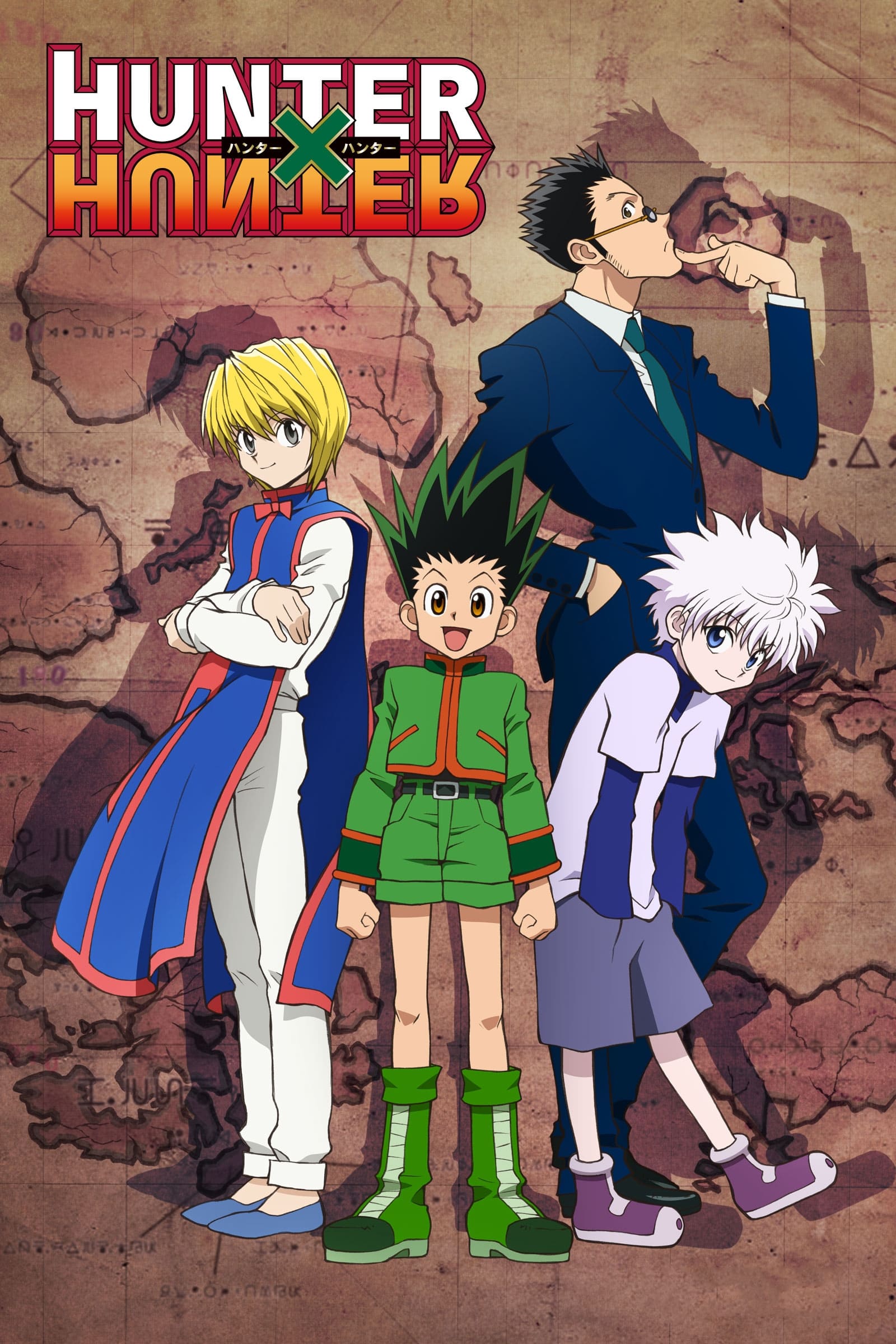
The 2011 adaptation runs 148 episodes and adapts several major arcs. A boy trains to become a hunter and searches for his father while meeting allies and rivals. Storylines include exams, crime syndicates, and a long war against chimera ants. Each arc has its own climax which makes it easy to pause between sections.
‘Neon Genesis Evangelion’ (1995–1996)
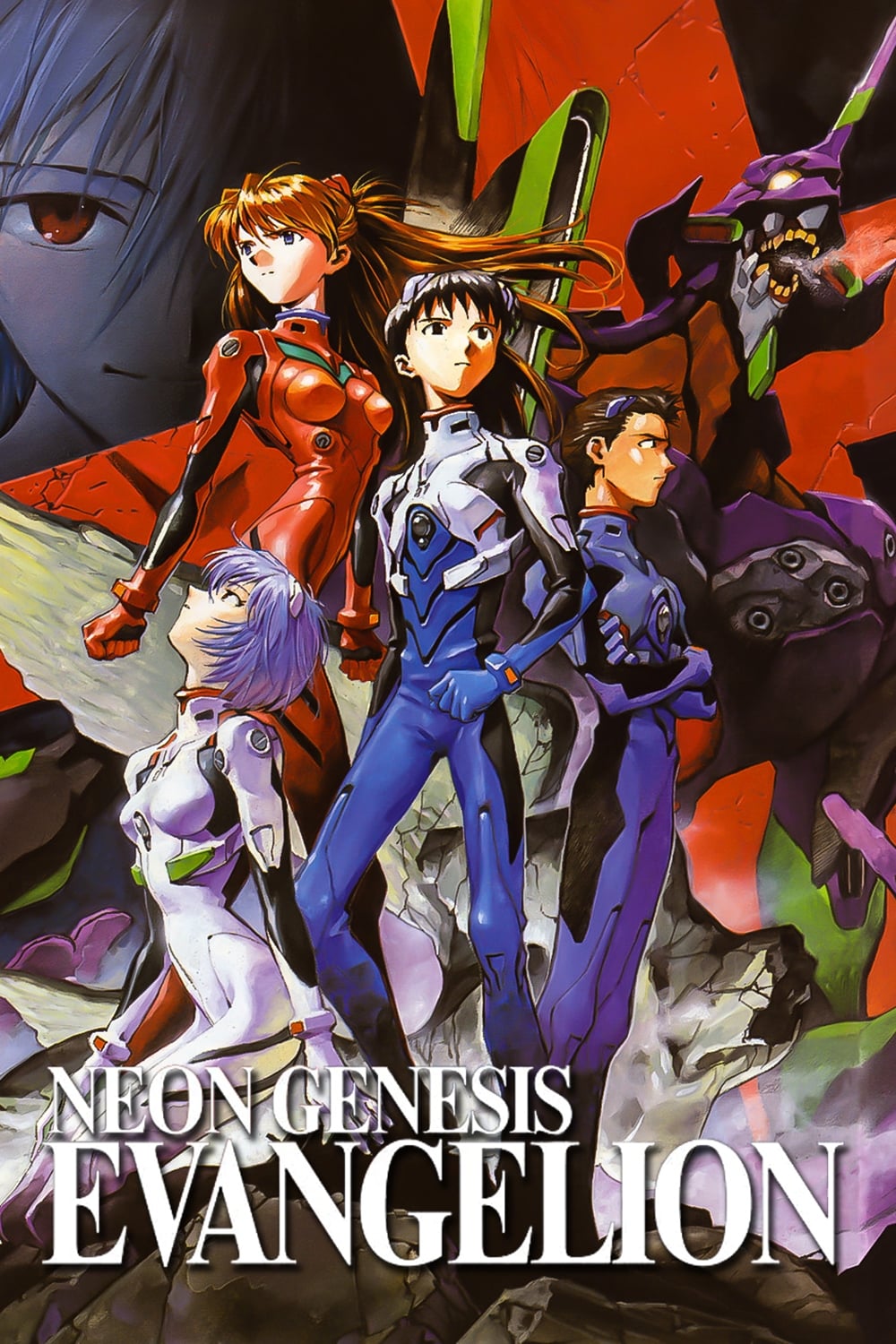
The television series has 26 episodes that combine mecha action with psychological themes. Teen pilots use bio mechanical units to defend Tokyo from recurring threats. The broadcast ending is abstract, and a subsequent film provides an alternate conclusion. Viewers can finish with the TV run and optionally add the movie.
‘The Promised Neverland’ (2019–2021)
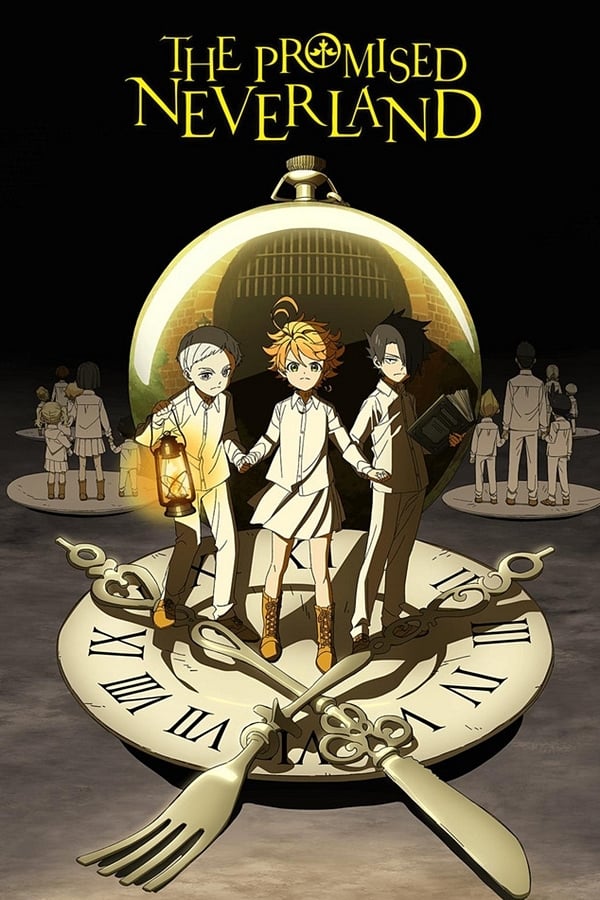
Two seasons tell the escape and survival story of children raised in an orphanage with a hidden purpose. The first season covers planning and breakout across 12 episodes. The second season moves through new locations and wraps the central premise. The core plotlines reach an endpoint within the televised material.
‘Vinland Saga’ (2019–2023)
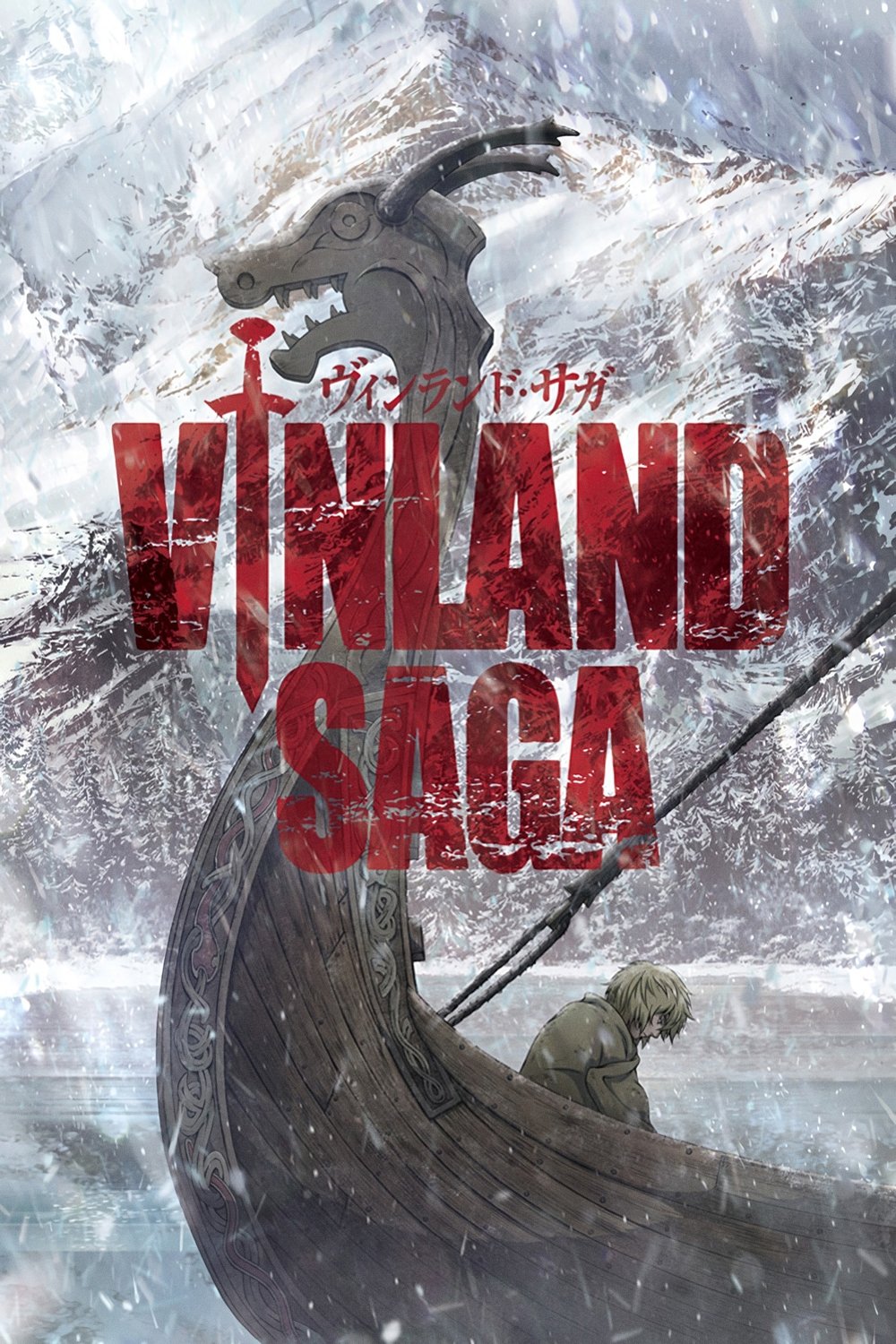
Two seasons span 48 episodes that adapt the prologue and farmland arcs of the manga. A young warrior is caught between revenge, conquest, and pacifism. The first season follows Viking campaigns while the second focuses on rebuilding and bondage. Each season closes with a clear resolution for its arc.
‘Fate/Zero’ (2011–2012)
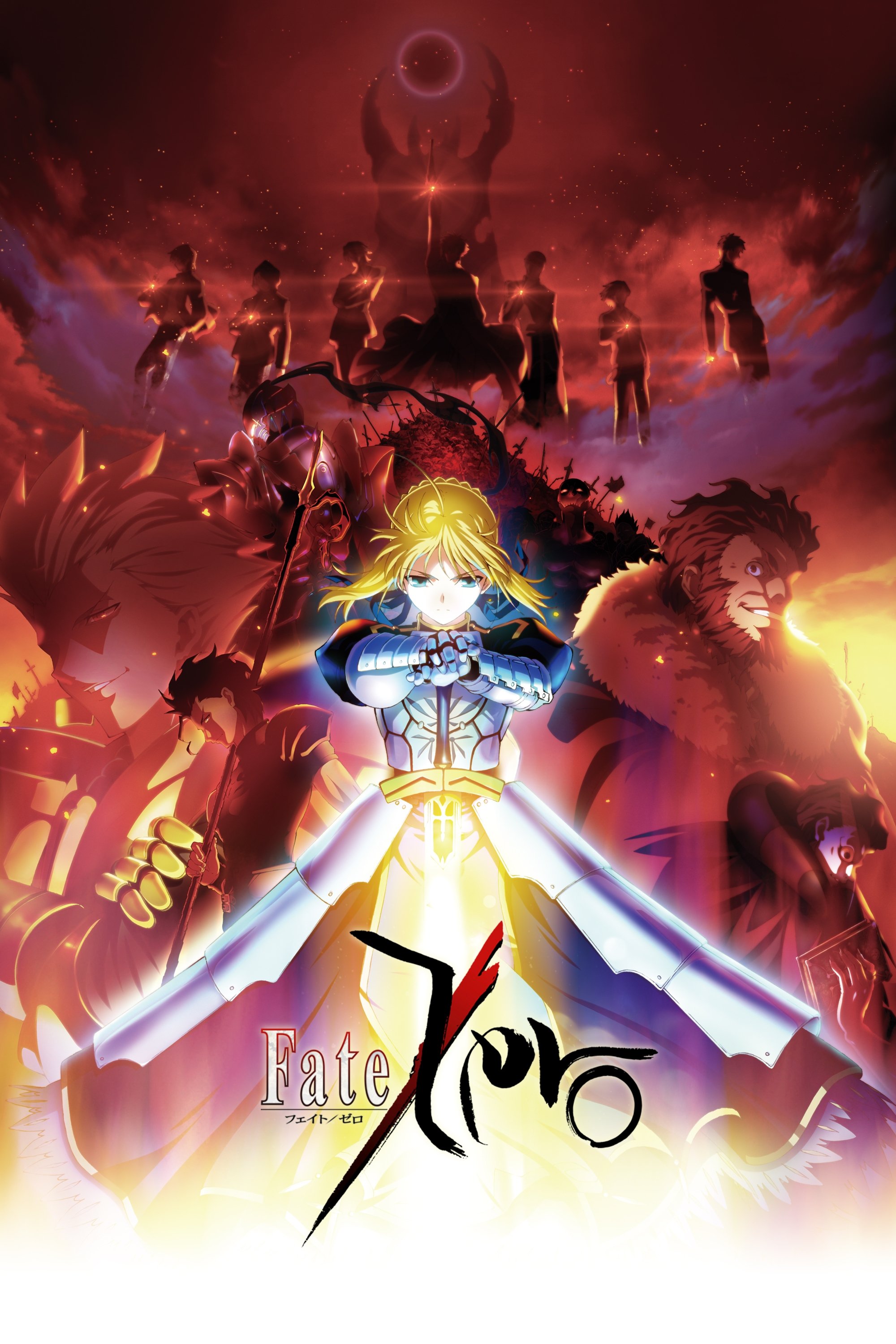
This prequel in the Fate franchise runs 25 episodes across two cours. Seven mages summon heroic spirits and battle in a ritual known as the Holy Grail War. The narrative alternates between strategy meetings and set piece duels. The ending connects directly to the events of the later series.
‘Black Lagoon’ (2006)
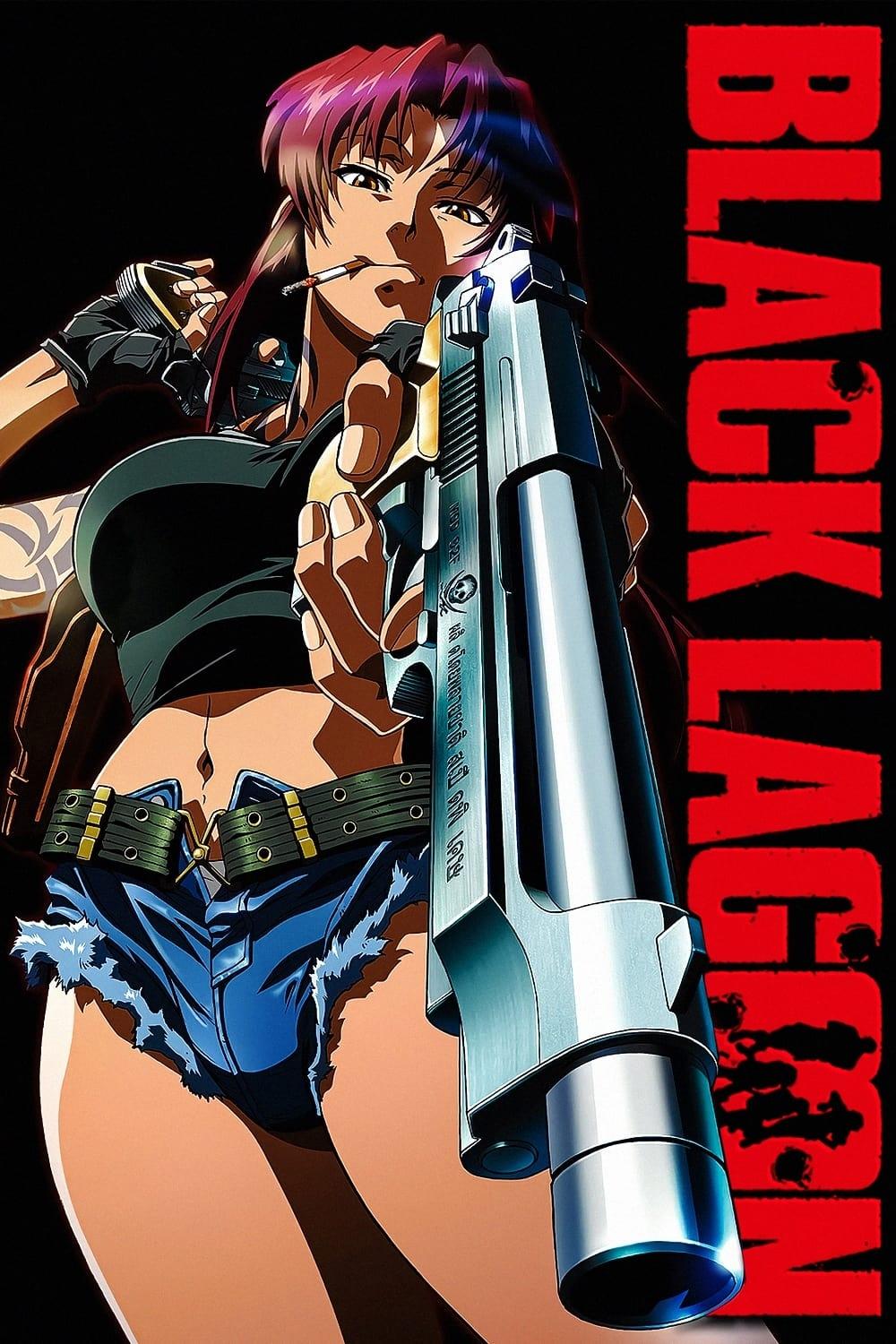
The show delivers 24 episodes across two seasons about a mercenary crew in Southeast Asia. Jobs range from smuggling to retrievals and escalate into faction conflicts. Arcs like the twin assassins and the Japan return are self contained. An OVA continues one character storyline for viewers who want more.
‘Baccano!’ (2007)
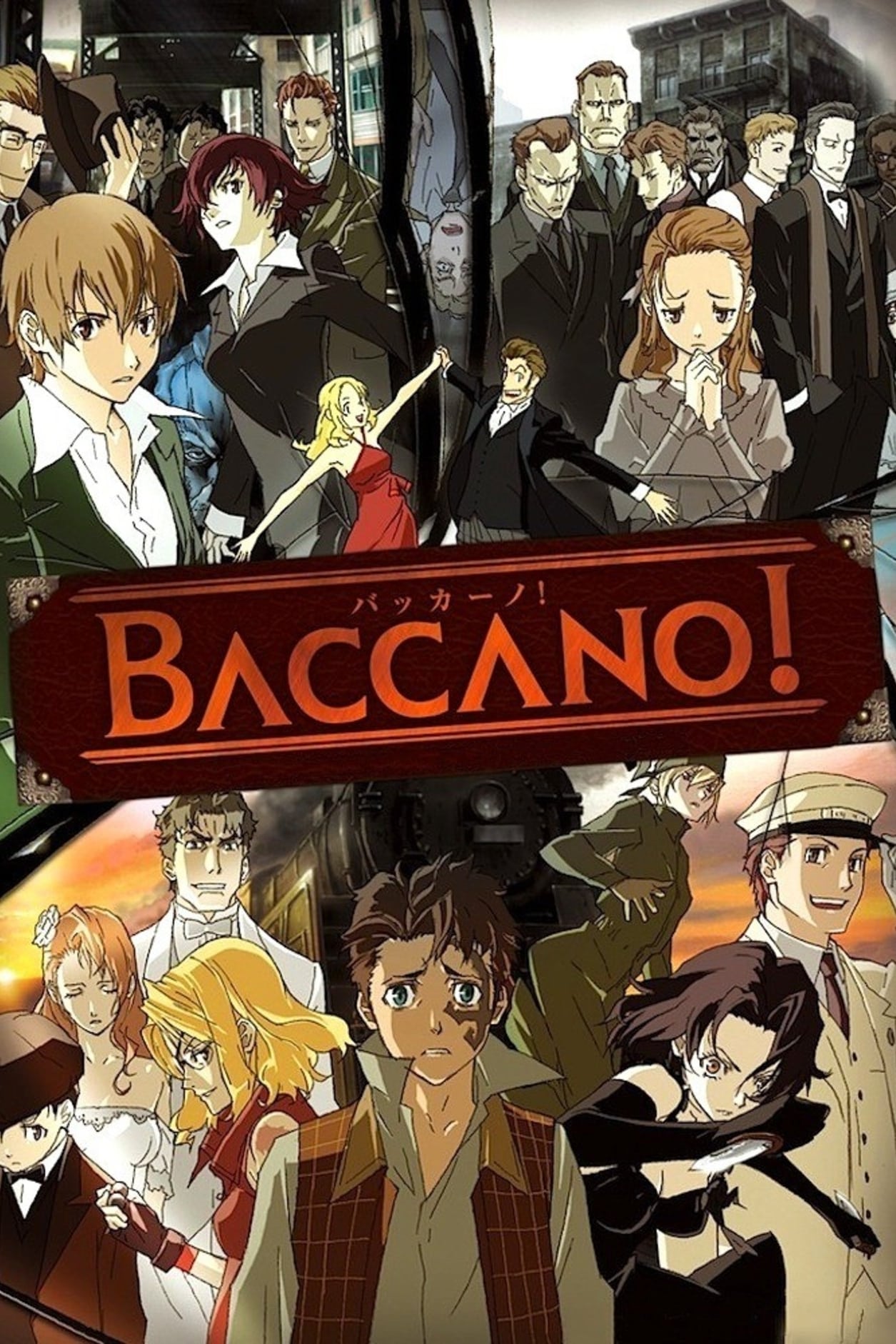
The televised run features 13 episodes with three additional OVAs that extend the finale. Multiple timelines converge around immortal criminals, gang wars, and a train heist. Episodes are non linear but include clear title cards and recurring anchors. The OVAs provide epilogue details that tie threads together.
‘Kaiji: Ultimate Survivor’ (2007–2011)

Two seasons follow a down on his luck man forced into high stakes gambling. Games range from restricted rock paper scissors to bridge crossings and pachinko. Each event is broken into multi episode rounds with rules explained up front. The second season concludes a long running machine game arc.
‘Dororo’ (2019)
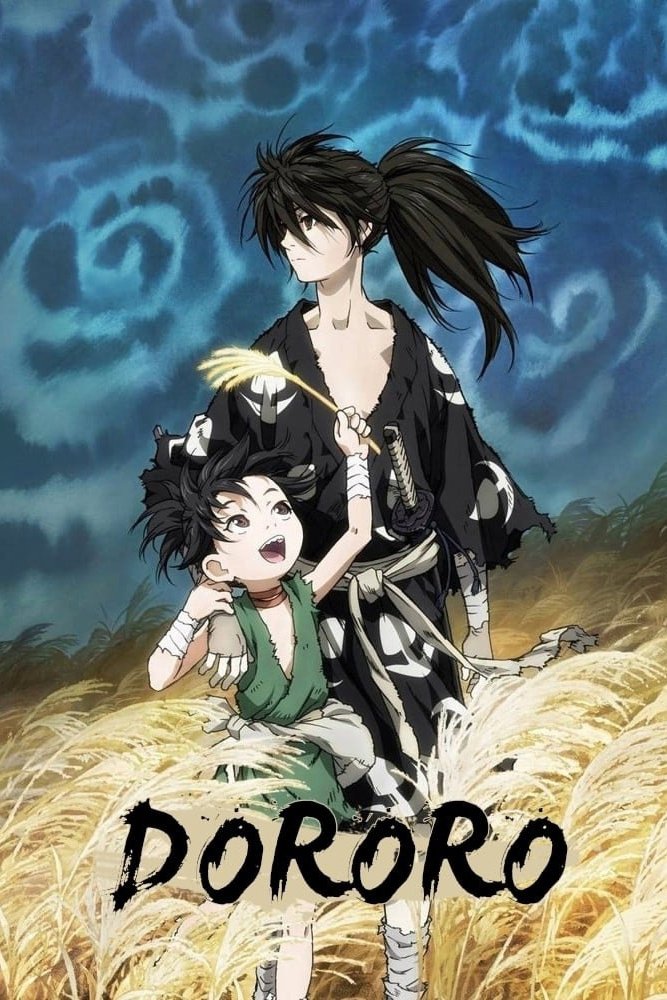
This adaptation runs 24 episodes and reimagines the classic manga. A ronin whose body parts were taken by demons travels with a young thief to reclaim them. Each episode focuses on a specific demon confrontation and a region’s troubles. The final arc completes the quest and addresses the consequences at home.
Share your favorite binge picks in the comments and let everyone know which series kept you glued to the screen.