The 25 Best WWE Wrestlers of All Time, Ranked

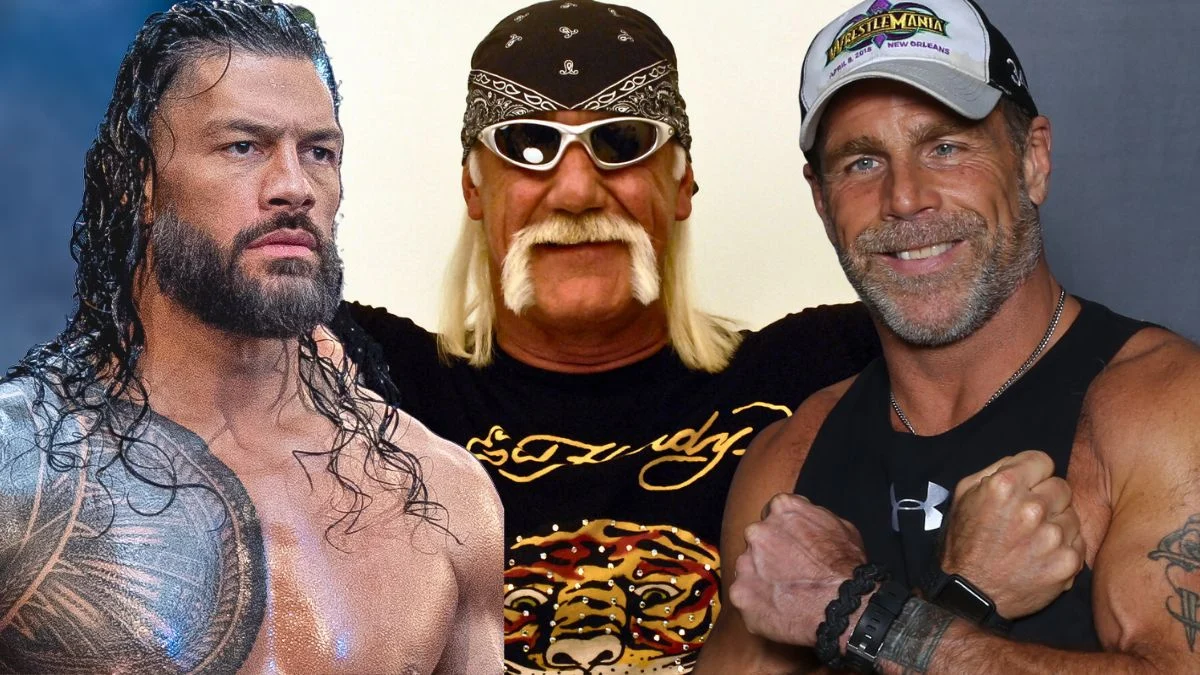

WWE has seen eras shaped by towering champions, technical masters, and crossover megastars who carried the company on their shoulders. This countdown weighs world titles, landmark moments, main event longevity, drawing power, and big match performance across different generations. It looks at how each wrestler changed the business inside the ring and in the wider culture. The focus is on careers that left a clear mark on WWE history and are still felt every time the bell rings.
Bob Backlund
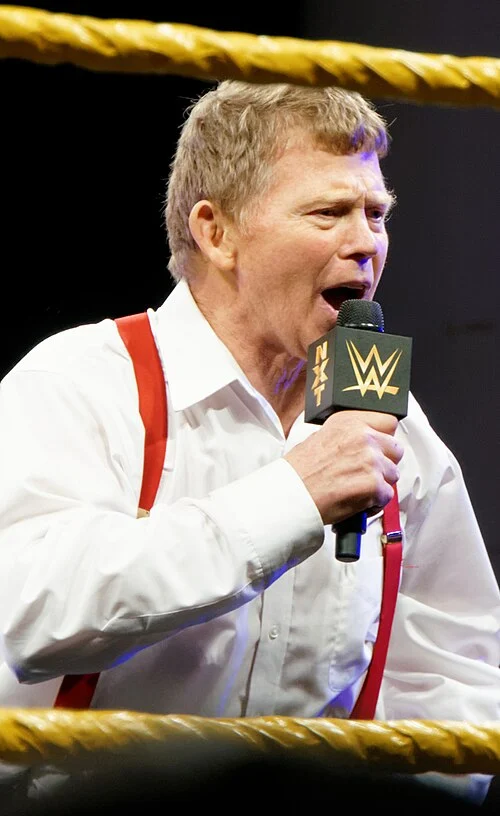
Bob Backlund held the WWF Championship for nearly six years during his first reign and brought amateur credentials to a growing national audience. He worked grueling schedules with defenses across the territory system and headlined major arenas in the Northeast. His rivalries with the likes of Superstar Billy Graham and Don Muraco anchored the company in the late seventies and early eighties. A surprise second world title run in the nineties showed his staying power to a new generation.
AJ Styles
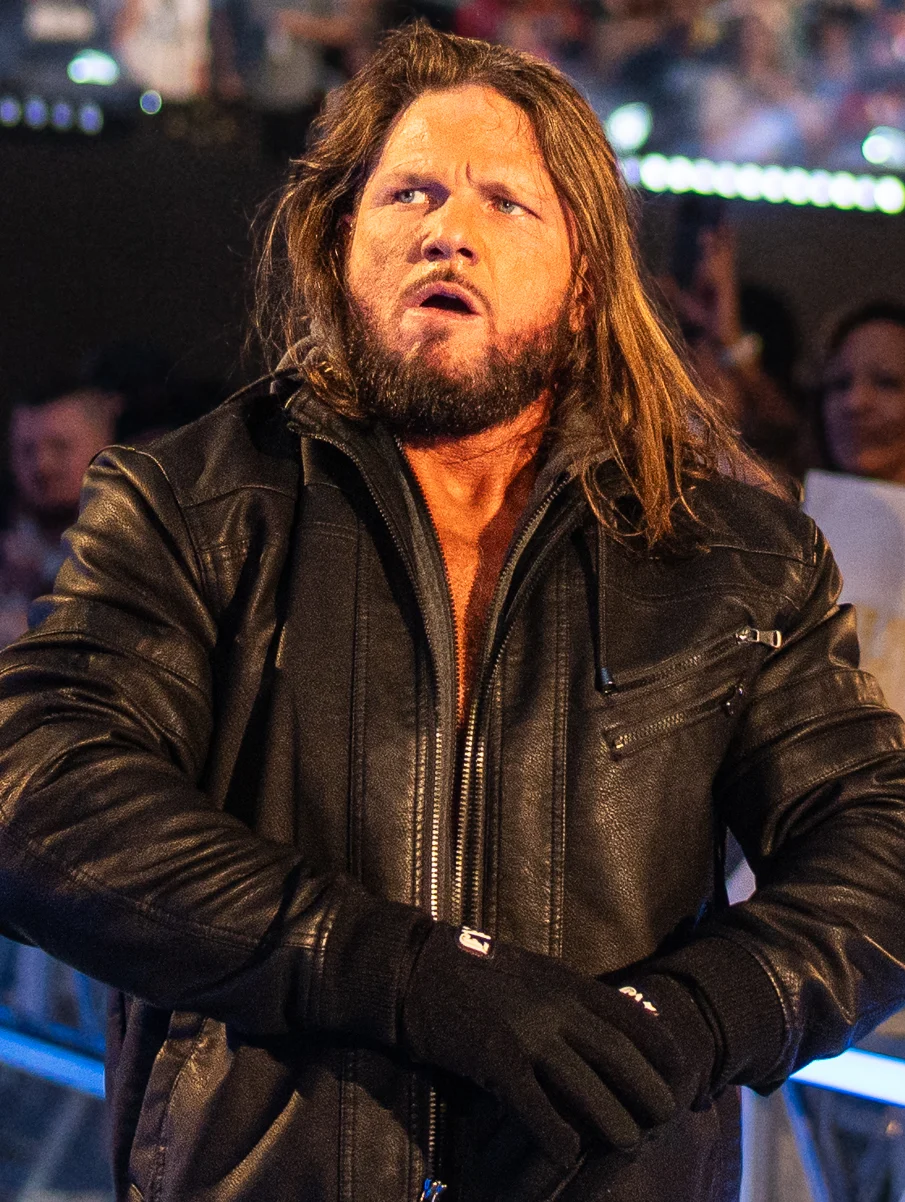
AJ Styles arrived in WWE in 2016 and immediately became a top attraction with standout matches on television and pay per view. He captured the WWE Championship twice and logged one of the longest reigns of the modern brand split era. Styles adapted his high flying offense to a heavier schedule without losing precision. His feuds with John Cena and Roman Reigns produced reliable main event performances year after year.
Trish Stratus

Trish Stratus transitioned from manager to ring leader and helped move the women’s division into a more competitive era. She won the Women’s Championship seven times and consistently delivered on pay per view. Rivalries with Lita, Victoria, and Mickie James set higher standards for match quality and story. Her influence opened the door for the next waves of women to be featured in bigger spots.
Becky Lynch
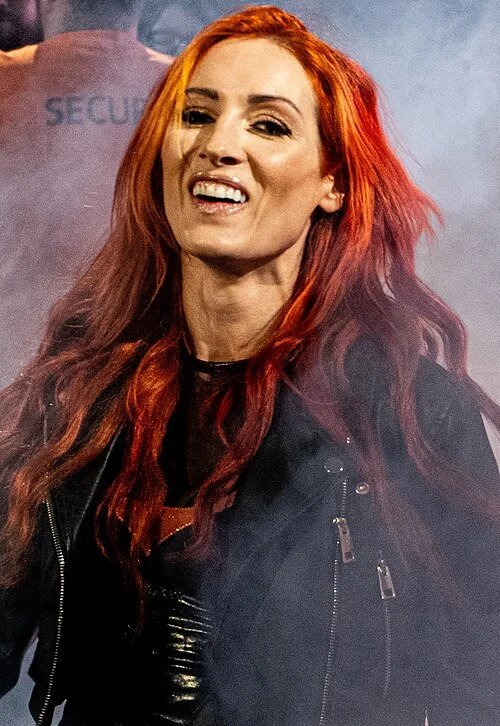
Becky Lynch became a central figure in the shift to main event level opportunities for women in WWE. She won titles on both Raw and SmackDown and left WrestleMania 35 with championships from each brand. The Man persona drove merchandise, ticket interest, and crossover media coverage. She anchored major shows with consistent promos and long form rivalries that connected with broad audiences.
Eddie Guerrero
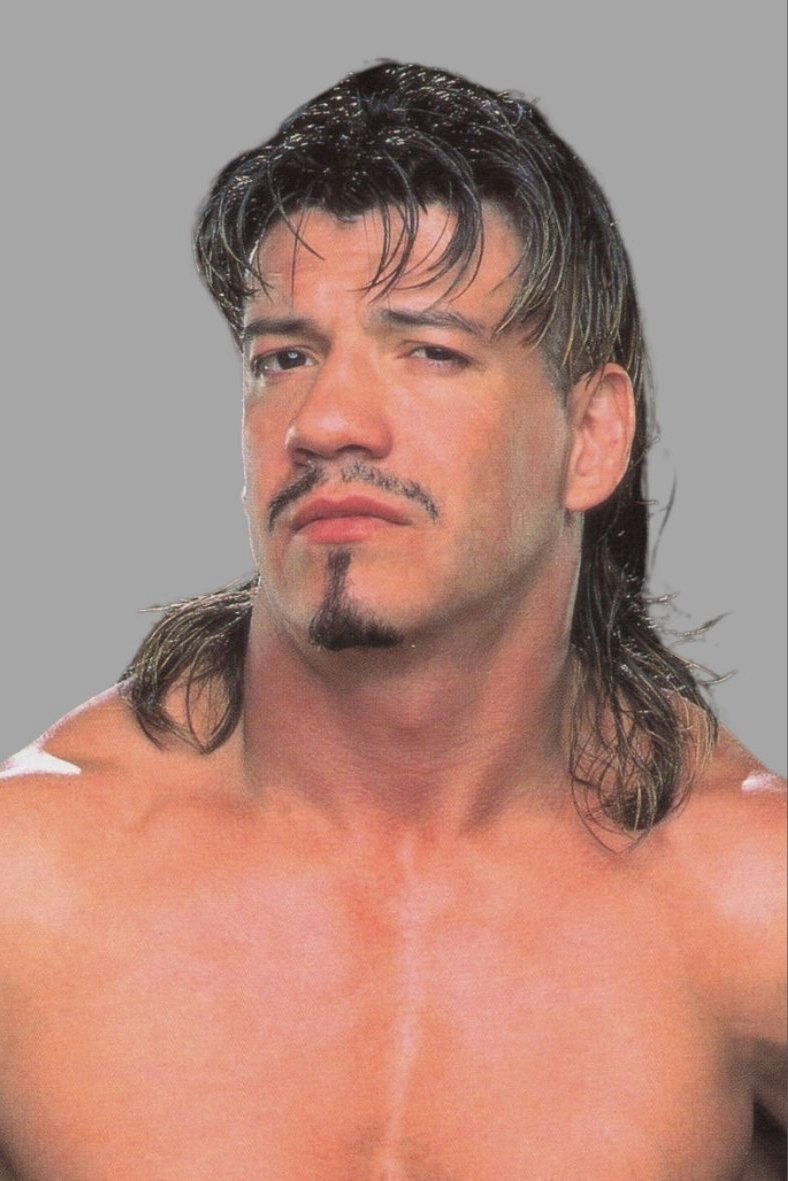
Eddie Guerrero combined technical skill with elite charisma and carried SmackDown through a strong mid 2000s period. He won the WWE Championship and delivered classics with Kurt Angle, Brock Lesnar, and Rey Mysterio. Latino Heat segments and in ring storytelling made him a favorite across age groups. His legacy continues through tributes, signature moves, and family members who entered the ring after him.
Rey Mysterio
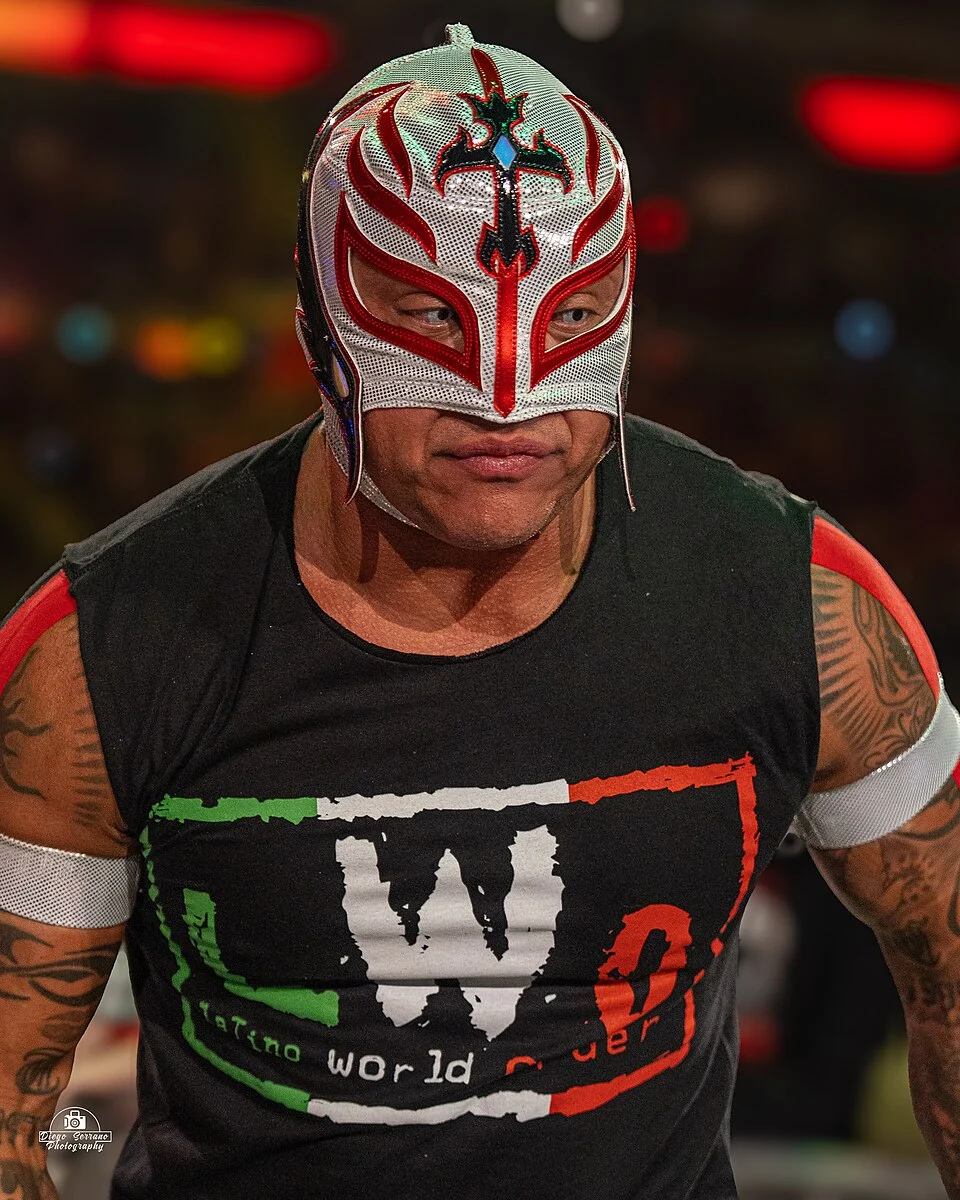
Rey Mysterio broke size barriers by winning world titles and headlining shows as a cruiserweight icon. He brought innovative aerial offense to mainstream WWE programming and inspired a generation of smaller athletes. His mask and entrance quickly became signature parts of live events around the world. Longevity across multiple eras shows how well his style adapted to changing audiences.
Randy Orton
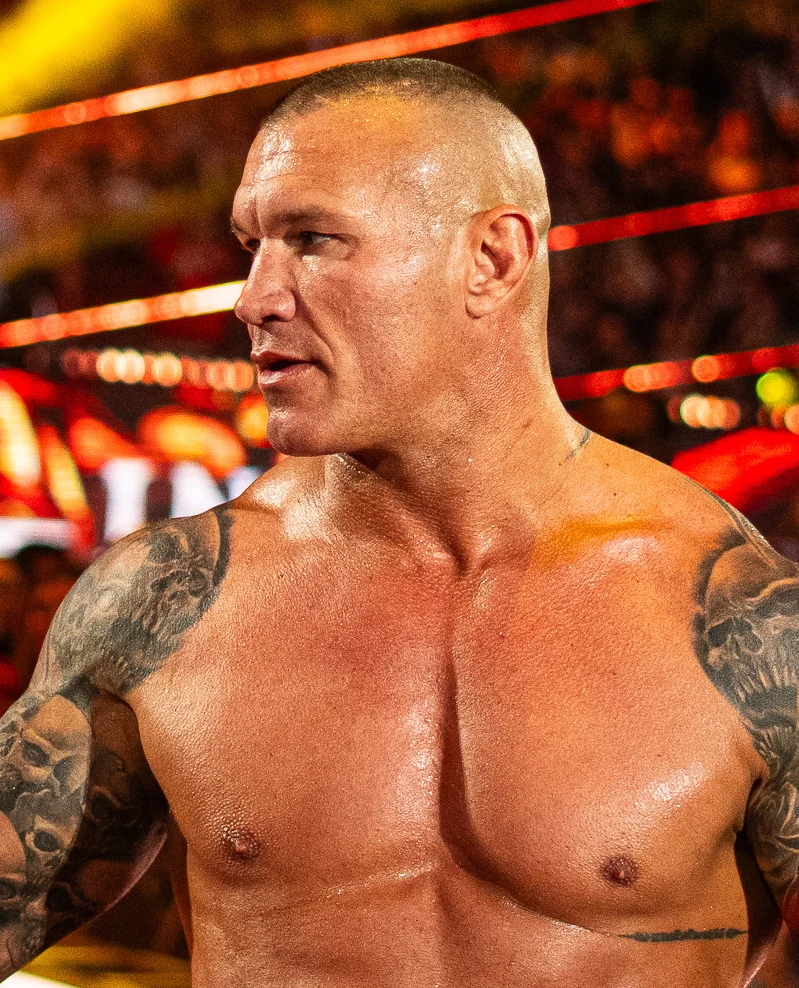
Randy Orton captured many world championships and built a reputation for timing and ring IQ on big nights. He won multiple Royal Rumbles and Money in the Bank, then converted those wins into marquee title runs. Orton’s rivalries with John Cena, Triple H, and The Undertaker stretched over years and filled main event slots. The RKO became one of the most recognizable finishers in modern wrestling.
CM Punk
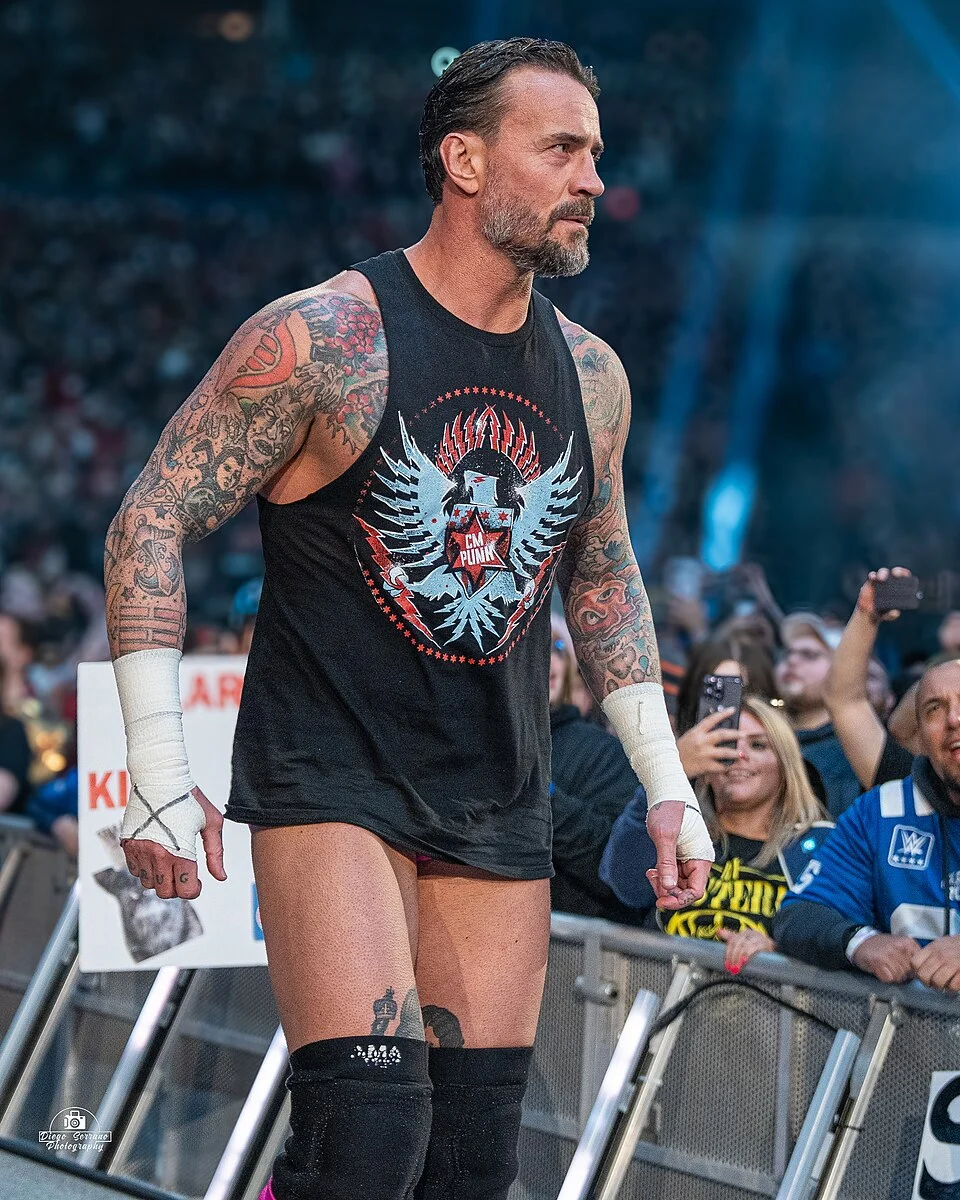
CM Punk’s WWE Championship reign of 434 days redefined what a long run could look like in the modern era. His infamous live microphone moments shook up storytelling and boosted interest across weekly shows. Punk worked top programs with John Cena, The Rock, and The Undertaker while holding ratings in key segments. His return years later confirmed his drawing power and lasting fan connection.
Edge
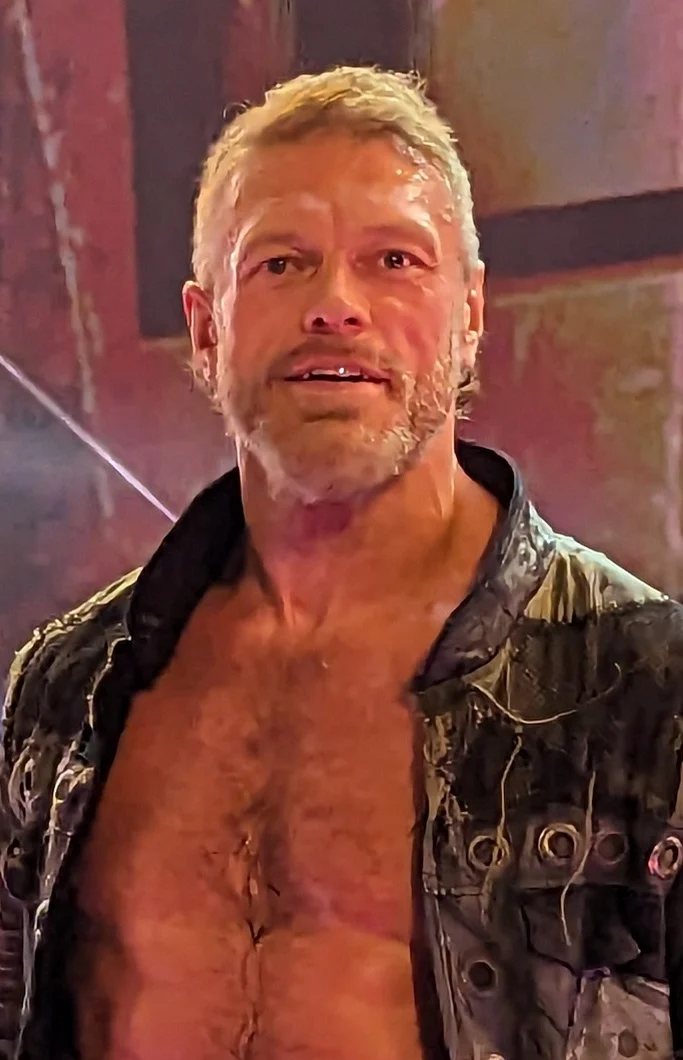
Edge evolved from tag team standout to dependable world champion with a knack for dramatic title changes. He popularized the Money in the Bank cash in format by using it to launch his first top run. Rivalries with John Cena, The Undertaker, and Randy Orton delivered pay per view main events with stakes and heat. After a forced retirement, his return added another chapter to an already complete career.
Seth Rollins
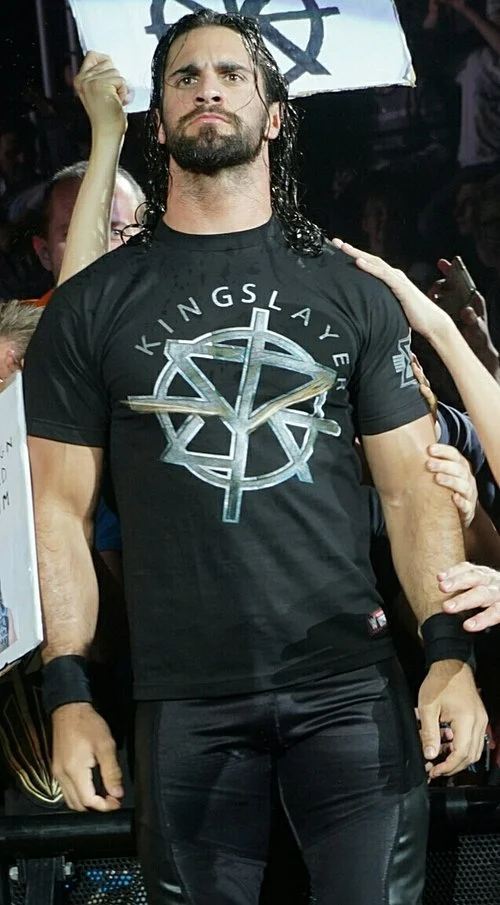
Seth Rollins became a cornerstone of the post Shield era with long title runs and a heavy workload on television. He produced a signature WrestleMania moment by cashing in during the main event and leaving with the WWE Championship. Rollins anchored Raw with open challenge defenses and consistent high output matches. His work with Cody Rhodes, Brock Lesnar, and Drew McIntyre kept premium live events strong.
Chris Jericho
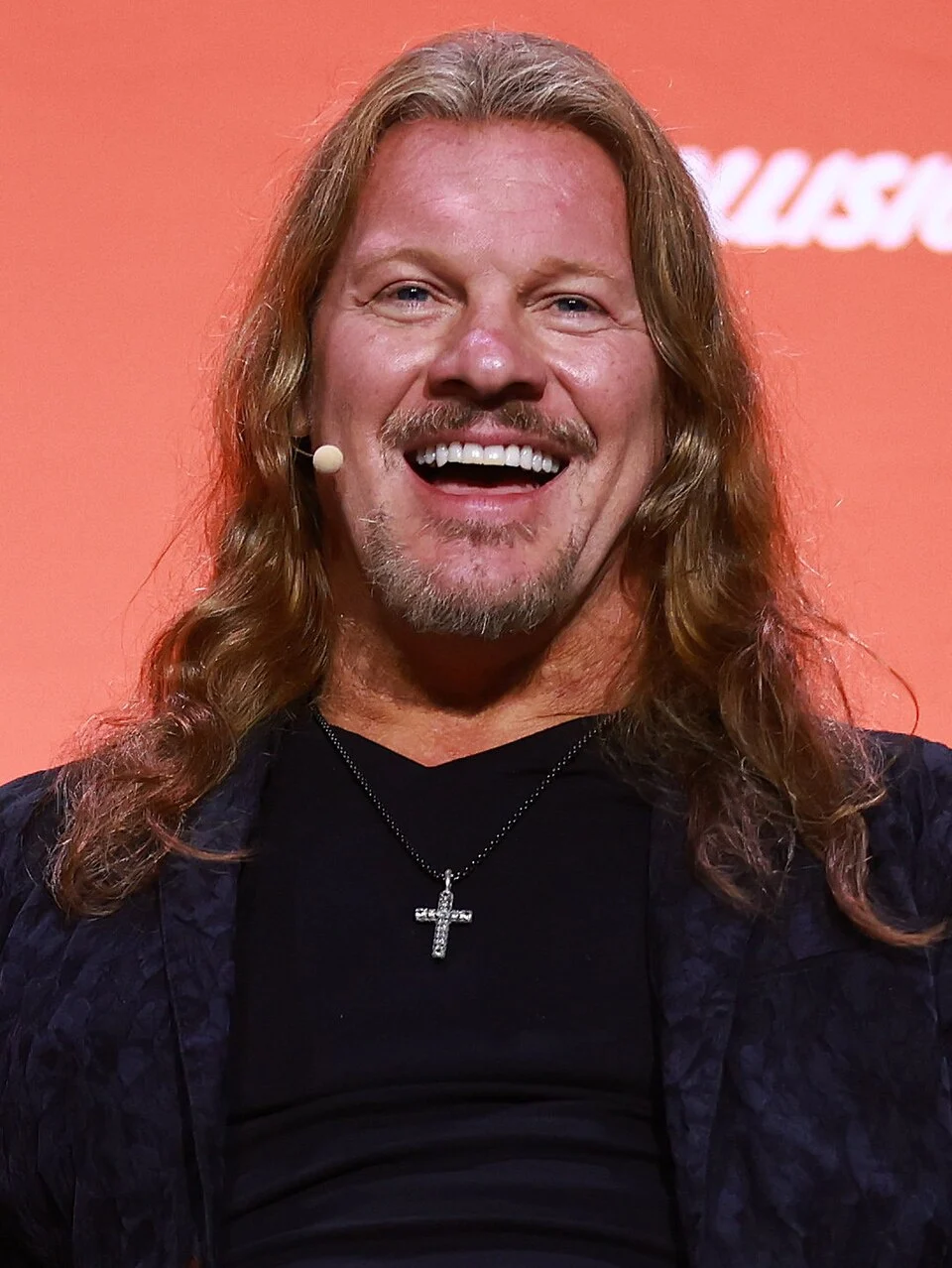
Chris Jericho became the first Undisputed WWF Champion by beating The Rock and Stone Cold on the same night. He reinvented himself repeatedly to stay fresh across many years of WWE programming. Jericho delivered in ladder matches, cruiserweight showcases, and heavyweight main events. His ability to elevate partners made him valuable to both brands during the split era.
Daniel Bryan
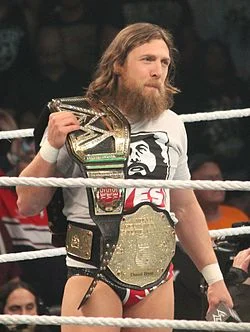
Daniel Bryan’s rise culminated at WrestleMania 30 with a world title win that capped one of WWE’s most organic runs. He mixed technical grappling with believable underdog storytelling that fans rallied behind. The Yes Movement filled arenas and created a visual identity for his push. After returning from injury, he added more championship runs and a strong heel chapter to his resume.
Bruno Sammartino

Bruno Sammartino carried the WWWF on his back with two world title reigns that combined for more than eleven years. He drew massive crowds to Madison Square Garden on a regular schedule and set attendance records. His rivalries with Ivan Koloff, Stan Hansen, and Larry Zbyszko defined the territory era. Bruno’s gate numbers and consistency built the foundation for the company’s national growth.
Randy Savage
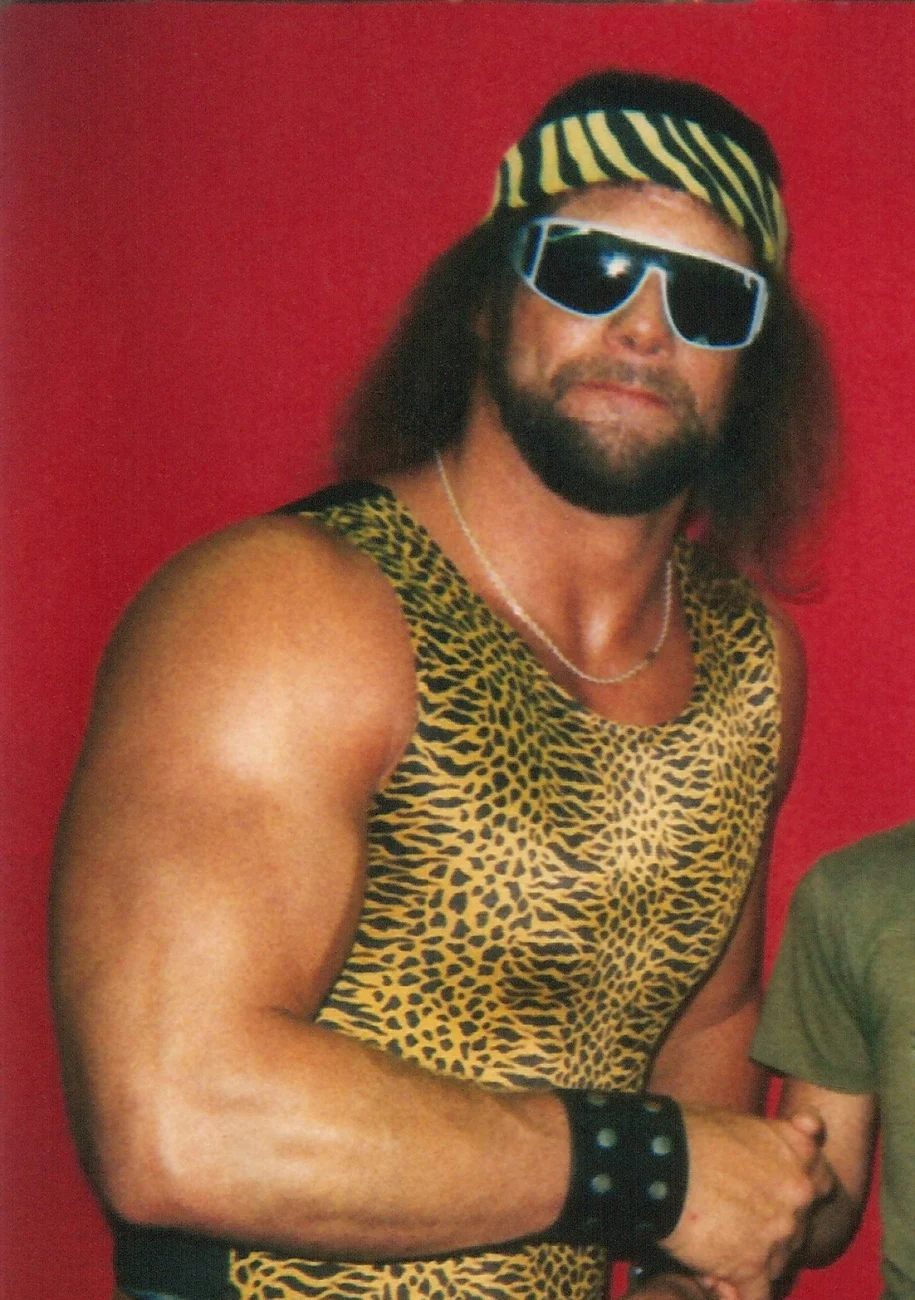
Randy Savage delivered elite matches and promos that reached far outside the wrestling bubble. He held the WWF Championship and the Intercontinental Championship during important boom periods. The WrestleMania classic with Ricky Steamboat raised the bar for pacing and layout. Savage remained a top attraction through alliances and feuds with Hulk Hogan and Ultimate Warrior.
Brock Lesnar
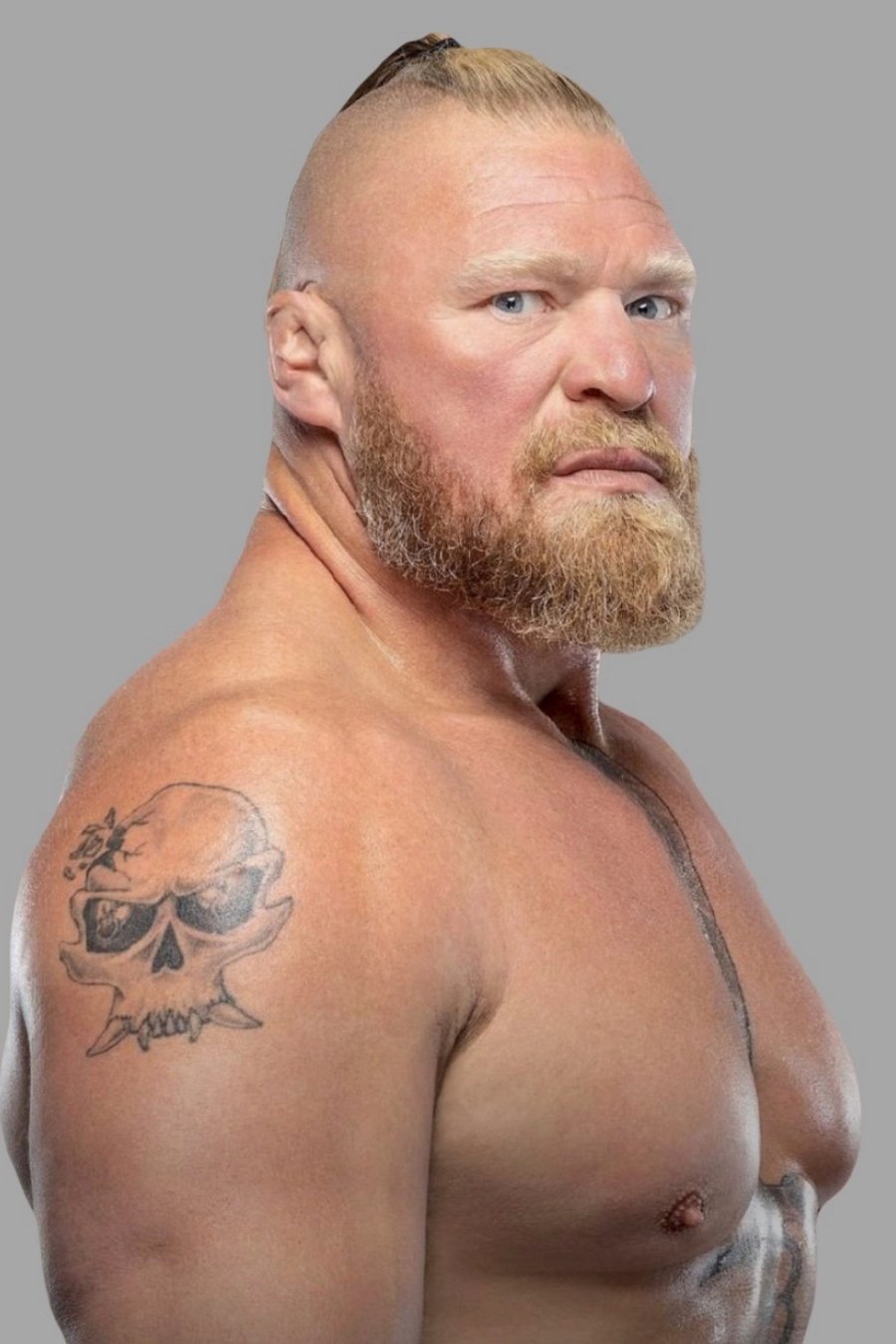
Brock Lesnar won the WWE Championship months after his debut and transitioned to special attraction status with major box office value. He ended The Undertaker’s WrestleMania streak and held the Universal Championship for extended stretches. Suplex City became a reliable headline for big stadium shows. Cross sport credentials enhanced the aura of his limited appearances.
Triple H
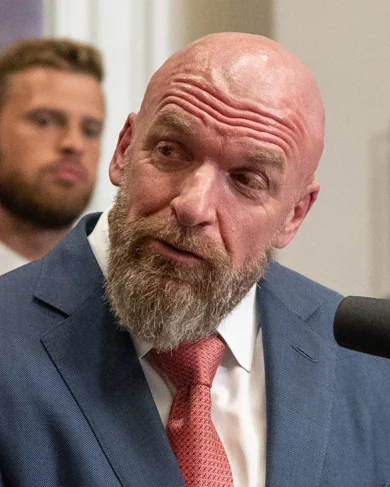
Triple H stacked up world titles while managing long main event rivalries that lasted across brand eras. He led D Generation X and later guided Evolution, which produced multiple future world champions. His matches with Mick Foley, The Rock, and Shawn Michaels headlined some of the company’s most watched events. As an executive he also influenced the pipeline that brought new stars to television.
Bret Hart
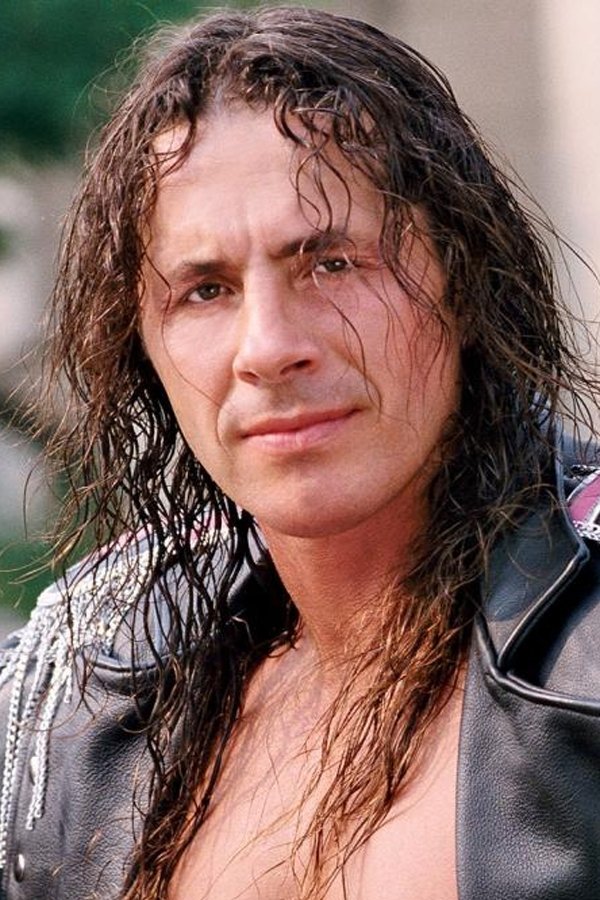
Bret Hart became the workhorse champion of the early nineties with precise technique and long title defenses. He won the WWF Championship multiple times and closed shows with opponents of many styles. Rivalries with Shawn Michaels, Steve Austin, and Owen Hart produced matches that hold up for modern viewers. The Hitman helped bridge the gap between the cartoon era and the reality based direction that followed.
Ric Flair
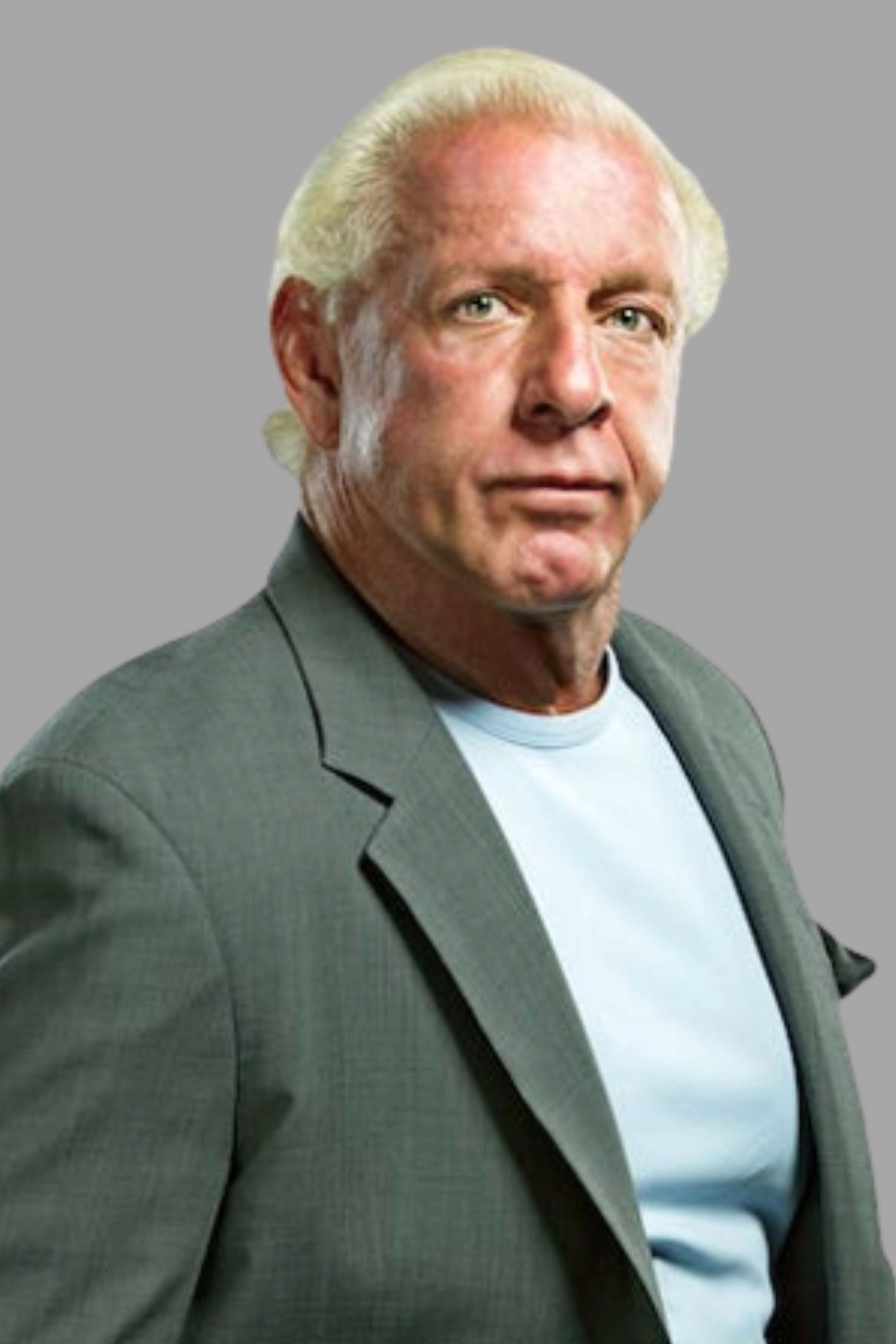
Ric Flair brought his legacy to WWE with two WWF Championship wins in 1992 and a Royal Rumble victory that went the distance. He later added influential runs as a mentor and tag partner that extended his presence on television. Flair’s promos and presentation raised the stakes for segments across Raw and SmackDown. His retirement match within WWE canon became a celebrated sendoff that highlighted his influence.
The Rock

The Rock won world titles across the Attitude Era and returned to headline modern WrestleManias as a crossover star. His segments delivered ratings and catchphrases that entered everyday language. Feuds with Stone Cold, Triple H, and John Cena drove buy rates and social media interest. He moved between filming schedules and live events while still anchoring stadium main events when needed.
Roman Reigns
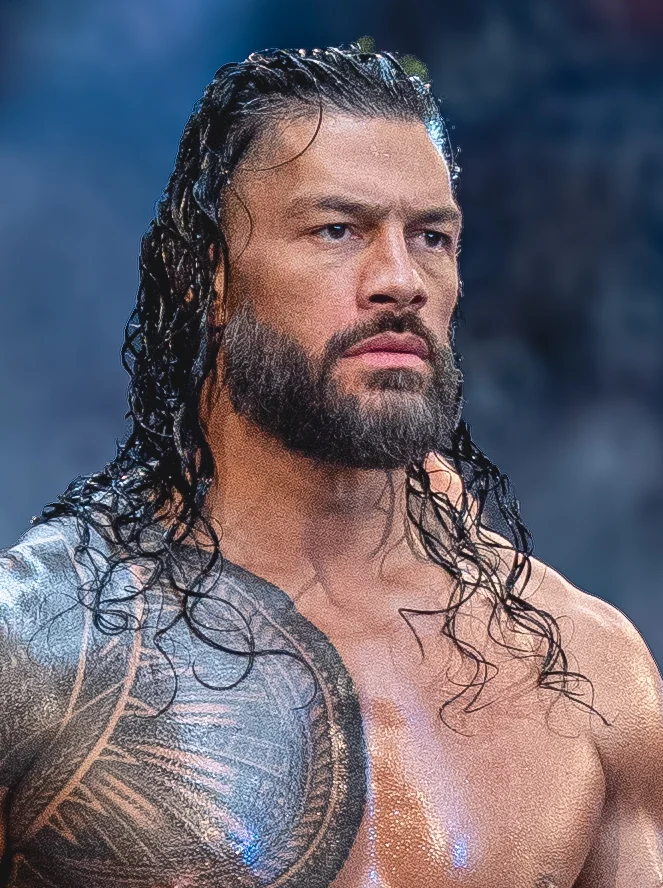
Roman Reigns unified top championships and set records with a historic multi year title reign. He headlined consecutive premium live events with The Bloodline story that boosted television numbers. Stadium shows across the world were built around his defenses against Cody Rhodes, Brock Lesnar, and others. His presentation reshaped the modern main event style for WWE.
Shawn Michaels
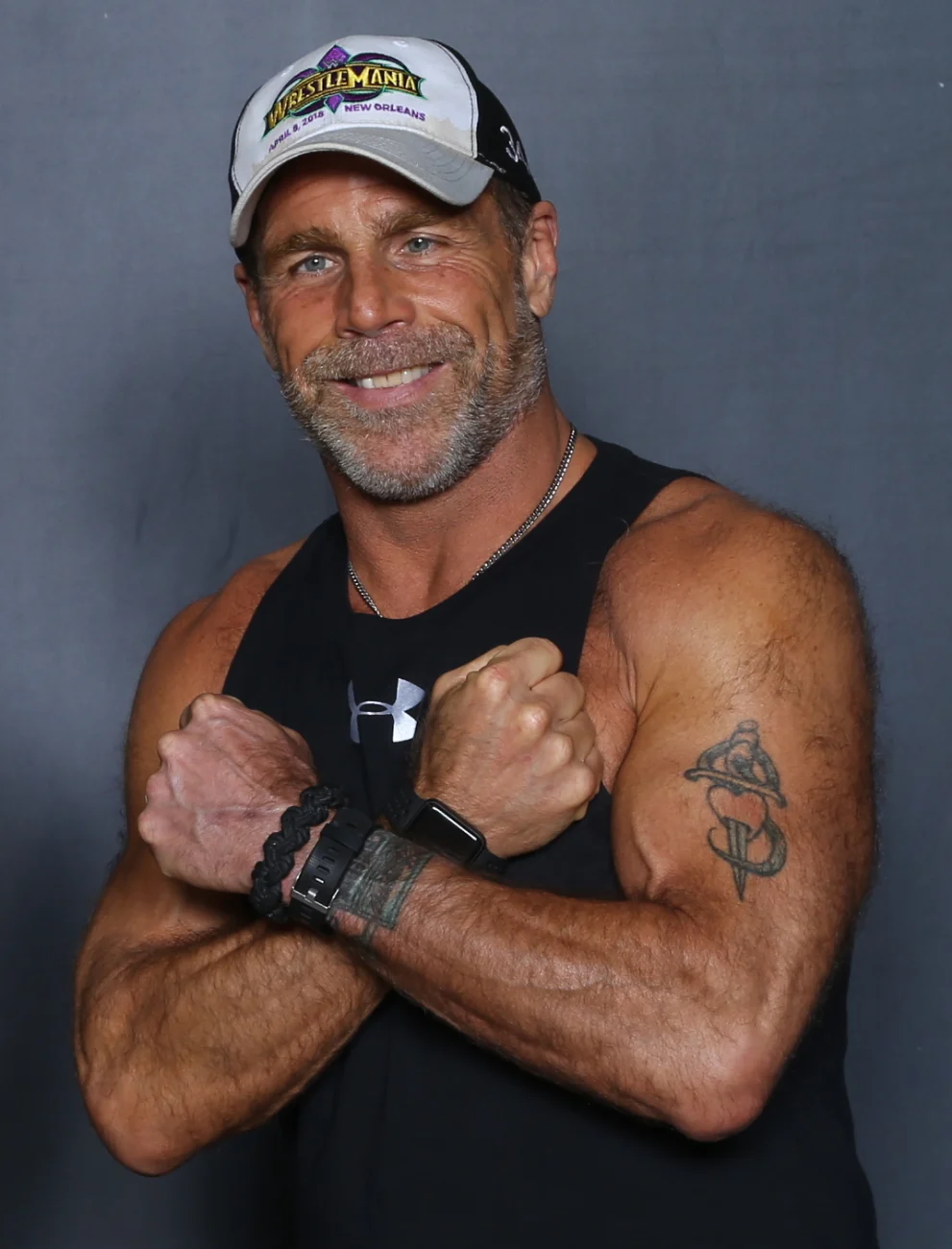
Shawn Michaels produced a deep library of WrestleMania and pay per view classics across different eras. He held multiple world titles and won back to back Royal Rumbles during his first run. After returning from injury, he delivered main event level matches for another long stretch. His work with The Undertaker, Chris Jericho, and Triple H set standards for storytelling and execution.
Stone Cold Steve Austin
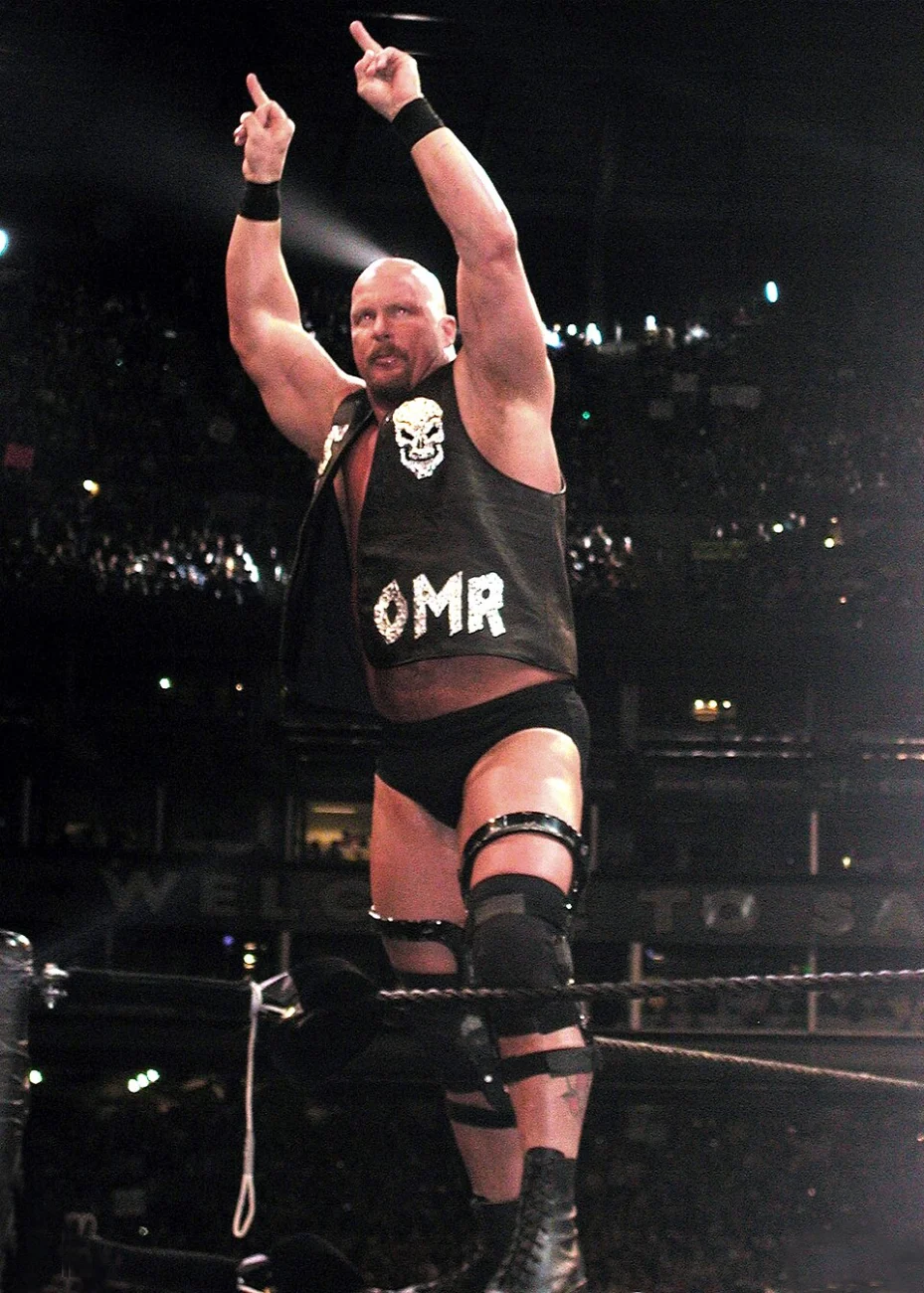
Stone Cold Steve Austin led the Attitude Era with record setting merchandise and television numbers. He won multiple world titles and three Royal Rumbles, the most by any wrestler. Austin’s rivalries with Mr McMahon, The Rock, and Triple H anchored pay per view schedules at their peak. His short but explosive prime coincided with the company’s biggest audience growth.
John Cena
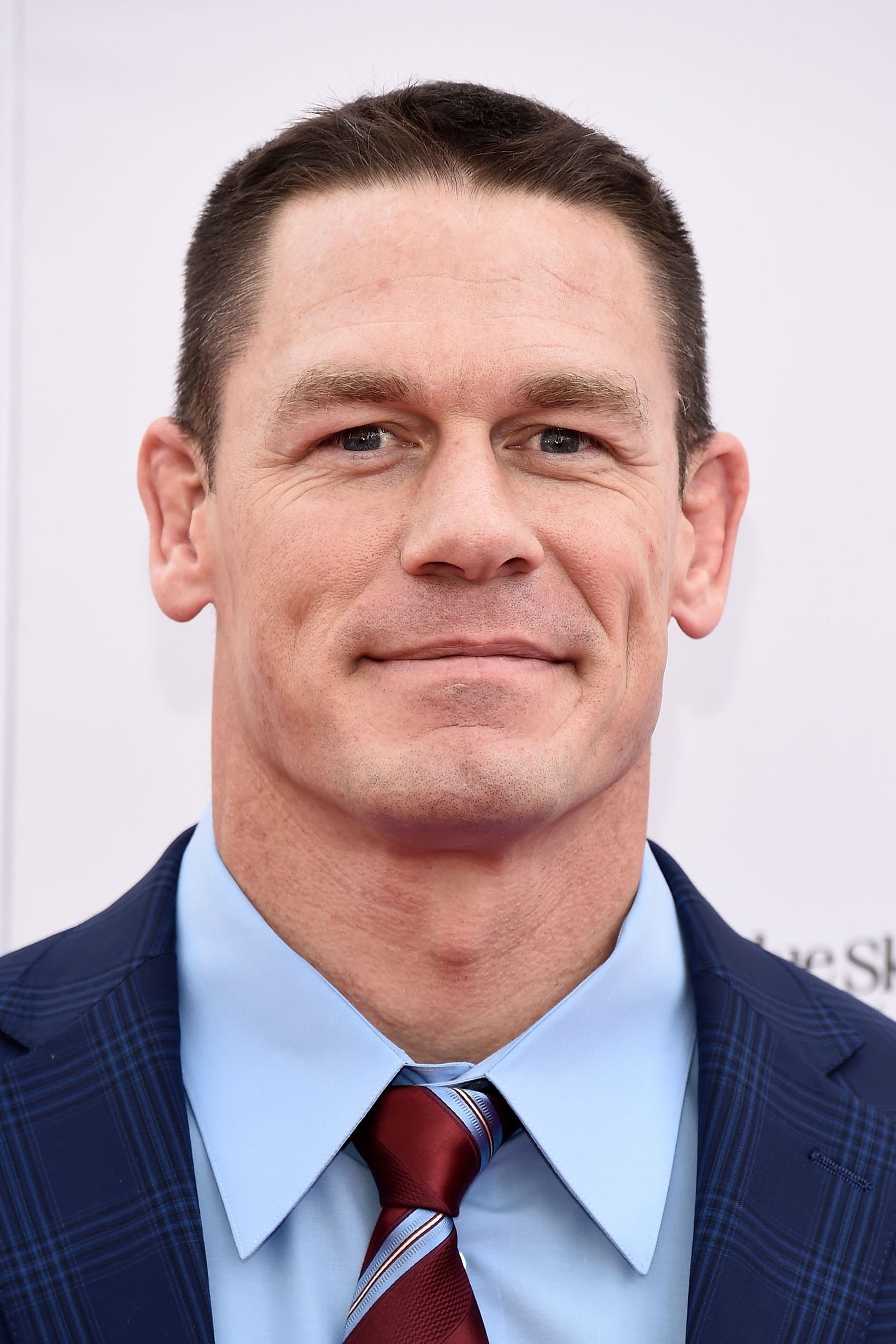
John Cena tied the company recognized record for most world championships and carried the brand for more than a decade. He main evented WrestleMania multiple times and was a reliable draw for live events worldwide. Open challenge matches on Raw showcased a wide range of opponents and raised midcard profiles. His media work kept WWE visible while he continued to return for big matches.
Hulk Hogan
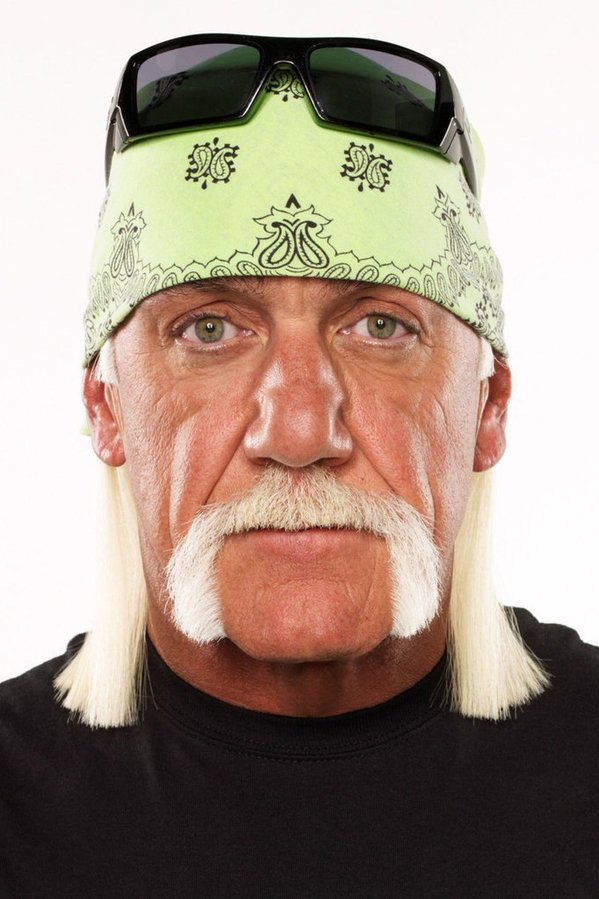
Hulk Hogan carried WWE through the national expansion with world titles and crossover media presence. He headlined the first WrestleMania and drove pay per view growth in the eighties and early nineties. The red and yellow presentation made his entrance an event in itself. His returns in later eras still moved merchandise and drew strong nostalgia interest.
The Undertaker

The Undertaker defined big match mystique with a WrestleMania run that reached twenty one consecutive wins before the first loss. He headlined across three decades and delivered classics with a wide range of opponents. Signature bouts in Hell in a Cell and casket matches became cornerstones of special events. His character work, longevity, and big night reliability set a benchmark that still guides WWE main events.
Share your own top picks and swaps in the comments.