20 Movies That Will Make You Distrust The Government

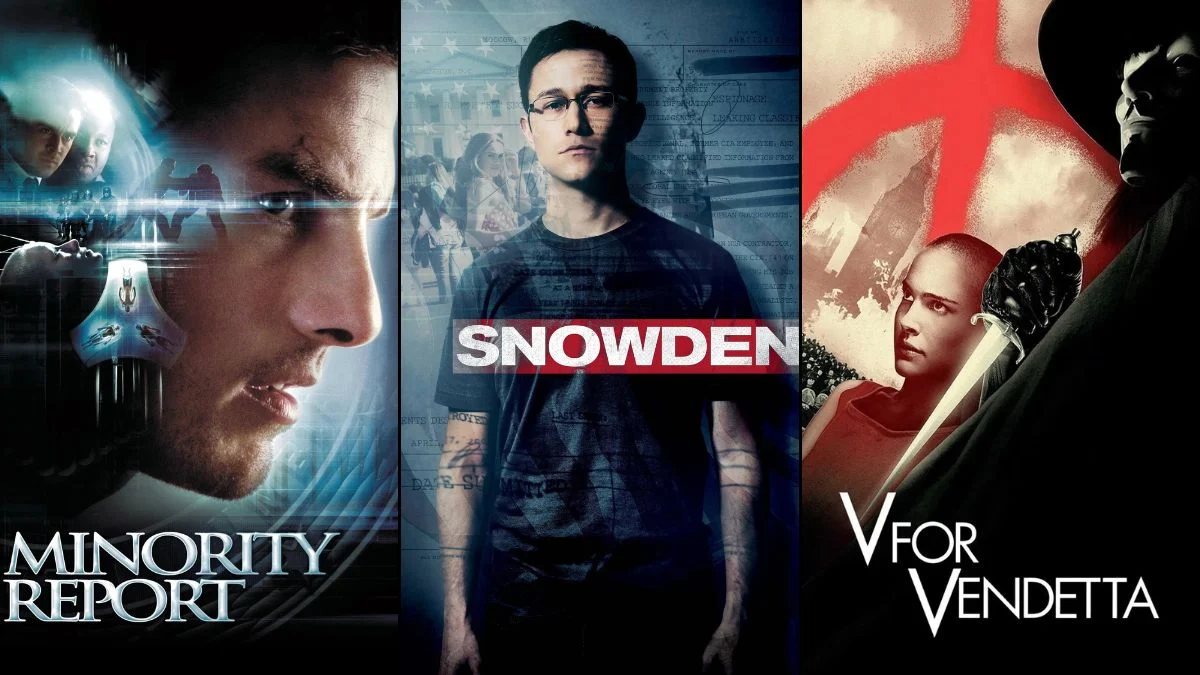

If you like stories where secrets, surveillance, and shady deals take center stage, these films dig into investigations, cover-ups, and power plays that test public trust. Each one looks at institutions through reporters, whistleblowers, agents, and everyday people who get pulled into systems much bigger than themselves. From political thrillers to sharp satires and real-life dramas, they show how decisions made behind closed doors can ripple through lives. Here are twenty movies that explore the uneasy space between citizens and the state.
‘All the President’s Men’ (1976)
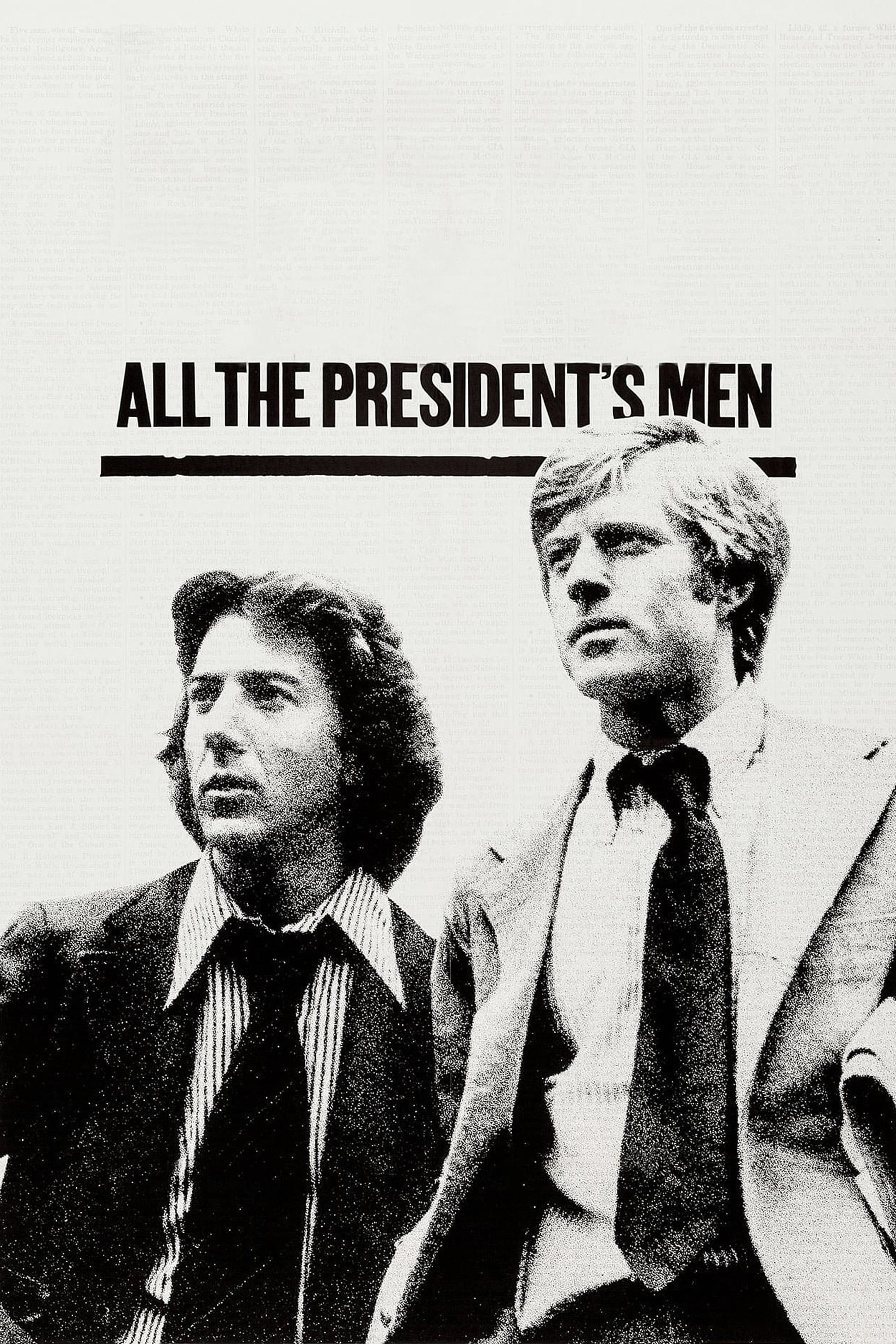
Reporters from a major Washington newspaper follow a burglary and uncover a political scandal that reaches the highest office. The film tracks their sourcing, note taking, and careful verification through editors and legal checks. Key figures like Deep Throat guide them with guarded tips in parking garages and late night calls. It shows how persistent investigative journalism can pressure institutions that would rather stay silent.
‘JFK’ (1991)
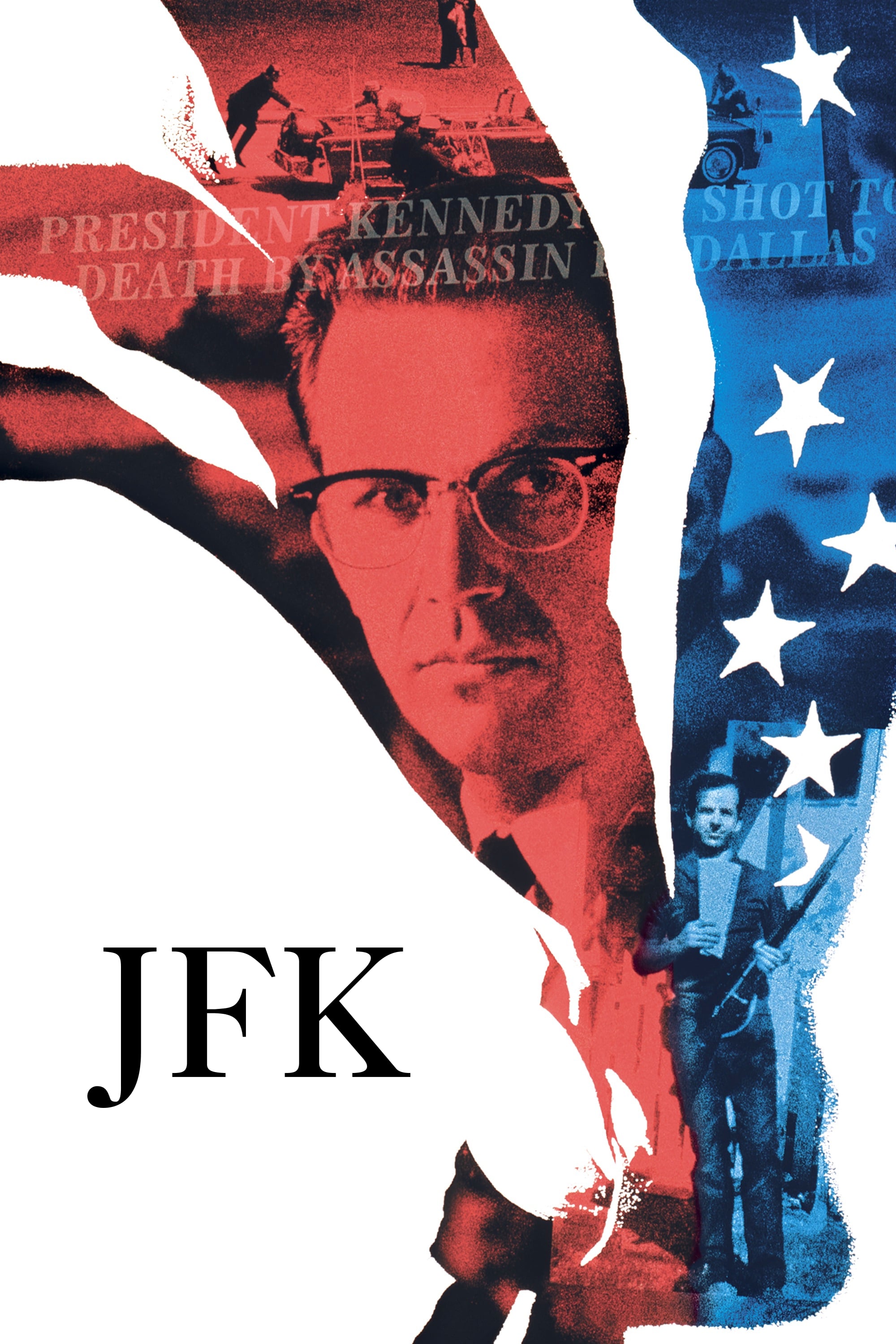
A New Orleans district attorney reopens the investigation into a presidential assassination and assembles a sprawling case. The film weaves courtroom scenes with interviews, documents, and reconstructed events to test official explanations. It blends public records with testimony to question how evidence was gathered and presented. The scale of the inquiry highlights the challenges of decoding national security secrecy.
‘The Parallax View’ (1974)

A journalist probes a mysterious corporation that recruits candidates through strange psychological testing. As he digs deeper, he finds a network that seems designed to manipulate outcomes from the shadows. Training films, questionnaires, and covert handlers point to a system with no clear public oversight. The story follows how an individual can be isolated once they push past the first layer of a cover.
‘Three Days of the Condor’ (1975)
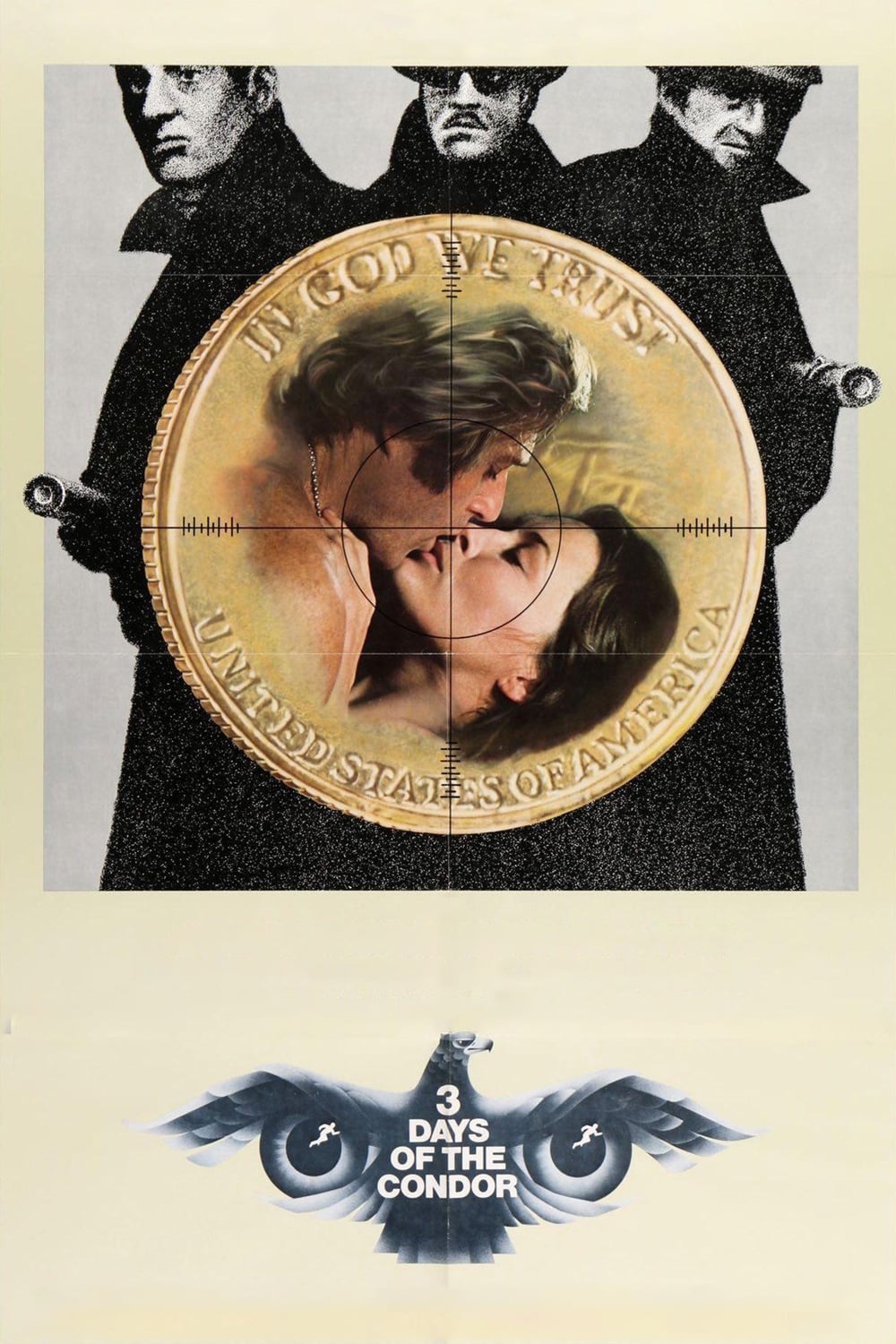
A bookish analyst returns from lunch to find his entire office eliminated and must run from a force he cannot see. He cross checks open source novels with classified patterns to identify a rogue plan. Contacts inside the agency offer half truths while contract operatives close in. The plot shows how deniable units and front companies can mask accountability.
‘Enemy of the State’ (1998)
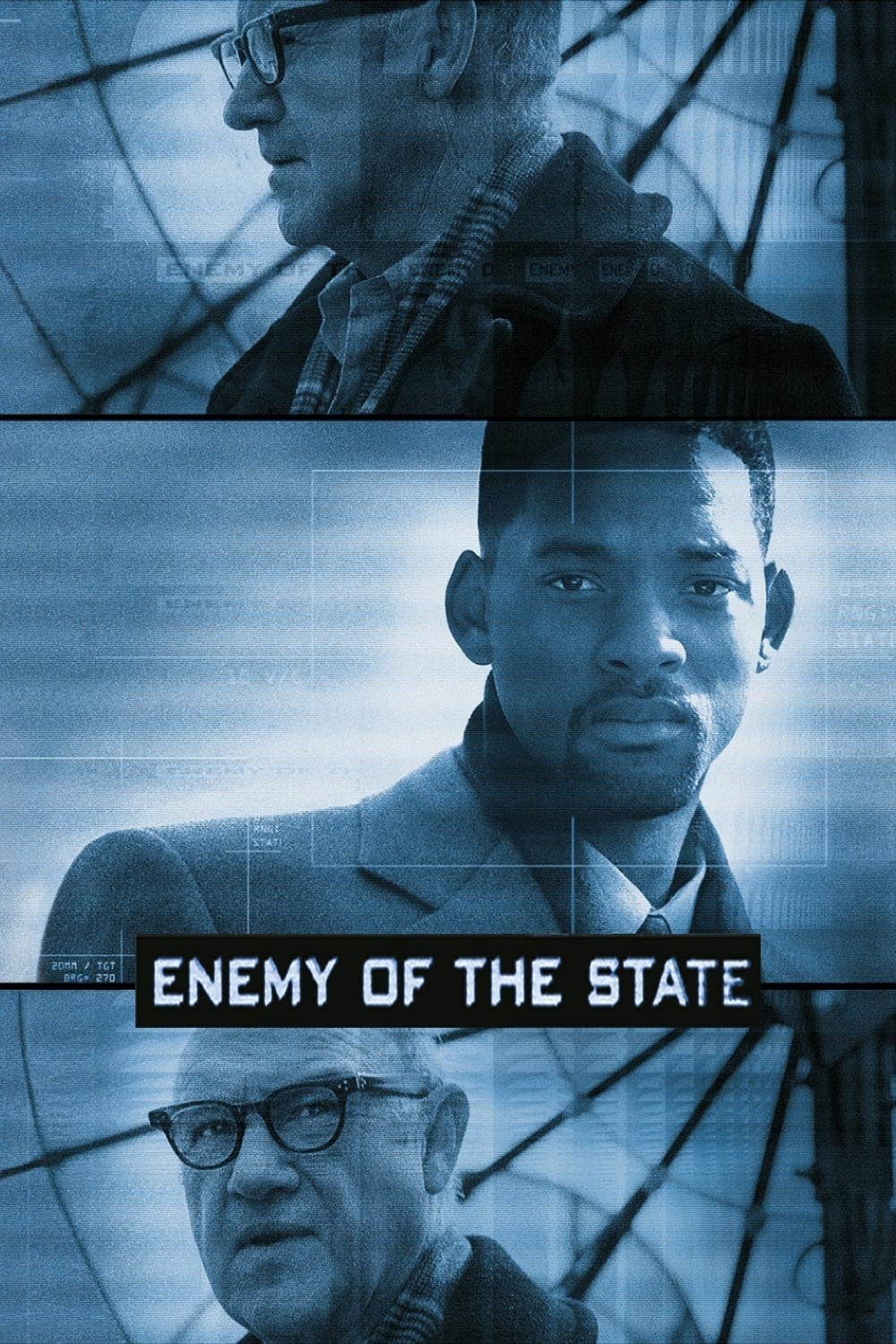
A lawyer receives a piece of digital evidence without knowing what it contains and becomes the target of a surveillance dragnet. Traffic cameras, satellites, and wiretaps are used to track his every move. A former intelligence tech teaches him countermeasures like signal jammers and dead drops. The chase demonstrates how data can be weaponized when safeguards fail.
‘V for Vendetta’ (2005)

In a near future Britain under authoritarian rule, a masked figure stages theatrical attacks to expose state abuses. Broadcast takeovers, curfews, and informant networks shape daily life for citizens. A young woman learns how propaganda and fear maintain control. Government laboratories and black bag operations form the dark backbone of the regime.
‘Brazil’ (1985)
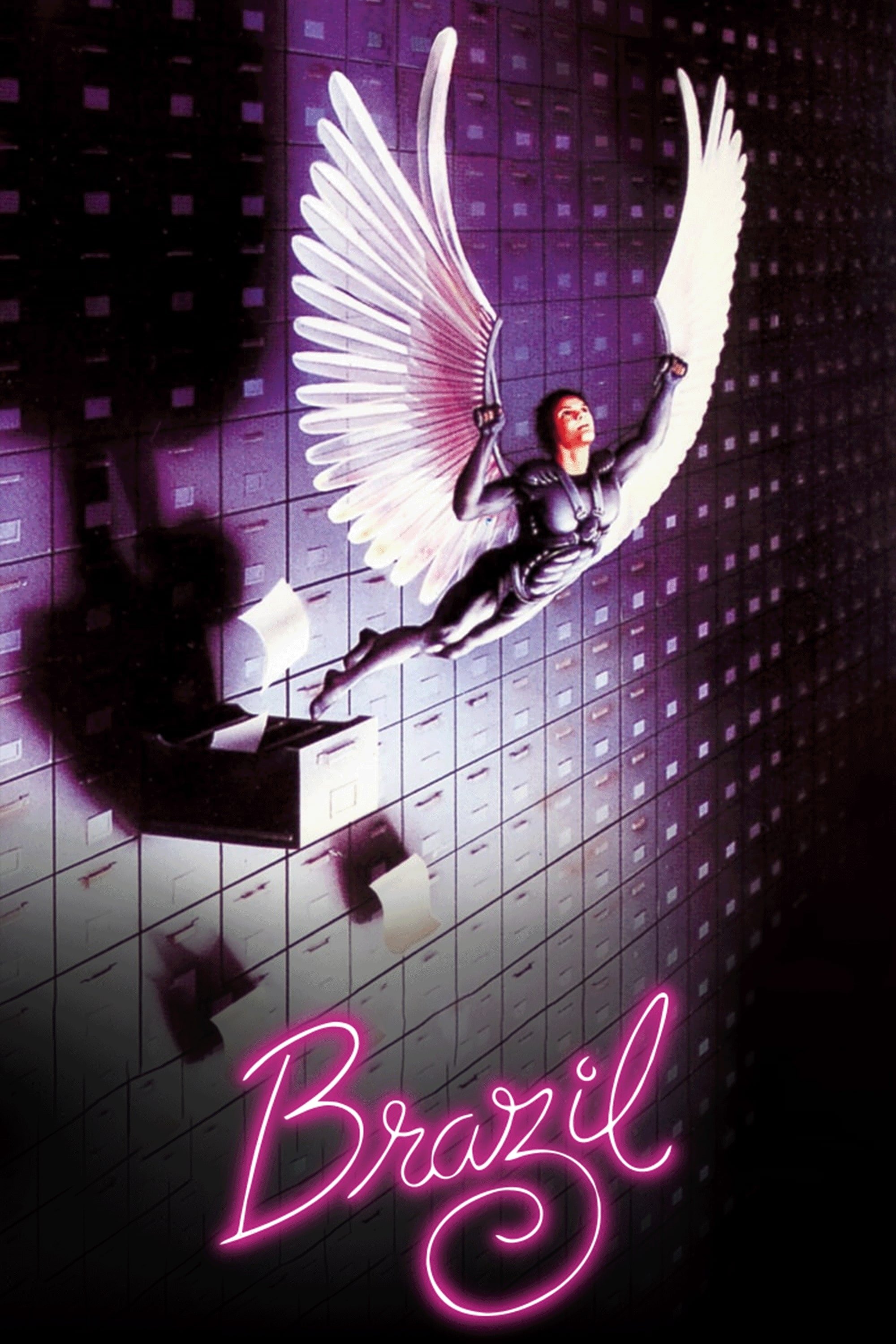
A low level clerk tries to correct a simple administrative error and triggers a bureaucratic nightmare. Forms, stamps, and endless departments become tools that erase people without leaving fingerprints. Ducts, screens, and pneumatic tubes carry orders that no one seems to question. The system’s design makes responsibility so diffuse that truth disappears in paperwork.
‘Snowden’ (2016)
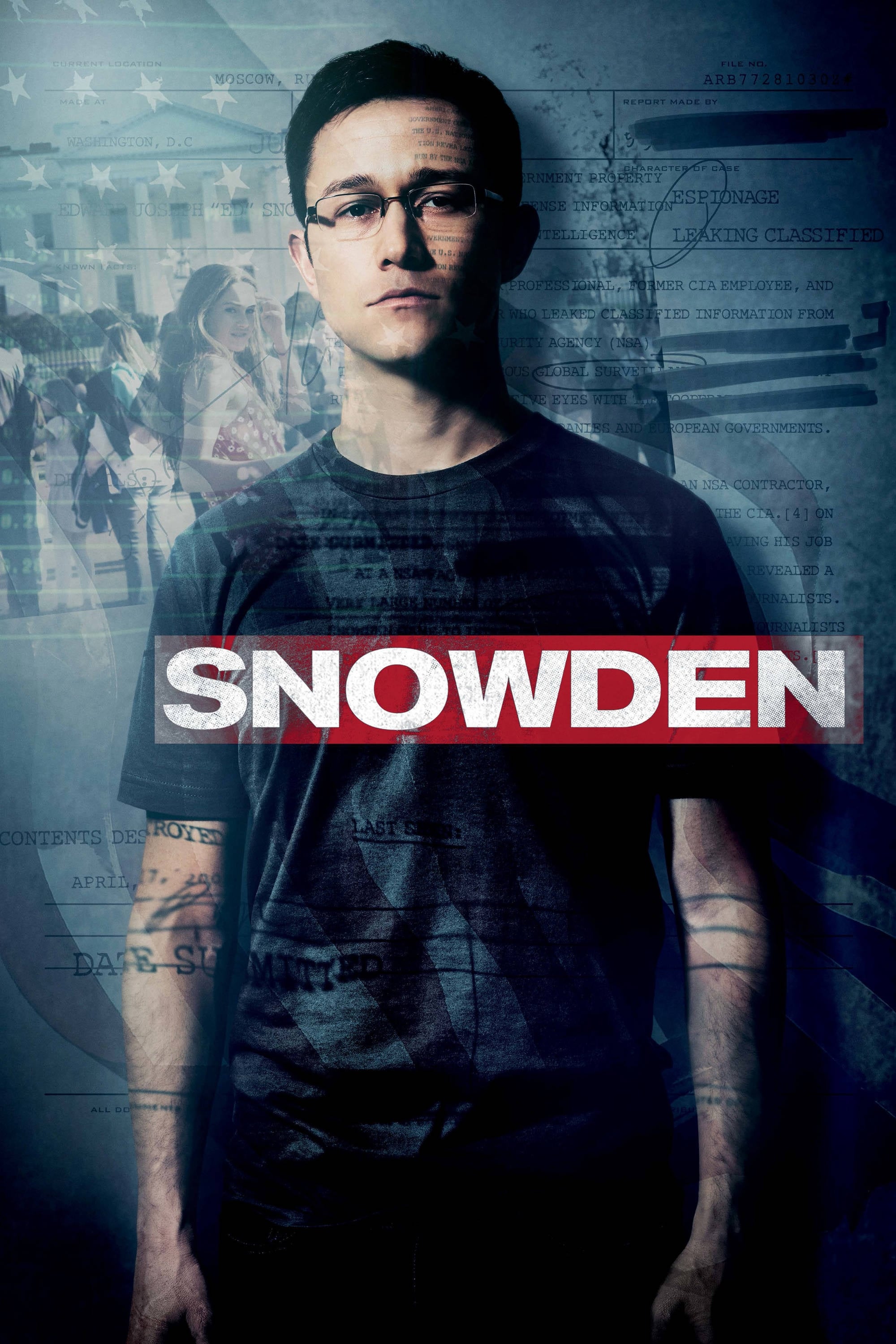
An intelligence contractor copies files that reveal global data collection programs and contacts journalists to publish them. Secure meeting protocols, encrypted drives, and air-gapped laptops protect the information transfer. The film details how classification rules and contractor access intersect. It maps the technical pipelines that move personal data through secret courts.
‘Official Secrets’ (2019)

A translator at a signals intelligence agency leaks a memo that describes pressure to influence a United Nations vote. Lawyers debate the boundaries of the Official Secrets Act while editors assess the public interest. Source protection, chain of custody, and redaction decisions shape the investigation. The case shows how whistleblowing collides with national security law.
‘The Lives of Others’ (2006)
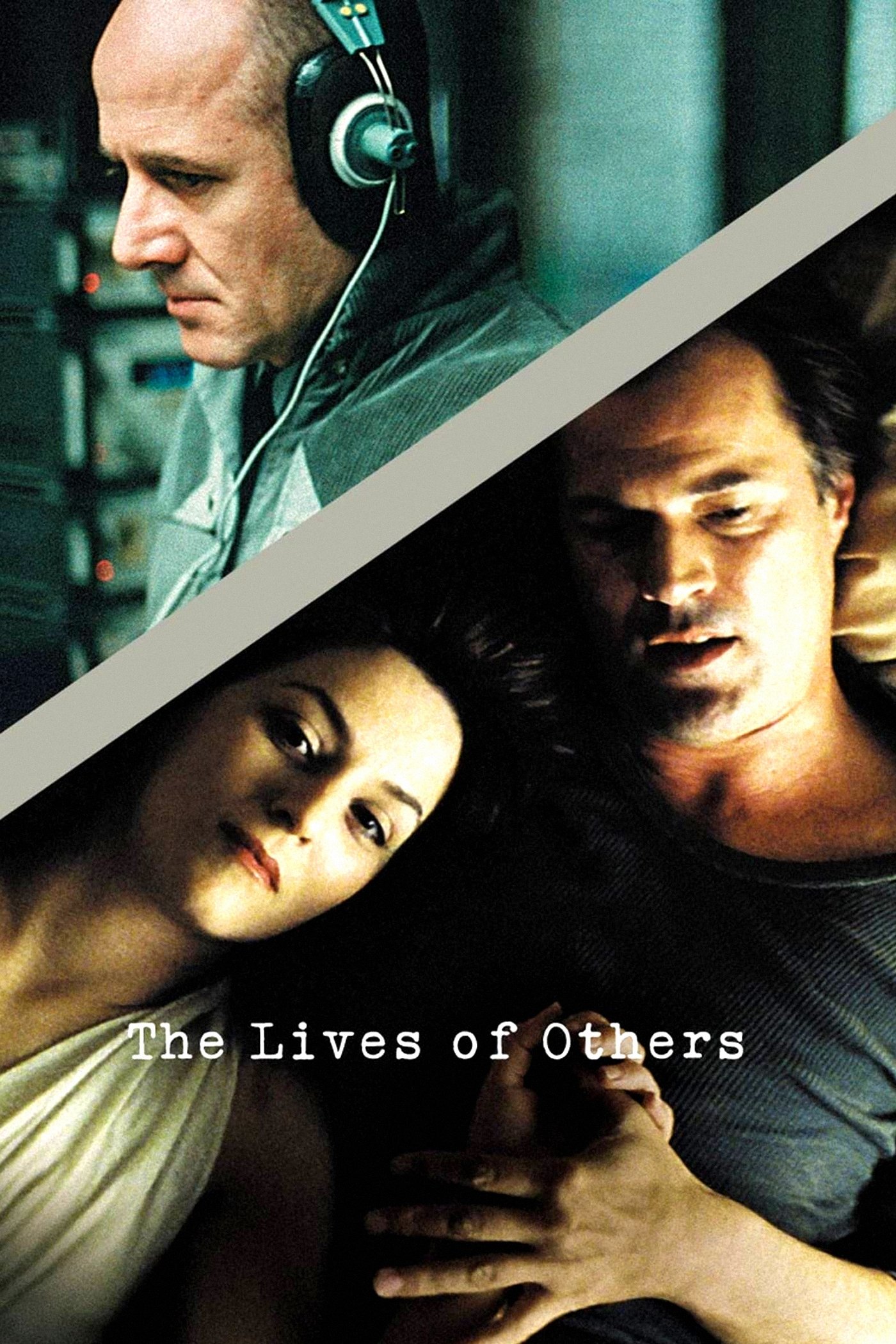
A state security officer monitors artists in East Berlin and maps their friendships and loyalties through taped conversations. Headsets, reel-to-reel decks, and hidden microphones turn an apartment into evidence. Reports travel up the chain to superiors who expect results. The watchful system depends on meticulous logs that can ruin careers with a single entry.
‘The Conversation’ (1974)
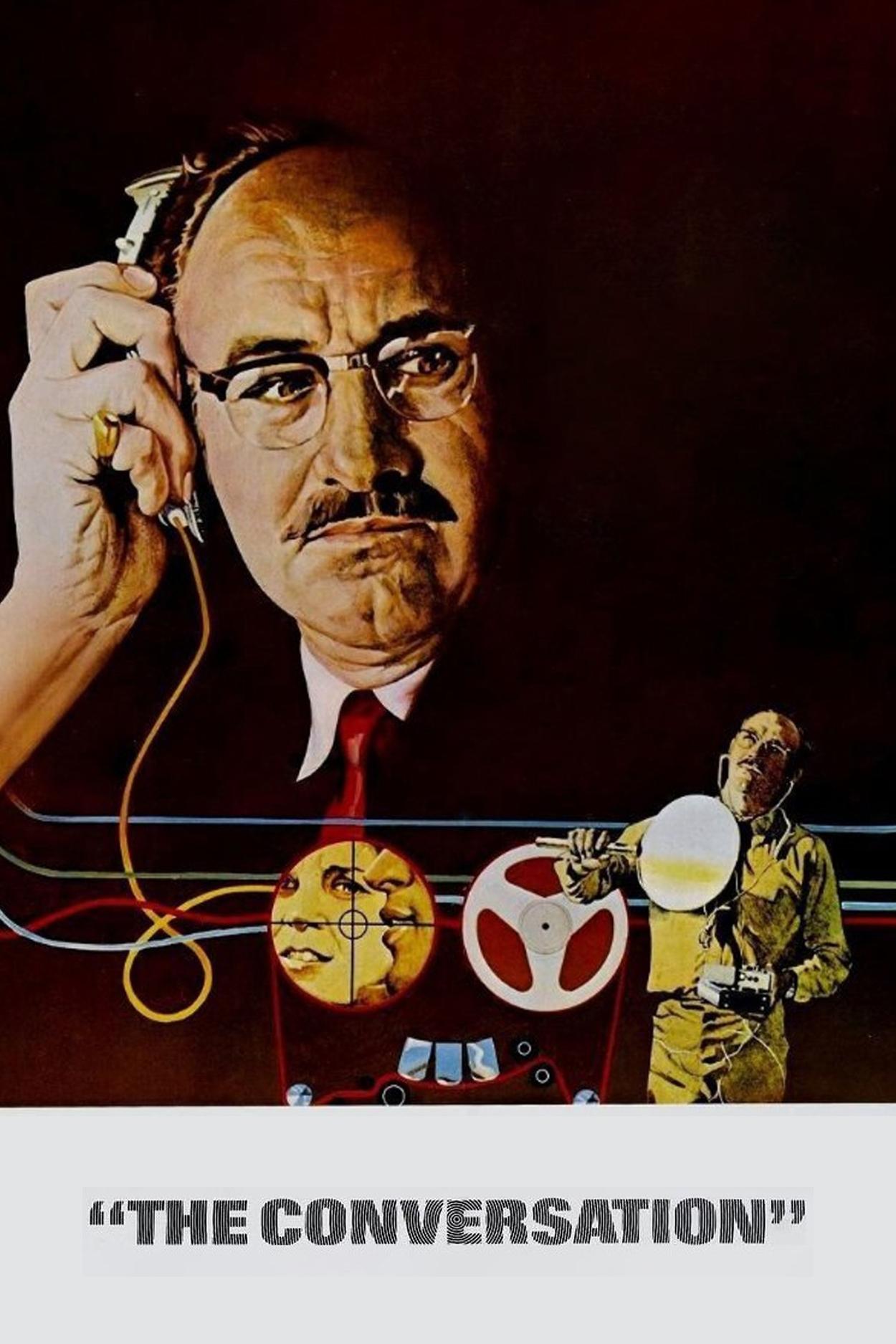
A surveillance expert records a couple in a busy plaza and spends days enhancing the audio to decode their meaning. He uses custom gear, multi track mixes, and careful filtering that reveal more than he expects. As he replays the tape, he questions what duty he owes to people he does not know. The work shows how technology can outpace ethics.
‘The Constant Gardener’ (2005)

A diplomat investigates the death of his activist partner and uncovers ties between public officials and a pharmaceutical trial. Field reports, clinic records, and supply chain documents point to a dangerous partnership. Local witnesses risk retaliation for speaking. The findings suggest how policy and profit can align against communities with little voice.
‘Syriana’ (2005)
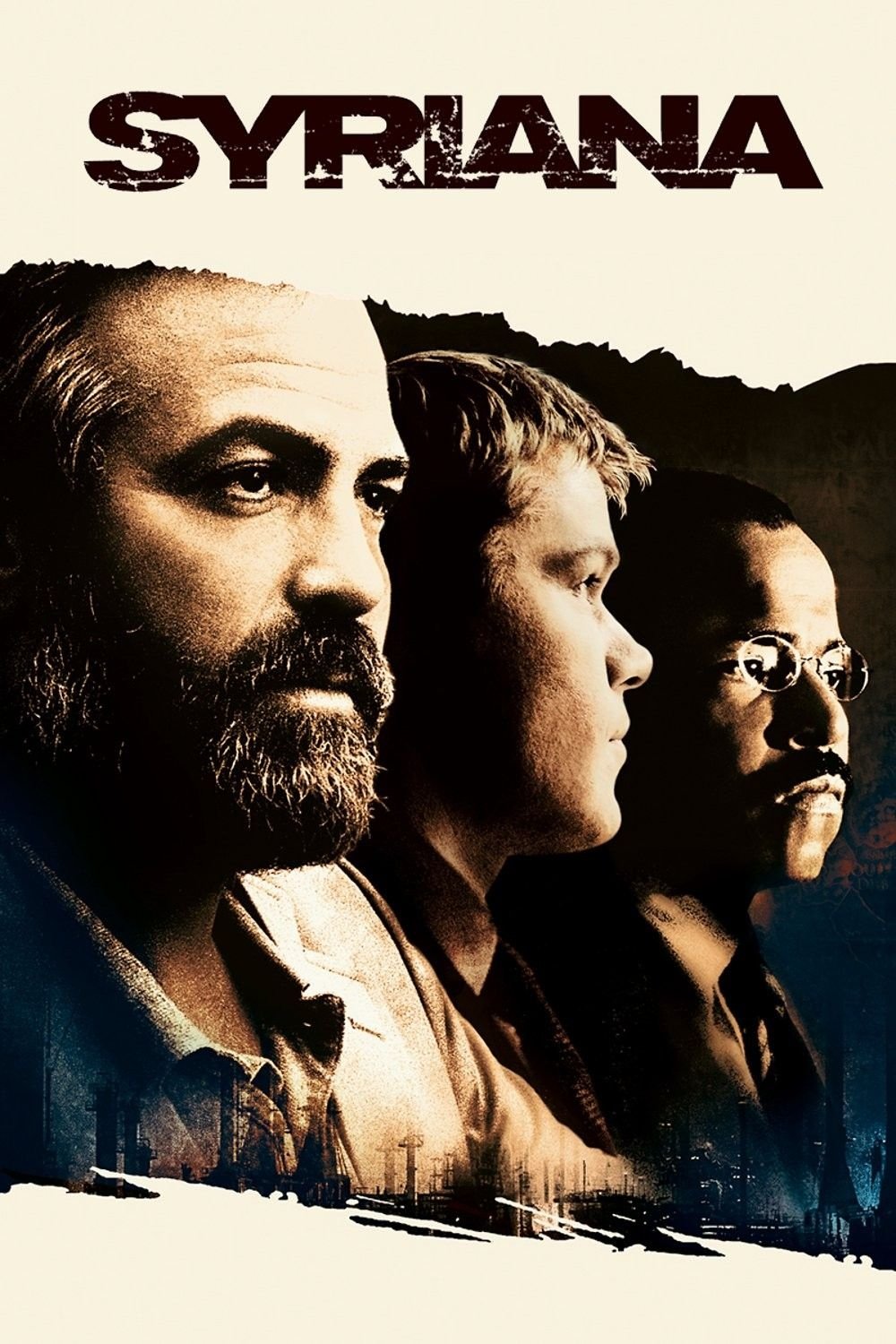
Interlocking stories follow analysts, lawyers, princes, and workers caught in an energy power struggle. Boardroom mergers, embassy backchannels, and covert missions reshape who controls a vital resource. Contract bids and antitrust reviews appear alongside rendition flights and black sites. The mosaic shows how policy shifts ripple through markets and lives.
‘Wag the Dog’ (1997)
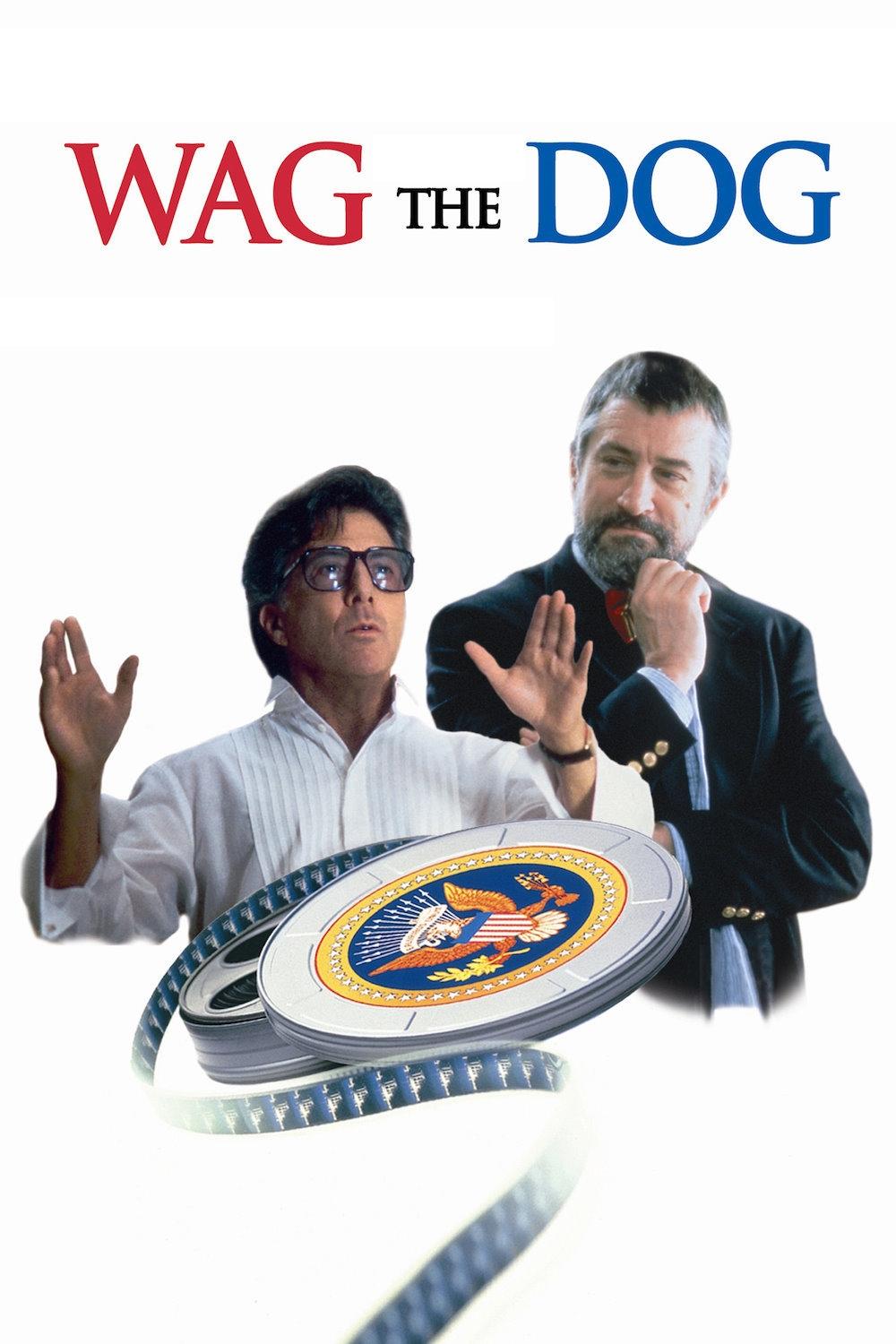
A political fixer and a Hollywood producer fabricate a war story to divert attention from a scandal. They assemble green screen footage, a theme song, and fake field reports to feed broadcast news. Polling numbers move in step with the invented narrative. The scheme highlights how messaging can overrun facts when access to airwaves is unchecked.
‘The Manchurian Candidate’ (1962)
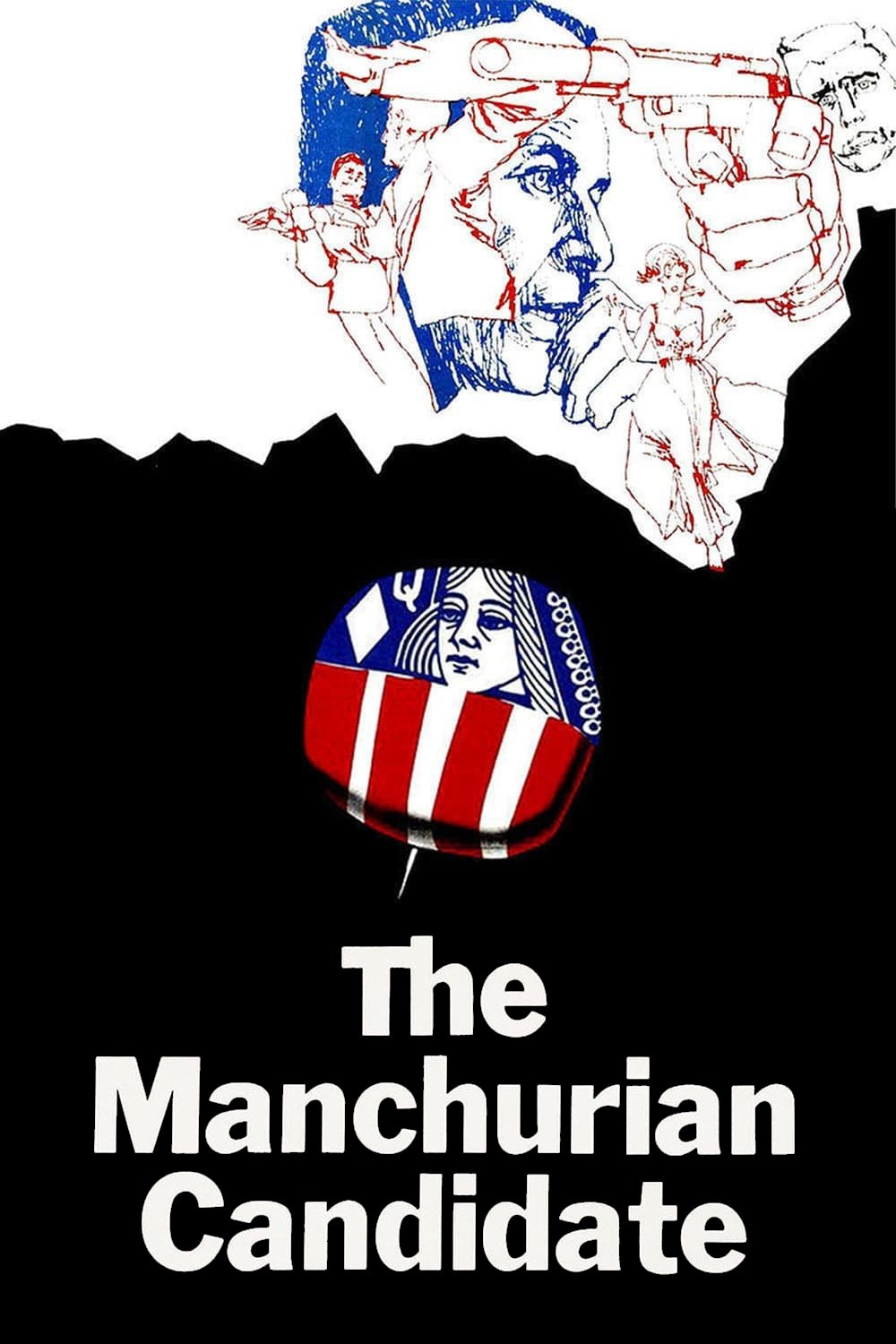
A decorated soldier returns home with gaps in memory and a strange recurring dream. Political operatives and foreign handlers exploit hidden programming to steer an election. Cues, playing cards, and staged events unlock actions he cannot control. The plot tracks how influence campaigns can hide inside national rituals.
‘Seven Days in May’ (1964)
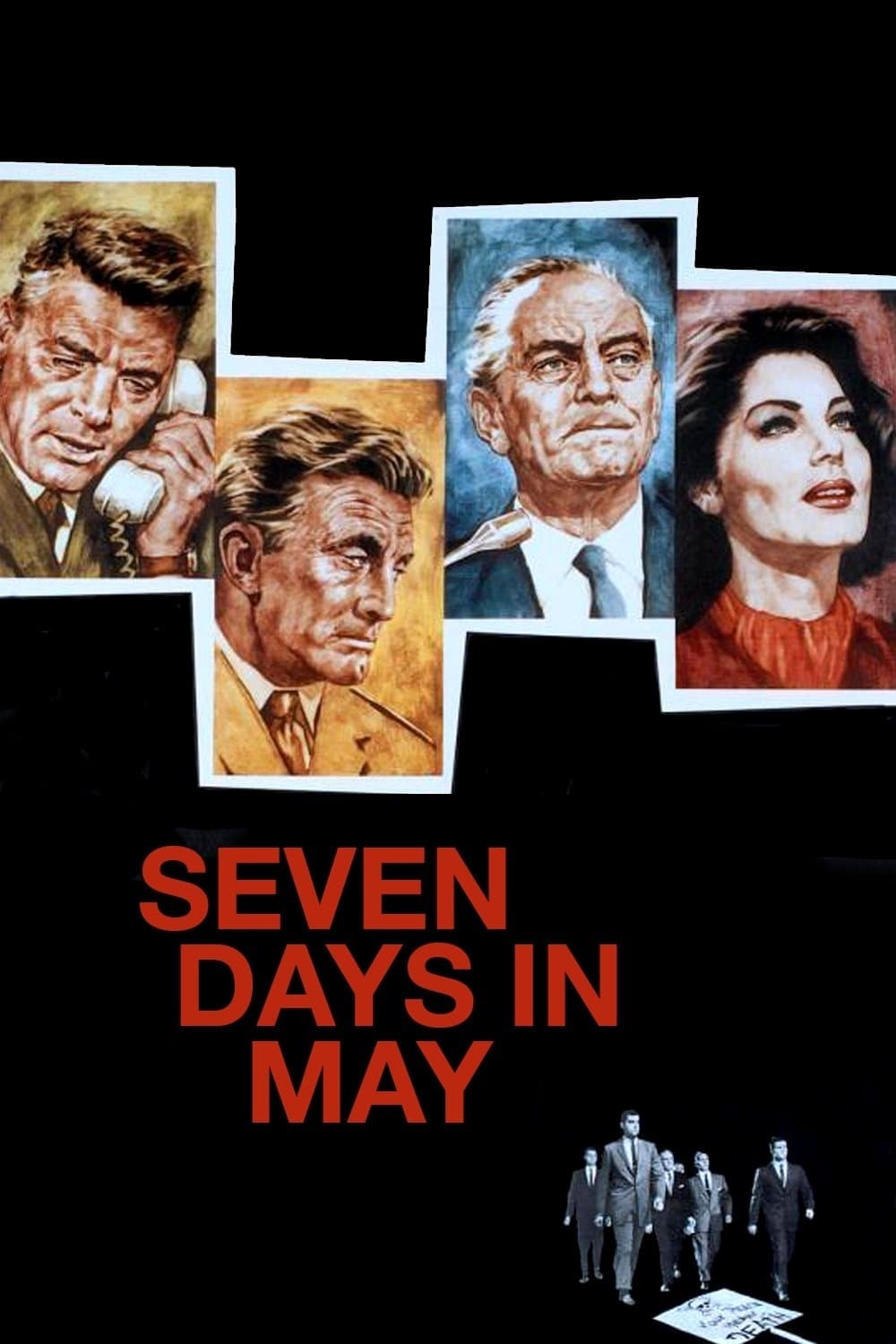
A military leader organizes a plan to remove the sitting president during a manufactured crisis. Secret communications, clandestine meetings, and coded messages move the operation forward. A few officials piece together clues from travel logs and security details. The countdown shows how constitutional safeguards can be tested by insiders.
‘Minority Report’ (2002)
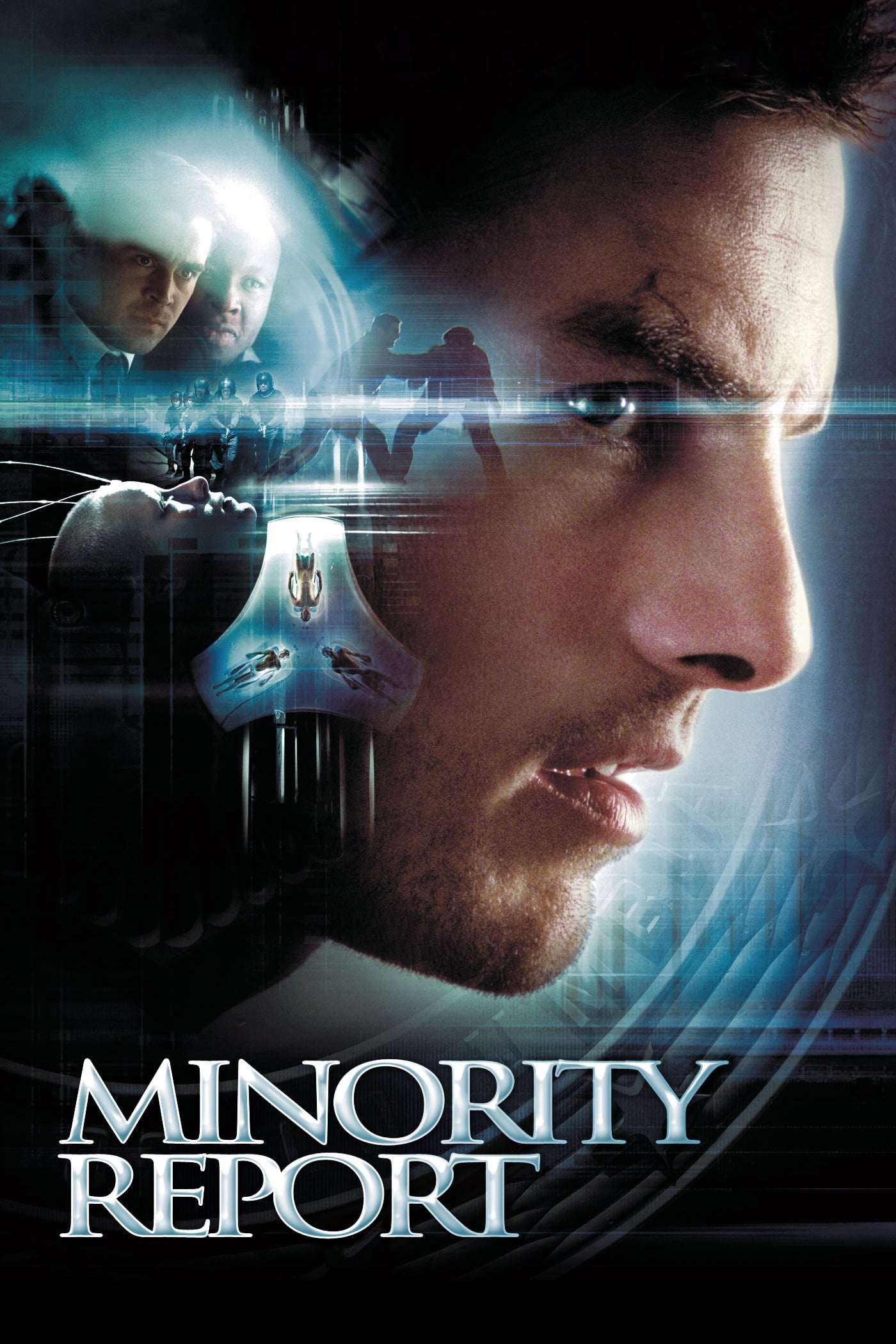
A police unit uses predictive visions to arrest suspects before crimes occur and treats the images as evidence. An officer on the inside discovers his name on a future charge and goes on the run. Eye scans, personalized ads, and gesture-based terminals track him across the city. The system’s assumptions become the heart of the case.
‘The Report’ (2019)
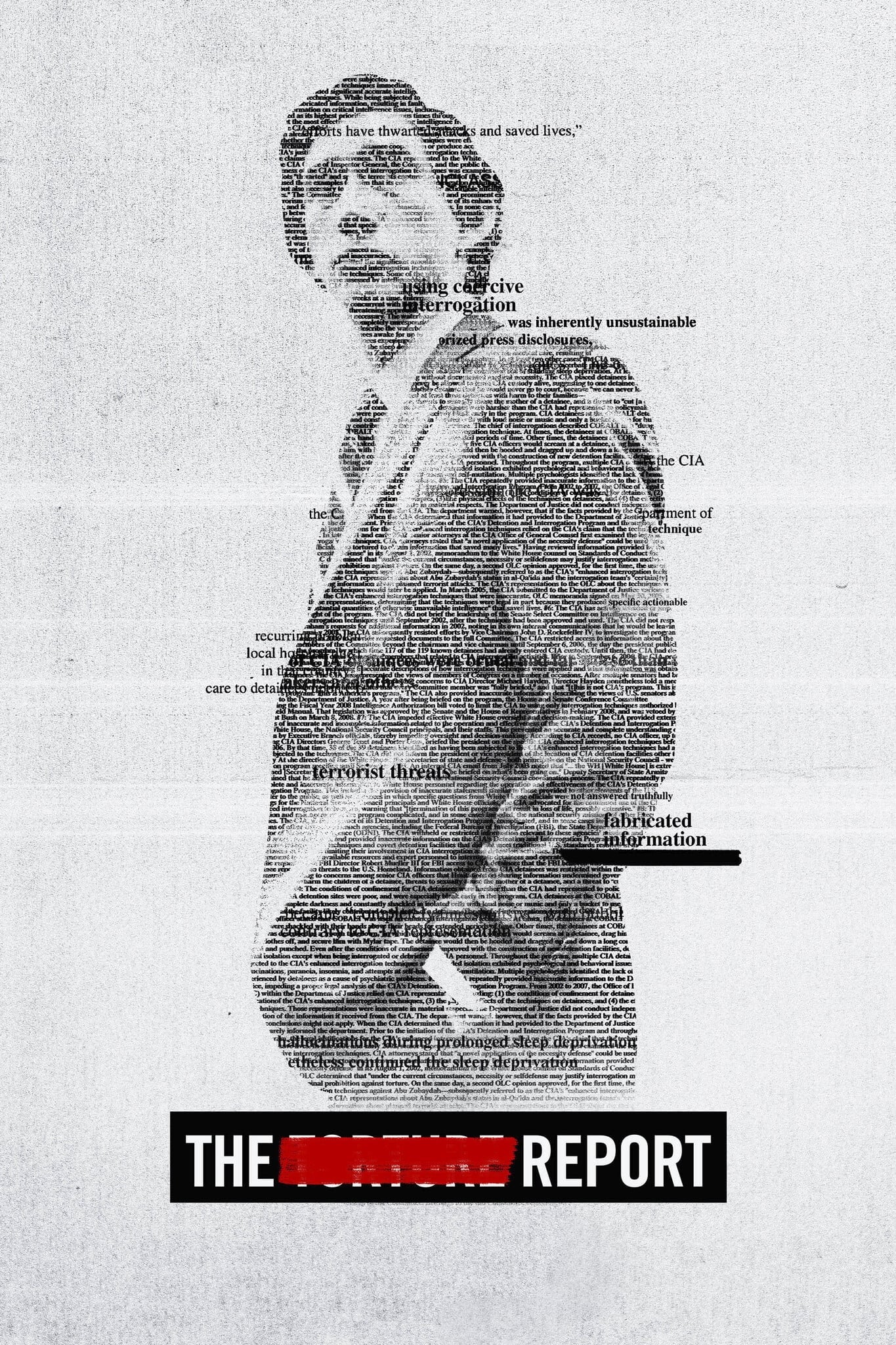
A Senate investigator leads a team that compiles a lengthy study of a clandestine detention and interrogation program. Database searches, contractor invoices, and internal emails build a record that agencies resist releasing. Lawyers argue redactions while the committee fights for publication. The film shows the slow grind of oversight against classification.
‘No Way Out’ (1987)
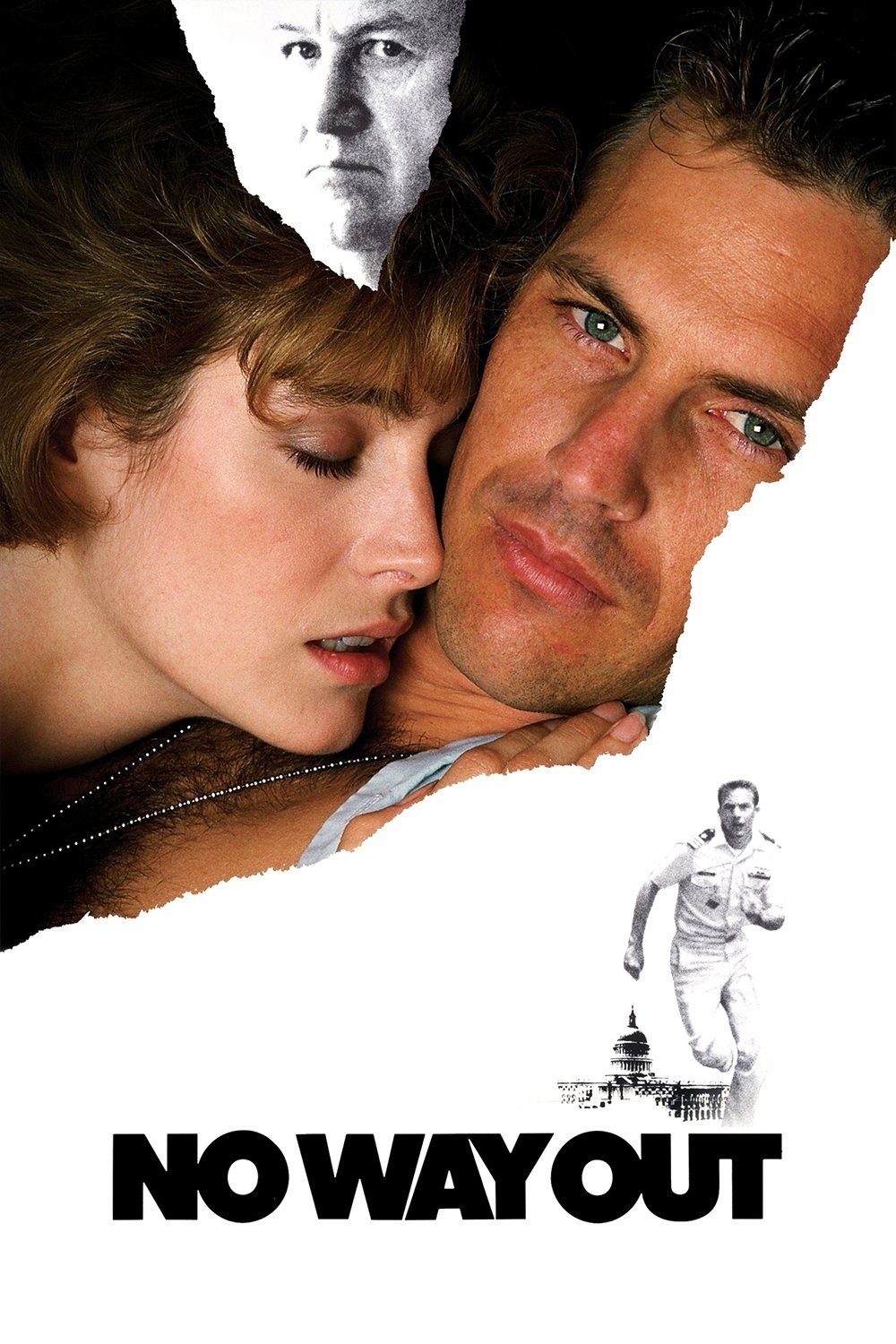
A naval officer becomes the target of a mole hunt in the Pentagon after a high profile death. A task force controls access to files, phone records, and computer logs to corner a suspect. The officer races to erase links that could frame him. Secure corridors and late night clearance checks become a map of pressure points.
‘Captain America: The Winter Soldier’ (2014)

A super soldier uncovers a plan to preempt threats with airborne carriers tied to vast data mining. He teams with allies to trace the program through agency servers and compromised leadership. Masked operatives, false briefings, and algorithmic targeting reveal a hidden agenda. The battle turns on who controls the switch that links surveillance to lethal force.
Share your favorite pick from this list in the comments and tell us which scenes stuck with you the most.