Top 20 Anime Where Everyone Dies


Looking for endings that swing for the fences and wipe the slate clean, these anime push beyond ordinary tragedy and land on extinction events, mass erasure, or timelines where no one makes it out alive. The selections include series and films that conclude with humanity destroyed, reality reset after universal death, or worlds left empty in the present timeline. Expect apocalyptic battles, metaphysical finales, and narratives that deliberately choose annihilation as their last word. Below are twenty stark examples, each noted with its release year in the heading.
‘Devilman Crybaby’ (2018)

This retelling follows Akira Fudo as he becomes a devilman to fight a rising tide of demons. As panic spreads, society fractures and global conflict erupts. The story escalates to a war between devils and humanity that consumes the planet. The final movements depict a world reduced to ruin, leaving no survivors in the present timeline.
‘Space Runaway Ideon: Be Invoked’ (1982)
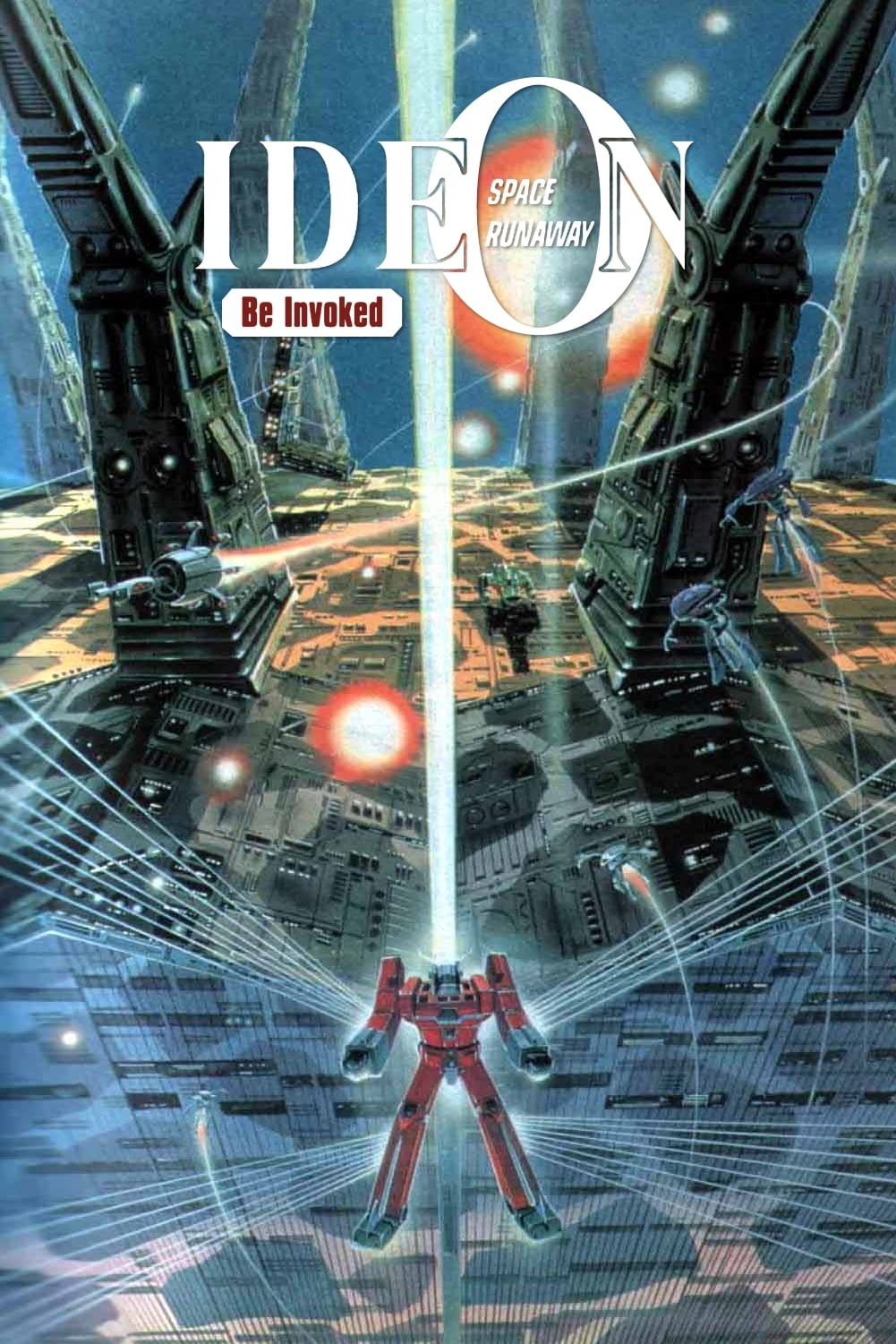
This film concludes the ‘Space Runaway Ideon’ saga by pushing its doomsday weapon beyond the brink. Battles between colonists and alien forces trigger a catastrophic chain of events. The Ideon’s final release brings about universal destruction. The aftermath suggests a reset that follows complete loss of life.
‘Neon Genesis Evangelion: The End of Evangelion’ (1997)

Human Instrumentality is activated as NERV and SEELE collide. The plan dissolves individual bodies into a sea of LCL, effectively ending humanity as separate beings. The film presents a world where people cease to exist in their prior forms. What remains are the consequences of a choice made after near total annihilation.
‘Saikano’ (2002)

A quiet romance unfolds alongside a secret military project that turns a schoolgirl into a living weapon. Each escalation in the war strips away more of the world. The final operations erase any path back for civilians or soldiers alike. The closing moments leave Earth devoid of human life.
‘Texhnolyze’ (2003)

This series charts the disintegration of a subterranean city ruled by gangs, scientists, and fading traditions. As conflicts intensify, the surface world is revealed to be barren and dying. System failures propagate until social and biological life withers. The conclusion implies the end of humanity’s line.
‘Casshern Sins’ (2008–2009)
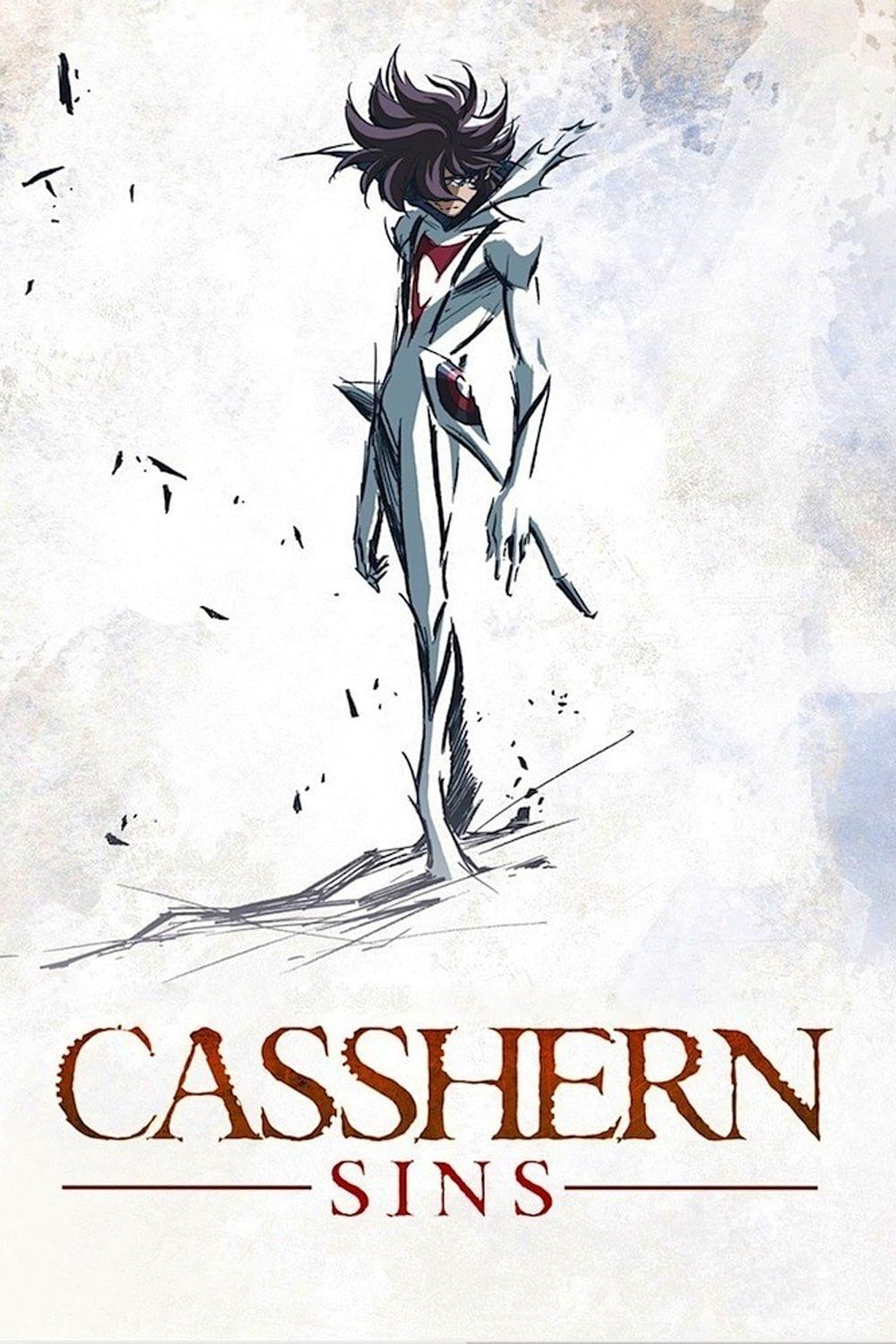
In a world where a mysterious “ruin” spreads, both humans and robots face inevitable decay. Casshern wanders through collapsing settlements and dying populations seeking the cause of the plague. Each encounter underscores a future with no long-term survivors. The narrative’s final cadence leaves existence winding down to nothing.
‘Cat Soup’ (2001)

This surreal journey follows siblings moving through dreamlike vignettes that distort time and reality. Natural cycles halt, the sun freezes, and the world’s motion stops. Scenes portray life slowly losing its animating force. The last image suggests an existence that simply ends.
‘Angel’s Egg’ (1985)

A girl and a soldier wander through a flooded, abandoned world filled with fossilized remnants. Cities stand empty, and extinct creatures are hunted as shadows. The film’s symbolism culminates in imagery of collapse and final judgment. Its closing sequence points to a world without living people.
‘Devil Survivor 2: The Animation’ (2013)

An invasion by otherworldly entities pushes society to systematic destruction over successive days. Strategic choices lead to timelines where entire populations are lost. The narrative depicts full resets after universal death as part of its premise. The path to resolution runs through a world that has already ended.
‘X’ (2001)

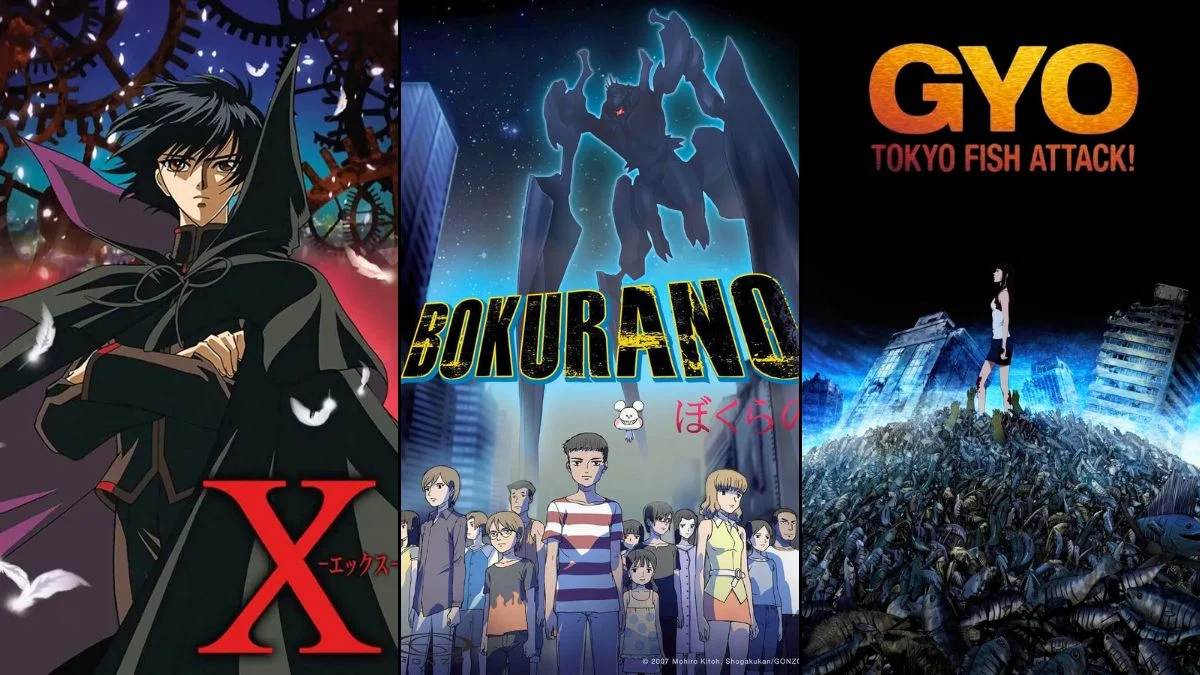
Two factions fight over the fate of Tokyo and, by extension, humanity’s future. Prophecies and psychic battles escalate to doomsday stakes. The series builds toward visions where the city falls and human life is erased. Its capstone makes apocalypse the price of destiny.
‘Gyo: Tokyo Fish Attack’ (2012)
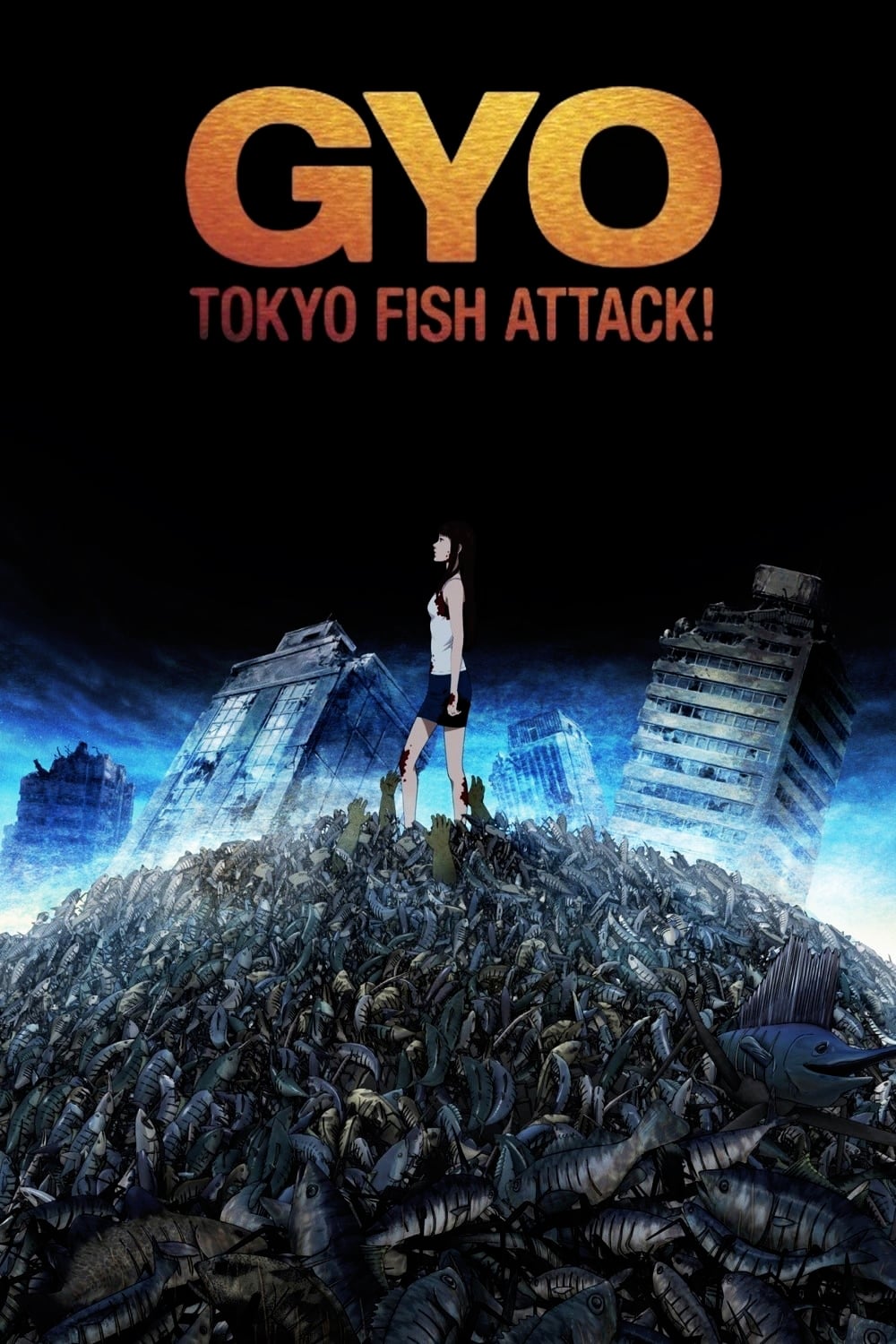
A bizarre outbreak sends biomechanical fish rampaging through Japan, spreading a lethal stench. Infection and transformation scale from local horror to national collapse. Attempts to contain the phenomenon fail as it crosses borders. The narrative points toward a scenario where no one remains.
‘Digital Devil Story – Megami Tensei’ (1987)

Occult experiments open pathways that demons use to overrun modern Japan. Cities are engulfed as summoners and deities clash. Human resistance fractures under supernatural onslaught. The outcome frames humanity’s end as the inevitable endpoint of the breach.
‘Pale Cocoon’ (2005)

Archivists in a sealed habitat sift through fragments of a dead Earth. Recorded memories show a planet long past reclaiming its inhabitants. Present-day communities struggle with dwindling numbers and purpose. The final revelations confirm that humanity’s world is already gone.
‘Devil Lady’ (1998–1999)

A wave of monstrous awakenings spreads through the population, with authorities unable to halt the transformation. Battles escalate beyond containment as society crumbles. The arc pushes toward a culminating catastrophe with no safe refuge. Its ending tracks the extinction of human normalcy and life.
‘Casshan’ (1973)

A robot uprising sets the stage for a protracted war that humans steadily lose. Strongholds fall and surviving populations shrink in every campaign. Casshan’s efforts only delay the inevitable erosion of mankind. The closing beat paints a terminal horizon for humanity.
‘King of Thorn’ (2009)

Cryogenically frozen volunteers awaken to a world swallowed by a lethal pathogen. The facility becomes a maze where mutations hunt the living. Flashbacks and revelations tie the outbreak to a global die-off. The projected endpoint is a planet emptied of people.
‘Now and Then, Here and There’ (1999–2000)
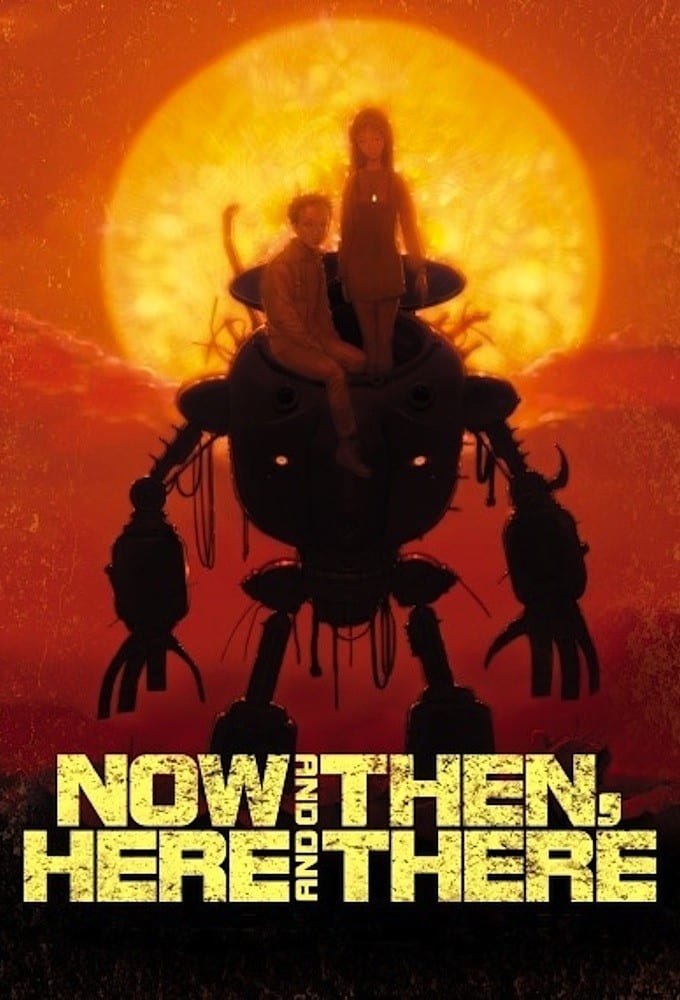
A boy is pulled into a future where water scarcity fuels endless war and exploitation. Each victory costs entire communities their lives. Environmental collapse removes any chance for recovery. The ending leaves a world that cannot sustain human survival.
‘Blue Gender’ (1999–2000)

Humanity is driven to the brink by insectoid lifeforms that reclaim Earth. Military plans to retake the planet repeatedly fail. Civilian enclaves vanish as supply lines and morale break. The overarching trajectory points to humankind’s disappearance.
‘Bokurano’ (2007)
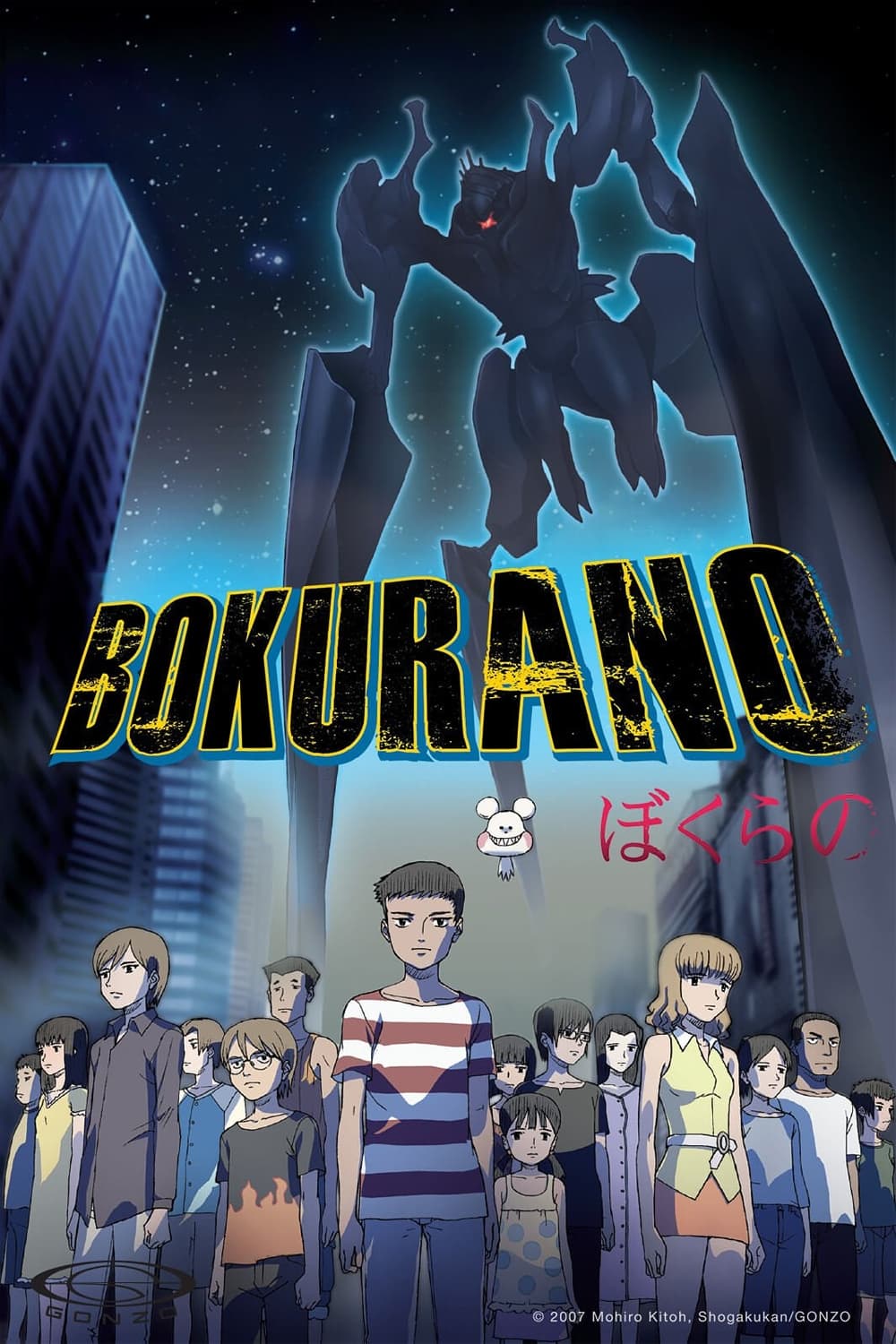
Children are forced to pilot a giant robot in battles that secretly decide the existence of parallel Earths. Every victory sacrifices a pilot and destroys another world. The system’s rules reveal that someone’s humanity is always erased. The conclusion accepts the logic of universal loss to end the cycle.
‘Apocalypse Zero’ (1996–1997)
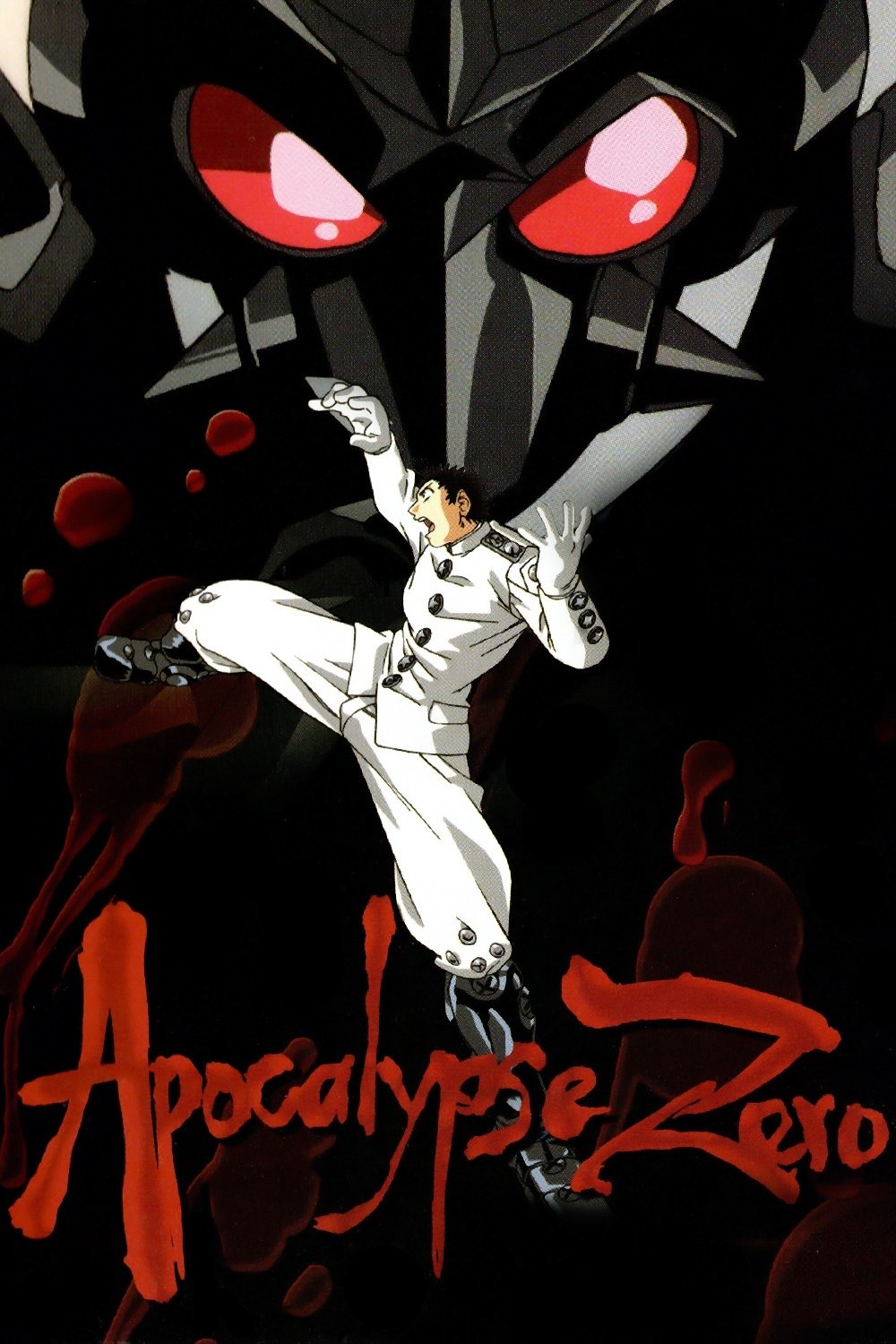
Grotesque monsters lay waste to a ruined city while survivors fight with dwindling strength. Each encounter escalates the collateral damage to what remains of civilization. Rescue efforts fail to secure future safety or stability. The last act foresees a landscape without living witnesses.
Share your picks in the comments and tell us which bleak finales you think belong on this list.