White Actors Hollywood Won’t Cast Anymore

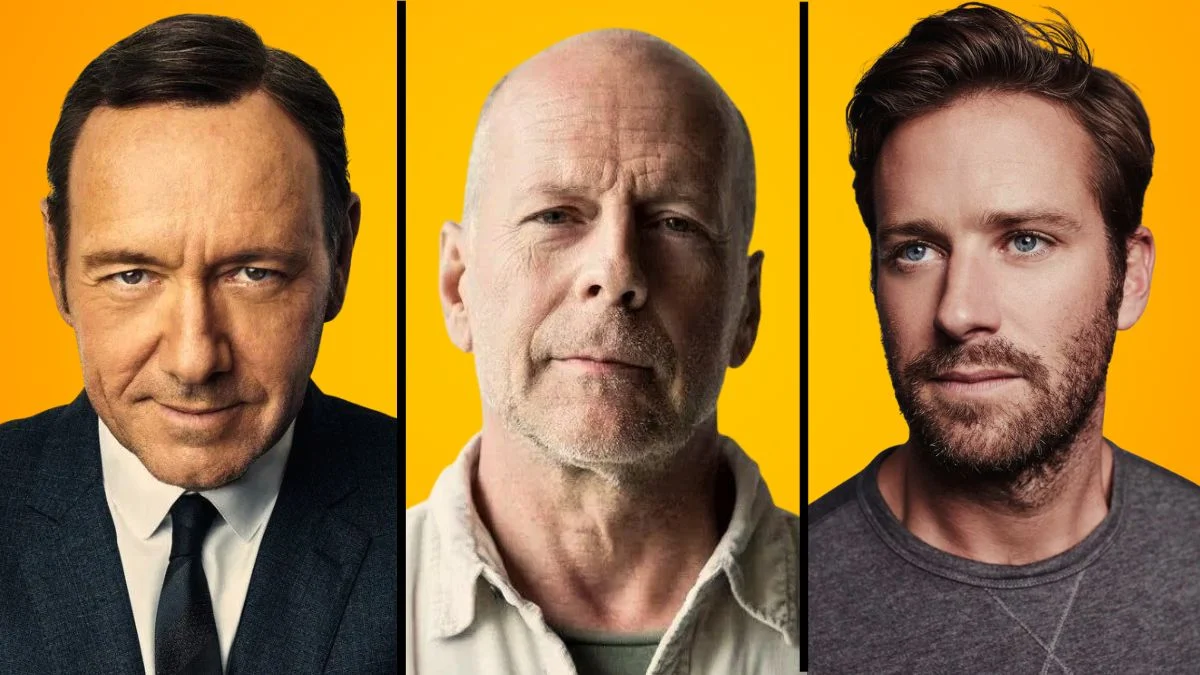

Hollywood careers can shift quickly, and some familiar faces from the 80s, 90s, and 2000s now show up far less often in major studio projects. Many have stepped back by choice, others moved to TV or indie films, and some faced controversies or health issues that changed their trajectories. The result is fewer mainstream roles and longer gaps between high-profile appearances. Here are actors whose big-screen visibility has dropped off and why that happened.
Bruce Willis
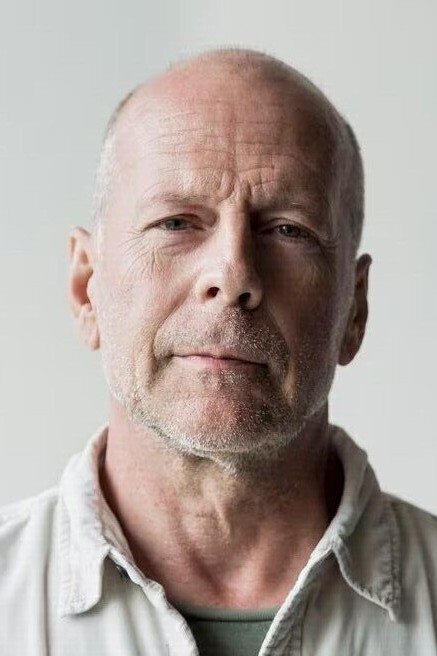
Bruce Willis retired from acting after his family disclosed his aphasia diagnosis, which later progressed to frontotemporal dementia. Prior to retirement, his output shifted to low-budget, limited theatrical or direct-to-video thrillers with brief on-set schedules. Insurance and safety considerations around his condition effectively ended new studio offers. His existing body of work continues to circulate widely through streaming and television.
Kevin Spacey
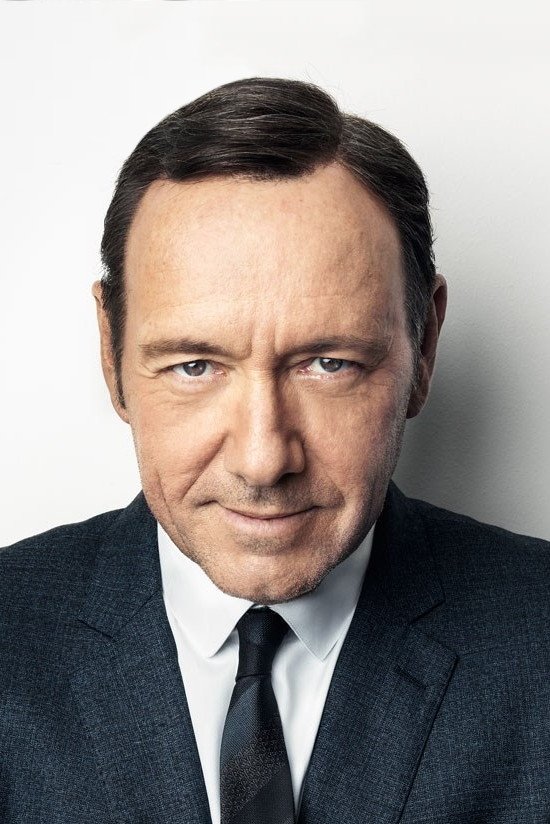
Kevin Spacey’s major studio career stalled after multiple public allegations led to projects being halted or recast. Though he was later acquitted in a high-profile London case, the reputational and business fallout remained significant. Distributors and financiers have largely avoided wide releases centered on him. Any new work has tended to come from smaller producers and limited markets rather than major studios.
Armie Hammer
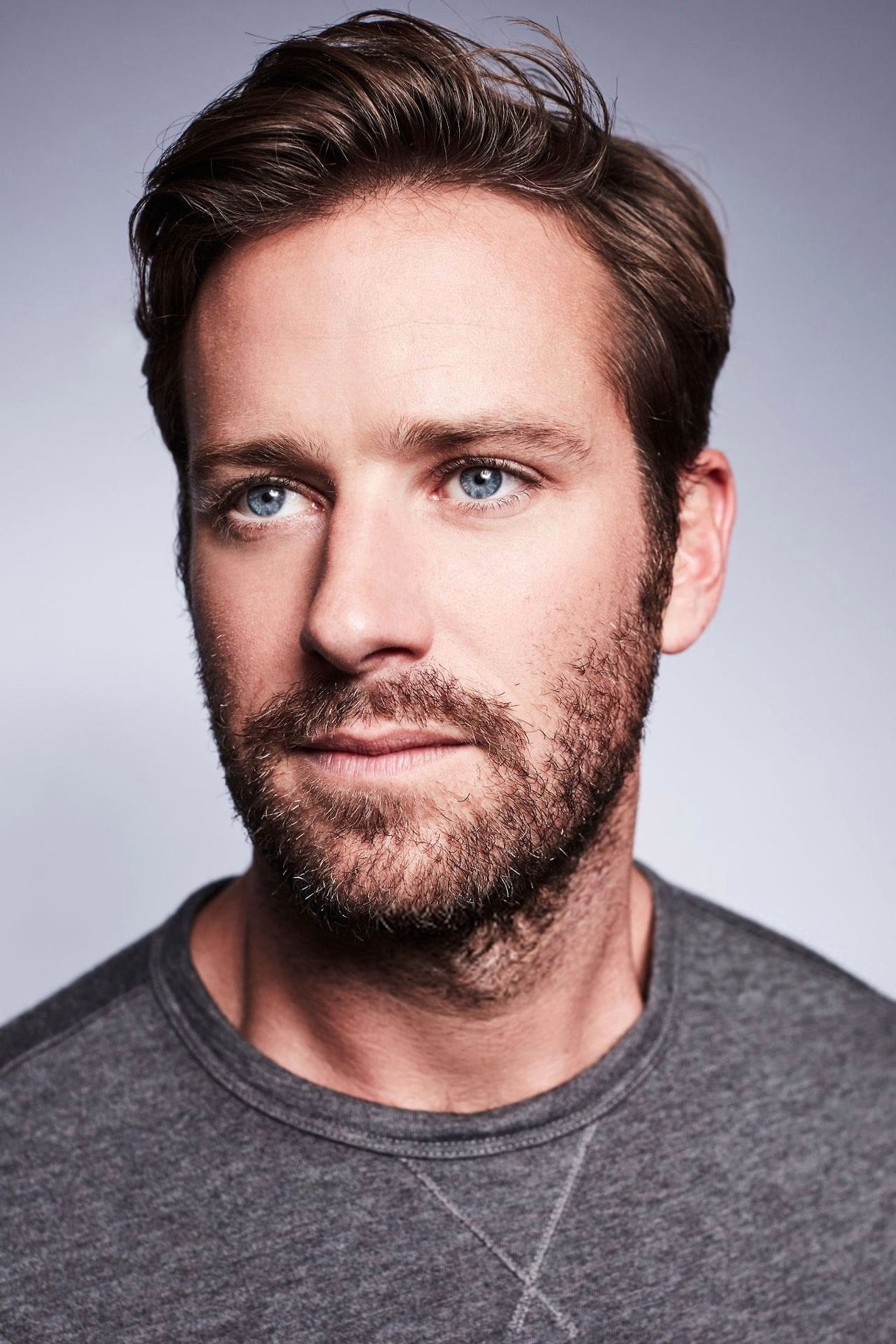
Armie Hammer’s career paused after multiple allegations surfaced and representation changes followed. Projects in development were recast or shelved, and he withdrew from several roles. Since then he has not returned to major studio features in a lead capacity. Industry attention has centered more on his off-screen situation than new screen credits.
Gina Carano
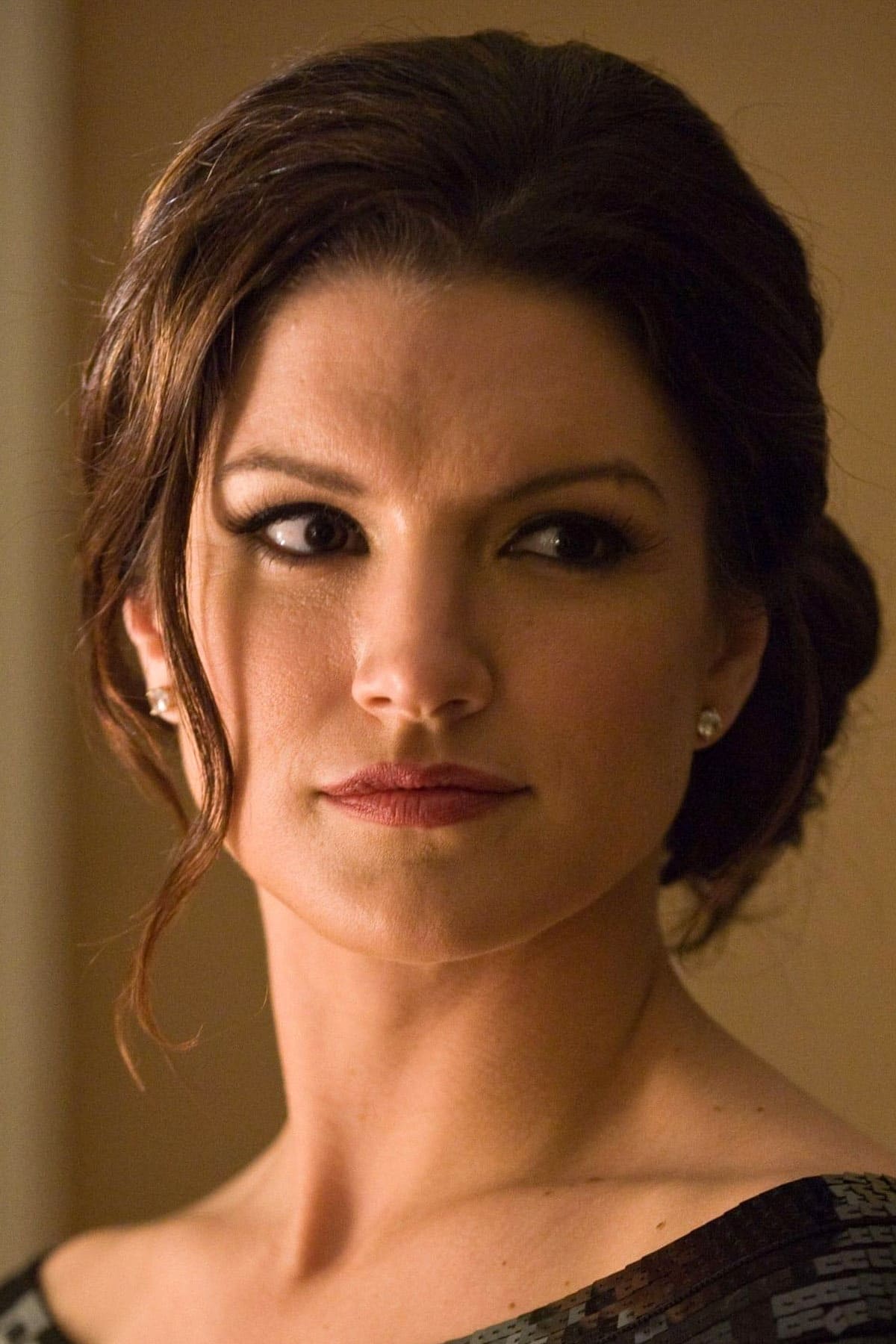
Gina Carano’s exit from a breakout streaming series was followed by separation from a major agency and fewer mainstream offers. Subsequent projects have been independently financed or targeted to niche audiences. Her social media activity and public statements factored into corporate decisions about casting and brand alignment. As a result, her recent work has bypassed the studio system.
Shia LaBeouf
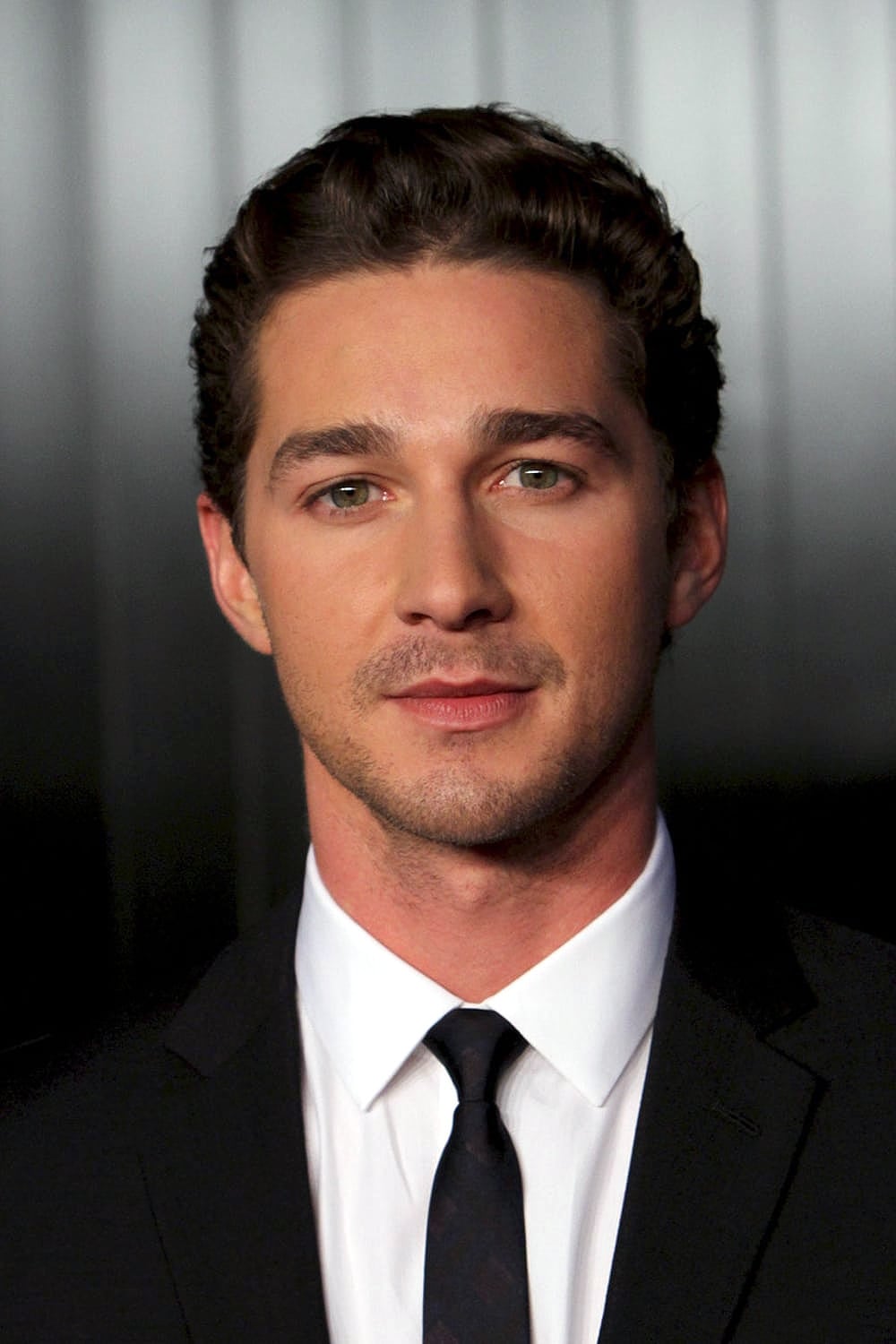
Shia LaBeouf’s filmography shifted after lawsuits and public controversies led some collaborators to distance themselves. He has appeared in select festival-oriented or international productions rather than wide studio releases. His recent work emphasized theater and European projects over mainstream Hollywood films. Major distributors have taken a cautious stance on building campaigns around him.
Katherine Heigl
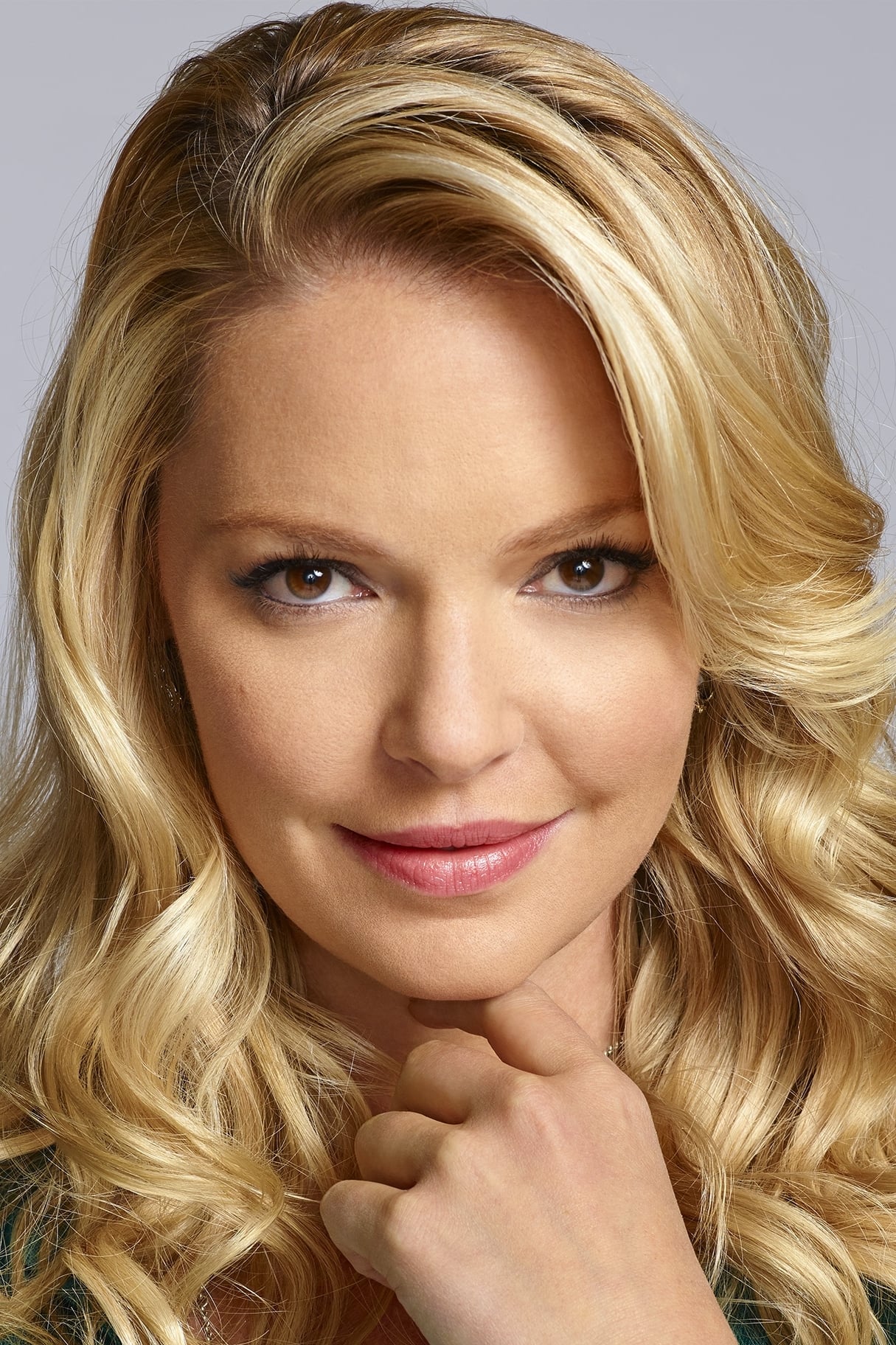
Katherine Heigl moved from studio rom-com leads to television and streaming dramas after reports of difficult professional relationships circulated. She found steadier opportunities as a series lead and producer. The pivot reduced her presence in theatrical releases, even as her TV profile remained active. Her production work has focused on character-driven stories outside the studio tentpole orbit.
Chevy Chase
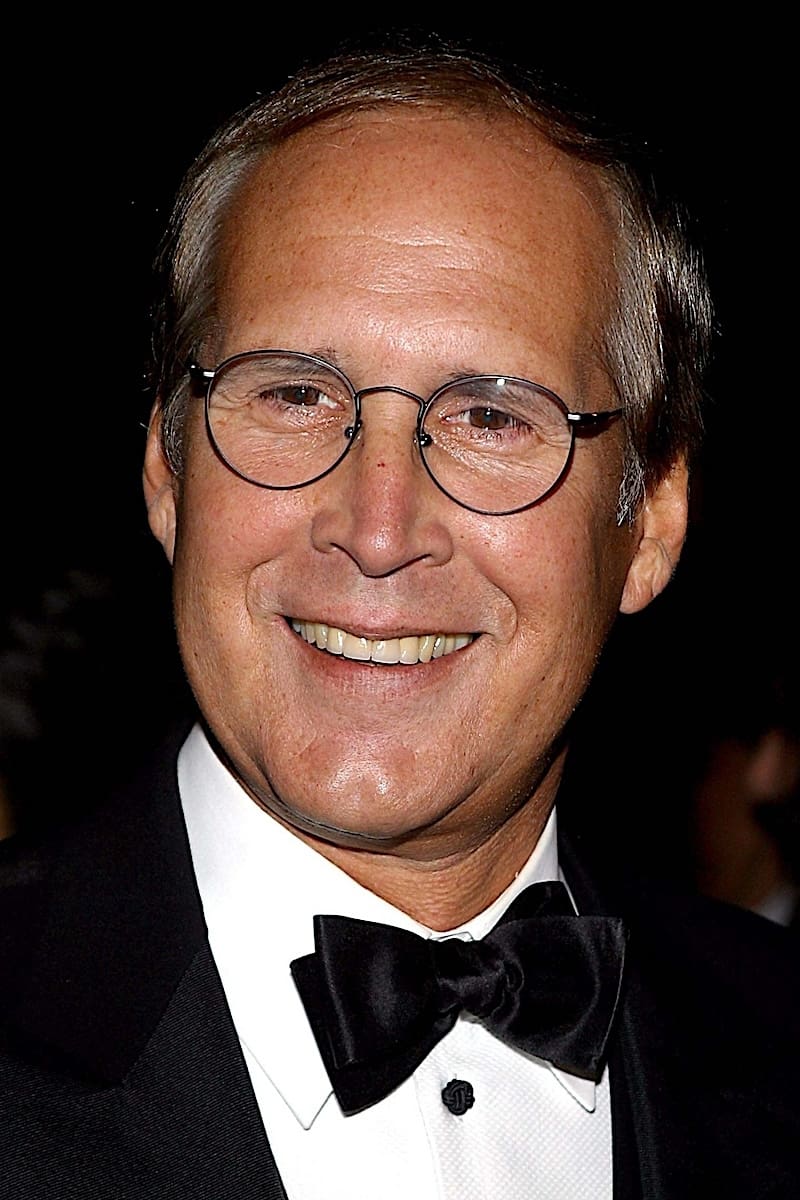
Chevy Chase’s mainstream film roles slowed following widely reported on-set conflicts and a reputation for being difficult to work with. Later appearances were mostly cameos or supporting parts in smaller projects. The industry’s shift toward ensemble IP-driven comedies left fewer vehicles tailored to his classic persona. He now makes occasional appearances rather than anchoring studio comedies.
Taylor Lautner
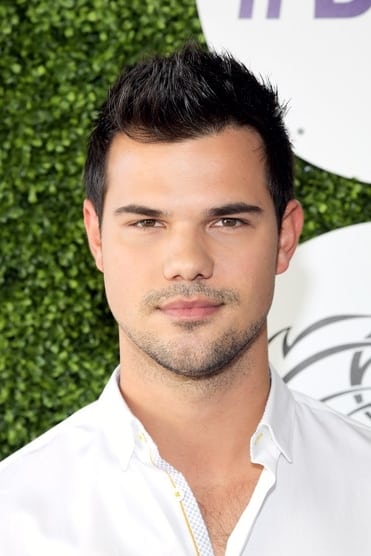
Taylor Lautner’s post-franchise career saw a move toward television guest roles and smaller films. Attempts to extend his action-lead profile did not translate into sustained box-office momentum. As studios chased established IP and older action stars, opportunities for him in wide releases diminished. He remains active with appearances and hosting but with fewer major theatrical offers.
Seann William Scott
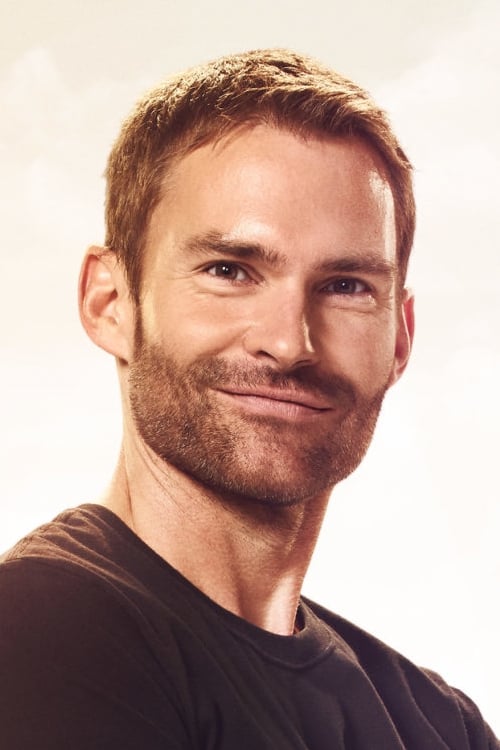
Seann William Scott shifted from front-line studio comedies to supporting roles and cable or streaming projects. Changes in R-rated comedy trends reduced demand for the specific style that made him famous. He found steady work in voice acting and ensemble television rather than theatrical leads. Studio casting has favored newer comedic voices and franchise-linked talent.
Dane Cook
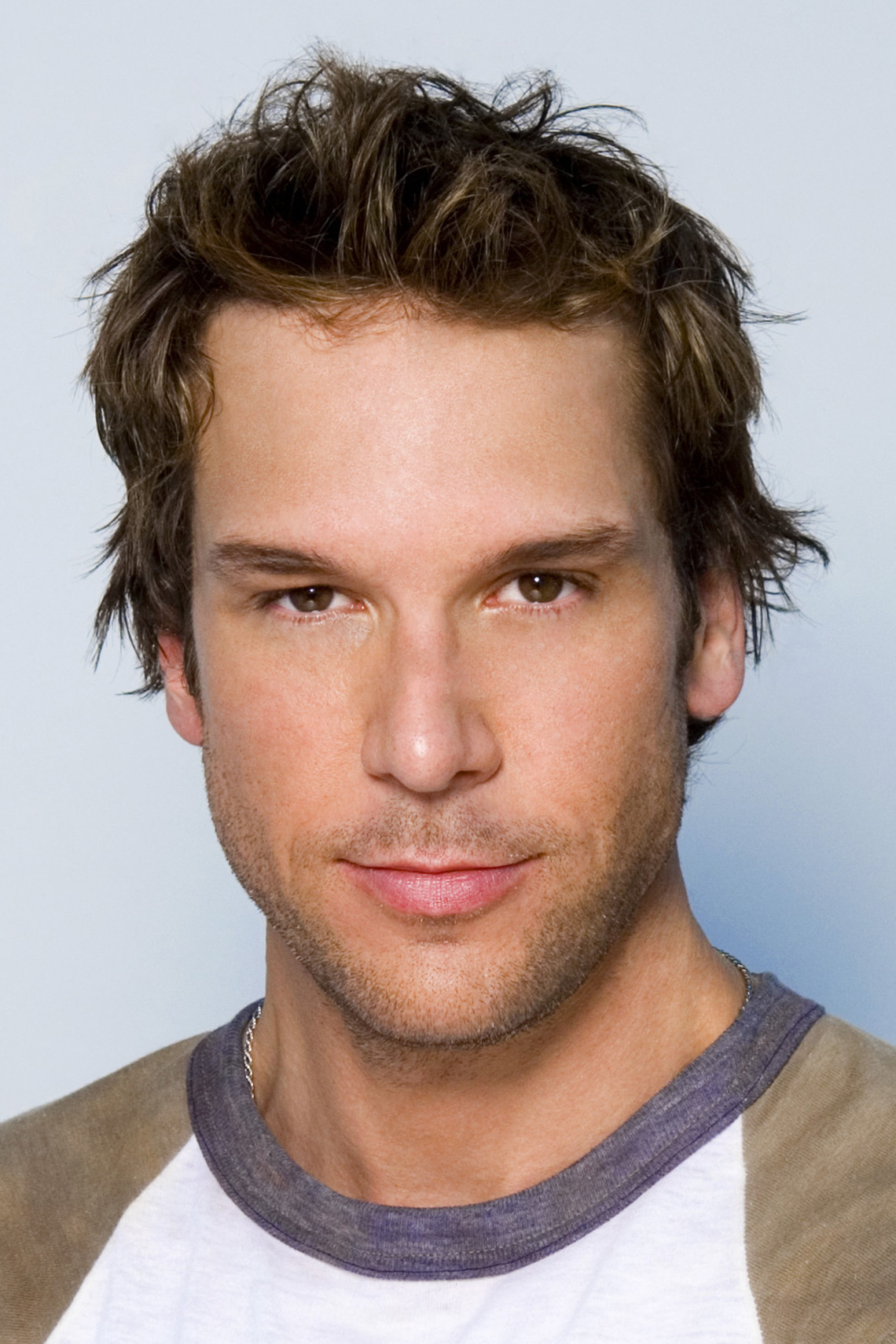
Dane Cook’s pivot from arena comedy to acting produced a handful of studio leads before momentum slowed. Later film work trended toward limited releases and indie thrillers. Stand-up remained his primary platform, with tours and specials taking priority. Without recent theatrical hits, studios offered fewer headline roles.
Alex Pettyfer
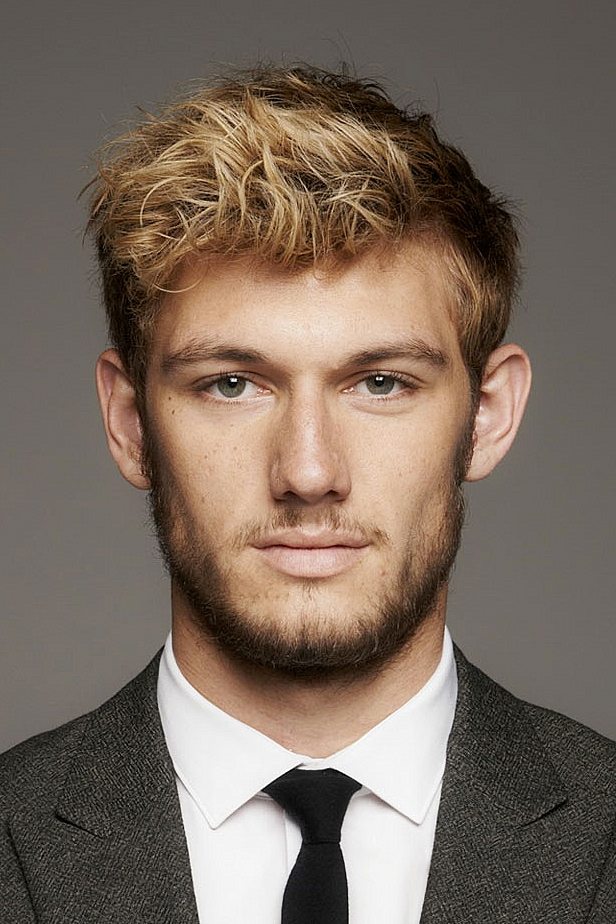
Alex Pettyfer’s early positioning as a studio lead cooled after reports of difficult on-set behavior and uneven box-office results. He continued working in independent films and occasional supporting parts. International co-productions provided opportunities outside the biggest U.S. pipelines. The combination of reputation concerns and performance history limited top-tier casting.
Emile Hirsch
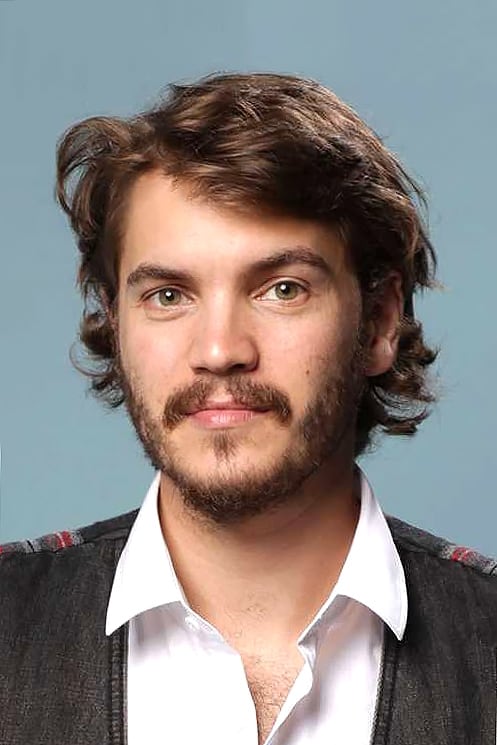
Emile Hirsch’s career contracted after a highly publicized legal incident during a festival. He continued acting in independent features and genre projects with modest distribution. Major studios largely avoided building releases around him. His recent credits skew toward smaller budgets and limited marketing spends.
Mischa Barton

Mischa Barton’s frequent tabloid attention and uneven post-teen-drama roles led to fewer mainstream film opportunities. She appeared in indie productions and international television, including guest arcs and reality formats. Studio features did not materialize at the pace once projected. Her on-screen work now appears sporadically across smaller distributors.
John Cusack
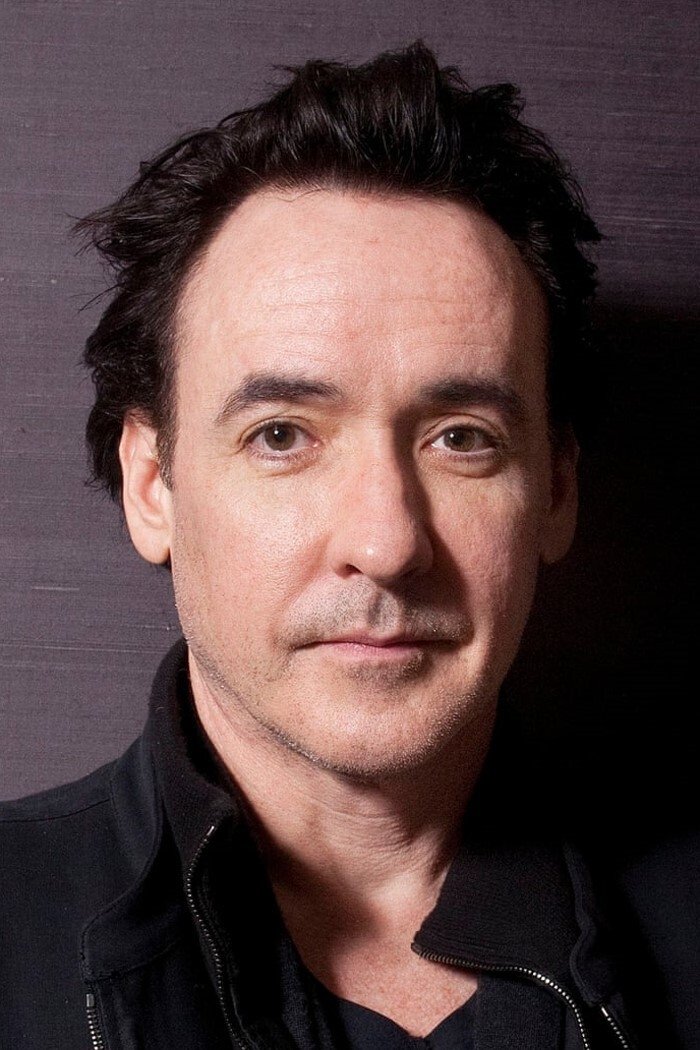
John Cusack moved away from studio dramas and rom-coms into video-on-demand thrillers and international co-productions. He works consistently but mostly outside wide theatrical release patterns. Budget tiers and distribution strategies place these films in limited markets. The shift keeps him active while reducing his presence in major studio campaigns.
Meg Ryan
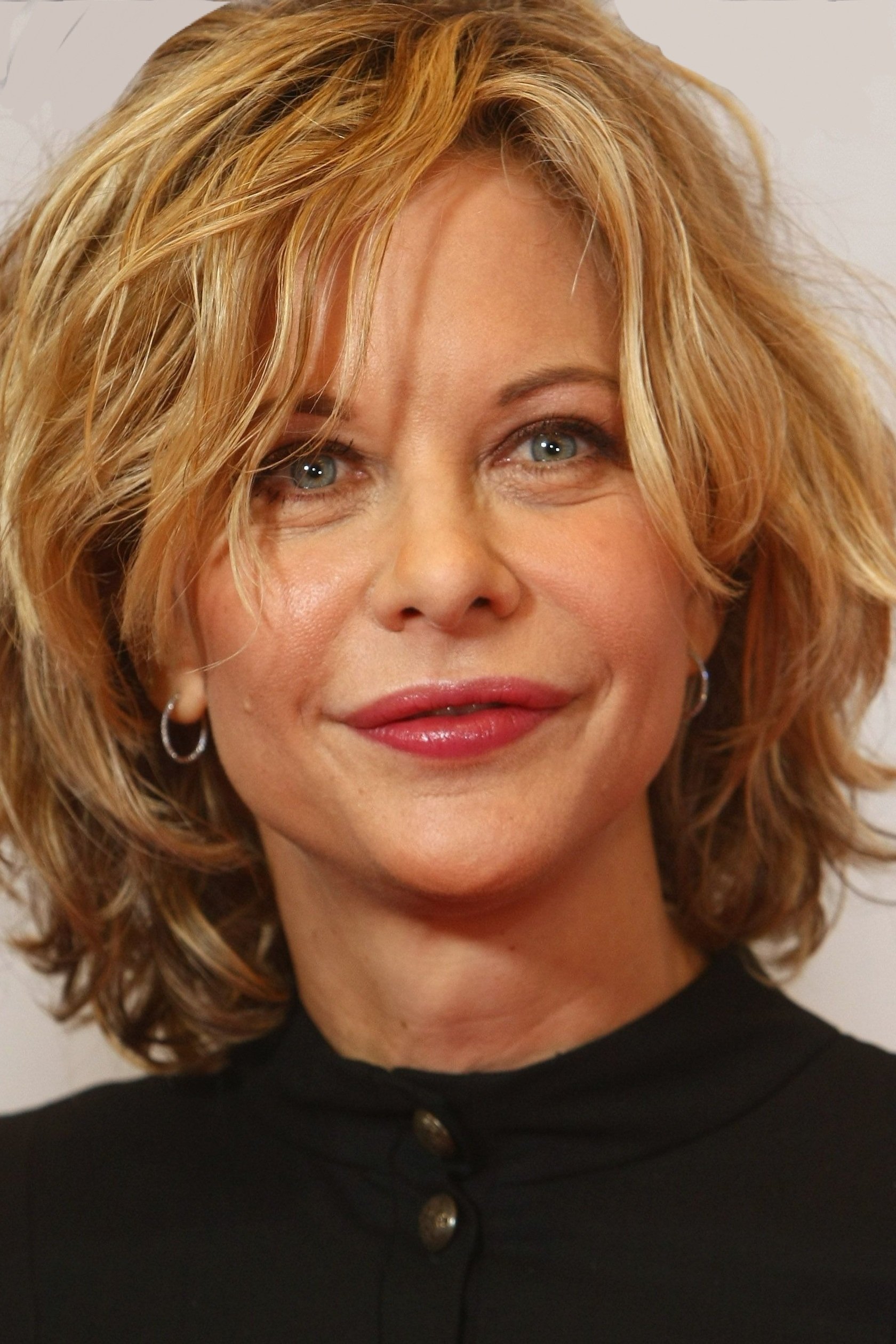
Meg Ryan stepped back from acting and directing for long stretches after her peak rom-com era. Occasional returns have been independent or modestly scaled releases rather than studio tentpoles. She focused on family and selective projects, resulting in long gaps between roles. The market for mid-budget romantic comedies also shrank, narrowing traditional lanes for her.
Jessica Alba
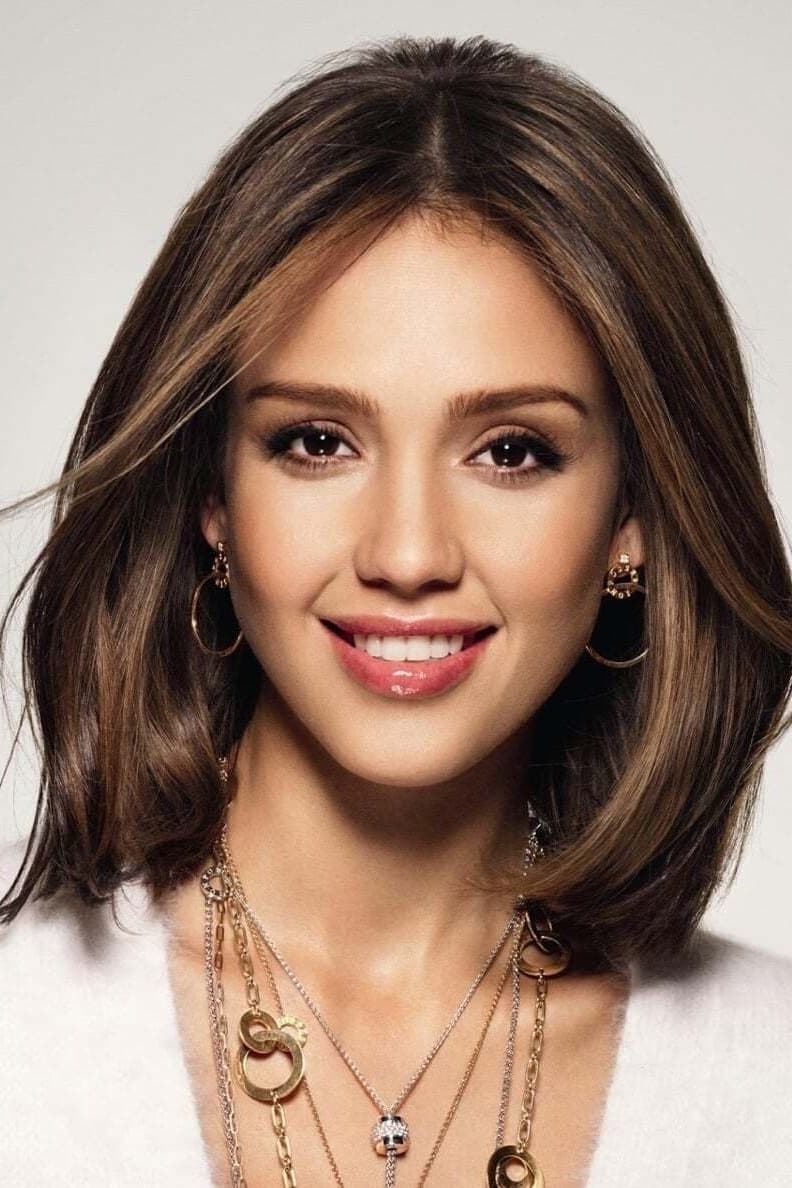
Jessica Alba prioritized building a consumer-goods company and other ventures, reducing her acting output. When she returned, projects often landed on streaming or in smaller-scale releases. Her business commitments limited availability for extended shoots. The combination of entrepreneurship and changing studio slates meant fewer theatrical roles.
Rose McGowan

Rose McGowan’s on-screen career slowed as she became a prominent industry activist. She released a memoir and appeared in documentary and speaking formats more than narrative features. Casting conversations often centered on her public role rather than leading parts. Her film work shifted to sporadic indie projects.
Teri Hatcher
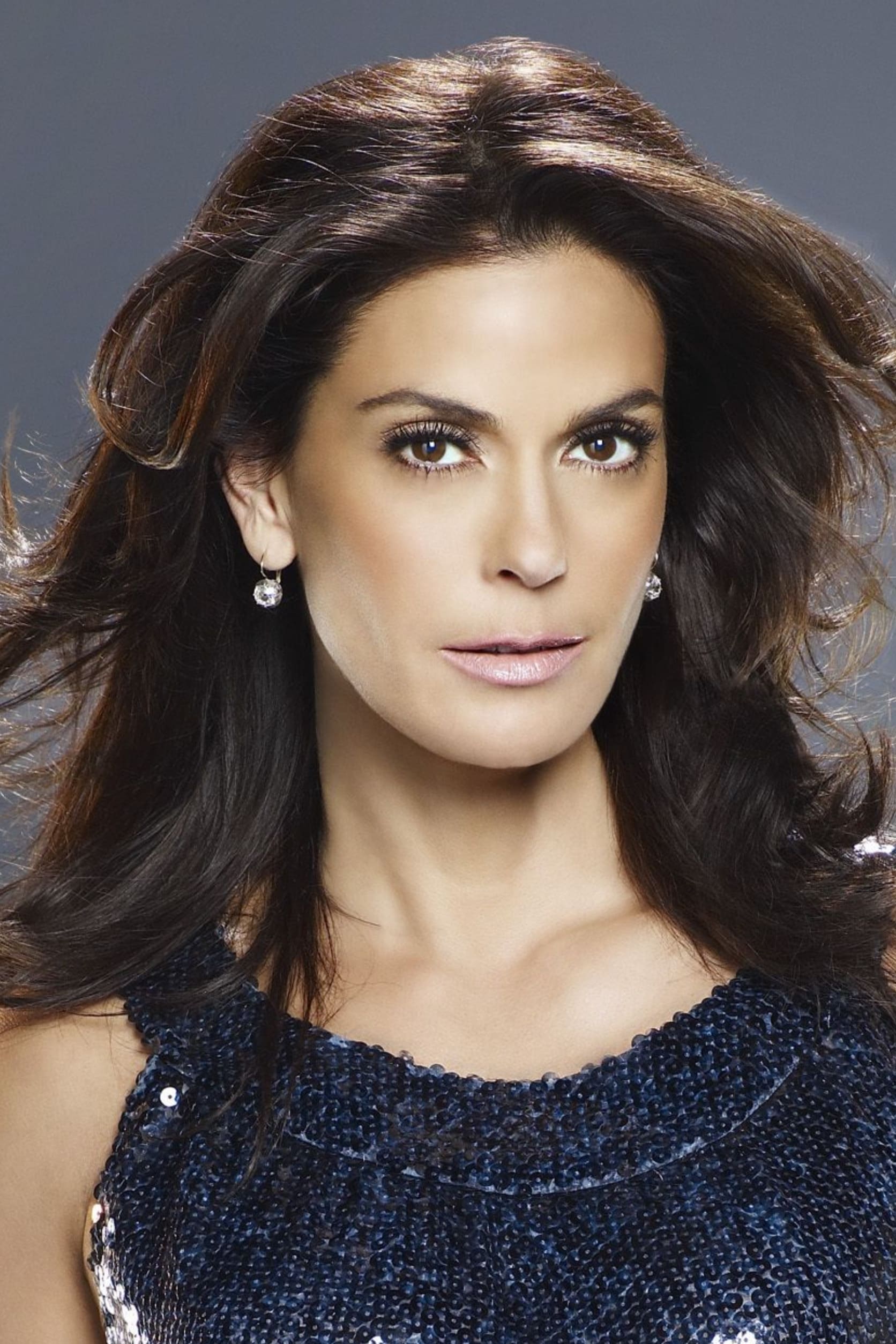
Teri Hatcher’s peak television fame did not translate into sustained studio film leads afterward. She made guest appearances, voice roles, and reality-adjacent projects instead of wide theatrical releases. Industry ageism and fewer mid-budget adult dramas reduced available roles. Her recent credits tend to be television or streaming rather than major studio films.
Rachael Leigh Cook
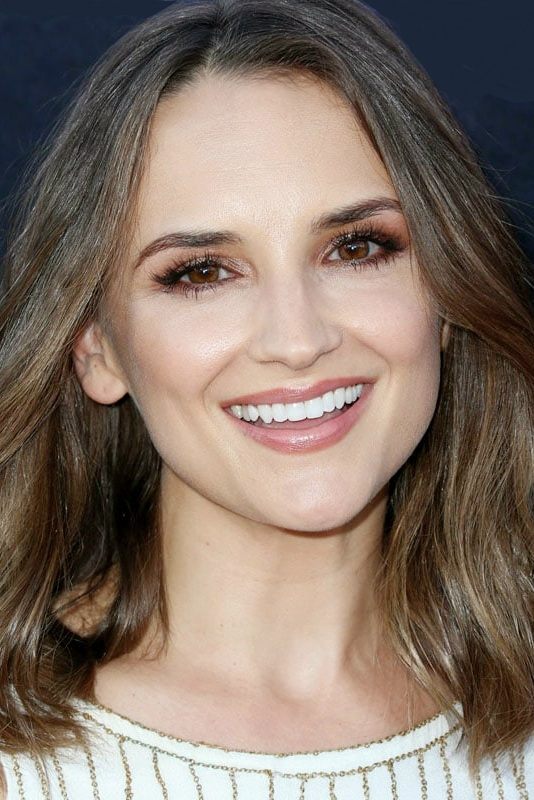
Rachael Leigh Cook continued working steadily in indie films and cable or streaming romances. Theatrical wide releases became infrequent as she focused on niche audiences. Producing and developing projects gave her creative control outside the studio system. Her visibility remains high in targeted formats, but not in major studio lineups.
Share which names surprised you most and who you think still deserves a big-screen comeback in the comments.