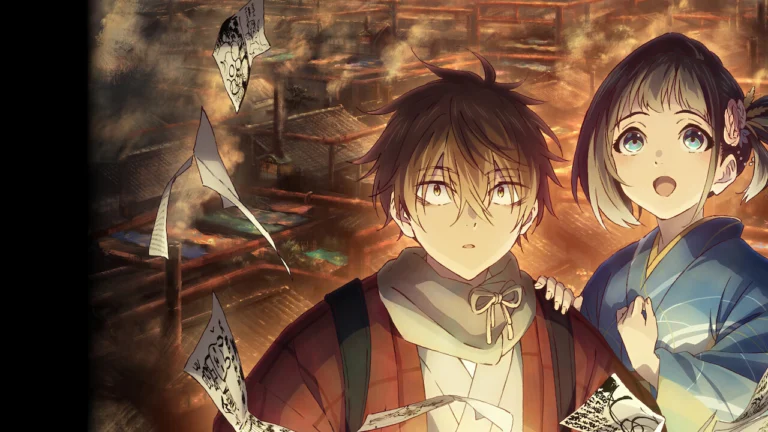
15 Coolest Anime Cityscapes & Worldbuilding, Ranked

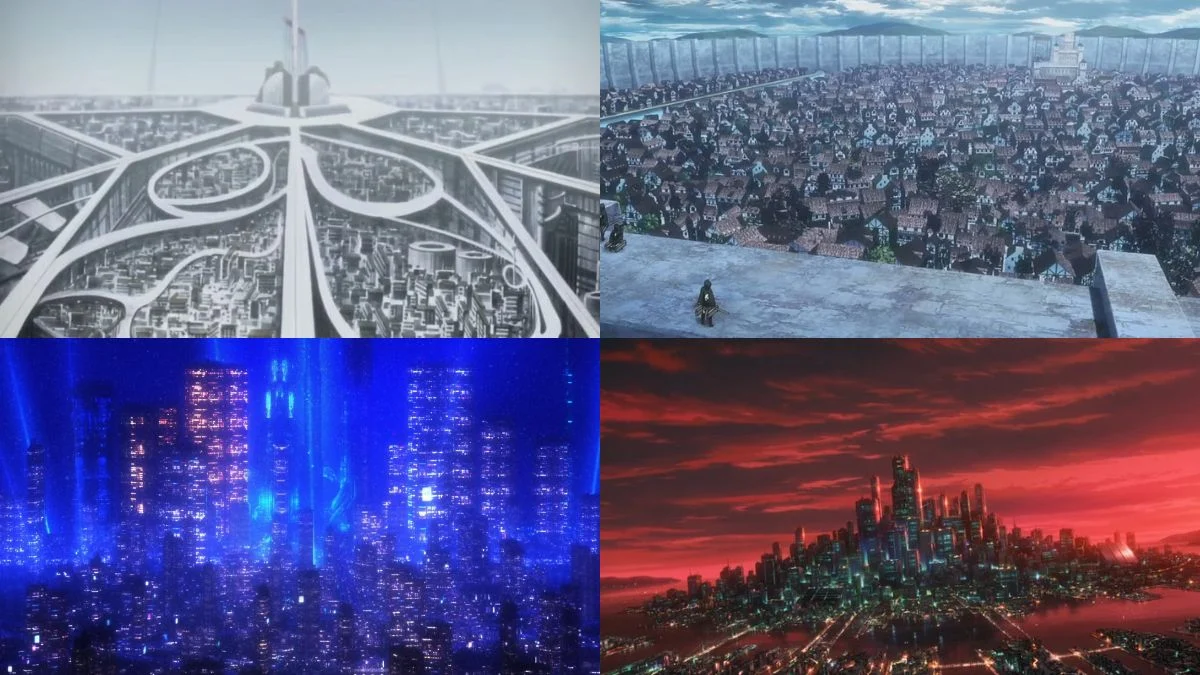

Some anime build entire worlds that feel ready to step off the screen, with cities, governments, and ecosystems that operate by clear internal rules. This countdown tours striking settings that are defined by infrastructure, technology, and geography you can map in your head. You will find planned capitals, improvised slums, orbital routes, and megastructures that shape how people live and move. Each entry highlights concrete details about how these places function and why their systems matter to the stories set there.
Treasure Town in ‘Tekkonkinkreet’ (2006)
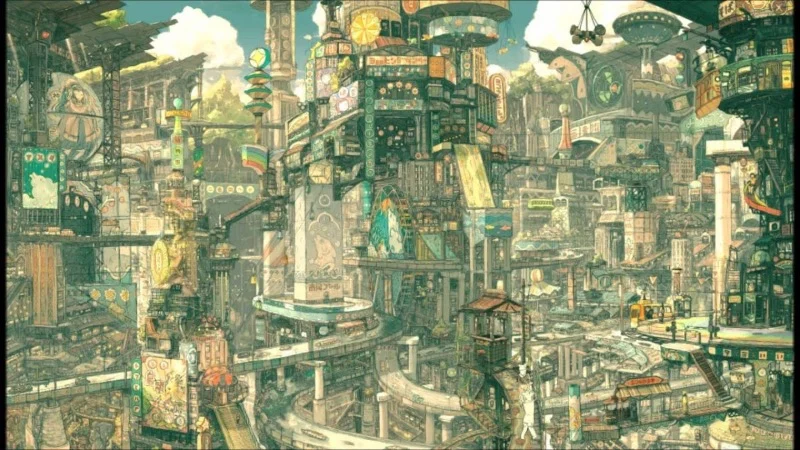
Treasure Town is a dense coastal city modeled on aging Japanese downtowns with tangled power lines and narrow backstreets. The layout mixes elevated highways with hand painted signage that reflects competing gangs and small businesses. Public spaces such as rooftops and abandoned lots serve as circulation paths for kids who travel across the skyline. Redevelopment plans drive zoning changes that threaten older districts and create friction between municipal goals and street level life.
Promepolis in ‘Promare’ (2019)
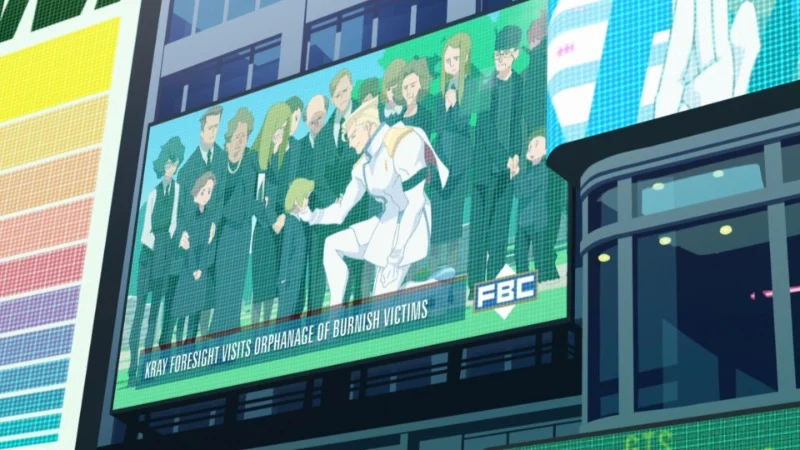
Promepolis is a disaster ready city built after a wave of spontaneous combustions reshaped urban safety rules. Firefighting mechs deploy from specialized hangars that connect to wide boulevards designed for emergency response. Energy sources tie into crystalline fuel that glows through visible conduits and powers municipal systems. Civil authority is centralized in a stark administrative tower that oversees surveillance and crisis control.
The Hole and the Sorcerer World in ‘Dorohedoro’ (2020)
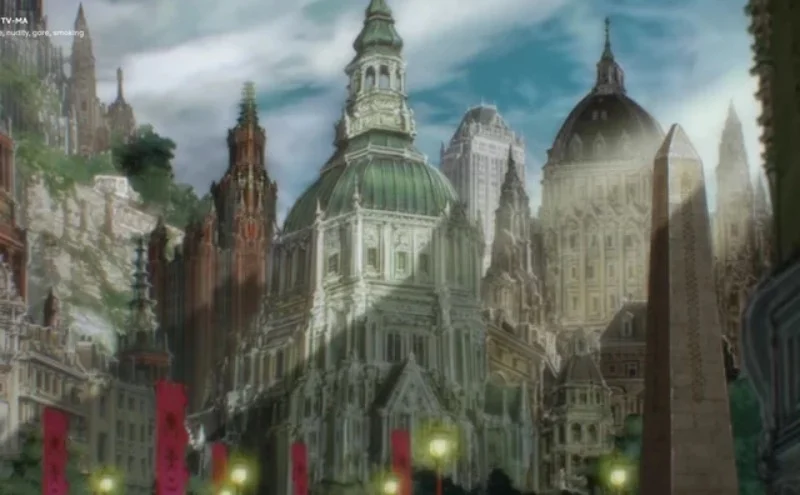
The Hole is an industrial sprawl with smokestacks, derelict factories, and ad hoc housing that grew without formal planning. Doorways to the Sorcerer World open through ritual portals, which enables cross border crime and sudden incursions. Local clinics and back alley shops specialize in treating magic related injuries and reversals. Waste management and air quality are persistent problems that shape how residents move and work.
Romdeau in ‘Ergo Proxy’ (2006)
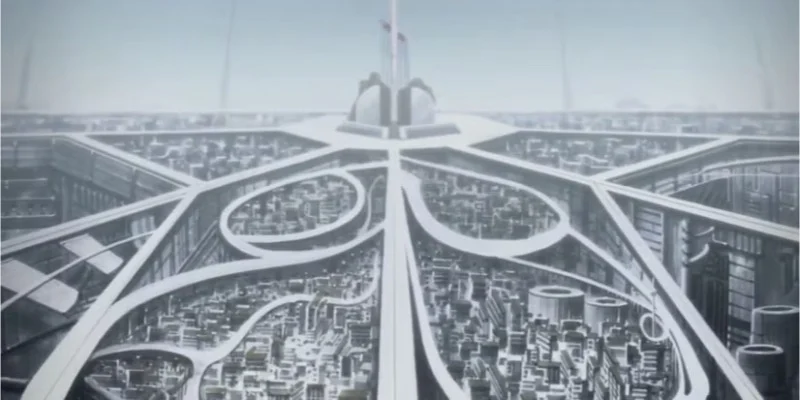
Romdeau is a domed city organized around a central administrative complex that regulates population and resources. Citizens rely on AutoReiv companions for daily tasks, and identification systems track movement through districts. Imports arrive via sealed corridors that connect to external settlements under strict quarantine rules. Public messaging broadcasts reinforce social stability while municipal services prioritize maintenance of the dome.
Orth and the Abyss in ‘Made in Abyss’ (2017–2022)
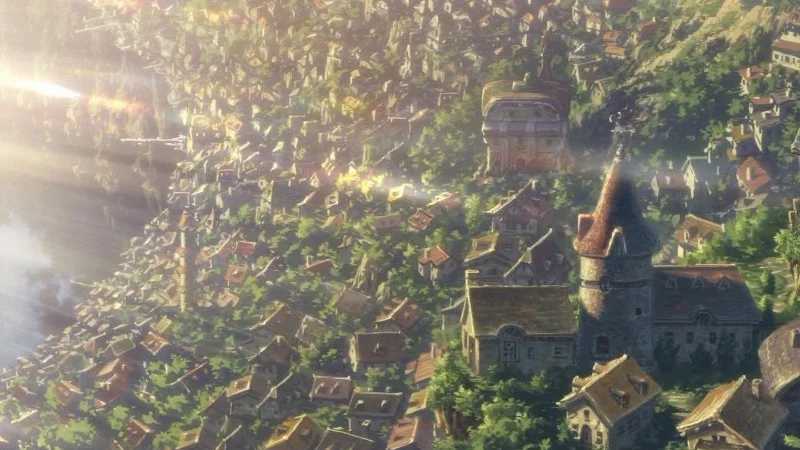
The city of Orth encircles a vast vertical chasm known as the Abyss, and its economy depends on relic exploration. Guilds manage permits, supply depots, and staging areas that ring the crater. Descent routes pass through named layers where atmospheric and biological conditions change in predictable ways. Ascent sickness follows codified patterns that determine rescue plans and the design of tether systems.
Shiganshina and the Walls in ‘Attack on Titan’ (2013–2023)
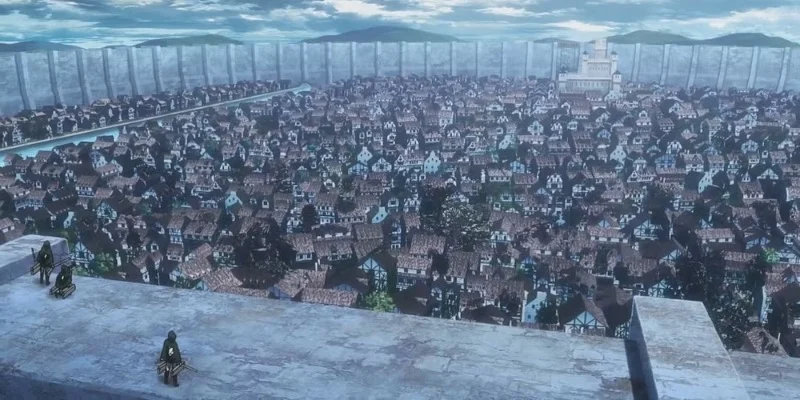
Shiganshina District sits on the edge of a ringed fortification system made of three concentric walls. Gates face cardinal directions, and outer bulges function as kill zones that channel threats. Gas powered mobility gear requires storage depots, refueling stations, and barracks close to patrol routes. Agricultural zones occupy interior land to secure food logistics within the defensive perimeter.
Amestris in ‘Fullmetal Alchemist: Brotherhood’ (2009–2010)
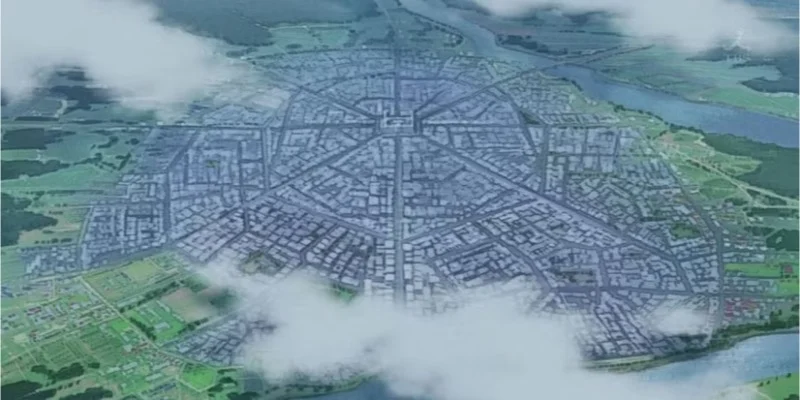
Amestris is a centralized state whose rail network radiates from the capital and links frontier cities. Administrative divisions map onto a large transmutation array embedded across the country through civic works and urban planning. The State Military controls research labs and training bases that anchor regional authority. Border conflicts influence supply chains and the placement of fortresses near key passes.
Mars and the Gate System in ‘Cowboy Bebop’ (1998–1999)
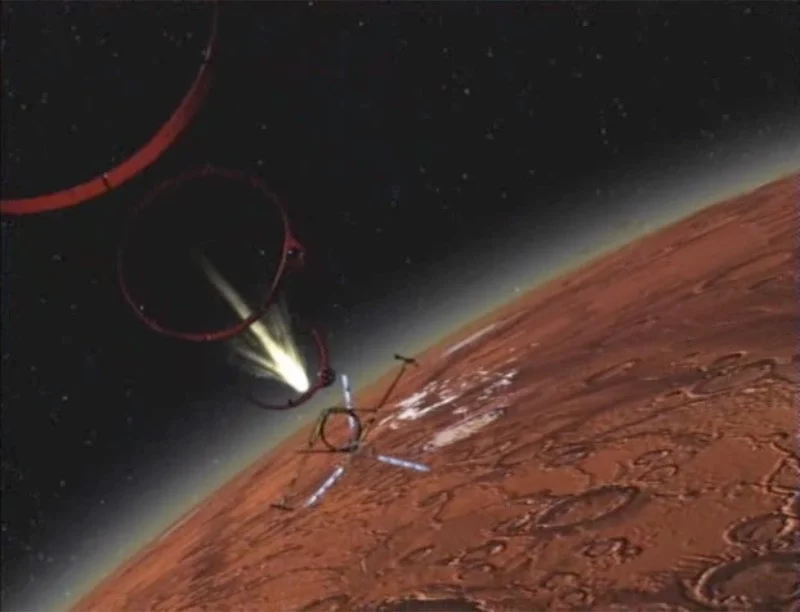
The solar system relies on Astral Gates that enable high speed travel between planets and moons. Mars features terraformed cities with domes and open air districts that connect to interplanetary shipping hubs. Spaceports incorporate customs, bounty registries, and cargo handling that support freelance crews. Weather control and environmental maintenance are ongoing projects that keep settlements habitable.
Tokyo under Sibyl in ‘Psycho-Pass’ (2012–2019)
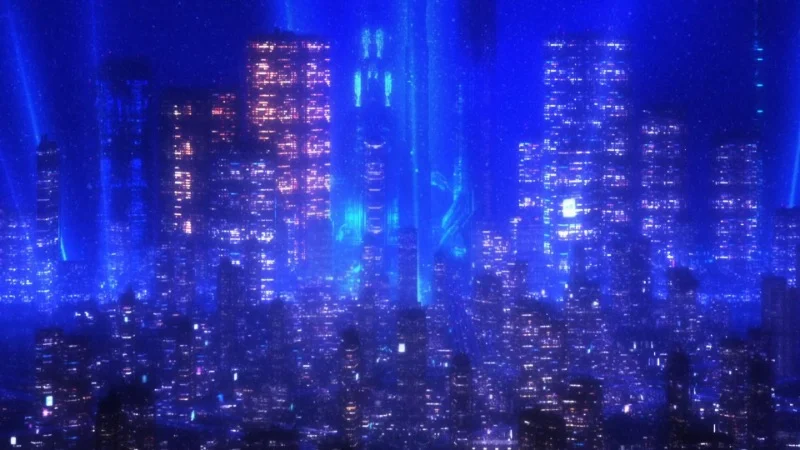
Public safety in this Tokyo depends on the Sibyl System, which reads mental states and assigns crime coefficients. Police gear links to networked scanners and authorizes weapon use based on live data. City blocks contain therapy centers, drone patrols, and kiosks that provide instant assessments for citizens. Education and employment pipelines sort people into roles through quantified profiles that feed back into urban management.
The City in ‘Blame!’ (2017)
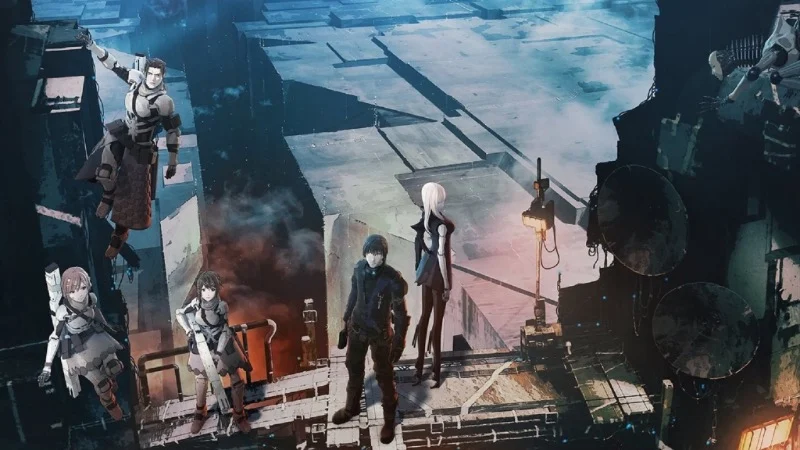
The City is a planet spanning megastructure built by autonomous systems that no longer accept human commands. Builder units expand corridors and chambers according to lost protocols, which creates labyrinthine layers. Safe zones rely on access terminals and genetic markers that allow transit through restricted gates. Food and water production are automated in sealed sections that can be rerouted or severed without notice.
Niihama in ‘Ghost in the Shell’ (1995)
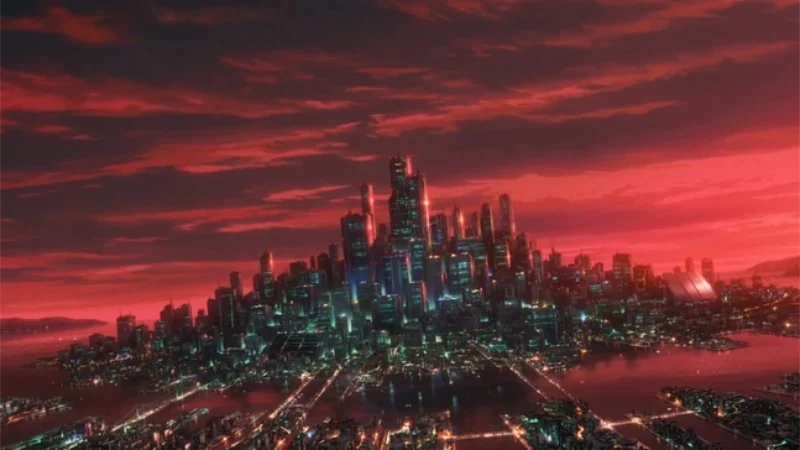
Niihama is a ports and canals metropolis where cybernetic augmentation is common and network infrastructure runs through every district. Law enforcement interfaces with data grids that enable remote dives and evidence retrieval. Corporate compounds sit beside public housing, and both connect to fiber backbones under streets and waterways. Thermoptic camouflage, cyberbrains, and prosthetics integrate into daily transit and communication.
Neo-Tokyo in ‘Akira’ (1988)
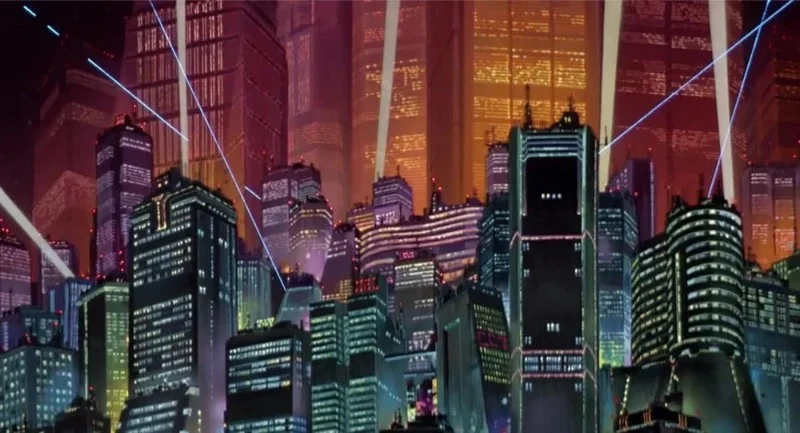
Neo-Tokyo rises around stadium construction sites and elevated expressways after a catastrophic explosion reshaped the bay. Districts include biker routes, black markets, and student zones that cluster near schools and arcades. Government labs operate under the city with secured corridors that link to military convoys. Public protests, curfews, and riot control units indicate a city run by emergency ordinances.
The Solar System in ‘Legend of the Galactic Heroes’ (1988–1997)
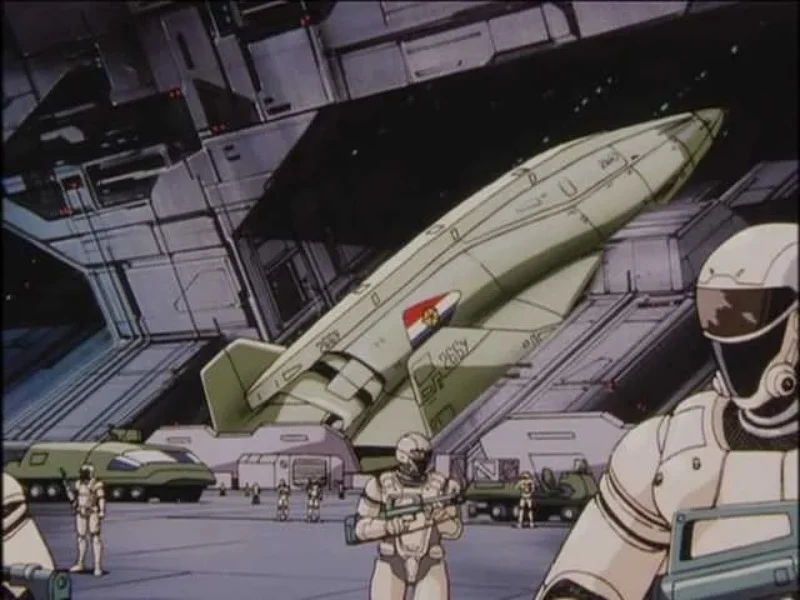
Interstellar society organizes into the Galactic Empire and the Free Planets Alliance with fleets moving through strategic corridors. Fortress installations such as Iserlohn control chokepoints that determine trade and military logistics. Civilian worlds maintain food production, shipyards, and information bureaus that support long campaigns. Political capitals plan taxation and conscription systems that influence settlement patterns across star systems.
The Megastructure and Sidonia in ‘Knights of Sidonia’ (2014–2015)
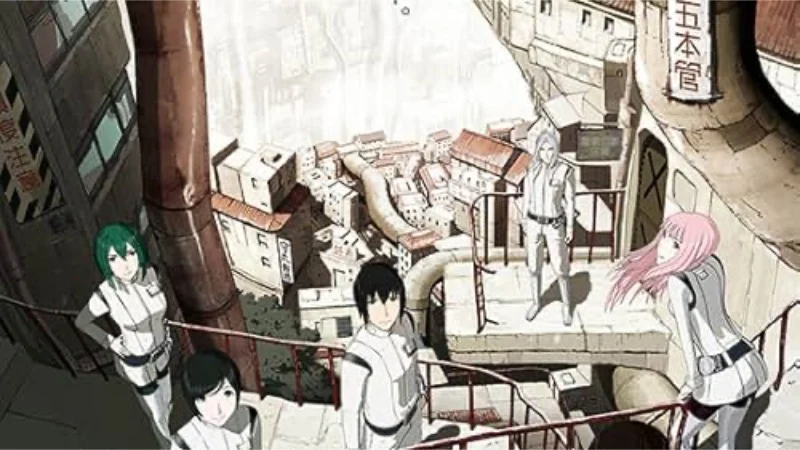
Humanity travels aboard the seed ship Sidonia with agriculture decks, water reclamation, and asteroid mining bays. Defense relies on piloted mechs that launch from hangars tied to traffic lanes around the hull. Population policies include cloning, engineered photosynthesis, and strict emergency drills. External operations harvest materials from debris fields while internal districts simulate gravity and day night cycles.
The Valley and the Sea of Decay in ‘Nausicaä of the Valley of the Wind’ (1984)

The Valley sits downwind of a toxic fungal forest whose spores purify soil over long cycles. Wind turbines power mills and gliders, and cliffs create natural wind tunnels for transport. Masks and filtered clothing are standard equipment for expeditions into the Sea of Decay. Regional kingdoms compete for resources and route access, which shapes trade and settlement along safe corridors.
Share your favorite anime worlds or cityscapes in the comments so everyone can compare notes and discover new places to explore.