Top 20 Most Violent Anime of All Time


Some anime turn brutality into a core part of the story, using extreme imagery to show the cost of power, war, or revenge. This list rounds up series and films that are known for graphic action, frequent character deaths, and scenes that push the limits of what viewers expect from animation. You will find everything from grim medieval battles to modern body horror and psychological terror. If you are squeamish, consider this your fair warning before you press play.
‘Attack on Titan’ (2013–2023)
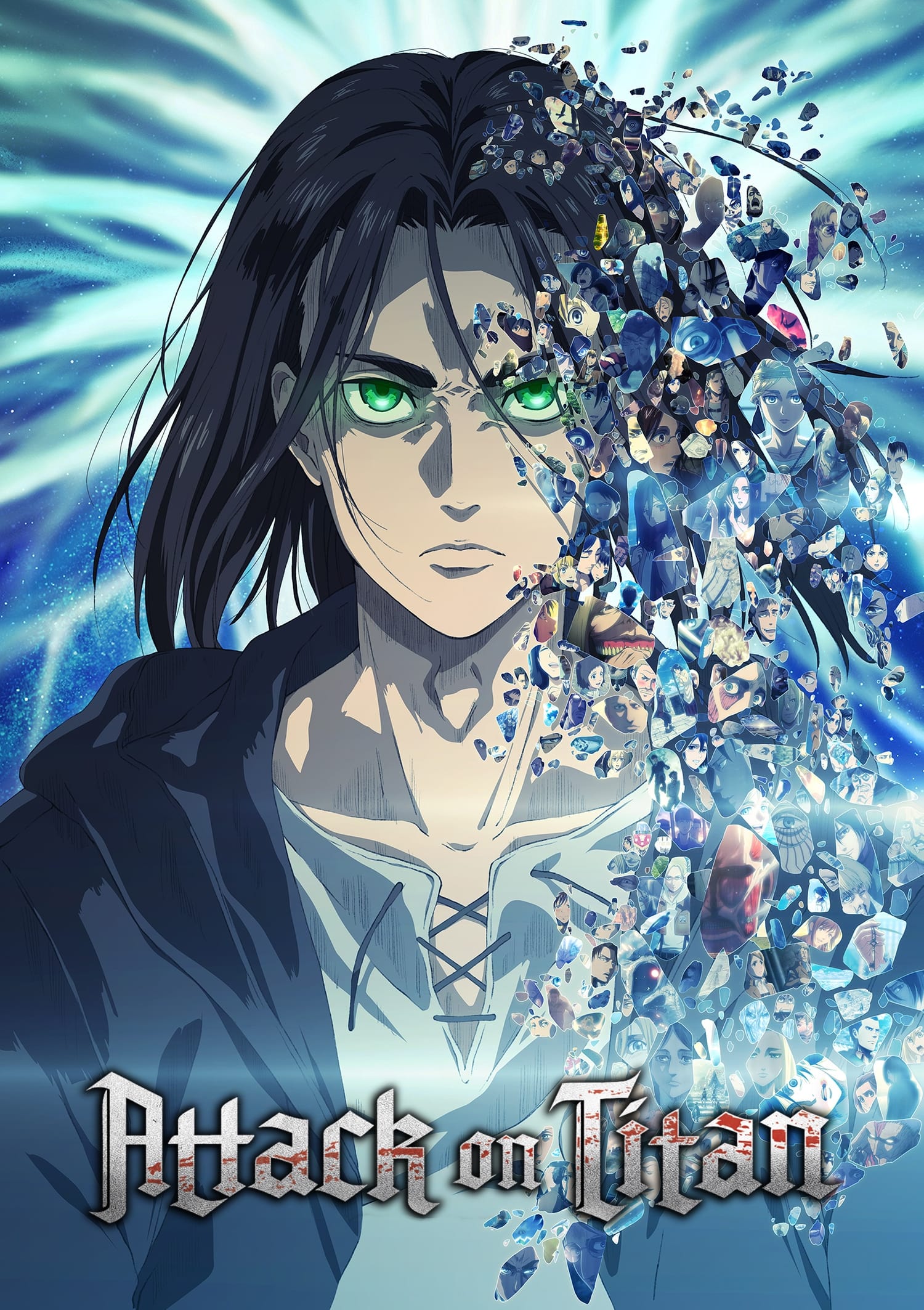
Set in a world besieged by man eating giants, ‘Attack on Titan’ blends military tactics with savage urban combat and large scale slaughter. The show features dismemberment, cannibalistic violence, and high casualty battles that reshape entire cities. Major arcs revolve around genocide, biological experimentation, and the ethics of total war. Frequent twists place characters in situations where survival demands brutal choices.
‘Berserk’ (1997)
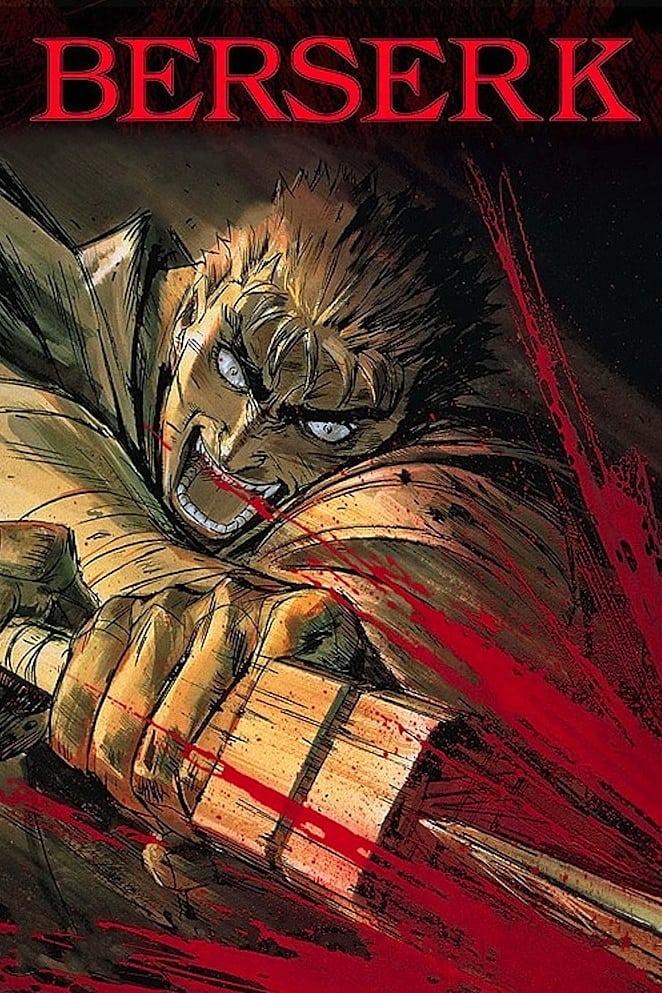
‘Berserk’ follows a mercenary through medieval campaigns filled with decapitations, torture, and battlefield carnage. The story dives into ritual sacrifice and demonic transformations that rewrite the laws of mortality. The Eclipse sequence is infamous for graphic assault and mass murder. Weapons work and gore are depicted with an unflinching focus on anatomy and impact.
‘Hellsing Ultimate’ (2006–2012)

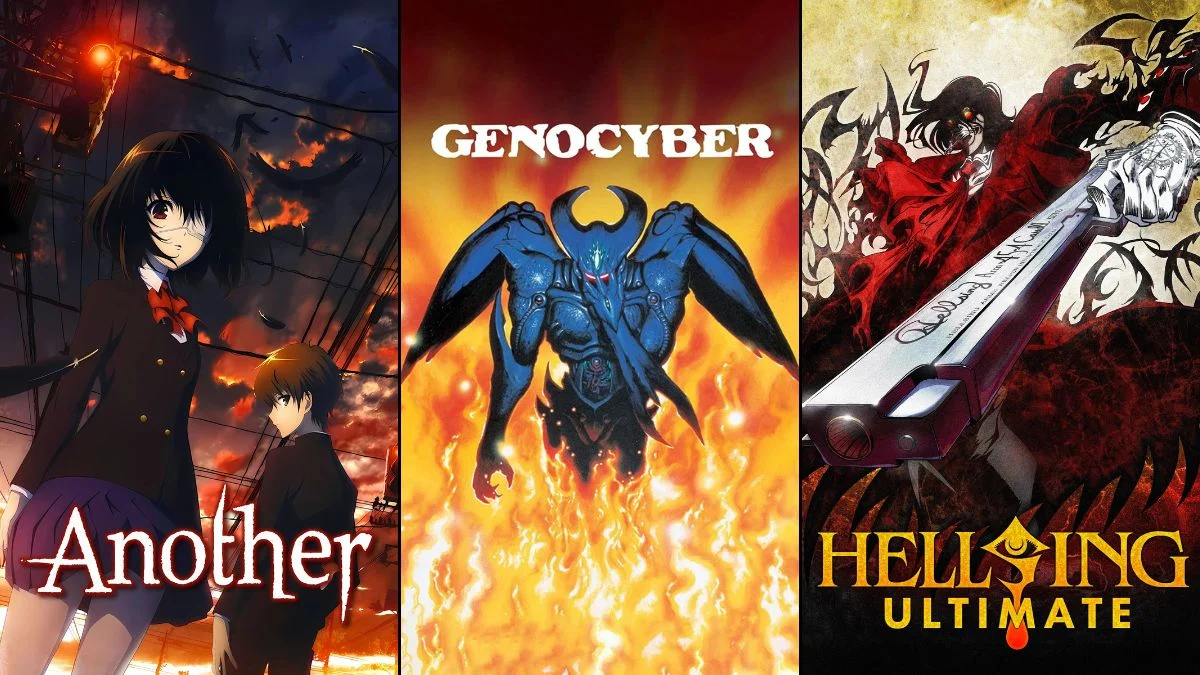
‘Hellsing Ultimate’ centers on a government backed vampire who fights undead armies and paramilitary fanatics. Episodes show limbs torn apart, gun battles at point blank range, and cathedral level destruction. The narrative includes war crimes imagery and fanatic ideologies that fuel massacres. The OVA format allows longer, blood soaked set pieces with few restraints.
‘Devilman Crybaby’ (2018)
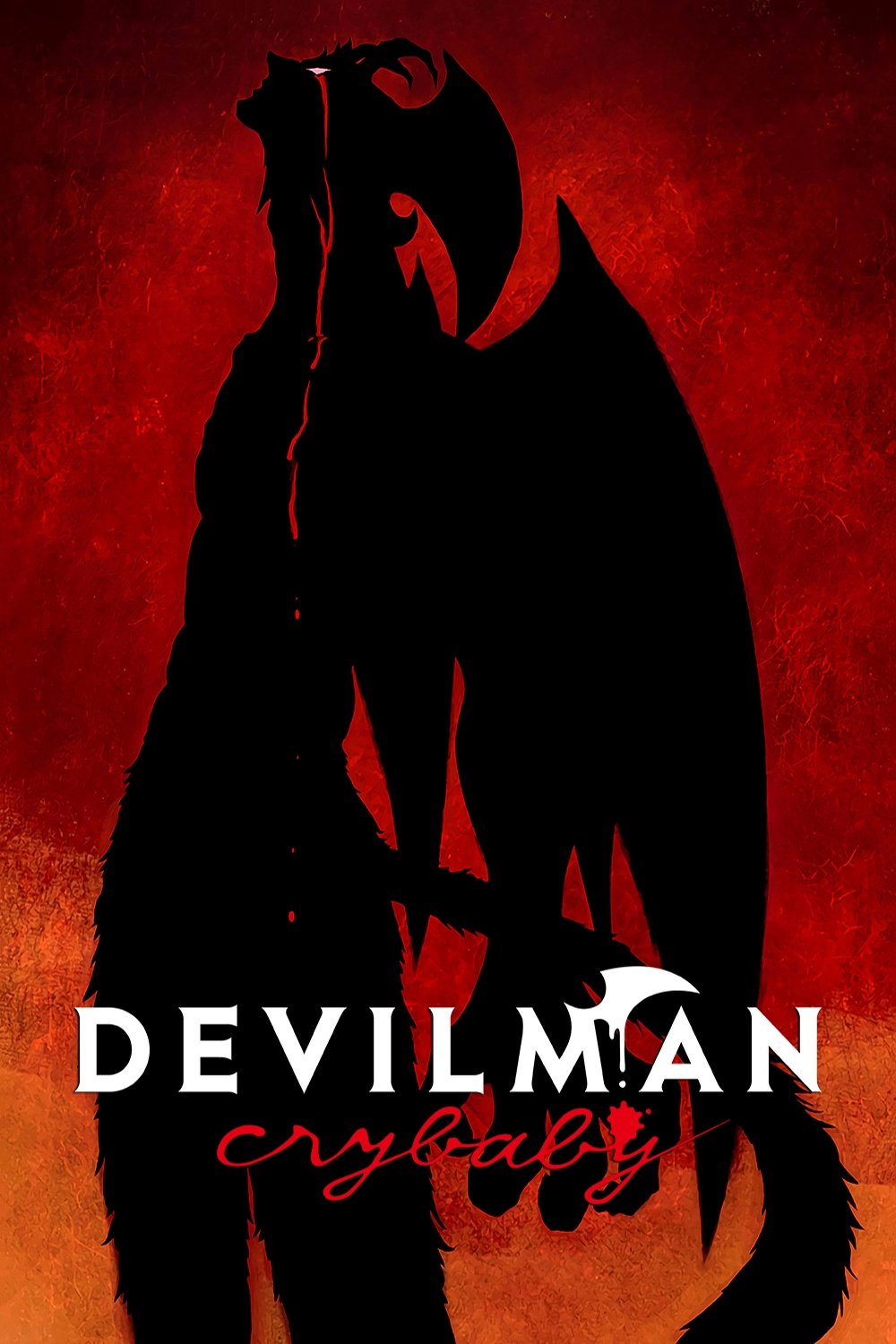
‘Devilman Crybaby’ updates a classic tale of humans merging with demons, then explores how paranoia spirals into mob violence. The show contains explicit dismemberment, public executions, and mass hysteria that consumes entire neighborhoods. Social media and surveillance accelerate panic that leads to indiscriminate killings. The final episodes depict planetary scale devastation with harrowing detail.
‘Elfen Lied’ (2004)

‘Elfen Lied’ follows a mutant with invisible arms that slice through metal and bone, resulting in immediate and graphic fatalities. The plot covers laboratory abuse, child cruelty, and vigilante revenge. Heads, limbs, and barriers are severed in seconds as the character escapes containment. The series also catalogs the human cost of secret weapons research.
‘Genocyber’ (1994)

‘Genocyber’ is an OVA about psychic bio weapons that trigger citywide massacres. The animation lingers on body horror, including flaying, internal explosions, and mechanical fusion with flesh. Governments and corporations race to control super soldiers while civilians become collateral damage. Episodes shift locations from labs to war zones, leaving mass graves in their wake.
‘Violence Jack’ (1986–1990)
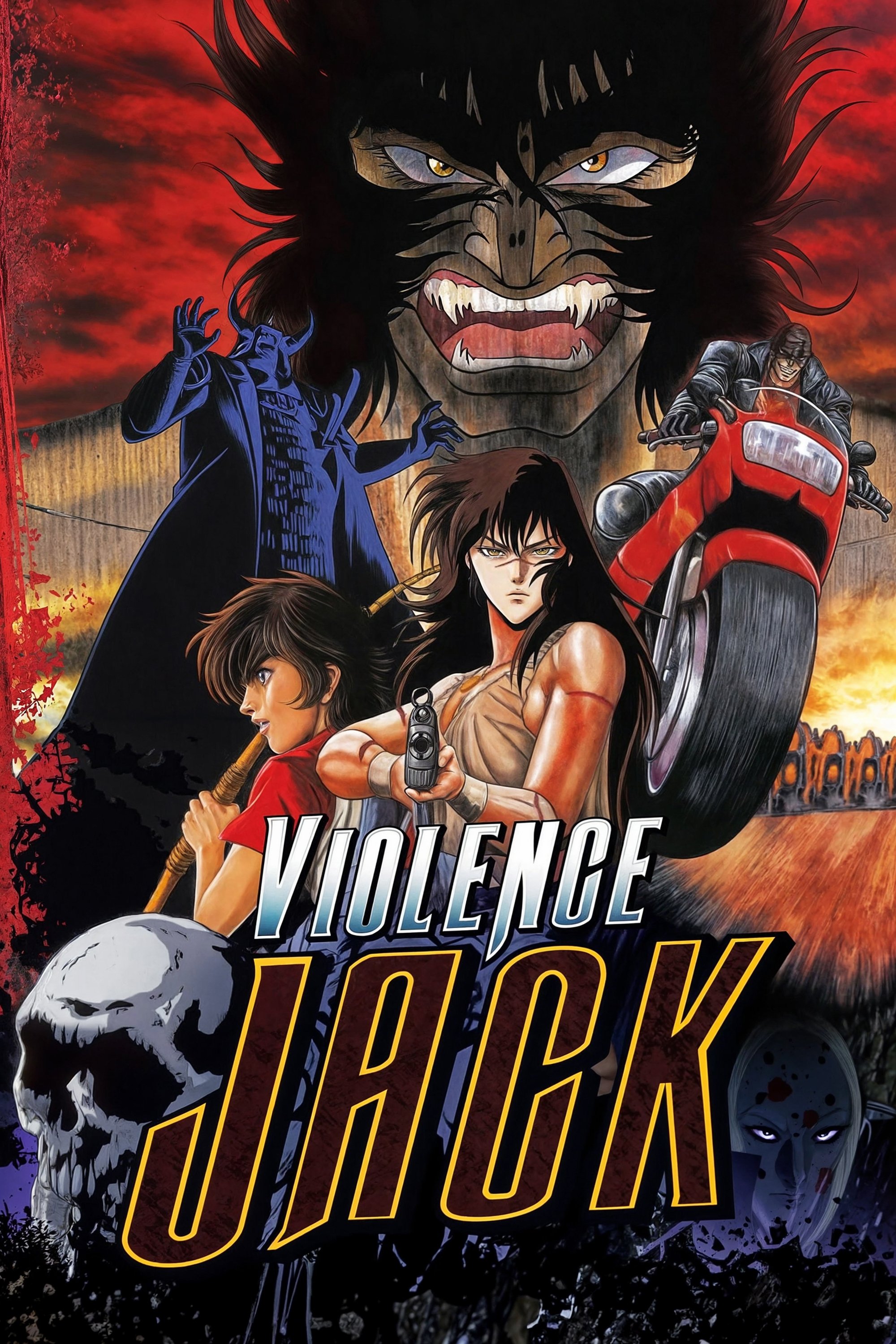
Set in a post apocalyptic Kanto, ‘Violence Jack’ depicts gang rule with executions, assaults, and large scale pillaging. The titular antihero tears through warlords while entire settlements are wiped out. Scenes include cannibalism and cruelty toward prisoners. The OVAs push content boundaries with relentless brutality from start to finish.
‘Another’ (2012)
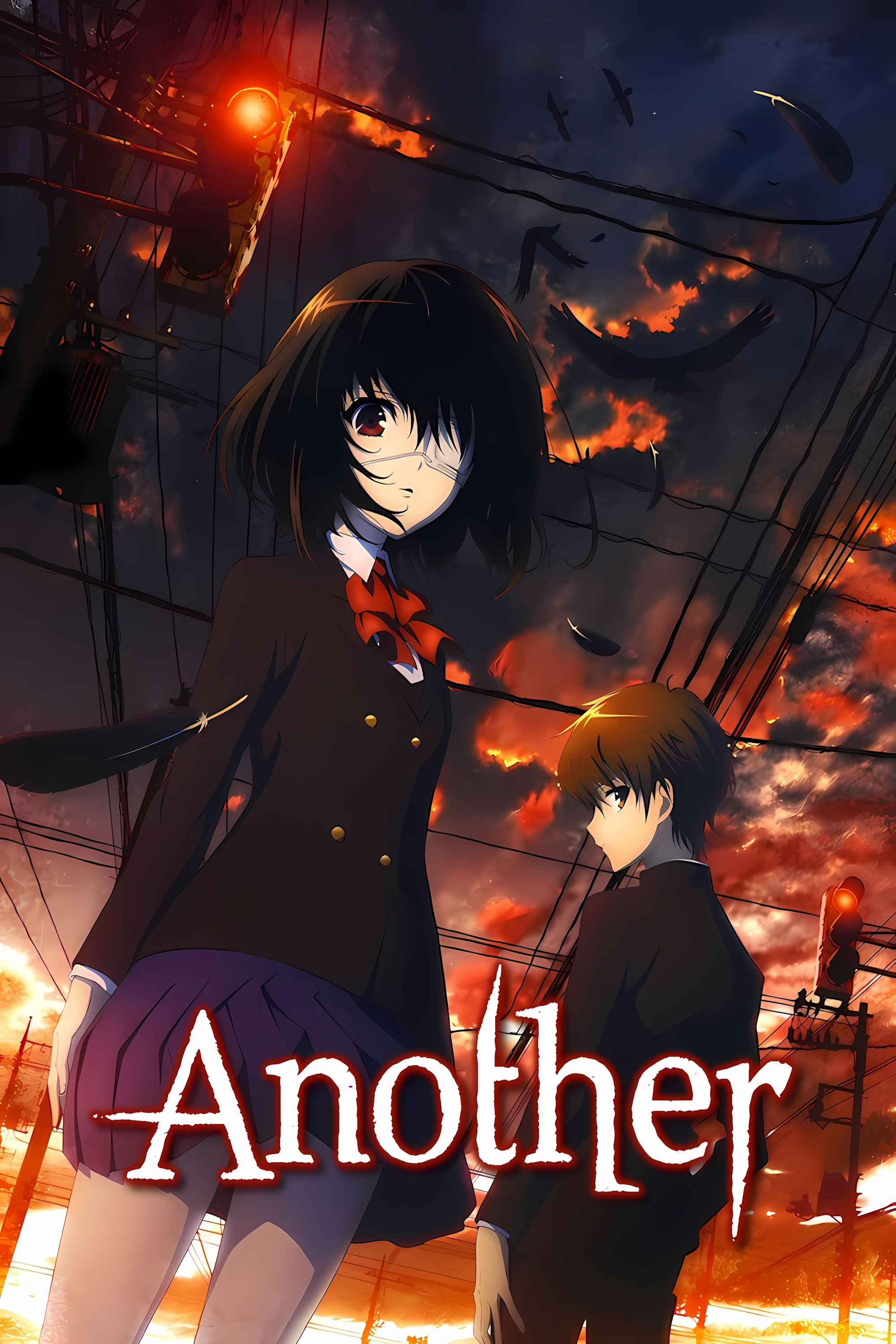
‘Another’ is a mystery about a cursed class where students and relatives die in elaborate accidents. Deaths involve impalements, glass shards, and household tools that become lethal. The show documents the investigation methods, the rules of the curse, and the mounting panic among classmates. Each episode catalogs cause and effect in each fatal incident.
‘Blood-C’ (2011)
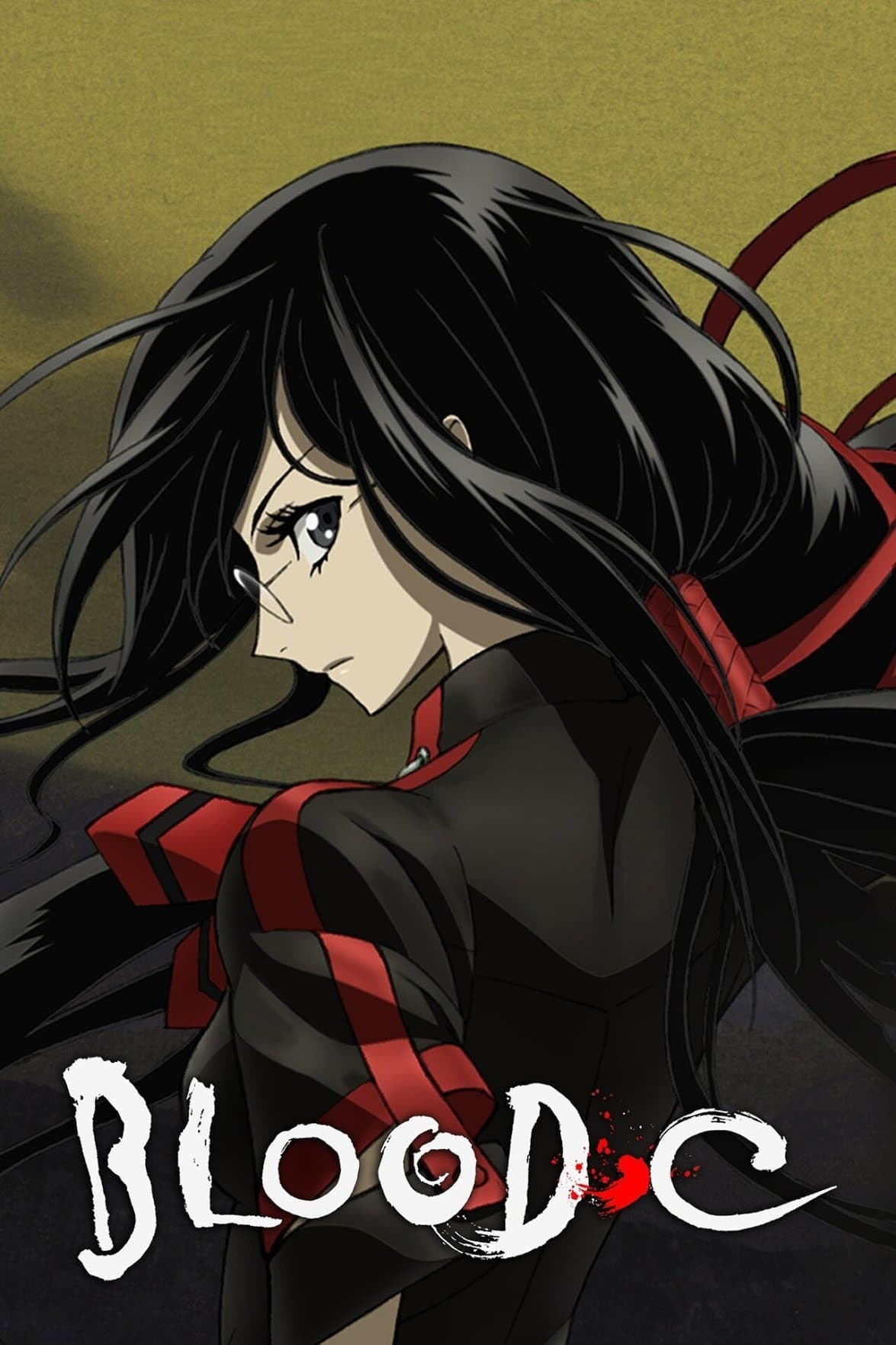
‘Blood-C’ follows a shrine maiden who fights Elder Bairns that feast on humans in graphic fashion. Civilian casualties are shown in broad daylight, including dismemberment during public gatherings. The series builds to an infamous massacre in a town square with no cutaways. Revelations about staged realities and contracts add a cold procedural edge to the violence.
‘Gantz’ (2004)

In ‘Gantz’, recently deceased people are forced into hunts against aliens using firearms, blades, and explosive collars. Missions take place in crowded districts and temples where bystanders and participants die frequently. The show catalogs equipment loadouts, scoring rules, and mission penalties. Graphic depictions include crushed skulls, amputations, and high velocity impacts.
‘Tokyo Ghoul’ (2014–2018)
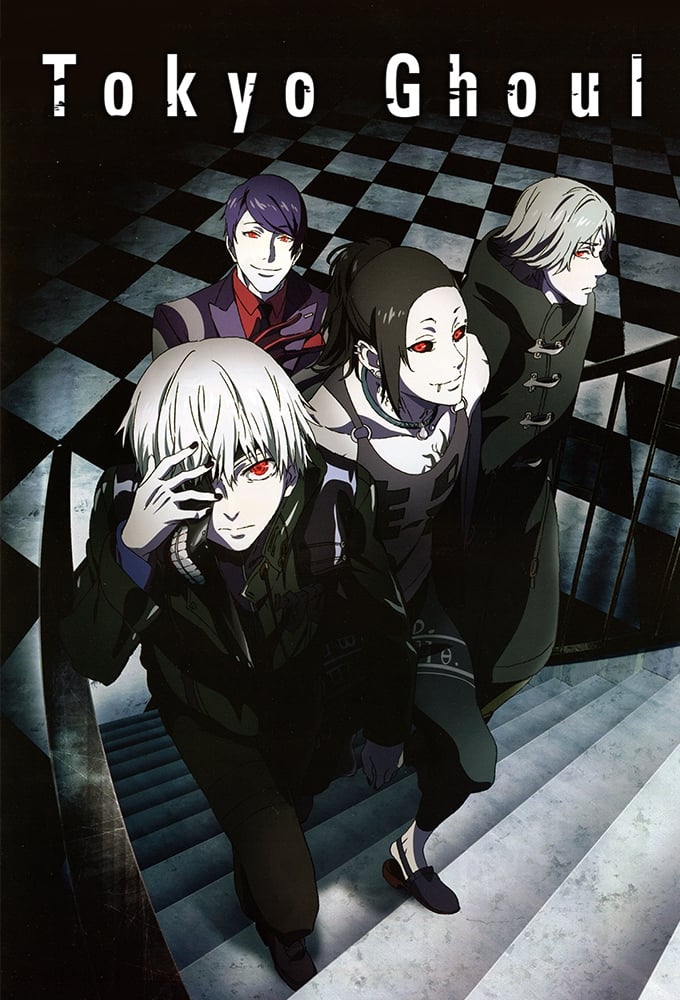
‘Tokyo Ghoul’ examines a parallel society where ghouls consume humans to survive. Interrogation scenes, organ harvesting, and turf wars are core elements. The show details kagune biology, agency procedures, and classification ranks that shape how fights unfold. Torture and psychological breakdowns are recorded with clinical precision.
‘Higurashi: When They Cry’ (2006–2007)

‘Higurashi When They Cry’ tells a looping story where friendly village life collapses into murder and paranoia. Episodes include bludgeoning, self harm, and confinement in makeshift clinics. The series explains local myths, dam protests, and a pathogen theory that ties outbreaks to violent episodes. Repeating arcs document how small changes trigger different methods of killing.
‘Parasyte -the maxim-‘ (2014–2015)
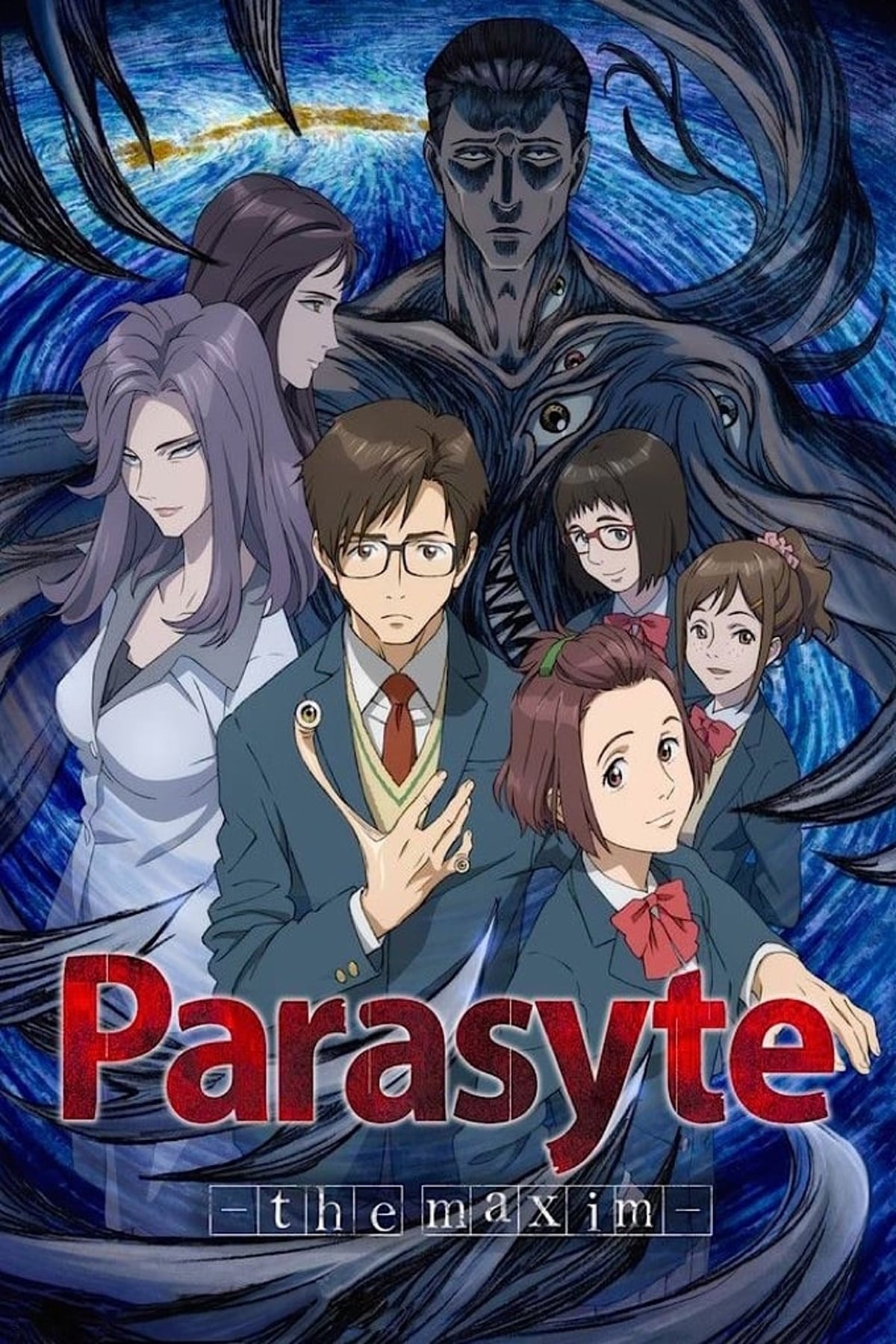
‘Parasyte the Maxim’ focuses on alien parasites that occupy human bodies and reshape them into blades and tendrils. Combat scenes show heads splitting into weapon arrays that slice opponents instantly. The narrative tracks detection methods, government tactics, and ethical debates about coexistence. School and city attacks generate heavy civilian casualties.
‘Corpse Party: Tortured Souls’ (2013)

Based on a game, ‘Corpse Party Tortured Souls’ traps students in a haunted school that reenacts historical murders. The OVA shows disembowelment, eye gouging, and prolonged torture. Curses are tied to talismans, rituals, and misremembered victims that fuel new deaths. The story documents the rules for escape and the consequences for breaking them.
‘Shigurui: Death Frenzy’ (2007)
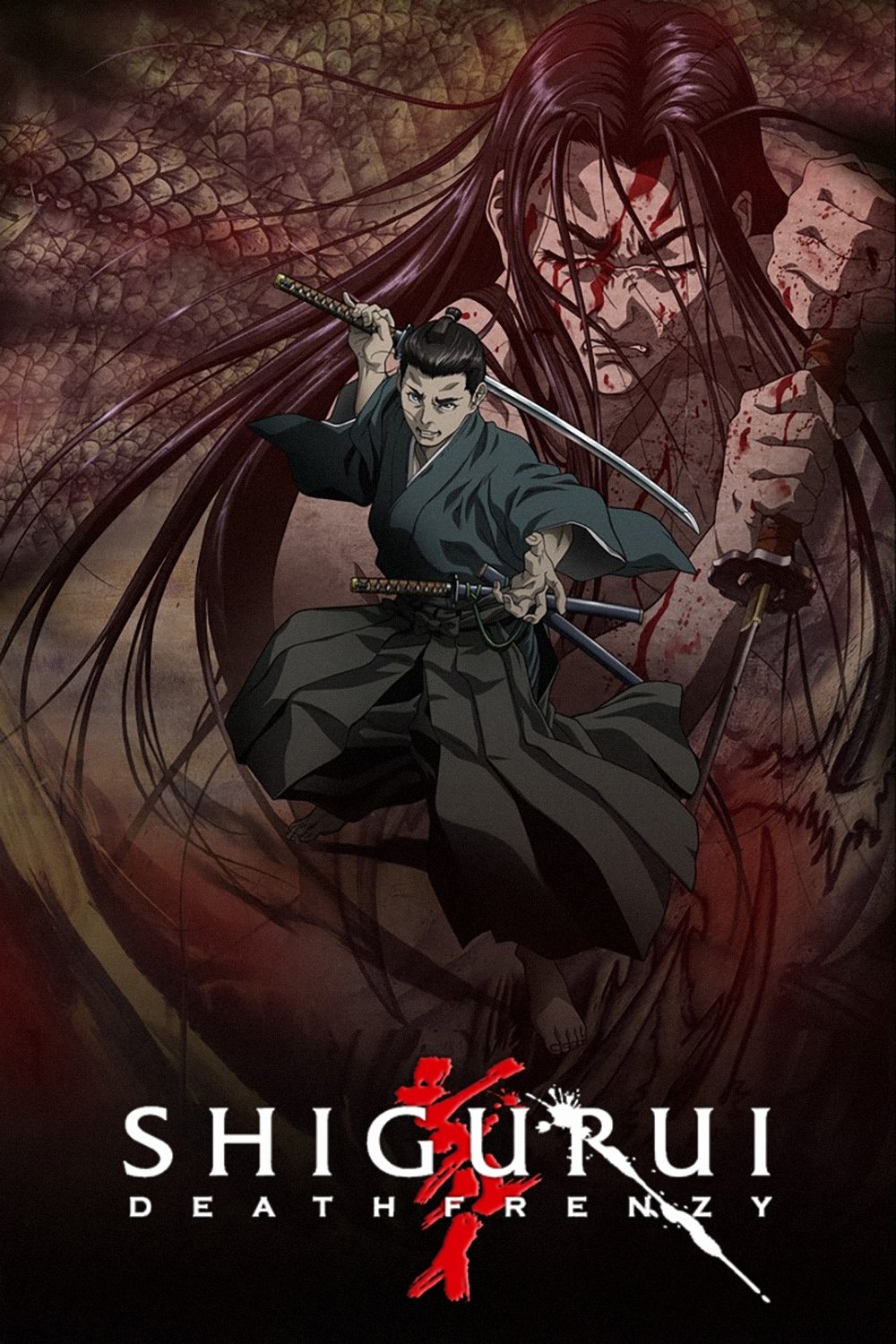
Set in Edo era Japan, ‘Shigurui Death Frenzy’ follows a tournament where samurai compete with real blades. The show portrays amputations, evisceration, and training injuries with medical detail. Flashbacks cover abusive mentors and cult like schools that normalize mutilation. Weapon stances, breathing, and fatigue are tracked to show exactly how bodies fail.
‘Made in Abyss’ (2017–2022)
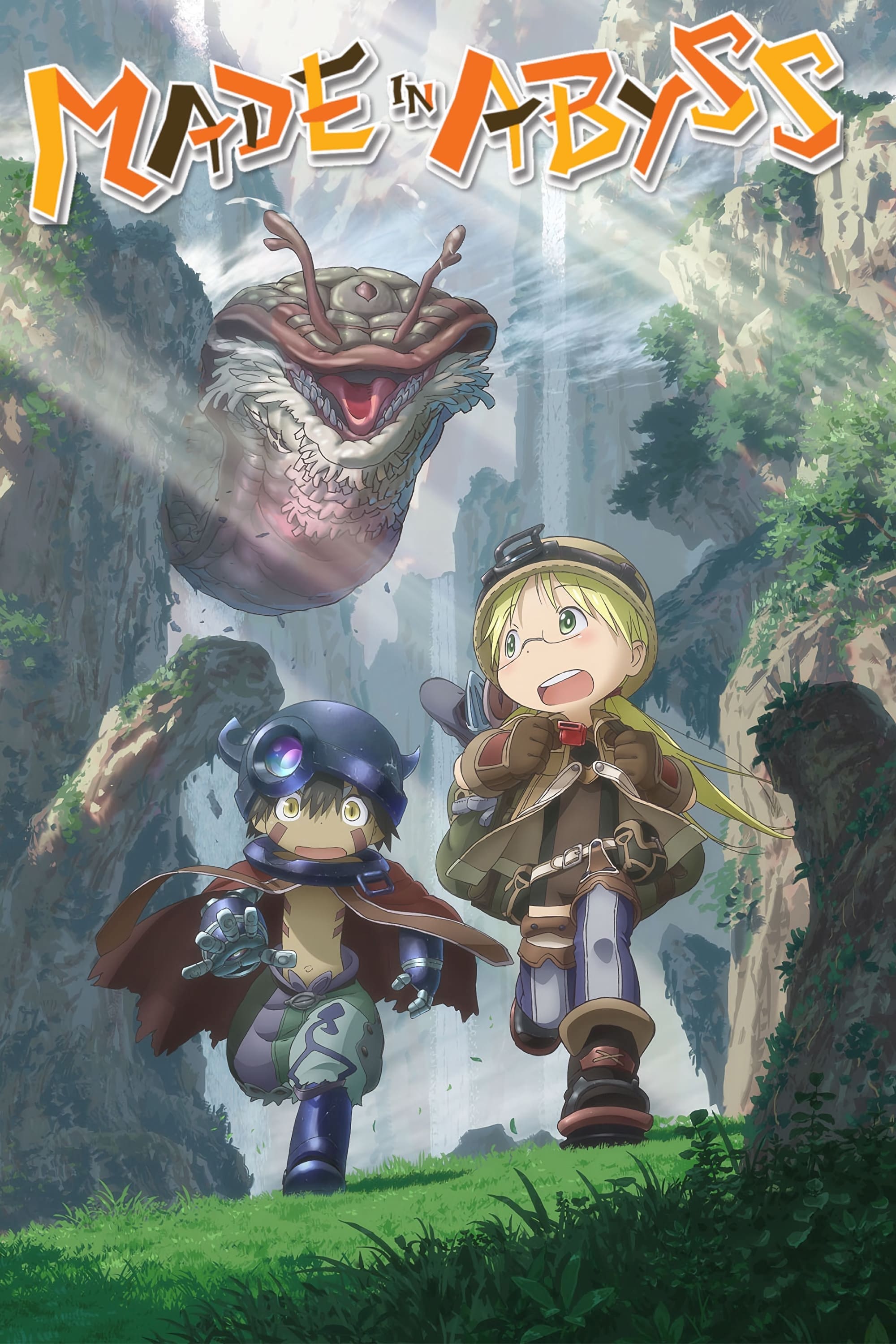
‘Made in Abyss’ contrasts cute designs with severe bodily harm from monsters, traps, and the Curse of the Abyss. Expeditions require amputations, field surgeries, and risky anesthesia under pressure. Relic hunters keep logs, maps, and layer rules that influence survival rates. The show records the economic systems that send children into lethal depths.
‘Deadman Wonderland’ (2011)
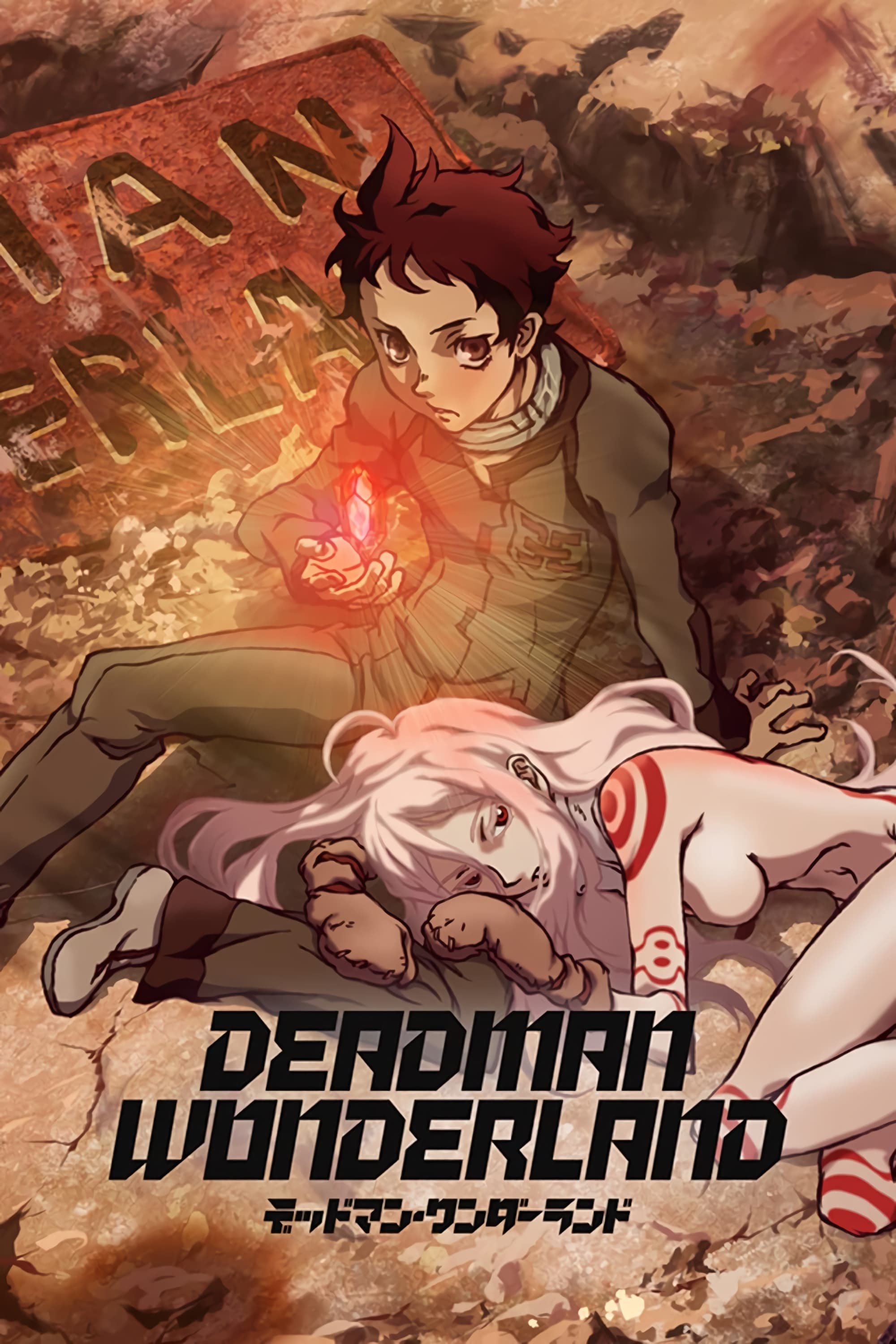
‘Deadman Wonderland’ takes place in a private prison that turns inmates into performers for deadly games. The setting includes rigged obstacle courses, organ harvesting, and blood based powers called Branches of Sin. Inmates accumulate currency to buy essentials or face execution devices. Episodes track surveillance systems and hierarchy among guards and prisoners.
‘Akame ga Kill!’ (2014)

‘Akame ga Kill!’ follows assassins who wield Imperial Arms that often kill in a single strike. Battles include poisoning, dismemberment, and public executions carried out by the ruling regime. The series keeps a tally of fallen allies as missions escalate. Military units, rebel cells, and weapon traits are explained to show why casualties mount quickly.
‘Fist of the North Star’ (1984–1987)

‘Fist of the North Star’ introduces pressure point techniques that make enemies explode or collapse instantly. The plot spans wasteland territories divided by warlords and biker gangs that prey on towns. Techniques, schools, and rival lineages are documented as fights escalate. Civilian protection and resource scarcity set the stage for frequent massacres.
‘Ninja Scroll’ (1993)
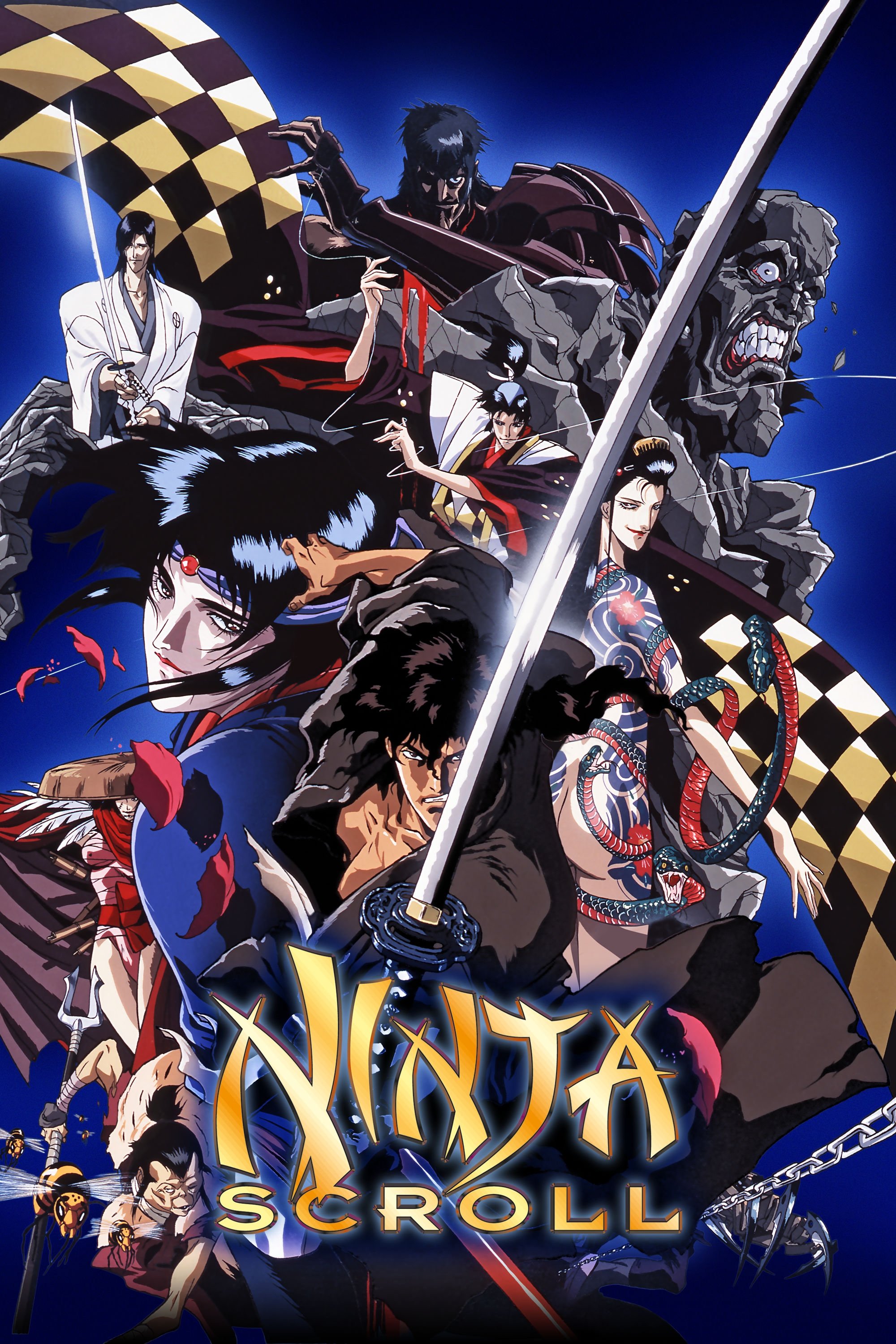
‘Ninja Scroll’ is a film about a wandering swordsman caught in a plot involving demons and political intrigue. The movie includes beheadings, body crushing, and poison driven deaths during night raids. It catalogs specialized ninja tools, supernatural abilities, and clan strategies used in ambushes. The final confrontation details the plan to seize gold shipments and eliminate witnesses.
Share your picks in the comments and tell us which titles you think push the envelope even further.