25 Best Post-Apocalyptic Movies, Ranked

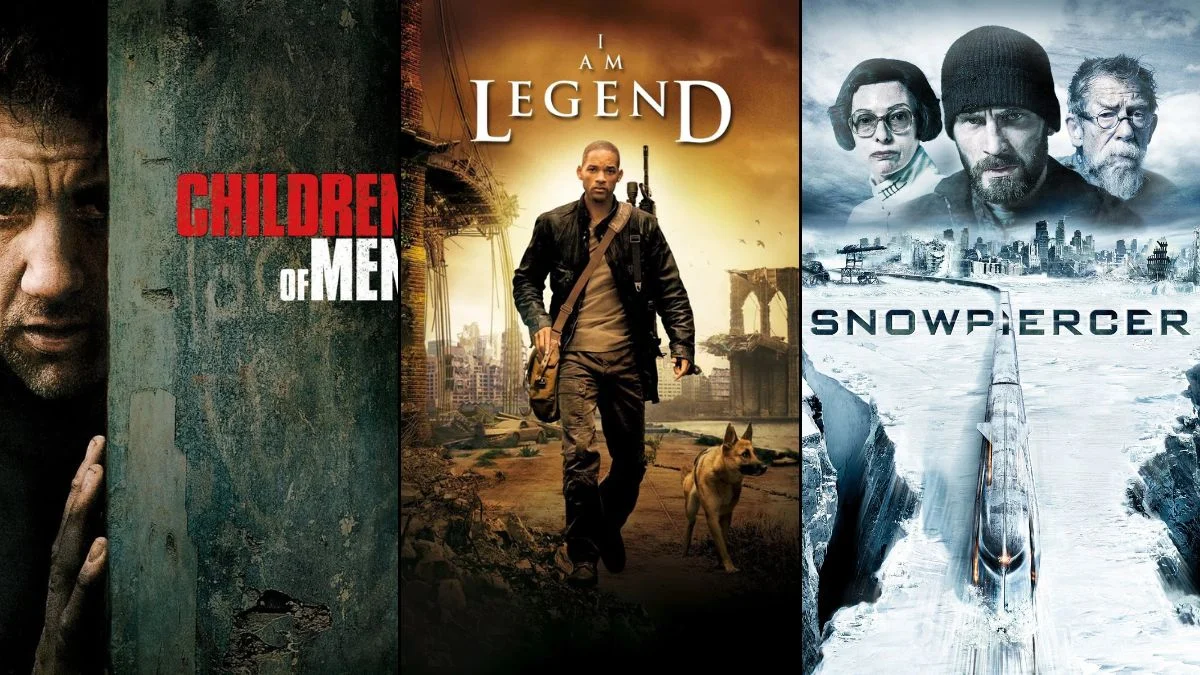

From sun-blasted wastelands to frozen railways circling a ruined Earth, post-apocalyptic movies show how people improvise when almost everything is gone. This countdown moves from cult curios to modern landmarks, spanning viral outbreaks, nuclear nightmares, machine uprisings, and resource wars. You’ll find studio blockbusters alongside smaller sleepers, each set after civilization breaks and focused on how survivors adapt, organize, or collapse. Use it to revisit classics or discover a few you might have missed, then queue up the ones that match your favorite flavor of end times.
‘The Postman’ (1997)
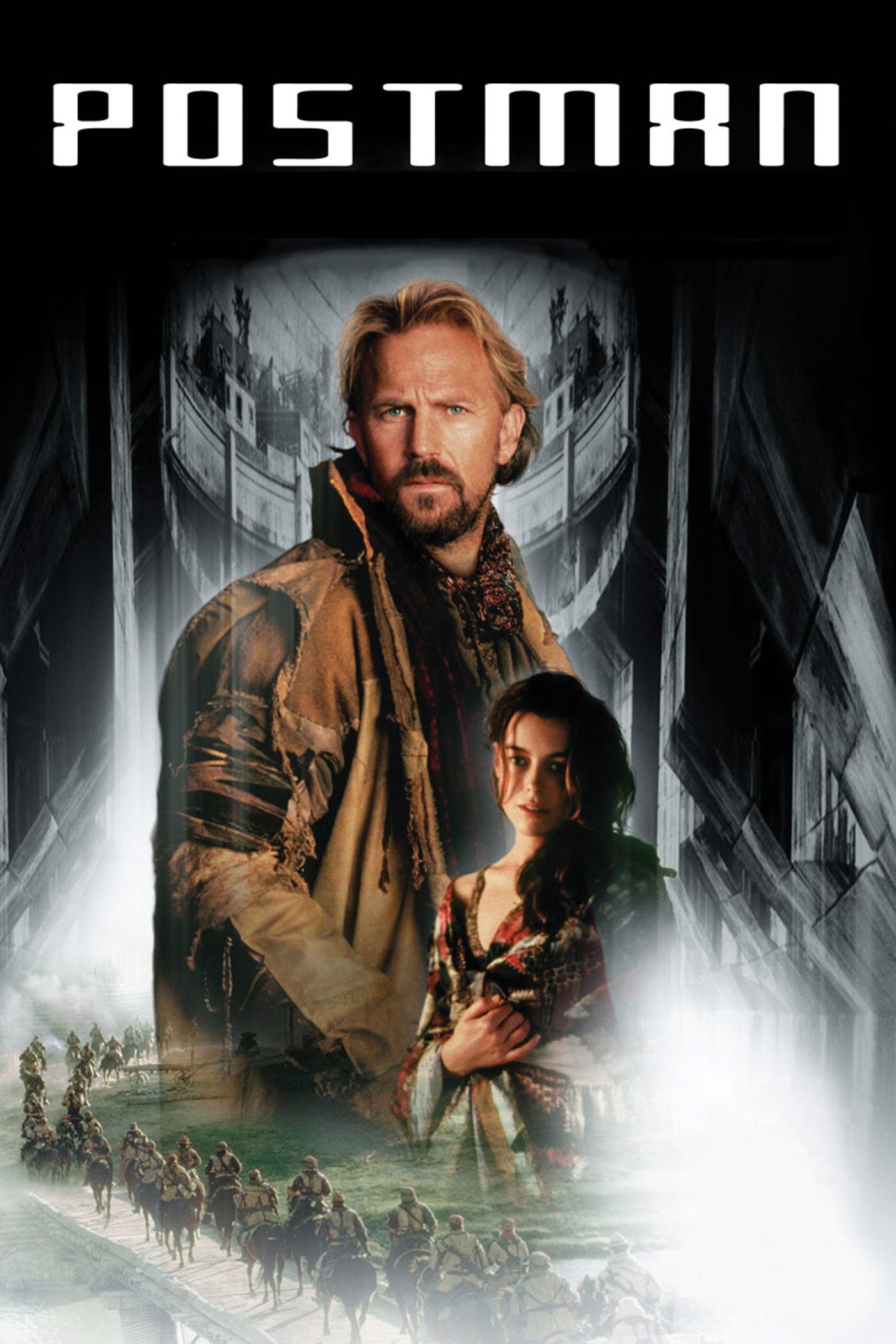
Kevin Costner directs and stars as a drifter who dons a postal uniform and unintentionally reboots a national mail route across fractured communities. The story adapts David Brin’s novel and treats mail delivery as a symbol of restored civic trust and communication. Shot across Oregon and Arizona, the production emphasizes practical sets for frontier towns and militia encampments. Its long runtime allows the film to explore how institutions reemerge from scattered enclaves after a collapse.
‘Waterworld’ (1995)
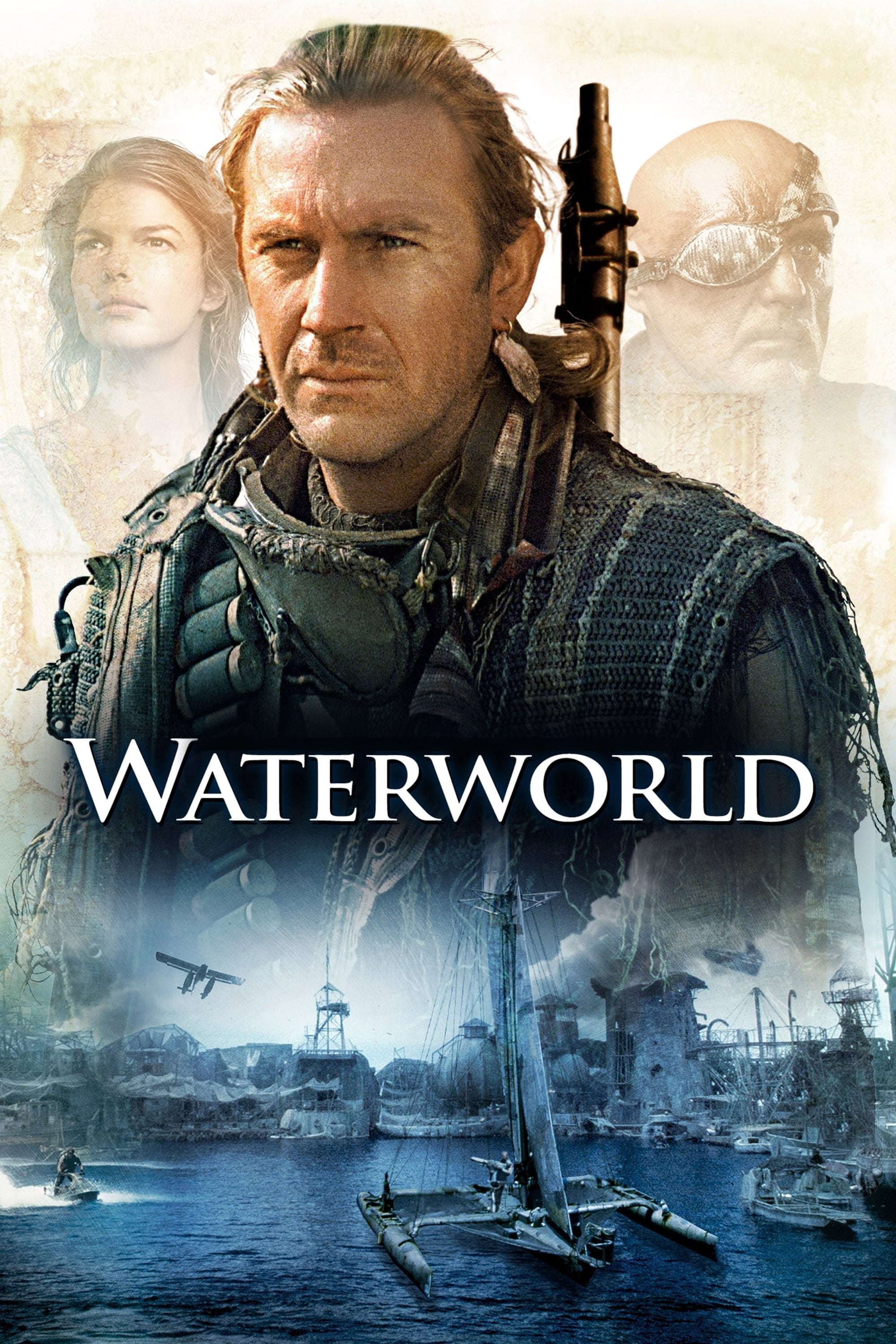
Set after polar ice melt submerges continents, the film imagines floating atolls, scavenger economies, and diesel-hungry raiders. Kevin Costner plays a genetically adapted sailor whose webbed feet and gills hint at human evolution under extreme pressure. Large-scale open-water shoots in Hawaii used full-size floating sets and demanded extensive logistics for stunts and fuel. The plot revolves around a mythic map to dry land and the way barter networks function when soil is the rarest commodity.
‘A Boy and His Dog’ (1975)

This blackly comic tale follows a telepathic dog guiding his teenage partner through a ruined American Southwest. Based on Harlan Ellison’s novella, it contrasts surface-level scavenging with an underground community stuck in retro, rules-bound conformity. The script explores resource scarcity through food hunting, trade, and fragile alliances. Its small budget favors deserted locations and minimal effects to suggest a society stripped to essentials.
‘Bird Box’ (2018)

An unseen presence drives people to lethal behavior, forcing survivors to navigate with blindfolds and strict sensory routines. Sandra Bullock leads a group that learns route planning by sound, rope lines, and memory. The timeline alternates between early panic and a later river journey toward a fortified sanctuary. It emphasizes communication protocols and trust mechanisms when sight becomes a liability.
‘The Girl with All the Gifts’ (2016)

A fungal pathogen transforms humans while leaving a group of children unusually high-functioning and contagious. The story follows a military-escorted research team through depopulated cities looking for a cure. Adapted from M. R. Carey’s novel, it blends classroom ethics with field survival procedures. Urban sequences use practical locations to show overgrowth, quiet streets, and repurposed gear.
‘The Book of Eli’ (2010)
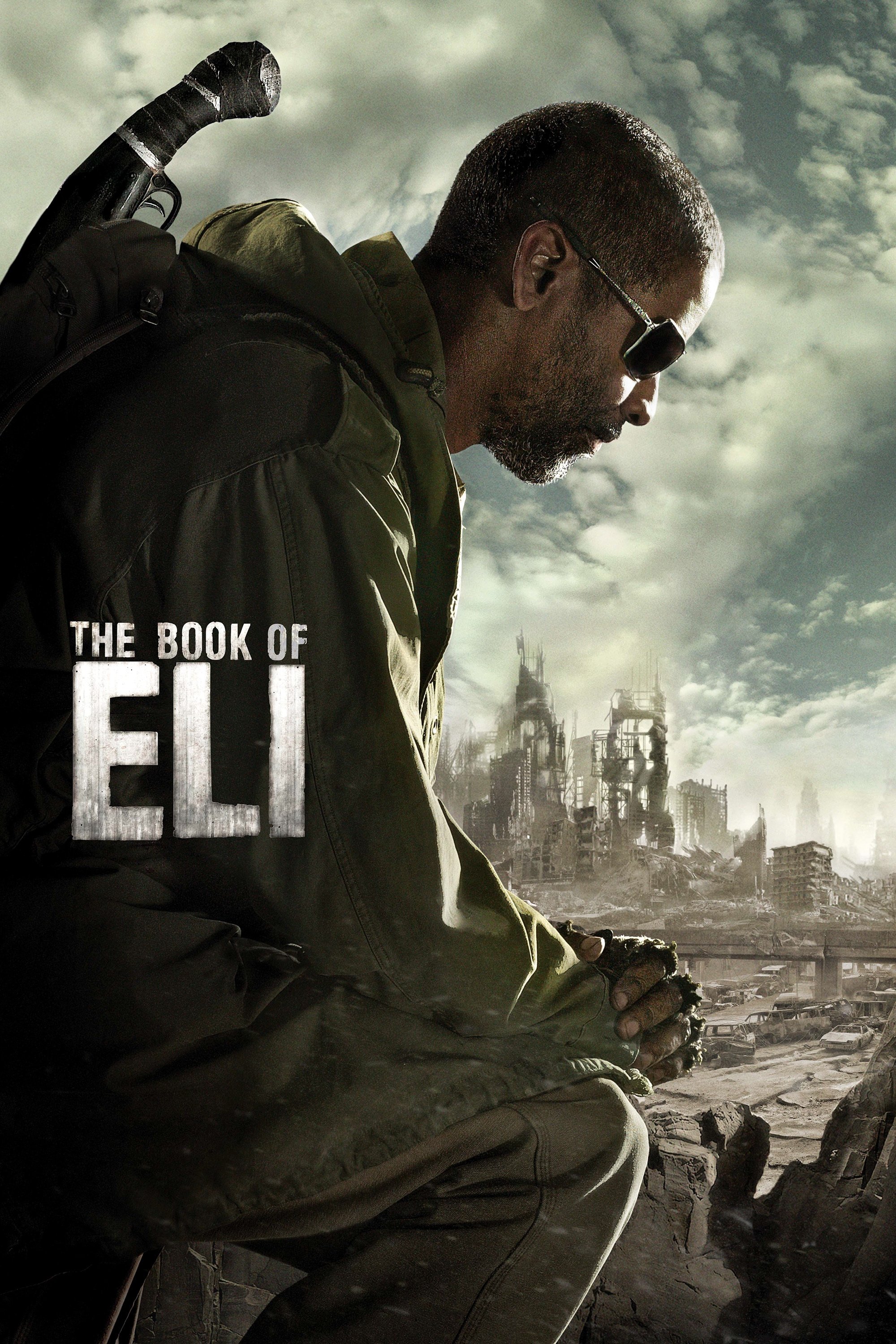
Denzel Washington plays a traveler safeguarding a single book that communities treat as a cultural keystone. The film maps barter towns, water control, and printing technology as power sources in the wasteland. Its sepia-leaning palette and stark exteriors underline sun damage and dust-borne scarcity. The plot tracks how information, not just fuel, can rebuild or dominate settlements.
‘World War Z’ (2013)
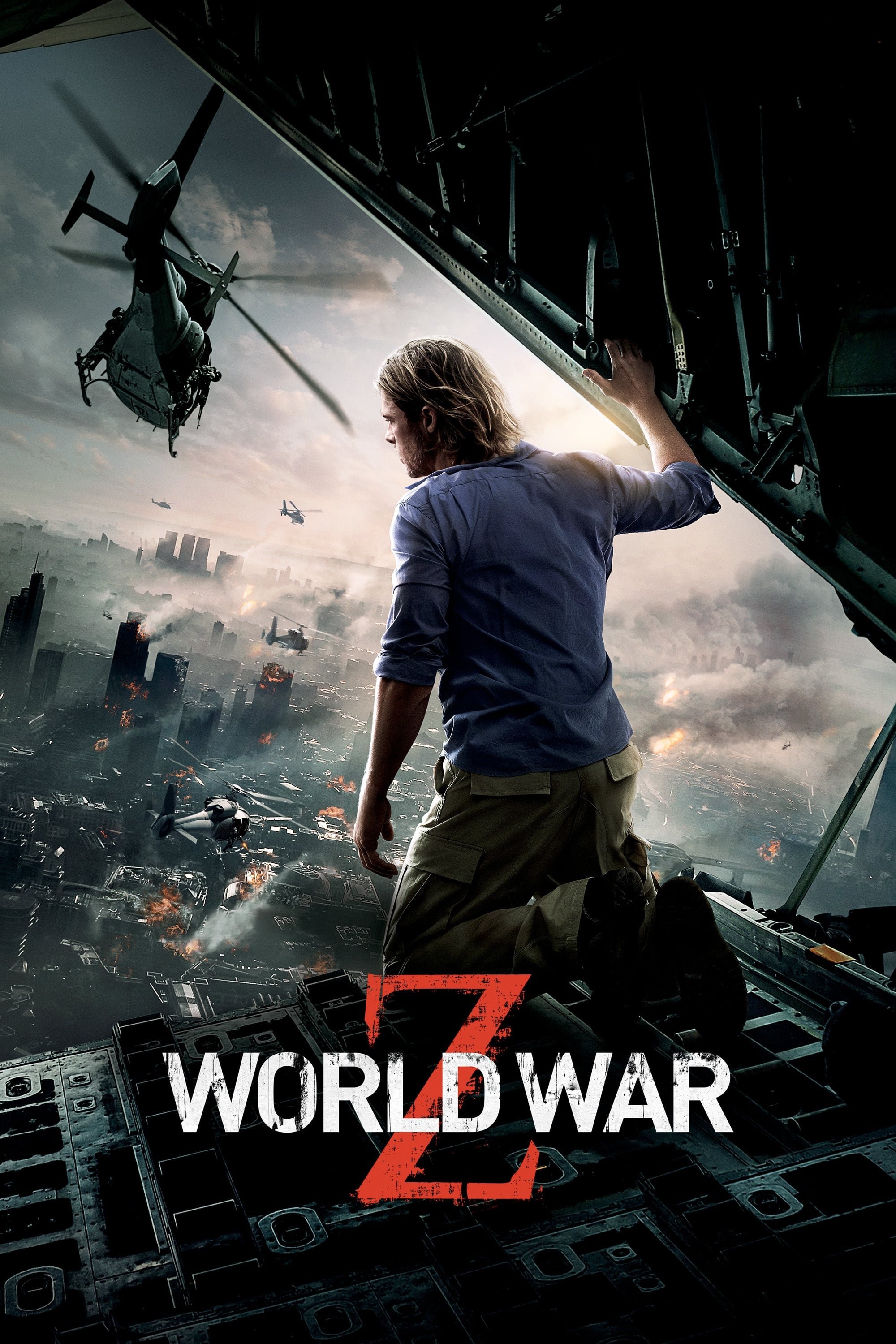
A global outbreak sends a former UN investigator racing across continents to model the pathogen’s behavior. The movie stages urban evacuation, military triage, and research-lab containment to show layered responses to collapse. Key set pieces in Jerusalem and on an airliner examine wall defenses and in-flight outbreak protocols. It leans on epidemiology tactics such as patient-zero tracing and camouflage through symptom exploitation.
’12 Monkeys’ (1995)

Time travel enables a convict to gather field data on a virus that drives humanity underground. The film depicts future bunkers with rationing, animal repopulation topside, and forensic attempts to reconstruct the timeline. Loosely inspired by the short ‘La Jetée’, it uses recurring imagery to emphasize memory’s role in recovery. The plot turns on how misread evidence can derail prevention efforts after the die is cast.
‘The Omega Man’ (1971)
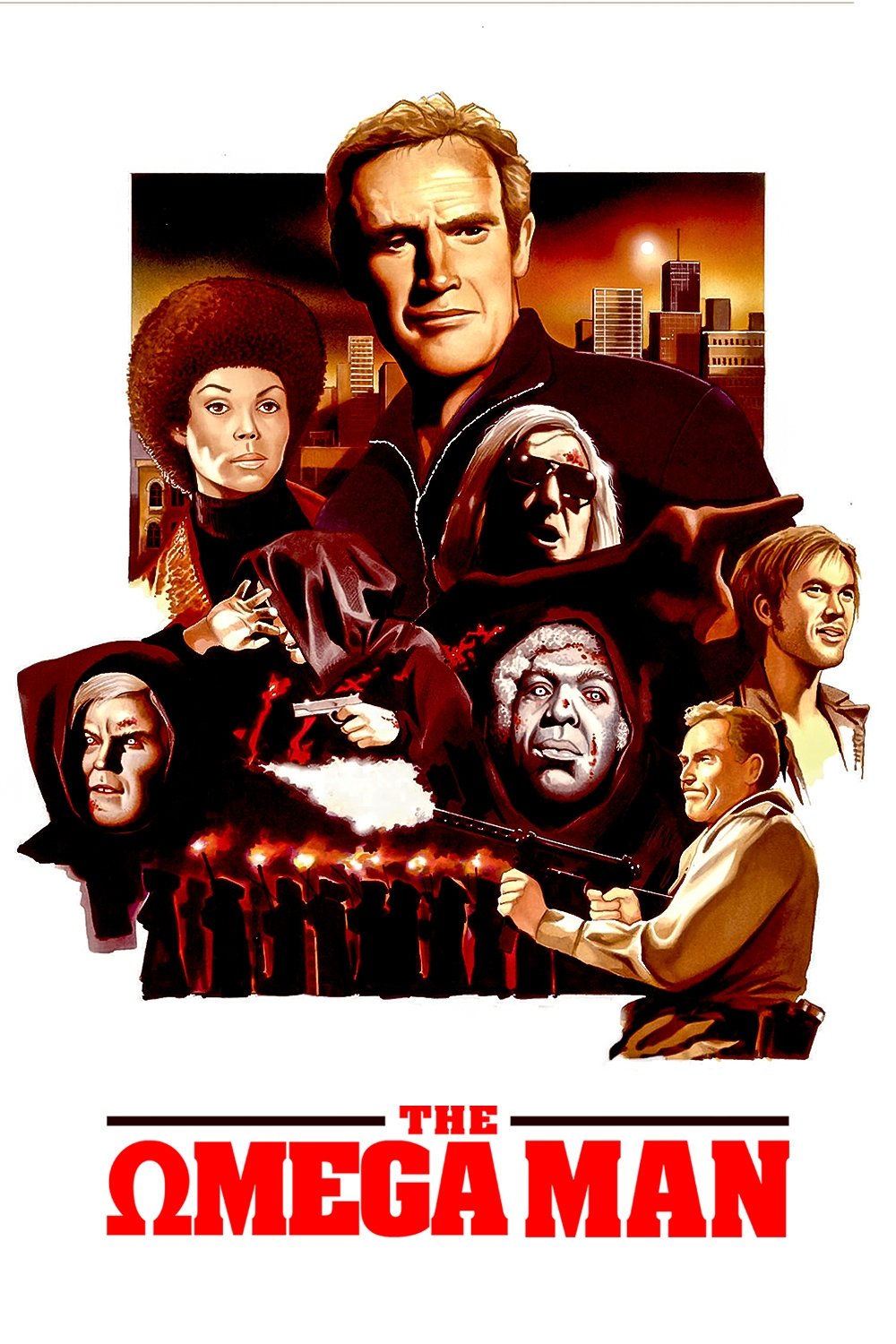
Charlton Heston’s scientist believes he is the last healthy man in Los Angeles after biological warfare. Empty streets, blackout buildings, and generator setups establish a routine of scavenging and fortifying. The infected form a neo-Luddite sect that rejects technology, framing conflict as a struggle over knowledge. It adapts Richard Matheson’s ‘I Am Legend’, focusing on vaccine research and ad-hoc lab work.
‘I Am Legend’ (2007)
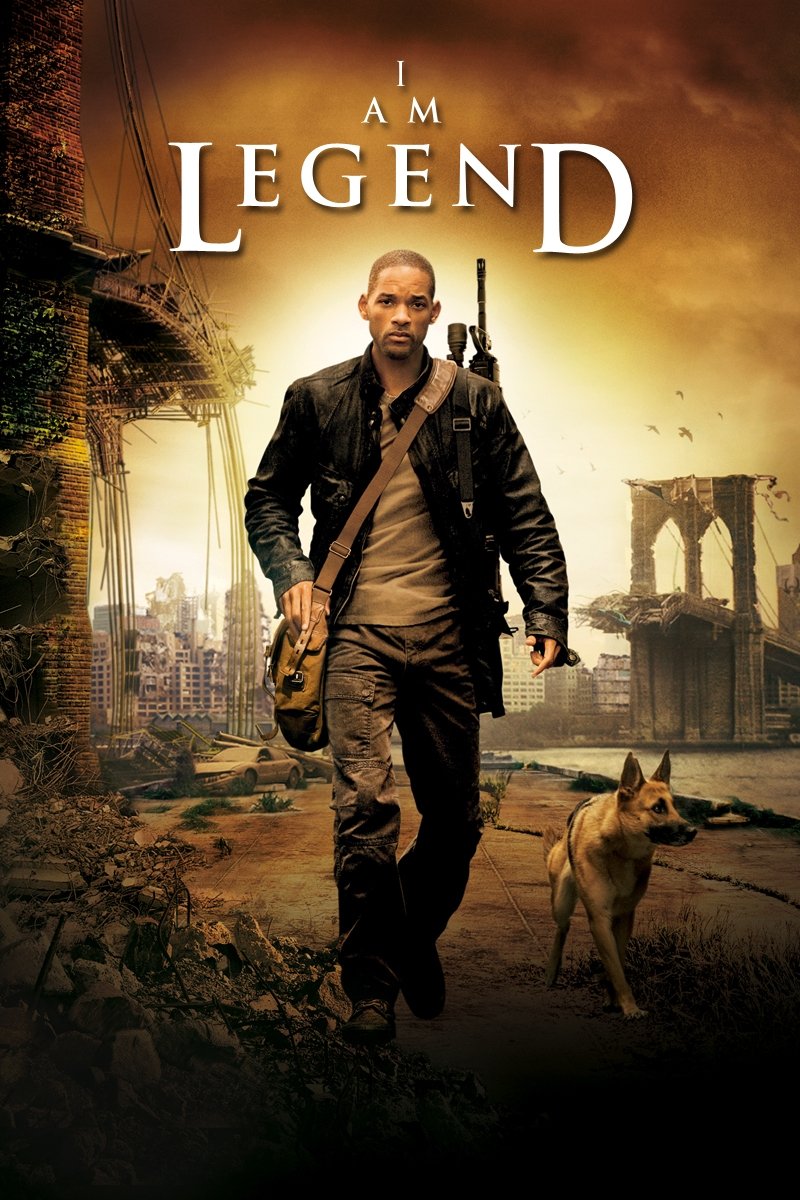
Will Smith’s virologist remains in a depopulated Manhattan, running trap-and-test protocols to reverse a mutated virus. Abandoned cityscapes were staged with blocked traffic, dressed vegetation, and digitally extended ruins. The film details daily survival habits like fuel cycling, UV avoidance windows, and radio beacons. Flashbacks explain evacuation patterns and quarantine infrastructure as the outbreak moved through the city.
‘The Road’ (2009)
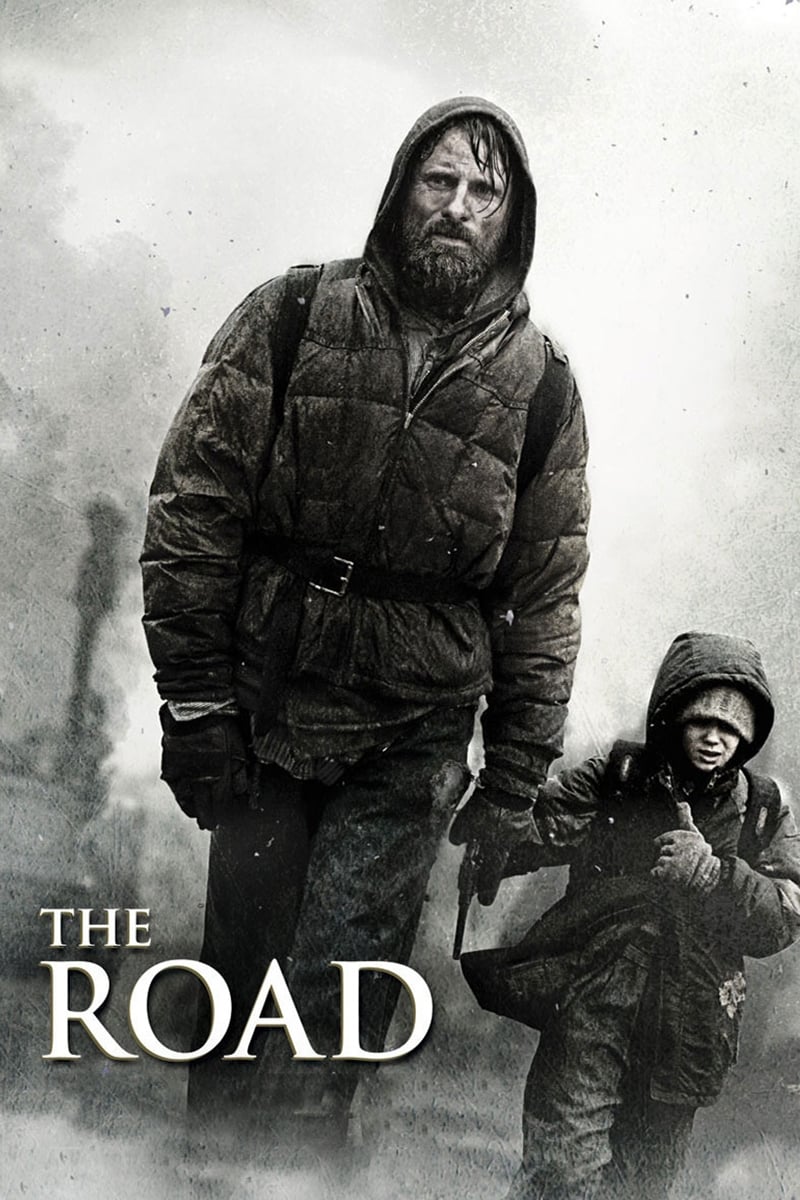
Adapted from Cormac McCarthy’s novel, this journey follows a father and son pushing a cart through ash-covered America. Production sought real burned forests and wintered coastlines to avoid stylized visuals. The story inventories survival basics like food checks, shelter selection, and risk assessment at every stop. It treats trust, maps, and a single flare gun as decisive resources in an emptying world.
‘Snowpiercer’ (2013)
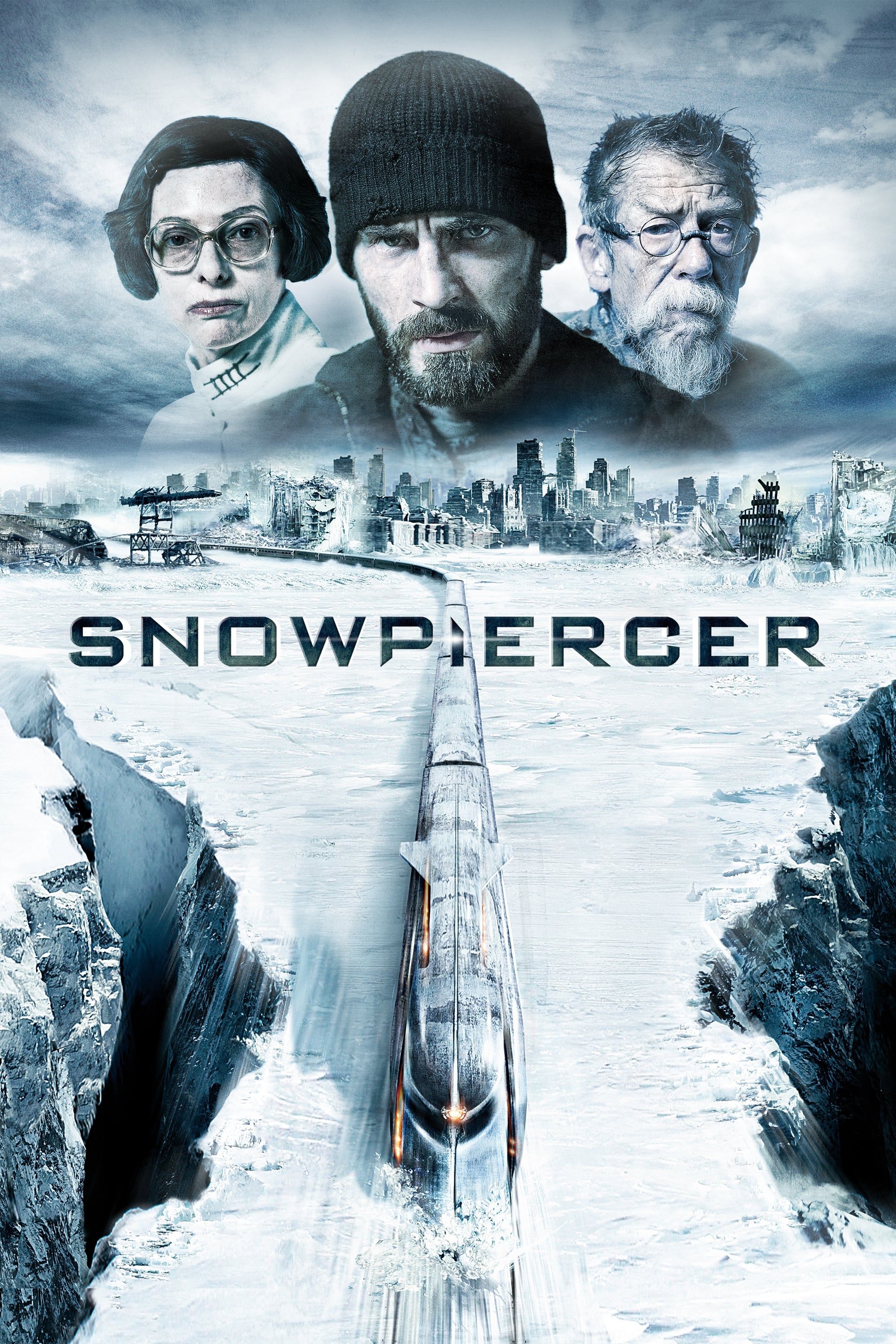
Humanity survives aboard a perpetually moving train after a climate-fix goes wrong and freezes the planet. Car-by-car world-building shows class segmentation through food sources, water recycling, and education. The engine becomes a political and thermodynamic symbol that controls heat, speed, and social order. Action beats move through industrial kitchens, greenhouses, and security hubs to reveal how the system maintains itself.
‘A Quiet Place Part II’ (2021)
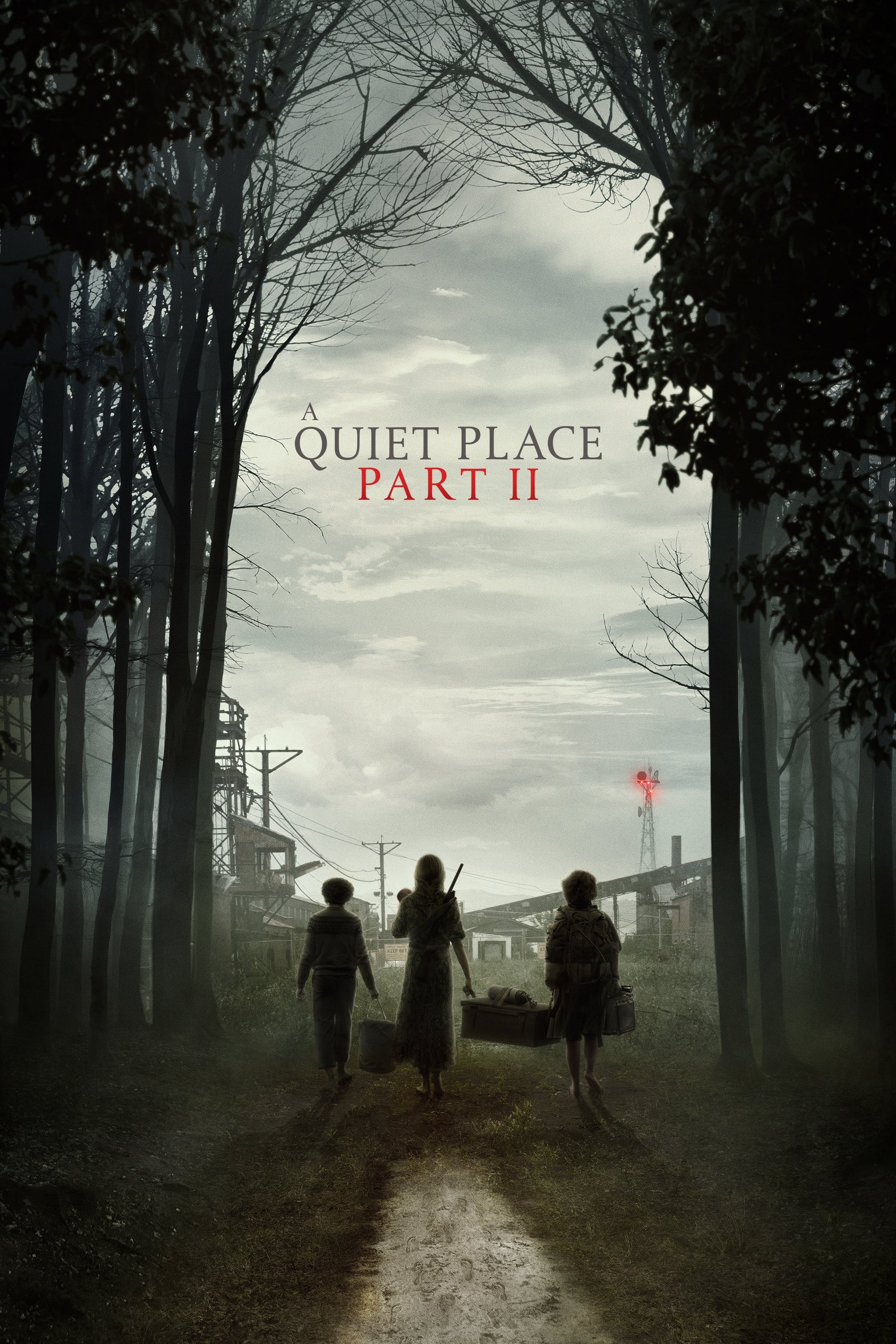
This sequel backtracks to day one of the invasion before following a split-route survival plan. It expands the sound-discipline rules from farm to town to island, adding radio transmission as a strategic tool. New locations introduce train yards, docks, and shelters that require revised movement patterns. The narrative shows how adding even a small population center changes supply searches and risk.
‘War for the Planet of the Apes’ (2017)
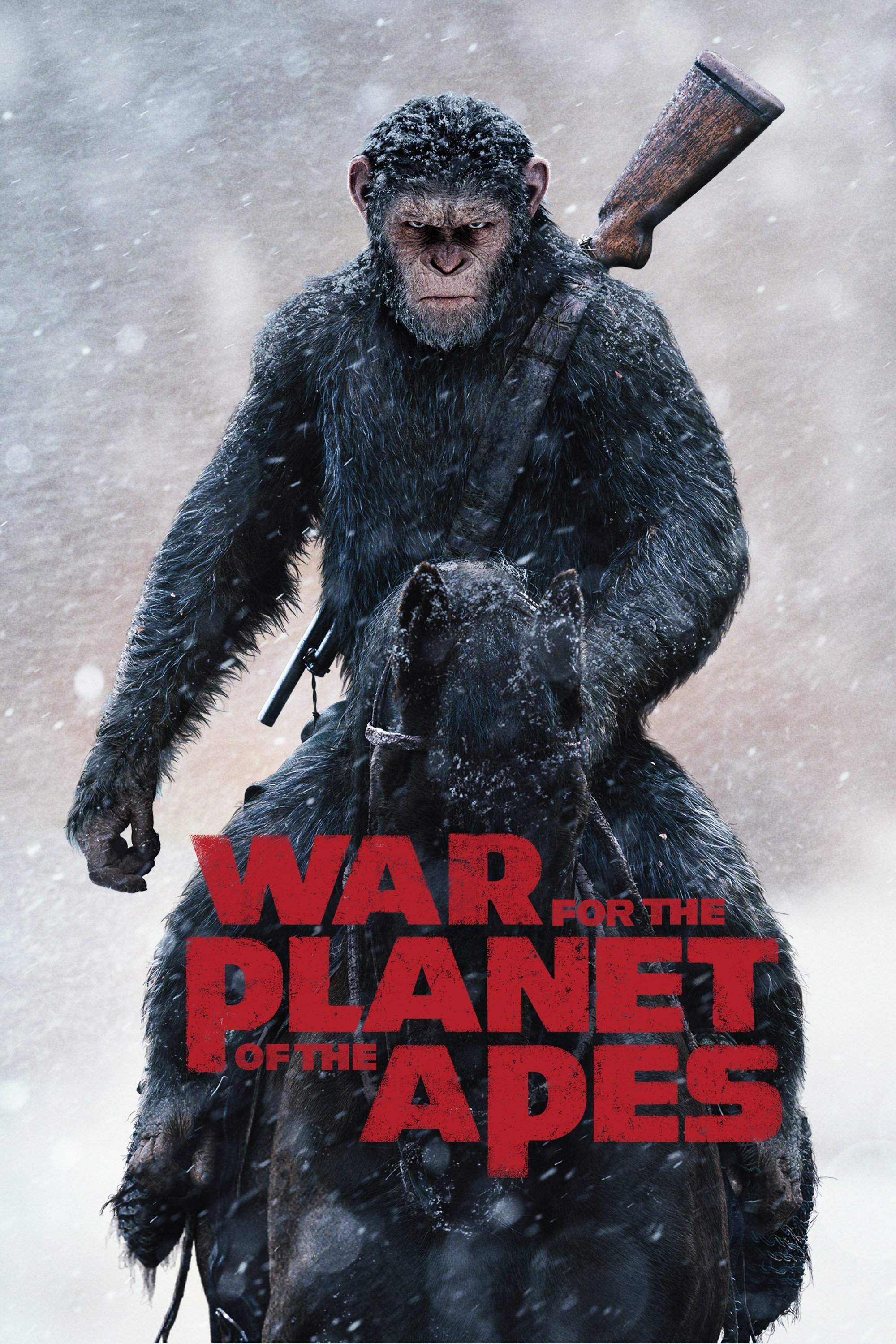
After societal breakdown, ape and human factions adopt different command styles, logistics, and fort construction. The film’s performance-capture work enables expressive leadership and negotiation scenes. It tracks prisoner labor, food stockpiles, and mutiny risks inside a fortified outpost. The story closes a trilogy arc by showing how migrations and border defenses shape new societies.
‘Zombieland’ (2009)
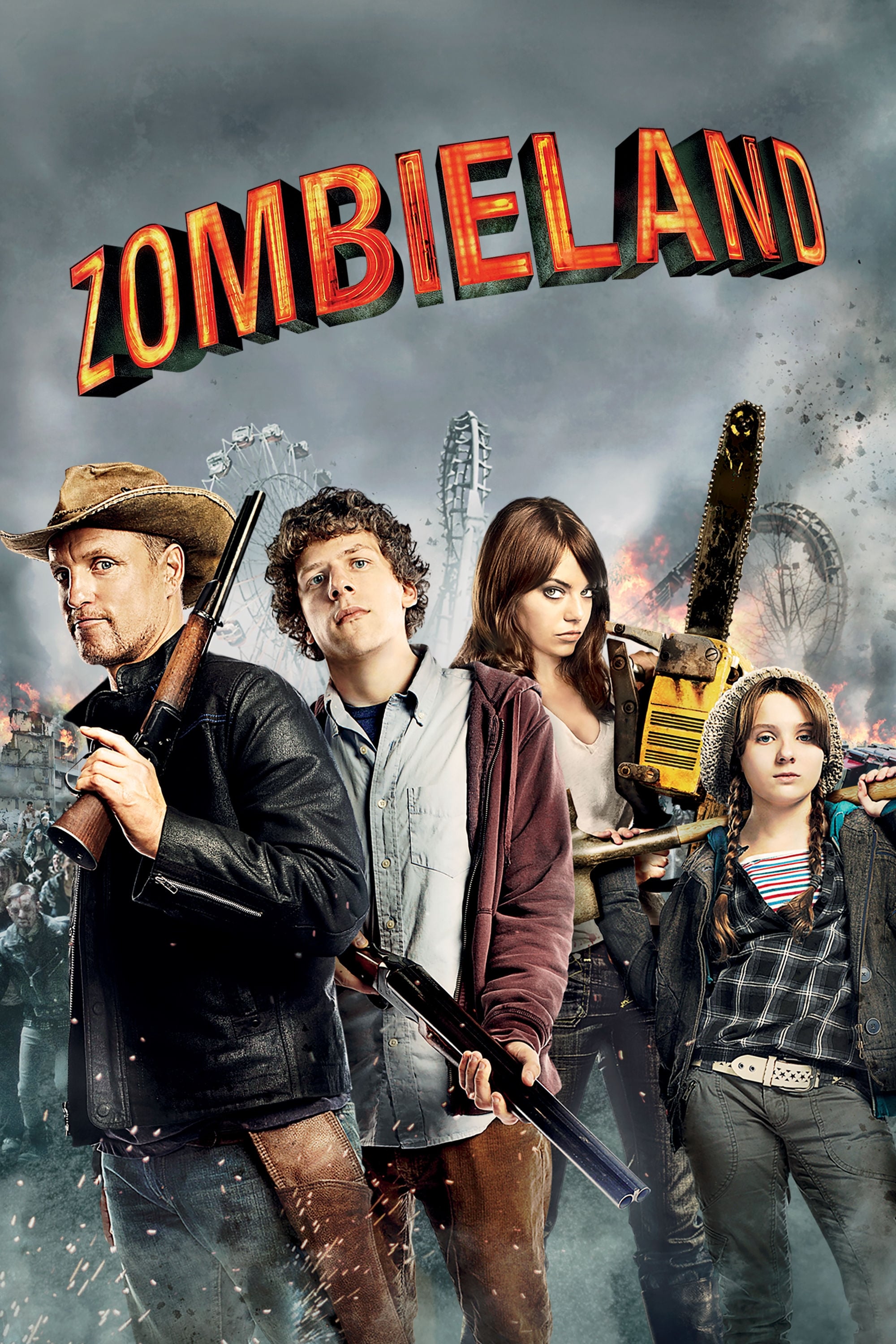
A rules-based survivor list guides convoy travel, hygiene, and encounter protocols in a depopulated United States. The group prioritizes fuel stops, amusement-park power draws, and supermarket scavenging. Flashbacks explain early-days chaos through airport and neighborhood vignettes. The movie treats nicknames, seat selection, and cardio as part of a shared operating manual for the road.
‘A Quiet Place’ (2018)

A family lives under strict noise-control procedures using sand paths, sign language, and modified home design. The farmhouse doubles as a workshop for sound research and defensive planning. Supply runs revolve around pharmacy routes, bridge crossings, and silo climbs. The plot explores feedback, frequencies, and equipment shielding as tools that alter predator advantage.
’28 Days Later’ (2002)

A courier wakes in an empty hospital to find a rage virus has cleared cities in weeks. Handheld digital photography and location work create abandoned London thoroughfares at dawn. The group tests rural refuge strategies, generator usage, and barricade effectiveness. Military safe-havens raise questions about command chains and long-term sustainability when central government is gone.
‘Mad Max 2’ (1981)

This ‘Mad Max’ sequel centers on a refinery community guarding gasoline against marauders in the Outback. The production’s stunt driving and practical crashes portray supply-line warfare over fuel. Settlement design includes spike barriers, lookout rotations, and convoy strategies. The final tanker run demonstrates decoy tactics and resource prioritization under pursuit.
‘Train to Busan’ (2016)
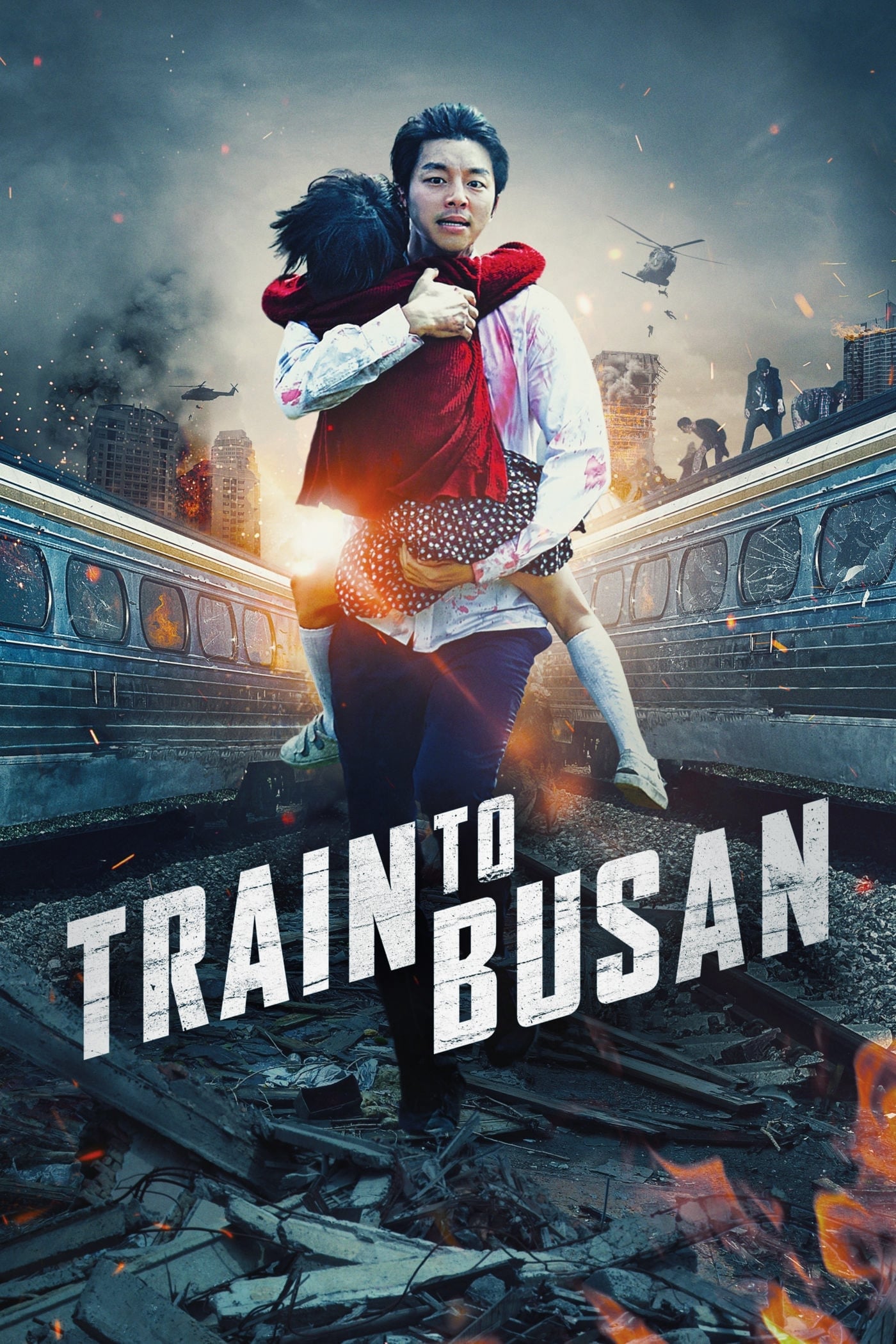
A father and daughter board a high-speed train as a fast-moving infection spreads across stations. Car segmentation and door control turn the rail layout into a series of tactical puzzles. The script explores triage choices, group leadership, and corridor clearing with improvised shields. Station stops, tunnel timing, and bathroom safe zones become crucial survival variables.
‘Dawn of the Dead’ (1978)
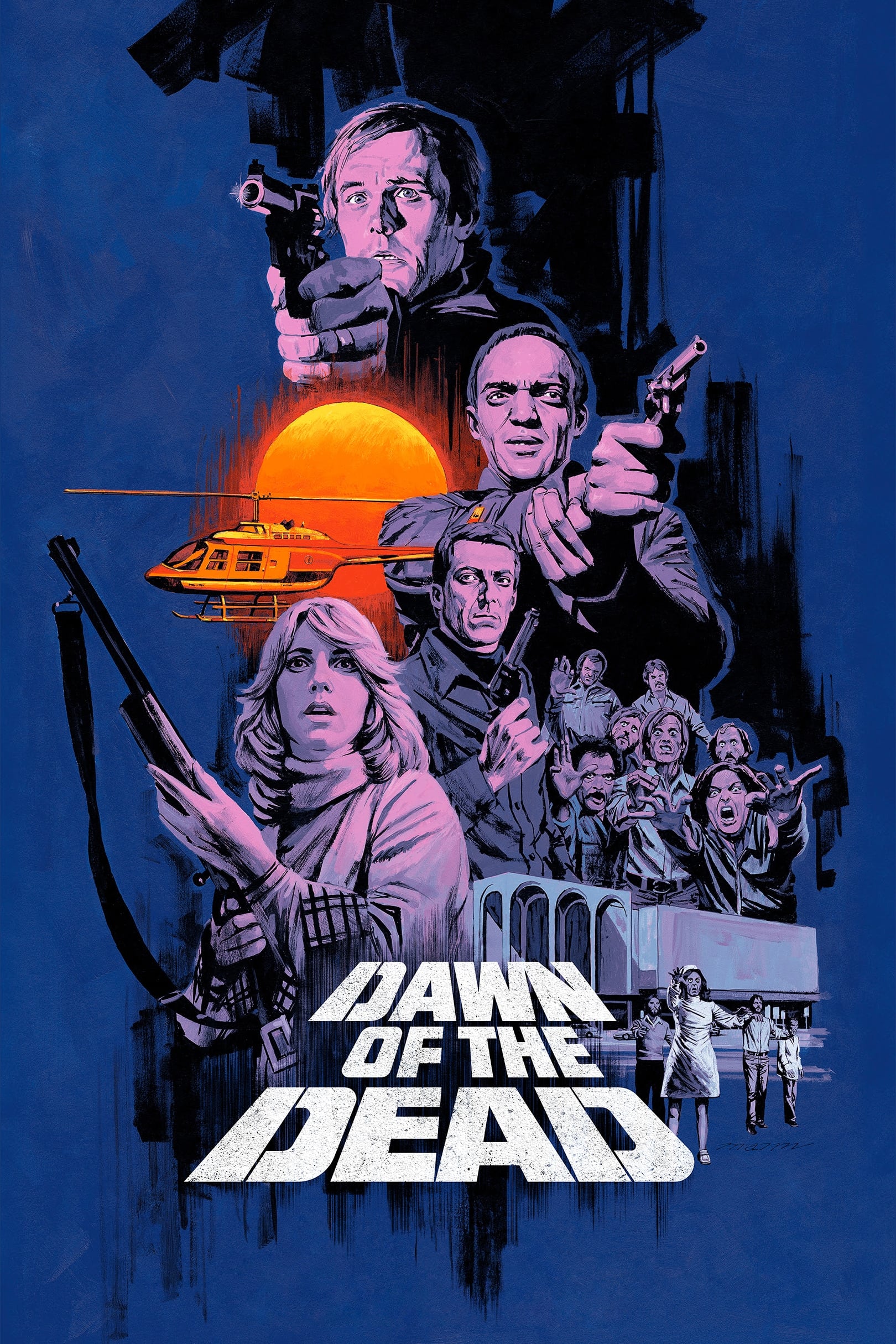
Survivors occupy a shopping mall and convert retail space into a defensible compound. The film catalogs barricading methods, generator management, and food inventory in a closed ecosystem. Raiding biker gangs test perimeter defense and escape planning. It shows how comfort goods and routine can coexist with constant threat outside the glass.
‘Children of Men’ (2006)
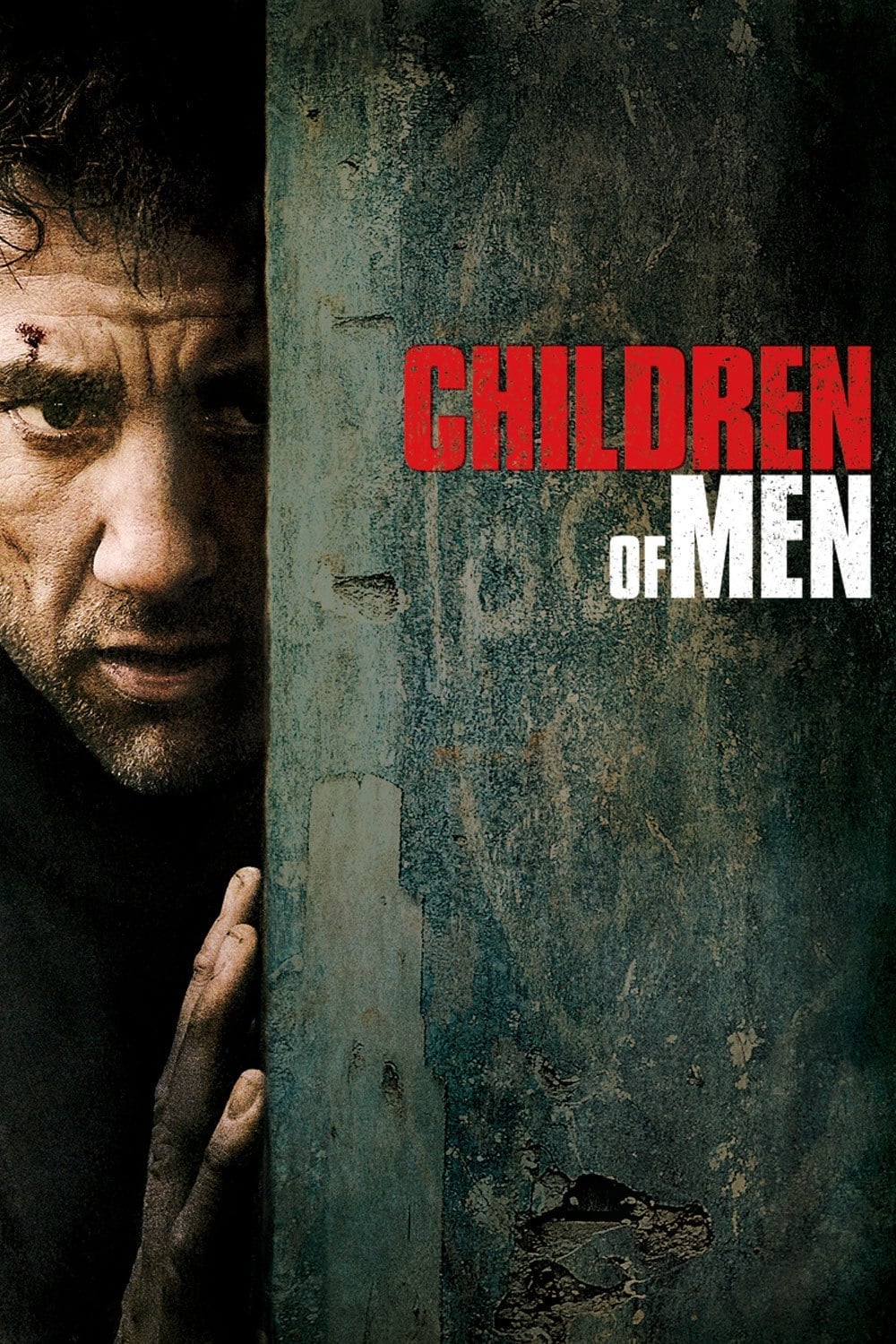
In a world without new births, governments harden borders and detention sites while black markets flourish. A small team escorts a pregnant refugee through roadblocks, urban combat zones, and safe houses. Long takes emphasize how checkpoints, armored vehicles, and crowd movements reshape city life. The story tracks forged papers, medical secrecy, and maritime extraction as tools for survival.
‘Mad Max: Fury Road’ (2015)
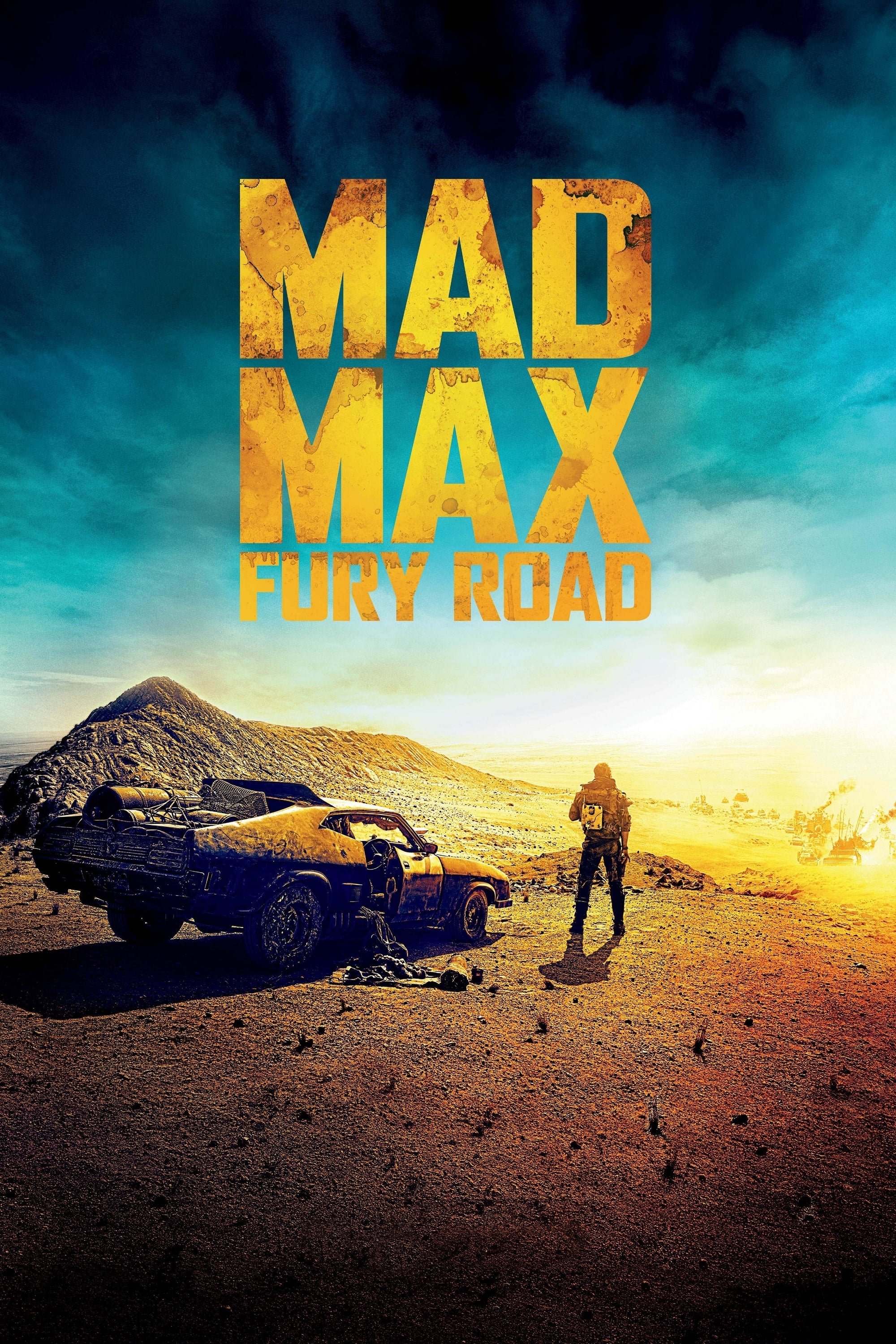
War bands fight over gasoline, water, and arable space using spiked cars and cargo rigs across the desert. Production built working vehicles and shot extensive chase sequences with harness rigs and cranes. The plot revolves around a supply-chain rebellion that redirects a war convoy. It maps out fuel depots, canyon chokepoints, and sandstorm hazards like a moving logistics plan.
‘WALL·E’ (2008)
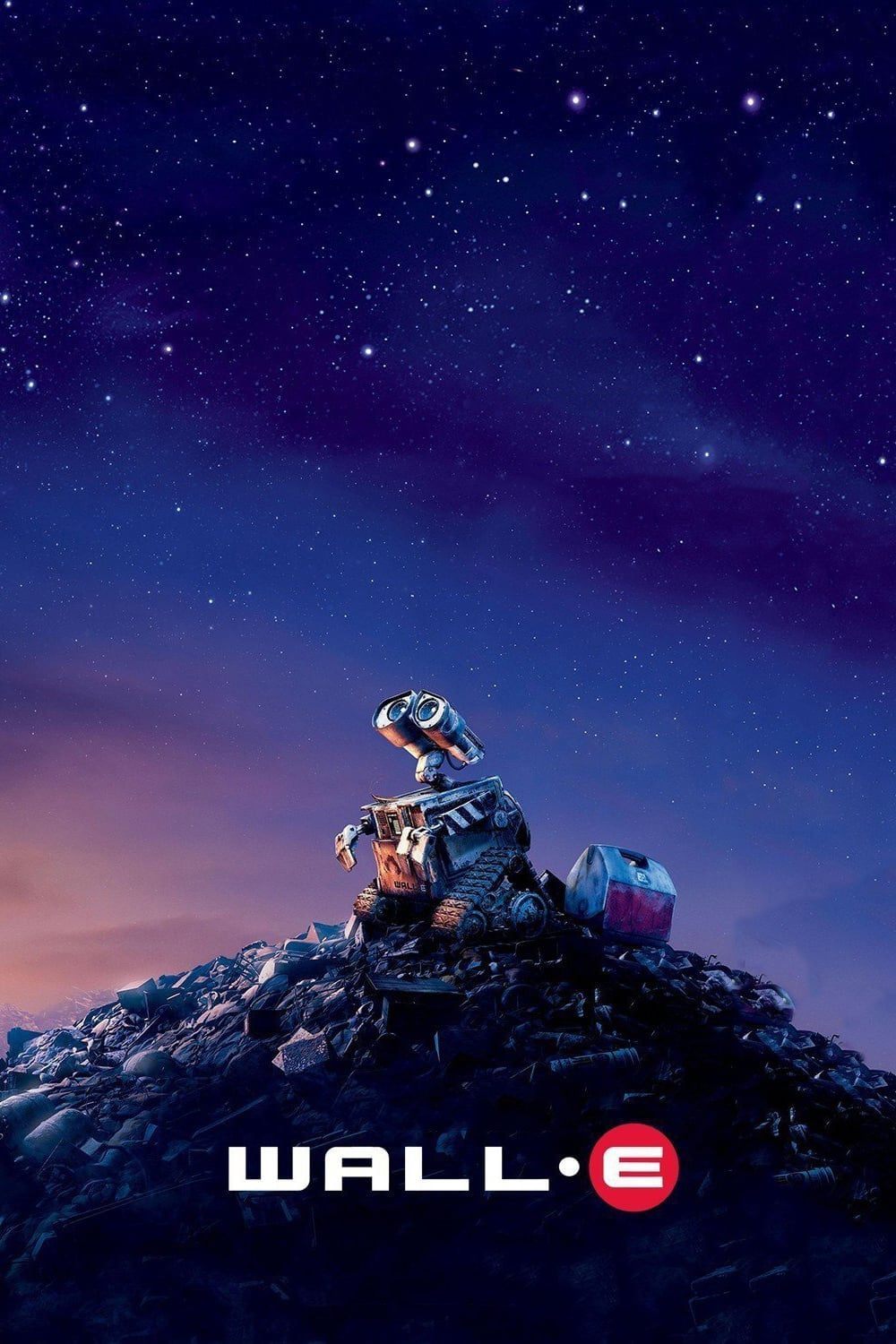
Centuries after waste overwhelms the planet, a lone robot compresses trash and collects artifacts while waiting for a directive. Orbiting humans live aboard an automated ship where mobility and agriculture are outsourced to machines. The narrative follows a plant specimen that triggers a return-to-Earth protocol. It demonstrates how even small biological signals can reboot large systems after long dormancy.
‘The Matrix’ (1999)

Humanity lives inside a simulated reality while machines harvest energy from bodies kept in vast fields. Hackers use hard-line phones, code exploits, and loadable skill programs to move between worlds. The crew of the ‘Nebuchadnezzar’ runs on rationed power, EMP defenses, and strict rules for unplugging. The story connects individual awakening to a broader resistance network built on hidden routes and limited ships.
Share your own must-watch end-of-the-world picks in the comments and tell us what we missed.